Lifestyle Habits for Maintaining a Healthy Spine
December 10, 2025
9 min
Why Spine Health Matters: An Overview
Importance of Spine Health
The spine supports our body and protects the spinal cord, essential for overall mobility and health. A healthy spine enables effective movement and daily activities with less pain and injury risk.
Impact of Lifestyle on Spinal Well-being
Lifestyle factors such as regular exercise, good posture, maintaining a healthy weight, and proper lifting techniques greatly influence spinal health. Avoiding smoking and eating a nutrient-rich diet help maintain strong bones and tissues supporting the spine.
Common Causes of Spine Problems
Spine issues often arise from muscle strains, poor posture, disc degeneration, or conditions like osteoarthritis. Sedentary habits and improper ergonomics also contribute to pain and dysfunction.
Role of a Holistic Approach
Holistic care integrates exercise, nutrition, stress management, ergonomic adjustments, and professional therapies like chiropractic care. This comprehensive strategy promotes long-term spinal wellness and prevents chronic conditions.
Exercise and Core Strengthening for a Resilient Spine

What types of beneficial exercises promote spine health?
Engaging in Regular exercise for spine health such as walking, swimming, and yoga supports spinal health profoundly. These exercises not only improve flexibility but also core-strengthening exercises that provide essential support to the spine. Additionally, practices like cycling and gentle stretching routines contribute to overall musculoskeletal wellness without imposing undue stress on the back.
Why are core muscles important for spinal support?
Core muscles act as the foundation of spine stability, much like support ropes on a tent. Maintaining core muscle strength —such as the abdominals, back extensors, and pelvic floor muscles—helps maintain proper spinal alignment and reduces strain on vertebrae and discs. A strong core reduces the risk of injury and chronic back pain by distributing physical loads more evenly across the body.
How does exercise impact flexibility and bone health?
Regular exercise enhances spinal flexibility, preventing stiffness and mobility limitations that often accompany aging or sedentary lifestyles. Activities like yoga and swimming promote gentle stretching and muscle elongation, which Physical activity for joint flexibility. Exercise also contributes to bone health by stimulating new bone growth and Preventing osteoporosis through exercise, a common concern in aging populations. Nutrient-rich diets combined with physical activity further reinforce bone density.
What are examples of exercises suitable for all ages?
Simple core-strengthening moves such as planks, glute bridges, pelvic tilts, and knee-to-chest stretches are accessible for individuals of all ages. Incorporating walking regularly supports cardiovascular health and muscle endurance. Gentle yoga poses like cat-cow and child’s pose encourage spinal mobility and relaxation. For those seeking variety, swimming provides a low-impact full-body workout that supports joint health without heavy strain.
By adopting these exercise habits, individuals in communities like Back Health in Torrance, California can foster resilient spines and maintain musculoskeletal wellness throughout life.
Nutrition and Its Role in Building Strong Bones and a Healthy Spine

What are the key nutrients for bone health?
Proper nutrition is essential for maintaining strong bones and a healthy spine. The main nutrients involved include calcium, magnesium, and vitamin D. Calcium is fundamental in building and maintaining bone density. Magnesium aids in bone formation and influences calcium metabolism. Vitamin D is crucial because it helps the body absorb calcium efficiently. For more details on key nutrients for bone strength and calcium and vitamin D for bone health, you can explore these resources.
What are the dietary sources of calcium, magnesium, and vitamin D?
Calcium can be found in dairy products like milk and cheese, dark green leafy vegetables such as kale and spinach, legumes, and certain fish including sardines. Magnesium is abundant in green leafy vegetables, nuts, seeds, fish, bananas, yogurt, and even dark chocolate. Vitamin D is naturally present in fatty fish like salmon and mackerel, egg yolks, liver, and some fortified foods; also, sensible sun exposure triggers the body's production of vitamin D. For more information on calcium-rich foods for bone health and vitamin D for calcium absorption, refer to these detailed guides.
How does diet play a role in osteoporosis prevention?
Consuming adequate amounts of calcium and vitamin D is vital in preventing osteoporosis, a condition characterized by weak and brittle bones. These nutrients support bone density and reduce the risk of fractures. Magnesium also plays a supportive role by aiding in bone formation. A balanced diet rich in these nutrients can slow bone loss and keep the spine structurally sound. Learn more about preventing osteoporosis through exercise and maintaining bone health.
Why is maintaining a healthy weight important for spine health?
A healthy weight minimizes unnecessary stress and strain on the back muscles and spine. Excess body weight can increase pressure on the spinal vertebrae and surrounding tissues, contributing to pain and degenerative issues. Good nutrition helps achieve and maintain healthy body weight, complementing physical activity to protect the musculoskeletal system. For insights on maintaining a healthy weight for spine health and regular exercise for spine health, review these resources.
Incorporating nutrient-rich foods and maintaining a balanced diet alongside regular exercise and healthy lifestyle habits supports long-term spine and bone health, especially for active communities like those in Torrance, California.
Posture, Ergonomics, and Proper Body Mechanics

What are the benefits of maintaining good posture?
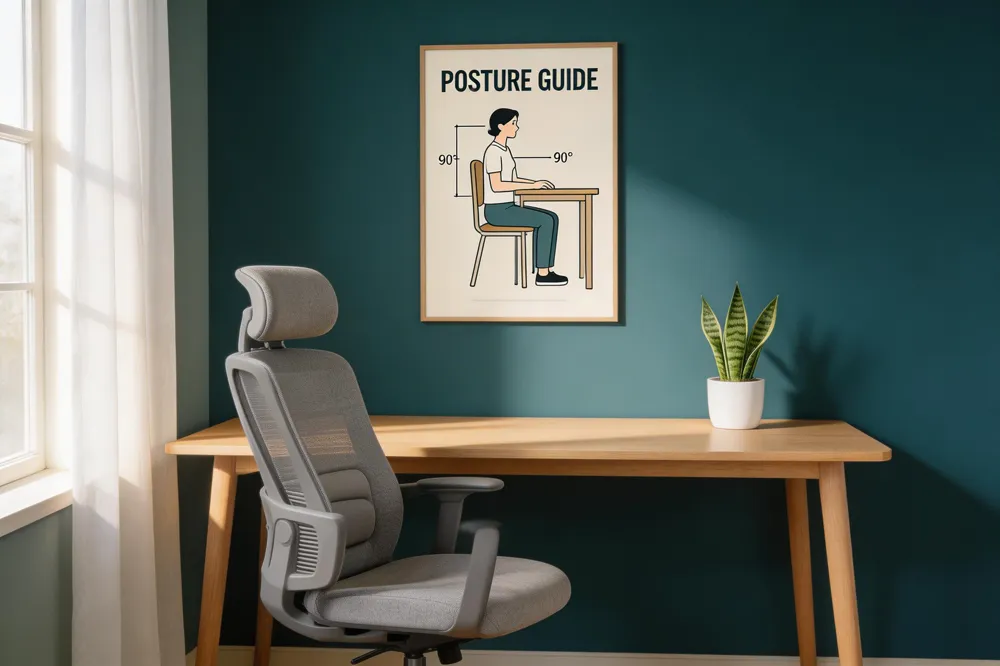
Maintaining good posture guidelines is essential for keeping your spine aligned, reducing muscle strain, and preventing chronic back pain. Proper posture involves keeping the head aligned over the pelvis and shoulders back, both when sitting and standing. This alignment minimizes stress on your vertebrae and surrounding muscles, helping preserve the natural curves of the spine. Good posture supports easier movement and protects against conditions like osteoarthritis and spinal stenosis, which can worsen with poor posture habits.
How does an ergonomic workstation setup support spine health?
An ergonomic workstation setup is designed to reduce strain on your spine during long hours of work. Key features include:
- Monitor positioned at eye level to avoid neck strain.
- Chair with proper lumbar support to maintain the lower back’s natural curve.
- Elbows bent at about 90 degrees to reduce shoulder and arm tension. Regular breaks for standing and stretching complement ergonomic setups to maintain spinal flexibility.
What are the proper lifting techniques to avoid back injuries?
Using proper lifting techniques is vital in preventing back strains and injuries:
- Bend at the knees rather than the waist to use leg muscles.
- Keep the object close to the body to reduce leverage on the spine.
- Avoid twisting your torso while lifting; instead, turn your whole body if needed.
- Engage your core muscles to stabilize the spine during the lift. Practicing these methods can significantly reduce the risk of acute back pain and long-term damage.
Why are supportive footwear and proper sleep posture important for spinal health?
Supportive footwear with good arch support distributes weight evenly and maintains proper alignment from the feet up to the spine. This reduces undue stress on the back during walking or standing.
For sleep, maintaining proper sleep posture is equally crucial. Recommended sleep postures include:
- Sleeping on the back with a pillow under the knees to reduce lumbar stress.
- Sleeping on the side with a pillow between the knees to keep hips aligned. Proper mattress support and pillows further help prevent back pain and aid tissue repair during rest.
By combining good posture, ergonomic environments, safe lifting habits, supportive footwear, and optimal sleep positions, you create a comprehensive foundation for lasting spine and back health.
Holistic Practices and Lifestyle Choices to Support Spinal Well-being

How can stress management techniques support spinal health?
Stress management plays a vital role in maintaining a healthy spine. Techniques such as meditation, mindfulness, and deep breathing help to reduce muscle tension and inflammation around the back and neck. Engaging in hobbies and outdoor activities like hiking also contributes to lowering stress levels, which can otherwise exacerbate back pain. Together, these approaches foster relaxation and contribute to overall spinal well-being. For more on holistic approaches to orthopedic health and stress management techniques.
Why is quitting smoking important for back health?
Smoking negatively affects spinal health by restricting blood flow and oxygen supply to the spine. This can accelerate disc degeneration and increase the likelihood of requiring spinal surgery. Quitting smoking improves circulation, supports tissue repair, and lowers the risk of chronic spine conditions. Therefore, eliminating tobacco products is essential for protecting the musculoskeletal system and maintaining a pain-free back. See details on quitting smoking benefits spine and effects of smoking on spinal health.
What role do regular health checks and professional care play in spinal wellness?
Regular consultations with healthcare providers, including chiropractors and physical therapists, enable early detection and management of spine issues. Professional care ensures that posture, alignment, and musculoskeletal health are continuously monitored, preventing minor problems from developing into chronic conditions. In places like Torrance, California, local specialists offer holistic and integrated treatment plans combining chiropractic care, physical therapy, and nutrition guidance to support long-term back health. Learn more about consulting spine specialists in Torrance, physical therapy for back issues, and back health in Torrance, California.
How does sleep hygiene impact spinal health?
Good sleep hygiene is critical for spinal alignment and tissue recovery. Sleeping in positions such as on the back with a pillow under the knees or on the side with a pillow between the knees helps maintain the natural curvature of the spine. Using supportive mattresses and pillows further preserves spinal health by reducing strain. Consistent sleep routines and environments that promote restful sleep aid in reducing inflammation and back discomfort, particularly important for aging adults. More on proper sleep posture and supportive mattress and pillow.
These holistic lifestyle practices—stress management, quitting smoking, regular health monitoring, and proper sleep—work in concert to support spinal integrity and overall musculoskeletal wellness. Adopting these habits fosters a natural approach to back care, empowering individuals to maintain mobility and reduce pain throughout life.
Recognizing When to Seek Professional Help and Maintaining Long-Term Spine Health

What Are Warning Signs That Indicate You Should Seek Professional Help for Your Back?
Back pain is common, but certain symptoms suggest a need for prompt medical evaluation for back pain. Warning signs include persistent pain lasting more than two weeks, numbness, weakness, or loss of bowel or bladder control. Such symptoms could signal underlying spine issues like nerve compression or disc problems requiring specialized care.
How Can Local Chiropractic and Musculoskeletal Care Support Spine Health in Torrance?
Residents of Torrance, California, have access to chiropractic and orthopedic specialists who offer comprehensive musculoskeletal services. These professionals use holistic approaches to orthopedic health including targeted exercises, manual therapy, and ergonomic assessments, to diagnose and treat spine conditions early, preventing progression and enhancing recovery.
What Are the Benefits of Early Intervention for Back and Spine Problems?
Early diagnosis allows for personalized treatment plans that can reduce pain, restore function, and avoid chronic conditions. Engaging with consulting healthcare for back pain can minimize the need for invasive procedures and supports faster return to daily activities.
How Does Maintaining Long-Term Spine Health Benefit Overall Well-Being?
Sustaining good spine health through regular exercise for spine health, proper posture, nutrition, and stress management supports mobility and quality of life. This holistic approaches to orthopedic health prevents injuries and chronic pain, enabling individuals to remain active and engaged in their communities for years to come.
Sustaining Spine Health Through Lifelong Habits
Simple Habits to Support Spine Health
Maintaining spine health requires adopting habits like regular core-strengthening exercises, practicing good posture, using ergonomic workstations, and eating a diet rich in calcium and vitamin D. Avoiding smoking and maintaining a healthy weight also play crucial roles.
Holistic and Consistent Care
Approaching spine health holistically means combining physical activity, proper nutrition, stress management, and adequate sleep. Consistency in these habits ensures long-term musculoskeletal wellness and reduces the risk of chronic back issues.
Local Community Support in Torrance
Residents of Torrance, California can access specialized care through local spine specialists and chiropractic services such as Back in Action Bodyworks. These resources provide assessment, treatment, and guidance tailored to individual needs.
Proactive Management Is Vital
Early intervention for persistent back pain and regular health evaluations are essential to prevent worsening conditions. A proactive approach fosters better outcomes and preserves quality of life.
Recent articles

10 Real‑Patient Success Stories Showcasing the Impact of Chiropractic Care

Superfoods That Boost Nerve Healing After Chiropractic Sessions

Sleep Positions That Promote a Healthy Back Alignment
Signs Your Chiropractor Is a Good Fit for Your Back Pain Goals

Case Study: Integrated Physiotherapy and Chiropractic for Faster Recovery
First-Time Chiropractic Visit: A Step‑by‑Step Walkthrough
Synergistic Benefits: Combining Physiotherapy with Chiropractic Care

Beyond Surgery: Holistic Approaches to Managing Back Pain

How Manual Therapy Enhances the Effects of Chiropractic Adjustments

Hydration Hacks: Why Water Matters for Joint and Spine Function

What Does a Comprehensive Spinal Evaluation Include?

Success Spotlight: Transformative Results After Six Weeks of Chiropractic Treatment

Understanding the Initial Assessment Process in Chiropractic Care

Designing a Personalized Corrective Exercise Plan for Chronic Pain Management

Natural Pain Management: Combining Acupuncture, Yoga, and Chiropractic
Chiropractic Care vs. Pain Meds: Long-Term Outcomes for Back Pain Sufferers

What to Expect During a Sciatica‑Focused Decompression Session

Understanding the Pain-Relief Mechanics Behind Chiropractic Adjustments

Success Rates of Non‑Surgical Spinal Decompression for Sciatica

Patient-Centered Chiropractic Care: Personalized Plans for Back Pain Relief
How Chiropractic Treatments Reduce Inflammation and Speed Up Back Pain Recovery

Real‑Life Stories: How Chiropractic Helped Patients Overcome Chronic Back Pain

From Symptom Masking to Root‑Cause Healing: A Practical Guide

6 Holistic Non‑Surgical Treatments That Deliver Sustainable Back‑Pain Relief

Key Questions to Ask When Selecting Your Chiropractor

Mindful Movement: Incorporating Stretch Breaks Into a Busy Day

Why Targeting the Underlying Cause Beats Temporary Symptom Relief

8 Ways Physiotherapy Complements Chiropractic Adjustments for Faster Recovery
Meal Planning for Athletes Recovering from Back Injuries

9 Everyday Lifestyle Tweaks to Preserve a Healthy Spine and Prevent Pain

Functional Movement Screening for Root‑Cause Pain Identification

6 Things You’ll Experience During Your First Chiropractic Appointment

Spinal Decompression vs. Standard Physical Therapy for Sciatica: A Comparative Review

New Findings on How Adjustments Influence Blood Circulation
Work‑From‑Home Ergonomics: A Blueprint for a Pain‑Free Back

The Link Between Chiropractic Care and Improved Sleep Quality

Physiotherapy Techniques That Strengthen the Benefits of Chiropractic Adjustments

Biomechanical Insights Behind Successful Spinal Decompression

Desk‑to‑Dumbbell: Lifestyle Shifts That Guard Your Lower Back

10 Corrective Exercises for Sustainable Pain-Free Living

Morning Routines That Support Spine Health and Reduce Stiffness

Calcium and Magnesium‑Focused Nutrition for Bone Density and Spine Health

9 Ways Chiropractic Care Transforms Back Pain Management

Testimonial: Nutrition‑Guided Recovery Accelerated by Chiropractic
Science‑Backed Spinal Decompression for Relieving Sciatica Symptoms

Key Questions to Ask During Your Initial Chiropractic Consultation
Whole‑Body Wellness Blueprint: Nutrition, Exercise, and Chiropractic Synergy

A 12‑Week Corrective Exercise Blueprint for Chronic Neck Discomfort

Manual Therapy Plus Targeted Exercise: Accelerating Post‑Injury Recovery
Home‑Based Spinal Decompression Devices: What Patients Should Know

Chiropractic Care Statistics: Reducing Lost Workdays From Back Pain

How Targeted Nutrition Enhances Immune Function and Lowers Inflammatory Pain

Self‑Assessment Tools to Identify Hidden Triggers of Back Pain
Preparing for Your First Chiropractic Appointment: A Practical Checklist

Back Pain Relief Benefits: Lower Opioid Use and Better Quality of Life

Foam‑Rolling Techniques to Complement Chiropractic Adjustments

Progressive Overload Principles in Corrective Exercise Programs

Six‑Month Transformation: Integrated Care Success Story

7 Nutritional Hacks to Boost Your Overall Wellness

How to Choose a Chiropractor: Credentials, Techniques, and Patient Compatibility

5 Ways Spinal Decompression Can Ease Sciatica Pain

Overcoming Sciatica: A Patient’s Multidisciplinary Treatment Journey
Lifestyle Changes That Promote a Healthy Spine
Physiotherapy as a Complement to Chiropractic Treatments
6 Ways Physiotherapy Enhances Chiropractic Treatment Outcomes

Daily Living Tips for a Strong and Healthy Spine

How Physiotherapy Enhances Chiropractic Outcomes
Holistic Treatments: Alternatives to Surgery for Pain Relief
Inspiring Patient Success Stories from Chiropractic Clinics

Integrating Physiotherapy with Chiropractic Treatments
Corrective Exercise Routines for Chronic Pain Prevention
10 Corrective Exercises to Maintain a Healthy Spine and Relieve Pain
Exercise Strategies for Long-Term Pain Management
10 Corrective Exercises to Maintain a Healthy Spine and Relieve Pain
The Importance of Treating the Root Cause of Pain
Nutritional Support Strategies for Whole-Body Wellness
7 Essential Questions to Ask When Choosing Your Chiropractor
Identifying and Addressing Root Causes of Pain
Maintaining a Healthy Spine with Lifestyle Adjustments
Sciatica Symptom Relief via Spinal Decompression
8 Reasons Why Addressing the Root Cause of Pain Is Crucial
Chiropractic Care’s Impact on Back Pain Recovery

Combining Physiotherapy with Chiropractic Care for Better Results
Inspiring Recovery: Chiropractic Patient Testimonials
Nutritional Counseling Tips for Optimal Wellness

Why Addressing the Root Cause of Pain is Crucial
Back Pain and Chiropractic Care: A Winning Combination

Chiropractic Care Benefits You Might Not Know
Exploring Holistic and Non-Surgical Treatments for Pain
Spinal Health: Lifestyle Tips for Everyday Wellness
Spinal Decompression Therapy: Benefits and Applications
Holistic and Non-Invasive Spine Care Options
Everyday Lifestyle Advice to Keep Your Spine Healthy
The Significance of Treating Root Causes in Pain Therapy
Best Corrective Exercises for Sustainable Pain Management
Addressing Underlying Causes of Pain for Long-Term Relief
6 Key Benefits of Spinal Decompression Therapy for Sciatica Relief

How Nutritional Counseling Supports Spine Health and Recovery

The Role of Physiotherapy in Supporting Chiropractic Treatments