6 Key Benefits of Spinal Decompression Therapy for Sciatica Relief
January 28, 2026
11 min
Understanding Spinal Decompression Therapy for Sciatica
What Is Spinal Decompression Therapy?
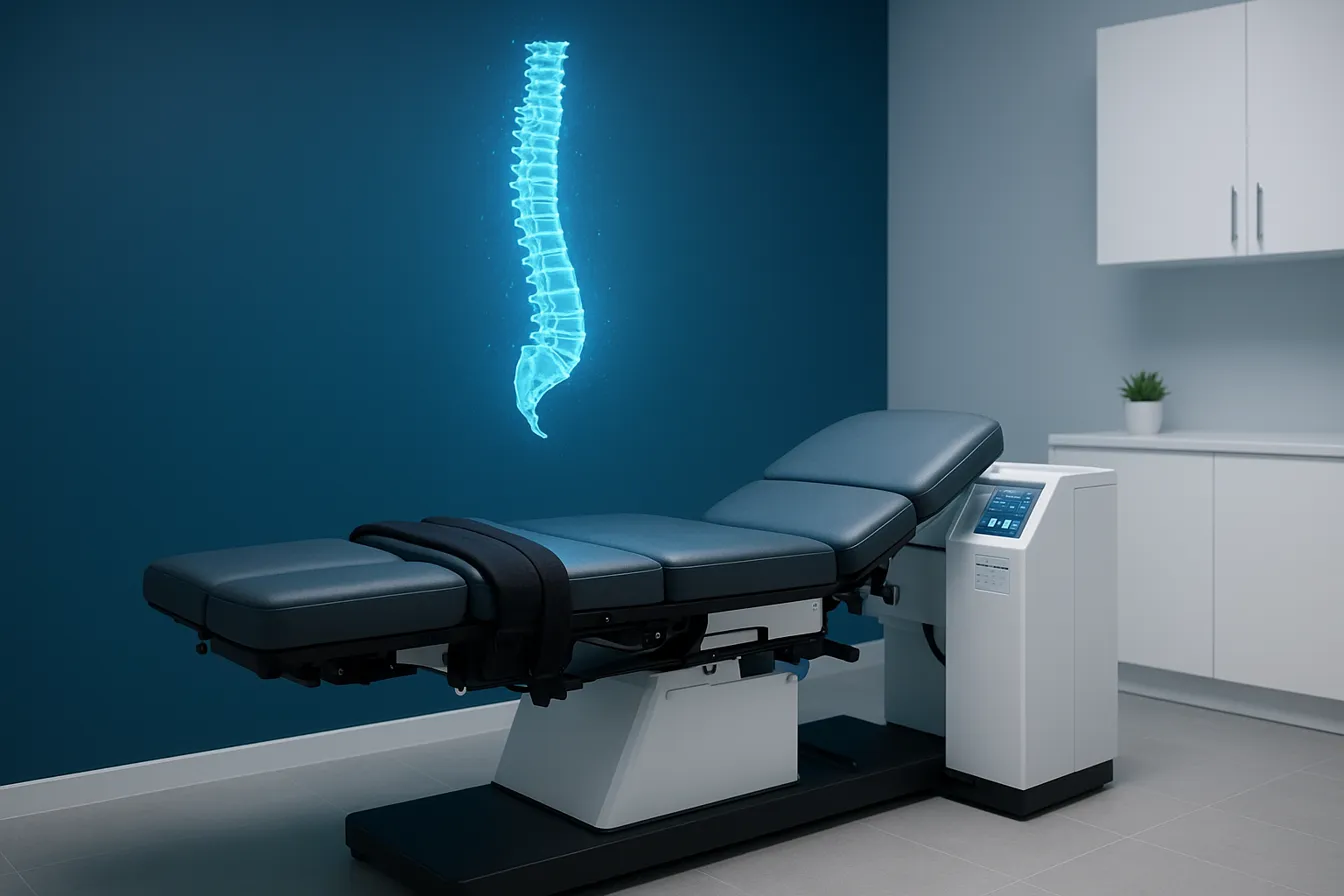
Spinal decompression therapy is a specialized, non-surgical treatment designed to gently stretch the spine. This stretching reduces pressure on spinal discs and surrounding nerves.
How It Works to Relieve Sciatica
Sciatica often results from herniated discs or spinal stenosis pressing on the sciatic nerve. By creating a slight vacuum effect within spinal discs, decompression encourages bulging or herniated discs to retract. This relieves nerve compression, reduces inflammation, and promotes natural healing through increased circulation of oxygen and nutrients.
Non-Invasive, Patient-Friendly Approach
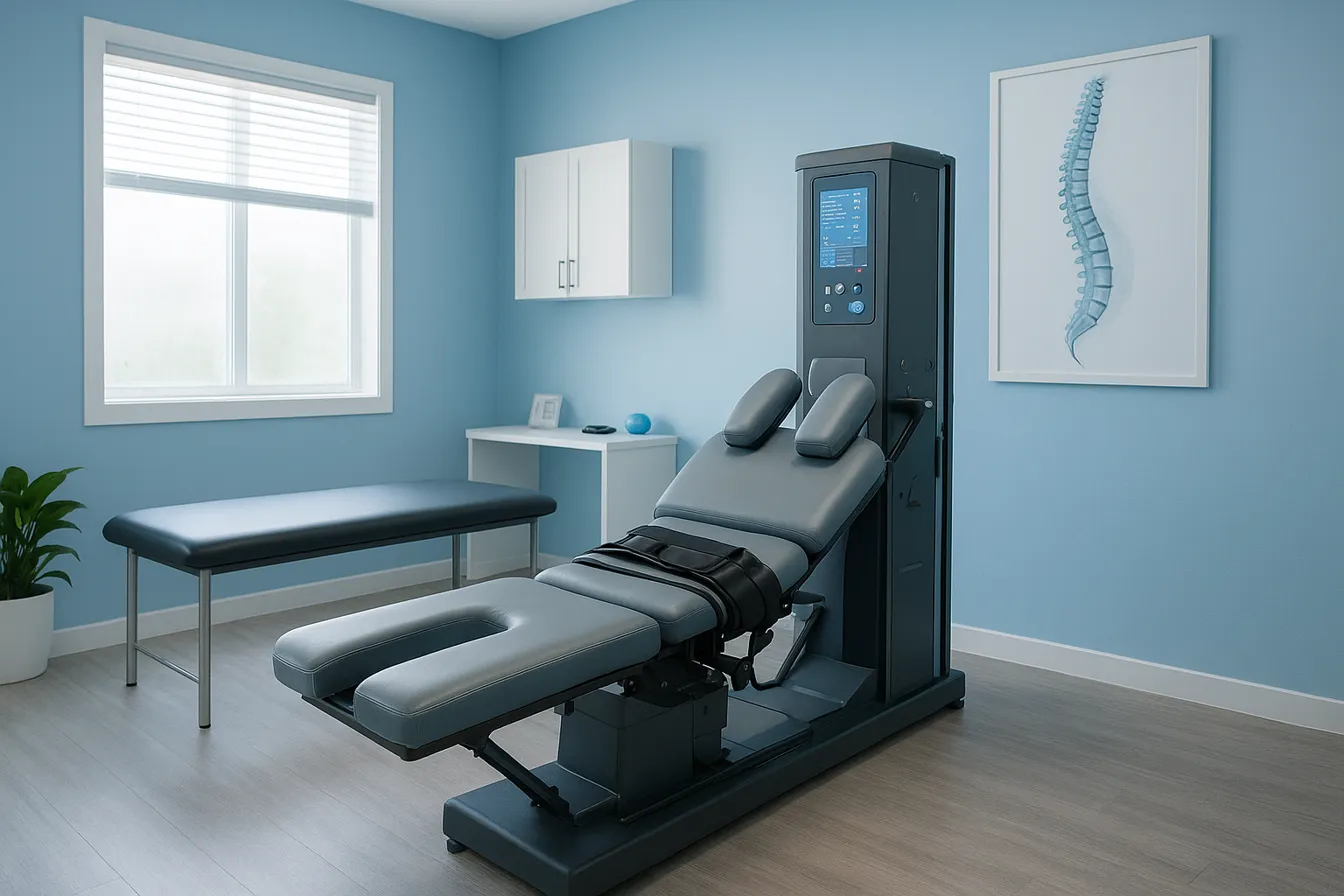
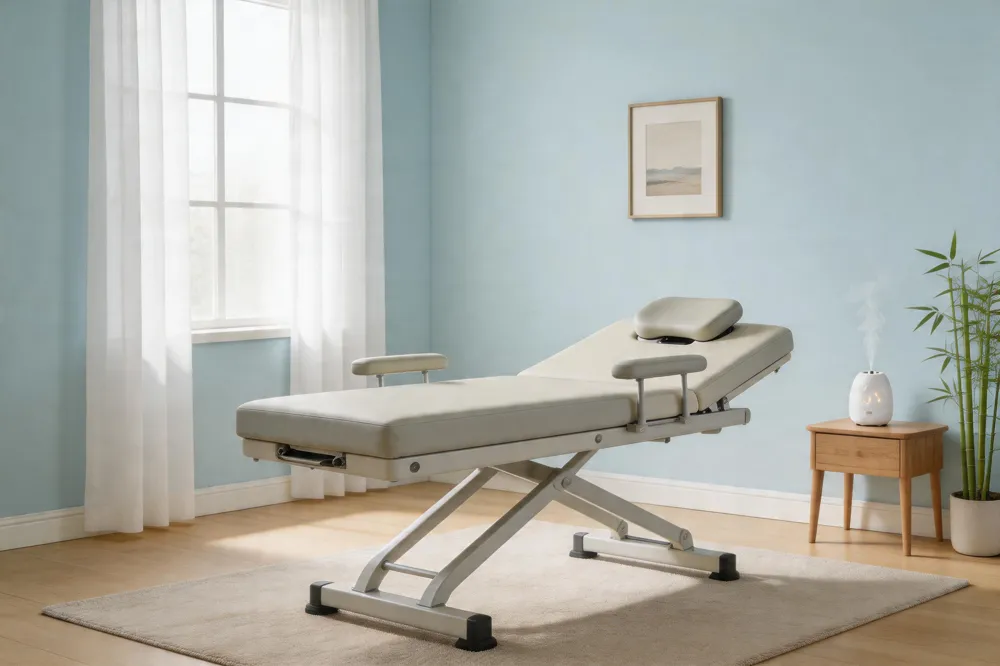
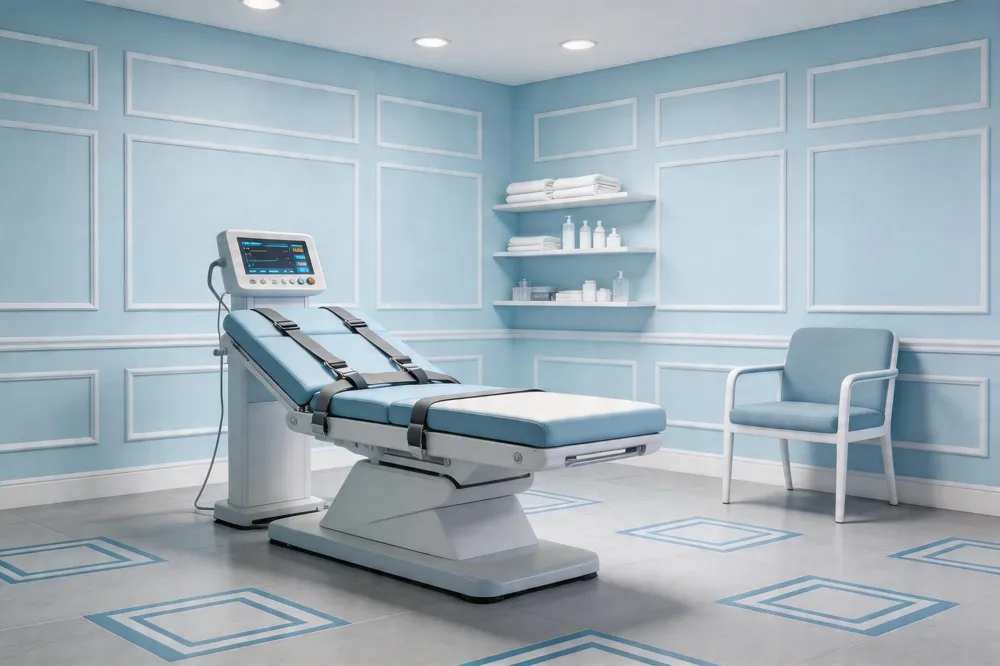
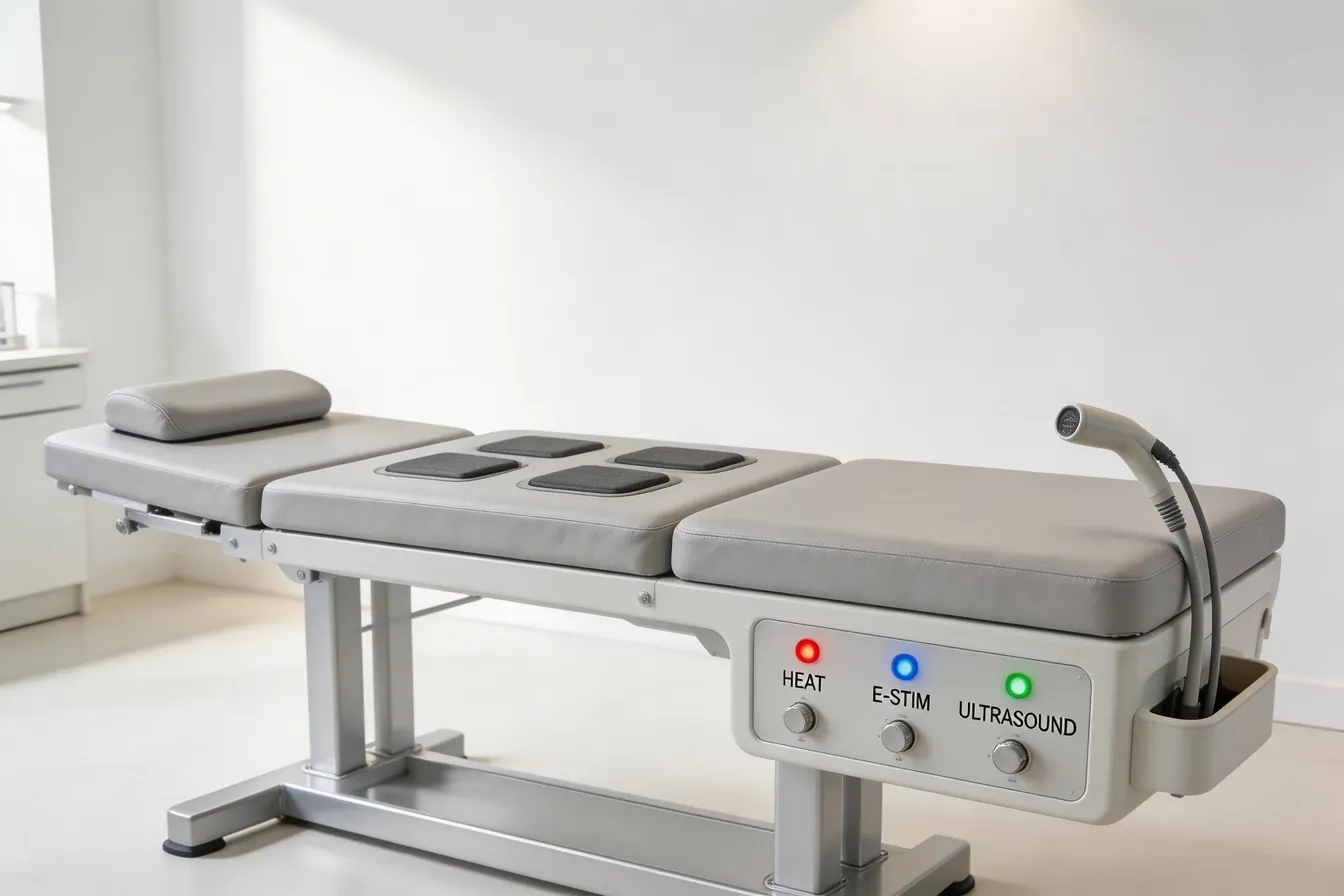
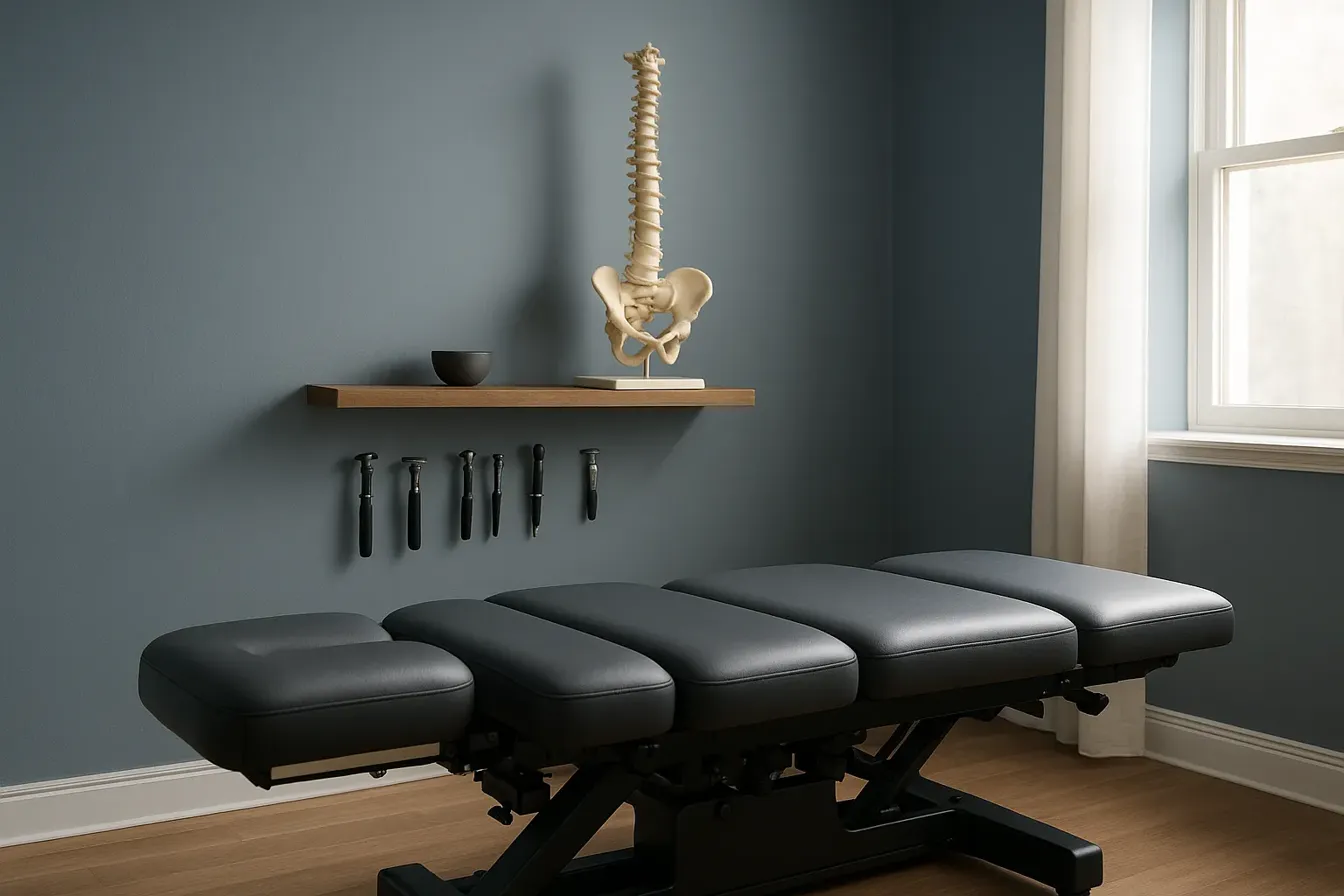
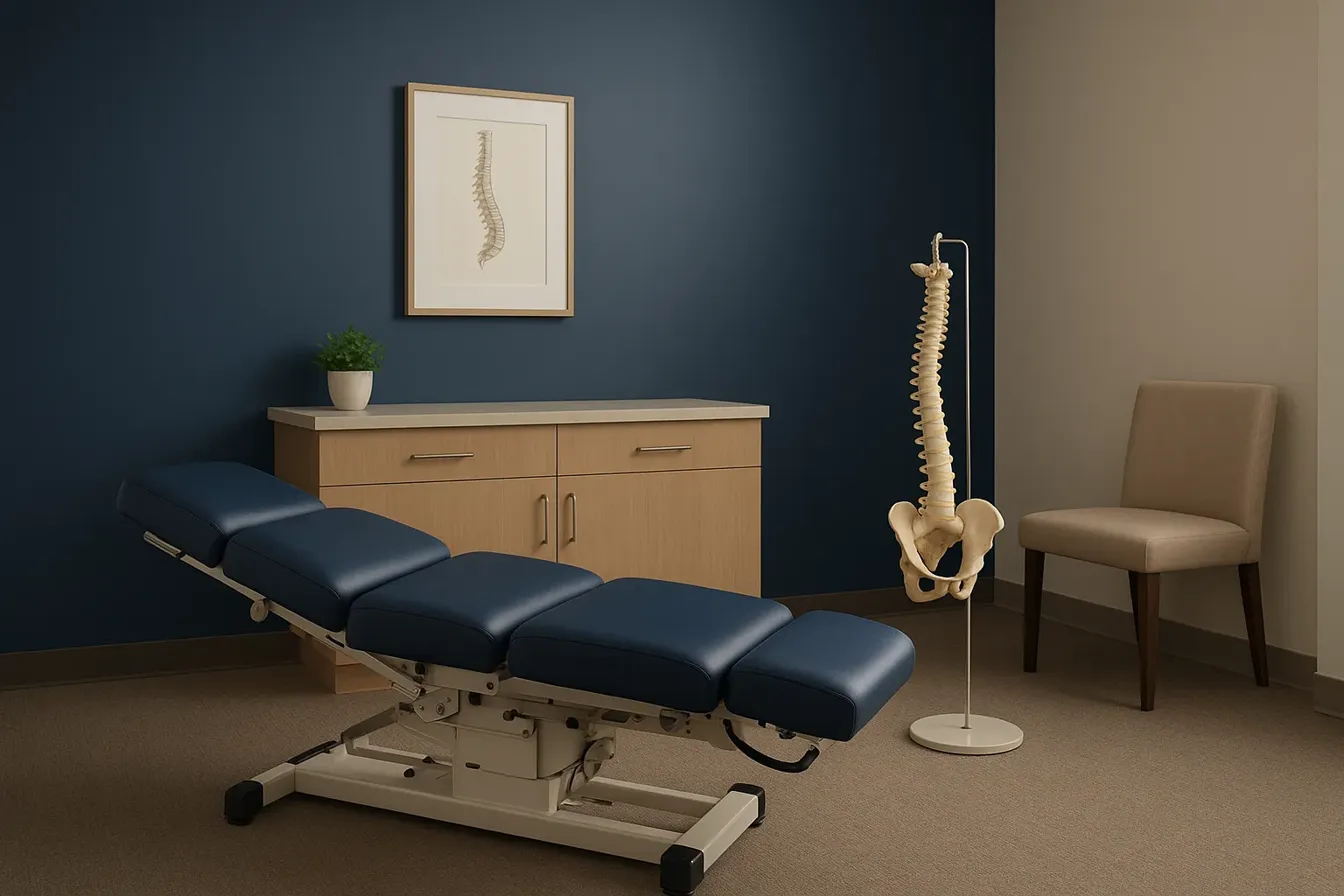
Unlike surgery, spinal decompression therapy is a safe and gentle method that typically requires no downtime. Patients lie comfortably on a mechanical table while the spine is gradually stretched. Sessions usually last 30 to 45 minutes and are often combined with holistic chiropractic care to enhance overall spinal health and long-term pain relief.
Key Facts About Spinal Decompression Therapy for Sciatica
- Spinal decompression therapy gently stretches the spine creating negative pressure to retract herniated discs and relieve nerve pressure.
- The therapy alleviates symptoms such as radiating pain, numbness, tingling, and muscle weakness, often within 4-6 weeks.
- It targets root causes like herniated discs, spinal stenosis, and bone spurs by promoting disc realignment and increased circulation.
- Decompression enhances blood flow and nutrient delivery to damaged discs, supporting natural healing and reducing inflammation.
- It is a non-invasive, safe alternative to surgery and medication, with minimal downtime and low risks.
- Sessions typically last 30-45 minutes, scheduled over several weeks, with many patients noticing rapid symptom relief.
- Decompression therapy improves mobility and flexibility by reducing nerve compression and restoring nerve signaling.
- Treatment is customizable with session adjustments based on individual needs, combining with other therapies for comprehensive care.
- Spinal decompression supports tissue repair, reduces inflammation, and promotes long-term spinal health.
- Overall, it serves as an effective, drug-free treatment option, often leading to lasting relief from sciatic nerve pain.
1. Pain Relief Through Reduced Nerve Pressure
How does spinal decompression therapy reduce pressure on the sciatic nerve?
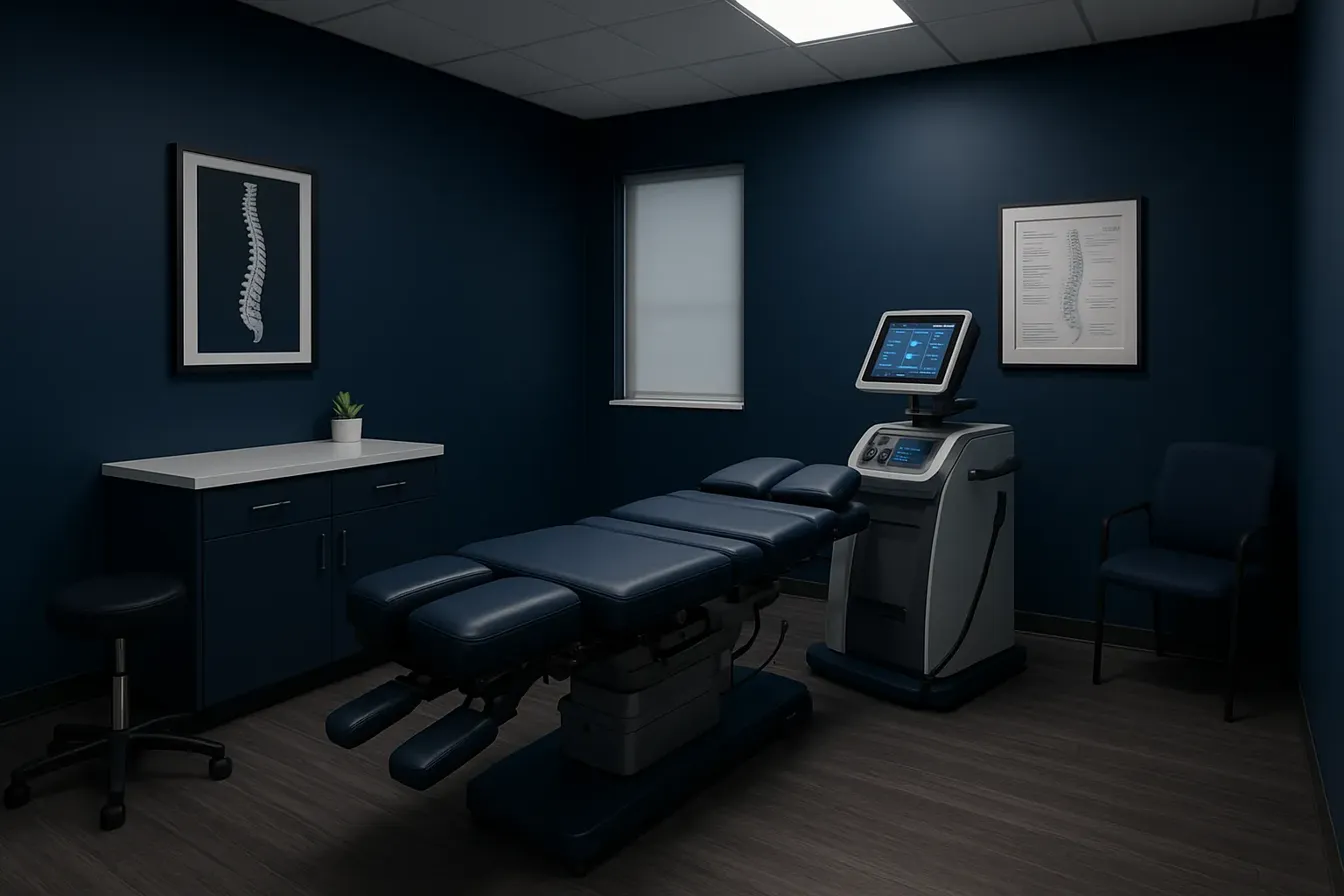
Spinal decompression therapy gently stretches the spine using a computerized traction table. This process creates a negative pressure inside the spinal discs, encouraging herniated or bulging disc material to retract back into place. By increasing the space between vertebrae, the therapy relieves the pressure exerted on the sciatic nerve.
What effect does decompression have on sciatica symptoms?
Reducing nerve pressure alleviates common symptoms such as radiating pain, tingling, numbness, and muscle weakness along the leg. Many patients report noticeable relief and improved mobility after completing a series of sessions, often within 4 to 6 weeks. Treatment sessions typically last 30 to 45 minutes and are designed to be comfortable and relaxing.
How is decompression therapy related to conditions causing sciatica?
Conditions like herniated discs, spinal stenosis, and bone spurs compress the sciatic nerve, causing pain and neurological symptoms. Spinal decompression targets these root causes by promoting disc realignment and enhancing circulation of oxygen and nutrients. This supports natural tissue healing and reduces inflammation, offering a non-surgical back pain solution to manage sciatica effectively.
Can spinal decompression help with sciatica?
Yes, spinal decompression therapy is a safe and effective treatment for sciatica, especially caused by herniated discs or spinal stenosis. It helps relieve pressure on the sciatic nerve, promoting healing and symptom relief without surgery. Consultation with a chiropractor can determine suitability for this personalized treatment plan.
2. Promotes Natural Healing by Enhancing Circulation

How does decompression stimulate blood flow to spinal discs?
Spinal decompression therapy works by gently stretching the spine, creating negative pressure within the intervertebral discs. This vacuum effect helps pull herniated or bulging discs back into place, reducing nerve compression. By increasing the space between vertebrae, decompression encourages improved spinal stability around damaged spinal tissues. Enhanced blood flow helps deliver essential healing components to the affected areas, creating an optimal environment for recovery.
What is the improved delivery of oxygen, nutrients, and fluids?
As decompression therapy increases circulation, it promotes the transportation of oxygen, water, and nutrient-rich fluids into the spinal discs. These elements are crucial for tissue repair and disc hydration, which supports the restoration of disc function and spinal health. Improved disc fluid circulation also nourishes surrounding nerves and tissues, aiding in reducing pain and preventing further damage.
How does decompression reduce inflammation and support tissue repair?
By enhancing circulation and nutrient supply, spinal decompression assists in reducing inflammation in damaged discs and nerve roots. The gentle stretching minimizes pressure on nerves such as the sciatic nerve, diminishing irritation and allowing the body’s natural healing processes to function effectively. Reduction of inflammation promotes tissue repair, alleviation of pain, and improved mobility, making spinal decompression a valuable, non-invasive treatment option for sciatica and other spinal conditions.
What is spinal decompression therapy and how does it help with sciatica?
Spinal decompression therapy is a non-invasive technique that stretches the spine to create negative pressure in the spinal discs, helping retract herniated or bulging discs. This relief of pressure on the sciatic nerve can alleviate pain, numbness, and tingling from sciatica. Using computerized systems like SpineMED®, patients undergo sessions where they are comfortably stabilized on a mechanical table. This approach improves blood flow and nutrients to damaged areas, promoting natural spinal healing and offering an effective alternative to surgery for nerve-related back pain.
3. Non-Surgical Alternative That Avoids Medications and Surgery

Is spinal decompression therapy safe and effective for treating sciatica?
Spinal decompression therapy offers a non-invasive back pain solution for patients seeking relief from sciatica without relying on medications or surgery. It works by gently stretching the spine using a mechanized table with harnesses, which helps reduce pressure on spinal discs and nerves. This approach can provide pain relief and mobility and support the body's natural spinal healing.
Compared to traditional surgery and opioid treatments, spinal decompression carries minimal risks and side effects. While surgery poses risks such as infection, bleeding, and extended recovery time, decompression therapy usually involves minimal downtime therapy, allowing patients to resume normal activities immediately after sessions. Similarly, unlike opioid medications that can cause dependency and other adverse effects, spinal decompression therapy provides drug-free pain relief focused on addressing the source of nerve compression.
Typical therapy sessions last about 30 to 45 minutes, often scheduled over several weeks, and many patients report feeling comfortable and relaxed during treatment. Although scientific evidence on spinal decompression therapy is limited, decompression therapy is generally considered safe spinal treatment for most people and is often recommended when conservative, holistic care is preferred.
Prior to treatment, a professional assessment for decompression therapy is essential to identify any contraindications and to tailor the therapy to individual needs. Clinics specializing in chiropractic and holistic care, like Back in Action Bodyworks, emphasize patient-centered plans that integrate spinal decompression therapy with other natural therapies for a comprehensive approach to sciatica management.
4. Improved Mobility and Flexibility Post-Treatment
How Does Decreased Nerve Compression Enhance Movement?
Spinal decompression therapy reduces pressure on spinal discs and nerves, which often underpins restricted movement and pain. By alleviating nerve compression, this therapy helps restore proper nerve signaling, reducing pain and muscle weakness. This relief enables better coordination and muscle function, directly contributing to enhanced mobility.
Patients’ Ability to Resume Daily Activities and Exercise
Many patients experience significant improvements that allow them to return to daily activities with less discomfort. Enhanced flexibility and reduced pain make it easier for patients to perform everyday tasks and engage in physical exercise, supporting overall health. This increased activity level also promotes spinal strength and further reduces the risk of future injuries.
Long-Term Benefits Including Functional Recovery
Long-term functional recovery is a critical benefit of spinal decompression therapy. By promoting improved circulation and healing of spinal tissues, the therapy not only decreases immediate pain but also supports sustained spinal health. Many patients report lasting pain relief and greater ease of movement, which contribute to an improved quality of life as they regain independence and continue active lifestyles.
5. Customizable Treatment Tailored to Individual Needs
How is Spinal decompression therapy Personalized?
Spinal decompression therapy offers a personalized approach that adjusts to each patient's specific condition and comfort level. Prior to treatment, patients undergo a thorough consultation and assessment which may include reviewing medical history, physical examinations, and diagnostic imaging. This evaluation helps practitioners tailor the therapy to the unique needs of the individual.
How are Session Intensity and Duration Customized?
Each decompression session typically lasts between 30 to 45 minutes, during which the intensity and stretch parameters are carefully controlled by the therapist. These settings can be adjusted throughout the treatment plan to maximize therapeutic benefits while ensuring patient comfort. Such customization allows for effective Reduce pressure on spinal discs and nerves, promoting healing and pain relief.
How is Decompression Therapy Integrated with Other Treatments?
For a comprehensive care plan, spinal decompression can be combined with chiropractic adjustments, physical therapy, and soft tissue therapies. This integrative approach enhances overall spinal health by addressing biomechanical issues, improving circulation, and promoting flexibility. Patients benefit from coordinated care that supports natural spinal healing and long-term pain management.
6. Fast and Noticeable Symptom Relief with Minimal Discomfort
How long do sessions typically last and how often are they scheduled?
Spinal decompression therapy sessions generally last between 30 to 45 minutes. Treatment plans often recommend a series of 15 to 30 sessions over a period of 4 to 6 weeks, depending on individual patient needs and the severity of their condition.
What is the patient experience like during treatment?
Most patients report feeling relaxed and comfortable throughout the procedure. The therapy involves gentle spinal stretching technique, which often produces sensations of deep relaxation and minimal discomfort. This comfort helps patients stay at ease during each session.
How quickly do patients notice improvement?
Many patients experience quick symptom relief with minimal downtime, with pain and numbness often diminishing after just a few sessions. Notable improvements in mobility and overall spinal health are frequently reported early in the treatment process, contributing to enhanced well-being and faster recovery.
This combination of brief, comfortable sessions and swift symptom reduction makes spinal decompression therapy a highly patient-centered and effective treatment for conditions like sciatica, herniated discs, and spinal stenosis.
Effectiveness of Chiropractic Care for Sciatic Nerve Pain

How chiropractic adjustments can relieve sciatica
Chiropractors use Spinal adjustments for sciatica to realign vertebrae that may be pressing on the sciatic nerve or contributing to disc herniation. By restoring proper spinal alignment, these adjustments reduce nerve pressure, improve nerve function, and alleviate pain along the sciatic nerve pathway, which runs from the lower back down the legs.
Importance of multiple visits for full recovery
While some patients experience rapid relief within one or two visits, full recovery from sciatica typically requires multiple sessions. This is because conditions like herniated discs or misaligned vertebrae generally need ongoing adjustments and complementary therapies to promote lasting healing and prevent recurrence. A personalized treatment plan often includes several weeks of care along with at-home exercises and posture correction.
Role of manual therapy and posture correction
In addition to spinal adjustments, chiropractors employ manual therapies such as soft tissue massage and trigger point release to relax tight muscles pressing on the sciatic nerve. Posture correction advice and targeted stretching exercises help address muscular imbalances and improve spinal stability. This comprehensive approach supports long-term relief by reducing inflammation, improving circulation, and promoting natural healing.
Can a chiropractor fix sciatica in one visit?
While chiropractic care can provide rapid relief from sciatic nerve pain, it is generally unlikely that sciatica can be fully fixed in just one visit. Initial treatments focus on realigning the spine, reducing inflammation, and alleviating nerve pressure, often resulting in noticeable symptom relief within a few sessions. Most cases involve underlying structural issues that require a series of adjustments and supportive therapies for complete recovery. Early intervention combined with a holistic treatment plan optimizing spinal health offers the best outcomes for managing and alleviating sciatic pain naturally.
Safety and Suitability of Chiropractic Care for Sciatica

Is chiropractic care safe for sciatica?
Chiropractic care is widely recognized as a safe and effective treatment for sciatica when administered by licensed and experienced practitioners. It offers a non-invasive alternative by focusing on spinal adjustments and manual therapies that realign the spine, reduce nerve compression, and alleviate pain. Patients frequently report relief from sciatic symptoms without resorting to medication or surgery.
The treatment also addresses factors that may worsen sciatica, such as hip misalignments and muscle tension, promoting overall spinal and musculoskeletal health. Licensed chiropractors conduct thorough assessments to tailor treatments to individual needs and ensure the highest level of care.
Potential risks, such as soreness or mild discomfort after adjustments, are rare and typically minimized through careful patient evaluation and professional techniques. Prior medical evaluations help identify contraindications, ensuring chiropractic care is safely appropriate. Thus, with expert supervision, chiropractic treatment remains a trusted option for managing sciatic nerve pain effectively and safely.
Managing Sciatic Nerve Pain at Home
How can I manage or decompress sciatic nerve pain at home?
Managing sciatic nerve pain at home involves a combination of gentle activities and supportive care to reduce discomfort and encourage healing. Safe stretches such as seated spinal twists, the figure-4 stretch, piriformis stretch, and knee-to-chest stretch can gently loosen tight muscles around the hips and lower back, relieving pressure on the sciatic nerve. For more chiropractic techniques for sciatica pain, see Top 5 Chiropractic Techniques.
Using heat therapy, like applying warm packs to the painful area, helps relax muscle tension and improve blood flow, while cold packs can reduce inflammation and numb soreness. Alternating heat and cold treatments is often effective for symptomatic relief.
Maintaining good posture throughout the day is essential. Avoid prolonged sitting or standing, use ergonomic chairs, and practice proper lifting techniques to reduce stress on your spine. Lifestyle adjustments such as regular low-impact exercise (walking or swimming), maintaining a healthy weight, and avoiding heavy lifting or twisting motions can prevent worsening symptoms and aid long-term spinal health. Additional natural remedies and prevention tips can be found in Understanding Sciatica Pain.
It's important to monitor your symptoms closely. If you experience severe pain, sudden weakness, numbness in the genital area or legs, or loss of bladder or bowel control, seek medical attention immediately as these may indicate nerve damage needing urgent intervention. Learn more about When to seek medical intervention for sciatica.
Embracing Spinal Decompression Therapy for Lasting Sciatica Relief
Spinal decompression therapy offers a range of benefits for those suffering from sciatica and related spinal conditions. It gently stretches the spine, reducing pressure on herniated or bulging discs and nerve roots, which helps alleviate pain and improve mobility.
This non-invasive treatment boosts circulation, promoting the flow of oxygen, nutrients, and fluids to aid natural healing and reduce inflammation. Many patients report fast relief and enhanced quality of life without the risks associated with surgery.
Professional guidance is vital when considering decompression therapy.
A thorough medical evaluation ensures personalized treatment plans that address individual health needs and minimize risks. Trained practitioners tailor therapy intensity and duration, promoting safety and optimal results.
Incorporating spinal decompression as part of a holistic approach
Combining decompression with chiropractic care, physical therapy, and lifestyle adjustments supports long-term spinal health and pain management. This integrative strategy helps patients restore function, reduce dependence on medications, and enjoy lasting relief from sciatica symptoms.
Recent articles
10 Real‑Patient Success Stories Showcasing the Impact of Chiropractic Care

Superfoods That Boost Nerve Healing After Chiropractic Sessions

Sleep Positions That Promote a Healthy Back Alignment
Signs Your Chiropractor Is a Good Fit for Your Back Pain Goals
Case Study: Integrated Physiotherapy and Chiropractic for Faster Recovery
First-Time Chiropractic Visit: A Step‑by‑Step Walkthrough
Synergistic Benefits: Combining Physiotherapy with Chiropractic Care
Beyond Surgery: Holistic Approaches to Managing Back Pain
How Manual Therapy Enhances the Effects of Chiropractic Adjustments

Hydration Hacks: Why Water Matters for Joint and Spine Function

What Does a Comprehensive Spinal Evaluation Include?
Success Spotlight: Transformative Results After Six Weeks of Chiropractic Treatment

Understanding the Initial Assessment Process in Chiropractic Care
Designing a Personalized Corrective Exercise Plan for Chronic Pain Management

Natural Pain Management: Combining Acupuncture, Yoga, and Chiropractic
Chiropractic Care vs. Pain Meds: Long-Term Outcomes for Back Pain Sufferers

What to Expect During a Sciatica‑Focused Decompression Session

Understanding the Pain-Relief Mechanics Behind Chiropractic Adjustments
Success Rates of Non‑Surgical Spinal Decompression for Sciatica
Patient-Centered Chiropractic Care: Personalized Plans for Back Pain Relief
How Chiropractic Treatments Reduce Inflammation and Speed Up Back Pain Recovery

Real‑Life Stories: How Chiropractic Helped Patients Overcome Chronic Back Pain
From Symptom Masking to Root‑Cause Healing: A Practical Guide

6 Holistic Non‑Surgical Treatments That Deliver Sustainable Back‑Pain Relief
Key Questions to Ask When Selecting Your Chiropractor
Mindful Movement: Incorporating Stretch Breaks Into a Busy Day

Why Targeting the Underlying Cause Beats Temporary Symptom Relief
8 Ways Physiotherapy Complements Chiropractic Adjustments for Faster Recovery
Meal Planning for Athletes Recovering from Back Injuries

9 Everyday Lifestyle Tweaks to Preserve a Healthy Spine and Prevent Pain

Functional Movement Screening for Root‑Cause Pain Identification

6 Things You’ll Experience During Your First Chiropractic Appointment

Spinal Decompression vs. Standard Physical Therapy for Sciatica: A Comparative Review

New Findings on How Adjustments Influence Blood Circulation
Work‑From‑Home Ergonomics: A Blueprint for a Pain‑Free Back

The Link Between Chiropractic Care and Improved Sleep Quality

Physiotherapy Techniques That Strengthen the Benefits of Chiropractic Adjustments

Biomechanical Insights Behind Successful Spinal Decompression

Desk‑to‑Dumbbell: Lifestyle Shifts That Guard Your Lower Back
10 Corrective Exercises for Sustainable Pain-Free Living

Morning Routines That Support Spine Health and Reduce Stiffness

Calcium and Magnesium‑Focused Nutrition for Bone Density and Spine Health

9 Ways Chiropractic Care Transforms Back Pain Management
Testimonial: Nutrition‑Guided Recovery Accelerated by Chiropractic
Science‑Backed Spinal Decompression for Relieving Sciatica Symptoms

Key Questions to Ask During Your Initial Chiropractic Consultation
Whole‑Body Wellness Blueprint: Nutrition, Exercise, and Chiropractic Synergy
A 12‑Week Corrective Exercise Blueprint for Chronic Neck Discomfort

Manual Therapy Plus Targeted Exercise: Accelerating Post‑Injury Recovery
Home‑Based Spinal Decompression Devices: What Patients Should Know

Chiropractic Care Statistics: Reducing Lost Workdays From Back Pain

How Targeted Nutrition Enhances Immune Function and Lowers Inflammatory Pain
Self‑Assessment Tools to Identify Hidden Triggers of Back Pain
Preparing for Your First Chiropractic Appointment: A Practical Checklist

Back Pain Relief Benefits: Lower Opioid Use and Better Quality of Life

Foam‑Rolling Techniques to Complement Chiropractic Adjustments
Progressive Overload Principles in Corrective Exercise Programs

Six‑Month Transformation: Integrated Care Success Story

7 Nutritional Hacks to Boost Your Overall Wellness

How to Choose a Chiropractor: Credentials, Techniques, and Patient Compatibility

5 Ways Spinal Decompression Can Ease Sciatica Pain

Overcoming Sciatica: A Patient’s Multidisciplinary Treatment Journey
Lifestyle Changes That Promote a Healthy Spine
Physiotherapy as a Complement to Chiropractic Treatments
6 Ways Physiotherapy Enhances Chiropractic Treatment Outcomes

Daily Living Tips for a Strong and Healthy Spine
How Physiotherapy Enhances Chiropractic Outcomes
Holistic Treatments: Alternatives to Surgery for Pain Relief
Inspiring Patient Success Stories from Chiropractic Clinics
Integrating Physiotherapy with Chiropractic Treatments
Corrective Exercise Routines for Chronic Pain Prevention
10 Corrective Exercises to Maintain a Healthy Spine and Relieve Pain
Exercise Strategies for Long-Term Pain Management
10 Corrective Exercises to Maintain a Healthy Spine and Relieve Pain
The Importance of Treating the Root Cause of Pain
Nutritional Support Strategies for Whole-Body Wellness
7 Essential Questions to Ask When Choosing Your Chiropractor
Identifying and Addressing Root Causes of Pain
Maintaining a Healthy Spine with Lifestyle Adjustments
Sciatica Symptom Relief via Spinal Decompression
8 Reasons Why Addressing the Root Cause of Pain Is Crucial
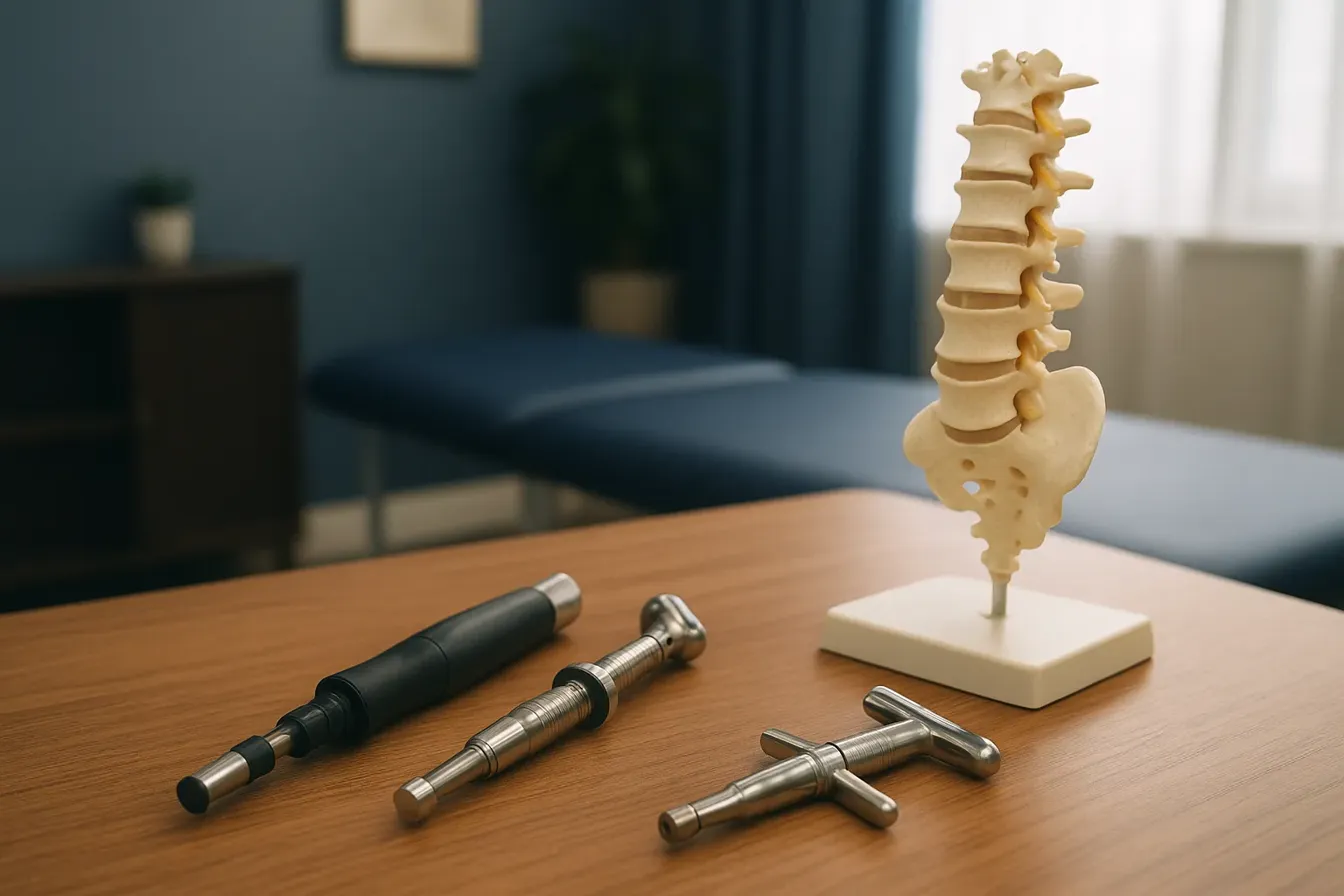
Chiropractic Care’s Impact on Back Pain Recovery
Combining Physiotherapy with Chiropractic Care for Better Results
Inspiring Recovery: Chiropractic Patient Testimonials
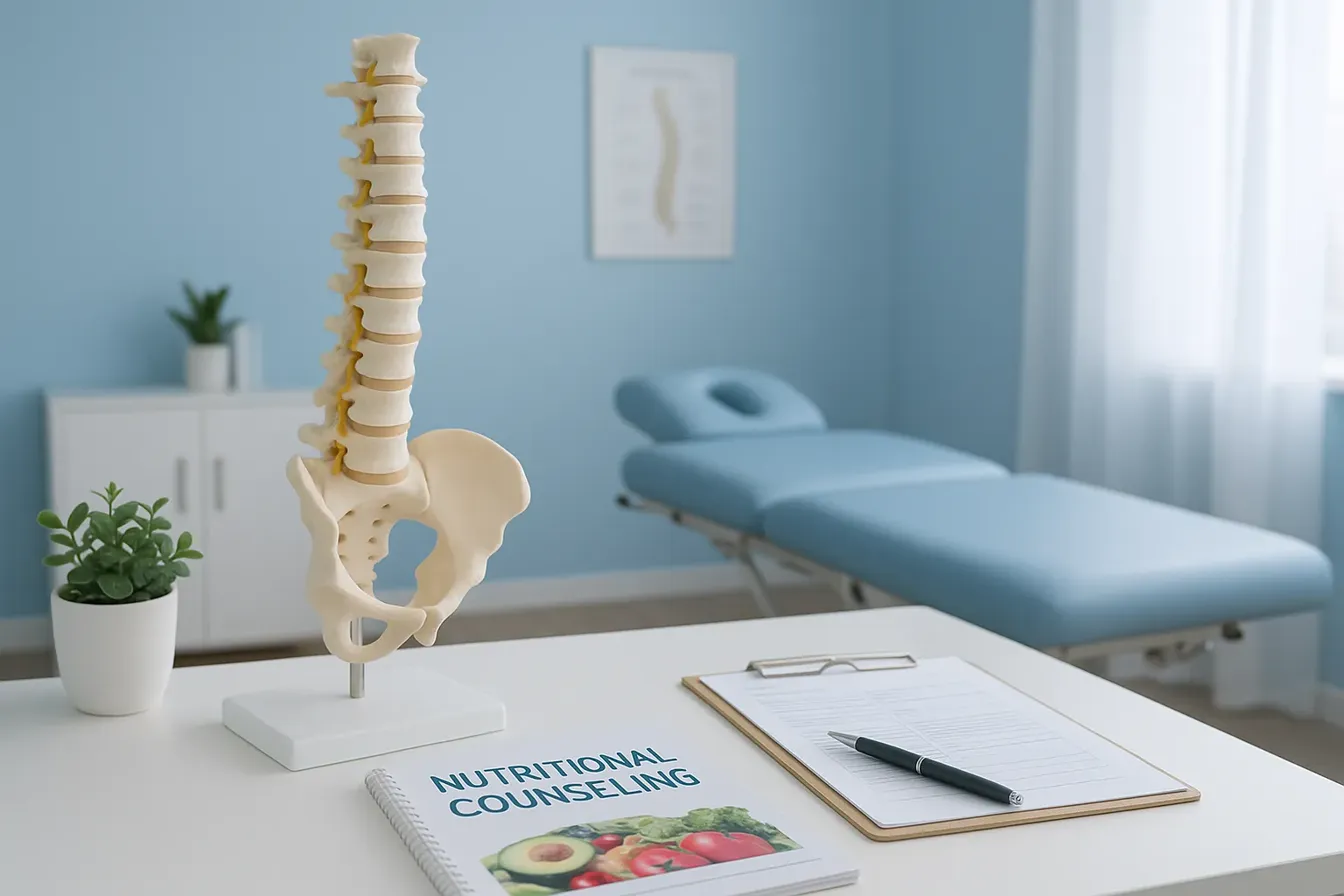
Nutritional Counseling Tips for Optimal Wellness

Why Addressing the Root Cause of Pain is Crucial
Back Pain and Chiropractic Care: A Winning Combination
Chiropractic Care Benefits You Might Not Know
Exploring Holistic and Non-Surgical Treatments for Pain
Spinal Health: Lifestyle Tips for Everyday Wellness
Spinal Decompression Therapy: Benefits and Applications
Holistic and Non-Invasive Spine Care Options
Everyday Lifestyle Advice to Keep Your Spine Healthy
The Significance of Treating Root Causes in Pain Therapy
Best Corrective Exercises for Sustainable Pain Management
Addressing Underlying Causes of Pain for Long-Term Relief
6 Key Benefits of Spinal Decompression Therapy for Sciatica Relief
How Nutritional Counseling Supports Spine Health and Recovery
The Role of Physiotherapy in Supporting Chiropractic Treatments