Root Cause Versus Symptom Treatment: Making the Right Choice
December 17, 2025
10 min

Understanding the Importance of Root Cause Versus Symptom Treatment
Difference Between Root Causes and Symptoms
Symptoms are the visible signs or sensations indicating that something is wrong in the body, such as pain, fatigue, anxiety, or sleep disturbances. However, these symptoms themselves are not the actual origin of health issues. Root causes are the underlying dysfunctions or imbalances that trigger these symptoms. For example, stress in the spine—known in chiropractic care as vertebral subluxation—can disrupt nervous system communication, leading to various health problems beyond just localized pain.
Why Distinguishing Between Them Matters in Healthcare and Wellness
Focusing only on symptoms may provide temporary relief but often leaves the primary problem unresolved. Symptom masking, like taking pain medication, can suppress warning signs without healing the tissue or correcting the dysfunction, sometimes worsening the condition over time. Addressing the root cause—be it spinal misalignment, nutritional deficiencies, lifestyle factors, or stress—enables the body’s natural healing processes to work effectively and prevents recurrence of health issues.
Overview of Symptom Treatment Versus Root Cause Treatment
Symptom treatment aims to reduce discomfort or dysfunction quickly, often through medication or targeted therapies that do not address deeper problems. In contrast, root cause treatment involves comprehensive assessments, such as chiropractic exams, functional medicine testing, and lifestyle evaluations, to identify and correct fundamental imbalances. This holistic approach integrates personalized care plans including chiropractic adjustments, nutritional counseling, exercise, and stress management to promote long-term wellness and improve overall quality of life.
Defining Root Causes and Symptoms in Health and Wellness

What is the difference between symptoms and root causes?
Symptoms are signals from the body indicating dysfunction or dis-ease. Common examples include pain, fatigue, anxiety, or sleep disturbances. These manifestations alert us that something is wrong but do not reveal the exact source of the problem. Symptoms as signals Root causes are the underlying factors responsible for triggering these symptoms. In chiropractic care, for instance, vertebral subluxation—a misalignment in the spine causing nerve stress—is a root cause that can disrupt communication between the brain and body, leading to various health problems. In functional medicine, lifestyle factors such as poor nutrition, chronic stress, and environmental exposures often represent root causes affecting overall health (Functional Medicine Overview).
Why is it important to distinguish between symptoms and root causes?
Understanding root causes vs symptoms is crucial because treating only symptoms, like taking pain relievers for back pain, often offers temporary relief without correcting the fundamental issue. Root Cause Healthcare focuses on identifying and addressing these underlying causes to facilitate true healing and long-term wellness. For example, chiropractors correct vertebral subluxations to restore nervous system function, while functional medicine practitioners tailor lifestyle and dietary changes to resolve imbalances (Root Cause Analysis in Health. This approach not only minimizes symptom recurrence but also promotes overall health improvement.
Common examples of root causes in health issues
- Vertebral Subluxation: A central concept in chiropractic care where spinal misalignment interferes with nerve signals, contributing to pain, poor mobility, and other systemic issues.
- Lifestyle Factors: In functional medicine and naturopathy, elements such as diet, sleep patterns, stress, and environmental toxins are examined as root causes influencing chronic diseases and symptoms.
Addressing these root causes enables healthcare providers to develop personalized, holistic treatment plans that support the body's natural healing process rather than merely Symptom masking risks.
Root Cause Healthcare: Holistic and Lasting Approaches

What does root cause healthcare involve?
Root Cause Healthcare evaluates and addresses the fundamental dysfunctions affecting health rather than merely managing symptoms. These dysfunctions include issues such as spinal misalignments that disrupt nerve communication or biochemical imbalances that affect cellular function. Instead of focusing only on symptom relief, this approach seeks to identify and correct the specific underlying causes of disease to facilitate genuine healing and lasting health improvements.
How does chiropractic care address root causes?
Root cause analysis in chiropractic care—misalignments of the spine that interfere with nervous system signaling. These disruptions can affect communication between the brain and body, leading to symptoms like pain, fatigue, anxiety, and digestive problems. Through precise spinal adjustments, chiropractors restore proper alignment and nervous system function, enabling the body's natural healing mechanisms to work more effectively and improving overall wellness.
How does root cause treatment facilitate healing?
By Correcting vertebral subluxation, root cause treatment enhances nervous system function, which controls and coordinates all bodily processes. This holistic approach not only addresses pain but also reduces inflammation, improves mobility, mental health, and sleep quality, supporting long-term recovery.
What role do lifestyle, nutrition, and stress management play in root cause correction?
Lifestyle factors such as nutrition, sleep, physical activity, and stress levels significantly influence health and the persistence of root causes. Integrating nutritional counseling, stress reduction techniques, ergonomic improvements, and exercise into treatment plans supports the correction of underlying dysfunctions. These complementary strategies help maintain spinal health, balance biochemical systems, and promote sustained wellness beyond clinical interventions, as explained in Addressing root causes of health issues.
The Limits of Symptom-Only Treatment and Risks of Masking Problems
What are the risks of treating only symptoms?
Treating only symptoms often means suppressing warning signals that the body is out of balance. This can hide the presence of deeper dysfunctions, allowing the underlying problems to worsen unnoticed. For example, pain medications may reduce discomfort temporarily but do not correct issues like spinal misalignments or nervous system stress. Over time, symptom-only treatment can lead to chronic pain development, increased medication dependency, and delayed or missed opportunities to correct the root causes, which are the true origins of health problems.
How does symptom masking affect long-term health?
Masking symptoms without addressing why they occur can result in recurring health issues and chronic conditions. For instance, ignoring Vertebral Subluxation by only alleviating pain may permit tissue damage and neurological disruptions to progress, eventually requiring more invasive interventions such as surgery. Surgical procedures often address effects of the dysfunction rather than its root causes, sometimes leading to ongoing problems or additional surgeries. Consequently, focusing solely on symptom relief can ultimately compromise long-term wellness and increase healthcare costs.
Common symptom-only treatments and their drawbacks
Use of medications such as NSAIDs, opioids, or muscle relaxants is widespread for pain management. While effective for short-term relief, these treatments may have side effects, risk of dependency, and do not restore underlying biomechanical or neurological function. Symptom modification approaches that prioritize immediate pain reduction can overlook biomechanical imbalances or lifestyle factors contributing to disease progression. This underlines the importance of comprehensive assessment and Addressing root causes of health issues to achieve lasting health benefits.
In summary, relying exclusively on symptom relief risks ignoring the Identifying Fundamental Health Causes, which can delay healing and worsen outcomes. A holistic approach, such as Addressing the root cause of pain vs masking symptoms: Charleston’s revolutionary approach to true healing or Root Cause Approach to Health: Understanding Functional Medicine, that identifies and addresses root causes promotes natural healing, prevents recurrence, and supports sustained wellness.
Methods and Techniques for Uncovering Root Causes
What tools are used to identify root causes in healthcare?
Healthcare providers employ a variety of tools to uncover the Root Cause Approach to Health. These include comprehensive physical examinations, neurological assessments, and advanced imaging techniques such as Digital X-rays for diagnosis to detect spinal misalignments or biomechanical dysfunctions. Functional Medicine Overview supplements these with detailed laboratory testing to assess internal imbalances—checking levels of vitamins, minerals, hormones, and inflammatory markers. Additionally, thorough lifestyle evaluations consider diet, sleep, stress, and environmental factors, all vital for a full understanding of underlying health problems.
How does the '5 Whys' technique help in root cause analysis?
The "The '5 Whys' technique for root cause analysis" is a simple yet powerful root cause analysis method. By repeatedly asking "why" to any symptom or problem—typically five times—clinicians or patients gradually dig deeper beyond the superficial signs to reveal the fundamental cause. This process prevents misdirected treatments aimed only at symptoms and promotes targeted interventions addressing the source, leading to more effective and lasting health improvements.
Combining Diagnostic Approaches in Chiropractic and Functional Medicine
Root cause analysis in chiropractic care focuses on structural and neurological evaluations of the spine and nervous system, identifying conditions like Vertebral Subluxation through exams and imaging. Functional medicine incorporates biochemical testing and lifestyle analysis to detect imbalances and triggers that contribute to chronic illness.
Together, these approaches enable a holistic root cause investigation that can reveal interconnected factors—structural stress, nutritional deficiencies, inflammation, and lifestyle—that contribute to patient symptoms. This integrated strategy supports personalized treatment plans aimed at true healing rather than simply easing symptoms.
| Technique/Tool | Application Area | Purpose |
|---|---|---|
| 5 Whys Technique | Root cause analysis | Uncover fundamental cause behind symptoms |
| Neurological Examination | Chiropractic care | Assess nervous system function and disruption |
| Digital X-rays | Musculoskeletal assessment | Detect spinal misalignments and degeneration |
| Functional Lab Testing | Functional medicine | Analyze biochemical, hormonal imbalances |
| Lifestyle Evaluation | Functional & chiropractic | Identify diet, stress, sleep influences |
This comprehensive framework supports patient-centered care by identifying true root causes, enabling natural, non-invasive, and sustainable health solutions.
Integrating Root Cause Care for Musculoskeletal and Chronic Health Issues

How does root cause treatment benefit musculoskeletal health?
Root cause treatment in musculoskeletal care focuses on identifying and correcting underlying issues such as spinal misalignments and poor posture, postural deficiencies, and inflammation. Chiropractic adjustments play a central role by realigning the spine and restoring proper nervous system communication. This targeted approach not only alleviates pain but also improves mobility and posture. Additionally, rehabilitative exercises and lifestyle modifications support the body's natural healing processes, leading to reduced pain recurrence and long-term relief. Addressing biomechanical dysfunction prevents the progression of degenerative changes and enhances overall musculoskeletal health as explained in the science behind addressing root causes.
Why is a holistic approach important in managing chronic health problems?
Managing chronic conditions effectively requires a holistic approach to musculoskeletal issues that considers physical, biochemical, emotional, and lifestyle factors together. This comprehensive approach enables healthcare providers to tailor treatment plans addressing multiple root causes, such as stress in the spine and nervous system, nutritional imbalances, and emotional well-being. Methods like Root Cause Healthcare and functional medicine and chiropractic care emphasize personalized interventions, including dietary adjustments, stress management, and ergonomic improvements. Such integrated care supports natural healing, reduces dependence on symptom-masking medications, and promotes sustainable wellness and symptom remission over time.
Role of multidisciplinary and functional approaches to optimize outcomes
Optimizing health outcomes for chronic and musculoskeletal issues benefits from collaboration across disciplines. Combining chiropractic care with functional medicine, nutritional counseling, physical therapy, and psychological support offers a well-rounded treatment strategy. Multidisciplinary teams can address structural, biochemical, and lifestyle contributors simultaneously, enhancing patient education and adherence. Advanced diagnostics, including imaging and functional assessments, guide precise interventions. This integrated approach not only improves symptom relief but also supports prevention, reduces healthcare costs, and promotes long-term health and quality of life, as detailed in the management of musculoskeletal pain.
Empowering Patients Through Education and Preventative Care

Why is patient education crucial in root cause healthcare?
Patient education is foundational to Root Cause Healthcare. By understanding that Symptoms as signals and not the underlying causes of health issues, patients become empowered to participate actively in their healing journey. This knowledge encourages informed decision-making, fosters commitment to treatment plans, and promotes the adoption of preventive lifestyle habits that support long-term wellness. Educated patients are more likely to recognize the importance of maintaining spinal health and nervous system function through proper posture, stress management, and nutrition, which are essential to resolving Correcting vertebral subluxation effectively.
Encouraging lifestyle changes supporting root cause resolution
Root Cause Healthcare emphasizes holistic approaches where lifestyle modifications play a critical role. Encouraging patients to improve diet, exercise regularly, manage stress, and get sufficient sleep contributes significantly to correcting underlying dysfunctions such as Vertebral Subluxation and biochemical imbalances. These changes reinforce the Body's natural healing process and reduce inflammation, nutritional deficiencies, and musculoskeletal stress. Addressing root causes of health issues combined with guidance on ergonomic and nutritional habits creates a supportive environment for sustained health improvements.
How does ongoing care contribute to lasting wellness?
Ongoing care is vital in preserving the gains achieved through Addressing root causes of health issues. Continuous Chiropractic adjustments and soft tissue therapy, functional assessments, and lifestyle support therapies ensure spinal alignment and nervous system integrity remain optimal. This proactive approach prevents the recurrence of symptoms, stabilizes neurological communication pathways, and sustains biochemical balance. Regular monitoring also allows timely interventions, fostering resilience and enhancing overall quality of life for patients committed to long-term health.
Choosing Root Cause Treatment: The Path to Lasting Health and Wellness
The Superiority of Addressing Root Causes
Treating only symptoms provides temporary relief but often leaves the underlying health issues unresolved. Symptoms signal dysfunctions like stress, misalignments, or lifestyle imbalances that disrupt the body's natural healing. Root cause treatment focuses on identifying and correcting these fundamental problems to restore optimal health, reduce chronic pain, and boost overall well-being.
Embracing Holistic and Informed Healthcare
Seeking care that considers the whole person—including spinal health, nervous system function, nutrition, and lifestyle habits—offers deeper healing. Informed patients benefit from diagnostic tools and personalized plans that target neurological, structural, and biochemical root causes, rather than relying solely on medications or symptom masking.
Integrating Chiropractic, Functional, and Lifestyle Medicine
Chiropractic care realigns the spine and optimizes nervous system communication, while functional medicine addresses biochemical imbalances and lifestyle factors. This integrated approach allows for comprehensive wellness strategies such as adjustments, nutrition counseling, exercise, and stress management. Combining these therapies supports long-lasting health improvements and empowers patients to maintain wellness naturally.
Recent articles

10 Real‑Patient Success Stories Showcasing the Impact of Chiropractic Care

Superfoods That Boost Nerve Healing After Chiropractic Sessions

Sleep Positions That Promote a Healthy Back Alignment

Signs Your Chiropractor Is a Good Fit for Your Back Pain Goals

Case Study: Integrated Physiotherapy and Chiropractic for Faster Recovery

First-Time Chiropractic Visit: A Step‑by‑Step Walkthrough

Synergistic Benefits: Combining Physiotherapy with Chiropractic Care

Beyond Surgery: Holistic Approaches to Managing Back Pain

How Manual Therapy Enhances the Effects of Chiropractic Adjustments

Hydration Hacks: Why Water Matters for Joint and Spine Function

What Does a Comprehensive Spinal Evaluation Include?

Success Spotlight: Transformative Results After Six Weeks of Chiropractic Treatment

Understanding the Initial Assessment Process in Chiropractic Care

Designing a Personalized Corrective Exercise Plan for Chronic Pain Management

Natural Pain Management: Combining Acupuncture, Yoga, and Chiropractic

Chiropractic Care vs. Pain Meds: Long-Term Outcomes for Back Pain Sufferers

What to Expect During a Sciatica‑Focused Decompression Session

Understanding the Pain-Relief Mechanics Behind Chiropractic Adjustments

Success Rates of Non‑Surgical Spinal Decompression for Sciatica

Patient-Centered Chiropractic Care: Personalized Plans for Back Pain Relief

How Chiropractic Treatments Reduce Inflammation and Speed Up Back Pain Recovery

Real‑Life Stories: How Chiropractic Helped Patients Overcome Chronic Back Pain

From Symptom Masking to Root‑Cause Healing: A Practical Guide

6 Holistic Non‑Surgical Treatments That Deliver Sustainable Back‑Pain Relief

Key Questions to Ask When Selecting Your Chiropractor

Mindful Movement: Incorporating Stretch Breaks Into a Busy Day

Why Targeting the Underlying Cause Beats Temporary Symptom Relief

8 Ways Physiotherapy Complements Chiropractic Adjustments for Faster Recovery

Meal Planning for Athletes Recovering from Back Injuries

9 Everyday Lifestyle Tweaks to Preserve a Healthy Spine and Prevent Pain

Functional Movement Screening for Root‑Cause Pain Identification

6 Things You’ll Experience During Your First Chiropractic Appointment

Spinal Decompression vs. Standard Physical Therapy for Sciatica: A Comparative Review

New Findings on How Adjustments Influence Blood Circulation
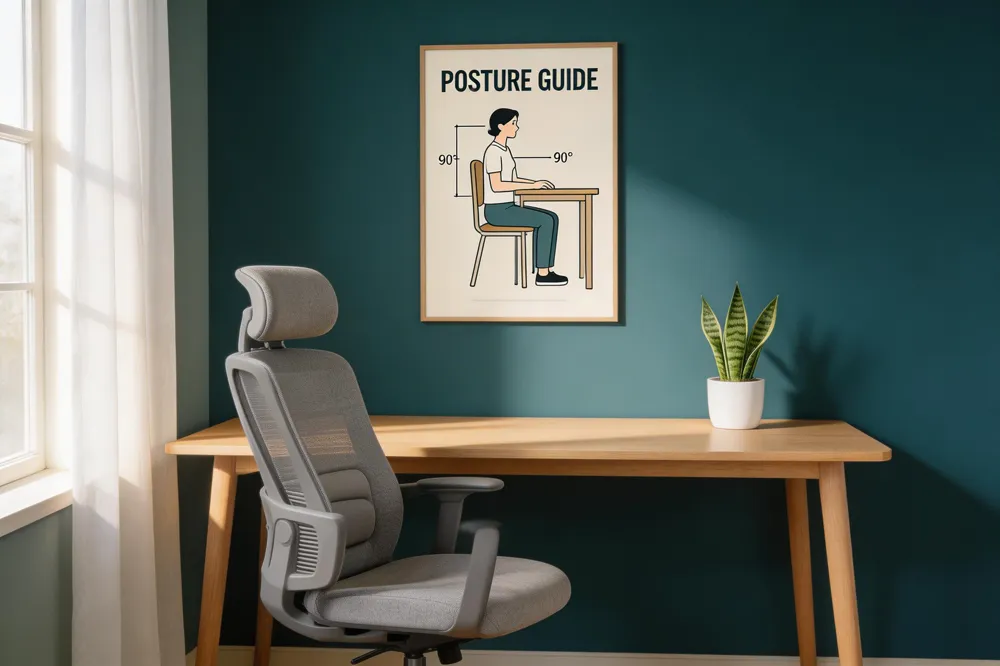
Work‑From‑Home Ergonomics: A Blueprint for a Pain‑Free Back

The Link Between Chiropractic Care and Improved Sleep Quality

Physiotherapy Techniques That Strengthen the Benefits of Chiropractic Adjustments

Biomechanical Insights Behind Successful Spinal Decompression

Desk‑to‑Dumbbell: Lifestyle Shifts That Guard Your Lower Back

10 Corrective Exercises for Sustainable Pain-Free Living

Morning Routines That Support Spine Health and Reduce Stiffness

Calcium and Magnesium‑Focused Nutrition for Bone Density and Spine Health

9 Ways Chiropractic Care Transforms Back Pain Management

Testimonial: Nutrition‑Guided Recovery Accelerated by Chiropractic

Science‑Backed Spinal Decompression for Relieving Sciatica Symptoms

Key Questions to Ask During Your Initial Chiropractic Consultation

Whole‑Body Wellness Blueprint: Nutrition, Exercise, and Chiropractic Synergy

A 12‑Week Corrective Exercise Blueprint for Chronic Neck Discomfort

Manual Therapy Plus Targeted Exercise: Accelerating Post‑Injury Recovery

Home‑Based Spinal Decompression Devices: What Patients Should Know

Chiropractic Care Statistics: Reducing Lost Workdays From Back Pain

How Targeted Nutrition Enhances Immune Function and Lowers Inflammatory Pain

Self‑Assessment Tools to Identify Hidden Triggers of Back Pain

Preparing for Your First Chiropractic Appointment: A Practical Checklist

Back Pain Relief Benefits: Lower Opioid Use and Better Quality of Life

Foam‑Rolling Techniques to Complement Chiropractic Adjustments

Progressive Overload Principles in Corrective Exercise Programs

Six‑Month Transformation: Integrated Care Success Story

7 Nutritional Hacks to Boost Your Overall Wellness

How to Choose a Chiropractor: Credentials, Techniques, and Patient Compatibility

5 Ways Spinal Decompression Can Ease Sciatica Pain

Overcoming Sciatica: A Patient’s Multidisciplinary Treatment Journey

Lifestyle Changes That Promote a Healthy Spine
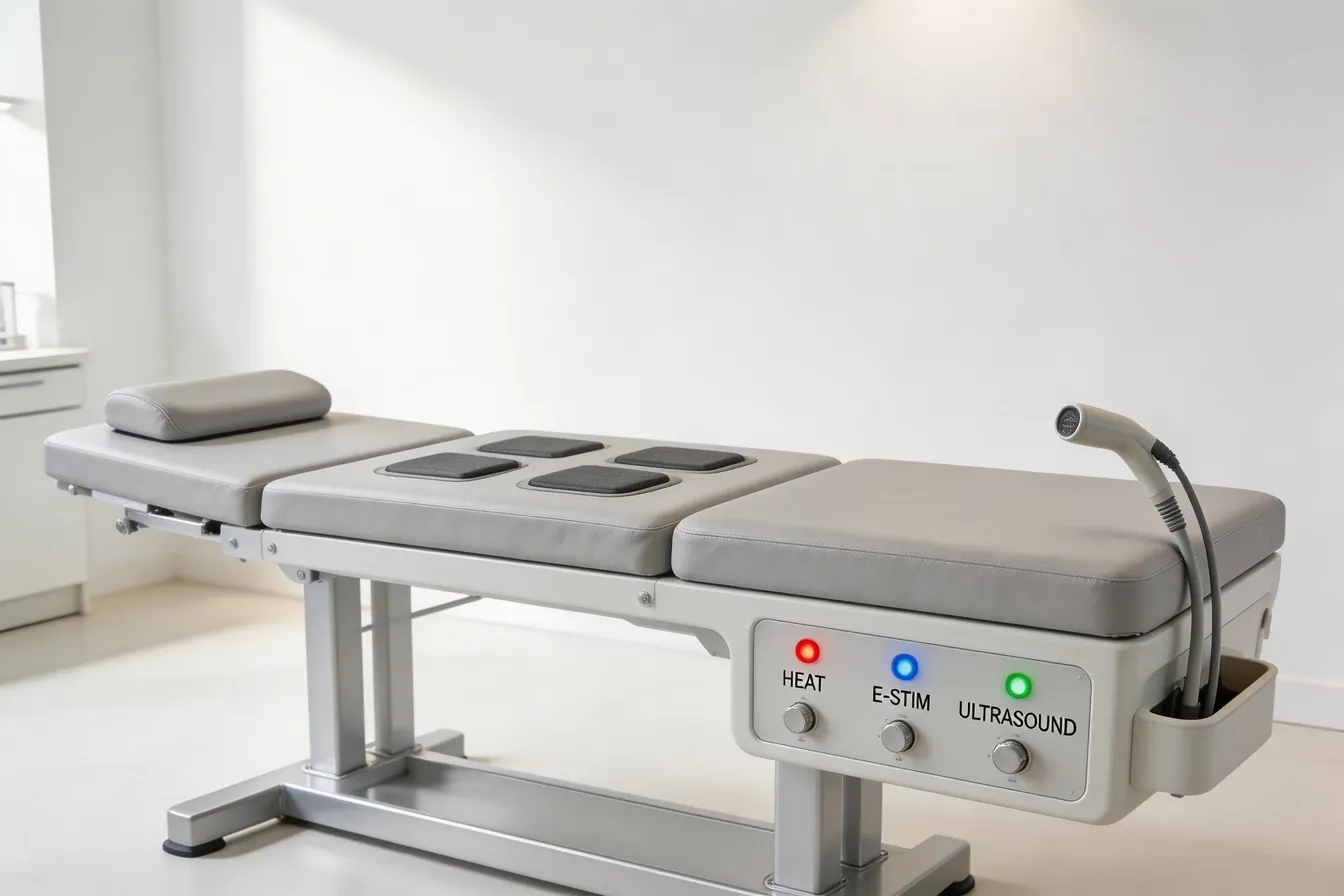
Physiotherapy as a Complement to Chiropractic Treatments

6 Ways Physiotherapy Enhances Chiropractic Treatment Outcomes

Daily Living Tips for a Strong and Healthy Spine

How Physiotherapy Enhances Chiropractic Outcomes
Holistic Treatments: Alternatives to Surgery for Pain Relief

Inspiring Patient Success Stories from Chiropractic Clinics

Integrating Physiotherapy with Chiropractic Treatments
Corrective Exercise Routines for Chronic Pain Prevention
10 Corrective Exercises to Maintain a Healthy Spine and Relieve Pain

Exercise Strategies for Long-Term Pain Management
10 Corrective Exercises to Maintain a Healthy Spine and Relieve Pain
The Importance of Treating the Root Cause of Pain

Nutritional Support Strategies for Whole-Body Wellness

7 Essential Questions to Ask When Choosing Your Chiropractor

Identifying and Addressing Root Causes of Pain

Maintaining a Healthy Spine with Lifestyle Adjustments
Sciatica Symptom Relief via Spinal Decompression

8 Reasons Why Addressing the Root Cause of Pain Is Crucial

Chiropractic Care’s Impact on Back Pain Recovery

Combining Physiotherapy with Chiropractic Care for Better Results

Inspiring Recovery: Chiropractic Patient Testimonials

Nutritional Counseling Tips for Optimal Wellness

Why Addressing the Root Cause of Pain is Crucial

Back Pain and Chiropractic Care: A Winning Combination

Chiropractic Care Benefits You Might Not Know
Exploring Holistic and Non-Surgical Treatments for Pain

Spinal Health: Lifestyle Tips for Everyday Wellness
Spinal Decompression Therapy: Benefits and Applications

Holistic and Non-Invasive Spine Care Options

Everyday Lifestyle Advice to Keep Your Spine Healthy
The Significance of Treating Root Causes in Pain Therapy
Best Corrective Exercises for Sustainable Pain Management

Addressing Underlying Causes of Pain for Long-Term Relief

6 Key Benefits of Spinal Decompression Therapy for Sciatica Relief

How Nutritional Counseling Supports Spine Health and Recovery

The Role of Physiotherapy in Supporting Chiropractic Treatments