Addressing Pain at Its Source: The Importance of Root Cause Treatment
January 4, 2026
9 min

Understanding the True Nature of Pain and Its Management
Defining Pain and Its Management
Pain is a vital warning signal indicating possible harm or underlying health issues. It can be acute or chronic, lasting beyond three to six months. Pain management encompasses a range of strategies, including medications, physical therapy, complementary medicine, and lifestyle adjustments, all aimed at improving daily function and quality of life.
Impact of Chronic Pain
Chronic pain affects over 100 million Americans, often leading to mental health challenges such as depression and anxiety. It can severely impair mobility, sleep, and emotional well-being. Without effective management, pain can cause a cycle of increased stress and worsening symptoms.
Why Addressing Pain is Essential
Treating pain goes beyond simply relieving symptoms; understanding and addressing its root causes is crucial. Focusing solely on symptom relief may provide short-term comfort but can lead to recurring problems and increased dependency on medications. A comprehensive pain management plan considers physical, emotional, and lifestyle factors to achieve lasting relief and better overall wellness.
Why Addressing the Root Cause Matters
What is the root cause of pain?
Pain fundamentally originates from inflammation and the body's inflammatory response. This response involves complex biochemical mediators such as cytokines, neuropeptides, growth factors, and neurotransmitters that generate and amplify pain sensations. Recognizing inflammation as the core issue helps shift treatment focus from just managing symptoms to resolving the origins of pain. For more information, see Understanding Pain and Healing.
Why is it important to address the root cause of pain?
Addressing the root cause is essential for lasting relief and improved health. Similar to how workplaces investigate incidents deeply to prevent recurrence, healthcare must analyze underlying causes such as biomechanical imbalances, poor posture, lifestyle factors, or structural dysfunctions. Treating only symptoms may provide temporary relief but often leads to recurring pain or new issues. A patient-centered, comprehensive evaluation allows for personalized treatment plans targeting foundational problems, promoting not just symptom reduction but prevention and overall wellness. Learn more about the Importance of identifying root cause of pain.
Distinction between symptom relief and root cause treatment
Symptom relief methods—like medications or heat therapy—mask pain signals without rectifying the underlying cause. This approach can lead to dependency and delay proper healing. In contrast, addressing the root cause involves thorough assessments using patient histories, physical exams, diagnostic imaging, and lifestyle analysis. Interventions such as chiropractic adjustments, physical therapy, or lifestyle modifications aim to restore balance, reduce inflammation, and promote natural healing rather than just suppress pain sensations. For detailed insights see Beyond Pain Relief, Treating the Root Cause and Chiropractic Adjustments for Pain Management.
What are the long-term benefits of root cause treatment?
By targeting the root cause, patients can achieve sustained pain relief, enhanced mobility, better posture, and improved mental well-being. Such holistic care reduces reliance on medications and invasive procedures, lowers healthcare costs, and prevents future injuries or relapses. Ultimately, this approach leads to a higher quality of life, empowering patients to actively participate in their recovery and maintain wellness beyond symptom management. Discover more on the impact of pain management on quality of life and holistic approach to healing and sustainable pain management.
Comprehensive Pain Management: Approaches and Strategies

What is pain management?
Pain management is a specialized branch of medicine dedicated to reducing both acute and chronic pain caused by injuries, illnesses, or health conditions such as arthritis, nerve injuries, or autoimmune diseases. It involves a multidisciplinary team including pain specialists, physical therapists, psychologists, and complementary health providers collaborating to create individualized treatment plans. These plans often combine medications, physical and psychological therapies, complementary treatments like chiropractic care and acupuncture, and medical procedures such as injections or surgery. The goal is to improve quality of life by alleviating pain and helping patients cope, focusing on safe and evidence-based therapies tailored to each patient's condition.
What are three different types of pain management?
Pain management includes multiple approaches:
Pharmacological therapies: Use of NSAIDs, acetaminophen, opioids (with caution), corticosteroids, and adjuvant analgesics to target pain relief.
Nonpharmacological therapies: Physical therapies such as chiropractic care, physical therapy, TENS (transcutaneous electrical nerve stimulation), acupuncture, massage, and exercise to improve mobility and reduce pain naturally.
Psychological approaches: Cognitive-behavioral therapy (CBT), stress reduction techniques, mindfulness, and mental health support aimed at managing the emotional and psychological dimensions of pain.
Interventional procedures: Nerve blocks, steroid injections, and minimally invasive surgeries when other treatments are insufficient.
This team-based approach strives to reduce pain, restore function, and enhance overall well-being.
What is the role of chiropractic care and physical therapies?
Chiropractic care plays a vital role in managing chronic and acute pain, especially related to the spine, neck, and joints. By realigning the spine and correcting postural imbalances, chiropractors relieve nerve pressure, reduce inflammation, improve movement, and promote natural healing. Physical therapies complement this by strengthening muscles, restoring flexibility, and correcting biomechanical dysfunctions. These natural, drug-free methods emphasize treating the root causes rather than masking symptoms and are often used alongside other therapies for long-term relief and wellness.
What are the 4 P's of pain management?
The 4 P's framework helps patients approach chronic pain with a balanced perspective:
- Pain: Acknowledge and monitor pain without letting it control life.
- Purpose: Maintain meaningful goals and activities despite pain.
- Pacing: Balance activity and rest to prevent flare-ups.
- Positivity: Cultivate a positive mindset to support coping and healing.
The Impact of Chronic Pain on Daily Life and Quality of Life

How does chronic pain impact life?
Chronic pain affects approximately 20.9% of U.S. adults and persists for more than three months. This ongoing pain limits daily activities, reduces work productivity, and restricts social interactions, often causing individuals to feel isolated. The physical consequences include reduced mobility and disrupted sleep, both of which can heighten pain severity (Chronic pain statistics in the US).
Emotionally, chronic pain is closely linked to anxiety, depression, and other mental health issues. These conditions can intensify the perception of pain and create a cycle that diminishes overall well-being (Mental health and chronic pain).
Physical, emotional, and social consequences
Chronic pain's reach extends beyond physical discomfort. It can cause muscle tension, fatigue, and decreased range of motion. Socially, it may interfere with relationships and reduce participation in hobbies or community activities. Emotionally, persistent pain can lead to stress, mood swings, and decreased motivation (Chronic pain statistics in America.
Interrelation with mental health conditions
Mood disorders such as depression and anxiety are prevalent among those with chronic pain. Nearly two-thirds of chronic pain sufferers report some psychiatric comorbidity. This interplay complicates treatment and underscores the need for integrated care addressing both pain and mental health aspects (Common psychiatric comorbidities in chronic pain.
Importance of quality of life measures in treatment evaluation
Assessing quality of life is essential to gauge treatment success, as pain relief alone does not capture the full impact on patients. Measures focusing on symptom distress, physical function, and emotional health provide valuable insights. Holistic treatment plans that incorporate physical therapies, psychological support, and lifestyle changes aim to improve these overall outcomes (impact of pain management on quality of life).
Addressing chronic pain with a comprehensive, multidisciplinary approach supports better function, emotional health, and social engagement, ultimately enhancing quality of life (Collaborative approach to pain management).
Holistic and Chiropractic Approaches to Root Cause Pain Treatment

Role of chiropractic care in realigning spine and nerves
Chiropractic care centers on Correcting spinal misalignments that irritate nerves and cause pain. Through precise spinal adjustments, chiropractors reduce nerve pressure, ease muscle spasms, and restore proper joint alignment. This realignment promotes natural healing by improving nervous system function and circulation, addressing the root causes rather than merely masking symptoms. Personalized chiropractic treatments often include spinal manipulation combined with targeted exercises and postural guidance.
Holistic techniques for managing chronic pain
Managing chronic pain effectively often requires more than a single approach. Holistic pain management strategies encompass acupuncture to stimulate nerve and muscle function, massage therapy for muscle relaxation, and stress-reduction techniques such as mindfulness and meditation. Regular gentle exercises including walking, yoga, or Tai Chi help maintain mobility and reduce pain perception. These methods work synergistically to address physical discomfort and emotional well-being.
Integrating lifestyle changes with manual therapies
Lifestyle factors like nutrition, exercise, stress management, and sleep hygiene significantly influence chronic pain levels. Chiropractors often advise lifestyle modifications alongside manual therapies. Incorporating anti-inflammatory diets, gradual physical activity, and relaxation techniques supports the body's healing processes. Patient education in pain management empowers individuals to actively participate in recovery, improving long-term outcomes.
Benefits beyond symptom relief including improved mobility and wellness
By focusing on the root cause of chronic pain, chiropractic and holistic approaches offer benefits beyond temporary relief. Patients often experience enhanced mobility, better posture, increased energy, and improved overall wellness. This comprehensive care model reduces dependency on medications and invasive treatments, promoting sustainable health and quality of life.
Empowering Patients through Education and Personalized Care

Importance of detailed assessments and personalized treatment plans
Effective pain management begins with comprehensive assessments that include detailed patient histories for pain diagnosis, physical examinations, and diagnostic tests for pain such as imaging techniques for pain diagnosis and blood tests in pain assessment. These gather essential information about biomechanical imbalances, posture issues, and emotional stress contributing to pain. Personalized pain treatment approaches based on these assessments focus on the individual’s unique condition, lifestyle, and goals, ensuring a tailored approach for sustainable relief.
Patient education for active participation in recovery
Educating patients about the root causes of their pain encourages active involvement in their healing journey. Understanding how posture, muscle imbalances, and emotional wellbeing impact pain empowers patients to adopt healthier habits and engage fully in prescribed therapies. This knowledge fosters patient education for pain relief skills that are critical for long-term wellness and avoids dependency on symptom relief alone.
Addressing biomechanical imbalances, posture, and emotional stress
Treatment strategies frequently target postural corrections and biomechanical realignments through chiropractic care, physical therapy, and corrective exercises. Additionally, emotional stress, a common chronic pain factor, is addressed through integrative approaches like mindfulness and meditation for pain and cognitive-behavioral techniques. This holistic attention to physical and emotional influences maximizes treatment effectiveness.
Preventing recurrence and fostering long-term wellness
By focusing on root causes instead of only alleviating symptoms, personalized care plans reduce the risk of pain recurrence. Incorporating lifestyle changes such as regular exercise, stress reduction, and improved ergonomics supports ongoing health improvements. This comprehensive, patient-centered approach promotes sustained recovery, increased mobility, and enhanced quality of life, ensuring patients maintain wellness beyond immediate pain relief.
Moving Beyond Symptom Relief to Sustainable Pain Solutions
Understanding the Importance of Root Cause Treatment
Pain acts as a vital warning signal but focusing solely on relieving symptoms, like masking pain with medications, offers only temporary relief. Identifying and addressing the underlying causes—such as postural issues, muscle imbalances, or inflammation—is essential for lasting recovery and prevention of recurring pain.
Embracing Holistic, Individualized, and Multidisciplinary Care
Sustainable pain management involves personalized treatment plans that integrate chiropractic care, physical therapy, lifestyle modifications, and psychological support. Collaborating across disciplines enhances diagnosis and treatment effectiveness, addressing physical, emotional, and environmental factors together.
Enhancing Quality of Life Through Comprehensive Approaches
Treating the root causes rather than symptoms alone promotes improved mobility, reduced medication dependence, better mental health, and overall wellness. A holistic approach empowers patients to actively participate in their recovery, fostering long-term pain relief and enhanced quality of life.
Recent articles

10 Real‑Patient Success Stories Showcasing the Impact of Chiropractic Care

Superfoods That Boost Nerve Healing After Chiropractic Sessions

Sleep Positions That Promote a Healthy Back Alignment

Signs Your Chiropractor Is a Good Fit for Your Back Pain Goals

Case Study: Integrated Physiotherapy and Chiropractic for Faster Recovery

First-Time Chiropractic Visit: A Step‑by‑Step Walkthrough

Synergistic Benefits: Combining Physiotherapy with Chiropractic Care

Beyond Surgery: Holistic Approaches to Managing Back Pain

How Manual Therapy Enhances the Effects of Chiropractic Adjustments

Hydration Hacks: Why Water Matters for Joint and Spine Function

What Does a Comprehensive Spinal Evaluation Include?

Success Spotlight: Transformative Results After Six Weeks of Chiropractic Treatment

Understanding the Initial Assessment Process in Chiropractic Care

Designing a Personalized Corrective Exercise Plan for Chronic Pain Management

Natural Pain Management: Combining Acupuncture, Yoga, and Chiropractic

Chiropractic Care vs. Pain Meds: Long-Term Outcomes for Back Pain Sufferers

What to Expect During a Sciatica‑Focused Decompression Session

Understanding the Pain-Relief Mechanics Behind Chiropractic Adjustments

Success Rates of Non‑Surgical Spinal Decompression for Sciatica

Patient-Centered Chiropractic Care: Personalized Plans for Back Pain Relief
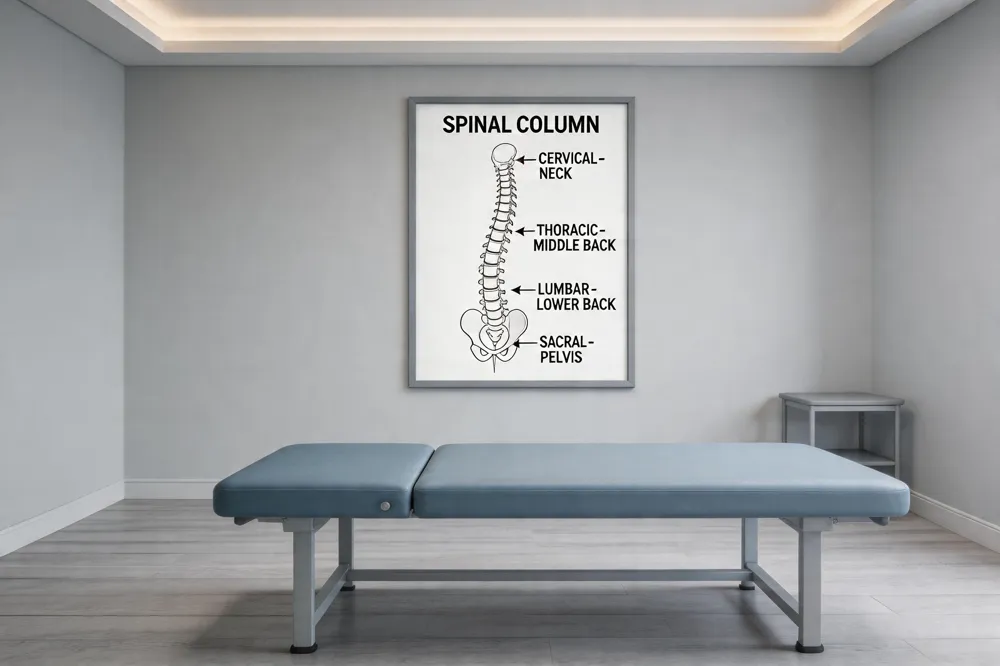
How Chiropractic Treatments Reduce Inflammation and Speed Up Back Pain Recovery

Real‑Life Stories: How Chiropractic Helped Patients Overcome Chronic Back Pain

From Symptom Masking to Root‑Cause Healing: A Practical Guide

6 Holistic Non‑Surgical Treatments That Deliver Sustainable Back‑Pain Relief

Key Questions to Ask When Selecting Your Chiropractor

Mindful Movement: Incorporating Stretch Breaks Into a Busy Day

Why Targeting the Underlying Cause Beats Temporary Symptom Relief

8 Ways Physiotherapy Complements Chiropractic Adjustments for Faster Recovery

Meal Planning for Athletes Recovering from Back Injuries

9 Everyday Lifestyle Tweaks to Preserve a Healthy Spine and Prevent Pain

Functional Movement Screening for Root‑Cause Pain Identification

6 Things You’ll Experience During Your First Chiropractic Appointment

Spinal Decompression vs. Standard Physical Therapy for Sciatica: A Comparative Review

New Findings on How Adjustments Influence Blood Circulation
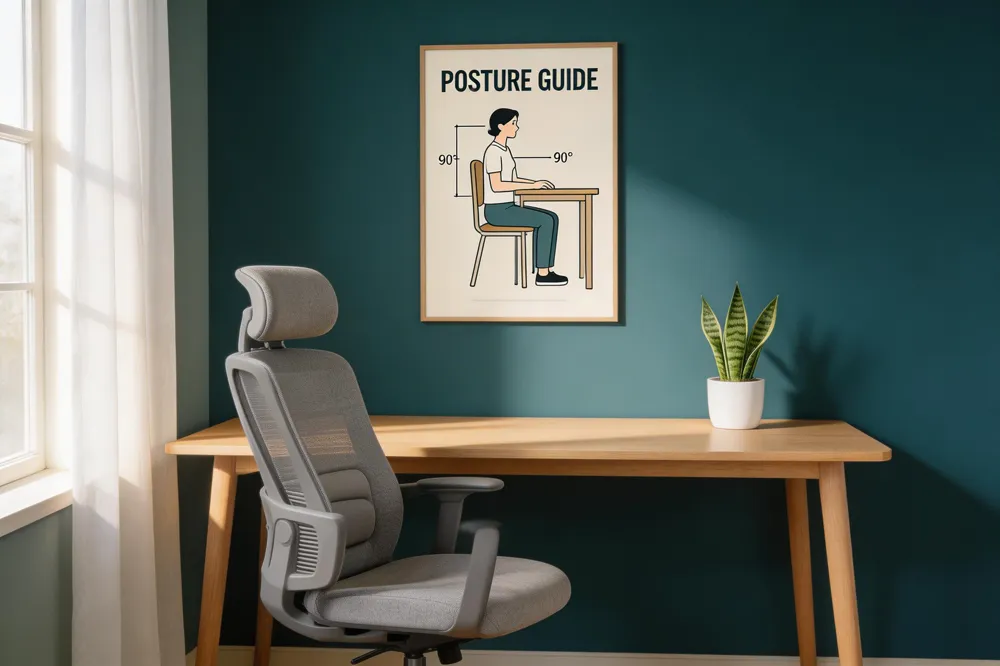
Work‑From‑Home Ergonomics: A Blueprint for a Pain‑Free Back

The Link Between Chiropractic Care and Improved Sleep Quality

Physiotherapy Techniques That Strengthen the Benefits of Chiropractic Adjustments

Biomechanical Insights Behind Successful Spinal Decompression

Desk‑to‑Dumbbell: Lifestyle Shifts That Guard Your Lower Back

10 Corrective Exercises for Sustainable Pain-Free Living

Morning Routines That Support Spine Health and Reduce Stiffness

Calcium and Magnesium‑Focused Nutrition for Bone Density and Spine Health

9 Ways Chiropractic Care Transforms Back Pain Management

Testimonial: Nutrition‑Guided Recovery Accelerated by Chiropractic

Science‑Backed Spinal Decompression for Relieving Sciatica Symptoms

Key Questions to Ask During Your Initial Chiropractic Consultation

Whole‑Body Wellness Blueprint: Nutrition, Exercise, and Chiropractic Synergy

A 12‑Week Corrective Exercise Blueprint for Chronic Neck Discomfort

Manual Therapy Plus Targeted Exercise: Accelerating Post‑Injury Recovery

Home‑Based Spinal Decompression Devices: What Patients Should Know

Chiropractic Care Statistics: Reducing Lost Workdays From Back Pain

How Targeted Nutrition Enhances Immune Function and Lowers Inflammatory Pain

Self‑Assessment Tools to Identify Hidden Triggers of Back Pain

Preparing for Your First Chiropractic Appointment: A Practical Checklist

Back Pain Relief Benefits: Lower Opioid Use and Better Quality of Life

Foam‑Rolling Techniques to Complement Chiropractic Adjustments

Progressive Overload Principles in Corrective Exercise Programs

Six‑Month Transformation: Integrated Care Success Story

7 Nutritional Hacks to Boost Your Overall Wellness

How to Choose a Chiropractor: Credentials, Techniques, and Patient Compatibility

5 Ways Spinal Decompression Can Ease Sciatica Pain

Overcoming Sciatica: A Patient’s Multidisciplinary Treatment Journey
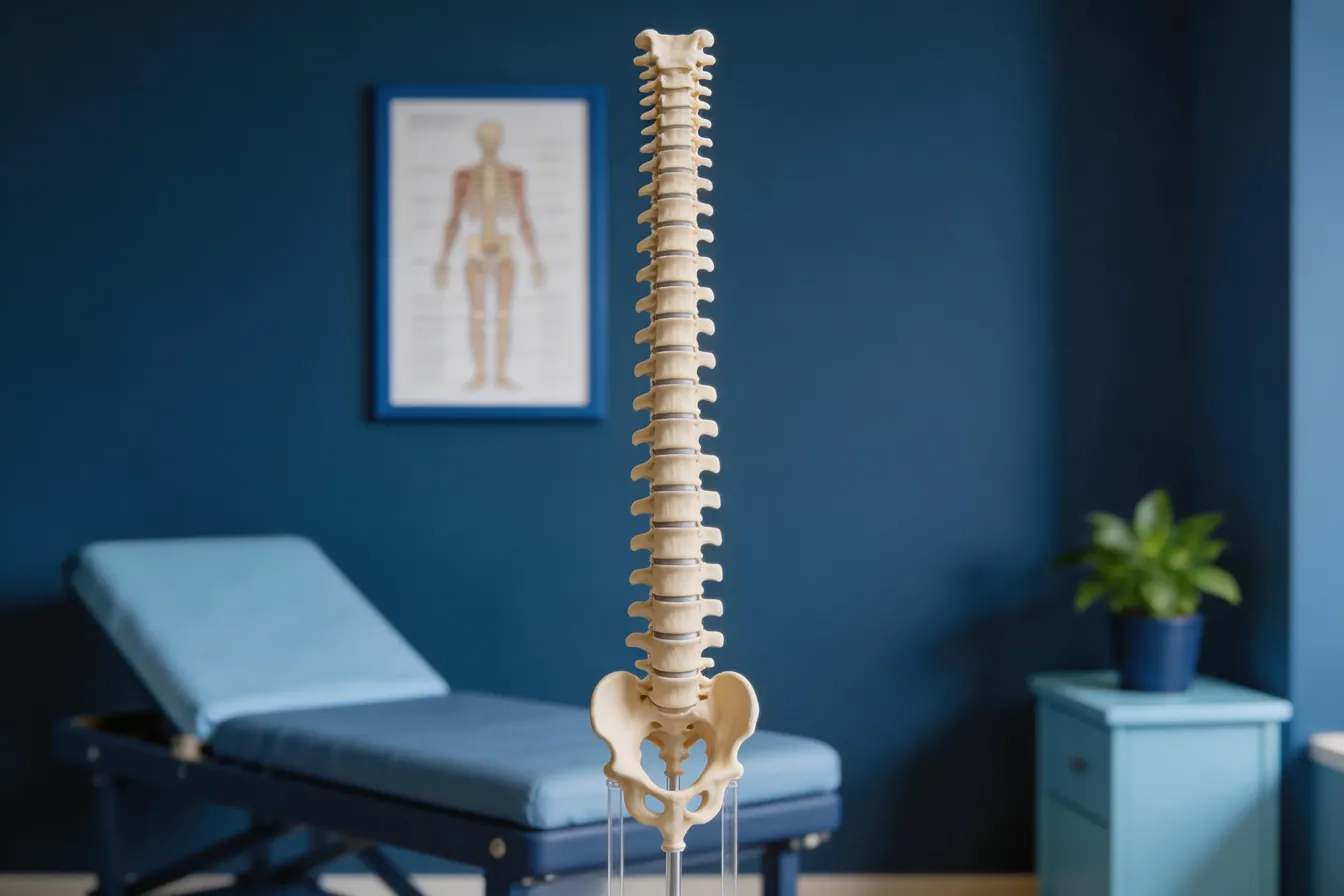
Lifestyle Changes That Promote a Healthy Spine
Physiotherapy as a Complement to Chiropractic Treatments

6 Ways Physiotherapy Enhances Chiropractic Treatment Outcomes

Daily Living Tips for a Strong and Healthy Spine

How Physiotherapy Enhances Chiropractic Outcomes
Holistic Treatments: Alternatives to Surgery for Pain Relief

Inspiring Patient Success Stories from Chiropractic Clinics

Integrating Physiotherapy with Chiropractic Treatments
Corrective Exercise Routines for Chronic Pain Prevention
10 Corrective Exercises to Maintain a Healthy Spine and Relieve Pain

Exercise Strategies for Long-Term Pain Management
10 Corrective Exercises to Maintain a Healthy Spine and Relieve Pain
The Importance of Treating the Root Cause of Pain

Nutritional Support Strategies for Whole-Body Wellness
7 Essential Questions to Ask When Choosing Your Chiropractor
Identifying and Addressing Root Causes of Pain
Maintaining a Healthy Spine with Lifestyle Adjustments
Sciatica Symptom Relief via Spinal Decompression

8 Reasons Why Addressing the Root Cause of Pain Is Crucial
Chiropractic Care’s Impact on Back Pain Recovery

Combining Physiotherapy with Chiropractic Care for Better Results

Inspiring Recovery: Chiropractic Patient Testimonials
Nutritional Counseling Tips for Optimal Wellness

Why Addressing the Root Cause of Pain is Crucial
Back Pain and Chiropractic Care: A Winning Combination

Chiropractic Care Benefits You Might Not Know
Exploring Holistic and Non-Surgical Treatments for Pain
Spinal Health: Lifestyle Tips for Everyday Wellness
Spinal Decompression Therapy: Benefits and Applications
Holistic and Non-Invasive Spine Care Options
Everyday Lifestyle Advice to Keep Your Spine Healthy
The Significance of Treating Root Causes in Pain Therapy
Best Corrective Exercises for Sustainable Pain Management

Addressing Underlying Causes of Pain for Long-Term Relief
6 Key Benefits of Spinal Decompression Therapy for Sciatica Relief

How Nutritional Counseling Supports Spine Health and Recovery

The Role of Physiotherapy in Supporting Chiropractic Treatments