Understanding the Importance of Root Cause Analysis in Pain Management
January 4, 2026
12 min

The Complexity of Pain and the Need for Root Cause Analysis
Pain as a Complex Biopsychosocial Experience
Pain is not merely a physical sensation but a complex experience influenced by biological, psychological, and social factors. It serves as an essential warning signal that reflects underlying health issues, requiring more than just surface-level attention.
Importance of Understanding Types of Pain
Recognizing different types of pain—acute, chronic, neuropathic, and nociceptive—is crucial. Each has distinct causes and characteristics, which shape how healthcare providers approach diagnosis and treatment effectively.
Limitations of Symptom-Only Treatment
Treating pain merely by managing symptoms often leads to temporary relief. Without addressing the underlying cause, patients may experience recurring pain, increased dependency on medications, and unresolved health problems.
Role of Root Cause Analysis (RCA) in Pain Management
Root Cause Analysis (RCA) involves a comprehensive assessment that includes detailed medical history, physical exams, and diagnostic tests. This holistic method pinpoints fundamental causes of pain, enabling tailored treatments that promote sustainable relief rather than just masking symptoms.
Understanding Pain Beyond Symptoms: The Biological and Psychological Dimensions

Pain as a Warning Signal
Pain is more than just a discomfort—it is the body's essential warning system signaling potential harm or underlying issues. This alert helps identify health problems that might otherwise go unnoticed.
Differences Among Pain Types
Pain manifests in different forms, each with distinct characteristics. Determining the root cause of pain is essential as Types of pain: acute, chronic, neuropathic, nociceptive. Acute pain is sudden and usually linked to injury, while chronic pain persists beyond normal healing times. Neuropathic pain originates from nerve damage, causing sensations like burning or tingling. Nociceptive pain arises from tissue injury, often sharp or throbbing in nature. Recognizing these types is vital for effective pain management strategies.
Influence of Genetics, Mental Health, and Prior Experiences on Pain Perception
Pain perception varies greatly between individuals. Genetics can affect how pain signals are processed, while mental health conditions such as anxiety or depression may amplify pain experiences. Past pain encounters shape responses, making each person's pain journey unique.
Why Personalized Pain Assessment is Crucial
Because pain is influenced by many biological and psychological factors, personalized assessments are essential. Comprehensive Patient History for Pain Diagnosis, Physical Examinations in Pain Root Cause Detection, and Diagnostic Imaging for Pain Assessment allow healthcare providers to understand an individual's specific pain profile. This tailored approach ensures treatment plans address the Root cause of pain rather than simply alleviating symptoms, leading to more Long-term pain relief and improved quality of life.
The Role of Root Cause Analysis in Identifying Pain Origins

Systematic methods of RCA in healthcare
Root Cause Analysis (RCA) is a structured, investigative process used within healthcare to uncover fundamental causes of pain and adverse patient events. Unlike treatments that focus solely on symptoms, RCA targets systemic and underlying factors contributing to pain. This method involves detailed examination of clinical events to enhance overall patient safety and improve diagnostic accuracy.
Gathering comprehensive patient histories and physical exams
Identifying the root cause of pain begins with collecting an in-depth medical history and conducting thorough physical examinations. These steps help reveal patterns such as postural imbalances, muscle dysfunctions, or emotional stressors that may provoke or exacerbate pain. Careful patient interviews illuminate variables like genetics, prior pain experiences, and lifestyle factors that influence pain perception.
Diagnostic tools including imaging and lab tests
RCA utilizes advanced diagnostic modalities including X-rays, MRI scans, and CT imaging to visualize structural abnormalities contributing to pain. Additionally, laboratory assessments such as blood tests identify inflammation or hormonal imbalances. These tools support clinicians in distinguishing between types of pain—acute, chronic, neuropathic, and nociceptive and in pinpointing physiological versus psychosocial origins.
How RCA prevents misdiagnosis and guides targeted treatment
By rigorously tracing the origins of pain, RCA minimizes the risk of misdiagnosis and inappropriate symptom-focused treatments. Root cause identification enables personalized care plans incorporating physical therapy, medication, lifestyle adjustments, and holistic methods tailored to the patient’s unique condition. This targeted approach promotes sustainable relief and reduces dependency on temporary symptom management, improving long-term outcomes for pain sufferers.
Integrating Chiropractic Care: Addressing Structural and Functional Root Causes

How does chiropractic care focus on spinal alignment and nervous system function?
Chiropractic care centers on identifying and correcting spinal misalignments—known as vertebral subluxations that interfere with nervous system function. These misalignments disrupt the body’s natural healing process and can lead to pain and diminished health. By restoring spinal alignment through precise adjustments, chiropractic treatments clear nervous system interference, thereby enabling improved communication between the brain and the body’s tissues.
What are common conditions treated by chiropractic care?
Chiropractic care effectively addresses a range of musculoskeletal conditions, including:
- Low back pain
- Neck pain
- Headaches and migraines
- Sciatica
- Fibromyalgia
- Joint dysfunction and postural disorders
This approach targets the root structural causes behind these conditions rather than merely masking symptoms, providing longer-lasting relief and functional improvement.
What chiropractic techniques are commonly used?
Chiropractors utilize several specialized techniques tailored to patient needs:
- Manual spinal adjustments to realign vertebrae
- Spinal mobilization using gentle, controlled movements
- Activator method employing a small handheld instrument for precise correction
- Specialized tables (drop tables) to facilitate specific spinal releases
These techniques improve spinal function, decrease inflammation, and promote natural healing.
What are the benefits of holistic chiropractic care for musculoskeletal health?
Holistic chiropractic care offers comprehensive benefits by addressing structural and functional imbalances throughout the body. By improving spinal alignment and nervous system function, it enhances mobility, reduces pain, and supports overall wellness. The care is natural and non-invasive, often reducing dependence on medications and lowering the risk of surgery. Chiropractic care also incorporates patient-centered strategies, including lifestyle advice and rehabilitation exercises, to prevent recurrence and improve posture.
Furthermore, the holistic approach fosters better mental and emotional well-being by reducing chronic pain-induced stress and facilitating a healthier lifestyle. Scientific evidence supports chiropractic care's role in faster, longer-lasting pain relief and improved quality of life, making it a vital component of integrated root cause pain management.
Holistic Pain Management: Combining Chiropractic with Complementary Therapies

What holistic approaches are commonly used alongside chiropractic care?
Holistic Pain Management employs a variety of complementary therapies to address pain from multiple angles. These include Acupuncture for Pain which uses fine needles to stimulate nerve points and reduce inflammation; Massage for muscle relaxation that enhances circulation and relaxes muscles; Physical therapy for pain management focused on strengthening and flexibility; and Mindfulness meditation for pain such as meditation and breathwork to reduce stress and pain perception. Each therapy supports healing by targeting physical, mental, and emotional components of pain.
How do chiropractic services integrate with other holistic health approaches?
Chiropractic care integrates seamlessly with holistic approaches by focusing on correcting spinal misalignments and nervous system interference that underlie many pain conditions. Spinal adjustments enhance nervous system function, which supports the body's natural healing processes and can improve outcomes when combined with massage, acupuncture, or physical therapy. Chiropractic care works synergistically with lifestyle interventions like nutritional guidance and stress reduction practices to create a comprehensive, patient-centered treatment plan. This integration addresses the root cause of pain rather than just symptoms.
What are the benefits of addressing physical, emotional, and lifestyle factors together?
Addressing pain through a Holistic pain management framework that includes physical alignment, emotional well-being, and lifestyle changes results in longer-lasting relief and improved overall health. Correcting biomechanical issues reduces inflammation and nerve irritation, while mindfulness and stress reduction lower pain-related anxiety and muscle tension. Nutrition and exercise help reduce chronic inflammation and reinforce healing. This multi-faceted approach supports not only pain relief but also mental health, energy levels, and quality of life.
How does patient empowerment and education fit into holistic pain programs?
Patient empowerment in pain management is central to holistic pain management. Educating patients about the complex nature of pain, including its physical and emotional aspects, enables them to actively participate in their care. Holistic programs often use shared medical appointments or group sessions to foster community support and self-management skills. Through education, patients learn to implement lifestyle modifications, use self-care techniques effectively, and collaborate with healthcare providers for personalized treatment. This active engagement promotes sustained wellness and reduces dependency on medications.
| Holistic Approach | Role in Pain Management | How It Complements Chiropractic Care |
|---|---|---|
| Acupuncture | Acupuncture for Pain reduces inflammation, balances energy | Enhances nerve function and reduces muscle tension |
| Massage Therapy | Massage for muscle relaxation improves circulation, relaxes muscles | Supports spinal adjustments by relieving soft tissue restrictions |
| Physical Therapy | Physical therapy for pain management strengthens muscles, improves mobility | Reinforces structural corrections for lasting improvement |
| Mindfulness & Meditation | Mindfulness meditation for pain lowers stress, alters pain perception | Amplifies nervous system benefits gained from adjustments |
| Nutrition & Lifestyle | Nutrition for pain management decreases inflammation, supports healing | Provides foundation for overall health and pain reduction |
Integrating chiropractic care with these holistic pain management techniques fosters a comprehensive and effective pain management strategy focused on Understanding pain causes and whole-person wellness.
Lifestyle and Psychological Factors: Essential Components in Root Cause Analysis

How Do Posture, Muscle Imbalances, and Emotional Stress Influence Pain?
Poor posture and muscle imbalances can disrupt normal biomechanics, leading to chronic pain by placing undue stress on joints and tissues. Emotional stress compounds this by increasing muscle tension and activating stress pathways, which heighten pain sensitivity and prolong discomfort. These factors are critical aspects in understanding the Identifying the Root Cause of Pain.
What Lifestyle Elements Affect Pain and Its Root Causes?
Critical lifestyle factors include:
- Hydration: Supports tissue health and helps reduce inflammation.
- Sleep Quality: Essential for repair and lowering pain sensitivity.
- Nutrition: Anti-inflammatory diets aid in managing chronic pain.
- Stress Management: Techniques like mindfulness can decrease nervous system overactivity and muscle tension. Such elements play significant roles as discussed in Holistic approaches to chronic pain.
Why Is Mental Health Important in Pain Management?
Mental health influences how pain is perceived. Anxiety, depression, and previous experiences can amplify pain signals. Addressing psychological well-being through holistic care stabilizes pain perception and supports patient recovery. This holistic perspective is vital in Holistic pain management.
What Challenges Exist in Patient Communication and Assessment?
Effective pain management requires detailed patient histories; however, communication barriers may limit disclosure of lifestyle and emotional factors. Comprehensive assessments using multidisciplinary approaches help bridge gaps, enabling personalized treatment plans that address both physical and psychological root causes. These approaches align with the strategies outlined in Determining the root cause of pain.
Advances in Diagnostic Tools and Personalized Pain Treatment
Imaging Techniques in Pain Diagnosis
Imaging technologies such as X-rays, MRIs (Magnetic Resonance Imaging), and CT (Computed Tomography) scans are fundamental tools to pinpoint underlying causes of pain. These tools provide detailed views of bones, soft tissues, and neural structures, essential for diagnosing structural issues like spinal misalignments or nerve compression that contribute to chronic pain conditions. For more on the Imaging and tests for pain diagnosis, see this resource.
Laboratory Tests to Detect Inflammation and Hormonal Imbalances
Blood tests complement imaging by detecting signs of systemic inflammation or hormonal imbalances that may exacerbate pain. Markers such as inflammatory proteins and hormone levels guide clinicians toward physiological root causes, enabling targeted treatment strategies beyond symptom management. More details on Blood tests for pain analysis can be found here.
Emerging Technologies: Telemedicine and Wearable Devices
Telemedicine has expanded access to specialized pain consultations, allowing clinicians to perform assessments remotely and maintain ongoing monitoring. Wearable devices track vital signs and activity levels, providing continuous data that help tailor interventions to patient-specific pain patterns and lifestyle factors. Explore the Technology in personalized pain management for a deeper understanding.
Genetic Insights and Epigenetics in Personalized Pain Care
Advances in genetics and epigenetics reveal how individual variations influence pain sensitivity and treatment responses. Understanding genetic profiles enables practitioners to customize therapies more effectively, addressing unique neurobiological and inflammatory pathways involved in each patient’s pain experience. Learn about Epigenetics and biomechanical correction in pain care.
These advances collectively contribute to a more precise and holistic approaches to pain management, empowering both providers and patients with better diagnostic clarity and personalized treatment plans.
Ensuring Patient Safety and Quality Care through Root Cause Analysis in Pain Management
What Role Does Root Cause Analysis (RCA) Play in Preventing Adverse Events in Healthcare?
Root Cause Analysis (RCA) is a systematic investigative method used to identify the fundamental causes of adverse events in healthcare settings. Instead of blaming individuals, RCA focuses on uncovering system-level issues—such as communication breakdowns, staffing shortages, or procedural lapses—that contribute to harmful incidents. In pain management, employing RCA helps identify the underlying failures that may lead to medication errors, incorrect dosing, or adverse reactions, promoting safer clinical practices and preventing recurrence of such events. See more about Root Cause Analysis (RCA).
What Lessons Do Studies Reveal About the Effectiveness of RCA in Reducing Medication Errors and Adverse Events?
Research involving thousands of patients has demonstrated that implementing RCA in clinical pain management significantly decreases the frequency of serious adverse events. For example, studies have shown reductions in respiratory depression, severe hypotension, and anesthesia pump programming errors following RCA integration. Hospitals adopting RCA methodologies saw systematic improvements by enacting multiple targeted recommendations, thereby enhancing overall patient safety without compromising care quality. See further findings in the Hamilton acute pain service safety study.
Why Are Organizational Culture and Team-Based Investigations Essential for RCA Success?
The success of RCA depends heavily on fostering a non-punitive, open culture that encourages transparent reporting and collaborative problem-solving. Multidisciplinary teams—including clinicians, nurses, and safety officers—participate in thorough investigations that analyze all contributory factors of an event. This approach yields more comprehensive insights and sustainable corrective actions. Leadership support and psychological safety enable staff to engage fully, leading to a culture of continuous safety improvement. For an expanded perspective, see Root Cause Analysis in healthcare.
How Is Safety Balanced with Effective Pain Control in Clinical Settings?
While RCA enhances patient safety by reducing errors, studies have noted an increase in instances of severe pain following safety interventions, highlighting the complex balance required in clinical pain management. This underscores the importance of holistic approaches to pain management that integrate pain relief and safety measures. By tailoring treatment plans through advanced diagnostics and patient-centered care, clinicians can optimize pain control while minimizing risks—achieving a safer, more effective pain management environment.
| Aspect | Insights | Impact on Patient Care |
|---|---|---|
| RCA Purpose | Identify systemic root causes of adverse healthcare events | Mitigates recurrence of errors |
| Study Outcomes | Reduced respiratory depression, hypotension, and medication errors after RCA implementation | Enhances patient safety and lowers complication rates |
| Organizational Culture | Promotes transparency, non-punitive responses, and multidisciplinary teamwork | Facilitates thorough investigations and lasting solutions |
| Balancing Safety and Pain Control | Necessitates integrated approaches to minimize harm without sacrificing effective analgesia | Ensures comprehensive, patient-centered pain management |
Moving Forward with Root Cause Analysis for Lasting Pain Relief
Benefits of Addressing Root Causes vs. Symptom Relief
Focusing on the root cause of pain offers long-term benefits rather than temporary relief. Symptom masking, such as through pain medications, only suppresses warning signs without resolving underlying issues. Root cause analysis in healthcare identifies foundational problems—like spinal misalignments, inflammation, or lifestyle factors—to develop targeted interventions that restore natural healing and prevent recurring pain episodes.
Empowering Patients Through Knowledge and Personalized Care
Patients who understand their pain's origins are better equipped to participate actively in their treatment. Personalized care plans tailored to an individual's specific condition, genetics, and lifestyle ensure more effective outcomes. Education about pain’s complex nature fosters empowerment, encouraging patients to make informed decisions and adopt healthy lifestyle modifications.
Future Directions in Holistic, Interdisciplinary Pain Management
The future of pain management lies in integration—combining chiropractic care, physical therapy, nutrition, mental health support, and complementary therapies like acupuncture and mindfulness. An interdisciplinary approach addresses not only the physical but also the emotional and social aspects of pain, promoting comprehensive wellness and enhanced quality of life.
Encouraging Patients to Seek Comprehensive Assessments for Sustainable Wellness
Sustainable pain relief begins with thorough evaluations including detailed medical histories, physical exams, and advanced diagnostics. Patients are encouraged to pursue comprehensive assessments with qualified professionals who focus on holistic root causes rather than just symptoms. This approach facilitates lasting wellness and reduces dependence on medications.
Recent articles

10 Real‑Patient Success Stories Showcasing the Impact of Chiropractic Care

Superfoods That Boost Nerve Healing After Chiropractic Sessions

Sleep Positions That Promote a Healthy Back Alignment

Signs Your Chiropractor Is a Good Fit for Your Back Pain Goals

Case Study: Integrated Physiotherapy and Chiropractic for Faster Recovery

First-Time Chiropractic Visit: A Step‑by‑Step Walkthrough

Synergistic Benefits: Combining Physiotherapy with Chiropractic Care

Beyond Surgery: Holistic Approaches to Managing Back Pain

How Manual Therapy Enhances the Effects of Chiropractic Adjustments

Hydration Hacks: Why Water Matters for Joint and Spine Function

What Does a Comprehensive Spinal Evaluation Include?

Success Spotlight: Transformative Results After Six Weeks of Chiropractic Treatment

Understanding the Initial Assessment Process in Chiropractic Care

Designing a Personalized Corrective Exercise Plan for Chronic Pain Management

Natural Pain Management: Combining Acupuncture, Yoga, and Chiropractic

Chiropractic Care vs. Pain Meds: Long-Term Outcomes for Back Pain Sufferers

What to Expect During a Sciatica‑Focused Decompression Session

Understanding the Pain-Relief Mechanics Behind Chiropractic Adjustments

Success Rates of Non‑Surgical Spinal Decompression for Sciatica

Patient-Centered Chiropractic Care: Personalized Plans for Back Pain Relief

How Chiropractic Treatments Reduce Inflammation and Speed Up Back Pain Recovery

Real‑Life Stories: How Chiropractic Helped Patients Overcome Chronic Back Pain

From Symptom Masking to Root‑Cause Healing: A Practical Guide

6 Holistic Non‑Surgical Treatments That Deliver Sustainable Back‑Pain Relief

Key Questions to Ask When Selecting Your Chiropractor

Mindful Movement: Incorporating Stretch Breaks Into a Busy Day

Why Targeting the Underlying Cause Beats Temporary Symptom Relief

8 Ways Physiotherapy Complements Chiropractic Adjustments for Faster Recovery

Meal Planning for Athletes Recovering from Back Injuries

9 Everyday Lifestyle Tweaks to Preserve a Healthy Spine and Prevent Pain

Functional Movement Screening for Root‑Cause Pain Identification

6 Things You’ll Experience During Your First Chiropractic Appointment

Spinal Decompression vs. Standard Physical Therapy for Sciatica: A Comparative Review

New Findings on How Adjustments Influence Blood Circulation

Work‑From‑Home Ergonomics: A Blueprint for a Pain‑Free Back

The Link Between Chiropractic Care and Improved Sleep Quality

Physiotherapy Techniques That Strengthen the Benefits of Chiropractic Adjustments

Biomechanical Insights Behind Successful Spinal Decompression

Desk‑to‑Dumbbell: Lifestyle Shifts That Guard Your Lower Back

10 Corrective Exercises for Sustainable Pain-Free Living

Morning Routines That Support Spine Health and Reduce Stiffness

Calcium and Magnesium‑Focused Nutrition for Bone Density and Spine Health

9 Ways Chiropractic Care Transforms Back Pain Management

Testimonial: Nutrition‑Guided Recovery Accelerated by Chiropractic

Science‑Backed Spinal Decompression for Relieving Sciatica Symptoms

Key Questions to Ask During Your Initial Chiropractic Consultation

Whole‑Body Wellness Blueprint: Nutrition, Exercise, and Chiropractic Synergy

A 12‑Week Corrective Exercise Blueprint for Chronic Neck Discomfort

Manual Therapy Plus Targeted Exercise: Accelerating Post‑Injury Recovery

Home‑Based Spinal Decompression Devices: What Patients Should Know

Chiropractic Care Statistics: Reducing Lost Workdays From Back Pain

How Targeted Nutrition Enhances Immune Function and Lowers Inflammatory Pain

Self‑Assessment Tools to Identify Hidden Triggers of Back Pain

Preparing for Your First Chiropractic Appointment: A Practical Checklist

Back Pain Relief Benefits: Lower Opioid Use and Better Quality of Life

Foam‑Rolling Techniques to Complement Chiropractic Adjustments

Progressive Overload Principles in Corrective Exercise Programs

Six‑Month Transformation: Integrated Care Success Story

7 Nutritional Hacks to Boost Your Overall Wellness

How to Choose a Chiropractor: Credentials, Techniques, and Patient Compatibility

5 Ways Spinal Decompression Can Ease Sciatica Pain

Overcoming Sciatica: A Patient’s Multidisciplinary Treatment Journey
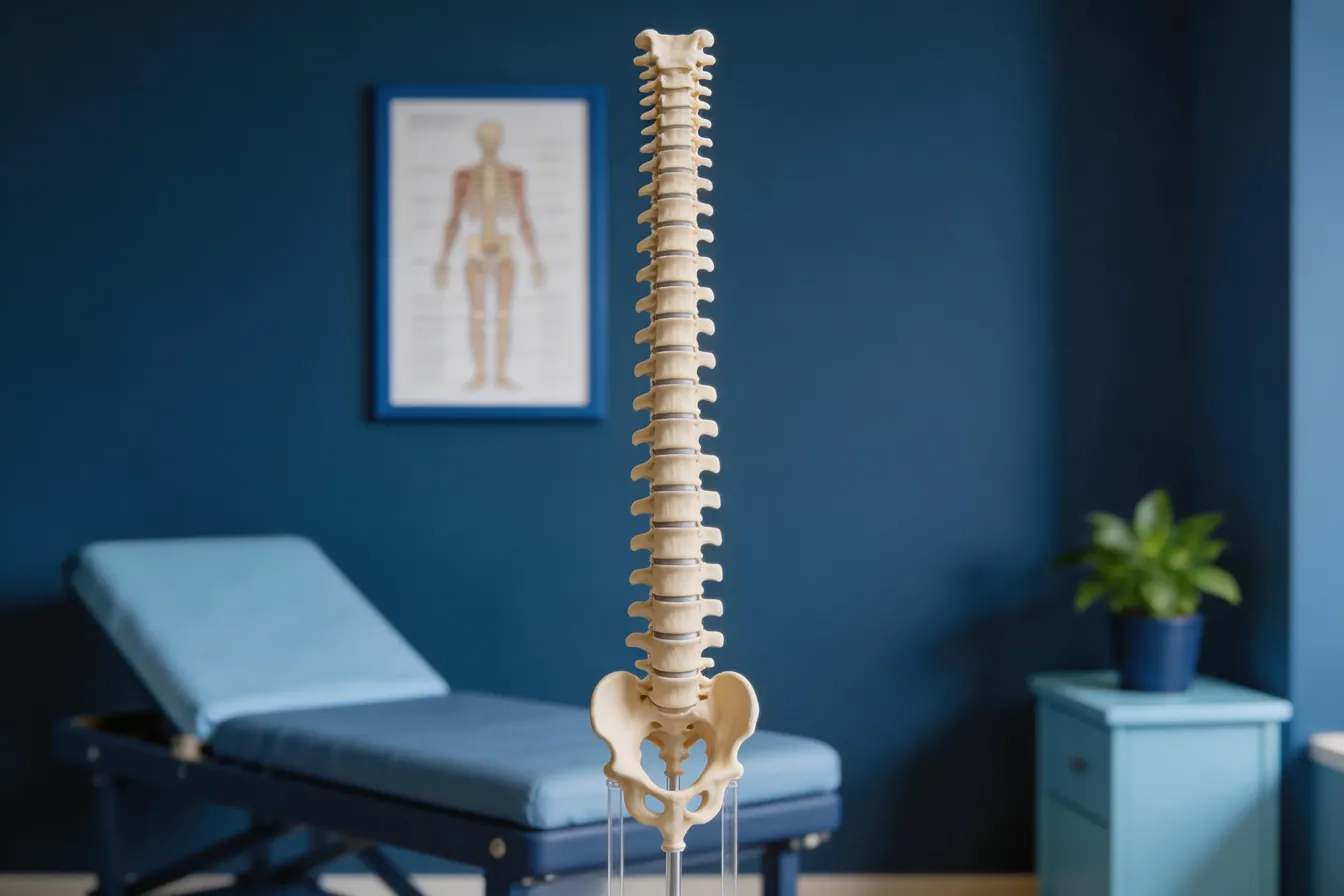
Lifestyle Changes That Promote a Healthy Spine
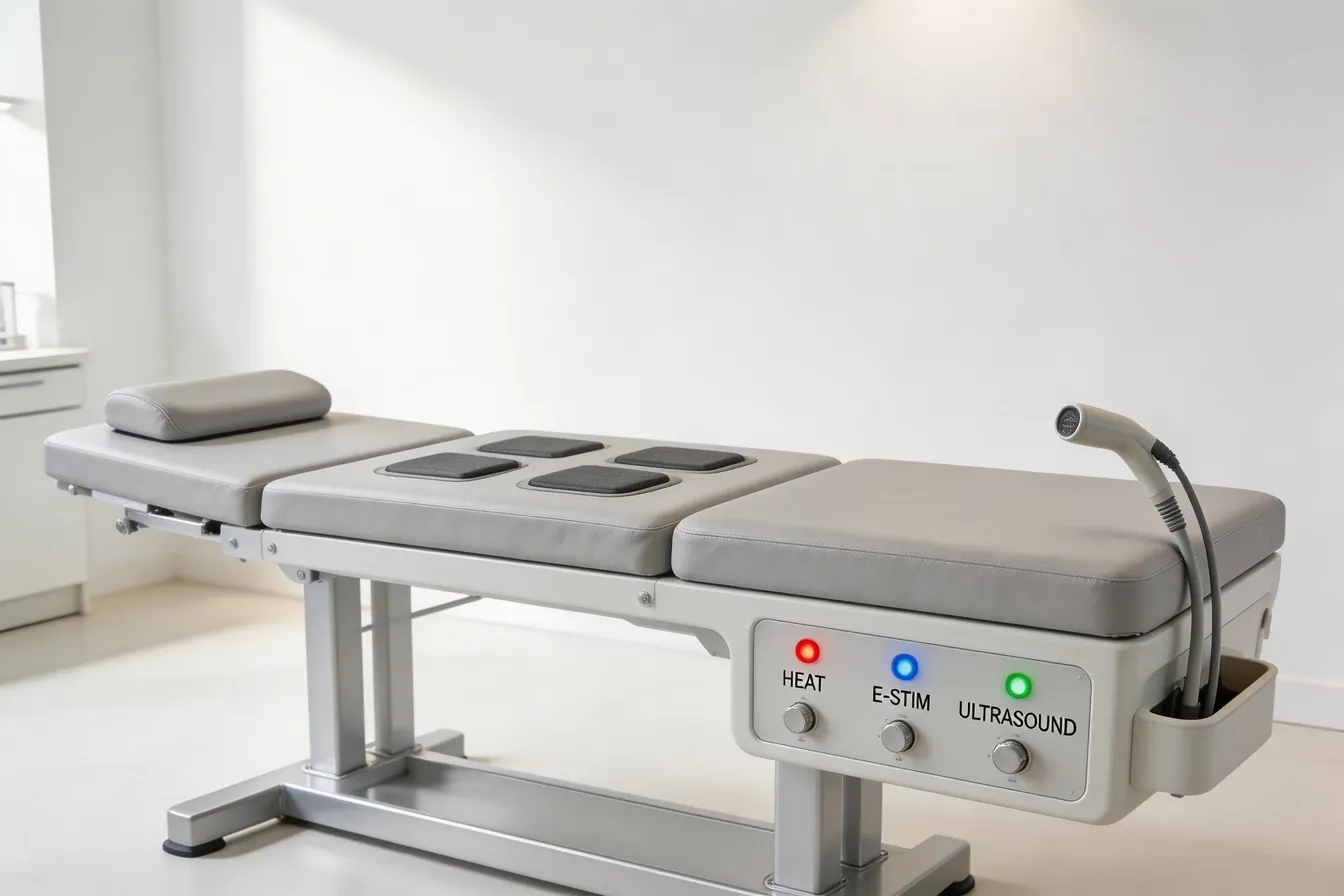
Physiotherapy as a Complement to Chiropractic Treatments

6 Ways Physiotherapy Enhances Chiropractic Treatment Outcomes

Daily Living Tips for a Strong and Healthy Spine

How Physiotherapy Enhances Chiropractic Outcomes
Holistic Treatments: Alternatives to Surgery for Pain Relief

Inspiring Patient Success Stories from Chiropractic Clinics

Integrating Physiotherapy with Chiropractic Treatments
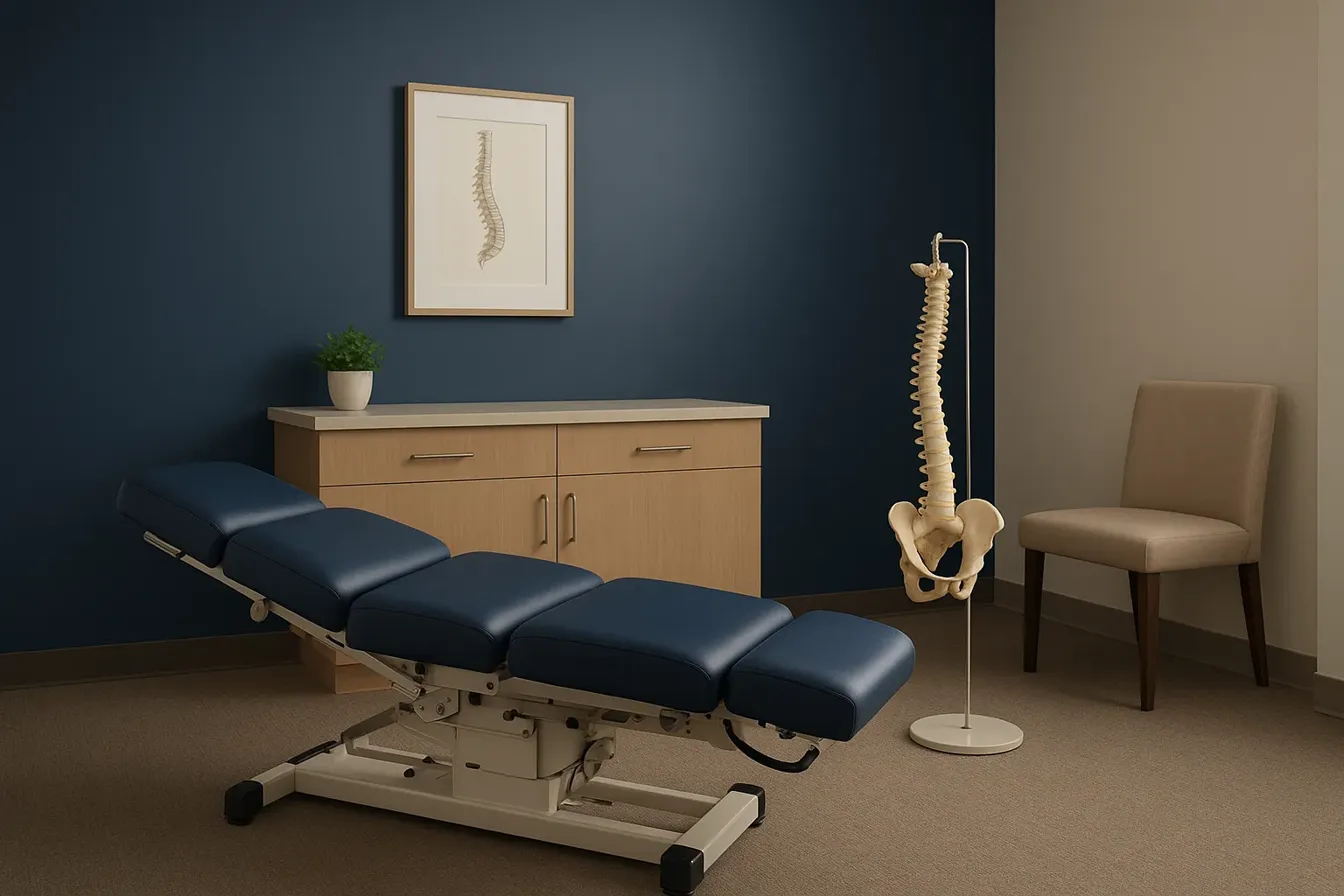
Corrective Exercise Routines for Chronic Pain Prevention
10 Corrective Exercises to Maintain a Healthy Spine and Relieve Pain

Exercise Strategies for Long-Term Pain Management
10 Corrective Exercises to Maintain a Healthy Spine and Relieve Pain
The Importance of Treating the Root Cause of Pain

Nutritional Support Strategies for Whole-Body Wellness

7 Essential Questions to Ask When Choosing Your Chiropractor

Identifying and Addressing Root Causes of Pain
Maintaining a Healthy Spine with Lifestyle Adjustments

Sciatica Symptom Relief via Spinal Decompression

8 Reasons Why Addressing the Root Cause of Pain Is Crucial

Chiropractic Care’s Impact on Back Pain Recovery

Combining Physiotherapy with Chiropractic Care for Better Results

Inspiring Recovery: Chiropractic Patient Testimonials
Nutritional Counseling Tips for Optimal Wellness

Why Addressing the Root Cause of Pain is Crucial

Back Pain and Chiropractic Care: A Winning Combination

Chiropractic Care Benefits You Might Not Know
Exploring Holistic and Non-Surgical Treatments for Pain
Spinal Health: Lifestyle Tips for Everyday Wellness
Spinal Decompression Therapy: Benefits and Applications
Holistic and Non-Invasive Spine Care Options
Everyday Lifestyle Advice to Keep Your Spine Healthy
The Significance of Treating Root Causes in Pain Therapy
Best Corrective Exercises for Sustainable Pain Management

Addressing Underlying Causes of Pain for Long-Term Relief

6 Key Benefits of Spinal Decompression Therapy for Sciatica Relief

How Nutritional Counseling Supports Spine Health and Recovery

The Role of Physiotherapy in Supporting Chiropractic Treatments