Combining Physiotherapy with Chiropractic Care for Optimal Back Pain Management
January 7, 2026
10 min
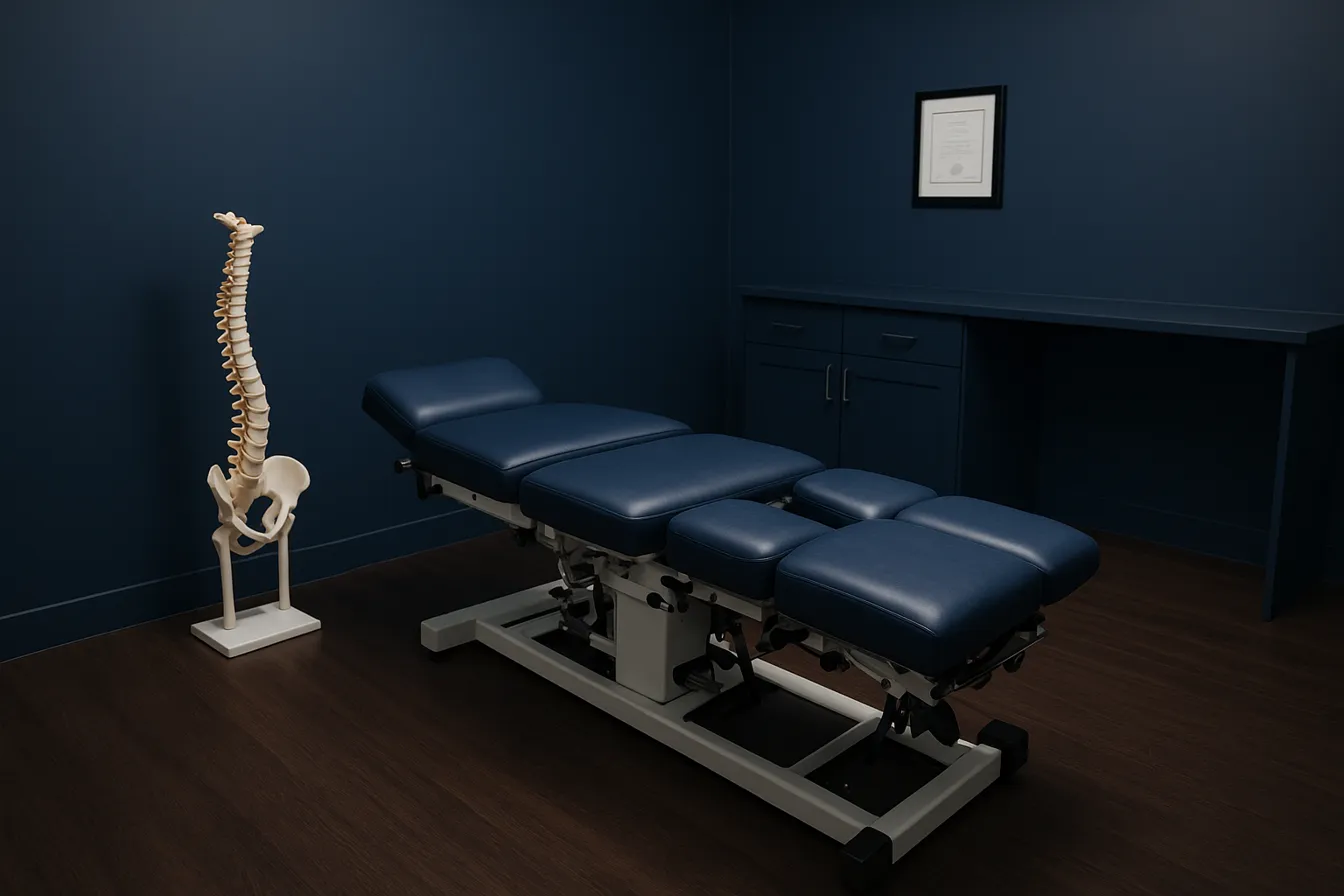
Introducing a Comprehensive Approach to Back Pain Management
Understanding Back Pain and Its Prevalence
Back pain is one of the most common health issues affecting millions worldwide. It can be acute or chronic, impacting daily activities and quality of life. Approximately 80% of adults will experience back pain at some point, ranging from mild discomfort to debilitating conditions.
The Need for Holistic and Integrative Treatments
Given the complexity of back pain causes — including muscle strain, spinal misalignment, and arthritis — a holistic approach is essential. Treatments that address both structural and functional aspects of the body promote natural healing and long-term wellness without relying solely on medications or surgery.
Why Combine Chiropractic Care with Physiotherapy?
Chiropractic care focuses on spinal alignment and improving nervous system function through hands-on adjustments. Physiotherapy complements this by strengthening muscles, enhancing flexibility, and retraining movement patterns through guided exercises. Together, they provide a synergistic effect, accelerating recovery, reducing pain, and preventing future injuries. This integrative approach empowers patients with personalized care that supports both spinal health and muscular function for lasting relief and improved mobility.
Understanding Chiropractic Care’s Role in Musculoskeletal Health

Core principles of chiropractic care
Chiropractic care overview focuses on diagnosing and treating mechanical issues within the musculoskeletal system, particularly spinal misalignments known as subluxations. These misalignments can disrupt nerve function and contribute to pain, limited mobility, and posture problems. Using precise, hands-on spinal adjustments, chiropractors aim to restore proper alignment and enhance the nervous system’s communication, supporting the body's natural healing capabilities.
Spinal adjustments and their effects on nervous system and posture
Spinal adjustments help realign the vertebrae, reducing nerve interference that can cause pain and dysfunction. Improved alignment enhances posture and joint mobility, leading to reduced muscle tension and better overall balance in the body. This approach not only alleviates pain but also promotes optimal nervous system health, essential for effective body function and recovery. See Chiropractic care and spinal alignment and Chiropractic adjustments for spine realignment.
Holistic benefits beyond pain relief
Beyond easing discomfort, chiropractic care contributes to overall physical wellness. Techniques such as soft tissue therapy, rehabilitative exercises, and lifestyle counseling support musculoskeletal balance and resilience. Patients often experience improved range of motion, reduced inflammation, and enhanced circulation, which foster long-term health benefits and active lifestyles without reliance on medications. See Chronic pain management with combined therapies and Holistic and customized physiotherapy and chiropractic care.
Clinical evidence supporting chiropractic effectiveness
Research supports the safety and effectiveness of chiropractic care, particularly for back pain, neck pain, and headaches. Studies show that chiropractic interventions can reduce pain and disability in the short to medium term and improve spinal function. Although individual responses vary, chiropractic care is recognized as a valuable non-invasive treatment option within integrative healthcare strategies. For detailed evidence and clinical trials, see systematic review of chiropractic trials and American College of Physicians guidelines.
Personalization of chiropractic treatment plans
Experienced chiropractors develop personalized treatment plans through comprehensive assessments of the patient’s physical condition, medical history, and lifestyle factors. Treatment is tailored to individual needs, often combining spinal adjustments with complementary therapies and lifestyle guidance. Regular monitoring and adjustments to the plan ensure optimal progress, patient engagement, and long-term musculoskeletal health improvements. Learn more about personalized treatment plans combining therapies and collaborative chiropractic and physical therapy approach.
The Essential Role of Physiotherapy in Back Pain Recovery

Focus and goals of physiotherapy
Physiotherapy centers on restoring and maintaining physical function by addressing movement limitations, pain, and musculoskeletal injuries. It aims to improve flexibility, strength, and joint mobility through a range of guided activities and therapies.
Strengthening muscles and improving flexibility
A core element of physiotherapy involves strengthening the muscles supporting the spine and joints, crucial for maintaining correct posture and reducing recurrent injury risk. Flexibility exercises also help to enhance range of motion and prevent stiffness.
Use of therapeutic exercises and modalities
Therapeutic exercises such as stretching, core strengthening, and balance training are prescribed to retrain movement patterns. Physiotherapists often integrate modalities like ultrasound, heat and cold therapies, and electrical stimulation to support pain relief and tissue healing.
Role in injury rehabilitation and chronic pain management
Physiotherapy plays an important role in rehabilitation after injuries or surgery by gradually rebuilding function and endurance. It also helps patients manage chronic conditions by improving muscle balance, joint function, and guiding lifestyle modifications.
How physiotherapy complements chiropractic care
By addressing muscle strength and functional movement patterns, physiotherapy supports and sustains the spinal alignment achieved through chiropractic adjustments. Combining both therapies offers a holistic approach that targets structural correction alongside improved muscle support for faster recovery and long-term musculoskeletal health.
Synergies Between Chiropractic Care and Physiotherapy

How chiropractic and physiotherapy address structural and functional issues
Chiropractic care focuses on correcting spinal alignment and joint function through precise adjustments, aiming to reduce nerve irritation and support the body's natural healing. Physiotherapy complements this by targeting muscle strength, flexibility, and movement retraining through guided exercises, stretches, and manual therapies. Together, they address both the structural integrity of the spine and the functional capacity of muscles, providing a comprehensive approach to musculoskeletal health.
The synergistic effects on pain relief and mobility
Improved recovery outcomes with integrated care
Patient education and prevention strategies
Examples of conditions benefiting from combined treatment
Low-back pain, neck pain, herniated discs, arthritis, and soft tissue injuries frequently benefit from this integrated approach. Conditions caused by poor posture, repetitive strain, or trauma respond particularly well when chiropractic adjustments align joints and physiotherapy strengthens the surrounding musculature, leading to restored function and reduced discomfort.
Personalized and Collaborative Treatment Planning for Optimal Outcomes

Why Is Interdisciplinary Communication Important in Musculoskeletal Care?
Effective communication between chiropractors, physical therapists, and other health professionals is essential to develop comprehensive treatment strategies. Sharing clinical findings and progress ensures therapies complement each other, targeting both spinal alignment and muscle function treatment. Coordinated care avoids duplicate treatments, minimizes risks, and promotes consistent messaging to patients, helping them understand their rehabilitation journey.
How Are Treatment Plans Customized to Meet Individual Patient Needs?
Each patient presents unique musculoskeletal challenges influenced by their condition, lifestyle, and goals. Personalized plans begin with thorough assessments addressing spinal health, muscle strength, flexibility, and functional limitations. Chiropractors may focus more on spinal adjustments and nerve function improvement, while physical therapists tailor exercises to build strength and retrain movement. This customization improves recovery speed, pain relief, and long-term function. Learn more about personalized treatment plans combining therapies.
In What Ways Is Progress Monitored and Therapies Adjusted?
Routine evaluations track pain levels, mobility, posture, and functional independence. Adjustments in chiropractic care frequency or physical therapy exercise intensity are made according to patient response. This dynamic approach optimizes outcomes by adapting care for acute flare-ups, chronic conditions, or recovery plateaus while reinforcing improvements with maintenance strategies. See insights on monitoring and adjusting combined chiropractic and physical therapy.
What Role Does Patient Participation and Education Play?
Engaged patients who understand their treatment rationale and home exercise routines achieve better results. Education about posture, ergonomics, activity modifications, and self-care techniques empowers patients to manage symptoms and prevent recurrence. Encouraging active involvement nurtures adherence and supports holistic wellness beyond clinical settings. Discover more on patient education in chiropractic treatment.
How Does Collaborative Care Enhance Long-term Musculoskeletal Health and Injury Prevention?
Integrating combined chiropractic interventions addresses both structural and functional elements of the musculoskeletal system. This synergy strengthens spinal alignment and surrounding musculature, improves flexibility and coordination, and builds resilience against future injuries. Ongoing guidance fosters healthy habits, promoting sustained mobility, reduced pain, and improved quality of life.
Holistic Musculoskeletal Health Services Typically Offered by Chiropractic Practices
- Chiropractic adjustments for spine realignment
- Soft tissue therapies to relieve muscle tension
- Posture correction and ergonomic counseling
- Personalized rehabilitation exercises
- Nutritional and lifestyle advice
- Stress management and mindfulness techniques
- Preventative care and detailed functional assessments
These services support natural healing processes and emphasize individualized care that enhances immunity, mobility, and overall wellness.
What to Expect During Your Initial Consultation at a Chiropractic and Physiotherapy Practice
Comprehensive Assessment Components
Your initial visit typically begins with a detailed medical history review. Practitioners collect information about your symptoms, previous injuries, lifestyle, and treatments, enabling a full understanding of your condition.
Medical History Review and Diagnostic Tools
The practitioner may request diagnostic tests such as X-rays if needed, to assess spinal alignment and structural issues. This step is essential to tailor the treatment effectively.
Physical Examination and Functional Evaluation
This phase includes evaluating your posture, range of motion, muscle strength, neurological responses, and specific movement patterns. The functional tests help pinpoint areas needing adjustment or strengthening.
Explanation of Diagnosis and Personalized Treatment Plan
Based on the findings, the healthcare provider explains your diagnosis thoroughly. You will receive a customized treatment plan combining chiropractic and physical therapy treatments to address both the structure and function of your musculoskeletal system.
Education on Posture, Exercises, and Lifestyle Adjustments
You will be guided on proper posture techniques, specific exercises, and lifestyle changes that promote healing and prevent re-injury. This education supports long-term wellness and complements hands-on treatment.
By integrating thorough evaluations and patient education, this consultation sets a strong foundation for effective, personalized care targeting pain relief and enhanced mobility.
Long-Term Benefits of Combining Chiropractic and Physiotherapy Beyond Pain Relief

How can chiropractic care contribute to general wellness beyond pain relief?
Chiropractic care offers significant benefits that extend far beyond immediate pain relief. By focusing on spinal alignment and nervous system function, chiropractic adjustments enhance the body's natural healing and communication pathways. This improvement in nervous system health allows the body to better regulate and coordinate its functions, leading to enhanced overall wellness.
Enhancement of nervous system function
Chiropractic treatments reduce nerve irritation and improve spinal function, which supports the optimal flow of nerve signals throughout the body. This neurological enhancement contributes to better organ function, improved reflex responses, and a stronger immune system, facilitating holistic healing.
Promotion of better posture and flexibility
Combining chiropractic care with physiotherapy reinforces spinal alignment and promotes muscular balance. Physiotherapy exercises strengthen postural muscles and improve flexibility, aiding in maintaining the health of the spine and joints. Together, these therapies correct poor posture habits, reducing strain on muscles and ligaments, and preventing future injuries.
Reduction of tension and stress
Chiropractic adjustments help alleviate muscle tension and reduce stress by relaxing the nervous system. This relaxation effect fosters mental well-being and can complement mindfulness practices, while physiotherapy’s stretching and strengthening exercises release chronic muscle tightness.
Improved circulation and overall physical functioning
Regular chiropractic care encourages proper joint mobility, which enhances blood and lymphatic circulation. Improved circulation helps reduce inflammation and promote tissue healing. Physiotherapy supports this by increasing muscle strength and endurance, enabling better functional movement and physical activity.
Support for active lifestyles and wellness
An integrated approach combining chiropractic and physiotherapy supports long-term health by maintaining spinal health and optimizing musculoskeletal function. This promotes resilience, reduces the risk of re-injury, and encourages patients to participate actively in their wellness routines and daily activities, fostering a higher quality of life and sustained vitality.
Towards Sustained Back Health with Integrated Care
Combining chiropractic and physiotherapy delivers comprehensive benefits by addressing both spinal alignment and muscle function. Chiropractic adjustments help relieve nerve pressure and improve mobility, while physiotherapy strengthens muscles and restores flexibility. This joint approach accelerates pain relief and recovery, reduces the risk of reinjury, and supports lasting spinal health.
Personalized treatment plans are essential, tailoring the balance of chiropractic and physiotherapy to individual needs and conditions. Effective care involves close communication among healthcare providers and active patient participation. Incorporating lifestyle changes such as proper posture, core strengthening, regular movement, and stress management significantly enhances outcomes.
Engaged patients adhering to customized programs experience improved function, greater resilience, and reduced pain, promoting sustained wellness. Integrative care fosters a holistic approach that not only treats pain but also empowers individuals to maintain optimal back health and quality of life moving forward.
Recent articles

10 Real‑Patient Success Stories Showcasing the Impact of Chiropractic Care

Superfoods That Boost Nerve Healing After Chiropractic Sessions

Sleep Positions That Promote a Healthy Back Alignment

Signs Your Chiropractor Is a Good Fit for Your Back Pain Goals

Case Study: Integrated Physiotherapy and Chiropractic for Faster Recovery

First-Time Chiropractic Visit: A Step‑by‑Step Walkthrough

Synergistic Benefits: Combining Physiotherapy with Chiropractic Care

Beyond Surgery: Holistic Approaches to Managing Back Pain

How Manual Therapy Enhances the Effects of Chiropractic Adjustments

Hydration Hacks: Why Water Matters for Joint and Spine Function

What Does a Comprehensive Spinal Evaluation Include?

Success Spotlight: Transformative Results After Six Weeks of Chiropractic Treatment

Understanding the Initial Assessment Process in Chiropractic Care

Designing a Personalized Corrective Exercise Plan for Chronic Pain Management

Natural Pain Management: Combining Acupuncture, Yoga, and Chiropractic

Chiropractic Care vs. Pain Meds: Long-Term Outcomes for Back Pain Sufferers

What to Expect During a Sciatica‑Focused Decompression Session

Understanding the Pain-Relief Mechanics Behind Chiropractic Adjustments

Success Rates of Non‑Surgical Spinal Decompression for Sciatica

Patient-Centered Chiropractic Care: Personalized Plans for Back Pain Relief

How Chiropractic Treatments Reduce Inflammation and Speed Up Back Pain Recovery

Real‑Life Stories: How Chiropractic Helped Patients Overcome Chronic Back Pain

From Symptom Masking to Root‑Cause Healing: A Practical Guide

6 Holistic Non‑Surgical Treatments That Deliver Sustainable Back‑Pain Relief

Key Questions to Ask When Selecting Your Chiropractor

Mindful Movement: Incorporating Stretch Breaks Into a Busy Day

Why Targeting the Underlying Cause Beats Temporary Symptom Relief

8 Ways Physiotherapy Complements Chiropractic Adjustments for Faster Recovery

Meal Planning for Athletes Recovering from Back Injuries

9 Everyday Lifestyle Tweaks to Preserve a Healthy Spine and Prevent Pain

Functional Movement Screening for Root‑Cause Pain Identification

6 Things You’ll Experience During Your First Chiropractic Appointment

Spinal Decompression vs. Standard Physical Therapy for Sciatica: A Comparative Review

New Findings on How Adjustments Influence Blood Circulation

Work‑From‑Home Ergonomics: A Blueprint for a Pain‑Free Back

The Link Between Chiropractic Care and Improved Sleep Quality

Physiotherapy Techniques That Strengthen the Benefits of Chiropractic Adjustments

Biomechanical Insights Behind Successful Spinal Decompression

Desk‑to‑Dumbbell: Lifestyle Shifts That Guard Your Lower Back

10 Corrective Exercises for Sustainable Pain-Free Living

Morning Routines That Support Spine Health and Reduce Stiffness

Calcium and Magnesium‑Focused Nutrition for Bone Density and Spine Health

9 Ways Chiropractic Care Transforms Back Pain Management

Testimonial: Nutrition‑Guided Recovery Accelerated by Chiropractic

Science‑Backed Spinal Decompression for Relieving Sciatica Symptoms

Key Questions to Ask During Your Initial Chiropractic Consultation

Whole‑Body Wellness Blueprint: Nutrition, Exercise, and Chiropractic Synergy

A 12‑Week Corrective Exercise Blueprint for Chronic Neck Discomfort

Manual Therapy Plus Targeted Exercise: Accelerating Post‑Injury Recovery

Home‑Based Spinal Decompression Devices: What Patients Should Know

Chiropractic Care Statistics: Reducing Lost Workdays From Back Pain

How Targeted Nutrition Enhances Immune Function and Lowers Inflammatory Pain

Self‑Assessment Tools to Identify Hidden Triggers of Back Pain

Preparing for Your First Chiropractic Appointment: A Practical Checklist

Back Pain Relief Benefits: Lower Opioid Use and Better Quality of Life

Foam‑Rolling Techniques to Complement Chiropractic Adjustments

Progressive Overload Principles in Corrective Exercise Programs

Six‑Month Transformation: Integrated Care Success Story

7 Nutritional Hacks to Boost Your Overall Wellness

How to Choose a Chiropractor: Credentials, Techniques, and Patient Compatibility

5 Ways Spinal Decompression Can Ease Sciatica Pain

Overcoming Sciatica: A Patient’s Multidisciplinary Treatment Journey
Lifestyle Changes That Promote a Healthy Spine
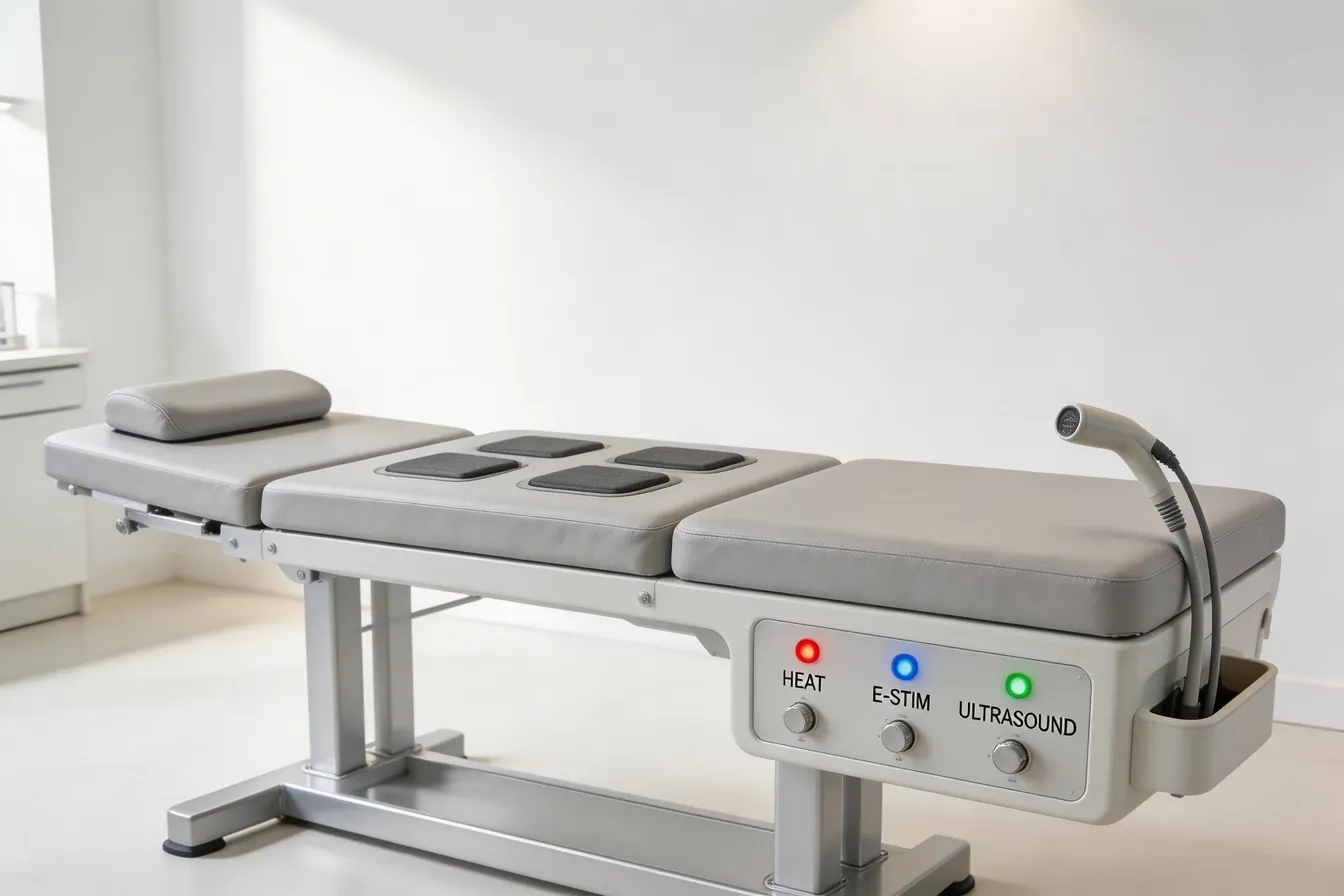
Physiotherapy as a Complement to Chiropractic Treatments

6 Ways Physiotherapy Enhances Chiropractic Treatment Outcomes

Daily Living Tips for a Strong and Healthy Spine

How Physiotherapy Enhances Chiropractic Outcomes
Holistic Treatments: Alternatives to Surgery for Pain Relief
Inspiring Patient Success Stories from Chiropractic Clinics

Integrating Physiotherapy with Chiropractic Treatments
Corrective Exercise Routines for Chronic Pain Prevention
10 Corrective Exercises to Maintain a Healthy Spine and Relieve Pain
Exercise Strategies for Long-Term Pain Management
10 Corrective Exercises to Maintain a Healthy Spine and Relieve Pain
The Importance of Treating the Root Cause of Pain

Nutritional Support Strategies for Whole-Body Wellness
7 Essential Questions to Ask When Choosing Your Chiropractor
Identifying and Addressing Root Causes of Pain

Maintaining a Healthy Spine with Lifestyle Adjustments
Sciatica Symptom Relief via Spinal Decompression
8 Reasons Why Addressing the Root Cause of Pain Is Crucial

Chiropractic Care’s Impact on Back Pain Recovery

Combining Physiotherapy with Chiropractic Care for Better Results

Inspiring Recovery: Chiropractic Patient Testimonials

Nutritional Counseling Tips for Optimal Wellness

Why Addressing the Root Cause of Pain is Crucial
Back Pain and Chiropractic Care: A Winning Combination

Chiropractic Care Benefits You Might Not Know
Exploring Holistic and Non-Surgical Treatments for Pain
Spinal Health: Lifestyle Tips for Everyday Wellness
Spinal Decompression Therapy: Benefits and Applications
Holistic and Non-Invasive Spine Care Options
Everyday Lifestyle Advice to Keep Your Spine Healthy
The Significance of Treating Root Causes in Pain Therapy
Best Corrective Exercises for Sustainable Pain Management

Addressing Underlying Causes of Pain for Long-Term Relief
6 Key Benefits of Spinal Decompression Therapy for Sciatica Relief

How Nutritional Counseling Supports Spine Health and Recovery

The Role of Physiotherapy in Supporting Chiropractic Treatments