Lifestyle Advice for Back Pain Prevention and Spinal Care
January 1, 2026
7 min
Understanding Back Pain and the Importance of Prevention
Prevalence of Back Pain in Adults
Back pain affects nearly 80% of adults at some point in their lives, making it a widespread health concern in the United States. Most adults experience episodes of back discomfort ranging from mild to severe.
Common Causes of Back Pain
The leading causes include osteoarthritis, which can cause inflammation and spinal joint issues, bulging or ruptured discs pressing on nerves, and muscle or ligament strain from activities like lifting or twisting. These factors can contribute to discomfort in the lower back region.
Temporary Nature of Most Back Pain Cases
Remarkably, about 90% of back pain episodes are temporary, resolving within 12 weeks with proper self-care. Treatments such as light activity, gentle stretching, and maintaining mobility often support natural recovery, minimizing the need for invasive interventions.
Importance of Prevention Through Lifestyle Choices
Prevention plays a critical role in managing back health. Engaging in regular low-impact exercise like walking or swimming, strengthening core and back muscles, maintaining proper posture, and adopting safe lifting techniques help reduce injury risk. Additionally, maintaining a healthy weight and quitting smoking improve spinal circulation and support tissue healing, promoting long-term spinal wellness.
Foundations of Spinal Health: Exercise, Posture, and Weight Management
What lifestyle habits help prevent back pain?
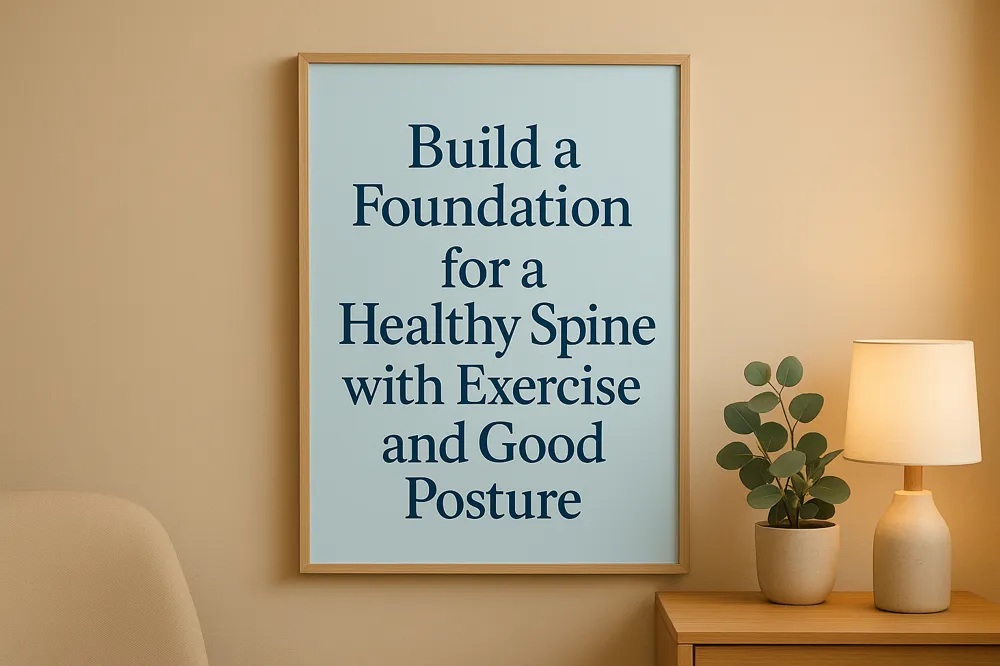
Preventing back pain centers on adopting healthy lifestyle habits that support spinal wellness and minimize strain. Regular exercise plays a crucial role; activities like walking, swimming, and other low-impact aerobic exercises enhance circulation, maintain a healthy weight, and strengthen muscles around the spine. These exercises promote flexibility and aid inflammation reduction, creating a solid foundation for back health.
Core muscle strengthening exercises, including planks, bridges, yoga, Pilates, and targeted physical therapy routines, contribute to spinal stability by fortifying the abdominal and back muscles. A strong core lessens pressure on the spine, reducing the chance of injury and chronic pain.
Equally important is maintaining proper posture in both sitting and standing positions. Good posture involves keeping the back straight, shoulders aligned, and using ergonomic furniture that supports the natural curve of the spine. At work, using adjustable chairs with lumbar support, positioning monitors at eye level, and taking frequent movement breaks prevent sustained spinal stress.
Weight management is vital to alleviate excessive mechanical load on the spine. Achieving and maintaining a healthy weight through balanced nutrition and physical activity decreases the risk of developing back pain associated with osteoarthritis and disc degeneration.
In summary, integrating regular low-impact exercise, strengthening the core, practicing good posture, managing body weight, and creating ergonomic work environments collectively establish effective prevention strategies for maintaining spinal health and reducing back pain risks.
Holistic Chiropractic Care for Musculoskeletal Wellness

How does holistic chiropractic care differ from traditional chiropractic methods?
Holistic chiropractic care goes beyond just alleviating symptoms. It addresses the root causes of musculoskeletal health problems by integrating spinal adjustments with lifestyle improvements, nutritional counseling, and complementary therapies like massage. Traditional chiropractic care typically concentrates on spinal alignment and pain relief, while holistic care supports the nervous system and overall health for lasting wellness.
What are the primary benefits of chiropractic care for musculoskeletal health?
Chiropractic adjustments offer effective relief from back pain basics, neck pain, headaches, and joint discomfort by realigning misaligned joints and easing nerve pressure. This non-invasive, drug-free approach improves mobility, flexibility, and posture while helping manage injuries and reducing inflammation. The result is enhanced musculoskeletal function and improved quality of life.
What types of musculoskeletal conditions can chiropractic services help treat?
Chiropractic care addresses a wide range of conditions, including lower back and neck pain, sciatica, arthritis and back pain, muscle stiffness, joint dysfunction, and tension headaches. By combining manual joint adjustments with soft tissue therapies, chiropractic helps reduce inflammation, restore function, and promote healing.
What techniques are commonly used by chiropractors in musculoskeletal therapy?
Chiropractors utilize various techniques such as:
- Diversified Technique: Quick, gentle thrusts to realign vertebrae.
- Gonstead Method: Precise, image-guided spinal corrections.
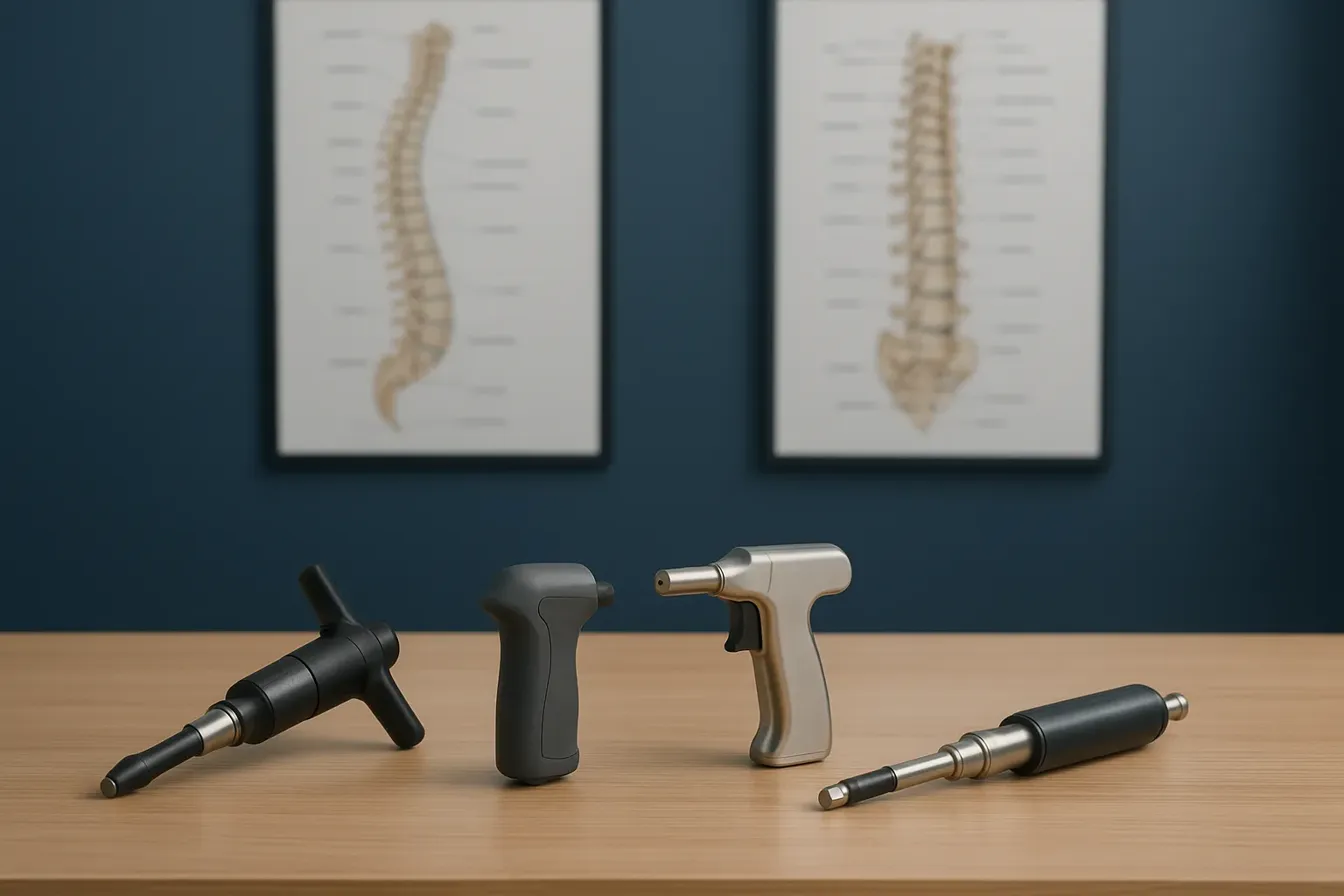
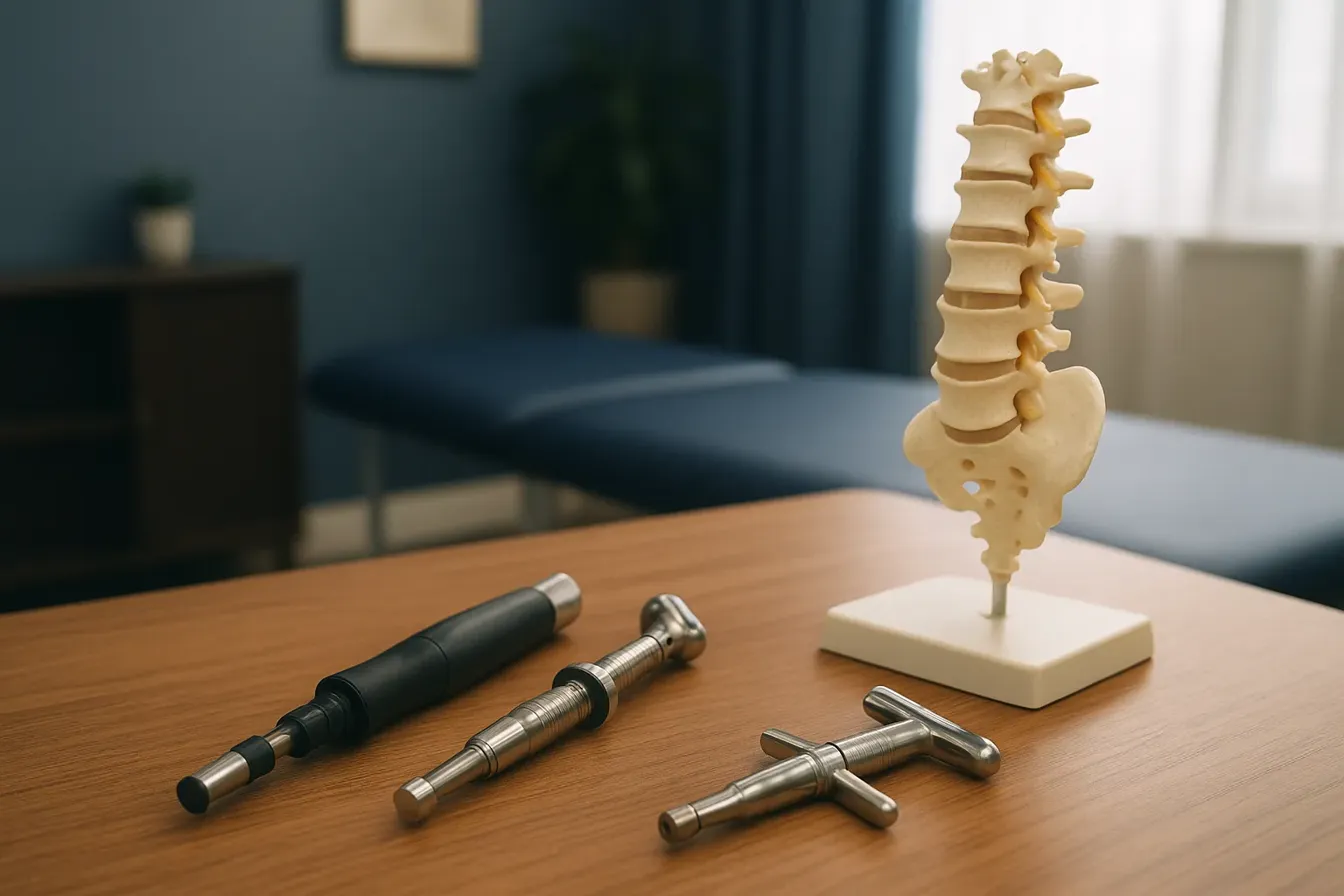
- Activator Technique: Low-force adjustments using a handheld instrument.
- Spinal Mobilization: Gentle movements to enhance joint mobility.
- Spinal Decompression and Flexion-Distraction: Stretching methods that relieve nerve pressure from disc problems.
What is the role of chiropractic care in posture and nervous system health?
Chiropractic care improves posture by restoring proper spinal alignment, reducing muscle imbalances and stress on joints. A well-aligned spine supports optimal nervous system function since the spinal cord and nerves are better able to transmit signals without disruption, enhancing overall bodily health.
Maintaining Musculoskeletal Health After Chiropractic Treatment

How can patients maintain musculoskeletal health following chiropractic treatment?
Post-treatment care plays a vital role in supporting and prolonging the benefits achieved through chiropractic adjustments. Patients are encouraged to maintain hydration, which supports Hydration and Spinal Discs health and flexibility. Incorporating gentle movements like walking and low-impact swimming enhances circulation and assists tissue healing without overloading the spine.
Maintaining proper ergonomics is essential: sitting and standing with Good Posture Tips reduces spinal strain. Avoiding prolonged sitting by taking Taking Breaks to Prevent Back Pain helps prevent stiffness and muscle tension. Patients should follow prescribed Stretching Exercises for Back and strengthening exercises to improve flexibility and core stability, which supports spinal alignment and reduces the risk of re-injury.
Lifestyle habits such as maintaining a Healthy Weight for Back Pain, quitting smoking to improve blood flow (Smoking cessation and back pain), and engaging in stress management techniques (e.g., mindfulness or yoga) further promote Holistic approach to musculoskeletal health. Use of heat or ice packs can ease soreness after treatment sessions.
When discomfort persists beyond usual recovery or new symptoms like numbness or weakness appear, patients should promptly seek follow-up care. Regular chiropractic visits or physical therapy assessments can monitor progress and adjust treatment plans to sustain long-term spinal wellness.
Practical Lifestyle Tips to Prevent and Manage Back Pain

Proper lifting techniques
To protect your back when lifting, always bend at the knees, keep your back straight, and lift with your leg muscles rather than your back. Avoid twisting while lifting, and hold items close to your body to reduce strain. These habits prevent muscle and ligament injuries that commonly lead to back pain. See more about Proper lifting techniques.
Ergonomic modifications at home and work
Set up your work and living spaces to support good posture. Use chairs with lumbar support, keep computer monitors at eye level, and ensure feet rest flat on the floor. Regularly take breaks to stand, stretch, and walk to avoid prolonged static postures that stress spinal discs. Learn about Ergonomic workplace setup.
Importance of diet and hydration
Eating a nutrient-rich diet with anti-inflammatory foods like leafy greens, nuts, and omega-3-rich fish supports spinal health. Maintaining adequate hydration is vital for keeping spinal discs flexible and shock-absorbent. For information on Anti-Inflammatory Foods for Back Pain and Hydration and Spinal Discs, see the resources available.
Sleep posture and mattress recommendations
Sleep on a medium-firm mattress that supports spinal alignment. Sleeping on your back with a pillow under your knees or on your side with a pillow between your knees reduces lower back pressure and promotes restful sleep. Check out guidance on Sleep Positions for Spine Alignment.
Stress management and smoking cessation
Managing stress through mindfulness, meditation, or gentle physical activities can reduce muscle tension contributing to back pain. Quitting smoking improves blood flow to spinal tissues, enhancing healing and reducing degeneration risks. Explore Stress Reduction for Back Pain and Smoking cessation and back pain for more details.
Early recognition and seeking professional advice
Pay attention to persistent back pain, numbness, or weakness, and seek professional evaluation early. During the first chiropractic consultation, patients receive a detailed assessment including health history, posture and movement analysis, and possibly imaging tests. The chiropractor then creates a personalized treatment plan with spinal adjustments and lifestyle guidance focused on back pain prevention and improved wellness. Find further information regarding When to see a doctor for back pain and Consulting healthcare professionals for back pain.
Empowering Yourself for Long-Term Spinal Health
Prevention Strategies for a Healthy Spine
Regular exercise targeting core and back muscles, maintaining a healthy weight, using proper posture, and employing safe lifting techniques are vital in preventing back pain. Incorporating low-impact activities like walking or swimming and taking scheduled breaks from prolonged sitting also protect spinal health.
Integrative Benefits of Chiropractic Care and Healthy Habits
Chiropractic care offers gentle spinal adjustments that improve alignment and mobility, complementing lifestyle habits such as stretching and strength training. This holistic approach reduces muscle tension, supports natural pain relief, and enhances overall wellness.
When to Seek Professional Support
Persistent or severe back symptoms warrant evaluation by healthcare professionals. Early intervention through personalized care plans optimizes recovery and prevents chronic conditions, empowering individuals to maintain lifelong spinal health.
Recent articles

10 Real‑Patient Success Stories Showcasing the Impact of Chiropractic Care

Superfoods That Boost Nerve Healing After Chiropractic Sessions

Sleep Positions That Promote a Healthy Back Alignment
Signs Your Chiropractor Is a Good Fit for Your Back Pain Goals

Case Study: Integrated Physiotherapy and Chiropractic for Faster Recovery
First-Time Chiropractic Visit: A Step‑by‑Step Walkthrough
Synergistic Benefits: Combining Physiotherapy with Chiropractic Care

Beyond Surgery: Holistic Approaches to Managing Back Pain

How Manual Therapy Enhances the Effects of Chiropractic Adjustments

Hydration Hacks: Why Water Matters for Joint and Spine Function

What Does a Comprehensive Spinal Evaluation Include?

Success Spotlight: Transformative Results After Six Weeks of Chiropractic Treatment

Understanding the Initial Assessment Process in Chiropractic Care

Designing a Personalized Corrective Exercise Plan for Chronic Pain Management

Natural Pain Management: Combining Acupuncture, Yoga, and Chiropractic

Chiropractic Care vs. Pain Meds: Long-Term Outcomes for Back Pain Sufferers

What to Expect During a Sciatica‑Focused Decompression Session

Understanding the Pain-Relief Mechanics Behind Chiropractic Adjustments

Success Rates of Non‑Surgical Spinal Decompression for Sciatica

Patient-Centered Chiropractic Care: Personalized Plans for Back Pain Relief
How Chiropractic Treatments Reduce Inflammation and Speed Up Back Pain Recovery

Real‑Life Stories: How Chiropractic Helped Patients Overcome Chronic Back Pain

From Symptom Masking to Root‑Cause Healing: A Practical Guide

6 Holistic Non‑Surgical Treatments That Deliver Sustainable Back‑Pain Relief

Key Questions to Ask When Selecting Your Chiropractor

Mindful Movement: Incorporating Stretch Breaks Into a Busy Day

Why Targeting the Underlying Cause Beats Temporary Symptom Relief

8 Ways Physiotherapy Complements Chiropractic Adjustments for Faster Recovery

Meal Planning for Athletes Recovering from Back Injuries

9 Everyday Lifestyle Tweaks to Preserve a Healthy Spine and Prevent Pain

Functional Movement Screening for Root‑Cause Pain Identification

6 Things You’ll Experience During Your First Chiropractic Appointment

Spinal Decompression vs. Standard Physical Therapy for Sciatica: A Comparative Review

New Findings on How Adjustments Influence Blood Circulation
Work‑From‑Home Ergonomics: A Blueprint for a Pain‑Free Back

The Link Between Chiropractic Care and Improved Sleep Quality

Physiotherapy Techniques That Strengthen the Benefits of Chiropractic Adjustments

Biomechanical Insights Behind Successful Spinal Decompression

Desk‑to‑Dumbbell: Lifestyle Shifts That Guard Your Lower Back

10 Corrective Exercises for Sustainable Pain-Free Living

Morning Routines That Support Spine Health and Reduce Stiffness

Calcium and Magnesium‑Focused Nutrition for Bone Density and Spine Health

9 Ways Chiropractic Care Transforms Back Pain Management

Testimonial: Nutrition‑Guided Recovery Accelerated by Chiropractic
Science‑Backed Spinal Decompression for Relieving Sciatica Symptoms

Key Questions to Ask During Your Initial Chiropractic Consultation
Whole‑Body Wellness Blueprint: Nutrition, Exercise, and Chiropractic Synergy

A 12‑Week Corrective Exercise Blueprint for Chronic Neck Discomfort

Manual Therapy Plus Targeted Exercise: Accelerating Post‑Injury Recovery
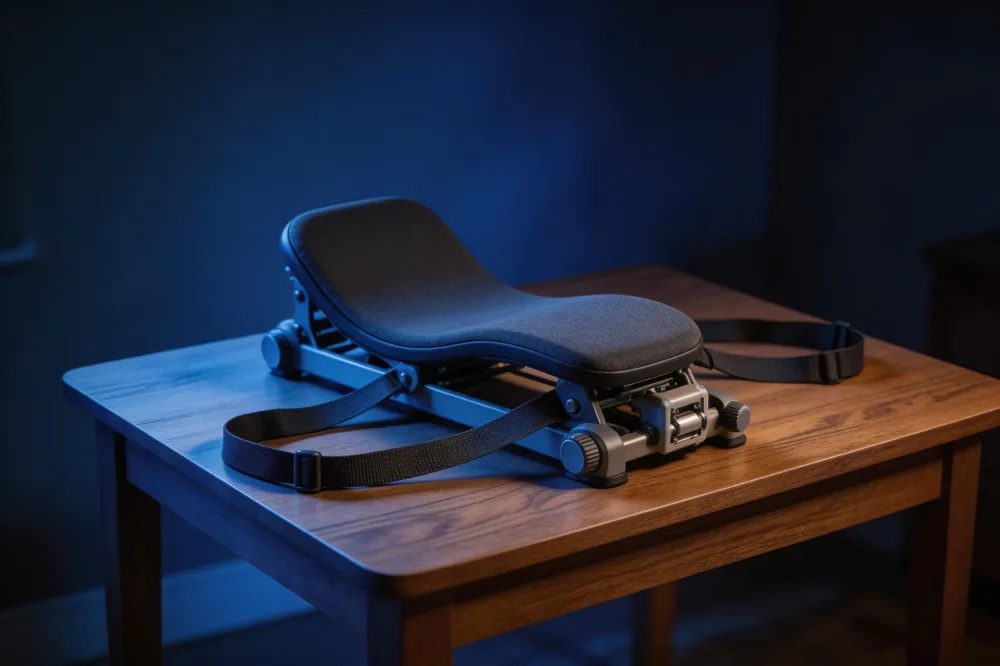
Home‑Based Spinal Decompression Devices: What Patients Should Know

Chiropractic Care Statistics: Reducing Lost Workdays From Back Pain

How Targeted Nutrition Enhances Immune Function and Lowers Inflammatory Pain

Self‑Assessment Tools to Identify Hidden Triggers of Back Pain

Preparing for Your First Chiropractic Appointment: A Practical Checklist

Back Pain Relief Benefits: Lower Opioid Use and Better Quality of Life

Foam‑Rolling Techniques to Complement Chiropractic Adjustments

Progressive Overload Principles in Corrective Exercise Programs

Six‑Month Transformation: Integrated Care Success Story

7 Nutritional Hacks to Boost Your Overall Wellness

How to Choose a Chiropractor: Credentials, Techniques, and Patient Compatibility

5 Ways Spinal Decompression Can Ease Sciatica Pain

Overcoming Sciatica: A Patient’s Multidisciplinary Treatment Journey
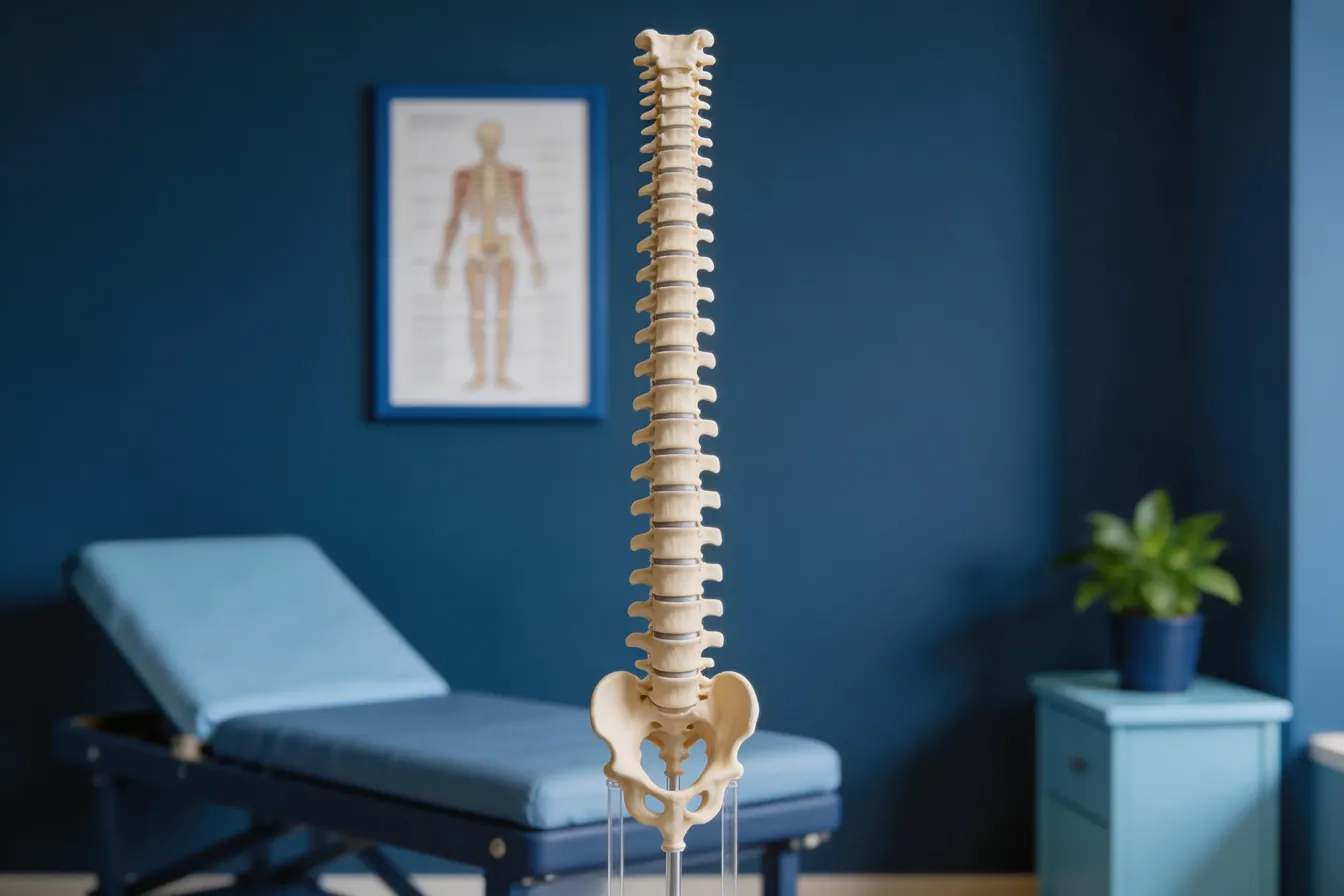
Lifestyle Changes That Promote a Healthy Spine
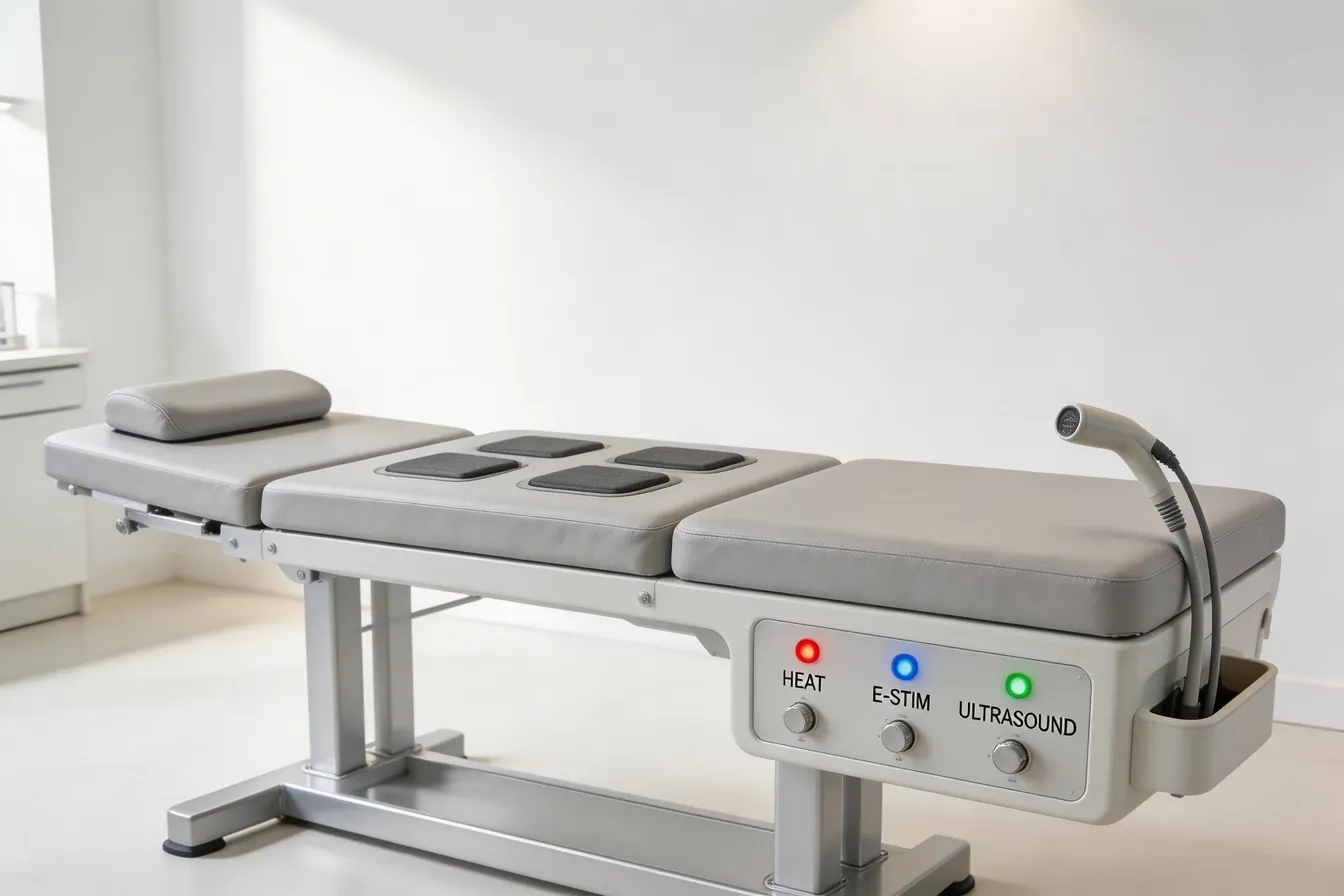
Physiotherapy as a Complement to Chiropractic Treatments
6 Ways Physiotherapy Enhances Chiropractic Treatment Outcomes

Daily Living Tips for a Strong and Healthy Spine

How Physiotherapy Enhances Chiropractic Outcomes
Holistic Treatments: Alternatives to Surgery for Pain Relief
Inspiring Patient Success Stories from Chiropractic Clinics

Integrating Physiotherapy with Chiropractic Treatments
Corrective Exercise Routines for Chronic Pain Prevention
10 Corrective Exercises to Maintain a Healthy Spine and Relieve Pain
Exercise Strategies for Long-Term Pain Management
10 Corrective Exercises to Maintain a Healthy Spine and Relieve Pain
The Importance of Treating the Root Cause of Pain
Nutritional Support Strategies for Whole-Body Wellness
7 Essential Questions to Ask When Choosing Your Chiropractor
Identifying and Addressing Root Causes of Pain
Maintaining a Healthy Spine with Lifestyle Adjustments
Sciatica Symptom Relief via Spinal Decompression
8 Reasons Why Addressing the Root Cause of Pain Is Crucial
Chiropractic Care’s Impact on Back Pain Recovery

Combining Physiotherapy with Chiropractic Care for Better Results
Inspiring Recovery: Chiropractic Patient Testimonials
Nutritional Counseling Tips for Optimal Wellness

Why Addressing the Root Cause of Pain is Crucial
Back Pain and Chiropractic Care: A Winning Combination

Chiropractic Care Benefits You Might Not Know
Exploring Holistic and Non-Surgical Treatments for Pain
Spinal Health: Lifestyle Tips for Everyday Wellness
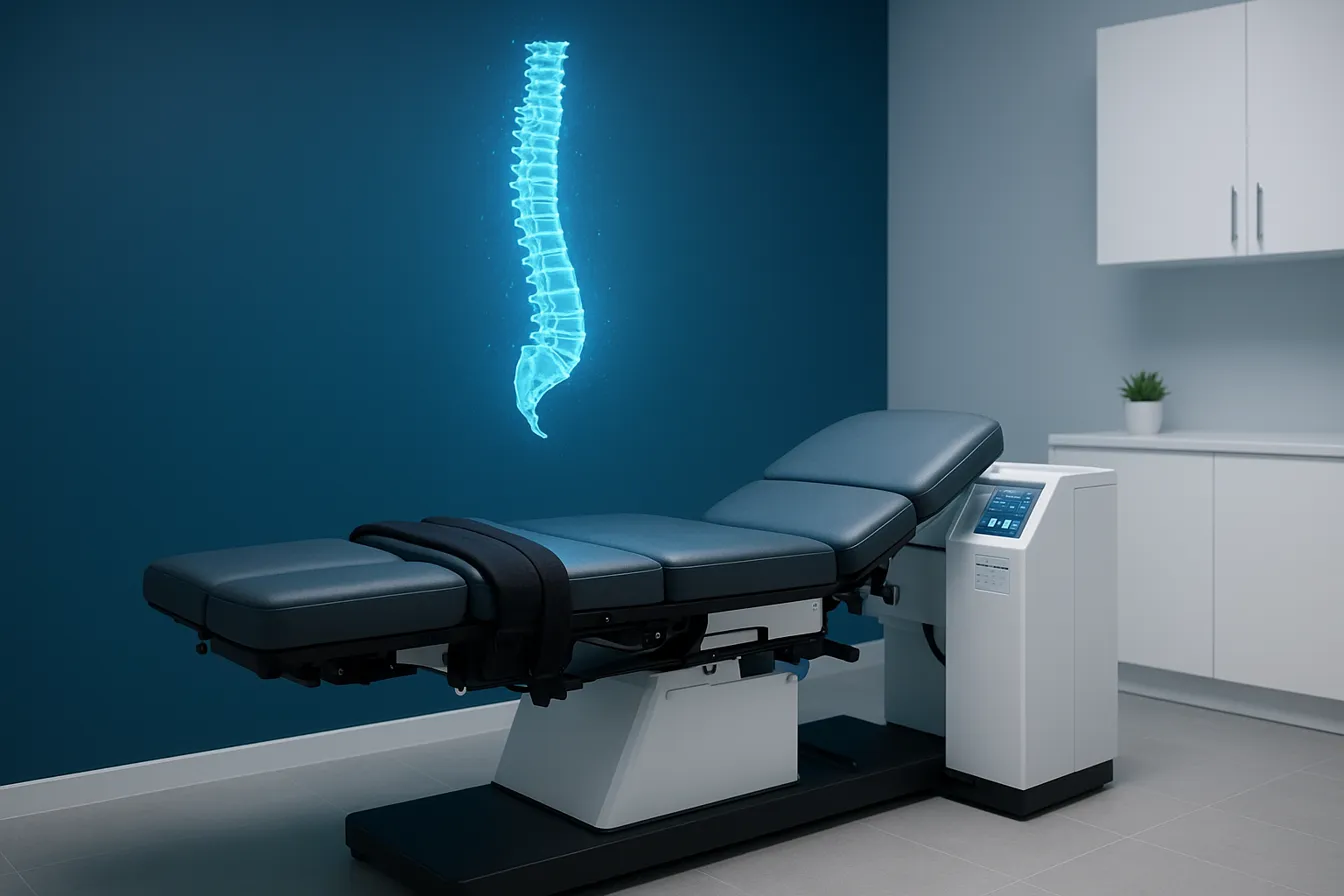
Spinal Decompression Therapy: Benefits and Applications
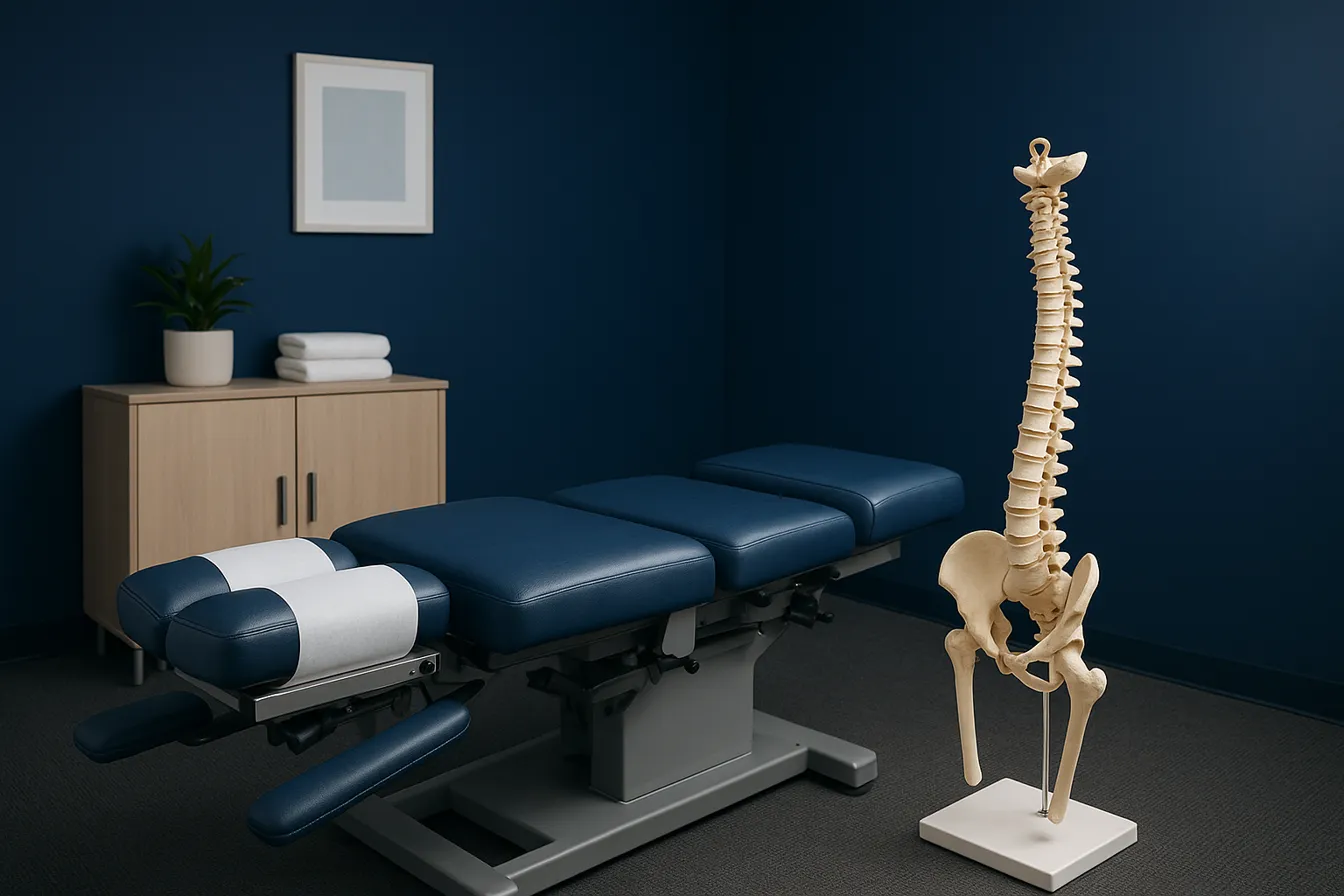
Holistic and Non-Invasive Spine Care Options
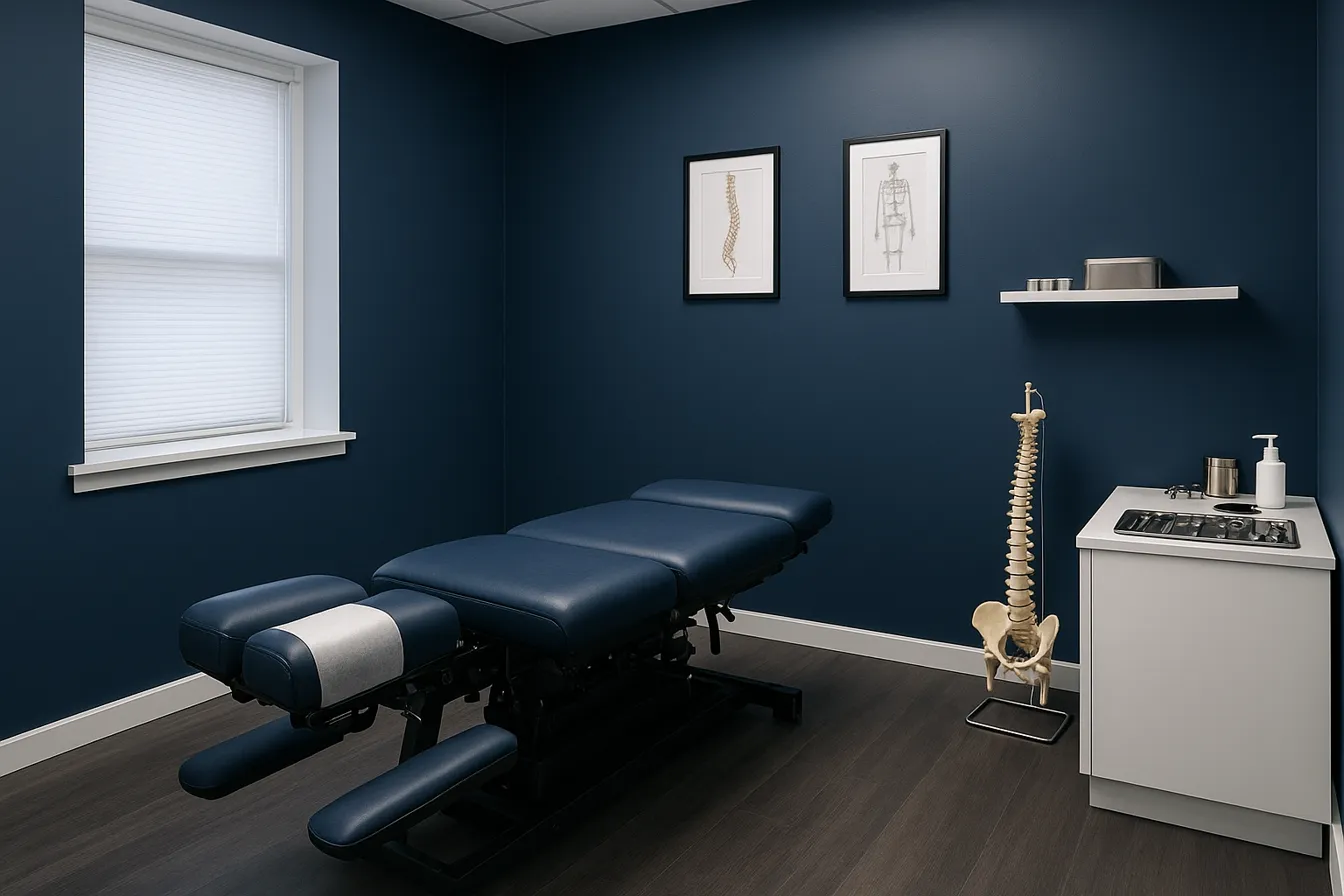
Everyday Lifestyle Advice to Keep Your Spine Healthy
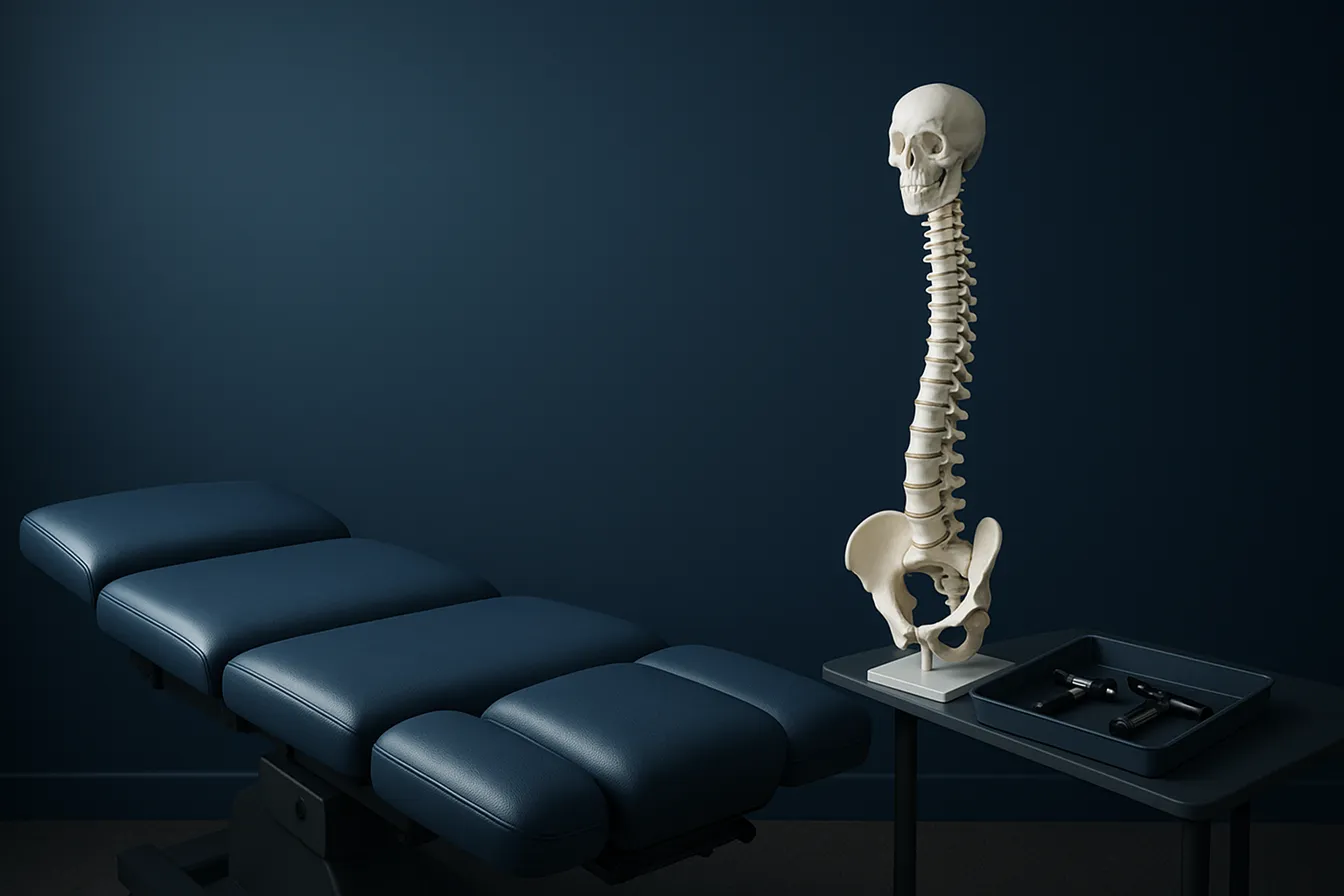
The Significance of Treating Root Causes in Pain Therapy
Best Corrective Exercises for Sustainable Pain Management

Addressing Underlying Causes of Pain for Long-Term Relief
6 Key Benefits of Spinal Decompression Therapy for Sciatica Relief

How Nutritional Counseling Supports Spine Health and Recovery
The Role of Physiotherapy in Supporting Chiropractic Treatments