Holistic and Non-Invasive Treatments: Alternatives to Back Surgery
January 26, 2026
11 min
Introduction to Holistic and Non-Invasive Back Pain Management
Understanding Back Pain and Its Impact
Back pain affects millions of individuals worldwide, with causes ranging from muscle strain and disc herniation to arthritis and spinal degenerative conditions. These issues can lead to chronic discomfort, limiting mobility and impacting daily life significantly.
Why Consider Alternatives to Surgery?
Surgical treatments such as spinal fusion or disc replacement are often seen as last resorts due to their invasive nature, potential complications, and lengthy recovery times. Moreover, surgery does not always guarantee relief or functional improvement. Given these factors, patients and providers increasingly turn to non-surgical and holistic options that promote natural healing with fewer risks.
The Value of Tailored, Multidisciplinary Care
Effective back pain management emphasizes a personalized approach, considering the individual’s specific diagnosis, lifestyle, and preferences. Combining therapies—such as physical therapy, chiropractic care, acupuncture, lifestyle modifications, and minimally invasive procedures—supports a comprehensive wellness plan. This multidisciplinary model addresses the physical, emotional, and functional aspects of pain to enhance overall quality of life while avoiding unnecessary procedures.
Comprehensive Non-Surgical Strategies for Chronic Back Pain

What can I do instead of back surgery for chronic back pain?
Managing chronic back pain without surgery involves a multifaceted approach to restore function and ease discomfort.
Physical Therapy Modalities and Benefits
Tailored physical therapy programs concentrate on core strengthening exercises, improving flexibility, and posture retraining. These interventions help support spinal structures, reduce nerve irritation, and enhance mobility. Aerobic activities like walking and low-impact exercises complement therapy by maintaining overall fitness and promoting circulation. See more on Physical therapy for back pain.
Lifestyle Modifications Including Weight Management and Ergonomics
Maintaining a healthy weight reduces stress on spinal joints. Proper ergonomics such as using adjustable chairs with lumbar support and practicing correct lifting and sitting posture prevent further injury. Avoiding activities that aggravate symptoms is critical to long-term management. Learn more about Lifestyle modifications for back pain.
Complementary Therapies: Acupuncture, Massage, Biofeedback
Acupuncture assists in reducing inflammation and stimulates the body’s natural healing. Massage therapy alleviates muscle tension and improves blood flow. Biofeedback trains individuals to control muscle tension and pain response, supporting holistic healing. For a comprehensive overview, see Alternative therapies for back pain.
Use and Caution with Medications
Non-opioid drugs like NSAIDs, muscle relaxants, and certain nerve pain medications can help control pain and inflammation. However, long-term reliance should be minimized to avoid side effects. Opioids are generally discouraged due to risks of dependence and limited effectiveness for chronic pain. Details available at Medications for chronic back pain.
Psychological Support and Stress Reduction Techniques
Practices such as mindfulness meditation, yoga, and cognitive-behavioral therapy (CBT) address the psychological and emotional impact of chronic pain. These strategies reduce stress-induced muscle tension and foster coping skills. Explore the role of Mindfulness and meditation for pain management and Cognitive-behavioral therapy and pain.
By combining these non-invasive strategies, patients can effectively manage chronic back pain, reduce reliance on surgery, and improve quality of life through natural and patient-centered therapies.
Minimally Invasive Alternatives to Spinal Fusion Surgery
What are non-surgical alternatives to spinal fusion?
Non-surgical alternatives to spinal fusion include advanced, minimally invasive spine procedures that aim to relieve pain while preserving spinal mobility. These options provide effective solutions with shorter recovery times and are tailored to the patient's specific condition.
Endoscopic spine surgeries such as lumbar discectomy and rhizotomy
Endoscopic lumbar discectomy is a minimally invasive outpatient procedure that uses a tiny skin incision and an HD camera to remove herniated disc material causing pain. Endoscopic rhizotomy targets arthritic joint structures in the lumbar spine, providing pain relief lasting up to five years without compromising spinal motion.
Artificial disc replacement preserving spinal mobility
Artificial disc replacement benefits is an innovative alternative to fusion that involves replacing a damaged disc with a prosthetic one, particularly effective in the cervical spine. This approach maintains normal spinal movement and lessens the risk of adjacent segment degeneration that can occur after fusion.
Use of Coflex lumbar interlaminar devices
The Coflex lumbar interlaminar device is a minimally invasive implant placed between vertebrae to stabilize the spine while maintaining flexibility. It is suitable for patients with lumbar spinal stenosis and offers a quicker return to daily activities compared to traditional fusion surgery.
Regenerative therapies including stem cell and disc regeneration injections
Stem cell therapy for back pain and disc regeneration injections target the root causes of degeneration by reducing inflammation and promoting tissue repair. These therapies are minimally invasive and align with holistic approaches, often reducing the need for surgical fusion.
Benefits of less invasive approaches vs traditional fusion
Compared to traditional spinal fusion, less invasive lumbar fusion approaches involve smaller incisions, less tissue damage, reduced postoperative pain, and faster recovery times. Patients often return to function within weeks instead of months and preserve more natural spine movement.
Importance of personalized pain diagnosis
Accurate identification of the exact pain source is crucial. Techniques like Personalized Pain Mapping for Diagnosis combine medical history, physical examination, imaging, and diagnostic injections to guide the choice of the most appropriate, often less invasive, treatment.
These minimally invasive and holistic therapies broaden the spectrum of care for patients seeking to avoid or delay fusion surgery, emphasizing individualized care and natural recovery.
Managing Spinal Stenosis Without Surgery: A Multimodal Approach

Can spinal stenosis be managed without surgery?
Yes, many cases of spinal stenosis can be effectively managed without surgery, particularly when symptoms are mild to moderate.
Role of NSAIDs and corticosteroids
Nonsteroidal anti-inflammatory drugs (NSAIDs) help reduce inflammation and alleviate pain associated with spinal stenosis. Corticosteroid injections, such as epidural steroid injections, provide targeted anti-inflammatory effects, offering temporary relief by decreasing nerve swelling and discomfort.
Physical therapy focusing on posture and core strength
Physical therapy for back pain plays a crucial role by improving posture, enhancing core muscle strength, and increasing spinal flexibility. These interventions help reduce nerve compression, improve mobility, and support spinal alignment. Tailored exercises include stretching and strengthening routines that promote stability and decrease pain.
Integrative therapies like acupuncture, massage, injections
Integrative therapies complement traditional treatments. Acupuncture for back pain can reduce inflammation and stimulate natural healing. Massage therapy for pain management decreases muscle tension and improves circulation around affected spinal structures. Injections such as nerve blocks for pain relief or radiofrequency ablation technique disrupt pain signals and offer symptom relief while avoiding invasive surgery.
Lifestyle adaptation and symptom management techniques
Lifestyle changes are essential for managing symptoms and preventing progression. Maintaining a healthy weight reduces spinal load, while ergonomic modifications and correct body mechanics importance prevent strain. Low-impact activities like walking, swimming, and yoga and Pilates for back health support spinal health and flexibility. Mindfulness and relaxation techniques also aid in managing the emotional aspects of chronic pain.
Embracing a multidisciplinary, patient-centered approach that integrates medication, physical therapy, alternative treatments, and lifestyle adjustments can effectively manage spinal stenosis symptoms and often avoid the need for surgery.
Spinal Realignment and Correction Through Chiropractic and Physical Therapy
How can I correct my spine without surgery?
Correcting your spine without surgery involves multiple non-invasive treatments focused on realignment and strengthening. Chiropractic care for back pain uses spinal manipulation, where trained practitioners apply controlled force to spinal joints. This technique aims to improve joint mobility, decrease muscle spasms, and reduce nerve pressure. Typically, sessions last between 30 to 60 minutes and involve a physical examination and sometimes imaging. Patients often require multiple visits—usually 2 to 3 times per week initially—with treatment duration tailored based on progress.
Physical therapy for posture retraining and muscle strengthening
Physical therapy complements chiropractic adjustments overview by targeting posture and muscle support. Therapists teach corrective exercises to strengthen core muscles, improve flexibility, and retrain posture, which helps maintain proper spinal alignment. Aerobic exercises, stretching routines, and manual therapy techniques are common components designed to restore spinal function and reduce strain.
Ergonomic and lifestyle modifications
Ergonomic adjustments, such as using chairs with lumbar support and practicing proper lifting techniques, minimize spinal stress and prevent injury. Lifestyle changes—like maintaining a healthy weight, staying hydrated, and engaging in low-impact activities such as walking, swimming, or Yoga and Pilates for back health—further protect spinal health. An anti-inflammatory diet supports tissue healing and reduces discomfort.
Benefits and safety considerations of chiropractic care
Chiropractic adjustments overview are effective for subacute and some chronic back pain conditions. They offer natural pain relief, improved mobility, and reduced reliance on medications. Minor side effects may include temporary stiffness or fatigue, but serious complications are rare when treatments are performed by a licensed professional. Certain conditions like osteoporosis or severe nerve compression require careful evaluation to avoid risks.
Treatment duration and patient progress monitoring
Treatment plans are personalized and often start with frequent visits that decrease over time as symptoms improve. Progress is regularly assessed through physical evaluation and patient feedback to ensure effective results and safe continuation. Maintaining long-term spinal health also includes continued adherence to exercises, ergonomic practices, and lifestyle habits advised by Consulting healthcare providers.
Decompression Therapy: A Gentle, Effective Non-Surgical Option
What is decompression therapy and how does it help the spine without surgery?
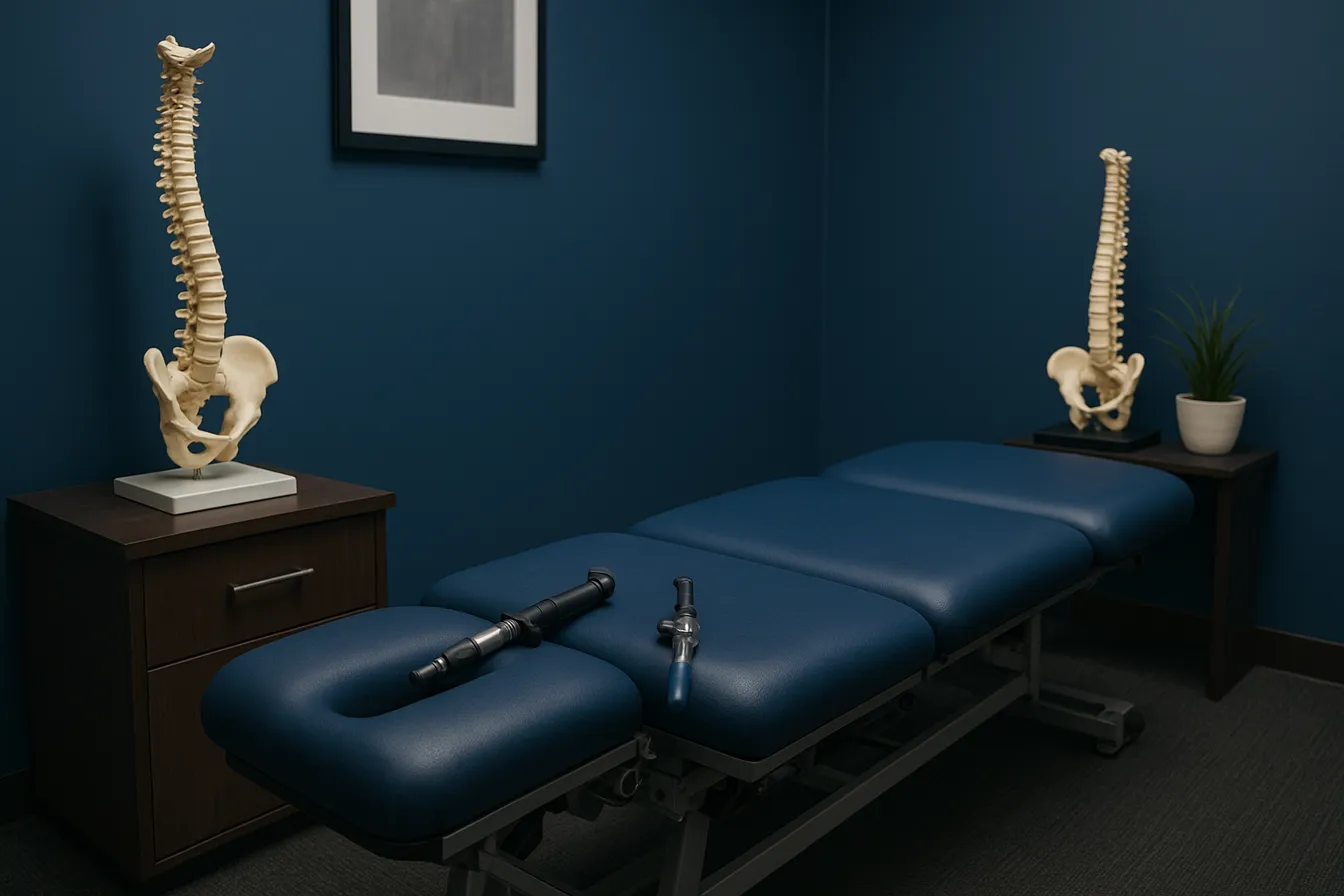
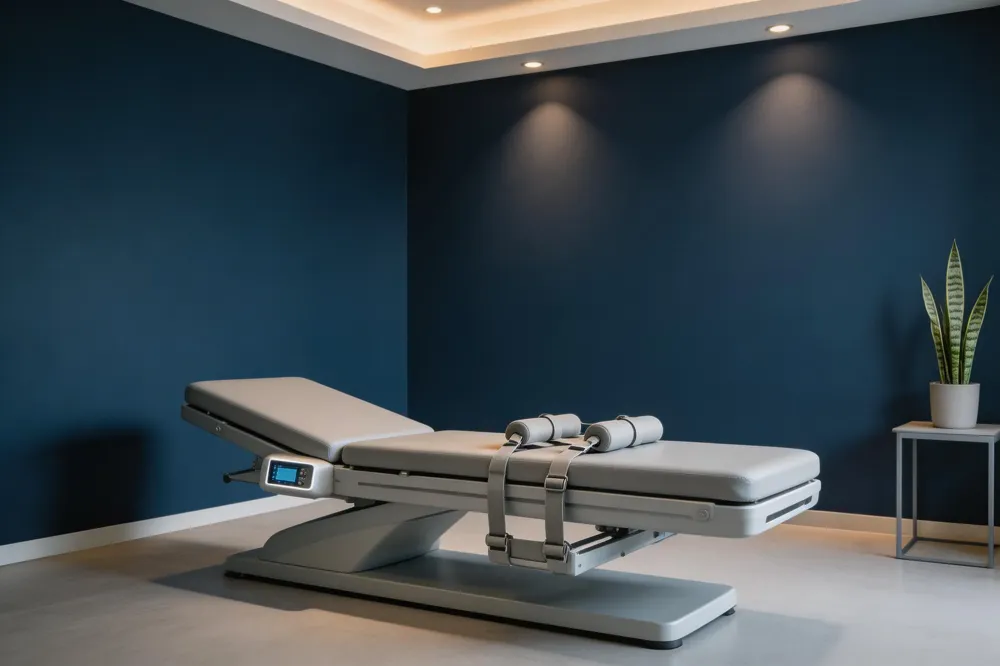
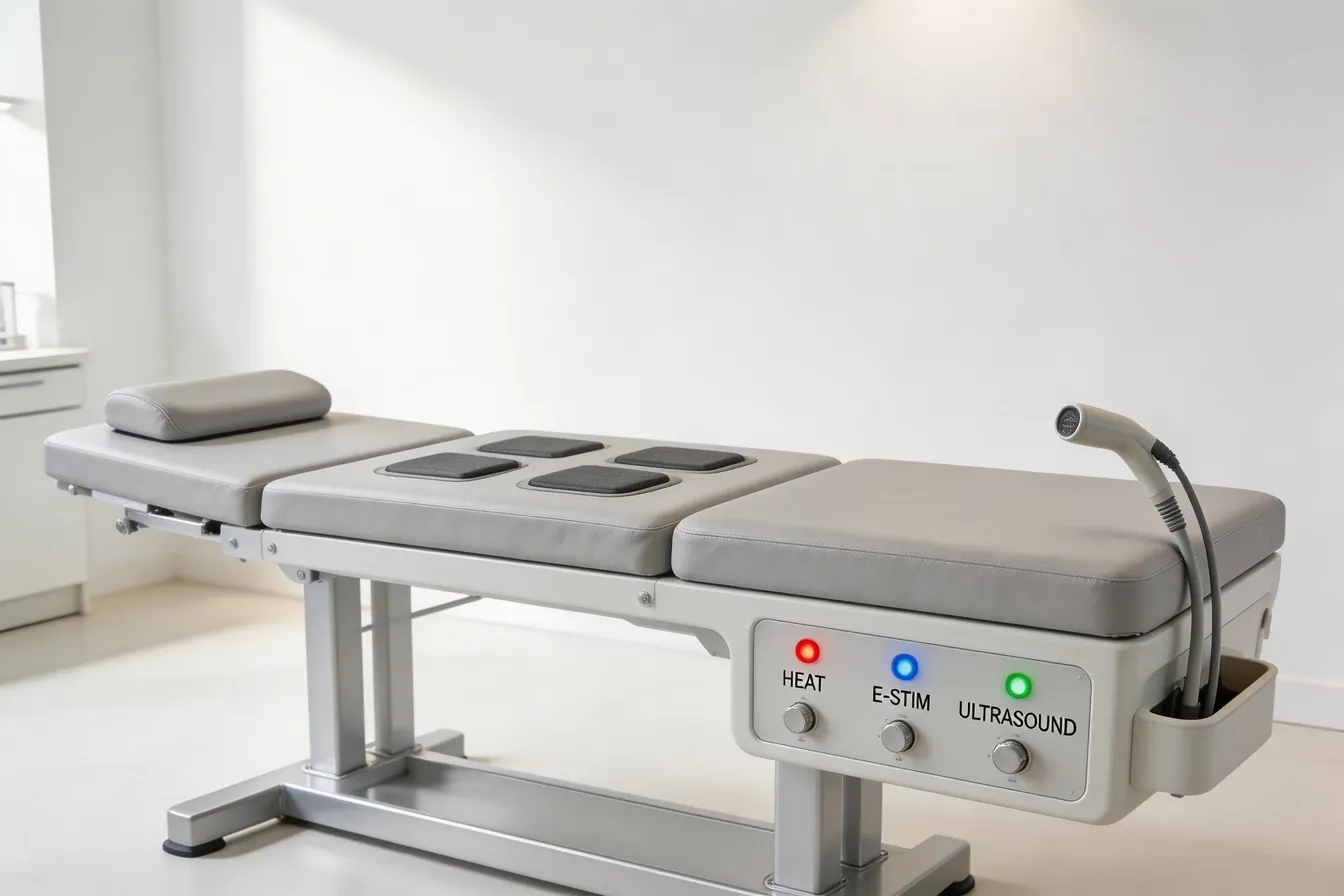
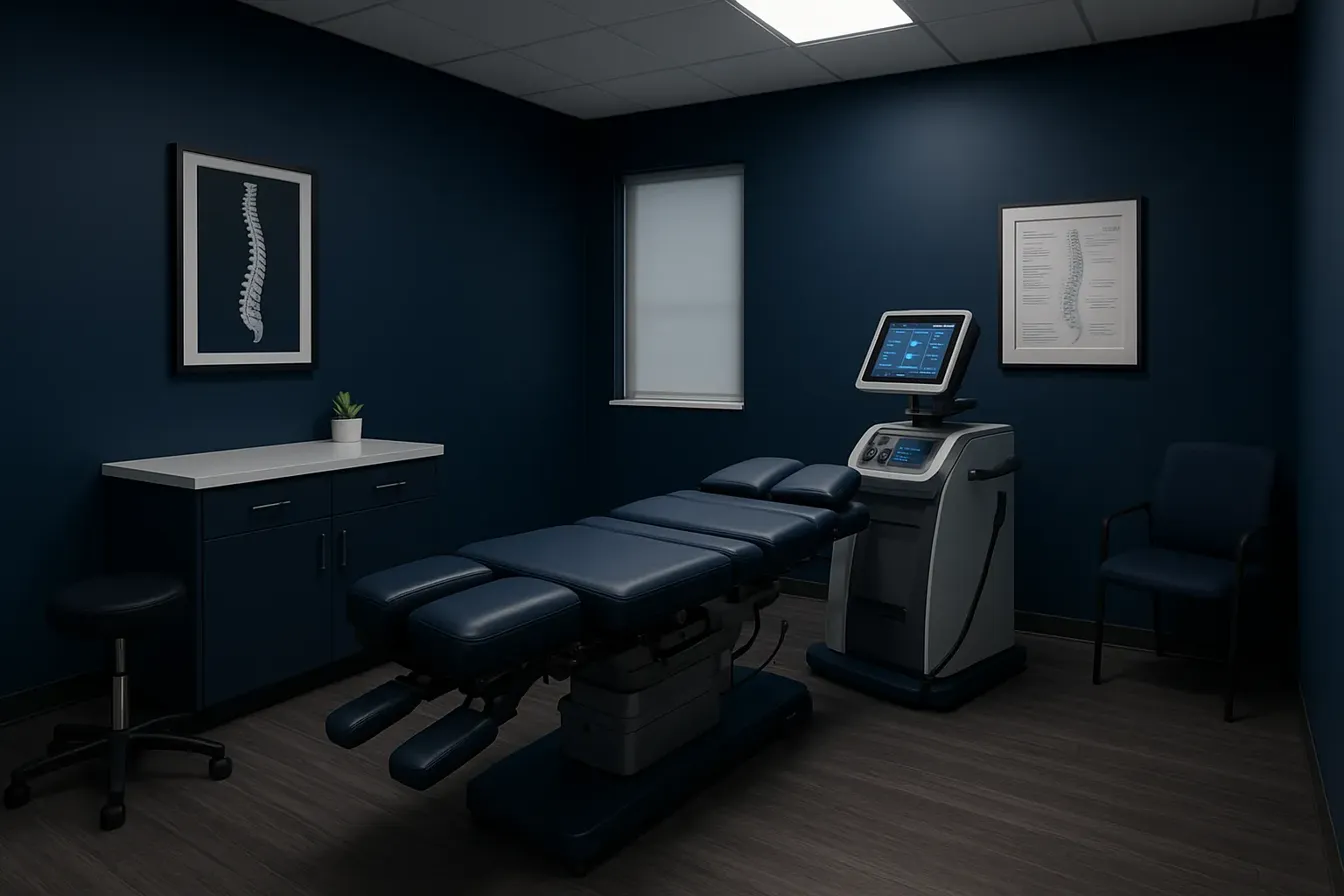
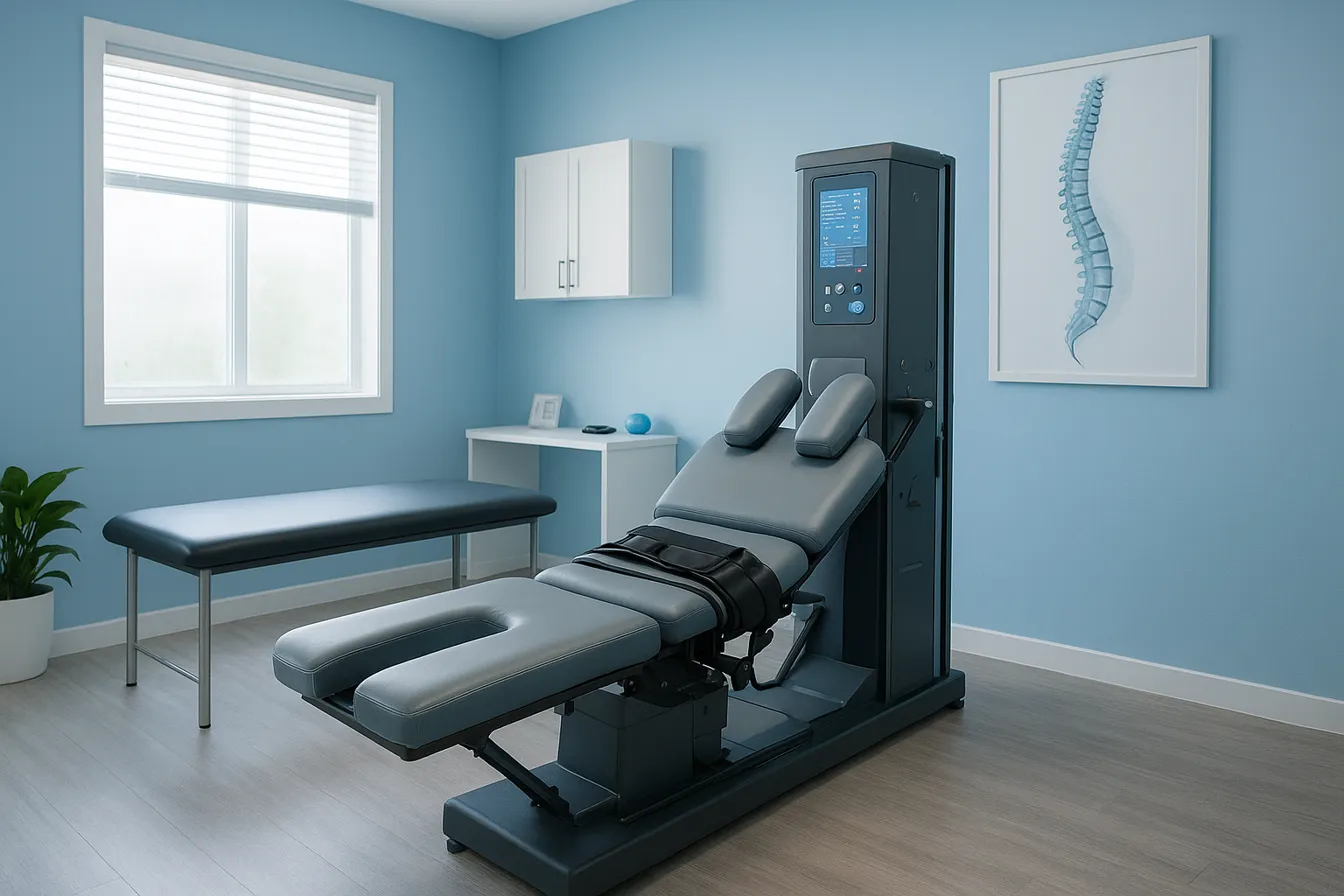
Decompression therapy is a non-invasive treatment that gently stretches the spine using a specialized table designed to apply controlled traction. This process reduces pressure on compressed spinal discs and nerves without requiring surgery. By creating negative pressure inside the affected discs, it helps retract herniated or bulging disc material away from nerve roots, relieving nerve compression and alleviating pain. For more on Non-Surgical Spinal Decompression, visit this resource.
Conditions that benefit from decompression therapy
This therapy is particularly effective for common spinal conditions such as herniated discs, sciatica, and spinal stenosis. These disorders often cause nerve irritation and inflammation leading to chronic back pain and limited mobility. Decompression therapy can complement other holistic treatments by targeting the root mechanical causes of pain.
Therapeutic benefits including pain relief and improved disc health
Beyond immediate pain relief, decompression promotes natural healing by enhancing circulation, improving nutrient flow, and increasing hydration within spinal discs and surrounding tissues. This helps restore disc height and elasticity, preventing further degeneration. Many patients experience symptom improvement after just a few sessions, with minimal risk and no downtime. Explore additional Back Pain Relief Options to learn about alternative therapies.
Role within holistic back pain treatment plans
As part of a holistic and patient-centered approach, decompression therapy integrates well with physical therapy, chiropractic care, and lifestyle modifications such as posture correction and exercise. It supports long-term spinal health by addressing both structural and functional aspects without relying on medications or invasive procedures, making it a valuable option for those seeking natural pain relief and improved spinal function.
Holistic and Complementary Therapies for Back Pain Relief
What holistic treatments are available for back pain?
Holistic approaches to back pain focus on treating the whole person by integrating physical, mental, and lifestyle factors. Acupuncture for back pain , rooted in traditional Chinese medicine, is a widely used therapy that stimulates energy flow to reduce inflammation and promote healing. It complements other treatments by addressing both pain and overall balance.
Massage therapy for pain management offers relief by loosening tight muscles and enhancing circulation, helping to decrease inflammation and muscle tension. Biofeedback therapy trains individuals to control bodily processes such as muscle tension and heart rate, which can significantly mitigate pain. Electrical nerve stimulation therapies also provide non-invasive pain relief by disrupting pain signals.
Mind-body practices like yoga and Pilates for back health improve flexibility, balance, and mental resilience, aiding both physical and emotional aspects of chronic pain. Cognitive-behavioral therapy and pain works to change negative thought patterns related to pain, enhancing coping strategies.
Integrative manual therapy combines techniques such as myofascial release, joint mobilization, and gentle stretching to restore proper movement at the cellular and musculoskeletal levels, promoting lasting relief.
Diet and lifestyle play vital roles in pain management. Natural ways to ease chronic pain rich in fruits, vegetables, omega-3 fatty acids, and whole grains help reduce swelling and support spinal health. Regular low-impact exercise, maintaining a healthy weight, ergonomic posture, and stress management further enhance recovery and prevent pain recurrence.
By combining these holistic therapies under professional guidance, patients benefit from tailored, comprehensive care that addresses both symptoms and their underlying causes, fostering long-term wellness and natural pain relief.
Understanding Chiropractic Care: Benefits, Risks, and Treatment Timeline

What is the chiropractic spinal manipulation process and who is it for?
Chiropractic care for back pain involves hands-on spinal manipulation, where a licensed chiropractor applies controlled force to spinal joints to realign vertebrae and improve joint mobility. Typical sessions begin with a physical exam and sometimes imaging like X-rays to identify underlying issues. It is mainly indicated for subacute back pain (less than 3 months), flare-ups of chronic back pain, neck pain, and certain headaches.
What are the benefits of chiropractic treatment for back pain?
Chiropractic adjustments overview can relieve back and neck pain by reducing muscle spasms, inflammation, and nerve irritation. Many patients experience improved spinal mobility and pain relief without surgery or medications. It offers a non-invasive, drug-free approach that supports musculoskeletal health and often includes advice on posture and ergonomic modifications.
What are the common side effects and risks?
Most patients might have mild soreness, stiffness, or fatigue after treatment, which usually resolves within a few days. Serious risks like herniated discs or stroke are very rare and mainly concern patients with certain conditions such as severe osteoporosis or vascular issues, who should avoid chiropractic care, especially neck manipulation.
How long does chiropractic treatment take to improve lower back pain?
Treatment commonly involves 2 to 3 sessions per week initially, each lasting about 10 to 20 minutes, with multiple sessions spanning several weeks. Relief for subacute or flare-up back pain often begins within a few weeks. As patients improve, visits typically reduce in frequency, with care plans individualized based on progress and response.
When should patients consider alternative treatments?
If chiropractic care does not improve symptoms after a few weeks or if serious symptoms like neurological deficits occur, consultation with a healthcare provider is essential to explore other options. Conditions such as fractures, tumors, severe arthritis, or high stroke risk require different treatment approaches.
This comprehensive approach ensures chiropractic care is safe, effective, and tailored to individual needs while emphasizing ongoing assessment and integrated care.
Embracing Holistic and Non-Invasive Approaches for Long-Term Back Health
Exploring Effective Alternatives to Surgery
Back pain can stem from various causes, including muscle strains, disc issues, arthritis, or spinal conditions. Non-surgical treatments like physical therapy, chiropractic care, acupuncture, and minimally invasive injections have shown significant success, often providing relief with fewer risks and quicker recovery than traditional surgery.
Personalized Care is Essential
Identifying the precise cause of back pain is crucial to tailor treatments effectively. Techniques such as personalized pain mapping and thorough clinical assessments enable healthcare professionals to design individualized care plans. This ensures that therapies address each patient's unique condition and needs.
Prioritizing Holistic and Conservative Treatment
Lifestyle changes—such as exercise, weight management, ergonomic practices, and mindfulness—complement medical interventions by promoting long-term wellness. Patients are encouraged to consider these non-invasive options first, reserving surgery as a last resort to maximize natural healing and minimize complications.
By integrating holistic methods and professional guidance, individuals can achieve durable back health while avoiding unnecessary surgical risks.
Recent articles
10 Real‑Patient Success Stories Showcasing the Impact of Chiropractic Care
Superfoods That Boost Nerve Healing After Chiropractic Sessions

Sleep Positions That Promote a Healthy Back Alignment
Signs Your Chiropractor Is a Good Fit for Your Back Pain Goals
Case Study: Integrated Physiotherapy and Chiropractic for Faster Recovery
First-Time Chiropractic Visit: A Step‑by‑Step Walkthrough
Synergistic Benefits: Combining Physiotherapy with Chiropractic Care
Beyond Surgery: Holistic Approaches to Managing Back Pain
How Manual Therapy Enhances the Effects of Chiropractic Adjustments

Hydration Hacks: Why Water Matters for Joint and Spine Function
What Does a Comprehensive Spinal Evaluation Include?
Success Spotlight: Transformative Results After Six Weeks of Chiropractic Treatment

Understanding the Initial Assessment Process in Chiropractic Care
Designing a Personalized Corrective Exercise Plan for Chronic Pain Management

Natural Pain Management: Combining Acupuncture, Yoga, and Chiropractic
Chiropractic Care vs. Pain Meds: Long-Term Outcomes for Back Pain Sufferers

What to Expect During a Sciatica‑Focused Decompression Session

Understanding the Pain-Relief Mechanics Behind Chiropractic Adjustments

Success Rates of Non‑Surgical Spinal Decompression for Sciatica
Patient-Centered Chiropractic Care: Personalized Plans for Back Pain Relief
How Chiropractic Treatments Reduce Inflammation and Speed Up Back Pain Recovery

Real‑Life Stories: How Chiropractic Helped Patients Overcome Chronic Back Pain
From Symptom Masking to Root‑Cause Healing: A Practical Guide

6 Holistic Non‑Surgical Treatments That Deliver Sustainable Back‑Pain Relief
Key Questions to Ask When Selecting Your Chiropractor

Mindful Movement: Incorporating Stretch Breaks Into a Busy Day
Why Targeting the Underlying Cause Beats Temporary Symptom Relief
8 Ways Physiotherapy Complements Chiropractic Adjustments for Faster Recovery
Meal Planning for Athletes Recovering from Back Injuries
9 Everyday Lifestyle Tweaks to Preserve a Healthy Spine and Prevent Pain

Functional Movement Screening for Root‑Cause Pain Identification

6 Things You’ll Experience During Your First Chiropractic Appointment

Spinal Decompression vs. Standard Physical Therapy for Sciatica: A Comparative Review

New Findings on How Adjustments Influence Blood Circulation
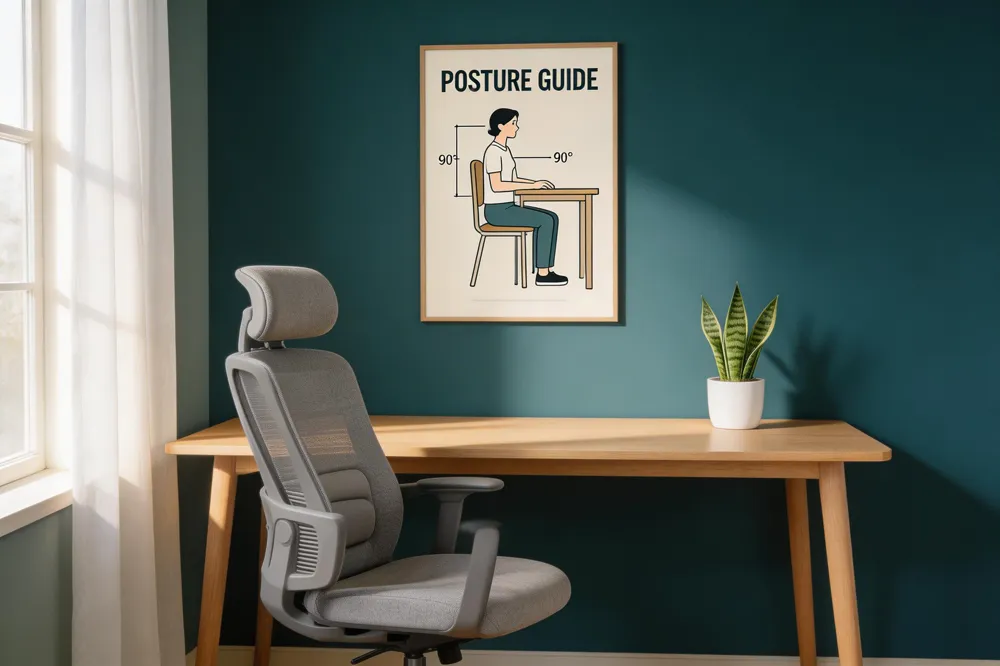
Work‑From‑Home Ergonomics: A Blueprint for a Pain‑Free Back

The Link Between Chiropractic Care and Improved Sleep Quality

Physiotherapy Techniques That Strengthen the Benefits of Chiropractic Adjustments

Biomechanical Insights Behind Successful Spinal Decompression

Desk‑to‑Dumbbell: Lifestyle Shifts That Guard Your Lower Back
10 Corrective Exercises for Sustainable Pain-Free Living

Morning Routines That Support Spine Health and Reduce Stiffness
Calcium and Magnesium‑Focused Nutrition for Bone Density and Spine Health

9 Ways Chiropractic Care Transforms Back Pain Management

Testimonial: Nutrition‑Guided Recovery Accelerated by Chiropractic
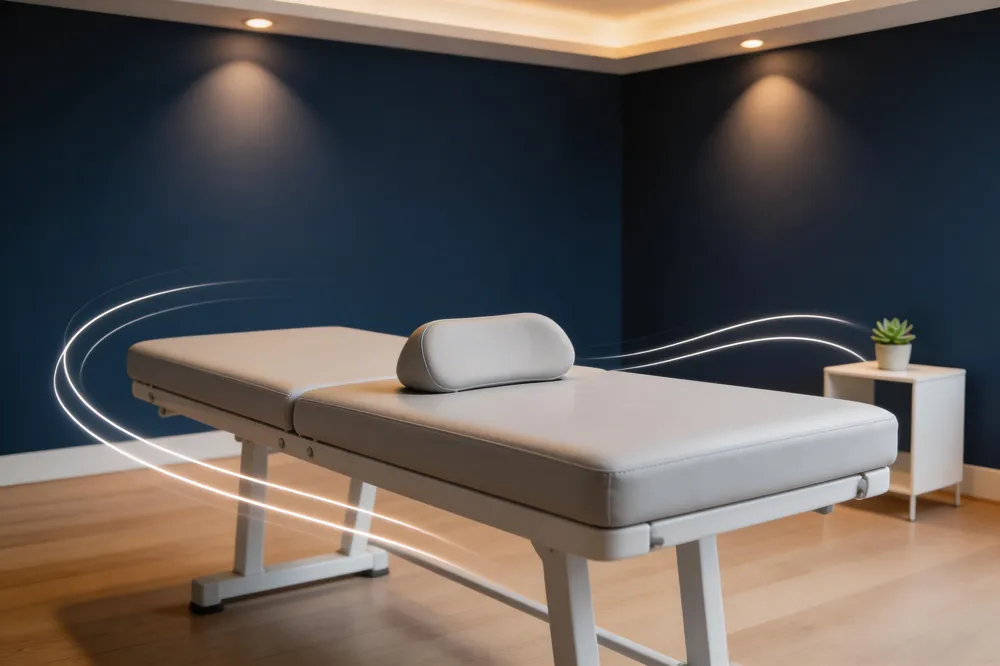
Science‑Backed Spinal Decompression for Relieving Sciatica Symptoms
Key Questions to Ask During Your Initial Chiropractic Consultation
Whole‑Body Wellness Blueprint: Nutrition, Exercise, and Chiropractic Synergy
A 12‑Week Corrective Exercise Blueprint for Chronic Neck Discomfort

Manual Therapy Plus Targeted Exercise: Accelerating Post‑Injury Recovery
Home‑Based Spinal Decompression Devices: What Patients Should Know
Chiropractic Care Statistics: Reducing Lost Workdays From Back Pain

How Targeted Nutrition Enhances Immune Function and Lowers Inflammatory Pain
Self‑Assessment Tools to Identify Hidden Triggers of Back Pain
Preparing for Your First Chiropractic Appointment: A Practical Checklist

Back Pain Relief Benefits: Lower Opioid Use and Better Quality of Life

Foam‑Rolling Techniques to Complement Chiropractic Adjustments
Progressive Overload Principles in Corrective Exercise Programs
Six‑Month Transformation: Integrated Care Success Story

7 Nutritional Hacks to Boost Your Overall Wellness
How to Choose a Chiropractor: Credentials, Techniques, and Patient Compatibility
5 Ways Spinal Decompression Can Ease Sciatica Pain

Overcoming Sciatica: A Patient’s Multidisciplinary Treatment Journey
Lifestyle Changes That Promote a Healthy Spine
Physiotherapy as a Complement to Chiropractic Treatments
6 Ways Physiotherapy Enhances Chiropractic Treatment Outcomes
Daily Living Tips for a Strong and Healthy Spine
How Physiotherapy Enhances Chiropractic Outcomes
Holistic Treatments: Alternatives to Surgery for Pain Relief
Inspiring Patient Success Stories from Chiropractic Clinics
Integrating Physiotherapy with Chiropractic Treatments
Corrective Exercise Routines for Chronic Pain Prevention
10 Corrective Exercises to Maintain a Healthy Spine and Relieve Pain
Exercise Strategies for Long-Term Pain Management
10 Corrective Exercises to Maintain a Healthy Spine and Relieve Pain
The Importance of Treating the Root Cause of Pain
Nutritional Support Strategies for Whole-Body Wellness
7 Essential Questions to Ask When Choosing Your Chiropractor
Identifying and Addressing Root Causes of Pain
Maintaining a Healthy Spine with Lifestyle Adjustments
Sciatica Symptom Relief via Spinal Decompression
8 Reasons Why Addressing the Root Cause of Pain Is Crucial
Chiropractic Care’s Impact on Back Pain Recovery
Combining Physiotherapy with Chiropractic Care for Better Results
Inspiring Recovery: Chiropractic Patient Testimonials
Nutritional Counseling Tips for Optimal Wellness

Why Addressing the Root Cause of Pain is Crucial
Back Pain and Chiropractic Care: A Winning Combination
Chiropractic Care Benefits You Might Not Know
Exploring Holistic and Non-Surgical Treatments for Pain
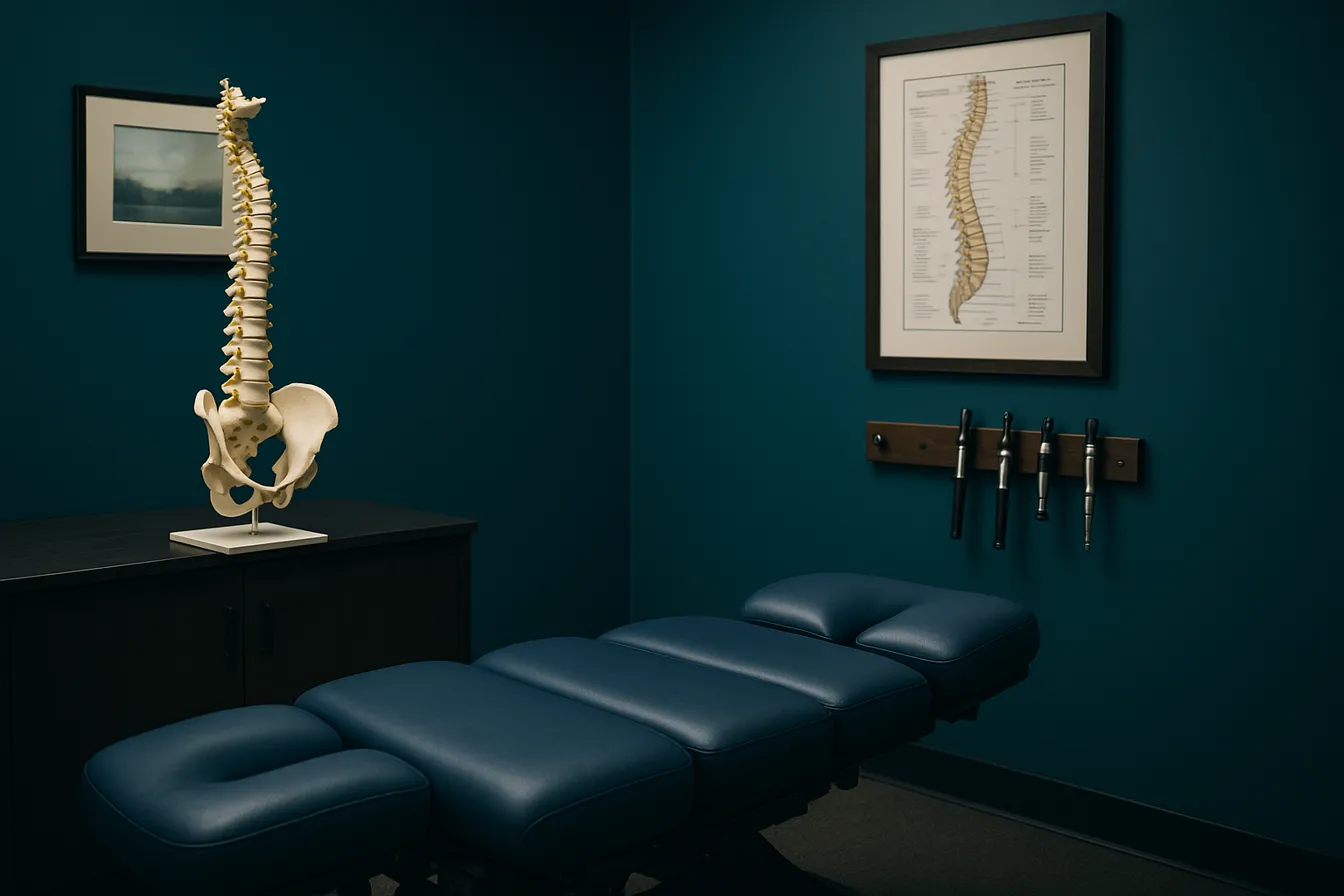
Spinal Health: Lifestyle Tips for Everyday Wellness
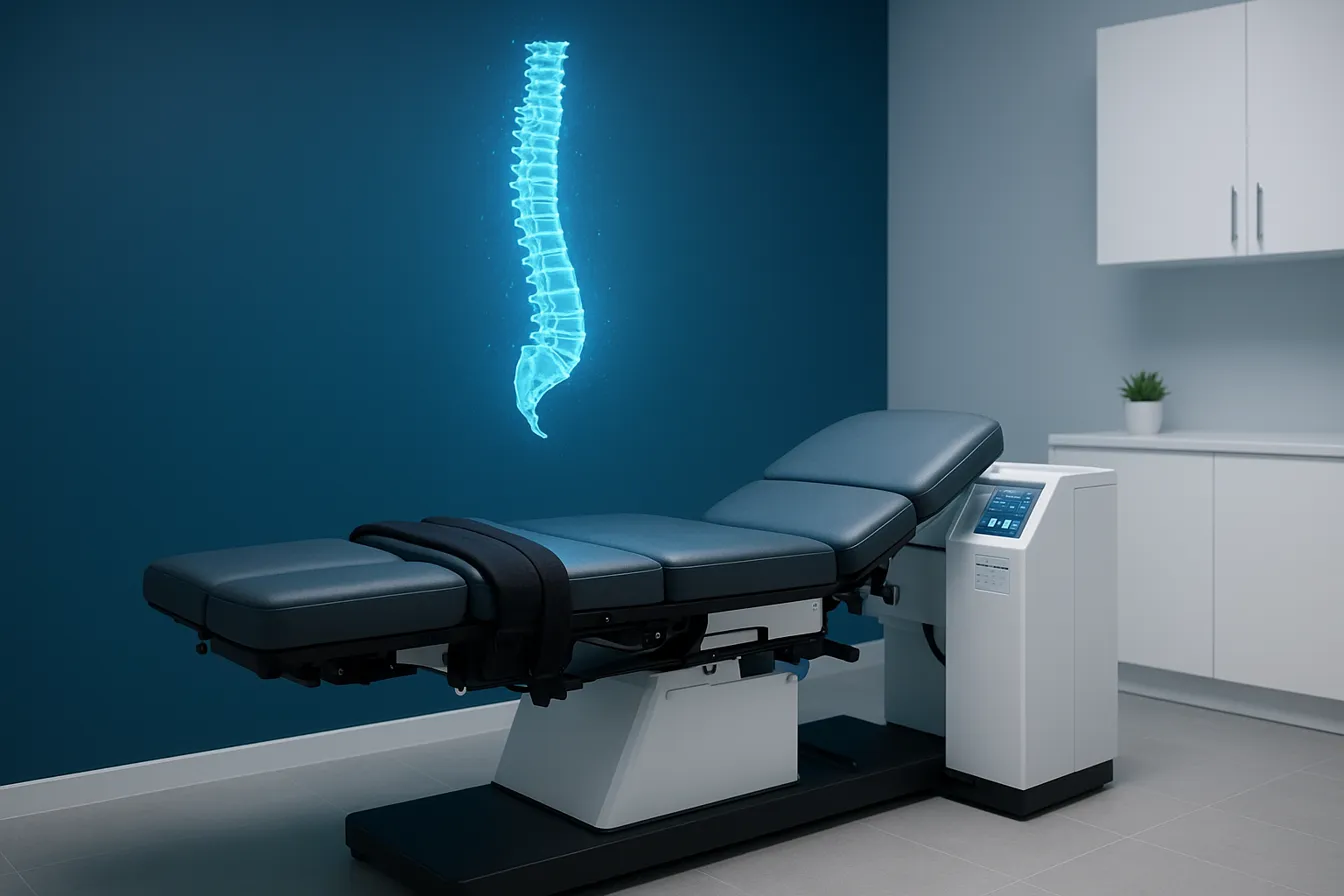
Spinal Decompression Therapy: Benefits and Applications
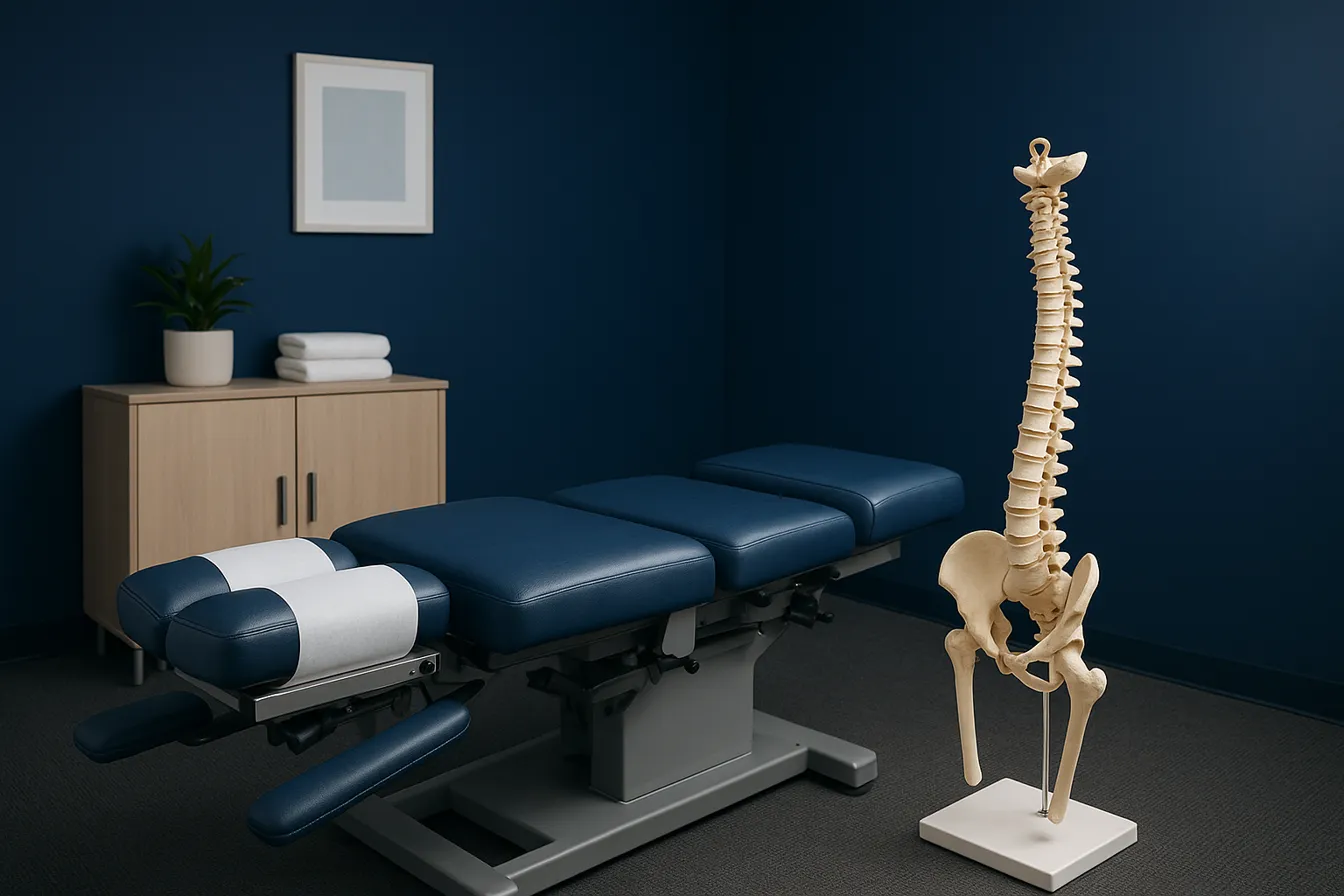
Holistic and Non-Invasive Spine Care Options
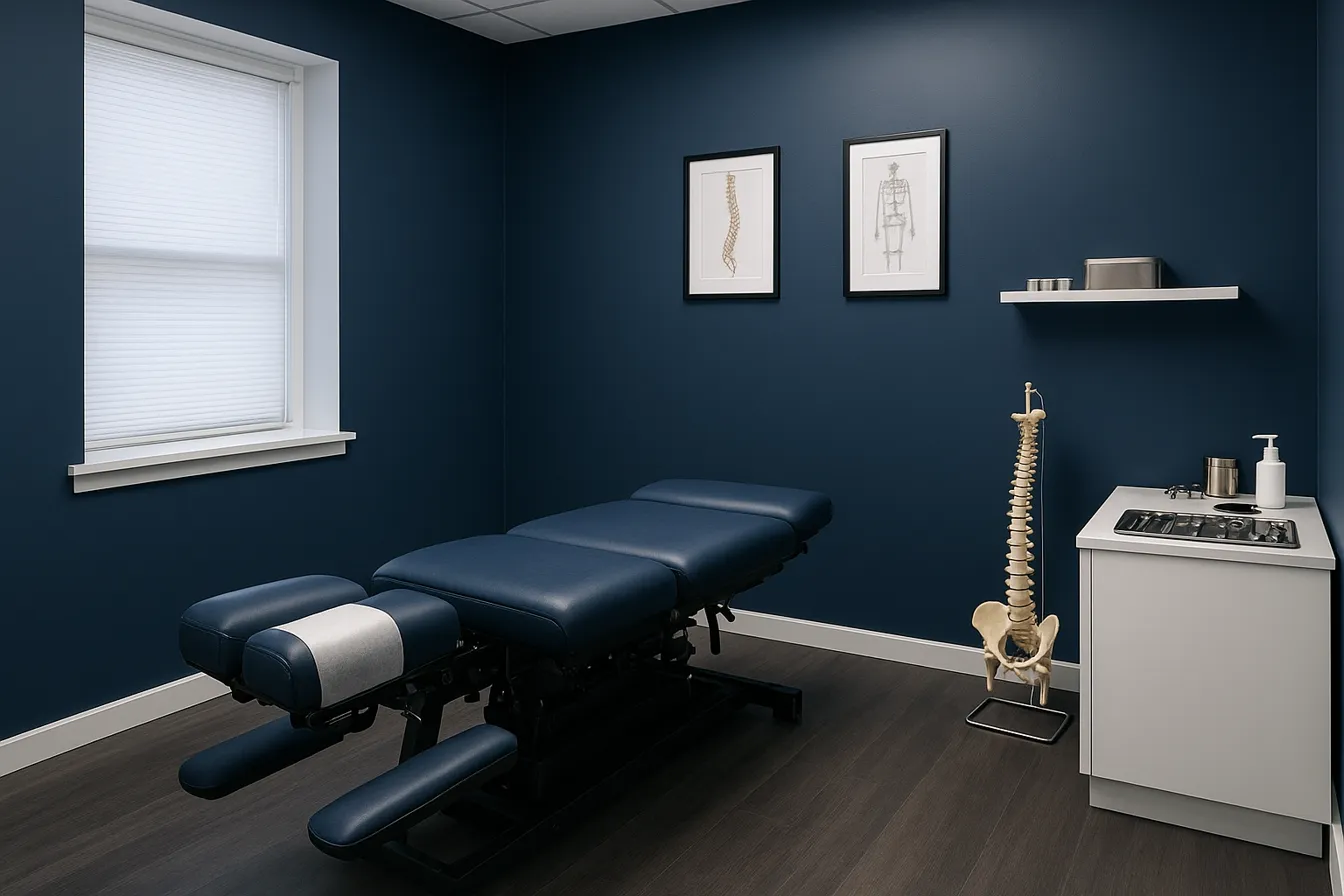
Everyday Lifestyle Advice to Keep Your Spine Healthy
The Significance of Treating Root Causes in Pain Therapy
Best Corrective Exercises for Sustainable Pain Management
Addressing Underlying Causes of Pain for Long-Term Relief
6 Key Benefits of Spinal Decompression Therapy for Sciatica Relief
How Nutritional Counseling Supports Spine Health and Recovery
The Role of Physiotherapy in Supporting Chiropractic Treatments