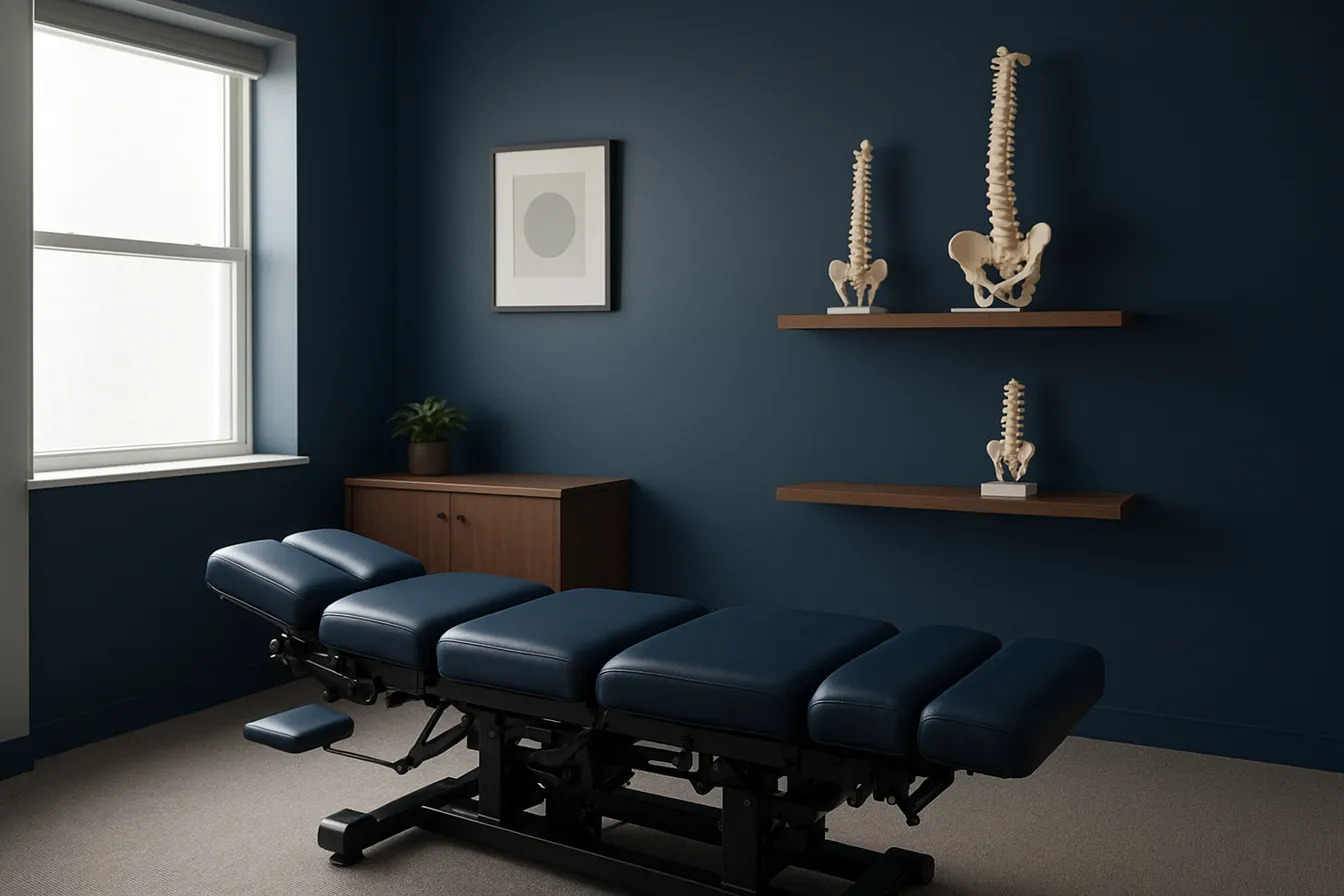
Combining Physiotherapy and Chiropractic for Optimal Healing
December 21, 2025
11 min

Introduction to Combined Therapies for Enhanced Musculoskeletal Health
Chiropractic Care Benefits
Chiropractic care primarily focuses on spinal alignment and nervous system health. Through manual adjustments and spinal manipulation, chiropractors aim to relieve pain, improve joint mobility, and support the body's natural healing functions. This approach addresses conditions such as back and neck pain, spinal misalignments, muscle tension, and nerve-related disorders like sciatica. By enhancing spinal function, chiropractic care can reduce inflammation and improve overall physical wellbeing.
Physiotherapy Benefits
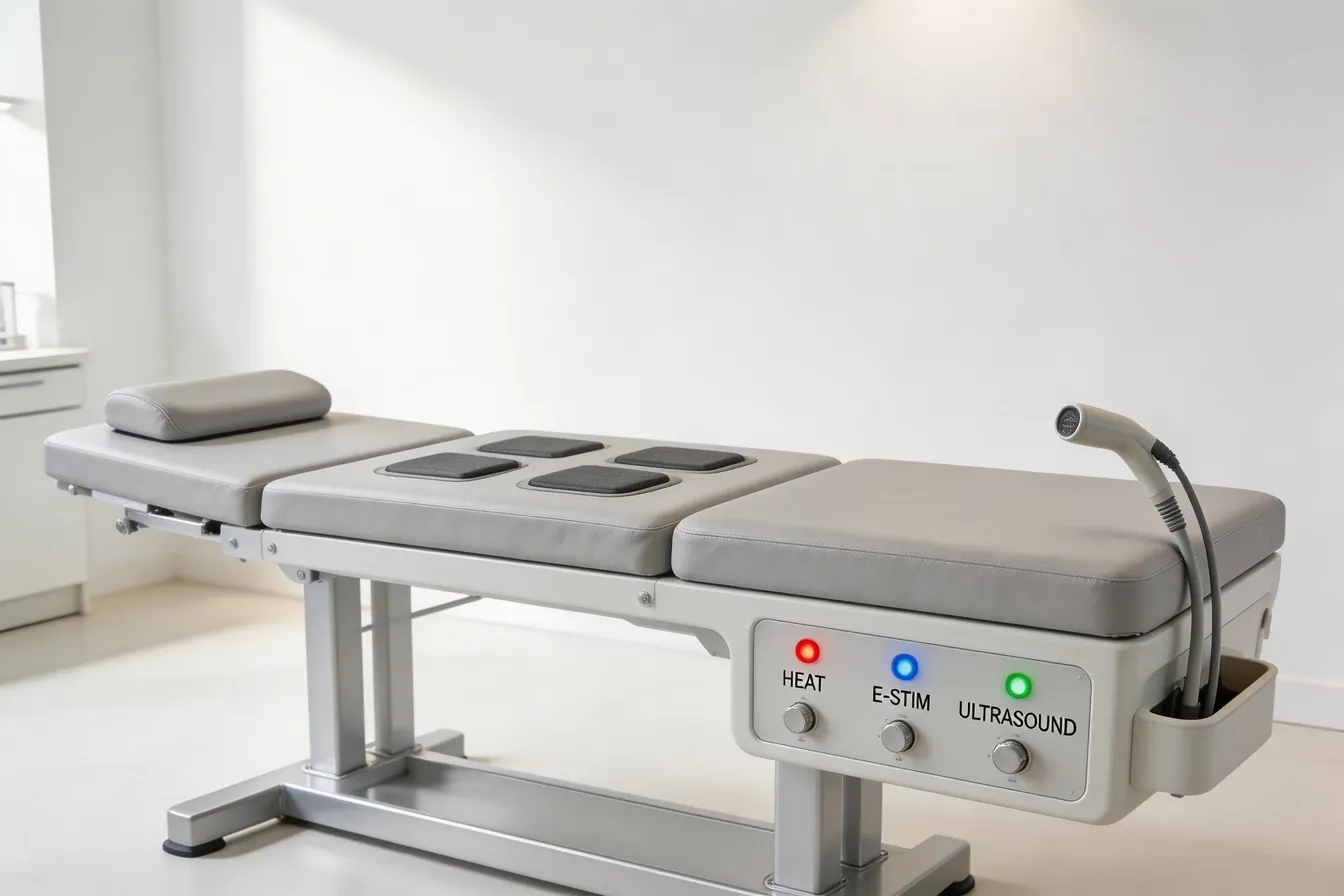
Physiotherapy emphasizes restoring and maintaining physical function through exercises, manual therapy, and modalities such as ultrasound and electrotherapy. It is effective in strengthening muscles, improving flexibility, and retraining movement patterns. Physiotherapy treats a wide range of conditions including musculoskeletal injuries, chronic pain, arthritis, post-surgical rehabilitation, and neurological disorders. Its focus on movement restoration helps prevent re-injury and supports long-term mobility.
Rationale for Combining Both Therapies
Integrating chiropractic care and physiotherapy offers a comprehensive approach by addressing both the structural and functional aspects of musculoskeletal health. While chiropractic adjustments realign the spine and alleviate nerve pressure, physiotherapy strengthens muscles that support joints, enhancing stability and movement. This combination accelerates recovery, reduces pain more effectively, and improves long-term outcomes such as flexibility, strength, and injury prevention.
Holistic Approach to Musculoskeletal Health
A combined therapy plan embodies a patient-centered, holistic strategy that treats the whole person rather than isolated symptoms. This integrated care promotes natural healing without reliance on surgery or medications, supports the nervous system and musculoskeletal function, and encourages lifestyle modifications. Through personalized treatment plans that involve both spinal care and physical rehabilitation, patients experience enhanced quality of life, improved posture, and sustained musculoskeletal wellness.
The Role and Benefits of Chiropractic Care in Musculoskeletal Wellness

What are the benefits of chiropractic care for musculoskeletal health?
Chiropractic Care Benefits provide multiple benefits for musculoskeletal wellness. It primarily focuses on pain relief, improving mobility, and enhancing spinal alignment. Skilled Chiropractors and Spinal Adjustments use gentle manipulative treatments to address common conditions such as lower back pain, neck pain, headaches, and joint discomfort. This hands-on approach supports the body's natural healing processes while reducing the need for pain medications or invasive procedures.
Patients often report immediate improvements in flexibility and reduction of muscle tension following chiropractic adjustments. By correcting spinal misalignments, Chiropractic care for injury healing helps alleviate nerve pressure and inflammation, which translates to better nervous system function and overall physical wellness.
Moreover, chiropractic treatments are often paired with rehabilitative exercises and ergonomic advice to maintain long-term musculoskeletal health. This Combined Chiropractic and Physical Therapy Benefits holistic strategy not only addresses symptoms but also targets the root causes of pain and dysfunction, enabling a sustained improvement in posture, strength, and functional movement.
How does spinal alignment affect nervous system function?
Spinal Alignment and Health is crucial because the spine houses and protects the nervous system's communication pathways. Misalignments or subluxations can create nerve interference, leading to pain, reduced mobility, and impaired bodily functions.
Chiropractic Adjustments for Spine Realignment work to restore proper alignment, thereby reducing nerve pressure and enhancing nerve signal transmission. Improved nervous system function supports tissue healing, muscle coordination, and pain modulation, which are vital for overall musculoskeletal health.
What common conditions are treated by chiropractic care?
Chiropractic Care Benefits effectively treat a range of musculoskeletal conditions, including:
- Lower back and neck pain
- Headaches and migraines linked to spinal tension
- Sciatica and nerve-related pain
- Strains, sprains, and muscle tension
- Joint dysfunction and limited mobility
- Sports injuries and postural imbalances
Chiropractors tailor treatments to individual needs, ensuring Personalized Treatment Plans that promote optimum recovery and function.
What chiropractic techniques are used and what is the patient experience?
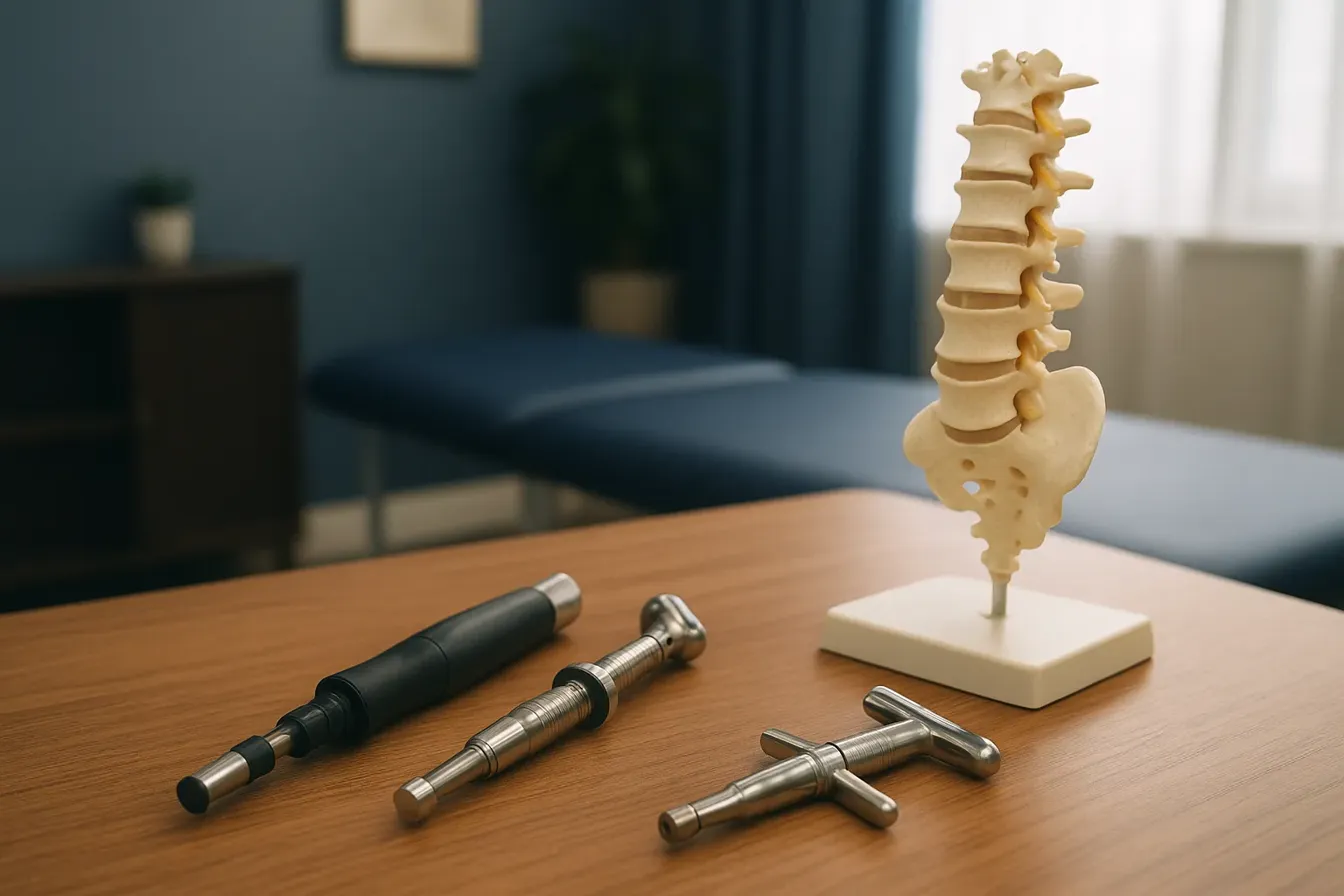
Common Chiropractic Techniques include spinal manipulation, spinal adjustments, myofascial release, soft tissue therapy, instrument-assisted adjustments, and rehabilitative exercises. These methods aim to restore joint mobility, reduce muscle tightness, and improve circulation.
Patients typically experience gentle but targeted adjustments that may produce sensations of relief, increased mobility, and reduced discomfort. Many patients express high satisfaction due to the Chiropractic care for injury healing non-invasive nature of these treatments and the focus on natural healing.
Are there any risks or contraindications associated with chiropractic treatment?
Chiropractic care is considered safe when performed by licensed and experienced practitioners. However, certain risks and contraindications should be acknowledged.
Serious complications are rare but can include herniated discs, nerve irritation, or very rare events such as stroke following neck manipulation. Absolute contraindications include severe osteoporosis, spinal fractures, infections, cancers, and some neurological disorders like cauda equina syndrome.
Relative contraindications like pregnancy, mild osteoporosis, or herniated discs may require combined chiropractic and physical therapy benefits modified or gentler treatment approaches under careful supervision.
A thorough patient assessment—including medical history and possibly diagnostic imaging—is essential to ensure safety and tailor treatment appropriately.
Integrating Physiotherapy: Strengthening Function and Mobility
What is the role of physiotherapy in rehabilitation?
Physiotherapy plays a crucial role in rehabilitation by focusing on restoring and improving physical function, mobility, and overall health. It supports recovery from injuries, surgery, and chronic conditions by retraining muscles and joints to function properly, aiding in pain relief and preventing future injuries.
What are the common types of physiotherapy treatments?
Physiotherapy treatments include a range of approaches to optimize healing and function:
- Therapeutic exercises to enhance muscle strength and flexibility
- Manual therapy involving hands-on techniques to improve joint mobility and reduce muscle tension
- Electrotherapy such as ultrasound and cold laser therapy to promote tissue healing and reduce inflammation
- Modalities like mechanical traction to relieve pressure on spinal discs
- Education on posture, injury prevention, and ergonomic practices
Which conditions are commonly treated with physiotherapy?
Physiotherapy addresses many musculoskeletal and neurological conditions, including:
- Back and neck pain
- Arthritis and osteoarthritis
- Sports injuries and strains
- Post-surgical rehabilitation
- Headaches and migraines linked to muscle tension
- Neurological disorders such as stroke or Parkinson’s disease
How does physiotherapy emphasize muscle strength and flexibility?
A central goal of physiotherapy is to strengthen muscles and improve flexibility to support joints and optimize movement. Strengthening exercises enhance muscle endurance and balance, while flexibility training improves range of motion, reduces stiffness, and prevents injury.
What are the key physiotherapy techniques and modalities?
Key techniques include:
- Manual therapy: soft tissue massage, trigger point therapy, and joint mobilization to relieve pain and improve function.
- Electro-Muscle Stimulation (EMS): reduces spasm and promotes healing.
- Therapeutic ultrasound and cold laser therapy: facilitate deep tissue repair.
- Mechanical intermittent traction: increases spinal mobility and decompresses discs.
- Whole Body Vibration Therapy: enhances muscle tone, posture, and balance.
By integrating these diverse methods, physiotherapy supports holistic musculoskeletal health, complementing treatments like chiropractic care for comprehensive rehabilitation.
The Power of Combining Chiropractic Care with Physiotherapy

Benefits of the Combined Approach
Combining chiropractic care with physiotherapy offers a holistic, comprehensive treatment that addresses both structural alignment and functional rehabilitation. This combined approach accelerates recovery, enhances pain relief, improves mobility, and supports long-term wellness. Patients experience improved strength and flexibility, reduced inflammation, and a lowered risk of re-injury.
Enhanced Pain Relief and Faster Recovery
Chiropractic adjustments realign the spine and joints, reducing nerve pressure and inflammation that cause pain. Physiotherapy complements this by strengthening muscles, restoring movement, and retraining faulty movement patterns. Together, these therapies provide faster pain relief and promote more effective healing than either treatment alone.
How Chiropractic and Physiotherapy Complement Each Other
Chiropractic care targets spinal alignment and nervous system health using techniques like spinal manipulation and soft tissue therapy. Physiotherapy focuses on muscle strengthening, flexibility, and movement restoration through exercises and manual therapy. This synergy ensures that structural misalignments and functional deficiencies are both addressed for optimal recovery.
Personalized Integrated Treatment Plans
A successful combined therapy hinges on personalized care plans tailored to individual patient needs and progress. Treatments typically include initial assessments, coordinated chiropractic adjustments, customized physiotherapy exercises, ongoing monitoring, and patient education to promote self-care and injury prevention.
Case Studies and Evidence of Effectiveness
Practical cases involving lower back pain, sports injuries, and chronic neck pain consistently demonstrate the effectiveness of integrating chiropractic and physiotherapy. Patients report quicker recovery times, lasting pain reduction, improved posture, and enhanced quality of life after following combined care plans.
How Can Chiropractic Care Contribute to Long-Term Wellness and Injury Prevention?
Chiropractic care maintains proper spinal alignment, supporting nervous system function and overall musculoskeletal health. Regular adjustments reduce pain, inflammation, and improve mobility and flexibility, thereby decreasing future injury risks. Techniques such as spinal manipulation and soft tissue therapy enhance posture and muscle balance, preventing strain and repetitive injuries. Additionally, chiropractic care fosters holistic well-being by reducing stress and encouraging healthy lifestyle habits, enabling sustained wellness and resilience over time.
A Holistic, Patient-Centered Approach: What to Expect in Integrated Care

What should new patients expect during their first visit to a chiropractic clinic?
New patients can expect a thorough initial assessment that includes a detailed review of their medical history and a physical examination. Diagnostic imaging such as X-rays may be done if structural issues or prior trauma are suspected. The chiropractor examines spine alignment and health, range of motion, muscle tone, reflexes, and neurological function to identify the root cause of pain or dysfunction.
How do chiropractors and physiotherapists collaborate on treatment planning?
Following the comprehensive evaluation, chiropractors and physiotherapists work together to create a personalized treatment plan tailored to the patient’s unique condition. This collaborative approach ensures that both spinal alignment and musculoskeletal function are addressed simultaneously for optimal healing and pain relief.
What are the typical treatment components involved?
- Chiropractic Adjustments: Hands-on spinal manipulations to correct misalignments, reduce nerve irritation, and improve joint mobility.
- Therapeutic Exercises: Customized physiotherapy exercises to strengthen muscles, enhance flexibility, and restore functional movement.
- Modalities: Use of therapeutic techniques such as soft tissue therapy, ultrasound, cold laser, or electrical stimulation to reduce inflammation and promote tissue healing.
(For more on these components, see Physiotherapy services and Chiropractic Techniques)
Why is patient education and ongoing monitoring important?
Patients receive detailed education on posture, body mechanics, and home exercises to support recovery and prevent re-injury. Regular progress monitoring between chiropractic and physiotherapy sessions allows treatment adaptation based on healing progress and patient feedback. This embodies the benefits of combining chiropractic and physiotherapy.
What role does commitment and adherence play in recovery?
Commitment to attending scheduled treatments and following prescribed home exercise programs is essential. Patient adherence maximizes benefits by accelerating pain relief, improving mobility, and supporting sustainable musculoskeletal health. Adherence is key within holistic treatment with chiropractic and physical therapy.
This integrated, holistic approach empowers patients to actively participate in their healing journey through coordinated care, education, and personalized therapies focused on restoring function and enhancing overall wellness. For an in-depth look at combining chiropractic and physical therapy for optimal recovery, visit Lake Mary Chiropractic Center’s resources.
Holistic Musculoskeletal Health: Beyond Symptom Management

How does holistic musculoskeletal health differ from traditional medical approaches?
Holistic musculoskeletal health differs by focusing on the whole person—physical, mental, and spiritual aspects—instead of just targeting symptoms or specific illnesses. It promotes natural healing, lifestyle changes, and prevention, integrating care such as Chiropractic Care Benefits, massage therapy, acupuncture, and nutrition.
Traditional medicine often relies on medications or surgery to manage symptoms, especially for acute problems. In contrast, holistic care seeks to treat chronic conditions like back pain comprehensively, reducing reliance on invasive procedures.
What is the emphasis on whole-person care?
Whole-person care looks beyond isolated symptoms, addressing factors like posture, mental stress, nutrition, and physical activity. It considers how these elements impact musculoskeletal health and overall well-being, promoting balance and resilience.
This approach encourages Personalized Treatment Plans that combine therapies to support natural healing, improve function, and enhance quality of life.
How are lifestyle, nutrition, and mind-body therapies incorporated?
Lifestyle factors such as diet, weight management, and exercise are vital to maintaining musculoskeletal health. Nutritional support aids tissue repair and reduces inflammation.
Mind-body therapies like mindfulness and cognitive behavioral techniques complement physical treatments by helping manage chronic pain and reduce stress, contributing to better healing outcomes.
What benefits do multidisciplinary approaches bring?
Combining chiropractic care, physical therapy, and complementary treatments harnesses the strengths of each discipline. This integrated approach improves spinal alignment, muscle strength, flexibility, and nerve function.
Multidisciplinary care accelerates recovery, prevents re-injury, and addresses complex or chronic conditions more effectively than isolated treatments.
Why focus on prevention and long-term wellness?
Preventive care aims to reduce the risk of injuries and chronic musculoskeletal issues by fostering healthy movement patterns and lifestyle habits.
Long-term wellness strategies support sustained function, pain reduction, and overall vitality, moving beyond symptom relief toward enhanced quality of life.
Supporting Wellness and Prevention: Services Offered by Chiropractic Practices

What types of services do chiropractic practices typically offer to support wellness?
Chiropractic practices provide a comprehensive range of services focused on enhancing wellness and preventing injuries. Chiropractic care for injury healing are central to chiropractic care, aiming to realign spinal joints and alleviate nerve pressure, which can reduce pain and improve mobility.
Soft tissue therapies, such as massage and myofascial release, often complement adjustments to relieve muscle tension and promote circulation. Additional modalities like Therapeutic Ultrasound, cold laser therapy, and electrical stimulation are used to support tissue healing and inflammation reduction.
Corrective exercises are prescribed to strengthen muscles, improve flexibility, and retrain proper movement patterns. This exercise component helps maintain joint stability and prevent re-injury.
Chiropractors also provide lifestyle and nutritional advice to promote healthy habits, aiming to support the body’s natural healing and prevent chronic musculoskeletal issues. This Whole-person musculoskeletal health approach addresses both structural and functional aspects of health.
Through these services, Chiropractic Care Benefits plays a vital role in managing chronic conditions, supporting rehabilitation after injuries, and fostering long-term musculoskeletal wellness.
Conclusion: Embracing an Integrated Path to Healing and Wellness
Combining chiropractic care and physical therapy offers a powerful, holistic approach to musculoskeletal health. This integrated strategy not only accelerates recovery and relieves pain but also enhances strength, flexibility, and mobility. By addressing both spinal alignment and muscle function, patients experience comprehensive improvements that reduce the risk of re-injury and support long-term wellness.
Looking ahead, the future of musculoskeletal care lies in multidisciplinary collaboration. Advances in personalized treatment plans, ongoing communication among healthcare providers, and incorporation of holistic therapies promise even better patient outcomes. Such integrative methods will likely become the standard for managing chronic pain, injury rehabilitation, and preventive care.
Patients are encouraged to actively engage in their health journeys by embracing these combined therapies. Commitment to treatment plans, regular monitoring, and openness to holistic practices empower individuals to achieve lasting relief and improved quality of life. Integrative chiropractic and physical therapy serve as a cornerstone for natural, effective healing and overall wellness.
Recent articles

10 Real‑Patient Success Stories Showcasing the Impact of Chiropractic Care

Superfoods That Boost Nerve Healing After Chiropractic Sessions

Sleep Positions That Promote a Healthy Back Alignment

Signs Your Chiropractor Is a Good Fit for Your Back Pain Goals

Case Study: Integrated Physiotherapy and Chiropractic for Faster Recovery

First-Time Chiropractic Visit: A Step‑by‑Step Walkthrough

Synergistic Benefits: Combining Physiotherapy with Chiropractic Care

Beyond Surgery: Holistic Approaches to Managing Back Pain

How Manual Therapy Enhances the Effects of Chiropractic Adjustments

Hydration Hacks: Why Water Matters for Joint and Spine Function

What Does a Comprehensive Spinal Evaluation Include?

Success Spotlight: Transformative Results After Six Weeks of Chiropractic Treatment

Understanding the Initial Assessment Process in Chiropractic Care

Designing a Personalized Corrective Exercise Plan for Chronic Pain Management

Natural Pain Management: Combining Acupuncture, Yoga, and Chiropractic

Chiropractic Care vs. Pain Meds: Long-Term Outcomes for Back Pain Sufferers

What to Expect During a Sciatica‑Focused Decompression Session

Understanding the Pain-Relief Mechanics Behind Chiropractic Adjustments

Success Rates of Non‑Surgical Spinal Decompression for Sciatica

Patient-Centered Chiropractic Care: Personalized Plans for Back Pain Relief
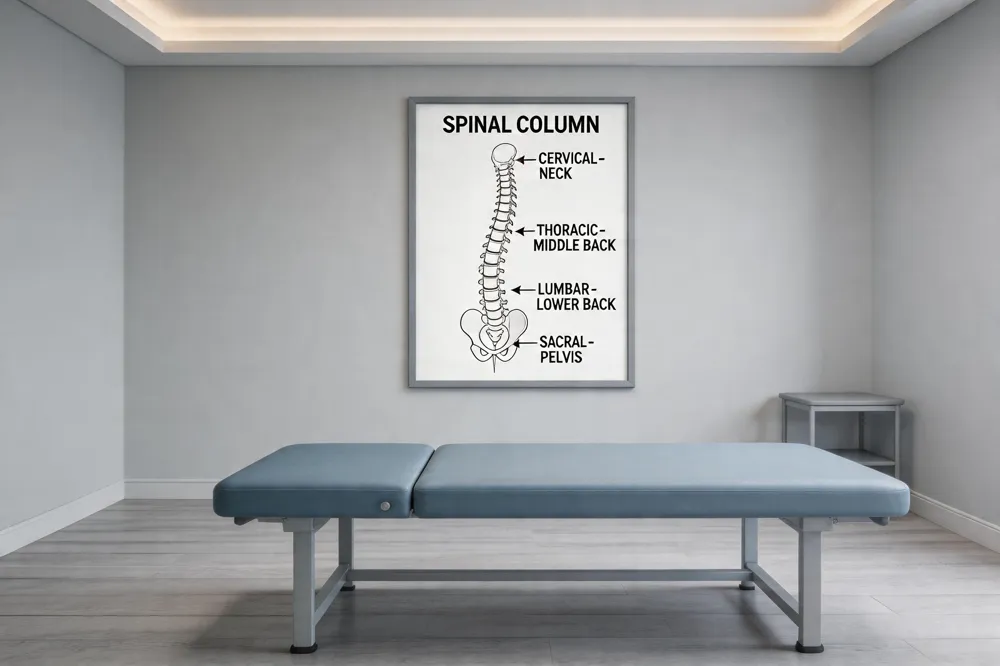
How Chiropractic Treatments Reduce Inflammation and Speed Up Back Pain Recovery

Real‑Life Stories: How Chiropractic Helped Patients Overcome Chronic Back Pain

From Symptom Masking to Root‑Cause Healing: A Practical Guide

6 Holistic Non‑Surgical Treatments That Deliver Sustainable Back‑Pain Relief

Key Questions to Ask When Selecting Your Chiropractor

Mindful Movement: Incorporating Stretch Breaks Into a Busy Day

Why Targeting the Underlying Cause Beats Temporary Symptom Relief

8 Ways Physiotherapy Complements Chiropractic Adjustments for Faster Recovery

Meal Planning for Athletes Recovering from Back Injuries

9 Everyday Lifestyle Tweaks to Preserve a Healthy Spine and Prevent Pain

Functional Movement Screening for Root‑Cause Pain Identification

6 Things You’ll Experience During Your First Chiropractic Appointment

Spinal Decompression vs. Standard Physical Therapy for Sciatica: A Comparative Review

New Findings on How Adjustments Influence Blood Circulation

Work‑From‑Home Ergonomics: A Blueprint for a Pain‑Free Back

The Link Between Chiropractic Care and Improved Sleep Quality

Physiotherapy Techniques That Strengthen the Benefits of Chiropractic Adjustments

Biomechanical Insights Behind Successful Spinal Decompression

Desk‑to‑Dumbbell: Lifestyle Shifts That Guard Your Lower Back

10 Corrective Exercises for Sustainable Pain-Free Living

Morning Routines That Support Spine Health and Reduce Stiffness

Calcium and Magnesium‑Focused Nutrition for Bone Density and Spine Health

9 Ways Chiropractic Care Transforms Back Pain Management

Testimonial: Nutrition‑Guided Recovery Accelerated by Chiropractic

Science‑Backed Spinal Decompression for Relieving Sciatica Symptoms

Key Questions to Ask During Your Initial Chiropractic Consultation
Whole‑Body Wellness Blueprint: Nutrition, Exercise, and Chiropractic Synergy

A 12‑Week Corrective Exercise Blueprint for Chronic Neck Discomfort

Manual Therapy Plus Targeted Exercise: Accelerating Post‑Injury Recovery

Home‑Based Spinal Decompression Devices: What Patients Should Know

Chiropractic Care Statistics: Reducing Lost Workdays From Back Pain

How Targeted Nutrition Enhances Immune Function and Lowers Inflammatory Pain

Self‑Assessment Tools to Identify Hidden Triggers of Back Pain

Preparing for Your First Chiropractic Appointment: A Practical Checklist

Back Pain Relief Benefits: Lower Opioid Use and Better Quality of Life

Foam‑Rolling Techniques to Complement Chiropractic Adjustments

Progressive Overload Principles in Corrective Exercise Programs

Six‑Month Transformation: Integrated Care Success Story

7 Nutritional Hacks to Boost Your Overall Wellness

How to Choose a Chiropractor: Credentials, Techniques, and Patient Compatibility

5 Ways Spinal Decompression Can Ease Sciatica Pain

Overcoming Sciatica: A Patient’s Multidisciplinary Treatment Journey
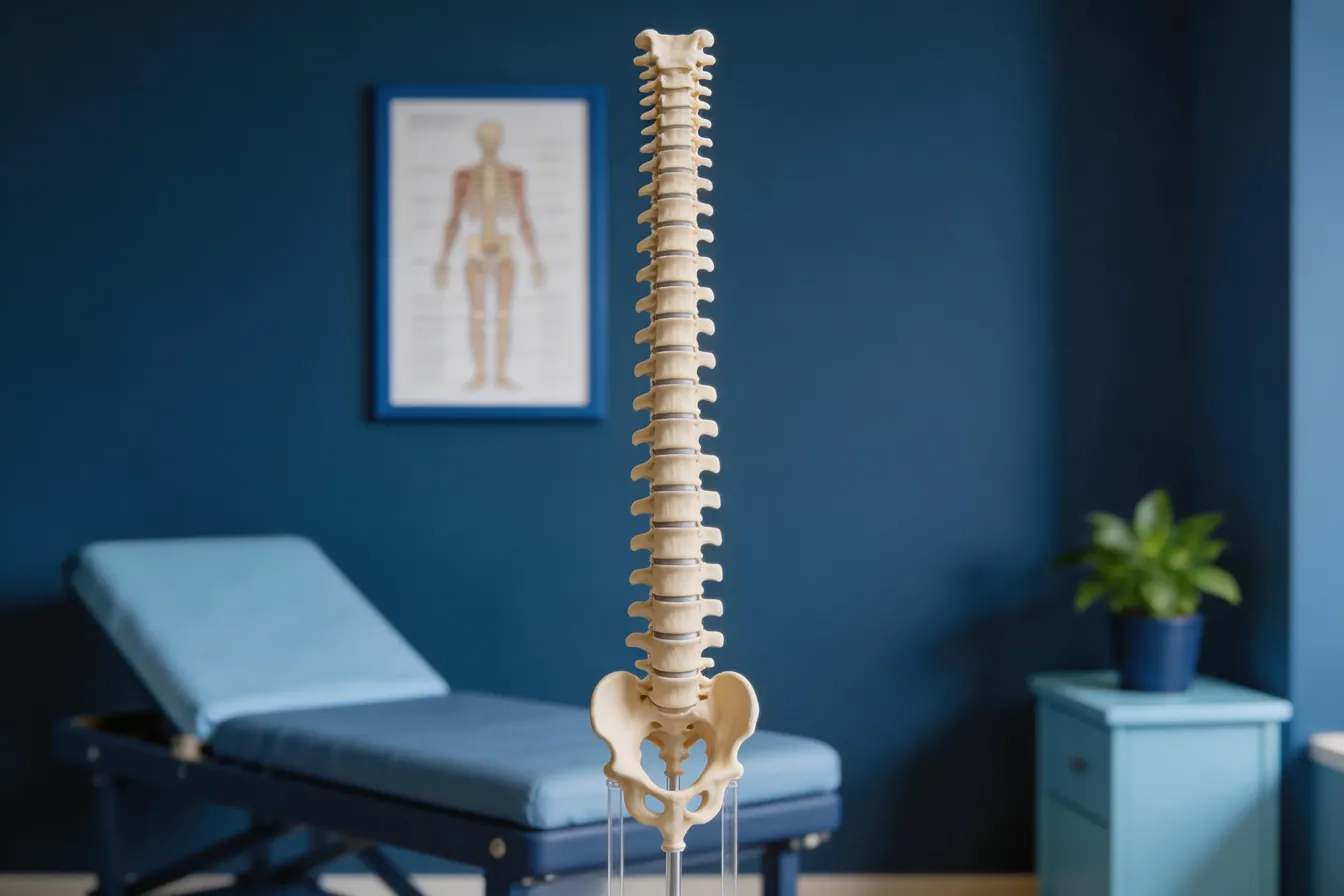
Lifestyle Changes That Promote a Healthy Spine
Physiotherapy as a Complement to Chiropractic Treatments

6 Ways Physiotherapy Enhances Chiropractic Treatment Outcomes

Daily Living Tips for a Strong and Healthy Spine

How Physiotherapy Enhances Chiropractic Outcomes
Holistic Treatments: Alternatives to Surgery for Pain Relief
Inspiring Patient Success Stories from Chiropractic Clinics

Integrating Physiotherapy with Chiropractic Treatments
Corrective Exercise Routines for Chronic Pain Prevention
10 Corrective Exercises to Maintain a Healthy Spine and Relieve Pain
Exercise Strategies for Long-Term Pain Management
10 Corrective Exercises to Maintain a Healthy Spine and Relieve Pain
The Importance of Treating the Root Cause of Pain
Nutritional Support Strategies for Whole-Body Wellness
7 Essential Questions to Ask When Choosing Your Chiropractor
Identifying and Addressing Root Causes of Pain

Maintaining a Healthy Spine with Lifestyle Adjustments
Sciatica Symptom Relief via Spinal Decompression
8 Reasons Why Addressing the Root Cause of Pain Is Crucial
Chiropractic Care’s Impact on Back Pain Recovery

Combining Physiotherapy with Chiropractic Care for Better Results

Inspiring Recovery: Chiropractic Patient Testimonials
Nutritional Counseling Tips for Optimal Wellness

Why Addressing the Root Cause of Pain is Crucial
Back Pain and Chiropractic Care: A Winning Combination

Chiropractic Care Benefits You Might Not Know
Exploring Holistic and Non-Surgical Treatments for Pain
Spinal Health: Lifestyle Tips for Everyday Wellness
Spinal Decompression Therapy: Benefits and Applications
Holistic and Non-Invasive Spine Care Options
Everyday Lifestyle Advice to Keep Your Spine Healthy
The Significance of Treating Root Causes in Pain Therapy
Best Corrective Exercises for Sustainable Pain Management

Addressing Underlying Causes of Pain for Long-Term Relief
6 Key Benefits of Spinal Decompression Therapy for Sciatica Relief

How Nutritional Counseling Supports Spine Health and Recovery

The Role of Physiotherapy in Supporting Chiropractic Treatments