Top Nutritional Counseling Tips for Enhanced Wellness
November 27, 2025
8 min

The Role of Nutritional Counseling in Holistic Wellness
Importance of Tailored Nutrition Plans
Nutritional counseling plays a crucial role in holistic wellness by addressing individual health needs with personalized dietary plans. Tailored nutrition, especially for those facing chronic conditions or recovery, supports metabolic requirements and enhances treatment outcomes. For example, increasing caloric intake with nutrient-dense foods like nuts, dried fruits, and whole milk yogurt can help patients maintain healthy weight and strength during therapy.
Relationship Between Nutrition and Overall Wellness
Nutrition is foundational to musculoskeletal health and overall well-being. Critical nutrients such as calcium, vitamin D, magnesium, and protein contribute to bone density, muscle maintenance, and inflammation reduction. Diets rich in antioxidants from fruits, vegetables, and healthy fats promote joint health and reduce arthritis risks. Maintaining a balanced diet combined with proper hydration supports both physical recovery and mental wellness.
Overview of Holistic Approach Including Nutrition
A holistic wellness approach integrates nutritional counseling with other therapies like chiropractic care and acupuncture for comprehensive health. This model emphasizes whole-person care—balancing diet, physical therapies, and lifestyle factors to support healing and prevent disease. Local specialized practices provide personalized dietary guidance alongside treatments, encouraging patients to actively engage in their health through natural, patient-centered methods.
Comprehensive Services at Back in Action Bodyworks

What services does Back in Action Bodyworks offer?
Back in Action Bodyworks, located in Torrance, California, provides a wide range of services aimed at holistic musculoskeletal health. Their offerings include chiropractic care focused on spinal alignment and pain relief. The practice pairs these adjustments with therapeutic massage and soft tissue therapy to aid muscle recovery and reduce tension.
Beyond these, they offer injury rehabilitation and create personalized wellness plans that address the full scope of an individual's health. Nutritional counseling is another vital service to promote overall well-being and prevent future problems. All treatments center on enhancing body function through integrative, patient-focused care.
What qualifications and experience does the practitioner at Back in Action Bodyworks have?
The lead practitioner is a licensed Doctor of Chiropractic (D.C.) who has undergone extensive education, including an undergraduate degree and approximately four years of specialized chiropractic training. They comply with California's licensing requirements and maintain up-to-date knowledge of the latest techniques and standards.
Their expertise extends to holistic musculoskeletal health, allowing them to skillfully assess and treat patients with a variety of non-invasive, drug-free modalities tailored to individual health needs. This blend of educational background and clinical experience ensures effective care aimed at long-term health benefits for the Torrance community.
How does Back in Action Bodyworks approach musculoskeletal health?
The practice emphasizes addressing the root causes of musculoskeletal problems rather than just symptoms. Their holistic approach combines manual therapies, nutrition, and lifestyle adjustments. This comprehensive care model supports durable recovery, injury prevention, and improved overall function, aligning with modern integrative health principles.
Key Nutritional Strategies for Musculoskeletal Health

Essential Nutrients for Strong Bones and Muscles
Maintaining nutrition for musculoskeletal health requires key nutrients like calcium, vitamin D, protein, magnesium, and phosphorus. Calcium supports bone density, while vitamin D enhances calcium absorption, primarily sourced from sunlight and foods like fish with bones and fortified dairy. Protein is vital for muscle growth and repair, obtained from lean meats, fish, eggs, legumes, and dairy products. Magnesium regulates calcium and contributes to bone structure, whereas phosphorus is crucial for bone mineralization.
Role of Diet in Inflammation Reduction
Chronic inflammation can worsen conditions such as osteoarthritis. Incorporating anti-inflammatory foods like fatty fish rich in omega-3 fatty acids, turmeric, and ginger helps reduce inflammation. Diets like the Mediterranean diet, abundant in fruits, vegetables, nuts, whole grains, and extra virgin olive oil, have shown to lessen pain and slow the progression of musculoskeletal disorders.
Importance of Antioxidants and Anti-Inflammatory Foods
Fruits and vegetables provide foods rich in antioxidants for joint health that combat oxidative stress, protecting joints and muscles from damage. Nuts, seeds, and healthy fats support joint health by reducing inflammation. Including a variety of colorful produce and spices like turmeric in your meals enhances musculoskeletal wellness.
Benefits of Maintaining a Healthy Weight on Joint Health
Excess weight places additional stress on joints, increasing the risk of arthritis and joint pain. Proper nutrition combined with maintaining an ideal body weight can significantly lower joint strain, improving mobility and reducing discomfort.
What Are the Benefits of Chiropractic Care?
Chiropractic care complements nutritional counseling in Torrance strategies by addressing pain relief and improving joint function. Through specialized adjustments, chiropractors enhance spine and joint alignment, reduce muscle tension, and promote mobility. This holistic treatment supports long-term musculoskeletal health and works synergistically with proper nutrition for optimal wellness.
Practical Nutrition Tips for Weight Management During Treatment

Tailored Nutrition Plans for Cancer Therapy
Nutrition counseling is essential for patients undergoing cancer or other intensive treatments, where metabolic needs and health conditions vary greatly. Personalized nutrition plans designed by Registered Dietitians for Cancer Patients can help address specific challenges such as unintentional weight loss and nutrient deficiencies.
High-Calorie Foods and Drinks for Weight Loss
When weight loss is a concern during treatment, increasing caloric intake with nutrient-dense foods is recommended. Adding sour cream or whole milk yogurt to cooked vegetables, using Calorie Enhancement Tips with Cream Soups and Yogurt, and incorporating high-calorie snacks like nuts and dried fruits can boost energy intake without increasing meal volume significantly.
Examples of Nutrient-Rich Vegetables for Weight Gain and High-Calorie Fruits for Cancer Patients
Certain vegetables and fruits naturally provide higher calories, making them beneficial for weight gain efforts. Vegetables such as corn, sweet potatoes, potatoes, and dry beans are calorie-rich options. Among fruits, bananas, dried fruits, and avocados offer healthy, energy-dense choices that support nutritional needs during treatment.
Healthy Eating Convenience Tips
To make healthy eating easier during therapy, keeping fruits and vegetables readily accessible encourages frequent consumption. Simplifying meal preparation and incorporating calorie-enhancing toppings can help maintain consistent energy intake. These small adjustments contribute to Nutrition Guidelines for Cancer Patients tailored to individual treatment challenges.
Establishing Healthy Eating Habits for All Ages

How Does Meal Scheduling and Portion Control Benefit Children?
Children thrive when provided with a consistent meal schedule benefits, typically encompassing 4-6 eating opportunities per day. This structure helps them better listen to their natural hunger and fullness signals, promoting intuitive eating habits that support healthy growth. Offering foods from various groups during these meals allows children to enjoy a healthy eating habits for kids while maintaining control over how much they consume.
What Is the 'Division of Responsibility in Feeding'?
Developed by Ellyn Satter feeding approach, this approach clarifies roles in feeding: parents decide when, where, and what foods are served, while children determine how much to eat. This method fosters competent eaters by respecting the child's appetite and autonomy, reducing mealtime struggles and encouraging positive eating behaviors.
What Are Some Balanced Snack Ideas and Hydration Guidelines?
Balanced snacks should include items from 2-3 food groups to deliver nutrients and sustained energy. Examples include an apple paired with peanut butter, cheese with whole grain crackers, or yogurt mixed with fruit. For hydration, children over one year old should primarily consume water as primary fluid for children, with juice limited to 4-6 ounces daily. Avoiding avoiding sugary drinks in toddlers, especially for children under two, supports better nutrient intake and overall health.
How Do Family Meals Contribute to Long-Term Health?
Shared family meals provide numerous benefits beyond nutrition. They are linked to improved eating habits, higher self-esteem in children, enhanced social abilities, and a reduced risk of engaging in harmful behaviors. Importantly, these positive outcomes hold true regardless of family income level or structure, emphasizing that family meals and long-term health play a pivotal role in fostering lifelong wellness.
Integrating Holistic Approaches for Enhanced Wellness

Combining Nutritional Counseling with Other Holistic Therapies
Holistic wellness centers such as EK Holistic Acupuncture & Herbal Medicine in Torrance, California, exemplify the integration of personalized nutritional counseling with therapies like acupuncture, herbal medicine, cupping, and movement exercises such as tai chi and qi gong. This synergy targets whole-person care, addressing physical, mental, and emotional well-being, particularly beneficial for managing pain, stress, hormone balance, and promoting natural healing.
Use of Anti-Inflammatory Dietary Components Like Turmeric and Ginger
Anti-inflammatory foods play a vital role in supporting musculoskeletal health. Ingredients such as turmeric and ginger are rich in compounds that help reduce inflammation and joint pain. These natural spices complement traditional dietary recommendations by providing additional relief from symptoms of arthritis and other inflammatory conditions. See more on Foods rich in antioxidants for joint health.
Hydration in Supporting Nutrient Transport and Joint Lubrication
Adequate hydration is critical for musculoskeletal wellness. Water facilitates nutrient transport and waste removal, maintains joint lubrication, and supports cell health. Incorporating hydrating foods alongside balanced fluid intake ensures optimal performance of muscles, tendons, and ligaments. For details, visit Hydration and musculoskeletal health.
Local Holistic Practices Emphasizing Personalized Care and Dietary Therapy
In Torrance, practices like Back in Action Bodyworks provide nutritional counseling integrated with musculoskeletal care, emphasizing individualized food and supplement guidance. Similarly, chiropractors such as those at Kosak Chiropractic advocate for balanced diets rich in calcium, vitamin D, magnesium, and protein to maintain bone density and muscle strength. These personalized approaches foster prevention and recovery, prioritizing overall body health over mere symptom treatment.
By combining nutritional strategies with other holistic treatments, patients receive comprehensive care that promotes sustained wellness and functional musculoskeletal health.
The Path Forward: Nutrition as a Foundation for Wellness
Nutritional counseling offers tailored strategies to enhance health, particularly for individuals managing cancer or musculoskeletal conditions. Guidance from professionals helps optimize calorie intake, support tissue repair, and reduce inflammation.
Seeking personalized, integrative care, such as that provided by chiropractic and holistic health practitioners, encourages comprehensive well-being. Combining nutrition counseling with therapies like acupuncture and movement exercises fosters balanced healing.
Balanced nutrition plays a pivotal role in musculoskeletal health by supporting bone strength, muscle maintenance, and joint function. Including sufficient calcium, vitamin D, protein, and anti-inflammatory foods benefits the entire body, promoting both recovery and long-term wellness.
Recent articles

10 Real‑Patient Success Stories Showcasing the Impact of Chiropractic Care

Superfoods That Boost Nerve Healing After Chiropractic Sessions

Sleep Positions That Promote a Healthy Back Alignment

Signs Your Chiropractor Is a Good Fit for Your Back Pain Goals

Case Study: Integrated Physiotherapy and Chiropractic for Faster Recovery

First-Time Chiropractic Visit: A Step‑by‑Step Walkthrough

Synergistic Benefits: Combining Physiotherapy with Chiropractic Care

Beyond Surgery: Holistic Approaches to Managing Back Pain

How Manual Therapy Enhances the Effects of Chiropractic Adjustments

Hydration Hacks: Why Water Matters for Joint and Spine Function

What Does a Comprehensive Spinal Evaluation Include?

Success Spotlight: Transformative Results After Six Weeks of Chiropractic Treatment

Understanding the Initial Assessment Process in Chiropractic Care

Designing a Personalized Corrective Exercise Plan for Chronic Pain Management

Natural Pain Management: Combining Acupuncture, Yoga, and Chiropractic

Chiropractic Care vs. Pain Meds: Long-Term Outcomes for Back Pain Sufferers

What to Expect During a Sciatica‑Focused Decompression Session

Understanding the Pain-Relief Mechanics Behind Chiropractic Adjustments

Success Rates of Non‑Surgical Spinal Decompression for Sciatica

Patient-Centered Chiropractic Care: Personalized Plans for Back Pain Relief
How Chiropractic Treatments Reduce Inflammation and Speed Up Back Pain Recovery

Real‑Life Stories: How Chiropractic Helped Patients Overcome Chronic Back Pain

From Symptom Masking to Root‑Cause Healing: A Practical Guide

6 Holistic Non‑Surgical Treatments That Deliver Sustainable Back‑Pain Relief

Key Questions to Ask When Selecting Your Chiropractor

Mindful Movement: Incorporating Stretch Breaks Into a Busy Day

Why Targeting the Underlying Cause Beats Temporary Symptom Relief

8 Ways Physiotherapy Complements Chiropractic Adjustments for Faster Recovery

Meal Planning for Athletes Recovering from Back Injuries

9 Everyday Lifestyle Tweaks to Preserve a Healthy Spine and Prevent Pain

Functional Movement Screening for Root‑Cause Pain Identification

6 Things You’ll Experience During Your First Chiropractic Appointment

Spinal Decompression vs. Standard Physical Therapy for Sciatica: A Comparative Review

New Findings on How Adjustments Influence Blood Circulation

Work‑From‑Home Ergonomics: A Blueprint for a Pain‑Free Back

The Link Between Chiropractic Care and Improved Sleep Quality

Physiotherapy Techniques That Strengthen the Benefits of Chiropractic Adjustments

Biomechanical Insights Behind Successful Spinal Decompression

Desk‑to‑Dumbbell: Lifestyle Shifts That Guard Your Lower Back

10 Corrective Exercises for Sustainable Pain-Free Living

Morning Routines That Support Spine Health and Reduce Stiffness

Calcium and Magnesium‑Focused Nutrition for Bone Density and Spine Health

9 Ways Chiropractic Care Transforms Back Pain Management

Testimonial: Nutrition‑Guided Recovery Accelerated by Chiropractic

Science‑Backed Spinal Decompression for Relieving Sciatica Symptoms

Key Questions to Ask During Your Initial Chiropractic Consultation

Whole‑Body Wellness Blueprint: Nutrition, Exercise, and Chiropractic Synergy

A 12‑Week Corrective Exercise Blueprint for Chronic Neck Discomfort

Manual Therapy Plus Targeted Exercise: Accelerating Post‑Injury Recovery

Home‑Based Spinal Decompression Devices: What Patients Should Know

Chiropractic Care Statistics: Reducing Lost Workdays From Back Pain

How Targeted Nutrition Enhances Immune Function and Lowers Inflammatory Pain

Self‑Assessment Tools to Identify Hidden Triggers of Back Pain

Preparing for Your First Chiropractic Appointment: A Practical Checklist

Back Pain Relief Benefits: Lower Opioid Use and Better Quality of Life

Foam‑Rolling Techniques to Complement Chiropractic Adjustments

Progressive Overload Principles in Corrective Exercise Programs

Six‑Month Transformation: Integrated Care Success Story

7 Nutritional Hacks to Boost Your Overall Wellness

How to Choose a Chiropractor: Credentials, Techniques, and Patient Compatibility

5 Ways Spinal Decompression Can Ease Sciatica Pain

Overcoming Sciatica: A Patient’s Multidisciplinary Treatment Journey
Lifestyle Changes That Promote a Healthy Spine

Physiotherapy as a Complement to Chiropractic Treatments

6 Ways Physiotherapy Enhances Chiropractic Treatment Outcomes

Daily Living Tips for a Strong and Healthy Spine

How Physiotherapy Enhances Chiropractic Outcomes
Holistic Treatments: Alternatives to Surgery for Pain Relief

Inspiring Patient Success Stories from Chiropractic Clinics

Integrating Physiotherapy with Chiropractic Treatments

Corrective Exercise Routines for Chronic Pain Prevention
10 Corrective Exercises to Maintain a Healthy Spine and Relieve Pain

Exercise Strategies for Long-Term Pain Management
10 Corrective Exercises to Maintain a Healthy Spine and Relieve Pain

The Importance of Treating the Root Cause of Pain

Nutritional Support Strategies for Whole-Body Wellness

7 Essential Questions to Ask When Choosing Your Chiropractor

Identifying and Addressing Root Causes of Pain

Maintaining a Healthy Spine with Lifestyle Adjustments

Sciatica Symptom Relief via Spinal Decompression

8 Reasons Why Addressing the Root Cause of Pain Is Crucial

Chiropractic Care’s Impact on Back Pain Recovery

Combining Physiotherapy with Chiropractic Care for Better Results

Inspiring Recovery: Chiropractic Patient Testimonials
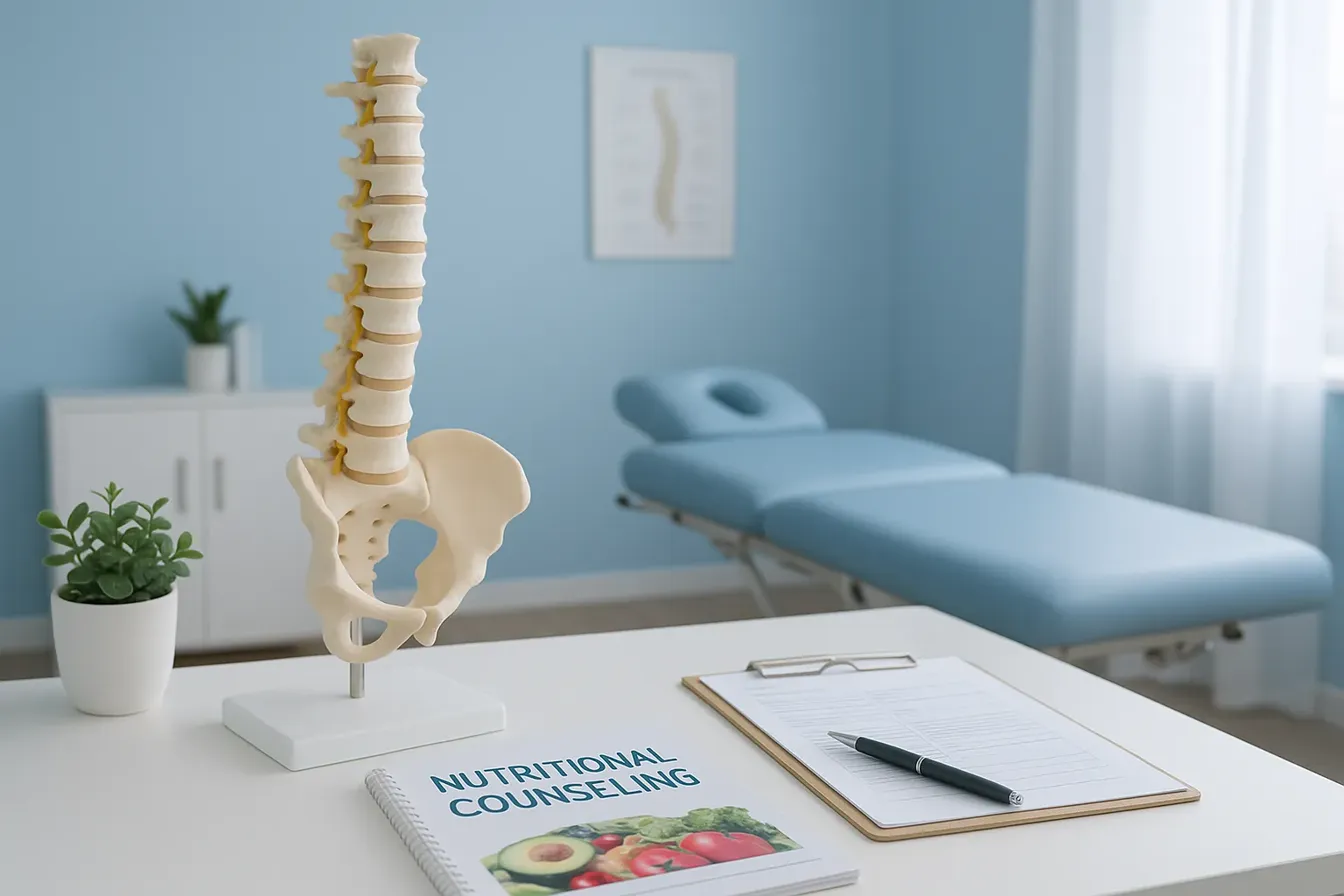
Nutritional Counseling Tips for Optimal Wellness

Why Addressing the Root Cause of Pain is Crucial

Back Pain and Chiropractic Care: A Winning Combination

Chiropractic Care Benefits You Might Not Know

Exploring Holistic and Non-Surgical Treatments for Pain

Spinal Health: Lifestyle Tips for Everyday Wellness
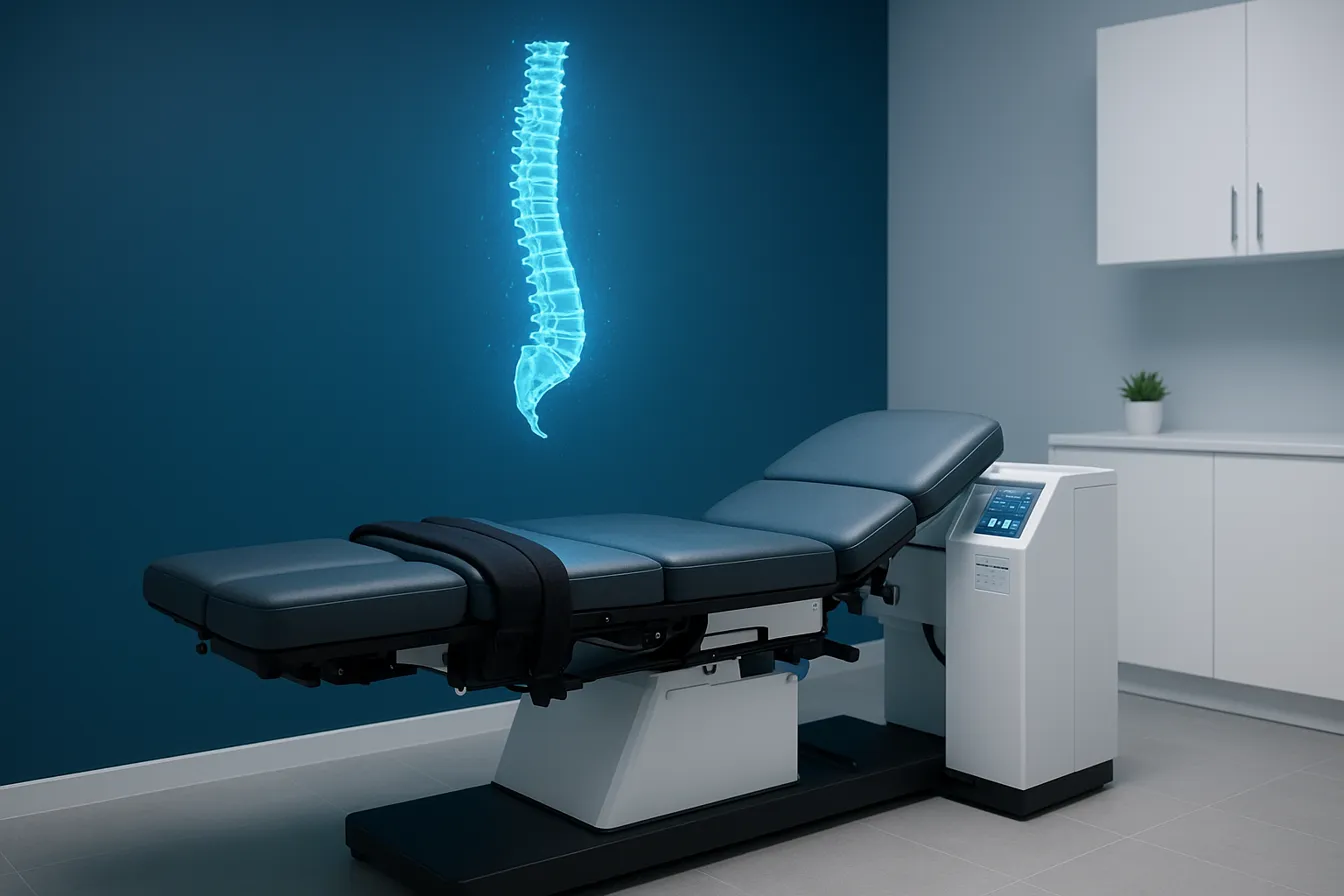
Spinal Decompression Therapy: Benefits and Applications

Holistic and Non-Invasive Spine Care Options

Everyday Lifestyle Advice to Keep Your Spine Healthy

The Significance of Treating Root Causes in Pain Therapy
Best Corrective Exercises for Sustainable Pain Management

Addressing Underlying Causes of Pain for Long-Term Relief

6 Key Benefits of Spinal Decompression Therapy for Sciatica Relief

How Nutritional Counseling Supports Spine Health and Recovery

The Role of Physiotherapy in Supporting Chiropractic Treatments