Corrective Exercises That Support Long-Term Relief from Sciatica
December 28, 2025
11 min
Understanding Sciatica and Its Impact
Definition of Sciatica
Sciatica is a condition characterized by pain that radiates along the path of the sciatic nerve, which runs from the lower back through the hips and buttocks and down each leg. It commonly presents as dull, aching, shooting, or burning pain. This discomfort may be accompanied by numbness, tingling, muscle weakness, or altered reflexes in the affected areas.
Common Symptoms
Patients with sciatica often report pain that starts in the lower back and travels down the leg. Additional symptoms include sensations of numbness, tingling, and muscle weakness. In some cases, changes in bladder or bowel function may occur, which require immediate medical attention.
Primary Causes of Sciatica
Sciatica arises from irritation or compression of the sciatic nerve. This can be due to mechanical factors such as herniated discs or bone spurs pressing on the nerve, or inflammatory causes like swelling from injury, pregnancy, or infection. Other contributing conditions include spinal stenosis and piriformis syndrome, where muscle spasms trap the nerve.
Prevalence of Sciatica
Sciatica is a common musculoskeletal condition, affecting an estimated 10 to 40% of individuals at some point in their lives. Its prevalence highlights the importance of early diagnosis and patient-centered treatment plans to alleviate symptoms and improve quality of life.
The Anatomy of the Sciatic Nerve and Types of Sciatica

What is the Sciatic Nerve and Where Does It Run?
The sciatic nerve is the longest and thickest nerve in the body. It originates in the lower back and extends through the hips, buttocks, and down the back of each leg, reaching just below the knee. This pathway explains why pain associated with sciatica typically radiates from the lower back down the leg.
What Are the Two Main Types of Sciatica?
Sciatica is generally categorized into mechanical and inflammatory sciatica causes:
- Mechanical sciatica arises from physical pressure on the sciatic nerve, often caused by conditions such as herniated discs, bone spurs, or spinal stenosis.
- Inflammatory sciatica results from swelling due to injury, infection, pregnancy, or other inflammatory conditions that affect the nerve.
What Are Common Causes of Sciatica?
Several factors can irritate or compress the sciatic nerve. The most common causes include:
- Herniated Discs: When spinal discs rupture or bulge, they may press against the nerve roots.
- Piriformis Syndrome: Muscle spasms in the piriformis muscle can trap or compress the sciatic nerve in the buttocks.
- Spinal Stenosis: A narrowing of the spinal canal can put pressure on the nerve.
Understanding the sciatic nerve pathway and the distinctions between types of sciatica helps healthcare providers develop tailored treatment plans focusing on nerve relief and long-term management.
Importance of Early Diagnosis and Professional Assessment
When to seek medical attention
Persistent sciatica symptoms lasting beyond one to two weeks warrant a medical evaluation. Immediate consultation is essential if severe symptoms such as intense pain, muscle weakness, numbness, or changes in bladder or bowel control arise, as these may indicate serious issues like Emergency care for cauda equina syndrome.
Role of doctors and physical therapists
Healthcare providers, including doctors and Physical therapist intervention for sciatica, play a critical role in diagnosing sciatica accurately and tailoring individualized treatment plans. Physical therapists guide patients through safe, targeted exercises and stretches that improve flexibility, strengthen supporting muscles, and reduce nerve pressure.
Recognition of emergency symptoms such as cauda equina syndrome
Cauda equina syndrome is a medical emergency characterized by symptoms including severe pain, loss of bladder or bowel function, and progressive weakness or numbness. Prompt medical attention is vital to prevent long-term damage.
Benefits of early intervention
Early intervention enhances recovery outcomes by preventing chronic pain and recurrent episodes. Initiating gentle movement, strength-building, and flexibility exercises under professional supervision supports effective symptom relief and long-term spinal health.
By understanding when to seek care and relying on professional assessment, individuals with sciatica can access personalized care plans that promote healing and reduce pain effectively.
Safe and Effective Corrective Exercises for Sciatica Relief

Which exercises are recommended for sciatica relief?
To safely relieve sciatica pain, several targeted exercises focus on strengthening and stretching the lower back, hips, and surrounding muscles. Effective exercises include:
- Glute Bridge exercise: Strengthens glutes and lower back, stabilizing the pelvis to reduce nerve pressure.
- Lying Knee-to-Chest Stretch: Loosens lower back and hip muscles, alleviating sciatic nerve compression.
- Clamshell exercise for sciatic nerve pain: Strengthens hip abductors for proper pelvis alignment.
- Bird-Dog exercise benefits: Enhances core stability and lower back strength.
- Cobra Stretch for lower back pain: Increases spinal flexibility and eases lower back tension.
- Child's Pose stretch for sciatica: A gentle yoga stretch that releases tension in the lower back and hips.
Additional stretches include the Seated glute stretch, Figure 4 stretch, Piriformis syndrome stretch, and various Hamstring stretches, which target tight muscles that often contribute to sciatic nerve irritation.
How often should these exercises be performed and what technique is advised?
Exercises should be done consistently—ideally at least twice weekly—with each stretch or strengthening move performed 8–10 times per side or as guided by a healthcare professional. Proper form is essential to maximize benefits and avoid injury. Gradual progression and respecting personal pain thresholds help ensure safe practice.
What precautions should be taken during these exercises?
It is critical to avoid any movements that increase sciatic pain. Patients should stop exercising immediately if they experience worsening pain or new symptoms such as numbness, tingling, or weakness. Exercises should always be performed within a pain-free range, and modifications may be necessary depending on individual flexibility and comfort.
Regular engagement in these corrective exercises, combined with early intervention and guidance from physical therapists, promotes nerve decompression, muscle balance, and long-term relief from sciatica symptoms.
How Corrective Exercises Support Long-Term Relief and Prevention

Building Core Strength and Flexibility
Corrective exercises such as glute bridges and bird-dog movements help strengthen the muscles around the lower back and hips. This builds core stabilization exercises, which supports the spine and reduces undue stress that can cause sciatic nerve irritation. Improved flexibility in these areas also helps in maintaining a healthy range of motion.
Improving Pelvic Alignment and Spinal Stability
Exercises like clamshells and pelvic tilts specifically target hip abductors and lower back muscles, promoting proper pelvic alignment. A well-aligned pelvis lessens abnormal pressure on the sciatic nerve roots, contributing to spinal stability and reducing the risk of mechanical sciatica.
Reducing Sciatic Nerve Compression
Stretching routines, including knee-to-chest, hamstring, and piriformis stretches, gently relieve muscle tightness that compresses the sciatic nerve. These stretches decrease inflammation and improve blood flow, helping to ease nerve irritation and pain.
Enhancing Mobility and Function
Regularly performing these corrective movements improves flexibility in the hips, lower back, and legs, which supports everyday activities. Enhanced mobility allows for better posture, easier movement, and less strain on the sciatic nerve during physical tasks.
Avoiding Recurrence
Consistent engagement in strength and flexibility exercises strengthens the musculoskeletal system's resilience. By addressing muscle imbalances and enhancing overall spinal health, these exercises reduce the likelihood of future sciatica episodes, offering a natural and patient-centered approach to pain relief and wellness.
Integrating Chiropractic Care with Exercise for Optimal Musculoskeletal Health
What are the key benefits of chiropractic care for overall musculoskeletal health?
Chiropractic care provides effective pain relief, especially for conditions like sciatica pain relief exercises, by improving spinal alignment and joint mobility. It reduces inflammation and enhances posture, which can lead to increased range of motion and less reliance on medications. Through combining spinal adjustments with targeted exercises and ergonomic advice, chiropractic care supports long-term wellness and helps prevent recurrent musculoskeletal problems.
How does holistic chiropractic care differ from traditional chiropractic treatments?
Holistic chiropractic care takes a comprehensive approach by addressing not only spinal issues but also overall health factors such as nutrition, exercise, stress management, and lifestyle habits. It aims to treat the root causes of musculoskeletal problems rather than just symptoms. Personalized treatment plans encourage physical, mental, and emotional well-being, thus enhancing the body's self-healing abilities in a sustainable manner.
What techniques are commonly used by chiropractors to improve spinal alignment?
Common chiropractic techniques include spinal adjustments that realign vertebrae and alleviate nerve irritation, and flexion-distraction therapy that gently decompresses spinal discs. Soft tissue and trigger point therapies help relax tight muscles contributing to dysfunction. Chiropractors also prescribe postural correction exercises to strengthen supporting muscles and maintain proper alignment. Advanced methods like Class 4 Deep Tissue Laser therapy may be used to stimulate healing.
How can chiropractic care contribute to injury prevention and recovery?
Chiropractic care helps prevent injuries by correcting muscular imbalances, improving joint function, and promoting better posture and flexibility. During recovery phases, chiropractic treatments enhance blood flow, reduce swelling, and restore proper movement patterns to accelerate healing. For athletes and physically active individuals, chiropractic care optimizes musculoskeletal performance and reduces the risk of future injuries through ongoing maintenance and individualized care.
The Role of Nutrition and Exercise in Enhancing Chiropractic and Sciatica Outcomes
What role do nutrition and exercise play in complementing chiropractic treatments?
Nutrition and exercise play a vital role in complementing chiropractic care by promoting tissue repair and reducing inflammation, both crucial for sciatica recovery. An anti-inflammatory diet rich in proteins, vitamins such as vitamin C and D, and minerals supports cellular healing and strengthens musculoskeletal structures. Adequate hydration helps maintain tissue elasticity and function.
How does proper nutrition support tissue repair and inflammation reduction?
Foods that minimize inflammation—such as leafy greens, nuts, fatty fish, and whole grains—help reduce nerve irritation and swelling around the sciatic nerve. This nutritional support facilitates faster healing and less discomfort, enhancing the efficacy of chiropractic adjustments.
How does exercise complement chiropractic care for sciatica?
Exercise complements chiropractic treatments by improving strength, flexibility, and blood flow, which are essential for maintaining spinal alignment and nerve health. Specific stretching and strengthening exercises target the hips, lower back, and core muscles to alleviate pressure on the sciatic nerve and restore function.
Why are customized exercise programs important?
Customized exercise programs ensure patients perform movements suited to their individual condition and flexibility, which prevents aggravation of symptoms. These programs typically include gentle glute bridges, pelvic tilts, hamstring stretches, and core stabilization exercises. Recommending tailored, low-impact routines helps prevent future episodes of sciatica and supports long-term musculoskeletal wellness.
By integrating nutrition and exercise with chiropractic care, patients benefit from a holistic approach that addresses underlying causes, alleviates pain, and promotes sustained recovery.
Key Safety Guidelines and Activities to Avoid During Sciatica Recovery
Exercises and Movements That May Worsen Sciatica
Certain activities can exacerbate Sciatica causes and symptoms and should be avoided during recovery. These include lifting both legs simultaneously, twisting or rotating the torso, high-impact training, squatting, and bending forward with straight legs. Such movements can increase pressure on the sciatic nerve, intensifying pain and prolonging healing.
Importance of Warm-Up and Gradual Progression
Warming up before beginning any stretching or strengthening exercises is essential. Gentle, gradual progression helps prepare muscles and joints, reducing the risk of injury. Starting with low-intensity movements and increasing difficulty only as tolerated supports a safe path to recovery. For guidance, see Safe Sciatica Stretching Routines.
Listening to Pain Signals and Modifying Exercises
Pay close attention to how your body responds during exercises. Stop any activity that increases pain or causes discomfort beyond mild stretching sensation. Modifying or avoiding exercises that worsen symptoms helps prevent further nerve irritation and supports healing. Learn more about When to seek medical evaluation for sciatica.
Use of Cold/Heat Therapy and Posture Changes Post-Activity
Applying cold or heat packs after exercise can reduce inflammation and relieve muscle tension. Regularly changing posture during the day and after activities avoids sustained nerve pressure and contributes to symptom relief. These simple self-care methods complement exercise therapy for effective Managing Sciatica.
Developing a Personalized and Sustainable Sciatica Relief Plan
How does physical therapy collaborate with chiropractic care for sciatica relief?
Physical therapy and chiropractic care often work hand in hand to provide comprehensive management of sciatica. While chiropractic adjustments focus on spinal alignment and relieving mechanical nerve pressure, physical therapy emphasizes targeted exercises to strengthen muscles, improve flexibility, and restore functional movement. This integrative approach allows addressing both the root cause and symptom relief, promoting better outcomes.
Why are individualized exercise and treatment plans essential for sciatica?
Sciatica varies widely in cause and severity among individuals. Customized plans ensure exercises and therapies suit the specific condition, pain tolerance, and lifestyle of each patient. Personalized regimens incorporate safe stretches, strengthening routines like Glute Bridges and Bird-Dog, and avoid movements worsening symptoms. Tailored care maximizes efficacy and prevents aggravation.
How should progress be monitored and routines adjusted?
Regular assessment by healthcare providers—including physical therapists and chiropractors—is crucial. Tracking pain reduction, functional improvements, and any new symptoms guides modifications. Exercises may be progressed in intensity or frequency, while harmful activities are avoided. Patient feedback on comfort and pain guides safe advancement.
What role does active patient participation play in long-term success?
Engaged patients who consistently perform recommended exercises and adhere to lifestyle advice experience better recovery and reduced recurrence. Education on proper technique, posture, and self-management empowers patients to take charge. Encouraging routine activity combined with professional guidance supports sustainable relief from sciatica pain and improves overall musculoskeletal health in a natural, holistic way.
Commitment to Consistent Corrective Exercises and Holistic Care for Sciatica
Benefits of Corrective Exercises
Consistent practice of targeted exercises such as glute bridges, knee-to-chest stretches, clamshells, bird-dog, and piriformis stretches can significantly ease sciatica pain. These movements strengthen supporting muscles, enhance flexibility, and reduce pressure on the sciatic nerve, leading to improved mobility and reduced discomfort.
Holistic and Chiropractic Approaches
Integrating chiropractic care with exercise routines offers comprehensive support by addressing spinal alignment and nerve function holistically. Lifestyle modifications—like maintaining proper posture, incorporating low-impact aerobic activities, and avoiding aggravating movements—complement treatment by promoting overall musculoskeletal health.
Early Intervention and Professional Guidance
Seeking early assessment from healthcare professionals—including physical therapists and chiropractors—facilitates accurate diagnosis and personalized treatment plans. This proactive approach helps prevent symptom escalation, minimize the risk of chronic pain, and adapt exercises safely to individual needs.
Long-Term Relief and Quality of Life
A patient-centered, consistent regimen combining corrective exercises, chiropractic adjustments, and lifestyle changes promotes sustained symptom relief. This comprehensive strategy not only alleviates pain but also enhances functional ability, enabling patients to maintain active lifestyles and better overall well-being.
Recent articles

10 Real‑Patient Success Stories Showcasing the Impact of Chiropractic Care

Superfoods That Boost Nerve Healing After Chiropractic Sessions

Sleep Positions That Promote a Healthy Back Alignment

Signs Your Chiropractor Is a Good Fit for Your Back Pain Goals

Case Study: Integrated Physiotherapy and Chiropractic for Faster Recovery

First-Time Chiropractic Visit: A Step‑by‑Step Walkthrough
Synergistic Benefits: Combining Physiotherapy with Chiropractic Care

Beyond Surgery: Holistic Approaches to Managing Back Pain

How Manual Therapy Enhances the Effects of Chiropractic Adjustments

Hydration Hacks: Why Water Matters for Joint and Spine Function

What Does a Comprehensive Spinal Evaluation Include?

Success Spotlight: Transformative Results After Six Weeks of Chiropractic Treatment

Understanding the Initial Assessment Process in Chiropractic Care

Designing a Personalized Corrective Exercise Plan for Chronic Pain Management

Natural Pain Management: Combining Acupuncture, Yoga, and Chiropractic

Chiropractic Care vs. Pain Meds: Long-Term Outcomes for Back Pain Sufferers

What to Expect During a Sciatica‑Focused Decompression Session

Understanding the Pain-Relief Mechanics Behind Chiropractic Adjustments

Success Rates of Non‑Surgical Spinal Decompression for Sciatica

Patient-Centered Chiropractic Care: Personalized Plans for Back Pain Relief
How Chiropractic Treatments Reduce Inflammation and Speed Up Back Pain Recovery

Real‑Life Stories: How Chiropractic Helped Patients Overcome Chronic Back Pain

From Symptom Masking to Root‑Cause Healing: A Practical Guide

6 Holistic Non‑Surgical Treatments That Deliver Sustainable Back‑Pain Relief

Key Questions to Ask When Selecting Your Chiropractor

Mindful Movement: Incorporating Stretch Breaks Into a Busy Day

Why Targeting the Underlying Cause Beats Temporary Symptom Relief

8 Ways Physiotherapy Complements Chiropractic Adjustments for Faster Recovery
Meal Planning for Athletes Recovering from Back Injuries

9 Everyday Lifestyle Tweaks to Preserve a Healthy Spine and Prevent Pain

Functional Movement Screening for Root‑Cause Pain Identification

6 Things You’ll Experience During Your First Chiropractic Appointment

Spinal Decompression vs. Standard Physical Therapy for Sciatica: A Comparative Review

New Findings on How Adjustments Influence Blood Circulation
Work‑From‑Home Ergonomics: A Blueprint for a Pain‑Free Back

The Link Between Chiropractic Care and Improved Sleep Quality

Physiotherapy Techniques That Strengthen the Benefits of Chiropractic Adjustments

Biomechanical Insights Behind Successful Spinal Decompression

Desk‑to‑Dumbbell: Lifestyle Shifts That Guard Your Lower Back

10 Corrective Exercises for Sustainable Pain-Free Living

Morning Routines That Support Spine Health and Reduce Stiffness

Calcium and Magnesium‑Focused Nutrition for Bone Density and Spine Health

9 Ways Chiropractic Care Transforms Back Pain Management

Testimonial: Nutrition‑Guided Recovery Accelerated by Chiropractic
Science‑Backed Spinal Decompression for Relieving Sciatica Symptoms

Key Questions to Ask During Your Initial Chiropractic Consultation
Whole‑Body Wellness Blueprint: Nutrition, Exercise, and Chiropractic Synergy

A 12‑Week Corrective Exercise Blueprint for Chronic Neck Discomfort

Manual Therapy Plus Targeted Exercise: Accelerating Post‑Injury Recovery
Home‑Based Spinal Decompression Devices: What Patients Should Know

Chiropractic Care Statistics: Reducing Lost Workdays From Back Pain

How Targeted Nutrition Enhances Immune Function and Lowers Inflammatory Pain

Self‑Assessment Tools to Identify Hidden Triggers of Back Pain

Preparing for Your First Chiropractic Appointment: A Practical Checklist

Back Pain Relief Benefits: Lower Opioid Use and Better Quality of Life

Foam‑Rolling Techniques to Complement Chiropractic Adjustments

Progressive Overload Principles in Corrective Exercise Programs

Six‑Month Transformation: Integrated Care Success Story

7 Nutritional Hacks to Boost Your Overall Wellness

How to Choose a Chiropractor: Credentials, Techniques, and Patient Compatibility

5 Ways Spinal Decompression Can Ease Sciatica Pain

Overcoming Sciatica: A Patient’s Multidisciplinary Treatment Journey
Lifestyle Changes That Promote a Healthy Spine
Physiotherapy as a Complement to Chiropractic Treatments
6 Ways Physiotherapy Enhances Chiropractic Treatment Outcomes

Daily Living Tips for a Strong and Healthy Spine

How Physiotherapy Enhances Chiropractic Outcomes
Holistic Treatments: Alternatives to Surgery for Pain Relief
Inspiring Patient Success Stories from Chiropractic Clinics

Integrating Physiotherapy with Chiropractic Treatments
Corrective Exercise Routines for Chronic Pain Prevention
10 Corrective Exercises to Maintain a Healthy Spine and Relieve Pain
Exercise Strategies for Long-Term Pain Management
10 Corrective Exercises to Maintain a Healthy Spine and Relieve Pain
The Importance of Treating the Root Cause of Pain
Nutritional Support Strategies for Whole-Body Wellness
7 Essential Questions to Ask When Choosing Your Chiropractor
Identifying and Addressing Root Causes of Pain
Maintaining a Healthy Spine with Lifestyle Adjustments
Sciatica Symptom Relief via Spinal Decompression
8 Reasons Why Addressing the Root Cause of Pain Is Crucial
Chiropractic Care’s Impact on Back Pain Recovery

Combining Physiotherapy with Chiropractic Care for Better Results
Inspiring Recovery: Chiropractic Patient Testimonials
Nutritional Counseling Tips for Optimal Wellness

Why Addressing the Root Cause of Pain is Crucial
Back Pain and Chiropractic Care: A Winning Combination
Chiropractic Care Benefits You Might Not Know
Exploring Holistic and Non-Surgical Treatments for Pain
Spinal Health: Lifestyle Tips for Everyday Wellness
Spinal Decompression Therapy: Benefits and Applications
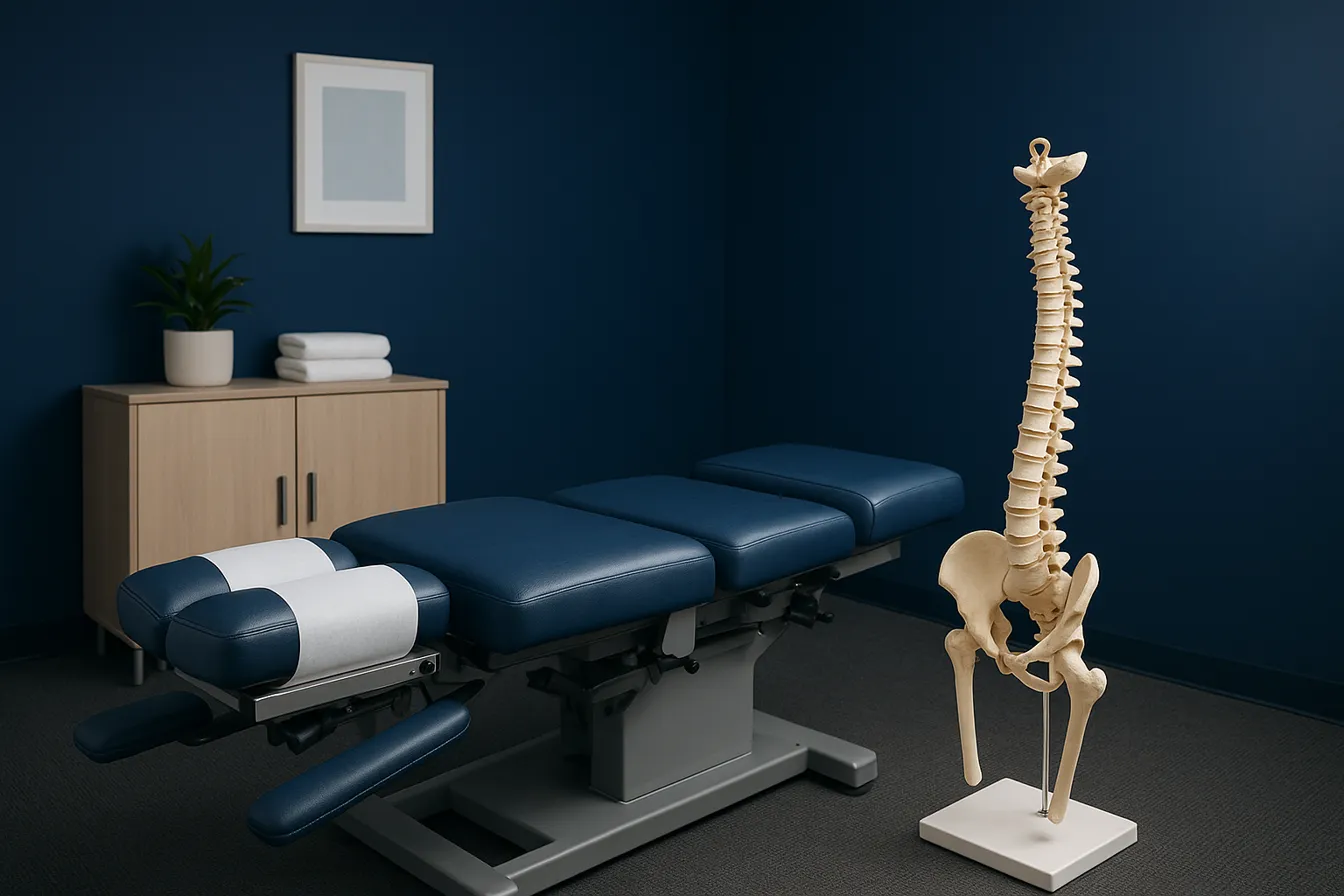
Holistic and Non-Invasive Spine Care Options
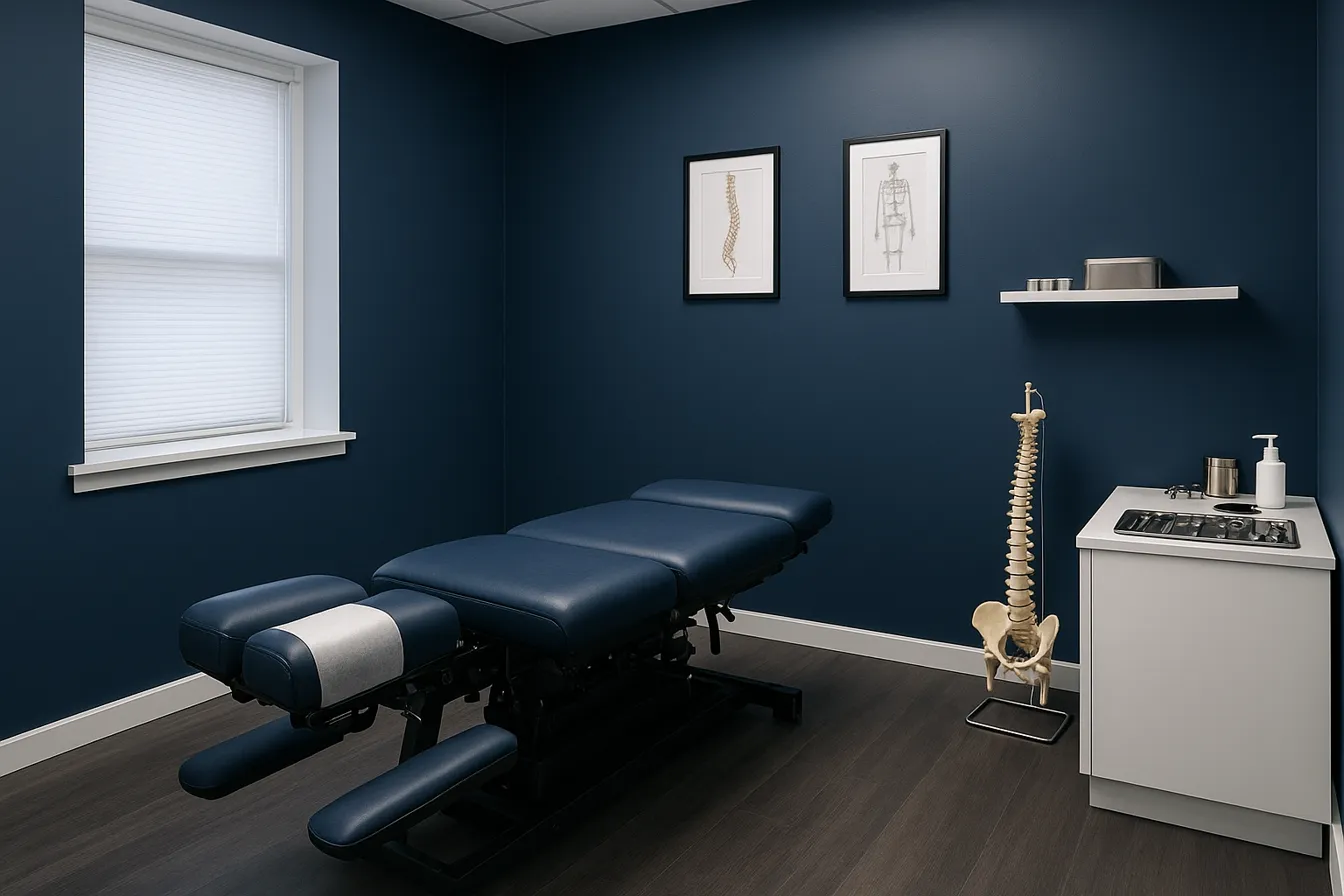
Everyday Lifestyle Advice to Keep Your Spine Healthy
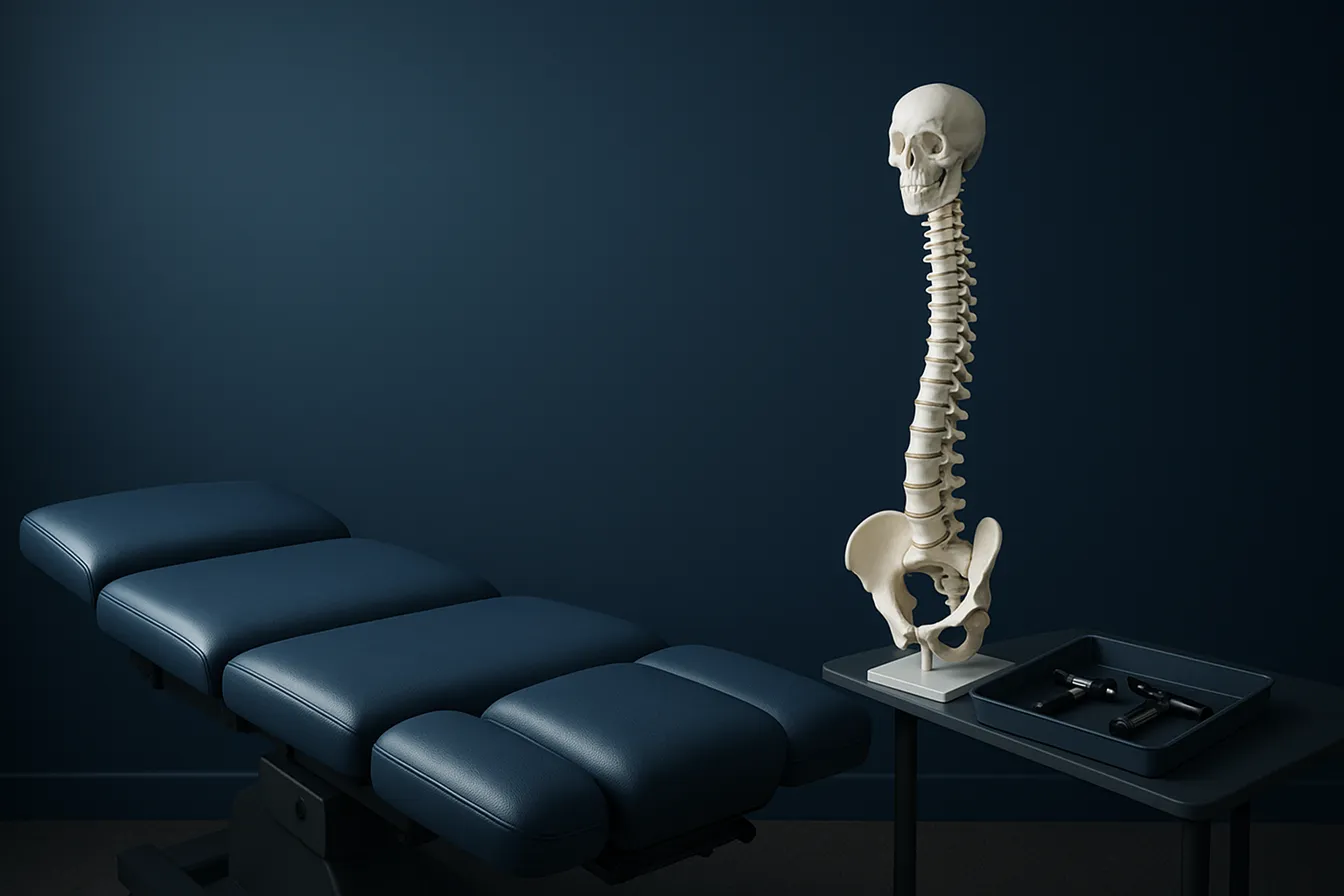
The Significance of Treating Root Causes in Pain Therapy
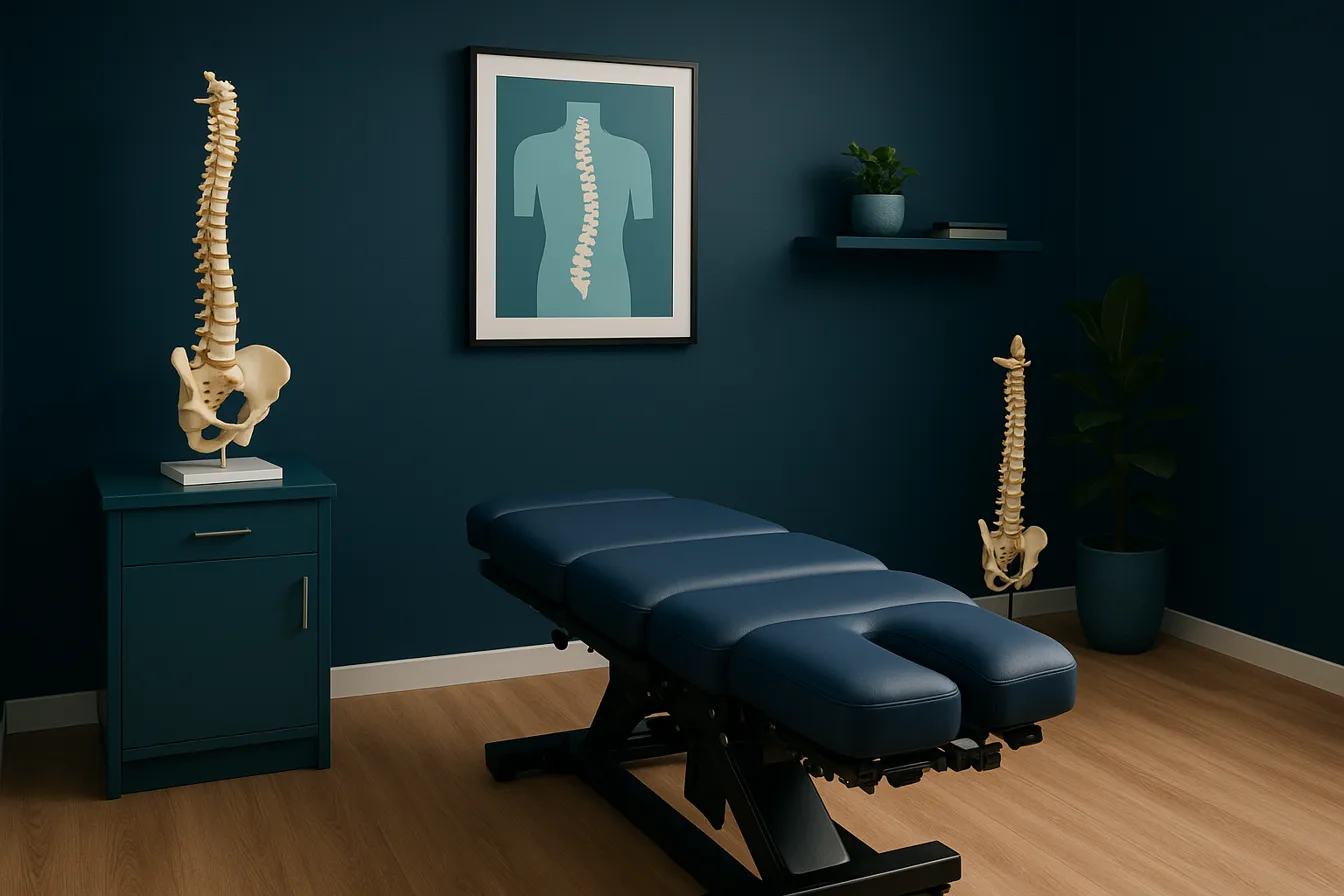
Best Corrective Exercises for Sustainable Pain Management
Addressing Underlying Causes of Pain for Long-Term Relief
6 Key Benefits of Spinal Decompression Therapy for Sciatica Relief

How Nutritional Counseling Supports Spine Health and Recovery

The Role of Physiotherapy in Supporting Chiropractic Treatments