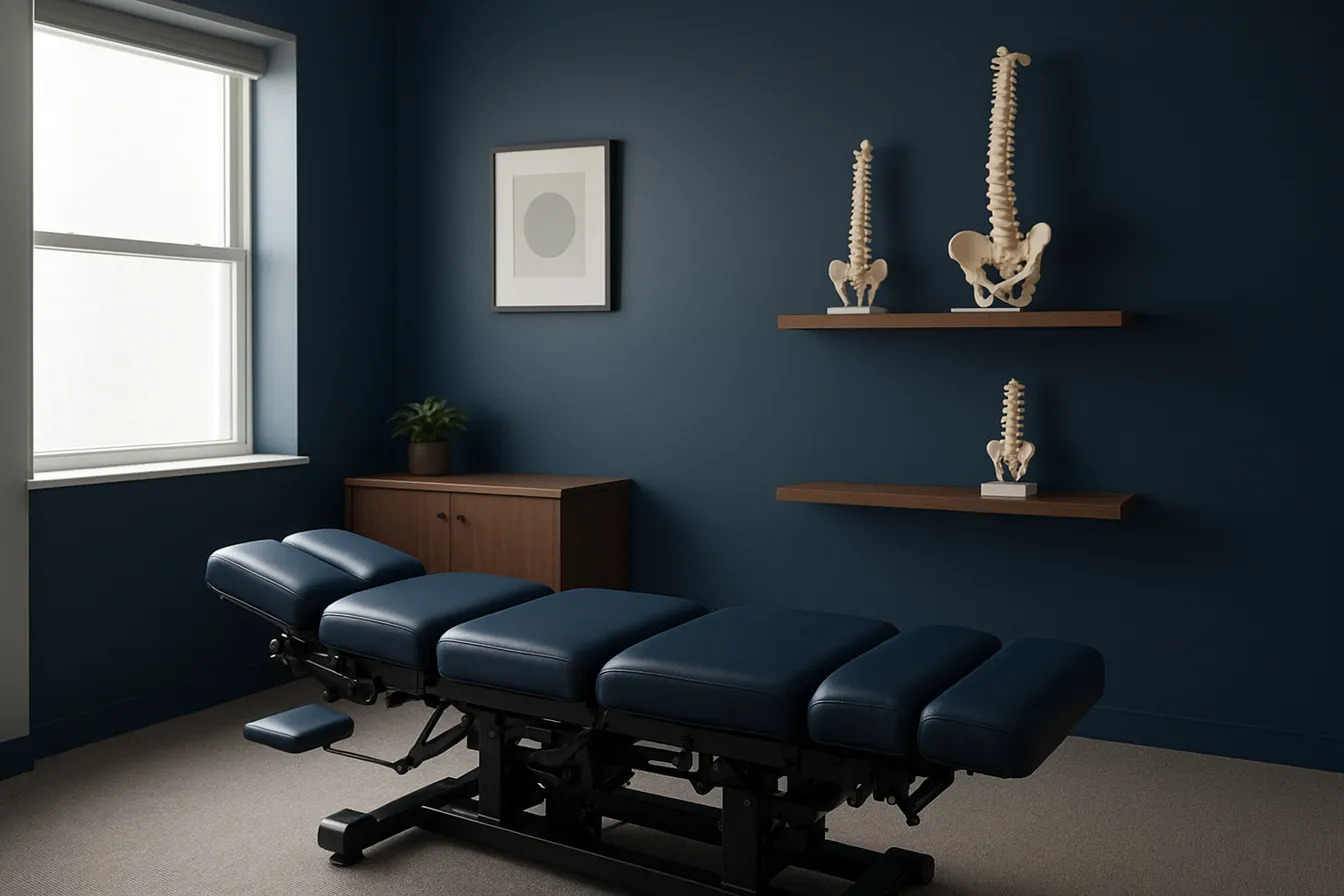
6 Lifestyle Habits That Boost Spine Health Daily
November 26, 2025
11 min

Why a Healthy Spine Matters Every Day
The Importance of Daily Habits for Spine Health
Maintaining a healthy spine is essential for overall wellness, as it supports the body's structure and protects the nervous system. Daily habits such as mindful posture, regular movement, and proper ergonomics play a crucial role in preventing spinal strain and degeneration.
Impact of Lifestyle on Spinal Well-being
Lifestyle choices, including regular low-impact exercise, nutritious diet rich in calcium and vitamins, and adequate hydration, promote spinal integrity and reduce inflammation. Avoiding smoking and managing stress through techniques like meditation further preserve spine health by enhancing blood flow and muscle relaxation.
How Small Changes Affect Long-term Spine Health
Incorporating simple routines—like taking walking breaks every 30 minutes, engaging core-strengthening exercises, and prioritizing restful sleep on supportive mattresses—can prevent spinal misalignments and chronic pain. Over time, these adjustments contribute to increased spinal flexibility, stability, and overall functional ability, supporting long-term spinal wellness.
Spinal Health Key Facts
- Regular exercise strengthens core muscles and improves spinal stability and posture.
- Daily movement prevents stiffness and maintains circulation around spinal discs.
- Low-impact activities like walking and swimming promote muscle strength and spinal integrity.
- Weight-bearing exercises help maintain bone density and reduce osteoporosis risk.
- Core exercises such as planks and bridges stabilize the spine and improve posture.
- Proper posture and ergonomic setups reduce strain and prevent misalignments.
- A balanced diet rich in calcium, vitamin D, and omega-3s supports bone and disc health.
- Quality sleep aids in disc rehydration, tissue repair, and reducing inflammation.
- Smoking reduces bone density and impairs healing, increasing degeneration risk.
- Chiropractic care corrects misalignments, reduces pain, and supports overall spine wellness.
1. Stay Active with Regular Movement and Exercise

How does regular exercise support spinal health?
Regular exercise for spine health is fundamental in maintaining spinal health. It helps keep a healthy weight, which reduces undue stress on the spine. By strengthening core muscles—including abdominal, back, and pelvic floor muscles, exercise enhances spinal stability and posture, reducing the risk of pain and injury. In addition, activities that increase blood flow improve oxygen and nutrient delivery to spinal tissues, encouraging healing and reducing inflammation. Exercises also improve flexibility, which maintains proper spinal alignment and mobility.
Why is regular movement throughout the day important for the spine?
Regular movement and stretching, especially standing up or walking every 30 minutes, prevents stiffness and relieves tension caused by prolonged sitting. This activity encourages circulation around the vertebrae and spinal discs, helping to keep them hydrated and flexible, which is critical for cushioning and shock absorption. Regular movement also reduces muscle fatigue and supports the body's natural healing processes.
Walking and Low-Impact Exercises
Low-impact activities such as walking for spine health, swimming benefits for spine, and cycling benefits for spine are excellent for spinal health. They strengthen muscles without overloading the spine, promote circulation, and improve endurance. Such exercises contribute to bone density maintenance and support spinal integrity.
Strength-Building and Weight-Bearing Activities
Engaging in strength-building exercises for spine or weight-bearing activities like hiking, weight training, and dancing supports bone strength and can reduce the risk of osteoporosis. These activities help maintain spinal bone density and contribute to overall musculoskeletal health.
Core and Lower Body Strengthening Exercises
Targeted core strengthening exercises focusing on the core, hips, glutes, and hamstrings distribute weight evenly and stabilize the spine. Movements like planks, bridges, pelvic tilts, and hip hinges enhance balance, improve posture, and support the lower back, lowering the likelihood of injury and chronic pain.
Regular physical activity for spine health combined with consistent movement throughout the day creates a comprehensive approach to spine health, promoting longevity and wellness.
2. Prioritize Core Strengthening and Flexibility Exercises

What are key exercises for strengthening the core to support the spine?
Strengthening the core muscles is essential for Core muscles and spine stability and reducing the risk of back pain. Core exercises such as planks, bird-dogs, and side planks target the abdominal and back muscles that support the spine. Additional exercises like pelvic tilts and bridges further reinforce muscle coordination and strength. These exercises stabilize the spine, help maintain proper posture, and reduce injury risks during daily activities.
How do regular stretching and mobility exercises contribute to spine health?
Incorporating Regular back stretching focused on the lower back, hamstrings, and hip flexors helps maintain spinal mobility and flexibility. These stretches reduce muscle stiffness and tension around the spine, promote better blood circulation, and support proper alignment. Mobility exercises like hip hinges prepare the spine and hips for movement, improving flexibility and decreasing injury risk. Together, stretching and mobility work create a resilient and balanced spine that can better handle physical stresses.
Regular practice of these exercises is highly beneficial, supporting long-term spinal health by enhancing stability, flexibility, and circulation.
Recommended Core and Flexibility Exercises
| Exercise | Target Area | Benefits |
|---|---|---|
| Planks | Abdominals | Builds core strength and spinal support |
| Bird-Dogs | Core and back | Improves coordination, spine stability |
| Side Planks | Obliques | Enhances lateral core strength and balance |
| Pelvic Tilts | Lower back/core | Strengthens lumbar muscles, reduces pain |
| Bridges | Glutes/core | Supports pelvic alignment, spine stability |
| Hip Hinges | Hips, lower back | Increases mobility, prepares for movement |
| Lower Back Stretch | Back muscles | Increases flexibility, reduces tension |
| Hamstring Stretch | Hamstrings | Improves mobility, supports spine alignment |
| Hip Flexor Stretch | Hip flexors | Reduces stiffness, aids posture |
3. Maintain Proper Posture and Ergonomics Throughout the Day

Why is maintaining good posture vital for spine health?
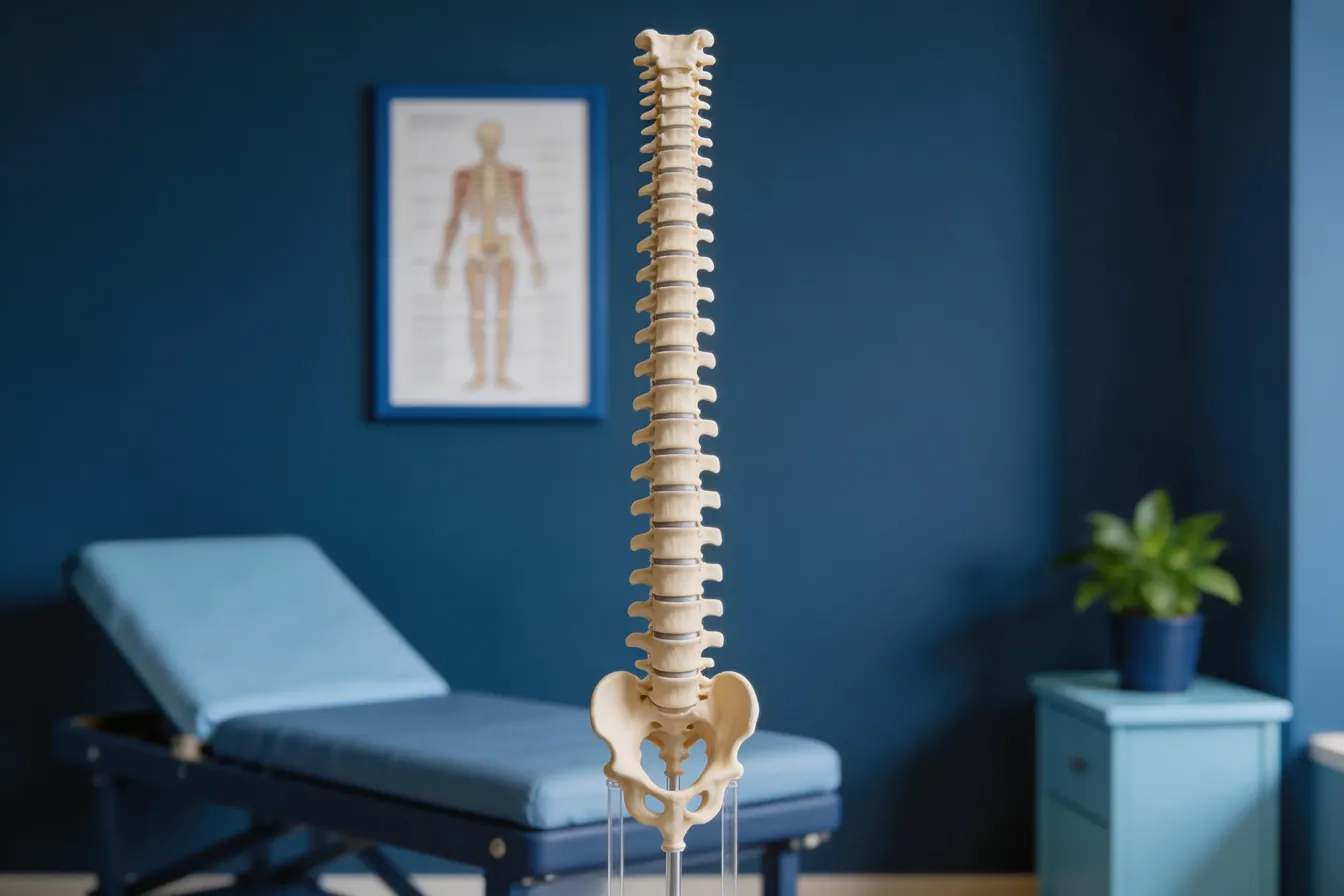
Good posture for spine health maintains the natural S-curve of the spine, essential for balancing body weight and minimizing stress on spinal discs and muscles. This alignment reduces muscle fatigue and pressure on the vertebrae, preventing misalignments that can cause chronic pain. Proper posture also supports optimal nerve function by avoiding nerve compression, promoting overall wellness.
How do ergonomic adjustments help protect the spine?
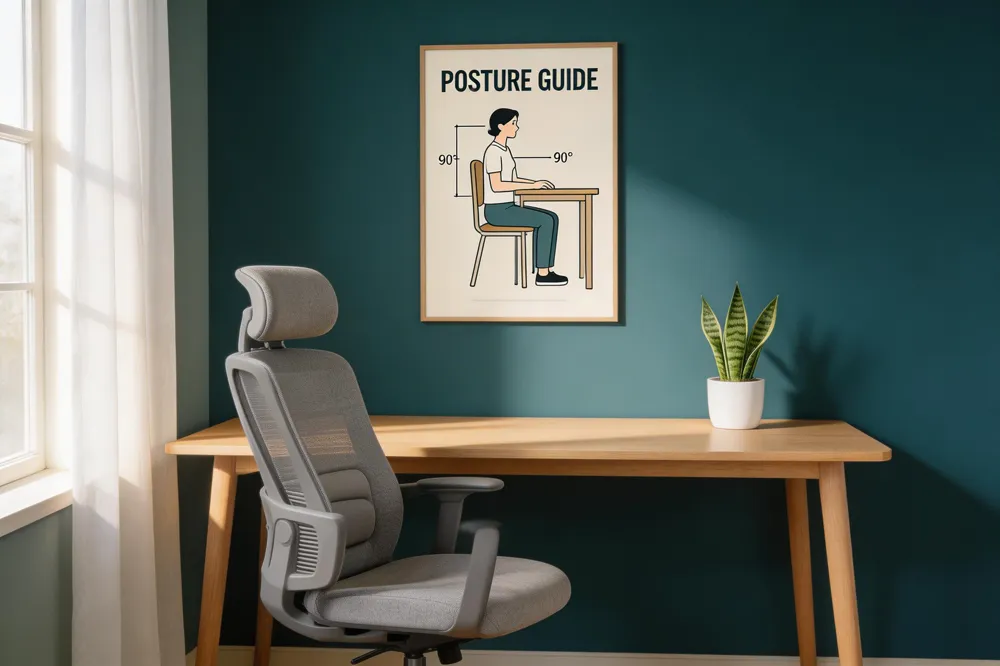
Ergonomic workspace setup are designed to support neutral spine positioning. Features like lumbar support, chairs with adjustable height, monitors placed at eye level, and proper keyboard placement prevent the body from slouching or twisting. These adjustments reduce strain on muscles and joints, decreasing the risk of repetitive stress injuries and spinal misalignment.
Supportive sleeping positions and mattress choice
Sleeping with pillows positioned to maintain spinal curves—such as placing a pillow under the knees when sleeping on the back or between the knees when sleeping on the side—helps reduce spinal strain. Choosing a supportive mattresses for spine that distributes body weight evenly allows spinal discs to decompress and align properly overnight, promoting recovery.
Using supportive footwear to maintain alignment
Wearing shoes with adequate arch support and cushioning helps maintain proper alignment of the feet, ankles, and spine. Proper footwear reduces uneven weight distribution and fatigue, supporting better posture and preventing back pain.
Maintaining good posture for spine health and ergonomic workspace setup throughout daily activities, from work to sleep, is essential for preserving spinal health and preventing discomfort or injury.
4. Nourish Your Spine with a Balanced and Spine-Friendly Diet

How does diet impact spinal health?
Maintaining a nutrient-rich diet is essential for spinal health. Foods rich in calcium, vitamin D, and omega-3 fatty acids play a significant role in maintaining strong bones and healthy spinal discs. Lean proteins, fruits, vegetables, and whole grains provide the necessary vitamins and antioxidants to reduce inflammation and support tissue repair. For more information, see Diet for bone and spine health.
Nutrient-rich foods for bone and disc health
Incorporate leafy greens, fatty fish, nuts, berries, and complex carbohydrates into your daily meals. These foods supply calcium and vitamin D to build and maintain bone density, as well as antioxidants to combat inflammation around spinal tissues. Learn more about a Diet rich in calcium and vitamin D for bone health.
The importance of calcium, vitamin D, and omega-3 fatty acids
Calcium and vitamin D are critical for bone strength, preventing osteoporosis and degeneration. Omega-3 fatty acids, found in fish and nuts, help reduce inflammation, promoting healthier spinal joints and discs. For detailed insights, visit Balanced diet for strong bones.
Avoidance of processed and high-sodium foods
Processed foods high in sodium can leach calcium from bones, leading to decreased bone density. Minimizing these foods helps preserve bone strength and prevents excessive inflammation. Read more about why to Avoid processed foods for bone health.
Anti-inflammatory diet benefits
An anti-inflammatory diet rich in fruits, vegetables, and healthy fats supports spinal health by lowering chronic inflammation that may contribute to pain and degeneration. Discover benefits of an Anti-Inflammatory Diet for Back Pain.
Why is hydration important for the spine?
Adequate hydration is vital as spinal discs require water to remain plump and flexible, maintaining their cushioning function. Staying well-hydrated helps prevent disc shrinkage, reducing the risk of discomfort and degeneration. Check out Proper hydration for spinal discs.
By adopting a balanced, anti-inflammatory diet combined with proper hydration, you can naturally support and nourish your spine, enhancing overall spinal wellness and reducing the risk of back pain and injuries. For comprehensive tips, see Lifestyle changes for spinal health and Spine Health Tips.
5. Prioritize Quality Sleep to Support Spinal Recovery
What role does sleep play in spinal health?
Quality sleep, ideally between 7 to 9 hours, is essential for maintaining a healthy spine. During sleep, the body repairs damaged cells and allows spinal discs to decompress and rehydrate. This natural restoration reduces inflammation and supports proper spinal alignment, which collectively aids in tissue recovery and pain reduction. Without sufficient restorative sleep, the spine can suffer from increased stiffness, muscle tension, and slower healing. For more information, see Good Sleep Posture and Sleep and Back Pain Recovery.
Which sleeping positions are best for spinal alignment?
To maintain spinal integrity during sleep, it is important to sleep in positions that support the spine’s natural curves. Sleeping on your back with a pillow placed under the knees helps maintain the lumbar curve while reducing stress on the lower back. Alternatively, side sleeping with a pillow between the knees aligns the hips and prevents rotation that can strain the spine. These positions minimize undue pressure on spinal discs and reduce the risk of neck or back issues. Learn more about Proper Sleeping Positions and Sleeping Positions for Spinal Alignment.
Supportive mattresses and pillows matter
Using a medium-firm mattress that evenly distributes body weight supports proper spine alignment throughout the night. Pillows that fill the gap between the neck and mattress assist in maintaining neutral head position, avoiding neck strain. Together, these sleep accessories create an optimal environment for spinal health. See details on Supportive Mattress Importance and Supportive Mattresses and Sleep Schedules.
How sleep promotes tissue repair and disc rehydration
During deep sleep phases, intervertebral discs imbibe fluid and nutrients, restoring their cushioning function. Sleep also reduces muscle activity and circulatory stress on spinal structures, allowing for healing of micro-injuries and reduced inflammation. For daily care tips related to discs, see Daily habits for disc health.
Impact of sleep on pain reduction and spinal wellness
Adequate restorative sleep can decrease chronic back pain by reducing muscle tension and inflammation. Consistent healthy sleep habits contribute to overall spinal wellness and enhance the benefits gained from daytime activities, exercises, and chiropractic care. For more on this, refer to Holistic Approach to Back Pain Management and Stress Management for Back Health.
6. Avoid Harmful Habits and Include Chiropractic Care for Spine Wellness

How does smoking affect spinal health?
Smoking has several harmful effects on the spine. It reduces bone density, which weakens the spinal structure and makes it more vulnerable to fractures and degeneration. Additionally, smoking impairs blood flow and lowers estrogen levels, crucial for calcium retention that supports bone strength. This combination hampers the body’s natural healing processes, accelerating spinal deterioration and increasing the risk of chronic pain. See more about "Smoking's impact on bone density" and Smoking and spine degeneration.
What benefits does chiropractic care offer for maintaining spine health?
Chiropractic care plays a vital role in spinal wellness. Through spinal adjustments or manipulations, chiropractors correct misalignments that may cause nerve pressure and inflammation. This relief of discomfort enhances mobility and function. Chiropractic treatments also include soft tissue therapies, therapeutic exercises, and posture education to strengthen the spine's support system and prevent future issues. When integrated with healthy lifestyle habits—such as regular exercise, good nutrition, and proper ergonomics—chiropractic care supports natural healing and optimizes long-term spine health.
How do poor habits negatively influence spine health?
Habits such as prolonged sitting without movement, poor posture, improper lifting techniques, and unhealthy diets rich in processed foods can strain the spine and contribute to disc degeneration and chronic pain. Avoiding smoking and high-sodium foods, while staying hydrated and active, are important for preserving spine integrity. See Proper lifting techniques, Avoid processed foods for bone health, and Daily habits contributing to spine problems.
Why are regular spinal health check-ups important?
Routine evaluations by professionals like chiropractors detect early signs of spinal misalignment or degeneration before they worsen. These check-ups allow personalized treatment and guidance that maintain spinal function, prevent injury, and promote overall wellness. Learn more about Recognizing signs for chiropractic consultation and Routine chiropractic check-ups.
How does chiropractic care complement healthy habits?
Chiropractic care enhances the benefits of lifestyle choices by improving spinal alignment, reducing inflammation, and encouraging proper biomechanics. Combined with exercise, nutrition, and stress management, it creates a comprehensive approach to spine health that addresses both symptoms and root causes. See Chiropractic care and spinal manipulation and Lifestyle changes for spinal health.
Integrating Daily Habits for Lifelong Spine Health
Emphasizing Consistency in Lifestyle Habits
Adopting regular, consistent daily habits is essential for maintaining spinal health over a lifetime. Engaging in low-impact exercises like walking, swimming, or yoga strengthens core and back muscles that support the spine. Incorporating daily stretching routines and mindful posture checks helps reduce stiffness and prevent misalignment. Frequent movement breaks during sedentary work and proper ergonomic setups contribute to long-term spine wellness.
Long-Term Benefits of Holistic Spine Care
A holistic approach that combines physical activity, balanced nutrition rich in calcium and vitamin D, proper sleep posture, and stress management fosters natural healing and reduces chronic inflammation. Regular chiropractic care and therapeutic exercises enhance spinal alignment and nerve function, supporting overall well-being and decreasing dependence on medication.
Encouraging Adoption and Maintenance of Healthy Routines
Building beneficial spinal health routines empowers individuals to take control of their back care. Gradually integrating core strengthening exercises, ergonomic practices, hydration, and mindfulness can improve posture and reduce pain. Persistent commitment to these habits leads to improved mobility, resilience against injury, and greater quality of life throughout all stages of aging.
Recent articles

10 Real‑Patient Success Stories Showcasing the Impact of Chiropractic Care

Superfoods That Boost Nerve Healing After Chiropractic Sessions

Sleep Positions That Promote a Healthy Back Alignment

Signs Your Chiropractor Is a Good Fit for Your Back Pain Goals

Case Study: Integrated Physiotherapy and Chiropractic for Faster Recovery
First-Time Chiropractic Visit: A Step‑by‑Step Walkthrough
Synergistic Benefits: Combining Physiotherapy with Chiropractic Care

Beyond Surgery: Holistic Approaches to Managing Back Pain

How Manual Therapy Enhances the Effects of Chiropractic Adjustments

Hydration Hacks: Why Water Matters for Joint and Spine Function

What Does a Comprehensive Spinal Evaluation Include?

Success Spotlight: Transformative Results After Six Weeks of Chiropractic Treatment

Understanding the Initial Assessment Process in Chiropractic Care

Designing a Personalized Corrective Exercise Plan for Chronic Pain Management

Natural Pain Management: Combining Acupuncture, Yoga, and Chiropractic

Chiropractic Care vs. Pain Meds: Long-Term Outcomes for Back Pain Sufferers

What to Expect During a Sciatica‑Focused Decompression Session

Understanding the Pain-Relief Mechanics Behind Chiropractic Adjustments

Success Rates of Non‑Surgical Spinal Decompression for Sciatica

Patient-Centered Chiropractic Care: Personalized Plans for Back Pain Relief
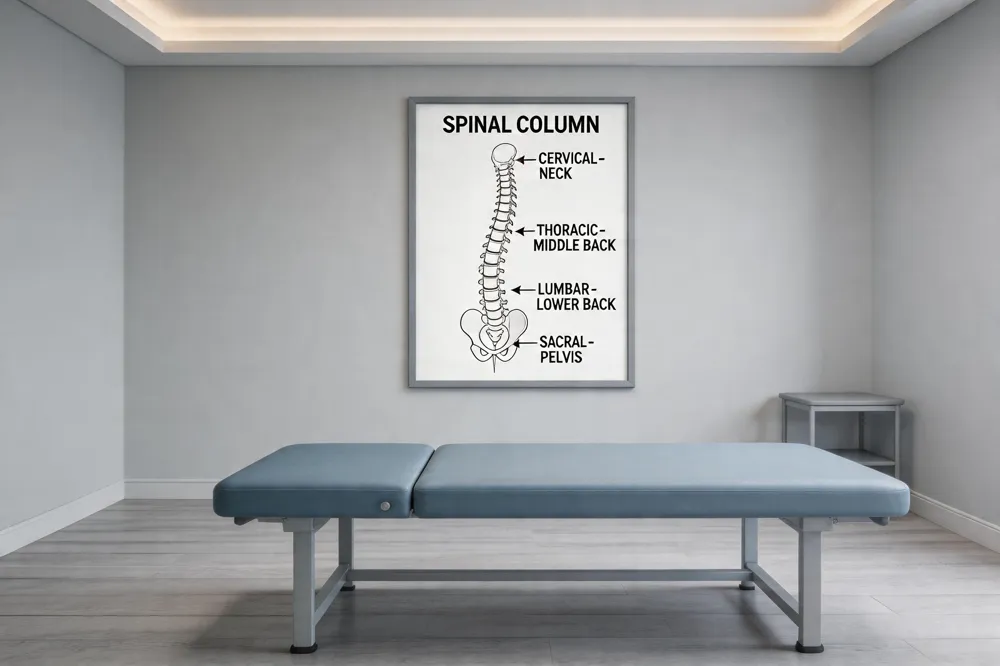
How Chiropractic Treatments Reduce Inflammation and Speed Up Back Pain Recovery

Real‑Life Stories: How Chiropractic Helped Patients Overcome Chronic Back Pain

From Symptom Masking to Root‑Cause Healing: A Practical Guide

6 Holistic Non‑Surgical Treatments That Deliver Sustainable Back‑Pain Relief

Key Questions to Ask When Selecting Your Chiropractor

Mindful Movement: Incorporating Stretch Breaks Into a Busy Day

Why Targeting the Underlying Cause Beats Temporary Symptom Relief

8 Ways Physiotherapy Complements Chiropractic Adjustments for Faster Recovery

Meal Planning for Athletes Recovering from Back Injuries

9 Everyday Lifestyle Tweaks to Preserve a Healthy Spine and Prevent Pain

Functional Movement Screening for Root‑Cause Pain Identification

6 Things You’ll Experience During Your First Chiropractic Appointment

Spinal Decompression vs. Standard Physical Therapy for Sciatica: A Comparative Review

New Findings on How Adjustments Influence Blood Circulation
Work‑From‑Home Ergonomics: A Blueprint for a Pain‑Free Back

The Link Between Chiropractic Care and Improved Sleep Quality

Physiotherapy Techniques That Strengthen the Benefits of Chiropractic Adjustments

Biomechanical Insights Behind Successful Spinal Decompression

Desk‑to‑Dumbbell: Lifestyle Shifts That Guard Your Lower Back

10 Corrective Exercises for Sustainable Pain-Free Living

Morning Routines That Support Spine Health and Reduce Stiffness

Calcium and Magnesium‑Focused Nutrition for Bone Density and Spine Health

9 Ways Chiropractic Care Transforms Back Pain Management

Testimonial: Nutrition‑Guided Recovery Accelerated by Chiropractic

Science‑Backed Spinal Decompression for Relieving Sciatica Symptoms

Key Questions to Ask During Your Initial Chiropractic Consultation
Whole‑Body Wellness Blueprint: Nutrition, Exercise, and Chiropractic Synergy

A 12‑Week Corrective Exercise Blueprint for Chronic Neck Discomfort

Manual Therapy Plus Targeted Exercise: Accelerating Post‑Injury Recovery

Home‑Based Spinal Decompression Devices: What Patients Should Know

Chiropractic Care Statistics: Reducing Lost Workdays From Back Pain

How Targeted Nutrition Enhances Immune Function and Lowers Inflammatory Pain

Self‑Assessment Tools to Identify Hidden Triggers of Back Pain

Preparing for Your First Chiropractic Appointment: A Practical Checklist

Back Pain Relief Benefits: Lower Opioid Use and Better Quality of Life

Foam‑Rolling Techniques to Complement Chiropractic Adjustments

Progressive Overload Principles in Corrective Exercise Programs

Six‑Month Transformation: Integrated Care Success Story

7 Nutritional Hacks to Boost Your Overall Wellness

How to Choose a Chiropractor: Credentials, Techniques, and Patient Compatibility

5 Ways Spinal Decompression Can Ease Sciatica Pain

Overcoming Sciatica: A Patient’s Multidisciplinary Treatment Journey
Lifestyle Changes That Promote a Healthy Spine
Physiotherapy as a Complement to Chiropractic Treatments

6 Ways Physiotherapy Enhances Chiropractic Treatment Outcomes

Daily Living Tips for a Strong and Healthy Spine

How Physiotherapy Enhances Chiropractic Outcomes
Holistic Treatments: Alternatives to Surgery for Pain Relief
Inspiring Patient Success Stories from Chiropractic Clinics

Integrating Physiotherapy with Chiropractic Treatments
Corrective Exercise Routines for Chronic Pain Prevention
10 Corrective Exercises to Maintain a Healthy Spine and Relieve Pain
Exercise Strategies for Long-Term Pain Management
10 Corrective Exercises to Maintain a Healthy Spine and Relieve Pain
The Importance of Treating the Root Cause of Pain
Nutritional Support Strategies for Whole-Body Wellness
7 Essential Questions to Ask When Choosing Your Chiropractor
Identifying and Addressing Root Causes of Pain

Maintaining a Healthy Spine with Lifestyle Adjustments
Sciatica Symptom Relief via Spinal Decompression
8 Reasons Why Addressing the Root Cause of Pain Is Crucial
Chiropractic Care’s Impact on Back Pain Recovery

Combining Physiotherapy with Chiropractic Care for Better Results
Inspiring Recovery: Chiropractic Patient Testimonials
Nutritional Counseling Tips for Optimal Wellness

Why Addressing the Root Cause of Pain is Crucial
Back Pain and Chiropractic Care: A Winning Combination

Chiropractic Care Benefits You Might Not Know
Exploring Holistic and Non-Surgical Treatments for Pain
Spinal Health: Lifestyle Tips for Everyday Wellness
Spinal Decompression Therapy: Benefits and Applications
Holistic and Non-Invasive Spine Care Options
Everyday Lifestyle Advice to Keep Your Spine Healthy

The Significance of Treating Root Causes in Pain Therapy
Best Corrective Exercises for Sustainable Pain Management

Addressing Underlying Causes of Pain for Long-Term Relief

6 Key Benefits of Spinal Decompression Therapy for Sciatica Relief

How Nutritional Counseling Supports Spine Health and Recovery

The Role of Physiotherapy in Supporting Chiropractic Treatments