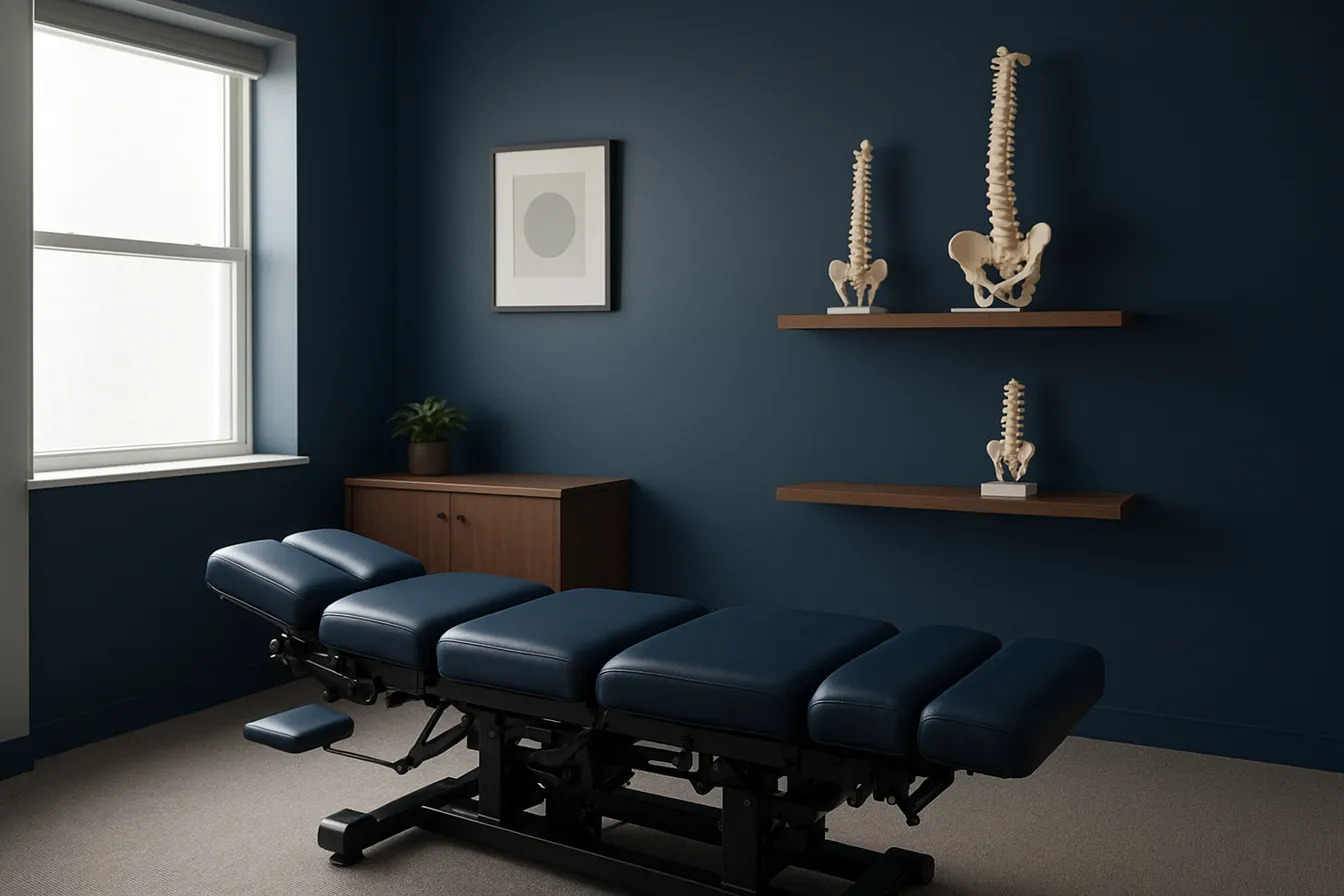
What Happens at Your First Visit to a Chiropractor?
December 9, 2025
7 min

Introduction to Your First Chiropractic Appointment
What Happens During Your First Visit
Your first chiropractic appointment is designed to gather a comprehensive understanding of your health and to create a personalized care plan. Typically lasting about 45 minutes, this initial visit includes a detailed discussion about your medical history, current symptoms, lifestyle factors, and any previous injuries or treatments.
Purpose of the Consultation
The primary goal is to identify the root of your discomfort or health issues through various assessments. These may include posture analysis, range of motion tests, muscle strength evaluations, and neurological exams. If necessary, diagnostic imaging like X-rays may be ordered to better understand spinal alignment or any potential structural concerns.
What to Expect and How to Prepare
You’ll be asked to fill out intake forms before or during the appointment to provide essential health information. Patients can expect a thorough physical examination that helps the chiropractor determine the best course of treatment. Initial treatment, such as gentle spinal adjustments, may take place during this visit. It’s important to come with a list of your health concerns and questions, and wear comfortable clothing that allows easy movement and examination.
Overall, the first appointment emphasizes patient-centered care, communication, and education to ensure that treatment is tailored to your individual wellness needs.
Initial Exam and Diagnostic Process

What happens during the initial chiropractic examination?
The initial encounter at a chiropractic clinic involves a comprehensive review of the patient’s providing medical history and a detailed discussion about current symptoms and previous injuries. These conversations help the chiropractor understand pain characteristics and triggers, including onset, triggers, and sensations, which are crucial for an accurate diagnosis.
Medical history and symptom discussion
Patients fill out intake forms detailing their health background and symptom history. The chiropractor asks focused questions during initial consultation to gain insight into the patient’s condition, aiding the development of a personalized care plan.
Physical and chiropractic-specific examinations
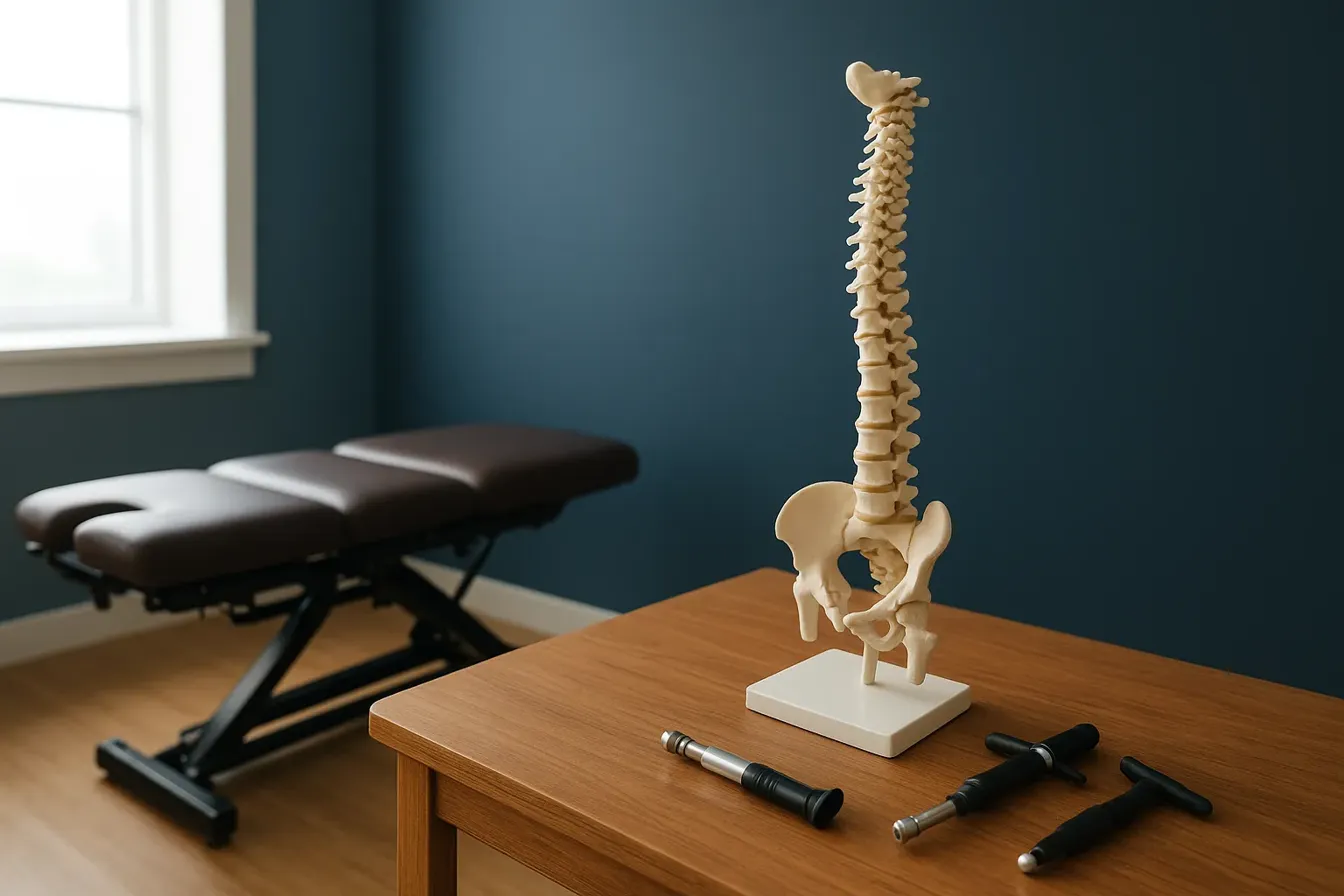
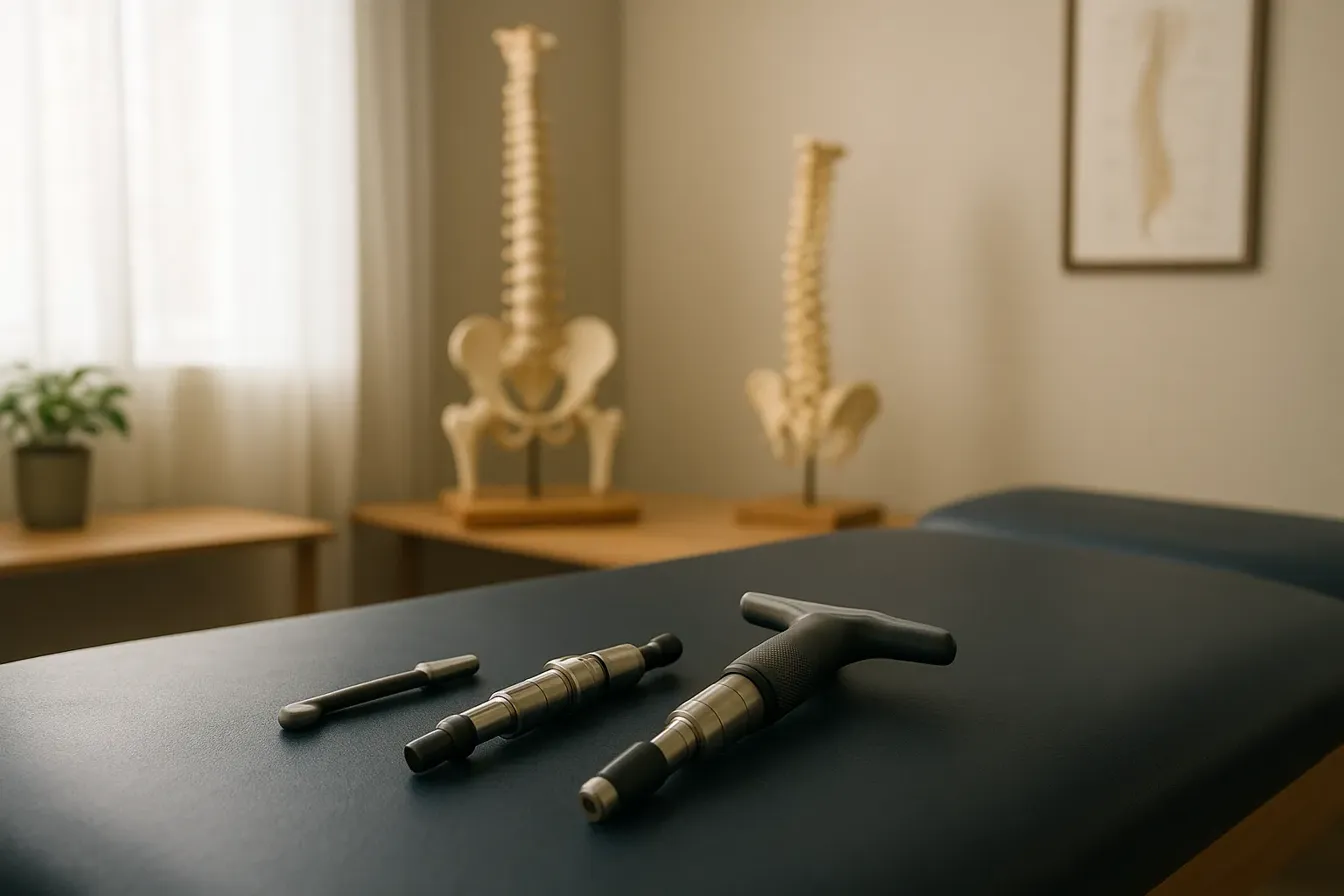
A thorough physical exam is performed to evaluate range of motion, muscle tone, strength, and neurological integrity. Additional chiropractor-specific assessments include palpation to detect spinal misalignments or rotations, reflex testing using a reflex hammer, and orthopedic tests that involve specific movements to assess musculoskeletal health.
Posture analysis and range of motion tests
Posture analysis evaluations identify any spinal distortions or misalignments that may impact the nervous system. Range of motion tests highlight movement limitations or asymmetries that could indicate joint dysfunction or subluxations needing correction.
Use of diagnostic tools such as X-rays when necessary
While many patients may not require imaging, X-rays and diagnostic tests or other diagnostic studies are selectively employed when recent injury, trauma, or suspicion of spinal deformities like scoliosis exist. This cautious approach minimizes unnecessary exposure to radiation while providing essential data for diagnosis and treatment planning.
This structured and patient-centered examination process establishes a solid foundation for holistic, tailored chiropractic care that addresses the underlying causes of musculoskeletal issues.
Development of a Personalized Treatment Plan

Interpreting Examination Findings
After the initial consultation and thorough examination—which includes providing medical history, physical exam, posture analysis, and potentially X-rays and diagnostic tests—the chiropractor carefully interprets these findings to determine the underlying causes of your discomfort or dysfunction.
Collaborative Treatment Planning
The chiropractor then collaborates closely with you to design a treatment plan development tailored to your unique condition and health goals. This partnership ensures that your preferences and lifestyle are considered, fostering trust and active participation in your healing process.
Frequency and Progression of Chiropractic Visits
Initially, frequency of visits is often higher to address acute issues effectively. As your condition improves, the number of visits typically decreases, focusing on maintenance and long-term wellness. This progression supports natural healing while minimizing disruption to your daily routine.
Incorporation of Patient Goals and Overall Health
Your personal objectives and overall health status play a pivotal role in shaping the treatment strategy. Beyond spinal adjustments and manual manipulation, your plan may include corrective exercises in Torrance, posture education, ergonomic advice, and lifestyle modifications aimed at optimizing musculoskeletal function and promoting holistic well-being.
What to Expect from Your First Chiropractic Adjustment

Nature of Chiropractic Adjustments
The initial chiropractic treatment procedures typically involves manual adjustments and manipulations focused on the spine or joints. These adjustments are carefully controlled and precise, aiming to realign the body, improve joint mobility, and reduce pain.
Use of Manual Manipulation Techniques
During your first visit to the chiropractor, the chiropractor uses gentle manual spine and joint adjustments methods. These techniques involve applying specific forces to targeted areas to correct misalignments and restore proper function.
Common Sensations and Sounds During Treatment
Patients often hear popping or cracking sounds during these adjustments. These noises are caused by the release of gas bubbles in the joint fluid and are entirely normal. The manipulation itself is usually painless or can feel similar to mild post-treatment soreness.
Typical Post-Treatment Experiences
After the adjustment, it is common to feel post-treatment relief from muscle tension and an increase in mobility. Some patients may experience temporary post-treatment soreness or mild discomfort comparable to the sensation after a workout. This usually resolves quickly and signifies that the body is responding to the treatment.
What is involved in the first chiropractic adjustment and how does it feel?
The first chiropractic adjustment involves manual spinal or joint manipulations to correct alignment issues. It often produces a popping or cracking sound due to gas bubbles releasing in the joints. Following treatment, patients commonly report feeling relief from tension, improved range of motion tests, and sometimes mild soreness similar to after exercising, which typically fades soon after.
Holistic Care and Additional Services at Back in Action Bodyworks

What services does Back in Action Bodyworks offer for holistic musculoskeletal health and wellness?
Back in Action Bodyworks in Torrance provides a comprehensive range of services aimed at overall musculoskeletal health and wellness. Their approach centers on spinal adjustments and manipulations designed to enhance spinal alignment and reduce pain.
Corrective exercises and physiotherapy
They integrate corrective exercises in Torrance tailored to improve mobility, strength, and posture. Physiotherapy services, such as spinal decompression therapy and specialized treatments for neuropathy, complement these efforts to accelerate recovery and enhance nerve function.
Nutritional, lifestyle, and ergonomic guidance
Beyond hands-on treatments, the clinic emphasizes patient education, offering advice on nutrition, lifestyle modifications, and ergonomic practices. This guidance helps patients maintain spinal health and prevent future issues through better posture and activity adjustments.
Specialized care for specific conditions
Back in Action Bodyworks also provides specialized care targeting conditions like sciatica, herniated discs, and injuries sustained in car accidents. Their holistic approach combines manual adjustments and gentle manipulation, corrective movement plans, and lifestyle coaching to address these issues effectively and promote long-term wellness.
Patients benefit from a tailored, integrative treatment plan that supports natural healing and empowers them with practical strategies for sustained health.
Expertise and Patient-Centered Approach at Back in Action Bodyworks
Practitioner qualifications and experience
Back in Action Bodyworks has served the Torrance community for over 25 years, highlighting extensive local expertise. The chiropractor is highly experienced, skilled in manual adjustments and gentle manipulation, postural assessments, and corrective exercises in Torrance. Their practice focuses on integrating traditional chiropractic techniques with holistic health principles for comprehensive care.
Emphasis on patient education and communication
Patient education is a cornerstone at Back in Action Bodyworks. The practitioner prioritizes clear communication, ensuring patients fully understand their diagnosis, treatment options, and care plans. This approach empowers patients to actively participate in their wellness journey and make informed decisions about their health. Learn more about the role of communication with your chiropractor.
Collaborative treatment process and wellness focus
Treatment plans are developed collaboratively, tailored to individual needs and lifestyles. Besides spinal adjustments, care includes personalized exercise regimens, ergonomic advice, and lifestyle coaching. This multifaceted approach aims not just to relieve symptoms but to enhance overall wellness, prevent future injuries, and improve posture and strength with personalized corrective exercise plans and chiropractic lifestyle guidance.
Local relevance and trusted care in Torrance
As a trusted chiropractic services in Torrance provider, Back in Action Bodyworks delivers patient-centered care grounded in professionalism and community focus. Patients benefit from a supportive environment that promotes whole-person health and long-term functional improvements, making it a reliable choice for chiropractic and wellness services in the area. For patient feedback and reputation, see Torrance chiropractic reviews.
Summary: Taking the First Step Toward Better Health with Chiropractic Care
Recap of the First Visit Process
Your first chiropractic appointment typically involves a detailed consultation where you share your medical history and current concerns. The chiropractor performs a physical examination, which may include posture analysis, range of motion tests, and diagnostic imaging if needed. Based on these findings, a personalized treatment plan is developed. Initial treatments often consist of gentle spinal adjustments aimed at improving joint alignment and mobility.
Encouragement for Patient Engagement and Questions
Active communication is encouraged throughout your care journey. Asking questions and sharing feedback helps tailor treatments to your needs and ensures you feel comfortable and informed at every step.
Benefits of Starting Chiropractic Care for Holistic Wellness
Beginning chiropractic care supports natural pain relief, improved posture, increased mobility, and overall enhanced well-being. It is an integral part of a holistic approach to health that emphasizes patient-centered care and integrated therapies for lasting wellness.
Recent articles

10 Real‑Patient Success Stories Showcasing the Impact of Chiropractic Care

Superfoods That Boost Nerve Healing After Chiropractic Sessions

Sleep Positions That Promote a Healthy Back Alignment
Signs Your Chiropractor Is a Good Fit for Your Back Pain Goals

Case Study: Integrated Physiotherapy and Chiropractic for Faster Recovery
First-Time Chiropractic Visit: A Step‑by‑Step Walkthrough
Synergistic Benefits: Combining Physiotherapy with Chiropractic Care

Beyond Surgery: Holistic Approaches to Managing Back Pain

How Manual Therapy Enhances the Effects of Chiropractic Adjustments

Hydration Hacks: Why Water Matters for Joint and Spine Function

What Does a Comprehensive Spinal Evaluation Include?

Success Spotlight: Transformative Results After Six Weeks of Chiropractic Treatment

Understanding the Initial Assessment Process in Chiropractic Care

Designing a Personalized Corrective Exercise Plan for Chronic Pain Management

Natural Pain Management: Combining Acupuncture, Yoga, and Chiropractic

Chiropractic Care vs. Pain Meds: Long-Term Outcomes for Back Pain Sufferers

What to Expect During a Sciatica‑Focused Decompression Session

Understanding the Pain-Relief Mechanics Behind Chiropractic Adjustments

Success Rates of Non‑Surgical Spinal Decompression for Sciatica

Patient-Centered Chiropractic Care: Personalized Plans for Back Pain Relief

How Chiropractic Treatments Reduce Inflammation and Speed Up Back Pain Recovery

Real‑Life Stories: How Chiropractic Helped Patients Overcome Chronic Back Pain

From Symptom Masking to Root‑Cause Healing: A Practical Guide

6 Holistic Non‑Surgical Treatments That Deliver Sustainable Back‑Pain Relief

Key Questions to Ask When Selecting Your Chiropractor

Mindful Movement: Incorporating Stretch Breaks Into a Busy Day

Why Targeting the Underlying Cause Beats Temporary Symptom Relief

8 Ways Physiotherapy Complements Chiropractic Adjustments for Faster Recovery

Meal Planning for Athletes Recovering from Back Injuries

9 Everyday Lifestyle Tweaks to Preserve a Healthy Spine and Prevent Pain

Functional Movement Screening for Root‑Cause Pain Identification

6 Things You’ll Experience During Your First Chiropractic Appointment

Spinal Decompression vs. Standard Physical Therapy for Sciatica: A Comparative Review

New Findings on How Adjustments Influence Blood Circulation

Work‑From‑Home Ergonomics: A Blueprint for a Pain‑Free Back

The Link Between Chiropractic Care and Improved Sleep Quality

Physiotherapy Techniques That Strengthen the Benefits of Chiropractic Adjustments

Biomechanical Insights Behind Successful Spinal Decompression

Desk‑to‑Dumbbell: Lifestyle Shifts That Guard Your Lower Back

10 Corrective Exercises for Sustainable Pain-Free Living

Morning Routines That Support Spine Health and Reduce Stiffness

Calcium and Magnesium‑Focused Nutrition for Bone Density and Spine Health

9 Ways Chiropractic Care Transforms Back Pain Management

Testimonial: Nutrition‑Guided Recovery Accelerated by Chiropractic
Science‑Backed Spinal Decompression for Relieving Sciatica Symptoms

Key Questions to Ask During Your Initial Chiropractic Consultation

Whole‑Body Wellness Blueprint: Nutrition, Exercise, and Chiropractic Synergy

A 12‑Week Corrective Exercise Blueprint for Chronic Neck Discomfort

Manual Therapy Plus Targeted Exercise: Accelerating Post‑Injury Recovery

Home‑Based Spinal Decompression Devices: What Patients Should Know

Chiropractic Care Statistics: Reducing Lost Workdays From Back Pain

How Targeted Nutrition Enhances Immune Function and Lowers Inflammatory Pain

Self‑Assessment Tools to Identify Hidden Triggers of Back Pain

Preparing for Your First Chiropractic Appointment: A Practical Checklist

Back Pain Relief Benefits: Lower Opioid Use and Better Quality of Life

Foam‑Rolling Techniques to Complement Chiropractic Adjustments

Progressive Overload Principles in Corrective Exercise Programs

Six‑Month Transformation: Integrated Care Success Story

7 Nutritional Hacks to Boost Your Overall Wellness

How to Choose a Chiropractor: Credentials, Techniques, and Patient Compatibility

5 Ways Spinal Decompression Can Ease Sciatica Pain

Overcoming Sciatica: A Patient’s Multidisciplinary Treatment Journey

Lifestyle Changes That Promote a Healthy Spine
Physiotherapy as a Complement to Chiropractic Treatments

6 Ways Physiotherapy Enhances Chiropractic Treatment Outcomes

Daily Living Tips for a Strong and Healthy Spine

How Physiotherapy Enhances Chiropractic Outcomes
Holistic Treatments: Alternatives to Surgery for Pain Relief
Inspiring Patient Success Stories from Chiropractic Clinics

Integrating Physiotherapy with Chiropractic Treatments
Corrective Exercise Routines for Chronic Pain Prevention
10 Corrective Exercises to Maintain a Healthy Spine and Relieve Pain
Exercise Strategies for Long-Term Pain Management
10 Corrective Exercises to Maintain a Healthy Spine and Relieve Pain
The Importance of Treating the Root Cause of Pain
Nutritional Support Strategies for Whole-Body Wellness
7 Essential Questions to Ask When Choosing Your Chiropractor
Identifying and Addressing Root Causes of Pain
Maintaining a Healthy Spine with Lifestyle Adjustments
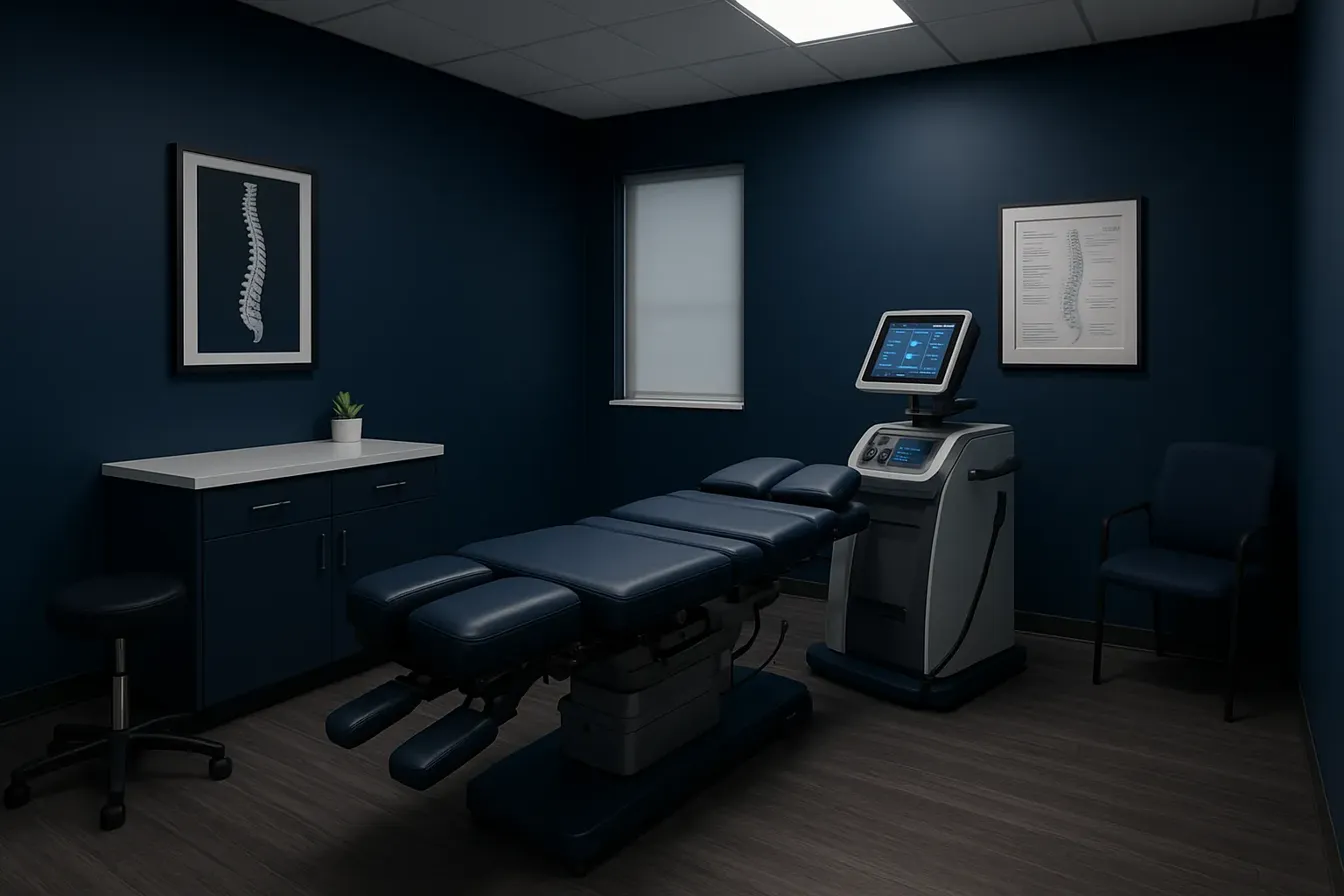
Sciatica Symptom Relief via Spinal Decompression
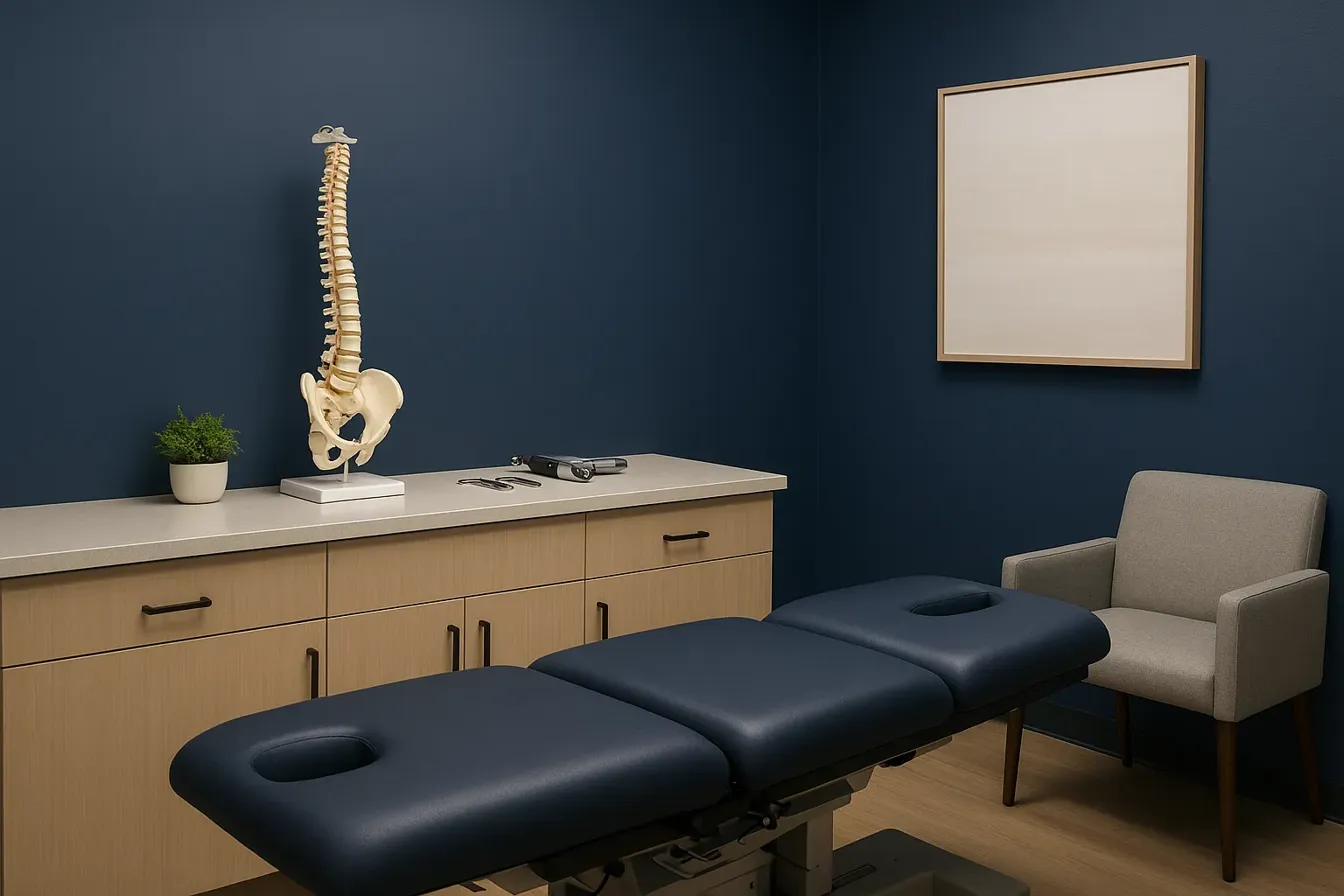
8 Reasons Why Addressing the Root Cause of Pain Is Crucial
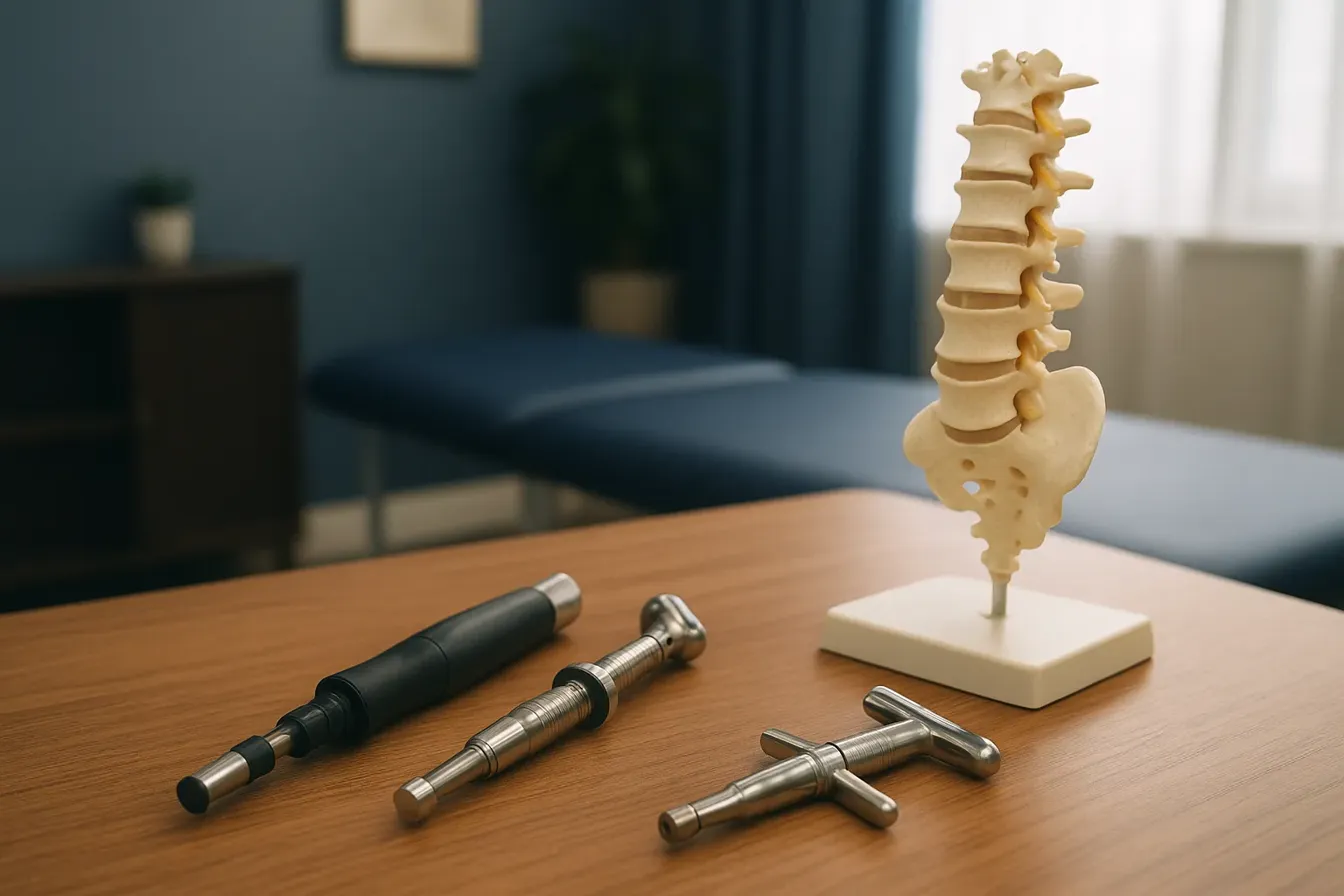
Chiropractic Care’s Impact on Back Pain Recovery

Combining Physiotherapy with Chiropractic Care for Better Results
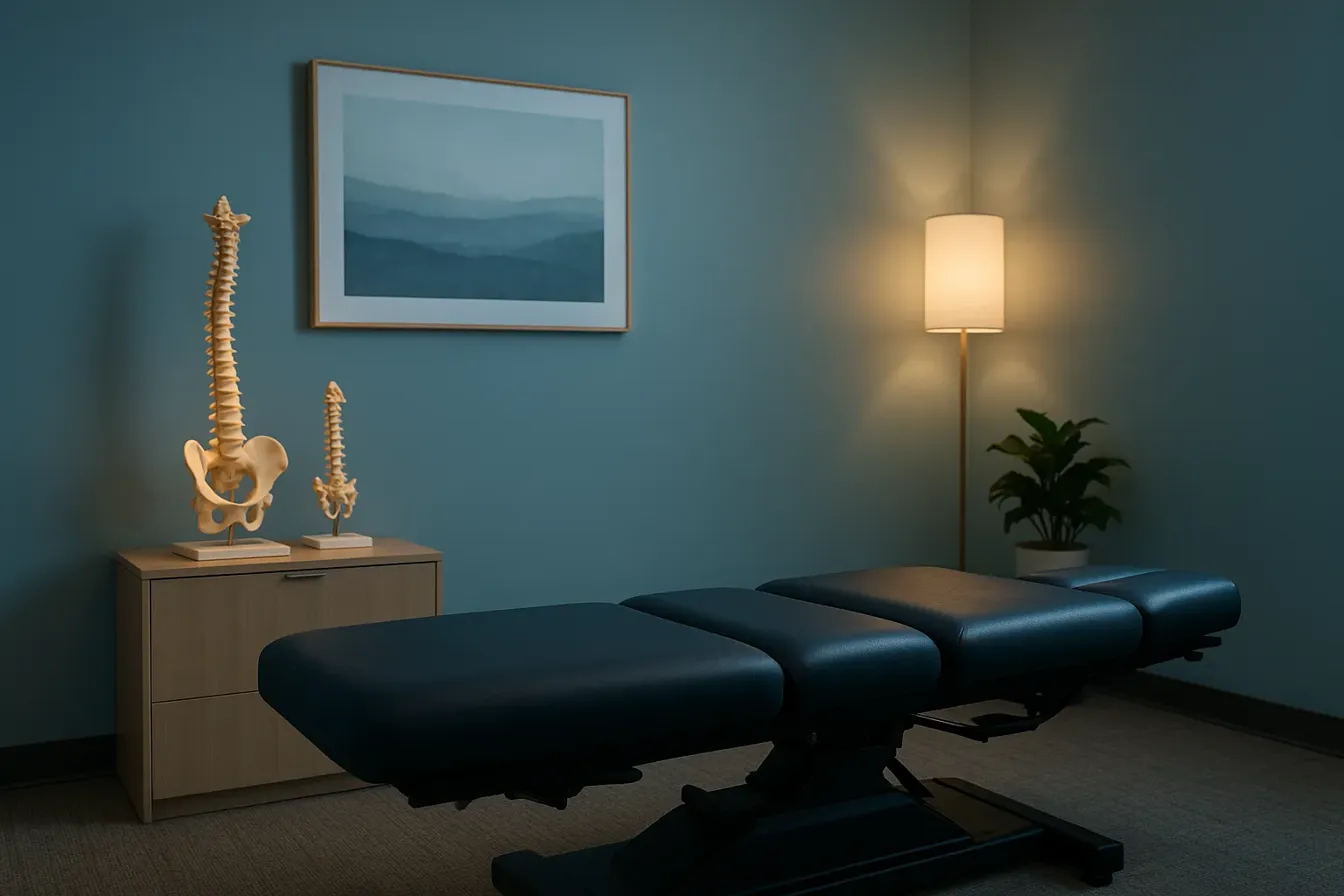
Inspiring Recovery: Chiropractic Patient Testimonials
Nutritional Counseling Tips for Optimal Wellness

Why Addressing the Root Cause of Pain is Crucial
Back Pain and Chiropractic Care: A Winning Combination
Chiropractic Care Benefits You Might Not Know
Exploring Holistic and Non-Surgical Treatments for Pain
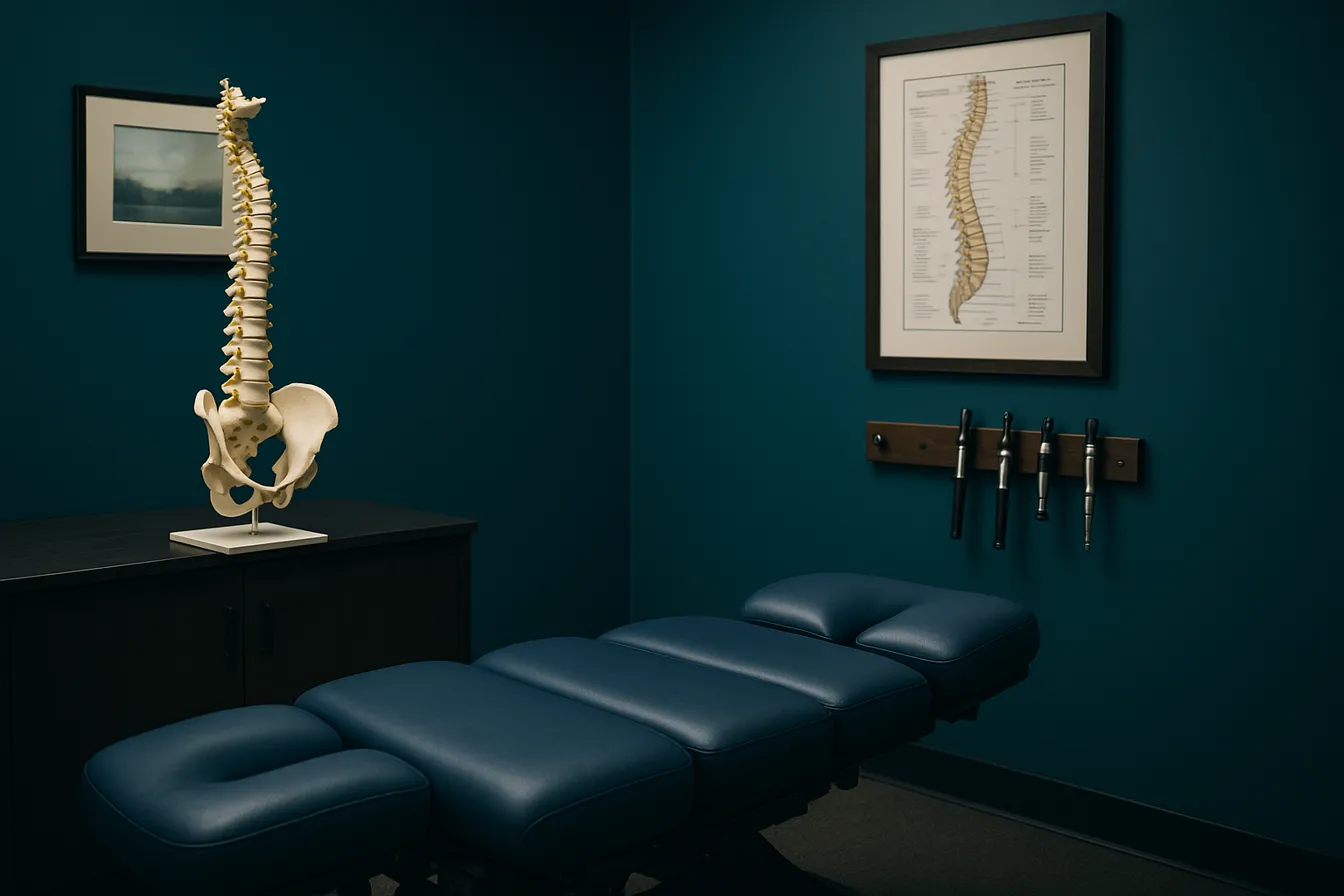
Spinal Health: Lifestyle Tips for Everyday Wellness
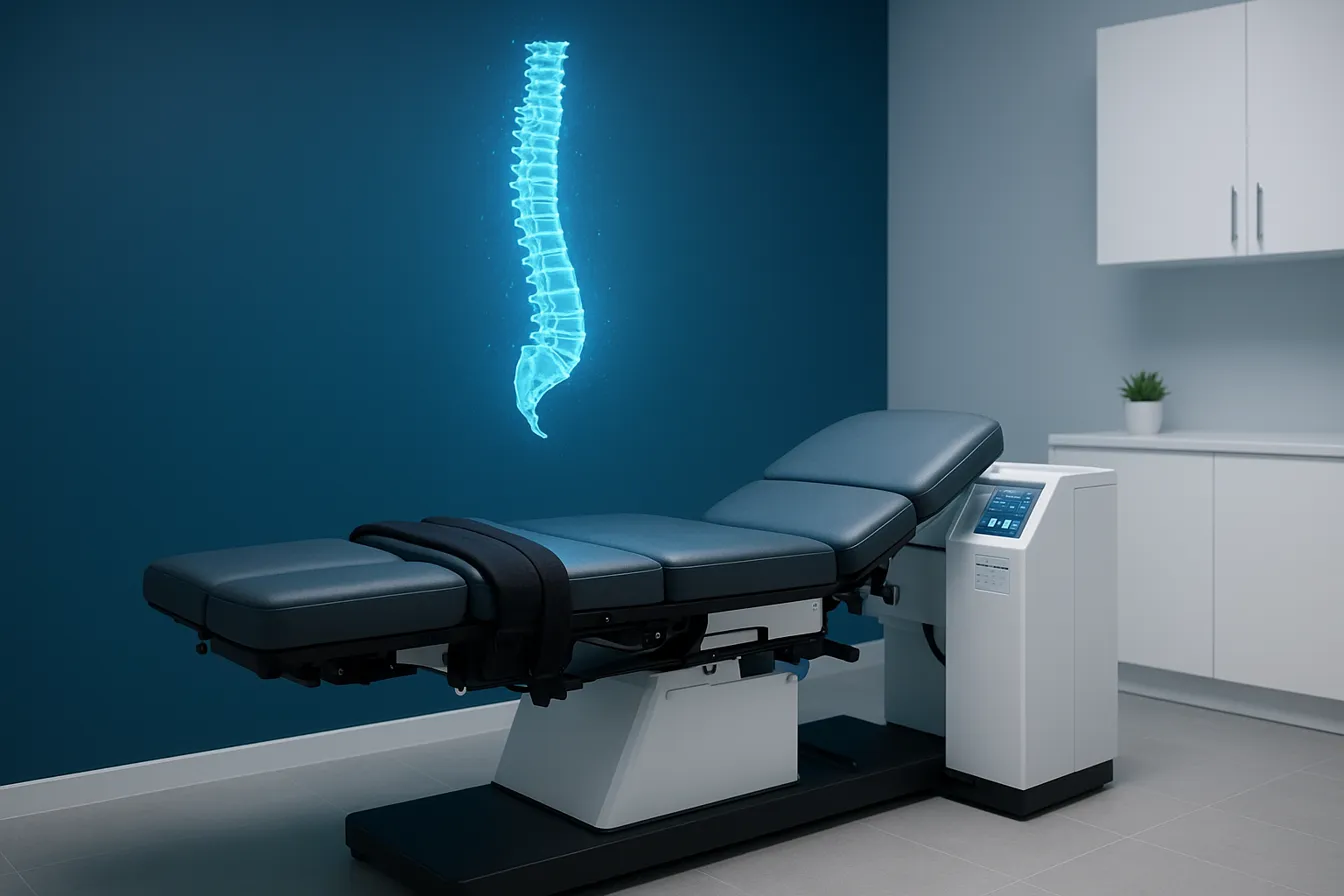
Spinal Decompression Therapy: Benefits and Applications
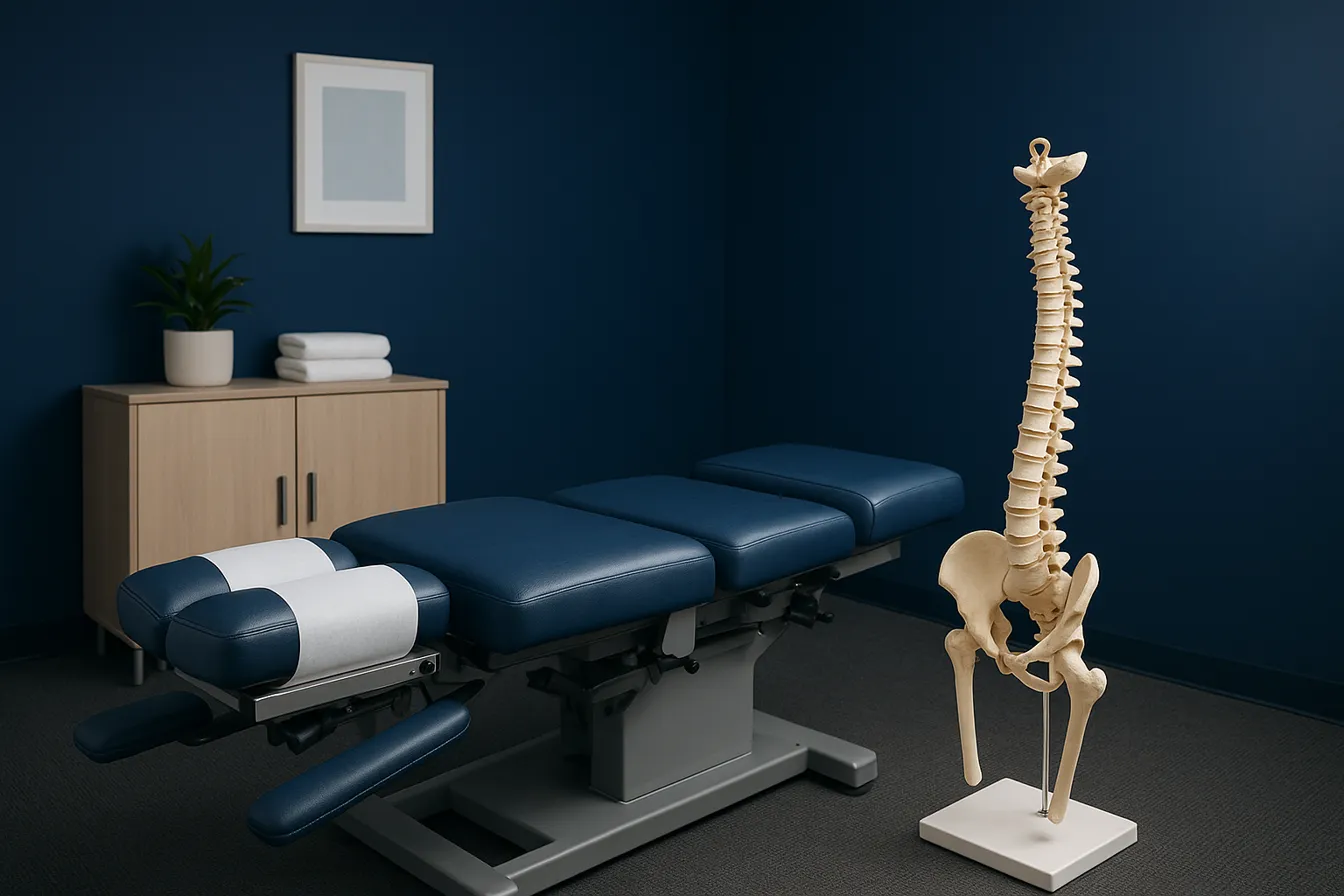
Holistic and Non-Invasive Spine Care Options
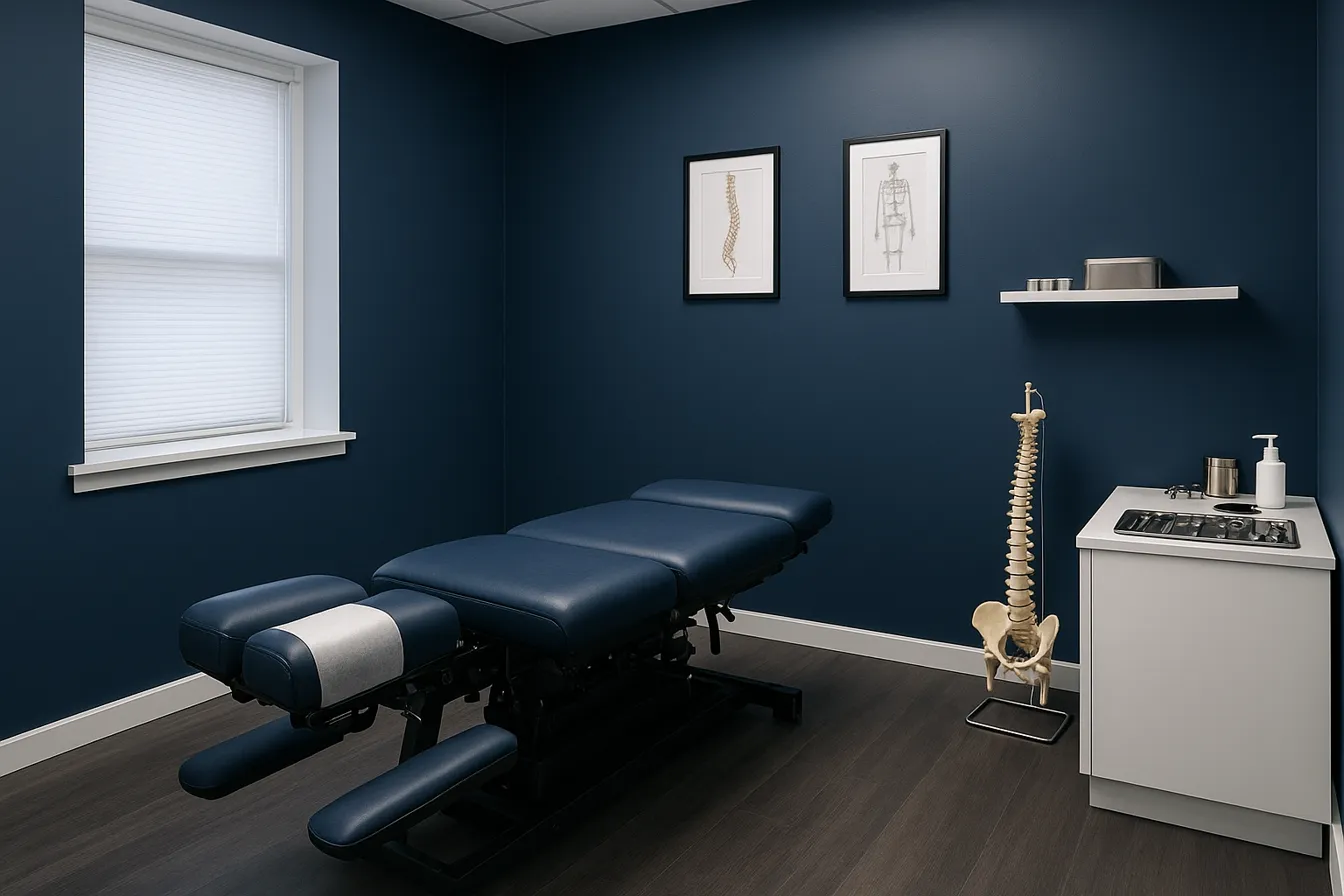
Everyday Lifestyle Advice to Keep Your Spine Healthy
The Significance of Treating Root Causes in Pain Therapy
Best Corrective Exercises for Sustainable Pain Management
Addressing Underlying Causes of Pain for Long-Term Relief
6 Key Benefits of Spinal Decompression Therapy for Sciatica Relief

How Nutritional Counseling Supports Spine Health and Recovery
The Role of Physiotherapy in Supporting Chiropractic Treatments