A Step-by-Step Guide to Your Initial Chiropractic Consultation
December 2, 2025
8 min

Introduction to Your First Chiropractic Consultation
Overview of Chiropractic Care
Chiropractic care is a natural, drug-free approach to health that focuses on the alignment of the spine and its connection to the nervous system. Proper spinal alignment supports the body's ability to heal itself, improving overall wellness and reducing pain.
Emphasis on Holistic Musculoskeletal Health
Practices such as Back in Action Bodyworks and Uemura Chiropractic celebrate a holistic approach to musculoskeletal health. They treat not just isolated symptoms but consider the entire body’s function, emphasizing posture, movement, and wellness to achieve lasting health benefits.
Purpose and Benefits of Initial Consultation
The first chiropractic visit includes a comprehensive health history review, physical examination, and sometimes diagnostic imaging to tailor treatment plans uniquely to each patient’s needs. This personalized approach allows practitioners to develop effective, patient-centered strategies that promote natural pain relief, enhanced mobility, and improved quality of life.
Understanding Chiropractic Care and Its Holistic Benefits

What are the main services offered by a chiropractic practice for musculoskeletal health and wellness?
Chiropractic clinics primarily provide spinal adjustments and joint manipulations that aim to restore proper alignment of the musculoskeletal system. These treatments focus on relieving pain from conditions such as lower back pain, neck pain, headaches, and joint discomfort. Clinics often supplement these services with massage therapy, decompression therapy, movement assessments, and therapeutic exercises to enhance joint function and muscle tone.
Before beginning treatment, patients typically undergo a thorough [health history review], physical examinations assessing posture, range of motion, muscle strength, and may receive diagnostic tests like X-rays or MRIs. This comprehensive evaluation ensures personalized care plans tailored to individual needs. Supportive services such as nutritional counseling for wellness and ergonomic advice are also commonly offered to promote long-term wellness.
How can chiropractic care contribute to holistic musculoskeletal health approach?
Chiropractic care advances holistic musculoskeletal health approach by targeting the root causes of discomfort through precise spinal and joint adjustments. By correcting misalignments, chiropractic treatments improve nervous system function, which governs all bodily functions and promotes natural healing. This non-invasive, drug-free approach reduces muscle tension, enhances mobility, and facilitates pain relief without surgery or medications.
Beyond manual adjustments, chiropractic care integrates therapies like soft tissue treatment, rehabilitative exercises, and posture correction. These combined approaches support sustained musculoskeletal health and overall physical well-being. Patients engaging in regular chiropractic care often experience better posture, improved athletic performance, stress reduction, and stronger immune responses, embodying a comprehensive wellness strategy.
Preparing for Your First Chiropractic Appointment

Researching chiropractor qualifications and experience
A reputable chiropractor should have a Doctor of Chiropractic (D.C.) degree from an accredited institution, ensuring comprehensive training in spinal health and musculoskeletal function. Licensing by the state is mandatory to confirm their professional standards. Experience with patient care and specialized certifications in areas like sports injuries or neurological conditions can further demonstrate capability. Checking their education, licensing, and any additional training helps build trust in their expertise. For more details, see Research Chiropractor Qualifications and Chiropractor education standards vs medical doctors.
Gathering medical history and records
Before your visit, collect all relevant medical records, including previous imaging reports and a list of current medications. This information aids the chiropractor in understanding your health background and any underlying issues influencing your musculoskeletal condition. Detailing past injuries, surgeries, or chronic health problems during consultation can lead to a tailored and safe treatment plan. Learn more about First chiropractic consultation and Medical Questionnaire for Chiropractic Care.
What to bring to the appointment
Bring identification, insurance information, medical records, and a list of your medications to your appointment. Having these documents ready facilitates a smooth intake process and ensures the chiropractor has all necessary data for assessment. Preparing questions in advance can also make your consultation more productive and personalized. To prepare thoroughly, see What to Bring to Chiropractic Appointment and What to Bring to Your Appointment.
Appropriate clothing and hydration
Wearing comfortable, loose-fitting clothing is advised to allow easy movement during physical assessments and adjustments. Staying hydrated before the appointment supports overall wellness and can help the body respond better to treatment. Arriving a few minutes early to your session can relax you and prepare you mentally for your first chiropractic experience. For tips on preparation and care, refer to Preparing for your first chiropractic adjustment and Post-Chiropractic Appointment Care.
What to Expect During Your Initial Chiropractic Consultation

Duration and process of first consultation
The first chiropractic consultation usually lasts around 45 minutes or more, allowing ample time for a thorough evaluation. During this visit, the chiropractor will complete patient history forms and conduct a detailed consultation to understand your symptoms, pain origins, and wellness goals. For more details, see First chiropractic consultation.
Completion of patient history forms
Patients are asked to fill out comprehensive history forms that delve into symptom onset, pain location and intensity, previous injuries, and relevant medical background. This step provides the chiropractor with essential information needed for an accurate diagnosis and personalized treatment plan. Learn more about Patient history forms in chiropractic visit.
Physical examination components
The physical exam includes assessments of posture, spinal alignment, range of motion, muscle tone, strength, reflexes, and neurological function. Orthopedic and neurological tests may also be performed to evaluate nerve integrity and musculoskeletal health. For a comprehensive overview, check Physical Examination in Chiropractic.
Possible diagnostic imaging such as X-rays or MRI
Depending on the initial exam, the chiropractor may recommend diagnostic imaging. X-rays help visualize bone alignment and structural issues like scoliosis or spondyloarthritis. MRI scans are considered when soft tissue damage, such as ligament or disc injury, is suspected. These imaging studies support accurate diagnosis and tailored chiropractic care. More information is available at Diagnostic imaging in chiropractic care.
Understanding Your Diagnosis and Treatment Plan

How chiropractors develop diagnosis based on evaluation
Chiropractors begin with a thorough evaluation that includes a detailed review of your health history, physical examination, and, if necessary, diagnostic tests like X-rays or MRI scans. This comprehensive approach allows them to assess spinal alignment, neurological function, range of motion, and muscle tone to accurately diagnose the underlying causes of your symptoms. For more details on the first chiropractic consultation and the diagnostic process in chiropractic care, visit this resource.
Personalized treatment planning
Following the diagnosis, practitioners craft a bespoke treatment plan tailored to your unique condition, lifestyle, and wellness goals. This individualized strategy considers factors such as your specific pain areas, mobility limitations, and overall health to optimize recovery and well-being. Learn about developing chiropractic treatment plans and treatment planning in chiropractic care for more insight.
Potential chiropractic techniques used in adjustments
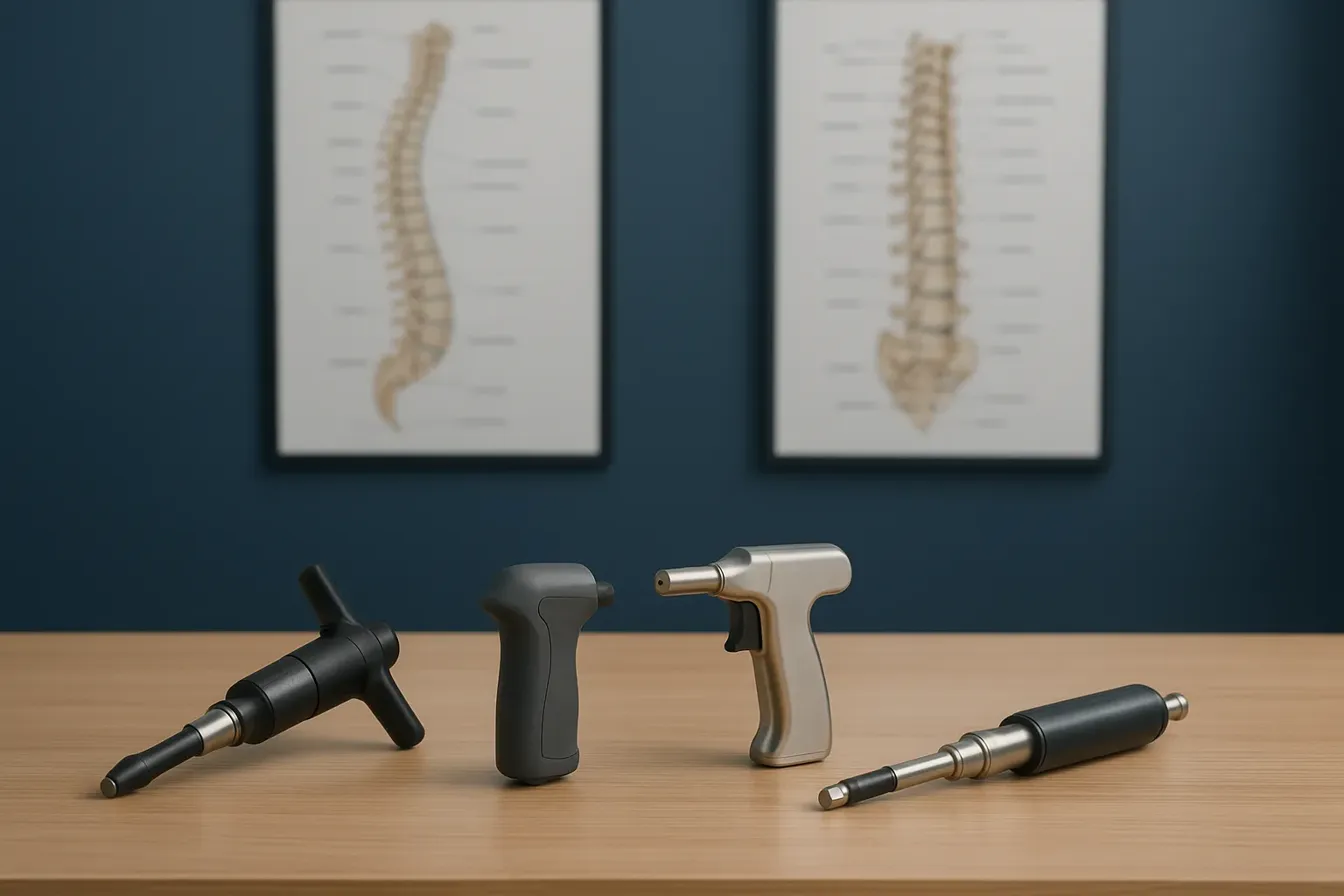
Treatment typically involves gentle and precise spinal manipulations or adjustments. Techniques may vary and include manual or instrument-assisted methods designed to correct spinal misalignments. Popping or cracking sounds during adjustments are normal and result from joint gas release. Other complementary therapies like soft tissue therapy or rehabilitative exercises may be incorporated depending on your needs. Discover more about spinal adjustments and movement assessments, manual and instrument-assisted adjustments, and the significance of popping sounds.
Communication of care goals and frequency of visits
At the conclusion of the initial consultation, chiropractors clearly explain your diagnosis, the intended treatment objectives, and the recommended frequency of visits. Visit schedules often begin with more frequent sessions that gradually taper as progress is made. This transparent approach ensures you understand your care journey, enabling active participation in achieving lasting spinal health and overall wellness. Read about the frequency of chiropractic visits and the importance of ongoing chiropractic care to better prepare for your treatment journey.
Post-Adjustment Care and Lifestyle Recommendations

What happens immediately after the adjustment
Following a chiropractic adjustment, patients often experience immediate changes such as relief from muscle tension and improved range of motion. Some may notice a warm or relaxed sensation in the treated area. It’s normal to hear popping or cracking sounds during the adjustment, which are related to gas release from spinal joints and are harmless. For more on this, see What to Expect at the Chiropractor.
Possible physical sensations and what to expect
Patients might feel mild soreness or stiffness akin to what occurs after exercise. This usually diminishes within a day or two. A sense of enhanced mobility and decreased pain is common. Chiropractic clinics advise monitoring how the body responds and communicating any concerns during follow-ups. Learn more at First chiropractic consultation.
Lifestyle tips such as stretching and hydration
After adjustments, gentle stretching helps maintain flexibility and supports spinal alignment. Staying well-hydrated is essential to keep tissues supple and aid in healing. Maintaining good posture throughout daily activities and avoiding strenuous physical exertions immediately after the treatment is recommended. Helpful guidance can be found in Post-adjustment care tips.
Holistic approaches complementary to chiropractic care
Holistic strategies extend beyond adjustments to foster overall wellness. Nutritional counseling assists in reducing inflammation and healing musculoskeletal tissues effectively. Stress management through meditation, deep breathing, or mindfulness decreases muscle tension and promotes recovery. Tailored therapeutic exercises and physical therapy strengthen muscles supporting the spine, enhancing the benefits of adjustments. Explore holistic musculoskeletal health approach and Back in Action Bodyworks chiropractic practice.
Role of nutrition, stress management, and exercises
Proper nutrition fuels the body’s healing mechanisms, enhancing chiropractic care outcomes. Managing stress not only alleviates physical tension but also supports the nervous system’s function. Consistent therapeutic exercise improves mobility, postural balance, and long-term musculoskeletal health, making it an integral part of a patient-centered care plan. For more information, see services offered at Back in Action Bodyworks and Preparing for your first chiropractic adjustment.
Embracing Holistic Wellness Through Ongoing Chiropractic Care
Importance of Regular Chiropractic Visits
Consistent chiropractic visits are essential for maintaining proper spinal alignment and promoting the body's natural healing processes. Regular adjustments help prevent misalignments from recurring, reducing the risk of chronic pain and improved nervous system function.
Maintaining Musculoskeletal Health Over Time
Long-term musculoskeletal health depends on proactive care. Alongside chiropractic adjustments, patients are encouraged to adopt lifestyle habits such as proper posture, stretching, and hydration. These practices support mobility and reduce muscle tension, enhancing overall physical wellness.
Encouragement to Engage in Personalized Care Plans
Personalized treatment plans tailored to each patient's unique needs foster better outcomes. Collaborative care involving nutrition counseling, movement assessments, and wellness support encourages holistic health. Engaging with your chiropractor to follow these tailored plans ensures sustained well-being and vitality over time.
Recent articles

10 Real‑Patient Success Stories Showcasing the Impact of Chiropractic Care

Superfoods That Boost Nerve Healing After Chiropractic Sessions

Sleep Positions That Promote a Healthy Back Alignment

Signs Your Chiropractor Is a Good Fit for Your Back Pain Goals

Case Study: Integrated Physiotherapy and Chiropractic for Faster Recovery

First-Time Chiropractic Visit: A Step‑by‑Step Walkthrough

Synergistic Benefits: Combining Physiotherapy with Chiropractic Care

Beyond Surgery: Holistic Approaches to Managing Back Pain

How Manual Therapy Enhances the Effects of Chiropractic Adjustments

Hydration Hacks: Why Water Matters for Joint and Spine Function

What Does a Comprehensive Spinal Evaluation Include?

Success Spotlight: Transformative Results After Six Weeks of Chiropractic Treatment

Understanding the Initial Assessment Process in Chiropractic Care

Designing a Personalized Corrective Exercise Plan for Chronic Pain Management

Natural Pain Management: Combining Acupuncture, Yoga, and Chiropractic

Chiropractic Care vs. Pain Meds: Long-Term Outcomes for Back Pain Sufferers

What to Expect During a Sciatica‑Focused Decompression Session

Understanding the Pain-Relief Mechanics Behind Chiropractic Adjustments

Success Rates of Non‑Surgical Spinal Decompression for Sciatica

Patient-Centered Chiropractic Care: Personalized Plans for Back Pain Relief

How Chiropractic Treatments Reduce Inflammation and Speed Up Back Pain Recovery

Real‑Life Stories: How Chiropractic Helped Patients Overcome Chronic Back Pain

From Symptom Masking to Root‑Cause Healing: A Practical Guide

6 Holistic Non‑Surgical Treatments That Deliver Sustainable Back‑Pain Relief

Key Questions to Ask When Selecting Your Chiropractor

Mindful Movement: Incorporating Stretch Breaks Into a Busy Day

Why Targeting the Underlying Cause Beats Temporary Symptom Relief

8 Ways Physiotherapy Complements Chiropractic Adjustments for Faster Recovery

Meal Planning for Athletes Recovering from Back Injuries

9 Everyday Lifestyle Tweaks to Preserve a Healthy Spine and Prevent Pain

Functional Movement Screening for Root‑Cause Pain Identification

6 Things You’ll Experience During Your First Chiropractic Appointment

Spinal Decompression vs. Standard Physical Therapy for Sciatica: A Comparative Review

New Findings on How Adjustments Influence Blood Circulation

Work‑From‑Home Ergonomics: A Blueprint for a Pain‑Free Back

The Link Between Chiropractic Care and Improved Sleep Quality

Physiotherapy Techniques That Strengthen the Benefits of Chiropractic Adjustments

Biomechanical Insights Behind Successful Spinal Decompression

Desk‑to‑Dumbbell: Lifestyle Shifts That Guard Your Lower Back

10 Corrective Exercises for Sustainable Pain-Free Living

Morning Routines That Support Spine Health and Reduce Stiffness

Calcium and Magnesium‑Focused Nutrition for Bone Density and Spine Health

9 Ways Chiropractic Care Transforms Back Pain Management

Testimonial: Nutrition‑Guided Recovery Accelerated by Chiropractic

Science‑Backed Spinal Decompression for Relieving Sciatica Symptoms

Key Questions to Ask During Your Initial Chiropractic Consultation

Whole‑Body Wellness Blueprint: Nutrition, Exercise, and Chiropractic Synergy

A 12‑Week Corrective Exercise Blueprint for Chronic Neck Discomfort

Manual Therapy Plus Targeted Exercise: Accelerating Post‑Injury Recovery

Home‑Based Spinal Decompression Devices: What Patients Should Know

Chiropractic Care Statistics: Reducing Lost Workdays From Back Pain

How Targeted Nutrition Enhances Immune Function and Lowers Inflammatory Pain

Self‑Assessment Tools to Identify Hidden Triggers of Back Pain

Preparing for Your First Chiropractic Appointment: A Practical Checklist

Back Pain Relief Benefits: Lower Opioid Use and Better Quality of Life

Foam‑Rolling Techniques to Complement Chiropractic Adjustments

Progressive Overload Principles in Corrective Exercise Programs

Six‑Month Transformation: Integrated Care Success Story

7 Nutritional Hacks to Boost Your Overall Wellness

How to Choose a Chiropractor: Credentials, Techniques, and Patient Compatibility

5 Ways Spinal Decompression Can Ease Sciatica Pain

Overcoming Sciatica: A Patient’s Multidisciplinary Treatment Journey

Lifestyle Changes That Promote a Healthy Spine
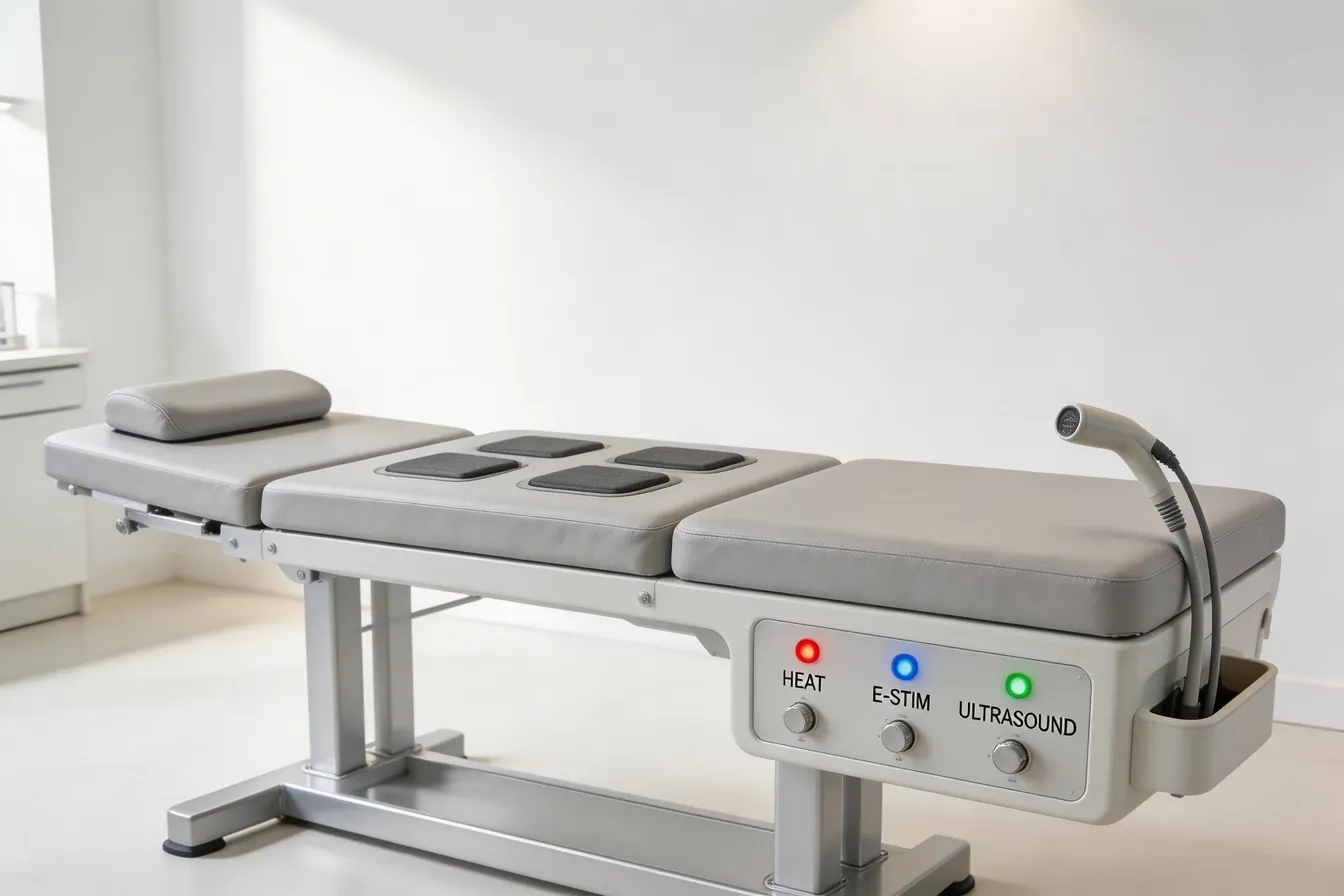
Physiotherapy as a Complement to Chiropractic Treatments

6 Ways Physiotherapy Enhances Chiropractic Treatment Outcomes

Daily Living Tips for a Strong and Healthy Spine

How Physiotherapy Enhances Chiropractic Outcomes
Holistic Treatments: Alternatives to Surgery for Pain Relief
Inspiring Patient Success Stories from Chiropractic Clinics

Integrating Physiotherapy with Chiropractic Treatments
Corrective Exercise Routines for Chronic Pain Prevention
10 Corrective Exercises to Maintain a Healthy Spine and Relieve Pain
Exercise Strategies for Long-Term Pain Management
10 Corrective Exercises to Maintain a Healthy Spine and Relieve Pain
The Importance of Treating the Root Cause of Pain
Nutritional Support Strategies for Whole-Body Wellness
7 Essential Questions to Ask When Choosing Your Chiropractor
Identifying and Addressing Root Causes of Pain
Maintaining a Healthy Spine with Lifestyle Adjustments
Sciatica Symptom Relief via Spinal Decompression
8 Reasons Why Addressing the Root Cause of Pain Is Crucial
Chiropractic Care’s Impact on Back Pain Recovery

Combining Physiotherapy with Chiropractic Care for Better Results

Inspiring Recovery: Chiropractic Patient Testimonials

Nutritional Counseling Tips for Optimal Wellness

Why Addressing the Root Cause of Pain is Crucial
Back Pain and Chiropractic Care: A Winning Combination

Chiropractic Care Benefits You Might Not Know
Exploring Holistic and Non-Surgical Treatments for Pain
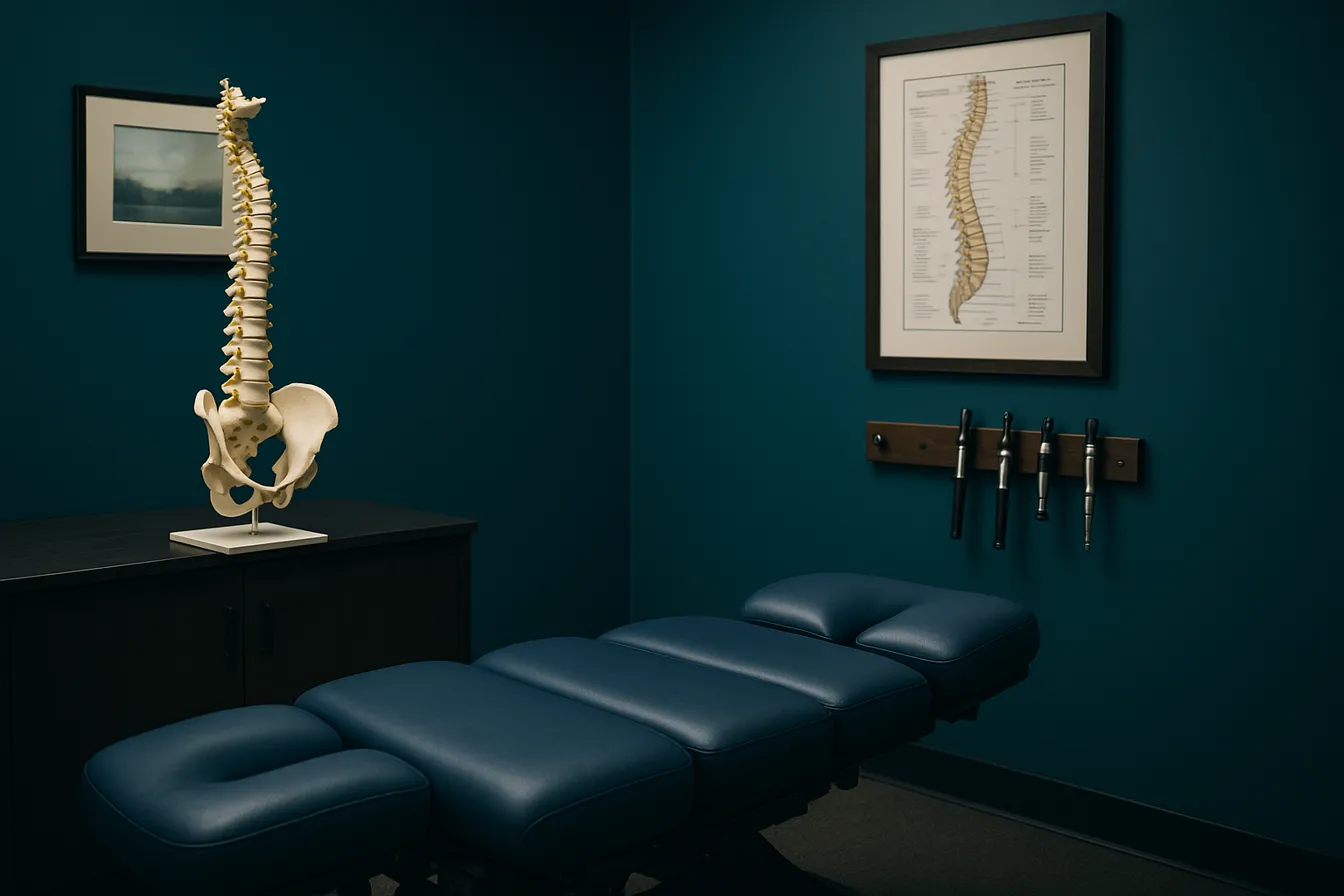
Spinal Health: Lifestyle Tips for Everyday Wellness
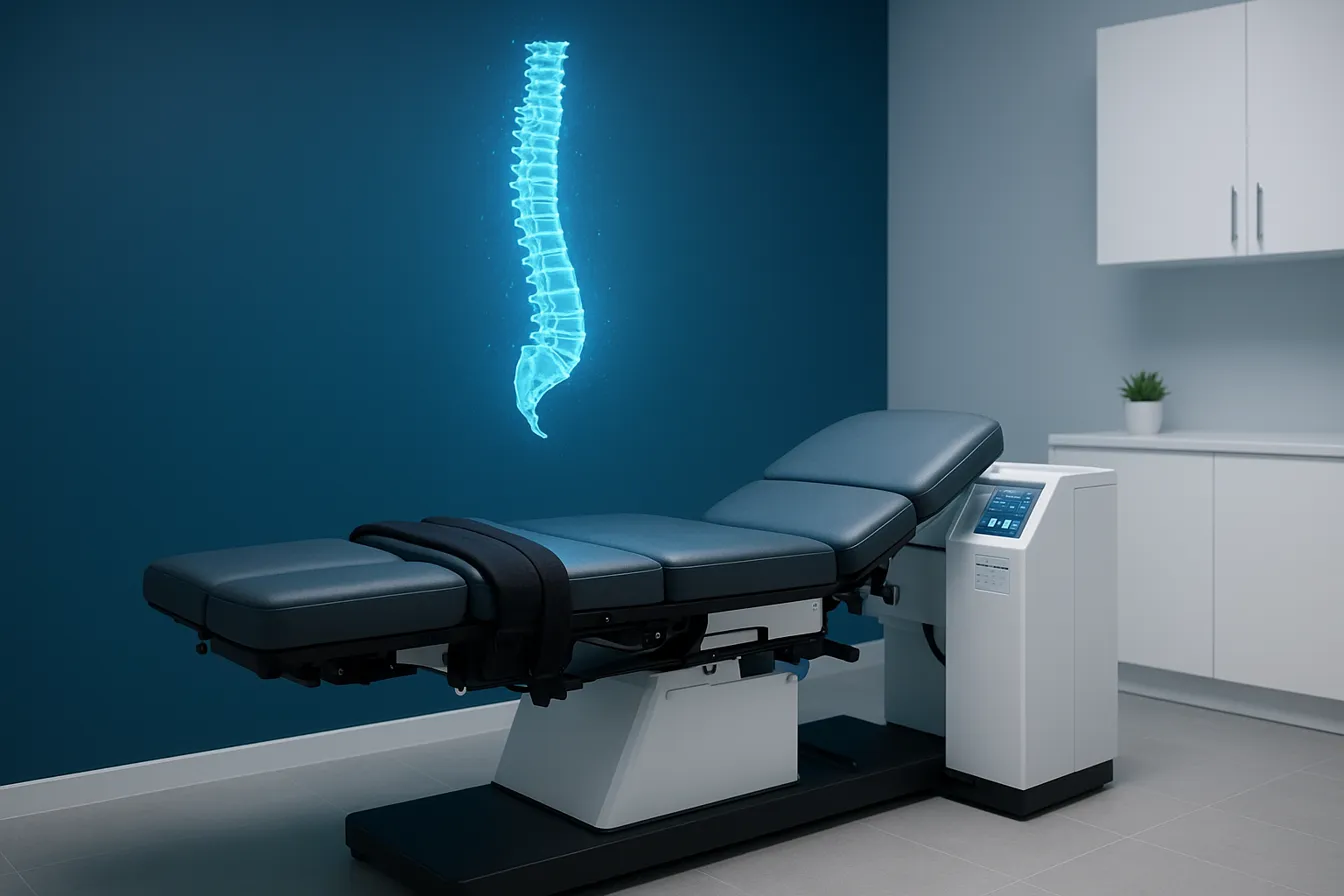
Spinal Decompression Therapy: Benefits and Applications
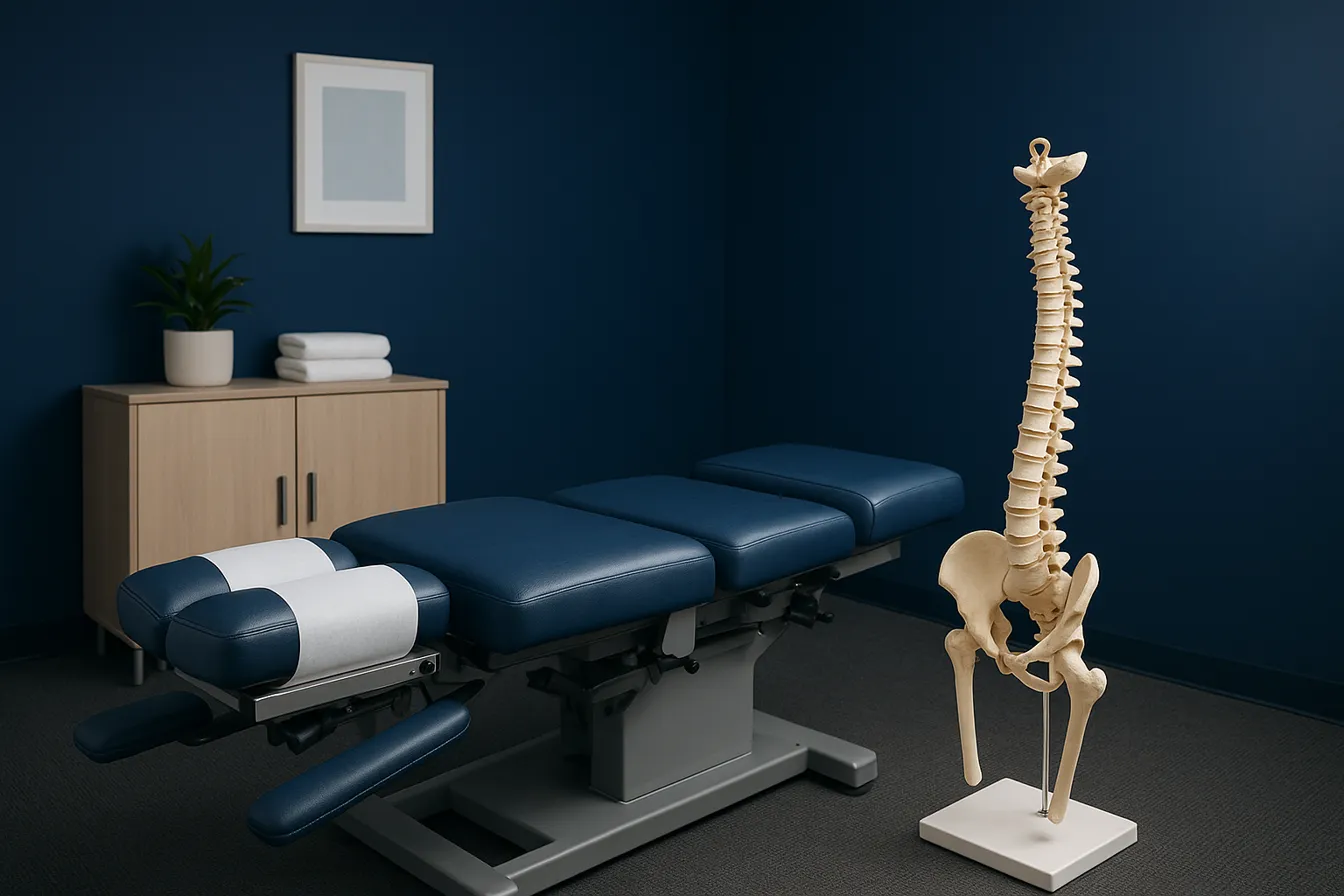
Holistic and Non-Invasive Spine Care Options
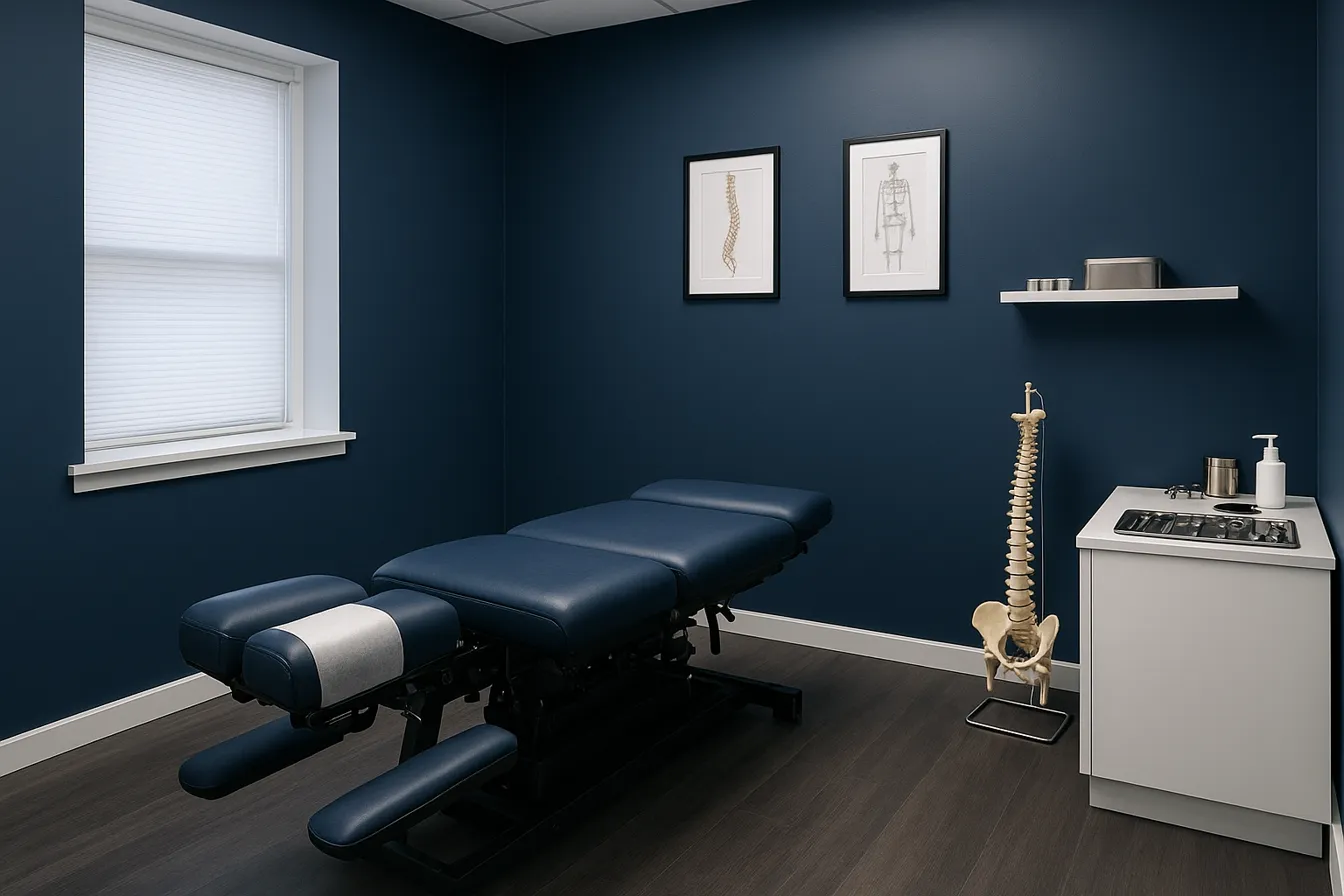
Everyday Lifestyle Advice to Keep Your Spine Healthy
The Significance of Treating Root Causes in Pain Therapy
Best Corrective Exercises for Sustainable Pain Management

Addressing Underlying Causes of Pain for Long-Term Relief
6 Key Benefits of Spinal Decompression Therapy for Sciatica Relief

How Nutritional Counseling Supports Spine Health and Recovery

The Role of Physiotherapy in Supporting Chiropractic Treatments