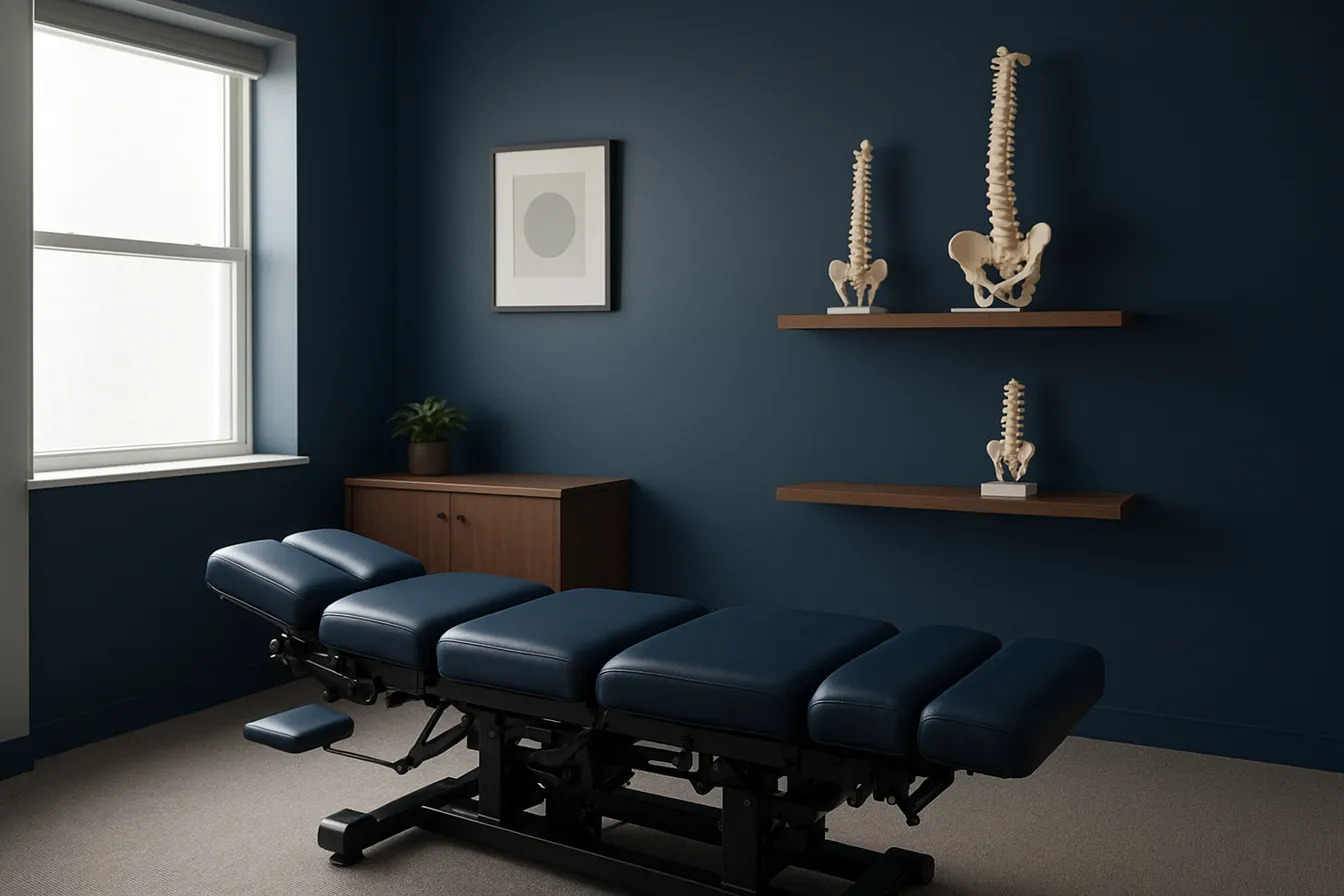
Exploring Holistic and Non-Surgical Treatment Options for Pain
November 26, 2025
8 min

Understanding the Scope of Chronic Pain and its Impact
Defining Chronic Pain and Its Prevalence
Chronic pain is pain that persists for more than three to six months, extending beyond normal healing times. It affects approximately 20% of adults in the United States, with about 7.4% experiencing pain that severely limits daily activities. The condition becomes increasingly common with age and disproportionately impacts older adults, veterans, and those living in rural locations.
Common Diagnoses Associated with Chronic Pain
Several health issues frequently link to chronic pain, including low-back pain, osteoarthritis, rheumatoid arthritis, migraines, fibromyalgia, carpal tunnel syndrome, and tension headaches. These conditions often require long-term management strategies due to their persistent and sometimes disabling nature.
The Importance of Holistic and Non-Surgical Treatments
Given the complex and ongoing nature of chronic pain, exploring holistic and nonsurgical approaches is essential. These methods focus on natural pain relief and improving overall wellness without reliance on medications. Treatments such as chiropractic care, acupuncture, mindfulness meditation, yoga, and physical therapy emphasize patient-centered plans that promote healing, mobility, and comfort.
Incorporating a variety of complementary therapies allows patients to address pain from multiple angles, often enhancing quality of life and reducing the need for opioid medications. Consulting with healthcare providers ensures safe and personalized treatment tailored to individual needs and conditions, underscoring a comprehensive approach to chronic pain management.
Comprehensive Services Offered by Chiropractic Practices for Musculoskeletal Wellness

What services does a chiropractic practice typically offer for musculoskeletal health and wellness?
Chiropractic practices provide a broad range of treatments focused on holistic musculoskeletal health and overall wellness. The core service involves spinal adjustments or manipulations by licensed chiropractors aimed at realigning the spine and joints. These adjustments help relieve pain linked to conditions such as lower back pain, neck pain, headaches, sciatica, and muscle tension, offering both immediate relief and longer-term functional improvements.
Beyond adjustments, many chiropractic clinics offer supportive manual therapies including massage therapy benefits and active release techniques to relax muscles, improve circulation, and address soft tissue restrictions. Rehabilitation exercises and postural correction are common components, helping patients restore mobility, strengthen affected areas, and prevent re-injury.
Holistic elements are often integrated, such as nutritional counseling aimed at reducing inflammation and supporting joint health, as well as stress-reduction strategies like mindfulness meditation for pain and yoga. This comprehensive approach prioritizes non-invasive, natural healing techniques that align with each patient's lifestyle and wellness goals.
In summary, chiropractic care extends far beyond spinal manipulation. It encompasses a personalized plan combining hands-on therapies, movement and lifestyle modifications, and wellness coaching to improve mobility, reduce pain, and enhance quality of life while preventing future musculoskeletal problems.
Essential Qualifications and Expertise for Practitioners in Chiropractic Care

What qualifications or experience should a practitioner have in a chiropractic practice?
A qualified chiropractor must earn a Doctor of Chiropractic (D.C.) degree from an accredited college approved by the Council on Chiropractic Education. This education generally follows at least three years of undergraduate study focusing on sciences such as biology, chemistry, and physics. The professional program includes 3 to 4 years of specialized training that covers spinal anatomy, neurology, diagnosis, and hands-on techniques.
Licensure is mandatory to practice legally and requires passing national board exams overseen by the National Board of Chiropractic Examiners (NBCE), ensuring knowledge and skills meet rigorous standards. For practitioners in Torrance, California, maintaining state licensure and certifications is essential for compliance and patient safety.
Clinical experience through internships and supervised practice in on-campus clinics or external health settings builds practical competencies. This hands-on exposure is crucial for delivering safe, effective care tailored to individual needs.
Ongoing education keeps chiropractors informed about the latest evidence-based and holistic musculoskeletal health, including spinal manipulation, physical therapy integration, and complementary wellness approaches. Such continuous learning supports personalized and comprehensive treatment plans.
For patients in Torrance seeking chiropractic care, verifying a practitioner's education, licensure, clinical experience, and commitment to current best practices ensures quality care centered on safety and effectiveness.
Holistic Approaches in Chiropractic Care: Benefits Beyond Symptom Relief

How can holistic approaches in chiropractic care benefit musculoskeletal health?
Holistic chiropractic care transcends treating isolated symptoms by focusing on the entire individual’s well-being. Instead of only addressing pain, it explores and corrects the root causes of musculoskeletal problems. This method integrates spinal adjustments, massage therapy benefits, guided exercise routines, and nutritional counseling to create a personalized treatment plan.
Spinal adjustments realign the vertebrae, which improves posture and alleviates nerve pressure that might contribute to pain or dysfunction. Massage therapy benefits complement these adjustments by relaxing muscles, enhancing circulation, and improving flexibility. Exercise programs tailored by chiropractors help strengthen muscles supporting the spine and joints, reducing the risk of injury and improving overall mobility.
Nutritional counseling also plays a pivotal role, where dietary modifications support reduced inflammation and healthier tissues, aiding the body’s natural healing processes. Such a multi-faceted approach influences nerve function positively and promotes stress reduction by addressing physical imbalances and discomfort comprehensively.
Clinics like Back in Action Bodyworks chiropractic services in Torrance, California, exemplify this holistic philosophy. They provide various complementary treatments including acupuncture treatments, stretch therapy, and transformational coaching alongside chiropractic care. These services support both immediate pain relief and long-term wellness, emphasizing function improvement and injury prevention.
Compared to medication and surgical interventions, holistic chiropractic care offers a safer and less invasive alternative. By focusing on natural healing and lifestyle enhancement, patients often experience reduced pain and improved quality of life without the side effects or risks associated with drugs or surgeries.
Exploring Complementary and Alternative Therapies for Chronic Pain Management

What Complementary and Alternative Therapies Are Available for Chronic Pain?
Complementary therapies such as acupuncture for chronic pain, massage therapy benefits, mindfulness meditation for pain, yoga for chronic pain, and tai chi for osteoarthritis have become popular for managing chronic pain. Acupuncture involves inserting fine needles into specific points to promote healing and reduce pain. Massage therapy manipulates soft tissues to improve circulation and relax muscles. Mindfulness meditation and yoga focus on breathing and relaxation to lower pain perception, while tai chi combines gentle movements and balance training beneficial for arthritis and musculoskeletal discomfort.
How Effective and Safe Are These Therapies?
Evidence supports acupuncture’s ability to reduce pain and even lower opioid needs, particularly for back and neck pain. Massage therapy can relieve low back and neck pain, though long-term benefits are less certain. Mindfulness-based stress reduction, yoga, and tai chi show consistent effectiveness in decreasing pain and improving physical function. These approaches generally have excellent safety profiles but require caution for certain individuals, such as pregnant women or those with specific health conditions.
What Role Do Psychological and Physical Approaches Like Hypnosis and Biofeedback Play?
Psychological techniques like hypnosis for pain relief and biofeedback help patients alter pain perception by focusing attention and controlling physiological responses such as muscle tension. These noninvasive methods can complement physical treatments, offering stress reduction and pain relief without medication. They are widely incorporated into holistic pain management programs.
How Are Herbal and Nutritional Supplements Relevant to Pain Relief?
Certain supplements may aid pain management; for example, omega-3 fatty acids help rheumatoid arthritis symptoms, and turmeric shows anti-inflammatory properties. Topical herbal preparations such as cayenne, comfrey, and lavender oil have been reported to reduce pain, though evidence varies. Caution is urged since natural products can produce side effects or interact with medications.
What Clinical Guidelines Support Using Nonpharmacologic Treatments?
Many professional organizations endorse these therapies as first-line treatments for chronic pain conditions, including osteoarthritis and low-back pain. Clinical guidelines recommend acupuncture, tai chi, yoga, massage, and mindfulness meditation as safe and effective components of integrated pain management.
Why Is Personalized Treatment and Consultation with Qualified Providers Important?
Since individual responses vary, personalized pain management plans formulated with healthcare providers are vital. Patients in Torrance seeking these therapies should consult reputable practitioners to ensure appropriate, safe, and effective use tailored to their specific conditions and health status.
Integrating Physical Therapy and Lifestyle Modifications in Pain Management

What physical therapy techniques aid in managing chronic pain?
Physical therapy employs a range of techniques designed to improve mobility, reduce pain, and support long-term healing. Key methods include stretch therapy for mobility to enhance flexibility, strengthening exercises to stabilize and support joints, and nerve stimulation techniques like transcutaneous electrical nerve stimulation (TENS) to modulate pain signals. These combined approaches help in restoring function and decreasing discomfort in conditions such as low-back pain, osteoarthritis, and fibromyalgia.
How do movement therapies like yoga and tai chi benefit pain management?
Yoga and tai chi for pain management integrate gentle movements, mindfulness, and controlled breathing, making them effective complementary treatments for chronic pain. They help reduce pain, improve joint function, increase balance, and alleviate stiffness. Particularly for osteoarthritis and musculoskeletal conditions, these therapies enhance physical function while supporting relaxation and stress reduction.
What lifestyle factors influence chronic pain?
Lifestyle has a significant impact on pain perception and management. A healthy diet rich in anti-inflammatory foods, regular low-impact exercise, and effective stress reduction techniques are essential for controlling chronic pain. Incorporating practices such as Mindfulness meditation for pain alongside physical activity optimizes both physical and emotional well-being.
What role do non-drug modalities like heat/cold therapy and electrical stimulation play?
Complementary Non-pharmacological pain management treatments such as heat and cold applications aid in reducing inflammation and muscle tension. Electrical stimulation methods like TENS provide pain relief by interfering with pain signals. These modalities are safe, accessible, and often used alongside other therapies to enhance overall pain control without medication side effects.
Why is multidisciplinary and personalized care important for chronic pain?
Chronic pain management benefits from a team-based, personalized approach that factors in individual medical history, preferences, and lifestyle. Combining interventions such as physical therapy, Chiropractic care benefits, Acupuncture for chronic pain, stress management, and nutritional guidance ensures comprehensive treatment. Collaborative planning with healthcare providers in places like chronic pain treatment options in Torrance, California leads to optimized outcomes and improved quality of life for patients managing chronic pain.
Towards Personalized, Holistic Pain Relief: A Collaborative Approach
Individualized Treatment Plans for Effective Pain Relief
Pain management is most effective when tailored to the individual’s unique needs and health conditions. Personalized plans consider medical history, type of pain, lifestyle, and patient preferences, enhancing the likelihood of successful outcomes.
Consulting Healthcare Professionals
Collaboration with qualified healthcare providers ensures safe and appropriate use of various non-surgical therapies. Experts in chiropractic care, acupuncture, physical therapy, and integrative medicine can guide patients through suitable options.
Prioritizing Safety, Efficacy, and Patient Preferences
Holistic approaches emphasize treatments with strong safety records and clinical evidence. Patient comfort and choice are central, fostering adherence and satisfaction.
Integrative Non-Surgical Options for Quality of Life
Combining spinal manipulation, mindfulness techniques, yoga, massage, and nutritional support can reduce pain naturally. This integrative strategy often leads to improved mobility, reduced dependence on medications, and enhanced overall well-being for individuals managing chronic pain.
Recent articles

10 Real‑Patient Success Stories Showcasing the Impact of Chiropractic Care

Superfoods That Boost Nerve Healing After Chiropractic Sessions

Sleep Positions That Promote a Healthy Back Alignment

Signs Your Chiropractor Is a Good Fit for Your Back Pain Goals

Case Study: Integrated Physiotherapy and Chiropractic for Faster Recovery

First-Time Chiropractic Visit: A Step‑by‑Step Walkthrough
Synergistic Benefits: Combining Physiotherapy with Chiropractic Care

Beyond Surgery: Holistic Approaches to Managing Back Pain

How Manual Therapy Enhances the Effects of Chiropractic Adjustments

Hydration Hacks: Why Water Matters for Joint and Spine Function

What Does a Comprehensive Spinal Evaluation Include?

Success Spotlight: Transformative Results After Six Weeks of Chiropractic Treatment

Understanding the Initial Assessment Process in Chiropractic Care

Designing a Personalized Corrective Exercise Plan for Chronic Pain Management

Natural Pain Management: Combining Acupuncture, Yoga, and Chiropractic

Chiropractic Care vs. Pain Meds: Long-Term Outcomes for Back Pain Sufferers

What to Expect During a Sciatica‑Focused Decompression Session

Understanding the Pain-Relief Mechanics Behind Chiropractic Adjustments

Success Rates of Non‑Surgical Spinal Decompression for Sciatica

Patient-Centered Chiropractic Care: Personalized Plans for Back Pain Relief
How Chiropractic Treatments Reduce Inflammation and Speed Up Back Pain Recovery

Real‑Life Stories: How Chiropractic Helped Patients Overcome Chronic Back Pain

From Symptom Masking to Root‑Cause Healing: A Practical Guide

6 Holistic Non‑Surgical Treatments That Deliver Sustainable Back‑Pain Relief

Key Questions to Ask When Selecting Your Chiropractor

Mindful Movement: Incorporating Stretch Breaks Into a Busy Day

Why Targeting the Underlying Cause Beats Temporary Symptom Relief

8 Ways Physiotherapy Complements Chiropractic Adjustments for Faster Recovery

Meal Planning for Athletes Recovering from Back Injuries

9 Everyday Lifestyle Tweaks to Preserve a Healthy Spine and Prevent Pain

Functional Movement Screening for Root‑Cause Pain Identification

6 Things You’ll Experience During Your First Chiropractic Appointment

Spinal Decompression vs. Standard Physical Therapy for Sciatica: A Comparative Review

New Findings on How Adjustments Influence Blood Circulation
Work‑From‑Home Ergonomics: A Blueprint for a Pain‑Free Back

The Link Between Chiropractic Care and Improved Sleep Quality

Physiotherapy Techniques That Strengthen the Benefits of Chiropractic Adjustments

Biomechanical Insights Behind Successful Spinal Decompression

Desk‑to‑Dumbbell: Lifestyle Shifts That Guard Your Lower Back

10 Corrective Exercises for Sustainable Pain-Free Living

Morning Routines That Support Spine Health and Reduce Stiffness

Calcium and Magnesium‑Focused Nutrition for Bone Density and Spine Health

9 Ways Chiropractic Care Transforms Back Pain Management

Testimonial: Nutrition‑Guided Recovery Accelerated by Chiropractic
Science‑Backed Spinal Decompression for Relieving Sciatica Symptoms

Key Questions to Ask During Your Initial Chiropractic Consultation
Whole‑Body Wellness Blueprint: Nutrition, Exercise, and Chiropractic Synergy

A 12‑Week Corrective Exercise Blueprint for Chronic Neck Discomfort

Manual Therapy Plus Targeted Exercise: Accelerating Post‑Injury Recovery
Home‑Based Spinal Decompression Devices: What Patients Should Know

Chiropractic Care Statistics: Reducing Lost Workdays From Back Pain

How Targeted Nutrition Enhances Immune Function and Lowers Inflammatory Pain

Self‑Assessment Tools to Identify Hidden Triggers of Back Pain

Preparing for Your First Chiropractic Appointment: A Practical Checklist

Back Pain Relief Benefits: Lower Opioid Use and Better Quality of Life

Foam‑Rolling Techniques to Complement Chiropractic Adjustments

Progressive Overload Principles in Corrective Exercise Programs

Six‑Month Transformation: Integrated Care Success Story

7 Nutritional Hacks to Boost Your Overall Wellness

How to Choose a Chiropractor: Credentials, Techniques, and Patient Compatibility

5 Ways Spinal Decompression Can Ease Sciatica Pain

Overcoming Sciatica: A Patient’s Multidisciplinary Treatment Journey
Lifestyle Changes That Promote a Healthy Spine
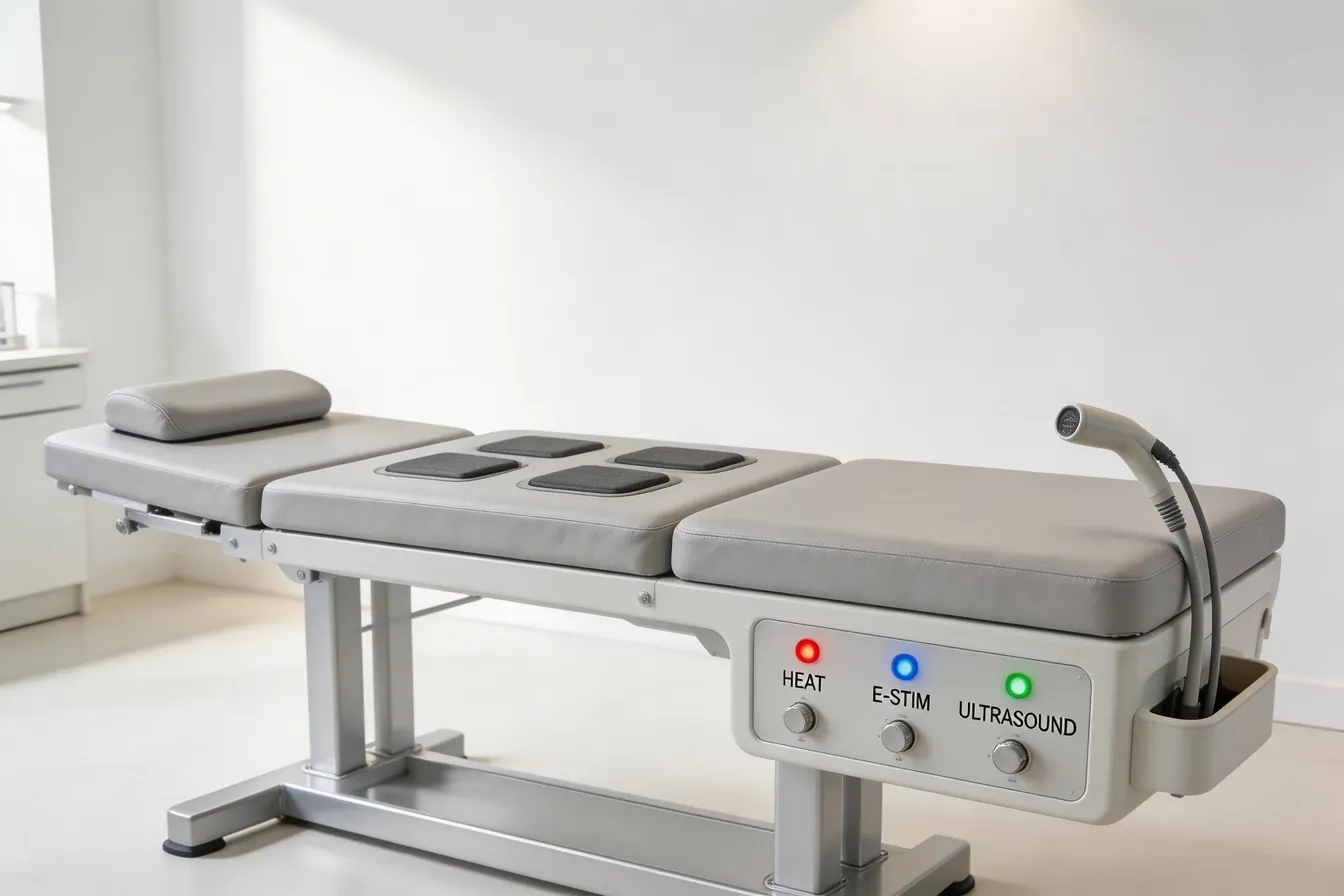
Physiotherapy as a Complement to Chiropractic Treatments

6 Ways Physiotherapy Enhances Chiropractic Treatment Outcomes

Daily Living Tips for a Strong and Healthy Spine

How Physiotherapy Enhances Chiropractic Outcomes
Holistic Treatments: Alternatives to Surgery for Pain Relief
Inspiring Patient Success Stories from Chiropractic Clinics

Integrating Physiotherapy with Chiropractic Treatments
Corrective Exercise Routines for Chronic Pain Prevention
10 Corrective Exercises to Maintain a Healthy Spine and Relieve Pain
Exercise Strategies for Long-Term Pain Management
10 Corrective Exercises to Maintain a Healthy Spine and Relieve Pain
The Importance of Treating the Root Cause of Pain
Nutritional Support Strategies for Whole-Body Wellness
7 Essential Questions to Ask When Choosing Your Chiropractor
Identifying and Addressing Root Causes of Pain

Maintaining a Healthy Spine with Lifestyle Adjustments
Sciatica Symptom Relief via Spinal Decompression
8 Reasons Why Addressing the Root Cause of Pain Is Crucial
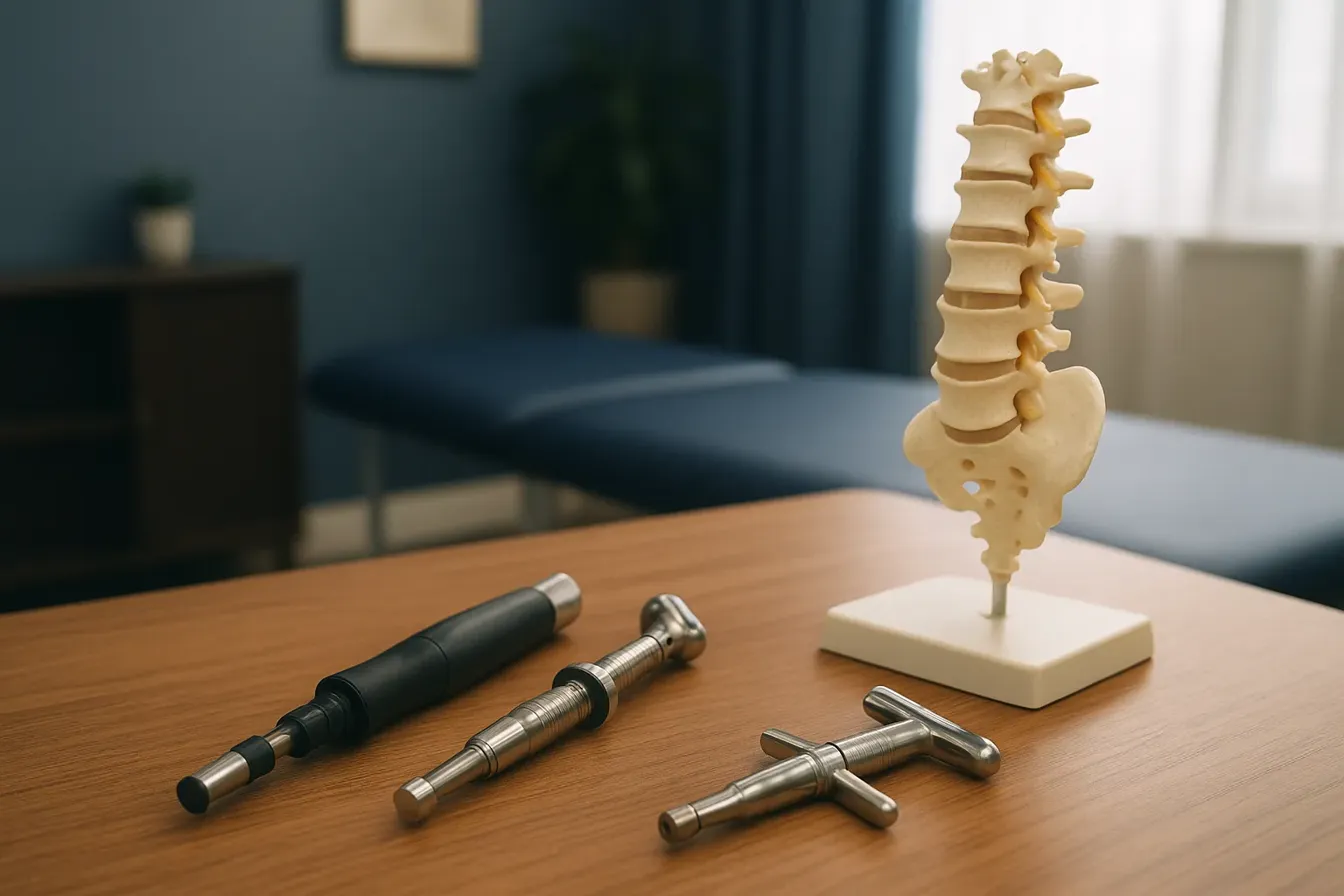
Chiropractic Care’s Impact on Back Pain Recovery

Combining Physiotherapy with Chiropractic Care for Better Results
Inspiring Recovery: Chiropractic Patient Testimonials
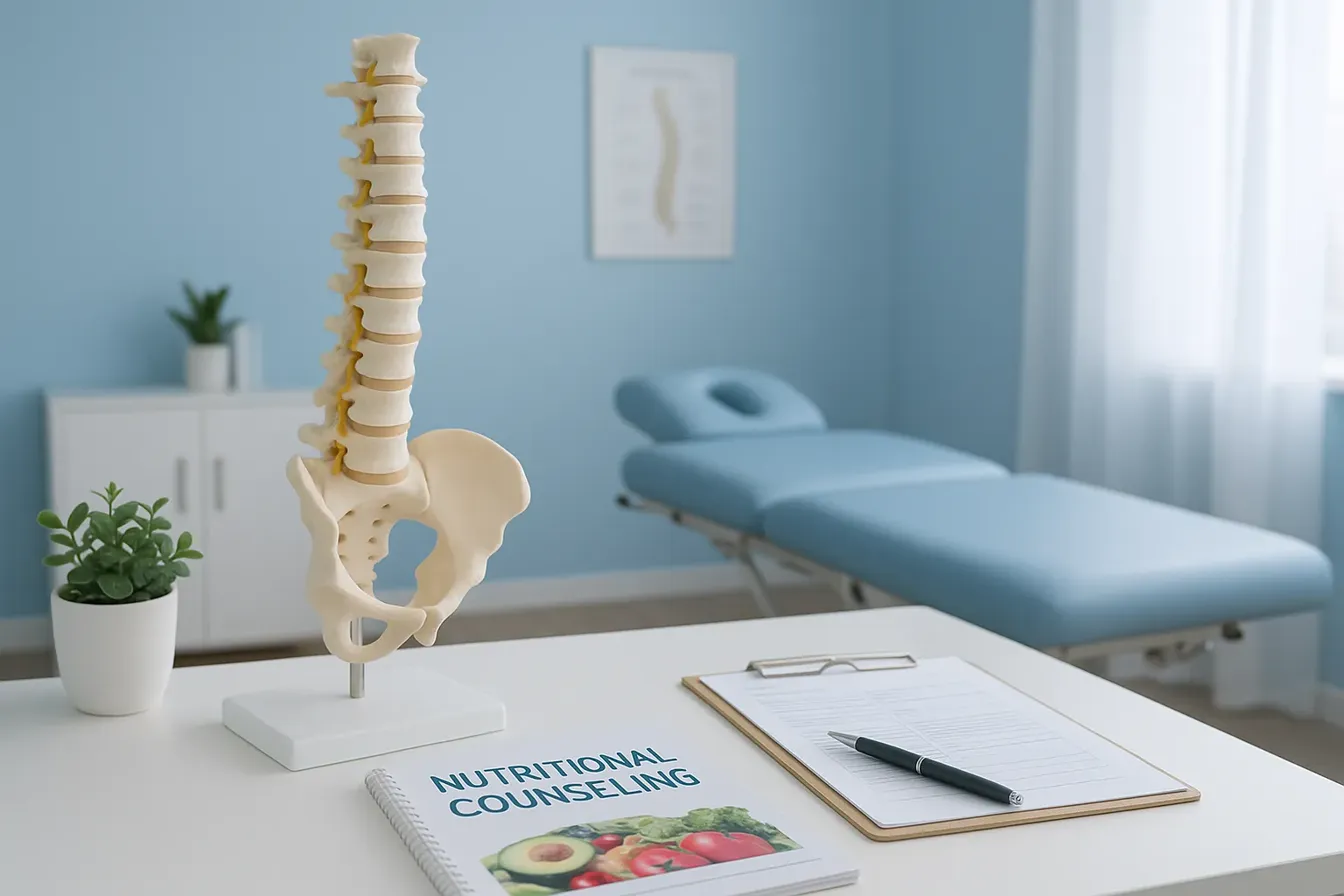
Nutritional Counseling Tips for Optimal Wellness

Why Addressing the Root Cause of Pain is Crucial
Back Pain and Chiropractic Care: A Winning Combination

Chiropractic Care Benefits You Might Not Know
Exploring Holistic and Non-Surgical Treatments for Pain
Spinal Health: Lifestyle Tips for Everyday Wellness
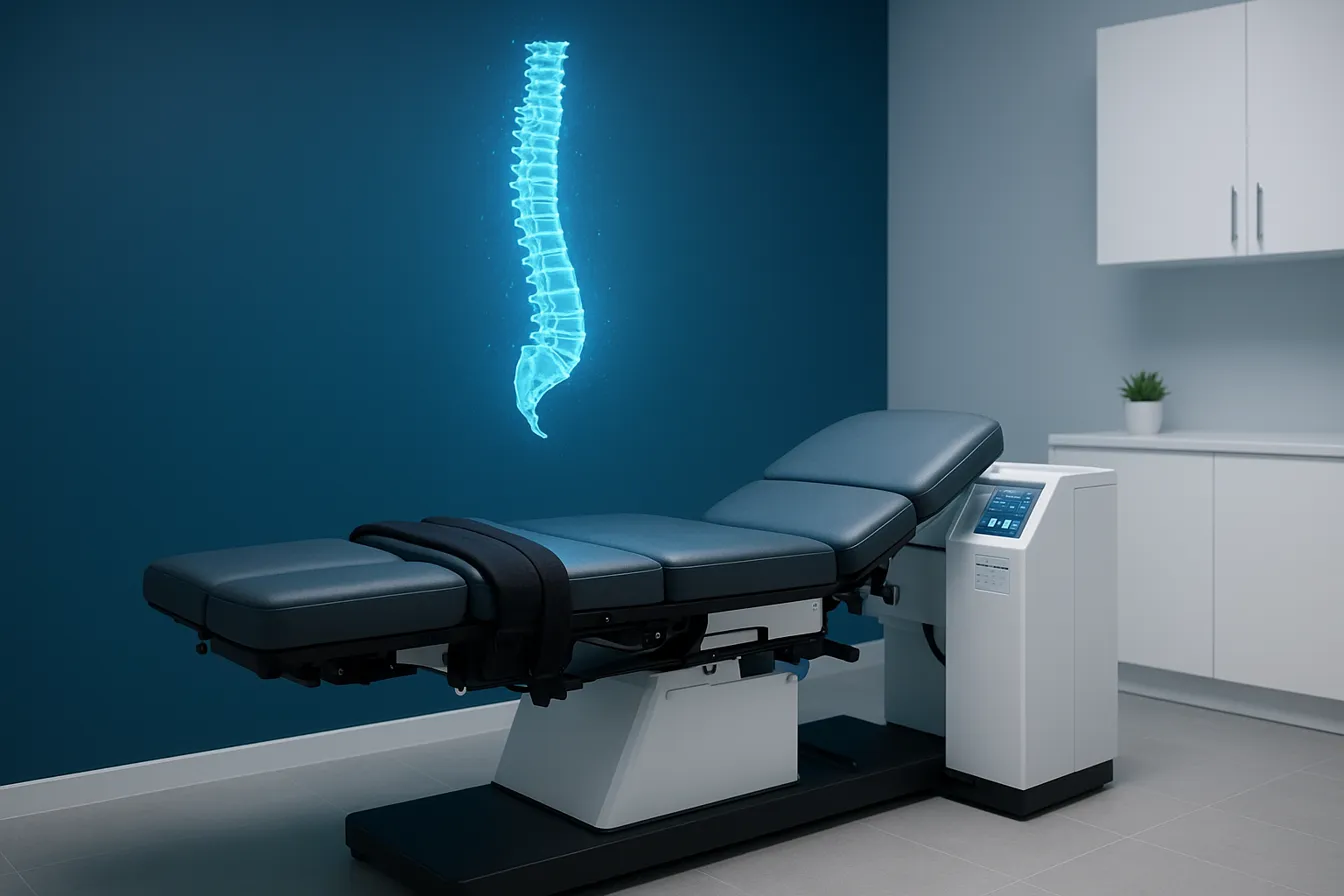
Spinal Decompression Therapy: Benefits and Applications
Holistic and Non-Invasive Spine Care Options
Everyday Lifestyle Advice to Keep Your Spine Healthy
The Significance of Treating Root Causes in Pain Therapy
Best Corrective Exercises for Sustainable Pain Management

Addressing Underlying Causes of Pain for Long-Term Relief

6 Key Benefits of Spinal Decompression Therapy for Sciatica Relief

How Nutritional Counseling Supports Spine Health and Recovery
The Role of Physiotherapy in Supporting Chiropractic Treatments