Holistic Alternatives to Surgery for Chronic Back and Sciatica Pain
January 12, 2026
10 min
Understanding Chronic Back and Sciatica Pain: Causes and Impact
Definition and Common Causes of Chronic Back Pain and Sciatica
Chronic back pain is pain that persists for three months or longer, often resulting from conditions such as arthritis of the spine, spinal stenosis, bulging or herniated discs, and myofascial pain syndrome. Sciatica is a specific type of nerve pain caused by irritation or compression of the sciatic nerve. Common causes of sciatica include herniated discs, spinal stenosis, muscle spasms (notably in the piriformis muscle), bone spurs, and spinal misalignments.
Effects on Daily Life and Mobility
Both chronic back pain and sciatica can significantly impact daily activities by limiting mobility, causing persistent discomfort, and affecting posture and muscle strength. Patients may experience difficulty standing, walking, or sitting for extended periods. The pain may radiate from the lower back down through the hips and legs, sometimes accompanied by numbness, tingling, or weakness, which can hinder routine tasks and reduce quality of life.
When Surgery Is Considered as a Last Resort
Surgery is typically reserved for severe cases where conservative treatments fail or when "red flag" symptoms arise, such as bowel or bladder dysfunction, severe limb weakness, or significant neurological deficits confirmed by imaging. Because surgery carries risks—including infection, nerve damage, and long recovery—and does not guarantee pain relief, holistic and non-surgical options are preferred initially to promote natural healing and maintain spinal health.
The Role of Chiropractic Care in Holistic Musculoskeletal Health
What is chiropractic care and how does it support musculoskeletal health?
Chiropractic care for sciatica pain is a holistic approach focused on diagnosing and treating musculoskeletal problems, primarily through spinal adjustments, mobilizations, and soft tissue therapies. This drug-free, non-invasive method aims to realign the spine and joints, thereby reducing pain, improving mobility, and enhancing the body's natural healing abilities. Chiropractic treatment not only addresses acute symptoms but also promotes long-term musculoskeletal health by supporting proper posture and joint function. Evidence indicates that chiropractic care can effectively manage back pain, neck pain, headaches, and sciatica, often providing results comparable to conventional medical treatments. It is valued for minimizing reliance on medications and invasive procedures, aligning well with patient-centered, wellness-focused healthcare plans.
What conditions can chiropractic care help alleviate?
Chiropractic care is effective in relieving multiple conditions involving the musculoskeletal system. These include chronic back and neck pain, headaches, sciatica, joint discomfort, and sports-related injuries. Treatments such as spinal adjustments help to realign vertebrae and joints, reducing nerve pressure and muscle tension. This is especially important for nerve-related conditions like sciatica, where spinal misalignments can irritate the sciatic nerve. Chiropractic techniques also address issues such as herniated or bulging discs, osteoarthritis, and pelvic imbalances. Safe and suitable for a broad range of patients, chiropractic care offers a drug-free alternative for pain management with a focus on restoring function and improving overall quality of life.
How does chiropractic care fit into holistic, non-invasive treatment approaches?
Chiropractic care complements a holistic treatment philosophy by integrating manual therapies with lifestyle advice—such as exercise, posture correction, and ergonomic guidance—to encourage healing beyond symptom relief. It aligns with natural pain management strategies like physical therapy for back pain, acupuncture for back pain, mindfulness and meditation, and anti-inflammatory diet modifications. As part of a patient-centered plan, chiropractic care often combines spinal adjustments with soft tissue therapies, targeted stretches, and strengthening exercises specifically designed to the individual's needs. This multi-faceted approach empowers patients to actively participate in their recovery, emphasizing wellness, functional improvement, and prevention. By focusing on spinal alignment and nervous system health, chiropractic care enhances the body’s capacity for self-repair within a comprehensive, integrative framework.
Comprehensive Services Offered by Chiropractic Practices to Promote Wellness

What services does a chiropractic practice typically offer to promote wellness?
Chiropractic practices focus on promoting overall wellness and relieving musculoskeletal pain through a variety of services. The cornerstone treatment is Chiropractic care for sciatica pain or spinal manipulations. Here, Licensed chiropractors in the United States realign joints to reduce pain, enhance mobility, and correct posture issues.
Beyond adjustments, patients may receive Massage therapy for chronic pain and trigger point therapy to relax muscles and improve circulation. Rehabilitative exercises tailored to individual needs help strengthen Core strengthening exercises, improve flexibility, and support spinal alignment.
Many practices incorporate healthy lifestyle choices for back pain to reduce inflammation and support musculoskeletal health as part of a holistic approach. Additionally, ergonomic guidance and lifestyle advice are provided to prevent recurrence of pain, emphasizing proper posture, activity pacing, and quitting harmful habits like smoking.
This integrated range of treatments addresses both symptoms and root causes, aiming to improve patients’ quality of life naturally and sustainably.
Physical Therapy and Tailored Exercise Programs: Cornerstones of Non-Surgical Care
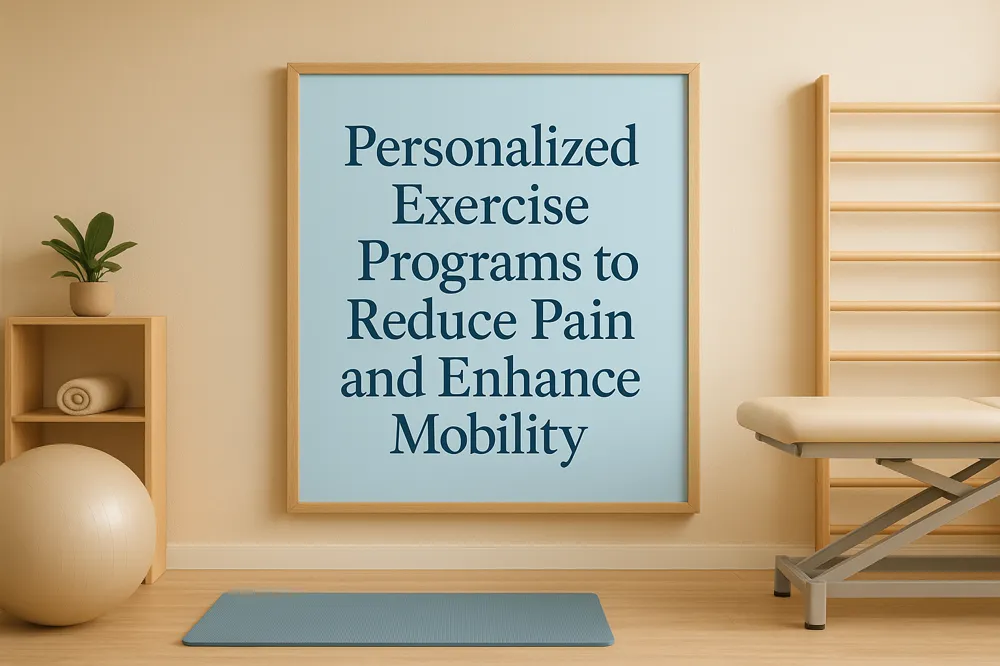
Why are core strengthening exercises, stretching for back pain, and aerobic activities and back pain important for back pain?
Core strengthening exercises target the muscles that support your spine, improving stability and reducing strain. Stretching enhances flexibility and alleviates muscle tension that contributes to pain. Aerobic activities increase blood flow, which promotes healing and reduces inflammation in spinal tissues.
How do these exercises benefit chronic back pain and sciatica management?
For chronic back pain lasting more than three months and conditions like sciatica, a personalized exercise program reduces pain and improves function. Strengthening the core protects the spine from further injury. Stretching hips and hamstrings can relieve pressure on the sciatic nerve, easing leg pain and numbness. Aerobic exercise also helps control inflammation and supports weight management, indirectly reducing spinal stress.
What role does physical therapy for back pain and home exercises for chronic back pain play in healing and prevention?
Physical therapy professionals design individualized regimens combining core strengthening, posture retraining, and flexibility routines tailored to your specific condition. These sessions improve muscle coordination and safely increase activity levels. Complementing therapy with consistent home exercises maintains progress, speeds recovery, and lowers the chance of recurrence. Regular gentle movement, even during pain episodes, prevents stiffness and supports spinal health.
Together, core-focused strengthening, stretching, and aerobic exercises form foundational, evidence-based strategies in Non-Surgical Treatments for Chronic Back Pain and sciatica, promoting long-term wellness and minimizing reliance on medications or invasive procedures.
Integrating Mindfulness, Diet, and Lifestyle Modifications for Holistic Pain Management

How does holistic musculoskeletal health differ from conventional treatments?
Holistic musculoskeletal health focuses on treating the whole person—including physical, emotional, and spiritual dimensions—rather than solely targeting symptoms. Unlike conventional methods that primarily address injury or symptom relief, holistic care seeks root causes using natural techniques like chiropractic care, massage therapy for chronic pain, acupuncture for back pain, and lifestyle modifications for back pain relief. This approach encourages active patient participation and prevention, supporting natural healing and wellness within the body's interconnected systems.
Mindfulness practices like meditation, yoga, and tai chi for emotional and psychological support
Mindfulness and meditation for pain management play a critical role in managing chronic pain. They help reduce stress, anxiety, and negative emotions commonly associated with long-term pain. Practices like deep breathing and body scans promote relaxation, diminish muscle tension, and modulate nervous system responses to pain, resulting in improved pain control and enhanced mental well-being. Additionally, yoga and tai chi for pain management complement mindfulness practices in promoting both physical and psychological benefits.
Anti-inflammatory diet and nutritional approaches reducing pain and inflammation
Adopting an anti-inflammatory diet for back pain can significantly ease musculoskeletal pain by reducing systemic inflammation. Key foods include brightly colored fruits and vegetables, leafy greens (e.g., spinach, kale), fatty fish rich in omega-3s (like salmon and sardines), nuts, seeds, and healthy fats such as olive oil and avocado. Limiting intake of trans fats, refined sugars, and processed foods supports this effect. Additionally, adequate calcium and vitamin D for bone health promotes bone health and may alleviate related pain.
Lifestyle changes including pacing, quitting harmful habits like smoking, posture improvement, and ergonomic adjustments
Lifestyle modifications are foundational to lifestyle changes for back pain management. Pacing activities and taking regular breaks help prevent overexertion and symptom flare-ups. Quitting smoking to reduce back pain is vital as it impairs blood flow and oxygen delivery, worsening back pain and delaying healing. Improving posture and using ergonomic tools at work and home reduce strain on the spine and surrounding muscles, contributing to long-term pain reduction.
Integrating mindfulness, nutrition, and lifestyle adjustments offers a comprehensive, patient-centered framework for managing Treating chronic back pain without surgery and sciatica without relying exclusively on medications or surgery.
Injection Therapies and Advanced Non-Invasive Treatments: Supporting Pain Relief and Function
What are injection-based treatments for chronic back pain?
Injection-based treatments include epidural steroid injections, nerve blocks for back pain, and trigger point injections. These therapies target specific areas of inflammation or nerve irritation to reduce pain and improve function. Epidural steroid injections reduce inflammation around nerve roots, helping conditions like spinal stenosis or herniated discs. Nerve blocks numb the affected nerves to provide temporary relief and aid diagnosis. Trigger point injections address tight muscle knots that radiate pain, often in conditions like myofascial pain syndrome.
What are emerging advanced non-invasive treatments?
Recent advances include neuromodulation for pain relief therapies and targeted drug delivery systems. Neuromodulation uses electrical impulses to modulate nerve signals and reduce pain perception, a promising option for refractory chronic back pain. Targeted drug delivery involves implanting a pump to administer medication directly near the spinal cord, allowing lower doses with effective pain control and fewer systemic effects.
How do injections fit into holistic care approaches?
Injections offer effective, targeted relief that can complement holistic approaches to lower back pain such as physical therapy for back pain, exercise for chronic back pain, dietary changes to reduce inflammation, and mindfulness and meditation for pain management. They can facilitate participation in active therapies by reducing pain temporarily. However, injections are generally not long-term solutions and should be integrated into comprehensive plans addressing physical, mental, and lifestyle factors. Risks include infection, side effects of steroids, and transient pain relief, emphasizing the need for evaluation by specialists to optimize treatment plans.
This combined approach enhances patient-centered care and maximizes natural, sustained recovery without immediate resort to surgery or reliance solely on medications.
The Importance of Experienced Practitioners in Chiropractic Care for Long-Term Wellness and Prevention

Why is an experienced practitioner important in a chiropractic practice?
An experienced chiropractor plays a vital role in delivering effective care tailored to each patient’s unique needs. Their deep knowledge of musculoskeletal and nervous system health allows them to accurately diagnose the root cause of pain or dysfunction. This precision ensures that treatment plans are specific and effective rather than generic or symptomatic.
Beyond technical skill, seasoned practitioners excel in building strong therapeutic relationships. They communicate clearly, listen attentively, and establish trust, which empowers patients to participate actively in their healing journey. Their ongoing education keeps them at the forefront of new chiropractic techniques and research, enhancing patient outcomes with the latest evidence-based care. For more insight, visit Chiropractic care for sciatica pain.
How can chiropractic care contribute to long-term wellness and injury prevention?
Chiropractic care focuses on maintaining proper spinal alignment, which is essential for optimal nervous system function and overall well-being. Regular adjustments improve joint mobility, decrease muscle tension, and prevent chronic issues like back pain and headaches.
This holistic, drug-free approach addresses underlying biomechanical problems and fosters healthy habits, including proper posture and ergonomic awareness. By restoring body balance and enhancing nerve communication, chiropractic care supports the body's natural ability to heal and adapt.
As a result, patients benefit from increased resilience against injuries and better recovery when injuries do occur. Custom chiropractic plans promote sustained spinal health, reduce the risk of musculoskeletal injury, and contribute significantly to long-term wellness. For additional information, see Drug-Free Sciatica Treatment and Non-Surgical Sciatica Care.
Embracing Holistic Alternatives for Lasting Relief and Enhanced Quality of Life
Holistic Approaches to Chronic Back and Sciatica Pain
Managing chronic back and sciatica pain effectively means embracing a comprehensive and natural approach. This includes integrating physical therapy with core strengthening exercises, stretching, mindfulness practices like yoga and meditation, and dietary adjustments centered on reducing inflammation. These holistic strategies aim not only to alleviate symptoms but also to target underlying causes, promoting wellness and resilience.
Benefits of Combining Chiropractic Care with Lifestyle and Therapies
Chiropractic care plays a vital role by realigning the spine, reducing nerve pressure, and enhancing mobility through safe, drug-free spinal adjustments. When paired with lifestyle modifications—such as quitting smoking, maintaining healthy weight, and adopting an anti-inflammatory diet—and complementary therapies like acupuncture and massage, patients often experience improved pain control and functional capacity.
Personalized Non-Surgical Treatment Plans
Achieving long-term relief requires personalized care tailored to each patient's unique condition and lifestyle. Collaborating with healthcare experts ensures comprehensive evaluations and development of treatment plans that prioritize natural pain relief and enhanced quality of life without resorting to surgery. This patient-centered pathway emphasizes integrative therapies, empowering individuals to actively participate in their healing journey.
Recent articles

10 Real‑Patient Success Stories Showcasing the Impact of Chiropractic Care

Superfoods That Boost Nerve Healing After Chiropractic Sessions

Sleep Positions That Promote a Healthy Back Alignment

Signs Your Chiropractor Is a Good Fit for Your Back Pain Goals

Case Study: Integrated Physiotherapy and Chiropractic for Faster Recovery
First-Time Chiropractic Visit: A Step‑by‑Step Walkthrough
Synergistic Benefits: Combining Physiotherapy with Chiropractic Care

Beyond Surgery: Holistic Approaches to Managing Back Pain

How Manual Therapy Enhances the Effects of Chiropractic Adjustments

Hydration Hacks: Why Water Matters for Joint and Spine Function

What Does a Comprehensive Spinal Evaluation Include?

Success Spotlight: Transformative Results After Six Weeks of Chiropractic Treatment

Understanding the Initial Assessment Process in Chiropractic Care

Designing a Personalized Corrective Exercise Plan for Chronic Pain Management

Natural Pain Management: Combining Acupuncture, Yoga, and Chiropractic
Chiropractic Care vs. Pain Meds: Long-Term Outcomes for Back Pain Sufferers

What to Expect During a Sciatica‑Focused Decompression Session

Understanding the Pain-Relief Mechanics Behind Chiropractic Adjustments

Success Rates of Non‑Surgical Spinal Decompression for Sciatica

Patient-Centered Chiropractic Care: Personalized Plans for Back Pain Relief
How Chiropractic Treatments Reduce Inflammation and Speed Up Back Pain Recovery

Real‑Life Stories: How Chiropractic Helped Patients Overcome Chronic Back Pain

From Symptom Masking to Root‑Cause Healing: A Practical Guide

6 Holistic Non‑Surgical Treatments That Deliver Sustainable Back‑Pain Relief

Key Questions to Ask When Selecting Your Chiropractor

Mindful Movement: Incorporating Stretch Breaks Into a Busy Day

Why Targeting the Underlying Cause Beats Temporary Symptom Relief

8 Ways Physiotherapy Complements Chiropractic Adjustments for Faster Recovery
Meal Planning for Athletes Recovering from Back Injuries

9 Everyday Lifestyle Tweaks to Preserve a Healthy Spine and Prevent Pain

Functional Movement Screening for Root‑Cause Pain Identification

6 Things You’ll Experience During Your First Chiropractic Appointment

Spinal Decompression vs. Standard Physical Therapy for Sciatica: A Comparative Review

New Findings on How Adjustments Influence Blood Circulation
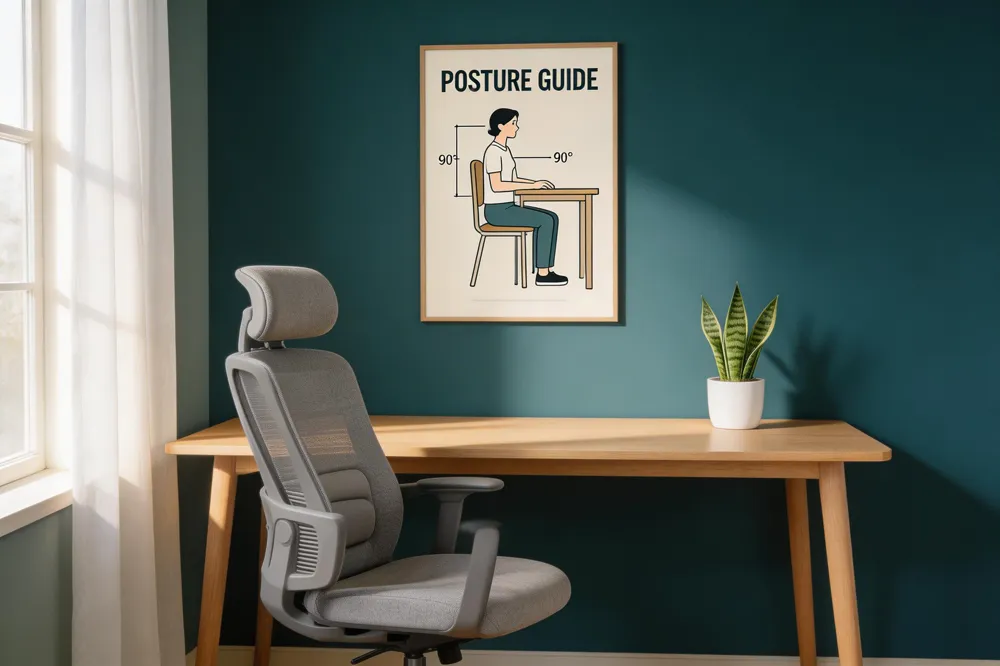
Work‑From‑Home Ergonomics: A Blueprint for a Pain‑Free Back

The Link Between Chiropractic Care and Improved Sleep Quality

Physiotherapy Techniques That Strengthen the Benefits of Chiropractic Adjustments

Biomechanical Insights Behind Successful Spinal Decompression

Desk‑to‑Dumbbell: Lifestyle Shifts That Guard Your Lower Back

10 Corrective Exercises for Sustainable Pain-Free Living

Morning Routines That Support Spine Health and Reduce Stiffness

Calcium and Magnesium‑Focused Nutrition for Bone Density and Spine Health

9 Ways Chiropractic Care Transforms Back Pain Management

Testimonial: Nutrition‑Guided Recovery Accelerated by Chiropractic
Science‑Backed Spinal Decompression for Relieving Sciatica Symptoms

Key Questions to Ask During Your Initial Chiropractic Consultation
Whole‑Body Wellness Blueprint: Nutrition, Exercise, and Chiropractic Synergy

A 12‑Week Corrective Exercise Blueprint for Chronic Neck Discomfort

Manual Therapy Plus Targeted Exercise: Accelerating Post‑Injury Recovery
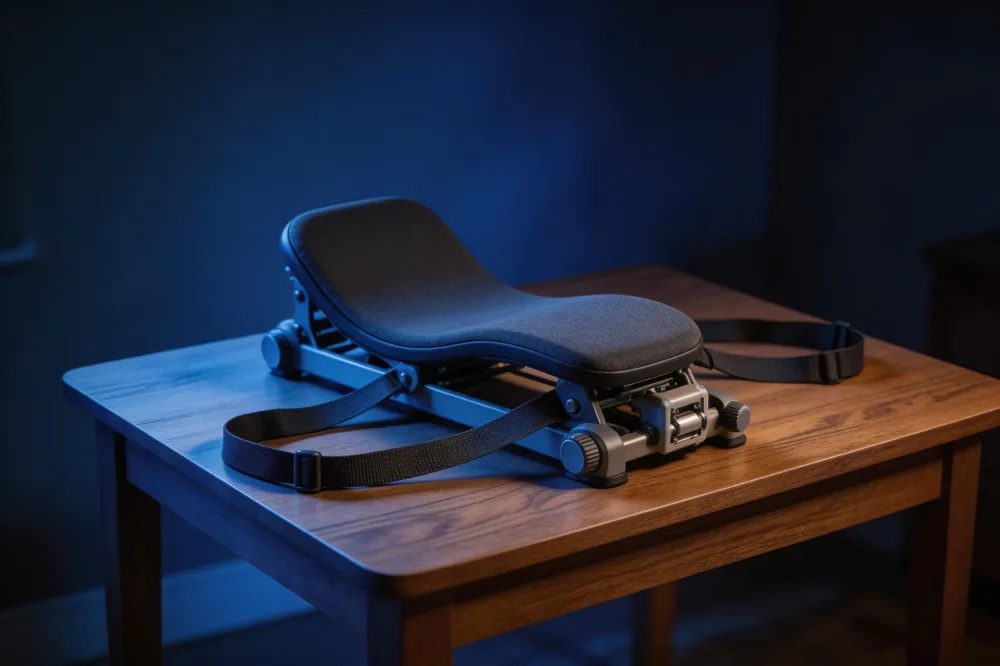
Home‑Based Spinal Decompression Devices: What Patients Should Know

Chiropractic Care Statistics: Reducing Lost Workdays From Back Pain

How Targeted Nutrition Enhances Immune Function and Lowers Inflammatory Pain

Self‑Assessment Tools to Identify Hidden Triggers of Back Pain

Preparing for Your First Chiropractic Appointment: A Practical Checklist

Back Pain Relief Benefits: Lower Opioid Use and Better Quality of Life

Foam‑Rolling Techniques to Complement Chiropractic Adjustments

Progressive Overload Principles in Corrective Exercise Programs

Six‑Month Transformation: Integrated Care Success Story

7 Nutritional Hacks to Boost Your Overall Wellness

How to Choose a Chiropractor: Credentials, Techniques, and Patient Compatibility

5 Ways Spinal Decompression Can Ease Sciatica Pain

Overcoming Sciatica: A Patient’s Multidisciplinary Treatment Journey
Lifestyle Changes That Promote a Healthy Spine
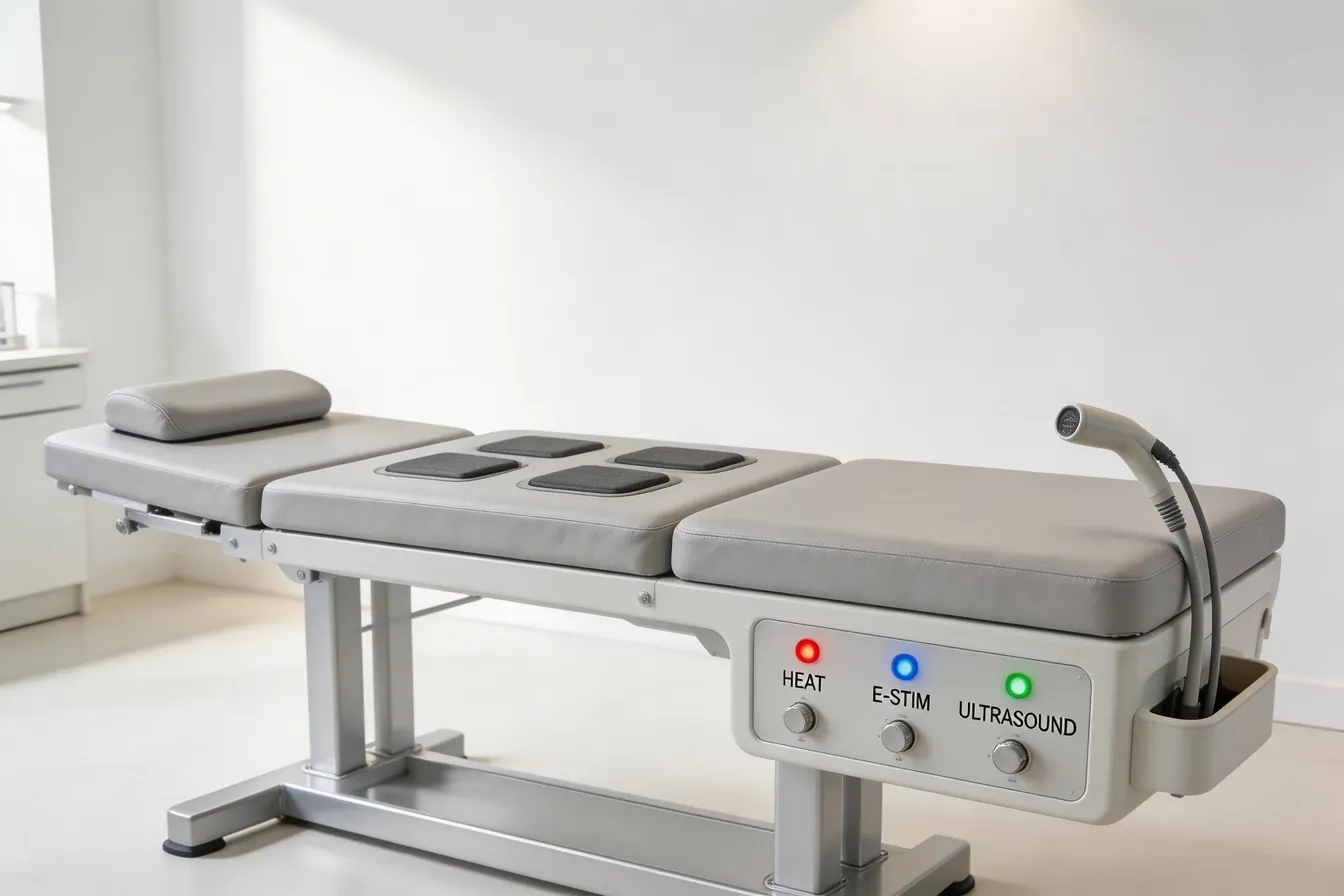
Physiotherapy as a Complement to Chiropractic Treatments

6 Ways Physiotherapy Enhances Chiropractic Treatment Outcomes

Daily Living Tips for a Strong and Healthy Spine

How Physiotherapy Enhances Chiropractic Outcomes
Holistic Treatments: Alternatives to Surgery for Pain Relief
Inspiring Patient Success Stories from Chiropractic Clinics

Integrating Physiotherapy with Chiropractic Treatments
Corrective Exercise Routines for Chronic Pain Prevention
10 Corrective Exercises to Maintain a Healthy Spine and Relieve Pain
Exercise Strategies for Long-Term Pain Management
10 Corrective Exercises to Maintain a Healthy Spine and Relieve Pain
The Importance of Treating the Root Cause of Pain
Nutritional Support Strategies for Whole-Body Wellness
7 Essential Questions to Ask When Choosing Your Chiropractor
Identifying and Addressing Root Causes of Pain
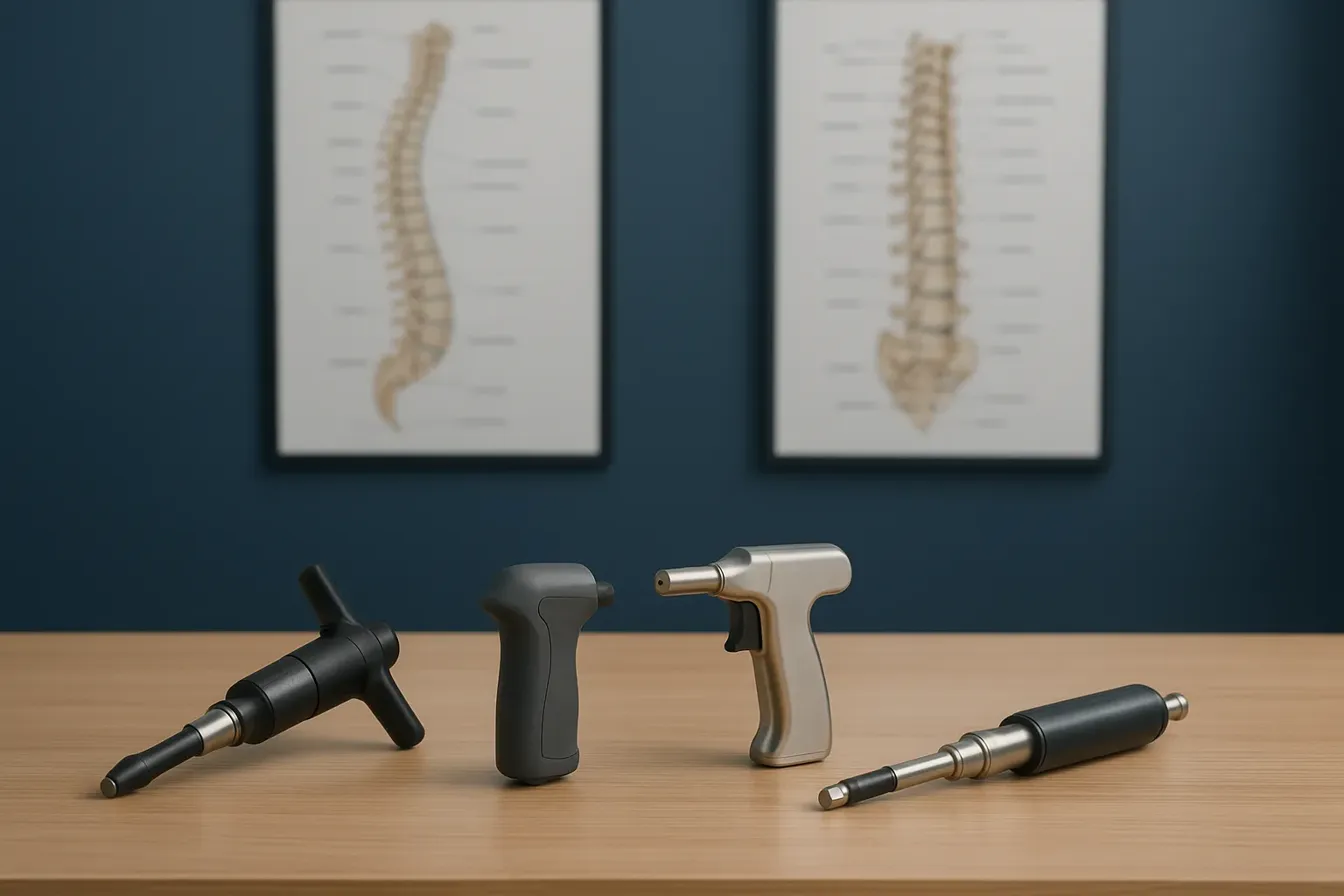
Maintaining a Healthy Spine with Lifestyle Adjustments
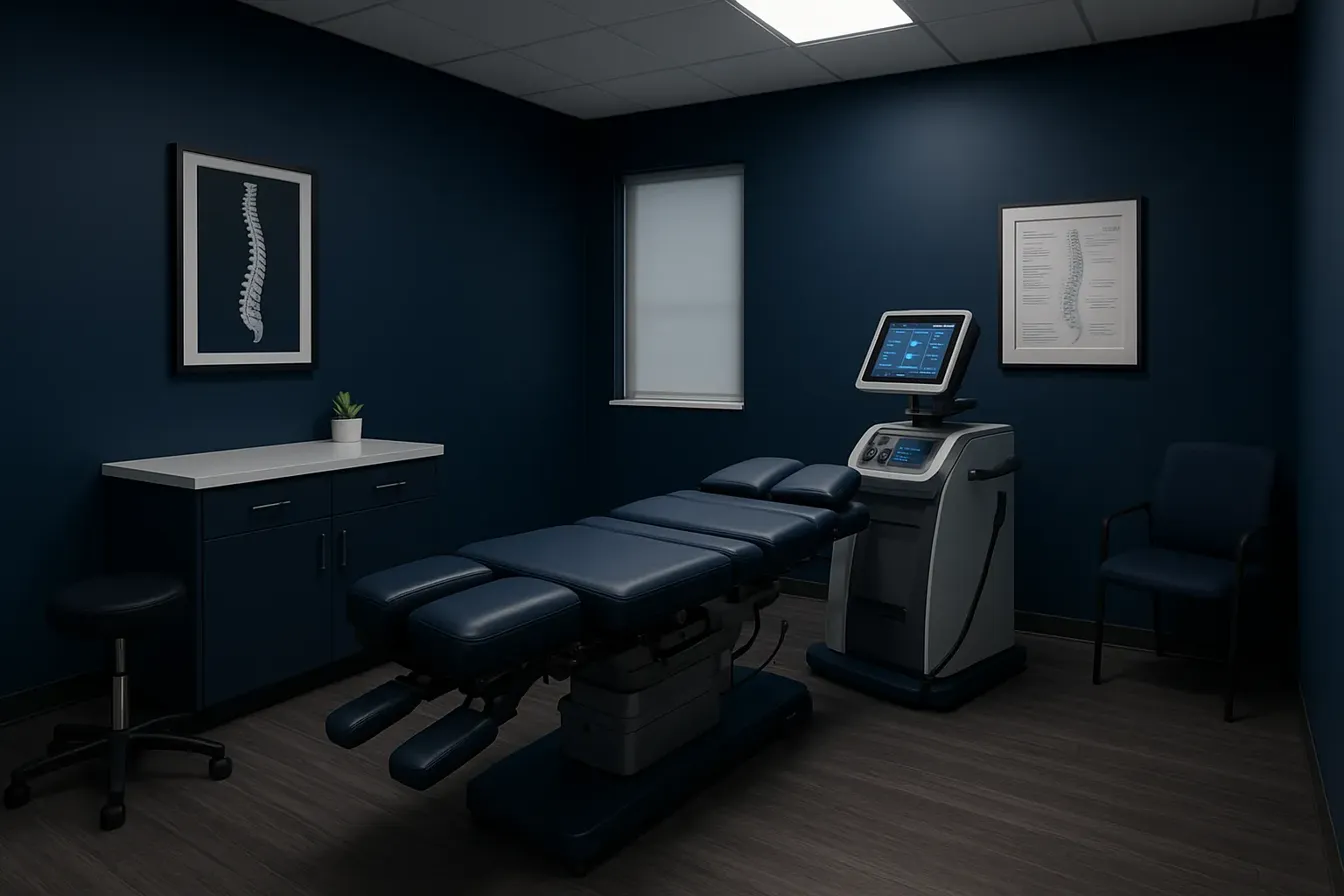
Sciatica Symptom Relief via Spinal Decompression
8 Reasons Why Addressing the Root Cause of Pain Is Crucial
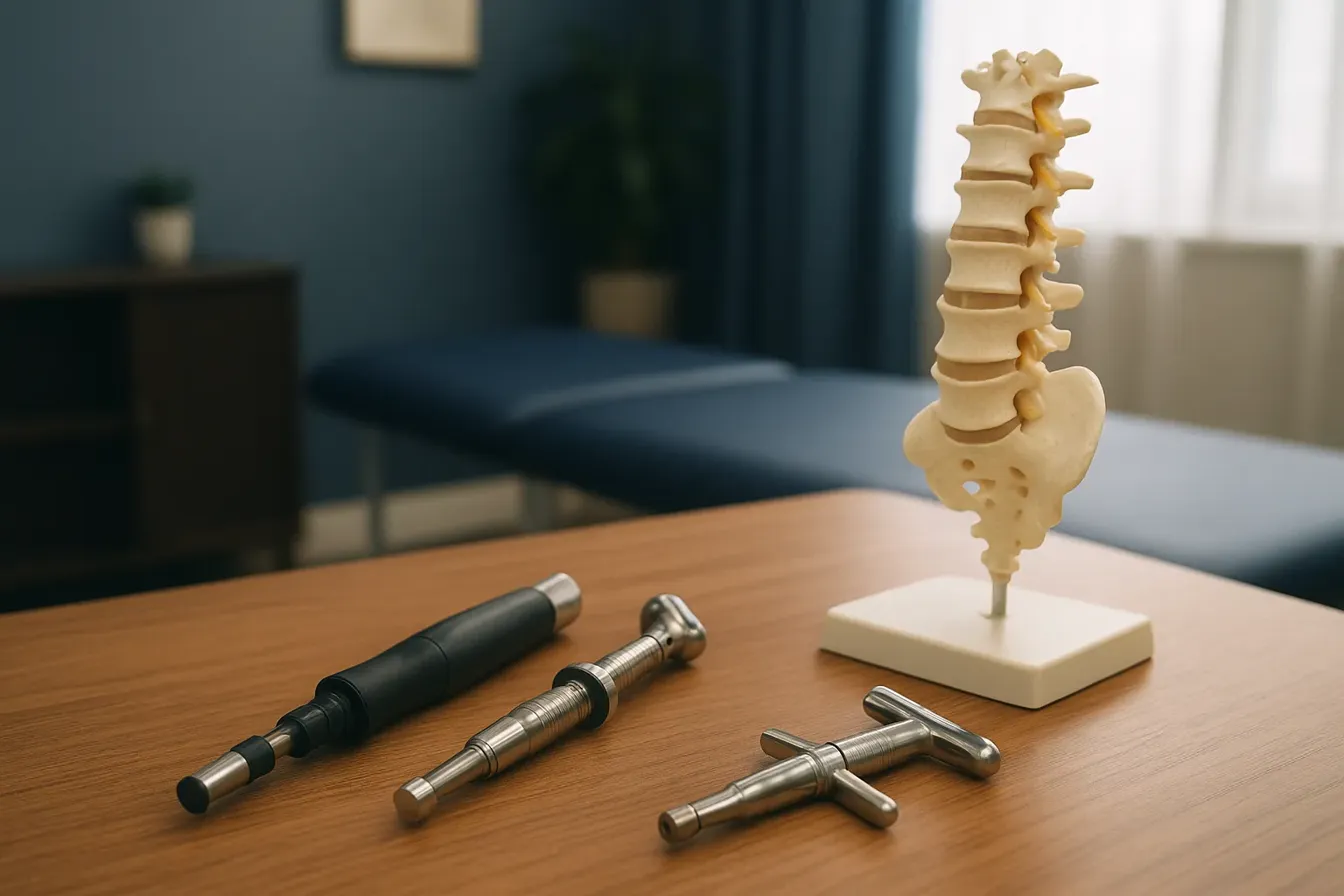
Chiropractic Care’s Impact on Back Pain Recovery

Combining Physiotherapy with Chiropractic Care for Better Results
Inspiring Recovery: Chiropractic Patient Testimonials
Nutritional Counseling Tips for Optimal Wellness

Why Addressing the Root Cause of Pain is Crucial
Back Pain and Chiropractic Care: A Winning Combination

Chiropractic Care Benefits You Might Not Know
Exploring Holistic and Non-Surgical Treatments for Pain
Spinal Health: Lifestyle Tips for Everyday Wellness
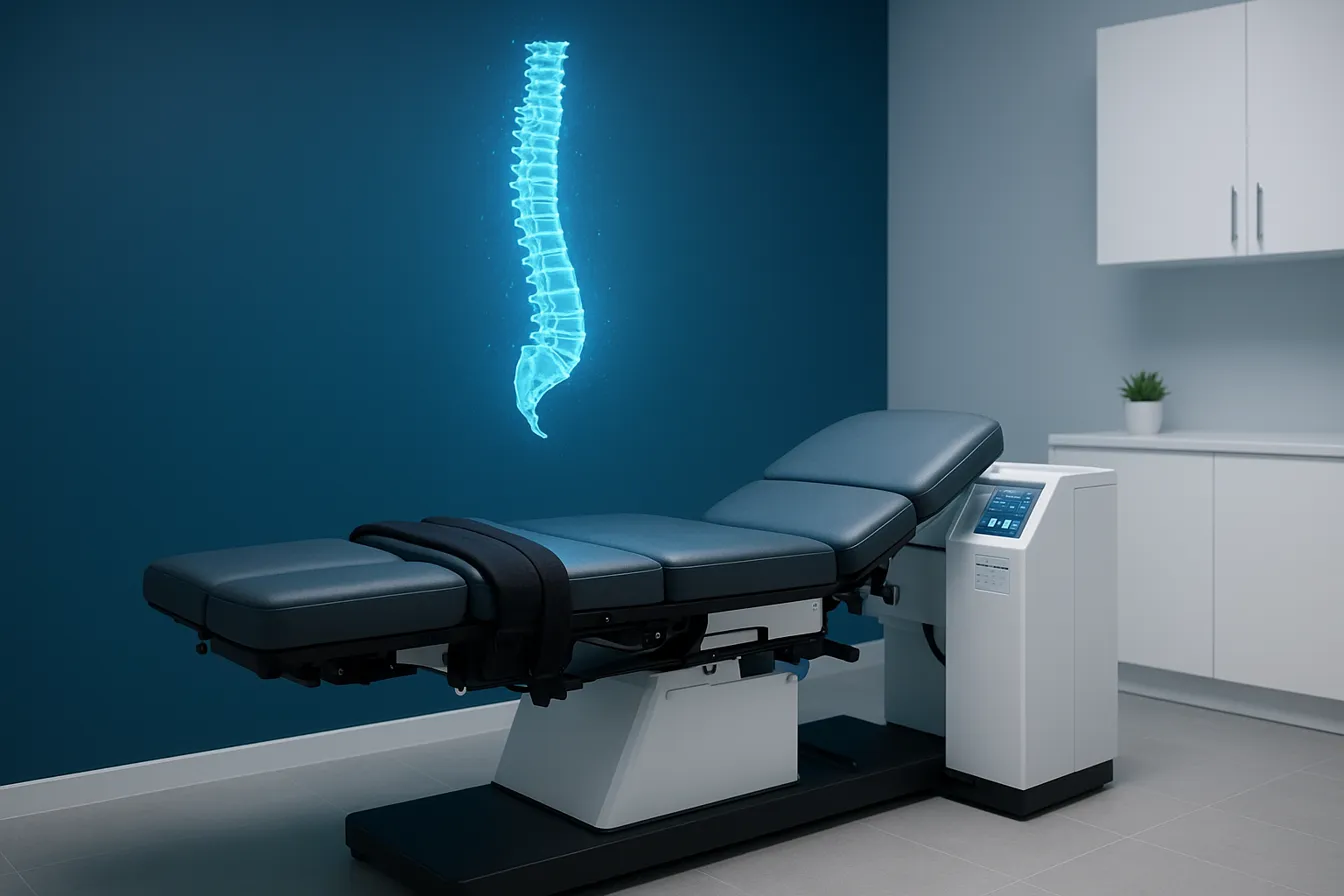
Spinal Decompression Therapy: Benefits and Applications
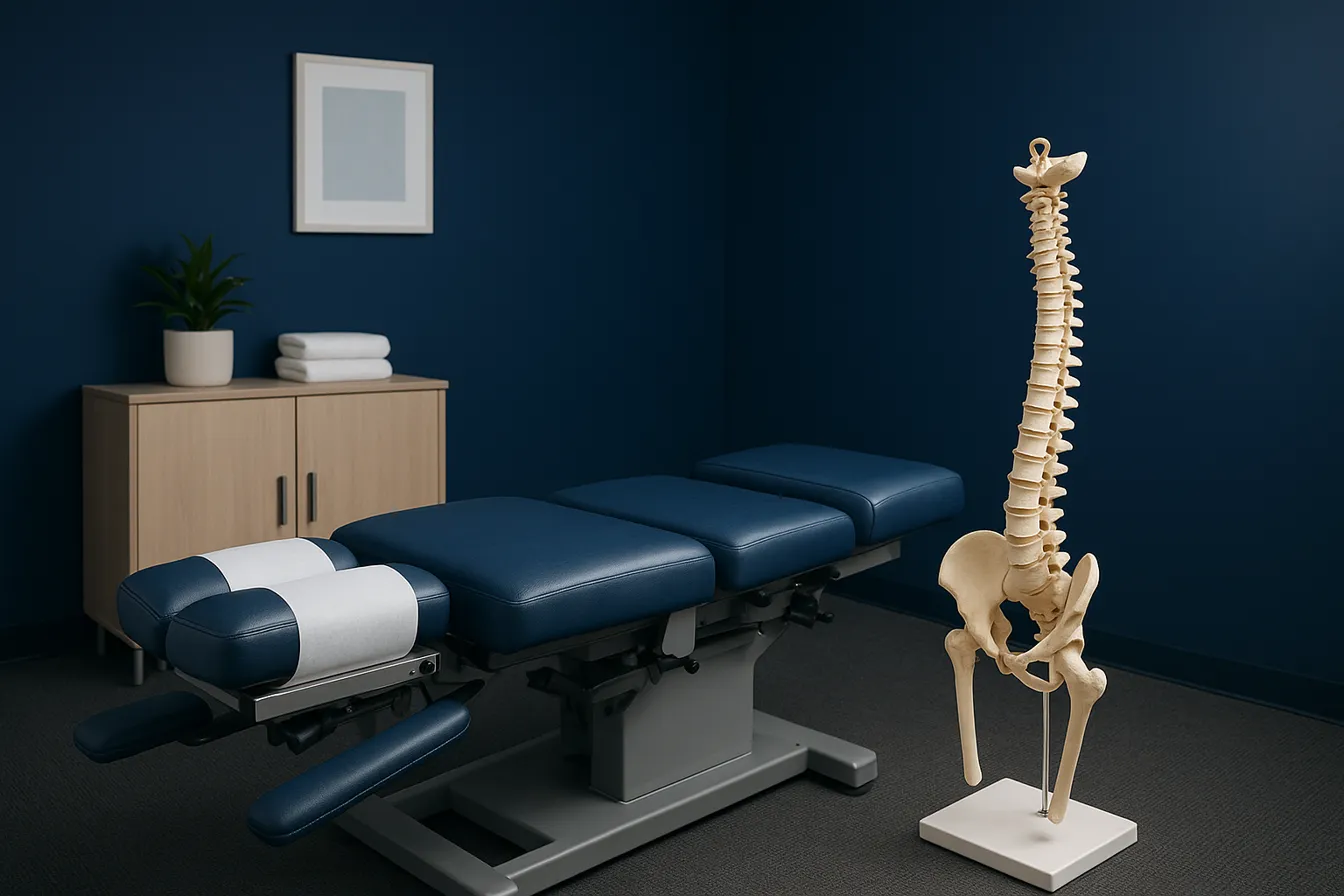
Holistic and Non-Invasive Spine Care Options
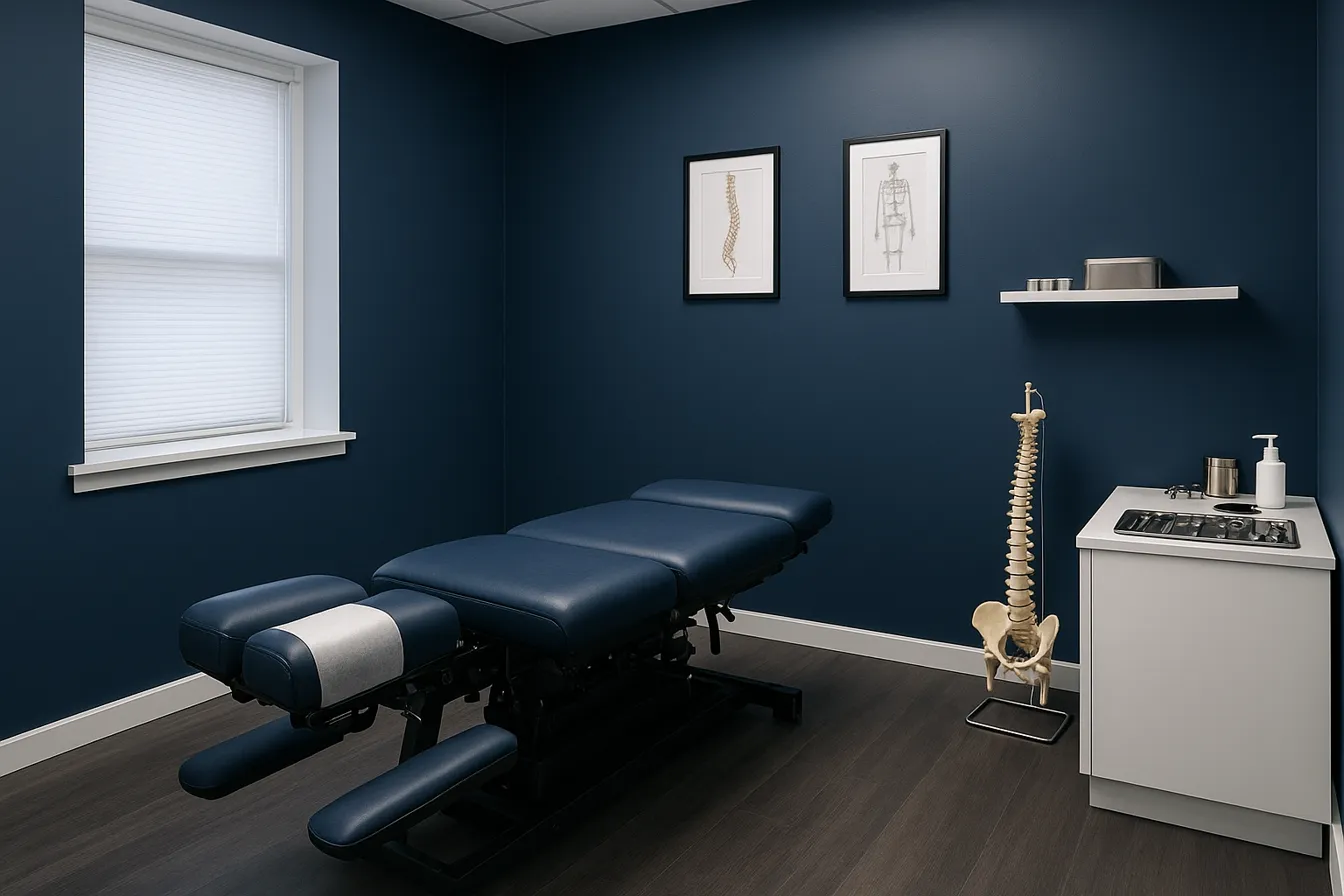
Everyday Lifestyle Advice to Keep Your Spine Healthy
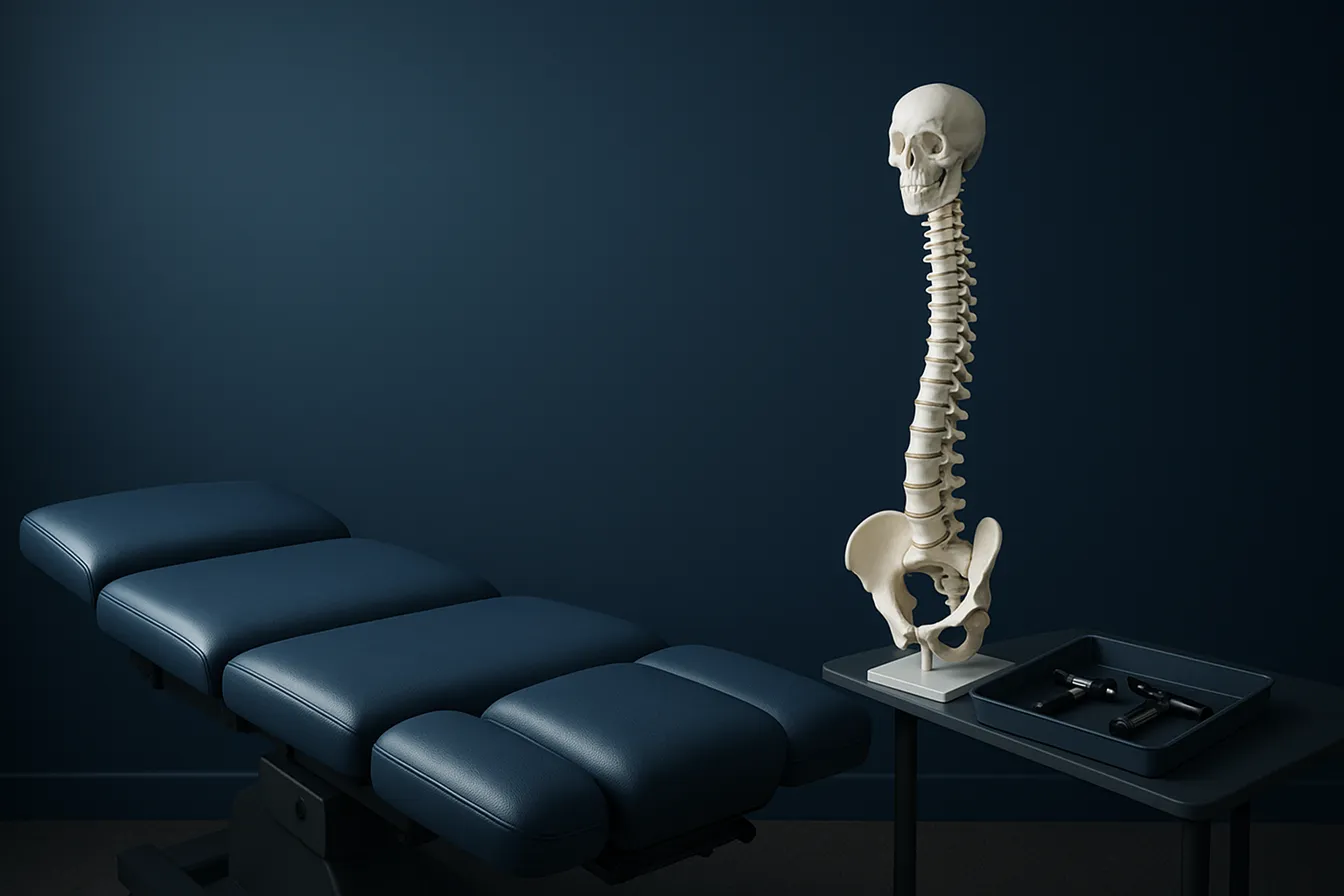
The Significance of Treating Root Causes in Pain Therapy
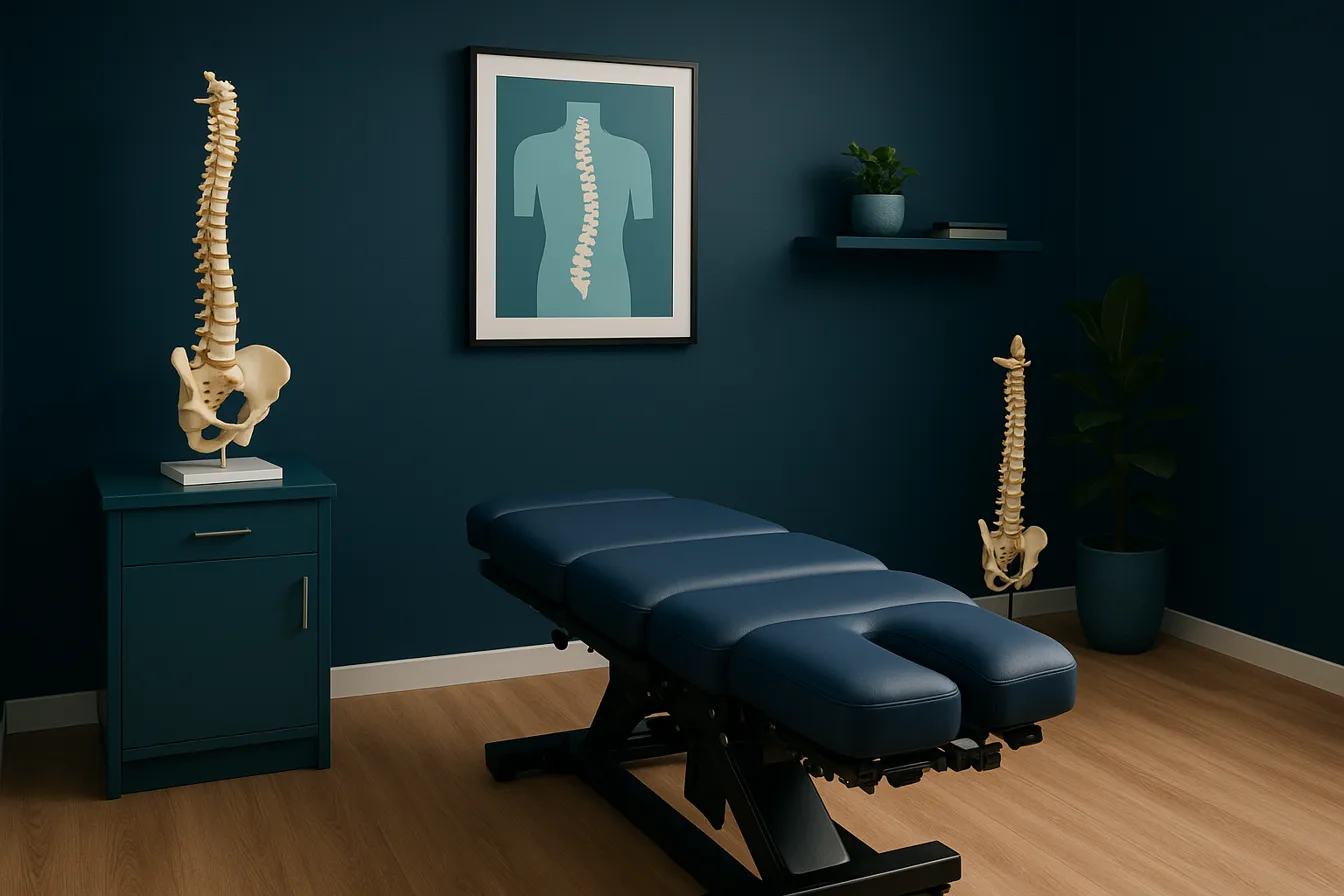
Best Corrective Exercises for Sustainable Pain Management
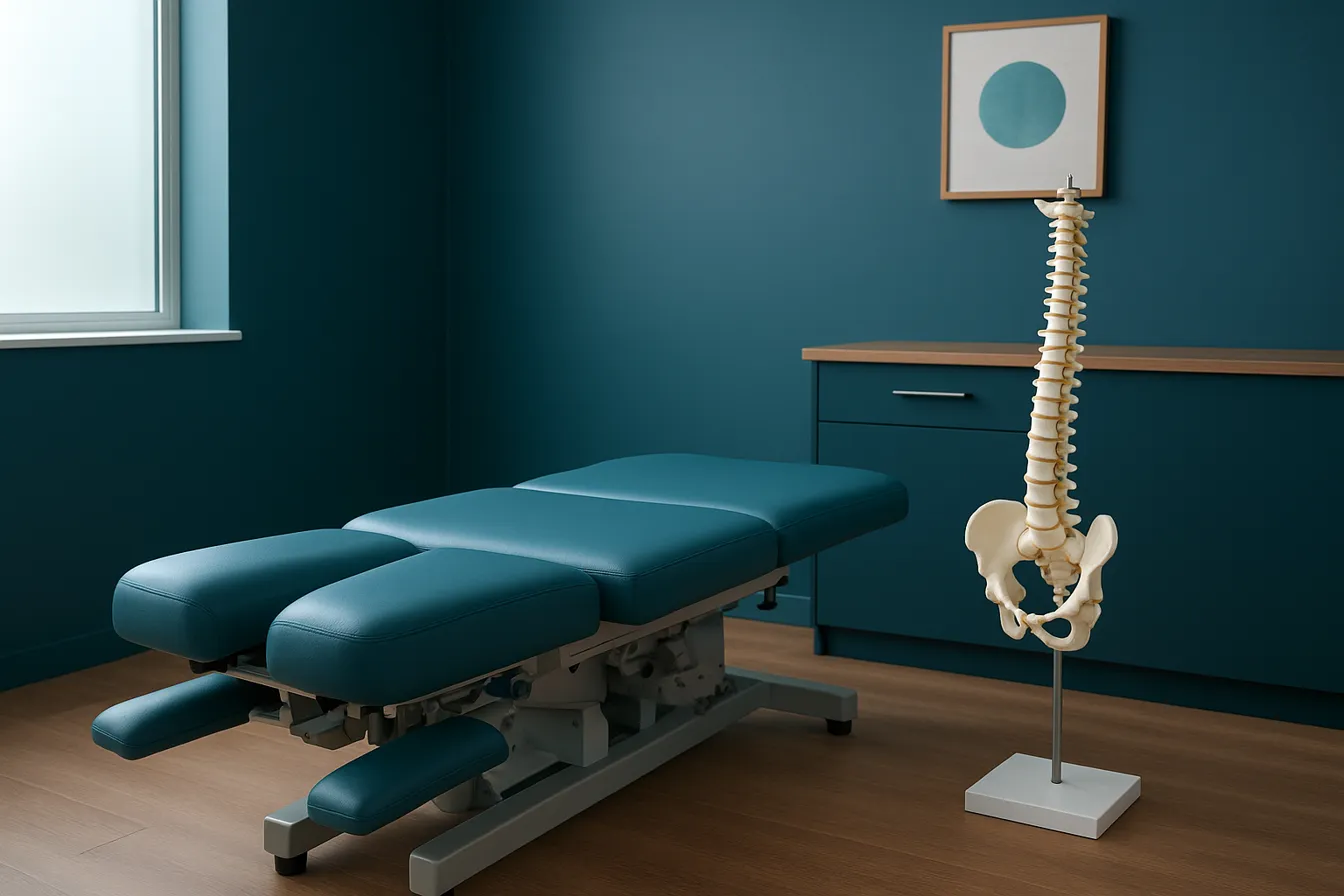
Addressing Underlying Causes of Pain for Long-Term Relief
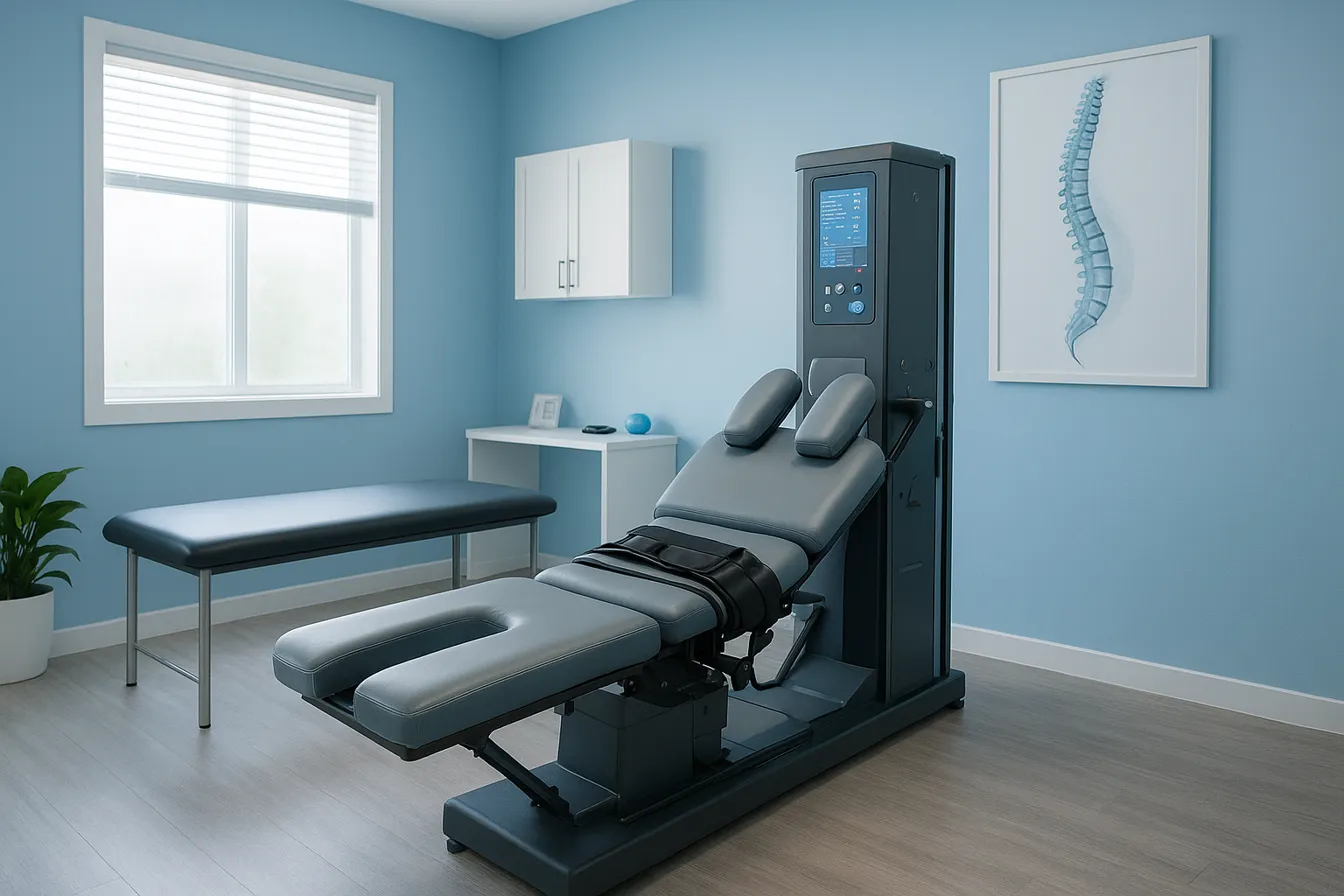
6 Key Benefits of Spinal Decompression Therapy for Sciatica Relief

How Nutritional Counseling Supports Spine Health and Recovery
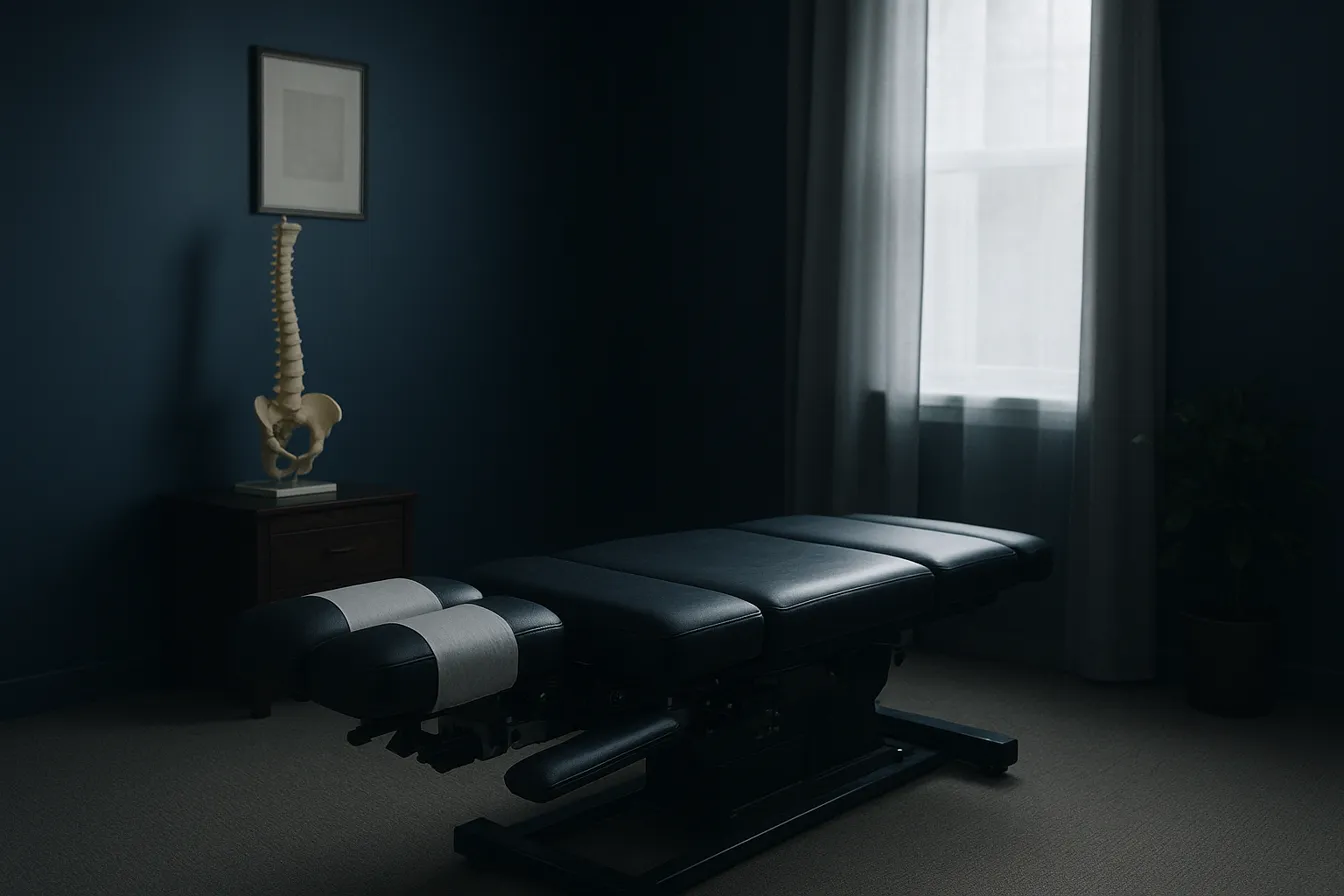
The Role of Physiotherapy in Supporting Chiropractic Treatments