Top Benefits of Chiropractic Care for Chronic Back Pain Sufferers
January 16, 2026
11 min
Understanding Chiropractic Care: A Holistic Approach to Chronic Back Pain
What Is Chiropractic Care?
Chiropractic care is a health profession focused on diagnosing and treating musculoskeletal and nervous system disorders, primarily through manual spinal manipulation. Chiropractors use controlled forces to realign vertebrae, enhance joint mobility, and relieve nerve irritation. This non-invasive, drug-free approach aims to address pain and improve overall body function.
Popularity and Role in U.S. Healthcare
As the largest complementary and alternative medicine profession in the United States, chiropractic care attracts millions of visits annually. About 7.4% of Americans sought chiropractic treatment as of early 2000s data. It is well integrated in healthcare systems, including Medicare and Medicaid, with coverage by many private and HMO health plans. Chiropractic services often serve as a first line of treatment for back pain before more invasive options like surgery are considered.
Managing Chronic Back Pain Through Chiropractic
Chronic back pain is frequently linked to conditions such as disc problems, muscle spasms, and joint misalignments. Chiropractic approaches tackle these issues by restoring spinal alignment and improving joint function. Spinal manipulations can reduce muscle tension, nerve pressure, and inflammation, helping to relieve pain and improve mobility. Treatment often begins with a comprehensive assessment and includes personalized care plans combining adjustments with exercise and lifestyle advice.
Holistic and Patient-Centered Approach
Chiropractors adopt a holistic viewpoint, addressing not only spinal health but also ergonomic practices, physical strength, flexibility, and stress management. Their therapies may be combined with other modalities such as massage and nutritional guidance, supporting long-term musculoskeletal wellness. By empowering patients through education and promoting self-care, chiropractic care seeks to reduce pain recurrence and enhance quality of life through natural, comprehensive treatment strategies.
How Chiropractors Treat Lower Back Pain: Techniques and Benefits

What does a chiropractor do for lower back pain?
A chiropractor helps alleviate lower back pain primarily through chiropractic adjustment. These treatments involve controlled forces applied to spinal joints, improving spinal alignment and joint mobility. By doing so, they reduce nerve irritation and muscle tension, which are common pain contributors. This realignment relieves pressure on nerves and decreases inflammation, resulting in pain relief.
Spinal adjustments and manual therapies
Spinal manipulation is the core technique used, often referred to as a chiropractic adjustment. Chiropractors use their hands or small instruments to apply precision forces that restore normal joint motion. This approach is noninvasive and generally safe when performed by licensed professionals. Additionally, manual therapies safety such as massage and soft tissue work complement adjustments by alleviating muscle tightness and improving circulation.
Improving spinal alignment and joint mobility
Proper benefits of chiropractic care for low back pain is essential to reduce stress on muscles, nerves, and connective tissues. As misalignments or subluxations are corrected, mobility improves, enabling better function. Increased joint mobility not only reduces pain but also supports long-term spinal health and injury prevention.
Reducing nerve irritation and muscle tension
By restoring joint motion and alignment, chiropractic care decreases irritation to spinal nerves. This can alleviate symptoms such as numbness, tingling, and muscle weakness often associated with nerve involvement. Moreover, relaxing muscle tension helps reduce spasms and stiffness that aggravate back pain.
Exercise advice and ergonomic guidance
Chiropractic advice on flexibility and strength focusing on flexibility, strength, and balance to support recovery. They also provide ergonomic advice to optimize posture and daily movement habits, which helps prevent future episodes and maintain spinal health.
Evidence supporting effectiveness for acute and chronic pain
Research shows that spinal manipulation effectiveness effectively relieves both acute and chronic lower back pain. It is often recommended as a conservative treatment before considering more invasive options like injections or surgery. Clinical guidelines endorse chiropractic care as a safe, effective, and patient-centered approach proven to improve pain and function.
| Treatment Aspect | Chiropractic Role | Benefits |
|---|---|---|
| Spinal Adjustments | Apply controlled forces to joints | Improve alignment, reduce nerve pressure |
| Manual Therapies | Massage, soft tissue techniques | Reduce muscle tightness and inflammation |
| Exercise & Ergonomics | Tailored strengthening & posture advice | Prevent pain recurrence, enhance mobility |
| Evidence-Based Practice | Supported by clinical research | Effective for acute and chronic low back pain |
This holistic and research-backed approach emphasizes addressing root causes of back pain, improving patients’ comfort, mobility, and long-term spinal health without reliance on drugs or surgery.
Safety and Side Effects of Chiropractic Care for Back Pain

Is chiropractic safe for back pain?
Chiropractic care is generally safe for treating back pain when performed by licensed, well-trained practitioners. It is a widely recognized non-invasive method supported by research showing effectiveness in relieving treatment for acute low-back pain. Spinal manipulation benefits improve joint mobility, reduce muscle tightness, and ease nerve irritation, which can help reduce pain and improve daily function.
What are the common side effects of chiropractic treatment?
Common side effects are usually mild and short-lived. They include soreness, stiffness, headaches, tiredness, dizziness, and occasional minor digestive changes. These symptoms often occur as the body adapts to the chiropractic adjustment procedure and typically resolve within 24 to 48 hours.
Are serious complications common with chiropractic care?
Serious complications from chiropractic treatment are very rare, particularly when care is provided by qualified professionals. Potential but uncommon risks include herniated disc exacerbation, nerve compression, or stroke following neck adjustments. Patients with specific risk factors like severe osteoporosis or nerve damage are generally advised against chiropractic manipulation. For further information, see Safety of chiropractic adjustments.
Why is practitioner training and licensing important?
Proper training and licensing ensure chiropractors have the expertise needed to deliver safe and effective treatment. Chiropractic education and evidence-based practice involves extensive study comparable to medical training, including anatomy, diagnosis, and hands-on clinical skills. Licensed chiropractors are equipped to perform thorough assessments and tailor treatments to individual conditions.
How are side effects managed?
Mild side effects can be managed by simple self-care measures such as rest, hydration, and applying ice or heat to affected areas. Chiropractors often provide advice on exercise, posture correction, and ergonomic adjustments to help minimize discomfort. If symptoms persist or worsen, patients are advised to consult their chiropractor for reassessment or alternative care options. See also Managing side effects of chiropractic care.
| Aspect | Details | Notes |
|---|---|---|
| Safety Profile | Generally safe with minimal risks | Based on licensed practitioner care |
| Common Side Effects | Soreness, fatigue, headaches, dizziness | Resolve within 24-48 hours |
| Rare Serious Complications | Herniated discs, nerve issues, stroke (very rare) | Careful patient evaluation needed |
| Practitioner Qualifications | Extensive training and licensing required | Ensures effective and safe care |
| Side Effect Management | Rest, hydration, ice/heat, ergonomic advice | Encourages patient self-care; see chiropractic treatment safety |
When to Seek Chiropractic Care for Back Pain and How It Supports Recovery

Should someone see a chiropractor for back pain, and when?
If back pain lasts beyond a few days or worsens despite basic home care like rest or ice, it's time to consult a chiropractor approach to pain. Early evaluation is crucial after injuries causing lower back pain to prevent nerve damage and manage symptoms effectively. Severe pain impacting daily life or accompanied by numbness, tingling, or weakness also signals the need for prompt chiropractic attention. This care is especially helpful for pain caused by spinal misalignments, joint dysfunction, or recurring chronic issues.
How does timely chiropractic intervention aid recovery?
Timely chiropractic care for back pain can prevent minor problems from escalating by realigning the spine and easing nerve irritation. It supports reducing muscle stiffness, improving joint mobility, and managing inflammation. Early intervention often leads to better outcomes and can minimize the need for medications or surgery.
What happens during evaluation and treatment planning?
An initial visit gathers a detailed history of the pain, a physical exam, and sometimes diagnostic imaging. This comprehensive assessment enables the chiropractor to design a personalized treatment plan addressing root causes rather than symptoms. Plans commonly combine spinal manipulation benefits with advice on flexibility, strength, balance, and posture.
How frequently are chiropractic visits scheduled, and how do they evolve?
Patients typically begin with frequent visits to manage acute pain and restore function. As improvements occur, visits become less frequent, focusing on maintenance and preventing recurrence. Eventually, patients are empowered to manage their condition independently through chiropractic self-care recommendations.
How does chiropractic care integrate with self-care and lifestyle modifications?
Chiropractors offer guidance on exercises, ergonomic adjustments, nutrition, and stress management. These holistic strategies optimize musculoskeletal health and complement hands-on treatments. Encouraging active patient participation supports lasting recovery and wellness.
Chiropractic Care as a Comprehensive, Non-Invasive Alternative
Can a chiropractor help with lower back pain?
Yes, a chiropractor approach to pain can help with lower back pain by employing manual spinal manipulation techniques that improve joint mobility and relieve muscle tension. These chiropractic adjustments for spinal misalignments aim to reduce nerve irritation and restore natural spinal function. Research supports the evidence-based chiropractic care for both acute and chronic lower back pain, particularly when caused by disc issues or muscle spasms.
How does chiropractic care compare with surgery and medication?
Chiropractic treatment offers a non-invasive, drug-free alternative to surgery and medication. Unlike surgical procedures, chiropractic care involves no incisions or recovery time and poses fewer risks. Additionally, it can reduce reliance on opioids and other pain medications, supporting safer pain management strategies. Treatment focuses on correcting underlying causes rather than merely masking symptoms.
What complementary therapies enhance chiropractic treatment?
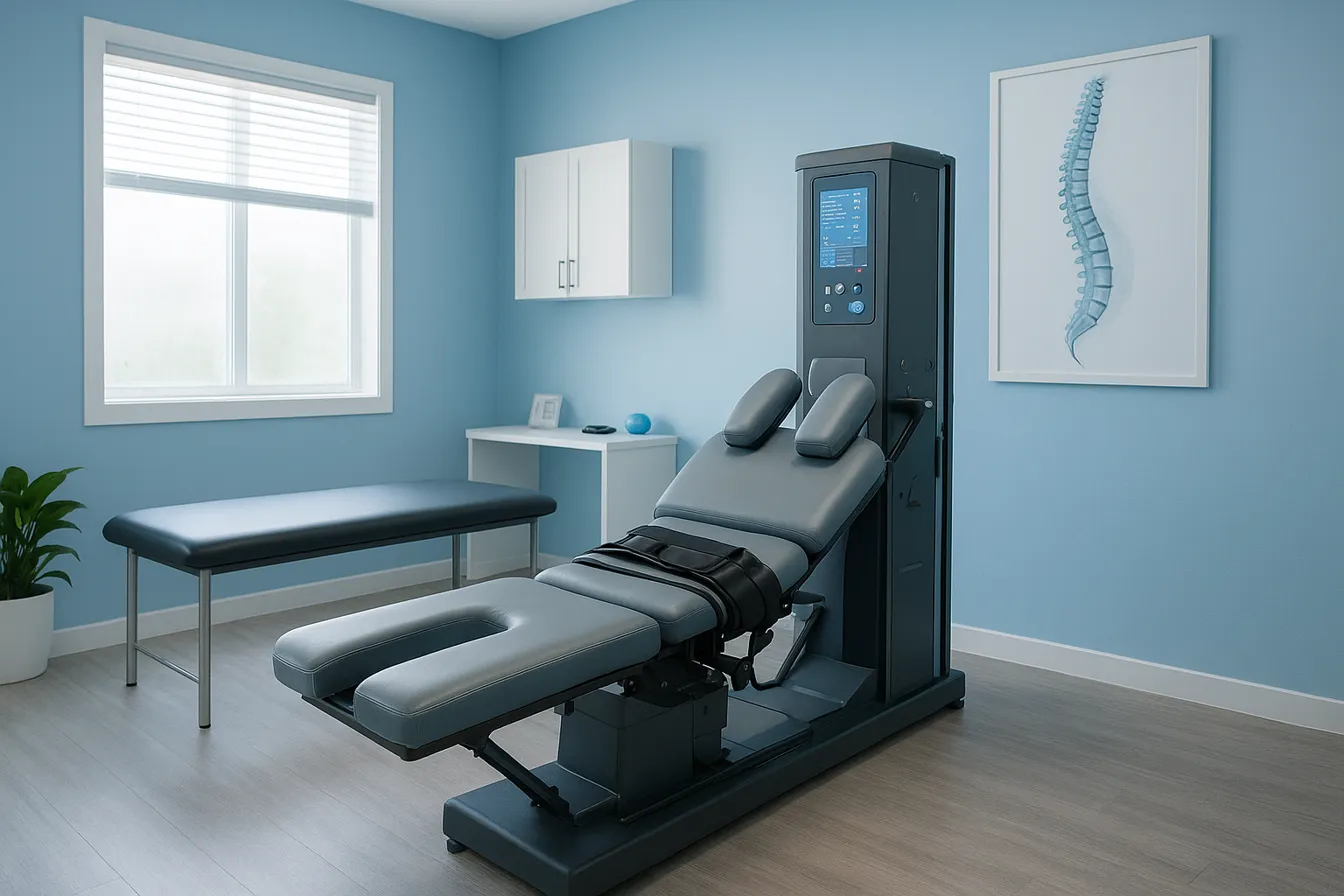
Integrative approaches include massage therapy and spinal decompression, which support chiropractic adjustments. Massage improves circulation and helps release muscle tightness, promoting healing. Decompression therapy gently stretches spinal discs, alleviating pressure from herniated or bulging discs, often preventing the need for surgery.
What are the holistic goals of chiropractic care?
Chiropractic care emphasizes improving posture, strength, flexibility, and balance. These efforts help prevent future injuries and reduce the likelihood of recurring pain. Patients also receive advice on ergonomics and lifestyle adjustments, aligning treatment with comprehensive wellness goals.
How does chiropractic care help reduce opioid dependence?
By addressing pain through conservative care, chiropractic treatment can lessen the need for painkillers, including opioids. This lowers the risks associated with long-term medication use and promotes a healthier approach to chronic pain management.
Chiropractic care prioritizes a patient-centered, evidence-based chiropractic care approach, combining spinal manipulation effectiveness with complementary therapies to enhance mobility and overall musculoskeletal health.
Additional Surprising and Holistic Benefits of Chiropractic Care

What are some surprising benefits of chiropractic care?
Chiropractic care offers more than just pain relief; it promotes enhanced nervous system optimization and immune function. By improving spinal alignment and nervous system communication, chiropractic adjustments help boost the body's natural defenses and overall wellness.
Sleep quality and mental health often improve following chiropractic treatments, as spinal adjustments reduce muscle tension and promote relaxation. Patients report fewer headaches, especially migraines and tension-related types, benefiting from gentle, targeted manipulations.
Athletic performance can also see improvements through chiropractic care. Adjustments enhance joint mobility, reduce muscle tightness, and optimize nervous system function, supporting better strength, balance, and recovery.
Chiropractic care supports various related conditions such as digestive issues. Adjustments targeting the lower spine may aid in alleviating constipation by stimulating nerve function that controls bowel movements. This natural approach is safe for all ages, including children.
Holistic treatment plans often integrate nutrition and stress management techniques. Chiropractors provide guidance on diet, exercise, and mindfulness to complement manual therapies safety, promoting long-term musculoskeletal health and vitality.
Can chiropractic adjustments help with constipation?
Yes, gentle chiropractic adjustment can enhance nervous system regulation of digestion, improving bowel function and relieving constipation symptoms through increased intestinal motility and muscle coordination. This non-invasive approach encourages natural digestive health and comfort.
Collaboration and Acceptance: The Role of Chiropractic Care in Modern Medicine

What do doctors think of chiropractors?
Many medical doctors recognize chiropractic care for back pain as an effective option for managing musculoskeletal disorders, especially lower back and neck pain. Surveys have found that approximately 84% of physicians believe chiropractors provide effective management for certain musculoskeletal complaints. Additionally, around 65% of doctors view chiropractic care as a beneficial complement to traditional medical treatment. Despite this overall acceptance, physician opinions vary, with some expressing concerns about the scientific evidence supporting evidence-based chiropractic care and the safety of certain practice styles.
Most doctors appreciate chiropractic's role in alleviating pressure on primary care by offering non-invasive, drug-free alternatives for musculoskeletal pain. However, there remains some caution regarding chiropractic care for conditions outside of musculoskeletal issues.
How is chiropractic care integrated into mainstream healthcare and insurance coverage?
Chiropractic has become a well-established component of the American healthcare system. It is covered extensively by Medicare, Medicaid, and private insurance plans, including about 50% of HMOs and 75% of private health plans. This widespread coverage reflects growing acceptance of chiropractic healthcare coverage as part of standard pain management and rehabilitative care.
What is the importance of evidence-based practice and education in chiropractic care?
Since the 1990s, there has been an increasing emphasis on evidence-based chiropractic care within chiropractic education and clinical care. Growing bodies of clinical research demonstrate the safety and effectiveness of manual therapies, such as spinal manipulation effectiveness in treating acute and chronic low back pain, neck pain, and headaches. Chiropractic education and evidence-based practice now incorporate evidence-based methodologies to improve patient outcomes and foster interdisciplinary collaboration with medical professionals.
What role does chiropractic care play in multidisciplinary treatment plans?
Chiropractic care often complements other medical disciplines by focusing on spinal alignment, joint mobility, and holistic health management. Chiropractors work alongside physical therapists, primary care physicians, and other specialists to develop personalized, integrated treatment plans. This multidisciplinary approach ensures comprehensive care, addressing not only pain relief but also ergonomic advice, exercise, nutrition, and lifestyle interventions to promote Musculoskeletal system components.
What are the future directions for chiropractic care in managing chronic pain?
The future of chiropractic care lies in further integrating into mainstream medicine through ongoing research, education, and collaborative care models. Emphasizing non-invasive, drug-free pain management aligns with healthcare trends favoring holistic and personalized treatment plans. Continued development of standardized, evidence-based chiropractic care protocols and expanded interdisciplinary communication will enhance its role in managing chronic pain and improving patient quality of life.
Embracing Chiropractic Care for Lasting Relief and Wellness
Comprehensive Relief for Chronic Back Pain
Chiropractic care offers significant benefits for those suffering from chronic back pain by providing non-invasive, drug-free pain relief. Techniques such as spinal manipulation help realign the spine, reduce nerve pressure, and alleviate muscle tension, leading to improved mobility and decreased inflammation. This approach often results in effective long-term relief while minimizing reliance on medication or surgery.
Personalized and Safe Treatment Plans
Chiropractic care is tailored to each individual's unique condition. Careful assessments and diagnostic tests ensure treatments are safe and effective, with minor side effects such as transient soreness being common and serious complications rare. Licensed chiropractors develop patient-centered plans focused on restoring function and enhancing wellness.
Holistic Musculoskeletal Health
Beyond spinal adjustments, chiropractic care integrates lifestyle guidance, including exercise, nutrition, ergonomics, and stress management. This holistic method supports overall musculoskeletal health, addressing underlying factors contributing to pain and promoting balance throughout the body.
A Vital Component in Pain Management
Incorporating chiropractic care into a comprehensive pain management strategy allows patients to actively participate in their recovery and maintain long-term spine health. Early and consistent care can prevent future pain episodes and improve quality of life through natural, gentle, and effective therapies.
Recent articles

10 Real‑Patient Success Stories Showcasing the Impact of Chiropractic Care

Superfoods That Boost Nerve Healing After Chiropractic Sessions

Sleep Positions That Promote a Healthy Back Alignment

Signs Your Chiropractor Is a Good Fit for Your Back Pain Goals

Case Study: Integrated Physiotherapy and Chiropractic for Faster Recovery

First-Time Chiropractic Visit: A Step‑by‑Step Walkthrough
Synergistic Benefits: Combining Physiotherapy with Chiropractic Care

Beyond Surgery: Holistic Approaches to Managing Back Pain

How Manual Therapy Enhances the Effects of Chiropractic Adjustments

Hydration Hacks: Why Water Matters for Joint and Spine Function

What Does a Comprehensive Spinal Evaluation Include?

Success Spotlight: Transformative Results After Six Weeks of Chiropractic Treatment

Understanding the Initial Assessment Process in Chiropractic Care

Designing a Personalized Corrective Exercise Plan for Chronic Pain Management

Natural Pain Management: Combining Acupuncture, Yoga, and Chiropractic

Chiropractic Care vs. Pain Meds: Long-Term Outcomes for Back Pain Sufferers

What to Expect During a Sciatica‑Focused Decompression Session

Understanding the Pain-Relief Mechanics Behind Chiropractic Adjustments

Success Rates of Non‑Surgical Spinal Decompression for Sciatica

Patient-Centered Chiropractic Care: Personalized Plans for Back Pain Relief
How Chiropractic Treatments Reduce Inflammation and Speed Up Back Pain Recovery

Real‑Life Stories: How Chiropractic Helped Patients Overcome Chronic Back Pain

From Symptom Masking to Root‑Cause Healing: A Practical Guide

6 Holistic Non‑Surgical Treatments That Deliver Sustainable Back‑Pain Relief

Key Questions to Ask When Selecting Your Chiropractor

Mindful Movement: Incorporating Stretch Breaks Into a Busy Day

Why Targeting the Underlying Cause Beats Temporary Symptom Relief

8 Ways Physiotherapy Complements Chiropractic Adjustments for Faster Recovery

Meal Planning for Athletes Recovering from Back Injuries

9 Everyday Lifestyle Tweaks to Preserve a Healthy Spine and Prevent Pain

Functional Movement Screening for Root‑Cause Pain Identification

6 Things You’ll Experience During Your First Chiropractic Appointment

Spinal Decompression vs. Standard Physical Therapy for Sciatica: A Comparative Review

New Findings on How Adjustments Influence Blood Circulation
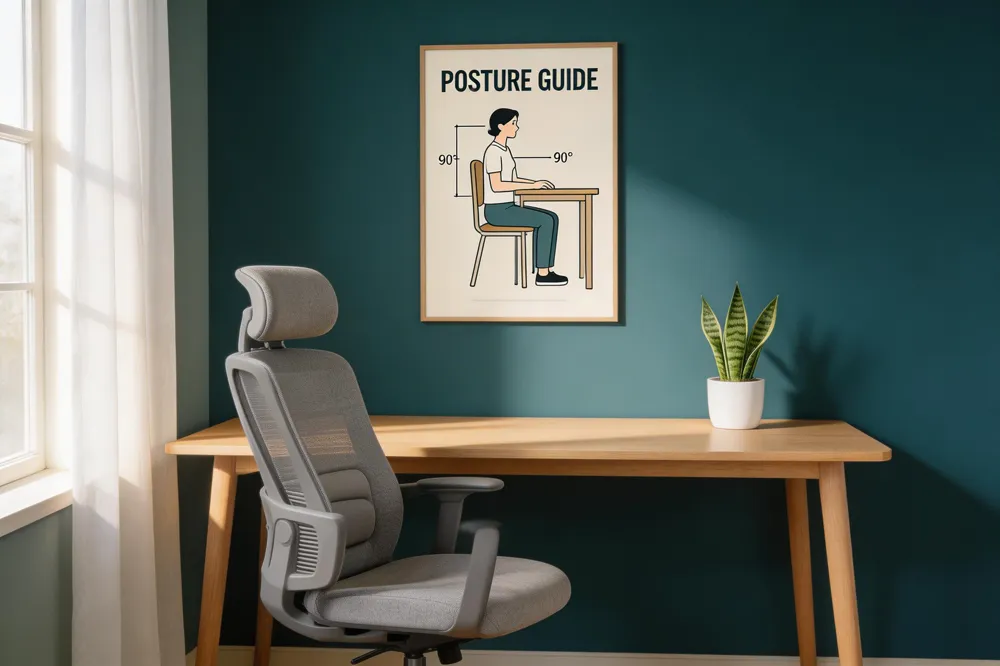
Work‑From‑Home Ergonomics: A Blueprint for a Pain‑Free Back

The Link Between Chiropractic Care and Improved Sleep Quality

Physiotherapy Techniques That Strengthen the Benefits of Chiropractic Adjustments

Biomechanical Insights Behind Successful Spinal Decompression

Desk‑to‑Dumbbell: Lifestyle Shifts That Guard Your Lower Back

10 Corrective Exercises for Sustainable Pain-Free Living

Morning Routines That Support Spine Health and Reduce Stiffness

Calcium and Magnesium‑Focused Nutrition for Bone Density and Spine Health

9 Ways Chiropractic Care Transforms Back Pain Management

Testimonial: Nutrition‑Guided Recovery Accelerated by Chiropractic

Science‑Backed Spinal Decompression for Relieving Sciatica Symptoms

Key Questions to Ask During Your Initial Chiropractic Consultation

Whole‑Body Wellness Blueprint: Nutrition, Exercise, and Chiropractic Synergy

A 12‑Week Corrective Exercise Blueprint for Chronic Neck Discomfort

Manual Therapy Plus Targeted Exercise: Accelerating Post‑Injury Recovery
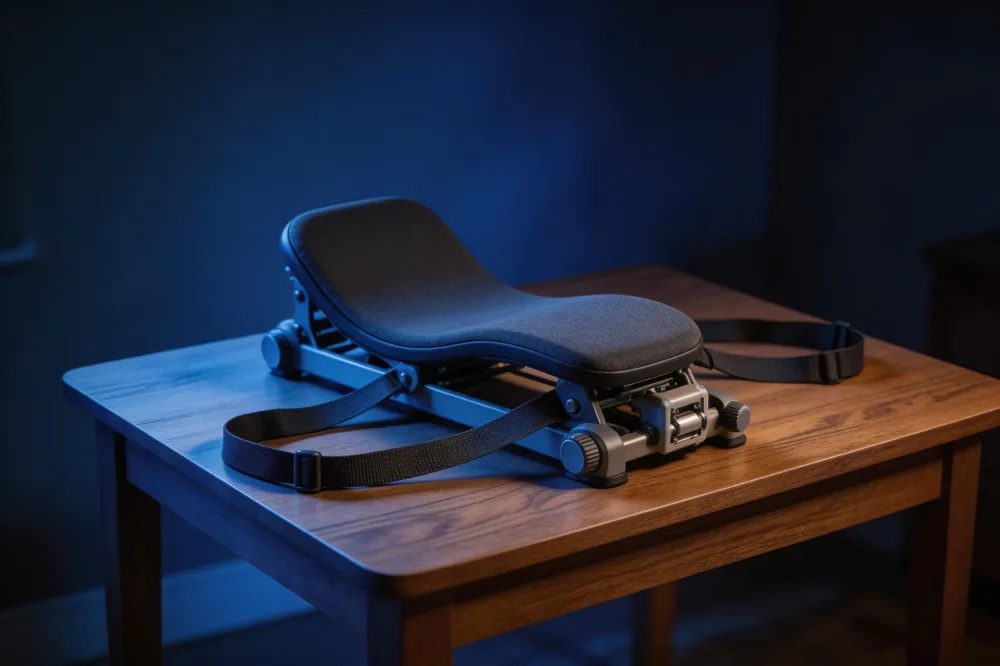
Home‑Based Spinal Decompression Devices: What Patients Should Know

Chiropractic Care Statistics: Reducing Lost Workdays From Back Pain

How Targeted Nutrition Enhances Immune Function and Lowers Inflammatory Pain

Self‑Assessment Tools to Identify Hidden Triggers of Back Pain

Preparing for Your First Chiropractic Appointment: A Practical Checklist

Back Pain Relief Benefits: Lower Opioid Use and Better Quality of Life

Foam‑Rolling Techniques to Complement Chiropractic Adjustments

Progressive Overload Principles in Corrective Exercise Programs

Six‑Month Transformation: Integrated Care Success Story

7 Nutritional Hacks to Boost Your Overall Wellness

How to Choose a Chiropractor: Credentials, Techniques, and Patient Compatibility

5 Ways Spinal Decompression Can Ease Sciatica Pain

Overcoming Sciatica: A Patient’s Multidisciplinary Treatment Journey
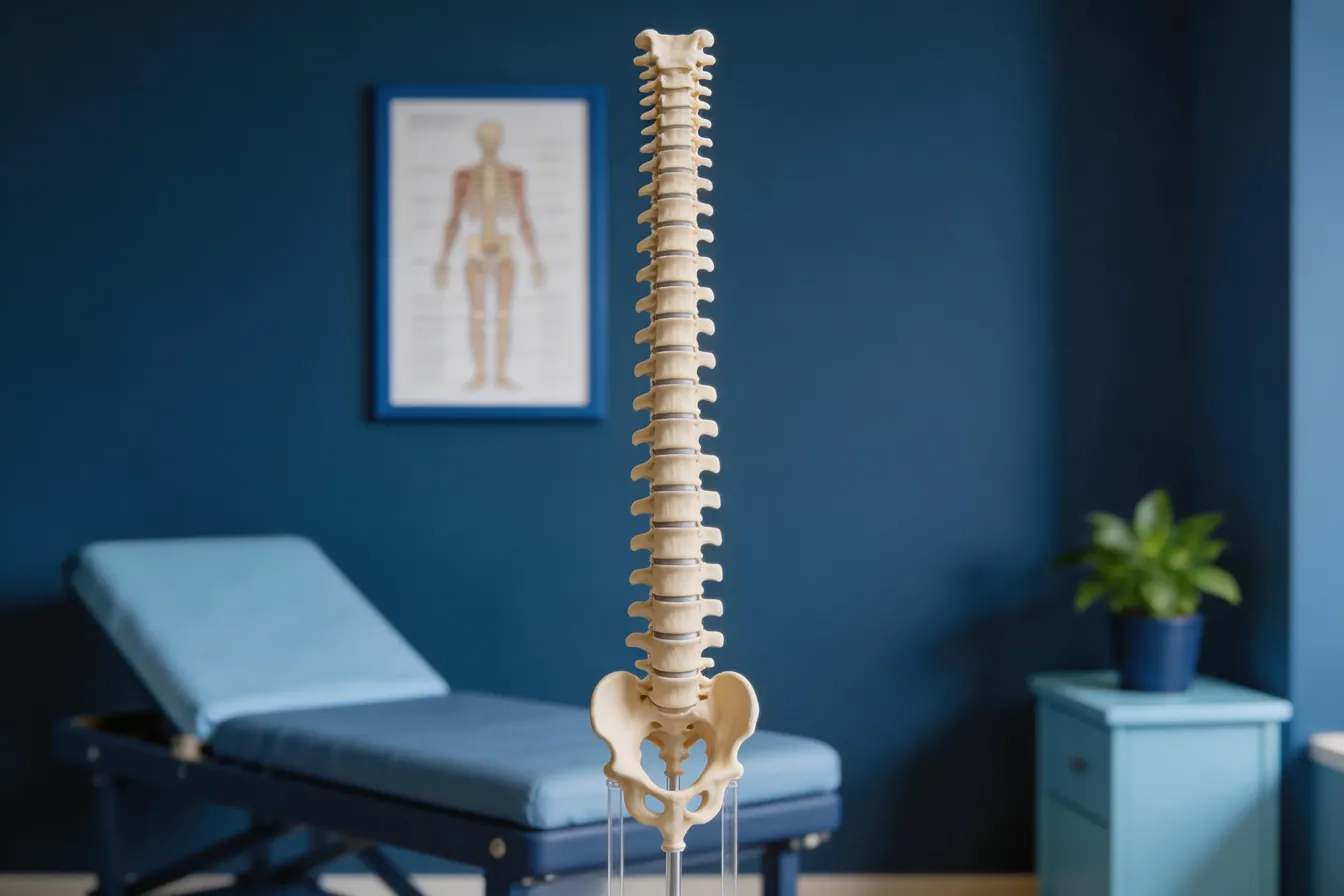
Lifestyle Changes That Promote a Healthy Spine
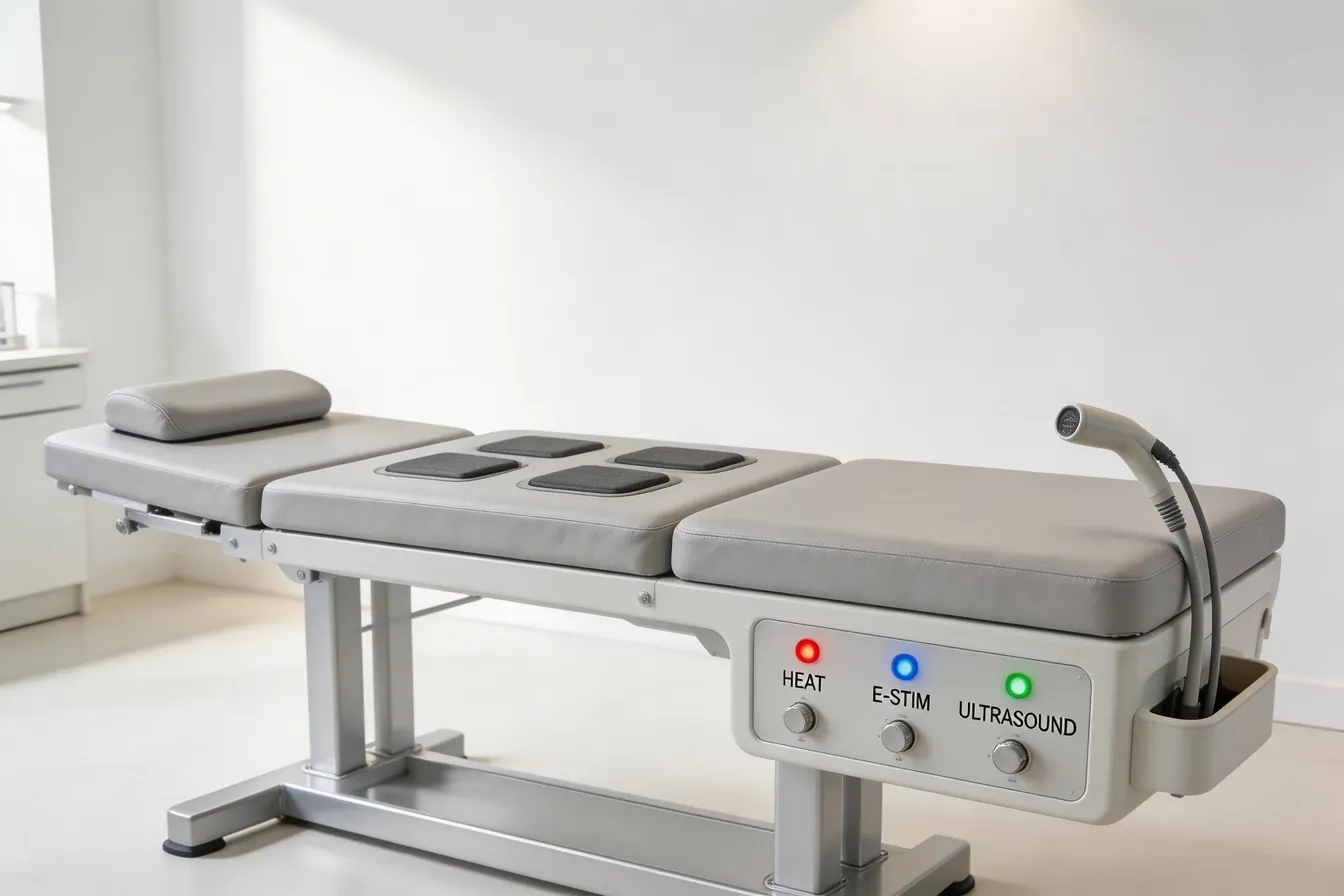
Physiotherapy as a Complement to Chiropractic Treatments

6 Ways Physiotherapy Enhances Chiropractic Treatment Outcomes

Daily Living Tips for a Strong and Healthy Spine

How Physiotherapy Enhances Chiropractic Outcomes
Holistic Treatments: Alternatives to Surgery for Pain Relief
Inspiring Patient Success Stories from Chiropractic Clinics

Integrating Physiotherapy with Chiropractic Treatments
Corrective Exercise Routines for Chronic Pain Prevention
10 Corrective Exercises to Maintain a Healthy Spine and Relieve Pain
Exercise Strategies for Long-Term Pain Management
10 Corrective Exercises to Maintain a Healthy Spine and Relieve Pain
The Importance of Treating the Root Cause of Pain
Nutritional Support Strategies for Whole-Body Wellness
7 Essential Questions to Ask When Choosing Your Chiropractor
Identifying and Addressing Root Causes of Pain

Maintaining a Healthy Spine with Lifestyle Adjustments
Sciatica Symptom Relief via Spinal Decompression
8 Reasons Why Addressing the Root Cause of Pain Is Crucial
Chiropractic Care’s Impact on Back Pain Recovery

Combining Physiotherapy with Chiropractic Care for Better Results
Inspiring Recovery: Chiropractic Patient Testimonials
Nutritional Counseling Tips for Optimal Wellness

Why Addressing the Root Cause of Pain is Crucial
Back Pain and Chiropractic Care: A Winning Combination

Chiropractic Care Benefits You Might Not Know
Exploring Holistic and Non-Surgical Treatments for Pain
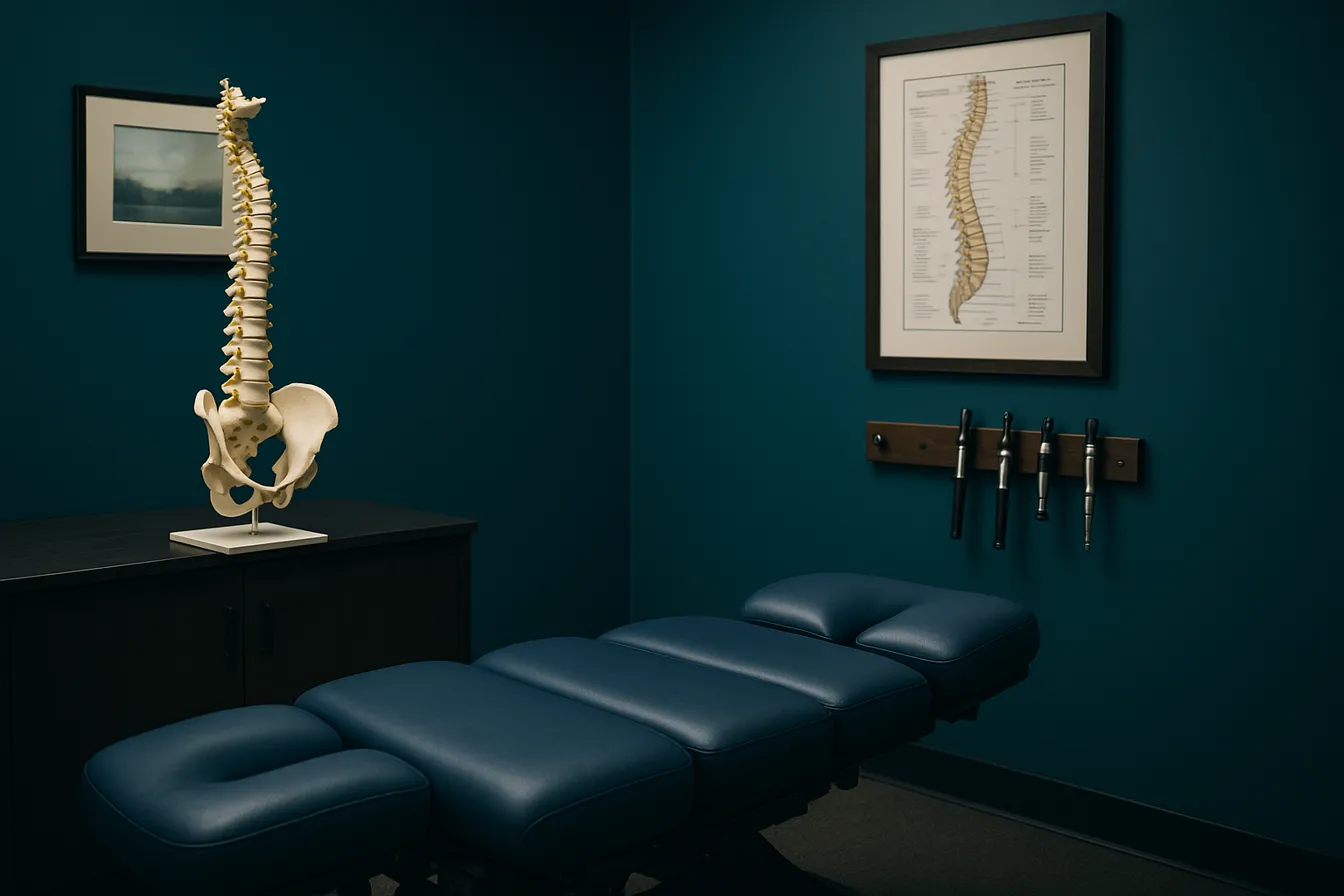
Spinal Health: Lifestyle Tips for Everyday Wellness
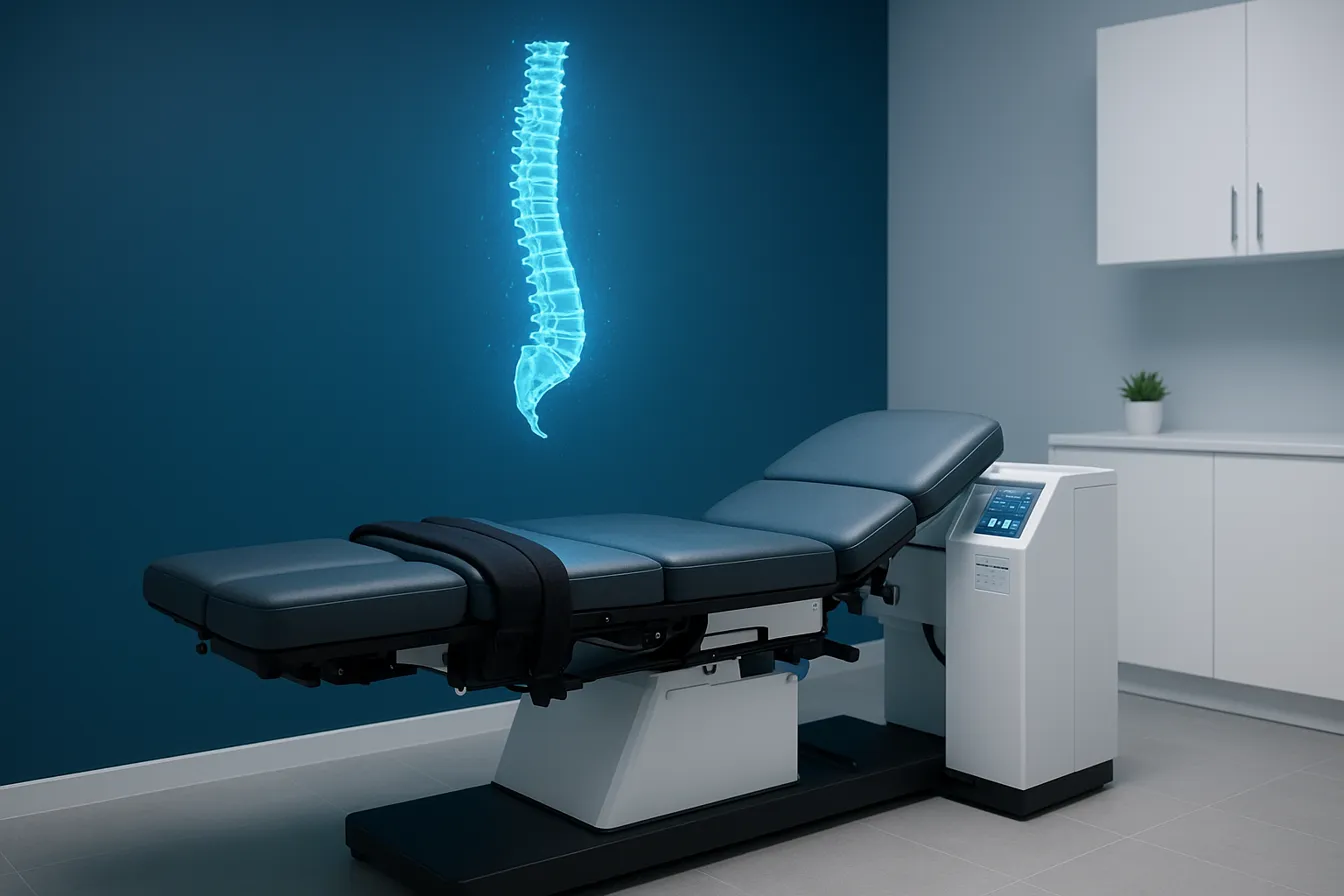
Spinal Decompression Therapy: Benefits and Applications
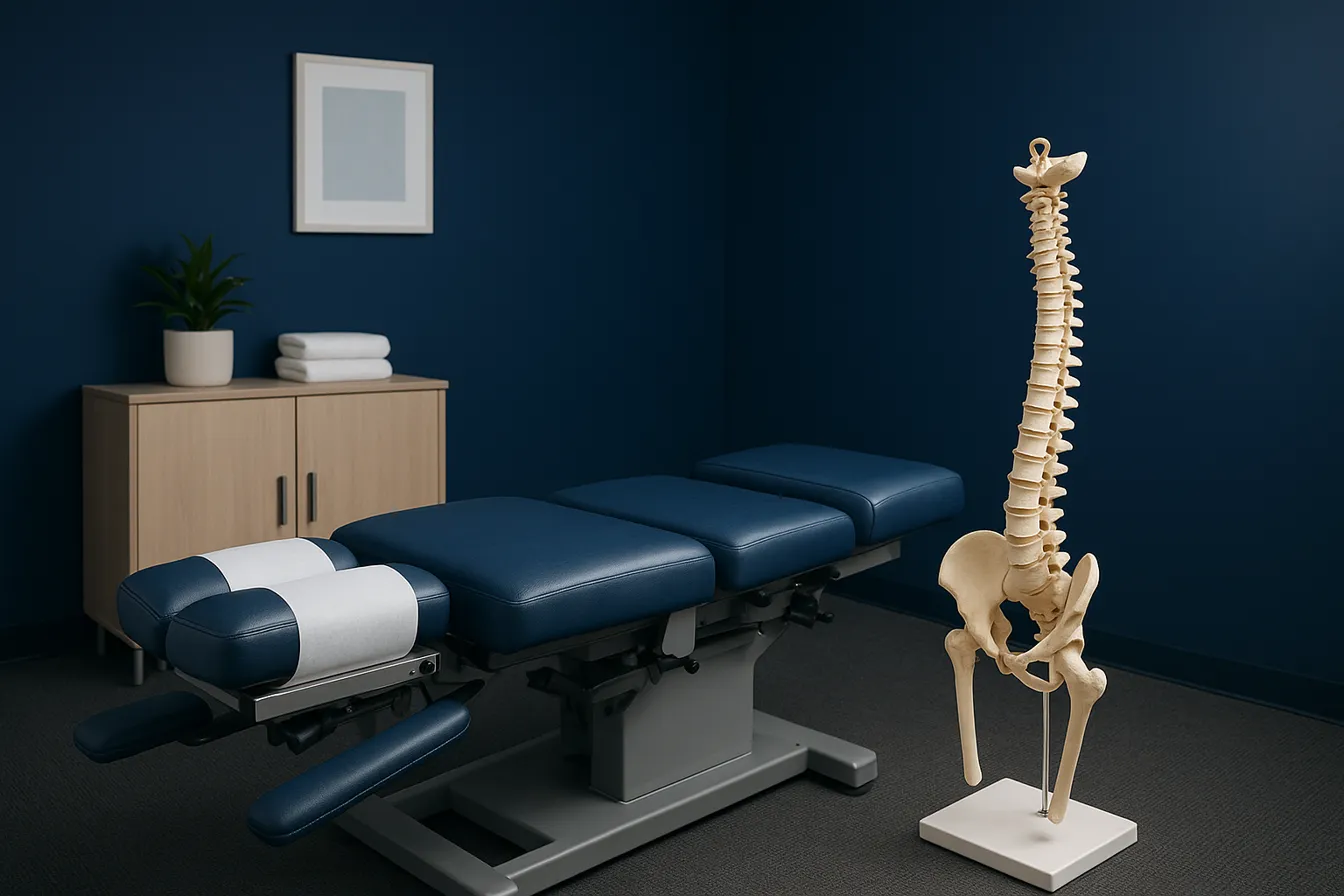
Holistic and Non-Invasive Spine Care Options
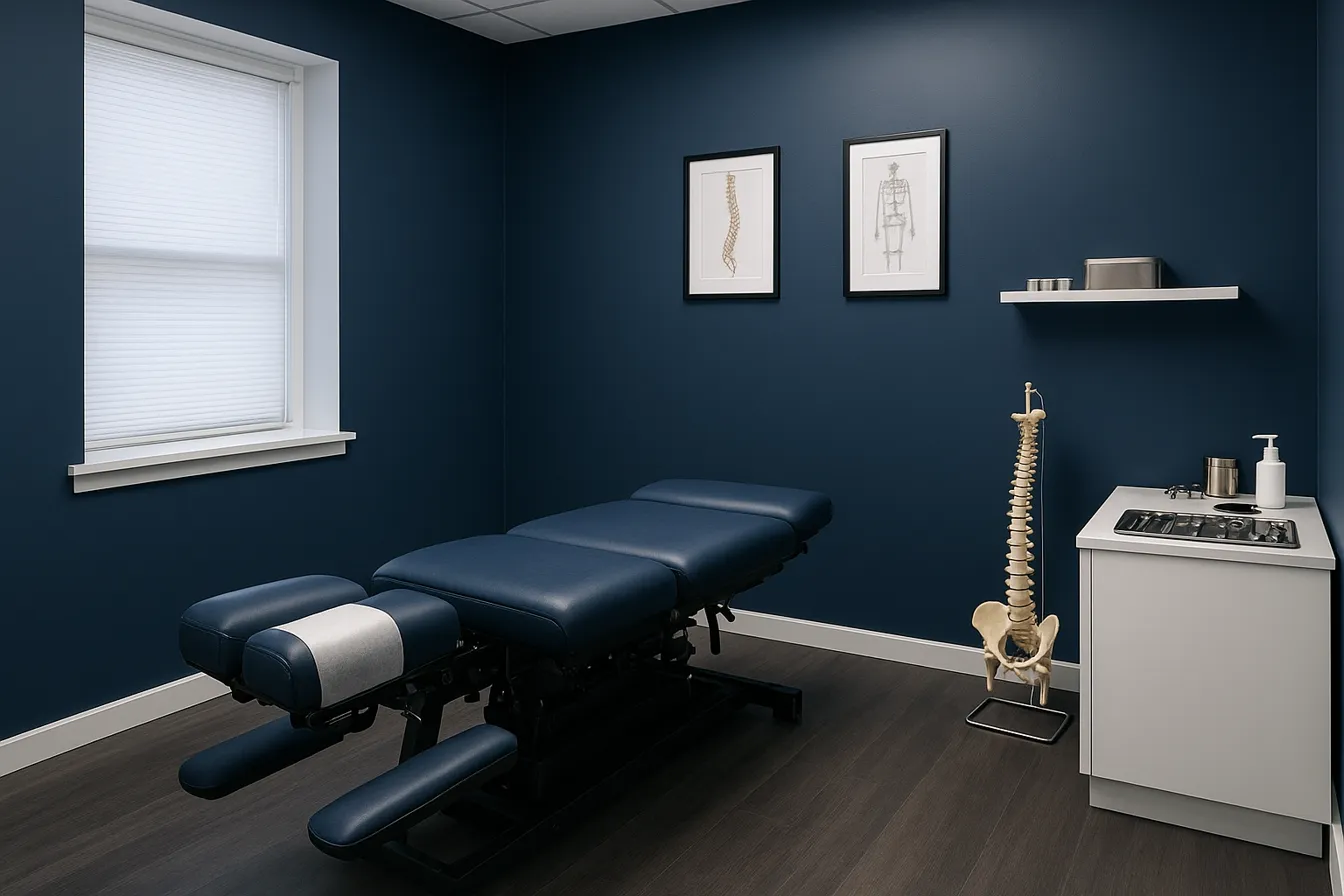
Everyday Lifestyle Advice to Keep Your Spine Healthy
The Significance of Treating Root Causes in Pain Therapy
Best Corrective Exercises for Sustainable Pain Management

Addressing Underlying Causes of Pain for Long-Term Relief
6 Key Benefits of Spinal Decompression Therapy for Sciatica Relief

How Nutritional Counseling Supports Spine Health and Recovery

The Role of Physiotherapy in Supporting Chiropractic Treatments