Lifestyle Recommendations to Keep Your Spine in Top Shape
December 2, 2025
8 min

Understanding the Importance of Spine Health
The Spine's Role in Body Support and Nerve Protection
The spine serves as the central support structure of the body, providing stability and enabling upright posture. It also protects the spinal cord, a vital communication pathway transmitting nerve signals between the brain and the rest of the body. Maintaining spinal integrity is crucial for overall mobility and function.
Prevalence of Back Pain
Back pain is a common issue affecting roughly 80% of people in the United States at some point in their lives. It is one of the leading causes of disability worldwide, highlighting the widespread impact of spinal problems on everyday living.
Impact of Spine Health on Overall Well-Being
Proper spinal health affects not only physical comfort but also overall quality of life. A healthy spine supports easy movement, reduces pain and stiffness, and contributes to the prevention of chronic conditions like osteoporosis and degenerative disc disease.
Basic Principles of Spinal Care
Fundamental care practices include maintaining good posture, engaging in regular physical activity like walking and yoga to strengthen core muscles, using ergonomic workstations, practicing safe lifting techniques, and ensuring adequate sleep with proper pillow support. Maintaining a healthy weight and quitting smoking further supports spinal wellness.
By adhering to these principles, individuals can promote spinal health, alleviate discomfort, and support holistic well-being.
Core Lifestyle Habits to Support Spinal Health

What lifestyle habits support maintaining a healthy spine?
Maintaining a healthy spine relies on several practical daily habits that promote spinal alignment and reduce strain. Regular exercise for spine health, especially activities such as walking swimming and yoga benefits, plays a vital role by strengthen core muscles for back support that support the spine. Strong core muscles help keep the spine properly aligned and improve overall stability.
Maintaining a healthy weight for spine health is equally important, as excess body weight increases the load on spinal structures and back muscles, contributing to pain and injury risk. A balanced diet combined with consistent physical activity assists with weight control and supports bone strength.
Good posture for spinal alignment—whether sitting, standing, or working—are essential for minimizing unnecessary stress on the spine. Ergonomic workplace practices, such as chairs with lumbar support and monitors positioned at eye level, help maintain the spine’s natural curvature during prolonged desk work.
Proper lifting techniques, including lifting with knees to prevent injury and keeping objects close to the body, protect the back from strain and injury. It is critical to avoid twisting movements when lifting heavy items.
Sleeping positions for spinal alignment that support spinal alignment also contribute to spinal health. Sleeping on the back with a pillow under the knees or on the side with a pillow support for back health between the legs maintains the natural curves of the spine and alleviates pressure.
Footwear choices matter, too. Wearing comfortable shoes with moderate heels, cushioning, and Supportive footwear benefits reduces spinal stress, especially in active individuals or those who spend significant time standing or walking.
Together, these core lifestyle habits form a comprehensive approach to preserving spinal function, decreasing pain, and promoting long-term musculoskeletal wellness.
Role of Nutrition and Smoking Cessation in Spine Wellness

How do nutrition and smoking affect spinal health?
Nutrition plays a vital role in maintaining a healthy spine by supporting strong bones and preventing conditions like osteoporosis. Key nutrients involved include calcium, vitamin D, and magnesium. Calcium strengthens bone structure, vitamin D enhances calcium absorption, and magnesium supports bone density and muscle function.
Good dietary sources for these nutrients include:
- Calcium: Dairy products like milk and cheese, dark green leafy vegetables, legumes, and certain fish such as salmon.
- Vitamin D: Fatty fish (e.g., salmon, mackerel), eggs, fortified milk, and sunlight exposure.
- Magnesium: Green leafy vegetables, fish, seeds, nuts, and whole grains.
Smoking has a profoundly negative effect on spinal health. It decreases blood flow to spinal tissues, impairs healing processes, and accelerates the degeneration of spinal discs. These impacts increase the risk of chronic back pain and spine-related degenerative conditions.
Quit smoking for spine health is highly beneficial for the spine. It improves circulation, supports tissue repair, and reduces inflammation, thereby aiding recovery and preserving long-term musculoskeletal wellness.
In summary, a nutrient-rich diet paired with quitting smoking benefits for spine forms a foundational strategy for spine health, strengthening bones and preventing degeneration while promoting effective healing and reducing pain.
Chiropractic Care and Corrective Exercises at Back in Action Bodyworks

What services does Back in Action Bodyworks provide for musculoskeletal health?
Back in Action Bodyworks in Torrance offers a comprehensive range of holistic musculoskeletal health services. These include precise manual spinal adjustments, chiropractic adjustments and manual spinal adjustments designed to relieve back and neck pain. The clinic also provides therapeutic massage, myofascial release, and targeted corrective exercises for spine health to address soft tissue dysfunction and improve joint mobility. Patients receive ergonomic recommendations to promote better posture and injury prevention, alongside nutritional and supplement guidance to support recovery and overall wellness.
Who leads the chiropractic practice at this clinic?
The practice is led by experienced experts such as Dr. Misa Zaker, a doctoral graduate with a focus on holistic musculoskeletal health, and Dr. Jong H. Kim, a certified chiropractic extremity practitioner. Their combined knowledge ensures treatments are personalized, effective, and emphasize drug-free approaches. Their leadership fosters a patient-centered environment that focuses on addressing underlying musculoskeletal issues rather than just symptoms.
How do chiropractic adjustments at Back in Action Bodyworks benefit patients?
Chiropractic care in Torrance at Back in Action Bodyworks involves careful spinal and joint realignment through manual adjustments, which help alleviate pain, reduce inflammation, and restore proper function and mobility. This noninvasive treatment improves movement pattern improvement and supports long-term spinal alignment treatments. Alongside adjustments, patients get education on posture and corrective exercise programs tailored to strengthen supportive muscles. This integrated approach reduces reliance on medication and enhances overall quality of life.
What role do corrective exercises and lifestyle counseling play?
Corrective exercise programs are custom-designed to strengthen core muscles for back support, improve posture, and retrain functional movement patterns. These exercises, combined with lifestyle advice on ergonomic workplace practices and activity modifications, empower patients to maintain spinal health between visits. This holistic care model helps prevent recurrent injuries and supports sustained musculoskeletal wellness.
How does nutritional counseling contribute to patient care?
Nutritional counseling for spine health and supplement recommendations at Back in Action Bodyworks play a supportive role in musculoskeletal recovery. Emphasis is placed on diets rich in calcium, vitamin D, and anti-inflammatory nutrients to enhance bone density and tissue healing. This integrative approach ensures patients receive comprehensive care that boosts both spinal health and overall well-being.
Which specific conditions does the clinic treat?
The clinic provides care for a variety of conditions including sciatica treatment, nerve compression syndromes, herniated disc care, shoulder pain, migraines, repetitive strain injuries, auto accident trauma, pediatric spinal concerns, and general body pain. Their multidisciplinary strategies, combining chiropractic adjustments with physical therapies and education, offer effective relief and functional improvement for these diverse musculoskeletal issues.
Ergonomic and Postural Strategies for Everyday Spine Care
What ergonomic and postural recommendations help maintain spine health?
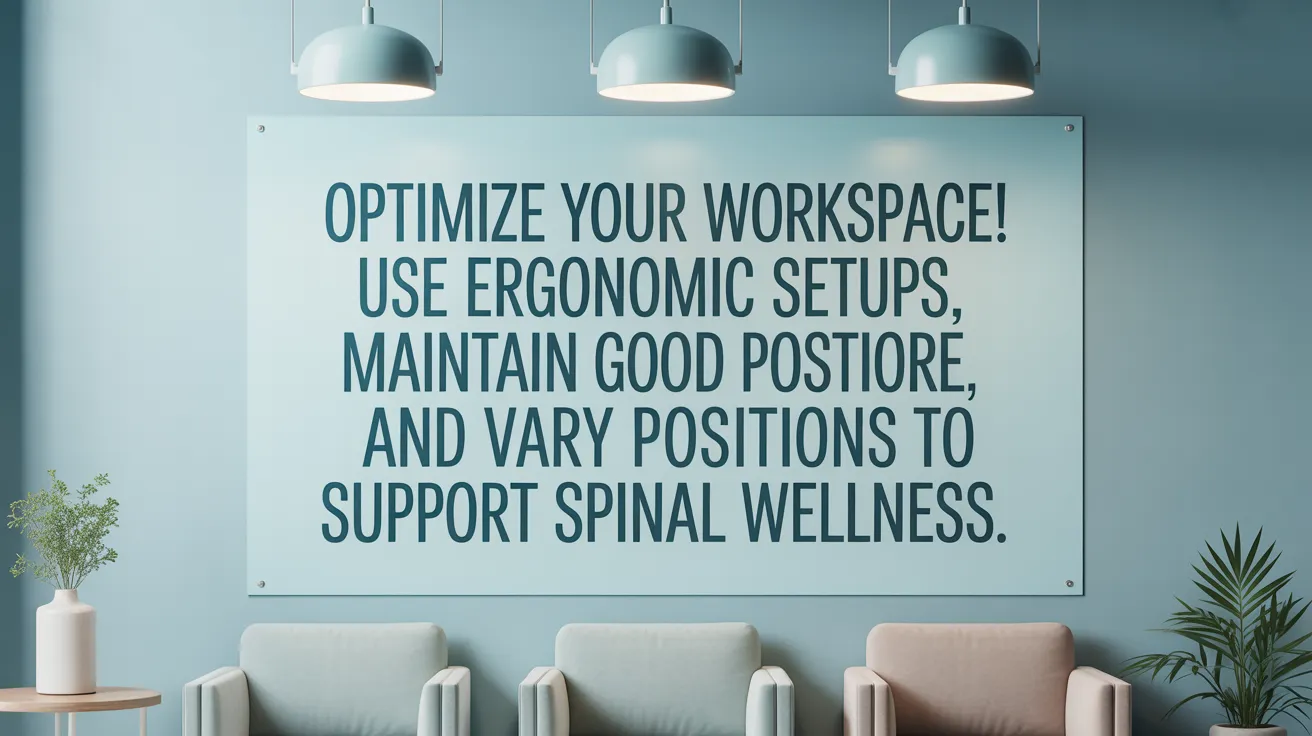
Proper setup of your workstation is essential for preventing spinal strain. Use a chair with Correct Chair Support and position your monitor at eye level to keep your neck aligned. Keep elbows bent at 90 degrees to reduce shoulder tension.
Maintaining Good posture for spinal alignment when sitting and standing protects the natural curves of the spine. Stand straight with your shoulders back and chin level. When seated, keep your knees slightly lower than your hips to support the lower back.
Supporting Shoes for Spine Health plays a significant role, especially if you lead an active lifestyle. Shoes with cushioned soles, moderate heel height, and good arch support help reduce spinal stress and prevent back pain.
Technology use can impact your spine health. Holding phones or screens at eye level prevents Avoiding Neck and Shoulder Strain associated with prolonged looking down.
To avoid prolonged strain, change your posture frequently. Avoid sitting in the same position for more than 30 minutes. Stand up, stretch, or adjust your seating regularly to ease pressure on your back and neck.
Implementing these ergonomic workplace practices daily contributes to long-term spine wellness and comfort.
The Impact of Weight Management and Physical Activity on Spine Health

How do weight management and physical activity contribute to spinal health?
Maintaining a healthy weight for back health is crucial for reducing unnecessary physical stress on the spine. Excess body weight increases pressure on spinal structures, which can lead to chronic back pain and accelerate degenerative conditions such as osteoarthritis and disc disease. Managing weight through a balanced diet and regular exercise for spine health lessens this load, helping to preserve spinal function and comfort.
What types of exercise benefit spine health?
Regular and consistent physical activity strengthens the core muscles that provide essential support to the spine. Activities like walking swimming and yoga benefits, and light weight training are particularly effective. These exercises enhance spinal alignment, improve mobility, and promote bone strength, which collectively decrease the risk of fractures and spinal injuries.
How can injuries be prevented through proper movement?
Preventing injury involves adopting proper lifting techniques—such as lifting with knees to prevent injury, keeping the back straight, and holding objects close—prevents undue strain on the spine. Additionally, warming up before physical activity prepares muscles and joints, reducing the chances of strains or sprains. These practices are vital to sustaining spinal health over time.
By integrating weight management and tailored exercise routines, individuals can support their spine's health naturally and effectively, reducing pain and enhancing quality of life.
Embracing a Holistic Approach to Lasting Spine Wellness
Integrated Lifestyle Strategies
Maintaining spine health requires a comprehensive approach that combines regular exercise, proper nutrition, and ergonomic practices. Strengthening core muscles through activities like yoga and swimming supports spinal alignment and reduces pain. A balanced diet rich in calcium and vitamin D enhances bone strength, while ergonomic adjustments in daily tasks help prevent strain.
Professional Chiropractic Care
Engaging with trained chiropractic professionals ensures personalized assessment and treatment tailored to spinal needs. Techniques such as spinal adjustments and corrective exercises help restore proper alignment and improve movement patterns. Clinics offering holistic care also provide lifestyle guidance and nutritional counseling to support recovery and long-term wellness.
Commitment to Preventive Habits
Consistent preventive measures, including maintaining a healthy weight, practicing correct lifting techniques, and prioritizing restful sleep with proper pillow support, are essential for sustaining spinal health. Early intervention by healthcare providers when back pain arises can prevent chronic issues, enhancing overall quality of life and mobility.
Recent articles

10 Real‑Patient Success Stories Showcasing the Impact of Chiropractic Care

Superfoods That Boost Nerve Healing After Chiropractic Sessions

Sleep Positions That Promote a Healthy Back Alignment
Signs Your Chiropractor Is a Good Fit for Your Back Pain Goals

Case Study: Integrated Physiotherapy and Chiropractic for Faster Recovery
First-Time Chiropractic Visit: A Step‑by‑Step Walkthrough
Synergistic Benefits: Combining Physiotherapy with Chiropractic Care

Beyond Surgery: Holistic Approaches to Managing Back Pain

How Manual Therapy Enhances the Effects of Chiropractic Adjustments

Hydration Hacks: Why Water Matters for Joint and Spine Function

What Does a Comprehensive Spinal Evaluation Include?

Success Spotlight: Transformative Results After Six Weeks of Chiropractic Treatment

Understanding the Initial Assessment Process in Chiropractic Care

Designing a Personalized Corrective Exercise Plan for Chronic Pain Management

Natural Pain Management: Combining Acupuncture, Yoga, and Chiropractic

Chiropractic Care vs. Pain Meds: Long-Term Outcomes for Back Pain Sufferers

What to Expect During a Sciatica‑Focused Decompression Session

Understanding the Pain-Relief Mechanics Behind Chiropractic Adjustments

Success Rates of Non‑Surgical Spinal Decompression for Sciatica

Patient-Centered Chiropractic Care: Personalized Plans for Back Pain Relief
How Chiropractic Treatments Reduce Inflammation and Speed Up Back Pain Recovery

Real‑Life Stories: How Chiropractic Helped Patients Overcome Chronic Back Pain

From Symptom Masking to Root‑Cause Healing: A Practical Guide

6 Holistic Non‑Surgical Treatments That Deliver Sustainable Back‑Pain Relief

Key Questions to Ask When Selecting Your Chiropractor

Mindful Movement: Incorporating Stretch Breaks Into a Busy Day

Why Targeting the Underlying Cause Beats Temporary Symptom Relief

8 Ways Physiotherapy Complements Chiropractic Adjustments for Faster Recovery

Meal Planning for Athletes Recovering from Back Injuries

9 Everyday Lifestyle Tweaks to Preserve a Healthy Spine and Prevent Pain

Functional Movement Screening for Root‑Cause Pain Identification

6 Things You’ll Experience During Your First Chiropractic Appointment

Spinal Decompression vs. Standard Physical Therapy for Sciatica: A Comparative Review

New Findings on How Adjustments Influence Blood Circulation
Work‑From‑Home Ergonomics: A Blueprint for a Pain‑Free Back

The Link Between Chiropractic Care and Improved Sleep Quality

Physiotherapy Techniques That Strengthen the Benefits of Chiropractic Adjustments

Biomechanical Insights Behind Successful Spinal Decompression

Desk‑to‑Dumbbell: Lifestyle Shifts That Guard Your Lower Back

10 Corrective Exercises for Sustainable Pain-Free Living

Morning Routines That Support Spine Health and Reduce Stiffness

Calcium and Magnesium‑Focused Nutrition for Bone Density and Spine Health

9 Ways Chiropractic Care Transforms Back Pain Management

Testimonial: Nutrition‑Guided Recovery Accelerated by Chiropractic
Science‑Backed Spinal Decompression for Relieving Sciatica Symptoms

Key Questions to Ask During Your Initial Chiropractic Consultation
Whole‑Body Wellness Blueprint: Nutrition, Exercise, and Chiropractic Synergy

A 12‑Week Corrective Exercise Blueprint for Chronic Neck Discomfort

Manual Therapy Plus Targeted Exercise: Accelerating Post‑Injury Recovery
Home‑Based Spinal Decompression Devices: What Patients Should Know

Chiropractic Care Statistics: Reducing Lost Workdays From Back Pain

How Targeted Nutrition Enhances Immune Function and Lowers Inflammatory Pain

Self‑Assessment Tools to Identify Hidden Triggers of Back Pain
Preparing for Your First Chiropractic Appointment: A Practical Checklist

Back Pain Relief Benefits: Lower Opioid Use and Better Quality of Life

Foam‑Rolling Techniques to Complement Chiropractic Adjustments

Progressive Overload Principles in Corrective Exercise Programs

Six‑Month Transformation: Integrated Care Success Story

7 Nutritional Hacks to Boost Your Overall Wellness

How to Choose a Chiropractor: Credentials, Techniques, and Patient Compatibility

5 Ways Spinal Decompression Can Ease Sciatica Pain

Overcoming Sciatica: A Patient’s Multidisciplinary Treatment Journey
Lifestyle Changes That Promote a Healthy Spine
Physiotherapy as a Complement to Chiropractic Treatments
6 Ways Physiotherapy Enhances Chiropractic Treatment Outcomes

Daily Living Tips for a Strong and Healthy Spine

How Physiotherapy Enhances Chiropractic Outcomes
Holistic Treatments: Alternatives to Surgery for Pain Relief
Inspiring Patient Success Stories from Chiropractic Clinics

Integrating Physiotherapy with Chiropractic Treatments
Corrective Exercise Routines for Chronic Pain Prevention
10 Corrective Exercises to Maintain a Healthy Spine and Relieve Pain
Exercise Strategies for Long-Term Pain Management
10 Corrective Exercises to Maintain a Healthy Spine and Relieve Pain
The Importance of Treating the Root Cause of Pain
Nutritional Support Strategies for Whole-Body Wellness
7 Essential Questions to Ask When Choosing Your Chiropractor
Identifying and Addressing Root Causes of Pain
Maintaining a Healthy Spine with Lifestyle Adjustments
Sciatica Symptom Relief via Spinal Decompression
8 Reasons Why Addressing the Root Cause of Pain Is Crucial
Chiropractic Care’s Impact on Back Pain Recovery

Combining Physiotherapy with Chiropractic Care for Better Results
Inspiring Recovery: Chiropractic Patient Testimonials
Nutritional Counseling Tips for Optimal Wellness

Why Addressing the Root Cause of Pain is Crucial
Back Pain and Chiropractic Care: A Winning Combination

Chiropractic Care Benefits You Might Not Know
Exploring Holistic and Non-Surgical Treatments for Pain
Spinal Health: Lifestyle Tips for Everyday Wellness
Spinal Decompression Therapy: Benefits and Applications
Holistic and Non-Invasive Spine Care Options
Everyday Lifestyle Advice to Keep Your Spine Healthy
The Significance of Treating Root Causes in Pain Therapy
Best Corrective Exercises for Sustainable Pain Management
Addressing Underlying Causes of Pain for Long-Term Relief
6 Key Benefits of Spinal Decompression Therapy for Sciatica Relief

How Nutritional Counseling Supports Spine Health and Recovery

The Role of Physiotherapy in Supporting Chiropractic Treatments