Lifestyle Recommendations for Sustaining a Healthy Spine
January 21, 2026
9 min
Understanding the Importance of Spine Health
Significance of the Spine
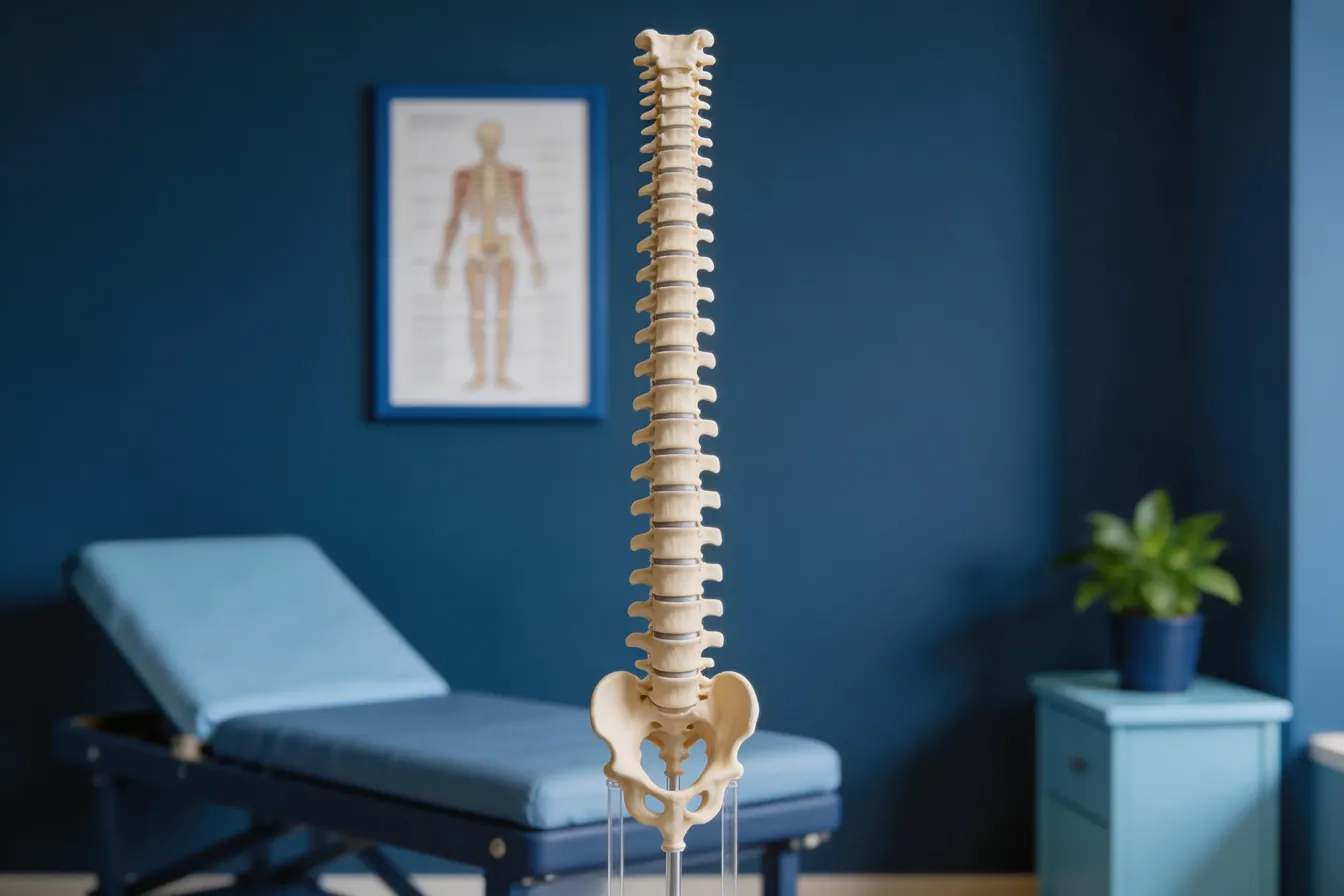
The human spine is a complex structure composed of 33 vertebrae arranged in a balanced S-shaped curve. It plays a crucial role in supporting the body's weight and provides the main framework for movement. The spine's design protects the spinal cord, a vital part of the nervous system that transmits signals between the brain and the rest of the body.
Functions of the Spine
Beyond structural support, the spine enables flexibility and a full range of natural movements such as bending, twisting, and stretching. It houses and safeguards the spinal cord, which controls sensations including touch, pain, and temperature. A healthy spine facilitates proper neurological communication essential for coordination and balance.
Impact of Spinal Health on Overall Well-being
The condition of the spine significantly affects overall health and quality of life. Poor spinal health can lead to chronic back pain, restricted mobility, and symptoms beyond musculoskeletal issues, including headaches, fatigue, and mood alterations. Maintaining spinal health through proper posture, regular exercise, and supportive sleep positions promotes wellness and reduces the risk of degenerative conditions. A well-supported spine helps sustain physical mobility, mental well-being, and the ability to perform everyday activities pain-free.
Nutrition and Hydration: Building Blocks for a Strong Spine

What are essential vitamins and nutrients for spine health?
Essential vitamins and nutrients play a vital role in maintaining spine health. Calcium and vitamin D are crucial for building and preserving bone density, which reduces the risk of osteoporosis and degenerative disc disease. Magnesium and vitamin K2 assist calcium absorption and strengthen the bone matrix. Omega-3 fatty acids help lower inflammation in spinal tissues. A diet rich in fruits, vegetables, lean proteins, and healthy fats, combined with hydration and physical activity, supports spinal integrity and helps prevent chronic back issues. For more on Nutrition for spine support and the Role of calcium and vitamin D in spine health, see related resources.
What are the best foods to support spine health?
To promote a strong and flexible spine, focus on foods rich in calcium, vitamin D, magnesium, and vitamin K2. Dairy products, leafy greens like spinach and kale, and fortified plant-based alternatives provide essential calcium. Fatty fish such as salmon supply beneficial omega-3 fatty acids that combat inflammation. Antioxidant-rich fruits and vegetables, along with spices like turmeric and ginger, can also reduce inflammation and aid tissue repair. Including water-rich foods such as cucumbers and strawberries supports hydration and disc health. Maintaining a balanced diet favoring whole grains, lean proteins, and nutrient-dense produce is key to sustaining spinal health. For detailed information on Anti-inflammatory foods for spine and Balanced diet for bone strength, review the referenced articles.
How can spinal fluid be maintained in a healthy state?
Healthy spinal fluid depends largely on adequate hydration, as cerebrospinal fluid (CSF) and spinal discs are mostly water. Drinking sufficient water and consuming water-rich foods like watermelon and tomatoes ensure that CSF remains fluid and effective, aiding cushioning and spinal mobility while preventing disc compression. Regular chiropractic care improves spinal alignment and nervous system function, promoting optimal CSF circulation. Correcting postural imbalances through chiropractic adjustments reduces nervous system stress and supports the body's ability to maintain healthy spinal fluid levels. Together, proper hydration, nutrition, and professional spinal care foster a supportive environment for spine health. Learn more about Hydration for spinal discs and Importance of proper posture.
Exercise and Physical Activity: Enhancing Spine Stability and Flexibility

What exercises help strengthen and improve the flexibility of the spine?
To promote spine strength and flexibility, focusing on core stabilization exercises is critical. A strong core supports the spine and reduces the risk of lower back pain. [Dr. Stuart McGill's "big three" exercises](https://www.health.harvard.edu/staying-healthy/three-moves-for-better-spine-health) — the curl-up, side plank, and bird-dog — are highly effective for enhancing spinal stability when performed consistently, ideally two to three days per week.
Beyond these, stretching routines that target the back muscles and surrounding areas help increase flexibility, making everyday movements like bending, twisting, and lifting easier and less painful. Exercises such as bridges and superman lifts help strengthen key back muscles including the trapezius, rhomboid, latissimus dorsi, and erector spinae.
Engaging in low-impact aerobic activities like walking, swimming, or cycling also promotes blood flow and gently improves spinal flexibility and endurance. These forms of exercise release endorphins which reduce pain while supporting overall spinal health.
How can I improve spine stability through exercise?
Improving spinal stability involves strengthening the entire core musculature — the abdominals, back muscles, and supportive ligaments. The "big three" exercises developed by Dr. McGill are designed specifically to build this stability through a pyramid training pattern, gradually increasing repetitions to build strength without strain.
In addition to these targeted core exercises, integrating body-weight movements such as bridges and superman exercises, and using resistance tools like bands or dumbbells, can further bolster spine support.
Safe exercise practice is paramount: maintaining correct form, starting with lower repetitions, and increasing intensity gradually minimizes injury risk. Consulting a healthcare professional before beginning new routines is recommended, especially if you have pre-existing back conditions or pain.
Consistent exercise incorporating strengthening, stretching, and low-impact aerobic activities forms the cornerstone of a patient-centered, natural approach for improving spine health and reducing pain.
Posture, Ergonomics, and Daily Habits for Spinal Health

What general recommendations help maintain a healthy back?
Maintaining a healthy back begins with proper posture for spine alignment in daily activities such as standing, sitting, and walking. Good posture keeps the spine aligned, reducing strain and preventing injury.
Using proper lifting techniques—keeping your back straight, bending your knees, and lifting with your legs rather than your back—also reduces risk of injury.
Strengthening core muscles through exercises like yoga, Pilates, or targeted workouts improves spinal stability and supports all movement, creating a strong foundation for spinal health. See more on core muscle strengthening and exercises for spine stability.
How can I maintain healthy spinal discs?
Healthy spinal discs require attention to posture whether sitting or standing. Setting up an ergonomic workspace setup with lumbar support and positioning your computer monitor at eye level ensures your spine stays aligned during work.
Regular core-strengthening exercises reinforce spinal stability and protect discs from injury. Proper lifting habits prevent excessive strain on discs.
Staying hydrated aids the elasticity and shock absorption of spinal discs.
Maintaining a healthy weight reduces pressure on the spine, slowing degradation.
Adequate sleep on supportive mattresses and good sleep posture for spine such as side sleeping with a pillow between knees, nourish spinal health.
Regular breaks from prolonged sitting or standing help alleviate disc pressure and maintain mobility.
Consulting spine specialists or chiropractors can provide personalized guidance when needed. See when to seek medical advice for back pain for more information.
What practical tips can I follow to keep my spine healthy for life?
- Incorporate daily stretching and strengthening exercises for spinal health to maintain flexibility and muscle tone.
- Maintain a healthy weight and spine to minimize stress on spinal joints and discs.
- Practice proper lifting techniques: bend knees, keep the object close, and avoid twisting.
- Stay active with walking, swimming, or yoga for spine health to boost spinal flexibility and strength.
- Avoid smoking as it restricts blood flow and accelerates spinal wear. See impact of smoking on spine health.
- Follow an anti-inflammatory diet for spinal support rich in fruits, vegetables, nuts, and legumes.
- Use ergonomic furniture set-ups and correct monitor heights to support posture.
- Take frequent walking breaks for spine movement during long periods of sitting or standing.
- Prioritize quality sleep with supportive bedding.
- Seek professional spine care promptly for persistent back discomfort to prevent chronic issues.
These habits combined form a holistic approach to lifelong spinal health, emphasizing natural support methods, patient-centered lifestyle practices, and integrated therapies.
Preventing Spinal Degeneration Through Lifestyle Choices

What lifestyle changes can help prevent or slow spinal degeneration?
Preventing or slowing spinal degeneration involves adopting several proactive essential lifestyle changes for spine health that support spinal health naturally.
Maintaining a healthy weight is crucial, as excess body weight places additional stress on the spine and surrounding muscles, potentially accelerating degeneration. Incorporating regular, low-impact physical activities such as walking, swimming, or yoga strengthens core muscles and improves flexibility, which promotes spine stability and reduces injury risk. These activities are highlighted as benefits of walking, swimming, and yoga.
Smoking cessation is essential because nicotine constricts blood vessels, limiting oxygen and nutrient delivery to spinal tissues and speeding up deterioration. Avoiding nicotine for spine health improves blood flow, reduces inflammation, and supports tissue repair.
An anti-inflammatory diet for spine health rich in fruits, vegetables, nuts, legumes, and fatty fish can lower inflammation in spinal tissues. Limiting red meats, refined sugars, and processed foods helps reduce chronic inflammatory responses that may worsen degeneration.
Avoiding excessive strain through proper lifting techniques—keeping the back straight and bending at the knees—prevents injury. Ergonomic practices such as maintaining correct posture while sitting and standing, taking movement breaks during prolonged sitting, and using supportive footwear also protect the spine from undue wear.
Additionally, stress management techniques for spine health like mindfulness, meditation, and regular exercise help reduce muscle tension around the spine, further preserving spinal function.
By integrating these lifestyle changes, individuals can proactively support their spinal health, preventing or slowing degenerative changes and promoting long-term wellness.
Non-Surgical Approaches to Supporting Natural Spine Healing
What nonsurgical treatments can support natural spine healing?
Supporting natural spine healing involves a comprehensive, nonsurgical approach focusing on physical therapy, lifestyle adjustments, and mind-body practices.
Physical Therapy and Targeted Exercise
Physical therapy for spine is foundational, with tailored exercises to strengthen the core, back, and abdominal muscles. Strengthening these areas enhances spine stability, reduces muscle strain, and supports proper posture. Exercises like the "big three" — curl-up, side plank, and bird-dog — effectively build core stability. Aerobic activities such as walking, swimming, and biking help reduce inflammation and improve circulation, promoting tissue repair.
Mind-Body Practices
Incorporating yoga, tai chi, and mindfulness techniques addresses not only physical symptoms but also the emotional and psychological aspects linked to chronic back pain. These practices improve flexibility, reduce muscle tension, and enhance relaxation.
Dietary and Lifestyle Modifications
An anti-inflammatory diet rich in fruits, vegetables, nuts, legumes, omega-3 fatty acids, calcium, and vitamin D supports bone and spinal tissue health. Avoiding inflammatory foods like red meats, refined sugars, and processed items helps reduce spinal inflammation. Maintaining a healthy weight lessens mechanical stress on the spine, while quitting smoking improves blood flow and nutrient delivery.
Alternative Therapies
Complementary treatments like acupuncture, massage therapy, and electrical stimulation can alleviate muscle tension, improve circulation, and support the body's natural healing mechanisms.
Importance of Professional Guidance
Because spinal conditions vary, individualized plans overseen by healthcare professionals—including chiropractors, physical therapists, and spine specialists—ensure safe and effective rehabilitation.
| Approach | Key Elements | Benefits |
|---|---|---|
| Physical therapy | Core strengthening, aerobic exercise | Spine stability, reduced strain |
| Mind-body practices | Yoga, mindfulness, tai chi | Flexibility, stress reduction |
| Dietary & lifestyle | Anti-inflammatory diet, weight control, no smoking | Reduced inflammation, improved healing |
| Alternative therapies | Acupuncture, massage, electrical stimulation | Pain relief, enhanced circulation |
| Professional guidance | Customized plans, medical oversight | Safety, tailored recovery |
Sustaining Spine Health for a Lifetime
Maintaining a healthy spine requires a holistic approach that incorporates lifestyle choices, early preventive measures, and professional guidance.
Regular physical activity such as walking, swimming, yoga, and Pilates strengthens core muscles that support the spine, improves flexibility, and reduces inflammation. Proper nutrition rich in calcium, vitamin D, omega-3 fatty acids, and anti-inflammatory foods helps maintain bone density and minimize spinal degeneration. Avoiding smoking and maintaining a healthy weight are essential to reduce strain and improve blood flow to spinal tissues.
Early prevention is critical; beginning in young adulthood, spinal disc degeneration can start, accelerating the risk of chronic back or neck pain later in life. Adopting proper posture, ergonomics at work, effective lifting techniques, and consistent stretching routines can prevent injury and maintain spinal alignment.
Seeking professional care when experiencing persistent discomfort is important. Chiropractors, physical therapists, and spine specialists provide individualized evaluations, therapeutic exercises, and treatment plans that can improve outcomes and often help avoid surgery.
Together, these strategies foster long-term spinal health, enhance mobility, and support overall wellness.
Recent articles

10 Real‑Patient Success Stories Showcasing the Impact of Chiropractic Care

Superfoods That Boost Nerve Healing After Chiropractic Sessions

Sleep Positions That Promote a Healthy Back Alignment
Signs Your Chiropractor Is a Good Fit for Your Back Pain Goals

Case Study: Integrated Physiotherapy and Chiropractic for Faster Recovery
First-Time Chiropractic Visit: A Step‑by‑Step Walkthrough
Synergistic Benefits: Combining Physiotherapy with Chiropractic Care

Beyond Surgery: Holistic Approaches to Managing Back Pain

How Manual Therapy Enhances the Effects of Chiropractic Adjustments

Hydration Hacks: Why Water Matters for Joint and Spine Function

What Does a Comprehensive Spinal Evaluation Include?

Success Spotlight: Transformative Results After Six Weeks of Chiropractic Treatment

Understanding the Initial Assessment Process in Chiropractic Care

Designing a Personalized Corrective Exercise Plan for Chronic Pain Management

Natural Pain Management: Combining Acupuncture, Yoga, and Chiropractic

Chiropractic Care vs. Pain Meds: Long-Term Outcomes for Back Pain Sufferers

What to Expect During a Sciatica‑Focused Decompression Session

Understanding the Pain-Relief Mechanics Behind Chiropractic Adjustments

Success Rates of Non‑Surgical Spinal Decompression for Sciatica

Patient-Centered Chiropractic Care: Personalized Plans for Back Pain Relief
How Chiropractic Treatments Reduce Inflammation and Speed Up Back Pain Recovery

Real‑Life Stories: How Chiropractic Helped Patients Overcome Chronic Back Pain

From Symptom Masking to Root‑Cause Healing: A Practical Guide

6 Holistic Non‑Surgical Treatments That Deliver Sustainable Back‑Pain Relief

Key Questions to Ask When Selecting Your Chiropractor

Mindful Movement: Incorporating Stretch Breaks Into a Busy Day

Why Targeting the Underlying Cause Beats Temporary Symptom Relief

8 Ways Physiotherapy Complements Chiropractic Adjustments for Faster Recovery

Meal Planning for Athletes Recovering from Back Injuries

9 Everyday Lifestyle Tweaks to Preserve a Healthy Spine and Prevent Pain

Functional Movement Screening for Root‑Cause Pain Identification

6 Things You’ll Experience During Your First Chiropractic Appointment

Spinal Decompression vs. Standard Physical Therapy for Sciatica: A Comparative Review

New Findings on How Adjustments Influence Blood Circulation
Work‑From‑Home Ergonomics: A Blueprint for a Pain‑Free Back

The Link Between Chiropractic Care and Improved Sleep Quality

Physiotherapy Techniques That Strengthen the Benefits of Chiropractic Adjustments

Biomechanical Insights Behind Successful Spinal Decompression

Desk‑to‑Dumbbell: Lifestyle Shifts That Guard Your Lower Back

10 Corrective Exercises for Sustainable Pain-Free Living

Morning Routines That Support Spine Health and Reduce Stiffness

Calcium and Magnesium‑Focused Nutrition for Bone Density and Spine Health

9 Ways Chiropractic Care Transforms Back Pain Management

Testimonial: Nutrition‑Guided Recovery Accelerated by Chiropractic
Science‑Backed Spinal Decompression for Relieving Sciatica Symptoms

Key Questions to Ask During Your Initial Chiropractic Consultation
Whole‑Body Wellness Blueprint: Nutrition, Exercise, and Chiropractic Synergy

A 12‑Week Corrective Exercise Blueprint for Chronic Neck Discomfort

Manual Therapy Plus Targeted Exercise: Accelerating Post‑Injury Recovery

Home‑Based Spinal Decompression Devices: What Patients Should Know

Chiropractic Care Statistics: Reducing Lost Workdays From Back Pain

How Targeted Nutrition Enhances Immune Function and Lowers Inflammatory Pain

Self‑Assessment Tools to Identify Hidden Triggers of Back Pain
Preparing for Your First Chiropractic Appointment: A Practical Checklist

Back Pain Relief Benefits: Lower Opioid Use and Better Quality of Life

Foam‑Rolling Techniques to Complement Chiropractic Adjustments

Progressive Overload Principles in Corrective Exercise Programs

Six‑Month Transformation: Integrated Care Success Story

7 Nutritional Hacks to Boost Your Overall Wellness

How to Choose a Chiropractor: Credentials, Techniques, and Patient Compatibility

5 Ways Spinal Decompression Can Ease Sciatica Pain

Overcoming Sciatica: A Patient’s Multidisciplinary Treatment Journey
Lifestyle Changes That Promote a Healthy Spine
Physiotherapy as a Complement to Chiropractic Treatments

6 Ways Physiotherapy Enhances Chiropractic Treatment Outcomes

Daily Living Tips for a Strong and Healthy Spine

How Physiotherapy Enhances Chiropractic Outcomes
Holistic Treatments: Alternatives to Surgery for Pain Relief
Inspiring Patient Success Stories from Chiropractic Clinics

Integrating Physiotherapy with Chiropractic Treatments
Corrective Exercise Routines for Chronic Pain Prevention
10 Corrective Exercises to Maintain a Healthy Spine and Relieve Pain
Exercise Strategies for Long-Term Pain Management
10 Corrective Exercises to Maintain a Healthy Spine and Relieve Pain
The Importance of Treating the Root Cause of Pain
Nutritional Support Strategies for Whole-Body Wellness
7 Essential Questions to Ask When Choosing Your Chiropractor
Identifying and Addressing Root Causes of Pain

Maintaining a Healthy Spine with Lifestyle Adjustments
Sciatica Symptom Relief via Spinal Decompression
8 Reasons Why Addressing the Root Cause of Pain Is Crucial
Chiropractic Care’s Impact on Back Pain Recovery

Combining Physiotherapy with Chiropractic Care for Better Results
Inspiring Recovery: Chiropractic Patient Testimonials
Nutritional Counseling Tips for Optimal Wellness

Why Addressing the Root Cause of Pain is Crucial
Back Pain and Chiropractic Care: A Winning Combination

Chiropractic Care Benefits You Might Not Know
Exploring Holistic and Non-Surgical Treatments for Pain
Spinal Health: Lifestyle Tips for Everyday Wellness
Spinal Decompression Therapy: Benefits and Applications
Holistic and Non-Invasive Spine Care Options
Everyday Lifestyle Advice to Keep Your Spine Healthy

The Significance of Treating Root Causes in Pain Therapy
Best Corrective Exercises for Sustainable Pain Management

Addressing Underlying Causes of Pain for Long-Term Relief

6 Key Benefits of Spinal Decompression Therapy for Sciatica Relief

How Nutritional Counseling Supports Spine Health and Recovery

The Role of Physiotherapy in Supporting Chiropractic Treatments