The Significance of Treating Root Causes in Pain Therapy
January 29, 2026
11 min

Introduction to Root Cause Focused Pain Therapy
Understanding Pain Beyond Symptoms
Pain is a vital body signal alerting us to potential harm or imbalance. Instead of merely suppressing these signals, root cause focused therapy seeks to uncover why the pain occurs.
Limitations of Symptom-Only Treatment
Treating only symptoms may provide short-term relief, but often leads to recurring issues and increased reliance on medications. It masks underlying problems, risking progression and chronic pain development.
Embracing Holistic and Personalized Care
Effective pain management must be comprehensive and tailored. This means addressing factors like posture, biomechanics, lifestyle, emotional well-being, and specific physical imbalances.
The Benefits of Root Cause Therapy
By targeting the true origins of pain, patients experience longer-lasting relief, improved mobility, better sleep, and overall enhanced quality of life without unnecessary procedures.
Root cause focused therapy represents a shift from reactive symptom control to proactive health restoration, emphasizing natural, sustainable healing processes through personalized plans and integrated care.
Understanding Root Cause Analysis in Pain Management

What is Root Cause Analysis (RCA) and Its Purpose?
Root cause analysis (Root Cause Analysis (RCA) in Healthcare) is a systematic approach used in healthcare to uncover the fundamental causes of persistent pain or dysfunction. Rather than merely addressing symptoms, RCA digs deeper to identify underlying factors such as biomechanical imbalances, postural issues, or lifestyle elements that contribute to pain.
RCA serves two major purposes: firstly, to pinpoint the true origin of a problem, ensuring insight beyond surface-level symptoms. Secondly, it aims to prevent recurrence by developing targeted strategies based on the findings. This dual focus enables lasting relief and improved patient outcomes.
Benefits of Root Cause Analysis in Pain Management
RCA offers a more effective, sustainable path to healing by enabling clinicians to tailor personalized pain treatment plans. Understanding the root issues helps reduce unnecessary reliance on medications, invasive procedures, or short-term symptom management.
In chiropractic care and pain therapy, RCA fosters a deeper comprehension of patient-specific drivers like muscle imbalances, emotional stress, or structural misalignments. This holistic approach to pain relief not only alleviates pain but also enhances mobility, sleep quality, and overall well-being.
Methods and Tools Used in RCA
Healthcare professionals employ several tools to carry out RCA:
- Fishbone Diagrams: Visual maps that categorize and identify contributing factors.
- Five Whys: A questioning technique that repeatedly asks "why" to drill down to the underlying cause.
- Comprehensive Assessments: Including patient history, physical examinations, and diagnostic tests like X-rays or MRIs (Diagnostic Techniques for Pain (X-rays, MRI, CT, Blood Tests).
These techniques ensure thorough data gathering and collaboration among healthcare teams for an accurate diagnosis.
How Effective RCA Improves Patient Outcomes and Safety
By focusing on root issues, RCA helps clinicians develop preventative measures that reduce the risk of recurrent pain or injury. This approach promotes nervous system function, structural alignment, and balanced biomechanics.
Effective RCA also strengthens patient education and involvement, empowering individuals to adopt healthier lifestyle habits. Ultimately, this leads to improved safety, fewer complications, lower healthcare costs, and enhanced quality of life.
| Aspect | Description | Outcome |
|---|---|---|
| Identification | Pinpoint underlying pain causes | Personalized, effective treatment plans (Personalized pain treatment plans) |
| Prevention | Strategies to stop recurrence | Long-term pain relief and reduced dependency (Long-term Relief Through Root Cause Identification |
| Tools & Methods | Fishbone diagrams, Five Whys, diagnostics | Accurate diagnosis and holistic care (Root Cause Analysis (RCA) in Healthcare |
| Patient Outcomes | Improved mobility, function, and well-being | Sustained health and fewer complications (Comprehensive pain management |
| Safety & Efficiency | Reduced invasive procedures and medication reliance | Cost-effective and safer healthcare (Reducing medication reliance |
Chiropractic Care: A Root Cause Approach to Pain Therapy

What are the main chiropractic techniques addressing root causes of musculoskeletal pain?
Chiropractic care emphasizes correcting spinal misalignments and restoring proper nervous system function to relieve pain and improve mobility. The seven main methods of chiropractic adjustment include:
- Diversified Technique: High-velocity, low-amplitude thrusts to realign the spine.
- Spinal Manipulation: Manual adjustments improving joint mobility and reducing nerve pressure.
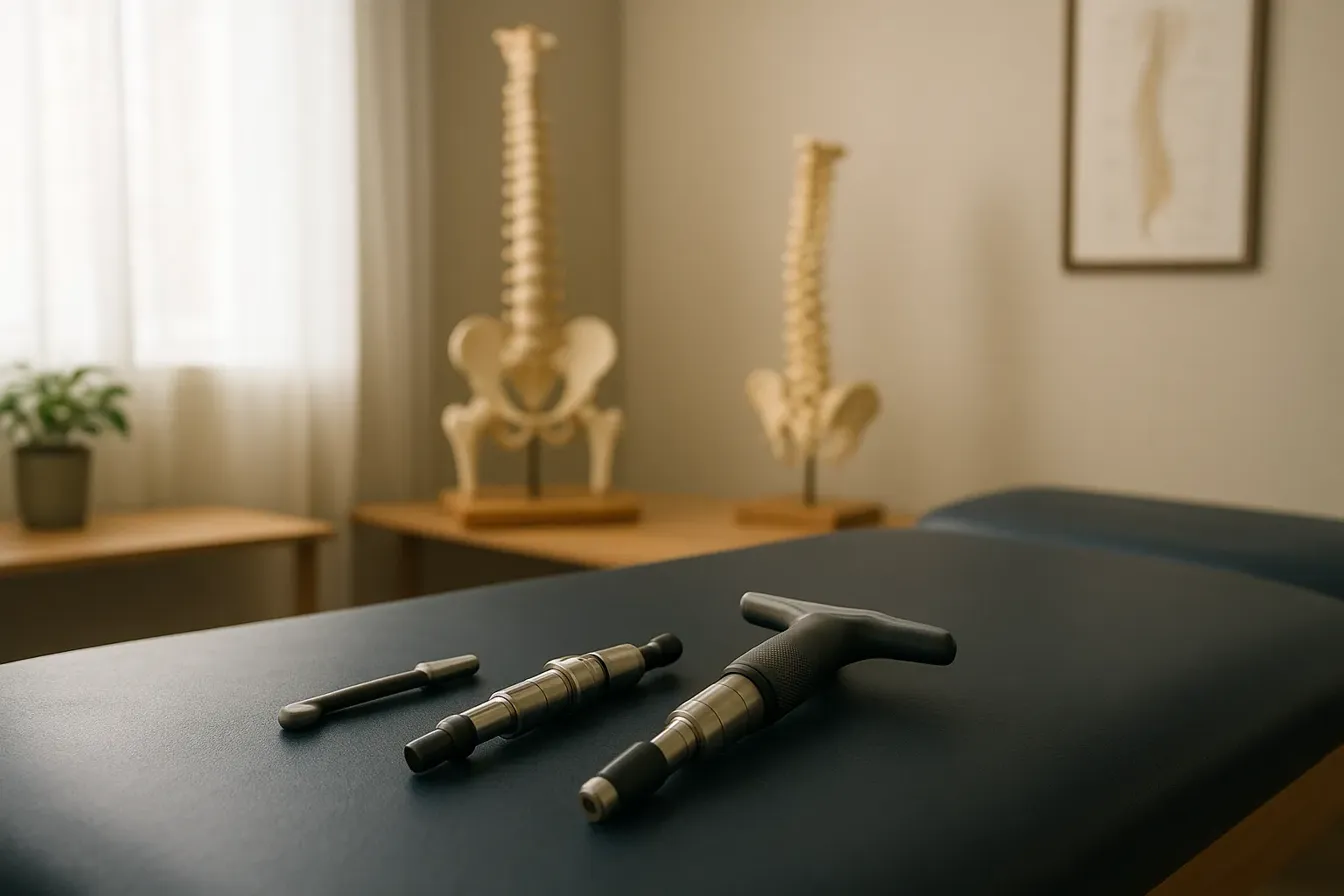
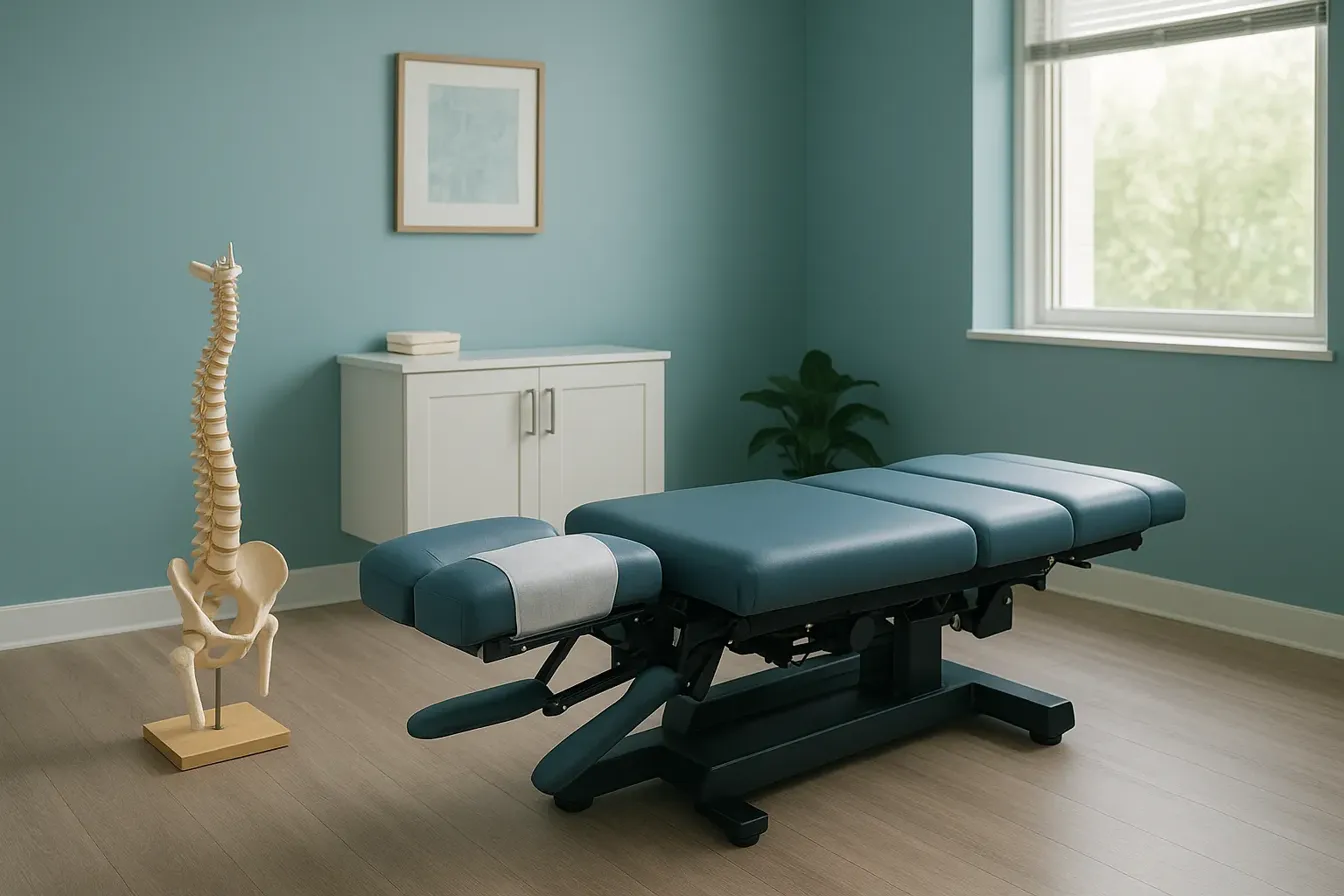
- Thompson Drop-Table Technique: Use of a specialized table with sections that drop during adjustments to enable gentle realignment.
- Gonstead Adjustment: Precise technique targeting specific spinal subluxations.
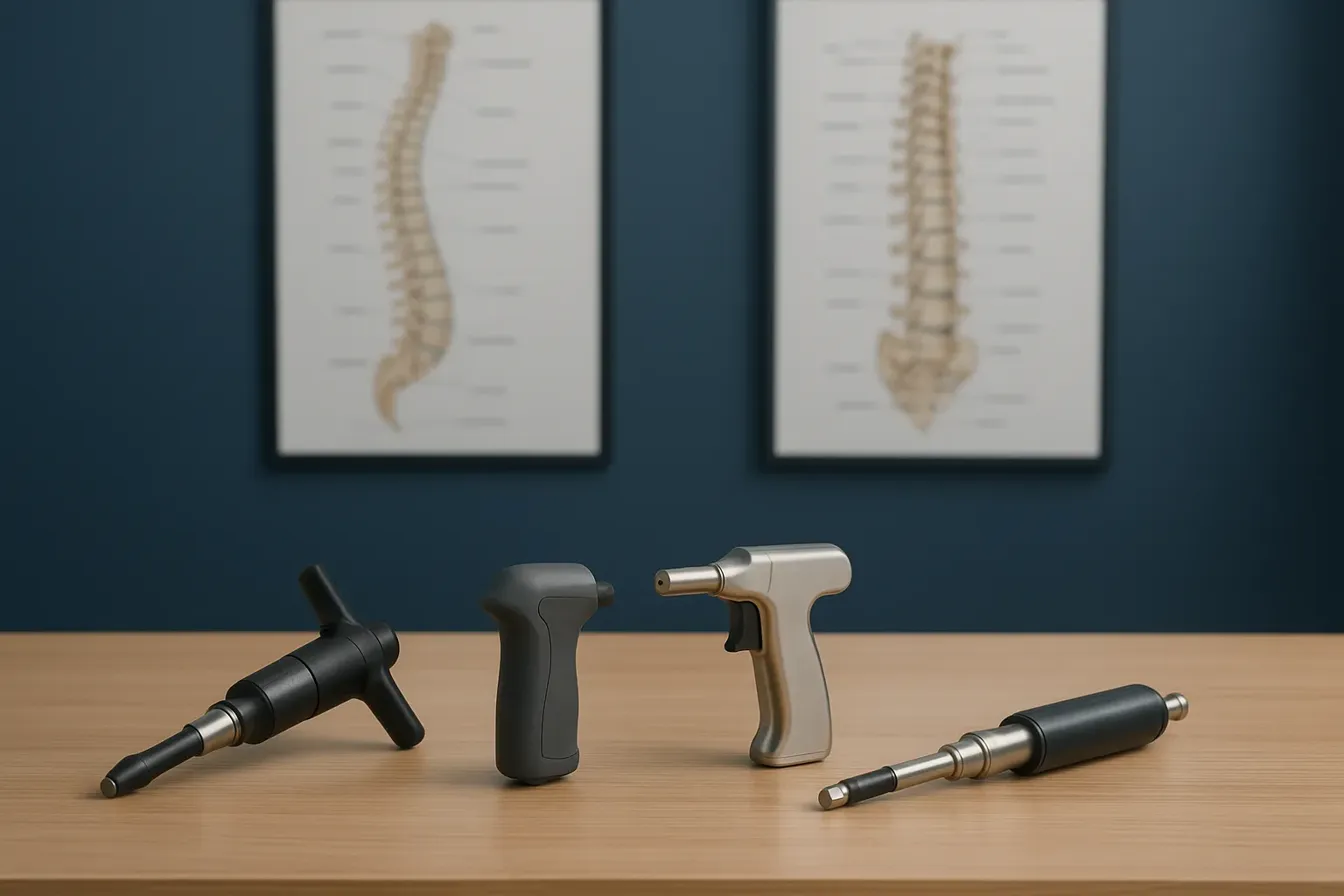
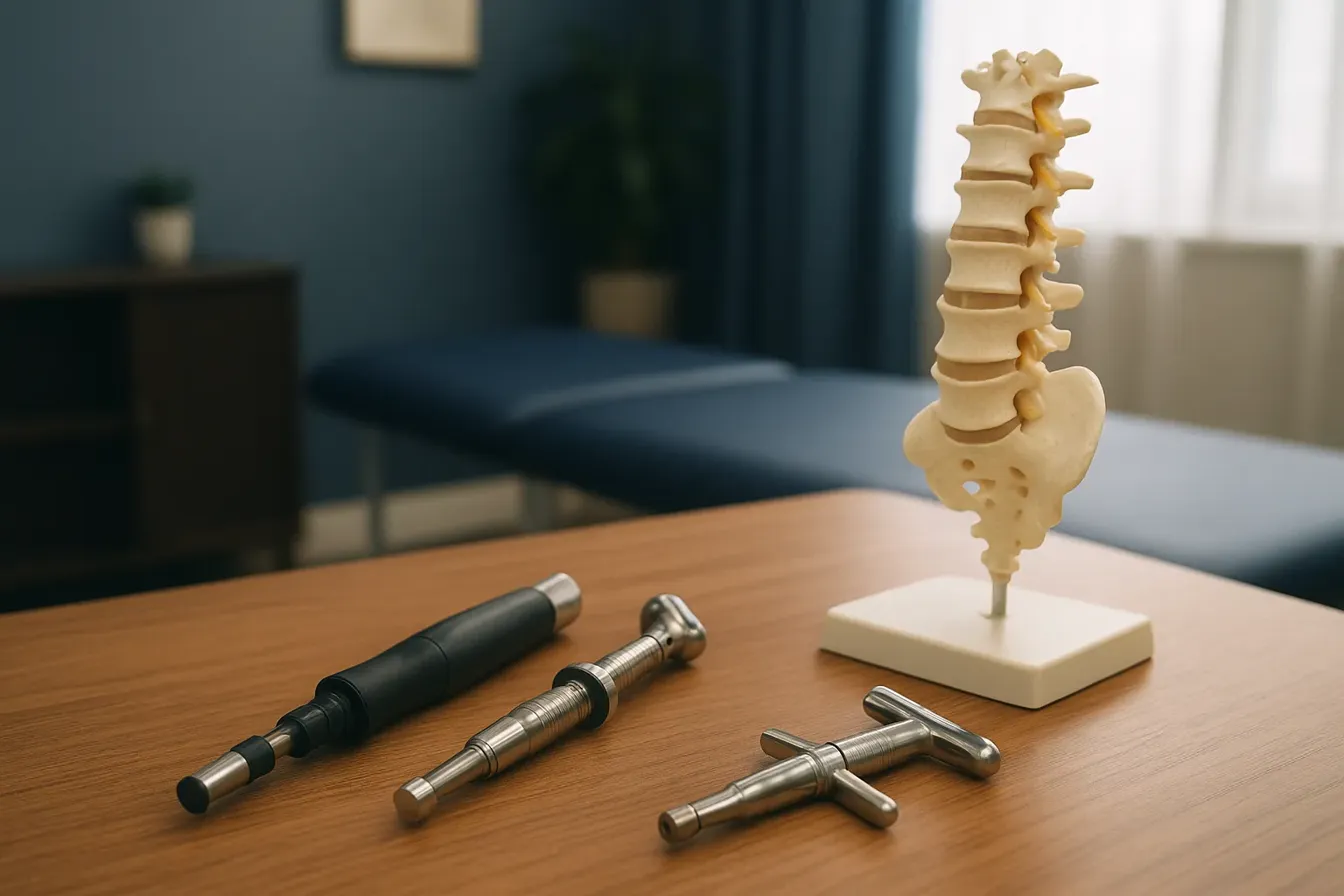
- Activator Method: A handheld instrument delivering low-force, targeted adjustments.
- Flexion Distraction: Gentle rhythmic stretching, especially effective for herniated discs and sciatica.
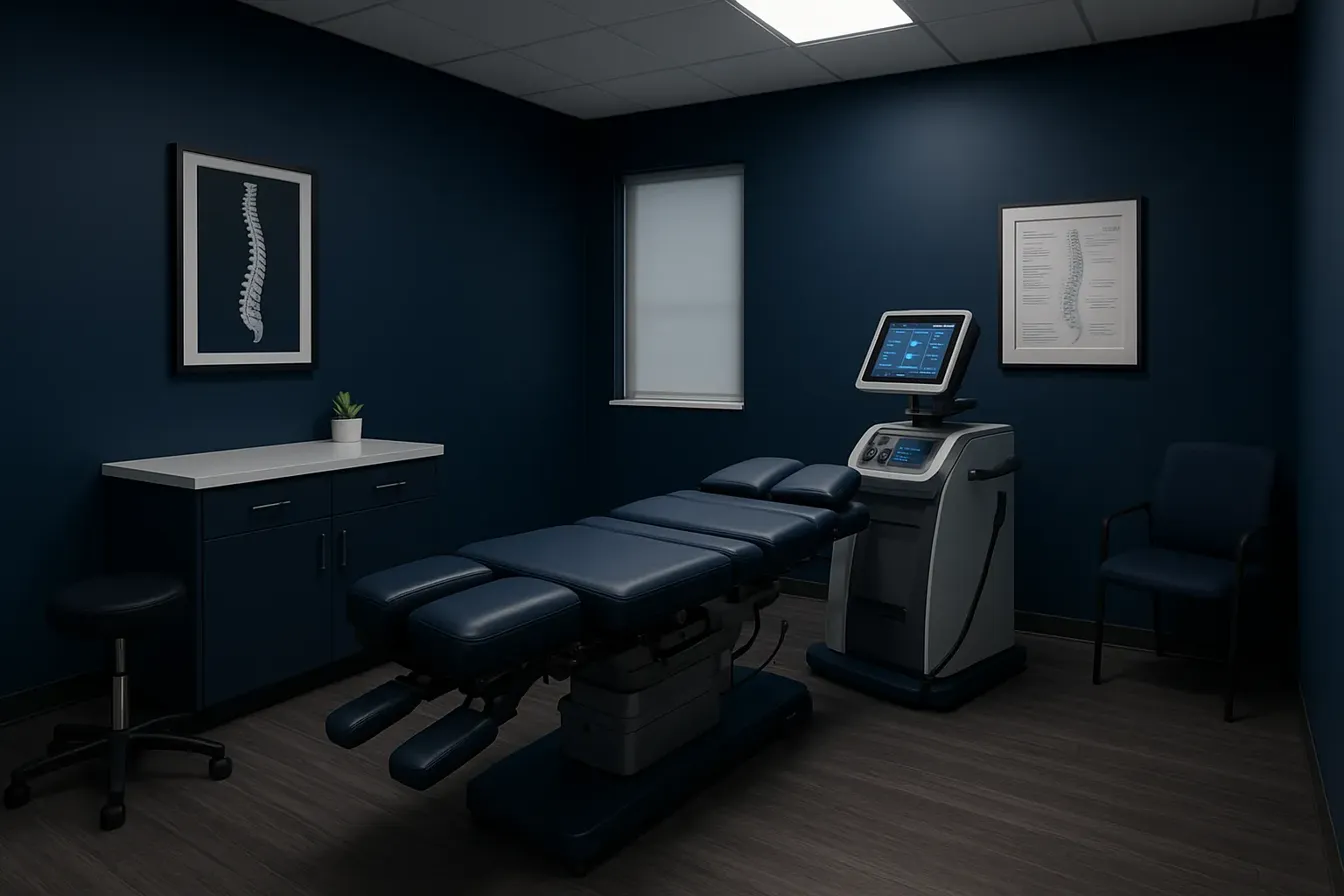
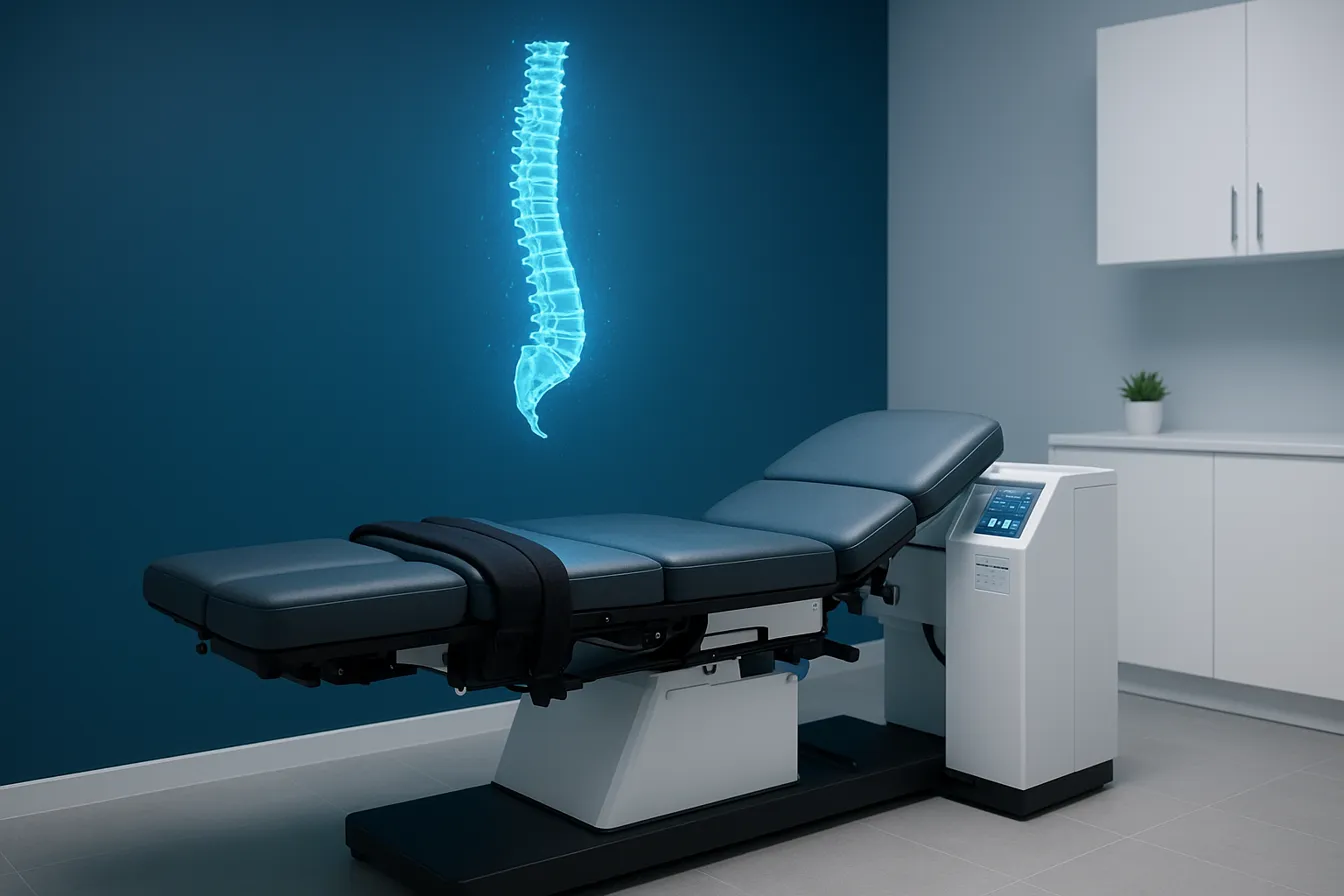
- Spinal Decompression therapy: Specialized equipment stretches the spine to relieve disc pressure and support healing.
How do chiropractic adjustments restore spinal alignment and nerve function?
By precisely correcting vertebral subluxations and postural dysfunctions, chiropractic adjustments remove interference in nervous system communication. This restores proper nerve flow, reduces inflammation and muscle spasms, and supports the body's innate healing processes. Restoring spinal alignment corrects biomechanical imbalances, preventing compensatory movement patterns and degenerative issues. For more details, see Root Cause Chiropractic Care.
What evidence supports the effectiveness of chiropractic care?
Research shows chiropractic spinal manipulation provides effective short- and long-term relief for low back and neck pain. The American College of Physicians recommends spinal manipulation alongside exercise and patient education. Studies suggest chiropractic care can reduce pain severity, improve functional ability, and decrease reliance on painful medications compared to standard medical care. For an evidence-based perspective, refer to Clinical effectiveness of chiropractic spinal manipulative therapy and Chiropractic care for pain relief.
What is chiropractic care's role in reducing dependence on medication and invasive procedures?
Chiropractic treatment offers a non-invasive, drug-free alternative focusing on root causes rather than symptom masking. Patients often experience improvements in pain and mobility without opioids or surgical interventions. This approach minimizes risks of medication dependency, surgical complications, and fosters sustainable, long-term pain management. Learn more from Root Cause Chiropractic Care.
How do lifestyle and ergonomics integrate with chiropractic treatment plans?
Holistic chiropractic care incorporates ergonomic education, posture correction, and lifestyle counseling, addressing factors like sleep, nutrition, stress, and movement habits. Customized rehabilitative exercises strengthen supporting musculature to maintain spinal health. This integrated approach optimizes treatment results and promotes overall musculoskeletal wellness and function. For more information, visit Lifestyle and biomechanics in pain and Root Cause Identification in Healthcare.
Chiropractic Care for Back Pain: Summary Table
| Technique | Description | Benefits |
|---|---|---|
| Diversified Technique | High-velocity thrusts to realign spine | Rapid correction, pain relief |
| Flexion Distraction | Gentle spinal stretching | Effective for disc issues and nerve pain |
| Activator Method | Low-force instrument adjustments | Precise, gentle, suitable for sensitive cases |
| Thompson Drop-Table | Table sections drop for gentle adjustments | Comfortable, effective for various conditions |
| Manual Therapies | Trigger point therapy, myofascial release, massage | Reduce muscle tension, improve circulation |
| Rehabilitative Exercises | Customized strengthening and mobility exercises | Supports long-term spinal stability |
| Lifestyle & Ergonomic Counseling | Posture, nutrition, stress management | Prevents recurrence, promotes holistic health |
Chiropractic care thus provides a comprehensive root cause approach to musculoskeletal pain, emphasizing lasting relief, improved function, and overall wellness through integrative, personalized care plans.
Holistic Pain Management: Beyond Symptom Relief

Why is addressing pain management in a holistic way?
Holistic pain management recognizes that pain is multifaceted, often stemming from not just physical issues but also lifestyle factors in pain management, emotional well-being, and mental health. Treating pain solely as a physical symptom may overlook critical factors like posture and muscle imbalances, or stress, which contribute to ongoing discomfort. By considering the whole person, including their lifestyle and emotional health, practitioners can develop personalized pain treatment plans that integrate chiropractic adjustments, nutritional guidance, stress management, and psychological support. This comprehensive pain management supports the body's natural healing mechanisms, promoting more long-lasting pain relief methods and enhancing overall quality of life.
What components does holistic pain management include?
Holistic care emphasizes several interconnected components:
- Movement and Exercise: Gentle physical activities such as chiropractic techniques for pain relief, Pilates, yoga, and physical therapy for pain improve mobility, correct posture, and strengthen muscles.
- Nutrition: A nutrient-rich diet for musculoskeletal health, rich in lean proteins, healthy fats, and antioxidants, helps reduce inflammation and supports joint and tissue repair.
- Sleep: Better sleep from managing pain aids recovery and modulates pain perception.
- Stress Management: Mindfulness, meditation and pain reduce the physiological stress that can exacerbate pain.
- Preventative Care: Regular assessments, ergonomic education, and lifestyle adjustments prevent pain recurrence (Root Cause Identification in Healthcare).
How does holistic care improve long-term outcomes?
Addressing the treating the root cause of pain rather than only symptoms results in lasting benefits. Patients often experience better sleep from managing pain, increased mobility, and elevated quality of life due to reduced inflammation and better nervous system function. Holistic interventions minimize dependence on medications, reducing risks of side effects and addiction. Moreover, lifestyle changes foster resilience, lowering chances for future injury or chronic pain development (comprehensive pain management.
How are chronic pain cases managed holistically?
Living well with chronic pain multidisciplinary pain management programs (PMPs) combine medical, psychological, and physical therapies. These programs emphasize self-management strategies, graded activity, cognitive-behavioral techniques, and education about pain physiology. Patients learn to adjust behaviors, manage moods, and set functional goals. Such comprehensive care acknowledges psychological and behavioral influences on pain, enabling individuals to live well despite chronic symptoms.
Why avoid over-reliance on medications?
Long-term medication use can lead to tolerance, side effects, and dependency. Holistic pain management diminishes these risks by promoting natural healing approaches and lifestyle modifications. Chiropractic care, targeted exercises for pain relief, nutritional support, and psychological therapies contribute to reducing pharmacological needs.
What role does personalization and patient empowerment play?
Each person’s pain stems from unique causes requiring personalized pain treatment plans. Holistic care prioritizes individualized assessments to identify factors like biomechanics, emotional stress, and nutrition. Empowering patients with knowledge and tools encourages active participation in their healing journey, fostering sustainable wellness and preventing recurrent pain.
Early Intervention in Pain Management: Preventing Chronic Conditions
Why is it important to address acute pain effectively?
Acute pain serves as a warning sign and influences a patient's recovery and overall experience. Poor management of acute pain can lead to negative consequences including the development of chronic pain and decreased patient satisfaction. Therefore, Early intervention in acute pain management are essential for improving health outcomes.
How does early intervention prevent progression to chronic pain?
Early Pain Intervention can stop acute pain from becoming chronic—a transition that complicates treatment and impacts both physical and mental health. Timely management addresses underlying causes quickly, reduces the risk of prolonged nerve sensitization, and prevents compensatory movement patterns that lead to further dysfunction.
What common conditions benefit from early pain management?
Conditions such as back pain, joint pain, muscle pain, and headaches—frequently reported among adults—respond well to early intervention. Prompt care for issues like herniated discs, arthritis, sprains, and inflammation reduces disease progression and mitigates the need for invasive procedures.
What role do physical therapy and rehabilitation play in early intervention?
Physical Therapy for Pain supports early recovery by restoring mobility, correcting biomechanical imbalances, and promoting functional movement. Rehabilitation prevents long-term disability and expedites healing, ensuring patients regain strength and improve their quality of life.
How does timely care improve recovery outcomes and quality of life?
Patients receiving early, comprehensive care often experience enhanced recovery, less disability, and better sleep quality. This leads to improved daily functioning, reduced reliance on medications, and overall psychological well-being, ultimately raising the standard of living.
Early intervention is a cornerstone of effective Pain management overview, emphasizing prompt assessment, personalized treatment, and holistic care to prevent chronicity and promote lasting wellness.
Supporting Musculoskeletal Health to Address Root Causes of Pain

Key musculoskeletal conditions contributing to pain: osteoarthritis, osteoporosis, injuries, fibromyalgia
Musculoskeletal pain commonly arises from conditions such as osteoarthritis, involving cartilage breakdown, osteoporosis which weakens bones, injuries like sprains or fractures, and fibromyalgia characterized by widespread pain.
Role of nutrition, hydration, and supplementation in musculoskeletal health
A nutrient-rich diet supports musculoskeletal tissue repair and inflammation control. Consuming whole foods rich in lean proteins, healthy fats, fruits, and vegetables promotes joint health. Supplements like fish oil, curcumin, and collagen may also support inflammation reduction and joint function. Proper hydration enhances nutrient delivery and tissue health.
Importance of exercise and weight-bearing activity
Weight-bearing and regular exercise strengthen bones and muscles, helping prevent osteoporosis and promoting overall joint mobility. Activities like walking, swimming, and yoga increase flexibility and reduce stiffness, supporting sustainable musculoskeletal function.
Impact of inflammation and how to manage it through lifestyle
Chronic inflammation significantly contributes to musculoskeletal pain and deterioration. Adopting an anti-inflammatory lifestyle—optimal diet, stress management, and avoiding processed foods—can reduce pain and improve function (Integrative Medicine for Musculoskeletal Health).
Integrative approaches including physical therapy, acupuncture, and chiropractic care
Physical therapy offers targeted exercises for pain relief and manual therapies in physical therapy to restore balance and alleviate pain. Acupuncture and chiropractic techniques for pain management provide non-invasive interventions that reduce pain and improve mobility by addressing underlying musculoskeletal dysfunctions.
How can the musculoskeletal system be kept healthy?
Maintaining musculoskeletal health involves regular weight-bearing exercises combined with a balanced diet rich in calcium (from leafy greens) and vitamin D (from dairy, egg yolks, saltwater fish, and sunlight). Calcium supplements paired with magnesium enhance bone health when taken appropriately, providing a comprehensive defense against musculoskeletal degeneration (Holistic approach to musculoskeletal health).
Impact of Root Cause Treatment on Overall Health and Quality of Life

Why is addressing pain important for overall health?
Addressing pain is crucial for overall health because pain affects critical physiological and psychological functions such as blood pressure, heart rate, sleep quality, and appetite. Unmanaged pain can trigger chronic stress responses, which increase the risk of hypertension and cardiovascular problems. Effective pain management helps reduce these stress effects, improves mobility, and restores daily activity, ultimately enhancing quality of life. Chronic pain, particularly when lasting longer than three months, requires focused interventions like physical therapy for pain and acupuncture to prevent lasting health complications.
How does focusing on root causes reduce medication dependence?
Targeting the underlying causes of pain, rather than just managing symptoms, offers a natural and sustainable path to relief. Chiropractic care, physical therapy, and lifestyle modifications can reduce reliance on pain medications, which often carry risks of side effects and dependency. Addressing imbalances, muscle weakness, or structural dysfunctions directly decreases the need for opioids or invasive procedures, promoting safer pain control.
What are some long-term benefits of addressing root causes?
Long-term benefits of root cause treatment include improved joint mobility, better sleep quality, and enhanced mental well-being. Correcting structural issues, managing inflammation, and improving posture restore normal function and reduce recurrent pain episodes. Patients experience elevated mood, decreased anxiety, and a higher ability to engage in daily and recreational activities, supporting holistic wellness.
How cost-effective is targeted pain therapy?
Focused therapies that address the root causes of pain are cost-effective by reducing the need for repeated doctor visits, expensive procedures, and long-term medication use. Early and personalized interventions prevent chronic disability and help patients avoid surgery and hospital stays. This approach leads to lower overall healthcare costs and increased patient satisfaction, as detailed in comprehensive pain management.
How does education and personalized care empower patients?
Patient education about the nature of pain and self-management strategies plays a vital role in recovery. Personalized treatment plans that consider individual lifestyle, psychological factors, and physical needs engage patients actively in their care. This empowerment fosters adherence to therapy, encourages healthy behaviors, and supports sustainable outcomes, enhancing the patient’s quality of life.
Conclusion: Embracing Root Cause Treatment for Lasting Pain Relief
Understanding the Necessity of Root Cause Analysis
Addressing pain effectively requires identifying and correcting its root causes, such as spinal misalignments, postural dysfunctions, and lifestyle factors. This comprehensive approach reduces dependence on medications and prevents chronic pain progression.
Chiropractic and Holistic Therapies
Chiropractic care plays a vital role by realigning the spine and improving nervous system function. Combined with holistic methods—including physical therapy, nutrition, and stress management—these therapies offer natural, personalized pain relief that enhances overall well-being.
The Role of Early Intervention and Musculoskeletal Health
Prompt pain management prevents acute pain from becoming chronic. Supporting musculoskeletal health through exercise, proper nutrition, and targeted therapies optimizes recovery and mobility.
Towards Personalized Comprehensive Care
Integrating these strategies creates effective, individualized treatment plans. Patients benefit from long-term relief, improved quality of life, and sustainable health outcomes by embracing root cause-focused pain management.
Recent articles

10 Real‑Patient Success Stories Showcasing the Impact of Chiropractic Care

Superfoods That Boost Nerve Healing After Chiropractic Sessions

Sleep Positions That Promote a Healthy Back Alignment

Signs Your Chiropractor Is a Good Fit for Your Back Pain Goals

Case Study: Integrated Physiotherapy and Chiropractic for Faster Recovery

First-Time Chiropractic Visit: A Step‑by‑Step Walkthrough

Synergistic Benefits: Combining Physiotherapy with Chiropractic Care

Beyond Surgery: Holistic Approaches to Managing Back Pain

How Manual Therapy Enhances the Effects of Chiropractic Adjustments

Hydration Hacks: Why Water Matters for Joint and Spine Function

What Does a Comprehensive Spinal Evaluation Include?

Success Spotlight: Transformative Results After Six Weeks of Chiropractic Treatment

Understanding the Initial Assessment Process in Chiropractic Care

Designing a Personalized Corrective Exercise Plan for Chronic Pain Management

Natural Pain Management: Combining Acupuncture, Yoga, and Chiropractic

Chiropractic Care vs. Pain Meds: Long-Term Outcomes for Back Pain Sufferers

What to Expect During a Sciatica‑Focused Decompression Session

Understanding the Pain-Relief Mechanics Behind Chiropractic Adjustments

Success Rates of Non‑Surgical Spinal Decompression for Sciatica

Patient-Centered Chiropractic Care: Personalized Plans for Back Pain Relief
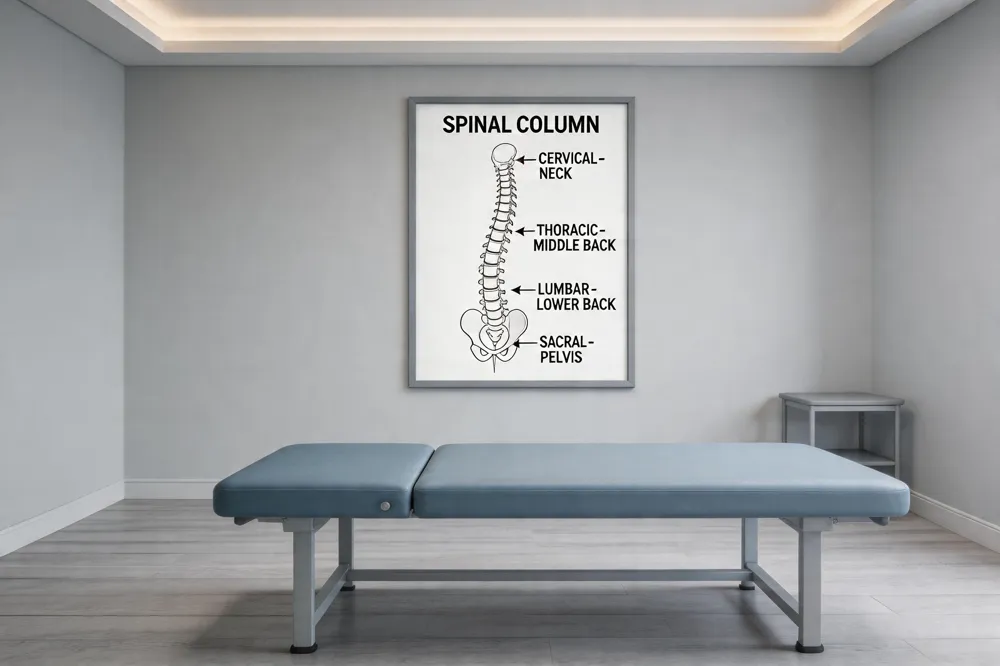
How Chiropractic Treatments Reduce Inflammation and Speed Up Back Pain Recovery

Real‑Life Stories: How Chiropractic Helped Patients Overcome Chronic Back Pain

From Symptom Masking to Root‑Cause Healing: A Practical Guide

6 Holistic Non‑Surgical Treatments That Deliver Sustainable Back‑Pain Relief

Key Questions to Ask When Selecting Your Chiropractor

Mindful Movement: Incorporating Stretch Breaks Into a Busy Day

Why Targeting the Underlying Cause Beats Temporary Symptom Relief

8 Ways Physiotherapy Complements Chiropractic Adjustments for Faster Recovery

Meal Planning for Athletes Recovering from Back Injuries

9 Everyday Lifestyle Tweaks to Preserve a Healthy Spine and Prevent Pain

Functional Movement Screening for Root‑Cause Pain Identification

6 Things You’ll Experience During Your First Chiropractic Appointment

Spinal Decompression vs. Standard Physical Therapy for Sciatica: A Comparative Review

New Findings on How Adjustments Influence Blood Circulation

Work‑From‑Home Ergonomics: A Blueprint for a Pain‑Free Back

The Link Between Chiropractic Care and Improved Sleep Quality

Physiotherapy Techniques That Strengthen the Benefits of Chiropractic Adjustments

Biomechanical Insights Behind Successful Spinal Decompression

Desk‑to‑Dumbbell: Lifestyle Shifts That Guard Your Lower Back

10 Corrective Exercises for Sustainable Pain-Free Living

Morning Routines That Support Spine Health and Reduce Stiffness

Calcium and Magnesium‑Focused Nutrition for Bone Density and Spine Health

9 Ways Chiropractic Care Transforms Back Pain Management

Testimonial: Nutrition‑Guided Recovery Accelerated by Chiropractic

Science‑Backed Spinal Decompression for Relieving Sciatica Symptoms

Key Questions to Ask During Your Initial Chiropractic Consultation
Whole‑Body Wellness Blueprint: Nutrition, Exercise, and Chiropractic Synergy

A 12‑Week Corrective Exercise Blueprint for Chronic Neck Discomfort

Manual Therapy Plus Targeted Exercise: Accelerating Post‑Injury Recovery

Home‑Based Spinal Decompression Devices: What Patients Should Know

Chiropractic Care Statistics: Reducing Lost Workdays From Back Pain

How Targeted Nutrition Enhances Immune Function and Lowers Inflammatory Pain

Self‑Assessment Tools to Identify Hidden Triggers of Back Pain

Preparing for Your First Chiropractic Appointment: A Practical Checklist

Back Pain Relief Benefits: Lower Opioid Use and Better Quality of Life

Foam‑Rolling Techniques to Complement Chiropractic Adjustments

Progressive Overload Principles in Corrective Exercise Programs

Six‑Month Transformation: Integrated Care Success Story

7 Nutritional Hacks to Boost Your Overall Wellness

How to Choose a Chiropractor: Credentials, Techniques, and Patient Compatibility

5 Ways Spinal Decompression Can Ease Sciatica Pain

Overcoming Sciatica: A Patient’s Multidisciplinary Treatment Journey
Lifestyle Changes That Promote a Healthy Spine
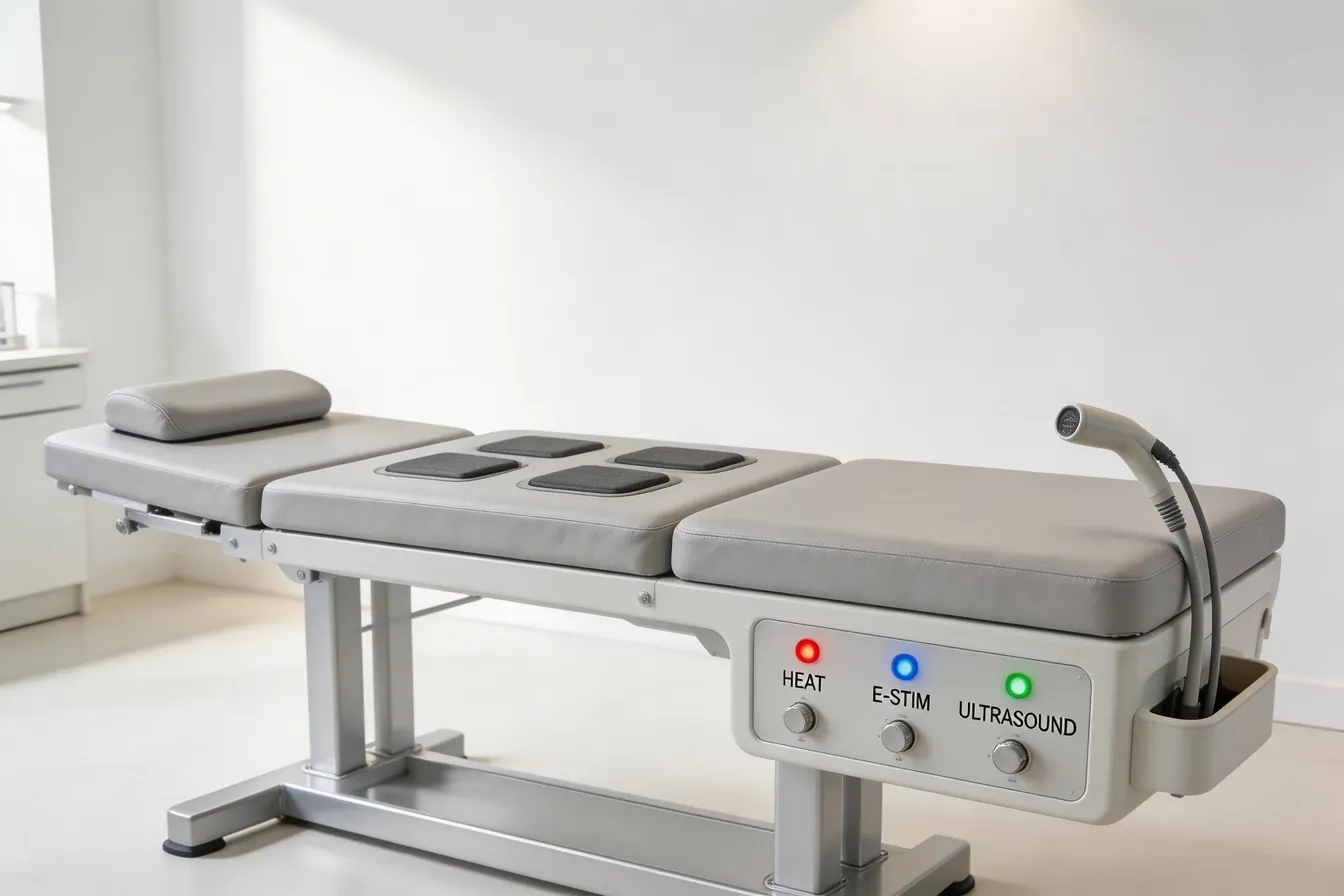
Physiotherapy as a Complement to Chiropractic Treatments

6 Ways Physiotherapy Enhances Chiropractic Treatment Outcomes

Daily Living Tips for a Strong and Healthy Spine

How Physiotherapy Enhances Chiropractic Outcomes
Holistic Treatments: Alternatives to Surgery for Pain Relief

Inspiring Patient Success Stories from Chiropractic Clinics

Integrating Physiotherapy with Chiropractic Treatments
Corrective Exercise Routines for Chronic Pain Prevention
10 Corrective Exercises to Maintain a Healthy Spine and Relieve Pain
Exercise Strategies for Long-Term Pain Management
10 Corrective Exercises to Maintain a Healthy Spine and Relieve Pain
The Importance of Treating the Root Cause of Pain

Nutritional Support Strategies for Whole-Body Wellness
7 Essential Questions to Ask When Choosing Your Chiropractor

Identifying and Addressing Root Causes of Pain
Maintaining a Healthy Spine with Lifestyle Adjustments
Sciatica Symptom Relief via Spinal Decompression
8 Reasons Why Addressing the Root Cause of Pain Is Crucial
Chiropractic Care’s Impact on Back Pain Recovery

Combining Physiotherapy with Chiropractic Care for Better Results

Inspiring Recovery: Chiropractic Patient Testimonials
Nutritional Counseling Tips for Optimal Wellness

Why Addressing the Root Cause of Pain is Crucial
Back Pain and Chiropractic Care: A Winning Combination

Chiropractic Care Benefits You Might Not Know
Exploring Holistic and Non-Surgical Treatments for Pain
Spinal Health: Lifestyle Tips for Everyday Wellness
Spinal Decompression Therapy: Benefits and Applications
Holistic and Non-Invasive Spine Care Options
Everyday Lifestyle Advice to Keep Your Spine Healthy
The Significance of Treating Root Causes in Pain Therapy
Best Corrective Exercises for Sustainable Pain Management

Addressing Underlying Causes of Pain for Long-Term Relief

6 Key Benefits of Spinal Decompression Therapy for Sciatica Relief

How Nutritional Counseling Supports Spine Health and Recovery

The Role of Physiotherapy in Supporting Chiropractic Treatments