Nutritional Counseling Strategies for Spine Health Improvement
January 16, 2026
11 min
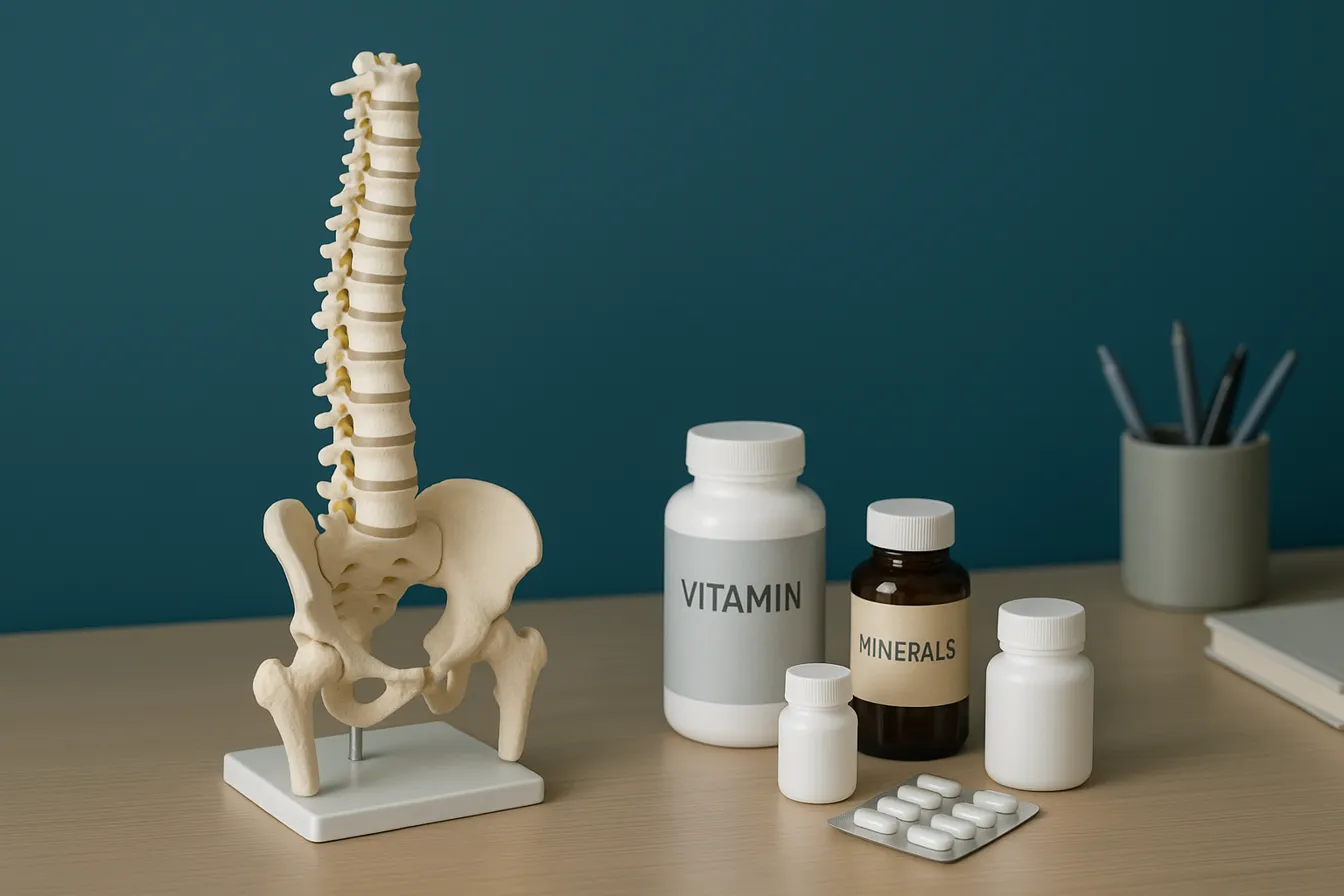
The Vital Role of Nutrition in Spine Health
Importance of Nutrition for Spine Health
Proper nutrition is fundamental in maintaining the strength and integrity of the spine. The spine’s structure—including bones, discs, and nerves—relies on a constant supply of essential nutrients to support ongoing repair and function. Without adequate nutritional support, spinal tissues can weaken, increasing the risk of conditions such as osteoporosis and degenerative disc disease.
Key Nutrients for Bone, Disc, and Nerve Function
Calcium and vitamin D are critical for bone density and strength, helping to prevent fractures and maintain vertebral health. Magnesium enhances calcium absorption and supports muscle flexibility, while vitamin K2 improves bone quality. Protein and collagen contribute to tissue repair and muscle support, essential for the spine’s stability.
Discs benefit from proper hydration and nutrients like sulfur-rich foods that maintain elasticity and shock absorption. Omega-3 fatty acids help reduce inflammation in spinal joints and surrounding tissues, easing pain and stiffness. Antioxidants from fruits and vegetables combat oxidative stress that can deteriorate spinal cells.
Inflammation’s Impact on Spine Health
Chronic inflammation plays a major role in spinal discomfort and degenerative conditions. Diets high in processed foods, refined sugars, and unhealthy fats increase inflammation, which can lead to pain and impaired healing. Conversely, anti-inflammatory diets rich in whole foods, healthy fats, and antioxidants help reduce swelling and protect spinal tissues.
Lifestyle, Diet, and Spinal Wellness
Maintaining a healthy weight through balanced nutrition and regular physical activity reduces strain on the spine, mitigating the risk of injury and chronic ailments. Hydration supports disc health by preserving elasticity and cushioning between vertebrae. Holistic spinal wellness integrates nutrient-rich diets, exercise, hydration, and lifestyle choices to promote long-term spine health and function.
Key Nutrients Supporting Spinal Structure and Function

Which nutrients are important for spine health?
Nutrients vital for maintaining a healthy spine include calcium, vitamin D, magnesium, vitamin K, collagen, and omega-3 fatty acids. Calcium and vitamin D work together to strengthen bones by supporting bone density and facilitating calcium absorption. Magnesium aids this process further by enhancing calcium uptake and promoting muscle and nerve function around the spine.
Vitamin K, especially K2, contributes to bone matrix formation and quality, reducing fracture risks by guiding calcium into bones. Collagen is essential for maintaining the integrity and elasticity of spinal discs, ligaments, and connective tissues, ensuring flexibility and shock absorption.
Omega-3 fatty acids provide anti-inflammatory benefits that help reduce swelling and discomfort in spinal joints, mitigating conditions like arthritis and degenerative disc disease.
What are the common food sources of these nutrients?
- Calcium: Dairy products like milk and cheese, leafy greens such as spinach and kale, fish, beans, nuts, and seeds.
- Vitamin D: Sunlight exposure is primary; dietary sources include fatty fish (salmon, mackerel), egg yolks, mushrooms, and fortified foods.
- Magnesium: Found in leafy greens, nuts, seeds, fish, beans, and whole grains.
- Vitamin K2: Present in fermented foods, certain cheeses, meats, and eggs.
- Collagen: Found in bone broth, gelatin, and supported by vitamin C-rich fruits.
- Omega-3 fatty acids: Rich sources are fatty fish like salmon and tuna, as well as walnuts, flaxseeds, chia seeds, and certain oils.
A balanced diet, focusing on these nutrients, combined with maintaining a healthy weight, supports the spine’s structural integrity and function, contributing to overall mobility and reduced back pain.
Dietary Approaches to Support Spinal Disc Healing and Nerve Repair

Nutritional requirements for disc regeneration
Proper spinal disc healing depends on a diet rich in Nutrition and spinal wellness. Calcium, abundant in dairy and leafy greens, maintains strong bones which support the spine. Importance of Vitamin D for bones, while magnesium enhances bone strength and stability. Omega-3 fatty acids and inflammation, easing spinal pain and stiffness.
Role of vitamin C, B vitamins, antioxidants in nerve healing
Nerve repair benefits from nutrients like B vitamins and antioxidants. Leafy greens such as spinach and kale provide Role of Vitamin C in collagen formation and Importance of nutrients for spinal strength. Antioxidant-rich foods like berries and dark chocolate protect nerves from oxidative damage. Nuts and seeds supply vitamin E, supporting nerve repair and myelin sheath restoration. Together, these nutrients promote healing and reduce inflammation.
Hydration’s role in disc elasticity and nutrient transport
Adequate Hydration for spinal health. Water keeps spinal discs elastic and cushions vertebrae against impact. It also facilitates nutrient transport to spinal tissues, promoting repair and slowing degeneration. Drinking enough water daily supports disc elasticity and reduces back pain and stiffness.
Foods promoting collagen synthesis and reducing degeneration
Collagen supports disc and ligament health by maintaining tissue flexibility and strength. Vitamin C for tissue repair fruits like citrus and strawberries aid collagen synthesis. Sulfur-containing foods, such as garlic and onions, also contribute. Avoiding processed and inflammatory foods reduces degeneration risk, while nutrient-dense whole foods sustain spinal integrity.
What foods are good for spinal disc healing?
- Dairy products and leafy greens for calcium
- Fatty fish, flaxseeds, walnuts for omega-3 fatty acids
- Antioxidant fruits and vegetables
- Hydrating fluids
- Avoid processed, sugary, and inflammatory foods
What are some foods that may help heal nerve damage?
- Leafy greens (spinach, kale) for B vitamins
- Fatty fish (salmon, mackerel) for omega-3s
- Berries and dark chocolate for antioxidants
- Nuts and seeds for vitamin E
Integrating these dietary components with lifestyle factors like exercise and posture optimizes spinal disc healing and nerve repair.
Anti-Inflammatory Foods and Lifestyle to Alleviate Back Pain

Impact of inflammation on back pain and spinal conditions
Inflammation is a significant contributor to back pain and various spinal conditions such as arthritis and disc degeneration. Chronic inflammation can lead to pain, stiffness, and tissue damage around spinal joints and nerves, exacerbating discomfort and reducing mobility. Addressing inflammation through anti-inflammatory foods for spine health.
Which foods can help reduce inflammation related to back pain?
Eating a diet rich in anti-inflammatory foods for back pain can effectively reduce inflammation associated with back pain. Omega-3 fatty acids and spinal pain, abundant in fatty fish like salmon, mackerel, sardines, and tuna, help lower joint swelling and pain. Berries—such as blueberries, raspberries, and cherries—offer antioxidants and polyphenols that combat oxidative stress and inflammation. Leafy greens like spinach, kale, and Swiss chard provide calcium, magnesium, and vitamins essential for bone strength and inflammation reduction. Turmeric contains curcumin, known for its potent anti-inflammatory and antioxidant effects. Additional supportive foods include green tea, olive oil (rich in oleocanthal), nuts, seeds, and yogurt, all contributing healthy fats and antioxidants.
What foods should be avoided to reduce back pain?
Reducing intake of foods that promote inflammation is crucial. Processed foods, refined sugars, and refined carbohydrates (such as white bread, pasta, and baked goods) contribute to systemic inflammation, worsening back pain. Vegetable oils high in omega-6 fats like soybean, canola, sunflower, and cottonseed oils can imbalance inflammatory responses. Excess sodium, saturated fats, and alcohol also elevate inflammation levels and should be limited. Adopting dietary patterns like the DASH or Mediterranean diet—focusing on whole grains, colorful fruits and vegetables, legumes, nuts, and oily fish—can effectively decrease inflammation and support spinal health (Nutrition for a Healthy Back).
Role of hydration and exercise in inflammation and pain reduction
Adequate hydration is essential for maintaining disc elasticity, nutrient transport, and toxin removal, all of which reduce spinal stiffness and discomfort. Drinking plenty of water supports hydration for spinal health and lubrication of facet joints. Regular exercise, including aerobic activities, strength training, and flexibility exercises such as yoga or Pilates, strengthens supporting muscles and reduces inflammation. Combined with anti-inflammatory nutrition, these lifestyle habits form a holistic approach to alleviating back pain and improving spinal function (Food as medicine for a healthy back).
Addressing Nutritional Deficiencies Related to Back Pain

What nutritional deficiency is linked to back pain?
Vitamin D deficiency is commonly linked to back pain due to its essential role in maintaining bone density and muscle function. Low vitamin D levels can weaken bones, reducing structural support for the spine and increasing vulnerability to degenerative disc disease and fractures.
How does vitamin D deficiency affect musculoskeletal health?
Insufficient Vitamin D and calcium absorption leads to decreased bone strength and muscle weakness. This contributes to muscle spasms and hypersensitivity, particularly around the lower back, which can intensify discomfort and pain.
What are the benefits of vitamin D supplementation when deficient?
Vitamin D supplementation benefits have been shown to improve muscle strength, reduce inflammation, and aid bone health. These effects may help alleviate symptoms related to back pain and promote better recovery from spinal issues.
Why is comprehensive nutritional assessment important?
A thorough nutritional counseling and chiropractic treatments helps identify deficiencies such as vitamin D that contribute to musculoskeletal problems. Addressing these deficiencies as part of a holistic treatment plan enhances the effectiveness of chiropractic care and supports overall spinal health.
Incorporating nutritional strategies focused on correcting vitamin D insufficiency alongside other nutrients can improve patient outcomes in back pain management.
Hydration and Lifestyle Habits for Optimal Spine Health

Role of hydration in disc health and nutrient transport
Proper hydration is vital for maintaining the elasticity and function of spinal discs, which act as shock absorbers between vertebrae. Water enables the transport of essential nutrients to spinal tissues and supports the removal of metabolic waste, helping to reduce stiffness and discomfort. For more information, see Hydration for Spinal Health.
Daily water intake recommendations
To support spinal health, it is generally recommended to consume 8 to 10 cups of water daily. This amount helps keep spinal discs well-hydrated, ensuring they maintain their cushioning properties and flexibility. Learn more about Hydration Benefits for Spine Health.
Gentle movement and specific stretches to promote disc hydration
Engaging in gentle, regular physical activities such as walking and swimming boosts circulation, enhancing nutrient exchange within the spinal discs. Specific stretches like the Cat-Camel and Child's Pose mobilize the spine gently, encouraging disc hydration and relieving pressure. See exercises for spine health for detailed guidance.
Lifestyle modifications including posture and physical activity
Maintaining good posture reduces undue strain on the spine and helps prevent disc dehydration and degeneration. Avoiding prolonged inactivity and integrating regular physical activity improves circulation and spinal flexibility, supporting overall spine health. Read more about lifestyle changes for spine health.
How can I naturally rehydrate my spinal discs?
To naturally rehydrate your spinal discs, it’s important to stay well-hydrated with 8-10 cups of water daily. Incorporate gentle movements like walking or swimming to enhance circulation. Perform spinal stretches such as the Cat-Camel and Child's Pose to gently mobilize the spine and promote disc hydration. Maintain a diet rich in anti-inflammatory nutrients and avoid prolonged sitting or poor posture to protect disc health and prevent degeneration. Explore more about nutrition and spine health and anti-inflammatory foods for spine health.
Nutritional Strategies to Support Spine Surgery Recovery and Rehabilitation
Importance of Protein, Vitamin C, Zinc, and Vitamin K for Wound Healing
Protein is fundamental for tissue regeneration and repair after spine surgery. Including lean meats, fish, eggs, legumes, and nuts in the diet provides essential amino acids to support healing. Vitamin C plays a crucial role in building connective tissue and collagen synthesis, which aids wound closure; it is abundant in fruits like citrus, strawberries, and vegetables such as peppers and greens. Zinc contributes to immune function and facilitates wound healing and can be sourced from seafood, liver, nuts, and seeds. Vitamin K supports blood clotting and tissue repair, found in green leafy vegetables, fish, and vegetable oils.
Role of Antioxidants and Anti-inflammatory Nutrients in Recovery
Fruits and vegetables rich in antioxidants—such as berries, spinach, kale, and broccoli—help reduce oxidative stress and inflammation, promoting a healthier recovery environment. Omega-3 fatty acids derived from fatty fish, flaxseeds, walnuts, and olive oil have anti-inflammatory properties that lessen post-surgical inflammation and support tissue repair.
Energy and Immune System Support Through Balanced Diet
Complex carbohydrates from whole grains, brown rice, quinoa, and vegetables supply sustained energy necessary for rehabilitation exercises and overall recovery. Immune health is bolstered by nutrients like vitamin A (carrots, sweet potatoes), vitamin E (nuts, seeds, vegetable oils), and iron (lean meats, greens), which enhance the body’s ability to fight infection and facilitate healing.
Hydration and Weight Management During Post-operative Care
Maintaining adequate hydration, with six to eight cups of water daily, is essential to support cellular functions, nutrient transport, and medication metabolism during recovery. Proper hydration also supports spinal disc health by maintaining elasticity. Balanced nutrition helps maintain a healthy weight, reducing undue pressure on the spine and aiding the healing progress.
Following these nutrition and spine surgery healing strategies can optimize spine surgery recovery and rehabilitation, complementing medical care and physical therapy for improved outcomes.
Comprehensive Approaches Beyond Nutrition for Natural Spine Healing
What are some nonsurgical treatments to naturally heal the spine and reduce chronic back pain?
Nonsurgical treatments for spine healing start with physical therapy focused on strengthening the core muscles, improving posture, and increasing spinal flexibility. Specific exercises including stretching and low-impact aerobic activities like walking or swimming support spinal health by reducing stiffness and enhancing mobility.
Psychological strategies such as mindfulness meditation, yoga, and relaxation techniques address the emotional challenges of chronic pain, helping patients manage discomfort and improve their quality of life. Chronic pain often involves both physical and psychological components, so integrating these approaches is vital. See Role of psychological strategies in managing chronic spine pain.
Lifestyle changes play a crucial role in spine health. Maintaining a healthy weight reduces mechanical stress on the spine, while smoking cessation improves blood flow and bone healing. Proper activity pacing and ergonomic adjustments help prevent overexertion and further injury.
Complementary alternative therapies like acupuncture and therapeutic massage offer additional pain relief by promoting circulation, reducing muscle tension, and supporting the body's natural healing process. These modalities are valuable adjuncts when combined with physical therapy and lifestyle interventions.
Individualized, multidisciplinary care involving healthcare providers ensures that treatment targets the root cause of pain while minimizing reliance on surgery. This holistic approach supports natural healing and long-term spinal health.
Integrating Nutrition with Holistic Spine Care for Lasting Health
Nutritional Strategies for Spine Health
Maintaining a nutrient-rich diet is vital for spinal wellness. Essential nutrients such as calcium, vitamin D, magnesium, and omega-3 fatty acids support bone density, reduce inflammation, and promote tissue repair. Hydration complements nutrition by preserving disc elasticity and joint lubrication, critical for flexibility and pain reduction.
Personalized Nutritional Counseling
Individual needs vary based on age, activity, and health status. Personalized assessments help identify nutrient deficiencies and guide tailored dietary plans. Collaborating with dietitians ensures patients receive precise advice to support spine recovery and long-term health.
Lifestyle Integration
Optimal spine care combines balanced nutrition with regular exercise, injury prevention, and stress management. Physical activity strengthens spinal muscles, while healthy habits like proper posture and weight management alleviate strain on spinal structures.
Education and Professional Collaboration
Empowering patients with knowledge about spine-supportive foods and lifestyle changes enhances treatment outcomes. Chiropractors and nutrition specialists working together provide holistic care that addresses root causes of pain, fostering sustained spinal health and patient well-being.
Recent articles

10 Real‑Patient Success Stories Showcasing the Impact of Chiropractic Care

Superfoods That Boost Nerve Healing After Chiropractic Sessions

Sleep Positions That Promote a Healthy Back Alignment

Signs Your Chiropractor Is a Good Fit for Your Back Pain Goals

Case Study: Integrated Physiotherapy and Chiropractic for Faster Recovery

First-Time Chiropractic Visit: A Step‑by‑Step Walkthrough

Synergistic Benefits: Combining Physiotherapy with Chiropractic Care

Beyond Surgery: Holistic Approaches to Managing Back Pain

How Manual Therapy Enhances the Effects of Chiropractic Adjustments

Hydration Hacks: Why Water Matters for Joint and Spine Function

What Does a Comprehensive Spinal Evaluation Include?

Success Spotlight: Transformative Results After Six Weeks of Chiropractic Treatment

Understanding the Initial Assessment Process in Chiropractic Care

Designing a Personalized Corrective Exercise Plan for Chronic Pain Management

Natural Pain Management: Combining Acupuncture, Yoga, and Chiropractic

Chiropractic Care vs. Pain Meds: Long-Term Outcomes for Back Pain Sufferers

What to Expect During a Sciatica‑Focused Decompression Session

Understanding the Pain-Relief Mechanics Behind Chiropractic Adjustments

Success Rates of Non‑Surgical Spinal Decompression for Sciatica

Patient-Centered Chiropractic Care: Personalized Plans for Back Pain Relief
How Chiropractic Treatments Reduce Inflammation and Speed Up Back Pain Recovery

Real‑Life Stories: How Chiropractic Helped Patients Overcome Chronic Back Pain

From Symptom Masking to Root‑Cause Healing: A Practical Guide

6 Holistic Non‑Surgical Treatments That Deliver Sustainable Back‑Pain Relief

Key Questions to Ask When Selecting Your Chiropractor

Mindful Movement: Incorporating Stretch Breaks Into a Busy Day

Why Targeting the Underlying Cause Beats Temporary Symptom Relief

8 Ways Physiotherapy Complements Chiropractic Adjustments for Faster Recovery

Meal Planning for Athletes Recovering from Back Injuries

9 Everyday Lifestyle Tweaks to Preserve a Healthy Spine and Prevent Pain

Functional Movement Screening for Root‑Cause Pain Identification

6 Things You’ll Experience During Your First Chiropractic Appointment

Spinal Decompression vs. Standard Physical Therapy for Sciatica: A Comparative Review

New Findings on How Adjustments Influence Blood Circulation

Work‑From‑Home Ergonomics: A Blueprint for a Pain‑Free Back

The Link Between Chiropractic Care and Improved Sleep Quality

Physiotherapy Techniques That Strengthen the Benefits of Chiropractic Adjustments

Biomechanical Insights Behind Successful Spinal Decompression

Desk‑to‑Dumbbell: Lifestyle Shifts That Guard Your Lower Back

10 Corrective Exercises for Sustainable Pain-Free Living

Morning Routines That Support Spine Health and Reduce Stiffness

Calcium and Magnesium‑Focused Nutrition for Bone Density and Spine Health

9 Ways Chiropractic Care Transforms Back Pain Management

Testimonial: Nutrition‑Guided Recovery Accelerated by Chiropractic

Science‑Backed Spinal Decompression for Relieving Sciatica Symptoms

Key Questions to Ask During Your Initial Chiropractic Consultation
Whole‑Body Wellness Blueprint: Nutrition, Exercise, and Chiropractic Synergy

A 12‑Week Corrective Exercise Blueprint for Chronic Neck Discomfort

Manual Therapy Plus Targeted Exercise: Accelerating Post‑Injury Recovery

Home‑Based Spinal Decompression Devices: What Patients Should Know

Chiropractic Care Statistics: Reducing Lost Workdays From Back Pain

How Targeted Nutrition Enhances Immune Function and Lowers Inflammatory Pain

Self‑Assessment Tools to Identify Hidden Triggers of Back Pain

Preparing for Your First Chiropractic Appointment: A Practical Checklist

Back Pain Relief Benefits: Lower Opioid Use and Better Quality of Life

Foam‑Rolling Techniques to Complement Chiropractic Adjustments

Progressive Overload Principles in Corrective Exercise Programs

Six‑Month Transformation: Integrated Care Success Story

7 Nutritional Hacks to Boost Your Overall Wellness

How to Choose a Chiropractor: Credentials, Techniques, and Patient Compatibility

5 Ways Spinal Decompression Can Ease Sciatica Pain

Overcoming Sciatica: A Patient’s Multidisciplinary Treatment Journey
Lifestyle Changes That Promote a Healthy Spine

Physiotherapy as a Complement to Chiropractic Treatments

6 Ways Physiotherapy Enhances Chiropractic Treatment Outcomes

Daily Living Tips for a Strong and Healthy Spine

How Physiotherapy Enhances Chiropractic Outcomes
Holistic Treatments: Alternatives to Surgery for Pain Relief

Inspiring Patient Success Stories from Chiropractic Clinics

Integrating Physiotherapy with Chiropractic Treatments
Corrective Exercise Routines for Chronic Pain Prevention
10 Corrective Exercises to Maintain a Healthy Spine and Relieve Pain

Exercise Strategies for Long-Term Pain Management
10 Corrective Exercises to Maintain a Healthy Spine and Relieve Pain

The Importance of Treating the Root Cause of Pain
Nutritional Support Strategies for Whole-Body Wellness

7 Essential Questions to Ask When Choosing Your Chiropractor

Identifying and Addressing Root Causes of Pain

Maintaining a Healthy Spine with Lifestyle Adjustments

Sciatica Symptom Relief via Spinal Decompression
8 Reasons Why Addressing the Root Cause of Pain Is Crucial
Chiropractic Care’s Impact on Back Pain Recovery

Combining Physiotherapy with Chiropractic Care for Better Results

Inspiring Recovery: Chiropractic Patient Testimonials
Nutritional Counseling Tips for Optimal Wellness

Why Addressing the Root Cause of Pain is Crucial

Back Pain and Chiropractic Care: A Winning Combination

Chiropractic Care Benefits You Might Not Know
Exploring Holistic and Non-Surgical Treatments for Pain
Spinal Health: Lifestyle Tips for Everyday Wellness
Spinal Decompression Therapy: Benefits and Applications
Holistic and Non-Invasive Spine Care Options
Everyday Lifestyle Advice to Keep Your Spine Healthy

The Significance of Treating Root Causes in Pain Therapy
Best Corrective Exercises for Sustainable Pain Management

Addressing Underlying Causes of Pain for Long-Term Relief

6 Key Benefits of Spinal Decompression Therapy for Sciatica Relief

How Nutritional Counseling Supports Spine Health and Recovery

The Role of Physiotherapy in Supporting Chiropractic Treatments