Long-Term Corrective Exercises for Preventing Recurring Back Pain
January 19, 2026
12 min
Understanding the Importance of Long-Term Exercise for Back Health
Overview of Back Pain Prevalence and Impact
Back pain is an extremely common condition, affecting up to 80% of adults at some point in their lives. It stands as a leading cause of disability and can significantly diminish quality of life. The economic impact is substantial, with costs related to healthcare and lost productivity reaching billions annually in the United States alone.
Role of Exercise in Back Pain Management and Prevention
Exercise plays a critical role in both managing existing back pain and preventing recurrences. Regular, targeted workouts that include stretching, strengthening, and aerobic activities can relieve muscle tension, enhance flexibility, and improve spinal stability. Gradual progression and pain-aware practices are recommended to avoid exacerbating symptoms.
Engaging in core strengthening exercises like planks and bird dog, alongside flexibility movements such as knee-to-chest and cat-cow stretches, supports muscles that protect the spine. Aerobic exercises including walking and swimming also contribute to overall back health by maintaining healthy body weight and enhancing circulation.
Basics of Spinal Anatomy and Muscle Support
The spine is composed of 33 vertebrae divided into cervical, thoracic, lumbar, sacral, and coccygeal regions. Supporting muscles such as the erector spinae, multifidus, latissimus dorsi, and core muscles provide essential stabilization and motor control.
Healthy muscle strength and flexibility surrounding the spine reduce strain on discs and joints, help maintain proper posture, and protect against injury. Proper exercise enhances these muscles’ function, resulting in decreased pain and improved mobility, fostering a sustainable, holistic approach to back care.
Foundational Exercises to Strengthen and Support the Back
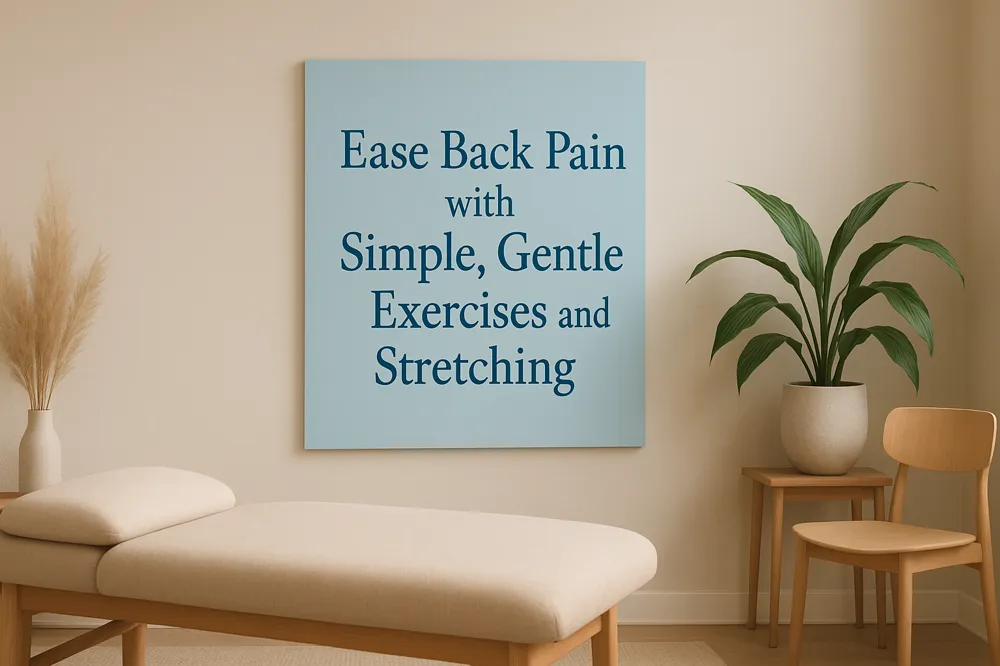
Key muscles involved in spine stability
The stability of your spine relies on several crucial muscles, including the core muscles such as the lower abdominals, pelvic floor, and the back extensors like the erector spinae. Gluteal muscles and hip stabilizers also play significant roles in maintaining proper spinal alignment and reducing back strain. See more about Spine Conditioning Program.
Recommended exercises like bridges, bird-dog, pelvic tilts, cat-cow stretch
To strengthen and support these muscles, incorporate exercises such as:
- Bridges: Strengthen glutes and lower back, enhancing spinal support. Learn about Bridge exercise.
- Bird-Dog: Improves balance, core strength, and coordination by engaging opposite arms and legs. See Bird dog exercise.
- Pelvic Tilts: Gently activate and strengthen abdominal and lower back muscles. More on Pelvic tilts exercise.
- Cat-Cow Stretch: Promotes spinal flexibility and relieves tension. Details on Cat-camel stretch.
These exercises improve flexibility and core stability, which are essential for preventing and managing back pain.
Starting gently and increasing intensity gradually
Begin with gentle back exercise repetitions, focusing on proper form to avoid injury. Start slowly, for instance with 2-3 repetitions, and gradually increase the number and intensity as your strength and comfort improve. Listening to your body's signals is imperative; avoid movements that cause sharp pain. For guidance on this gradual progression, see Increasing exercise intensity safely.
Importance of consistent routine and proper technique
Consistency is key—perform these exercises regularly, such as twice daily, to build and maintain strength. Proper technique ensures you gain maximum benefit and reduce risk of injury. When uncertain, consulting with a physical therapy for back pain or healthcare provider can provide personalized advice and modifications tailored to your needs.
What are simple exercises recommended to ease back pain?
To ease back pain, incorporating simple stretching for back pain and strengthening exercises into your routine can be highly effective. Gentle stretches such as knee-to-chest stretch, lower back rotational stretches, and seated stretches help relieve tension and improve flexibility. Strengthening exercises like the bridge exercise, forearm plank, and rotational side plank can enhance core stability, supporting the spine. It is important to start slowly with a few repetitions and gradually increase intensity, performing these exercises consistently—typically twice a day. Before beginning any new exercise program, especially if you have ongoing back issues or have recently been injured, consult with a healthcare professional or physical therapy for back pain for personalized guidance.
Physiotherapy-Guided Exercises for Lasting Relief
What are effective physiotherapy exercises for lower back pain?
Effective physiotherapy exercises focus on gently stretching and strengthening exercises for lower back the muscles that support the spine. Common movements include knee to chest stretch, pelvic tilts exercise, bridging exercises for back pain, cat-cow stretch, and seated forward bends. These exercises enhance back flexibility exercises, improve strength, and alleviate tension around the lower back, which is essential for reducing pain and preventing recurring issues.
How often should these exercises be performed, and what is the recommended repetition scheme?
Physical therapists generally recommend doing these exercises regularly, typically twice daily back exercises, to maximize benefits. Starting with 2 to 3 repetitions for each exercise is advisable, with stretches held for about 20 to 30 seconds. As comfort and strength improve, gradually increasing the number of repetitions and the duration of stretch holds helps build endurance and maintain spinal mobility.
What role do physical therapists play in exercise planning?
Physical therapists tailor exercise programs to individual capabilities and pain levels. They assess the patient’s condition, modify exercises to avoid exacerbating pain, and ensure that movements are performed safely. Their guidance helps patients progress appropriately and reduce the risk of injury or flare-ups during recovery, highlighting the importance of physical therapy for back pain.
Why is listening to pain cues important during physiotherapy exercises?
Exercise should be performed within a tolerable pain range, usually keeping discomfort within 0 to 5 out of 10. Pain that worsens or new symptoms arising during exercises indicate the need to stop and reassess the routine. Listening to the body's signals prevents further injury and promotes safe, gradual improvement in back health, as emphasized in listening to pain signals during exercise.
Incorporating these careful, physiotherapy-guided exercises into a routine supports long-term spinal health by enhancing core stability and flexibility, ultimately helping patients achieve lasting relief from lower back pain.
Tailoring Exercise to Prevent Recurring Low Back Pain
Evidence supporting post-treatment exercise programs reducing recurrence
Post-treatment exercise programs have demonstrated moderate quality evidence in significantly reducing the recurrence rate of low back pain (LBP) over time. Studies indicate that individuals who engage in structured exercise after an episode of back pain experience fewer recurrences and a longer time before any recurrence happens. For example, recurrence rates can be halved within the first year when consistent, appropriate exercise routines are followed. post-treatment exercise programs for low-back pain
Importance of strength, endurance, and aerobic components in prevention
Effective exercise programs for preventing recurring LBP consider a combination of strengthening, endurance, and aerobic activities. Strengthening core and back extensor muscles supports spinal stability and reduces mechanical strain. Endurance-focused exercises help maintain these gains over time, preventing muscle fatigue that can predispose to injury. Aerobic exercises such as walking, swimming, or cycling enhance blood flow and promote overall spinal health. strengthening endurance aerobic exercises for back pain prevention
Core stability and flexibility exercises focus
Core stability exercises targeting the abdominals, pelvic floor, and lower back muscles are essential in creating a strong support system for the spine. Movements like the Bird Dog and modified planks activate these areas while encouraging balance and control. Complementing strength work with flexibility routines—such as hamstring stretches, hip flexor stretches, and gentle spinal rotations—improves the range of motion, alleviates muscle tightness, and further prevents pain. stretching and strengthening exercises for lower back
Recommended aerobic activities such as swimming or walking
Swimming stands out as a low-impact aerobic exercise that reduces spinal stress while promoting cardiovascular fitness and muscular endurance. Walking, an accessible and adaptable activity, supports healthy spinal alignment and weight management. Both activities can be progressively increased in duration and intensity to meet individual tolerance without aggravating symptoms. Aerobic activities for back pain prevention
Monitoring pain levels and avoiding symptom aggravation
A critical component to safely tailoring exercise is listening to your body and keeping pain levels within a manageable range—commonly rated as 0 to 5 out of 10. Discomfort is normal as muscles adapt, but escalating pain or new symptoms should prompt exercise modification or cessation. Ongoing communication with healthcare professionals, including chiropractors or physical therapists, ensures exercises remain safe and effective in preventing recurrent back pain. Listening to pain levels during exercise
What is the best exercise for lower back pain?
The best exercise varies by individual condition and comfort. Gentle aerobic activities like walking or swimming effectively improve circulation and spinal support. Core-strengthening exercises, including Bird Dog and the McGill Curl Up, enhance spinal stability. Flexibility routines like yoga, Tai Chi, and targeted stretches for hamstrings and hip flexors relieve tight muscles. Tailoring exercises to avoid pain and consulting a professional allows for a safe, personalized plan that maximizes benefit and minimizes risk. Best exercises for back pain at home
Avoiding Harmful Movements and Ensuring Safety
Which exercises for lower back pain should be avoided?
Certain exercises are generally not recommended for individuals with lower back pain due to the risk of increasing spinal compression or worsening symptoms. Specifically, sit-ups, toe touches, and some back extension exercises like Superman lifts can place excessive stress on the spine. These movements often involve over-flexion or extension which can aggravate existing injuries or cause increased discomfort. For more information, see Exercises for back pain.
Why are these exercises risky?
- Increased spinal compression: Movements such as toe touches compress the spinal discs, which may exacerbate pain or accelerate degeneration. Learn more at stretching and strengthening exercises for lower back.
- Symptom aggravation: Exercises involving excessive twisting or bending can strain ligaments and muscles, leading to flare-ups or new pain. Guidance available at Safe exercise practices for back pain.
Safer exercise alternatives
- Bird-dog exercise: This engages core and back muscles with controlled, gentle movement to enhance spinal stability. Related info at Spine Conditioning Program.
- Modified leg lifts: Performed carefully, these strengthen core muscles while minimizing lower back strain. See Exercises to help with back pain.
- Cat-cow stretch: Improves spinal flexibility without overloading the discs. Details found at Cat-Cow Stretch Benefits.
Importance of professional guidance and pain monitoring
Before starting or modifying an exercise routine for back pain management, it is essential to consult with healthcare professionals like chiropractors or physical therapists. They can tailor exercises to your specific condition and ensure proper technique. Monitoring pain levels is crucial—exercises should not increase pain beyond mild discomfort. If symptoms worsen, exercises should be stopped, and medical advice sought promptly. For comprehensive advice, refer to Consulting healthcare professionals for back pain and Chiropractic care for acute low-back pain.
Adopting a cautious and informed exercise approach helps protect your back, promotes healing, and supports long-term spinal health. Additional information on Back exercises in 15 minutes is available.
Chiropractic Care: A Complementary Approach to Back Pain Management
What are the benefits and potential disadvantages of chiropractic care for lower back pain?
Chiropractic care for back pain involves manual spinal manipulation and adjustments aimed at realigning the spine and enhancing joint mobility. Benefits include immediate pain relief, improved posture, and increased range of motion. Patients often notice reduced muscle tightness and alleviated nerve irritation, which can also help decrease headaches and migraines linked to musculoskeletal issues. Treatment also emphasizes patient education on body posture and stretching, promoting long-term spinal health.
Potential disadvantages are mostly mild and temporary, such as soreness, localized pain, or headaches following treatment, which usually resolve within 24 hours. Rarely, serious complications like herniated discs or nerve compression may occur, particularly if performed improperly or in patients with certain health risks.
Is chiropractic care safe and effective for treating lower back pain?
Chiropractic care for back pain is generally safe and effective for managing lower back pain when provided by licensed and trained chiropractors. Treatment sessions usually last 10 to 20 minutes and are initially scheduled two to three times per week, tapering as improvement occurs. The risk of serious adverse effects is extremely low, with minor side effects often resolving quickly.
It offers a non-invasive, drug-free approach tailored to individual needs, making it a popular choice for those seeking holistic management of back pain. However, chiropractic care is contraindicated in cases such as severe osteoporosis, bone or joint infections, or advanced spinal conditions. Proper screening prior to treatment ensures suitability and safety.
| Aspect | Details | Notes |
|---|---|---|
| Benefits | Pain relief, improved joint mobility, better posture | Also reduces migraines/headaches |
| Side Effects | Mild soreness, headaches, localized pain | Usually resolve within 24 hours |
| Serious Risks | Herniated discs, nerve compression, stroke (rare) | Screening reduces risks |
| Treatment Duration | 10-20 mins per session | Frequency decreases over time |
| Treatment Frequency | 2-3 times weekly initially | Tailored per patient progress |
| Contraindications | Severe osteoporosis, spinal cancer, infections | Thorough assessment required |
Integrating Aerobic and Mind-Body Exercises for Holistic Back Health
What nonsurgical treatments exist for chronic back pain?
Nonsurgical treatments for chronic back pain involve a blend of Physical therapy benefits and lifestyle changes tailored to individual needs. Core-strengthening, stretching, and posture retraining exercises are combined with low-impact aerobic activities like walking, swimming, and cycling. These improve circulation, build endurance, and reduce inflammation, supporting spinal health without overloading the back.
Mind-body practices such as yoga, Tai Chi, and mindfulness meditation play a crucial role in managing chronic pain. They enhance flexibility, improve balance and proprioception, and help regulate nervous system responses to pain. Incorporating these techniques can reduce muscle tension and lessen the emotional burden of chronic discomfort.
Lifestyle modifications are vital for overall back wellness. Quitting smoking improves blood flow to spinal tissues, slowing degeneration. Maintaining a healthy diet rich in anti-inflammatory foods supports bone and muscle health, while pacing daily activities prevents overexertion.
A cautious approach to exercise progression is essential to avoid exacerbating pain. Exercises should be performed within comfortable limits, increasing intensity gradually under professional guidance. This holistic, multifaceted strategy effectively manages chronic back pain with a focus on natural methods and Treating Chronic Back Pain Without Surgery.
Practical Tips for Sustaining Back Health Through Exercise and Lifestyle
What are recommended ways to prevent back pain?
Preventing back pain at work and home involves a multifaceted approach focusing on posture, movement, weight, nutrition, and professional care.
Maintaining Good Posture and Ergonomics at Work and Home
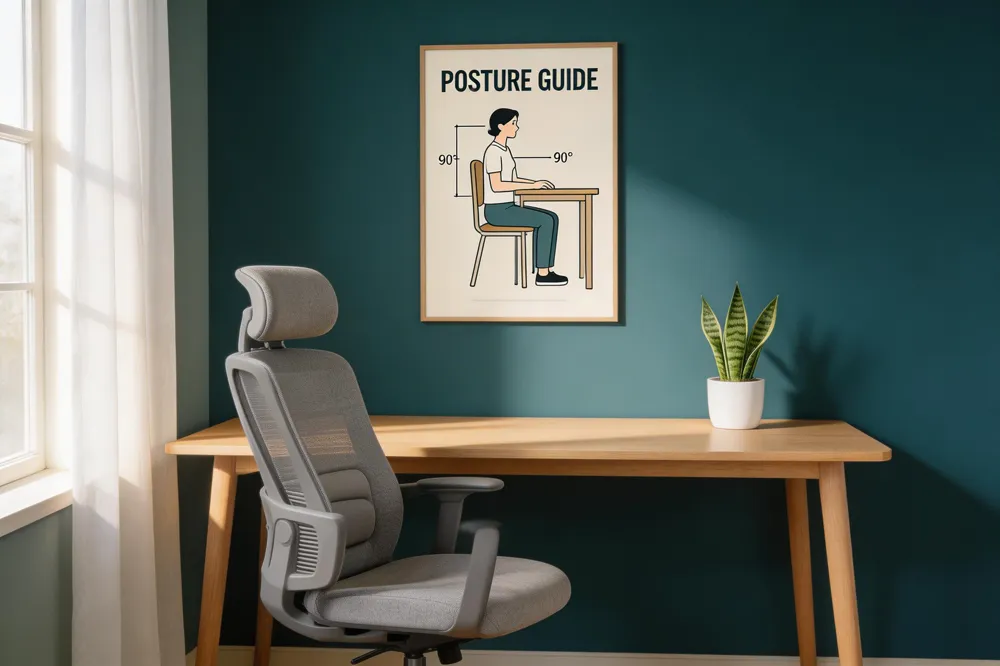
Proper posture supports the spine's natural curves and reduces undue stress. While sitting or standing, keep hips and knees at right angles, avoid slouching, and maintain an upright head and shoulders. For desk setups, ensure that screens are eye-level, use lumbar support, and keep feet flat on the floor. Regular breaks to stand and move help to avoid stiffness and pressure buildup.
Proper Lifting Techniques and Avoiding Prolonged Sitting
When lifting objects, bend at the hips and knees—not the back—and use leg muscles to lift. Avoid lifting loads heavier than about 30 pounds alone. Refrain from sitting for extended periods without breaks; frequent movement and gentle stretching reduce strain on spinal discs and muscles.
Importance of Weight Management and Nutrition Including Calcium and Vitamin D
Maintaining a healthy weight lessens the load on the spine and supporting muscles. Adequate nutrition, especially sufficient calcium and vitamin D for bone health intake, keeps bones strong and helps prevent conditions like osteoporosis that can affect spinal health.
Use of Heat, Ice, and Supportive Sleeping Positions for Pain Relief
Applying heat or cold packs can alleviate muscle tension and inflammation respectively. Sleeping on a firm mattress with pillows placed under the knees or between the legs helps maintain spinal alignment and relieve pressure.
Seeking Professional Evaluation When Pain Persists or Worsens
If back pain continues beyond six weeks or new symptoms arise such as numbness or weakness, professional assessment is crucial. Healthcare providers can diagnose issues accurately and recommend personalized treatment, including physical therapy for back pain or chiropractic care for back pain.
Adopting these practical tips supports long-term spinal health, reducing the risk of injury and promoting overall well-being.
Commit to Lifelong Back Health Through Corrective Exercise
Consistency in Exercise is Vital for Back Health
Maintaining routine, targeted exercises is essential to support and protect your spine over time. Engaging in daily stretching and strengthening activities helps reduce pain episodes and prevents future injuries by improving muscle flexibility and joint mobility.
Professional Guidance Enhances Safety and Effectiveness
Consulting healthcare professionals like physical therapists or chiropractors ensures that your exercise plan is safe and tailored to your specific needs. Personalized programs consider your pain levels, physical condition, and lifestyle, maximising benefits and minimizing risks.
Long-Term Quality of Life Improvement and Pain Reduction
Regular commitment to corrective exercise can significantly lessen chronic back pain and enhance functional ability. Strengthened core and back muscles support spinal health, reduce strain, and improve posture, leading to sustained pain relief and better daily living.
Prioritizing corrective exercise within a comprehensive care plan fosters holistic well-being and empowers you to maintain an active lifestyle with minimized discomfort.
Recent articles

10 Real‑Patient Success Stories Showcasing the Impact of Chiropractic Care

Superfoods That Boost Nerve Healing After Chiropractic Sessions

Sleep Positions That Promote a Healthy Back Alignment
Signs Your Chiropractor Is a Good Fit for Your Back Pain Goals
Case Study: Integrated Physiotherapy and Chiropractic for Faster Recovery
First-Time Chiropractic Visit: A Step‑by‑Step Walkthrough
Synergistic Benefits: Combining Physiotherapy with Chiropractic Care

Beyond Surgery: Holistic Approaches to Managing Back Pain

How Manual Therapy Enhances the Effects of Chiropractic Adjustments

Hydration Hacks: Why Water Matters for Joint and Spine Function

What Does a Comprehensive Spinal Evaluation Include?

Success Spotlight: Transformative Results After Six Weeks of Chiropractic Treatment

Understanding the Initial Assessment Process in Chiropractic Care
Designing a Personalized Corrective Exercise Plan for Chronic Pain Management

Natural Pain Management: Combining Acupuncture, Yoga, and Chiropractic
Chiropractic Care vs. Pain Meds: Long-Term Outcomes for Back Pain Sufferers

What to Expect During a Sciatica‑Focused Decompression Session

Understanding the Pain-Relief Mechanics Behind Chiropractic Adjustments

Success Rates of Non‑Surgical Spinal Decompression for Sciatica

Patient-Centered Chiropractic Care: Personalized Plans for Back Pain Relief
How Chiropractic Treatments Reduce Inflammation and Speed Up Back Pain Recovery

Real‑Life Stories: How Chiropractic Helped Patients Overcome Chronic Back Pain

From Symptom Masking to Root‑Cause Healing: A Practical Guide

6 Holistic Non‑Surgical Treatments That Deliver Sustainable Back‑Pain Relief
Key Questions to Ask When Selecting Your Chiropractor

Mindful Movement: Incorporating Stretch Breaks Into a Busy Day

Why Targeting the Underlying Cause Beats Temporary Symptom Relief

8 Ways Physiotherapy Complements Chiropractic Adjustments for Faster Recovery
Meal Planning for Athletes Recovering from Back Injuries

9 Everyday Lifestyle Tweaks to Preserve a Healthy Spine and Prevent Pain

Functional Movement Screening for Root‑Cause Pain Identification

6 Things You’ll Experience During Your First Chiropractic Appointment

Spinal Decompression vs. Standard Physical Therapy for Sciatica: A Comparative Review

New Findings on How Adjustments Influence Blood Circulation
Work‑From‑Home Ergonomics: A Blueprint for a Pain‑Free Back

The Link Between Chiropractic Care and Improved Sleep Quality

Physiotherapy Techniques That Strengthen the Benefits of Chiropractic Adjustments

Biomechanical Insights Behind Successful Spinal Decompression

Desk‑to‑Dumbbell: Lifestyle Shifts That Guard Your Lower Back
10 Corrective Exercises for Sustainable Pain-Free Living

Morning Routines That Support Spine Health and Reduce Stiffness

Calcium and Magnesium‑Focused Nutrition for Bone Density and Spine Health

9 Ways Chiropractic Care Transforms Back Pain Management

Testimonial: Nutrition‑Guided Recovery Accelerated by Chiropractic
Science‑Backed Spinal Decompression for Relieving Sciatica Symptoms

Key Questions to Ask During Your Initial Chiropractic Consultation
Whole‑Body Wellness Blueprint: Nutrition, Exercise, and Chiropractic Synergy

A 12‑Week Corrective Exercise Blueprint for Chronic Neck Discomfort

Manual Therapy Plus Targeted Exercise: Accelerating Post‑Injury Recovery
Home‑Based Spinal Decompression Devices: What Patients Should Know

Chiropractic Care Statistics: Reducing Lost Workdays From Back Pain

How Targeted Nutrition Enhances Immune Function and Lowers Inflammatory Pain

Self‑Assessment Tools to Identify Hidden Triggers of Back Pain
Preparing for Your First Chiropractic Appointment: A Practical Checklist

Back Pain Relief Benefits: Lower Opioid Use and Better Quality of Life

Foam‑Rolling Techniques to Complement Chiropractic Adjustments

Progressive Overload Principles in Corrective Exercise Programs

Six‑Month Transformation: Integrated Care Success Story

7 Nutritional Hacks to Boost Your Overall Wellness

How to Choose a Chiropractor: Credentials, Techniques, and Patient Compatibility

5 Ways Spinal Decompression Can Ease Sciatica Pain

Overcoming Sciatica: A Patient’s Multidisciplinary Treatment Journey
Lifestyle Changes That Promote a Healthy Spine
Physiotherapy as a Complement to Chiropractic Treatments
6 Ways Physiotherapy Enhances Chiropractic Treatment Outcomes
Daily Living Tips for a Strong and Healthy Spine

How Physiotherapy Enhances Chiropractic Outcomes
Holistic Treatments: Alternatives to Surgery for Pain Relief
Inspiring Patient Success Stories from Chiropractic Clinics

Integrating Physiotherapy with Chiropractic Treatments
Corrective Exercise Routines for Chronic Pain Prevention
10 Corrective Exercises to Maintain a Healthy Spine and Relieve Pain
Exercise Strategies for Long-Term Pain Management
10 Corrective Exercises to Maintain a Healthy Spine and Relieve Pain
The Importance of Treating the Root Cause of Pain
Nutritional Support Strategies for Whole-Body Wellness
7 Essential Questions to Ask When Choosing Your Chiropractor
Identifying and Addressing Root Causes of Pain
Maintaining a Healthy Spine with Lifestyle Adjustments
Sciatica Symptom Relief via Spinal Decompression
8 Reasons Why Addressing the Root Cause of Pain Is Crucial
Chiropractic Care’s Impact on Back Pain Recovery
Combining Physiotherapy with Chiropractic Care for Better Results
Inspiring Recovery: Chiropractic Patient Testimonials
Nutritional Counseling Tips for Optimal Wellness

Why Addressing the Root Cause of Pain is Crucial
Back Pain and Chiropractic Care: A Winning Combination

Chiropractic Care Benefits You Might Not Know
Exploring Holistic and Non-Surgical Treatments for Pain
Spinal Health: Lifestyle Tips for Everyday Wellness
Spinal Decompression Therapy: Benefits and Applications
Holistic and Non-Invasive Spine Care Options
Everyday Lifestyle Advice to Keep Your Spine Healthy
The Significance of Treating Root Causes in Pain Therapy
Best Corrective Exercises for Sustainable Pain Management
Addressing Underlying Causes of Pain for Long-Term Relief
6 Key Benefits of Spinal Decompression Therapy for Sciatica Relief

How Nutritional Counseling Supports Spine Health and Recovery
The Role of Physiotherapy in Supporting Chiropractic Treatments