The Role of Nutrition in Supporting a Healthy Spine
December 30, 2025
7 min
Why Nutrition Matters for Spine Health
Nutrition is crucial for maintaining the strength and proper function of your spine. The spine is made up of bones, discs, muscles, ligaments, and connective tissues all requiring specific nutrients for repair, flexibility, and stability.
Proper nutrition supports the continuous building and repair process of vertebrae and connective tissues. It helps prevent common spinal issues such as osteoporosis, degenerative disc disease, and inflammation-related pain.
Key nutrients supporting spinal health include:
- Calcium and Vitamin D: These work together to strengthen bones. Calcium provides structural strength, while Vitamin D helps the body absorb calcium efficiently.
- Magnesium: Supports muscle and nerve function, aids calcium absorption, and activates Vitamin D.
- Vitamin K: Particularly K2, which helps regulate calcium metabolism and improves bone density.
- Omega-3 Fatty Acids: Known for their anti-inflammatory properties, they reduce spinal inflammation associated with arthritis and disc degeneration.
- Protein & Vitamin C: Essential for muscle repair and collagen production, which maintain the integrity of discs, ligaments, and connective tissue.
- Hydration: Adequate water intake maintains the elasticity and shock-absorbing capacity of spinal discs.
By adopting a balanced nutrient-rich diet including dairy, leafy greens, fatty fish, nuts, seeds, and colorful fruits and vegetables, you can protect your spine’s health and support long-term wellness.
Essential Nutrients for Bone and Spinal Integrity

What nutrients are crucial for maintaining strong spinal bones?
Vitamin D is equally important because it facilitates the body's ability to absorb calcium effectively. Without sufficient vitamin D, calcium intake alone might not fully support bone strength.
Magnesium contributes by supporting bone density and enhancing muscle function, which is crucial for stabilizing and protecting the spine. It also assists in converting vitamin D into its active form.
Vitamin K, particularly vitamin K2, plays a vital role in bone metabolism by helping regulate calcium distribution and promoting bone mineralization, which reduces the risk of fractures.
Sources of these nutrients in a balanced diet include:
- Calcium: Found in dairy products (milk, cheese, yogurt), leafy greens (kale, spinach), fish (especially sardines with bones), beans, nuts, and seeds.
- Vitamin D: Obtained through sunlight exposure and from foods like fatty fish (salmon, mackerel), egg yolks, mushrooms, and fortified foods.
- Magnesium: Present in nuts (almonds, cashews), seeds (pumpkin, chia), legumes, whole grains, fish, and green leafy vegetables.
- Vitamin K: Rich sources include fermented foods, certain cheeses, meat, poultry, eggs, and green leafy vegetables (spinach, broccoli).
Maintaining a diet rich in these nutrients supports bone strength, improves spinal integrity, and helps prevent degenerative spinal conditions.
Inflammation Reduction and Antioxidants in Spine Health

How do nutrition and inflammation relate to spinal health?
Chronic inflammation plays a significant role in the development and progression of degenerative spinal conditions, including arthritis and disc degeneration. Nutritional strategies focusing on anti-inflammatory foods for spine can help mitigate these effects, supporting spinal wellness.
Importance of Omega-3 Fatty Acids for Anti-Inflammatory Effects
Omega-3 fatty acids and spinal inflammation abundant in fatty fish like salmon, mackerel, and sardines, as well as nuts and seeds, possess potent anti-inflammatory properties. These fats help reduce inflammation in spinal tissues, potentially alleviating pain and slowing degenerative changes.
Role of Antioxidants from Fruits and Vegetables
Antioxidants found in brightly colored fruits and vegetables, such as berries, leafy greens, and cruciferous vegetables, combat oxidative stress that contributes to cellular damage within spinal tissues. This antioxidant action aids tissue repair and protects the spine from chronic inflammation-associated damage by antioxidants for tissue repair.
Herbs and Spices with Anti-Inflammatory Properties
Natural compounds in herbs and spices like turmeric, ginger, cinnamon, rosemary, and basil have demonstrated anti-inflammatory benefits. Incorporating these into the diet can further reduce inflammation and promote the healing of spinal tissues.
Dietary Patterns Promoting Reduced Inflammation
Adopting dietary patterns such as the Mediterranean Diet for spine health which emphasizes fruits, vegetables, whole grains, lean proteins, nuts, seeds, and healthy fats like olive oil, supports overall anti-inflammatory effects. This diet is beneficial for long-term spinal health by decreasing systemic inflammation and supporting musculoskeletal integrity.
Hydration and Nutritional Support for Spinal Tissues and Recovery

Why is hydration and nutrition important for spine tissue health and recovery?
Proper hydration for spinal disc health is essential for maintaining the elasticity and shock-absorbing function of intervertebral discs. These discs, largely composed of water, rely on adequate hydration to stay flexible and cushion spinal vertebrae during movement, reducing the risk of pain and injury.
Vitamins and minerals for spine integrity like Vitamin C play a critical role in connective tissue repair. It is a key nutrient in collagen synthesis, which strengthens ligaments, tendons, and spinal discs, helping maintain the spine’s structural integrity and promoting tissue healing after injury.
Protein and spinal tissue repair supports the maintenance and repair of muscles and other soft tissues surrounding the spine. Adequate protein intake provides the amino acids necessary for rebuilding muscle fibers and connective tissues, ensuring muscular strength and stability for spinal support.
Before and after spinal surgery, nutritional strategies for musculoskeletal health focus on enhancing healing and recovery. Increasing protein and calorie intake helps meet the heightened metabolic demands of tissue regeneration. Nutrients like calcium, vitamin D, and collagen precursors are vital to bone and cartilage repair, while antioxidants and anti-inflammatory foods aid in reducing inflammation and complications during post-surgical recovery.
Together, hydration and targeted nutrition form a foundational aspect of holistic spine care, promoting optimal tissue health and faster recovery from injury or surgery.
Weight Management and Dietary Habits for Spinal Wellness

How do weight and diet influence spinal health?
Maintaining a healthy weight is fundamental for reducing mechanical stress on the spine. Excess body weight, particularly abdominal obesity, places additional strain on spinal muscles, ligaments, and vertebrae. This increased load elevates the risk of chronic back pain, degenerative disc disease, spinal fractures, and herniated discs, which can severely impair mobility and quality of life (Impact of weight on spinal health, Obesity and Low Back Pain Risk).
Diet plays a significant role in spinal wellness. Consumption of processed foods, refined sugars, saturated and trans fats contributes to systemic inflammation, which can worsen spinal conditions and bone health. Diets high in these elements promote chronic inflammation that harms spinal discs, joints, and connective tissues, escalating pain and degeneration (Diet and adolescent spine health, nutrition and spinal health).
Adopting nutrient-dense, anti-inflammatory dietary patterns such as the Mediterranean Diet supports spinal health by incorporating fruits, vegetables, whole grains, lean proteins, nuts, and healthy fats like extra virgin olive oil. This diet reduces inflammation, supports bone density, and offers antioxidants that protect spinal tissues (Diet for a Healthy Spine, Anti-inflammatory diet benefits.
Limiting harmful substances such as excessive caffeine, alcohol, and smoking is crucial since these can impair calcium absorption, decrease bone mineral density, and increase inflammation. Avoiding these substances enhances bone strength, decreases inflammatory responses, and supports overall spine resilience (Nutrition and spinal health, nutrition and spinal health).
In summary, balanced weight management combined with a diet that emphasizes anti-inflammatory and nutrient-rich foods while minimizing processed foods and harmful substances creates a strong foundation for spinal wellness and injury prevention (Nutrition and spine health, Impact of Diet on Spinal Health).
Holistic Care at Back in Action Bodyworks: Integrating Nutrition and Musculoskeletal Wellness
What services does Back in Action Bodyworks offer for musculoskeletal health and wellness?
Back in Action Bodyworks provides a range of services including chiropractic adjustments, therapeutic massage, corrective exercises, and personalized treatment plans. These services aim to restore proper movement, alleviate pain, and promote overall wellness.
How does chiropractic care at Back in Action Bodyworks contribute to overall health and wellness?
Chiropractic care here focuses on proper spinal alignment which enhances nervous system function. This alignment helps reduce pain, improve mobility and posture, lower stress levels, and strengthen the immune system, leading to holistic health benefits.
How do holistic approaches differ from conventional treatments?
Unlike conventional symptom-focused treatments, Back in Action Bodyworks uses a holistic approach addressing the whole body. Integrating chiropractic care, nutrition counseling, lifestyle guidance, and therapies like massage ensures long-term health through natural healing rather than just suppressing symptoms.
What can new patients expect during their first visit?
New patients receive a comprehensive assessment including medical history review, physical examination, and a personalized treatment plan. Education on natural pain relief techniques and nutritional guidance is provided to empower patients in their recovery and wellness journey.
How can Back in Action Bodyworks help with pain management and injury recovery?
Utilizing chiropractic adjustments, massage, corrective exercises, and soft tissue therapies, the practice targets underlying issues causing pain. Patients also benefit from education on biomechanics and nutrition to aid healing and prevent future injuries.
Including nutritional guidance as part of comprehensive care
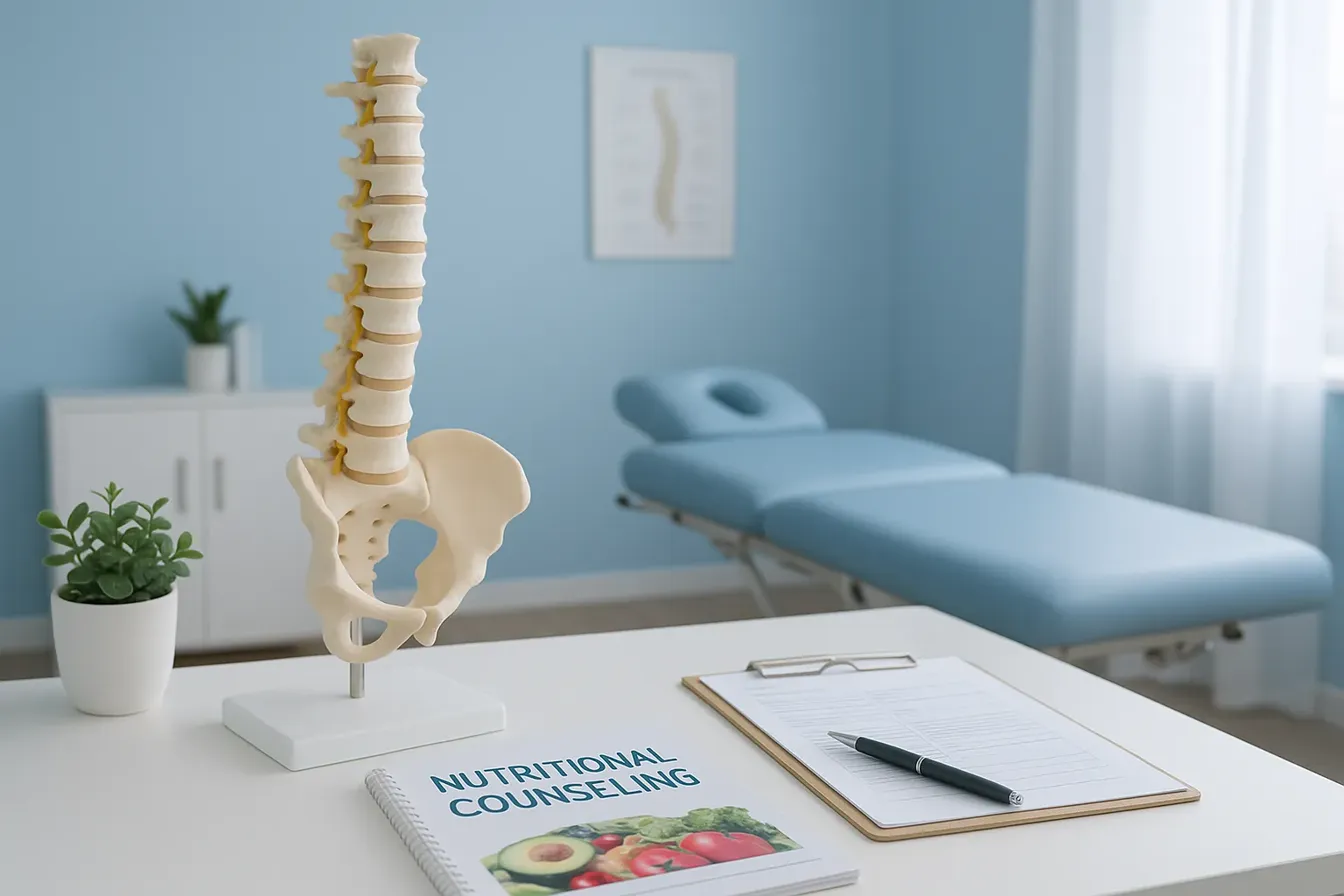
Nutritional counseling at Back in Action Bodyworks supports musculoskeletal health by emphasizing nutrients that strengthen bones, reduce inflammation, and aid tissue repair. This integrated approach enhances recovery and overall spine and joint health.
Integrating Nutrition for Lifelong Spinal Health
Nutritional Strategies to Support Spine Health
Maintaining spinal wellness starts with a balanced diet rich in calcium, vitamin D, magnesium, vitamin K, omega-3 fatty acids, and antioxidants. These nutrients strengthen bones, reduce inflammation, support muscle function, and promote connective tissue repair. Hydration also plays a vital role in disc elasticity and nutrient transport.
A Holistic, Balanced Approach
Optimal spinal health combines nutrient-dense eating with regular exercise, proper hydration, weight management, and stress control. Avoiding processed foods, excessive sugars, and inflammatory ingredients enhances recovery and reduces pain.
Embracing Healthy Habits
Adopting these lifestyle choices early can prevent degeneration, alleviate back pain, and support recovery from injuries. Consulting healthcare professionals for personalized nutrition and chiropractic care ensures tailored support for lifelong spinal integrity.
Recent articles

10 Real‑Patient Success Stories Showcasing the Impact of Chiropractic Care

Superfoods That Boost Nerve Healing After Chiropractic Sessions

Sleep Positions That Promote a Healthy Back Alignment

Signs Your Chiropractor Is a Good Fit for Your Back Pain Goals

Case Study: Integrated Physiotherapy and Chiropractic for Faster Recovery

First-Time Chiropractic Visit: A Step‑by‑Step Walkthrough
Synergistic Benefits: Combining Physiotherapy with Chiropractic Care

Beyond Surgery: Holistic Approaches to Managing Back Pain

How Manual Therapy Enhances the Effects of Chiropractic Adjustments

Hydration Hacks: Why Water Matters for Joint and Spine Function

What Does a Comprehensive Spinal Evaluation Include?

Success Spotlight: Transformative Results After Six Weeks of Chiropractic Treatment

Understanding the Initial Assessment Process in Chiropractic Care

Designing a Personalized Corrective Exercise Plan for Chronic Pain Management

Natural Pain Management: Combining Acupuncture, Yoga, and Chiropractic

Chiropractic Care vs. Pain Meds: Long-Term Outcomes for Back Pain Sufferers

What to Expect During a Sciatica‑Focused Decompression Session

Understanding the Pain-Relief Mechanics Behind Chiropractic Adjustments

Success Rates of Non‑Surgical Spinal Decompression for Sciatica

Patient-Centered Chiropractic Care: Personalized Plans for Back Pain Relief
How Chiropractic Treatments Reduce Inflammation and Speed Up Back Pain Recovery

Real‑Life Stories: How Chiropractic Helped Patients Overcome Chronic Back Pain

From Symptom Masking to Root‑Cause Healing: A Practical Guide

6 Holistic Non‑Surgical Treatments That Deliver Sustainable Back‑Pain Relief

Key Questions to Ask When Selecting Your Chiropractor

Mindful Movement: Incorporating Stretch Breaks Into a Busy Day

Why Targeting the Underlying Cause Beats Temporary Symptom Relief

8 Ways Physiotherapy Complements Chiropractic Adjustments for Faster Recovery

Meal Planning for Athletes Recovering from Back Injuries

9 Everyday Lifestyle Tweaks to Preserve a Healthy Spine and Prevent Pain

Functional Movement Screening for Root‑Cause Pain Identification

6 Things You’ll Experience During Your First Chiropractic Appointment

Spinal Decompression vs. Standard Physical Therapy for Sciatica: A Comparative Review

New Findings on How Adjustments Influence Blood Circulation

Work‑From‑Home Ergonomics: A Blueprint for a Pain‑Free Back

The Link Between Chiropractic Care and Improved Sleep Quality

Physiotherapy Techniques That Strengthen the Benefits of Chiropractic Adjustments

Biomechanical Insights Behind Successful Spinal Decompression

Desk‑to‑Dumbbell: Lifestyle Shifts That Guard Your Lower Back

10 Corrective Exercises for Sustainable Pain-Free Living

Morning Routines That Support Spine Health and Reduce Stiffness

Calcium and Magnesium‑Focused Nutrition for Bone Density and Spine Health

9 Ways Chiropractic Care Transforms Back Pain Management

Testimonial: Nutrition‑Guided Recovery Accelerated by Chiropractic

Science‑Backed Spinal Decompression for Relieving Sciatica Symptoms

Key Questions to Ask During Your Initial Chiropractic Consultation
Whole‑Body Wellness Blueprint: Nutrition, Exercise, and Chiropractic Synergy

A 12‑Week Corrective Exercise Blueprint for Chronic Neck Discomfort

Manual Therapy Plus Targeted Exercise: Accelerating Post‑Injury Recovery

Home‑Based Spinal Decompression Devices: What Patients Should Know

Chiropractic Care Statistics: Reducing Lost Workdays From Back Pain

How Targeted Nutrition Enhances Immune Function and Lowers Inflammatory Pain

Self‑Assessment Tools to Identify Hidden Triggers of Back Pain

Preparing for Your First Chiropractic Appointment: A Practical Checklist

Back Pain Relief Benefits: Lower Opioid Use and Better Quality of Life

Foam‑Rolling Techniques to Complement Chiropractic Adjustments

Progressive Overload Principles in Corrective Exercise Programs

Six‑Month Transformation: Integrated Care Success Story

7 Nutritional Hacks to Boost Your Overall Wellness

How to Choose a Chiropractor: Credentials, Techniques, and Patient Compatibility

5 Ways Spinal Decompression Can Ease Sciatica Pain

Overcoming Sciatica: A Patient’s Multidisciplinary Treatment Journey
Lifestyle Changes That Promote a Healthy Spine
Physiotherapy as a Complement to Chiropractic Treatments

6 Ways Physiotherapy Enhances Chiropractic Treatment Outcomes

Daily Living Tips for a Strong and Healthy Spine

How Physiotherapy Enhances Chiropractic Outcomes
Holistic Treatments: Alternatives to Surgery for Pain Relief
Inspiring Patient Success Stories from Chiropractic Clinics

Integrating Physiotherapy with Chiropractic Treatments
Corrective Exercise Routines for Chronic Pain Prevention
10 Corrective Exercises to Maintain a Healthy Spine and Relieve Pain
Exercise Strategies for Long-Term Pain Management
10 Corrective Exercises to Maintain a Healthy Spine and Relieve Pain
The Importance of Treating the Root Cause of Pain
Nutritional Support Strategies for Whole-Body Wellness
7 Essential Questions to Ask When Choosing Your Chiropractor

Identifying and Addressing Root Causes of Pain

Maintaining a Healthy Spine with Lifestyle Adjustments
Sciatica Symptom Relief via Spinal Decompression
8 Reasons Why Addressing the Root Cause of Pain Is Crucial
Chiropractic Care’s Impact on Back Pain Recovery

Combining Physiotherapy with Chiropractic Care for Better Results

Inspiring Recovery: Chiropractic Patient Testimonials
Nutritional Counseling Tips for Optimal Wellness

Why Addressing the Root Cause of Pain is Crucial

Back Pain and Chiropractic Care: A Winning Combination

Chiropractic Care Benefits You Might Not Know
Exploring Holistic and Non-Surgical Treatments for Pain
Spinal Health: Lifestyle Tips for Everyday Wellness
Spinal Decompression Therapy: Benefits and Applications
Holistic and Non-Invasive Spine Care Options
Everyday Lifestyle Advice to Keep Your Spine Healthy
The Significance of Treating Root Causes in Pain Therapy
Best Corrective Exercises for Sustainable Pain Management

Addressing Underlying Causes of Pain for Long-Term Relief

6 Key Benefits of Spinal Decompression Therapy for Sciatica Relief

How Nutritional Counseling Supports Spine Health and Recovery

The Role of Physiotherapy in Supporting Chiropractic Treatments