Nutritional Counseling Tips to Enhance Spinal Health and Wellness
December 29, 2025
9 min

Introduction to Nutrition and Spinal Health
Nutrition plays a vital role in maintaining spinal health and overall musculoskeletal wellness. The spine, composed of bones, discs, muscles, and ligaments, requires essential nutrients to remain strong, flexible, and resilient against injuries and degeneration.
A balanced diet rich in calcium, vitamin D, magnesium, and omega-3 fatty acids supports bone density, reduces inflammation, and promotes tissue repair. Inflammation can exacerbate back pain and spinal conditions, so consuming anti-inflammatory foods like fatty fish, leafy greens, berries, and spices such as turmeric and ginger helps alleviate discomfort and improves recovery.
Chiropractic care, focused on spinal alignment and musculoskeletal function, works synergistically with proper nutrition. Together, they enhance healing, reduce pain, and support long-term spinal health. By integrating dietary guidance with spinal adjustments, patient-centered treatment plans promote holistic wellness and optimize natural pain relief.
Essential Nutrients for Strong Bones and Spinal Support
The Role of Calcium, Vitamin D, Magnesium, and Vitamin K in Bone Health
Calcium and spinal health is the fundamental mineral for building and maintaining strong bones, vital for spinal integrity. It helps prevent bone weakening and fractures. Role of vitamin D in bone strength is crucial because it promotes efficient calcium absorption in the body, enhancing bone density and strength. Magnesium benefits for calcium absorption complements these effects by supporting bone formation and facilitating the conversion of vitamin D into its active form, thereby improving calcium metabolism. Vitamin K and bone density plays a vital role in bone metabolism and helps reduce fracture risk by aiding bone mineralization.
Dietary Sources of Key Nutrients
Calcium-rich foods include dairy products such as milk, cheese, and yogurt, along with leafy greens like kale and spinach, nuts, seeds, and fortified plant-based milks. Sources of vitamin D can be sourced from fatty fish (salmon, mackerel), egg yolks, and fortified foods, as well as sunlight exposure. Foods rich in magnesium is abundant in nuts, seeds, whole grains, legumes, and leafy vegetables. Vitamin K and bone density is found in high amounts in kale, broccoli, Brussels sprouts, and fermented foods such as sauerkraut.
Importance of Protein for Muscle and Ligament Repair
Protein for spinal muscle repair is essential for repairing and strengthening the muscles and ligaments that support the spine. It provides amino acids necessary for tissue regeneration, maintaining spinal stability, and preventing injury. Lean meats, fish, dairy, beans, tofu, and legumes are excellent protein sources that contribute to musculoskeletal health.
Hydration and Its Effect on Spinal Discs
Importance of hydration for spinal discs is critical for maintaining the health and elasticity of spinal discs. Since discs are composed largely of water, drinking sufficient fluids helps preserve their shock-absorbing capability and flexibility, reducing stiffness and back pain. Hydrating foods like watermelon, cucumbers, and oranges also support disc function and joint lubrication, enhancing overall spinal health.
What are the benefits of chiropractic care for musculoskeletal health?
Chiropractic care complements nutritional efforts by reducing pain, improving joint mobility, and enhancing overall function through precise spinal adjustments. This holistic approach encourages healing, decreases inflammation, and supports the muscular-skeletal structure, allowing for optimal health and longevity of the spine (Nutrition tips for spinal health).
Anti-Inflammatory Diet and Its Impact on Spinal Wellness

How does chronic inflammation affect spinal tissues?
Chronic inflammation can damage spinal tissues, leading to increased pain, stiffness, and degeneration. It contributes to conditions such as arthritis and disc deterioration by exacerbating swelling and oxidative stress around spinal joints and discs. For more information, see Nutritional approaches for musculoskeletal pain.
What anti-inflammatory foods are beneficial for spinal health?
An anti-inflammatory diet for spine health rich in omega-3 fatty acids, turmeric, ginger, and antioxidants helps reduce inflammation around spinal structures. Key foods include fatty fish (salmon, mackerel), flaxseeds, walnuts, leafy greens like spinach and kale, berries, and spices such as turmeric and ginger powder. Explore details in Relieving back pain with diet and 7 foods you need to be eating for spinal health.
Why are omega-3 fatty acids, turmeric, ginger, and antioxidants important?
Omega-3 fatty acids offer potent anti-inflammatory properties that help alleviate pain and preserve cartilage. Turmeric contains curcumin, a compound with anti-inflammatory and antioxidant effects. Ginger supports inflammation reduction and gut immunity. Antioxidants in berries and leafy greens protect spinal cells from oxidative damage, promoting tissue repair and resilience. For further reading, see Nutritional approaches for musculoskeletal pain and Nutrition and spinal health: The vital connection.
What foods and substances should be limited or avoided for spinal health?
Dietary choices that contribute to inflammation should be minimized. This includes processed foods high in refined sugars and phosphates, soft drinks rich in phosphates, excessive caffeine and alcohol, and smoking. Such substances can impair bone health, increase oxidative stress, and worsen spinal pain. More details can be found in Diet and Back Pain and Boost Your Back Health with a Balanced Diet.
How can chiropractic care support overall wellness beyond just pain relief?
Chiropractic care maintains proper spinal alignment, optimizing nervous system function and enhancing the body's natural healing abilities. It strengthens immunity, improves posture and energy, reduces muscle tension and stress, supports better sleep, and positively influences digestive health and athletic performance. Regular chiropractic wellness promotes balanced health, extending benefits well beyond symptom management. Learn more at Nutrition Tips That Support Spinal Health and Nutrition and Movement Tips That Complement Chiropractic.
Personalized Nutritional Counseling in Chiropractic Care

What types of services can patients expect at a chiropractic clinic specializing in musculoskeletal wellness?
Patients visiting a chiropractic clinic focused on musculoskeletal health can expect a holistic approach integrating spinal adjustments, soft tissue therapy, and rehabilitative exercises. Beyond physical treatments, many clinics emphasize wellness counseling that includes nutritional counseling in chiropractic care. This integrative care involves ergonomic advice, lifestyle modifications, and referrals to nutritionists or dietitians when specialized support is necessary. This patient-centered approach targets the root causes of musculoskeletal pain while fostering recovery and preventive care.
Who is an ideal candidate for chiropractic care?
Chiropractic care is well suited for individuals experiencing back or neck pain, joint discomfort, limited mobility, and conditions such as herniated discs or sciatica. Patients recovering from injuries like sprains or automobile accidents often benefit from targeted chiropractic treatments. Additionally, those seeking improved posture, reduced headache frequency, or prevention of musculoskeletal degeneration can gain from chiropractic services. A thorough evaluation by a licensed chiropractor identifies whether chiropractic care aligns with a patient’s unique health status.
The role of chiropractors in evaluating dietary habits
Chiropractors recognize nutrition as a vital factor influencing spinal health, inflammation, and tissue repair. In practice, they assess patients’ dietary patterns to identify nutrient deficiencies or habits that may exacerbate inflammation or impair healing. By addressing these factors, chiropractors enhance the effectiveness of spinal adjustments and recovery protocols. Nutritional counseling is thus integrated into chiropractic care to provide a comprehensive treatment plan focused on musculoskeletal wellness.
Age-specific nutritional needs for spinal health
Nutritional counseling within chiropractic care considers age-specific requirements. For example, calcium (1000-1200 mg/day) and vitamin D (600-800 IU/day) are prioritized for bone density maintenance, especially in adults over 50 to reduce osteoporosis risk. Younger individuals may focus on adequate protein intake (1.0-1.5 g/kg body weight) to support muscle strength and spinal stability. Magnesium, vitamin K, omega-3 fatty acids, and antioxidants are emphasized across age groups to combat inflammation and promote tissue repair.
Collaboration with dietitians and other health professionals
To optimize patient outcomes, chiropractors often collaborate with dietitians, nutritionists, and other healthcare providers. This team-based approach ensures personalized nutrition plans accommodate pre-existing health conditions, lifestyle factors, and individual goals. Coordination allows for safe supplementation strategies and comprehensive management of inflammatory or degenerative conditions affecting the spine (see more).
Tailoring nutrition plans based on lifestyle and health conditions
Recognizing that each patient’s lifestyle and health status is unique, chiropractors adapt nutritional recommendations accordingly. Factors such as activity levels, chronic conditions, allergies, and dietary preferences guide personalized plans. For instance, an anti-inflammatory diet rich in omega-3 fatty acids, antioxidants from fruits and vegetables, and proper hydration supports spinal disc health and reduces pain. Weight management strategies are also incorporated to alleviate spinal stress (more on weight and spine health).
Through personalized nutritional counseling combined with chiropractic care, patients receive a synergistic treatment designed to enhance spinal function, reduce pain, and support long-term wellness.
Nutrition’s Role in Spinal Injury Recovery and Rehabilitation

What is the importance of nutrition before and after spine surgery?
Proper nutrition significantly enhances recovery from spine injuries and surgeries by reducing inflammation and supporting tissue and bone repair. Before surgery, an adequate nutrient intake prepares the body for the metabolic demands of healing. Postoperatively, Nutrition for spine rehabilitation.
Which key nutrients aid tissue repair and reduce inflammation?
Several nutrients play pivotal roles in spinal rehab:
- Protein: Essential for rebuilding muscles, ligaments, and other connective tissues (Protein importance in tissue recovery).
- Calcium and Vitamin D: Crucial for bone strength and density (Calcium and vitamin D for strong bones, Calcium for Bone Strength).
- Magnesium: Supports muscle relaxation and converts vitamin D into its active form (Magnesium benefits in spine recovery.
- Omega-3 fatty acids: Found in fatty fish and flaxseeds, these reduce inflammation around spinal tissues (Omega-3 fatty acids and nerve health.
- Vitamin C and B vitamins (B6, B12): Aid collagen production, nerve repair, and energy metabolism (Vitamins C and B for tissue repair.
- Collagen and gelatin: Support cartilage and disc repair, found in bone broth and certain animal products (Collagen sources for disc repair.
How does hydration and electrolyte balance influence spinal rehab?
Hydration is critical for maintaining spinal disc elasticity and nutrient transport. Drinking 8-10 glasses of water daily, as well as consuming hydrating foods like watermelon and cucumbers, helps maintain disc health, lubricates joints, and promotes toxin elimination (Importance of hydration for spinal discs. Electrolytes such as potassium from bananas and avocados assist in muscle contractions and prevent stiffness, supporting overall ergonomic recovery (Potassium and muscle function.
What foods should be avoided during spinal recovery?
Patients are advised to limit or avoid foods that can promote inflammation and hinder healing:
- Processed foods high in refined sugars and trans fats (Effects of processed foods on bone health
- Excessive caffeine and alcohol (Effects of caffeine, alcohol, and smoking on spine
- High-sodium items that may cause swelling
- Saturated and trans fats Avoiding these supports reduced inflammation and faster rehabilitation (Foods to avoid during spine recovery.
What should a new patient expect during their first chiropractic visit at Back in Action Bodyworks?
During the initial visit, patients experience a welcoming atmosphere with a thorough medical history review and physical examination, including posture and range of motion assessments. Imaging may be recommended to pinpoint spinal issues. A personalized plan is developed, often beginning with gentle adjustments to promote relief and set the stage for ongoing wellness.
Nutritional strategies combined with chiropractic care form a comprehensive approach to support spinal recovery and long-term health.
Lifestyle and Dietary Habits Supporting Long-Term Spinal Health

Why Is Maintaining a Healthy Weight Important for Spinal Health?
Excess body weight places additional strain on the spine, increasing the risk of pain, degeneration, and musculoskeletal disorders such as osteoarthritis. Managing weight through Balanced nutrition and spinal care helps reduce mechanical stress on spinal bones, joints, and discs.
How Does Hydration Support Disc Health?
Spinal discs are composed of about 80% water, making Proper hydration for spinal health essential for their elasticity and shock-absorbing function. Drinking 8 to 10 glasses of water daily, along with consuming hydrating foods like watermelon, cucumbers, and oranges, promotes nutrient transport to spinal tissues and helps maintain disc flexibility, reducing pain and stiffness.
Which Foods Should Be Avoided to Reduce Spinal Inflammation?
Avoiding pro-inflammatory foods such as processed sugars, refined carbohydrates, trans fats, excessive caffeine, alcohol, and high-sodium snacks is vital. These foods can impair bone health, increase inflammation, and contribute to chronic back pain. Instead, an Anti-inflammatory diet for spine health rich in omega-3 fatty acids, colorful fruits, leafy greens, turmeric, and ginger supports spinal health.
How Can Nutrition Be Combined with Exercise and Posture Practices?
A holistic lifestyle approach that integrates a nutrition for spinal health diet with regular exercise, core strengthening, and proper posture habits enhances spinal function. Physical activity supports muscle strength and flexibility, while chiropractic care and ergonomic practices help maintain alignment. Together, these strategies minimize spinal stress, promote healing, and boost overall wellness.
Combining healthy lifestyle choices—including weight management, proper hydration, anti-inflammatory nutrition, and consistent physical activity—with chiropractic care creates an effective framework for maintaining long-term spinal health and preventing degenerative conditions.
Conclusion: Integrating Nutrition and Chiropractic for Optimal Spine Wellness
Nutritional Components Essential for Spinal Health
Maintaining spinal wellness relies on key nutrients such as calcium, vitamin D, magnesium, vitamin K, protein, and omega-3 fatty acids. These elements promote strong bones, support tissue repair, reduce inflammation, and maintain disc health.
Synergistic Benefits of Nutrition With Chiropractic Care
Combining nutrient-rich diets with chiropractic treatments enhances healing, reduces pain, and preserves spinal structure. Proper hydration complements this synergy by maintaining disc elasticity and joint lubrication.
Personalized Nutritional Counseling for Musculoskeletal Wellness
Customized nutrition plans based on individual needs optimize spinal function and recovery. Collaborating with healthcare providers enables tailored strategies that support long-term musculoskeletal health and improve chiropractic outcomes.
Embracing both nutritional excellence and chiropractic care creates a comprehensive approach to spinal health, empowering patients toward lasting wellness.
Recent articles

10 Real‑Patient Success Stories Showcasing the Impact of Chiropractic Care

Superfoods That Boost Nerve Healing After Chiropractic Sessions

Sleep Positions That Promote a Healthy Back Alignment

Signs Your Chiropractor Is a Good Fit for Your Back Pain Goals

Case Study: Integrated Physiotherapy and Chiropractic for Faster Recovery

First-Time Chiropractic Visit: A Step‑by‑Step Walkthrough

Synergistic Benefits: Combining Physiotherapy with Chiropractic Care

Beyond Surgery: Holistic Approaches to Managing Back Pain

How Manual Therapy Enhances the Effects of Chiropractic Adjustments

Hydration Hacks: Why Water Matters for Joint and Spine Function

What Does a Comprehensive Spinal Evaluation Include?

Success Spotlight: Transformative Results After Six Weeks of Chiropractic Treatment

Understanding the Initial Assessment Process in Chiropractic Care

Designing a Personalized Corrective Exercise Plan for Chronic Pain Management

Natural Pain Management: Combining Acupuncture, Yoga, and Chiropractic

Chiropractic Care vs. Pain Meds: Long-Term Outcomes for Back Pain Sufferers

What to Expect During a Sciatica‑Focused Decompression Session

Understanding the Pain-Relief Mechanics Behind Chiropractic Adjustments

Success Rates of Non‑Surgical Spinal Decompression for Sciatica

Patient-Centered Chiropractic Care: Personalized Plans for Back Pain Relief
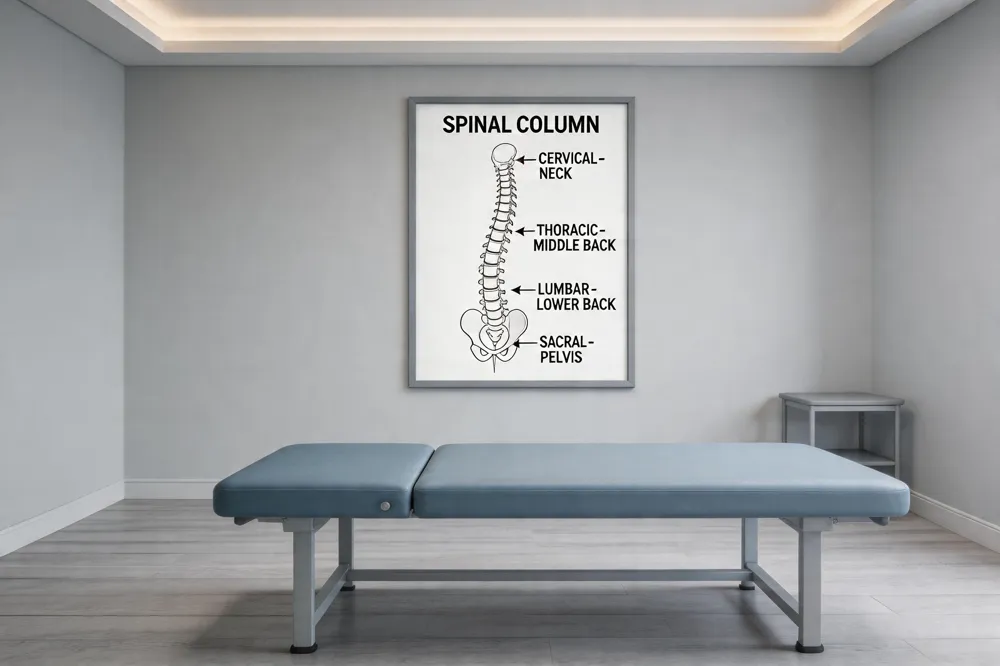
How Chiropractic Treatments Reduce Inflammation and Speed Up Back Pain Recovery

Real‑Life Stories: How Chiropractic Helped Patients Overcome Chronic Back Pain

From Symptom Masking to Root‑Cause Healing: A Practical Guide

6 Holistic Non‑Surgical Treatments That Deliver Sustainable Back‑Pain Relief

Key Questions to Ask When Selecting Your Chiropractor

Mindful Movement: Incorporating Stretch Breaks Into a Busy Day

Why Targeting the Underlying Cause Beats Temporary Symptom Relief

8 Ways Physiotherapy Complements Chiropractic Adjustments for Faster Recovery

Meal Planning for Athletes Recovering from Back Injuries

9 Everyday Lifestyle Tweaks to Preserve a Healthy Spine and Prevent Pain

Functional Movement Screening for Root‑Cause Pain Identification

6 Things You’ll Experience During Your First Chiropractic Appointment

Spinal Decompression vs. Standard Physical Therapy for Sciatica: A Comparative Review

New Findings on How Adjustments Influence Blood Circulation

Work‑From‑Home Ergonomics: A Blueprint for a Pain‑Free Back

The Link Between Chiropractic Care and Improved Sleep Quality

Physiotherapy Techniques That Strengthen the Benefits of Chiropractic Adjustments

Biomechanical Insights Behind Successful Spinal Decompression

Desk‑to‑Dumbbell: Lifestyle Shifts That Guard Your Lower Back

10 Corrective Exercises for Sustainable Pain-Free Living

Morning Routines That Support Spine Health and Reduce Stiffness

Calcium and Magnesium‑Focused Nutrition for Bone Density and Spine Health

9 Ways Chiropractic Care Transforms Back Pain Management

Testimonial: Nutrition‑Guided Recovery Accelerated by Chiropractic

Science‑Backed Spinal Decompression for Relieving Sciatica Symptoms

Key Questions to Ask During Your Initial Chiropractic Consultation
Whole‑Body Wellness Blueprint: Nutrition, Exercise, and Chiropractic Synergy

A 12‑Week Corrective Exercise Blueprint for Chronic Neck Discomfort

Manual Therapy Plus Targeted Exercise: Accelerating Post‑Injury Recovery

Home‑Based Spinal Decompression Devices: What Patients Should Know

Chiropractic Care Statistics: Reducing Lost Workdays From Back Pain

How Targeted Nutrition Enhances Immune Function and Lowers Inflammatory Pain

Self‑Assessment Tools to Identify Hidden Triggers of Back Pain

Preparing for Your First Chiropractic Appointment: A Practical Checklist

Back Pain Relief Benefits: Lower Opioid Use and Better Quality of Life

Foam‑Rolling Techniques to Complement Chiropractic Adjustments

Progressive Overload Principles in Corrective Exercise Programs

Six‑Month Transformation: Integrated Care Success Story

7 Nutritional Hacks to Boost Your Overall Wellness

How to Choose a Chiropractor: Credentials, Techniques, and Patient Compatibility

5 Ways Spinal Decompression Can Ease Sciatica Pain

Overcoming Sciatica: A Patient’s Multidisciplinary Treatment Journey
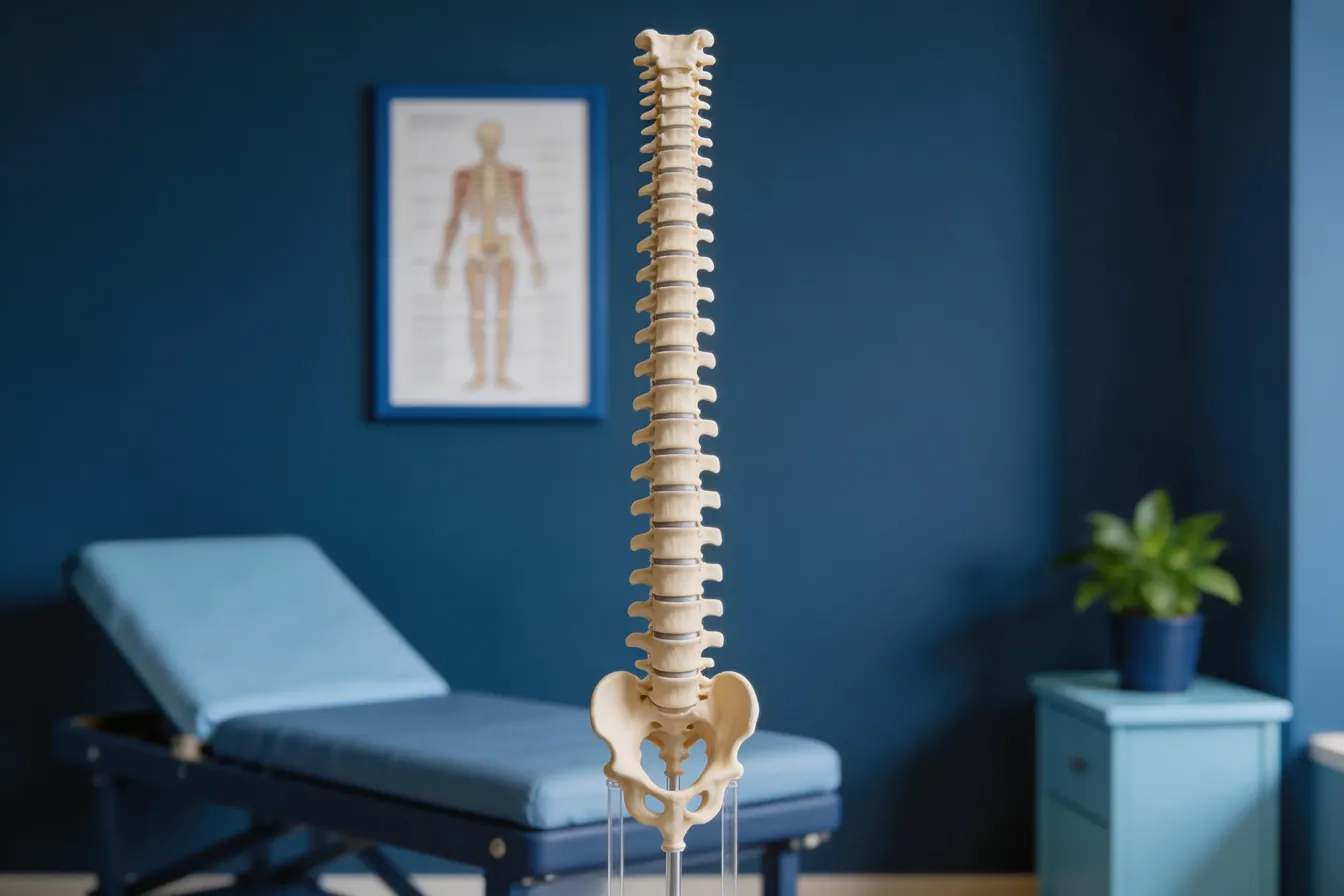
Lifestyle Changes That Promote a Healthy Spine

Physiotherapy as a Complement to Chiropractic Treatments

6 Ways Physiotherapy Enhances Chiropractic Treatment Outcomes

Daily Living Tips for a Strong and Healthy Spine

How Physiotherapy Enhances Chiropractic Outcomes
Holistic Treatments: Alternatives to Surgery for Pain Relief

Inspiring Patient Success Stories from Chiropractic Clinics

Integrating Physiotherapy with Chiropractic Treatments
Corrective Exercise Routines for Chronic Pain Prevention
10 Corrective Exercises to Maintain a Healthy Spine and Relieve Pain
Exercise Strategies for Long-Term Pain Management
10 Corrective Exercises to Maintain a Healthy Spine and Relieve Pain

The Importance of Treating the Root Cause of Pain
Nutritional Support Strategies for Whole-Body Wellness
7 Essential Questions to Ask When Choosing Your Chiropractor

Identifying and Addressing Root Causes of Pain

Maintaining a Healthy Spine with Lifestyle Adjustments

Sciatica Symptom Relief via Spinal Decompression
8 Reasons Why Addressing the Root Cause of Pain Is Crucial
Chiropractic Care’s Impact on Back Pain Recovery

Combining Physiotherapy with Chiropractic Care for Better Results

Inspiring Recovery: Chiropractic Patient Testimonials
Nutritional Counseling Tips for Optimal Wellness

Why Addressing the Root Cause of Pain is Crucial

Back Pain and Chiropractic Care: A Winning Combination

Chiropractic Care Benefits You Might Not Know
Exploring Holistic and Non-Surgical Treatments for Pain
Spinal Health: Lifestyle Tips for Everyday Wellness
Spinal Decompression Therapy: Benefits and Applications
Holistic and Non-Invasive Spine Care Options
Everyday Lifestyle Advice to Keep Your Spine Healthy

The Significance of Treating Root Causes in Pain Therapy
Best Corrective Exercises for Sustainable Pain Management

Addressing Underlying Causes of Pain for Long-Term Relief

6 Key Benefits of Spinal Decompression Therapy for Sciatica Relief

How Nutritional Counseling Supports Spine Health and Recovery

The Role of Physiotherapy in Supporting Chiropractic Treatments