5 Corrective Exercises to Achieve Long-Term Pain Relief
January 12, 2026
13 min
Understanding the Role of Corrective Exercises in Long-Term Pain Relief
The Impact of Chronic Pain on Individuals
Chronic pain affects over a quarter of the U.S. population, often resulting from injury, inflammation, or underlying health issues. It can lead to decreased mobility, fatigue, and emotional challenges such as anxiety and depression, significantly impacting quality of life.
How Exercise Serves as a Natural Pain Relief Method
Exercise promotes the release of natural painkillers like endorphins and enkephalins, which block pain signals and uplift mood. Physical activity also strengthens muscles and ligaments, reducing joint stress and enhancing posture, which helps reduce pain.
The Importance of Consistency and Gradual Progression
Starting slowly and gradually increasing exercise intensity and frequency is essential for safety and long-term success. Regular activity builds muscle strength, flexibility, and endurance while minimizing the risk of injury or pain flare-ups.
Overview of Different Types of Corrective Exercises for Pain Management
A variety of exercises target pain relief, including:
- Stretching to improve flexibility and reduce stiffness.
- Strength training to support joints and muscles.
- Low-impact aerobic activities like walking, swimming, and cycling for cardiovascular health.
- Mind-body practices such as yoga, tai chi, and qigong that combine movement with mindfulness to decrease stress.
- Targeted movements like specific back, shoulder, or core exercises to address localized pain. These corrective exercises contribute to long-term pain relief by enhancing function and well-being in a patient-centered, holistic approach.
Chronic Pain Relief and Management Strategies
- Strengthening core muscles enhances spine stability and reduces pain by supporting joints and improving posture.
- Regular stretching increases flexibility, reduces muscle tension, and improves joint range of motion for long-term pain relief.
- Low-impact aerobic exercises such as walking, swimming, and cycling improve circulation, boost endorphin release, and minimize joint stress.
- Mind-body practices like yoga, tai chi, and qigong reduce stress, improve flexibility, and promote muscle relaxation, easing chronic pain.
- Targeted exercises like squats, lunges, bridges, and shoulder blade squeezes build muscle support around joints, preventing injury and alleviating pain.
- Back in Action Bodyworks offers spinal corrections, personalized exercise programs, and nutritional counseling to support musculoskeletal health.
- Chiropractic care enhances spinal alignment, which alleviates pain, improves mobility, and supports long-term musculoskeletal health.
- First-time chiropractic patients undergo medical history review, physical exams, and receive personalized treatment plans that include spinal adjustments.
- The clinic combines nutritional guidance, exercise therapy, and stress management to provide a holistic approach to pain relief and wellness.
- Led by experienced licensed chiropractors, Back in Action Bodyworks offers personalized, holistic care aimed at natural pain relief and improved quality of life.
1. Strengthening Core Muscles to Support the Spine and Reduce Pain
How do strengthening exercises contribute to pain relief?
Strengthening muscles to relieve joint stress build muscle mass and improve muscle function, which is vital for reducing joint strain. This enhanced muscle support helps stabilize the spine and other joints, alleviating pressure that causes or worsens chronic pain. Regular strengthening thus plays an essential role in long-term pain management by protecting vulnerable structures and improving physical resilience.
Core training benefits for back pain relief
Core training focuses on strengthening the muscles around the spine, hips, and abdomen. These muscles act as a natural brace for the spine, maintaining proper alignment and preventing excessive movements that cause pain or injury. Improved core stability reduces stress on spinal joints and discs, often resulting in decreased lower back pain and better posture.
Specific exercises like planks and abdominal strengthening
Effective core exercises include abdominal strengthening exercises performed on a safe surface, planks that engage multiple core muscles simultaneously, and back strengthening lifts where the individual lies face down and lifts the head and chest gently. These exercises develop balanced muscle strength around the torso, enhancing spine support and reducing discomfort.
Frequency recommendations for strengthening routines
To gain the maximum benefits, it is recommended to incorporate frequency of strengthening exercises at least three days per week. For those with weakened or painful joints, increasing to five days can be appropriate, provided the exercises are performed correctly and without exacerbating symptoms. Starting gradually and consulting a healthcare provider before exercise ensures safety and effectiveness.
| Benefits of Core Strengthening | Recommended Exercises | Frequency |
|---|---|---|
| Stabilizes spine and joints | Abdominal crunches | 3-5 times weekly |
| Reduces pain and fatigue | Planks | Gradual increase |
| Improves posture and balance | Back strengthening exercises (head and chest lifts) | Consult provider |
2. Gentle Stretching to Improve Flexibility and Decrease Muscle Tension

Why is stretching important for long-term pain relief?
Stretching plays a crucial role in managing chronic pain by improving flexibility and increasing the range of motion in joints. This helps to reduce muscle stiffness and tension that often contribute to ongoing discomfort. Over time, consistent stretching can enhance mobility and make daily activities less painful. For more on stretching benefits for pain relief and managing pain with stretching and strengthening.
What are some recommended stretches for chronic pain?
Effective stretches targeting common areas affected by chronic pain include:
- Neck: Chin tucks help relieve tension and improve posture.
- Shoulders: Shoulder rolls decrease stiffness and enhance mobility.
- Back: The cat-cow stretch and child's pose improve spinal flexibility and soothe lower back pain.
- Hips: Seated figure-four stretches alleviate tightness and improve hip stability.
- Legs: Calf stretches help reduce pain in the foot and ankle area.
What are the roles of dynamic vs. static stretching?
Dynamic stretching before exercise prepares muscles and joints by increasing blood flow and reducing injury risk. Static stretching after exercise or during daily routines helps improve flexibility and alleviates muscle tension for better recovery.
How to incorporate stretching into daily routines for sustained results?
Making stretching a daily habit—even dedicating a few minutes each morning or evening—helps maintain muscle flexibility and joint health. Combining gentle stretches with mindful breathing or mind-body practices such as yoga enhances relaxation and fosters long-term pain relief.
Stretching is a cornerstone of holistic pain management, enhancing physical function and complementing other therapies focused on natural pain relief and wellness.
3. Low-Impact Aerobic Activities to Boost Circulation and Reduce Joint Stress

How do low-impact aerobic exercises aid in chronic pain relief?
Low-impact aerobic exercises effectively aid chronic pain relief by improving blood circulation and promoting cardiovascular health without overstraining the joints. These activities stimulate the release of endorphins, natural chemicals in the body that act as painkillers, reducing the perception of pain and enhancing mood. Furthermore, because these exercises are gentle, they minimize additional stress on painful joints, helping to prevent further injury while promoting joint and muscle function. For more information, see Low-impact aerobic exercises and Exercise and Mental Well-Being.
Recommended low-impact activities such as walking, swimming, and cycling
Walking, swimming, and cycling are among the best low-impact aerobic exercises suitable for people managing chronic pain. Walking is accessible and helps improve cardiovascular health and mental well-being, especially when done outdoors. Swimming and water aerobics reduce joint impact by supporting the body in water, making movements easier and less painful while enhancing endurance and muscle strength. Cycling, including stationary biking, increases heart rate reliably without heavy joint load. Learn more about Low-impact activities for pain management and Walking for physical and mental health.
How aerobic activities increase endorphin release and improve cardiovascular health
Regular aerobic activity enhances cardiovascular function, which improves oxygen and nutrient delivery to muscles and tissues, aiding recovery and function. These exercises also trigger the release of endorphins and neurotransmitters like serotonin and dopamine, which not only reduce pain but also elevate mood and reduce stress that often accompanies chronic pain. See How exercise releases endorphins to block pain and Exercise for Chronic Pain for details.
Suggestions for frequency and duration to maximize benefits
To maximize benefits, it is recommended to engage in low-impact aerobic activities most days of the week, aiming for 20 to 40 minutes per session. Gradually increasing activity helps avoid injury and builds endurance. Consistency is critical to achieve long-term pain relief and improved physical and mental health. For guidance on gradual increase in activity for pain management and Home exercises for chronic pain management, consult the linked resources.
4. Mind-Body Exercises Combining Movement with Stress Reduction

Benefits of yoga, tai chi, and qigong for pain relief
Yoga, tai chi, and qigong are gentle mind-body practices for pain relief that merge physical movement with focused breathing and mindfulness. These have been shown to reduce stress, enhance flexibility, and improve posture, all of which contribute to effective chronic pain management. They specifically help decrease muscle tension and promote relaxation, which can lessen pain intensity.
How mindful movement reduces stress and muscle tension
Mindful movement in these practices encourages awareness of the body's sensations and breath, which helps interrupt the pain-stress cycle. Controlled breathing facilitates calmness and decreases anxiety, while slow, deliberate movements prevent muscle stiffness and improve circulation.
Improvement of posture and balance through these exercises
Regular practice strengthens core muscles and enhances joint stability. Improved posture and balance reduce strain on musculoskeletal structures, helping to prevent falls and further injury, which is especially important for individuals with chronic pain conditions. For more on balance exercises: yoga, tai chi, Pilates.
Integration into daily life and suitability for various fitness levels
Mind-body exercises can easily be adapted to different fitness levels and can be performed at home or in group settings. Starting with just a few minutes several times a week can provide benefits, making these practices accessible for people seeking natural and holistic approaches to pain relief such as yoga and tai chi for chronic pain.
5. Targeted Joint and Muscle Strengthening for Enhanced Stability and Reduced Pain

Which targeted strengthening exercises are effective for pain relief?
Targeted strengthening exercises are crucial for pain relief as they build muscle mass around key joints, providing enhanced stability and reducing joint strain. Effective exercises include squats and lunges, which strengthen the muscles of the hips and lower body. Bridges help activate and strengthen the glutes and lower back muscles, supporting spinal alignment and reducing back pain. Shoulder blade squeezes enhance upper back posture and shoulder stability, which can alleviate shoulder and neck discomfort. For more information, see Chronic Pain Relief Exercises.
How does building muscle support joints and prevent injury?
Strengthening muscles around joints helps absorb stress and distribute loads more evenly, reducing the risk of joint overuse and injury. Stronger muscles provide better joint alignment, prevent excessive wear on cartilage, and improve overall mobility. This support not only diminishes existing pain but also serves as a preventative measure against future musculoskeletal issues. Learn more about Strengthening exercises for muscle and joint health.
Recommendations on exercise progression and safety precautions
To maximize benefits and prevent injury, begin targeted strengthening exercises with low repetitions and light resistance. Gradually increase frequency and intensity based on tolerance, aiming for 2 to 3 sessions per week or more when advised by a healthcare professional. Proper form and controlled movements are essential. Consult with a healthcare provider before starting a new routine to ensure exercises are tailored to individual needs, especially for those with existing health conditions or chronic pain. For guidance, refer to Consulting healthcare providers before exercise.
What services does Back in Action Bodyworks offer?
Comprehensive musculoskeletal treatments
Back in Action Bodyworks in Torrance, California, specializes in holistic musculoskeletal care designed to enhance overall body function and relieve pain. Their treatments focus on addressing a wide range of conditions including chronic pain, joint issues, and nerve-related discomfort.
Spinal corrections and manual adjustments
The practice offers advanced spinal correction techniques, utilizing manual adjustments and gentle manipulation to restore proper spinal alignment. These therapies aim to reduce pain and improve mobility by supporting the spine’s natural structure.
Personalized corrective exercise programs
Targeted corrective exercise plans are developed to strengthen muscles that support joints and improve movement patterns. These exercises, often incorporating Exercises and Stretches for Pain Relief, are customized to fit into patients’ daily routines for effective and sustainable relief.
Lifestyle and nutritional counseling
Back in Action Bodyworks provides guidance on healthy lifestyle habits such as posture improvement, ergonomic adjustments, and daily activity modifications. Nutritional counseling is also offered to support spinal health and overall wellness.
Specialized therapies like spinal decompression
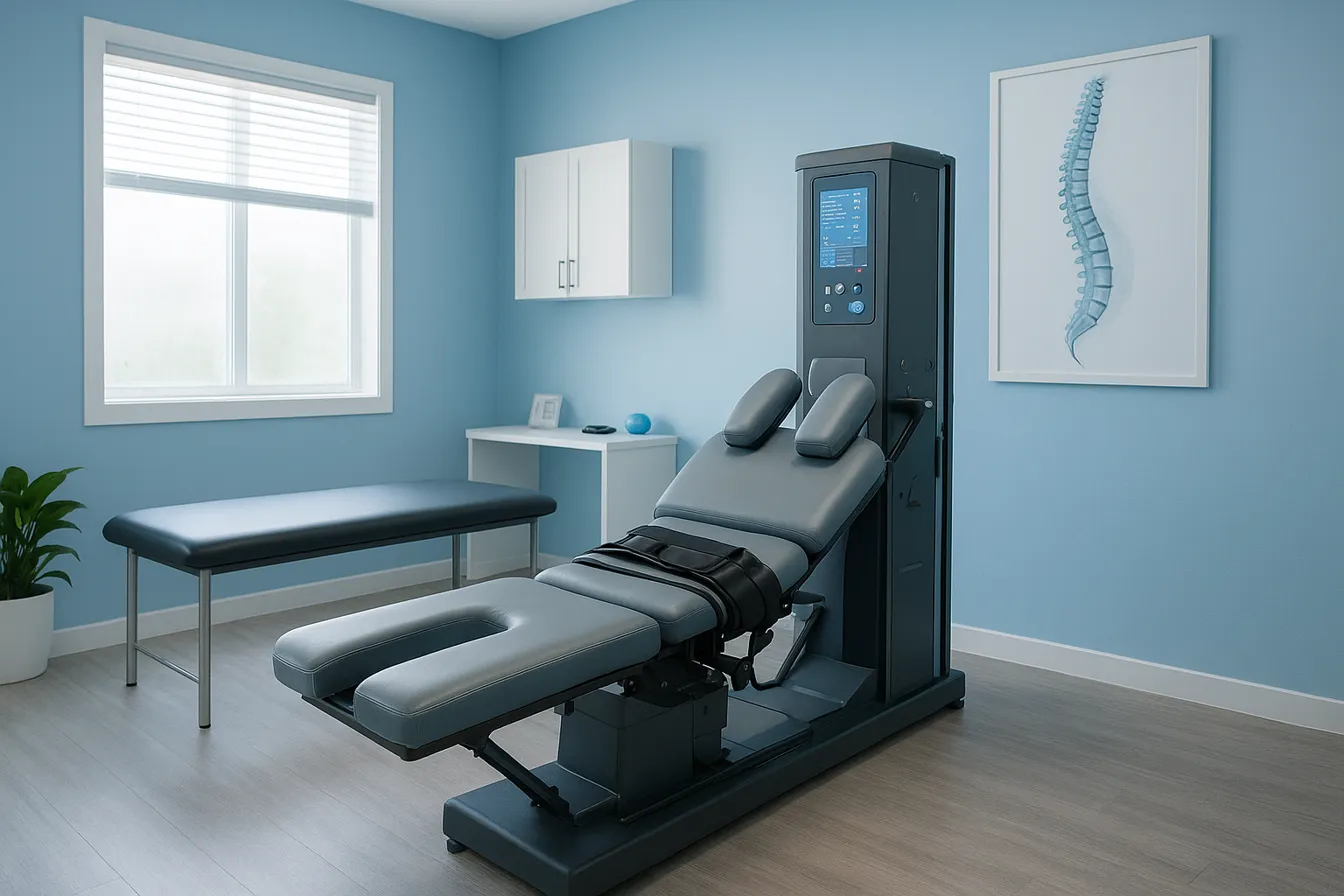
The clinic offers specialized treatments such as spinal decompression therapy, which is particularly beneficial for conditions like sciatica, herniated discs, and repetitive strain injuries. These services are designed to alleviate nerve pressure and promote healing.
Back in Action Bodyworks combines these approaches to deliver patient-centered care focused on natural pain relief and long-term musculoskeletal health.
How can chiropractic care benefit overall health and wellness?
Spinal Alignment and Pain Relief
Chiropractic care focuses on correcting spinal alignment, which can alleviate pain and reduce inflammation throughout the body. Misaligned vertebrae can place stress on nerves, leading to discomfort and chronic pain. Specialized adjustments by licensed chiropractors gently manipulate these joints to restore proper alignment, often providing immediate relief from conditions such as back pain, neck pain, and headaches.
Mobility Enhancement Through Adjustments
By improving joint function and reducing stiffness, chiropractic adjustments enhance overall mobility. This increased range of motion supports everyday activities, reduces muscle tension, and lowers the risk of injury. Regular treatments can also improve posture, which contributes to better biomechanical function and less strain on muscles and ligaments.
Long-term Musculoskeletal Health Maintenance
Chiropractic care, when combined with exercises for relieving musculoskeletal pain, helps maintain musculoskeletal health over time. Strengthening supportive muscles and improving joint stability minimizes wear-and-tear and can prevent degenerative conditions. This holistic approach fosters resilience in the spine and surrounding structures, promoting long-term wellness.
Clinical Evidence Supporting Chiropractic Care
Numerous clinical studies validate spinal manipulation as an effective and safe treatment for various musculoskeletal issues. Research indicates that chiropractic adjustments carry minimal risks and can improve pain management and functional outcomes. This evidence supports chiropractic care as a complementary therapy within integrated health plans.
Chiropractic care provides a natural, patient-centered therapy that not only targets specific ailments but also promotes overall bodily function and well-being through spinal health.
What should a new patient expect during their first visit to a chiropractic practice?
Initial consultation and assessment process
During your first visit, the chiropractor will start by reviewing your complete medical history and discussing your current symptoms and health concerns. This helps in understanding your overall health and any factors contributing to your pain or discomfort.
Diagnostic tests and physical examination
Next, you will undergo a thorough physical examination, including assessments of your range of motion, muscle strength, posture, and neurological and orthopedic function. In some cases, diagnostic imaging such as X-rays may be recommended to gain a clearer picture of your spine and joints.
Personalized treatment planning
Based on the evaluation, the chiropractor will develop a personalized treatment plan tailored to your needs. This plan may incorporate spinal adjustments, soft tissue therapy, and guidance on Exercises for pain relief and posture correction aimed at relieving pain and preventing future issues.
Explanation of chiropractic procedures and expected outcomes
Your chiropractor will explain the specific procedures involved, including spinal manipulations which often produce a gentle popping sound but are generally quick and painless. You can expect either immediate relief or gradual improvement over a series of sessions. They will also answer any questions and suggest lifestyle changes to support your musculoskeletal health and overall wellness.
Are there any holistic approaches used alongside chiropractic treatments at Back in Action Bodyworks?
Nutritional Guidance
Back in Action Bodyworks integrates nutritional advice as an essential part of their holistic care. Proper nutrition supports the body's natural healing processes, reduces inflammation, and enhances musculoskeletal health, which complements chiropractic adjustments for optimal results.
Tailored Exercise Programs
Exercise is fundamental in managing and reducing chronic pain, and the practice offers customized exercise plans. These include stretching benefits for pain relief, strength training and chronic pain, and low-impact aerobic exercises such as walking and swimming that improve joint stability, flexibility, and overall function.
Stress Management and Lifestyle Counseling
Recognizing the role of mental well-being, the practice incorporates stress reduction techniques including relaxation methods, mindfulness, and lifestyle coaching. This holistic focus helps improve mood, decrease pain perception, and supports better sleep, all contributing to improving sleep with exercise, and mental health benefits of exercise, thus supporting long-term wellness.
Soft Tissue Therapies and Integrative Treatments
In addition to chiropractic adjustments, therapies like soft tissue manipulation and, where licensed, acupuncture may be used. Soft tissue work aids in relieving muscular tightness, improves circulation, and complements the structural alignment achieved through chiropractic care.
Back in Action Bodyworks’ holistic approach respects the interconnection between body, mind, and spirit. This comprehensive strategy ensures personalized patient-centered care that goes beyond symptom relief to foster sustainable health improvements naturally and effectively.
Who leads the chiropractic services at Back in Action Bodyworks?
Experienced licensed chiropractor
The chiropractic services at Back in Action Bodyworks are led by Dr. [Insert Name], a highly experienced and licensed chiropractor known for delivering compassionate and effective care.
Holistic musculoskeletal health focus
Dr. [Last Name] specializes in a holistic approach to musculoskeletal health, integrating natural pain relief methods and patient-centered treatment plans. This focus ensures that each patient’s treatment enhances overall wellness, not just symptom relief.
Personalized patient care and treatment oversight
With years of clinical experience, Dr. [Last Name] personally oversees all treatment protocols, tailoring therapies to individual patient needs. This personalized attention helps optimize recovery and promotes balance and strength in affected areas, emphasizing long-term health outcomes.
Patients at Back in Action Bodyworks can trust that their chiropractic care is guided by a dedicated professional committed to holistic health, natural pain management, and improving quality of life through integrated therapeutic approaches. For more information on exercises for relieving musculoskeletal pain and Chronic pain relief exercises, visit the provided resources.
Incorporating Corrective Exercises for Lasting Relief and Wellness
Corrective Exercises for Pain Management
Effective pain relief often begins with targeted exercises such as stretching, strengthening, and low-impact aerobic activities. Exercises like cat-cow stretches, hip bridges, and gentle back stretches improve flexibility and reduce stiffness. Strength training around joints through controlled movements supports stability and diminishes discomfort, while aerobic exercises like walking or swimming boost mood and cardiovascular health.
Professional Guidance and Gradual Progression
It's crucial to consult healthcare providers before starting routines, especially if existing health conditions are present. Gradual adaptation helps avoid injury and encourages adherence to consistent practice, creating a positive cycle for pain management.
Integrating Chiropractic Care and Healthy Lifestyle
Combining exercise with chiropractic treatments and lifestyle improvements enhances outcomes. Adjustments can improve posture and spinal alignment, complementing muscle strengthening and flexibility from exercise. Incorporating mindfulness, balanced nutrition, and good sleep supports long-term wellness.
Taking an Active Role
Empowering oneself through regular movement, informed choices, and professional support fosters lasting musculoskeletal health. Active participation in pain management nurtures overall well-being and reduces reliance on medications.
Recent articles

10 Real‑Patient Success Stories Showcasing the Impact of Chiropractic Care

Superfoods That Boost Nerve Healing After Chiropractic Sessions

Sleep Positions That Promote a Healthy Back Alignment
Signs Your Chiropractor Is a Good Fit for Your Back Pain Goals

Case Study: Integrated Physiotherapy and Chiropractic for Faster Recovery
First-Time Chiropractic Visit: A Step‑by‑Step Walkthrough
Synergistic Benefits: Combining Physiotherapy with Chiropractic Care

Beyond Surgery: Holistic Approaches to Managing Back Pain

How Manual Therapy Enhances the Effects of Chiropractic Adjustments

Hydration Hacks: Why Water Matters for Joint and Spine Function

What Does a Comprehensive Spinal Evaluation Include?

Success Spotlight: Transformative Results After Six Weeks of Chiropractic Treatment

Understanding the Initial Assessment Process in Chiropractic Care

Designing a Personalized Corrective Exercise Plan for Chronic Pain Management

Natural Pain Management: Combining Acupuncture, Yoga, and Chiropractic

Chiropractic Care vs. Pain Meds: Long-Term Outcomes for Back Pain Sufferers

What to Expect During a Sciatica‑Focused Decompression Session

Understanding the Pain-Relief Mechanics Behind Chiropractic Adjustments

Success Rates of Non‑Surgical Spinal Decompression for Sciatica

Patient-Centered Chiropractic Care: Personalized Plans for Back Pain Relief
How Chiropractic Treatments Reduce Inflammation and Speed Up Back Pain Recovery

Real‑Life Stories: How Chiropractic Helped Patients Overcome Chronic Back Pain

From Symptom Masking to Root‑Cause Healing: A Practical Guide

6 Holistic Non‑Surgical Treatments That Deliver Sustainable Back‑Pain Relief

Key Questions to Ask When Selecting Your Chiropractor

Mindful Movement: Incorporating Stretch Breaks Into a Busy Day

Why Targeting the Underlying Cause Beats Temporary Symptom Relief

8 Ways Physiotherapy Complements Chiropractic Adjustments for Faster Recovery

Meal Planning for Athletes Recovering from Back Injuries

9 Everyday Lifestyle Tweaks to Preserve a Healthy Spine and Prevent Pain

Functional Movement Screening for Root‑Cause Pain Identification

6 Things You’ll Experience During Your First Chiropractic Appointment

Spinal Decompression vs. Standard Physical Therapy for Sciatica: A Comparative Review

New Findings on How Adjustments Influence Blood Circulation
Work‑From‑Home Ergonomics: A Blueprint for a Pain‑Free Back

The Link Between Chiropractic Care and Improved Sleep Quality

Physiotherapy Techniques That Strengthen the Benefits of Chiropractic Adjustments

Biomechanical Insights Behind Successful Spinal Decompression

Desk‑to‑Dumbbell: Lifestyle Shifts That Guard Your Lower Back

10 Corrective Exercises for Sustainable Pain-Free Living

Morning Routines That Support Spine Health and Reduce Stiffness

Calcium and Magnesium‑Focused Nutrition for Bone Density and Spine Health

9 Ways Chiropractic Care Transforms Back Pain Management

Testimonial: Nutrition‑Guided Recovery Accelerated by Chiropractic
Science‑Backed Spinal Decompression for Relieving Sciatica Symptoms

Key Questions to Ask During Your Initial Chiropractic Consultation
Whole‑Body Wellness Blueprint: Nutrition, Exercise, and Chiropractic Synergy

A 12‑Week Corrective Exercise Blueprint for Chronic Neck Discomfort

Manual Therapy Plus Targeted Exercise: Accelerating Post‑Injury Recovery

Home‑Based Spinal Decompression Devices: What Patients Should Know

Chiropractic Care Statistics: Reducing Lost Workdays From Back Pain

How Targeted Nutrition Enhances Immune Function and Lowers Inflammatory Pain

Self‑Assessment Tools to Identify Hidden Triggers of Back Pain
Preparing for Your First Chiropractic Appointment: A Practical Checklist

Back Pain Relief Benefits: Lower Opioid Use and Better Quality of Life

Foam‑Rolling Techniques to Complement Chiropractic Adjustments

Progressive Overload Principles in Corrective Exercise Programs

Six‑Month Transformation: Integrated Care Success Story

7 Nutritional Hacks to Boost Your Overall Wellness

How to Choose a Chiropractor: Credentials, Techniques, and Patient Compatibility

5 Ways Spinal Decompression Can Ease Sciatica Pain

Overcoming Sciatica: A Patient’s Multidisciplinary Treatment Journey
Lifestyle Changes That Promote a Healthy Spine
Physiotherapy as a Complement to Chiropractic Treatments
6 Ways Physiotherapy Enhances Chiropractic Treatment Outcomes

Daily Living Tips for a Strong and Healthy Spine

How Physiotherapy Enhances Chiropractic Outcomes
Holistic Treatments: Alternatives to Surgery for Pain Relief
Inspiring Patient Success Stories from Chiropractic Clinics

Integrating Physiotherapy with Chiropractic Treatments
Corrective Exercise Routines for Chronic Pain Prevention
10 Corrective Exercises to Maintain a Healthy Spine and Relieve Pain
Exercise Strategies for Long-Term Pain Management
10 Corrective Exercises to Maintain a Healthy Spine and Relieve Pain
The Importance of Treating the Root Cause of Pain
Nutritional Support Strategies for Whole-Body Wellness
7 Essential Questions to Ask When Choosing Your Chiropractor
Identifying and Addressing Root Causes of Pain
Maintaining a Healthy Spine with Lifestyle Adjustments
Sciatica Symptom Relief via Spinal Decompression
8 Reasons Why Addressing the Root Cause of Pain Is Crucial
Chiropractic Care’s Impact on Back Pain Recovery

Combining Physiotherapy with Chiropractic Care for Better Results
Inspiring Recovery: Chiropractic Patient Testimonials
Nutritional Counseling Tips for Optimal Wellness

Why Addressing the Root Cause of Pain is Crucial
Back Pain and Chiropractic Care: A Winning Combination

Chiropractic Care Benefits You Might Not Know
Exploring Holistic and Non-Surgical Treatments for Pain
Spinal Health: Lifestyle Tips for Everyday Wellness
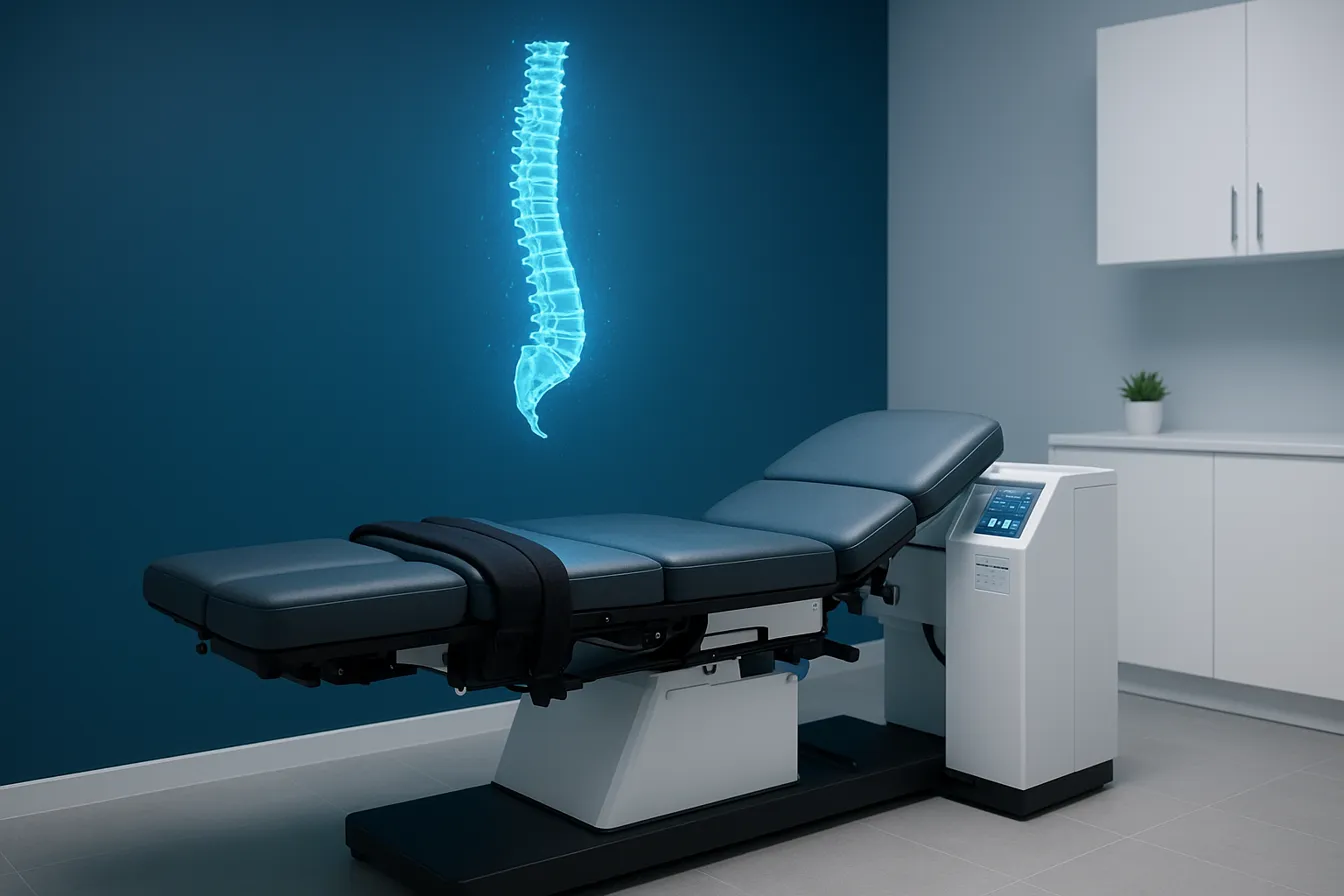
Spinal Decompression Therapy: Benefits and Applications
Holistic and Non-Invasive Spine Care Options
Everyday Lifestyle Advice to Keep Your Spine Healthy
The Significance of Treating Root Causes in Pain Therapy
Best Corrective Exercises for Sustainable Pain Management
Addressing Underlying Causes of Pain for Long-Term Relief
6 Key Benefits of Spinal Decompression Therapy for Sciatica Relief

How Nutritional Counseling Supports Spine Health and Recovery
The Role of Physiotherapy in Supporting Chiropractic Treatments