7 Essential Things to Know Before Choosing Your Chiropractor
December 16, 2025
7 min

Why Choosing the Right Chiropractor Matters
Importance of Chiropractic Care for Musculoskeletal Health
Chiropractic care plays a vital role in managing musculoskeletal conditions such as low back pain, neck pain, and headaches. It focuses on relieving pain, releasing tension, and restoring proper joint function through natural, non-invasive methods like spinal adjustments. This approach contributes to improved nerve communication and overall body mechanics, enhancing patients' quality of life.
Overview of Chiropractic Training and Qualifications
Chiropractors undergo rigorous education in accredited four-year graduate programs, completing at least 4,200 hours of classroom, laboratory, and clinical internships. They hold a Doctor of Chiropractic degree and must be licensed, ensuring professional standards and safety. Verifying credentials and disciplinary history is essential when selecting a chiropractor to guarantee reliable, qualified care.
Role of a Chiropractor in Holistic Health and Wellness
A chiropractor's role extends beyond spinal adjustments. They consider a patient’s lifestyle, health history, and goals to create personalized treatment plans. Treatments may include soft tissue therapy, exercise, rehabilitation, and nutritional counseling. Collaborating with other healthcare professionals, chiropractors support holistic wellness and long-term health, emphasizing patient-centered care tailored to individual needs.
Key Facts About Choosing a Chiropractor
- In the United States, chiropractors must hold a valid license and graduate from an accredited program with at least 4,200 hours of education.
- Verifying a chiropractor's disciplinary history or malpractice claims helps ensure ethical practice and patient safety.
- A chiropractor's experience and specialized training are crucial for conditions like sports injuries or chronic pain.
- Referrals from trusted healthcare professionals and positive online reviews are essential for identifying reliable practitioners.
- Understanding the treatment techniques used, such as spinal adjustments or soft tissue therapies, ensures personalized care.
- Effective communication, a comfortable environment, and a welcoming clinic atmosphere boost treatment satisfaction.
- Clarifying costs and insurance coverage beforehand prevents unexpected expenses and supports financial transparency.
- Choosing a convenient location and telehealth options enhances accessibility and encourages consistent treatment.
- Chiropractors should recommend evidence-based procedures and avoid excessive or unverified therapies.
- A comprehensive assessment of credentials, experience, environment, and costs helps ensure safe, effective, and personalized chiropractic care.
1. Check Credentials and Professional Qualifications

What are the necessary credentials to verify when choosing a chiropractor?
Verifying a chiropractor’s credentials is a critical first step to ensure you receive safe and professional care. In the United States, chiropractors are required to hold a valid license, which confirms they have met the state’s standards for education and professional conduct. For more details on Checking chiropractor credentials.
Chiropractors must graduate from nationally accredited chiropractic graduate programs, typically involving at least 4,200 hours of extensive classroom instruction, laboratory practice, and clinical internships. Accreditation by recognized bodies like the Council on Chiropractic Education guarantees adherence to rigorous academic and clinical training standards. Learn more about Chiropractor education and training.
It is also important to check for any disciplinary history or malpractice claims. This information can often be found through state licensing boards or verified platforms such as Healthgrades. Avoiding practitioners with unresolved complaints or malpractice issues helps you choose a chiropractor dedicated to ethical practice and patient safety. For guidance, see Verifying Chiropractor Credentials.
Ensuring these credentials safeguards your health and supports a chiropractic care experience grounded in expertise and professionalism.
2. Evaluate Experience and Specialization

How important is a chiropractor's experience for specific conditions?
Experience plays a crucial role, especially for conditions like sports injuries or chronic pain. Chiropractors with many years of practice and specialized training suited to your particular health issues tend to provide better treatment outcomes.
When choosing a chiropractor, consider their years of practice since seasoned practitioners often have refined skills and greater insight into treatment effectiveness. Check if they have experience managing the specific musculoskeletal or spine conditions you face, as expertise in your area of need enhances personalized care.
Also, inquire about their use of specialized chiropractic techniques and recent training related to your condition. Ongoing education in advanced treatment methods—such as soft tissue therapies, spinal adjustments, or rehabilitation exercises—ensures the chiropractor remains current with evolving best practices for natural pain relief and functional restoration.
Selecting a chiropractor with relevant experience and up-to-date skills supports a tailored, patient-centered treatment plan focused on holistic health and lasting wellness.
3. Seek Trusted Referrals and Patient Reviews

What role do referrals and reviews play in choosing a chiropractor?
Referrals from trusted healthcare providers, such as primary care doctors, as well as from family and friends, are valuable when selecting a chiropractor. These recommendations help point you to practitioners with proven track records and trusted reputations.
Online patient reviews and testimonials also play an important role. They offer firsthand insights into patient satisfaction, treatment outcomes, and the environment of the chiropractic practice. Patient feedback can highlight aspects such as staff friendliness, appointment scheduling, communication style, and comfort during treatments.
Considering both referrals and patient reviews equips you to make a well-informed decision. Trusted recommendations combined with diverse online experiences enable you to find a chiropractor whose expertise and approach align with your specific health needs and wellness goals.
When evaluating reviews, look for consistent positive remarks about professionalism, effective care, and respectful patient interactions. This approach helps ensure you select a reputable chiropractor capable of delivering quality, patient-centered care.
4. Understand Treatment Approaches and Techniques Used

Why inquire about chiropractic techniques before committing to care?
Different chiropractors apply various methods such as spinal adjustments, soft tissue therapies, and rehabilitation exercises. Understanding these techniques helps match your comfort level and personal health goals, ensuring a good fit between practitioner style and your condition.
Common chiropractic techniques patients should know about
- Spinal Adjustments: Manual pressure applied to specific joints to improve alignment and relieve pain.
- Soft Tissue Therapies: Includes massage and myofascial release to ease muscle tension and enhance mobility.
- Rehabilitation Exercises: Targeted movements to strengthen supporting muscles and restore function.
Aligning treatment styles with patient preferences and needs
[Choosing a chiropractor who explains their approach clearly and respects your preferences] fosters trust and better treatment outcomes. Personalized care plans tailored to your condition and comfort are important.
Avoid questionable methods and excessive procedures
Beware of chiropractors who push unnecessary treatments, excessive spinal x-rays, or unverified therapies. A reputable practitioner will perform thorough assessments and recommend evidence-based chiropractic interventions only.
5. Evaluate Communication, Comfort, and Clinic Environment

How do communication and clinic atmosphere affect chiropractic care?
Clear communication is vital for effective chiropractic treatment. Chiropractors who explain diagnoses and treatment options in understandable terms empower patients to make informed decisions about their health. This transparency fosters trust and helps patients feel valued in their care process.
Interpersonal skills also play a critical role; a chiropractor who listens attentively, addresses questions respectfully, and honors patient preferences creates a comfortable, supportive atmosphere. Such rapport improves treatment adherence and patient satisfaction.
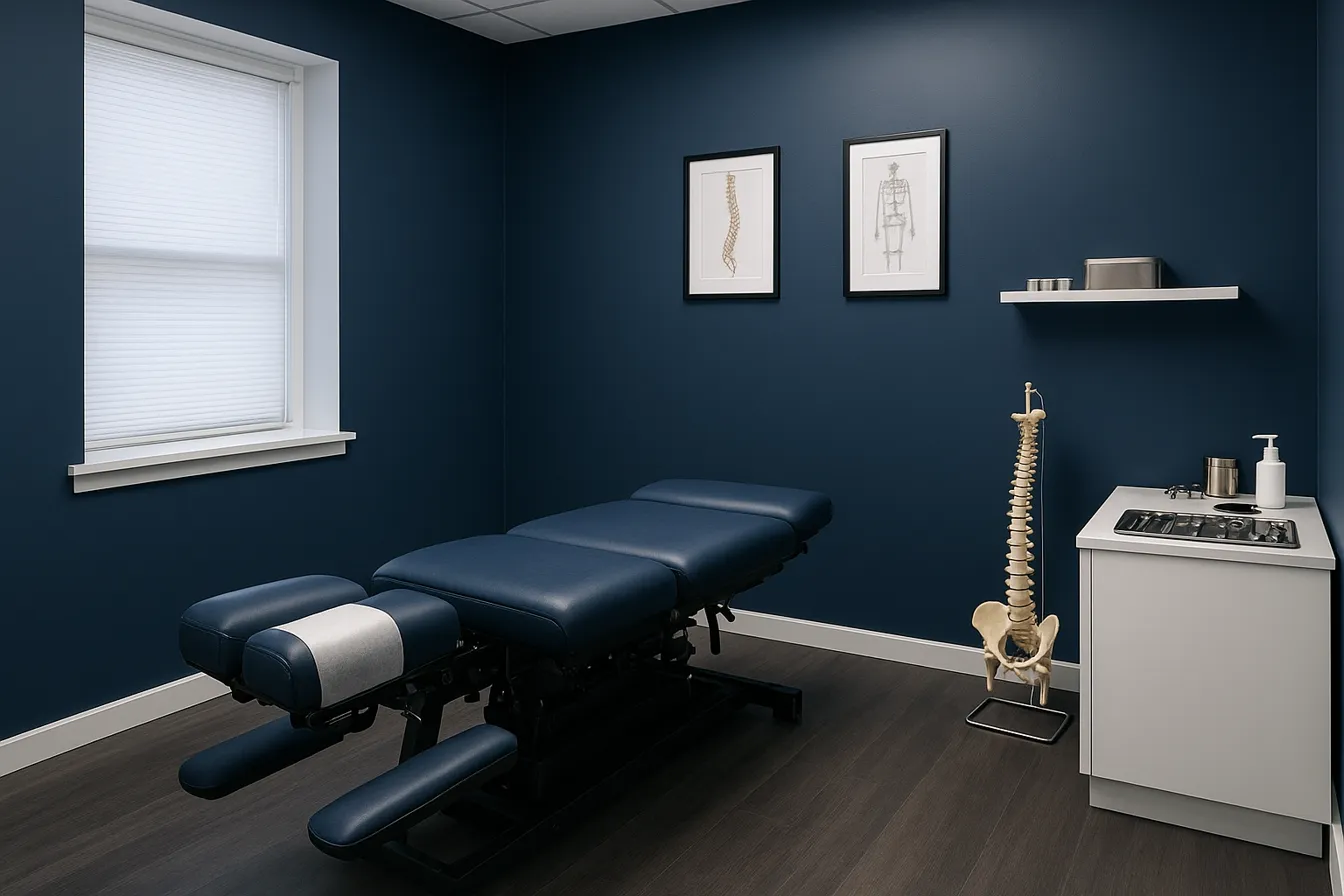
The clinic environment contributes significantly to overall experience. A clean, well-organized facility staffed by friendly, professional personnel puts patients at ease. Reception and administrative staff who communicate clearly regarding appointments and insurance similarly enhance comfort.
In summary, a chiropractic practice that combines effective communication, empathy, and a welcoming clinic atmosphere supports better patient confidence and positive health outcomes.
6. Confirm Insurance Coverage and Cost Transparency
Why is it important to clarify costs and insurance details before treatment?
Cost and insurance for chiropractic care can vary widely among providers and plans. Discussing fees and payment options upfront helps patients understand what to expect financially and ensures the treatment will be affordable within their budget. It also prevents unexpected out-of-pocket expenses, which can cause stress or delays in care.
Patients should verify whether their insurance plan covers chiropractic services and confirm which chiropractors participate in the network. This maximizes benefits and reduces their financial burden. Understanding these details allows patients to choose providers who align with their healthcare plans and avoid surprise bills.
Clear communication about costs before treatment empowers patients to make informed decisions and fosters trust between them and their chiropractor. It helps create a patient-centered approach where financial concerns are addressed alongside health goals for a positive, transparent care experience.
7. Consider Location, Accessibility, and Telehealth Options
How do location and telehealth availability influence chiropractor selection?
The convenience of a clinic's location and its office hours plays a significant role in a patient's ability to maintain a consistent treatment schedule. Choosing a chiropractor close to home or work reduces travel time and encourages regular visits, which can positively impact treatment outcomes.
Telehealth services have become a valuable addition to chiropractic care, allowing patients to have consultations and follow-ups remotely. This flexibility is especially beneficial for those with busy schedules, mobility challenges, or who prefer the comfort of home-based care.
Combining local accessibility with telehealth options provides a balanced approach that supports continuous care, enhances patient engagement, and helps achieve better health results through sustained treatment adherence.
Making an Informed Choice for Your Chiropractic Care
When selecting a chiropractor, it's essential to consider several important factors to ensure personalized and effective care.
First, verify the chiropractor’s credentials, including licensure, education, and specialized training. Experienced professionals with relevant expertise matching your health needs typically offer better outcomes. Patient reviews and referrals from trusted sources such as family or healthcare providers provide valuable insights into the quality of care and patient satisfaction.
Communication style and patient comfort are key. Choose a chiropractor who listens attentively, clearly explains treatment options, and respects your preferences. This approach fosters trust and encourages open dialogue.
Customized treatment plans tailored to your specific condition and goals ensure optimal results. Also, check logistics like insurance coverage, cost, office location, and telehealth availability for convenience.
By trusting licensed professionals, reviewing patient feedback, and prioritizing personalized care, you can confidently choose a chiropractor who supports your wellness journey.
Recent articles

10 Real‑Patient Success Stories Showcasing the Impact of Chiropractic Care

Superfoods That Boost Nerve Healing After Chiropractic Sessions

Sleep Positions That Promote a Healthy Back Alignment

Signs Your Chiropractor Is a Good Fit for Your Back Pain Goals

Case Study: Integrated Physiotherapy and Chiropractic for Faster Recovery

First-Time Chiropractic Visit: A Step‑by‑Step Walkthrough

Synergistic Benefits: Combining Physiotherapy with Chiropractic Care

Beyond Surgery: Holistic Approaches to Managing Back Pain

How Manual Therapy Enhances the Effects of Chiropractic Adjustments

Hydration Hacks: Why Water Matters for Joint and Spine Function

What Does a Comprehensive Spinal Evaluation Include?

Success Spotlight: Transformative Results After Six Weeks of Chiropractic Treatment

Understanding the Initial Assessment Process in Chiropractic Care

Designing a Personalized Corrective Exercise Plan for Chronic Pain Management

Natural Pain Management: Combining Acupuncture, Yoga, and Chiropractic

Chiropractic Care vs. Pain Meds: Long-Term Outcomes for Back Pain Sufferers

What to Expect During a Sciatica‑Focused Decompression Session

Understanding the Pain-Relief Mechanics Behind Chiropractic Adjustments

Success Rates of Non‑Surgical Spinal Decompression for Sciatica

Patient-Centered Chiropractic Care: Personalized Plans for Back Pain Relief

How Chiropractic Treatments Reduce Inflammation and Speed Up Back Pain Recovery

Real‑Life Stories: How Chiropractic Helped Patients Overcome Chronic Back Pain

From Symptom Masking to Root‑Cause Healing: A Practical Guide

6 Holistic Non‑Surgical Treatments That Deliver Sustainable Back‑Pain Relief

Key Questions to Ask When Selecting Your Chiropractor

Mindful Movement: Incorporating Stretch Breaks Into a Busy Day

Why Targeting the Underlying Cause Beats Temporary Symptom Relief

8 Ways Physiotherapy Complements Chiropractic Adjustments for Faster Recovery

Meal Planning for Athletes Recovering from Back Injuries

9 Everyday Lifestyle Tweaks to Preserve a Healthy Spine and Prevent Pain

Functional Movement Screening for Root‑Cause Pain Identification

6 Things You’ll Experience During Your First Chiropractic Appointment

Spinal Decompression vs. Standard Physical Therapy for Sciatica: A Comparative Review

New Findings on How Adjustments Influence Blood Circulation

Work‑From‑Home Ergonomics: A Blueprint for a Pain‑Free Back

The Link Between Chiropractic Care and Improved Sleep Quality

Physiotherapy Techniques That Strengthen the Benefits of Chiropractic Adjustments

Biomechanical Insights Behind Successful Spinal Decompression

Desk‑to‑Dumbbell: Lifestyle Shifts That Guard Your Lower Back

10 Corrective Exercises for Sustainable Pain-Free Living

Morning Routines That Support Spine Health and Reduce Stiffness

Calcium and Magnesium‑Focused Nutrition for Bone Density and Spine Health

9 Ways Chiropractic Care Transforms Back Pain Management

Testimonial: Nutrition‑Guided Recovery Accelerated by Chiropractic

Science‑Backed Spinal Decompression for Relieving Sciatica Symptoms

Key Questions to Ask During Your Initial Chiropractic Consultation

Whole‑Body Wellness Blueprint: Nutrition, Exercise, and Chiropractic Synergy

A 12‑Week Corrective Exercise Blueprint for Chronic Neck Discomfort

Manual Therapy Plus Targeted Exercise: Accelerating Post‑Injury Recovery

Home‑Based Spinal Decompression Devices: What Patients Should Know

Chiropractic Care Statistics: Reducing Lost Workdays From Back Pain

How Targeted Nutrition Enhances Immune Function and Lowers Inflammatory Pain

Self‑Assessment Tools to Identify Hidden Triggers of Back Pain

Preparing for Your First Chiropractic Appointment: A Practical Checklist

Back Pain Relief Benefits: Lower Opioid Use and Better Quality of Life

Foam‑Rolling Techniques to Complement Chiropractic Adjustments

Progressive Overload Principles in Corrective Exercise Programs

Six‑Month Transformation: Integrated Care Success Story

7 Nutritional Hacks to Boost Your Overall Wellness

How to Choose a Chiropractor: Credentials, Techniques, and Patient Compatibility

5 Ways Spinal Decompression Can Ease Sciatica Pain

Overcoming Sciatica: A Patient’s Multidisciplinary Treatment Journey

Lifestyle Changes That Promote a Healthy Spine
Physiotherapy as a Complement to Chiropractic Treatments

6 Ways Physiotherapy Enhances Chiropractic Treatment Outcomes

Daily Living Tips for a Strong and Healthy Spine

How Physiotherapy Enhances Chiropractic Outcomes

Holistic Treatments: Alternatives to Surgery for Pain Relief

Inspiring Patient Success Stories from Chiropractic Clinics

Integrating Physiotherapy with Chiropractic Treatments

Corrective Exercise Routines for Chronic Pain Prevention

10 Corrective Exercises to Maintain a Healthy Spine and Relieve Pain

Exercise Strategies for Long-Term Pain Management
10 Corrective Exercises to Maintain a Healthy Spine and Relieve Pain

The Importance of Treating the Root Cause of Pain

Nutritional Support Strategies for Whole-Body Wellness

7 Essential Questions to Ask When Choosing Your Chiropractor

Identifying and Addressing Root Causes of Pain

Maintaining a Healthy Spine with Lifestyle Adjustments

Sciatica Symptom Relief via Spinal Decompression

8 Reasons Why Addressing the Root Cause of Pain Is Crucial

Chiropractic Care’s Impact on Back Pain Recovery

Combining Physiotherapy with Chiropractic Care for Better Results

Inspiring Recovery: Chiropractic Patient Testimonials

Nutritional Counseling Tips for Optimal Wellness

Why Addressing the Root Cause of Pain is Crucial

Back Pain and Chiropractic Care: A Winning Combination

Chiropractic Care Benefits You Might Not Know

Exploring Holistic and Non-Surgical Treatments for Pain

Spinal Health: Lifestyle Tips for Everyday Wellness

Spinal Decompression Therapy: Benefits and Applications

Holistic and Non-Invasive Spine Care Options
Everyday Lifestyle Advice to Keep Your Spine Healthy

The Significance of Treating Root Causes in Pain Therapy

Best Corrective Exercises for Sustainable Pain Management

Addressing Underlying Causes of Pain for Long-Term Relief

6 Key Benefits of Spinal Decompression Therapy for Sciatica Relief

How Nutritional Counseling Supports Spine Health and Recovery

The Role of Physiotherapy in Supporting Chiropractic Treatments