Corrective Exercise Routines Designed for Lasting Back Pain Relief
January 21, 2026
13 min
Understanding the Role of Exercise in Back Pain Relief
Importance of Exercise for Back Pain
Exercise plays a crucial role in both easing current back pain and preventing future discomfort. Regular movement helps maintain mobility and improve flexibility, which supports tissue healing and reduces stiffness. For many, gentle, targeted exercises can break the cycle of pain and inactivity.
General Benefits of Targeted Physical Activity
By stretching and strengthening the muscles that support the spine, exercise alleviates tension and improves posture. Strengthening core and back muscles enhances spinal stability and helps distribute loads evenly, lessening strain on vulnerable areas. Low-impact exercises also boost circulation, increase joint range of motion, and encourage healthy muscle function. Additionally, exercise helps manage chronic pain by releasing natural pain relievers and improving mental health.
Consulting Healthcare Providers Before Starting Exercises
It’s important to consult a healthcare professional prior to starting any new exercise routine, especially if you experience ongoing pain or have suffered a back injury. A qualified provider can tailor exercises to your specific condition, ensuring safety and maximizing benefits while minimizing the risk of further injury. Monitoring pain levels during activity is essential, stopping or modifying exercises if discomfort increases beyond a mild level.
Simple and Effective Exercises to Relieve Back Pain

What are some simple exercises to relieve back pain?
To manage and reduce back pain effectively, starting with gentle, accessible exercises is essential. Some foundational movements include knee rolls exercise, pelvic tilts for back strength, and single knee hug exercise and double knee hug exercise. These are usually performed lying down and help improve mobility and reduce stiffness in the lower back.
Another beneficial exercise is the cat-camel stretch for back, performed on hands and knees to gently flex and extend the spine, which increases spinal flexibility and relieves tension.
Once these basics are mastered, patients can progress to more strengthening-focused movements often referred to as the “Big 3”: the Bird Dog, Curl-Up, and Side Bridge. These target core muscles that support the spine, helping to enhance stability and prevent future back pain.
How should you approach exercises to ensure safety and effectiveness?
It's crucial to listen to your body's pain signals during any exercise routine. Pain intensity should ideally remain mild, rated below 5 out of 10, and exercises should not exacerbate discomfort. Gradual progression is recommended — starting with 2 to 3 repetitions and increasing slowly as strength and tolerance build.
If you notice increased or persistent pain beyond 6 weeks, consulting a healthcare professional skilled in chiropractic or physical therapy care ensures exercises remain safe and tailored to your needs.
Maintaining a consistent, patient-centered approach that prioritizes gentle movement can promote healing, restore mobility, and provide natural relief from back pain without relying on medications or invasive treatments.
Corrective Exercises: What They Are and Their Impact on Musculoskeletal Health
What is a corrective exercise, and how does it help musculoskeletal health?
Corrective exercises are targeted movements crafted to fix muscle imbalances, poor posture, and faulty movement patterns that contribute to musculoskeletal pain and dysfunction. By strengthening weaker muscles and stretching overly tight ones, these exercises help restore balance across the musculoskeletal system, particularly supporting proper spinal alignment and joint stability. Learn more about this holistic approach to musculoskeletal health.
How do corrective exercises address muscle imbalances, posture, and movement patterns?
Muscle imbalances often cause compensations that put strain on joints and ligaments, leading to pain or injury. Corrective exercises identify these imbalances—such as overactive hip flexors and underactive glutes—and apply stretching to tight muscles and strengthening routines to weaker areas. This process improves posture and normalizes movement patterns, reducing strain on the spine and supporting healthy biomechanics. More details about corrective exercises for lower back pain can be found here.
What benefits do corrective exercises provide for spinal alignment and injury prevention?
Improved spinal alignment from corrective exercises decreases abnormal stress on spinal discs, joints, and muscles, reducing chronic pain and enhancing mobility. By reinforcing core and pelvic stability, these exercises prevent injury recurrence and support long-term musculoskeletal health. Additionally, they promote flexibility and balance, aiding in daily functional activities. See the full discussion on corrective exercises and musculoskeletal health.
How are corrective exercises integrated with chiropractic care?
When combined with chiropractic treatments, corrective exercises maximize therapeutic outcomes. Chiropractors can assess individual movement irregularities and prescribe personalized exercises to complement adjustments. This integrated approach facilitates better posture, expands range of motion, and strengthens muscles that support spinal health, leading to more effective recovery and prevention of future injuries. Explore the holistic approach to musculoskeletal health for more information.
Tailored corrective exercise programs are essential for optimal musculoskeletal health. Incorporating these exercises into daily routines enhances overall wellness, especially for older adults and those prone to musculoskeletal disorders, blending therapeutic improvements with Holistic Approach to Musculoskeletal Health.
Recommended Stretching and Strengthening Exercises for Lower Back Pain Relief
What exercises are recommended for lower back pain?
To effectively manage and alleviate lower back pain, a blend of targeted stretches and strengthening exercises is essential.
Effective Stretching Exercises:
- Knee-to-chest stretch: Gently pulls and lengthens lower back muscles, relieving tension.
- Cat-cow stretch: Promotes spinal flexibility through controlled flexion and extension movements.
- Child’s pose: Provides restorative stretch to the lower back and hips, releasing muscular tightness.
- Seated spinal twist: Enhances spinal mobility and relieves stiffness.
- Additional stretches like hamstring stretches aid overall back flexibility.
Strengthening Exercises:
- Glute bridges: Strengthen the gluteal muscles and support pelvic stability, which reduces strain on the lower back.
- Bird dogs: Improve core strength and spinal stability while encouraging proper posture.
- Side planks: Target core stabilizers and help maintain spinal alignment.
A critical component of addressing lower back pain is balancing hip flexor flexibility and core muscle strength. Overactive hip flexors can lead to an anterior pelvic tilt, increasing lower back stress. Strengthening core muscles helps stabilize the spine and mitigates compensations. For more about this, see Corrective exercises for lower back pain.
Proper exercise technique is paramount to avoid injury. Regular daily practice, performed gently and within pain tolerances, enhances benefits. Consulting with a chiropractor or physical therapist is advised to tailor routines and ensure safety. For guidance, consider resources on Consult a physical therapist for back pain and Consulting healthcare for back pain.
Incorporating these exercises alongside ergonomic habits and light aerobic activities like walking creates a holistic approach for sustainable back health and pain relief. Learn more about Back pain prevention exercises and Maintaining joint health through exercise.
Rapid At-Home Relief Techniques for Back Pain
How can back pain be relieved quickly at home?
To alleviate back pain swiftly at home, gentle back exercises like stretching and strengthening exercises play a crucial role. Starting with stretches like the knee-to-chest stretch, where you lie on your back and gently pull one knee toward your chest, can relieve tension and loosen muscles. The lower back rotational stretch involves rolling your bent knees side to side while keeping your shoulders flat, promoting flexibility and easing stiffness.
Gentle stretches for quick tension reduction
Incorporating movements such as the seated lower back rotational stretch or the cat stretch (arching the back up and down on hands and knees) offers immediate tension relief by mobilizing the spinal muscles safely.
Bridge and rotational stretches
The bridge exercise, performed by lifting the hips off the ground while lying on your back with knees bent, strengthens supportive muscles around the spine and hips, enhancing stability and reducing pain risk.
Gradual increase in repetitions
Begin with just 2 to 3 repetitions of each exercise, gradually increasing as your strength and flexibility improve. Consistency is important — practicing these twice daily back exercises can significantly enhance back health.
Consulting health professionals if pain persists
If back pain continues despite regular exercise or intensifies during movement, seek advice from healthcare professionals like chiropractors or physical therapists. They can provide personalized treatment plans designed to address your specific condition and optimize recovery while preventing injury. Consider consulting a physical therapist for back pain for targeted care.
By integrating these gentle back exercises and knowing when to get professional help, you can achieve rapid back pain relief and support long-term spinal wellness.
Physiotherapy Exercises: Enhancing Recovery and Mobility

How do physiotherapy exercises benefit those with lower back pain?
Physiotherapy exercises are crucial in managing lower back pain as they focus on strengthening and stretching the muscles supporting the spine. These exercises improve flexibility and stability, reducing discomfort and the likelihood of further injury.
Role of physical therapy in strengthening and stretching back muscles
Physical therapy helps by targeting muscle weaknesses and tightness that contribute to pain. Strengthening core muscles, such as the transverse abdominis and gluteals, helps provide spinal support. Stretching enhances spinal mobility and releases muscle tension, promoting better posture and function. This approach is detailed in corrective exercises for lower back pain.
Examples of effective physiotherapy exercises
Common exercises include knee-to-chest stretch, bridge exercise, lower back rotational stretch, and cat stretch. These movements are designed to gradually improve strength and flexibility. For instance:
- Knee-to-chest stretch: Loosens lower back muscles.
- Bridge exercise: Strengthens glutes and lower back.
- Lower back rotational stretch: Improves spinal flexibility.
- Cat stretch: Promotes spine mobility and releases tension.
Monitoring pain and gradually increasing intensity
Exercise routines should begin with 2–3 repetitions, gradually increasing as tolerated up to 2 sets of 15 repetitions. It's important to keep pain within a mild range (0–5 on a 10-point scale). If pain worsens or new symptoms arise, exercises should be modified or stopped. These guidelines align with safe exercise practices for back pain.
Importance of professional guidance
Consulting a physical therapist or healthcare provider is essential, especially after injury or with persistent pain. Professionals tailor exercise plans to individual conditions, ensuring safety and maximizing recovery outcomes. They also provide instruction on proper form to prevent injury and encourage consistent progression. See consulting a healthcare professional for more details.
Table: Overview of Physiotherapy Exercises for Lower Back Pain
| Exercise | Purpose | Benefit |
|---|---|---|
| Knee-to-chest stretch | Stretch lower back | Increases flexibility, relieves tension |
| Bridge exercise | Strengthen glutes/back | Supports spine, reduces strain |
| Lower back rotational stretch | Enhance mobility | Improves spinal range of motion |
| Cat stretch | Promote spine movement | Releases muscle tightness |
Regular, guided physiotherapy exercises are a natural, patient-centered approach to reducing lower back pain and improving quality of life. For more information, see exercises for back pain relief.
Non-Surgical Approaches to Managing Chronic Back Pain

What are effective non-surgical treatments for chronic back pain?
Managing chronic back pain without surgery involves a holistic approach that integrates physical therapy, exercise, complementary therapies, medication, and mind-body techniques.
Physical Therapy and Core Strengthening
Physical therapy focuses on strengthening core muscles such as the transverse abdominis, obliques, and gluteus medius to support the spine. Exercises like bird dogs, pelvic tilts, and bridges help improve stability and posture retraining, which can reduce strain on the lower back. Stretching tight muscles and correcting muscle imbalances are essential components to restore proper movement patterns. For more details on corrective exercises for lower back pain and strengthening exercises for back pain.
Aerobic Exercises and Low-Impact Activities
Regular aerobic activities such as walking, swimming, cycling, and water aerobics alleviate pain by improving blood flow, increasing flexibility, and enhancing muscle strength without placing excessive stress on joints. Low-impact exercises like yoga and tai chi also improve balance, flexibility, and body awareness, contributing to pain relief and prevention of further injury. Learn more about low-impact exercises for joint pain and how managing arthritis with exercise can help.
Complementary Therapies
Acupuncture, massage therapy, and hydrotherapy can support blood flow, reduce muscle tension, and promote relaxation. Other modalities like electrical nerve stimulation, laser therapy, and biofeedback provide additional pain control options that complement traditional treatments safely. Explore holistic methods in the holistic approach to musculoskeletal health.
Medication and Mind-Body Techniques
Medications such as anti-inflammatories, muscle relaxants, and nerve pain agents are used judiciously to manage symptoms. Injections, including epidural steroids or nerve blocks, may be recommended to reduce inflammation and improve mobility. Mind-body approaches including meditation, relaxation techniques, and stress management practices help mitigate the emotional and psychological aspects of chronic pain, which can otherwise exacerbate discomfort. Find out more about managing chronic pain with exercise and the benefits of exercise for chronic pain.
By combining these modalities in a personalized treatment plan, patients can effectively address the physical and emotional dimensions of chronic back pain and enhance their quality of life.
Natural and Holistic Strategies to Support Musculoskeletal Health and Manage Pain
What natural methods help treat musculoskeletal pain?
Natural methods to treat musculoskeletal pain emphasize holistic care focused on muscle relaxation, inflammation reduction, and enhanced circulation. Mindfulness and meditation are effective tools to reduce emotional distress, which often amplifies pain perception and prolongs discomfort. These practices help calm the nervous system, lowering stress levels and promoting overall well-being.
Nutrition plays a crucial role in musculoskeletal health. A balanced diet rich in lean proteins, whole grains, colorful fruits, and vegetables supports tissue repair and reduces inflammation. Additionally, supplements such as omega-3 fatty acids (fish oil), turmeric (curcumin), and glucosamine are commonly used to support joint health and ease inflammatory responses.
Engaging in gentle movement practices like yoga, Pilates, and Tai Chi not only improves flexibility and muscle strength but also enhances balance and body awareness without stressing the joints. These low-impact activities stimulate blood flow, relieve muscle tension, and promote spinal and joint mobility, which can be particularly beneficial for chronic pain management.
Chiropractic care and physical therapy modalities complement these natural strategies by addressing musculoskeletal imbalances, improving posture, and restoring proper movement patterns. Techniques including manual adjustments, hydrotherapy, electrical stimulation, and tailored strengthening exercises help alleviate pain and prevent future injuries. Working with a healthcare professional ensures that these interventions are customized and safely integrated into individual wellness plans. Learn more about corrective exercises for lower back pain and holistic musculoskeletal health.
Natural and holistic approaches provide a comprehensive path to improving musculoskeletal health and managing pain, emphasizing prevention, restoration, and sustained wellness.
Exercise Modalities that Promote Musculoskeletal Fitness and Joint Strength
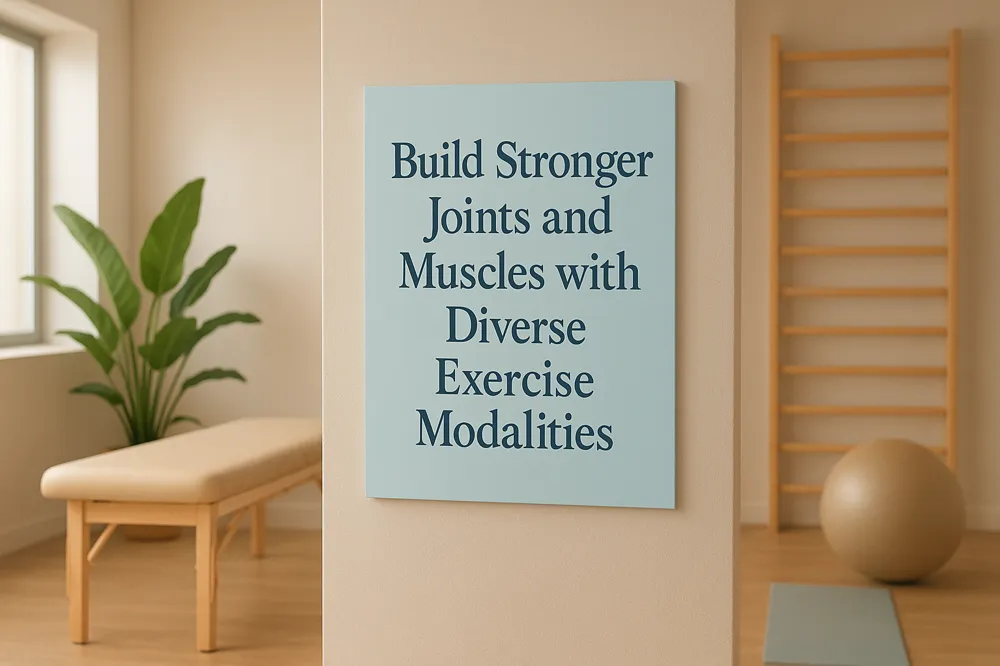
What types of exercises promote musculoskeletal fitness and strengthen joints and ligaments?
Musculoskeletal fitness and joint health benefit from a combination of exercise types that support bones, muscles, ligaments, and coordination.
Weight-bearing activities such as brisk walking, jogging, dancing, and climbing stairs are essential for bone health. These activities apply mechanical force to the bones, stimulating bone formation and helping to prevent osteoporosis and fractures, especially important as bone density naturally declines with age.
Resistance training exercises — including weight lifting, resistance bands, and body-weight exercises — strengthen muscles and ligaments. Stronger muscles provide better joint support and contribute to improved stability, reducing the risk of injury and joint degeneration.
Balance and coordination exercises like Tai Chi, Pilates, and stability drills enhance neuromuscular control, which helps maintain proper posture and gait, ultimately lowering the risk of falls and related fractures.
Recommended weekly exercise durations for adults
For optimal musculoskeletal health, adults should aim for at least 150 minutes of moderate-intensity aerobic activity or 75 minutes of vigorous activity per week. This should be complemented by strength training exercises targeting major muscle groups at least two times per week. Including balance and flexibility exercises several times weekly further promotes joint mobility and injury prevention.
Integrating these exercise modalities into a personalized, sustainable routine supports long-term joint function, bone strength, and overall musculoskeletal wellness.
Managing Pregnancy-Related Lower Back Pain Safely Through Exercise

What exercises are safe and effective for relieving lower back pain during pregnancy?
Pregnancy-related lower back pain can be eased safely with gentle back exercises aimed at strengthening the core and back muscles. These exercises support spinal alignment and reduce strain by improving muscle endurance and flexibility.
Gentle exercises suitable for pregnancy
Safe options include prenatal yoga, swimming, and walking. Prenatal yoga promotes flexibility and body awareness while using controlled breathing to reduce tension. Swimming is low-impact, using water buoyancy to support the body and relieve pressure on the spine and joints. Walking encourages gentle cardiovascular activity without excessive force on the back.
Importance of core and back muscle strengthening
Strengthening the abdominal and back muscles is crucial during pregnancy. Core strengthening exercises help maintain posture and distribute weight changes more evenly, preventing excessive lumbar stress. Techniques such as pelvic tilts, gentle bridge exercise, and bird-dog variations are beneficial when adapted for pregnancy.
Use of supportive items and professional consultation
Utilizing maternity support pillows and lumbar belts can relieve pain by offering extra support. Comfortable, low-heeled shoes aid in better balance and reduce back strain. It is essential to consult a healthcare provider or an obstetric physiotherapist before beginning any exercise regimen. Professional guidance ensures that exercises are tailored safely to individual needs and pregnancy stages, protecting both mother and baby.
Embracing a mindful, patient-centered approach integrating these practices can foster natural pain relief and enhance wellbeing during pregnancy.
Empowering Lasting Relief Through Corrective Exercise and Holistic Care
Consistency and Gradual Progression in Exercise Routines
Maintaining a regular, gradual exercise routine is essential for relieving back pain and enhancing mobility. Starting with gentle movements such as knee-to-chest stretches, pelvic tilts, and cat-camel stretches allows muscles to strengthen and flexibility to improve without aggravating the pain. Repetitions should begin low—around 2 to 3—and progressively increase as tolerated, ensuring that discomfort remains manageable. This approach fosters sustainable improvements in back strength and function, reducing the risk of future injury.
Integration of Professional Guidance for Safety
Collaborating with chiropractors, physical therapists, or other healthcare professionals ensures personalized and safe exercise plans, tailored to individual conditions. Professional oversight helps identify specific muscle weaknesses or imbalances, correct posture, and guide proper form during exercises like bird-dog or glute bridges. This expert involvement not only enhances recovery but also prevents worsening symptoms and supports long-term musculoskeletal health.
Benefits Beyond Pain Relief Including Improved Mobility and Well-being
Exercise influences more than just pain; it enhances flexibility, core stability, and overall physical function. Regular movement reduces muscle stiffness and supports joint health, leading to improved daily activities and better quality of life. Additionally, engaging in physical activity promotes mental wellness by lowering stress and anxiety, which often accompany chronic pain conditions.
Encouragement to Adopt Holistic Lifestyle Practices
Addressing back pain and musculoskeletal health benefits immensely from a holistic approach. This includes balanced nutrition rich in anti-inflammatory foods, adequate hydration, quality sleep, and stress management techniques such as mindfulness. Complementary therapies like acupuncture and gentle movement disciplines—yoga, Pilates, and Tai Chi—further support healing and functional maintenance. Embracing these lifestyle elements harmonizes with corrective exercises to foster comprehensive, lasting back health.
Recent articles
10 Real‑Patient Success Stories Showcasing the Impact of Chiropractic Care

Superfoods That Boost Nerve Healing After Chiropractic Sessions

Sleep Positions That Promote a Healthy Back Alignment
Signs Your Chiropractor Is a Good Fit for Your Back Pain Goals
Case Study: Integrated Physiotherapy and Chiropractic for Faster Recovery
First-Time Chiropractic Visit: A Step‑by‑Step Walkthrough
Synergistic Benefits: Combining Physiotherapy with Chiropractic Care

Beyond Surgery: Holistic Approaches to Managing Back Pain
How Manual Therapy Enhances the Effects of Chiropractic Adjustments

Hydration Hacks: Why Water Matters for Joint and Spine Function

What Does a Comprehensive Spinal Evaluation Include?
Success Spotlight: Transformative Results After Six Weeks of Chiropractic Treatment

Understanding the Initial Assessment Process in Chiropractic Care
Designing a Personalized Corrective Exercise Plan for Chronic Pain Management

Natural Pain Management: Combining Acupuncture, Yoga, and Chiropractic
Chiropractic Care vs. Pain Meds: Long-Term Outcomes for Back Pain Sufferers

What to Expect During a Sciatica‑Focused Decompression Session

Understanding the Pain-Relief Mechanics Behind Chiropractic Adjustments

Success Rates of Non‑Surgical Spinal Decompression for Sciatica

Patient-Centered Chiropractic Care: Personalized Plans for Back Pain Relief
How Chiropractic Treatments Reduce Inflammation and Speed Up Back Pain Recovery
Real‑Life Stories: How Chiropractic Helped Patients Overcome Chronic Back Pain
From Symptom Masking to Root‑Cause Healing: A Practical Guide

6 Holistic Non‑Surgical Treatments That Deliver Sustainable Back‑Pain Relief
Key Questions to Ask When Selecting Your Chiropractor

Mindful Movement: Incorporating Stretch Breaks Into a Busy Day

Why Targeting the Underlying Cause Beats Temporary Symptom Relief
8 Ways Physiotherapy Complements Chiropractic Adjustments for Faster Recovery
Meal Planning for Athletes Recovering from Back Injuries

9 Everyday Lifestyle Tweaks to Preserve a Healthy Spine and Prevent Pain

Functional Movement Screening for Root‑Cause Pain Identification

6 Things You’ll Experience During Your First Chiropractic Appointment

Spinal Decompression vs. Standard Physical Therapy for Sciatica: A Comparative Review

New Findings on How Adjustments Influence Blood Circulation
Work‑From‑Home Ergonomics: A Blueprint for a Pain‑Free Back
The Link Between Chiropractic Care and Improved Sleep Quality

Physiotherapy Techniques That Strengthen the Benefits of Chiropractic Adjustments

Biomechanical Insights Behind Successful Spinal Decompression

Desk‑to‑Dumbbell: Lifestyle Shifts That Guard Your Lower Back
10 Corrective Exercises for Sustainable Pain-Free Living

Morning Routines That Support Spine Health and Reduce Stiffness
Calcium and Magnesium‑Focused Nutrition for Bone Density and Spine Health

9 Ways Chiropractic Care Transforms Back Pain Management

Testimonial: Nutrition‑Guided Recovery Accelerated by Chiropractic
Science‑Backed Spinal Decompression for Relieving Sciatica Symptoms
Key Questions to Ask During Your Initial Chiropractic Consultation
Whole‑Body Wellness Blueprint: Nutrition, Exercise, and Chiropractic Synergy
A 12‑Week Corrective Exercise Blueprint for Chronic Neck Discomfort

Manual Therapy Plus Targeted Exercise: Accelerating Post‑Injury Recovery
Home‑Based Spinal Decompression Devices: What Patients Should Know
Chiropractic Care Statistics: Reducing Lost Workdays From Back Pain

How Targeted Nutrition Enhances Immune Function and Lowers Inflammatory Pain

Self‑Assessment Tools to Identify Hidden Triggers of Back Pain
Preparing for Your First Chiropractic Appointment: A Practical Checklist

Back Pain Relief Benefits: Lower Opioid Use and Better Quality of Life

Foam‑Rolling Techniques to Complement Chiropractic Adjustments
Progressive Overload Principles in Corrective Exercise Programs
Six‑Month Transformation: Integrated Care Success Story

7 Nutritional Hacks to Boost Your Overall Wellness
How to Choose a Chiropractor: Credentials, Techniques, and Patient Compatibility
5 Ways Spinal Decompression Can Ease Sciatica Pain

Overcoming Sciatica: A Patient’s Multidisciplinary Treatment Journey
Lifestyle Changes That Promote a Healthy Spine
Physiotherapy as a Complement to Chiropractic Treatments
6 Ways Physiotherapy Enhances Chiropractic Treatment Outcomes
Daily Living Tips for a Strong and Healthy Spine
How Physiotherapy Enhances Chiropractic Outcomes
Holistic Treatments: Alternatives to Surgery for Pain Relief
Inspiring Patient Success Stories from Chiropractic Clinics
Integrating Physiotherapy with Chiropractic Treatments
Corrective Exercise Routines for Chronic Pain Prevention
10 Corrective Exercises to Maintain a Healthy Spine and Relieve Pain
Exercise Strategies for Long-Term Pain Management
10 Corrective Exercises to Maintain a Healthy Spine and Relieve Pain
The Importance of Treating the Root Cause of Pain
Nutritional Support Strategies for Whole-Body Wellness
7 Essential Questions to Ask When Choosing Your Chiropractor
Identifying and Addressing Root Causes of Pain
Maintaining a Healthy Spine with Lifestyle Adjustments
Sciatica Symptom Relief via Spinal Decompression
8 Reasons Why Addressing the Root Cause of Pain Is Crucial
Chiropractic Care’s Impact on Back Pain Recovery
Combining Physiotherapy with Chiropractic Care for Better Results
Inspiring Recovery: Chiropractic Patient Testimonials
Nutritional Counseling Tips for Optimal Wellness

Why Addressing the Root Cause of Pain is Crucial
Back Pain and Chiropractic Care: A Winning Combination
Chiropractic Care Benefits You Might Not Know
Exploring Holistic and Non-Surgical Treatments for Pain
Spinal Health: Lifestyle Tips for Everyday Wellness
Spinal Decompression Therapy: Benefits and Applications
Holistic and Non-Invasive Spine Care Options
Everyday Lifestyle Advice to Keep Your Spine Healthy
The Significance of Treating Root Causes in Pain Therapy
Best Corrective Exercises for Sustainable Pain Management
Addressing Underlying Causes of Pain for Long-Term Relief
6 Key Benefits of Spinal Decompression Therapy for Sciatica Relief
How Nutritional Counseling Supports Spine Health and Recovery
The Role of Physiotherapy in Supporting Chiropractic Treatments