Chiropractic Care: Key Benefits for Managing and Preventing Back Pain
December 28, 2025
11 min
Introduction to Chiropractic Care and Its Role in Musculoskeletal Health
What Is Chiropractic Care?
Chiropractic care is a holistic healthcare approach that focuses on diagnosing and treating disorders of the musculoskeletal and nervous systems. It primarily involves spinal adjustments or manipulations performed by licensed chiropractors to restore proper joint alignment and function. These manual therapies aim to relieve pain, improve mobility, and support the body's natural healing processes.
Benefits for Musculoskeletal Health
Chiropractic treatments help reduce pressure on nerves, decrease inflammation, and alleviate muscle tension. By restoring joint motion and correcting spinal misalignments, chiropractic care enhances flexibility and promotes overall musculoskeletal wellness. Patients often experience relief from symptoms such as stiffness, pain, and reduced range of motion, allowing them to maintain an active lifestyle without reliance on medication.
Common Conditions Addressed
Chiropractors effectively treat a variety of conditions including lower and upper back pain, neck pain, headaches, sciatica, joint pain, muscle aches, and minor injuries like whiplash. Additionally, chiropractic interventions help manage arthritis symptoms, carpal tunnel syndrome, and sports-related injuries by improving joint function and reducing inflammation.
Non-Invasive, Drug-Free Treatment
Unlike many conventional treatments, chiropractic care offers a non-invasive and drug-free alternative for pain management. Using techniques such as spinal manipulation, soft tissue therapy, and rehabilitative exercises, chiropractors provide safe treatments with minimal risk of serious complications, emphasizing natural healing and long-term wellness.
These combined factors make chiropractic care an integral part of holistic health strategies for managing and preventing musculoskeletal conditions.
Understanding Chiropractic Adjustments and Their Safety Profile

What chiropractic adjustments involve
Chiropractic adjustment, also known as spinal manipulation, are therapeutic treatments performed by licensed chiropractors. These procedures involve applying controlled and precise force to specific joints, particularly in the spine, to improve joint mobility, realign vertebrae, and alleviate nerve pressure. Typically, patients lie face down on a specialized table while the chiropractor uses hands or instruments to perform these adjustments. The process may produce a characteristic popping or cracking sound due to gas being released from the joints, a normal and harmless occurrence.
Common techniques used in chiropractic care
Chiropractors employ various manual techniques including spinal manipulation techniques, mobilization, myofascial release therapy, trigger point therapy, and gentle stretching. Soft tissue therapies like massage and therapeutic exercises are often combined to support muscle relaxation and strengthen surrounding structures. Additionally, chiropractors may use instrument-assisted adjustments, especially for patients requiring gentler treatment, and recommend lifestyle advice tailored to posture, ergonomics, and physical activity to enhance long-term outcomes.
Safety of chiropractic adjustments and potential risks
Chiropractic adjustment are generally considered safe when performed by trained, licensed practitioners. Most patients experience little to no discomfort beyond minor soreness or stiffness that typically resolves within 24 to 48 hours. Serious complications such as herniated discs, nerve compression, or stroke are extremely rare, occurring in fewer than one in a million cases, often reported in association with untrained or unlicensed providers. Side effects like transient headaches or mild tiredness may occur post-treatment but usually subside rapidly. Thorough patient evaluation before treatment helps minimize risks and ensures suitability.
Who should avoid chiropractic treatment
Certain individuals may need to avoid or modify chiropractic care. These include patients with severe osteoporosis, spinal infections, fractures, tumors, acute neck pain with neurological symptoms, or a history of stroke. Patients with advanced degenerative spine conditions or bone instability may require alternative treatments or consultation with medical specialists. Chiropractors perform detailed assessments including health history reviews and imaging studies as necessary to identify contraindications and design safe, personalized care plans.
Chiropractic Care for Chronic Pain Management

How can chiropractic treatments help with chronic pain management?
Chiropractic treatments can significantly aid in managing chronic pain by restoring proper alignment and function of the spine and joints. Techniques like spinal manipulation benefits and joint mobilization benefits help alleviate nerve irritation, reduce inflammation, and decrease muscle tension. This results in pain reduction through chiropractic therapy and improved mobility. By addressing root causes such as chiropractic adjustments for spinal misalignment and poor posture, chiropractic care promotes natural healing through chiropractic care and helps prevent future pain episodes. Additionally, soft tissue therapy in chiropractic care and lifestyle guidance increase the overall effectiveness of pain relief.
What techniques do chiropractors use to treat chronic pain?
Chiropractors employ various methods including spinal manipulation, joint mobilization methods, traction, and myofascial release therapy. Soft tissue therapies such as massage in chiropractic care and trigger point therapy and myofascial release target muscles and ligaments to reduce tension and stiffness. These techniques combined improve joint function, enhance circulation, and promote muscle relaxation. Regular chiropractic adjustments restore range of motion while minimizing pain caused by biomechanical disturbances.
How does chiropractic care reduce nerve irritation and inflammation?
Spinal adjustments improve vertebral joint alignment, which helps relieve pressure on nerves. This reduction in nerve compression decreases inflammation and muscle spasms that contribute to chronic pain. Increased circulation from manipulative therapies further supports tissue healing and lowers inflammatory responses. By optimizing nervous system function, chiropractic care provides relief from pain associated with nerve irritation.
How are lifestyle and exercise integrated in pain management?
Chiropractors emphasize a holistic approach, combining adjustments with rehabilitative exercises for back pain to strengthen muscles and improve flexibility. Patients receive guidance on posture improvement with chiropractic care, and daily activities to minimize strain and promote spinal health. Lifestyle and nutritional counseling also supports overall wellness. Regular movement, stretching, and aerobic activities like walking or swimming are encouraged to maintain gains from treatment and manage chronic pain effectively.
What to Expect During Your First Visit at Back in Action Bodyworks
What should a new patient expect during their first visit to Back in Action Bodyworks?
When you visit Back in Action Bodyworks for the first time, you can anticipate a comprehensive consultation lasting around 45 minutes. This initial appointment begins with a detailed review of your medical history where the chiropractor explores the nature of your pain—its onset, location, and any factors affecting it. This thorough discussion helps pinpoint the cause of your discomfort. For more on the initial chiropractic visit process, you can refer to specialized resources.
Initial patient consultation process
The chiropractor performs a physical examination assessing your range of motion, muscle tone, strength, and neurological function. This hands-on evaluation checks for spinal misalignments, muscle imbalances, or nerve irritations that may be contributing to your symptoms. Learn about the chiropractic initial consultation process for back pain care.
Medical history review and physical examination
The review includes questions about prior injuries, lifestyle habits, and overall health, enabling a holistic understanding of your condition. The physical exam typically involves observing posture and testing joint mobility to inform treatment decisions. Additional information can be found in understanding chiropractic care.
Diagnostic imaging procedures
If the chiropractor suspects underlying skeletal or disc issues, diagnostic imaging such as X-rays or MRIs may be ordered. These tools provide detailed insights into your spine and joints, ensuring safety and precision in crafting your care plan. Learn about diagnostic imaging in chiropractic.
Development of personalized treatment plans
After assessments, a personalized treatment plan is created. This usually involves chiropractic adjustment therapy to realign spinal vertebrae gently, aiming to reduce pain and improve function. The plan may also incorporate therapeutic treatment by licensed chiropractor depending on your specific needs.
Patient education and guidance on home care
Education is a vital part of your visit. You will receive advice on proper posture, ergonomics, exercises, and lifestyle modifications to support your recovery and prevent future issues. This empowers you to take an active role in your healing journey. Find guidance on exercise advice for back pain and lifestyle advice from chiropractors.
Back in Action Bodyworks prioritizes a patient-centered, holistic approach that combines expert care with practical guidance for ongoing wellness and pain relief. Explore more about chiropractic care for overall musculoskeletal health.
Holistic Approaches Employed by Back in Action Bodyworks to Promote Musculoskeletal Wellness

What holistic approaches does Back in Action Bodyworks use to promote musculoskeletal wellness?
Back in Action Bodyworks embraces a multifaceted, holistic approach to musculoskeletal health that goes beyond traditional chiropractic adjustments. Their care starts with non-invasive spinal adjustments and manual therapies designed to realign joints, decrease pain, and improve joint function and mobility.
In addition to spinal manipulation, they utilize advanced supportive treatments such as ultrasound therapy which promotes tissue healing and reduces inflammation. Physical supports and braces may also be employed to stabilize affected joints during recovery.
The clinic enhances healing with therapies like acupuncture in musculoskeletal wellness (administered by licensed professionals), along with heat and water therapies that relax muscles and improve circulation.
Recognizing the importance of lifestyle in musculoskeletal wellness, Back in Action Bodyworks provides personalized lifestyle modifications for musculoskeletal healing including nutritional counseling to aid tissue repair and reduce inflammation. Customized exercise programs focus on strengthening muscles, improving flexibility, and supporting proper posture.
Importantly, they foster collaborative care by coordinating with other healthcare providers including physical therapists and medical specialists, ensuring a comprehensive, patient-centered treatment plan that addresses all aspects of wellness.
This integrated approach reflects a commitment to natural, drug-free pain relief and long-term health improvement, tailored to each individual's needs.
Integrating Nutrition and Lifestyle Counseling with Chiropractic Care
The role of nutrition in musculoskeletal health
Proper nutrition is essential for musculoskeletal health. A balanced diet rich in anti-inflammatory nutrients supports tissue repair and reduces inflammation, which is vital for maintaining spinal and joint function.
Emphasis on anti-inflammatory foods and proper hydration
Back in Action Bodyworks emphasizes consuming foods high in omega-3 fatty acids, berries, and leafy greens to promote healing and decrease inflammation. Adequate hydration is also encouraged to maintain spinal disc health and optimize nutrient absorption, supporting the effectiveness of chiropractic adjustment treatment.
Importance of exercise, stress management, and posture
Regular exercise strengthens muscles around the spine, improving stability and increased spinal range of motion. Stress management techniques reduce muscle tension and promote relaxation, enhancing the body's healing process. Postural education helps prevent strain and injury, supporting long-term wellness.
How lifestyle habits enhance chiropractic treatment outcomes
By integrating lifestyle counseling with chiropractic care for musculoskeletal conditions, Back in Action Bodyworks ensures that patients address nutritional deficiencies and adopt healthy habits. This holistic approach works synergistically with therapeutic spinal manipulation to reduce pain, improve posture, and support sustained musculoskeletal health, ultimately delivering comprehensive patient-centered care.
Key Benefits of Chiropractic Care in Managing and Preventing Back Pain

Pain relief without medication
Chiropractic care provides a drug-free approach to back pain by realigning the spine and reducing nerve irritation. This natural method helps alleviate pain and decreases reliance on pain medications, offering immediate and long-term relief.
Improvement in spinal alignment and posture
Through controlled spinal adjustments and manipulation, chiropractors correct misalignments that can cause discomfort and poor posture. Improved spinal alignment supports better posture, which is essential in preventing musculoskeletal strain and maintaining overall spinal health.
Increased mobility and range of motion
Chiropractic adjustments and manual therapies restore joint function and increase flexibility. Patients often experience enhanced range of motion in the spine and joints, leading to improved physical performance and daily comfort.
Reduction of nerve irritation and inflammation
Misaligned vertebrae can compress or irritate nerves, leading to pain and inflammation. Chiropractic care targets these issues by relieving pressure on nerves, reducing inflammation, and muscle spasms, thus improving nervous system function.
Support for long-term spinal health and prevention of future injuries
Chiropractors not only provide immediate relief but also emphasize patient education, lifestyle modification, and therapeutic exercises. Regular chiropractic care helps maintain spinal alignment, reduces the risk of recurring injuries, and promotes lasting musculoskeletal wellness.
Why Chiropractic Care is a Recommended First-Line Treatment for Back Pain

Clinical Guidelines Supporting Chiropractic Care for Back Pain
Clinical practice guidelines consistently recommend chiropractic care for back pain as an effective first-line treatment for back pain. Spinal manipulation therapy, a cornerstone of chiropractic practice, is recognized for relieving acute and chronic low back pain with minimal risks. This conservative approach is advised before considering injections or surgical options, emphasizing non-invasive care that aligns with patient safety and evidence-based standards.
Advantages Over Invasive Procedures and Medication
Chiropractic care offers a drug-free, non-surgical alternative that reduces reliance on medications, including opioids, and avoids surgery-related risks. By restoring proper spinal alignment and reducing nerve pressure, chiropractic adjustments alleviate pain and improve function naturally. Patients often experience immediate relief with fewer side effects like soreness compared to medication or invasive treatments.
Role in Comprehensive Musculoskeletal Health Management
Beyond spinal adjustments, chiropractic care integrates manual therapies, rehabilitative exercises, and lifestyle guidance such as posture correction and ergonomics. These components collectively address musculoskeletal conditions, supporting recovery, preventing future injuries, and enhancing overall physical function. The holistic approach nurtures long-term wellness and spinal health.
Patient Outcomes Including Reduced Need for Surgery and Medications
Patients undergoing chiropractic treatment often report improved pain control and increased mobility, leading to a decreased dependence on pain medications and lower rates of surgical intervention. Early chiropractic management is linked to better outcomes with fewer referrals for imaging or specialist care, promoting a streamlined and effective treatment path.
Cost-Effectiveness and Access to Care
Chiropractic care is a cost-effective option compared to more invasive procedures or extended pharmacologic therapies. Most insurance plans, including Medicare and workers' compensation, cover chiropractic services, making it accessible. Early initiation of chiropractic care results in significantly lower overall medical costs and less burden on healthcare resources while maintaining high patient satisfaction and safety.
Conclusion: Embracing Chiropractic Care for Lasting Back Pain Relief and Wellness
Comprehensive Benefits of Chiropractic Care
Chiropractic care offers a non-invasive, drug-free approach to managing back pain and musculoskeletal conditions. It provides pain relief through spinal adjustments that improve joint mobility, reduce inflammation, and alleviate nerve pressure. Patients often experience enhanced posture, increased range of motion, and improved overall function. These benefits extend beyond immediate pain relief to promote long-term wellness.
Professional Evaluation and Customized Treatment
Seeking care from a licensed chiropractor ensures that diagnosis and treatment are based on thorough medical assessments. Personalized treatment plans incorporate physical exams and patient history to address individual needs effectively. This tailored approach maximizes the potential for recovery while minimizing risks.
Holistic and Individualized Approach
Chiropractic care integrates manual therapies, rehabilitative exercises, lifestyle modifications, and ergonomic guidance. This holistic method targets the root causes of pain rather than merely addressing symptoms, fostering lasting improvements in spinal health and general wellbeing.
Commitment to Ongoing Care and Healthy Habits
For sustained positive outcomes, ongoing chiropractic care in conjunction with regular exercise, proper nutrition, and ergonomic practices is vital. Patients are encouraged to adopt healthy habits that support spinal alignment and prevent future injuries, ensuring continued mobility and quality of life.
Recent articles

10 Real‑Patient Success Stories Showcasing the Impact of Chiropractic Care

Superfoods That Boost Nerve Healing After Chiropractic Sessions

Sleep Positions That Promote a Healthy Back Alignment

Signs Your Chiropractor Is a Good Fit for Your Back Pain Goals

Case Study: Integrated Physiotherapy and Chiropractic for Faster Recovery

First-Time Chiropractic Visit: A Step‑by‑Step Walkthrough
Synergistic Benefits: Combining Physiotherapy with Chiropractic Care

Beyond Surgery: Holistic Approaches to Managing Back Pain

How Manual Therapy Enhances the Effects of Chiropractic Adjustments

Hydration Hacks: Why Water Matters for Joint and Spine Function

What Does a Comprehensive Spinal Evaluation Include?

Success Spotlight: Transformative Results After Six Weeks of Chiropractic Treatment

Understanding the Initial Assessment Process in Chiropractic Care

Designing a Personalized Corrective Exercise Plan for Chronic Pain Management

Natural Pain Management: Combining Acupuncture, Yoga, and Chiropractic

Chiropractic Care vs. Pain Meds: Long-Term Outcomes for Back Pain Sufferers

What to Expect During a Sciatica‑Focused Decompression Session

Understanding the Pain-Relief Mechanics Behind Chiropractic Adjustments

Success Rates of Non‑Surgical Spinal Decompression for Sciatica

Patient-Centered Chiropractic Care: Personalized Plans for Back Pain Relief
How Chiropractic Treatments Reduce Inflammation and Speed Up Back Pain Recovery

Real‑Life Stories: How Chiropractic Helped Patients Overcome Chronic Back Pain

From Symptom Masking to Root‑Cause Healing: A Practical Guide

6 Holistic Non‑Surgical Treatments That Deliver Sustainable Back‑Pain Relief

Key Questions to Ask When Selecting Your Chiropractor

Mindful Movement: Incorporating Stretch Breaks Into a Busy Day

Why Targeting the Underlying Cause Beats Temporary Symptom Relief

8 Ways Physiotherapy Complements Chiropractic Adjustments for Faster Recovery

Meal Planning for Athletes Recovering from Back Injuries

9 Everyday Lifestyle Tweaks to Preserve a Healthy Spine and Prevent Pain

Functional Movement Screening for Root‑Cause Pain Identification

6 Things You’ll Experience During Your First Chiropractic Appointment

Spinal Decompression vs. Standard Physical Therapy for Sciatica: A Comparative Review

New Findings on How Adjustments Influence Blood Circulation
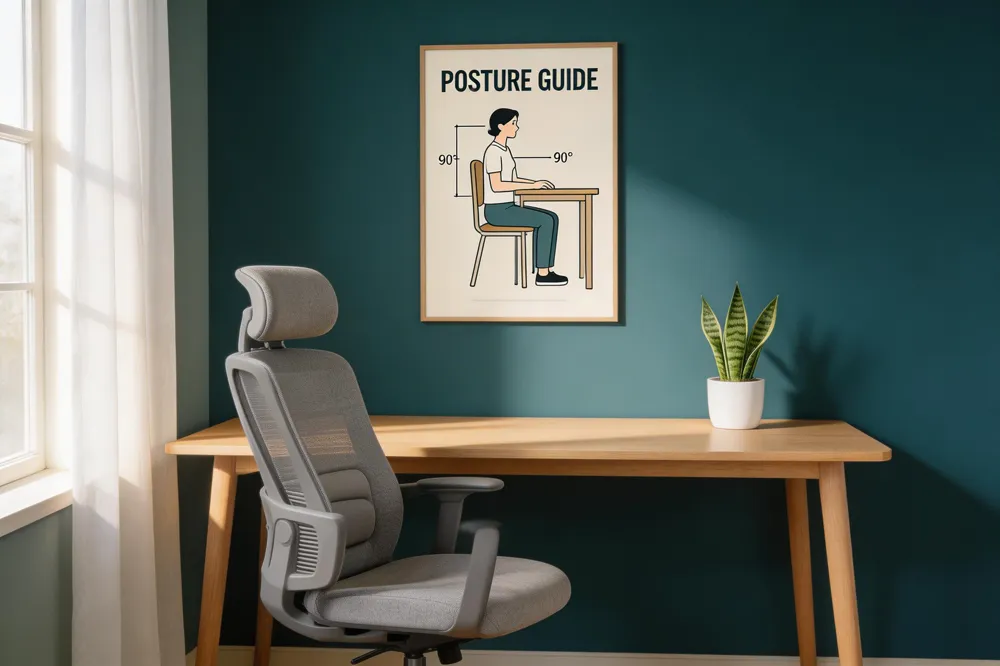
Work‑From‑Home Ergonomics: A Blueprint for a Pain‑Free Back

The Link Between Chiropractic Care and Improved Sleep Quality

Physiotherapy Techniques That Strengthen the Benefits of Chiropractic Adjustments

Biomechanical Insights Behind Successful Spinal Decompression

Desk‑to‑Dumbbell: Lifestyle Shifts That Guard Your Lower Back

10 Corrective Exercises for Sustainable Pain-Free Living

Morning Routines That Support Spine Health and Reduce Stiffness

Calcium and Magnesium‑Focused Nutrition for Bone Density and Spine Health

9 Ways Chiropractic Care Transforms Back Pain Management

Testimonial: Nutrition‑Guided Recovery Accelerated by Chiropractic

Science‑Backed Spinal Decompression for Relieving Sciatica Symptoms

Key Questions to Ask During Your Initial Chiropractic Consultation
Whole‑Body Wellness Blueprint: Nutrition, Exercise, and Chiropractic Synergy

A 12‑Week Corrective Exercise Blueprint for Chronic Neck Discomfort

Manual Therapy Plus Targeted Exercise: Accelerating Post‑Injury Recovery
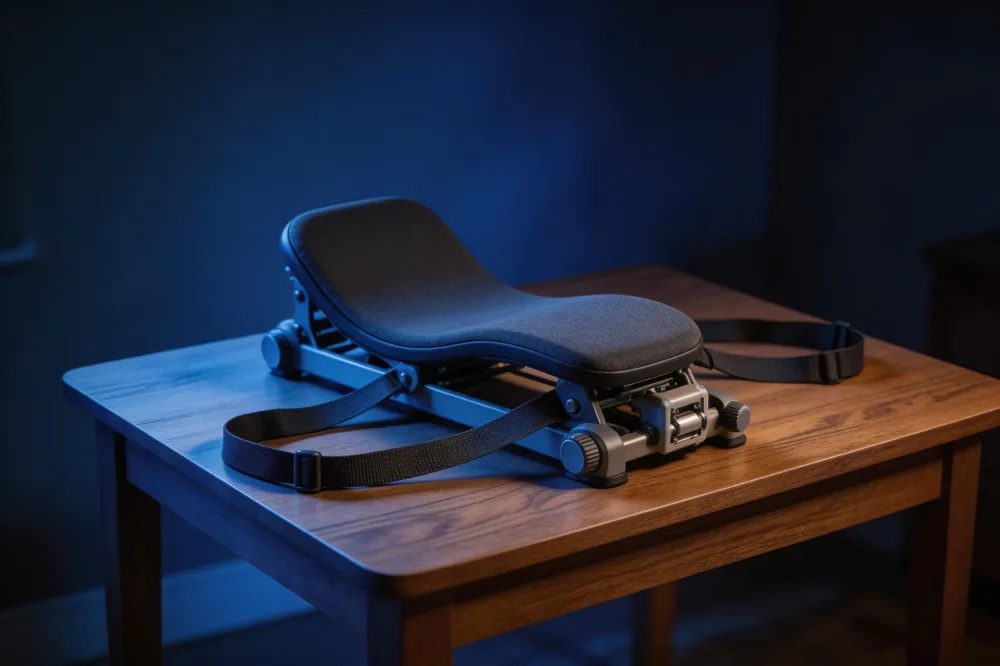
Home‑Based Spinal Decompression Devices: What Patients Should Know

Chiropractic Care Statistics: Reducing Lost Workdays From Back Pain

How Targeted Nutrition Enhances Immune Function and Lowers Inflammatory Pain

Self‑Assessment Tools to Identify Hidden Triggers of Back Pain

Preparing for Your First Chiropractic Appointment: A Practical Checklist

Back Pain Relief Benefits: Lower Opioid Use and Better Quality of Life

Foam‑Rolling Techniques to Complement Chiropractic Adjustments

Progressive Overload Principles in Corrective Exercise Programs

Six‑Month Transformation: Integrated Care Success Story

7 Nutritional Hacks to Boost Your Overall Wellness

How to Choose a Chiropractor: Credentials, Techniques, and Patient Compatibility

5 Ways Spinal Decompression Can Ease Sciatica Pain

Overcoming Sciatica: A Patient’s Multidisciplinary Treatment Journey
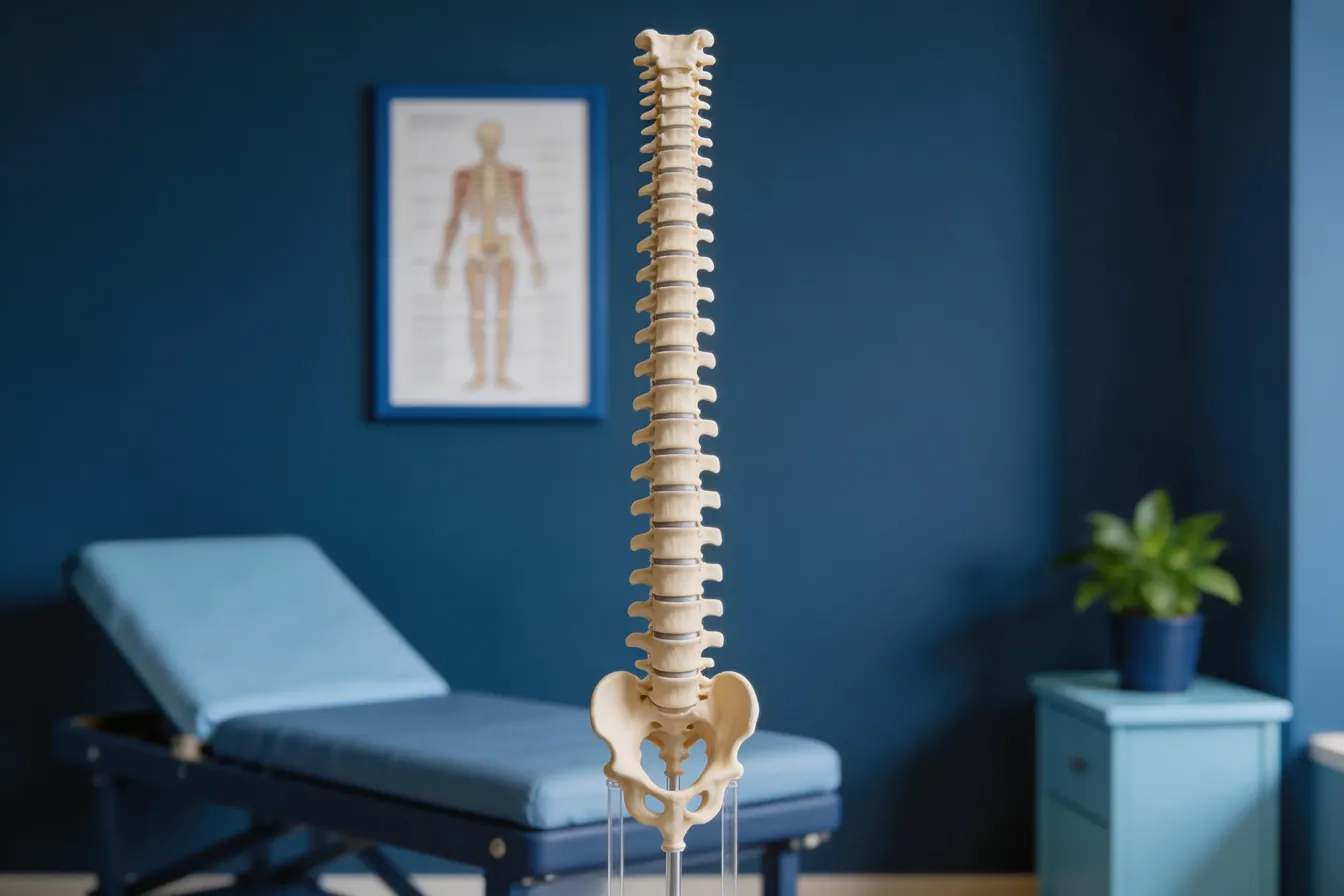
Lifestyle Changes That Promote a Healthy Spine
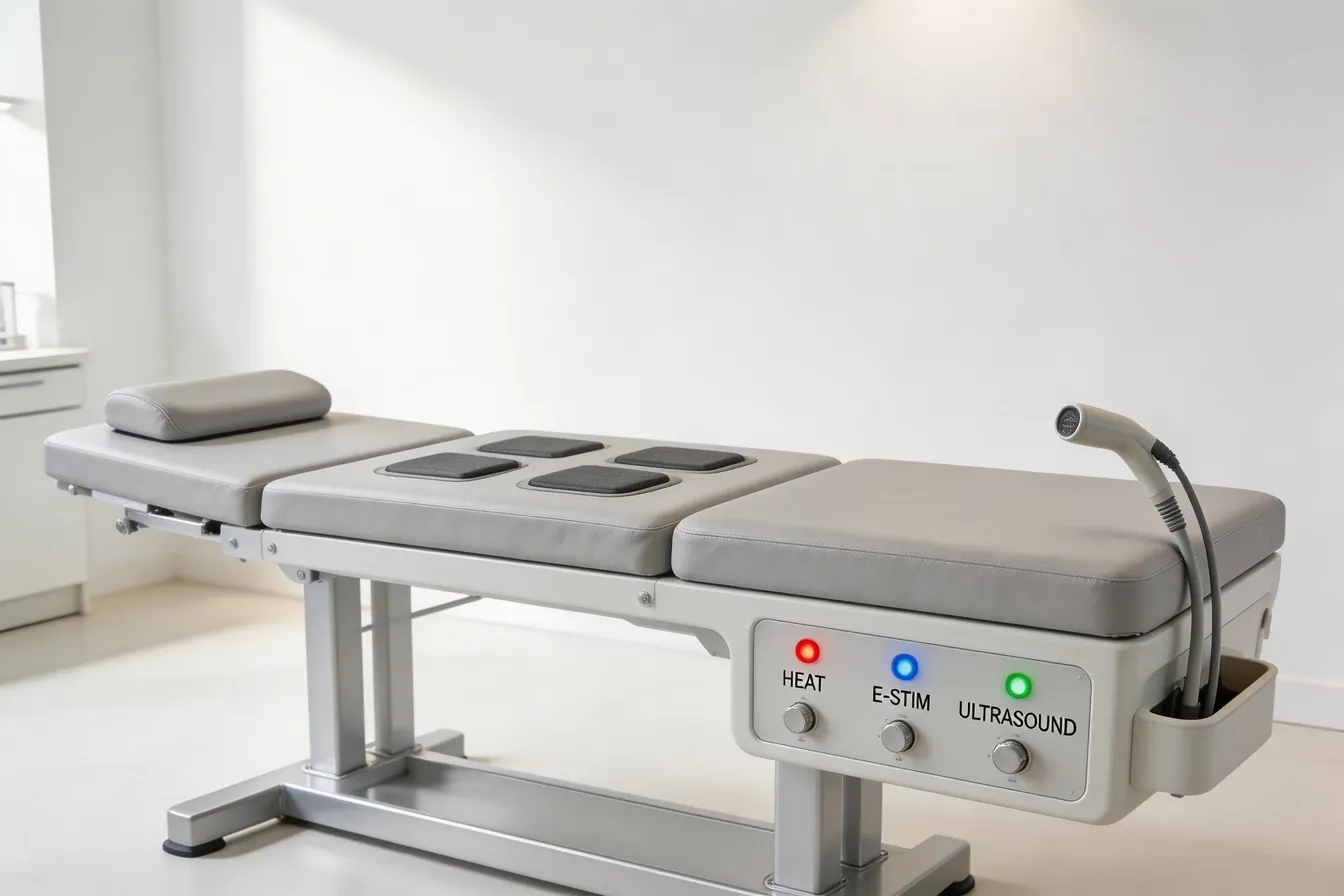
Physiotherapy as a Complement to Chiropractic Treatments

6 Ways Physiotherapy Enhances Chiropractic Treatment Outcomes

Daily Living Tips for a Strong and Healthy Spine

How Physiotherapy Enhances Chiropractic Outcomes
Holistic Treatments: Alternatives to Surgery for Pain Relief
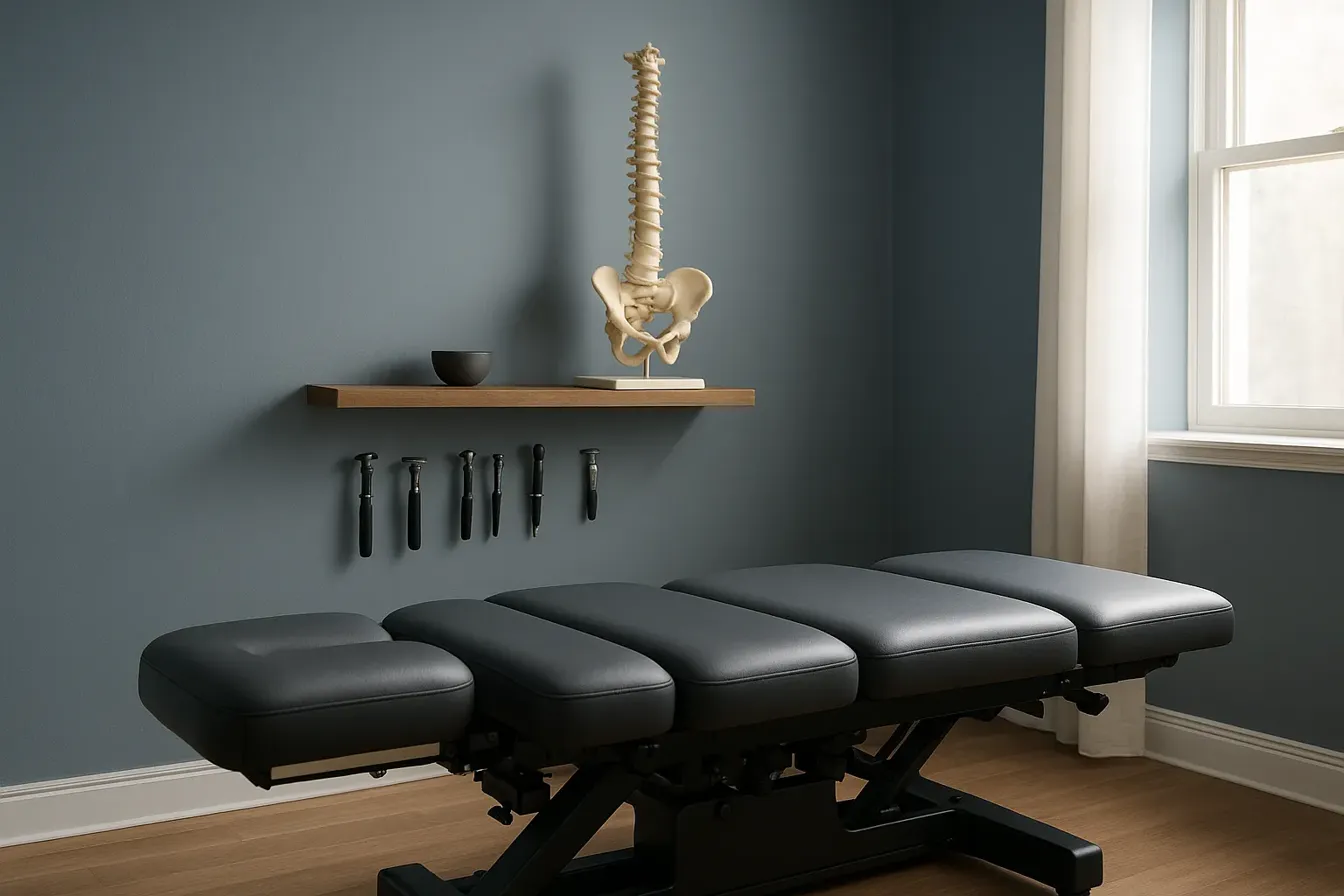
Inspiring Patient Success Stories from Chiropractic Clinics

Integrating Physiotherapy with Chiropractic Treatments
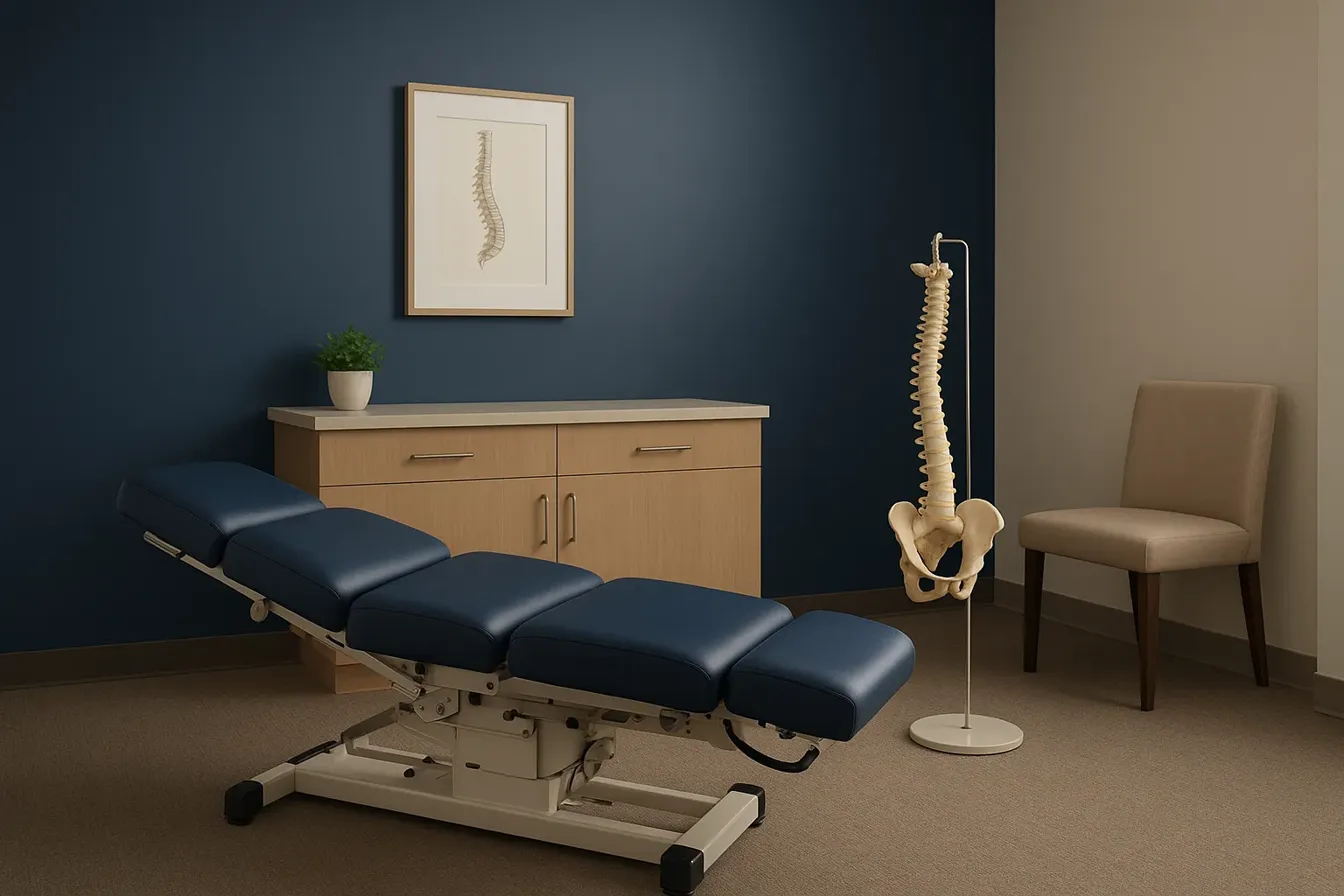
Corrective Exercise Routines for Chronic Pain Prevention
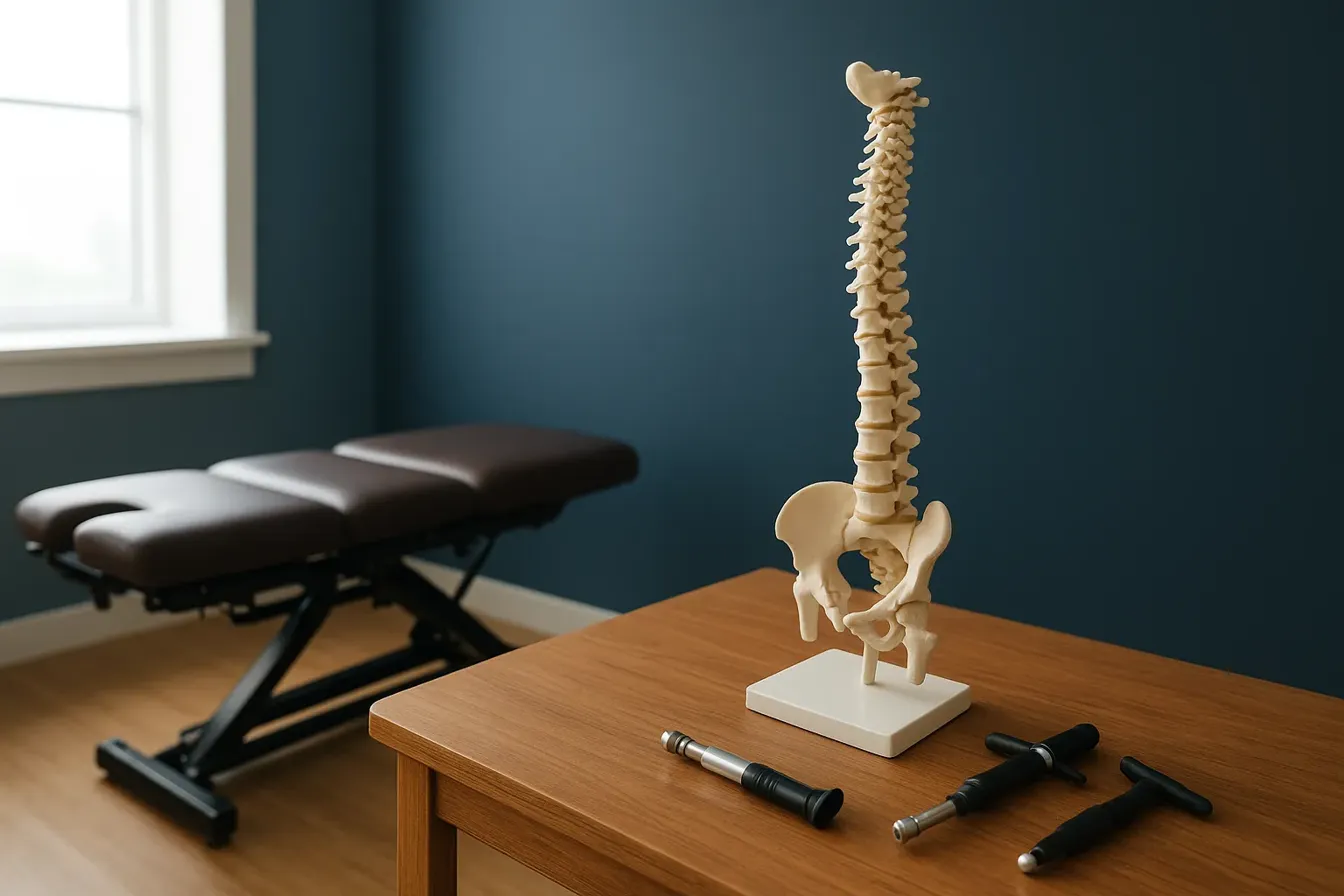
10 Corrective Exercises to Maintain a Healthy Spine and Relieve Pain
Exercise Strategies for Long-Term Pain Management
10 Corrective Exercises to Maintain a Healthy Spine and Relieve Pain
The Importance of Treating the Root Cause of Pain
Nutritional Support Strategies for Whole-Body Wellness
7 Essential Questions to Ask When Choosing Your Chiropractor
Identifying and Addressing Root Causes of Pain
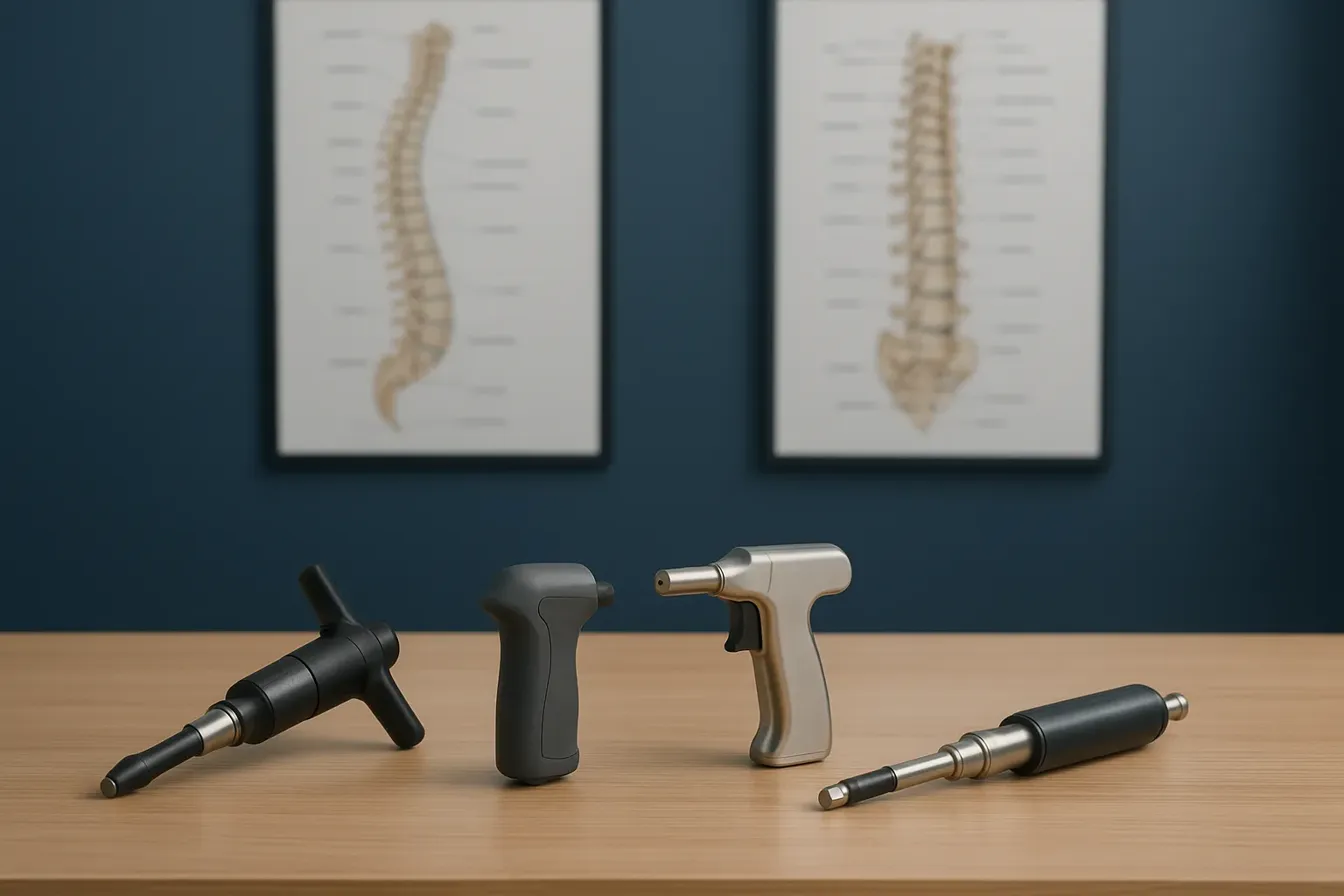
Maintaining a Healthy Spine with Lifestyle Adjustments
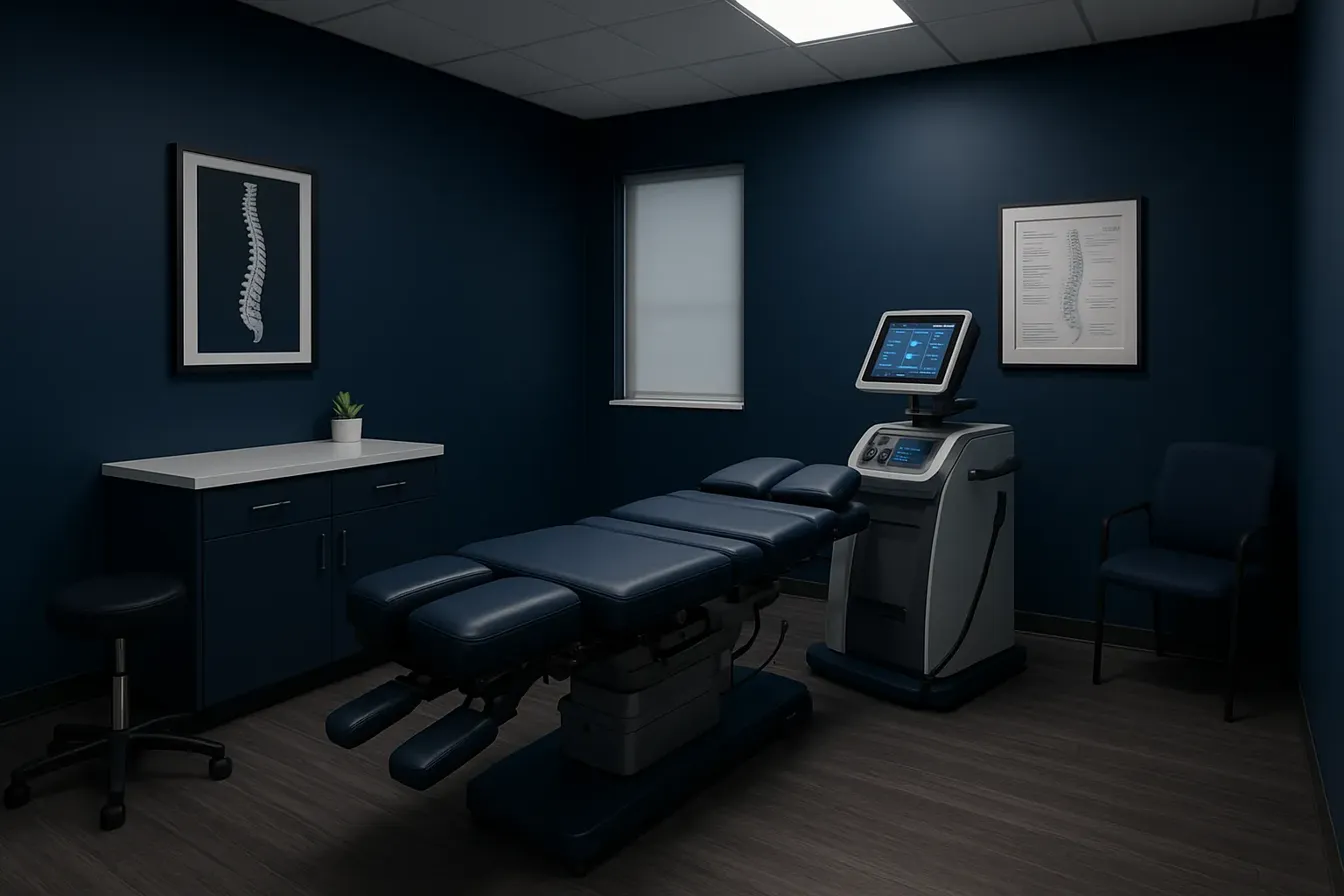
Sciatica Symptom Relief via Spinal Decompression
8 Reasons Why Addressing the Root Cause of Pain Is Crucial
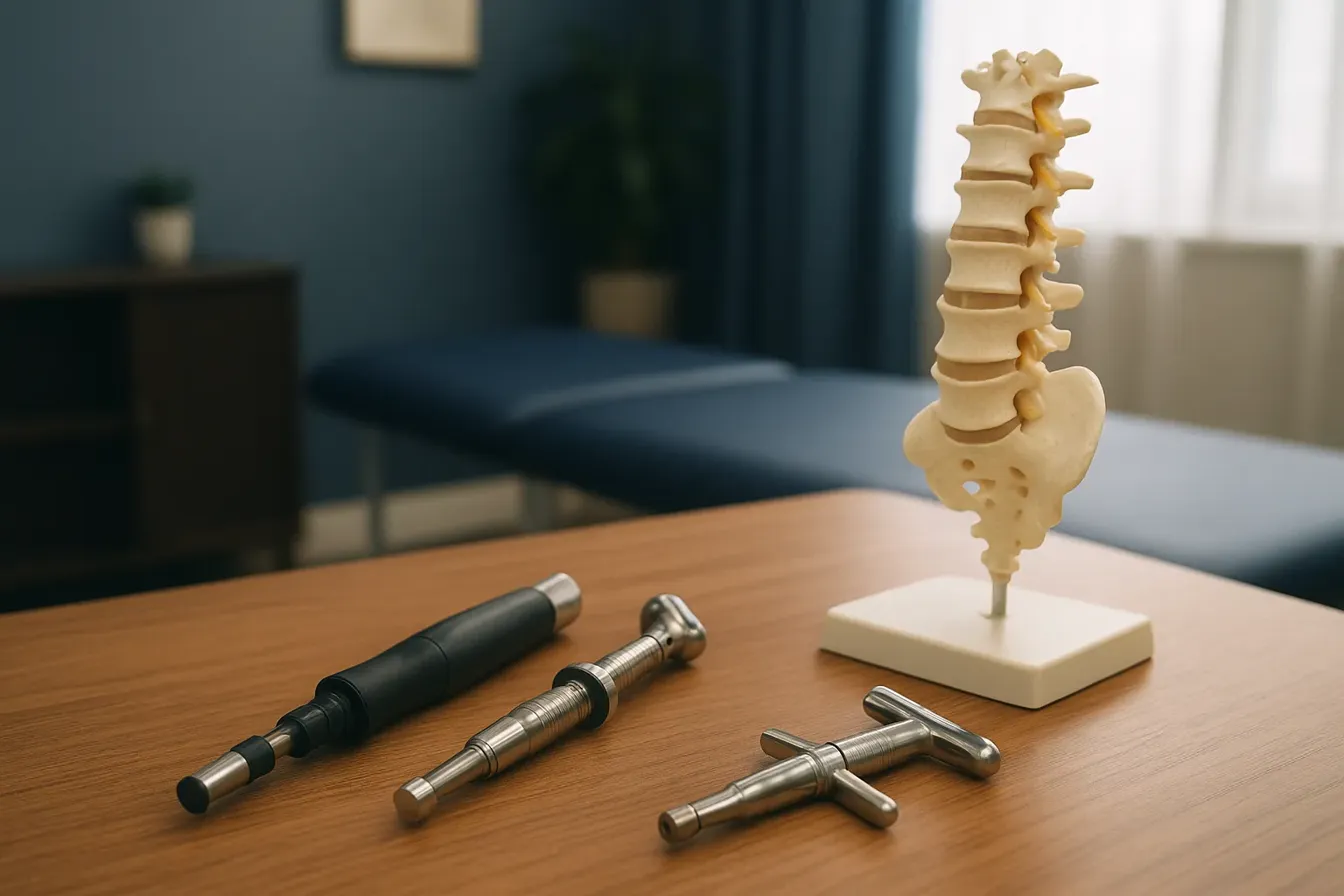
Chiropractic Care’s Impact on Back Pain Recovery

Combining Physiotherapy with Chiropractic Care for Better Results
Inspiring Recovery: Chiropractic Patient Testimonials
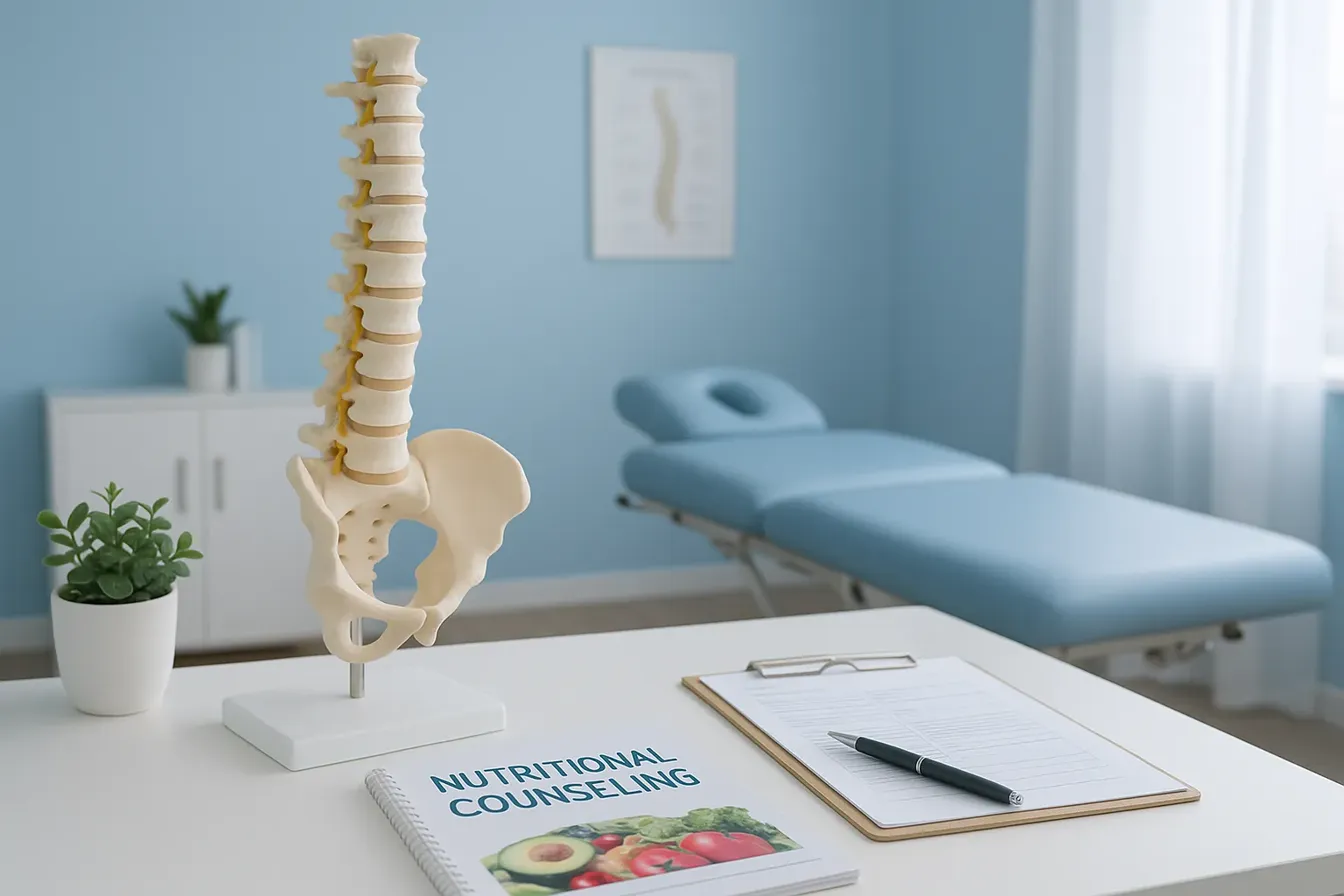
Nutritional Counseling Tips for Optimal Wellness

Why Addressing the Root Cause of Pain is Crucial
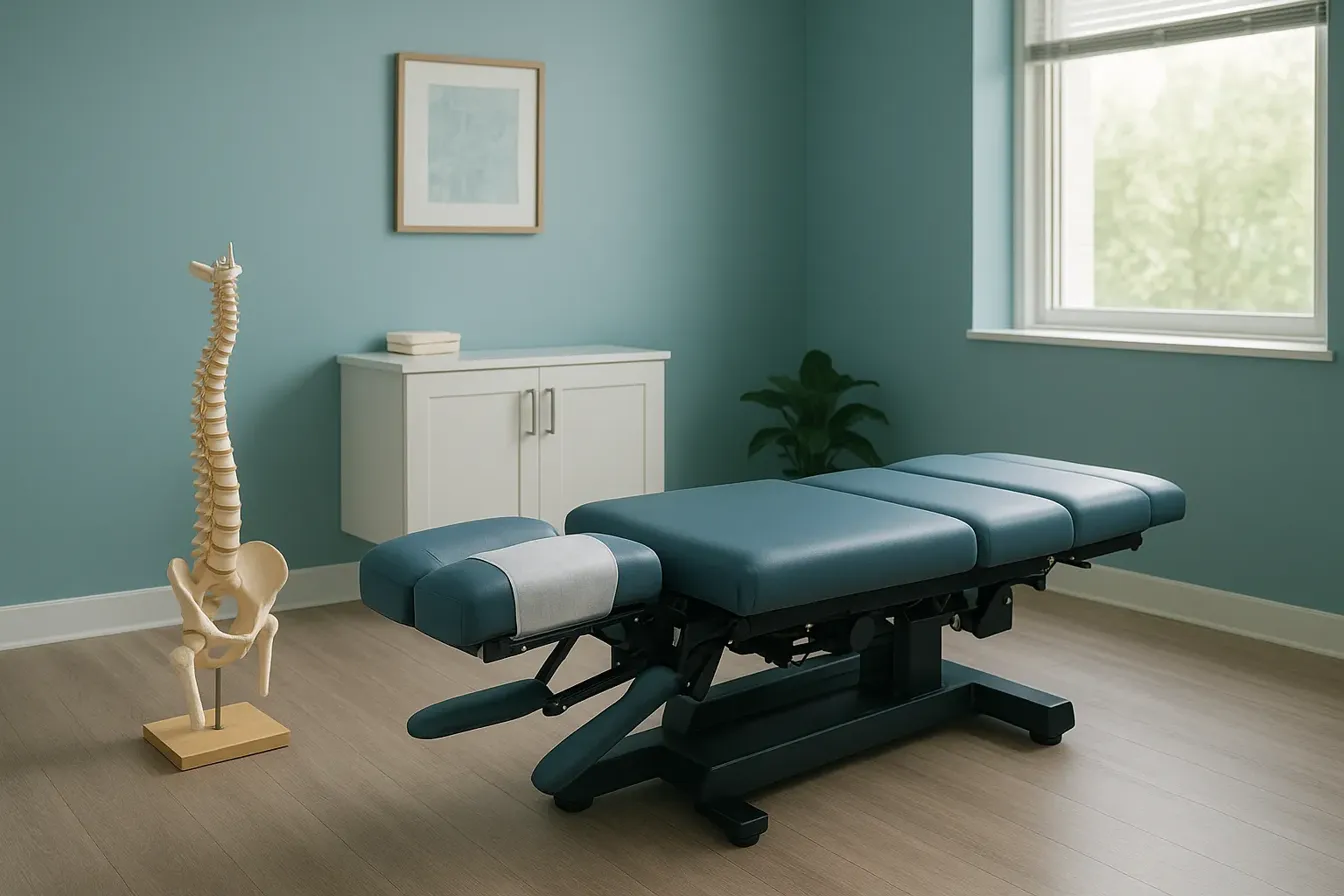
Back Pain and Chiropractic Care: A Winning Combination

Chiropractic Care Benefits You Might Not Know
Exploring Holistic and Non-Surgical Treatments for Pain
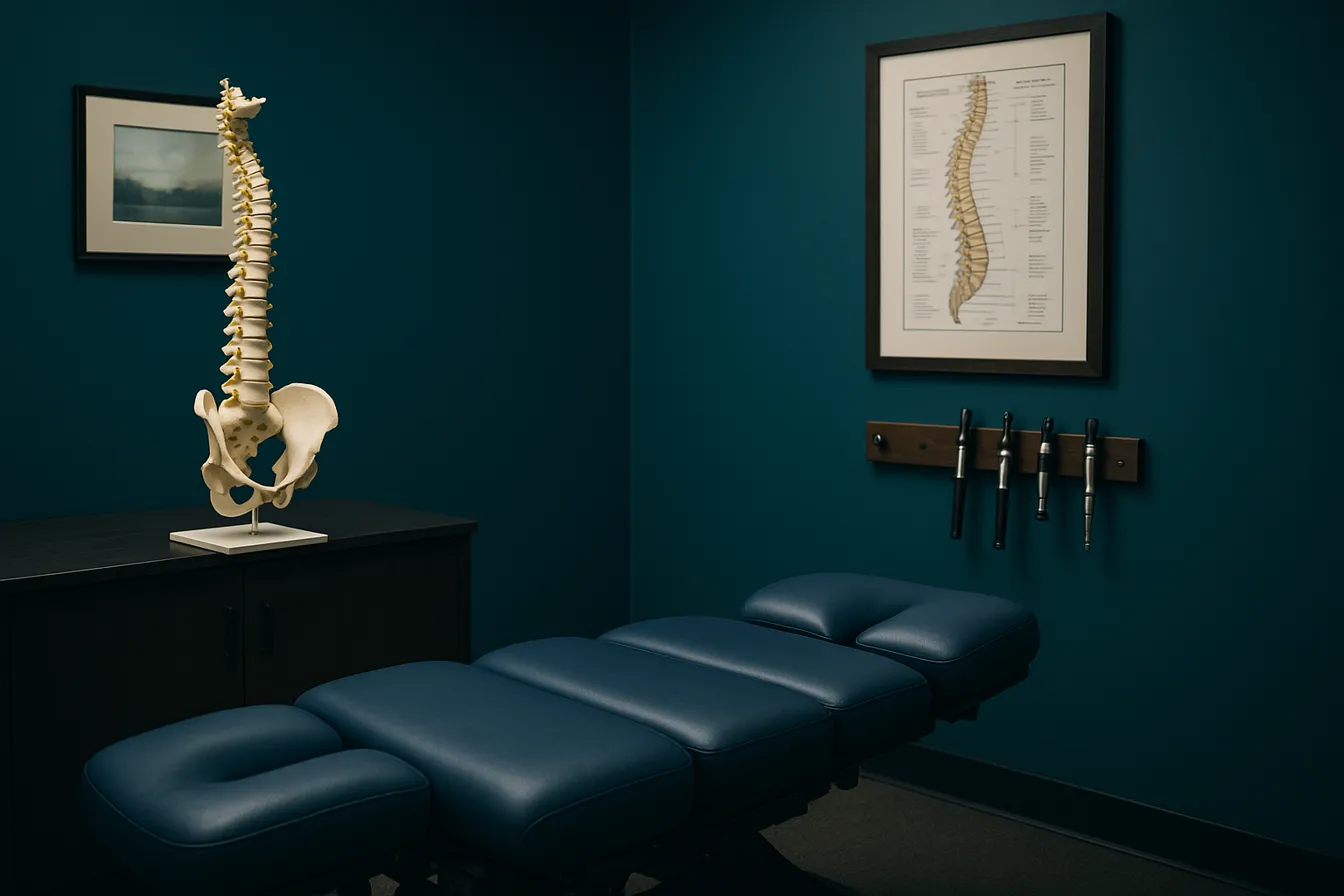
Spinal Health: Lifestyle Tips for Everyday Wellness
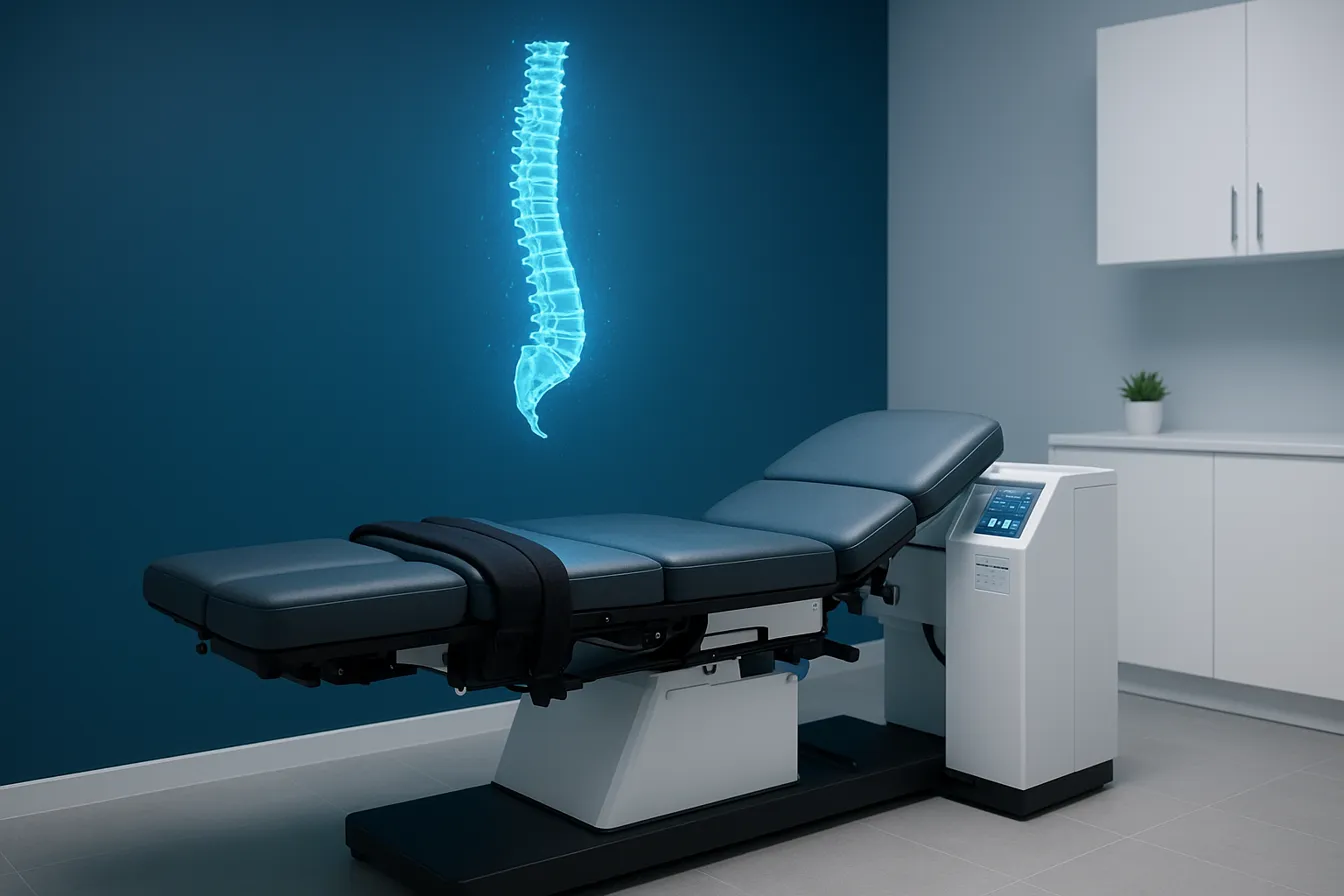
Spinal Decompression Therapy: Benefits and Applications
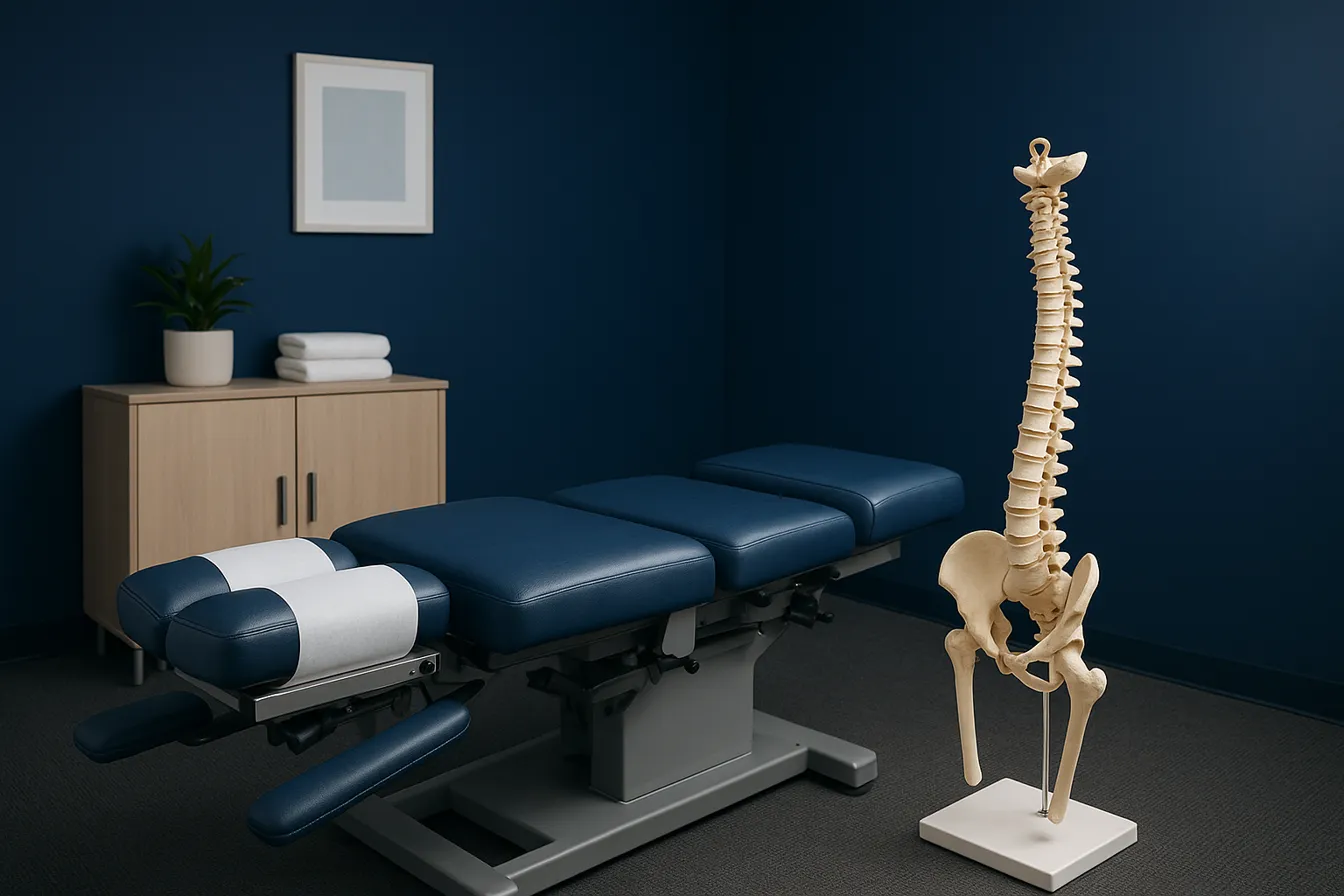
Holistic and Non-Invasive Spine Care Options
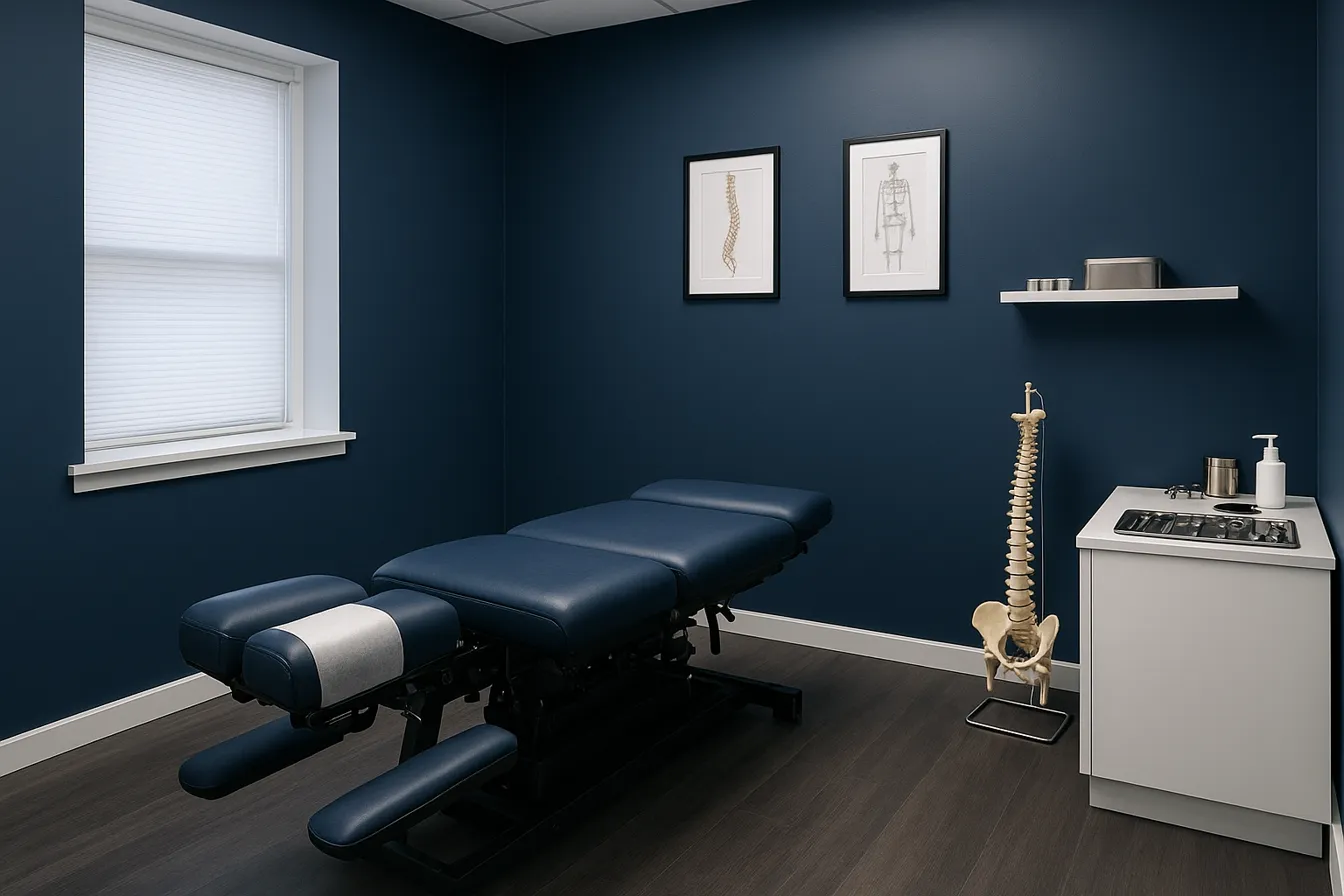
Everyday Lifestyle Advice to Keep Your Spine Healthy
The Significance of Treating Root Causes in Pain Therapy
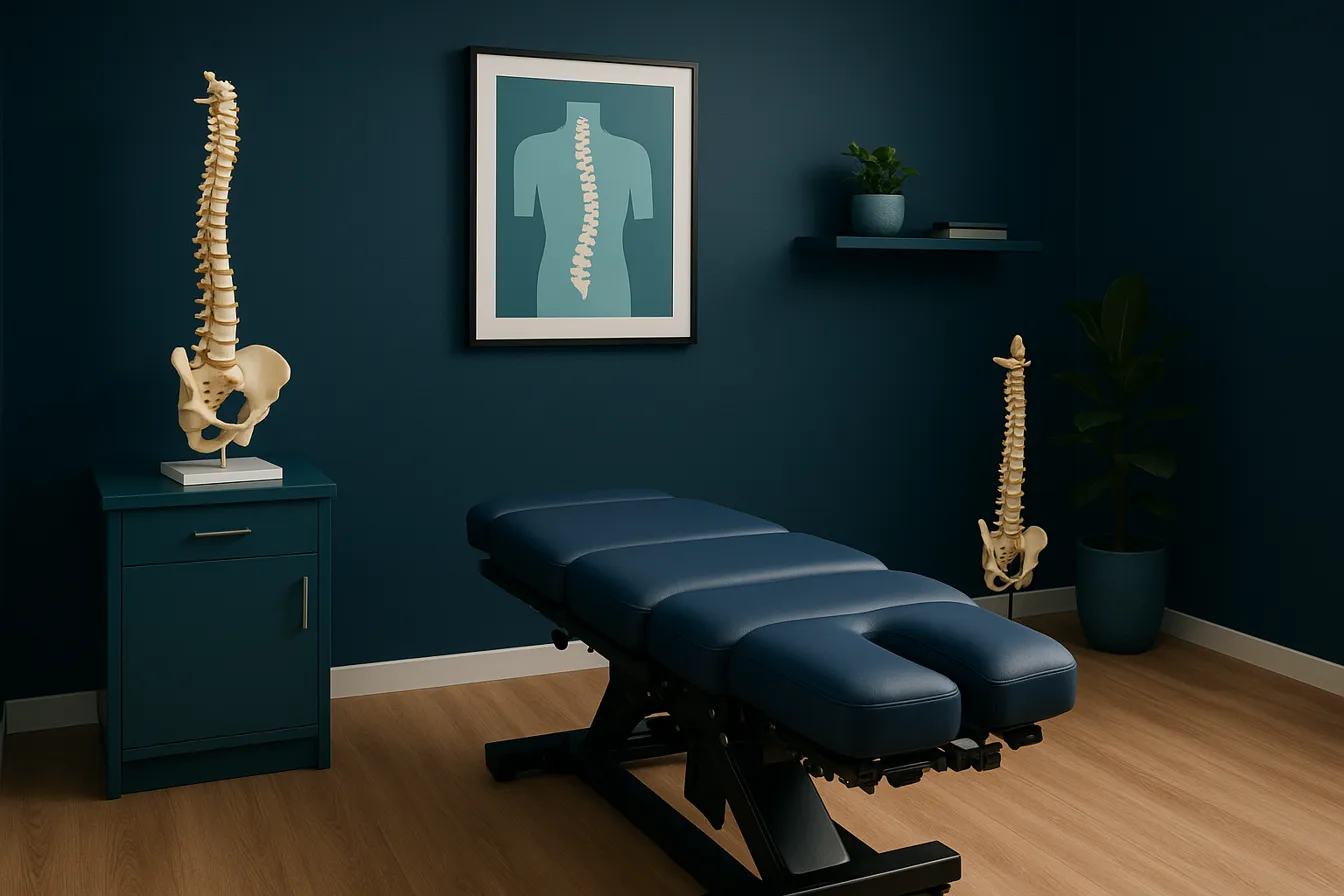
Best Corrective Exercises for Sustainable Pain Management

Addressing Underlying Causes of Pain for Long-Term Relief
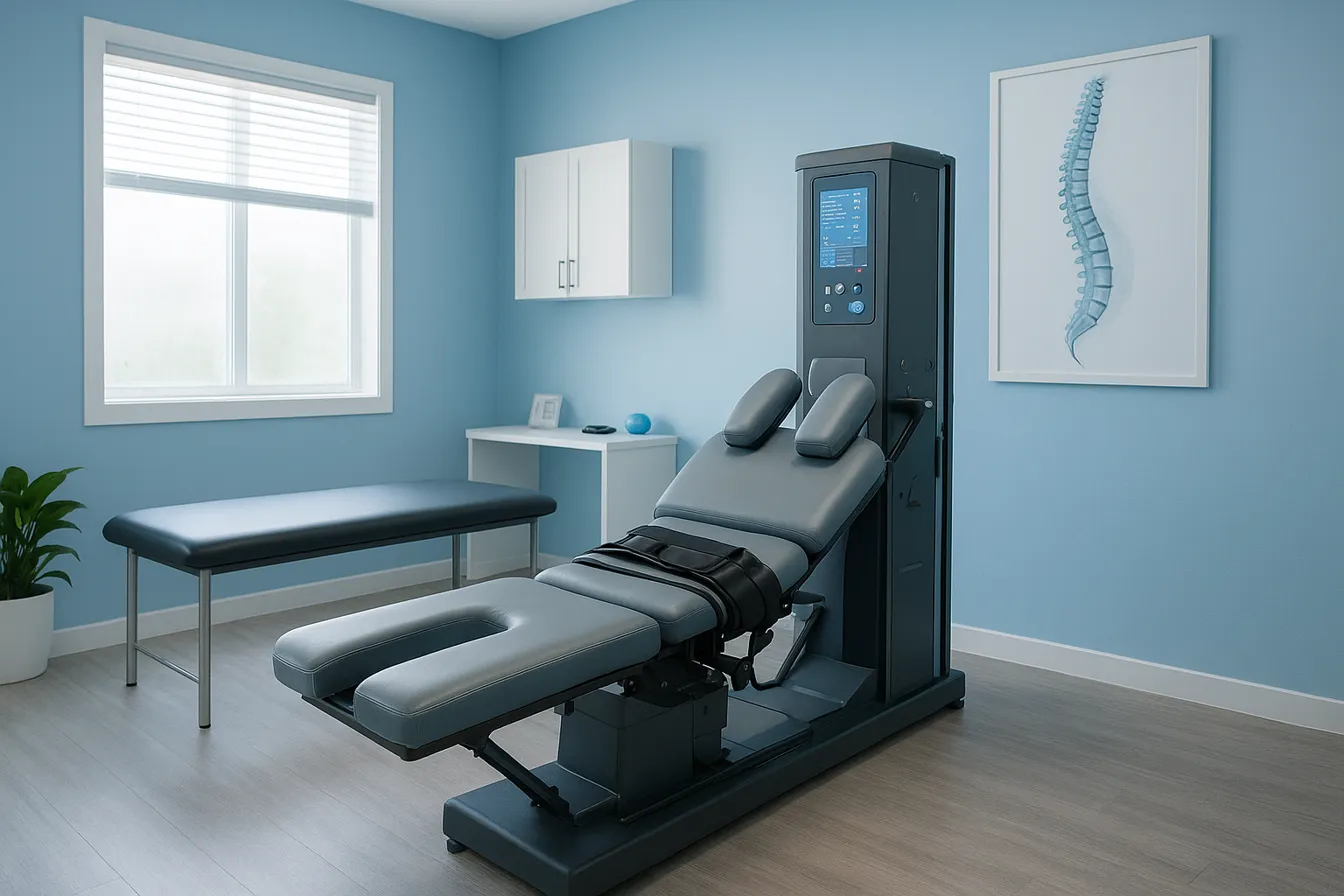
6 Key Benefits of Spinal Decompression Therapy for Sciatica Relief

How Nutritional Counseling Supports Spine Health and Recovery

The Role of Physiotherapy in Supporting Chiropractic Treatments