How Spinal Decompression Therapy Relieves Sciatic Nerve Pain
January 25, 2026
12 min
Understanding Spinal Decompression Therapy for Sciatica
What is Spinal Decompression Therapy?
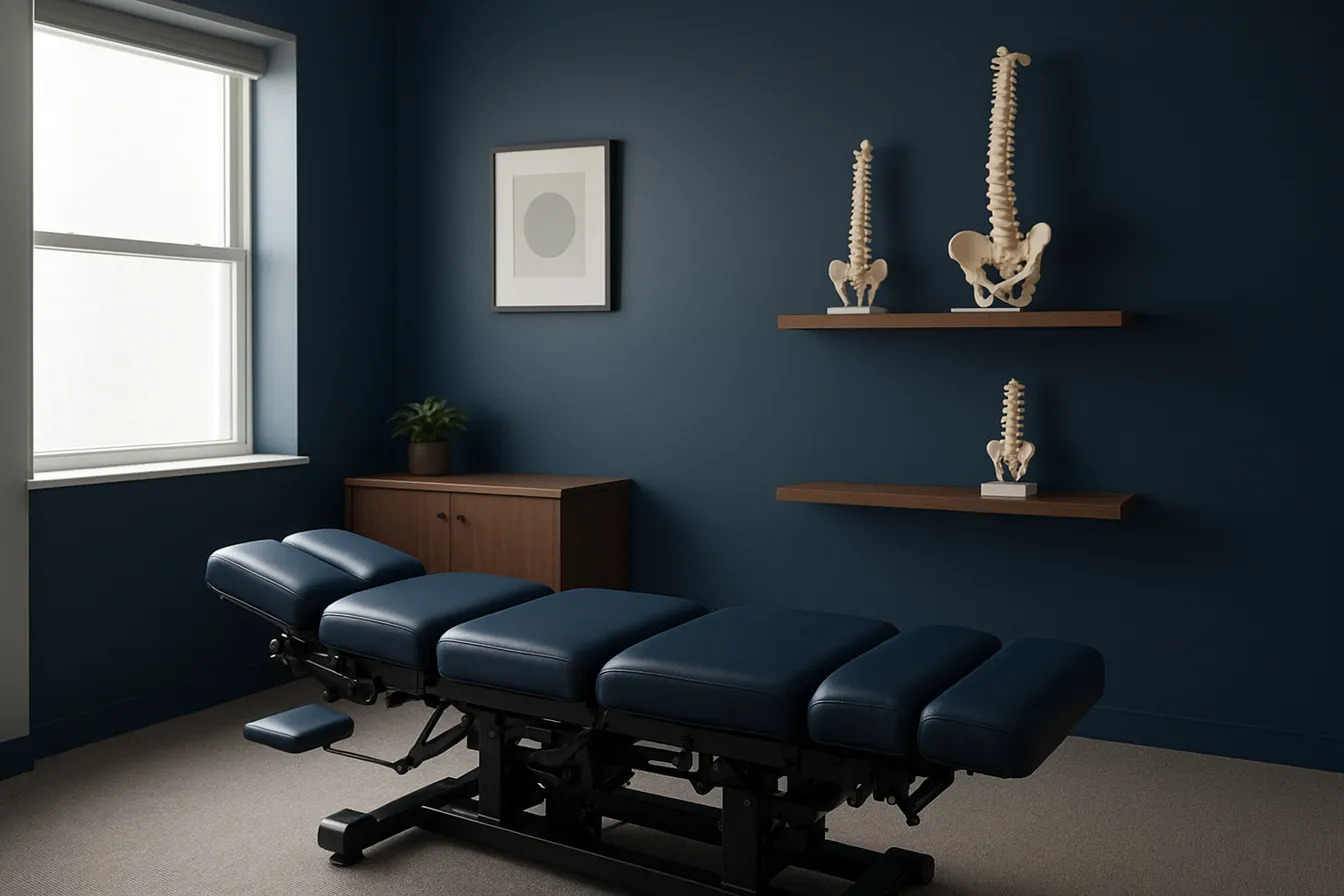
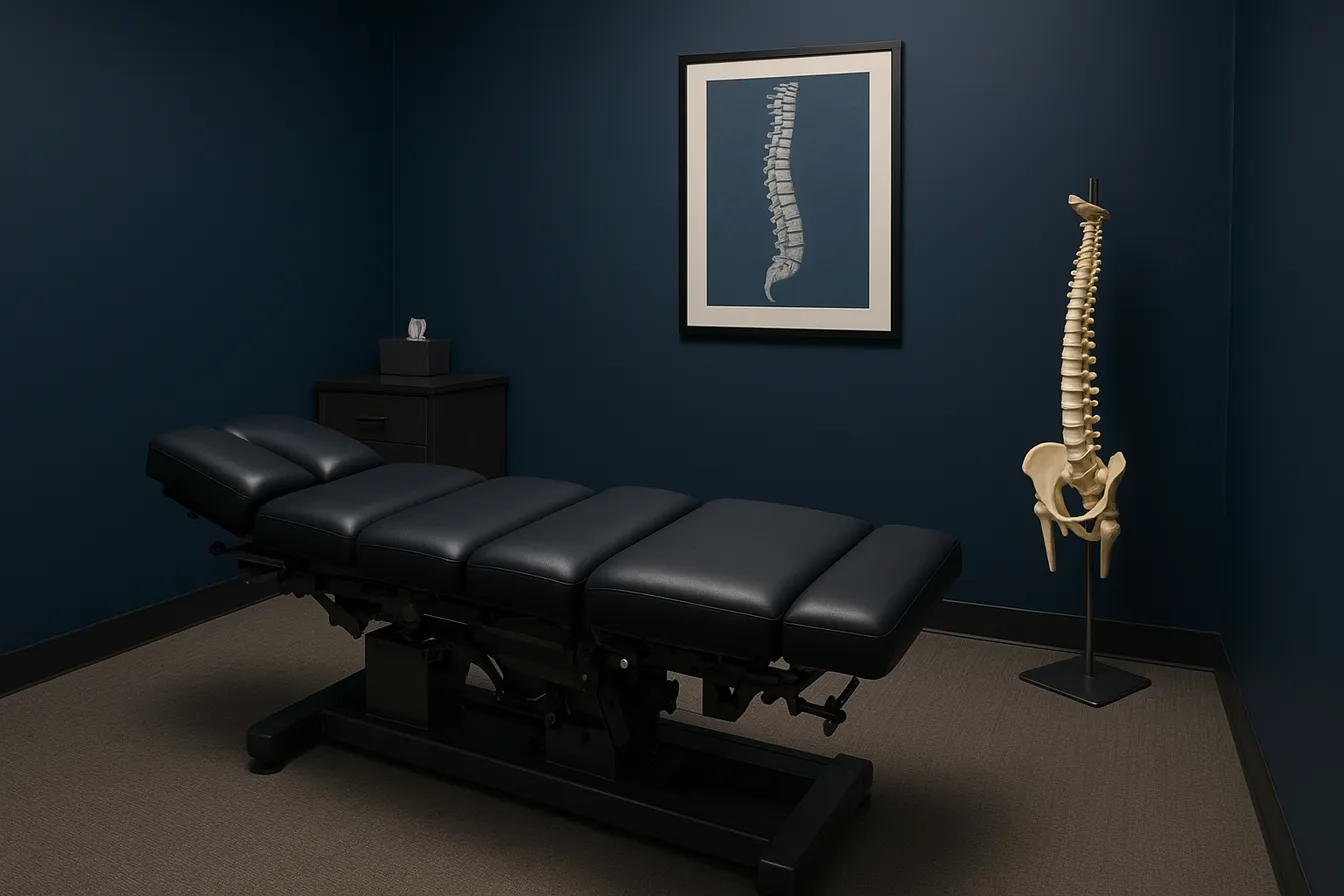
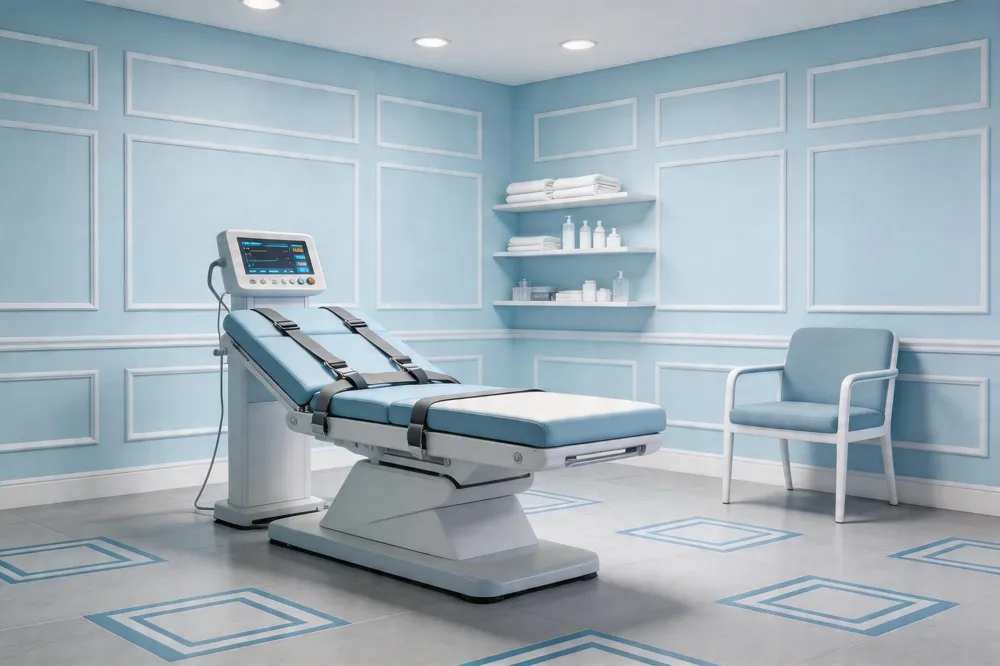
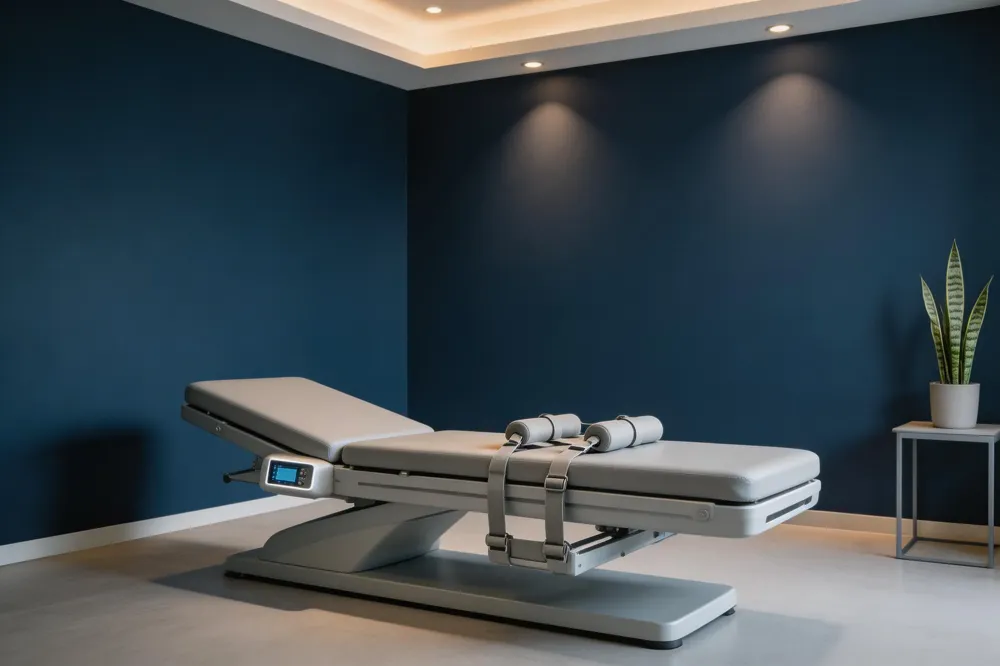
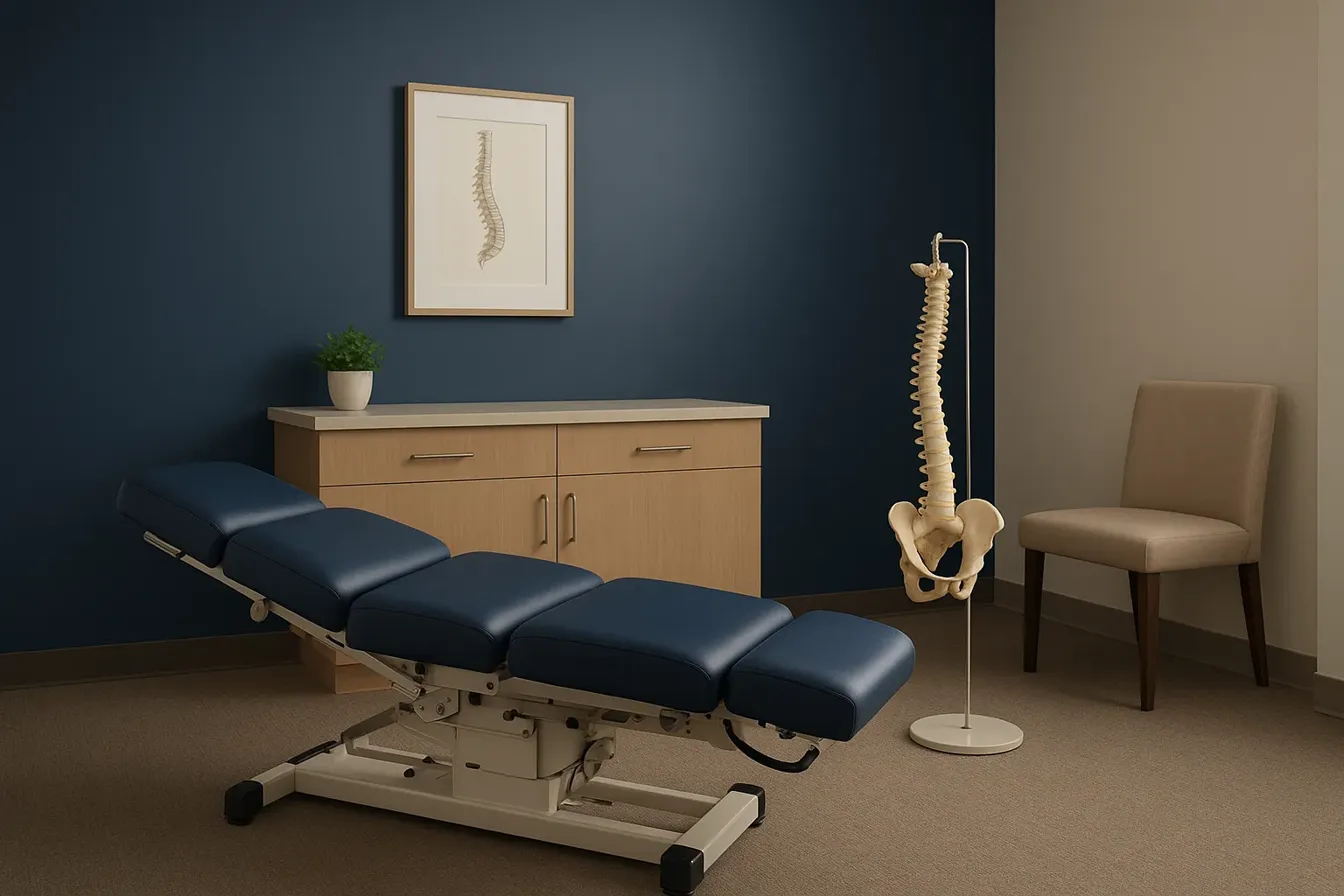
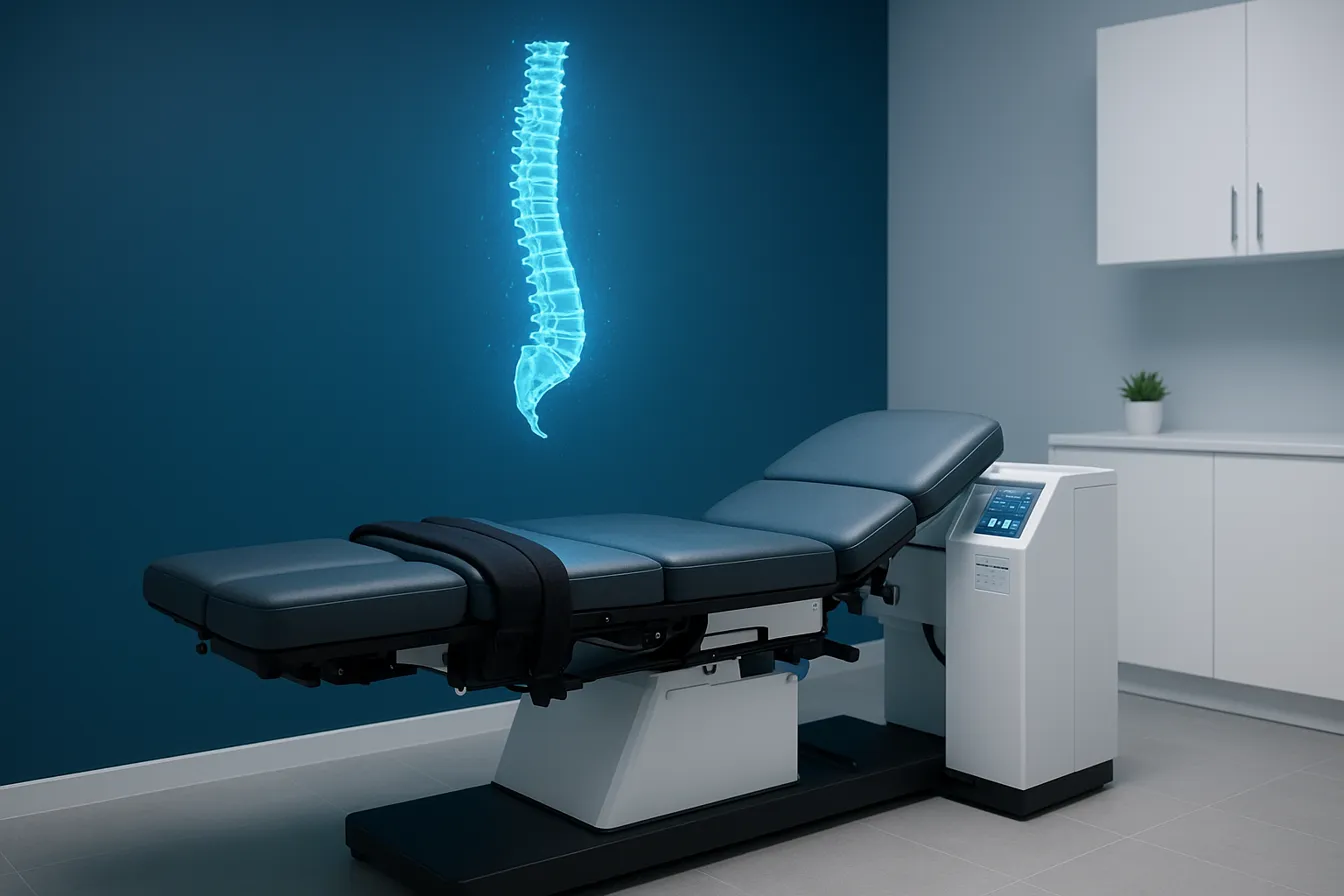
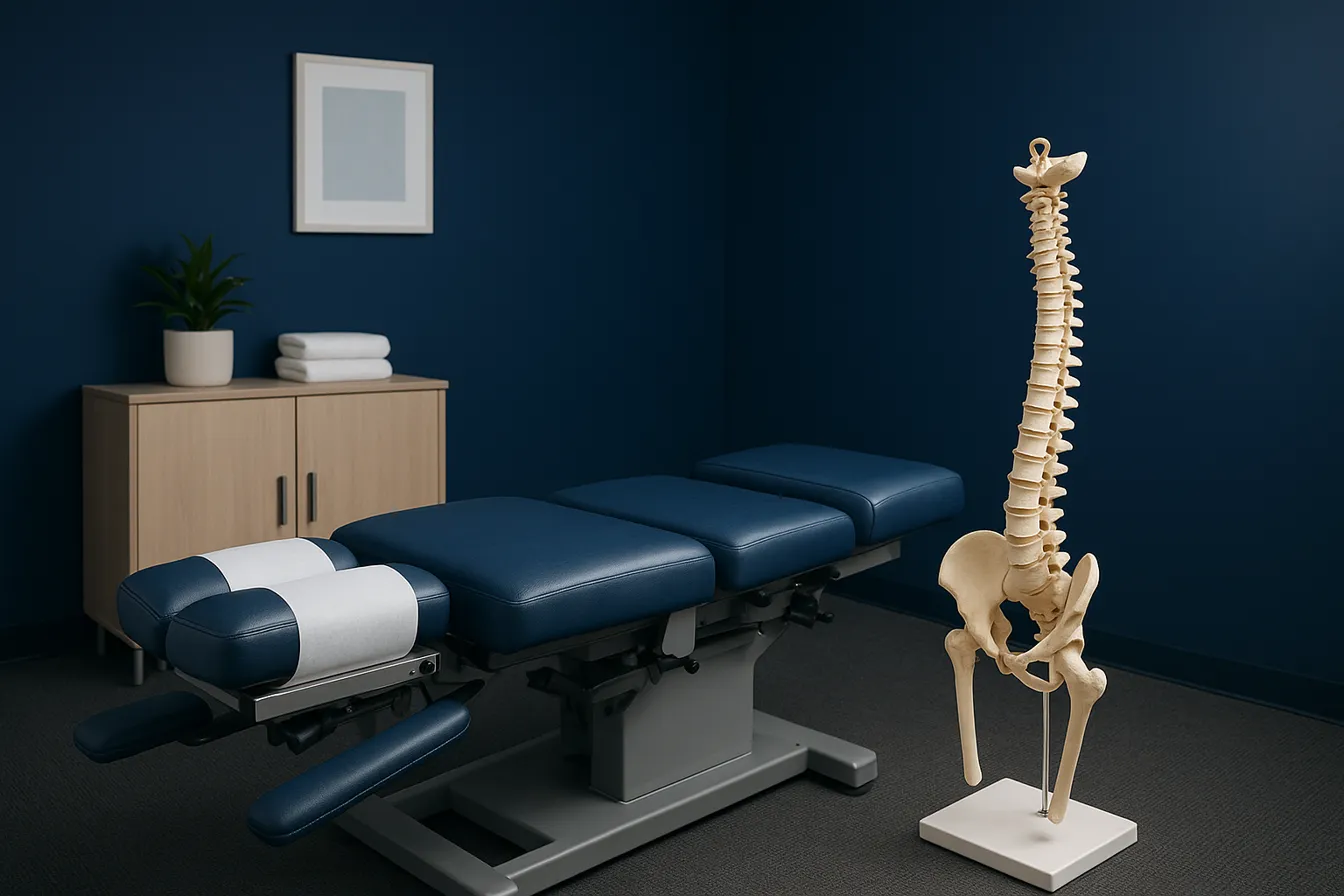
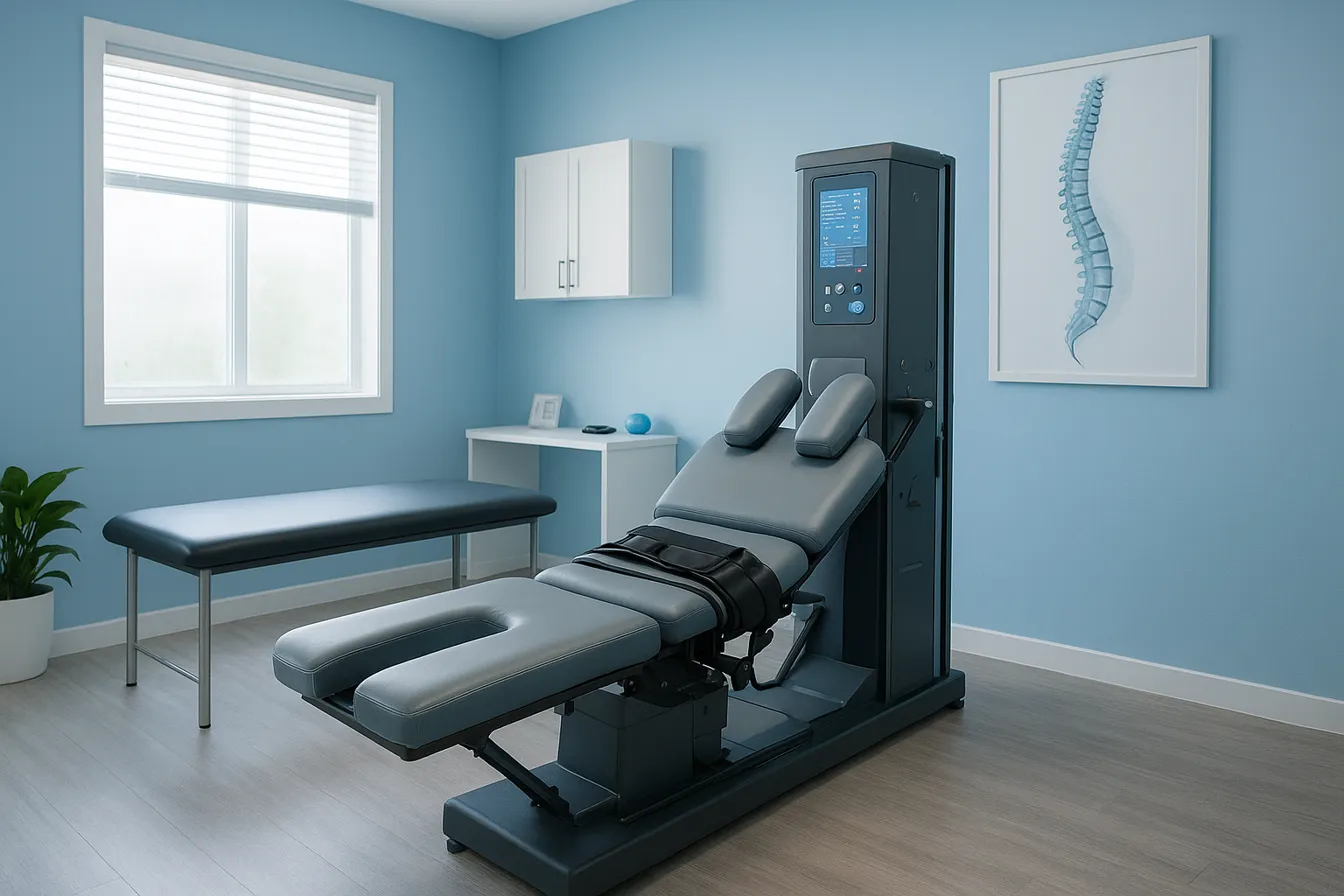
Spinal decompression therapy is a non-surgical, gentle treatment that stretches the spine using a specialized traction table. This process creates negative pressure within the spinal discs, encouraging bulging or herniated discs to retract and heal, thus restoring space between vertebrae.
How Does Spinal Decompression Help Sciatic Nerve Pain?
By increasing space between vertebrae, spinal decompression reduces pressure on the sciatic nerve, which often becomes compressed by herniated discs or bone spurs. This pressure reduction relieves pain, numbness, and tingling along the nerve pathway, improving mobility and promoting natural healing through enhanced circulation and nutrient delivery to damaged discs.
Causes and Symptoms of Sciatica
Sciatica typically arises when the sciatic nerve is compressed due to a herniated disc, spinal stenosis, or bone spurs. Common symptoms include sharp or burning pain radiating from the lower back through the buttocks and down the leg, along with muscle weakness, numbness, or tingling sensations. Early treatment with spinal decompression can alleviate these symptoms effectively.
The Science Behind Spinal Decompression and Sciatica Relief

What is spinal decompression therapy and how can it help with sciatica?
Spinal decompression therapy is a non-invasive procedure that gently stretches the spine using specialized traction tables. This method reduces pressure on spinal discs and nerve roots, especially targeting issues that cause sciatica, such as herniated discs, spinal stenosis, and degenerative disc disease.
Principles of spinal decompression therapy
The therapy creates a vacuum effect on spinal discs by stretching the spine in a controlled, targeted manner. This negative pressure helps retract bulging or herniated discs to their proper position, reducing mechanical stress on the sciatic nerve.
Vacuum effect on spinal discs and nerve root pressure reduction
By creating negative intradiscal pressure, spinal decompression therapy alleviates pressure on nerve roots compressed by disc bulges or adjacent structural changes. This relieves symptoms such as pain, numbness, tingling, and weakness along the sciatic nerve pathway.
Promotion of disc healing through nutrient and oxygen flow
The decompression enhances circulation, promoting the transport of water, oxygen, and healing nutrients into the intervertebral discs. This supports disc rehydration and tissue repair, facilitating a natural healing process that improves disc health and reduces inflammation.
Effectiveness in treating herniated discs, spinal stenosis, and degenerative disc disease
Clinical evidence and patient outcomes demonstrate that spinal decompression therapy effectively reduces sciatic nerve pressure caused by herniated discs, spinal stenosis, and degenerative disc disease. Sessions typically last 30 to 45 minutes over several weeks, with many patients experiencing early relief and lasting benefits without the risks associated with surgery.
The combination of gentle decompression with complementary therapies such as stretching exercises and ergonomic adjustments can enhance recovery and help maintain spinal wellness over time. This therapeutic approach supports pain relief, functional mobility, and long-term musculoskeletal health through a holistic, patient-centered plan.
Key Benefits of Spinal Decompression Therapy for Sciatic Patients

What are the benefits of spinal decompression therapy?
Spinal decompression therapy offers numerous benefits, including relieving pressure on spinal discs and nerve roots. This reduction in pressure can significantly decrease pain, numbness, and tingling sensations often experienced in the arms, legs, and feet due to nerve compression.
Pain reduction and symptom relief
By gently stretching and realigning the spine, spinal decompression therapy alleviates nerve irritation caused by herniated or bulging discs common in sciatica. Patients typically report decreases in pain and muscle weakness, and improvements in mobility and overall comfort.
Improved spinal mobility, posture, and flexibility
The therapy enhances flexibility by promoting proper spinal alignment and posture. Improved spinal mechanics reduce muscle strain and stiffness, facilitating easier daily movements such as walking, sitting, and bending.
Stimulating natural healing processes and reducing inflammation
Spinal decompression therapy creates a vacuum effect on spinal discs, which encourages retraction of bulging discs. It also increases the flow of oxygen, water, and nutrients to damaged tissues, supporting natural healing and reducing inflammation around irritated nerves.
Non-invasive alternative to surgery with minimal recovery time
Unlike surgical options, spinal decompression therapy is non-invasive with minimal risks and no downtime. Patients usually resume normal activities immediately after typical spinal decompression sessions, which typically last 30 to 45 minutes, making it an accessible and safe treatment option.
Long-term impact on spinal health and prevention of recurrence
Apart from immediate symptom relief, spinal decompression therapy supports lasting spinal health by improving disc function and reducing the risk of future nerve compression. This holistic approach can help prevent sciatica flare-ups and reduce dependence on medication or surgical interventions.
Treatment Course: Duration, Frequency, and Patient Experience

How long does spinal decompression therapy typically last and how often should it be done?
Spinal decompression therapy sessions generally last between 30 to 45 minutes each. Patients usually undergo treatment three to five times per week during the initial phase. This phase often consists of about 20 sessions spread over four to six weeks. Many individuals report noticeable symptom relief within the first 5 to 6 sessions, with improvements in pain levels and mobility progressing as treatments continue.
What is the common treatment plan and number of sessions for spinal decompression?
A typical treatment plan involves a series of 15 to 30 sessions tailored to the patient's specific condition. The frequency and total number of sessions depend on the severity of the spinal issues and how well the patient responds. As patients begin to experience relief, sessions may become less frequent to support ongoing healing and avoid overdependence on therapy.
When can patients expect symptom relief and mobility improvement?
Most patients notice pain reduction and increased mobility fairly early, often after a few sessions. The full course of treatment, spanning several weeks, aims to promote natural healing of discs and nerves by reducing pressure, improving circulation, and facilitating nutrient flow. Long-term benefits may include enhanced spinal alignment, decreased inflammation, and restored flexibility for daily activities.
How comfortable is the therapy, and is there any recovery downtime?
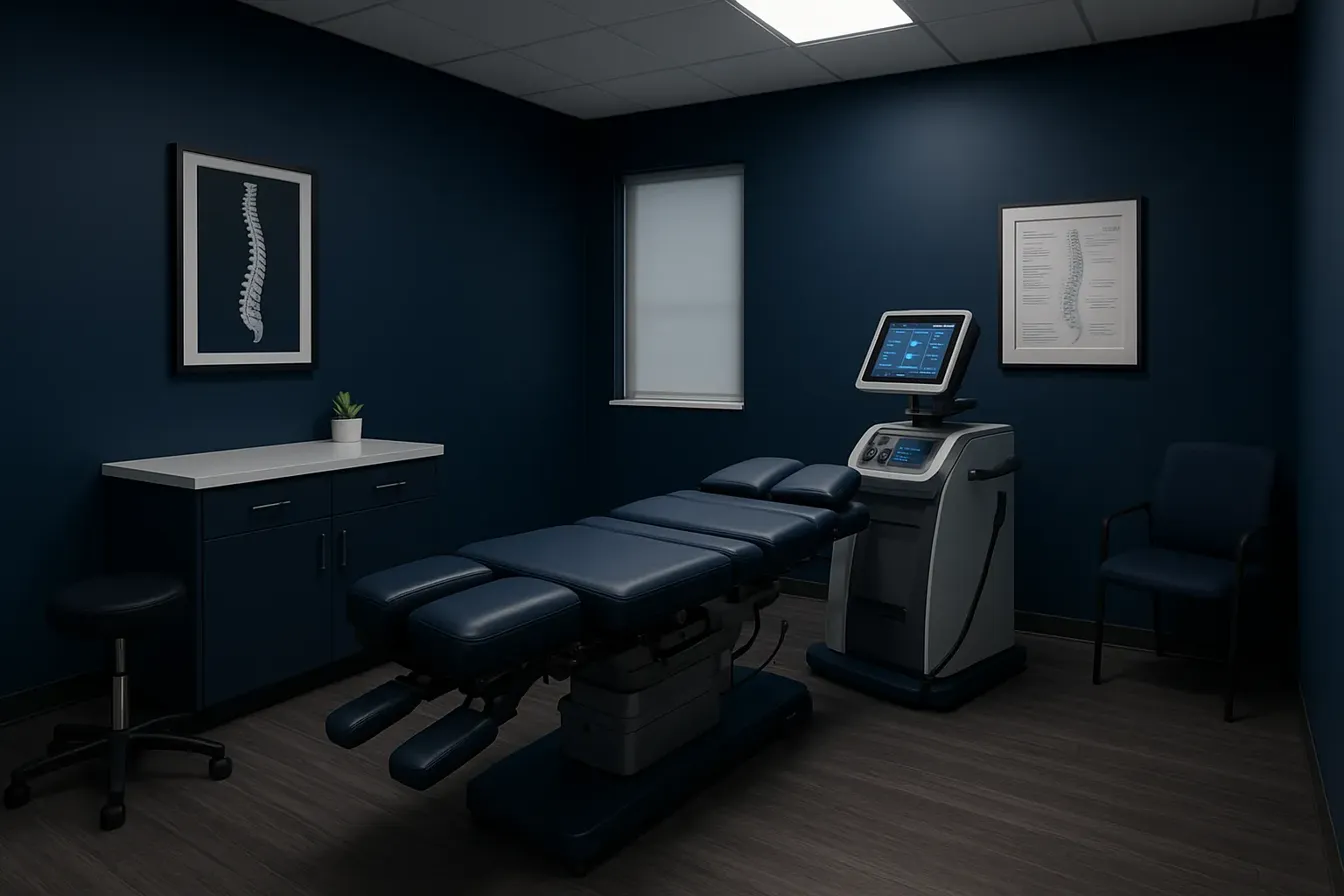
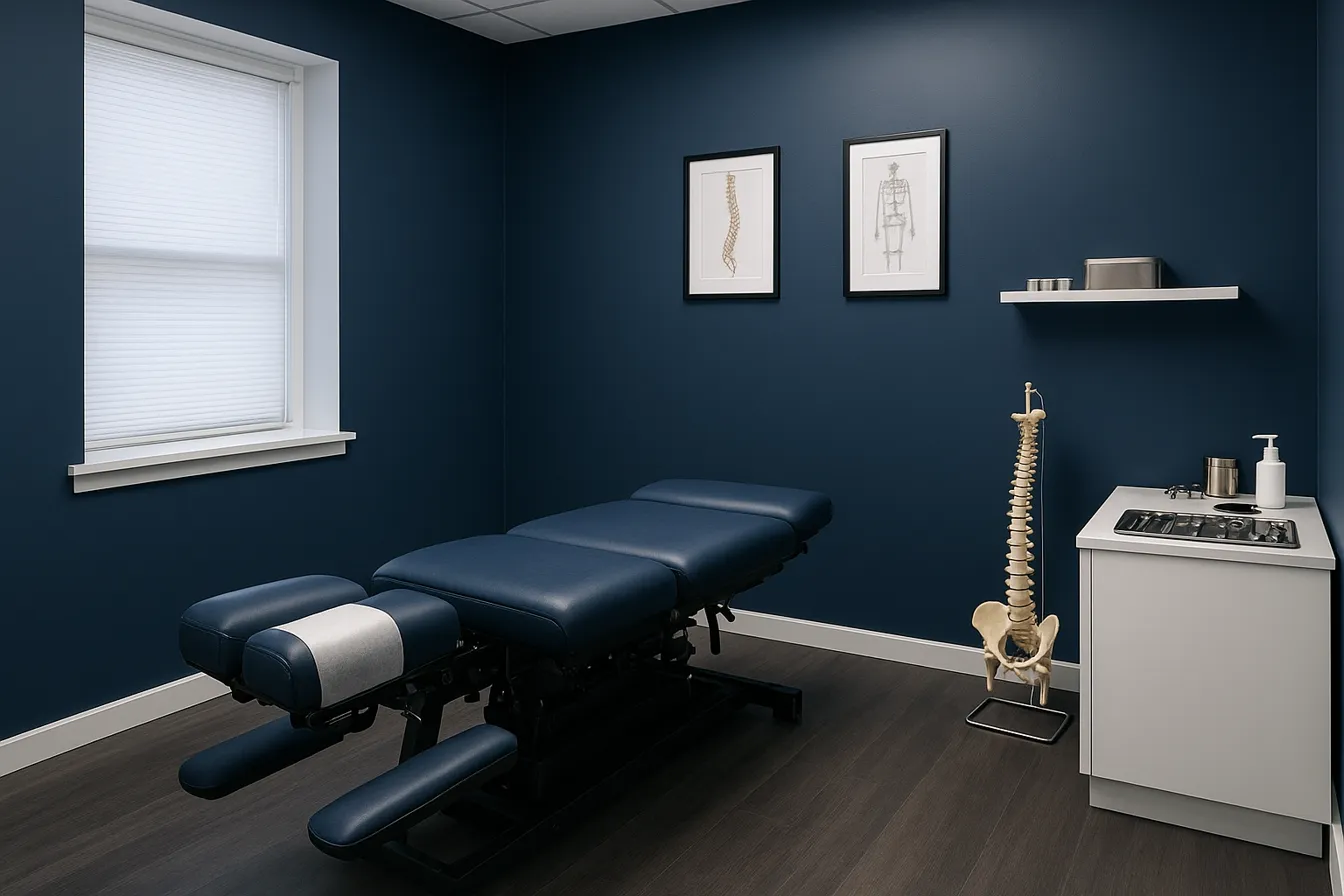
Spinal decompression therapy is designed to be comfortable and relaxing. During sessions, patients lie on specialized traction tables where gentle, computer-controlled stretching occurs with minimal discomfort. Unlike surgical interventions, there is virtually no recovery downtime, allowing patients to resume normal daily activities immediately after treatment.
What post-therapy care and lifestyle changes are recommended?
To maintain and enhance treatment benefits, patients are encouraged to incorporate specific exercises, such as core strengthening and stretching. Good posture and ergonomic adjustments support spinal health. Lifestyle modifications—like regular physical activity, weight management, and avoiding prolonged sitting—help prevent symptom recurrence. Follow-up care may also include chiropractic adjustments, physical therapy, or other complementary modalities for sustained wellness.
Safety, Contraindications, and Considerations for Special Populations

What are the contraindications for spinal decompression therapy?
Spinal decompression therapy is not suitable for everyone. Key contraindications include:
- Pregnancy: The therapy involves spinal stretching and pressure changes that may pose risks during pregnancy.
- Osteoporosis: Fragile bones increase the risk of fractures during treatment.
- Spinal fractures or broken vertebrae: Existing instability can worsen with decompression.
- Severe spinal conditions: Tumors, spinal infections, ankylosing spondylitis, and spinal hardware implants are contraindications.
- Previous unsuccessful back surgeries: Therapy might not be effective or safe after certain operations.
What are the risks and side effects of spinal decompression therapy?
Although generally safe, spinal decompression therapy can cause mild side effects such as temporary soreness or muscle spasms. Rarely, patients may experience increased pain. Serious complications are uncommon when treatment is performed by trained professionals using precise equipment.
Can spinal decompression therapy be done at home and are devices available for it?
Spinal decompression therapy is primarily conducted in clinical settings where computerized traction systems ensure accurate, controlled treatment. While some at-home decompression devices exist, their safety and effectiveness remain unproven. Studies on home use devices often lack strong scientific backing, and there are concerns about improper use leading to injury. Professional supervision is crucial to optimize results and avoid harm.
Are there alternative treatments for pregnant women and high-risk patients?
Pregnant women and patients with contraindications are advised against spinal decompression therapy. Instead, pregnancy-safe chiropractic adjustments tailored to the musculoskeletal changes during pregnancy can help alleviate back pain. Physical therapy, massage, acupuncture, and other conservative options may also offer relief without risking maternal or fetal health.
How is patient suitability for spinal decompression therapy evaluated?
A thorough clinical evaluation is essential. This includes:
- Medical history review
- Physical examination
- Diagnostic imaging (MRI, X-rays) to assess spinal health
- Identifying contraindications or complicating conditions
This assessment helps tailor a safe, patient-centered treatment plan and ensures decompression therapy is appropriate and beneficial.
| Topic | Details | Why It Matters |
|---|---|---|
| Contraindications | Pregnancy, osteoporosis, fractures, tumors | Prevents harm and ensures patient safety |
| Risks and side effects | Mild soreness, rare increased pain | Informs patient expectations |
| At-home devices | Limited evidence, lack of precision | Highlights need for professional oversight |
| Alternative treatments | Pregnancy-safe chiropractic, physical therapy | Safe options for high-risk groups |
| Patient evaluation and suitability | History, exam, imaging | Ensures personalized, effective care |
Complementary and Conservative Approaches to Managing Sciatic Pain
What are common treatments and medicines for managing sciatica pain?
Medicines commonly used to treat sciatica include anti-inflammatories such as ibuprofen and naproxen, corticosteroids to reduce inflammation, antidepressants, anti-seizure drugs, opioids, and neuropathic pain medications like pregabalin (Lyrica®). These pharmaceutical options often work alongside non-drug treatments such as physical therapy, gentle exercise, heat packs, and cold therapy, providing a multi-faceted approach to pain management. For more information on Treatment options for sciatica pain relief, please refer to the respective resource.
How can one relieve sciatic nerve pain at home without exercise?
Home care for sciatica pain without exercise focuses on reducing inflammation and maintaining comfort. Applying heat packs helps relax tight muscles and decrease irritation, while cold therapy can reduce acute inflammation during flare-ups. Avoid prolonged sitting or lying down to prevent stiffness, and maintain good posture even when resting. Over-the-counter medications like acetaminophen or NSAIDs help control pain. It is vital to avoid complete bed rest to promote healing and prevent worsening symptoms. Consulting with a healthcare provider ensures that treatment plans align with individual needs. Additional details on Sciatica overview and treatments are available.
How should someone with sciatica sit to reduce pressure and pain?
Proper sitting posture is critical to alleviate sciatic pain. Sit with feet flat on the floor and knees at hip level. Use chairs that provide full back support, ideally with lumbar support to preserve the spine's natural curve. Avoid slouching or crossing legs to prevent additional pressure on the sciatic nerve. Incorporate frequent breaks to stand and gently stretch during prolonged sitting. Ergonomic adjustments to the workspace, including the use of cushions and adjustable chairs, help maintain spinal alignment and reduce nerve compression. Learn more about Sciatica causes and symptoms.
Stretching and physical therapy to enhance spinal decompression benefits
Stretching exercises complement spinal decompression therapy by reducing muscle tension and improving flexibility around the lower back and hips. Recommended stretches include the seated piriformis stretch, knee-to-chest stretch, Cat-Cow, Cobra, and Child’s Pose. These enhance sciatic nerve mobility, improve posture, and promote circulation, aiding in nerve decompression and healing. Physical therapy offers personalized programs focusing on core strengthening and posture correction to further support spinal health and reduce sciatic symptoms.
These complementary and conservative strategies emphasize natural, patient-centered pain relief and synergize well with chiropractic care and spinal decompression therapy to optimize healing and function.
When to Seek Medical Attention and Managing Severe Sciatic Pain
Does sciatica take a long time to heal and when should one seek expert care?
Sciatica overview typically resolves within a few weeks to several months; many people recover fully without surgery. However, pain and symptoms can sometimes persist for years if left untreated. It is important to consult a healthcare professional as soon as symptoms of sciatica appear to ensure proper diagnosis of sciatica and timely treatment to prevent chronic issues.
What should be done when sciatica pain becomes unbearable?
If sciatica pain becomes severe, lie down on a firm surface briefly to relieve pressure on sciatic nerve, but avoid prolonged bed rest which can worsen stiffness. Gentle walking and light activity within comfort limits help maintain mobility and support healing.
Applying ice packs initially reduces inflammation, followed by heat therapy after a few days to relax muscles and ease discomfort. Over-the-counter nonsteroidal anti-inflammatory drugs (NSAIDs) may be used to control pain.
When pain persists or worsens despite these measures, seek medical care promptly. Health professionals might recommend corticosteroid injections to reduce inflammation or consider surgical options such as diskectomy if nerve compression leads to significant weakness or loss of bladder or bowel control.
Advanced treatments aim to relieve nerve pressure, improve function, and prevent long-term complications while emphasizing a patient-centered and holistic approach to pain management.
Integrating Professional Spinal Decompression Therapy into Holistic Care
How is spinal decompression therapy personalized and integrated with other therapies?
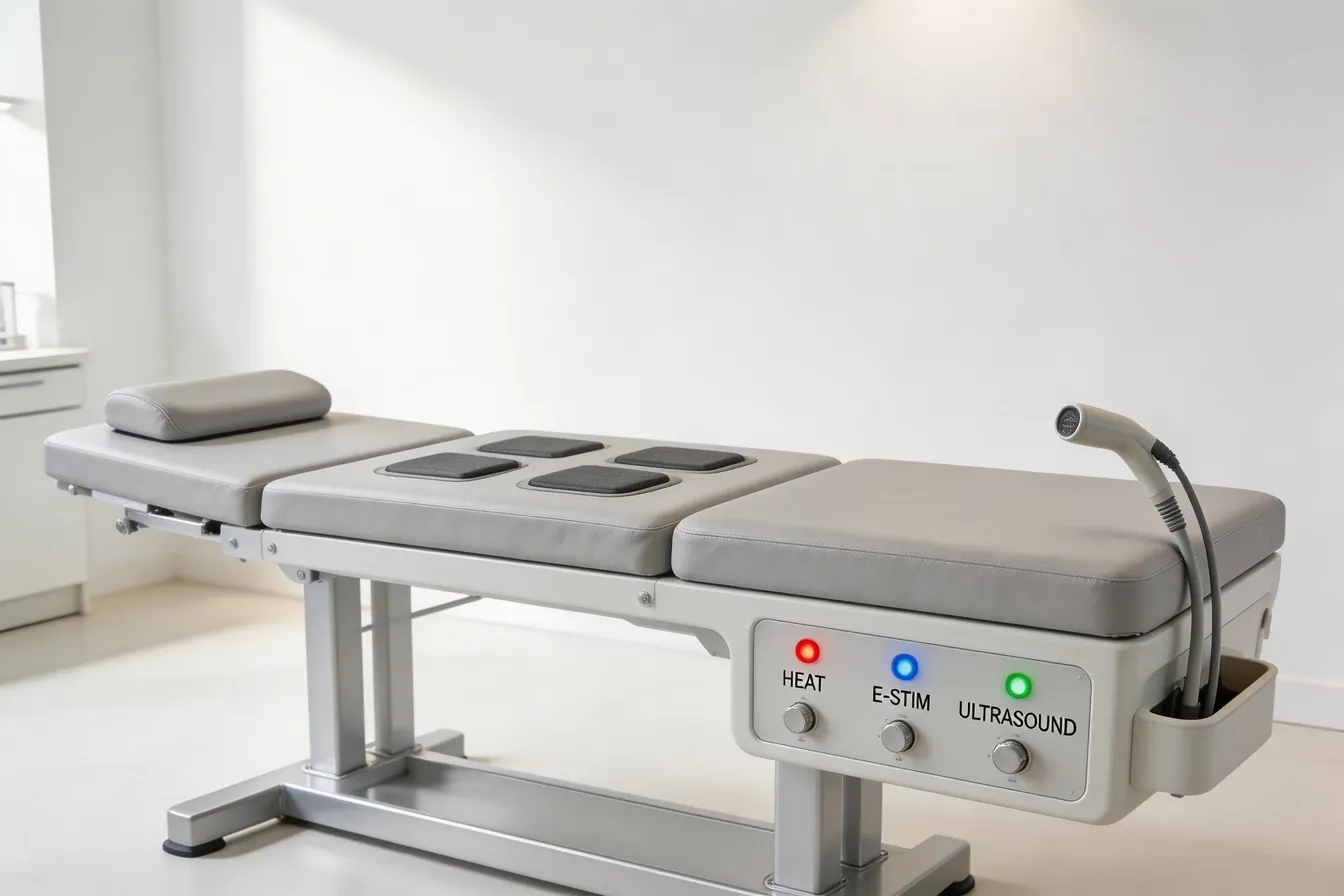
Spinal decompression therapy is highly personalized, designed to suit individual conditions and comfort levels. Clinicians utilize advanced computerized traction tables that allow precise, adjustable stretching of the spine. Treatment plans typically span 15 to 30 sessions over 4 to 6 weeks, with session lengths averaging 30 to 45 minutes. This therapy often complements other non-invasive treatments such as chiropractic adjustments, physical therapy, acupuncture, massage, and nerve stimulation (TENS). Combining these approaches enhances healing by addressing spinal alignment, muscle tension, and nerve function concurrently.
What role do chiropractors play in spinal decompression and sciatic nerve care?
Chiropractors are integral to delivering spinal decompression therapy for sciatica treatment, especially for sciatica patients. They evaluate spinal health, identify misalignments or disc issues, and tailor decompression sessions to target specific vertebral levels. By relieving pressure on herniated or bulging discs, chiropractors facilitate the reduction of sciatic nerve compression, promoting natural disc healing through improved circulation of oxygen and nutrients. This patient-centered approach aligns with holistic health, focusing on long-term symptom relief and spinal function restoration rather than solely managing pain.
What insights do research and patient outcomes provide?
Clinical studies and patient reports indicate significant benefits from spinal decompression therapy for sciatica and related spinal conditions. Many patients experience notable pain reduction, enhanced mobility, and improved quality of life after a series of treatments. Research highlights spinal decompression's ability to create negative intradiscal pressure, enabling disc retraction and decreased nerve compression. While some scientific critiques note a need for more rigorous trials, existing evidence supports spinal decompression as a safe, effective, and minimally invasive alternative to surgery.
How is spinal decompression therapy incorporated into clinic services like Back in Action Bodyworks in the US?
Clinics such as Back in Action Bodyworks provide comprehensive spinal decompression therapy care combined with chiropractic expertise. Their services integrate spinal decompression within a holistic treatment framework, including manual adjustments, physical rehabilitation, and lifestyle counseling. Emphasizing patient comfort and progressive mobility improvement, the therapy is adapted to individual needs, delivering a natural, non-surgical route for managing sciatica and chronic back pain. Such centers highlight the role of spinal decompression as part of a multidisciplinary approach advancing musculoskeletal wellness and functional recovery.
Embracing Spinal Decompression as a Path to Sciatic Relief and Spinal Wellness
Understanding the Benefits of Spinal Decompression for Sciatica
Spinal decompression therapy offers a non-surgical, gentle approach to relieving pressure on spinal discs and nerves. By using computerized traction devices, this therapy creates negative pressure within discs, encouraging herniated or bulging discs to retract and promote natural healing. This process not only alleviates sciatic nerve pain caused by disc compression or spinal stenosis but also enhances circulation, improves spinal alignment, and reduces inflammation.
Most patients experience pain relief, increased mobility, and improved quality of life after a series of 15–30 treatments over several weeks. The treatment is considered safe and minimally invasive, with few side effects and no downtime, making it an attractive alternative to surgery for many suffering from chronic sciatic pain.
Professional Evaluation and Holistic Care
A thorough assessment by a qualified healthcare professional, such as a chiropractor or physical therapist, is essential to determine if spinal decompression is appropriate. Integrated care plans often combine decompression therapy with chiropractic adjustments, physical therapy, stretching exercises, and lifestyle modifications to address underlying causes and support long-term spinal wellness.
Optimistic Outlook for Non-Surgical Treatment Seekers
Patients pursuing spinal decompression therapy can anticipate gradual, sustainable improvements in sciatic symptoms and overall spinal health. With personalized treatment plans and ongoing support, many individuals restore flexibility and function, avoid invasive surgery, and return to their daily activities with renewed comfort and confidence.
Recent articles
10 Real‑Patient Success Stories Showcasing the Impact of Chiropractic Care

Superfoods That Boost Nerve Healing After Chiropractic Sessions

Sleep Positions That Promote a Healthy Back Alignment
Signs Your Chiropractor Is a Good Fit for Your Back Pain Goals
Case Study: Integrated Physiotherapy and Chiropractic for Faster Recovery
First-Time Chiropractic Visit: A Step‑by‑Step Walkthrough
Synergistic Benefits: Combining Physiotherapy with Chiropractic Care
Beyond Surgery: Holistic Approaches to Managing Back Pain
How Manual Therapy Enhances the Effects of Chiropractic Adjustments

Hydration Hacks: Why Water Matters for Joint and Spine Function

What Does a Comprehensive Spinal Evaluation Include?
Success Spotlight: Transformative Results After Six Weeks of Chiropractic Treatment

Understanding the Initial Assessment Process in Chiropractic Care
Designing a Personalized Corrective Exercise Plan for Chronic Pain Management

Natural Pain Management: Combining Acupuncture, Yoga, and Chiropractic
Chiropractic Care vs. Pain Meds: Long-Term Outcomes for Back Pain Sufferers

What to Expect During a Sciatica‑Focused Decompression Session
Understanding the Pain-Relief Mechanics Behind Chiropractic Adjustments
Success Rates of Non‑Surgical Spinal Decompression for Sciatica
Patient-Centered Chiropractic Care: Personalized Plans for Back Pain Relief
How Chiropractic Treatments Reduce Inflammation and Speed Up Back Pain Recovery

Real‑Life Stories: How Chiropractic Helped Patients Overcome Chronic Back Pain
From Symptom Masking to Root‑Cause Healing: A Practical Guide

6 Holistic Non‑Surgical Treatments That Deliver Sustainable Back‑Pain Relief
Key Questions to Ask When Selecting Your Chiropractor
Mindful Movement: Incorporating Stretch Breaks Into a Busy Day

Why Targeting the Underlying Cause Beats Temporary Symptom Relief
8 Ways Physiotherapy Complements Chiropractic Adjustments for Faster Recovery
Meal Planning for Athletes Recovering from Back Injuries
9 Everyday Lifestyle Tweaks to Preserve a Healthy Spine and Prevent Pain

Functional Movement Screening for Root‑Cause Pain Identification

6 Things You’ll Experience During Your First Chiropractic Appointment

Spinal Decompression vs. Standard Physical Therapy for Sciatica: A Comparative Review

New Findings on How Adjustments Influence Blood Circulation
Work‑From‑Home Ergonomics: A Blueprint for a Pain‑Free Back

The Link Between Chiropractic Care and Improved Sleep Quality

Physiotherapy Techniques That Strengthen the Benefits of Chiropractic Adjustments

Biomechanical Insights Behind Successful Spinal Decompression

Desk‑to‑Dumbbell: Lifestyle Shifts That Guard Your Lower Back
10 Corrective Exercises for Sustainable Pain-Free Living

Morning Routines That Support Spine Health and Reduce Stiffness

Calcium and Magnesium‑Focused Nutrition for Bone Density and Spine Health

9 Ways Chiropractic Care Transforms Back Pain Management
Testimonial: Nutrition‑Guided Recovery Accelerated by Chiropractic
Science‑Backed Spinal Decompression for Relieving Sciatica Symptoms

Key Questions to Ask During Your Initial Chiropractic Consultation
Whole‑Body Wellness Blueprint: Nutrition, Exercise, and Chiropractic Synergy
A 12‑Week Corrective Exercise Blueprint for Chronic Neck Discomfort

Manual Therapy Plus Targeted Exercise: Accelerating Post‑Injury Recovery
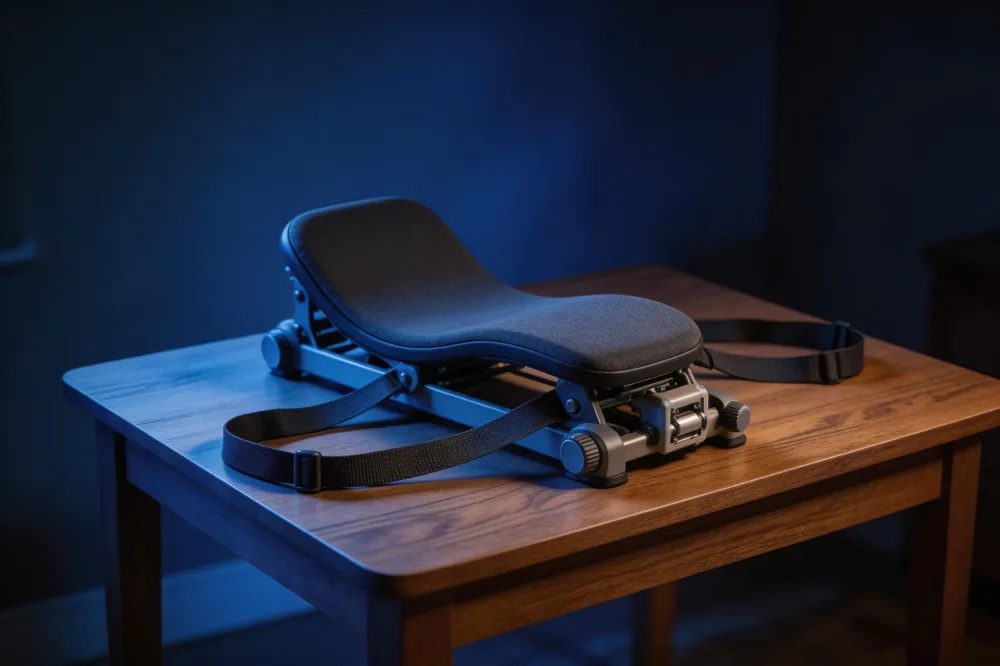
Home‑Based Spinal Decompression Devices: What Patients Should Know

Chiropractic Care Statistics: Reducing Lost Workdays From Back Pain

How Targeted Nutrition Enhances Immune Function and Lowers Inflammatory Pain
Self‑Assessment Tools to Identify Hidden Triggers of Back Pain
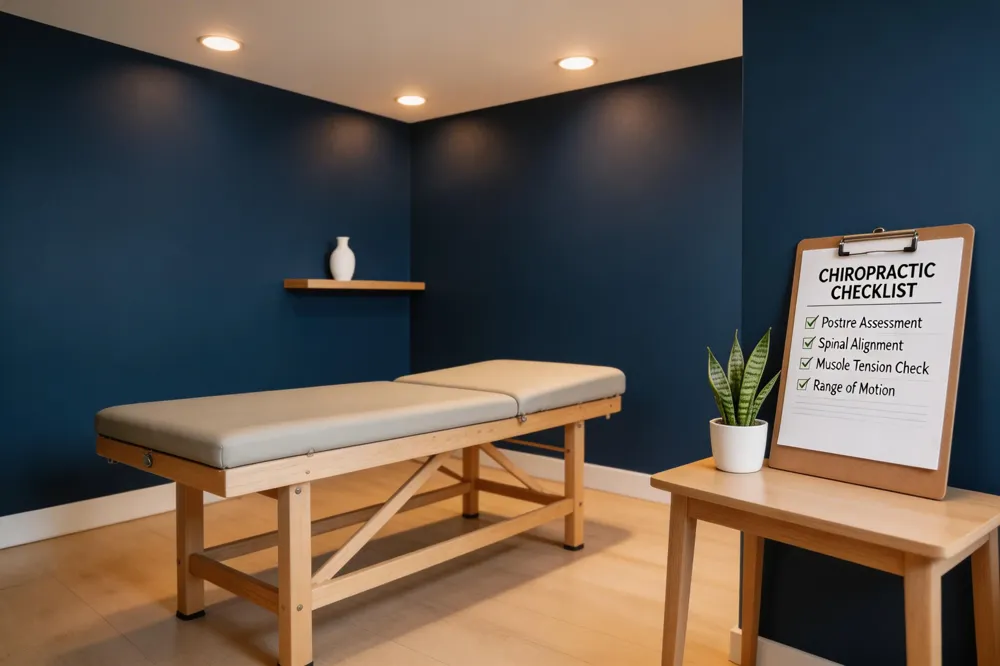
Preparing for Your First Chiropractic Appointment: A Practical Checklist

Back Pain Relief Benefits: Lower Opioid Use and Better Quality of Life

Foam‑Rolling Techniques to Complement Chiropractic Adjustments
Progressive Overload Principles in Corrective Exercise Programs

Six‑Month Transformation: Integrated Care Success Story

7 Nutritional Hacks to Boost Your Overall Wellness

How to Choose a Chiropractor: Credentials, Techniques, and Patient Compatibility
5 Ways Spinal Decompression Can Ease Sciatica Pain

Overcoming Sciatica: A Patient’s Multidisciplinary Treatment Journey
Lifestyle Changes That Promote a Healthy Spine
Physiotherapy as a Complement to Chiropractic Treatments
6 Ways Physiotherapy Enhances Chiropractic Treatment Outcomes
Daily Living Tips for a Strong and Healthy Spine
How Physiotherapy Enhances Chiropractic Outcomes
Holistic Treatments: Alternatives to Surgery for Pain Relief
Inspiring Patient Success Stories from Chiropractic Clinics
Integrating Physiotherapy with Chiropractic Treatments
Corrective Exercise Routines for Chronic Pain Prevention
10 Corrective Exercises to Maintain a Healthy Spine and Relieve Pain
Exercise Strategies for Long-Term Pain Management
10 Corrective Exercises to Maintain a Healthy Spine and Relieve Pain
The Importance of Treating the Root Cause of Pain
Nutritional Support Strategies for Whole-Body Wellness
7 Essential Questions to Ask When Choosing Your Chiropractor
Identifying and Addressing Root Causes of Pain
Maintaining a Healthy Spine with Lifestyle Adjustments
Sciatica Symptom Relief via Spinal Decompression
8 Reasons Why Addressing the Root Cause of Pain Is Crucial
Chiropractic Care’s Impact on Back Pain Recovery
Combining Physiotherapy with Chiropractic Care for Better Results
Inspiring Recovery: Chiropractic Patient Testimonials
Nutritional Counseling Tips for Optimal Wellness

Why Addressing the Root Cause of Pain is Crucial
Back Pain and Chiropractic Care: A Winning Combination
Chiropractic Care Benefits You Might Not Know
Exploring Holistic and Non-Surgical Treatments for Pain
Spinal Health: Lifestyle Tips for Everyday Wellness
Spinal Decompression Therapy: Benefits and Applications
Holistic and Non-Invasive Spine Care Options
Everyday Lifestyle Advice to Keep Your Spine Healthy
The Significance of Treating Root Causes in Pain Therapy
Best Corrective Exercises for Sustainable Pain Management
Addressing Underlying Causes of Pain for Long-Term Relief
6 Key Benefits of Spinal Decompression Therapy for Sciatica Relief
How Nutritional Counseling Supports Spine Health and Recovery
The Role of Physiotherapy in Supporting Chiropractic Treatments