What You Will Experience at Your Initial Chiropractic Visit
December 10, 2025
7 min

Introduction to Your First Chiropractic Visit
Purpose of the initial visit
Your first chiropractic appointment is designed to understand your health status thoroughly. It involves reviewing your medical history and discussing your symptoms and pain triggers. The chiropractor will conduct a physical exam that usually includes posture analysis, range of motion tests, and neurological checks. This helps in creating a personalized treatment plan aimed at relieving pain and improving your body's alignment and function.
Setting expectations
During the first visit, expect detailed communication with your chiropractor, who will explain the diagnosis and treatment approach. The session typically includes hands-on spinal adjustments that may produce familiar popping or cracking sounds, which are normal. The visit focuses on restoring proper spinal motion and reducing muscle tension to enhance overall well-being.
Importance of preparation
Preparing for your first chiropractic visit ensures a smoother experience. Bring any relevant medical records, a list of medications, and be ready to answer questions about your pain's history and lifestyle. This preparation helps your chiropractor tailor care effectively, empowering you to actively participate in your healing journey.
Comprehensive Patient Intake and History Review

Filling out health history and symptom forms
New chiropractic patients typically begin their first chiropractic visit process by completing detailed health history and symptom questionnaires. These forms gather crucial information about pain onset, type, location, and past medical issues. This data helps chiropractors tailor a precise evaluation and treatment plan focused on individual needs.
Discussion of pain, lifestyle, and medical background
During the Chiropractic Consultation and Symptom Review, patients discuss their current symptoms, including severity, triggers, and any prior treatments. Chiropractors also explore lifestyle factors such as activity levels, diet, and stress, which can influence musculoskeletal health. This collaborative conversation ensures a thorough understanding of the patient’s overall health context.
Preparation tips including documents and questions to ask chiropractor
To make the most of the first visit, patients should bring identification, insurance cards, a list of current medications, and any relevant medical records. Preparing questions about the Chiropractor Licensing and Experience, treatment philosophy, and expected care duration empowers patients to engage confidently in their healing journey. This preparation promotes a transparent and trusting therapeutic relationship.
Detailed Physical Examination and Diagnostic Testing

Posture and Gait Analysis
During the initial chiropractic visit, a detailed evaluation of your posture and gait analysis in chiropractic is conducted. This helps identify any imbalances or misalignments in the spine and joints that could be contributing to your symptoms. Proper posture is essential for spinal health, and analyzing how you walk reveals functional patterns that may impact overall musculoskeletal integrity.
Range of Motion and Muscle Tone Assessments
Chiropractors will assess your range of motion and muscle tone to evaluate the flexibility and strength of muscles supporting your spine and joints. Limited or painful motion often indicates areas needing attention. These assessments help tailor treatment plans to restore movement and reduce tension.
Neurological, Orthopedic, and Reflex Tests
A thorough neurological exam includes testing reflexes, muscle strength, and nerve function to detect any neurological involvement or nerve compression. Orthopedic tests further assess joint health and pinpoint specific musculoskeletal issues, ensuring a comprehensive understanding of your condition.
Use of X-rays or Imaging Based on Findings
If needed, diagnostic imaging such as X-rays or MRI scans may be recommended to visualize structural abnormalities or confirm a diagnosis. These tests are usually reserved for cases where physical exam findings suggest deeper issues like spinal deformities or injuries requiring precise intervention.
This detailed physical examination combined with diagnostic testing creates a solid foundation for developing personalized chiropractic treatment plans that effectively address both symptoms and underlying causes of discomfort.
Developing a Personalized Treatment Plan

Collaborative Plan Creation
The foundation of effective chiropractic care is the development of a personalized chiropractic treatment plan created collaboratively between the patient and chiropractor. This approach begins with a thorough consultation and examination to understand the patient's unique health history, symptoms, and lifestyle factors. Open communication ensures that treatment goals align with the patient’s needs, fostering trust and active participation.
Chiropractic Techniques Explained
Central to the treatment are chiropractic adjustments, which involve manual manipulation or the use of controlled force applied to spinal joints. These adjustments aim to improve spinal alignment, relieve pressure on nerves, and promote mobility. Patients may experience typical popping or cracking sounds during these manipulations, which are normal and indicate joint release.
Soft tissue therapy complements spinal adjustments by focusing on muscles and connective tissues surrounding the spine. Techniques may include hands-on soft tissue therapy or targeted release methods to reduce muscle tension, enhance circulation, and accelerate recovery.
Additional Complementary Therapies
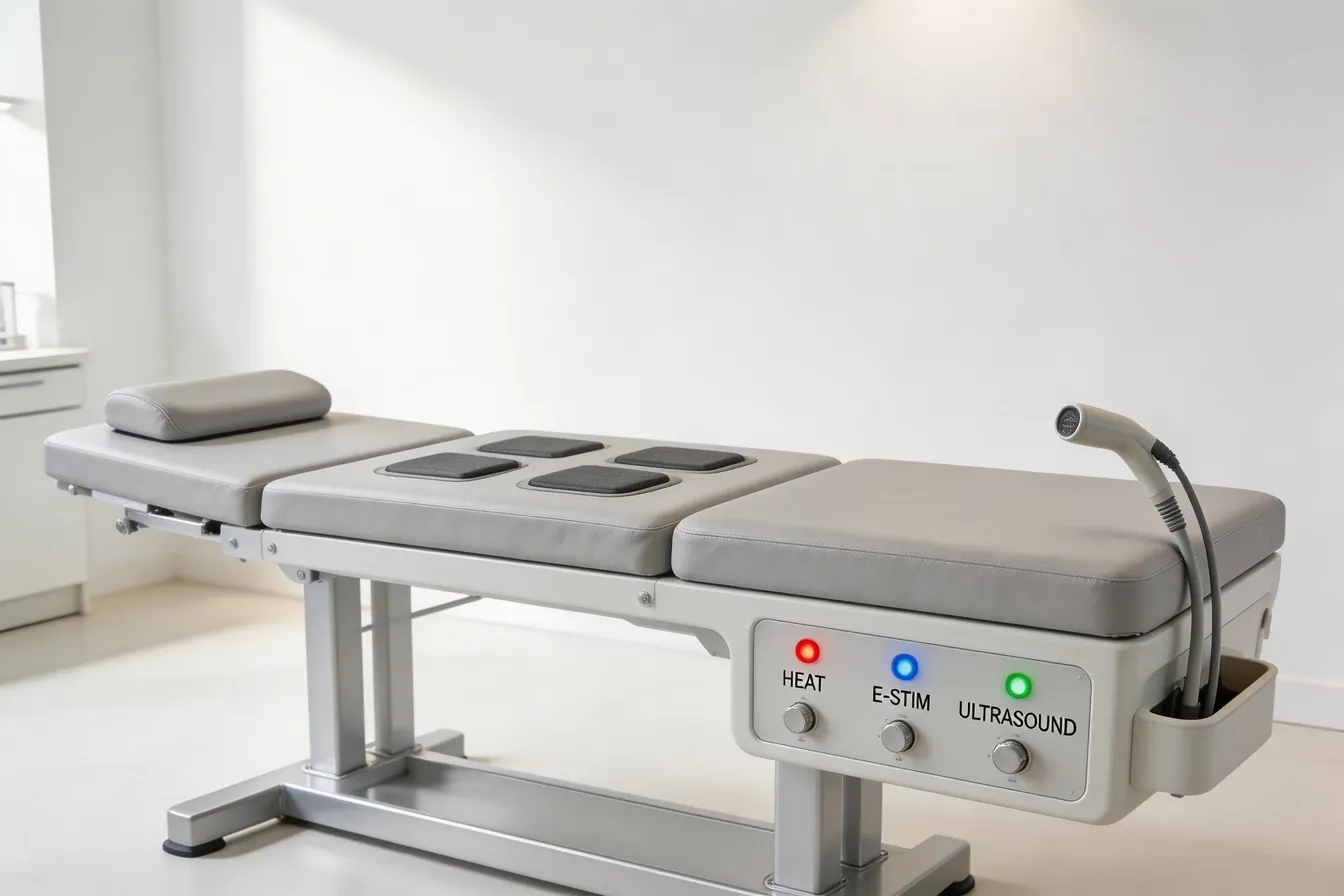
To enhance healing and pain relief, additional therapies such as advanced acupuncture treatments, cupping therapy options, laser therapy techniques, ultrasound therapy sessions, and shockwave therapy availability might be integrated into the treatment plan. These methods serve to stimulate natural healing processes, improve blood flow, and alleviate stress on musculoskeletal structures.
Treatment Duration and Frequency
Treatment sessions typically range from 30 to 60 minute treatment sessions, tailored to individual requirements. Early phases often involve more frequent visits—sometimes weekly or biweekly—to establish corrective change and manage symptoms effectively. As progress is made, session frequency usually decreases, with the plan adjusted to maintain long-term wellness.
This personalized, multi-modal approach emphasizes holistic musculoskeletal health and supports the body's inherent ability to heal, helping patients achieve improved function and sustained relief.
What to Expect During Your First Chiropractic Adjustment
What is a spinal manipulation procedure?
A spinal manipulation procedure, also known as a chiropractic adjustment, is a hands-on procedure performed by a licensed chiropractor. During this treatment, controlled force is applied to specific spinal joints with the goal of improving spinal motion and enhancing the body's ability to move naturally. This technique targets areas of stiffness or misalignment to help relieve pain and improve function.
How are patients positioned and what sensations might they experience?
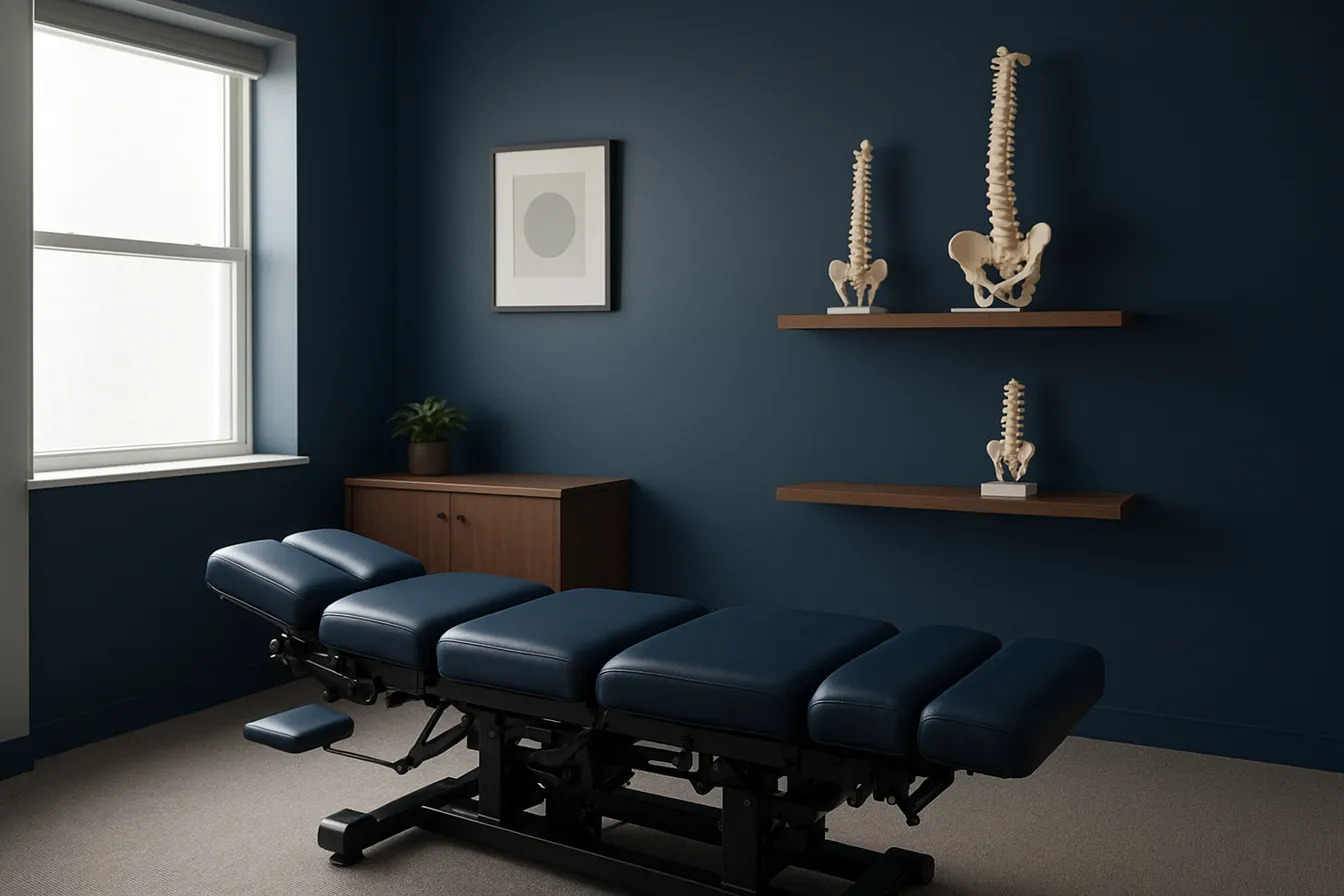
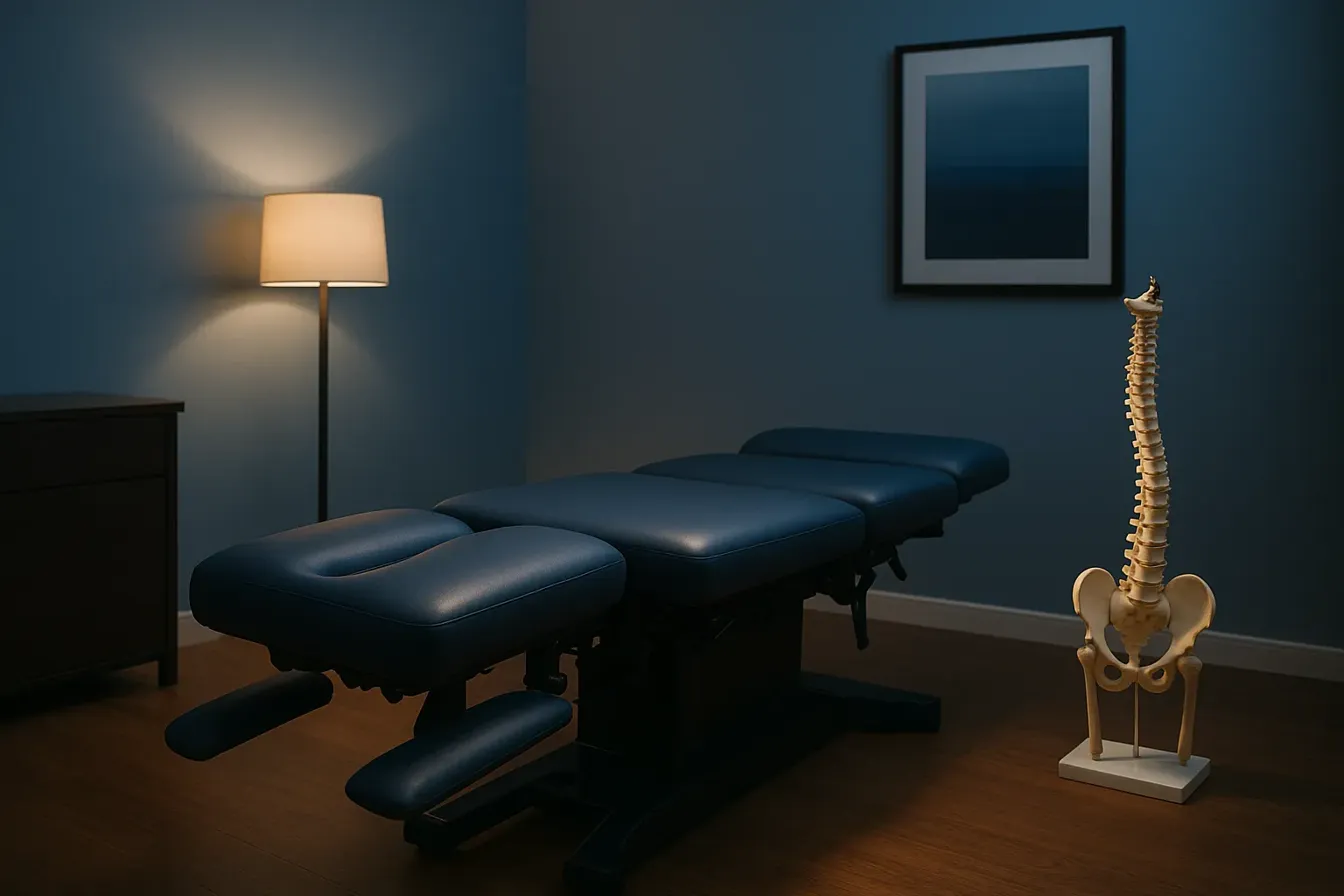
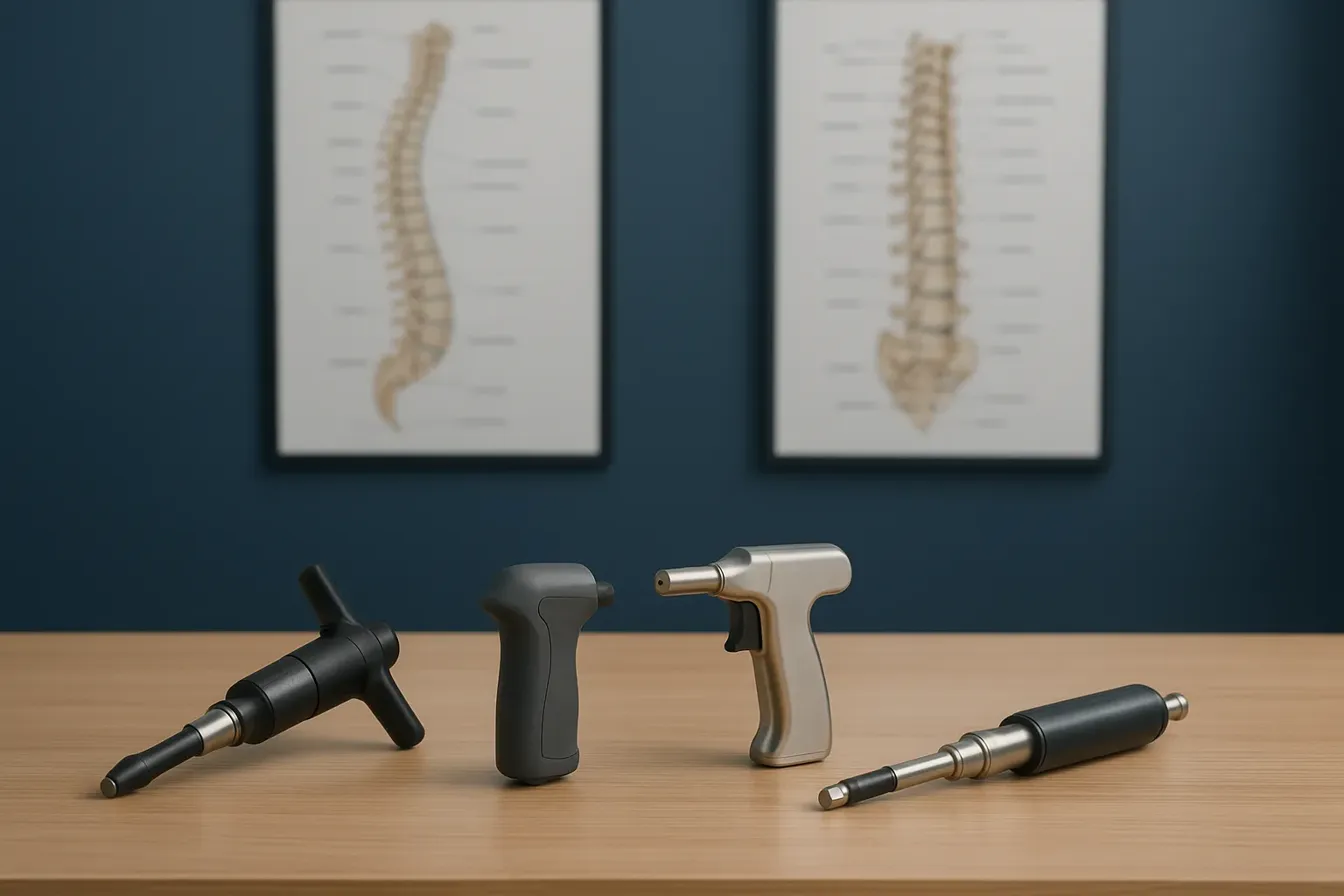
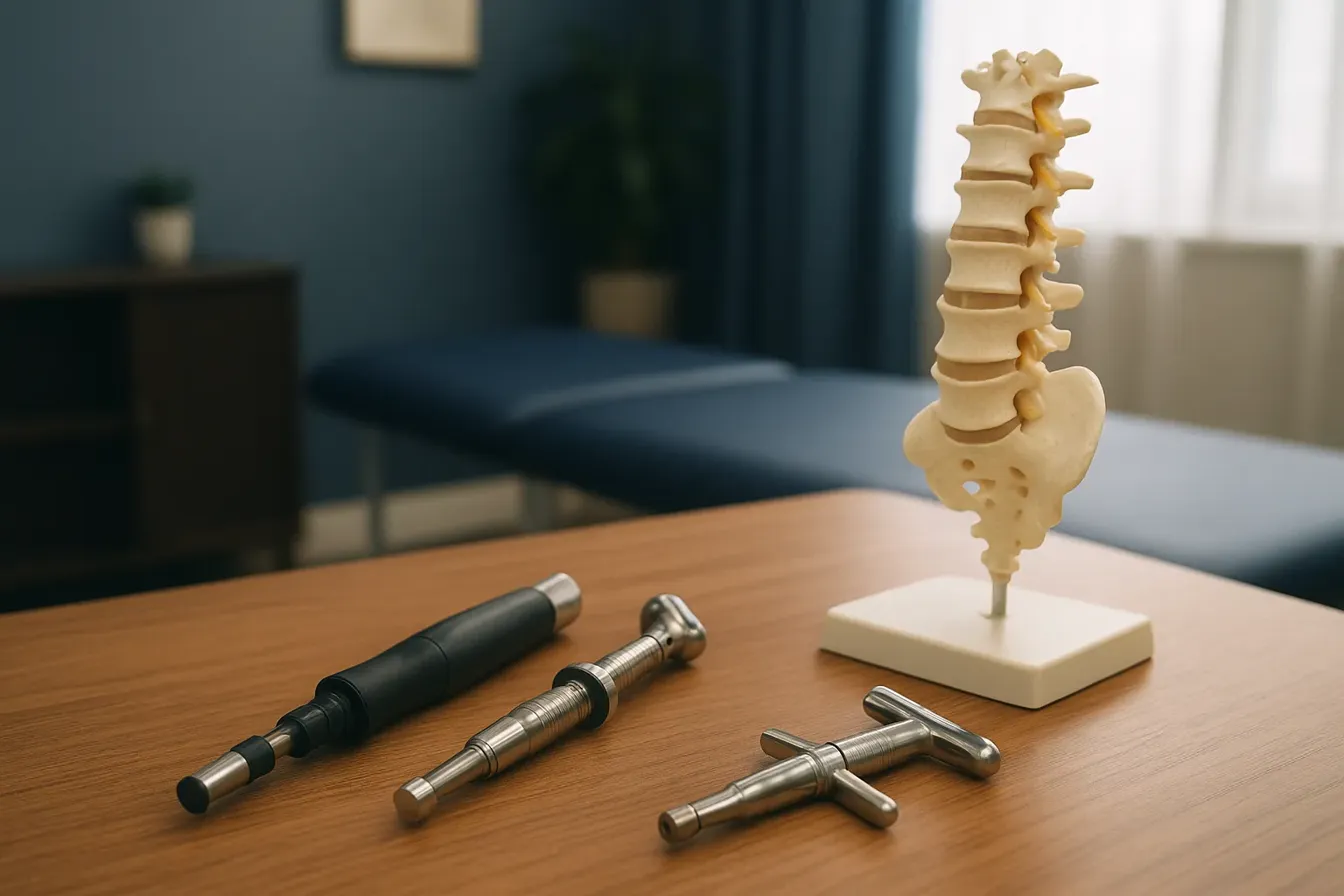
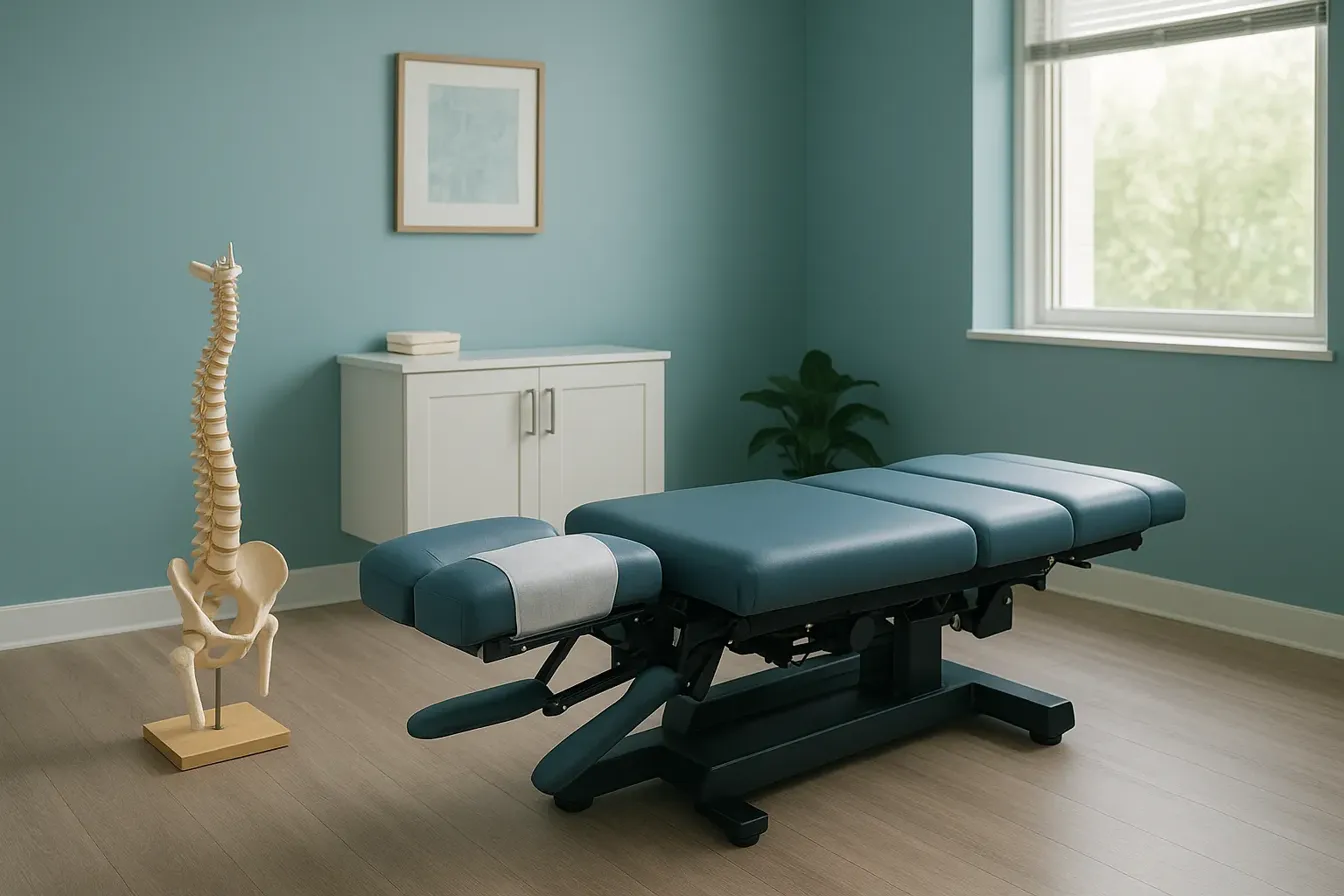
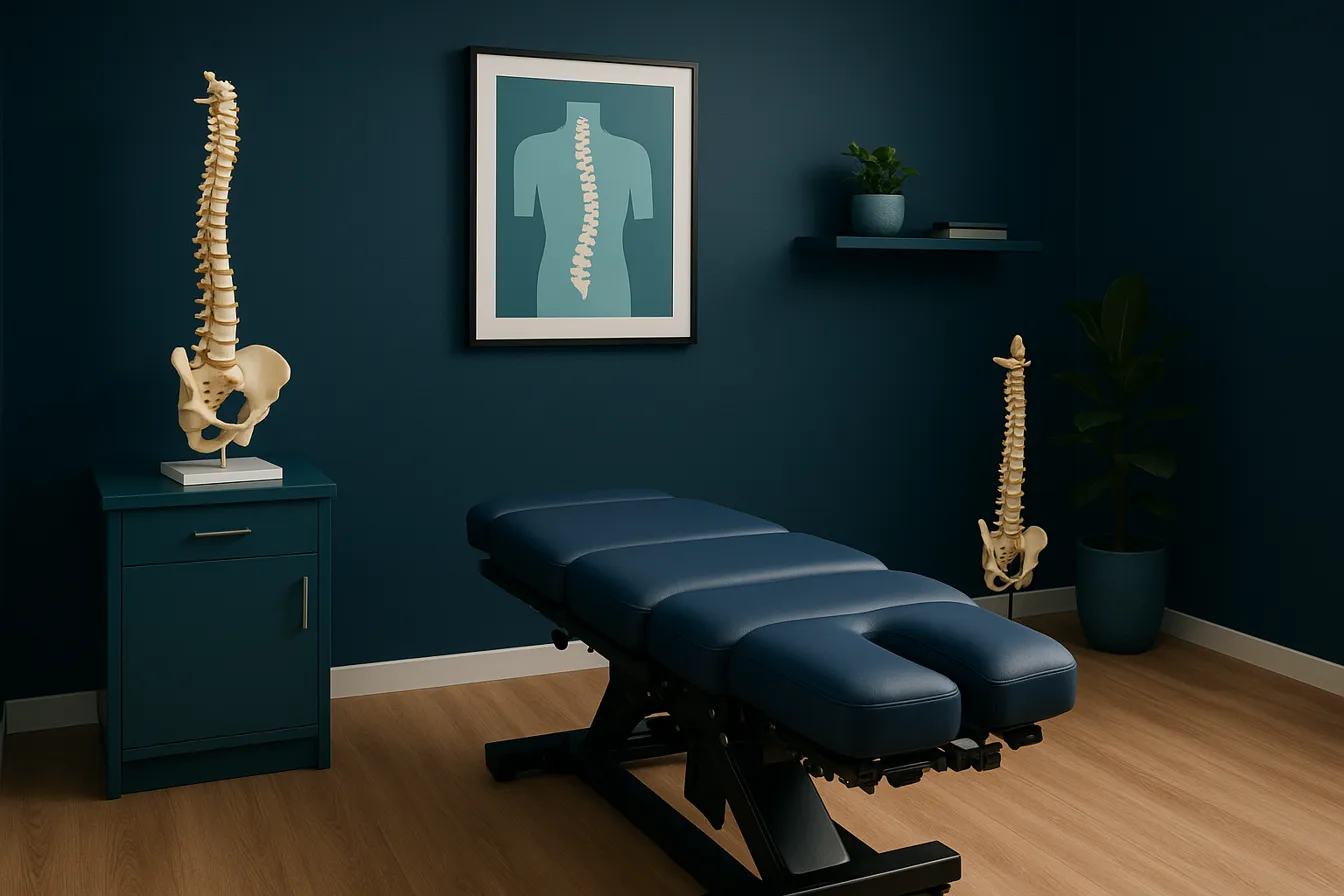
Typically, during the Chiropractic Treatment Positioning, patients lie comfortably face down on a specially designed padded chiropractic table. The chiropractor then uses their hands or small instruments to apply precise pressure and movement to the affected joints. Patients might feel a quick thrust or stretch in the treated area. Some may also experience sensations ranging from mild relief to temporary soreness.
What causes the popping or cracking sounds?
It is common to hear popping or cracking noises during the adjustment. These sounds are normal and result from the release of gas bubbles in the joint fluid as the joint is mobilized. They are not indicative of any harm and often signify that the joint has been successfully adjusted.
What post-treatment effects can patients expect?
After the adjustment, many patients notice reduced muscle tension and an increased range of motion. The treatment aims to relieve pressure on nerves and realign the spine, which can contribute to an overall sense of improved well-being. Some minor side effects like mild headaches, localized discomfort, or fatigue may occur but generally subside within a few days.
Overall, spinal manipulation is a safe, effective, and natural approach to restoring mobility and alleviating musculoskeletal discomfort when performed by trained professionals.
Patient Education and Ongoing Care Emphasis
Focus on communication and trust
Effective Benefits of Chiropractic Care begins with open communication and building trust between patient and practitioner. Chiropractors prioritize understanding patient concerns and history thoroughly, ensuring patients feel heard and involved in their treatment journey.
Importance of patient questions and understanding care philosophy
Patients are encouraged to ask questions about their chiropractor’s education, experience, treatment methods, and philosophy. This transparency helps patients feel empowered and confident in the care they receive, creating a partnership for improved health outcomes.
Lifestyle advice and home exercises
Beyond manual treatments, chiropractors provide tailored lifestyle recommendations and prescribe specific home exercises. These support ongoing healing, improve posture, strengthen muscles, and help maintain spinal health between appointments.
Commitment to long-term wellness and follow-up visits
Chiropractic care emphasizes sustained wellness, not just symptom relief. Chiropractic Treatment Plans often include regular follow-up visits that gradually decrease in frequency as improvements occur. Patients are guided toward self-care practices that encourage lasting health and prevent future issues.
Your Journey Towards Improved Musculoskeletal Health
Recap of Initial Visit Benefits
Your first chiropractic appointment at Back in Action Bodyworks in Torrance is designed to provide a comprehensive assessment and personalized care.
During this visit, your health history, symptoms, and lifestyle are fully reviewed, followed by physical and neurological examinations. This thorough approach helps identify the root causes of your musculoskeletal issues.
The treatment begins gently, often including spinal adjustments that promote better spinal motion, relieve pressure, and enhance nervous system function. Many patients experience reduced muscle tension and improved movement shortly after their initial session.
Encouragement to Engage Actively in Care
Active participation is essential for optimal results. Bring your health documentation, ask questions about your diagnosis and treatment options, and discuss any concerns or goals.
Open communication fosters trust and ensures your care plan aligns with your unique needs. Regular visits and following your chiropractor’s advice help sustain improvements over time.
Invitation to Experience Holistic Chiropractic Care at Back in Action Bodyworks
Back in Action Bodyworks offers holistic, patient-centered chiropractic services utilizing a variety of natural therapies tailored to your wellbeing.
Experience the benefits of expert spinal care combined with supportive treatments like soft tissue therapy, exercise plans, and lifestyle guidance. Join the many patients in Torrance thriving under their care and take a confident step toward long-term musculoskeletal health.
Recent articles

10 Real‑Patient Success Stories Showcasing the Impact of Chiropractic Care

Superfoods That Boost Nerve Healing After Chiropractic Sessions

Sleep Positions That Promote a Healthy Back Alignment

Signs Your Chiropractor Is a Good Fit for Your Back Pain Goals

Case Study: Integrated Physiotherapy and Chiropractic for Faster Recovery
First-Time Chiropractic Visit: A Step‑by‑Step Walkthrough
Synergistic Benefits: Combining Physiotherapy with Chiropractic Care

Beyond Surgery: Holistic Approaches to Managing Back Pain

How Manual Therapy Enhances the Effects of Chiropractic Adjustments

Hydration Hacks: Why Water Matters for Joint and Spine Function

What Does a Comprehensive Spinal Evaluation Include?

Success Spotlight: Transformative Results After Six Weeks of Chiropractic Treatment

Understanding the Initial Assessment Process in Chiropractic Care

Designing a Personalized Corrective Exercise Plan for Chronic Pain Management

Natural Pain Management: Combining Acupuncture, Yoga, and Chiropractic

Chiropractic Care vs. Pain Meds: Long-Term Outcomes for Back Pain Sufferers

What to Expect During a Sciatica‑Focused Decompression Session

Understanding the Pain-Relief Mechanics Behind Chiropractic Adjustments

Success Rates of Non‑Surgical Spinal Decompression for Sciatica

Patient-Centered Chiropractic Care: Personalized Plans for Back Pain Relief

How Chiropractic Treatments Reduce Inflammation and Speed Up Back Pain Recovery

Real‑Life Stories: How Chiropractic Helped Patients Overcome Chronic Back Pain

From Symptom Masking to Root‑Cause Healing: A Practical Guide

6 Holistic Non‑Surgical Treatments That Deliver Sustainable Back‑Pain Relief

Key Questions to Ask When Selecting Your Chiropractor

Mindful Movement: Incorporating Stretch Breaks Into a Busy Day

Why Targeting the Underlying Cause Beats Temporary Symptom Relief

8 Ways Physiotherapy Complements Chiropractic Adjustments for Faster Recovery

Meal Planning for Athletes Recovering from Back Injuries

9 Everyday Lifestyle Tweaks to Preserve a Healthy Spine and Prevent Pain

Functional Movement Screening for Root‑Cause Pain Identification

6 Things You’ll Experience During Your First Chiropractic Appointment

Spinal Decompression vs. Standard Physical Therapy for Sciatica: A Comparative Review

New Findings on How Adjustments Influence Blood Circulation

Work‑From‑Home Ergonomics: A Blueprint for a Pain‑Free Back

The Link Between Chiropractic Care and Improved Sleep Quality

Physiotherapy Techniques That Strengthen the Benefits of Chiropractic Adjustments

Biomechanical Insights Behind Successful Spinal Decompression

Desk‑to‑Dumbbell: Lifestyle Shifts That Guard Your Lower Back

10 Corrective Exercises for Sustainable Pain-Free Living

Morning Routines That Support Spine Health and Reduce Stiffness

Calcium and Magnesium‑Focused Nutrition for Bone Density and Spine Health

9 Ways Chiropractic Care Transforms Back Pain Management

Testimonial: Nutrition‑Guided Recovery Accelerated by Chiropractic
Science‑Backed Spinal Decompression for Relieving Sciatica Symptoms

Key Questions to Ask During Your Initial Chiropractic Consultation

Whole‑Body Wellness Blueprint: Nutrition, Exercise, and Chiropractic Synergy

A 12‑Week Corrective Exercise Blueprint for Chronic Neck Discomfort

Manual Therapy Plus Targeted Exercise: Accelerating Post‑Injury Recovery

Home‑Based Spinal Decompression Devices: What Patients Should Know

Chiropractic Care Statistics: Reducing Lost Workdays From Back Pain

How Targeted Nutrition Enhances Immune Function and Lowers Inflammatory Pain

Self‑Assessment Tools to Identify Hidden Triggers of Back Pain

Preparing for Your First Chiropractic Appointment: A Practical Checklist

Back Pain Relief Benefits: Lower Opioid Use and Better Quality of Life

Foam‑Rolling Techniques to Complement Chiropractic Adjustments

Progressive Overload Principles in Corrective Exercise Programs

Six‑Month Transformation: Integrated Care Success Story

7 Nutritional Hacks to Boost Your Overall Wellness

How to Choose a Chiropractor: Credentials, Techniques, and Patient Compatibility

5 Ways Spinal Decompression Can Ease Sciatica Pain

Overcoming Sciatica: A Patient’s Multidisciplinary Treatment Journey

Lifestyle Changes That Promote a Healthy Spine
Physiotherapy as a Complement to Chiropractic Treatments

6 Ways Physiotherapy Enhances Chiropractic Treatment Outcomes

Daily Living Tips for a Strong and Healthy Spine

How Physiotherapy Enhances Chiropractic Outcomes

Holistic Treatments: Alternatives to Surgery for Pain Relief
Inspiring Patient Success Stories from Chiropractic Clinics

Integrating Physiotherapy with Chiropractic Treatments
Corrective Exercise Routines for Chronic Pain Prevention
10 Corrective Exercises to Maintain a Healthy Spine and Relieve Pain
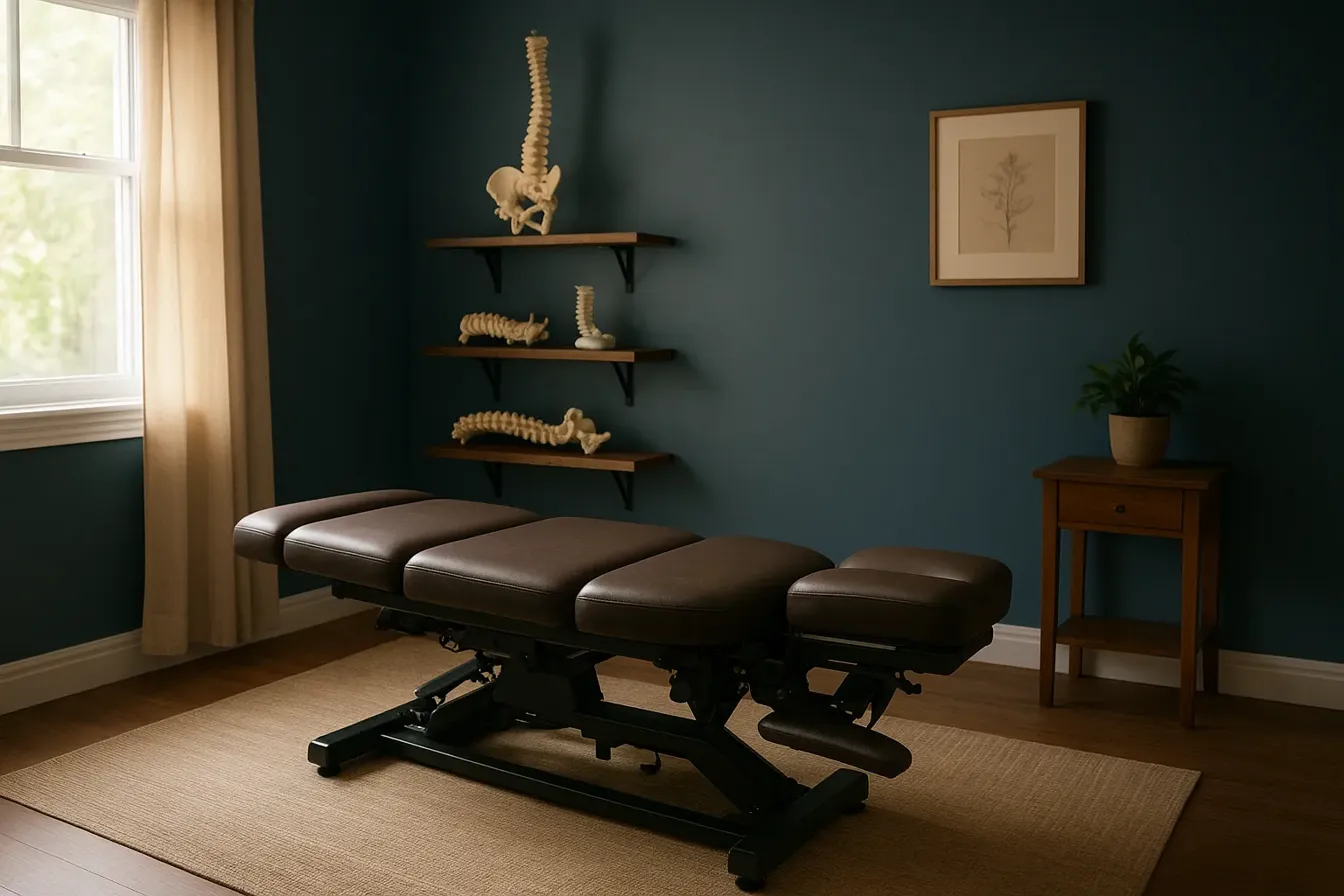
Exercise Strategies for Long-Term Pain Management
10 Corrective Exercises to Maintain a Healthy Spine and Relieve Pain
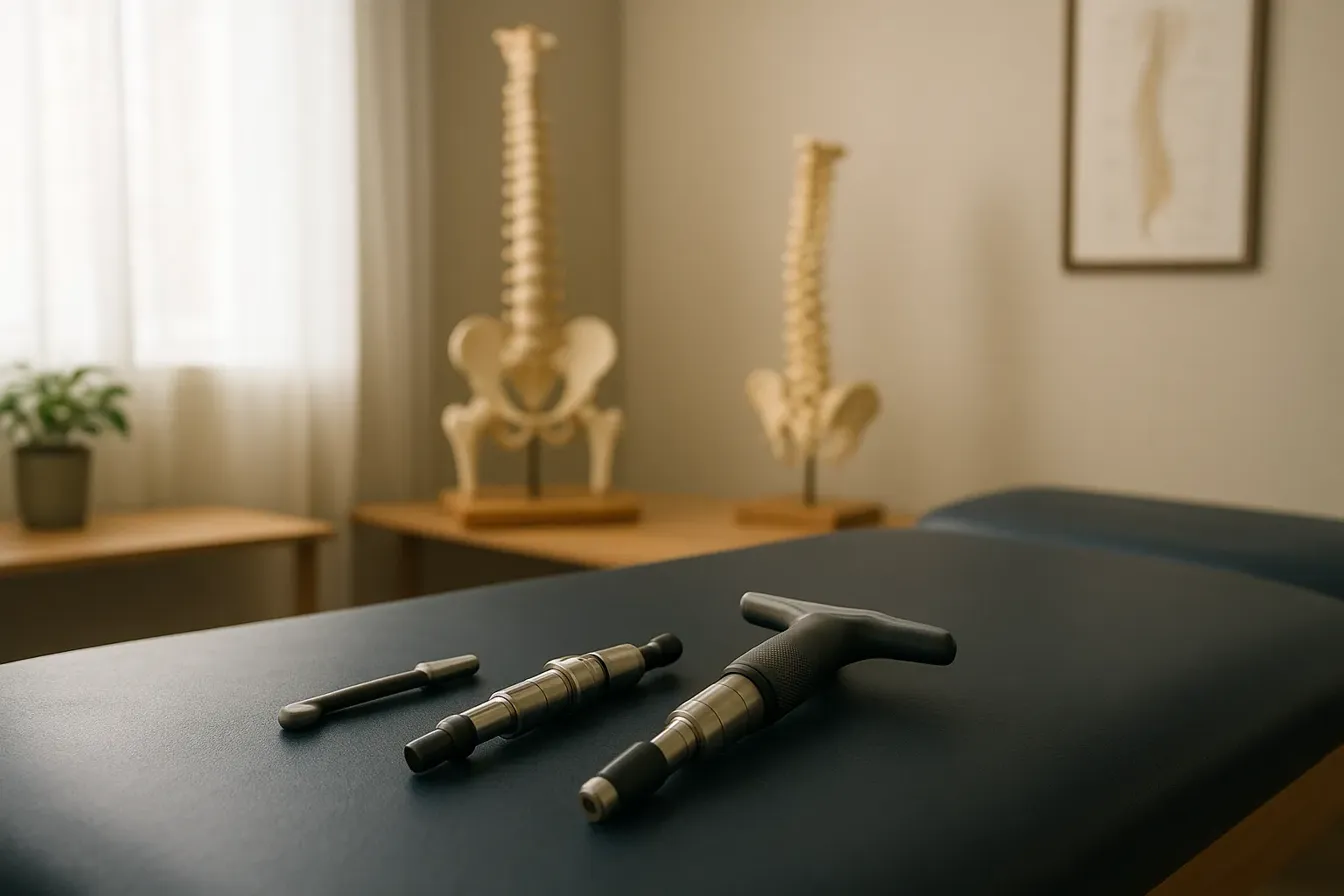
The Importance of Treating the Root Cause of Pain
Nutritional Support Strategies for Whole-Body Wellness
7 Essential Questions to Ask When Choosing Your Chiropractor
Identifying and Addressing Root Causes of Pain
Maintaining a Healthy Spine with Lifestyle Adjustments
Sciatica Symptom Relief via Spinal Decompression
8 Reasons Why Addressing the Root Cause of Pain Is Crucial
Chiropractic Care’s Impact on Back Pain Recovery

Combining Physiotherapy with Chiropractic Care for Better Results

Inspiring Recovery: Chiropractic Patient Testimonials
Nutritional Counseling Tips for Optimal Wellness

Why Addressing the Root Cause of Pain is Crucial
Back Pain and Chiropractic Care: A Winning Combination

Chiropractic Care Benefits You Might Not Know
Exploring Holistic and Non-Surgical Treatments for Pain
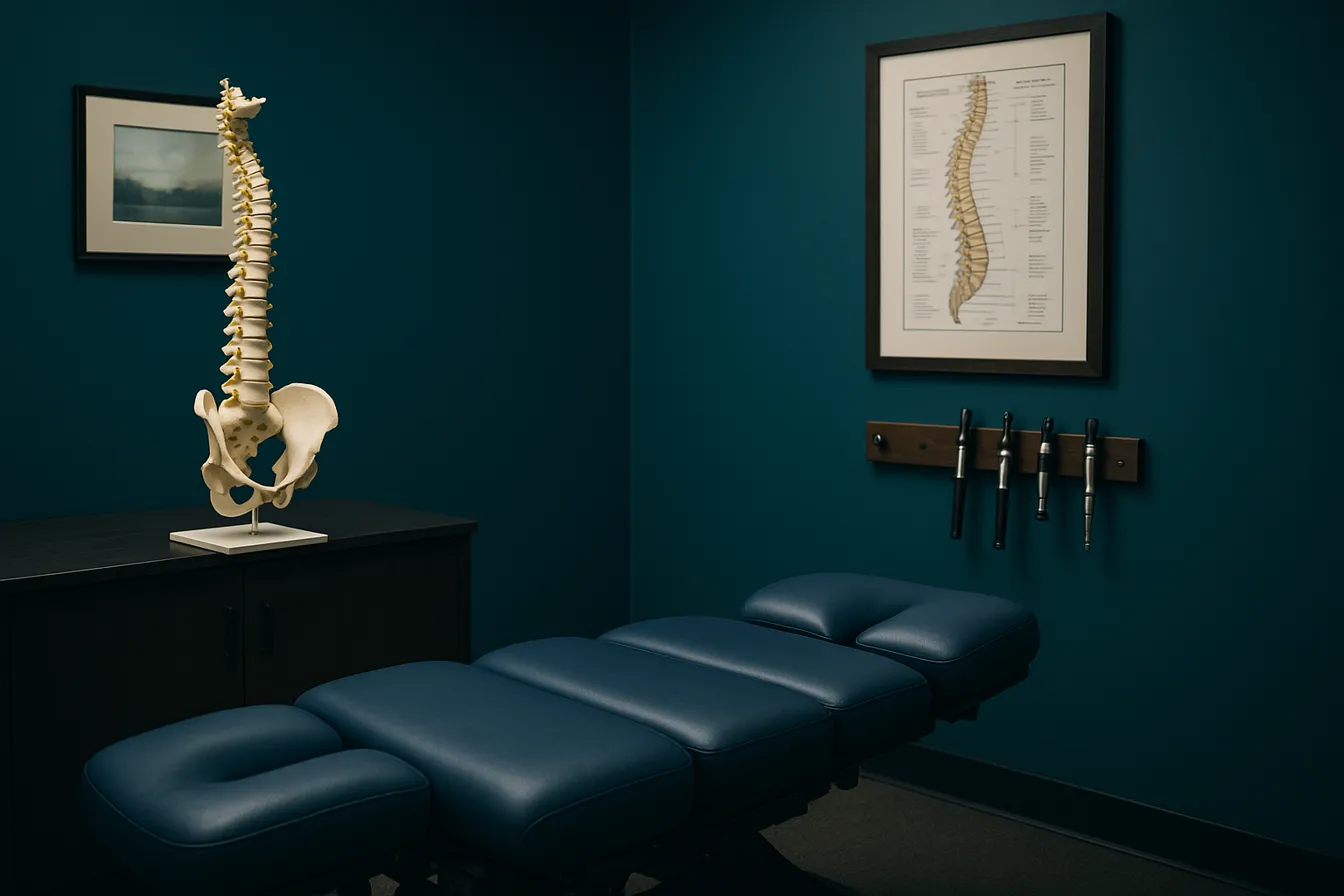
Spinal Health: Lifestyle Tips for Everyday Wellness
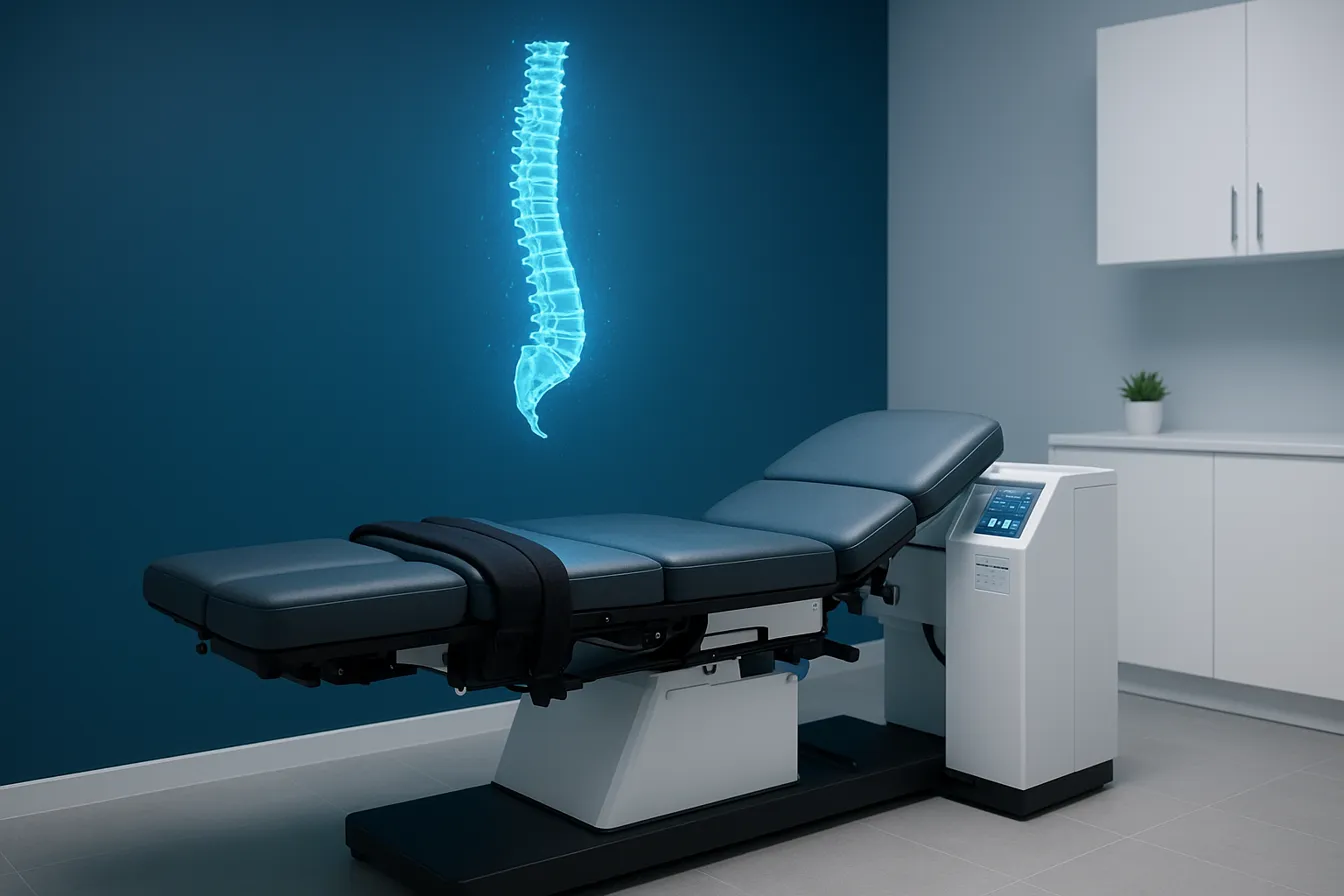
Spinal Decompression Therapy: Benefits and Applications
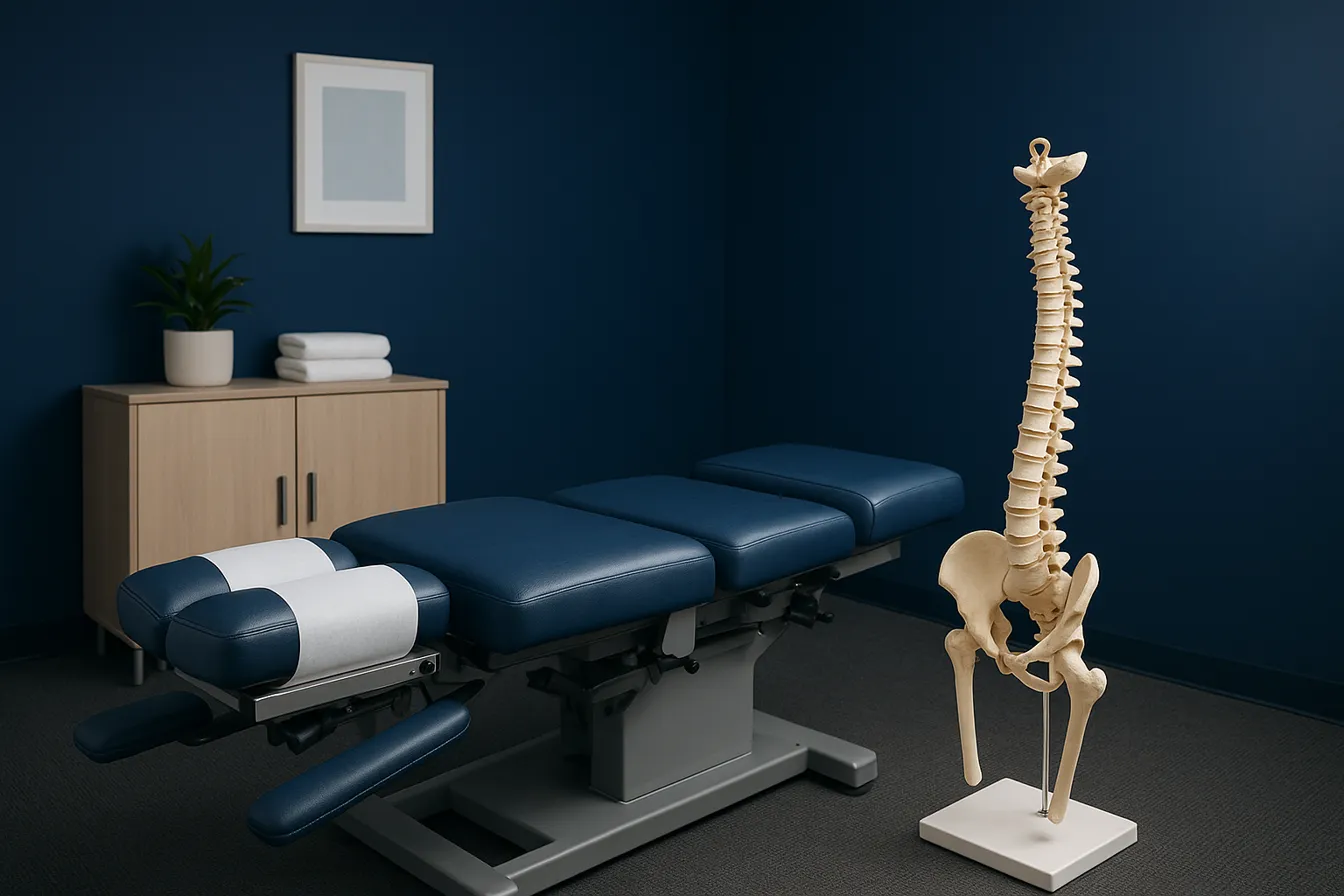
Holistic and Non-Invasive Spine Care Options
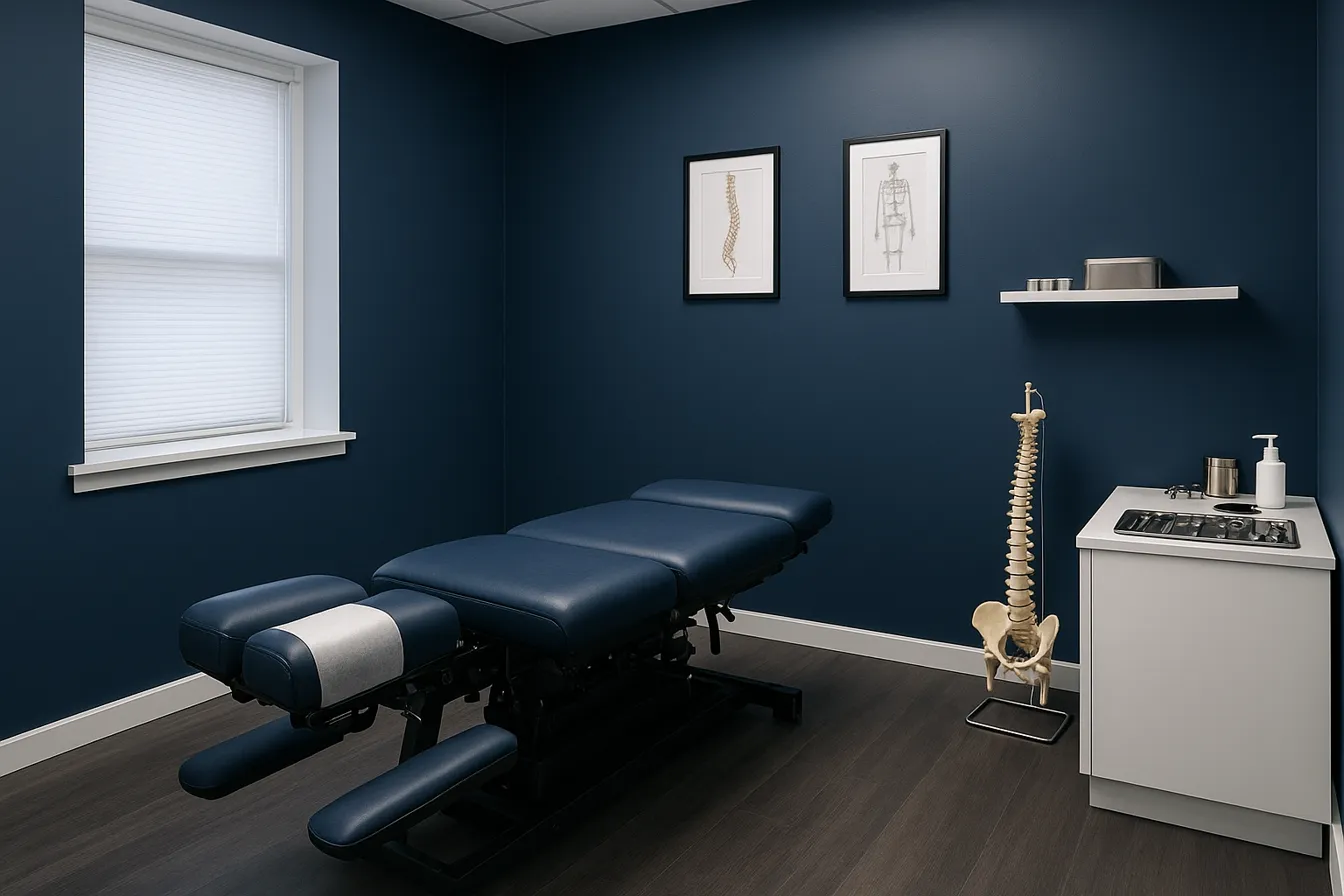
Everyday Lifestyle Advice to Keep Your Spine Healthy
The Significance of Treating Root Causes in Pain Therapy
Best Corrective Exercises for Sustainable Pain Management

Addressing Underlying Causes of Pain for Long-Term Relief
6 Key Benefits of Spinal Decompression Therapy for Sciatica Relief

How Nutritional Counseling Supports Spine Health and Recovery

The Role of Physiotherapy in Supporting Chiropractic Treatments