Holistic Treatment Plans: Alternatives to Surgery for Chronic Pain
December 8, 2025
9 min

Understanding Chronic Pain and the Need for Holistic Alternatives
Definition of chronic pain
Chronic pain is a persistent condition defined as pain lasting for three months or longer. Unlike acute pain, which signals immediate injury, chronic pain may be constant or intermittent and can affect various body parts such as the back, neck, joints, and muscles.
Prevalence and impact
Over 50 million Americans suffer from chronic pain, making it a leading cause of disability and reduced quality of life. This widespread issue contributes to increased risks of mental health disorders such as depression, anxiety, and post-traumatic stress disorder. Chronic pain often leads to decreased mobility, social isolation, and emotional distress.
Limitations of conventional treatments
Traditional treatment methods largely focus on surgical interventions and pharmacologic options such as NSAIDs, muscle relaxants, and opioids. Surgery is typically reserved as a last resort due to risks and variable outcomes. Pharmacologic therapies can cause side effects and risks including dependency, especially with long-term opioid use. These limitations highlight the need for comprehensive approaches that address pain without overreliance on medications or invasive procedures.
Rationale for holistic treatment plans
Holistic care takes a patient-centered approach, emphasizing the treatment of the whole person rather than just symptoms. It integrates physical, emotional, and lifestyle factors that influence pain. Natural and complementary therapies—including acupuncture, chiropractic care, physical therapy, massage, mindfulness meditation, yoga, and tai chi—aim to restore function, reduce stress, and improve overall well-being. Personalized holistic treatment plans foster sustainable pain relief by combining evidence-based physical and mind-body techniques to break the cycle of chronic pain and enhance quality of life.
Comprehensive Non-Invasive Therapies for Chronic Pain Relief
What are some effective non-invasive therapies for chronic pain?
Effective non-invasive therapies include Acupuncture for chronic pain, which stimulates nerves and muscles to promote healing; Massage therapy benefits, which manipulates soft tissues to improve blood flow and relax muscles; Physical therapy techniques involving stretching, strengthening, and range of motion exercises; and movement practices like Yoga and tai chi for pain management that combine gentle movements, breathing, and mindfulness to manage pain and improve function.
Acupuncture and its mechanisms and indications
Acupuncture involves inserting fine needles at precise points on the body to stimulate the nervous system and trigger the body's natural healing processes. This technique promotes pain relief by releasing endorphins and improving circulation. It has demonstrated effectiveness for chronic conditions such as Chronic back pain remedies, Migraine pain relief methods, Tension headache treatments, and Cancer treatment pain options. Patients typically undergo multiple sessions to experience significant benefits.
Massage therapy benefits and applications
Massage therapy focuses on manipulating soft tissues through techniques like kneading and tapping to enhance blood flow, reduce muscle tension, and relax the nervous system. These effects contribute to immediate relief from pain and stress. Massage is particularly beneficial for individuals suffering from Chronic back pain remedies, neck pain, Managing osteoarthritis knee pain, shoulder pain, and Fibromyalgia pain management.
Physical therapy and therapeutic exercises
Physical therapy employs targeted exercises including stretching, Nerve stimulation therapy, and strength building to increase joint mobility and muscle support. This approach not only offers immediate pain alleviation but also provides long-term improvements by strengthening muscles around affected joints and correcting posture, thereby reducing future injury risks.
Yoga and tai chi as mind-body interventions
Yoga and tai chi for pain management are gentle movement therapies that integrate diaphragmatic breathing techniques, Mindfulness-based pain relief, and physical postures or sequences. These practices aid in pain management by improving flexibility, balance, and joint function while reducing stress and muscle tension. Both mind-body exercises have proven effective for conditions such as arthritis, Fibromyalgia pain management, low-back pain, neck pain, and osteoarthritis of the hip or knee.
Mind-Body Techniques: Addressing the Psychological Dimension of Pain

How do mind-body approaches contribute to chronic pain management?
Mind-body techniques offer valuable benefits by addressing the psychological and emotional aspects of chronic pain. These therapies reduce pain intensity and enhance physical function through stress hormone reduction and improved emotional resilience.
Mindfulness meditation for chronic pain focuses attention on the present moment, helping patients observe pain without judgment. This reduces anxiety and alters pain perception, fostering better coping strategies.
Guided imagery for pain and Hypnosis and Pain Relief promote relaxation and reframe pain experiences, leading to decreased pain sensation and improved mood.
Cognitive Behavioral Therapy (CBT) helps patients change negative thought patterns about pain, thereby diminishing pain-related distress and enhancing daily functioning.
Biofeedback techniques for chronic pain involves using electronic devices to monitor physiological functions, like muscle tension. Patients learn to control these processes, which helps manage pain by reducing muscle tightness and related discomfort.
Relaxation therapies—which include Progressive muscle relaxation benefits and Diaphragmatic breathing techniques—lower stress, muscle tension, and blood pressure, creating physical and psychological relief.
Together, these mind-body approaches provide a comprehensive strategy to not only lessen the perception of pain but also to improve quality of life for those living with chronic pain conditions.
Nutritional and Lifestyle Interventions Supporting Pain Reduction

What lifestyle and nutritional changes help manage chronic pain?
Adopting an anti-inflammatory diet for pain relief plays a crucial role in managing chronic pain. This diet emphasizes consuming a variety of fruits, vegetables, whole grains, omega-3 fatty acids for pain, and antioxidant-rich foods like berries, spinach, and broccoli. These nutrients help reduce systemic inflammation that can worsen pain symptoms.
Weight management supported by regular exercise is essential for relieving joint stress, particularly in conditions like arthritis. Low-impact activities such as swimming, yoga and tai chi for pain management, not only improve muscle strength and joint flexibility but also help maintain a healthy weight, further reducing pain.
Sleep hygiene and stress reduction are vital components in holistic pain management. Good sleep quality decreases muscle tension and pain sensitivity, while stress-reducing practices like mindfulness meditation for chronic pain can lower stress hormones and improve pain perception.
Heat and cold therapy for pain offer natural relief by modulating blood flow and inflammation. Applying heat can relax stiff muscles and increase circulation, whereas cold therapy reduces swelling and numbs painful areas, aiding in both acute and chronic pain management.
Together, these nutritional and lifestyle interventions form a comprehensive approach that supports natural ways to ease chronic pain and enhances overall wellbeing.
Emerging Technologies and Integrative Approaches in Pain Management
What emerging and integrative treatments offer alternatives to surgery for chronic pain?
One promising non-surgical option is Peripheral Nerve Stimulation (PNS), a minimally invasive procedure where a small device is implanted near specific nerves. This device delivers electrical impulses that interrupt pain signals, providing sustained relief for areas such as the knees, low back, and pelvis. Many patients experience significant pain reduction lasting twelve months or longer. PNS is FDA-approved, covered by major insurers, and considered a breakthrough in drug-free pain management.
Chiropractic care is an established integrative approach involving spinal manipulation to correct misalignment, improve function, and reduce discomfort. It targets musculoskeletal issues like back and neck pain and is often incorporated into holistic treatment plans.
Herbal supplements and topical preparations complement other therapies by addressing inflammation—a common contributor to chronic pain. For example, turmeric (curcumin) and ginger have anti-inflammatory properties, while topical agents like capsaicin and essential oils support localized pain relief.
Leading health organizations recommend several complementary and alternative therapies as first-line treatments for chronic pain conditions. These include acupuncture, tai chi, yoga, massage therapy, and spinal manipulation due to their evidence-backed efficacy and safety profiles.
Together, these integrative methods offer patients personalized, natural, and often less risky alternatives or adjuncts to surgery and pharmacologic interventions, promoting long-term wellness and functional improvement.
The Role of Physical Therapy and Exercise in Sustainable Pain Control

How does physical therapy contribute to long-term management of chronic pain?
Physical therapy plays a crucial role in the ongoing management of chronic pain by focusing on increasing mobility, reducing pain, and improving muscle strength around affected joints. Techniques such as stretching exercises for pain, nerve stimulation therapy, and strength exercises for pain relief are employed to address the root causes of pain and prevent further injury.
Core strengthening exercises and aerobic activities like walking and swimming help stabilize the spine and improve overall posture and flexibility. These exercises work together to support the musculoskeletal system, reducing stress on painful areas.
Personalized exercise programs are designed to fit each individual's needs and health conditions, ensuring safety throughout therapy. Supervised sessions help patients avoid overexertion and injury, while gradually increasing functional capacity.
The long-term benefits of physical therapy for pain relief and exercise include sustained pain relief, improved joint function, enhanced flexibility, and overall better quality of life. Active rehabilitation empowers patients to take control of their pain through regular, guided movement and strength-building practices.
Personalized Holistic Pain Management: Integrating Therapies for Optimal Outcomes

Why is a personalized holistic approach critical in managing chronic pain?
Chronic pain is complex and varies greatly among individuals, making personalized treatment essential. A holistic plan addresses not only the physical aspects of pain but also psychological and lifestyle factors that contribute to its persistence. Tailoring therapies to each patient’s unique condition, preferences, and health status leads to more effective pain relief and functional improvement (Holistic Pain Management Program).
Importance of individualized treatment plans
Individualized plans incorporate comprehensive assessments to select appropriate interventions. These may include physical therapies like chiropractic care and physical therapy, psychological methods such as mindfulness and cognitive behavioral therapy, and nutritional adjustments focusing on anti-inflammatory diets and supplements. Customization helps avoid one-size-fits-all approaches and ensures safety and responsiveness (Holistic pain relief).
Combining physical, psychological, and nutritional modalities
Effective holistic pain management integrates:
- Physical therapies: Chiropractic adjustments, Acupuncture for chronic pain, Massage therapy benefits, and exercise improve mobility and reduce pain.
- Psychological strategies: Mindfulness meditation for chronic pain, relaxation techniques, and Guided imagery for pain mitigate stress and alter pain perception.
- Nutritional support: Anti-inflammatory foods and supplements like Omega-3 fatty acids for pain and turmeric help lower systemic inflammation contributing to pain.
This multidimensional approach addresses both symptoms and underlying contributors to chronic pain (Alternative treatments for chronic pain).
Collaborative care and patient education
Open communication with healthcare providers ensures treatments align with patient goals and concurrent medical needs. Patients receive education about managing their symptoms, understanding therapies, and adopting lifestyle changes that support recovery. This empowers patients to actively participate in their healing journey (Consulting healthcare providers for pain management).
Reducing reliance on opioids through holistic care
Holistic management prioritizes nonpharmacologic therapies early, decreasing the need for opioids, which carry risks of dependence and side effects. Integrating complementary approaches has been shown to alleviate pain effectively while promoting long-term wellness (Nonopioid therapies for pain management).
Ultimately, a personalized holistic pain management plan helps patients regain control, improve quality of life, and sustain functional gains through comprehensive, integrative care (Holistic approach to chronic pain.
Embracing Holistic Alternatives to Surgery for Lasting Chronic Pain Relief
Holistic treatments for chronic pain offer numerous benefits by addressing the whole person—body, mind, and lifestyle—not just symptoms.
These approaches include physical therapies like acupuncture, chiropractic adjustments, massage, yoga, and tai chi, which promote natural healing, improve flexibility, and reduce pain without the risks associated with surgery or medication.
Mind-body techniques such as mindfulness meditation and cognitive behavioral therapy help manage pain perception and lower stress, further enhancing overall well-being.
Patients are encouraged to engage their healthcare providers in developing personalized, integrated plans that combine these natural therapies with conventional treatments.
Taking this collaborative, patient-centered route can often improve quality of life sustainably, reducing dependence on surgical interventions and opioid medications while fostering empowered self-care and long-term relief.
Recent articles

10 Real‑Patient Success Stories Showcasing the Impact of Chiropractic Care

Superfoods That Boost Nerve Healing After Chiropractic Sessions

Sleep Positions That Promote a Healthy Back Alignment

Signs Your Chiropractor Is a Good Fit for Your Back Pain Goals

Case Study: Integrated Physiotherapy and Chiropractic for Faster Recovery

First-Time Chiropractic Visit: A Step‑by‑Step Walkthrough
Synergistic Benefits: Combining Physiotherapy with Chiropractic Care

Beyond Surgery: Holistic Approaches to Managing Back Pain

How Manual Therapy Enhances the Effects of Chiropractic Adjustments

Hydration Hacks: Why Water Matters for Joint and Spine Function

What Does a Comprehensive Spinal Evaluation Include?

Success Spotlight: Transformative Results After Six Weeks of Chiropractic Treatment

Understanding the Initial Assessment Process in Chiropractic Care

Designing a Personalized Corrective Exercise Plan for Chronic Pain Management

Natural Pain Management: Combining Acupuncture, Yoga, and Chiropractic

Chiropractic Care vs. Pain Meds: Long-Term Outcomes for Back Pain Sufferers

What to Expect During a Sciatica‑Focused Decompression Session

Understanding the Pain-Relief Mechanics Behind Chiropractic Adjustments

Success Rates of Non‑Surgical Spinal Decompression for Sciatica

Patient-Centered Chiropractic Care: Personalized Plans for Back Pain Relief
How Chiropractic Treatments Reduce Inflammation and Speed Up Back Pain Recovery

Real‑Life Stories: How Chiropractic Helped Patients Overcome Chronic Back Pain

From Symptom Masking to Root‑Cause Healing: A Practical Guide

6 Holistic Non‑Surgical Treatments That Deliver Sustainable Back‑Pain Relief

Key Questions to Ask When Selecting Your Chiropractor

Mindful Movement: Incorporating Stretch Breaks Into a Busy Day

Why Targeting the Underlying Cause Beats Temporary Symptom Relief

8 Ways Physiotherapy Complements Chiropractic Adjustments for Faster Recovery

Meal Planning for Athletes Recovering from Back Injuries

9 Everyday Lifestyle Tweaks to Preserve a Healthy Spine and Prevent Pain

Functional Movement Screening for Root‑Cause Pain Identification

6 Things You’ll Experience During Your First Chiropractic Appointment

Spinal Decompression vs. Standard Physical Therapy for Sciatica: A Comparative Review

New Findings on How Adjustments Influence Blood Circulation
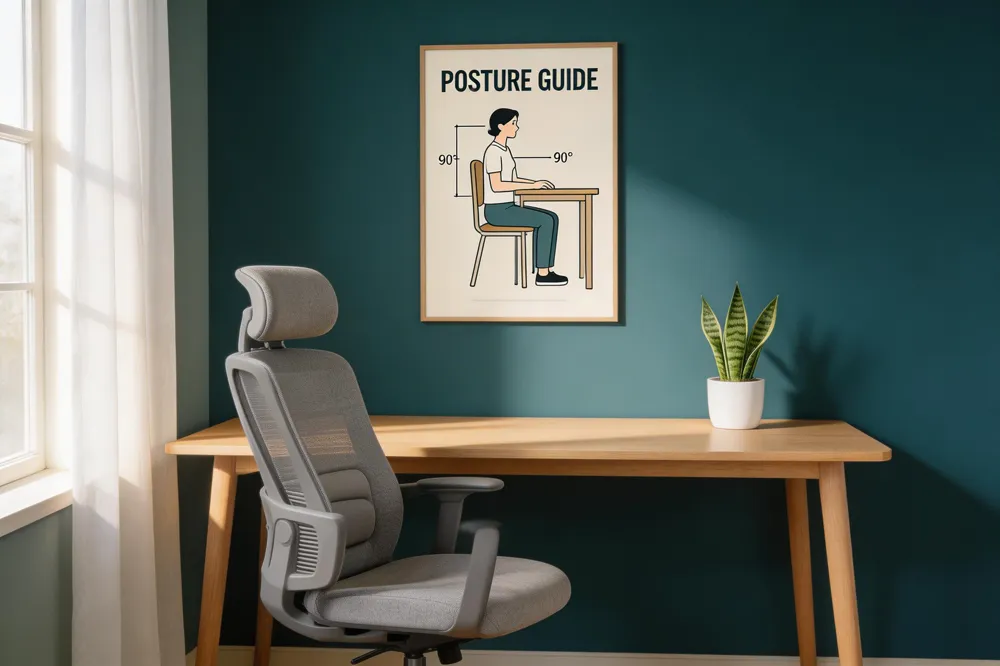
Work‑From‑Home Ergonomics: A Blueprint for a Pain‑Free Back

The Link Between Chiropractic Care and Improved Sleep Quality

Physiotherapy Techniques That Strengthen the Benefits of Chiropractic Adjustments

Biomechanical Insights Behind Successful Spinal Decompression

Desk‑to‑Dumbbell: Lifestyle Shifts That Guard Your Lower Back

10 Corrective Exercises for Sustainable Pain-Free Living

Morning Routines That Support Spine Health and Reduce Stiffness

Calcium and Magnesium‑Focused Nutrition for Bone Density and Spine Health

9 Ways Chiropractic Care Transforms Back Pain Management

Testimonial: Nutrition‑Guided Recovery Accelerated by Chiropractic

Science‑Backed Spinal Decompression for Relieving Sciatica Symptoms

Key Questions to Ask During Your Initial Chiropractic Consultation
Whole‑Body Wellness Blueprint: Nutrition, Exercise, and Chiropractic Synergy

A 12‑Week Corrective Exercise Blueprint for Chronic Neck Discomfort

Manual Therapy Plus Targeted Exercise: Accelerating Post‑Injury Recovery

Home‑Based Spinal Decompression Devices: What Patients Should Know

Chiropractic Care Statistics: Reducing Lost Workdays From Back Pain

How Targeted Nutrition Enhances Immune Function and Lowers Inflammatory Pain

Self‑Assessment Tools to Identify Hidden Triggers of Back Pain

Preparing for Your First Chiropractic Appointment: A Practical Checklist

Back Pain Relief Benefits: Lower Opioid Use and Better Quality of Life

Foam‑Rolling Techniques to Complement Chiropractic Adjustments

Progressive Overload Principles in Corrective Exercise Programs

Six‑Month Transformation: Integrated Care Success Story

7 Nutritional Hacks to Boost Your Overall Wellness

How to Choose a Chiropractor: Credentials, Techniques, and Patient Compatibility

5 Ways Spinal Decompression Can Ease Sciatica Pain

Overcoming Sciatica: A Patient’s Multidisciplinary Treatment Journey
Lifestyle Changes That Promote a Healthy Spine
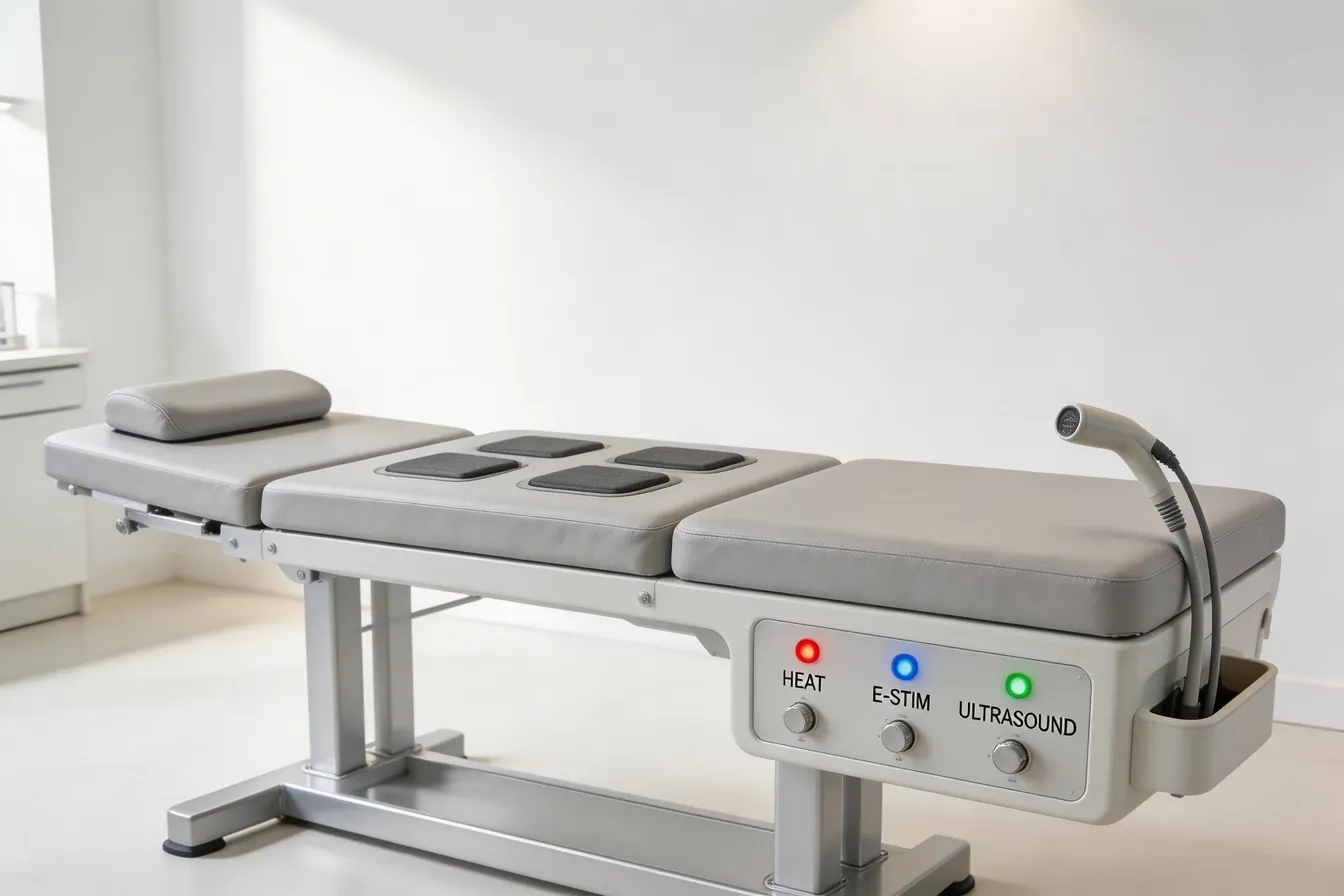
Physiotherapy as a Complement to Chiropractic Treatments

6 Ways Physiotherapy Enhances Chiropractic Treatment Outcomes

Daily Living Tips for a Strong and Healthy Spine

How Physiotherapy Enhances Chiropractic Outcomes
Holistic Treatments: Alternatives to Surgery for Pain Relief
Inspiring Patient Success Stories from Chiropractic Clinics

Integrating Physiotherapy with Chiropractic Treatments
Corrective Exercise Routines for Chronic Pain Prevention
10 Corrective Exercises to Maintain a Healthy Spine and Relieve Pain
Exercise Strategies for Long-Term Pain Management
10 Corrective Exercises to Maintain a Healthy Spine and Relieve Pain
The Importance of Treating the Root Cause of Pain
Nutritional Support Strategies for Whole-Body Wellness
7 Essential Questions to Ask When Choosing Your Chiropractor
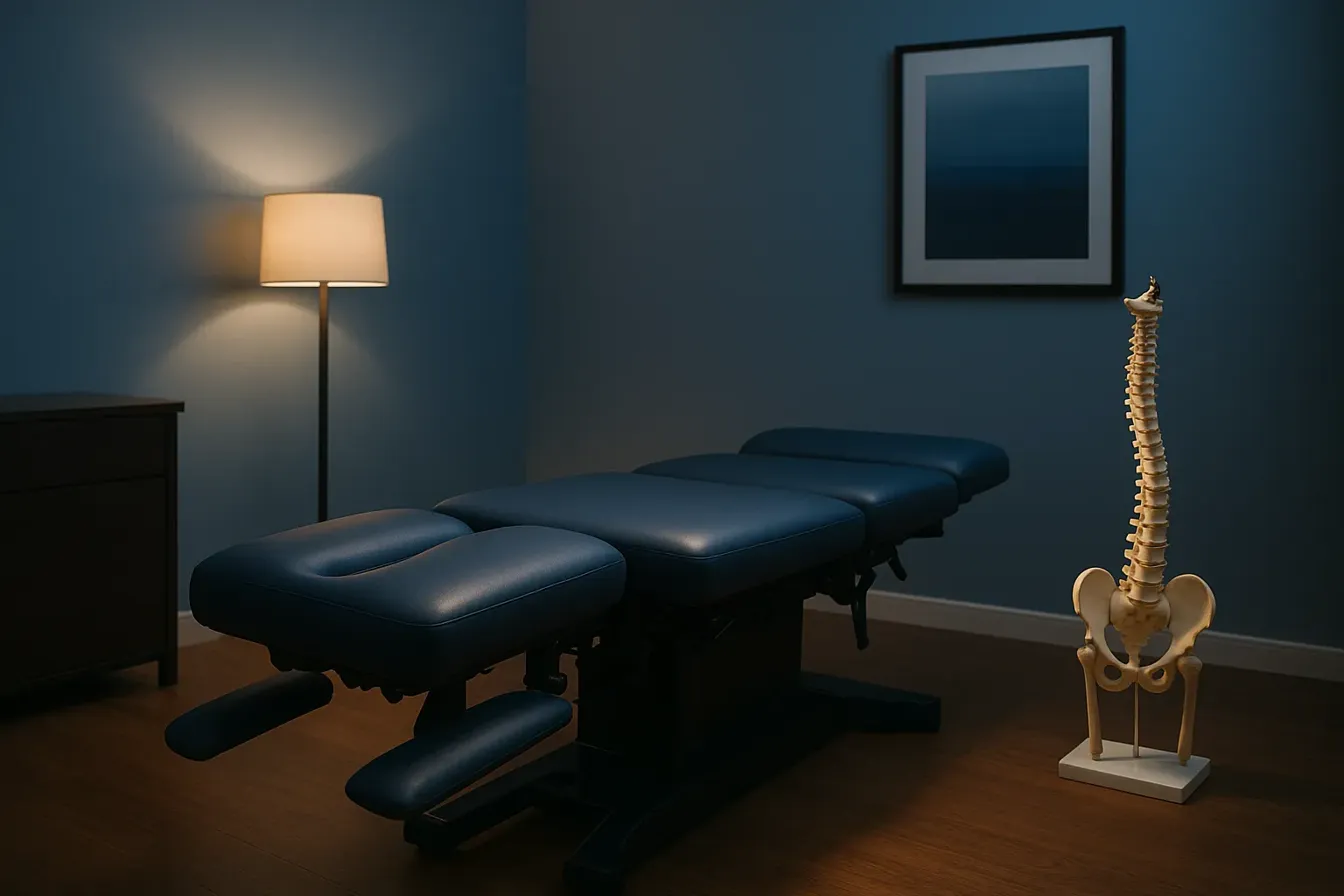
Identifying and Addressing Root Causes of Pain
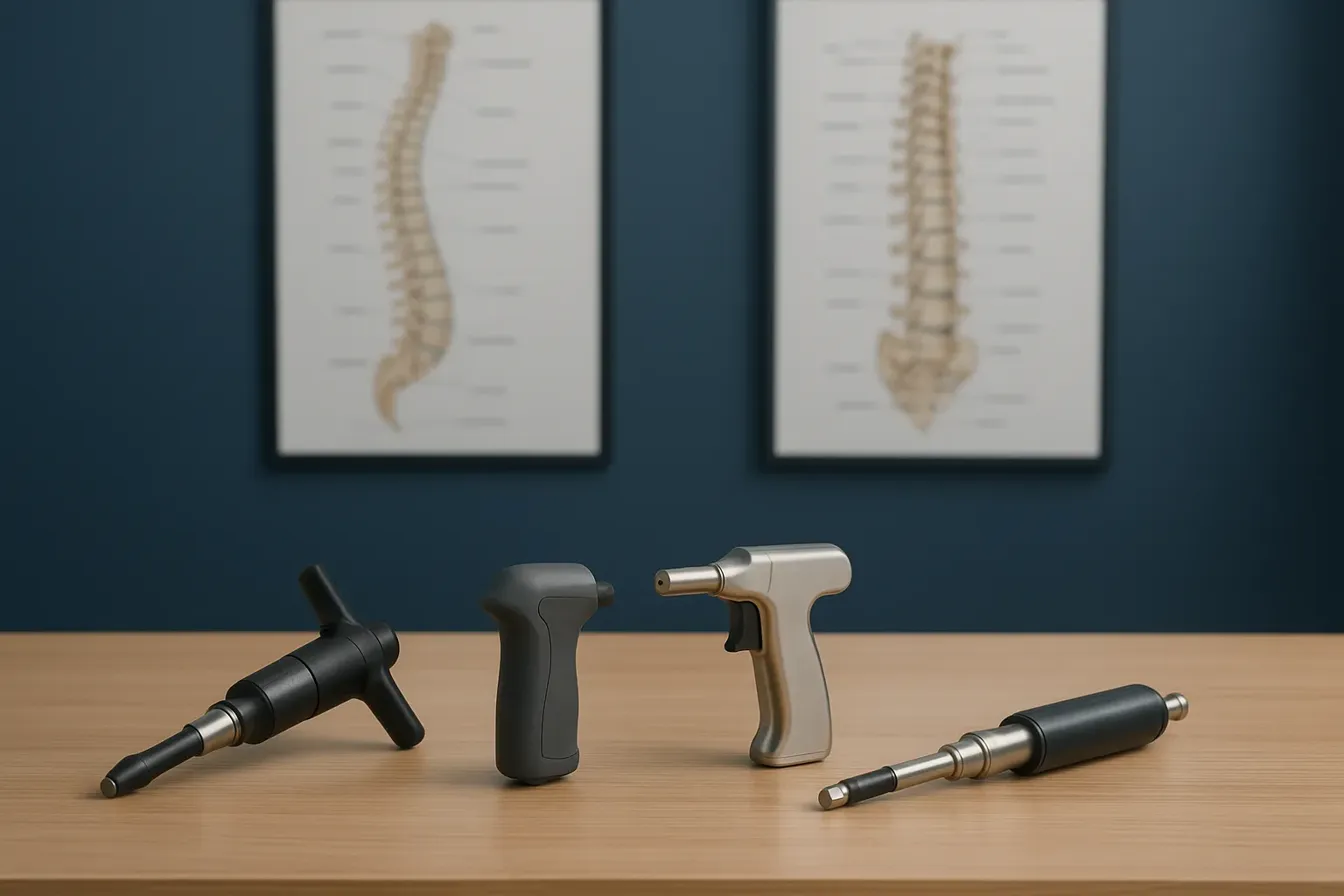
Maintaining a Healthy Spine with Lifestyle Adjustments
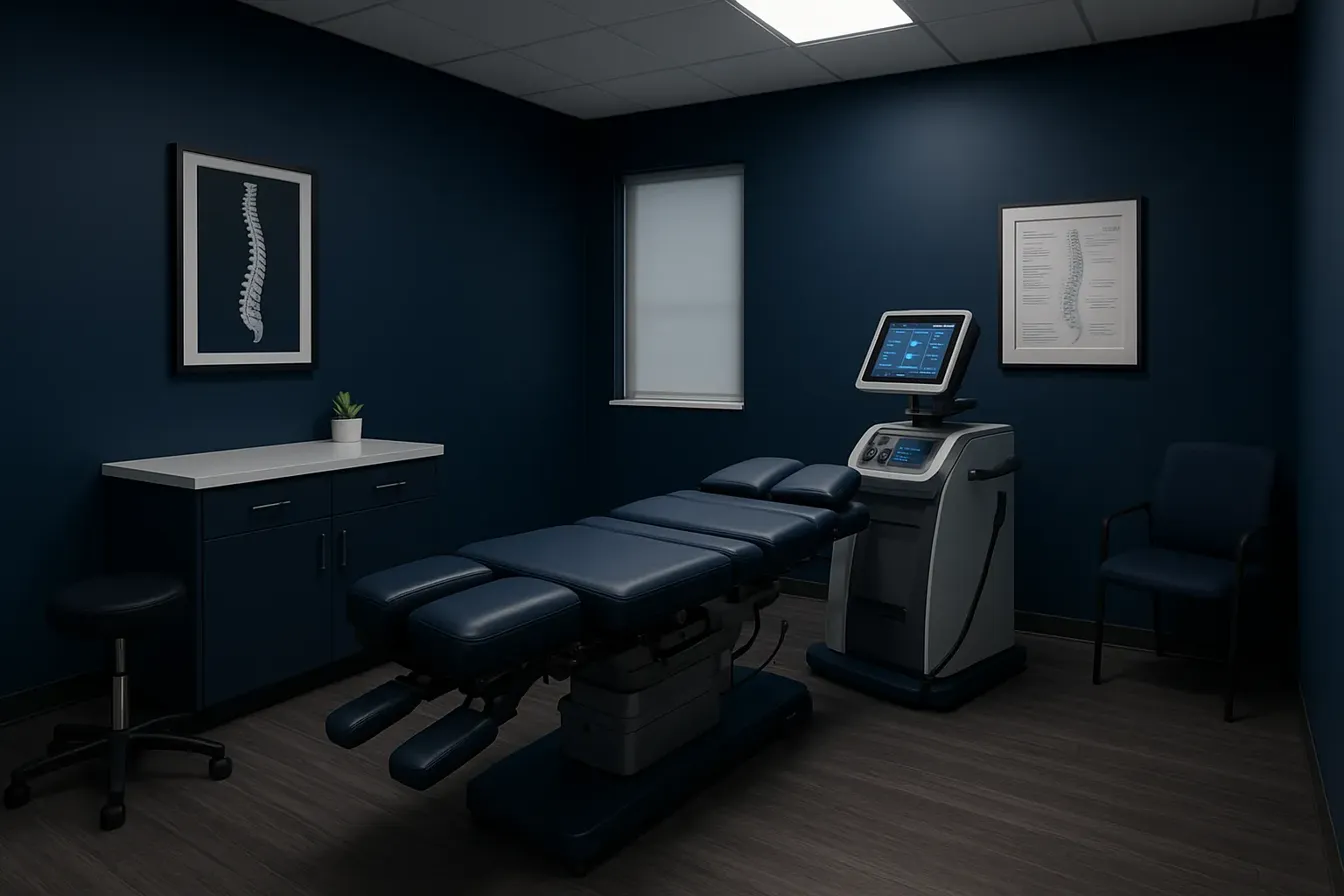
Sciatica Symptom Relief via Spinal Decompression
8 Reasons Why Addressing the Root Cause of Pain Is Crucial
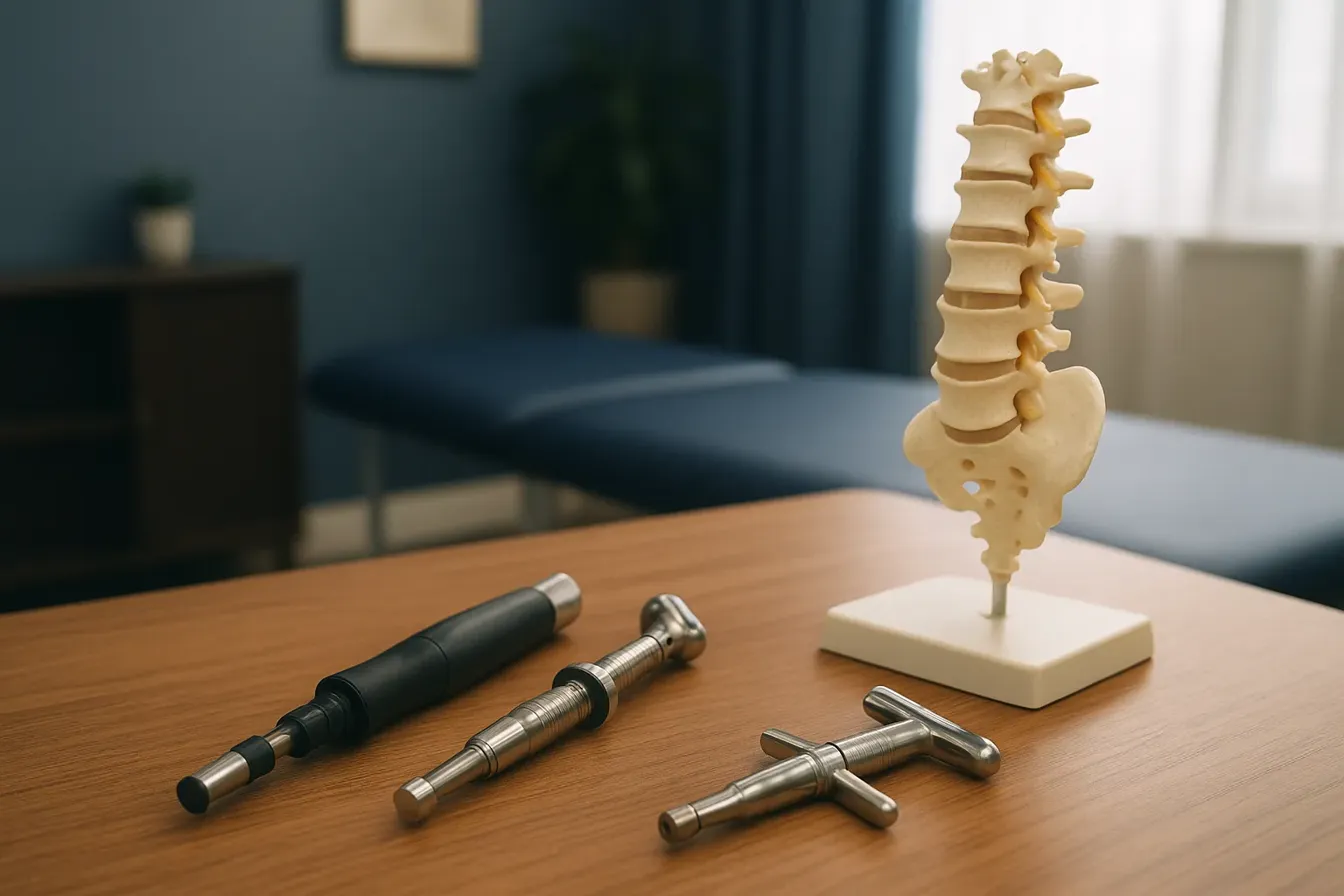
Chiropractic Care’s Impact on Back Pain Recovery

Combining Physiotherapy with Chiropractic Care for Better Results
Inspiring Recovery: Chiropractic Patient Testimonials
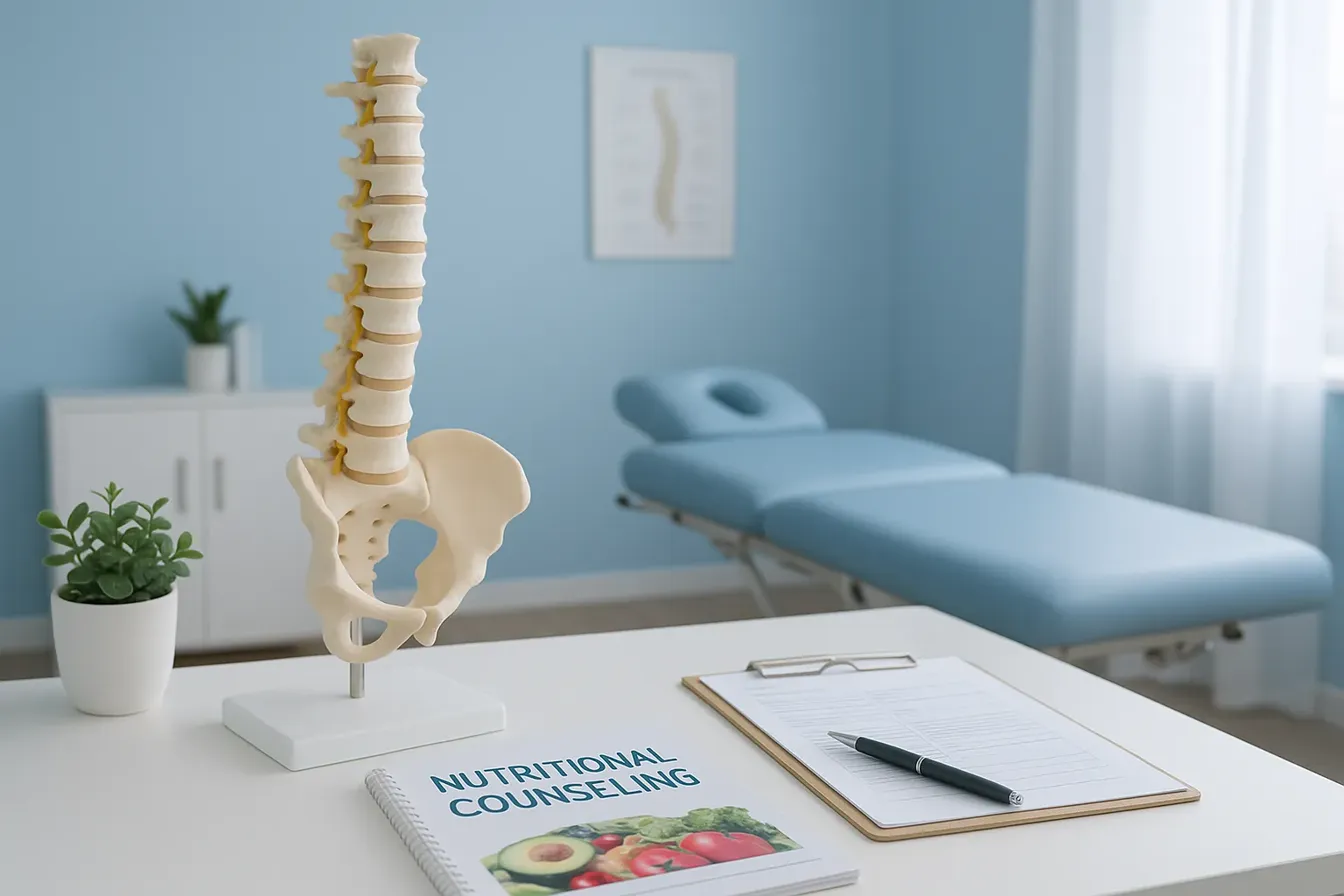
Nutritional Counseling Tips for Optimal Wellness

Why Addressing the Root Cause of Pain is Crucial
Back Pain and Chiropractic Care: A Winning Combination

Chiropractic Care Benefits You Might Not Know
Exploring Holistic and Non-Surgical Treatments for Pain
Spinal Health: Lifestyle Tips for Everyday Wellness
Spinal Decompression Therapy: Benefits and Applications
Holistic and Non-Invasive Spine Care Options
Everyday Lifestyle Advice to Keep Your Spine Healthy
The Significance of Treating Root Causes in Pain Therapy
Best Corrective Exercises for Sustainable Pain Management

Addressing Underlying Causes of Pain for Long-Term Relief
6 Key Benefits of Spinal Decompression Therapy for Sciatica Relief

How Nutritional Counseling Supports Spine Health and Recovery

The Role of Physiotherapy in Supporting Chiropractic Treatments