How Spinal Decompression Therapy Alleviates Sciatic Nerve Pain
December 15, 2025
8 min

Understanding Sciatic Nerve Pain and Its Impact
What is Sciatica and What Causes It?
Sciatica is pain that originates from irritation or compression of the sciatic nerve, the longest nerve in the body. It typically results from conditions such as herniated discs, spinal stenosis, degenerative disc disease, or muscle spasms affecting the lower spine. This nerve runs from the lower back, through the hips and buttocks, down the legs to the feet. Pressure on the sciatic nerve causes the characteristic pains of sciatica.
Recognizing Symptoms and How Common Sciatica Is
Symptoms often include sharp or burning pain in the lower back or buttocks, tingling, numbness, muscle weakness, and difficulty moving the leg or foot. Some may experience severe pain radiating down the leg. Approximately 40% of people in the U.S. will experience sciatica at some point in their lives, making it a common cause of lower back and leg pain.
Typical Recovery and Outlook
Most cases of sciatica (80-90%) resolve within four to six weeks without surgery. Conservative treatments, including self-care approaches like ice and heat, physical therapy, medications, and chiropractic care, often prove effective. Severe or chronic cases might require more advanced interventions but are less frequent.
Why Choose Non-Invasive Treatments?
Non-invasive methods such as spinal decompression, chiropractic adjustments, and acupuncture are preferred for managing sciatica effectively while avoiding surgical risks. These treatments target the root causes of nerve compression and promote natural healing, making them excellent options for patient-centered, holistic care.
The Science Behind Spinal Decompression Therapy

How does spinal decompression therapy for sciatica treat sciatica?
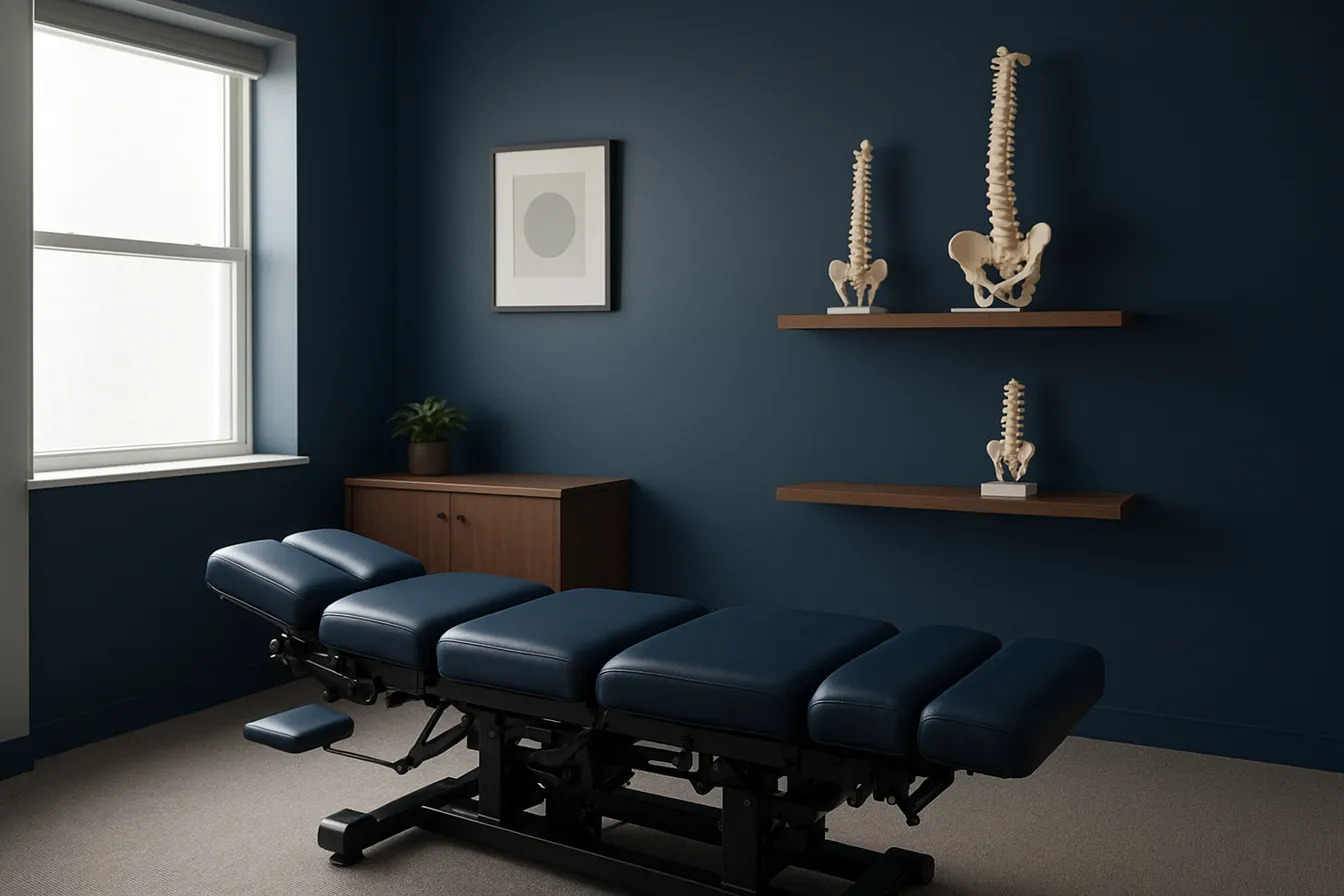
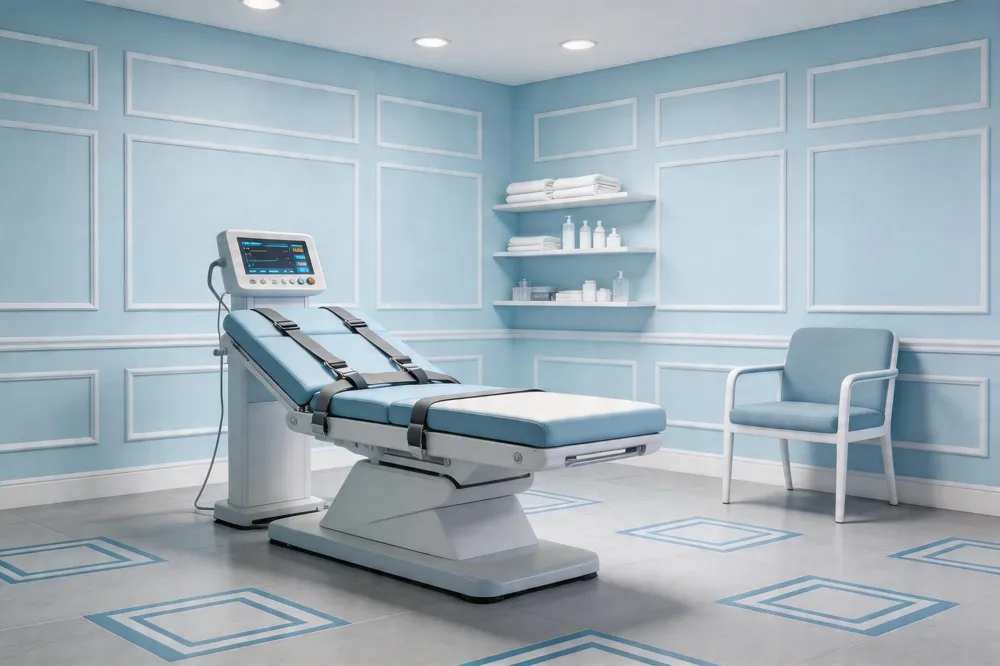
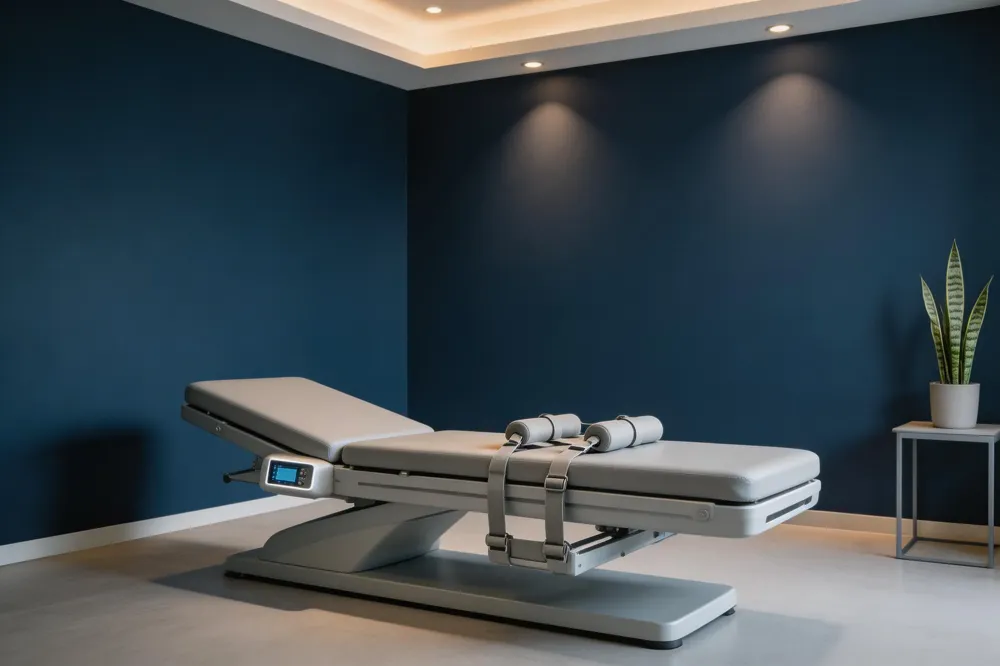
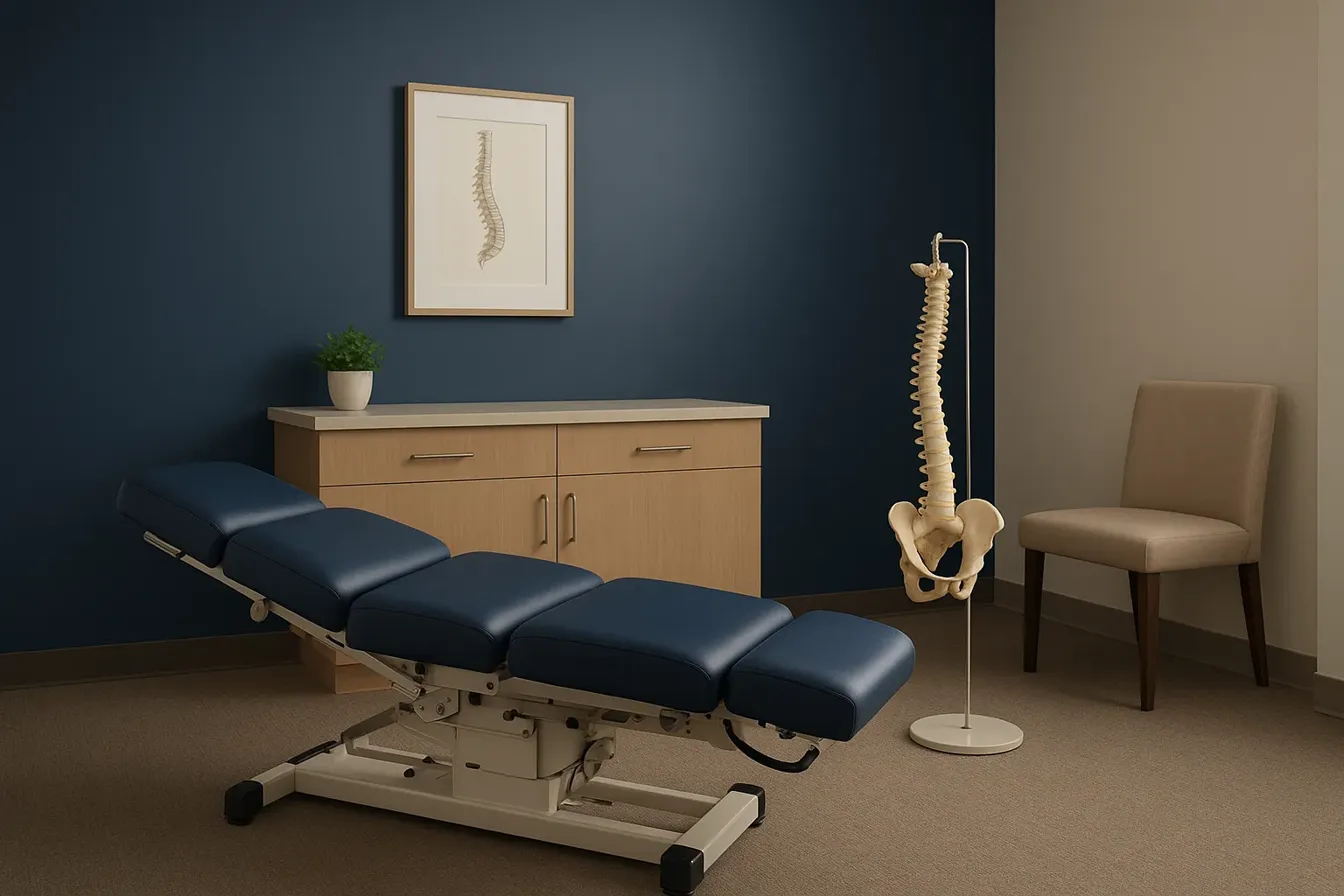
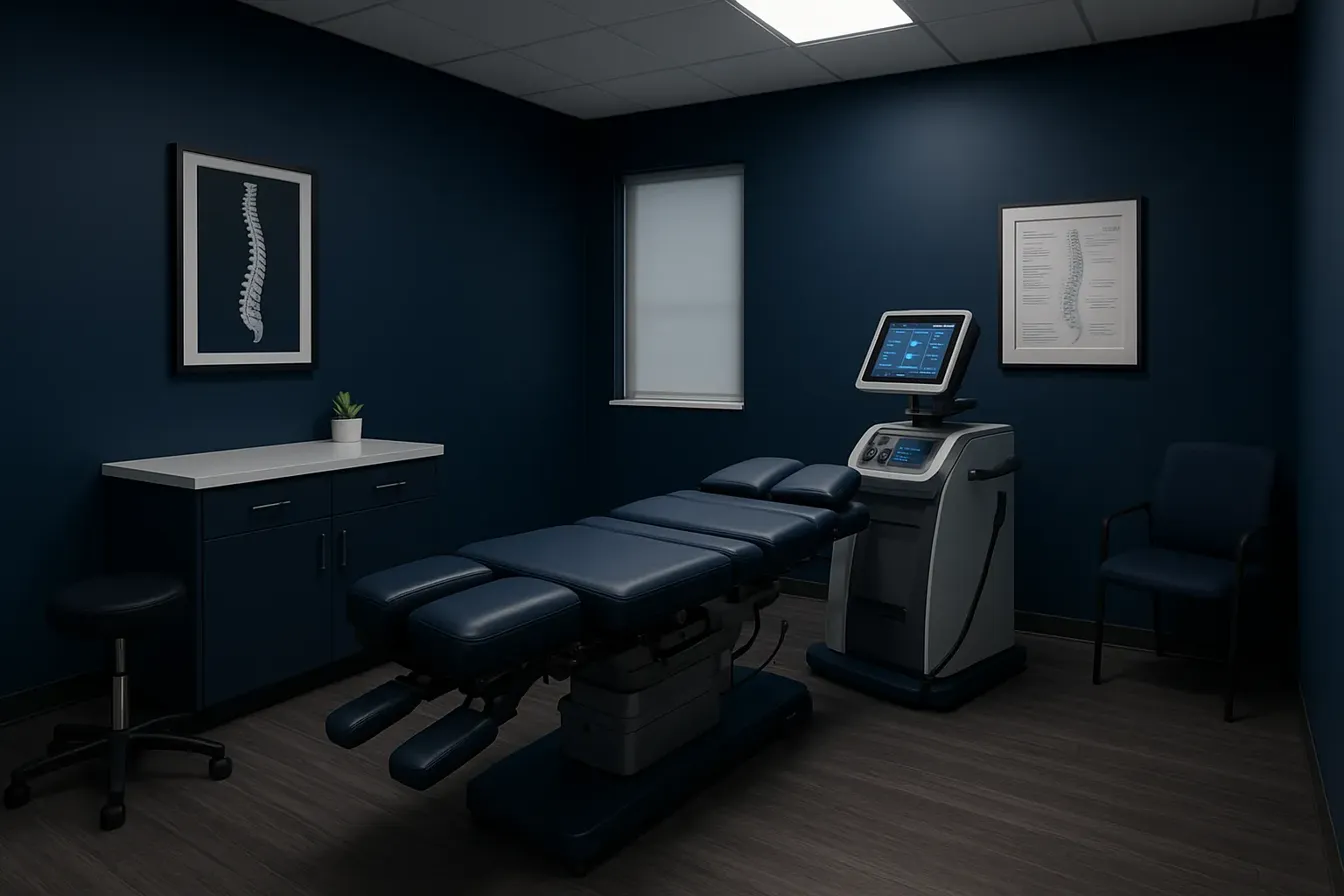
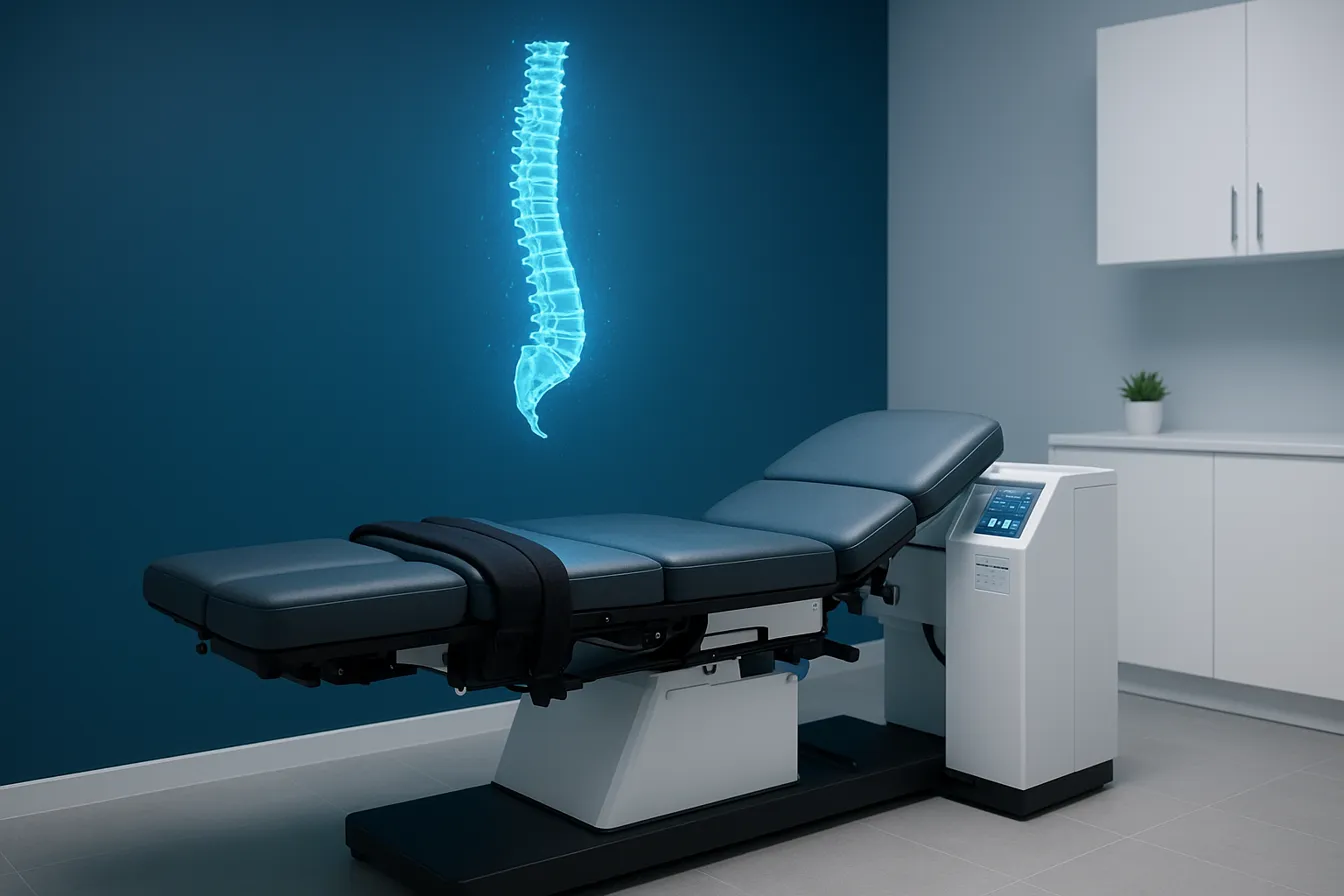
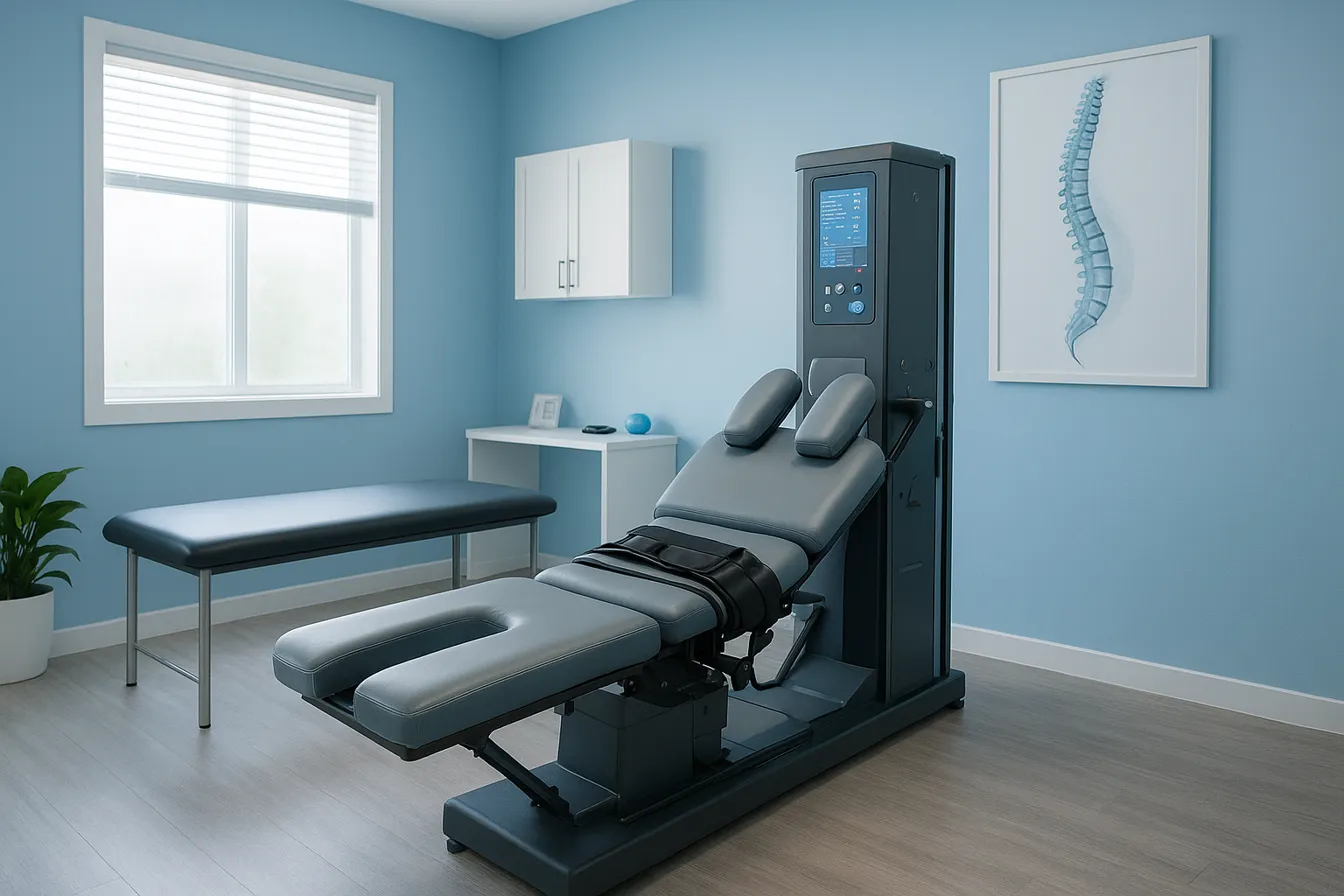
Spinal decompression therapy addresses Sciatica overview by gently stretching the spine using advanced computer-controlled tables equipped with sensors. This stretching creates negative pressure within the spinal discs, encouraging Spinal decompression therapy for sciatica to retract. As a result, the pressure on the sciatic nerve is relieved, reducing pain and other symptoms. The therapy enhances nutrient and oxygen flow to the affected discs, which promotes natural healing and improved nerve function.
Mechanism of spinal decompression therapy
By applying precise motorized traction, Spinal decompression therapy increases the space between vertebrae. This reduction in pressure on nerves and discs alleviates inflammation and encourages damaged tissue repair. The spinal decompression tables continuously adjust force based on patient response to maximize effectiveness safely.
Conditions effectively treated
Spinal decompression therapy is effective for a range of spinal issues including:
- Spinal decompression therapy for sciatica
- Degenerative disk treatment
- Spinal stenosis management
- Facet joint syndrome
- Sciatica treatment
This therapy targets the root causes of these conditions by relieving pressure on compressed neural structures.
Treatment duration and protocol
A typical therapy session lasts between 30 and 60 minutes, with patients comfortably lying on the decompression table during treatment. Protocols generally involve 15 to 30 sessions over 4 to 6 weeks, tailored according to individual response and symptom severity.
This approach is non-invasive, drug-free, and supports natural spinal healing, making it a safe and effective alternative for many patients dealing with chronic back pain and Spinal decompression therapy for sciatica.
Benefits and Effectiveness of Spinal Decompression for Sciatica

What are the advantages of spinal decompression therapy?
Spinal decompression therapy provides multiple advantages for individuals suffering from sciatica. It is a non-invasive, drug-free treatment that gently stretches the spine, reducing pressure on spinal discs and nerves. This process helps retract herniated or bulging discs, addressing the root cause of sciatic pain rather than merely masking symptoms as medications do.
Patients often experience significant pain relief and improved mobility following a course of Spinal decompression therapy sessions. The treatment promotes natural healing by enhancing blood flow and nutrient delivery to damaged spinal tissues. Unlike surgery, Benefits of Spinal Decompression is painless and avoids risks such as infection or lengthy recovery times.
How does spinal decompression compare with surgery and medication?
Unlike surgical interventions—which involve procedures like Diskectomy procedure, Laminectomy for spinal stenosis and may require months of rehabilitation—Spinal decompression therapy for sciatica is a gentle alternative suitable for many patients. It provides a less costly, less risky option without the complications commonly associated with surgery.
Compared to medications, Spinal decompression therapy does not rely on drugs or temporary symptom control. Instead, it targets spinal structures directly to relieve nerve compression, fostering long-term improvement and often reducing the need for pain medication.
What clinical evidence supports spinal decompression's safety and efficacy?
Numerous studies and clinical reports validate the effectiveness of Spinal decompression therapy benefits. An outcome study found around 71% of patients had significant pain reduction. Other research published in reputable journals demonstrated improvement in disc herniation and associated symptoms.
The treatment is generally very safe, with minimal risks, and is suitable for most patients except those with contraindications like pregnancy or severe osteoporosis. Sessions typically last less than an hour and require no additional recovery time, allowing patients to resume daily activities promptly.
Benefits summary
| Benefit | Description | Patient Impact |
|---|---|---|
| Pain Relief | Reduces nerve compression and inflammation | Alleviates Symptoms of sciatica |
| Improved Mobility | Gently stretches spine, enhancing flexibility | Enables easier movement and function |
| Non-Invasive & Painless | Avoids surgery and medication side effects | Minimizes treatment risks |
| Natural Healing | Promotes blood flow and nutrient exchange | Supports disc repair and recovery |
| Avoids Surgery | Offers an alternative when others fail | Reduces need for invasive procedures |
Patients in locations like Torrance, California, are encouraged to discuss Spinal decompression therapy with their chiropractic or orthopedic care providers as part of a personalized, holistic approach for managing Sciatica overview and chronic back pain.
Who Is an Ideal Candidate for Spinal Decompression Therapy?
Who should consider spinal decompression therapy?
Ideal candidates are individuals experiencing Sciatica overview due to Treat bulging disks, Degenerative disk treatment, or chronic lower back pain. These patients often seek relief after conventional treatments like medications or Physical therapy for spinal decompression have not provided sufficient improvement.
Suitability criteria and contraindications
Spinal decompression therapy suits most adults but excludes certain groups. It is not recommended for pregnant women, those with osteoporosis, recent spinal fractures, spinal implants, tumors, or a history of specific back surgeries. Individual health conditions and risks must be carefully assessed before proceeding. See Who should avoid spinal decompression therapy.
Assessment and diagnostic evaluation
Candidates undergo comprehensive medical evaluations including patient history and diagnostic imaging such as Spinal X-rays or MRI spine diagnostics. These help confirm the presence and severity of disc problems or nerve compression, ensuring that Spinal decompression therapy is an appropriate and effective option.
Individualized treatment planning
Based on diagnostic results, healthcare providers design personalized care plans tailored to the patient's needs, typically involving a series of sessions with monitored progression. This approach maximizes treatment benefits and addresses the underlying causes of pain. Learn about Spinal decompression therapy procedure and Duration and frequency of spinal decompression sessions.
Limitations and conditions that exclude therapy
Patients presenting with severe spinal abnormalities, advanced osteoarthritis, spinal infections, or tumors are generally excluded. The therapy is also unsuitable for individuals with implanted devices or certain prior surgeries due to the mechanical forces applied during treatment.
Spinal decompression therapy represents a safe, non-invasive alternative for selected patients, emphasizing thorough assessment to ensure safety and effectiveness. See Safety and risks of spinal decompression therapy.
Back in Action Bodyworks: A Holistic Approach to Sciatica Care
What services does Back in Action Bodyworks offer?
Back in Action Bodyworks provides a comprehensive range of chiropractic services aimed at enhancing musculoskeletal health and overall wellness. These include spinal adjustments, massage therapy, therapeutic exercises, pain management techniques, and nutritional guidance. The practice delivers personalized and holistic care tailored to each patient's unique needs, promoting natural healing and long-term wellness. For more information, see Back in Action Bodyworks chiropractic.
What is the approach of Back in Action Bodyworks to musculoskeletal health?
The practice adopts a holistic philosophy, focusing on the relationships between body structure and function. Instead of merely treating symptoms, the approach addresses the root causes of musculoskeletal issues, fostering comprehensive recovery. Complementary therapies, such as massage and lifestyle coaching, are integrated alongside chiropractic adjustments to support the body’s natural healing processes and improve quality of life. Related topics include Complementary and alternative medicine (CAM) therapies.
What qualifications or experience does the practitioner at Back in Action Bodyworks have?
The lead practitioner is a licensed Doctor of Chiropractic with extensive clinical experience in spinal health and holistic wellness. Committed to ongoing education, the practitioner stays updated with the latest chiropractic and integrative health advancements. This expertise ensures patient-centered treatment plans are effective, evidence-based, and adapted to individual health conditions. Additional information on Evidence supporting chiropractic care may be helpful.
How is spinal decompression therapy integrated within broader treatment plans?
Spinal decompression therapy is offered as a specialized, non-invasive treatment within the broader scope of chiropractic care at Back in Action Bodyworks. It complements other therapies by targeting nerve compression and disc health, which are often underlying causes of sciatica and chronic back pain. Used alongside adjustments, exercise, and lifestyle strategies, spinal decompression enhances healing, reduces pain, and supports patients in avoiding surgery or long-term medication use. For more details on Spinal decompression therapy benefits and How spinal decompression works see the linked resource.
Considering Spinal Decompression Therapy for Lasting Sciatic Relief
Understanding the Benefits and Suitability of Spinal Decompression Therapy
Spinal decompression therapy offers a non-invasive, drug-free approach to alleviating sciatica by gently stretching the spine. This process creates negative pressure within spinal discs, encouraging herniated or bulging discs to retract and reduce nerve compression. Patients typically experience reduced pain, improved mobility, and enhanced natural healing through increased blood flow and nutrient delivery to affected tissues. This therapy is generally safe for many individuals suffering from conditions like herniated discs, degenerative disc disease, spinal stenosis, and facet joint syndrome.
Personalized Care and Holistic Treatment Approach
Each patient is unique; therefore, spinal decompression therapy is tailored to individual needs based on a thorough evaluation including medical history, imaging, and symptom severity. Treatment plans often involve a series of sessions complemented by chiropractic adjustments, physical therapy, and lifestyle modifications to foster holistic healing.
The Importance of Professional Guidance
Before pursuing spinal decompression therapy, consulting with qualified healthcare providers, such as chiropractors or osteopathic practitioners, is essential. These professionals ensure the therapy's suitability, considering any contraindications like pregnancy or previous spinal surgeries, and help integrate decompression into a comprehensive, patient-centered care plan.
Embracing spinal decompression therapy under expert supervision can empower patients to manage sciatica effectively, promoting long-term spinal health and overall wellness.
Recent articles
10 Real‑Patient Success Stories Showcasing the Impact of Chiropractic Care

Superfoods That Boost Nerve Healing After Chiropractic Sessions

Sleep Positions That Promote a Healthy Back Alignment
Signs Your Chiropractor Is a Good Fit for Your Back Pain Goals
Case Study: Integrated Physiotherapy and Chiropractic for Faster Recovery
First-Time Chiropractic Visit: A Step‑by‑Step Walkthrough
Synergistic Benefits: Combining Physiotherapy with Chiropractic Care
Beyond Surgery: Holistic Approaches to Managing Back Pain
How Manual Therapy Enhances the Effects of Chiropractic Adjustments

Hydration Hacks: Why Water Matters for Joint and Spine Function

What Does a Comprehensive Spinal Evaluation Include?
Success Spotlight: Transformative Results After Six Weeks of Chiropractic Treatment

Understanding the Initial Assessment Process in Chiropractic Care
Designing a Personalized Corrective Exercise Plan for Chronic Pain Management

Natural Pain Management: Combining Acupuncture, Yoga, and Chiropractic
Chiropractic Care vs. Pain Meds: Long-Term Outcomes for Back Pain Sufferers

What to Expect During a Sciatica‑Focused Decompression Session

Understanding the Pain-Relief Mechanics Behind Chiropractic Adjustments
Success Rates of Non‑Surgical Spinal Decompression for Sciatica
Patient-Centered Chiropractic Care: Personalized Plans for Back Pain Relief
How Chiropractic Treatments Reduce Inflammation and Speed Up Back Pain Recovery

Real‑Life Stories: How Chiropractic Helped Patients Overcome Chronic Back Pain
From Symptom Masking to Root‑Cause Healing: A Practical Guide

6 Holistic Non‑Surgical Treatments That Deliver Sustainable Back‑Pain Relief
Key Questions to Ask When Selecting Your Chiropractor

Mindful Movement: Incorporating Stretch Breaks Into a Busy Day

Why Targeting the Underlying Cause Beats Temporary Symptom Relief
8 Ways Physiotherapy Complements Chiropractic Adjustments for Faster Recovery
Meal Planning for Athletes Recovering from Back Injuries

9 Everyday Lifestyle Tweaks to Preserve a Healthy Spine and Prevent Pain

Functional Movement Screening for Root‑Cause Pain Identification

6 Things You’ll Experience During Your First Chiropractic Appointment

Spinal Decompression vs. Standard Physical Therapy for Sciatica: A Comparative Review

New Findings on How Adjustments Influence Blood Circulation
Work‑From‑Home Ergonomics: A Blueprint for a Pain‑Free Back

The Link Between Chiropractic Care and Improved Sleep Quality

Physiotherapy Techniques That Strengthen the Benefits of Chiropractic Adjustments

Biomechanical Insights Behind Successful Spinal Decompression

Desk‑to‑Dumbbell: Lifestyle Shifts That Guard Your Lower Back
10 Corrective Exercises for Sustainable Pain-Free Living

Morning Routines That Support Spine Health and Reduce Stiffness

Calcium and Magnesium‑Focused Nutrition for Bone Density and Spine Health

9 Ways Chiropractic Care Transforms Back Pain Management

Testimonial: Nutrition‑Guided Recovery Accelerated by Chiropractic
Science‑Backed Spinal Decompression for Relieving Sciatica Symptoms

Key Questions to Ask During Your Initial Chiropractic Consultation
Whole‑Body Wellness Blueprint: Nutrition, Exercise, and Chiropractic Synergy
A 12‑Week Corrective Exercise Blueprint for Chronic Neck Discomfort

Manual Therapy Plus Targeted Exercise: Accelerating Post‑Injury Recovery
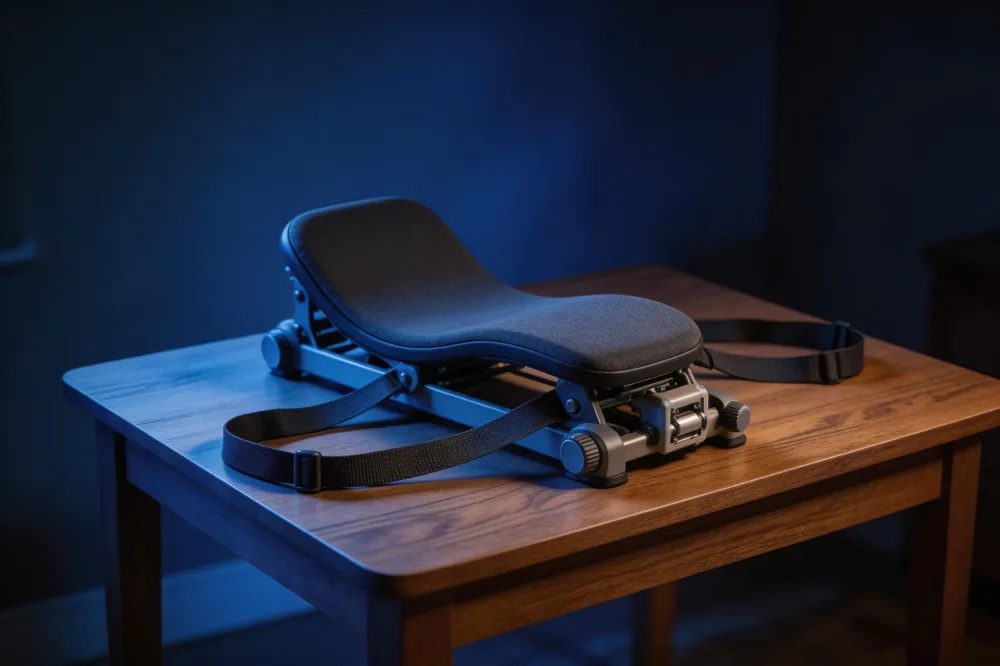
Home‑Based Spinal Decompression Devices: What Patients Should Know

Chiropractic Care Statistics: Reducing Lost Workdays From Back Pain

How Targeted Nutrition Enhances Immune Function and Lowers Inflammatory Pain
Self‑Assessment Tools to Identify Hidden Triggers of Back Pain
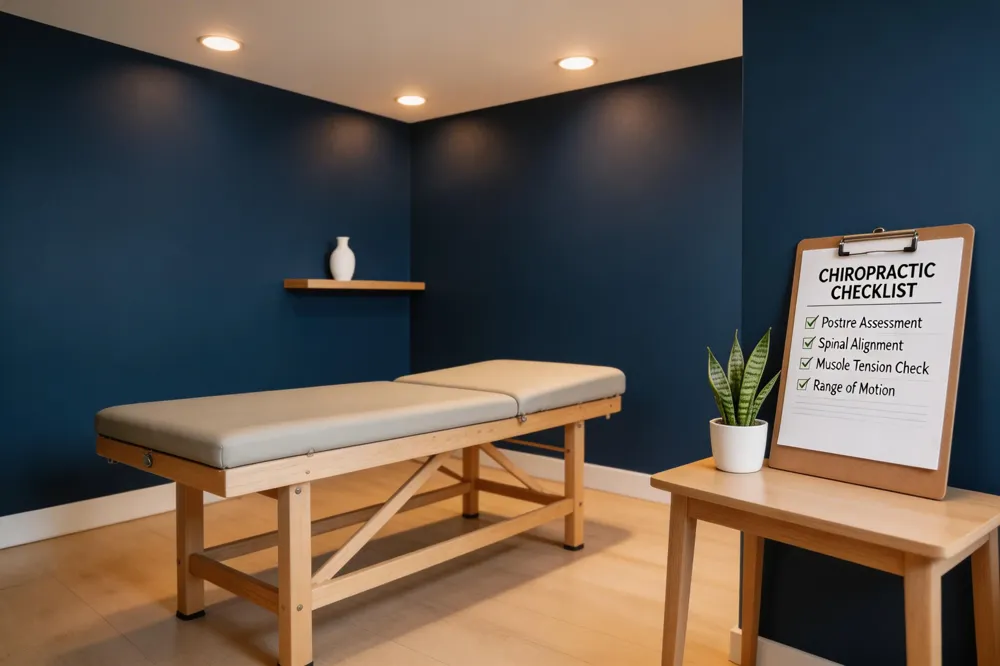
Preparing for Your First Chiropractic Appointment: A Practical Checklist

Back Pain Relief Benefits: Lower Opioid Use and Better Quality of Life

Foam‑Rolling Techniques to Complement Chiropractic Adjustments
Progressive Overload Principles in Corrective Exercise Programs

Six‑Month Transformation: Integrated Care Success Story

7 Nutritional Hacks to Boost Your Overall Wellness

How to Choose a Chiropractor: Credentials, Techniques, and Patient Compatibility
5 Ways Spinal Decompression Can Ease Sciatica Pain

Overcoming Sciatica: A Patient’s Multidisciplinary Treatment Journey
Lifestyle Changes That Promote a Healthy Spine
Physiotherapy as a Complement to Chiropractic Treatments
6 Ways Physiotherapy Enhances Chiropractic Treatment Outcomes
Daily Living Tips for a Strong and Healthy Spine
How Physiotherapy Enhances Chiropractic Outcomes
Holistic Treatments: Alternatives to Surgery for Pain Relief
Inspiring Patient Success Stories from Chiropractic Clinics
Integrating Physiotherapy with Chiropractic Treatments
Corrective Exercise Routines for Chronic Pain Prevention
10 Corrective Exercises to Maintain a Healthy Spine and Relieve Pain
Exercise Strategies for Long-Term Pain Management
10 Corrective Exercises to Maintain a Healthy Spine and Relieve Pain
The Importance of Treating the Root Cause of Pain
Nutritional Support Strategies for Whole-Body Wellness
7 Essential Questions to Ask When Choosing Your Chiropractor
Identifying and Addressing Root Causes of Pain
Maintaining a Healthy Spine with Lifestyle Adjustments
Sciatica Symptom Relief via Spinal Decompression
8 Reasons Why Addressing the Root Cause of Pain Is Crucial
Chiropractic Care’s Impact on Back Pain Recovery
Combining Physiotherapy with Chiropractic Care for Better Results
Inspiring Recovery: Chiropractic Patient Testimonials
Nutritional Counseling Tips for Optimal Wellness

Why Addressing the Root Cause of Pain is Crucial
Back Pain and Chiropractic Care: A Winning Combination
Chiropractic Care Benefits You Might Not Know
Exploring Holistic and Non-Surgical Treatments for Pain
Spinal Health: Lifestyle Tips for Everyday Wellness
Spinal Decompression Therapy: Benefits and Applications
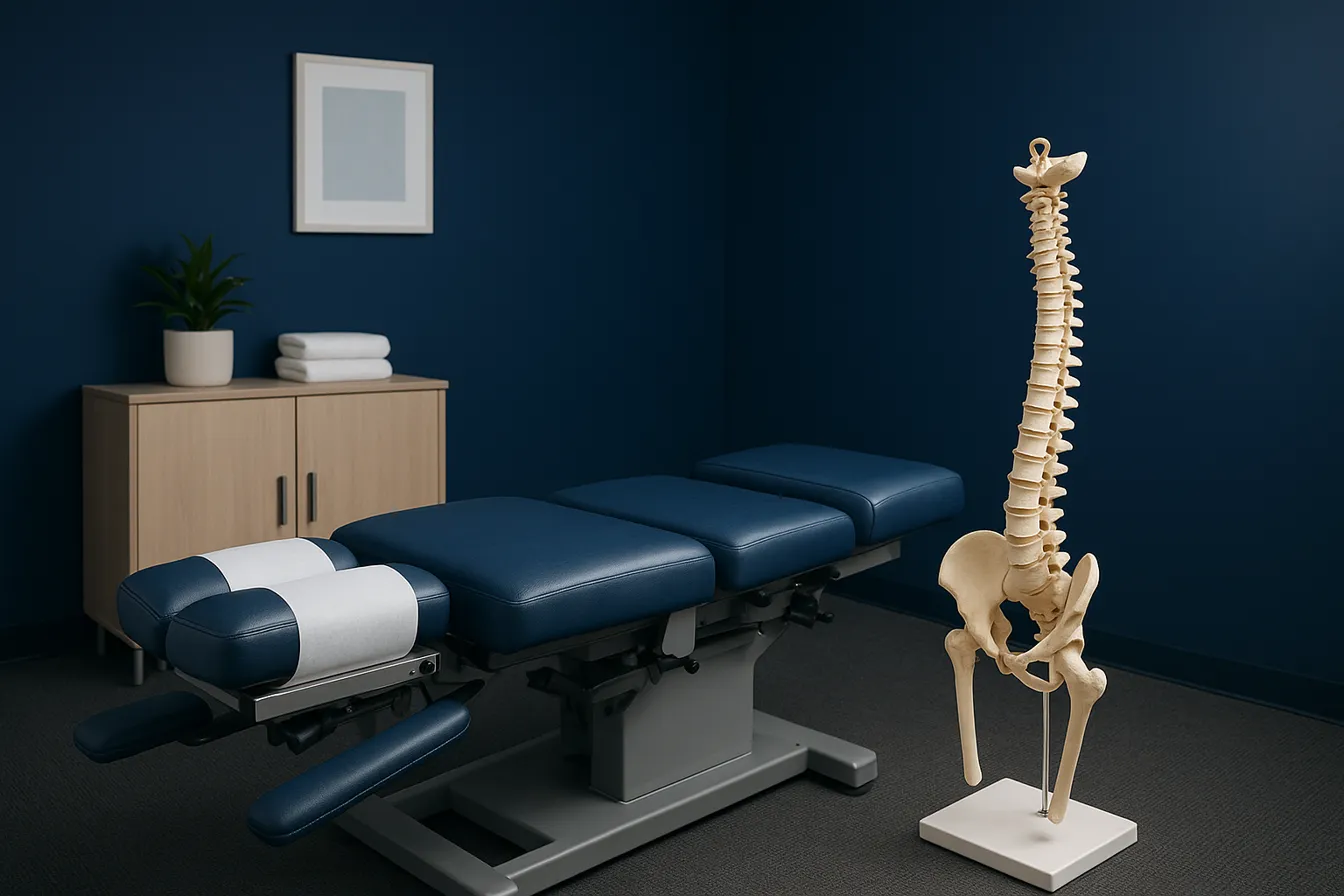
Holistic and Non-Invasive Spine Care Options
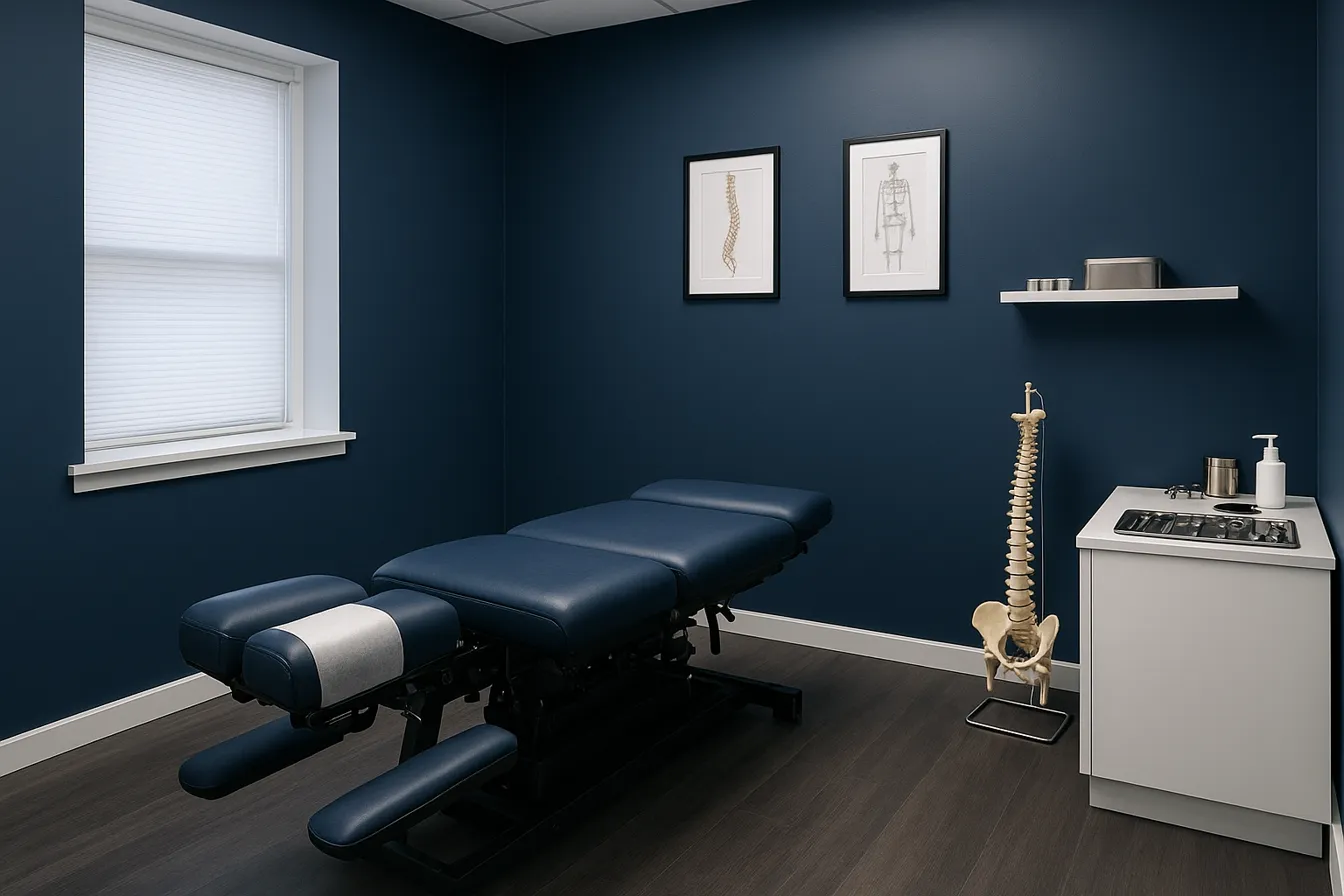
Everyday Lifestyle Advice to Keep Your Spine Healthy
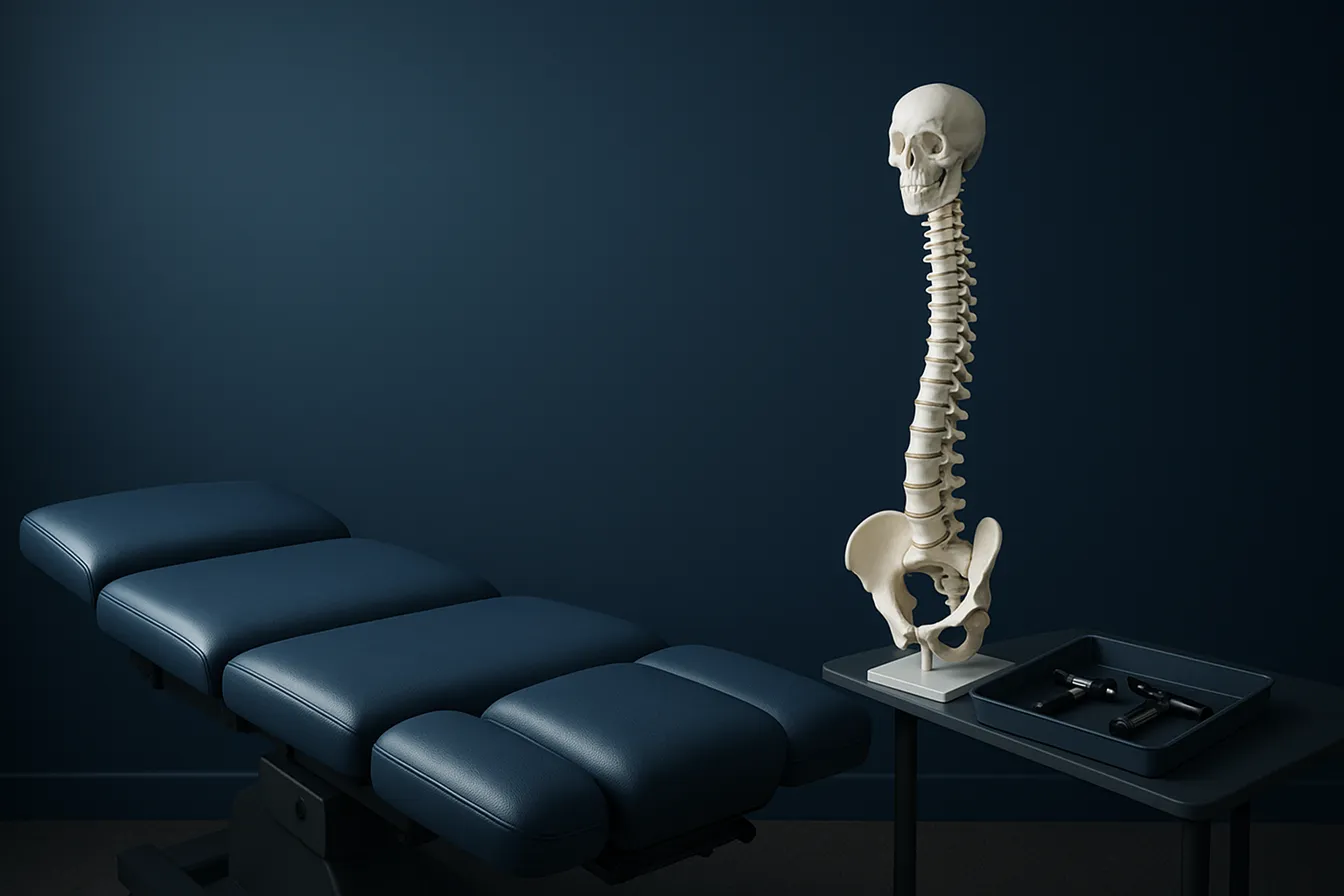
The Significance of Treating Root Causes in Pain Therapy
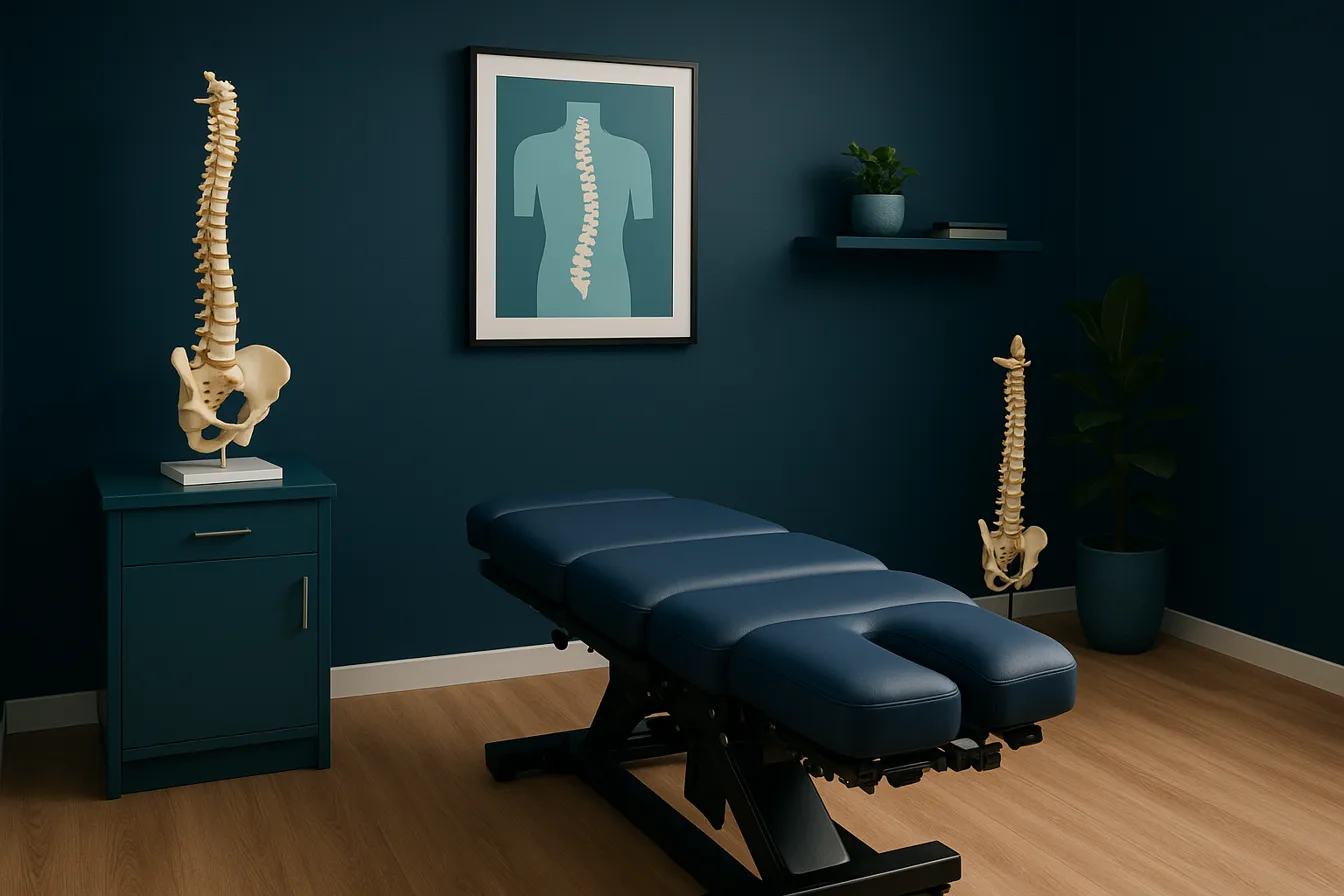
Best Corrective Exercises for Sustainable Pain Management
Addressing Underlying Causes of Pain for Long-Term Relief
6 Key Benefits of Spinal Decompression Therapy for Sciatica Relief
How Nutritional Counseling Supports Spine Health and Recovery
The Role of Physiotherapy in Supporting Chiropractic Treatments