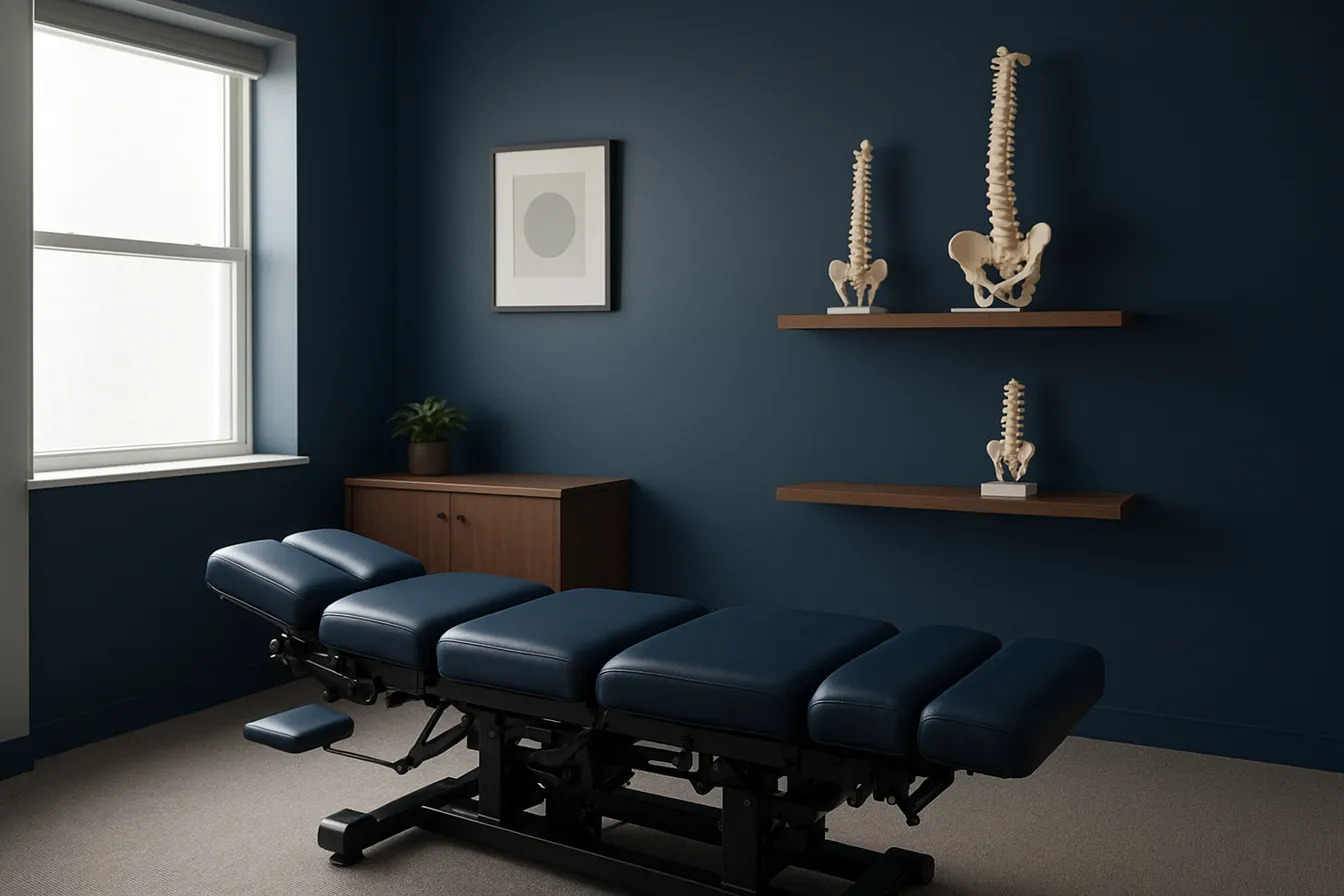
Sciatica Relief Through Targeted Spinal Decompression
December 4, 2025
8 min
Understanding Sciatica and Its Impact
Definition and Causes of Sciatica
Sciatica is characterized by pain resulting from irritation or compression of the sciatic nerve, the body's largest nerve running from the lower back through the hips and down each leg. Common causes include herniated discs, spinal stenosis, degenerative disc disease, bone spurs, and muscular issues like piriformis syndrome.
Symptoms and Typical Progression
Patients often experience sharp, burning pain radiating from the lower back down to the leg, accompanied by tingling, numbness, and muscle weakness. The pain can worsen with certain movements such as bending or coughing. Most sciatica cases improve within weeks with conservative care, but persistent nerve compression can prolong symptoms.
Importance of Addressing Nerve Compression
Relieving pressure on the sciatic nerve is crucial to prevent ongoing pain, nerve damage, and mobility restrictions. Treatments focusing on decompression, including chiropractic and spinal therapies, aim to restore nerve function and promote healing, offering a holistic and patient-centered approach to achieving long-term relief.
How Targeted Spinal Decompression Therapy Works to Relieve Sciatica

What is the mechanism of spinal decompression therapy?
Spinal decompression therapy is a non-invasive treatment designed to relieve pressure on the spine by gently stretching it. This stretching creates a negative pressure within the spinal discs, which helps reposition bulging or herniated discs that may be compressing the sciatic nerve. By reducing this pressure, the therapy alleviates nerve irritation and promotes healing.
How does negative pressure help in disc repositioning?
The key benefit of creating negative pressure is that it encourages the retraction or repositioning of displaced disc material. This vacuum-like effect facilitates the flow of oxygen, water, and nutrient-rich fluids into the discs, supporting natural repair and reducing inflammation around the nerve roots. This process can relieve common causes of sciatica such as herniated discs and spinal stenosis.
What does treatment involve and how is it non-invasive?
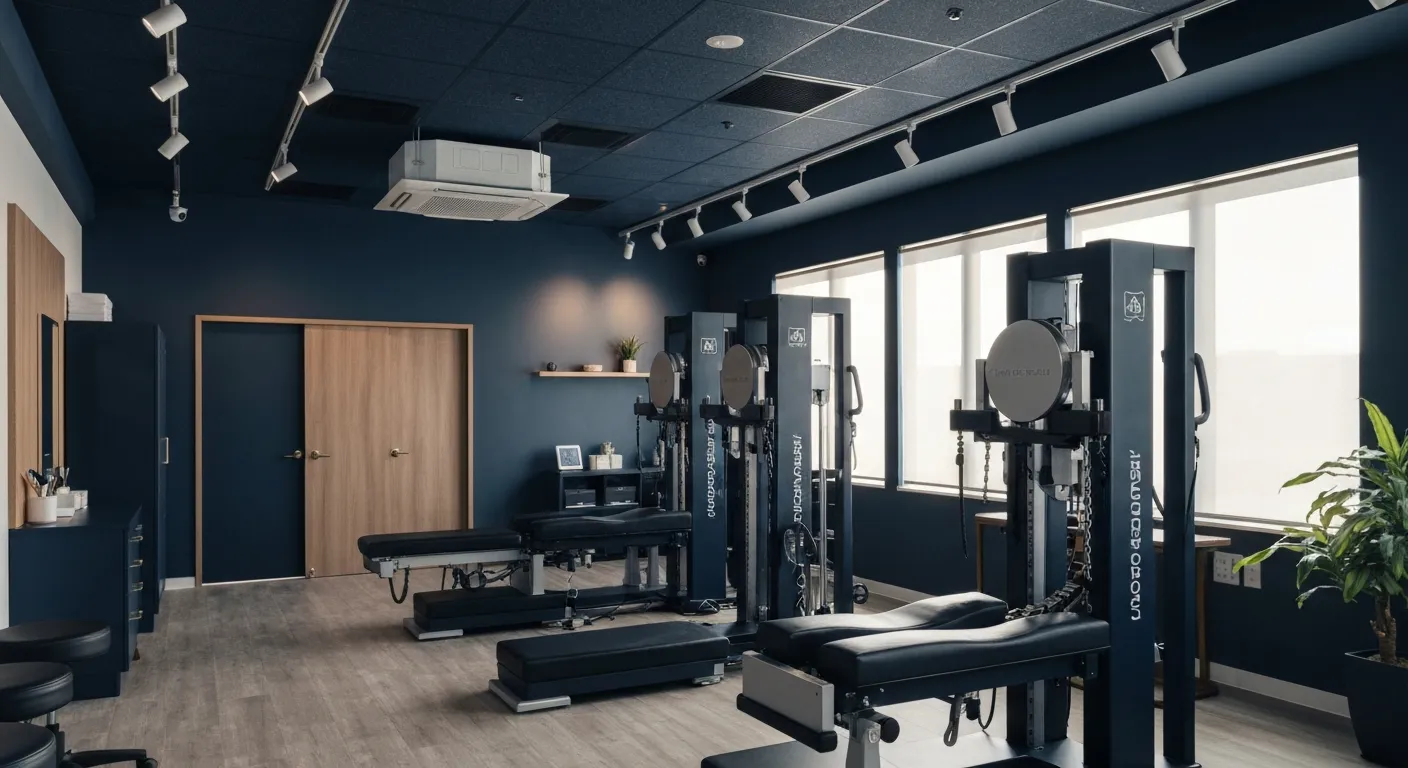
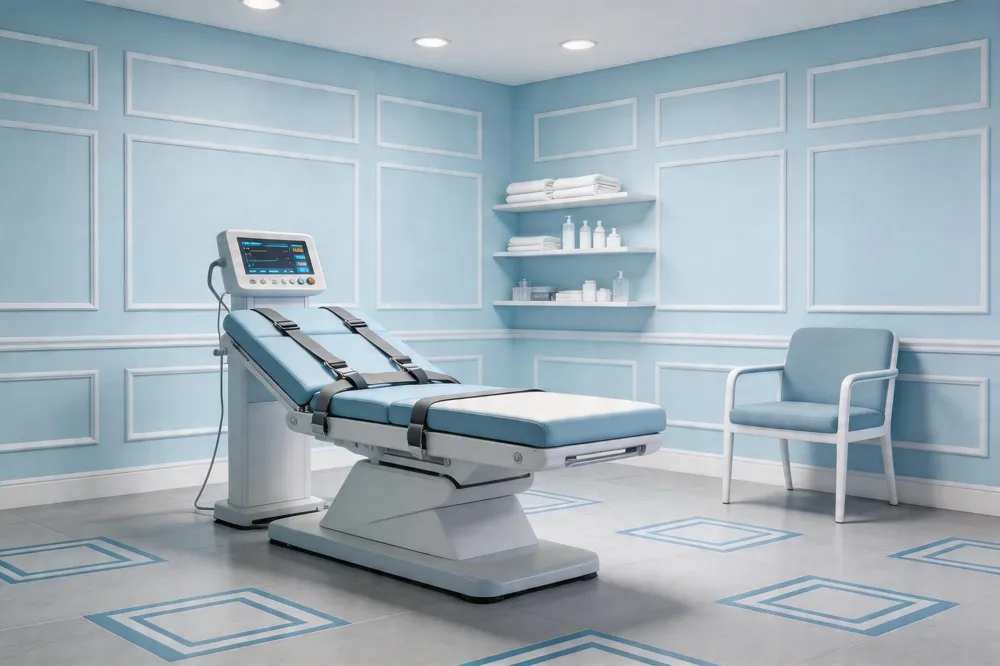
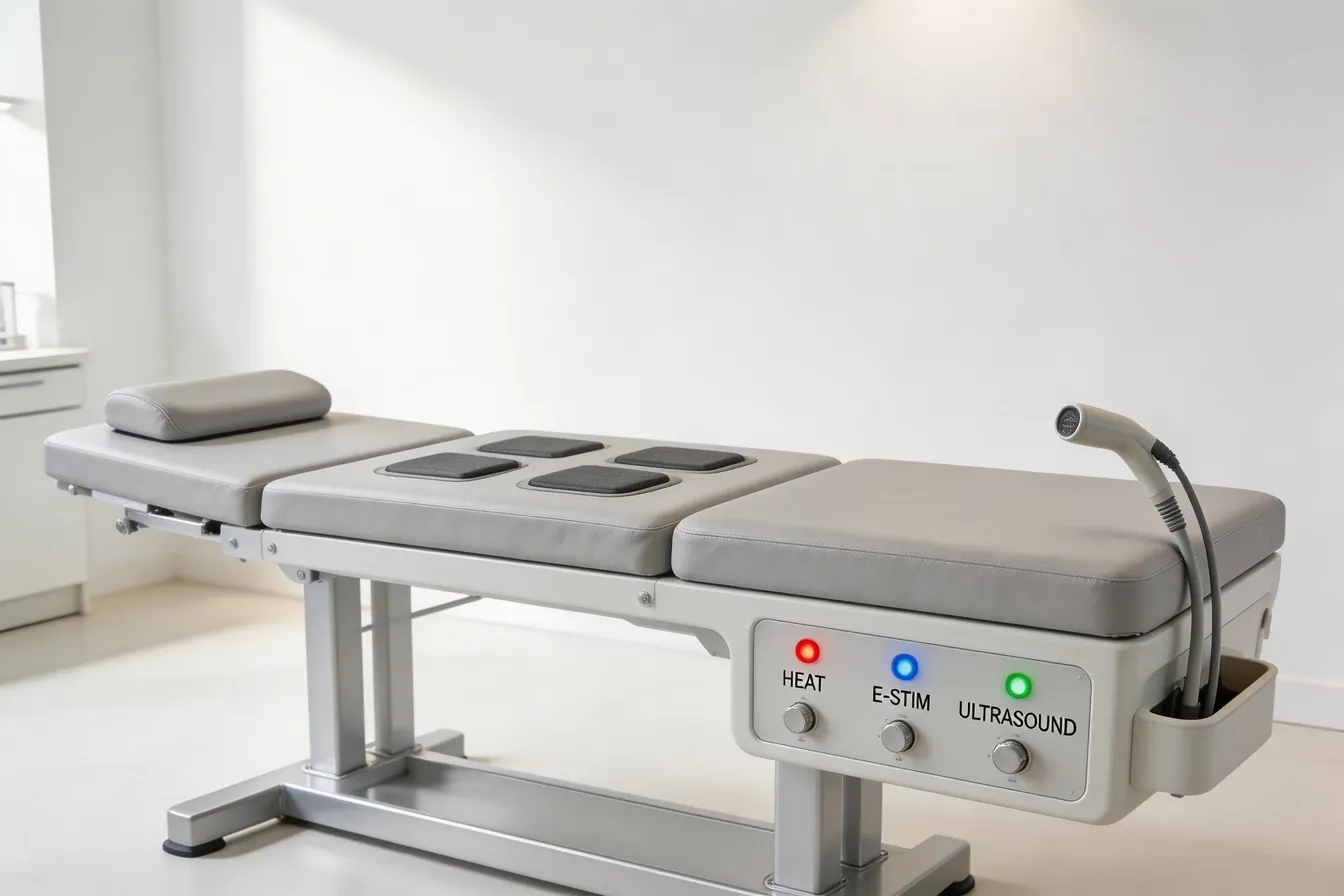
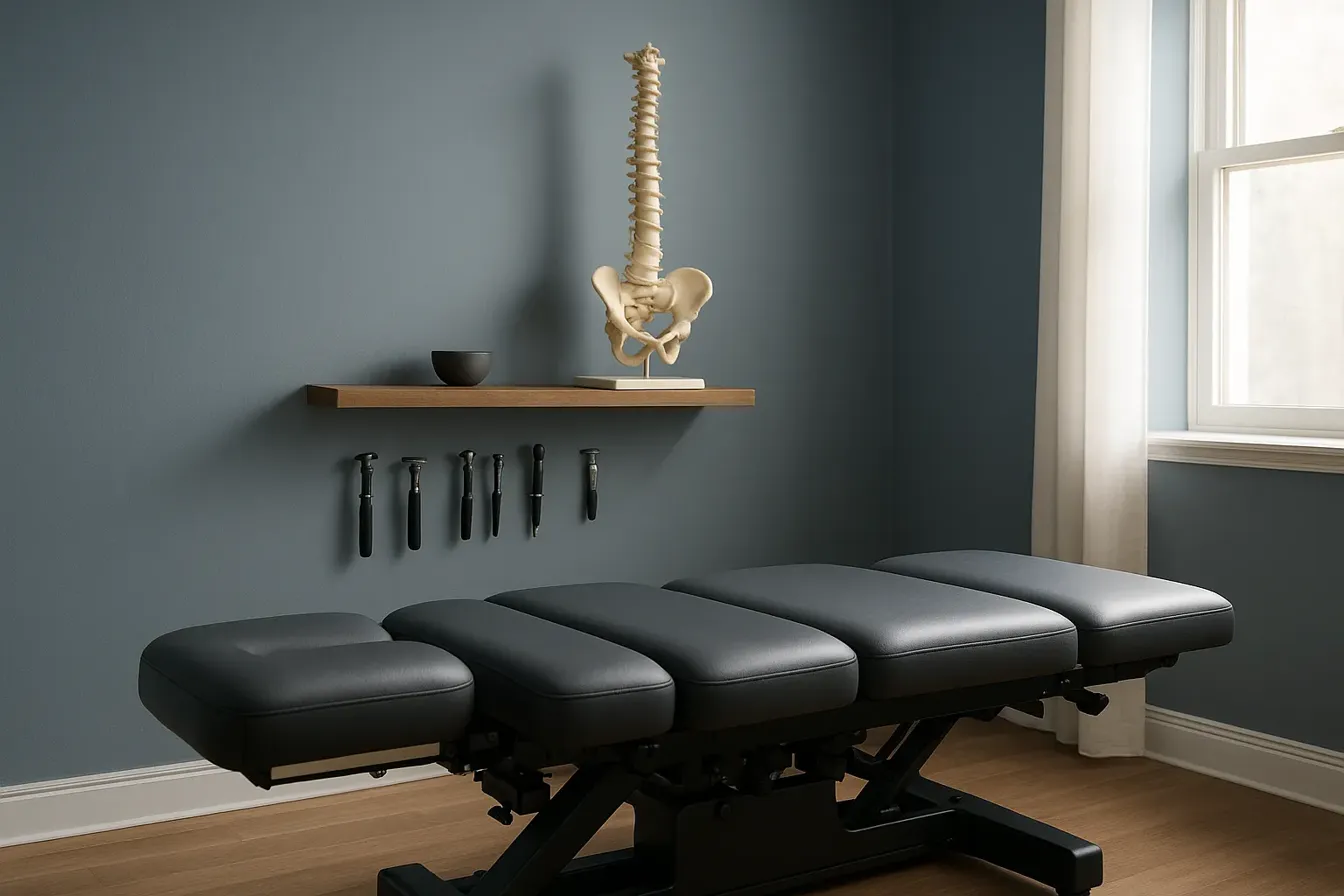
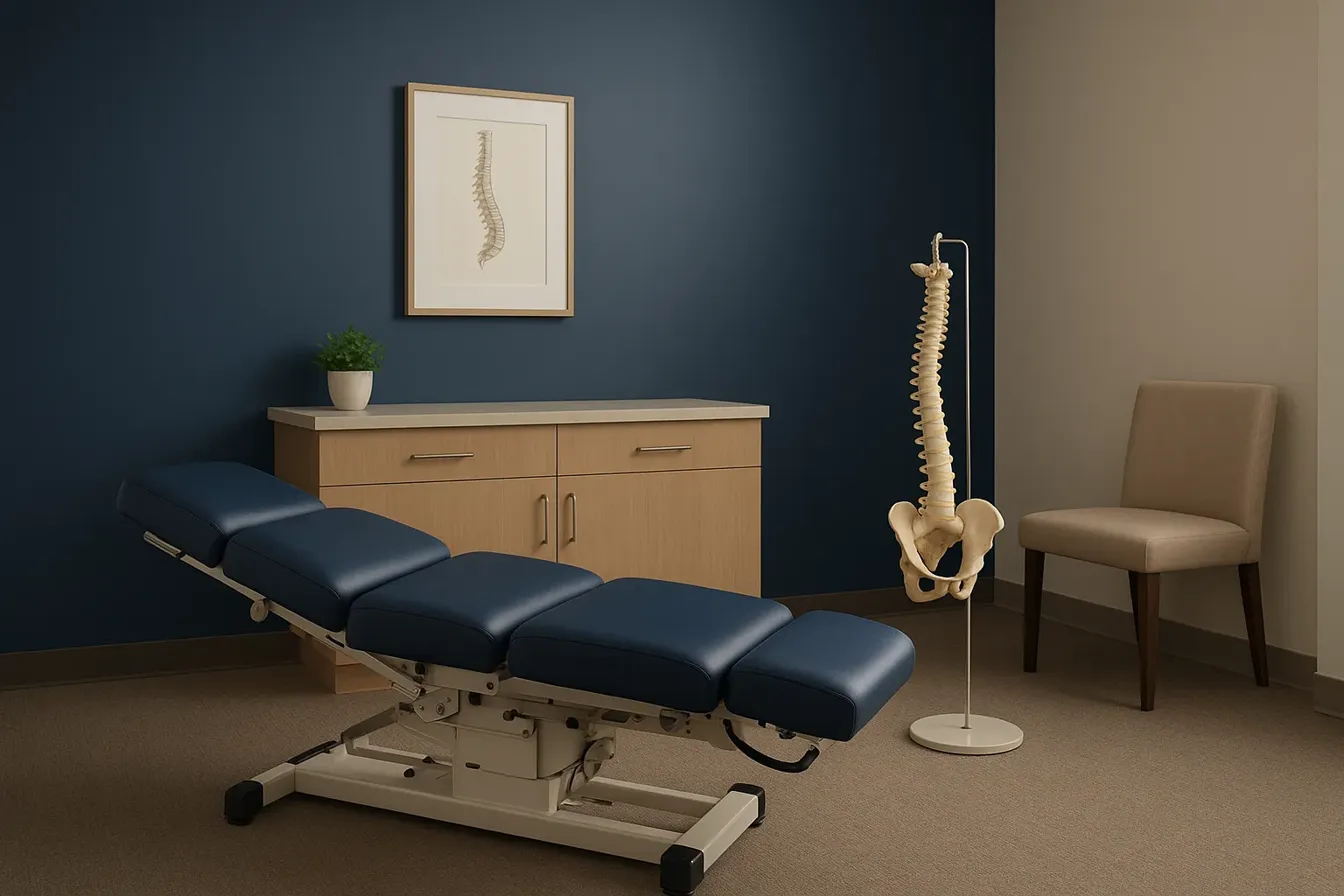
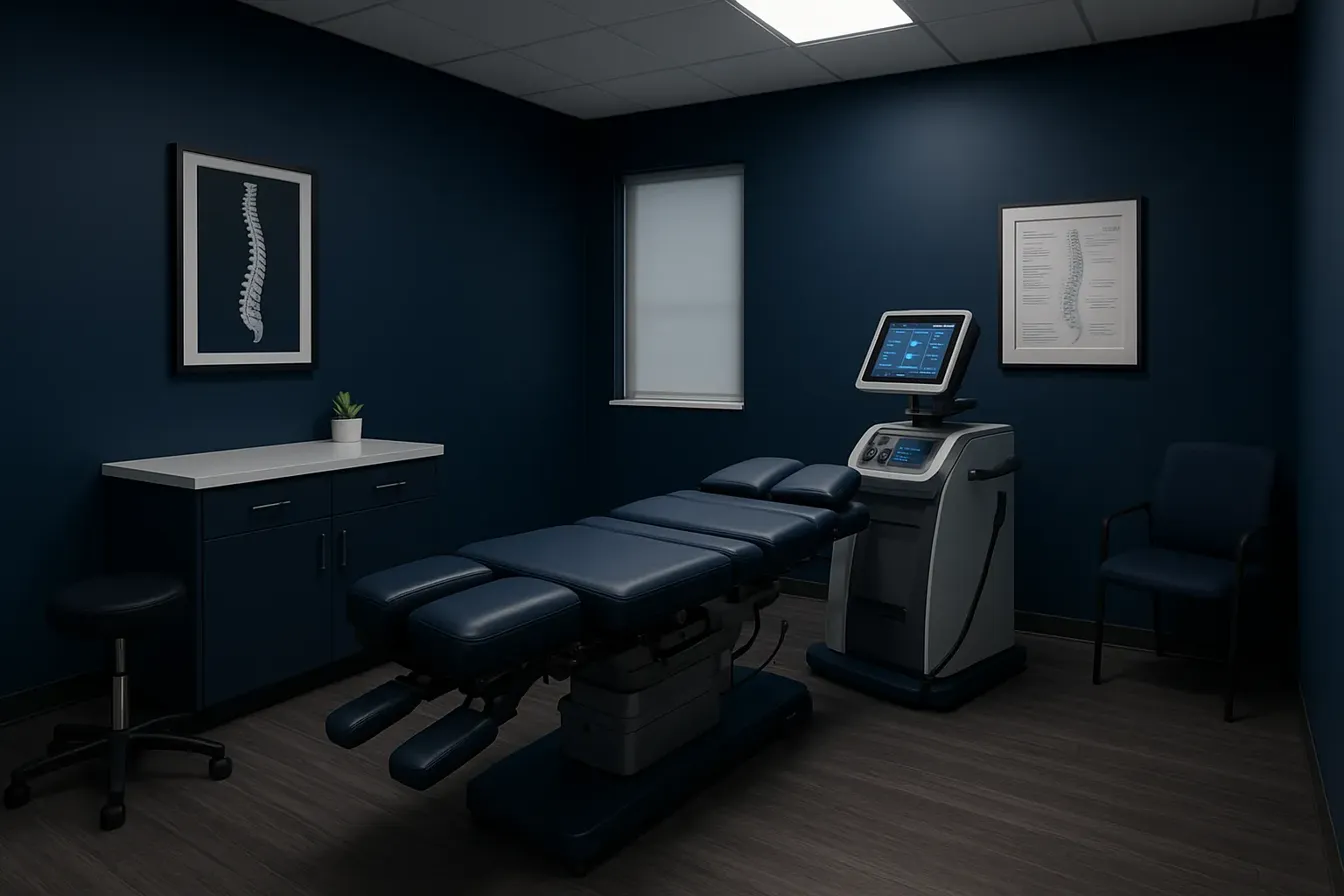
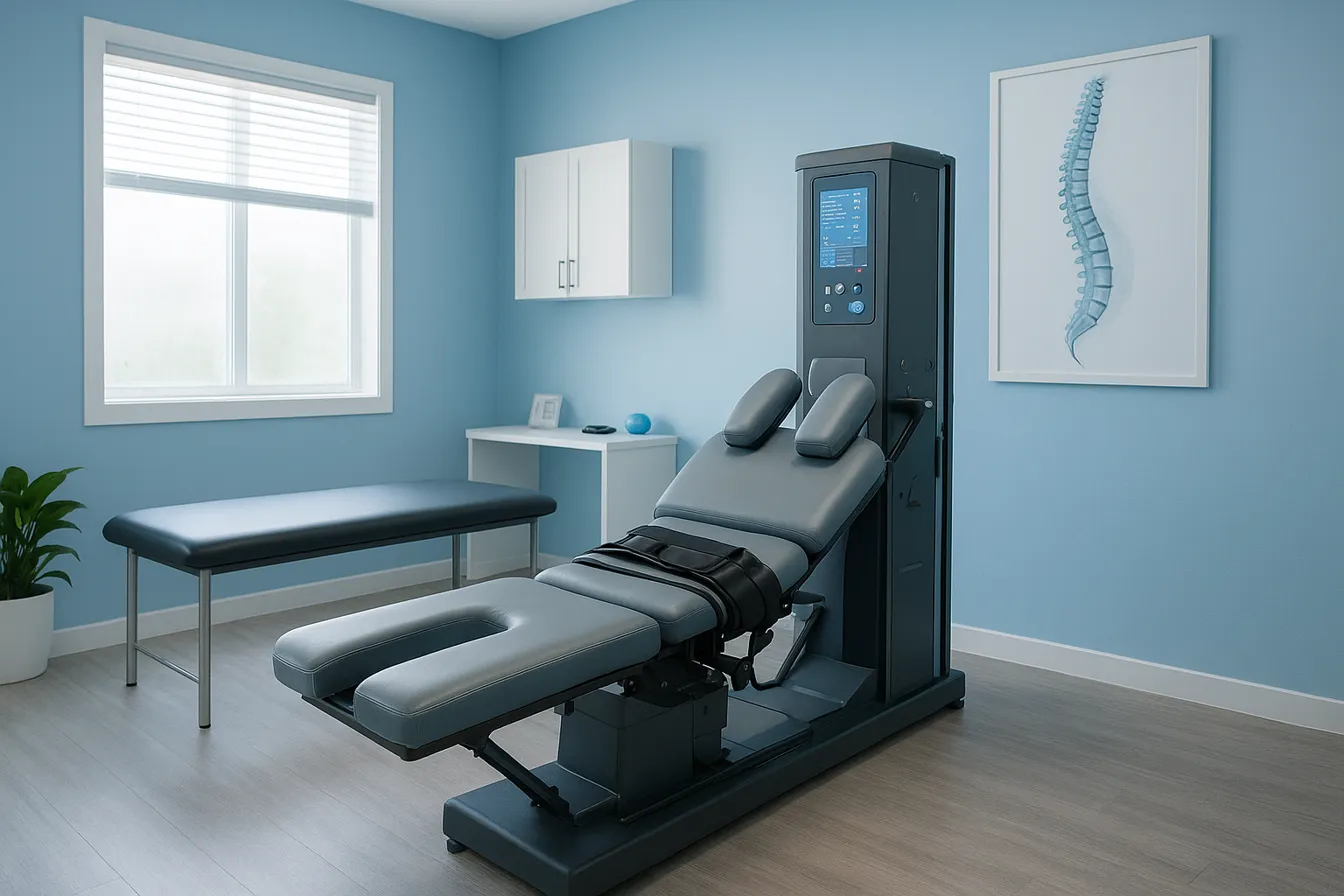
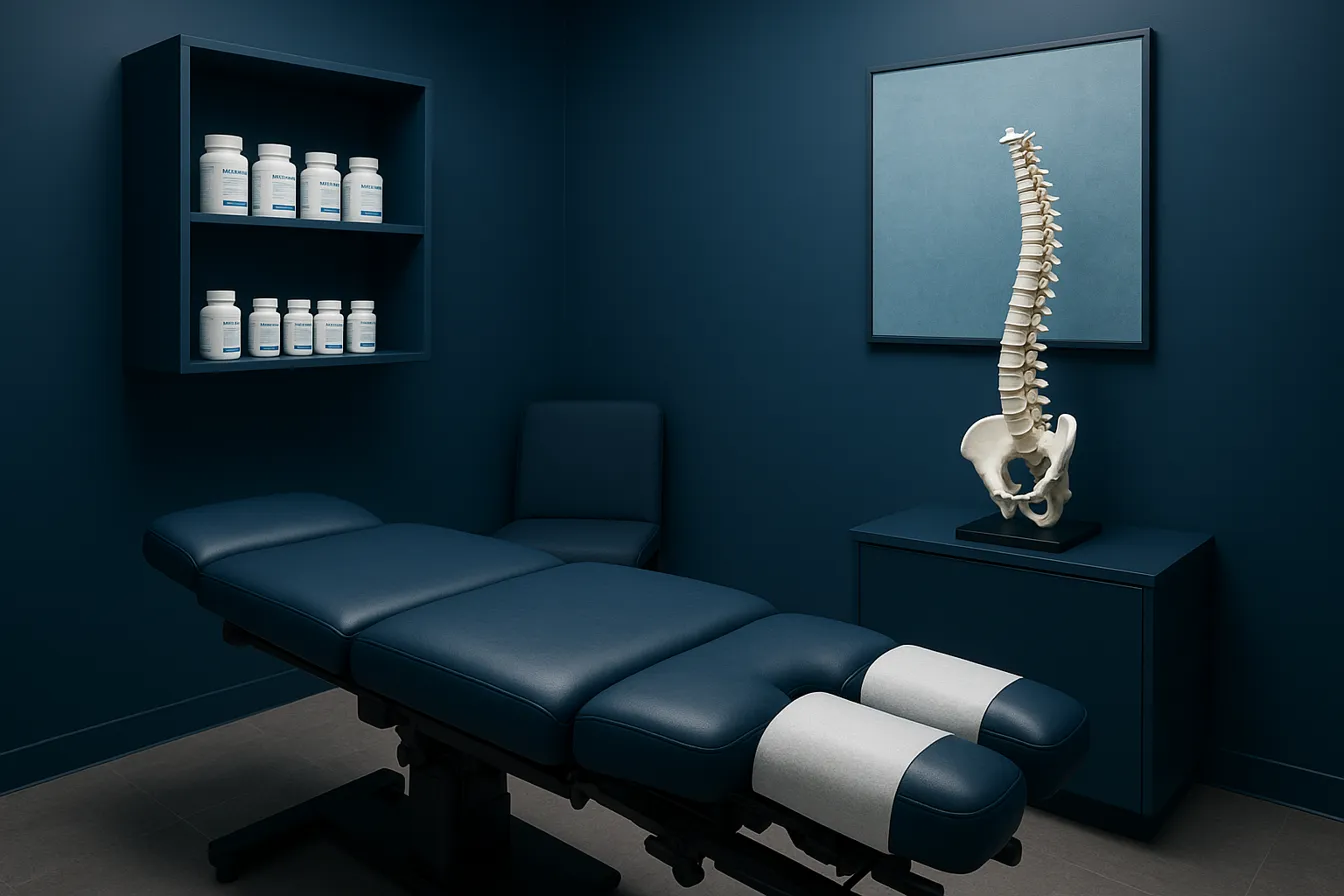
Treatment typically involves a series of sessions lasting 15-45 minutes over several weeks. Patients remain fully clothed while lying on a specialized motorized table—often secured with harnesses around the hips and ribcage—to ensure controlled and targeted traction. Since the procedure is painless, requires no incisions or anesthesia, and does not involve medications, it is considered a safe, non-surgical alternative for patients seeking relief without invasive interventions.
Who is a candidate and what safety considerations exist?
Ideal candidates are individuals experiencing sciatica due to disc-related nerve compression but who do not have contraindications such as pregnancy, advanced osteoporosis, spinal fractures, tumors, or prior unsuccessful spinal surgeries. Medical evaluations, including imaging like MRIs, help determine suitability. The therapy is widely regarded as safe, with minimal side effects mostly limited to mild temporary soreness. Proper patient selection enhances effectiveness and minimizes risks.
Clinical Evidence Supporting Spinal Decompression for Sciatica Relief

Research studies on effectiveness and success rates
Multiple clinical studies demonstrate that spinal decompression therapy is effective in relieving sciatica symptoms. Research published in pain management journals reports success rates ranging from 71% to 89%, with some studies showing an 88.9% success rate following a six-week treatment protocol. These figures are based on patients experiencing significant reduction in pain and improvement in nerve function.
Pain reduction and improvements in mobility
Patients undergoing nonsurgical spinal decompression typically report substantial pain relief and improved mobility. The therapy's gentle stretching relieves nerve compression, reducing symptoms such as shooting pain, numbness, and tingling along the sciatic nerve pathway. Enhanced range of motion and better daily activity levels are common outcomes, supported by both patient testimonials and clinical evaluations.
Long-term benefits and disc healing
Long-term follow-up studies indicate sustained benefits, including pain relief lasting several years after treatment completion. Spinal decompression therapy promotes disc rehydration and nutrient exchange, which helps in the repair and repositioning of herniated or bulging discs. MRI evidence from case reports corroborates the therapy's capacity to restore disc height and support natural healing.
Comparison to traditional treatments and surgery
Unlike traditional treatments that mainly offer temporary symptom relief, spinal decompression targets underlying structural issues causing sciatica. While surgery may provide higher immediate success in severe spinal stenosis cases, decompression therapy is a safer, less invasive alternative with minimal downtime. It avoids risks of anesthesia and surgical complications, making it an appealing option for many patients seeking comprehensive, drug-free sciatica management.
Integrating Chiropractic Care and Corrective Exercises with Spinal Decompression

Role of chiropractic adjustments in sciatica treatment
Chiropractic care is pivotal in managing Sciatica by focusing on spinal realignments and joint mobilizations.
Adjustments target Chiropractic vertebral subluxation to relieve pressure on the sciatic nerve, improve nerve function, and reduce pain without surgery or medication.
Treatments often involve Manual spinal manipulation, which can immediately alleviate nerve compression and improve spinal mobility.
Corrective and strengthening exercises to support recovery
Specialized corrective exercises complement chiropractic adjustments by strengthening core, gluteal, and hip muscles.
Exercises like Bird Dog Exercise, bridges, pelvic tilts, and piriformis stretches help stabilize the spine and reduce sciatic nerve irritation.
Targeted rehabilitation improves posture, flexibility, and prevents recurrence by reinforcing proper movement patterns.
Lifestyle and ergonomic advice for prevention and maintenance
Chiropractic clinics often provide lifestyle coaching, including ergonomic practices for spinal health for sitting, standing, and lifting to minimize spinal strain.
Patients receive guidance on activity pacing, posture correction, and injury avoidance strategies to maintain spinal health long-term.
Nutritional counseling is also offered to support musculoskeletal wellness and reduce inflammation.
Holistic approaches at specialized chiropractic clinics
Clinics such as Back in Action Bodyworks integrate Spinal decompression therapy with chiropractic care and tailored exercises.
This multidisciplinary approach focuses on patient-centered care involving education, gentle adjustments, and at-home self-care techniques.
The combination enhances healing, reduces sciatica symptoms, and promotes overall spinal function and well-being.
Together, these strategies deliver a comprehensive, natural, and effective Sciatica Treatment plan that promotes sustained relief and functional recovery.
Benefits, Risks, and Patient Experience of Spinal Decompression Therapy

How Effective Is Spinal decompression therapy for Pain Relief and Function?
Spinal decompression therapy offers significant pain relief and functional improvements for sciatica sufferers. By gently stretching the spine, it creates negative pressure in discs, aiding the repositioning of herniated or bulging discs. Clinical studies report success rates between 70% and 90%, with many patients experiencing reduced pain, enhanced mobility, and improved daily activities after a typical course of 10-30 sessions over 4-7 weeks.
What Are the Safety Features and Downtime Expectations?
This therapy is non-invasive, requiring no anesthesia or incisions, leading to minimal downtime. Treatments last 15 to 45 minutes, allowing patients to resume normal activities shortly afterward. The computerized decompression machines carefully regulate the force applied, ensuring controlled and safe treatment tailored to individual needs. See more on Spinal Decompression Therapy.
Are There Any Risks or Side Effects?
While spinal decompression is generally safe, some patients may experience temporary mild discomfort, muscle spasms, or soreness. It is not recommended for pregnant women, individuals with osteoporosis, spinal fractures, tumors, or those with specific spinal implants. Medical consultation and thorough evaluation help identify candidacy and minimize risks. For detailed contraindications, please refer to Spinal decompression therapy contraindications.
What Do Patients Say About Their Treatment Experience?
Patient testimonials highlight substantial relief from sciatica symptoms, including decreased nerve pain and numbness. Many report improved nerve function and renewed ability to perform daily tasks. Patients often appreciate the drug-free, non-surgical approach, valuing the personalized care and education provided by practitioners. Read more at Patient success stories with spinal decompression and Dr. Rodney Ruge reviews.
Overall, spinal decompression therapy combines effectiveness with safety, offering a promising conservative option for managing sciatica while supporting long-term spinal health.
Post-Treatment Care and Long-Term Management of Sciatica
Why are post-decompression exercises and good posture important?
Post-treatment care after spinal decompression therapy sessions is essential to maintain and enhance relief from sciatica. Engaging in targeted exercises helps strengthen core muscles, stabilize the spine, and improve flexibility, which supports the spine and reduces the risk of nerve compression recurring.
Proper posture ensures that the spine is aligned correctly throughout daily activities, minimizing undue pressure on spinal discs and the sciatic nerve. This approach empowers patients to sustain the benefits gained from decompression and prevent deterioration.
What activities should be avoided to protect the back?
To safeguard spinal health, it's important to avoid activities that place excessive strain on the lower back. This includes heavy lifting without proper technique, prolonged sitting or standing, and sudden twisting motions. These can aggravate spinal structures and risk compressing the sciatic nerve again.
How can individuals maintain spinal health and prevent future injuries?
Long-term spinal health is bolstered by maintaining an active lifestyle with regular low-impact exercises such as walking or swimming. Incorporating ergonomic practices for spinal health at work and home, such as using supportive chairs and adjusting workstation height, reduces stress on the back.
Additionally, lifestyle factors including weight management, smoking cessation, and balanced nutrition contribute to overall spine wellness.
What strategies help sustain symptom relief over time?
Continuing prescribed exercise routines and staying mindful of posture during daily activities are critical. Patients benefit from periodic chiropractic check-ups to address minor misalignments early, alongside lifestyle modifications to mitigate risk factors.
Education on body mechanics and healthy movement patterns empowers patients, facilitating long-lasting sciatic nerve relief and improved quality of life.
Spinal Decompression: A Promising, Non-Invasive Solution for Sciatica
Spinal decompression therapy offers a gentle, drug-free method to relieve sciatic nerve pain by softly stretching the spine. This non-surgical treatment creates negative pressure within spinal discs, encouraging herniated or bulging discs to retract, thus reducing nerve compression and promoting natural healing.
Patients commonly report significant improvements, including reduced pain, enhanced mobility, and increased quality of life. Clinical studies support a high success rate—up to 90%—making it a valuable alternative to invasive procedures.
Emphasizing holistic care, spinal decompression is often integrated with chiropractic adjustments, targeted exercises, and lifestyle guidance to create personalized treatment plans. These approaches aim to address the root causes of sciatica while supporting overall musculoskeletal health.
Considering spinal decompression as part of a comprehensive, patient-centered approach encourages long-term wellness and helps patients avoid surgery, minimizing risks and downtime.
Recent articles
10 Real‑Patient Success Stories Showcasing the Impact of Chiropractic Care

Superfoods That Boost Nerve Healing After Chiropractic Sessions

Sleep Positions That Promote a Healthy Back Alignment
Signs Your Chiropractor Is a Good Fit for Your Back Pain Goals
Case Study: Integrated Physiotherapy and Chiropractic for Faster Recovery
First-Time Chiropractic Visit: A Step‑by‑Step Walkthrough
Synergistic Benefits: Combining Physiotherapy with Chiropractic Care
Beyond Surgery: Holistic Approaches to Managing Back Pain
How Manual Therapy Enhances the Effects of Chiropractic Adjustments

Hydration Hacks: Why Water Matters for Joint and Spine Function

What Does a Comprehensive Spinal Evaluation Include?
Success Spotlight: Transformative Results After Six Weeks of Chiropractic Treatment

Understanding the Initial Assessment Process in Chiropractic Care
Designing a Personalized Corrective Exercise Plan for Chronic Pain Management

Natural Pain Management: Combining Acupuncture, Yoga, and Chiropractic
Chiropractic Care vs. Pain Meds: Long-Term Outcomes for Back Pain Sufferers

What to Expect During a Sciatica‑Focused Decompression Session

Understanding the Pain-Relief Mechanics Behind Chiropractic Adjustments
Success Rates of Non‑Surgical Spinal Decompression for Sciatica
Patient-Centered Chiropractic Care: Personalized Plans for Back Pain Relief
How Chiropractic Treatments Reduce Inflammation and Speed Up Back Pain Recovery

Real‑Life Stories: How Chiropractic Helped Patients Overcome Chronic Back Pain
From Symptom Masking to Root‑Cause Healing: A Practical Guide

6 Holistic Non‑Surgical Treatments That Deliver Sustainable Back‑Pain Relief
Key Questions to Ask When Selecting Your Chiropractor

Mindful Movement: Incorporating Stretch Breaks Into a Busy Day

Why Targeting the Underlying Cause Beats Temporary Symptom Relief

8 Ways Physiotherapy Complements Chiropractic Adjustments for Faster Recovery
Meal Planning for Athletes Recovering from Back Injuries

9 Everyday Lifestyle Tweaks to Preserve a Healthy Spine and Prevent Pain

Functional Movement Screening for Root‑Cause Pain Identification

6 Things You’ll Experience During Your First Chiropractic Appointment

Spinal Decompression vs. Standard Physical Therapy for Sciatica: A Comparative Review

New Findings on How Adjustments Influence Blood Circulation
Work‑From‑Home Ergonomics: A Blueprint for a Pain‑Free Back

The Link Between Chiropractic Care and Improved Sleep Quality

Physiotherapy Techniques That Strengthen the Benefits of Chiropractic Adjustments

Biomechanical Insights Behind Successful Spinal Decompression

Desk‑to‑Dumbbell: Lifestyle Shifts That Guard Your Lower Back
10 Corrective Exercises for Sustainable Pain-Free Living

Morning Routines That Support Spine Health and Reduce Stiffness

Calcium and Magnesium‑Focused Nutrition for Bone Density and Spine Health

9 Ways Chiropractic Care Transforms Back Pain Management

Testimonial: Nutrition‑Guided Recovery Accelerated by Chiropractic
Science‑Backed Spinal Decompression for Relieving Sciatica Symptoms

Key Questions to Ask During Your Initial Chiropractic Consultation
Whole‑Body Wellness Blueprint: Nutrition, Exercise, and Chiropractic Synergy
A 12‑Week Corrective Exercise Blueprint for Chronic Neck Discomfort

Manual Therapy Plus Targeted Exercise: Accelerating Post‑Injury Recovery
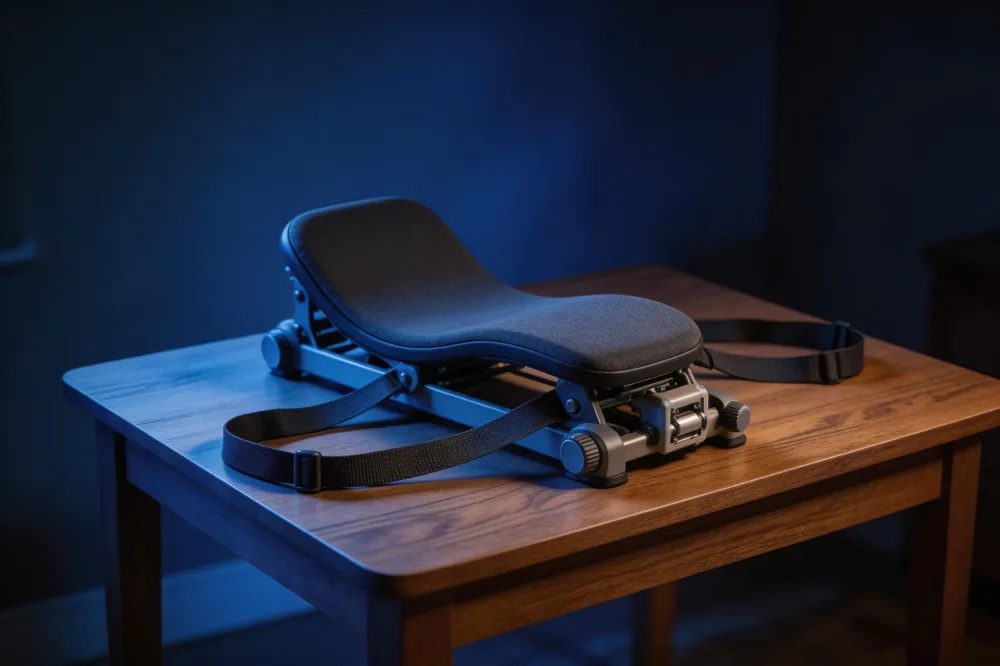
Home‑Based Spinal Decompression Devices: What Patients Should Know

Chiropractic Care Statistics: Reducing Lost Workdays From Back Pain

How Targeted Nutrition Enhances Immune Function and Lowers Inflammatory Pain
Self‑Assessment Tools to Identify Hidden Triggers of Back Pain
Preparing for Your First Chiropractic Appointment: A Practical Checklist

Back Pain Relief Benefits: Lower Opioid Use and Better Quality of Life

Foam‑Rolling Techniques to Complement Chiropractic Adjustments
Progressive Overload Principles in Corrective Exercise Programs

Six‑Month Transformation: Integrated Care Success Story

7 Nutritional Hacks to Boost Your Overall Wellness

How to Choose a Chiropractor: Credentials, Techniques, and Patient Compatibility

5 Ways Spinal Decompression Can Ease Sciatica Pain

Overcoming Sciatica: A Patient’s Multidisciplinary Treatment Journey
Lifestyle Changes That Promote a Healthy Spine
Physiotherapy as a Complement to Chiropractic Treatments
6 Ways Physiotherapy Enhances Chiropractic Treatment Outcomes
Daily Living Tips for a Strong and Healthy Spine
How Physiotherapy Enhances Chiropractic Outcomes
Holistic Treatments: Alternatives to Surgery for Pain Relief
Inspiring Patient Success Stories from Chiropractic Clinics
Integrating Physiotherapy with Chiropractic Treatments
Corrective Exercise Routines for Chronic Pain Prevention
10 Corrective Exercises to Maintain a Healthy Spine and Relieve Pain
Exercise Strategies for Long-Term Pain Management
10 Corrective Exercises to Maintain a Healthy Spine and Relieve Pain
The Importance of Treating the Root Cause of Pain
Nutritional Support Strategies for Whole-Body Wellness
7 Essential Questions to Ask When Choosing Your Chiropractor
Identifying and Addressing Root Causes of Pain
Maintaining a Healthy Spine with Lifestyle Adjustments
Sciatica Symptom Relief via Spinal Decompression
8 Reasons Why Addressing the Root Cause of Pain Is Crucial
Chiropractic Care’s Impact on Back Pain Recovery
Combining Physiotherapy with Chiropractic Care for Better Results
Inspiring Recovery: Chiropractic Patient Testimonials
Nutritional Counseling Tips for Optimal Wellness

Why Addressing the Root Cause of Pain is Crucial
Back Pain and Chiropractic Care: A Winning Combination
Chiropractic Care Benefits You Might Not Know
Exploring Holistic and Non-Surgical Treatments for Pain
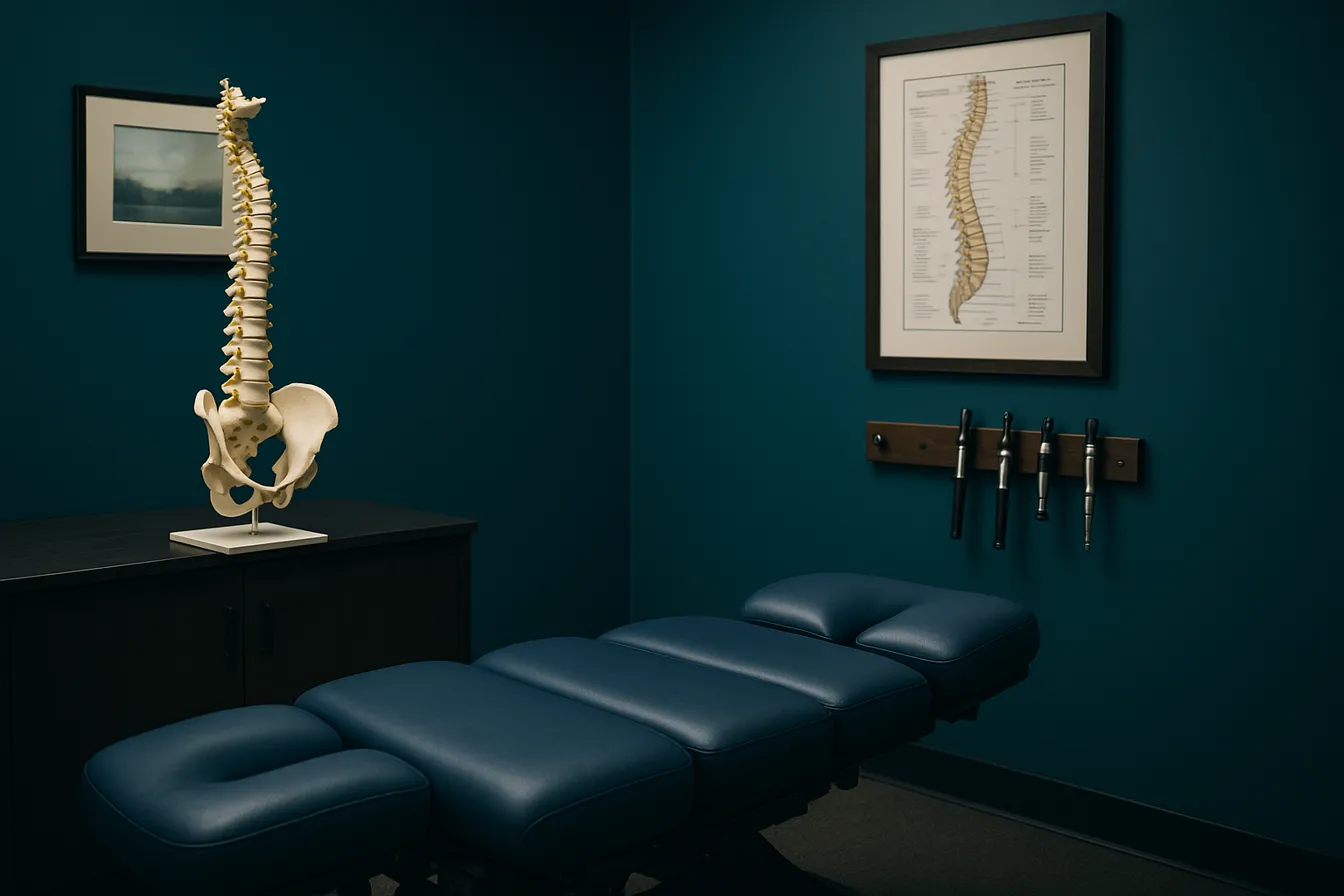
Spinal Health: Lifestyle Tips for Everyday Wellness
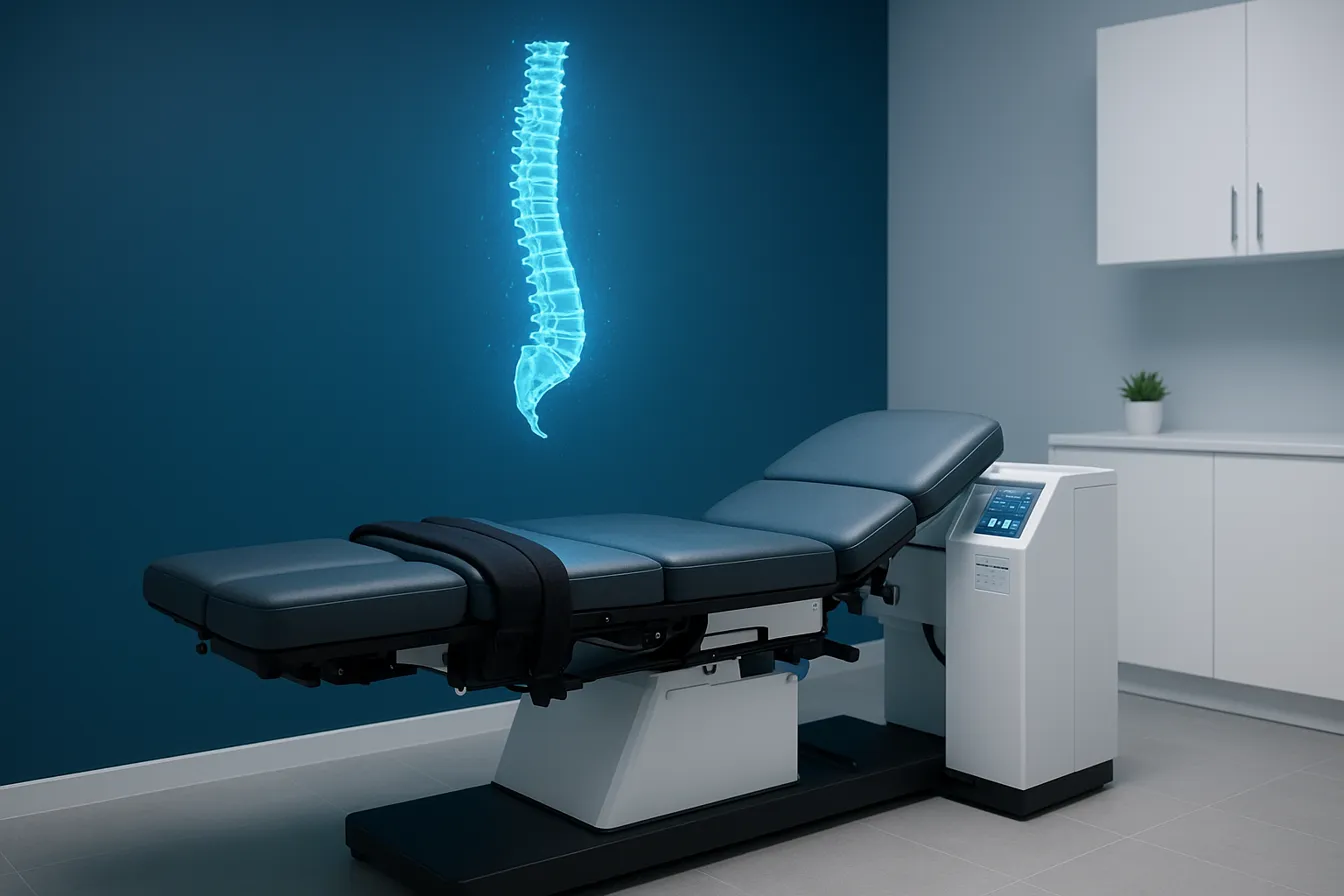
Spinal Decompression Therapy: Benefits and Applications
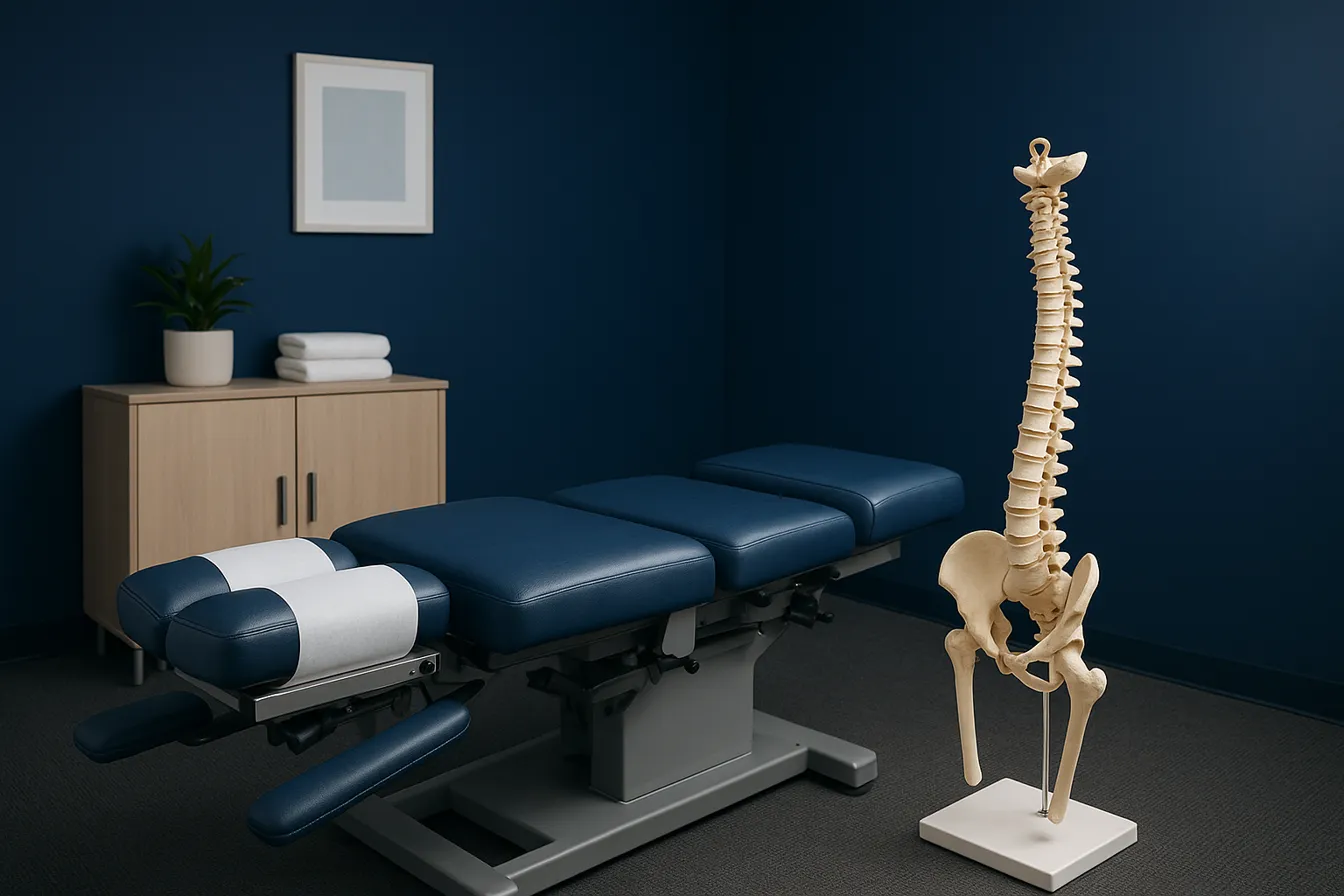
Holistic and Non-Invasive Spine Care Options
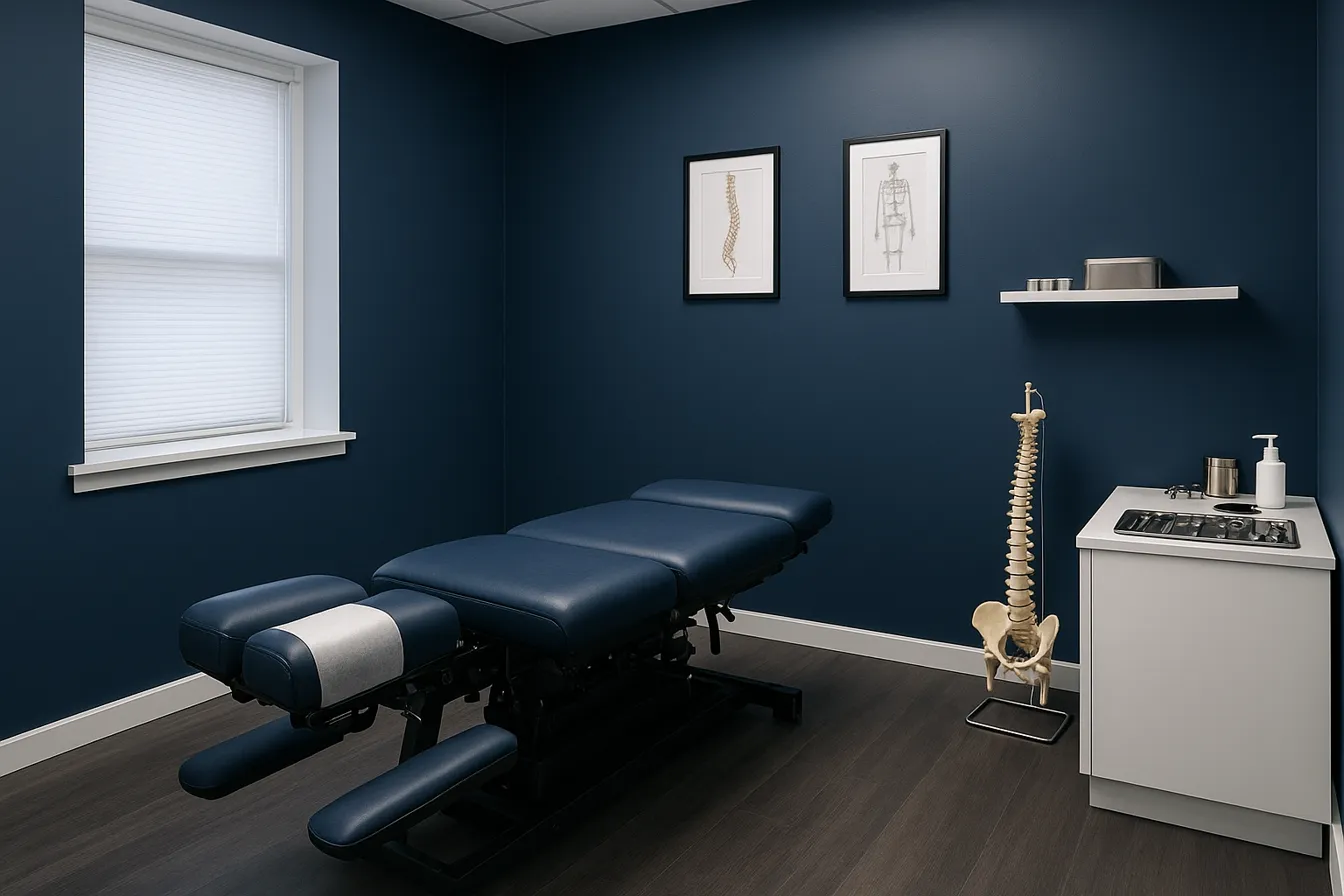
Everyday Lifestyle Advice to Keep Your Spine Healthy
The Significance of Treating Root Causes in Pain Therapy
Best Corrective Exercises for Sustainable Pain Management
Addressing Underlying Causes of Pain for Long-Term Relief
6 Key Benefits of Spinal Decompression Therapy for Sciatica Relief
How Nutritional Counseling Supports Spine Health and Recovery
The Role of Physiotherapy in Supporting Chiropractic Treatments