Spinal Decompression Techniques for Effective Sciatica Relief
November 27, 2025
9 min
Understanding Sciatica and Its Impact
What is Sciatica?
Sciatica is a condition characterized by pain radiating along the sciatic nerve pathway, which runs from the lower back, through the hips and buttocks, down each leg. Symptoms often include sharp or burning pain, numbness, tingling, muscle weakness, and sometimes pins and needles.
Common Causes
The primary causes of sciatica are herniated or bulging discs pressing on nerve roots, spinal stenosis (narrowing of the spinal canal), and other injuries or degenerative changes in the lumbar spine that compress the sciatic nerve.
Prevalence and Impact
Sciatica affects a substantial portion of the population, with lifetime incidence rates between 10% and 40%. It can significantly disrupt daily activities, causing discomfort in sitting, standing, and walking, and impairing quality of life.
Basic Anatomy
The sciatic nerve originates from spinal nerve roots in the lower back region. It passes through the buttocks and extends down the backside of the legs, supplying sensation and motor function, making its health critical for mobility and comfort.
The Science and Benefits of Spinal Decompression Therapy

How Does Spinal Decompression Therapy Relieve Nerve Pressure?
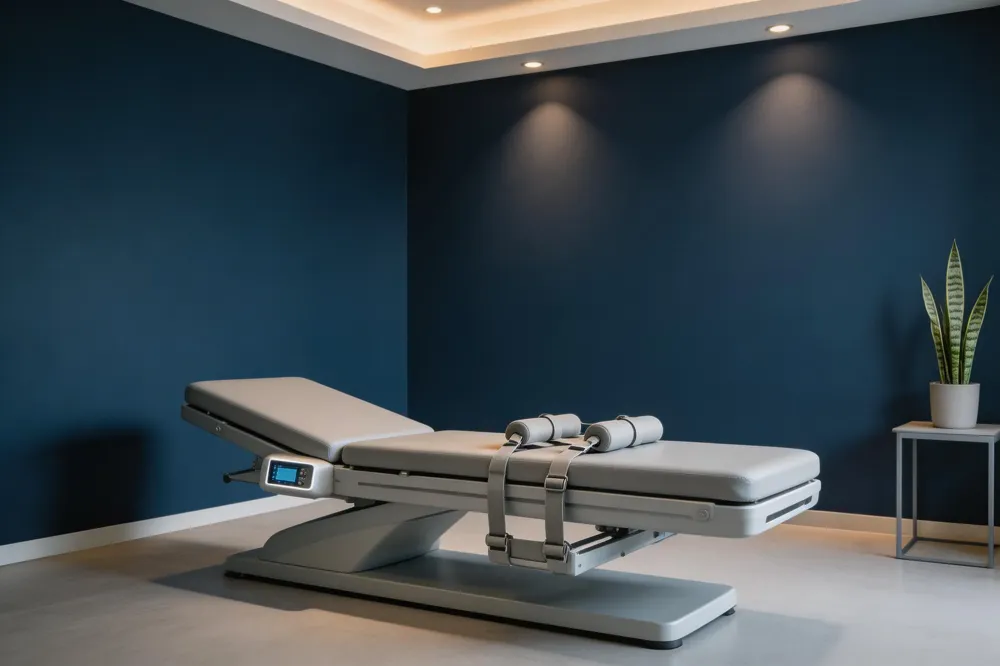
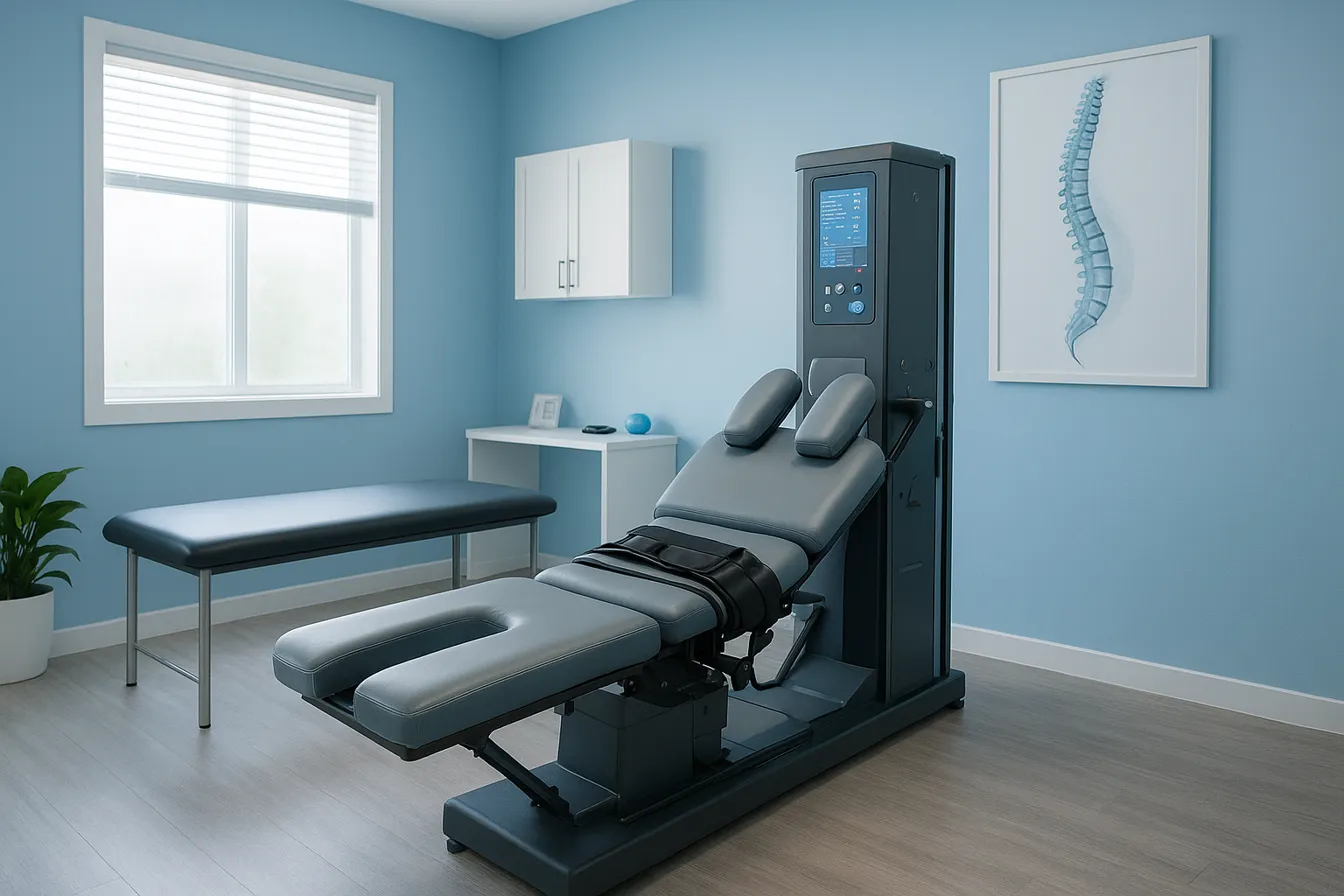
Spinal decompression therapy works by gently stretching the spine, which creates negative pressure within affected spinal discs. This negative pressure encourages bulging or herniated discs to retract, increasing the space between vertebrae. As a result, pressure on nerves such as the sciatic nerve is relieved, minimizing irritation and pain.
This process also promotes the flow of nutrient-rich fluids into the discs, helping them rehydrate and heal naturally. The therapy can be adjusted to meet individual needs, ensuring personalized treatment that targets the specific sources of nerve compression.
What Are the Benefits of Spinal Decompression for Sciatica?
Spinal decompression offers many benefits for those suffering from sciatica:
- Provides non-invasive pain relief, avoiding the need for surgery in many cases.
- Reduces pressure on the sciatic nerve by restoring proper spinal alignment.
- Promotes disc health by encouraging rehydration and natural healing of damaged discs.
- Improves mobility and daily functioning, allowing patients to return to normal activities.
- Reduces reliance on pain medications.
What Conditions Can Spinal Decompression Treat?
Spinal decompression therapy is particularly effective for treating several spinal conditions linked to sciatica, including:
- Herniated, bulging, or degenerative discs that compress nerve roots.
- Spinal stenosis, which narrows the spinal canal and compresses nerves.
- Pinched nerves causing radiating leg pain.
- Lumbar radiculopathy, a common cause of sciatica symptoms.
Research Evidence Supporting Spinal Decompression
Numerous clinical studies support the effectiveness of Spinal decompression therapy. Research indicates success rates between 71% and 89% for pain reduction and functional improvement. For example, a Mayo Clinic study reported nearly 89% of patients experiencing significant relief after six weeks of treatment. MRI evidence has shown decreased disc herniation size and increased disc height post-treatment.
Long-term follow-ups confirm that many patients maintain pain relief and improved quality of life for years following therapy. Combining spinal decompression with physical therapy and chiropractic care maximizes these benefits and can help prevent symptom recurrence.
In summary, spinal decompression therapy provides a scientifically supported, non-invasive method to reduce nerve pressure and alleviate sciatica pain while promoting spinal and disc health, making it an essential component of holistic and patient-centered spinal care.
Complementary Role of Stretching and Exercise in Sciatica Relief
What stretches and exercises help complement spinal decompression for sciatica?
Specific stretches are crucial in complementing spinal decompression therapy by targeting muscles around the sciatic nerve to ease tension and enhance flexibility. Key stretches include the Seated Piriformis Stretch and Knee-to-Chest Stretch, both effective for reducing pressure around the sciatic nerve. Additionally, yoga-inspired stretches such as Cat-Cow Stretch, Cobra Stretch, and Child’s Pose for sciatica provide gentle spinal movements that promote alignment and nerve relaxation.
How does stretching support spinal decompression and reduce muscle tension?
Stretching works synergistically with spinal decompression therapy by relaxing tight muscles that may otherwise pull the spine out of alignment. This reduction in muscle tension improves posture and increases spinal mobility, which helps maintain the benefits of decompression therapy longer. Together, these approaches can significantly lower sciatic nerve pressure and reduce the risk of flare-ups.
Core strengthening and stability exercises to prevent recurrence
Strengthening the core muscles through exercises like the Glute Bridge and Bird-Dog not only supports spinal health but also stabilizes the lumbar region. Stability exercises help distribute forces evenly during movement, reducing undue strain on the lower back and sciatic nerve. Regular engagement in these exercises is essential to prevent future episodes of sciatica. For more guidance on exercises to ease sciatica nerve pain, see Sciatica stretches and Sciatica pain relief exercises.
Importance of maintaining mobility and avoiding prolonged sitting
Maintaining mobility is a fundamental part of Sciatica home remedies. Avoiding prolonged periods of sitting helps prevent disc compression and muscle stiffness, which can exacerbate symptoms. Incorporating gentle movement and ergonomic improvements during daily activities enhances recovery and decreases the likelihood of symptom recurrence.
Holistic Chiropractic Care at Back in Action Bodyworks

What types of services does Back in Action Bodyworks offer?
Back in Action Bodyworks provides a comprehensive suite of musculoskeletal health services. These include expert chiropractic success rate for sciatica adjustments aimed at spinal realignment and pain relief. They also offer advanced Spinal decompression therapy to alleviate pressure on spinal nerves, corrective exercises to strengthen supportive muscles, and tailored lifestyle modifications. This integrated approach supports long-term spinal and nerve health.
What is the practitioner's approach to holistic musculoskeletal health at Back in Action Bodyworks?
The practitioner employs a holistic method that integrates precise chiropractic care benefits in Torrance techniques with corrective exercises. Alongside ergonomic advice and lifestyle changes, this approach addresses the root causes of pain. The goal is to improve Improving spinal alignment with decompression, enhance muscle support, and promote sustained wellness by considering physical, postural, and lifestyle factors.
Does Back in Action Bodyworks provide personalized treatment plans?
Yes. Each patient receives a customized treatment plan based on their unique condition and health goals. These plans blend manual therapies like spinal adjustments and decompression with exercise routines and patient education. This ensures a comprehensive care strategy designed for effective, long-term relief.
What are the benefits of chiropractic care in musculoskeletal health?
Chiropractic care at Back in Action Bodyworks realigns the spine and joints, which helps reduce pain and improves mobility. It also enhances nervous system function and encourages the body's natural healing processes. When combined with supportive exercises and ergonomic guidance, this care fosters lasting musculoskeletal health and helps prevent future injury or discomfort.
Scientific Evidence and Clinical Studies Supporting Spinal Decompression
What Does Research Say About Spinal decompression success rates?
Multiple peer-reviewed studies report Spinal decompression success rates ranging from 71% to 89%. For example, a Mayo Clinic study showed that after just two weeks of treatment, patients had a 50% reduction in pain, and nearly 89% achieved success after a six-week therapy protocol. This confirms Spinal decompression therapy as a highly effective non-surgical option for conditions like herniated discs causing sciatica.
What Clinical Improvements Are Demonstrated?
Research and clinical reports highlight significant improvements including reduced sciatic nerve pressure, decreased disc herniation size, and increased disc height. Additional benefits observed are better lumbar range of motion, enhanced back muscle endurance, and reduced disability scores. These changes correlate with restored spinal alignment and natural disc healing processes facilitated by the therapy.
Are There Long-Term Benefits and Quality of Life Improvements?
Long-term follow-ups reveal that many patients maintain pain relief and improved mobility for years post-treatment. In one study, over 50% reported being pain-free four years after completing Spinal decompression therapy. The sustained reduction in symptoms allows patients to resume daily activities and improves overall quality of life substantially.
How Is Spinal Decompression Integrated Into Conservative Care?
Clinical guidelines advocate a stepped approach, beginning with less invasive therapies like physical therapy and chiropractic care that include Spinal decompression therapy. Studies support combining Spinal decompression therapy with routine physical therapy to maximize outcomes, reducing the need for surgery. This comprehensive strategy optimizes recovery while prioritizing natural healing and patient-centered care.
Integrating Home Care and Lifestyle Strategies for Sustained Relief

What Home Remedies Are Recommended for Sciatica Relief?
Cold therapy for sciatica, such as ice packs and ice massages, is beneficial in the early stages of sciatica to reduce inflammation and numb pain. As inflammation decreases, heat therapy for sciatica like warm baths or heating pads helps promote blood flow and relax tight muscles. These therapies aid in managing discomfort naturally without medication.
Why Is Avoiding Prolonged Bed Rest Important? How Does Gentle Movement Help?
Contrary to outdated advice promoting bed rest, maintaining gentle movement for sciatica is crucial for recovery. Movement enhances flexibility, strengthens muscles, improves circulation, and prevents stiffness, all of which help reduce sciatica symptoms and speed healing. Avoiding prolonged sitting or lying down can prevent symptom aggravation and promote faster relief.
What Lifestyle and Ergonomic Modifications Are Recommended to Prevent Recurrence?
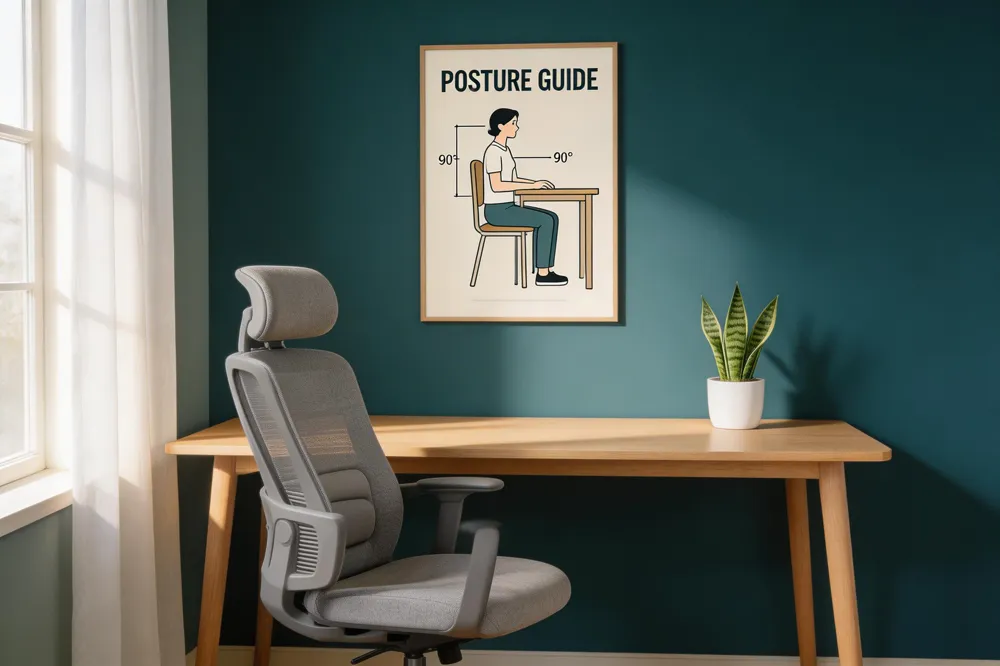
Adopting proper posture using ergonomic principles—like the proper sitting posture 90-90-90 rule—regular breaks from sitting, correct lifting techniques, and frequent gentle exercises strengthen core and hip muscles essential for spinal support. These changes lower the risk of nerve compression and reduce future sciatic flare-ups. Tailoring ergonomic adjustments to daily activities strengthens the effectiveness of treatment.
How Does Patient Education Contribute to Long-Term Success?
Educating patients about the sciatica causes, self-care for sciatica, and lifestyle adjustments empowers them to take active roles in their recovery and prevention. Understanding the benefits of combining home therapies with professional care helps maintain results and avoid unnecessary surgery. Patient-centered education ensures adherence to treatment plans and fosters holistic wellness.
How Does Holistic Care at Back in Action Bodyworks Differ from Conventional Treatment Methods?
Back in Action Bodyworks chiropractic emphasizes whole-person care by addressing physical, emotional, and lifestyle factors through non-invasive and cost-effective interventions. Their approach leverages Natural Healing for Sciatica with chiropractic adjustments, targeted stretches, and ergonomic advice to reduce medication reliance. Unlike conventional treatments which may focus mainly on medication or surgery, holistic care promotes sustainable wellness and long-term symptom management.
Expertise and Experience Behind Effective Sciatica Treatment
How experienced is the practitioner at Back in Action Bodyworks?
With over 25 years of extensive experience, the practitioner at Back in Action Bodyworks chiropractic exemplifies expertise in chiropractic care tailored to sciatica and holistic musculoskeletal health. This background enables a deep understanding of spinal conditions commonly affecting patients, particularly in the Torrance community.
Why is ongoing education and evidence-based practice important?
The practitioner’s commitment to continual learning ensures that treatment methods stay current, integrating the latest research on therapies such as spinal decompression therapy, targeted stretches, and manual adjustments. This approach supports delivering care that is both scientifically valid and aligned with patient-centered goals.
What role does professional assessment play in treatment?
Accurate diagnosis through comprehensive evaluation by an experienced chiropractor is crucial. It allows for the identification of specific causes like herniated discs or muscle tension and facilitates development of tailored interventions. Personalized plans improve outcomes and reduce the risk of recurrence.
How does experience influence patient outcomes at Back in Action Bodyworks?
Years of clinical practice enhance the practitioner's ability to combine holistic treatments—such as Decompression Therapy Benefits, soft tissue work, and lifestyle advice—with individualized stretch and exercise regimens. This integrated expertise translates to higher success rates in sciatica relief methods, better patient education, and sustained wellness.
Achieving Lasting Sciatica Relief Through Holistic Spinal Care
Integrating Spinal Decompression and Stretching for Sciatica
Spinal decompression therapy gently stretches the spine to relieve pressure on the sciatic nerve, promoting alignment and disc health. When combined with targeted stretches such as the Seated Piriformis and Knee-to-Chest stretches, this approach reduces muscle tension, improves flexibility, and supports lasting pain relief.
Personalized, Non-Invasive Care at Back in Action Bodyworks
In Torrance, Back in Action Bodyworks offers tailored chiropractic treatments emphasizing non-invasive methods like spinal adjustments, decompression, and soft tissue therapies. This personalized care addresses the underlying causes of sciatica, helping patients achieve natural healing without surgery.
Importance of Early Professional Assessment
Seeking evaluation from a qualified chiropractor ensures accurate diagnosis and treatment planning. Early intervention enhances outcomes, preventing symptom progression and reducing the risk of chronic pain.
Lifestyle and Ergonomics to Support Recovery
Maintaining an active lifestyle with core strengthening exercises, proper posture, and ergonomic habits—like the 90-90-90 sitting rule—supports spinal health. Regular movement alongside chiropractic care promotes long-term relief from sciatica and helps prevent recurrence.
Recent articles
10 Real‑Patient Success Stories Showcasing the Impact of Chiropractic Care

Superfoods That Boost Nerve Healing After Chiropractic Sessions

Sleep Positions That Promote a Healthy Back Alignment
Signs Your Chiropractor Is a Good Fit for Your Back Pain Goals
Case Study: Integrated Physiotherapy and Chiropractic for Faster Recovery
First-Time Chiropractic Visit: A Step‑by‑Step Walkthrough
Synergistic Benefits: Combining Physiotherapy with Chiropractic Care
Beyond Surgery: Holistic Approaches to Managing Back Pain
How Manual Therapy Enhances the Effects of Chiropractic Adjustments

Hydration Hacks: Why Water Matters for Joint and Spine Function

What Does a Comprehensive Spinal Evaluation Include?
Success Spotlight: Transformative Results After Six Weeks of Chiropractic Treatment

Understanding the Initial Assessment Process in Chiropractic Care
Designing a Personalized Corrective Exercise Plan for Chronic Pain Management

Natural Pain Management: Combining Acupuncture, Yoga, and Chiropractic
Chiropractic Care vs. Pain Meds: Long-Term Outcomes for Back Pain Sufferers

What to Expect During a Sciatica‑Focused Decompression Session
Understanding the Pain-Relief Mechanics Behind Chiropractic Adjustments
Success Rates of Non‑Surgical Spinal Decompression for Sciatica
Patient-Centered Chiropractic Care: Personalized Plans for Back Pain Relief
How Chiropractic Treatments Reduce Inflammation and Speed Up Back Pain Recovery

Real‑Life Stories: How Chiropractic Helped Patients Overcome Chronic Back Pain
From Symptom Masking to Root‑Cause Healing: A Practical Guide

6 Holistic Non‑Surgical Treatments That Deliver Sustainable Back‑Pain Relief
Key Questions to Ask When Selecting Your Chiropractor
Mindful Movement: Incorporating Stretch Breaks Into a Busy Day

Why Targeting the Underlying Cause Beats Temporary Symptom Relief

8 Ways Physiotherapy Complements Chiropractic Adjustments for Faster Recovery
Meal Planning for Athletes Recovering from Back Injuries

9 Everyday Lifestyle Tweaks to Preserve a Healthy Spine and Prevent Pain

Functional Movement Screening for Root‑Cause Pain Identification

6 Things You’ll Experience During Your First Chiropractic Appointment

Spinal Decompression vs. Standard Physical Therapy for Sciatica: A Comparative Review

New Findings on How Adjustments Influence Blood Circulation
Work‑From‑Home Ergonomics: A Blueprint for a Pain‑Free Back

The Link Between Chiropractic Care and Improved Sleep Quality

Physiotherapy Techniques That Strengthen the Benefits of Chiropractic Adjustments

Biomechanical Insights Behind Successful Spinal Decompression

Desk‑to‑Dumbbell: Lifestyle Shifts That Guard Your Lower Back
10 Corrective Exercises for Sustainable Pain-Free Living

Morning Routines That Support Spine Health and Reduce Stiffness

Calcium and Magnesium‑Focused Nutrition for Bone Density and Spine Health

9 Ways Chiropractic Care Transforms Back Pain Management
Testimonial: Nutrition‑Guided Recovery Accelerated by Chiropractic
Science‑Backed Spinal Decompression for Relieving Sciatica Symptoms
Key Questions to Ask During Your Initial Chiropractic Consultation
Whole‑Body Wellness Blueprint: Nutrition, Exercise, and Chiropractic Synergy
A 12‑Week Corrective Exercise Blueprint for Chronic Neck Discomfort

Manual Therapy Plus Targeted Exercise: Accelerating Post‑Injury Recovery
Home‑Based Spinal Decompression Devices: What Patients Should Know

Chiropractic Care Statistics: Reducing Lost Workdays From Back Pain

How Targeted Nutrition Enhances Immune Function and Lowers Inflammatory Pain
Self‑Assessment Tools to Identify Hidden Triggers of Back Pain
Preparing for Your First Chiropractic Appointment: A Practical Checklist

Back Pain Relief Benefits: Lower Opioid Use and Better Quality of Life

Foam‑Rolling Techniques to Complement Chiropractic Adjustments
Progressive Overload Principles in Corrective Exercise Programs
Six‑Month Transformation: Integrated Care Success Story

7 Nutritional Hacks to Boost Your Overall Wellness

How to Choose a Chiropractor: Credentials, Techniques, and Patient Compatibility
5 Ways Spinal Decompression Can Ease Sciatica Pain

Overcoming Sciatica: A Patient’s Multidisciplinary Treatment Journey
Lifestyle Changes That Promote a Healthy Spine
Physiotherapy as a Complement to Chiropractic Treatments
6 Ways Physiotherapy Enhances Chiropractic Treatment Outcomes
Daily Living Tips for a Strong and Healthy Spine
How Physiotherapy Enhances Chiropractic Outcomes
Holistic Treatments: Alternatives to Surgery for Pain Relief
Inspiring Patient Success Stories from Chiropractic Clinics
Integrating Physiotherapy with Chiropractic Treatments
Corrective Exercise Routines for Chronic Pain Prevention
10 Corrective Exercises to Maintain a Healthy Spine and Relieve Pain
Exercise Strategies for Long-Term Pain Management
10 Corrective Exercises to Maintain a Healthy Spine and Relieve Pain
The Importance of Treating the Root Cause of Pain
Nutritional Support Strategies for Whole-Body Wellness
7 Essential Questions to Ask When Choosing Your Chiropractor
Identifying and Addressing Root Causes of Pain
Maintaining a Healthy Spine with Lifestyle Adjustments
Sciatica Symptom Relief via Spinal Decompression
8 Reasons Why Addressing the Root Cause of Pain Is Crucial
Chiropractic Care’s Impact on Back Pain Recovery
Combining Physiotherapy with Chiropractic Care for Better Results
Inspiring Recovery: Chiropractic Patient Testimonials
Nutritional Counseling Tips for Optimal Wellness

Why Addressing the Root Cause of Pain is Crucial
Back Pain and Chiropractic Care: A Winning Combination
Chiropractic Care Benefits You Might Not Know
Exploring Holistic and Non-Surgical Treatments for Pain
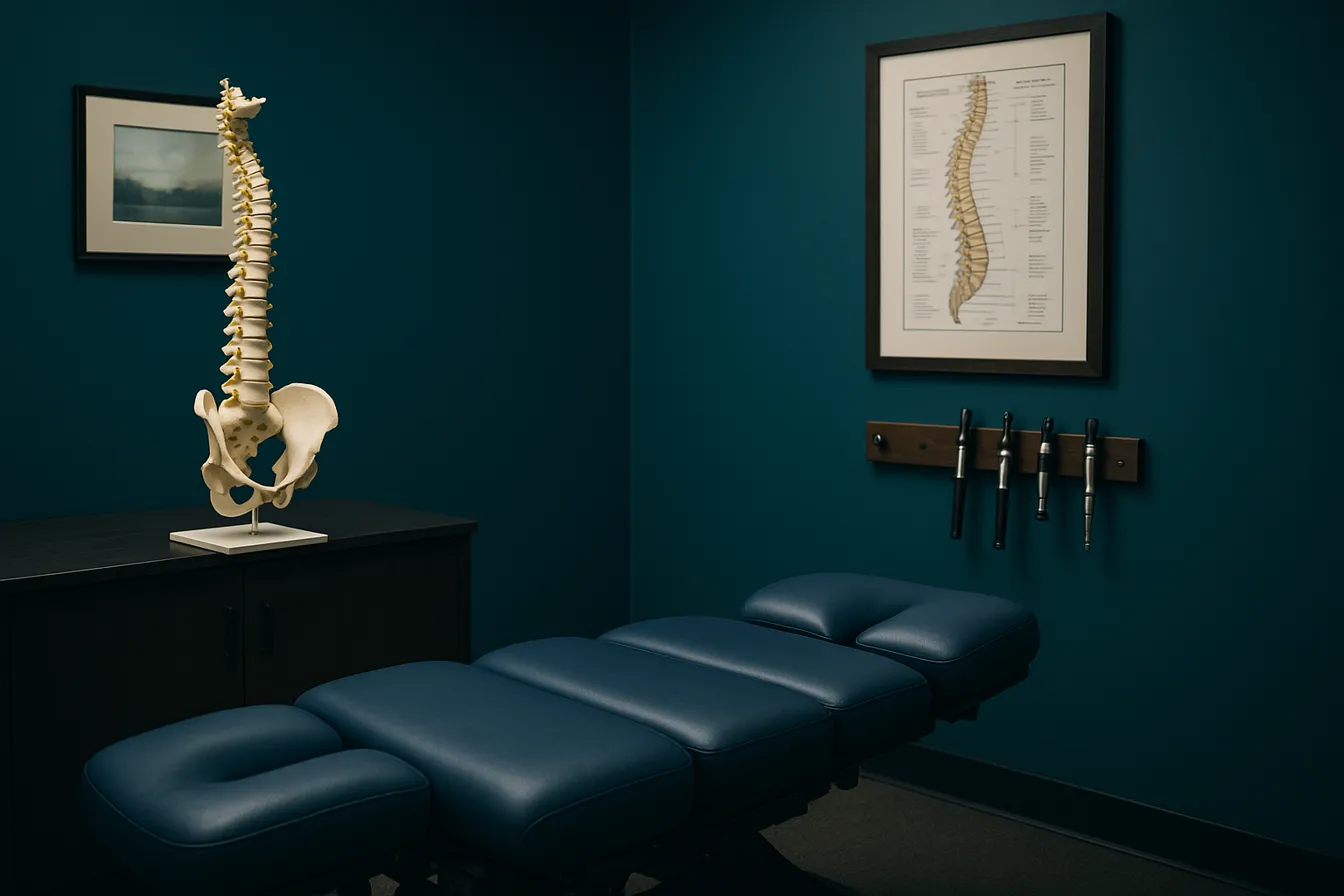
Spinal Health: Lifestyle Tips for Everyday Wellness
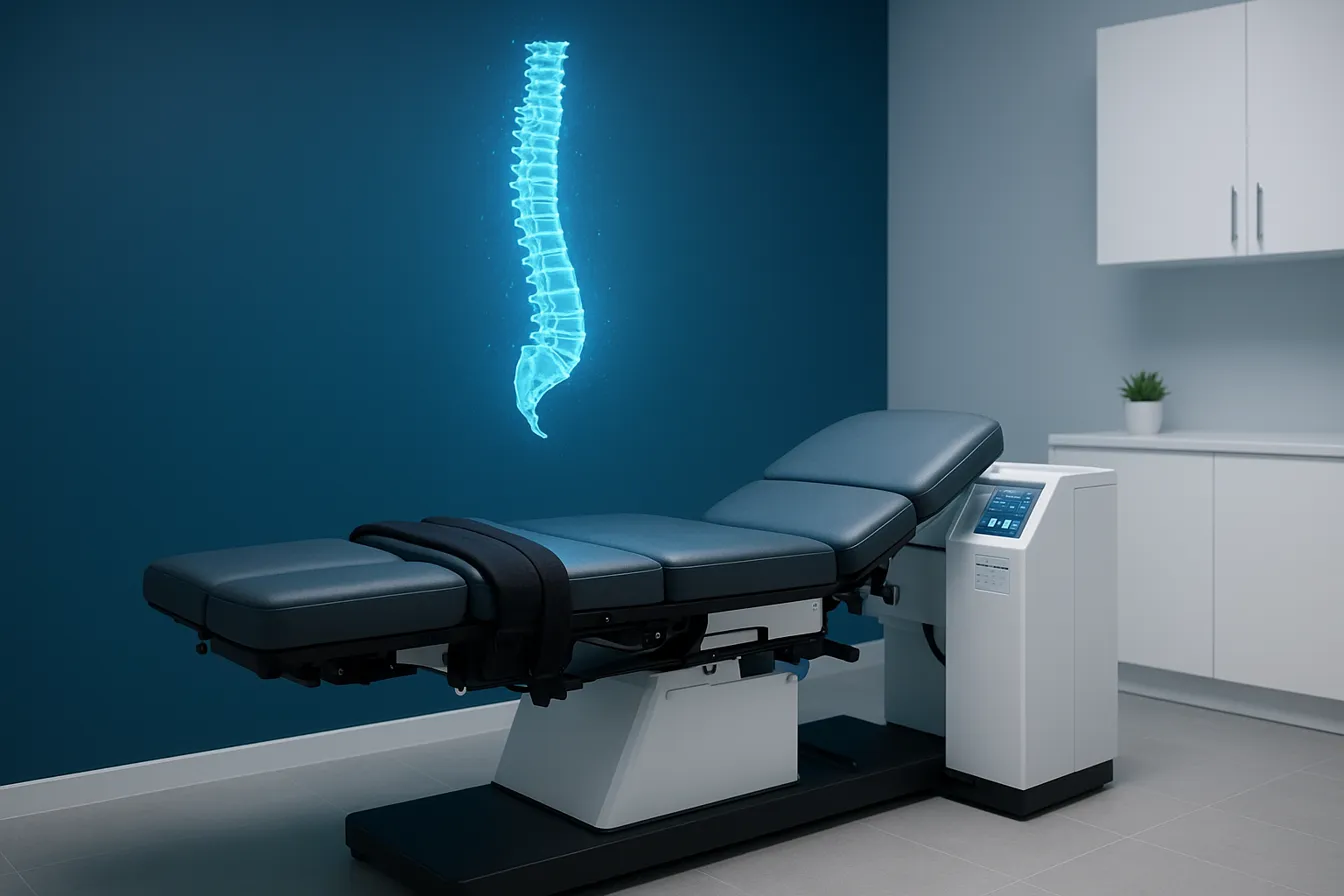
Spinal Decompression Therapy: Benefits and Applications
Holistic and Non-Invasive Spine Care Options
Everyday Lifestyle Advice to Keep Your Spine Healthy
The Significance of Treating Root Causes in Pain Therapy
Best Corrective Exercises for Sustainable Pain Management
Addressing Underlying Causes of Pain for Long-Term Relief
6 Key Benefits of Spinal Decompression Therapy for Sciatica Relief
How Nutritional Counseling Supports Spine Health and Recovery
The Role of Physiotherapy in Supporting Chiropractic Treatments