
What Happens During Your First Visit to a Chiropractor?
January 26, 2026
10 min

Introduction to Your First Chiropractic Visit
Understanding Your First Visit to the Chiropractor
Your initial chiropractic appointment is designed to provide a thorough evaluation of your health and address your pain or discomfort with a personalized treatment plan. This visit typically starts with a detailed consultation, where you share your medical history, current symptoms, and wellness goals with your chiropractor.
What Happens During the Visit?
The chiropractor conducts a comprehensive physical exam that assesses posture, joint mobility, muscle strength, and neurological function. Diagnostic tools like X-rays may be used selectively to identify any structural concerns. Based on these findings, a tailored care plan is created that often includes spinal adjustments and may incorporate supportive therapies such as soft tissue work or rehabilitation exercises.
Why Knowing This Matters
Understanding the process helps you prepare mentally and physically for the appointment. It sets clear expectations about what will happen and emphasizes a patient-centered approach focused on your unique needs. With this knowledge, you can engage confidently and actively in your path towards improved health and pain relief.
Initial Consultation and Medical History Review

What can I expect at my first chiropractic appointment?
During your first chiropractic visit, you will begin by providing a detailed medical history, including past injuries, existing health conditions, and any medications you take. This information helps the chiropractor understand your overall health and tailor the treatment accordingly.
The chiropractor will discuss your symptoms in depth, asking about the type of pain (sharp, dull, throbbing), its triggers, and its impact on your daily life. Honest communication about your concerns and health goals is essential for developing an effective, personalized care plan.
A physical examination follows, focusing on Posture and Spinal Alignment Checks, Range of Motion Evaluation, muscle strength, reflexes, and tenderness in affected areas. If needed, diagnostic tools such as Chiropractic X-rays may be used to evaluate your spinal alignment and detect any structural issues.
Most first visits include a gentle spinal adjustment or manipulation to help relieve tension and improve joint function. Patients often notice immediate benefits like Reduced Muscle Tension from Chiropractic and increased mobility.
Your chiropractor will also educate you about the Developing a Chiropractic Treatment Plan, which may involve exercises, posture advice, and lifestyle changes to support healing and long-term wellness. Follow-up appointments will be scheduled based on your unique needs to ensure continued progress and recovery.
Comprehensive Physical Examination and Diagnostic Testing

What happens during the initial physical evaluation?
During your first chiropractic consultation, a thorough physical examination procedures is conducted to assess your posture and spinal alignment. The chiropractor evaluates how well your spine is aligned and looks for any irregularities that might affect your nervous system and overall health.
How is range of motion and muscle strength tested?
Tests assess how far you can move certain joints and measure muscle strength. This helps identify restricted movement areas or weakened muscles that could be causing pain or functional issues. These involve range of motion evaluation and muscle tone and strength evaluation.
What orthopedic and neurological exams are included?
Orthopedic tests check joint function and pinpoint pain sources, while neurological exams assess reflexes, muscle tone, and nerve function. These evaluations help ensure the condition isn't linked to nerve damage or other nervous system problems. This is part of the orthopedic and neurological tests.
Why might diagnostic imaging like X-rays be used?
X-rays may be ordered if there's recent trauma, suspected spinal deformities, or other structural concerns. However, imaging is used selectively to minimize radiation exposure. The goal is to gain a clearer understanding of your spine's condition to tailor appropriate chiropractic care.
How are these exams tailored to each patient?
The chiropractic exam is customized based on your medical history and symptoms. Not all patients require the same tests or imaging—your chiropractor focuses on areas relevant to your specific complaints to form an effective chiropractic treatment plan.
How long does an initial chiropractic visit usually take?
An initial visit typically lasts 30 to 45 minutes. This timeframe allows for a detailed medical history review, physical assessments including posture, range of motion, muscle strength, and neurological exams, and diagnostic testing if necessary. After completing these steps, the chiropractor discusses findings and collaborates with you on an individualized treatment plan. Subsequent visits usually take less time, focusing on treatments and progress evaluation.
What Happens During Your First Adjustment?

Description of Chiropractic Adjustments
Chiropractic adjustments are therapeutic techniques used by licensed chiropractors to manipulate joints, primarily in the spine, to improve alignment, mobility, and overall function. These adjustments often involve a controlled, quick force applied manually or with instruments to restore proper joint movement and relieve pressure on nerves. For more information, see Chiropractic adjustment therapy.
When Are Adjustments Performed During the First Visit?
Whether you receive an adjustment during your first chiropractic visit depends on your individual examination and treatment plan. Typically, after discussing your symptoms and conducting a physical assessment, the chiropractor will decide if immediate adjustment is appropriate. Many patients receive their first adjustment at this initial visit when deemed safe and beneficial. Learn more about What to Expect at the Chiropractor.
What to Expect During the Adjustment
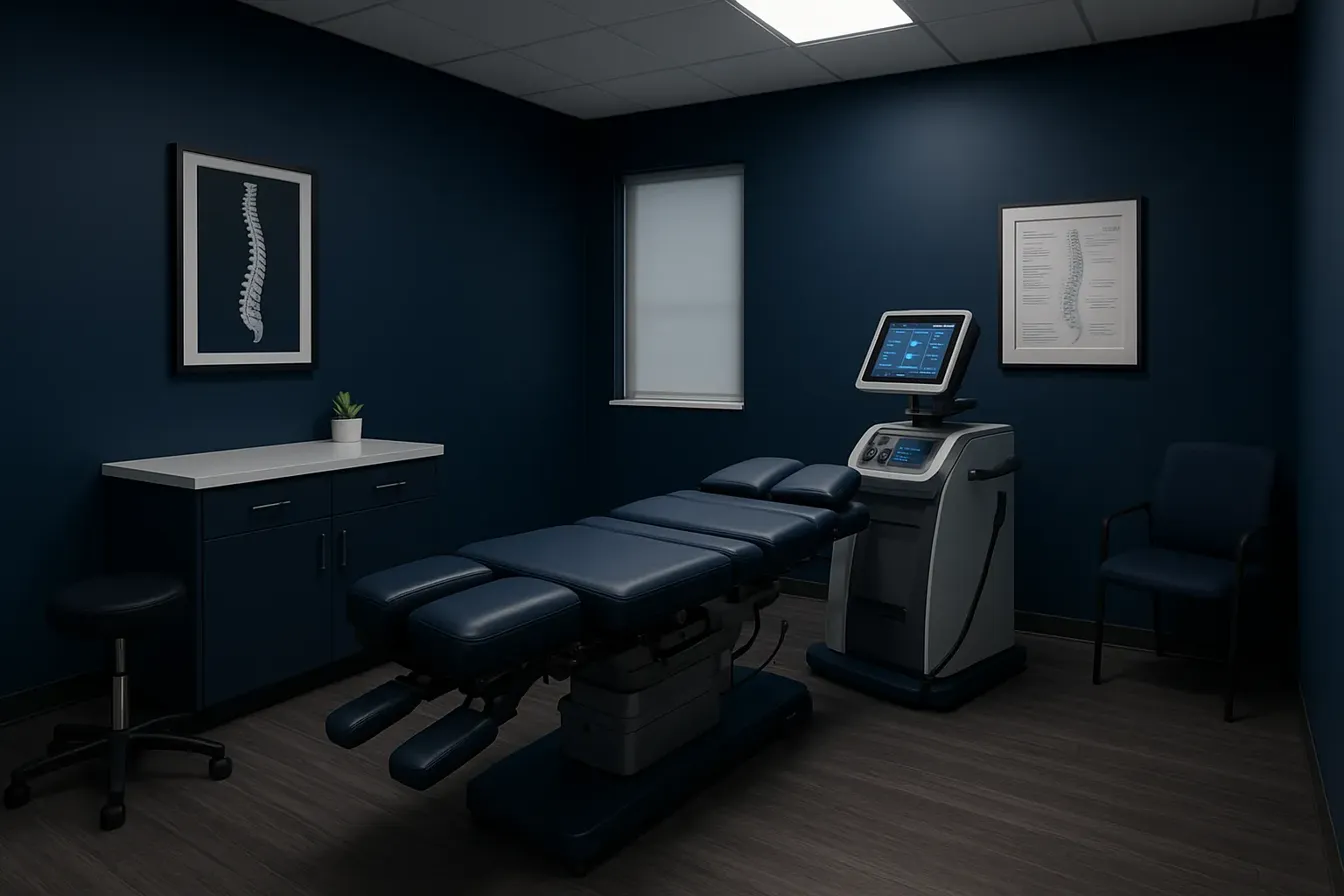
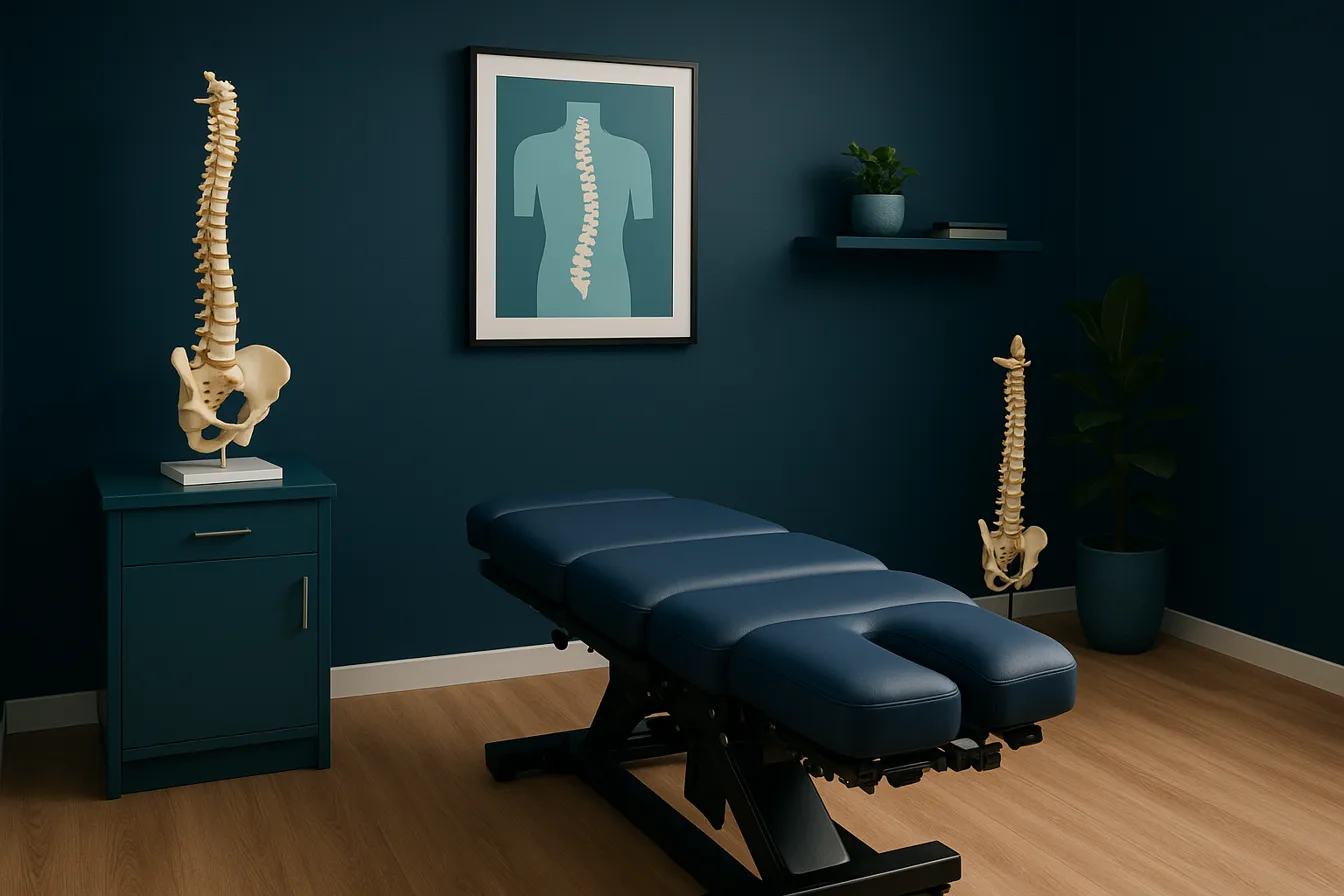
The adjustment is usually performed with you lying comfortably, often face down on a cushioned table. You may hear popping or cracking sounds during the procedure — these are normal and result from gas release within the joint fluids. Adjustments are designed to be painless, though some patients may notice mild soreness afterward similar to post-exercise sensations. Understand Chiropractic Adjustment Sounds and what they mean.
Comfort and Safety Considerations
Your chiropractor prioritizes your safety and comfort throughout the adjustment. Techniques are tailored to your specific condition, with clear explanations provided. The practitioner uses gentle, evidence-based methods, ensuring that adjustments are suitable for your health status and rehabilitation goals. See Benefits of chiropractic adjustments and safety tips.
Will I Receive an Adjustment During My First Chiropractic Visit?
Whether you receive an adjustment during your first visit at Back in Action Bodyworks depends on your individual assessment and treatment plan. Typically, your initial appointment starts with a consultation where the chiropractor discusses your concerns, symptoms, and goals, followed by a thorough evaluation. Based on this, an adjustment may be performed if appropriate and safe. Adjustments are usually quick and painless, with normal popping sounds, and your chiropractor will prioritize your safety and comfort at all times. For detailed expectations, visit First Visit at HealthSource Chiropractic.
Preparing for Your First Chiropractic Appointment

What should I wear to a chiropractic appointment for comfort and ease of treatment?
For your chiropractic appointment, choose comfortable, loose-fitting clothing made from stretchy fabrics such as cotton, spandex, or athletic wear like yoga pants. These allow for easy movement and full range of motion, which helps the chiropractor assess and treat effectively. Avoid stiff jeans, formal wear, bulky sweaters, or tight clothing that could restrict movement or limit access to treatment areas. Remove jewelry, watches, belts, and other accessories to avoid interference during adjustments. Wearing supportive but easy-to-remove shoes such as sneakers or flats is beneficial. If cervical spine work is anticipated, tying back long hair can make the process smoother. For more tips, see first chiropractic appointment tips.
How should I prepare for my first chiropractic visit to get the best experience?
Arrive informed about your medical history, current symptoms, lifestyle, and any recent injuries to help your chiropractor understand your condition fully. Bring any relevant medical records or imaging reports if available. Plan to arrive about 15 minutes early to complete necessary intake paperwork and settle in comfortably. During your visit, expect a consultation discussing your health concerns and goals followed by a physical exam assessing posture, spinal alignment, range of motion, and neurological function. This process is detailed in What to Expect at the Chiropractor and also discussed in Initial chiropractic consultation overview.
Clear communication is essential: be honest and detailed when describing your pain, including its nature, triggers, and how it affects your daily life. Use this opportunity to ask questions about the treatment methods, expected results, and how chiropractic care fits into your overall wellness plan. Preparing well and maintaining open dialogue will help create a personalized, effective care strategy addressing your needs and promoting natural pain relief. Guidance on this can be found at Scheduling your chiropractic appointment and Patient wellness goals discussion.
Understanding Post-Adjustment Effects and Safety Considerations
What are the typical side effects after a first chiropractic adjustment?
After the initial first chiropractic adjustment experience, many patients experience mild soreness, stiffness, or temporary discomfort in the treated area. This is a normal response to the realignment process and usually lasts for one to two days. In some cases, especially if nerve compression like sciatica is present, soreness or increased pain may persist for one to two weeks as nerves react and healing signals initiate. Changes in symptom location can also occur, reflecting the body’s natural realignment and healing process.
Post-treatment care often includes applying ice to reduce inflammation, while heat is generally discouraged immediately after adjustments. Patients are advised to stay hydrated, avoid strenuous activities, and prioritize rest to support recovery and optimize outcomes.
What symptoms or warning signs should prompt contact with a healthcare provider after chiropractic treatment?
While mild soreness and fatigue are common and usually resolve quickly, patients should remain vigilant for warning signs that may indicate complications. Severe or worsening pain, numbness, muscle weakness, dizziness, difficulty speaking, or fainting require immediate medical evaluation.
Persistent or intensifying symptoms beyond a few days, especially sharp pains or loss of movement, should prompt prompt consultation with a healthcare provider. Some patients report feeling "off" or unusual sensations post-treatment, which can be part of a normal detox response but warrant monitoring. Keeping open communication with your chiropractor and seeking urgent care if serious symptoms appear is crucial for safe recovery.
What potential disadvantages or risks are associated with chiropractic care?
Chiropractic care generally carries low risk but is not without potential adverse effects. Common mild side effects include soreness, headache, and tiredness, usually resolving shortly after treatment. Rare but serious complications can occur, such as cerebrovascular accidents (strokes) or nerve injuries, particularly after upper spine manipulations.
Estimates place serious adverse events between 1 in 400,000 to 1 in 3.85 million treatments. Patients under 45 may face a slightly higher risk of vertebrobasilar accidents within a week of care. Given that the efficacy of chiropractic treatment, especially for back pain, sometimes parallels placebo effects, careful patient-chiropractor discussions are essential to weigh benefits versus risks.
Patients should consider all available evidence-based options, including physical therapy, and ensure comprehensive medical evaluation when addressing musculoskeletal issues.
Importance of patient communication and follow-up
Effective communication between patients and chiropractors enhances safety and treatment success. Patients are encouraged to share their full health history and any changes in symptoms promptly. Follow-up appointments allow for monitoring progress, adjusting treatment plans, and ensuring that any side effects or concerns are addressed in a timely manner.
By maintaining open dialogue and adhering to recommended care schedules, patients can maximize the benefits of chiropractic care while minimizing potential risks.
Chiropractic Care for Lower Back Pain: Treatments and Benefits
What does a chiropractor do to treat lower back pain?
Chiropractors primarily use spinal adjustments to treat lower back pain. These adjustments involve applying gentle, controlled force to the spine to improve joint mobility and relieve nerve pressure. This manual therapy helps reduce Reduced Muscle Tension from Chiropractic, alleviate pain, and restore proper vertebral alignment.
Complementary therapies recommended alongside adjustments
Beyond Spinal Manipulation and Alignment, chiropractors recommend exercises and stretches designed to strengthen muscles supporting the spine. Rehabilitation exercises promote flexibility and stability, helping to prevent future pain episodes. Massage therapy may also be incorporated to alleviate soft tissue tension.
Lifestyle and ergonomic advice for lasting benefits
Chiropractic care includes education on proper posture and ergonomic habits during daily activities. Advising patients on how to maintain spinal health at work and home supports recovery and minimizes the risk of recurrence.
Non-invasive and drug-free approach
Chiropractic treatment offers a holistic, non-invasive alternative to medication or surgery. It focuses on harnessing the body's natural healing capabilities through manual therapies and lifestyle adjustments without the use of drugs.
Addressing root causes for lasting relief
By correcting spinal misalignments and strengthening supportive structures, chiropractic care targets the underlying causes of lower back pain rather than just masking symptoms. This comprehensive approach contributes to improved function, increased mobility, and durable pain relief.
Conclusion: Starting Your Chiropractic Journey with Confidence
Recap of What to Expect During Your First Visit
Your first chiropractic appointment includes a thorough consultation, physical examination, and possibly diagnostic imaging to understand your unique health needs. Expect personalized treatment plans addressing your musculoskeletal health with gentle spinal adjustments and supportive therapies.
Encouragement for Open Communication
Being open about your symptoms and health history helps your chiropractor tailor care effectively and safely. Don’t hesitate to ask questions or share concerns to ensure a comfortable and trusting environment.
Emphasis on Personalized Care and Safety
Chiropractors focus on holistic, patient-centered approaches using evidence-based techniques designed for your specific condition. Safety and comfort are priorities throughout your care.
Looking Forward to Improved Health
With a customized plan and consistent care, you can look forward to reduced pain, better mobility, and enhanced overall wellness on your chiropractic journey.
Recent articles

10 Real‑Patient Success Stories Showcasing the Impact of Chiropractic Care

Superfoods That Boost Nerve Healing After Chiropractic Sessions

Sleep Positions That Promote a Healthy Back Alignment

Signs Your Chiropractor Is a Good Fit for Your Back Pain Goals

Case Study: Integrated Physiotherapy and Chiropractic for Faster Recovery

First-Time Chiropractic Visit: A Step‑by‑Step Walkthrough
Synergistic Benefits: Combining Physiotherapy with Chiropractic Care

Beyond Surgery: Holistic Approaches to Managing Back Pain

How Manual Therapy Enhances the Effects of Chiropractic Adjustments

Hydration Hacks: Why Water Matters for Joint and Spine Function

What Does a Comprehensive Spinal Evaluation Include?

Success Spotlight: Transformative Results After Six Weeks of Chiropractic Treatment

Understanding the Initial Assessment Process in Chiropractic Care

Designing a Personalized Corrective Exercise Plan for Chronic Pain Management

Natural Pain Management: Combining Acupuncture, Yoga, and Chiropractic

Chiropractic Care vs. Pain Meds: Long-Term Outcomes for Back Pain Sufferers

What to Expect During a Sciatica‑Focused Decompression Session

Understanding the Pain-Relief Mechanics Behind Chiropractic Adjustments

Success Rates of Non‑Surgical Spinal Decompression for Sciatica

Patient-Centered Chiropractic Care: Personalized Plans for Back Pain Relief

How Chiropractic Treatments Reduce Inflammation and Speed Up Back Pain Recovery

Real‑Life Stories: How Chiropractic Helped Patients Overcome Chronic Back Pain

From Symptom Masking to Root‑Cause Healing: A Practical Guide

6 Holistic Non‑Surgical Treatments That Deliver Sustainable Back‑Pain Relief

Key Questions to Ask When Selecting Your Chiropractor

Mindful Movement: Incorporating Stretch Breaks Into a Busy Day

Why Targeting the Underlying Cause Beats Temporary Symptom Relief

8 Ways Physiotherapy Complements Chiropractic Adjustments for Faster Recovery

Meal Planning for Athletes Recovering from Back Injuries

9 Everyday Lifestyle Tweaks to Preserve a Healthy Spine and Prevent Pain

Functional Movement Screening for Root‑Cause Pain Identification

6 Things You’ll Experience During Your First Chiropractic Appointment

Spinal Decompression vs. Standard Physical Therapy for Sciatica: A Comparative Review

New Findings on How Adjustments Influence Blood Circulation

Work‑From‑Home Ergonomics: A Blueprint for a Pain‑Free Back

The Link Between Chiropractic Care and Improved Sleep Quality

Physiotherapy Techniques That Strengthen the Benefits of Chiropractic Adjustments

Biomechanical Insights Behind Successful Spinal Decompression

Desk‑to‑Dumbbell: Lifestyle Shifts That Guard Your Lower Back

10 Corrective Exercises for Sustainable Pain-Free Living

Morning Routines That Support Spine Health and Reduce Stiffness

Calcium and Magnesium‑Focused Nutrition for Bone Density and Spine Health

9 Ways Chiropractic Care Transforms Back Pain Management

Testimonial: Nutrition‑Guided Recovery Accelerated by Chiropractic

Science‑Backed Spinal Decompression for Relieving Sciatica Symptoms

Key Questions to Ask During Your Initial Chiropractic Consultation

Whole‑Body Wellness Blueprint: Nutrition, Exercise, and Chiropractic Synergy

A 12‑Week Corrective Exercise Blueprint for Chronic Neck Discomfort

Manual Therapy Plus Targeted Exercise: Accelerating Post‑Injury Recovery

Home‑Based Spinal Decompression Devices: What Patients Should Know

Chiropractic Care Statistics: Reducing Lost Workdays From Back Pain

How Targeted Nutrition Enhances Immune Function and Lowers Inflammatory Pain

Self‑Assessment Tools to Identify Hidden Triggers of Back Pain

Preparing for Your First Chiropractic Appointment: A Practical Checklist

Back Pain Relief Benefits: Lower Opioid Use and Better Quality of Life

Foam‑Rolling Techniques to Complement Chiropractic Adjustments

Progressive Overload Principles in Corrective Exercise Programs

Six‑Month Transformation: Integrated Care Success Story

7 Nutritional Hacks to Boost Your Overall Wellness

How to Choose a Chiropractor: Credentials, Techniques, and Patient Compatibility

5 Ways Spinal Decompression Can Ease Sciatica Pain

Overcoming Sciatica: A Patient’s Multidisciplinary Treatment Journey

Lifestyle Changes That Promote a Healthy Spine
Physiotherapy as a Complement to Chiropractic Treatments

6 Ways Physiotherapy Enhances Chiropractic Treatment Outcomes

Daily Living Tips for a Strong and Healthy Spine

How Physiotherapy Enhances Chiropractic Outcomes

Holistic Treatments: Alternatives to Surgery for Pain Relief
Inspiring Patient Success Stories from Chiropractic Clinics

Integrating Physiotherapy with Chiropractic Treatments
Corrective Exercise Routines for Chronic Pain Prevention
10 Corrective Exercises to Maintain a Healthy Spine and Relieve Pain
Exercise Strategies for Long-Term Pain Management
10 Corrective Exercises to Maintain a Healthy Spine and Relieve Pain

The Importance of Treating the Root Cause of Pain

Nutritional Support Strategies for Whole-Body Wellness
7 Essential Questions to Ask When Choosing Your Chiropractor

Identifying and Addressing Root Causes of Pain
Maintaining a Healthy Spine with Lifestyle Adjustments
Sciatica Symptom Relief via Spinal Decompression
8 Reasons Why Addressing the Root Cause of Pain Is Crucial

Chiropractic Care’s Impact on Back Pain Recovery

Combining Physiotherapy with Chiropractic Care for Better Results

Inspiring Recovery: Chiropractic Patient Testimonials

Nutritional Counseling Tips for Optimal Wellness

Why Addressing the Root Cause of Pain is Crucial
Back Pain and Chiropractic Care: A Winning Combination

Chiropractic Care Benefits You Might Not Know
Exploring Holistic and Non-Surgical Treatments for Pain
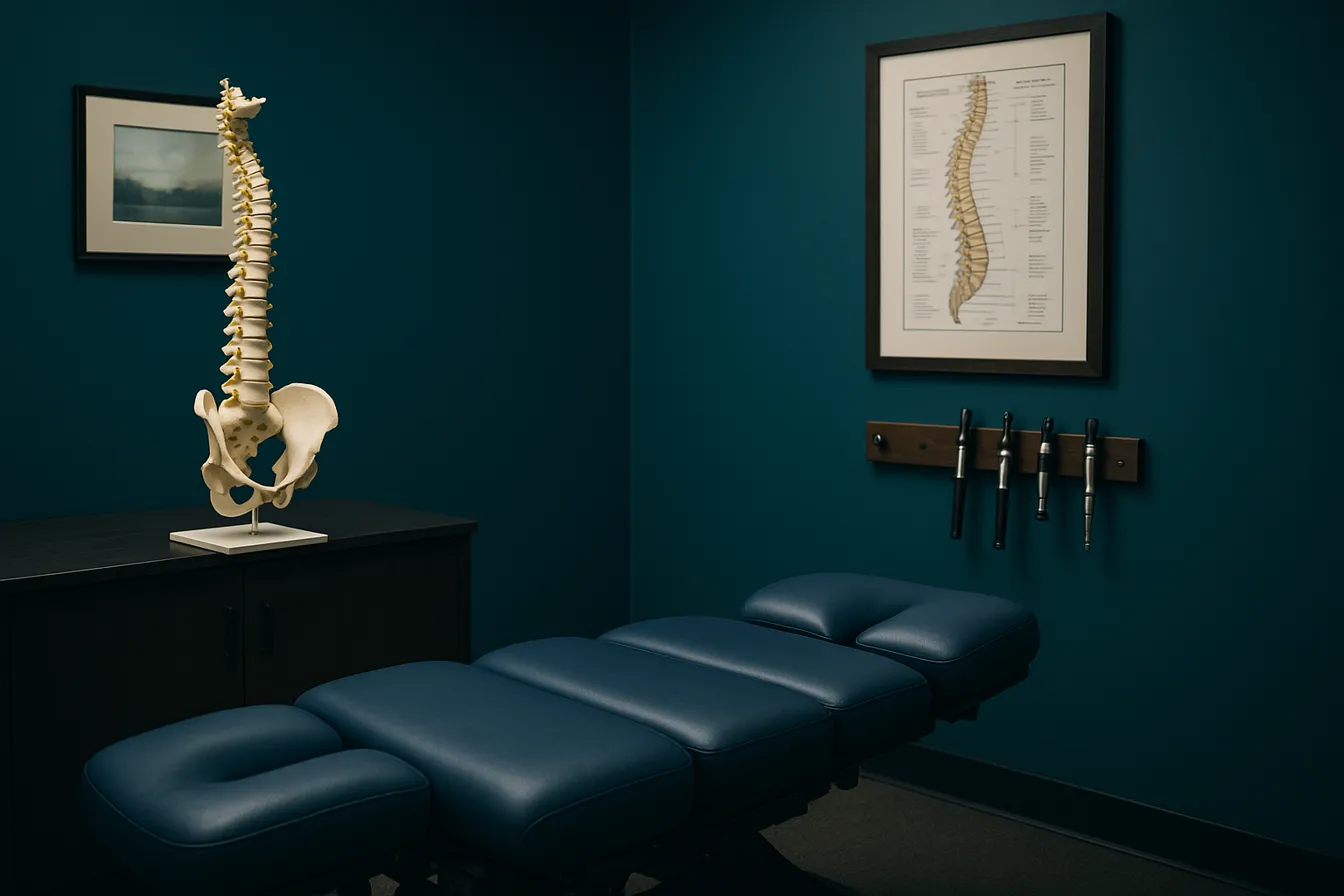
Spinal Health: Lifestyle Tips for Everyday Wellness
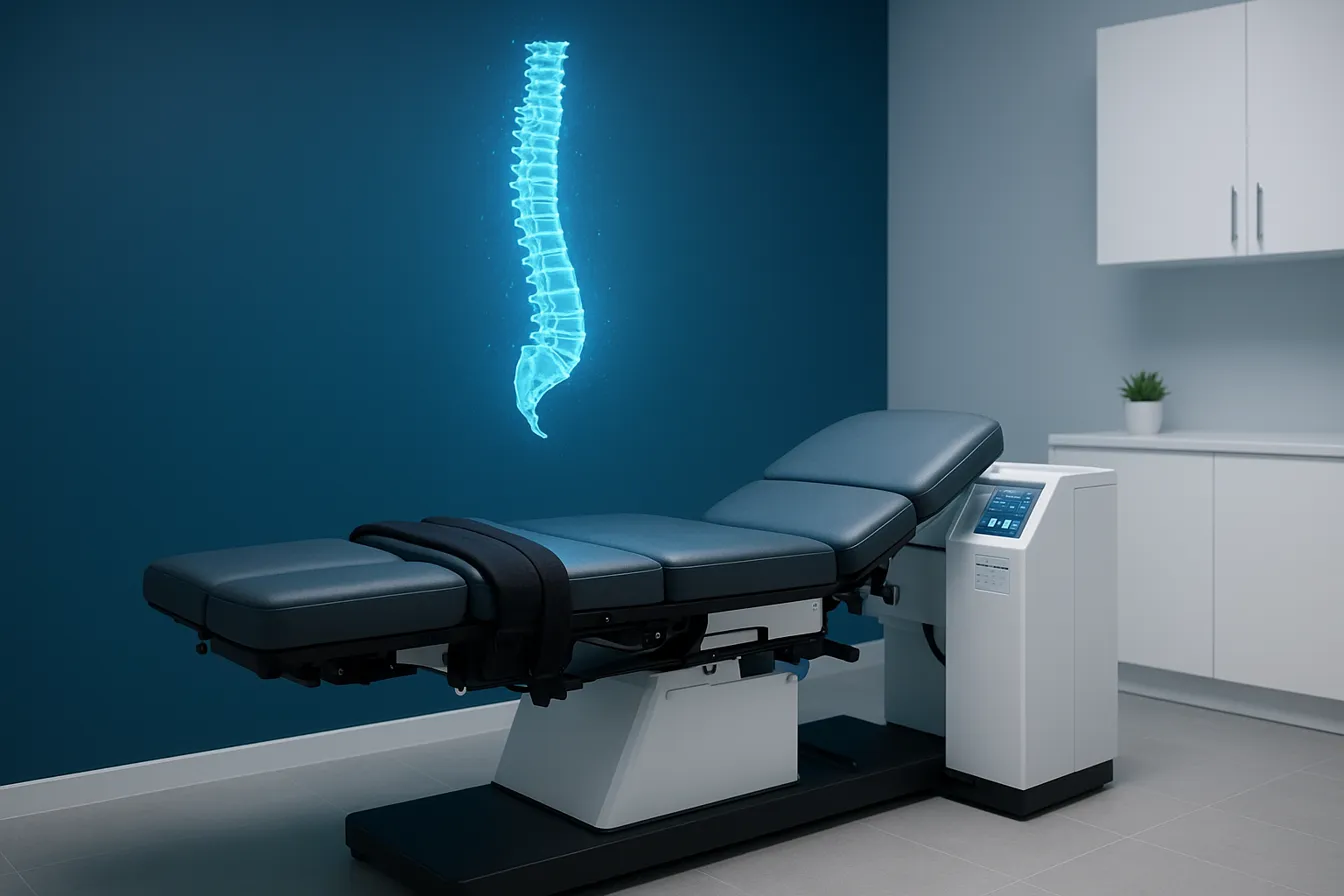
Spinal Decompression Therapy: Benefits and Applications
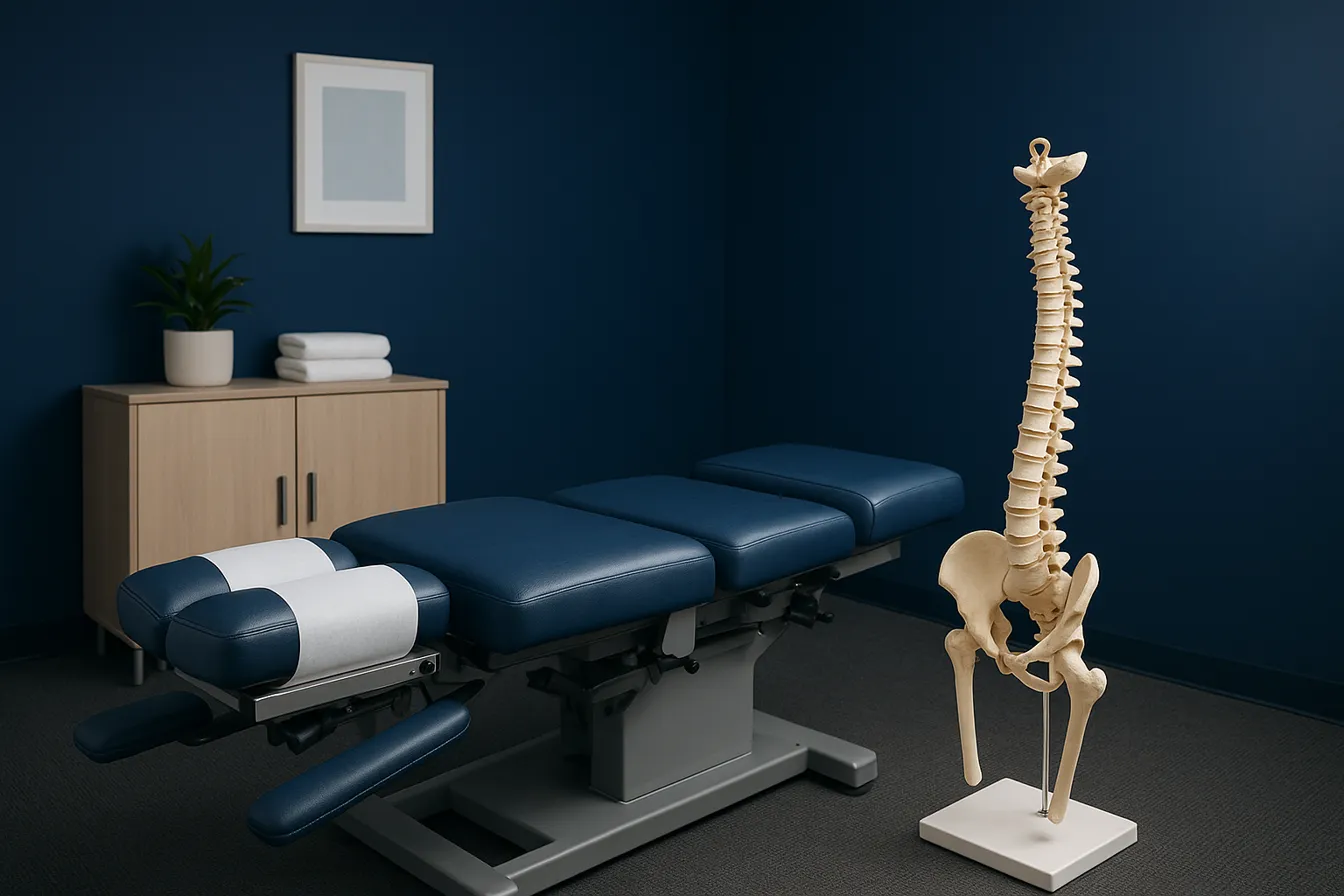
Holistic and Non-Invasive Spine Care Options
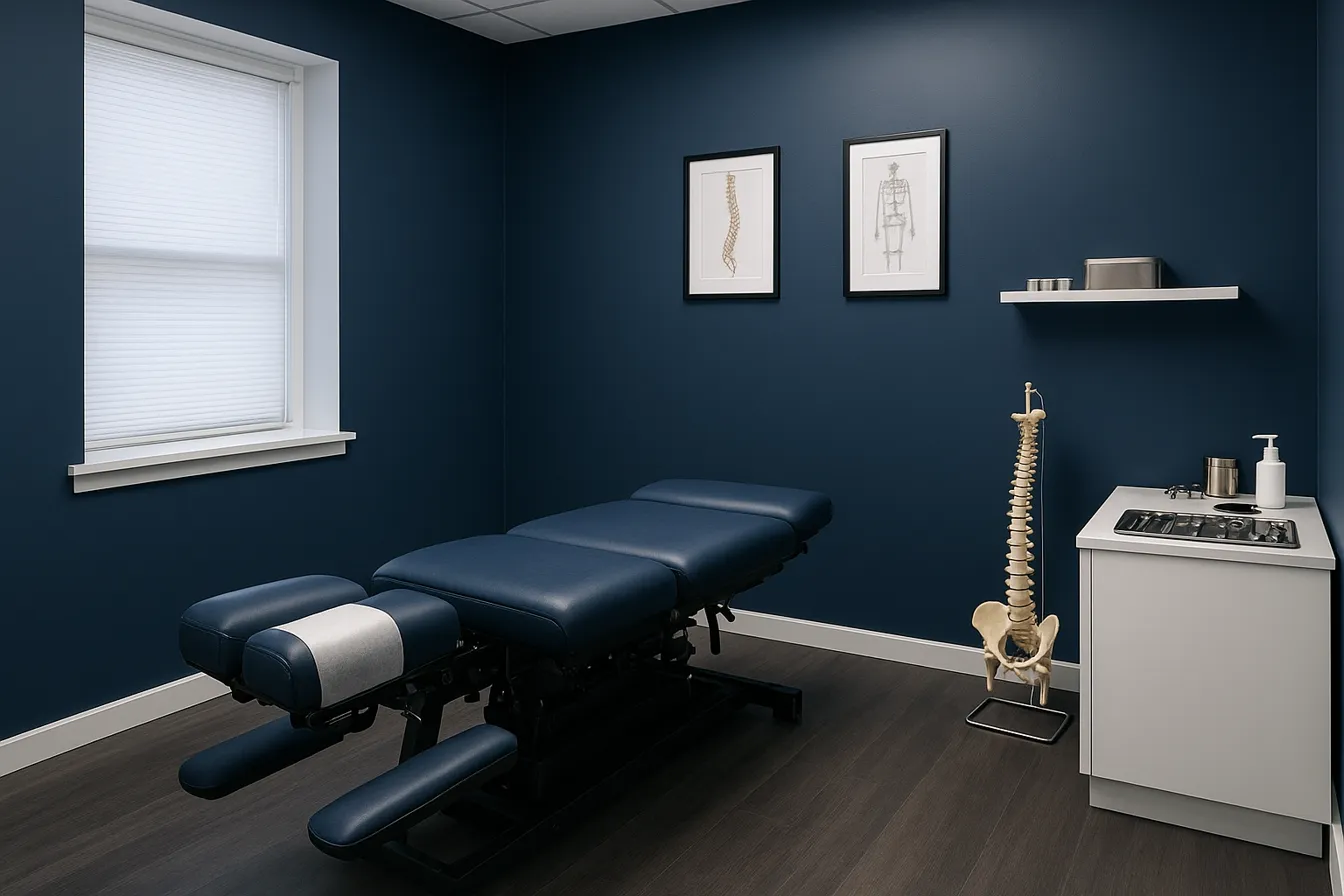
Everyday Lifestyle Advice to Keep Your Spine Healthy

The Significance of Treating Root Causes in Pain Therapy
Best Corrective Exercises for Sustainable Pain Management

Addressing Underlying Causes of Pain for Long-Term Relief
6 Key Benefits of Spinal Decompression Therapy for Sciatica Relief

How Nutritional Counseling Supports Spine Health and Recovery

The Role of Physiotherapy in Supporting Chiropractic Treatments