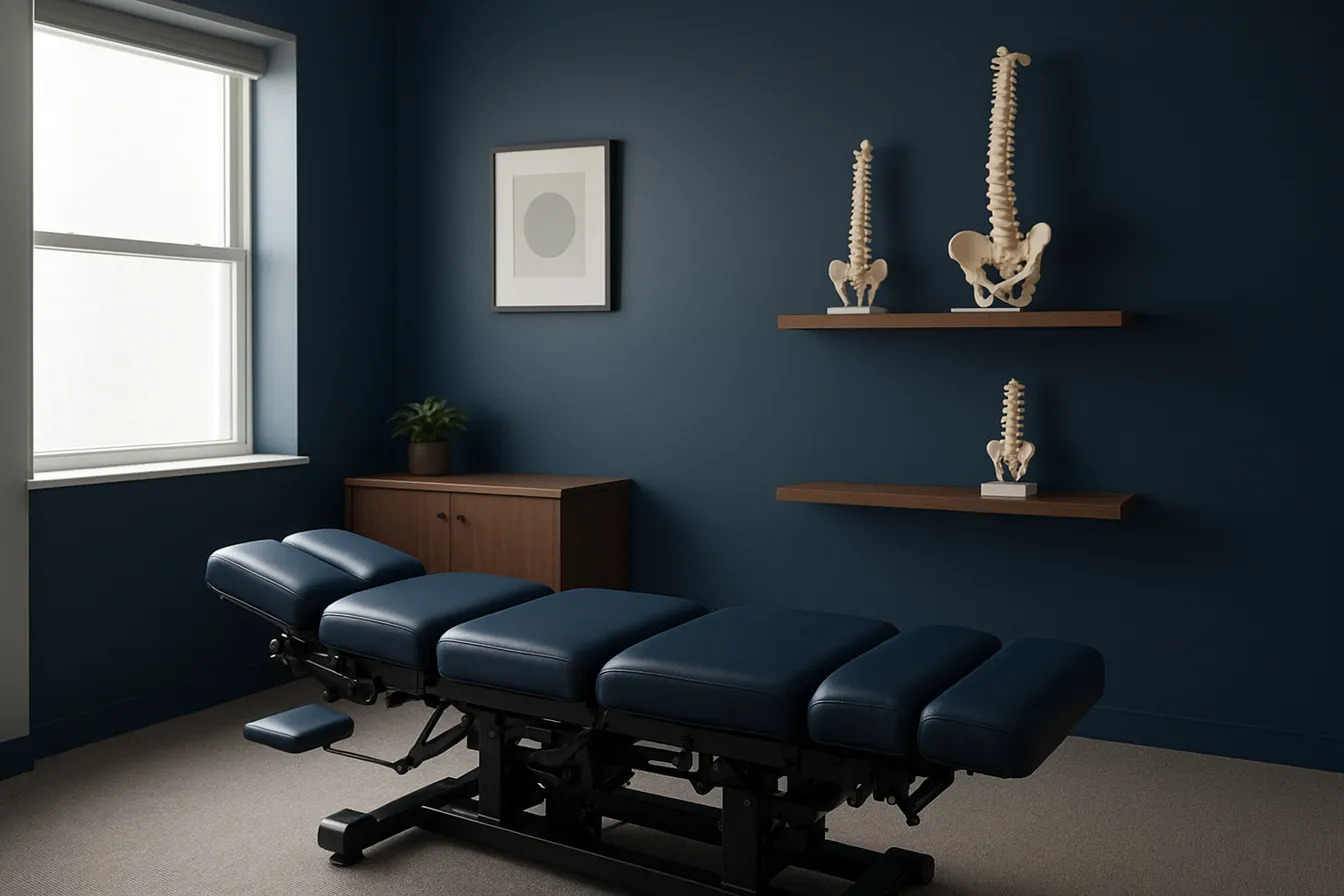
The Role of Physiotherapy in Supporting Chiropractic Treatments
January 27, 2026
8 min

Introduction to Integrative Musculoskeletal Therapy
Overview of Chiropractic and Physiotherapy Approaches
Chiropractic care primarily focuses on diagnosing and treating musculoskeletal issues, especially involving the spine. It uses manual spinal adjustments to restore proper alignment and improve nervous system function. Physiotherapy, on the other hand, aims to enhance movement, function, and strength through therapeutic exercises, manual therapy, and patient education.
Benefits of Combining These Disciplines
Combining chiropractic care with physiotherapy offers a comprehensive, patient-centered approach. While chiropractic adjustments provide quick relief by correcting spinal misalignments, physiotherapy strengthens muscles and improves flexibility, supporting long-term recovery. Together, they accelerate healing, reduce pain, and help prevent future injuries by addressing both alignment and functional muscle health.
Holistic Treatment Philosophy
This integrated treatment philosophy promotes overall wellness by treating the body as a whole. Personalized care plans are developed by combining the expertise of both disciplines, ensuring that each patient’s unique needs are met. Emphasizing education, ergonomics, and lifestyle changes, this approach supports sustained musculoskeletal health and enhanced quality of life.
Distinct Yet Complementary Roles of Chiropractors and Physiotherapists

How do the roles of a chiropractor and a physiotherapist differ?
Chiropractors primarily focus on diagnosing and treating musculoskeletal disorders, with a central emphasis on Chiropractic care for spinal alignment. Their treatments commonly include Chiropractic spinal manipulations and decompression aimed at correcting misalignments, improving joint function, and enhancing nervous system health. Chiropractors may utilize diagnostic imaging such as X-rays to pinpoint structural issues. Their care often involves a series of adjustments over multiple visits and may include lifestyle advice focused on diet, nutrition, and posture maintenance.
Physiotherapists take a rehabilitative approach that involves comprehensive assessment and active patient participation. Their treatment plans typically feature Therapeutic exercises in physical therapy, movement retraining, manual therapy techniques, and modalities like ultrasound or electrical stimulation. Physiotherapy centers on restoring mobility, strength, flexibility, and functional movement patterns, particularly addressing muscle imbalances and weaknesses. Their approach usually requires fewer sessions, aiming for quicker resolution of functional deficits.
Differences in philosophy and techniques
Chiropractic care is rooted in the premise that proper spinal alignment facilitates the body's natural healing by optimizing nervous system communication and biomechanical function. Techniques revolve around Chiropractic spinal manipulations and decompression and soft tissue manipulation.
Physiotherapy adopts a holistic rehabilitation model that targets the entire musculoskeletal system's function through exercise therapy, manual therapy, and patient education. It emphasizes empowering patients with movement skills and strength to prevent injury and regain full functionality.
Scope of practice
Chiropractors specialize in the diagnosis and treatment of spinal disorders and related musculoskeletal conditions, often providing ongoing spinal maintenance care.
Physiotherapists address a broader spectrum of rehabilitation needs including post-surgical recovery, injury rehabilitation, neurological impairments, and functional mobility challenges, often collaborating with other healthcare providers for integrated patient care.
By recognizing their distinct focuses—structural realignment versus functional rehabilitation—patients can benefit from an integrated, patient-centered care approach combining chiropractic and physiotherapy for comprehensive musculoskeletal health.
The Benefits of Combining Physiotherapy and Chiropractic Care

Is it beneficial to combine physiotherapy and chiropractic care?
Yes, combining Physiotherapy and Chiropractic Care can be highly beneficial as it offers a Holistic Musculoskeletal Health at Accelerate Health by addressing both the structural and functional aspects of a condition.
Complementary treatment effects
Chiropractic care for spinal alignment primarily focuses on spinal alignment through manual adjustments, which can quickly alleviate pain and improve nervous system function. Physical Therapy for Movement Improvement complements this by strengthening muscles, improving flexibility, and restoring proper movement patterns. Together, they target both the root causes and symptoms of musculoskeletal problems.
Accelerated recovery
This integrative approach promotes Accelerated Recovery with Combined Treatments by ensuring the body is correctly aligned and muscularly supported. Chiropractic adjustments reduce misalignments that may cause compensatory muscle strain, while physical therapy exercises rebuild strength and flexibility to support long-term recovery.
Pain relief mechanisms
Quick pain relief via chiropractic adjustments provides immediate reduction of nerve irritation and joint dysfunction, often leading to quick pain relief. Pain relief through chiropractic and physical therapy aids by decreasing inflammation and strengthening muscles, which maintains relief and prevents recurrence.
Long-term prevention and holistic wellness
Education on proper movement, posture, and ergonomics is a shared focus. Pain Reduction and Injury Prevention Strategies through chiropractic and physiotherapy together promote joint and spinal health while preventing future injuries through patient-centered wellness strategies.
The personalized nature of combined care
Personalized treatment plans for musculoskeletal care integrating both disciplines allow practitioners to develop tailored treatment plans that match each patient's specific needs and health goals, ensuring effective and sustainable outcomes in managing pain and improving function.
Treatment Approaches and Modalities Used in Physiotherapy and Chiropractic Care

Chiropractic spinal adjustments and manual therapy
Chiropractors primarily use Chiropractic spinal adjustments and manipulations to correct misalignments, restore joint motion, and improve nervous system function. These hands-on techniques focus on improving spinal health and addressing related musculoskeletal issues.
Physiotherapy therapeutic exercises and modalities
Physical therapists utilize Therapeutic exercises designed to restore mobility, strength, and function. These exercises are tailored to each patient’s rehabilitation needs, aiming to enhance movement patterns and reduce pain.
Use of manual therapy, electrotherapy, and exercise therapy
Both chiropractors and physical therapists incorporate Manual Therapy in Physiotherapy to manipulate soft tissues and joints. Additionally, physical therapists often apply electrotherapy techniques—such as ultrasound, electrical stimulation, heat, and cold therapies—to reduce inflammation and promote healing. Exercise Therapy for Musculoskeletal Health is essential in physiotherapy to strengthen muscles, improve flexibility, and support recovery.
Rehabilitation techniques and patient education
Rehabilitation involves a combination of manual treatments and guided exercises aimed at restoring function after injury or surgery. Both professions emphasize Patient Education in Therapy to improve posture, movement mechanics, ergonomics, and lifestyle habits to prevent future injuries and support long-term wellness.
Can physical therapists perform the same treatments as chiropractors?
While both aim to enhance musculoskeletal health, chiropractors and physical therapists use different approaches. Chiropractors mainly perform spinal adjustments and manipulations, focusing on joint mobility and alignment, especially in the spine. Physical therapists offer a broader intervention range, including therapeutic exercise, manual therapy, electrotherapy, and education tailored to recovery and functional improvement. Although there is some overlap, the treatments differ based on distinct training and clinical philosophies, ensuring that each discipline addresses specific patient needs effectively.
Effectiveness in Managing Back Pain: Why Integration Matters

When chiropractic care is preferred
Chiropractic care is often the go-to option for back pain related to spinal misalignments, nerve compression, or joint dysfunction. Its cornerstone treatment—Chiropractic spinal adjustments—works quickly to realign vertebrae, reduce nerve irritation, and restore healthy joint motion. This approach is particularly effective when the pain stems from structural issues impacting the nervous system's function.
When physiotherapy is preferred
Physiotherapy becomes essential when back pain is caused by muscular weakness, poor posture, strains, or injury. It involves tailored exercises, manual therapy, and modalities such as heat or electrical stimulation to strengthen muscles, enhance flexibility, and improve movement patterns. These interventions promote long-term functional improvement and prevent future flare-ups.
Benefits of combined treatment for back pain
Combining chiropractic and physiotherapy provides a comprehensive solution addressing both spinal alignment and muscular function. Chiropractic adjustments can deliver immediate relief by correcting joint dysfunctions, enabling patients to better engage in physical therapy exercises. Meanwhile, physiotherapy reinforces spinal health by improving muscle balance and movement habits. Together, they accelerate recovery, reduce pain effectively, and improve overall mobility while minimizing the risk of recurring injury.
Case examples of chronic, acute, and post-surgery recovery
For chronic back pain stemming from long-term misalignments or muscular imbalances, the combined approach helps restore stability and reduce inflammation. In acute injuries or strains, chiropractic care can alleviate joint restrictions promptly while physiotherapy supports functional restoration with therapeutic exercises. Post-surgery patients often benefit greatly from this Synergy of Physical Therapy and Chiropractic Care, as adjustments reduce stiffness and physical therapy promotes mobility, strength, and optimal healing.
By receiving both chiropractic and physiotherapy treatments, individuals with back pain engage in a holistic, patient-centered plan that targets the root causes and supports sustained wellness.
| Treatment Aspect | Chiropractic Care | Physiotherapy | Combined Benefits |
|---|---|---|---|
| Focus | Chiropractic care for spinal alignment | Physical Therapy for Movement Improvement | Benefits of Combining Physical Therapy and Chiropractic Care |
| Techniques | Chiropractic spinal adjustments | Therapeutic exercises and manual therapy | Benefits of Combining Chiropractic Care and Physical Therapy |
| Best for | Manual adjustments in chiropractic treatment | Muscle weakness, injury rehabilitation | Accelerated recovery with combined treatments |
| Patient involvement | Personalized chiropractic adjustments | Active exercise participation | Personalized Treatment Plans in Musculoskeletal Care |
Holistic Patient-Centered Care at Back in Action Bodyworks

Long-standing Clinic History
Back in Action Bodyworks has been serving the Torrance, California community for over 25 years. This extensive experience underpins its reputation as a trusted provider of Chiropractic care in Torrance, CA and Physiotherapy and neuropathy management services.
Comprehensive Service Offerings
The clinic offers a wide range of treatments including Chiropractic care, Corrective exercises at Back in Action Bodyworks, Spinal decompression therapy, Physiotherapy and neuropathy management, Nutritional counseling for wellness, and Lifestyle advice for spinal health. These services work synergistically to support Holistic musculoskeletal health services.
Personalized Integrative Care Plans
Patients receive individualized treatment plans combining Personalized chiropractic adjustments with movement therapies and strength training. This integrative approach ensures both Spinal alignment and balance and muscular support are addressed to promote healing and prevent future injury.
Patient Education and Lifestyle Guidance
Educating patients on posture correction, Ergonomic techniques for injury prevention, activity pacing, and nutritional choices is central to the clinic’s therapy philosophy. These strategies empower patients to sustain wellness beyond clinical visits.
Community Trust and Patient Involvement
The clinic emphasizes Patient education and clear communication and patient involvement in care decisions to foster trust and comfort. This participatory approach enhances treatment effectiveness and patient satisfaction, reinforcing its role as a community health ally.
Summary: Maximizing Musculoskeletal Health through Integrated Care
Recap of Integrative Benefits
Combining chiropractic care and physical therapy offers a comprehensive approach to managing musculoskeletal health. Chiropractic adjustments restore spinal alignment and reduce nerve interference, providing rapid pain relief. Physical therapy complements this by strengthening muscles, improving flexibility, and enhancing movement patterns. Together, they promote faster recovery, reduce inflammation, and help prevent future injuries through patient education and holistic care.
Importance of Personalized Treatment
Personalized treatment plans are fundamental in integrated care. Tailoring therapies to individual patient needs ensures effective addressing of specific musculoskeletal issues. Collaboration between chiropractors and physical therapists allows for thorough assessment and coordinated interventions, enhancing recovery and promoting long-term wellness.
Future Outlook on Combined Therapies
The future of musculoskeletal care increasingly supports integrated, multidisciplinary approaches. Continued collaboration between chiropractic and physical therapy professionals promises improved patient outcomes and sustained health benefits. Holistic, patient-centered strategies will remain central, fostering natural pain relief and functional restoration.
Recent articles

10 Real‑Patient Success Stories Showcasing the Impact of Chiropractic Care

Superfoods That Boost Nerve Healing After Chiropractic Sessions

Sleep Positions That Promote a Healthy Back Alignment

Signs Your Chiropractor Is a Good Fit for Your Back Pain Goals

Case Study: Integrated Physiotherapy and Chiropractic for Faster Recovery

First-Time Chiropractic Visit: A Step‑by‑Step Walkthrough
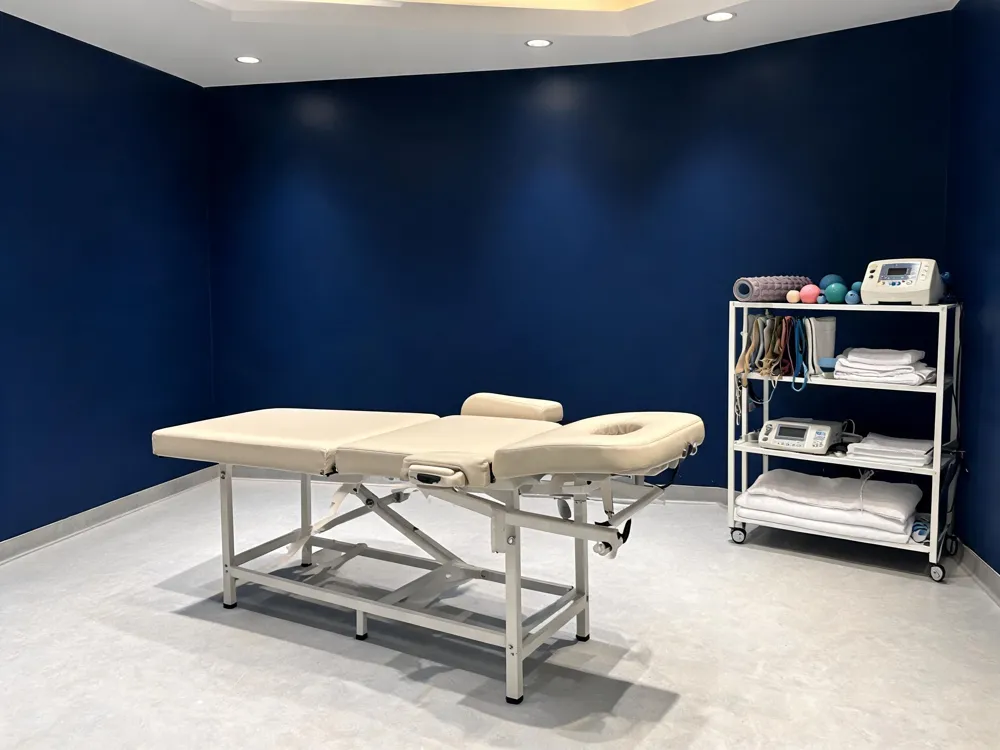
Synergistic Benefits: Combining Physiotherapy with Chiropractic Care

Beyond Surgery: Holistic Approaches to Managing Back Pain

How Manual Therapy Enhances the Effects of Chiropractic Adjustments

Hydration Hacks: Why Water Matters for Joint and Spine Function

What Does a Comprehensive Spinal Evaluation Include?

Success Spotlight: Transformative Results After Six Weeks of Chiropractic Treatment

Understanding the Initial Assessment Process in Chiropractic Care

Designing a Personalized Corrective Exercise Plan for Chronic Pain Management

Natural Pain Management: Combining Acupuncture, Yoga, and Chiropractic

Chiropractic Care vs. Pain Meds: Long-Term Outcomes for Back Pain Sufferers

What to Expect During a Sciatica‑Focused Decompression Session

Understanding the Pain-Relief Mechanics Behind Chiropractic Adjustments

Success Rates of Non‑Surgical Spinal Decompression for Sciatica

Patient-Centered Chiropractic Care: Personalized Plans for Back Pain Relief
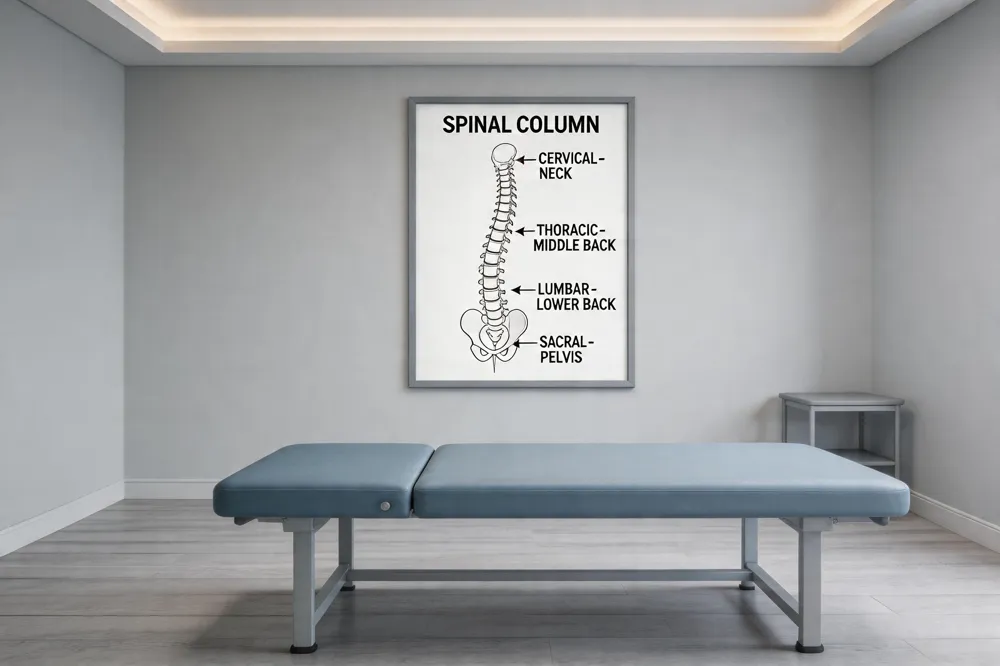
How Chiropractic Treatments Reduce Inflammation and Speed Up Back Pain Recovery

Real‑Life Stories: How Chiropractic Helped Patients Overcome Chronic Back Pain

From Symptom Masking to Root‑Cause Healing: A Practical Guide

6 Holistic Non‑Surgical Treatments That Deliver Sustainable Back‑Pain Relief

Key Questions to Ask When Selecting Your Chiropractor

Mindful Movement: Incorporating Stretch Breaks Into a Busy Day

Why Targeting the Underlying Cause Beats Temporary Symptom Relief

8 Ways Physiotherapy Complements Chiropractic Adjustments for Faster Recovery

Meal Planning for Athletes Recovering from Back Injuries

9 Everyday Lifestyle Tweaks to Preserve a Healthy Spine and Prevent Pain

Functional Movement Screening for Root‑Cause Pain Identification

6 Things You’ll Experience During Your First Chiropractic Appointment

Spinal Decompression vs. Standard Physical Therapy for Sciatica: A Comparative Review

New Findings on How Adjustments Influence Blood Circulation
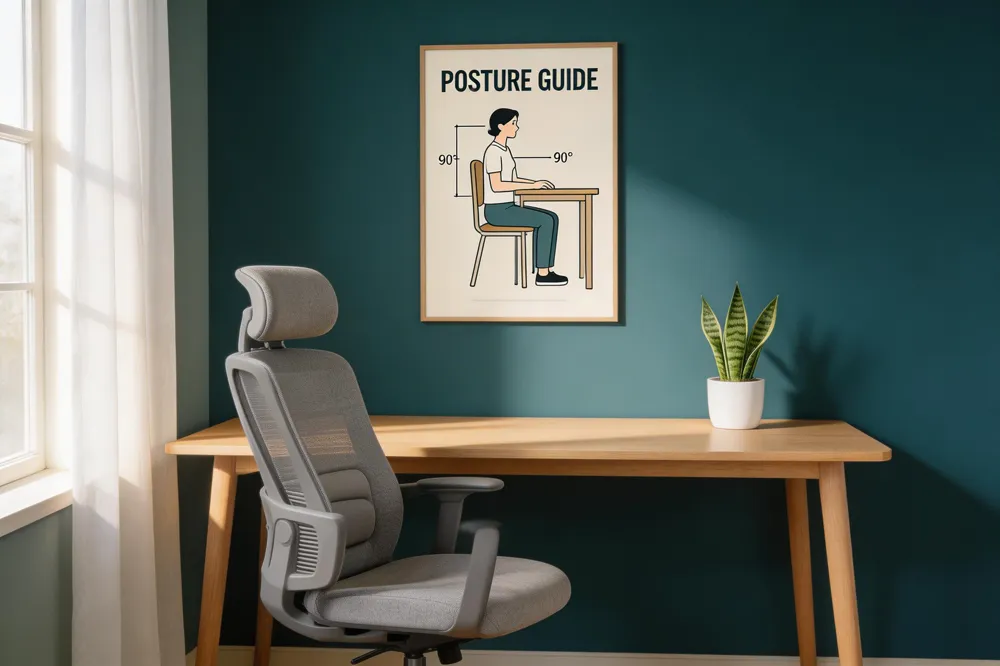
Work‑From‑Home Ergonomics: A Blueprint for a Pain‑Free Back

The Link Between Chiropractic Care and Improved Sleep Quality

Physiotherapy Techniques That Strengthen the Benefits of Chiropractic Adjustments

Biomechanical Insights Behind Successful Spinal Decompression

Desk‑to‑Dumbbell: Lifestyle Shifts That Guard Your Lower Back

10 Corrective Exercises for Sustainable Pain-Free Living

Morning Routines That Support Spine Health and Reduce Stiffness

Calcium and Magnesium‑Focused Nutrition for Bone Density and Spine Health

9 Ways Chiropractic Care Transforms Back Pain Management

Testimonial: Nutrition‑Guided Recovery Accelerated by Chiropractic

Science‑Backed Spinal Decompression for Relieving Sciatica Symptoms

Key Questions to Ask During Your Initial Chiropractic Consultation

Whole‑Body Wellness Blueprint: Nutrition, Exercise, and Chiropractic Synergy

A 12‑Week Corrective Exercise Blueprint for Chronic Neck Discomfort

Manual Therapy Plus Targeted Exercise: Accelerating Post‑Injury Recovery

Home‑Based Spinal Decompression Devices: What Patients Should Know

Chiropractic Care Statistics: Reducing Lost Workdays From Back Pain

How Targeted Nutrition Enhances Immune Function and Lowers Inflammatory Pain

Self‑Assessment Tools to Identify Hidden Triggers of Back Pain

Preparing for Your First Chiropractic Appointment: A Practical Checklist

Back Pain Relief Benefits: Lower Opioid Use and Better Quality of Life

Foam‑Rolling Techniques to Complement Chiropractic Adjustments

Progressive Overload Principles in Corrective Exercise Programs

Six‑Month Transformation: Integrated Care Success Story

7 Nutritional Hacks to Boost Your Overall Wellness

How to Choose a Chiropractor: Credentials, Techniques, and Patient Compatibility

5 Ways Spinal Decompression Can Ease Sciatica Pain

Overcoming Sciatica: A Patient’s Multidisciplinary Treatment Journey
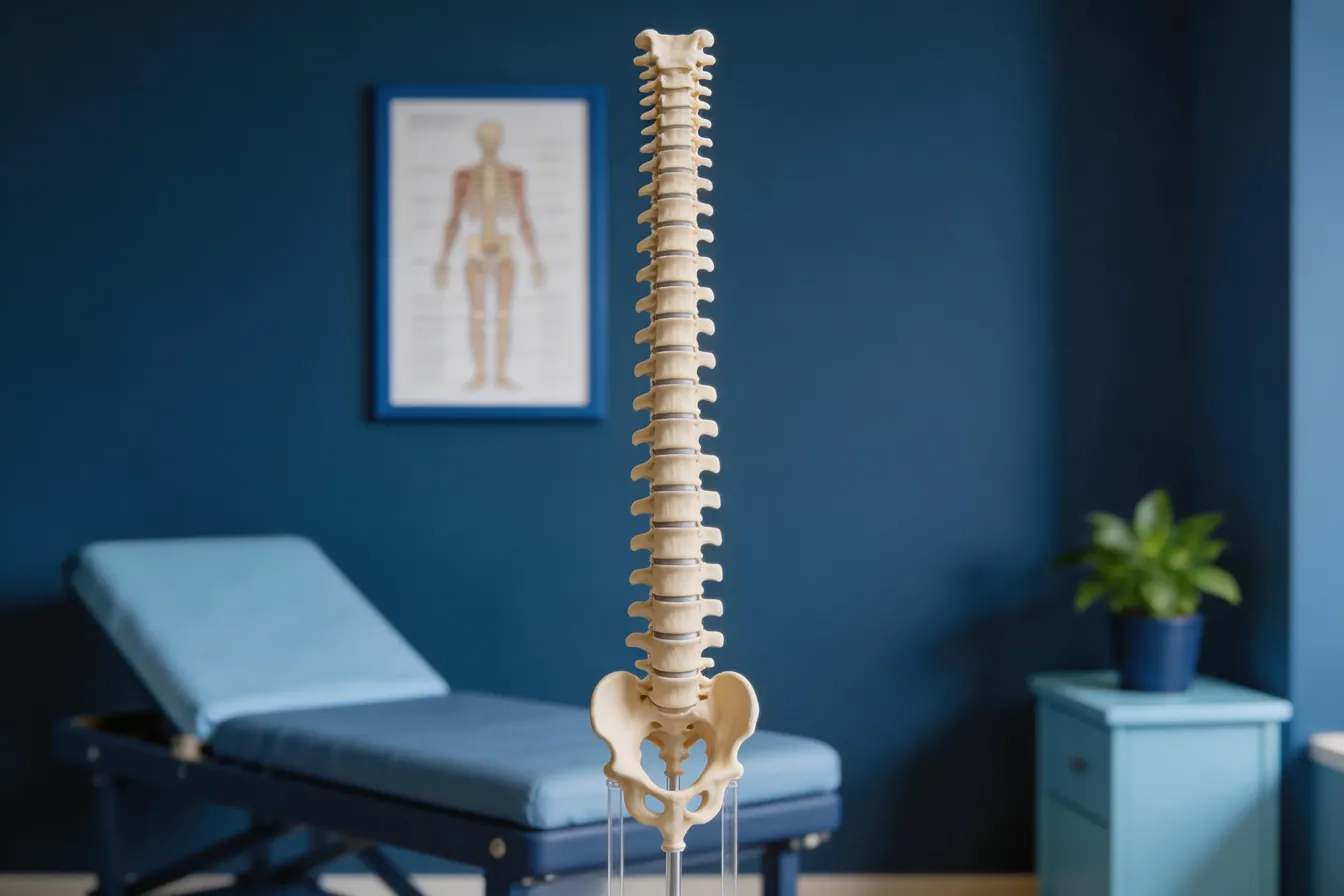
Lifestyle Changes That Promote a Healthy Spine
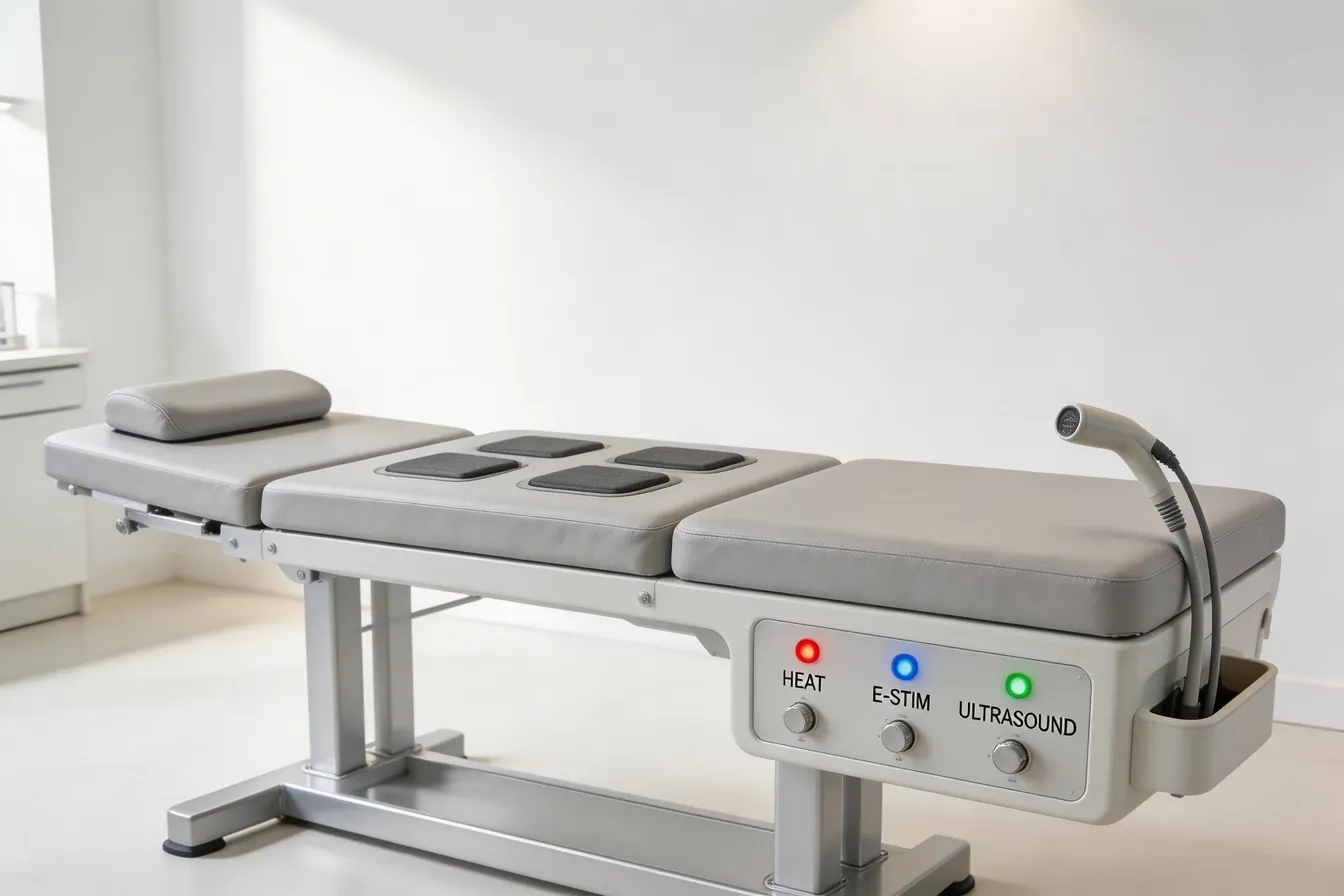
Physiotherapy as a Complement to Chiropractic Treatments

6 Ways Physiotherapy Enhances Chiropractic Treatment Outcomes

Daily Living Tips for a Strong and Healthy Spine

How Physiotherapy Enhances Chiropractic Outcomes
Holistic Treatments: Alternatives to Surgery for Pain Relief
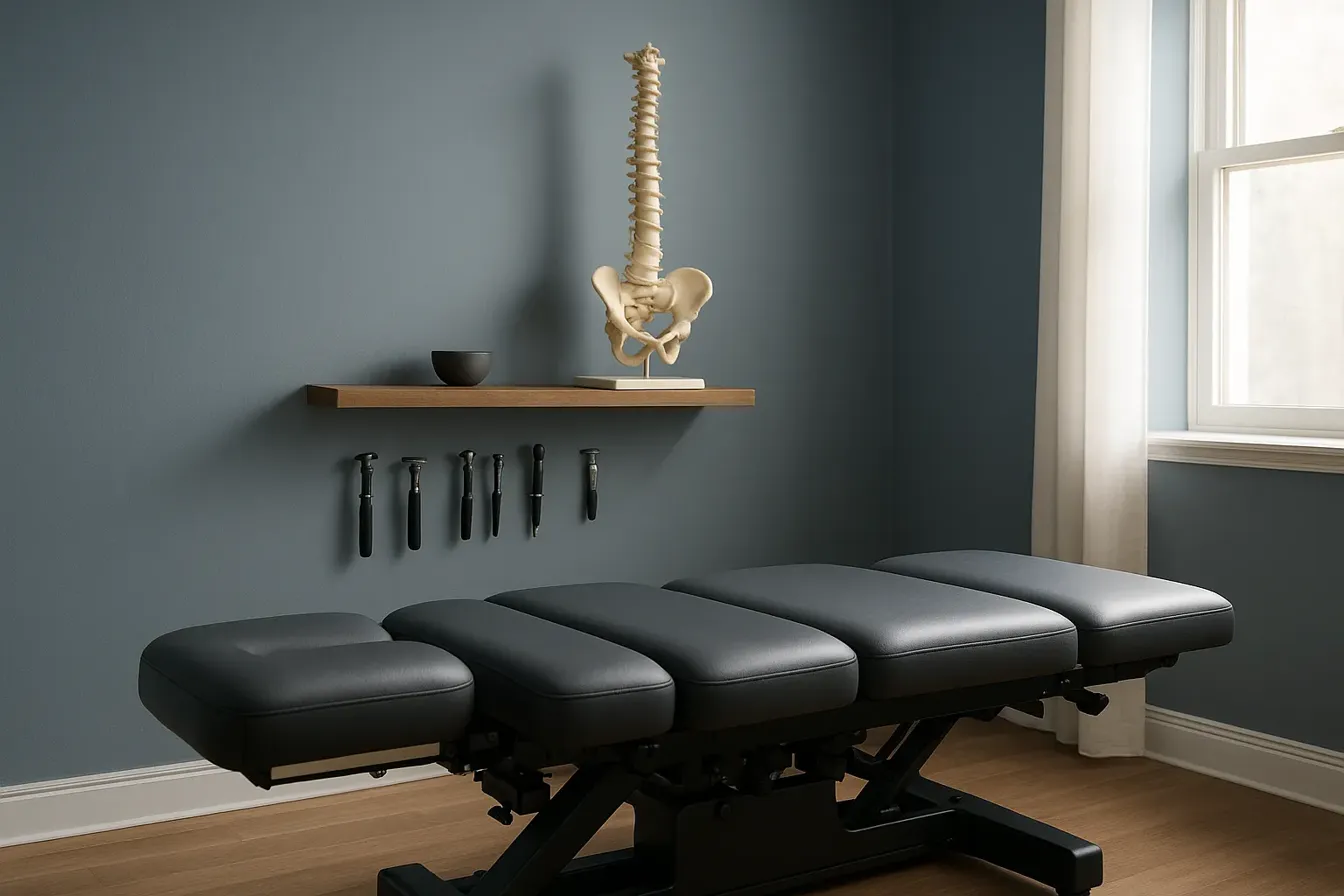
Inspiring Patient Success Stories from Chiropractic Clinics

Integrating Physiotherapy with Chiropractic Treatments
Corrective Exercise Routines for Chronic Pain Prevention
10 Corrective Exercises to Maintain a Healthy Spine and Relieve Pain
Exercise Strategies for Long-Term Pain Management
10 Corrective Exercises to Maintain a Healthy Spine and Relieve Pain
The Importance of Treating the Root Cause of Pain
Nutritional Support Strategies for Whole-Body Wellness
7 Essential Questions to Ask When Choosing Your Chiropractor
Identifying and Addressing Root Causes of Pain

Maintaining a Healthy Spine with Lifestyle Adjustments
Sciatica Symptom Relief via Spinal Decompression
8 Reasons Why Addressing the Root Cause of Pain Is Crucial
Chiropractic Care’s Impact on Back Pain Recovery

Combining Physiotherapy with Chiropractic Care for Better Results

Inspiring Recovery: Chiropractic Patient Testimonials
Nutritional Counseling Tips for Optimal Wellness

Why Addressing the Root Cause of Pain is Crucial
Back Pain and Chiropractic Care: A Winning Combination

Chiropractic Care Benefits You Might Not Know
Exploring Holistic and Non-Surgical Treatments for Pain
Spinal Health: Lifestyle Tips for Everyday Wellness
Spinal Decompression Therapy: Benefits and Applications
Holistic and Non-Invasive Spine Care Options
Everyday Lifestyle Advice to Keep Your Spine Healthy
The Significance of Treating Root Causes in Pain Therapy
Best Corrective Exercises for Sustainable Pain Management

Addressing Underlying Causes of Pain for Long-Term Relief
6 Key Benefits of Spinal Decompression Therapy for Sciatica Relief

How Nutritional Counseling Supports Spine Health and Recovery
The Role of Physiotherapy in Supporting Chiropractic Treatments