Understanding Spinal Decompression and Its Benefits for Sciatica
December 26, 2025
8 min
An Introduction to Sciatica and Spinal Decompression Therapy
Definition and Causes of Sciatica
Sciatica is a condition characterized by pain that radiates along the path of the sciatic nerve, which is the longest nerve in the body running from the lower back down through the legs to the foot. It is commonly caused by compression or irritation of this nerve due to herniated or bulging discs, spinal stenosis, bone spurs, or muscle tightness. Symptoms include radiating pain, numbness, tingling, and muscle weakness, typically affecting one side of the body.
Overview of Spinal Decompression Therapy
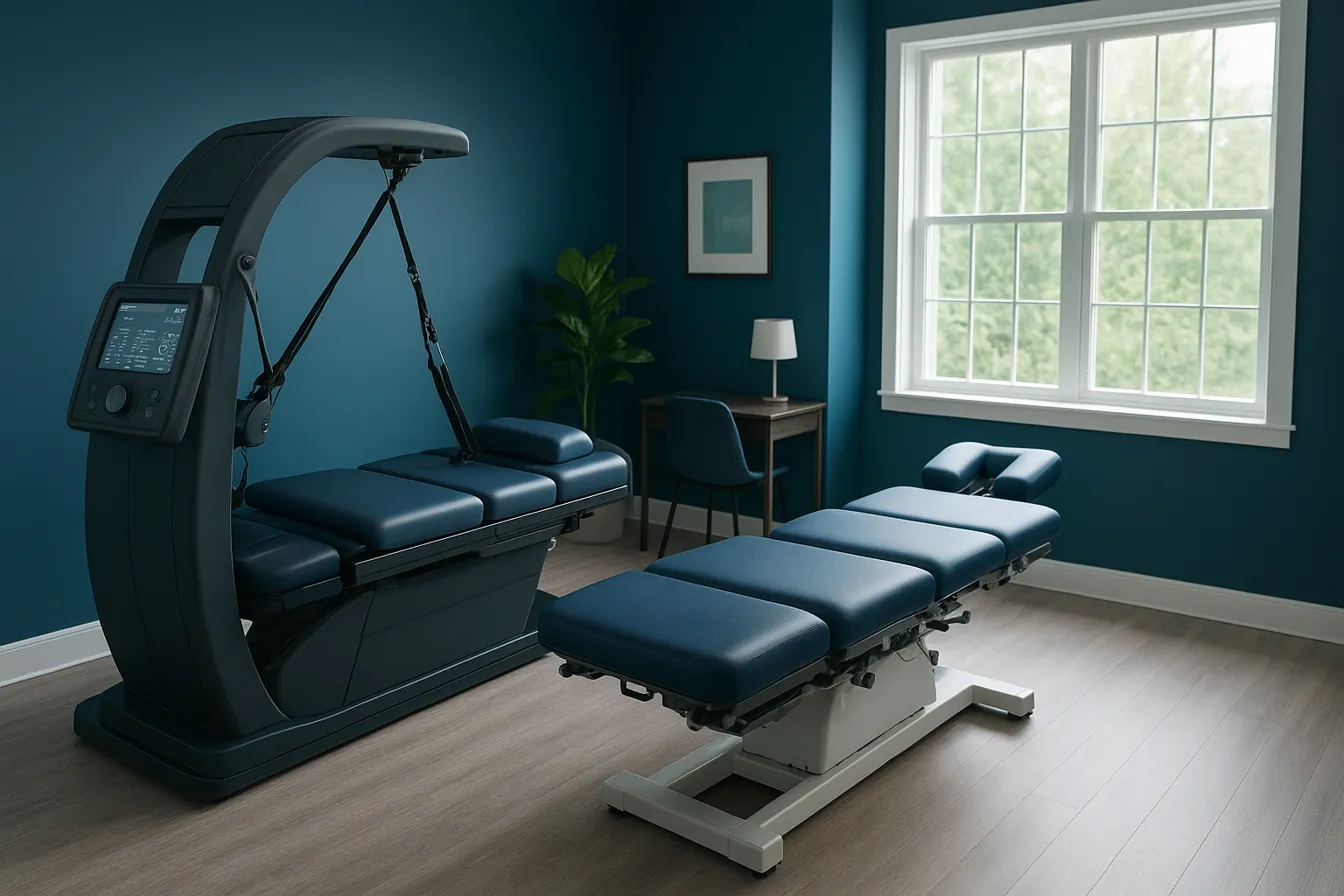
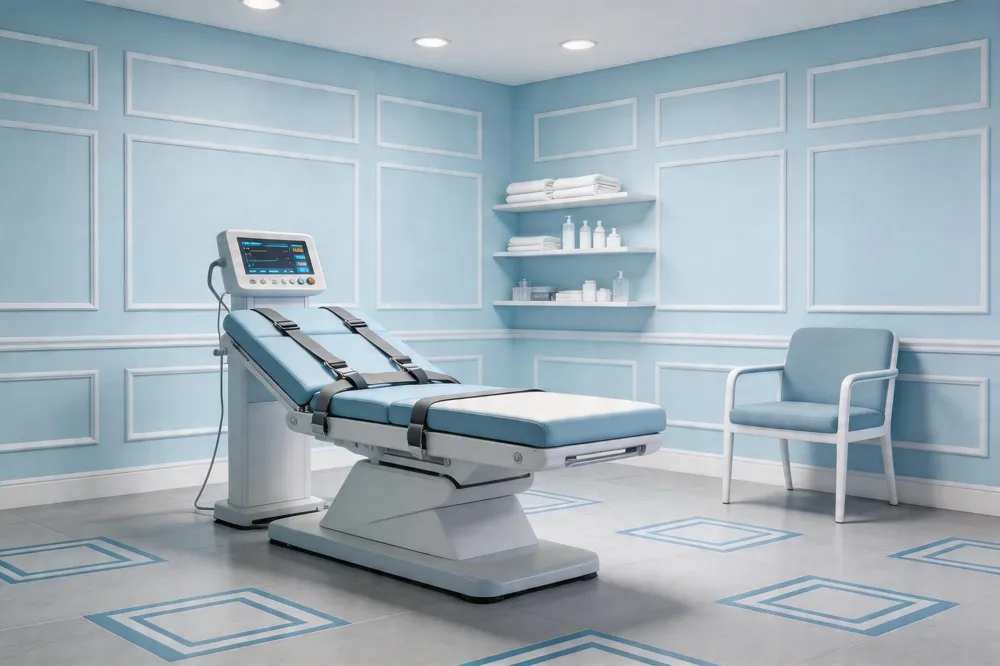
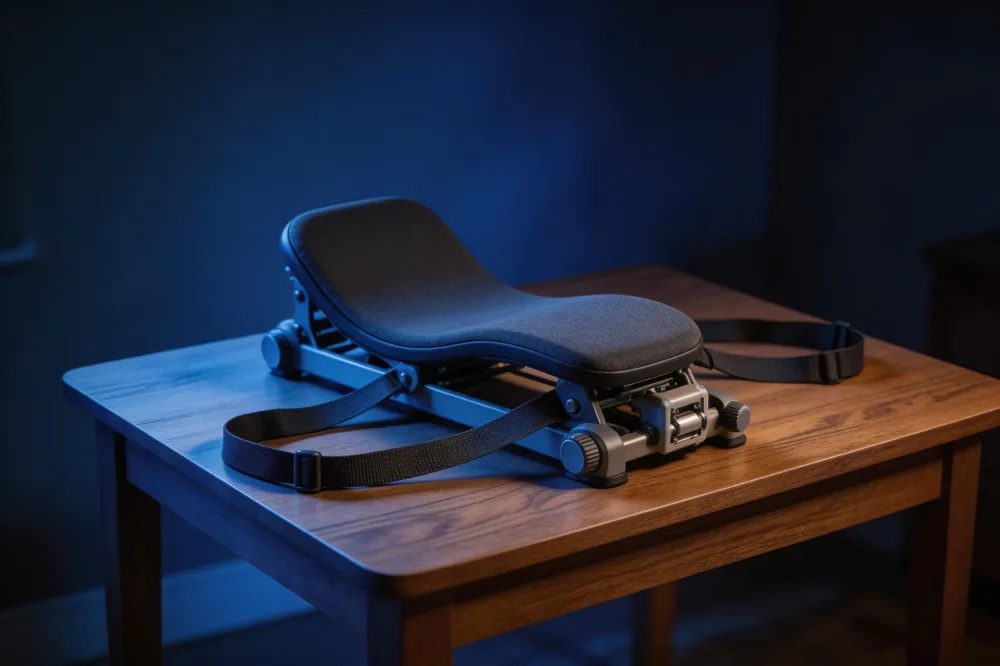
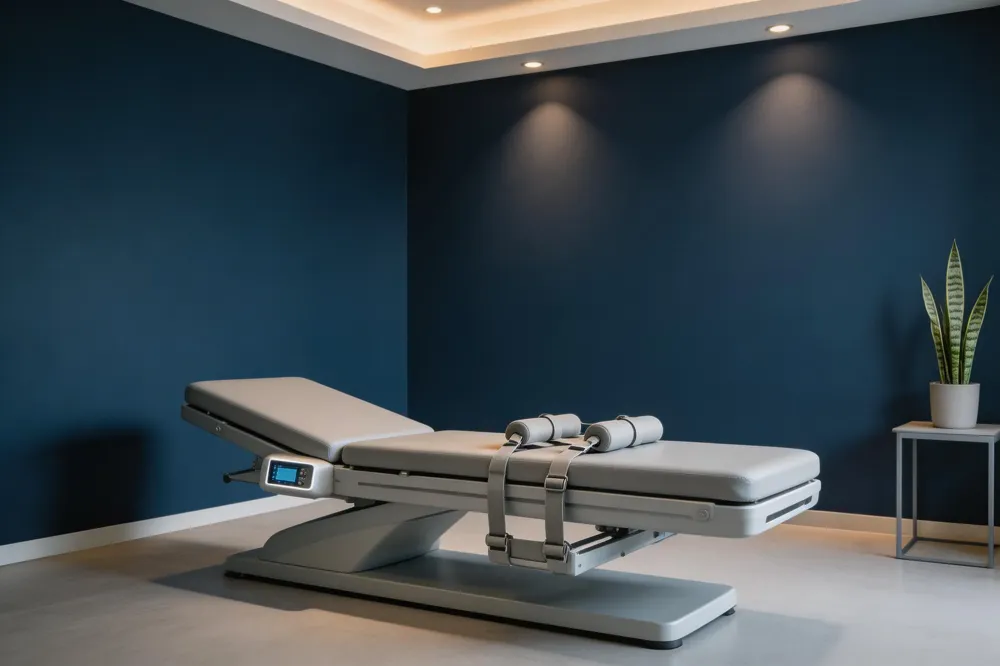
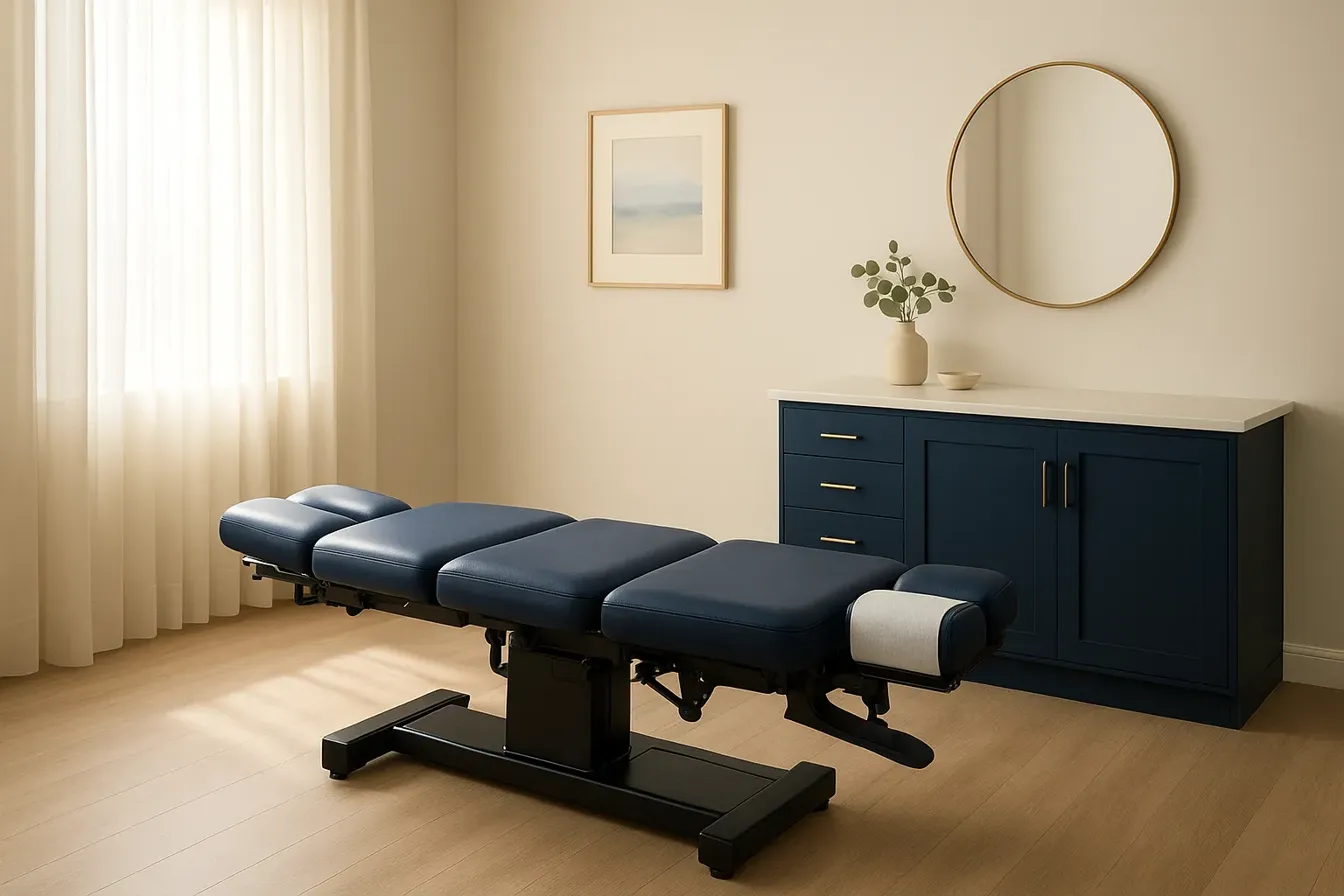
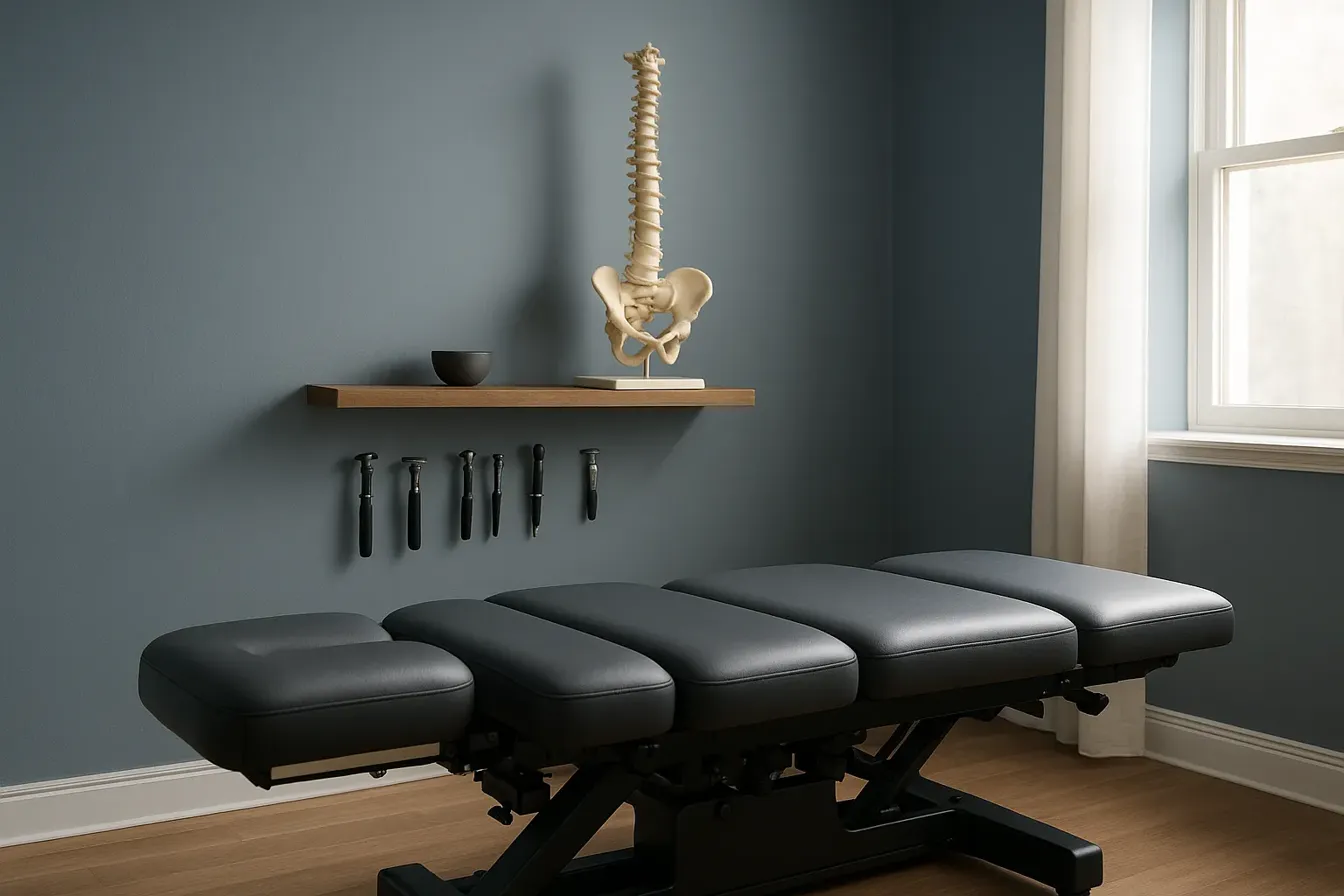
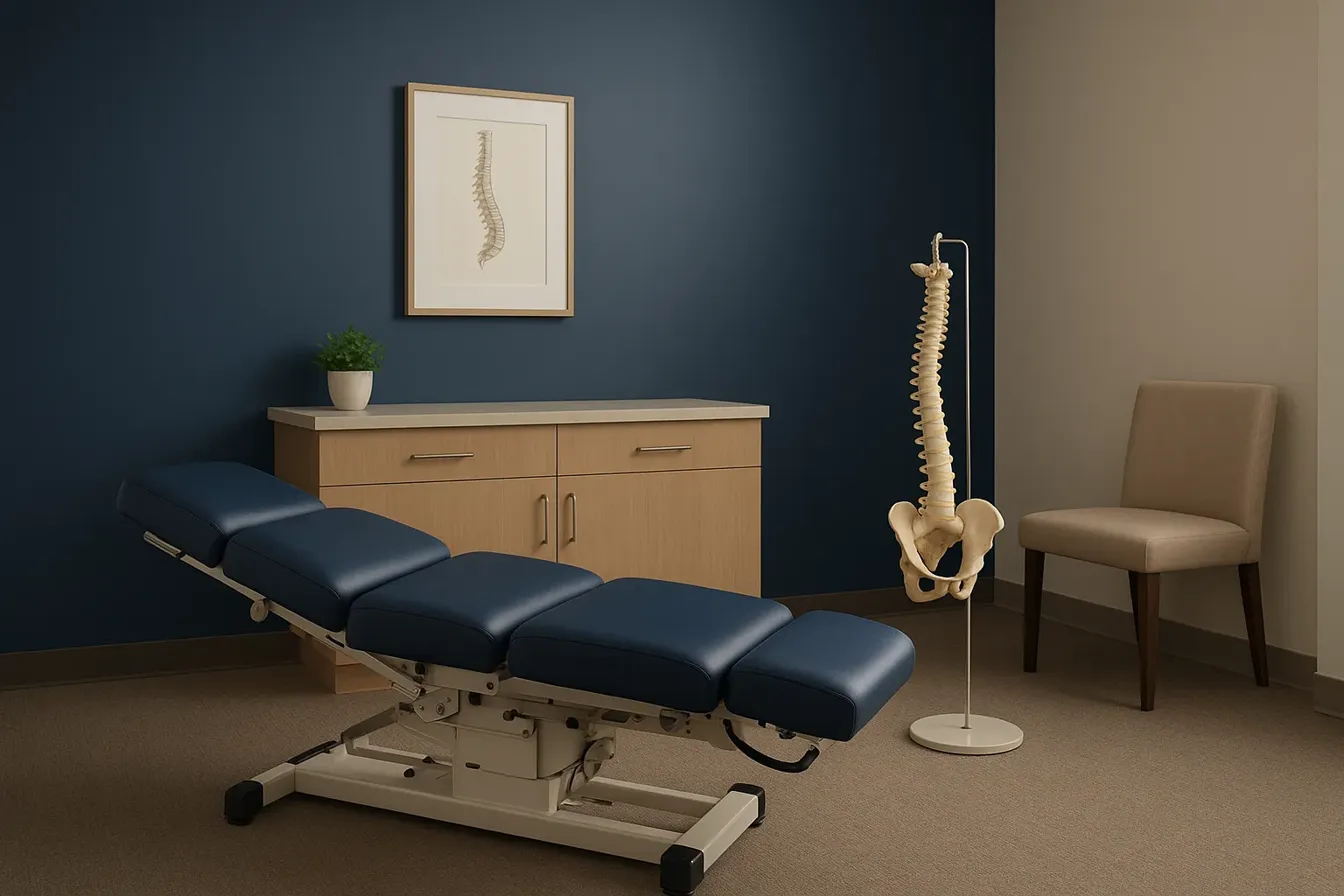
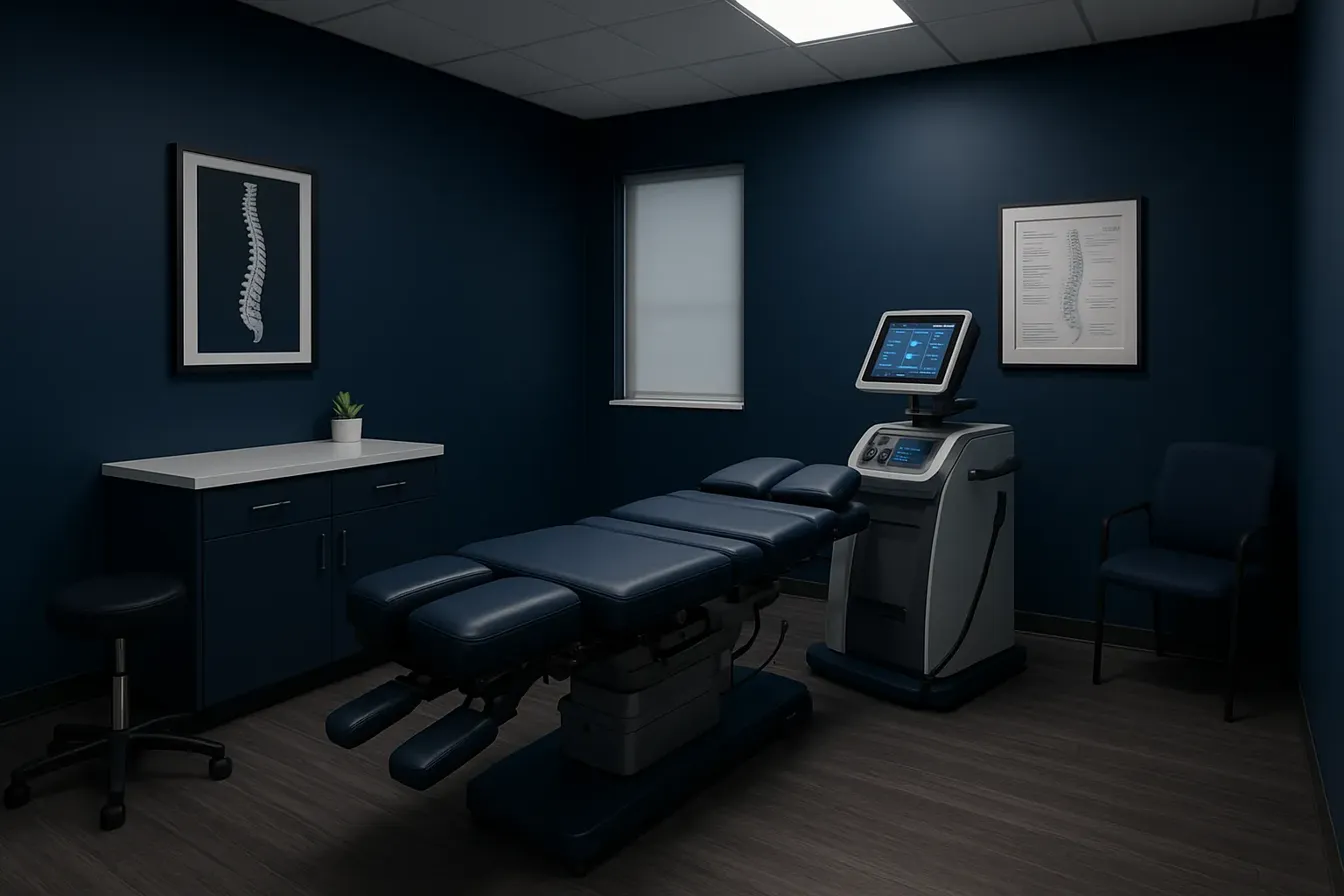
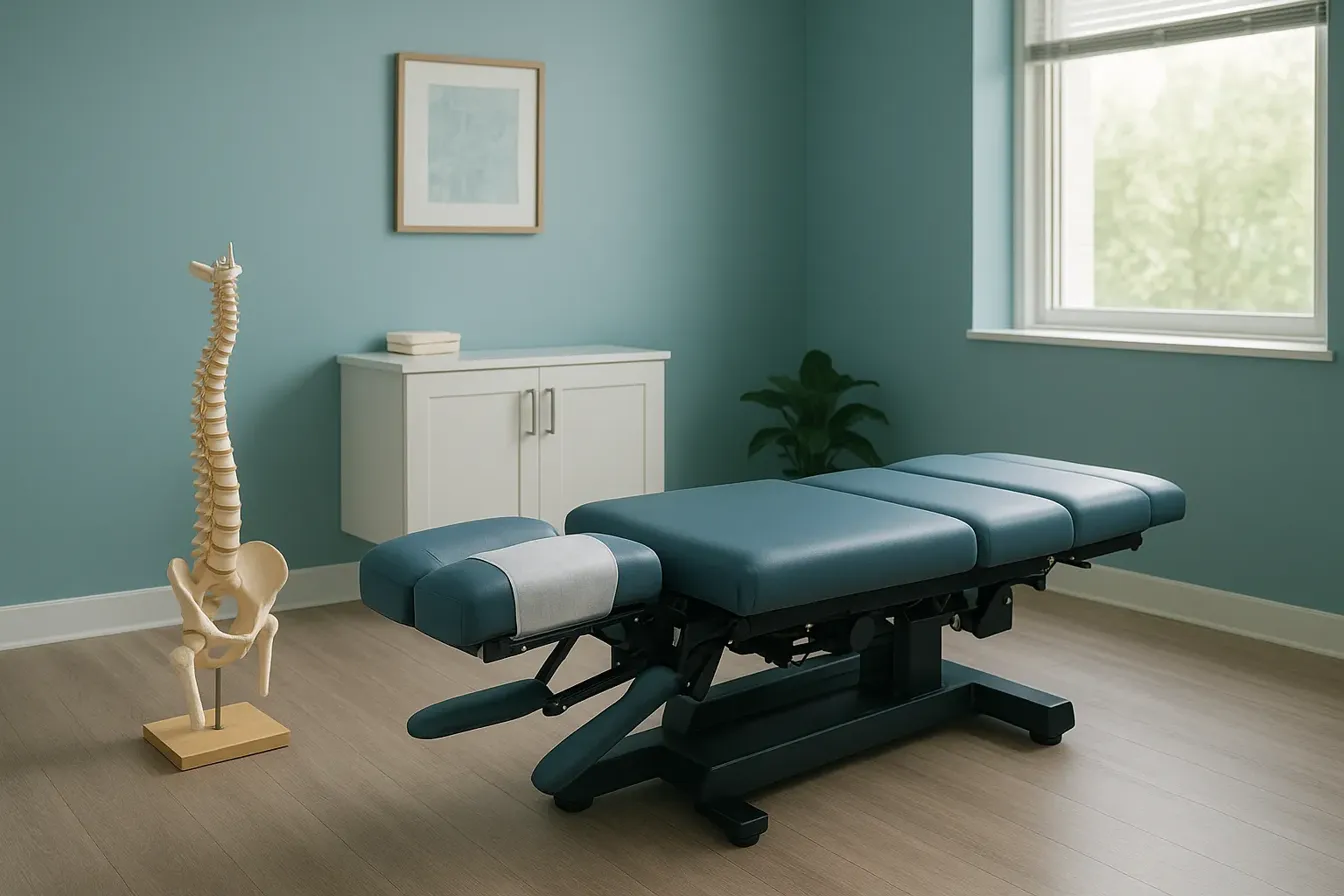
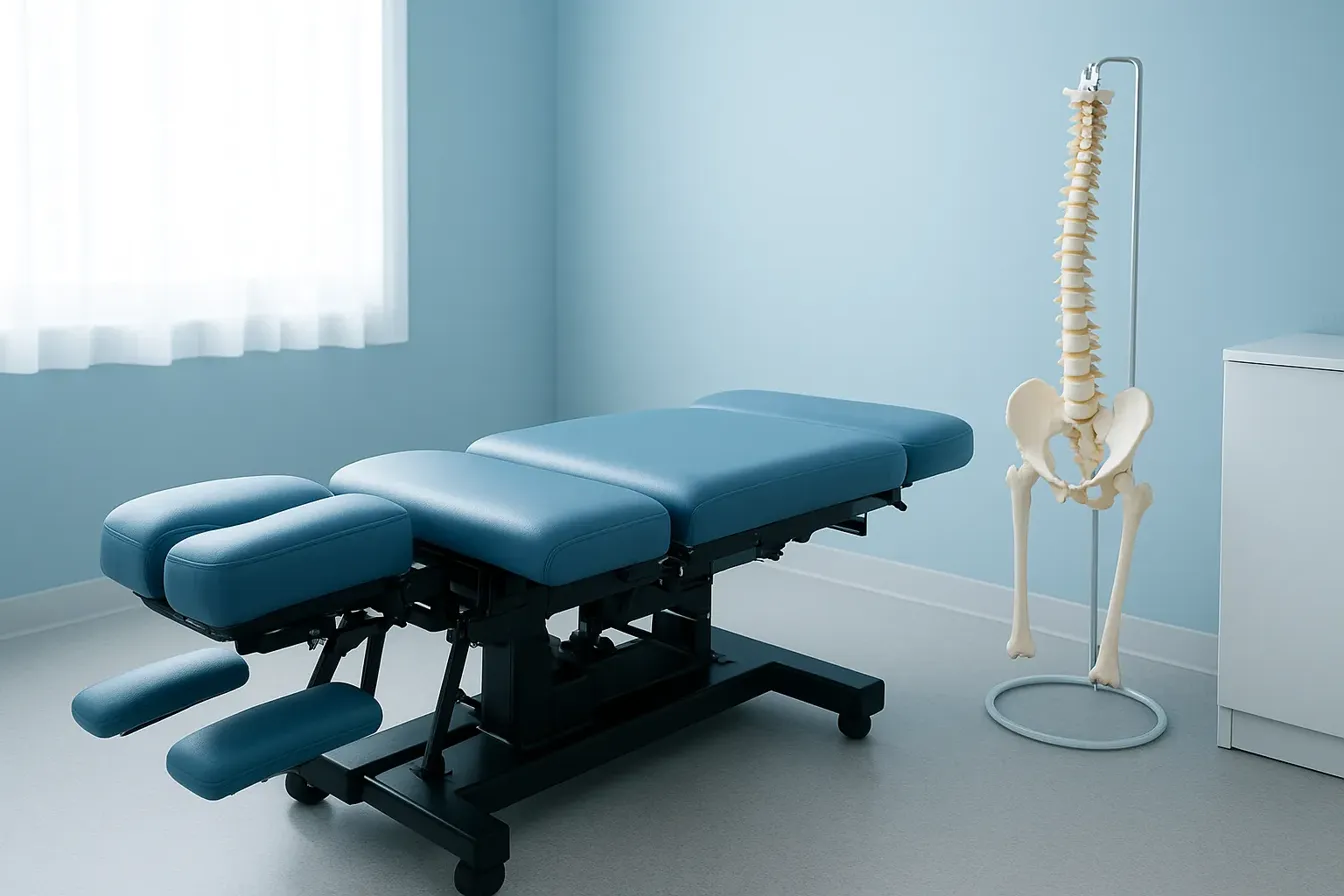
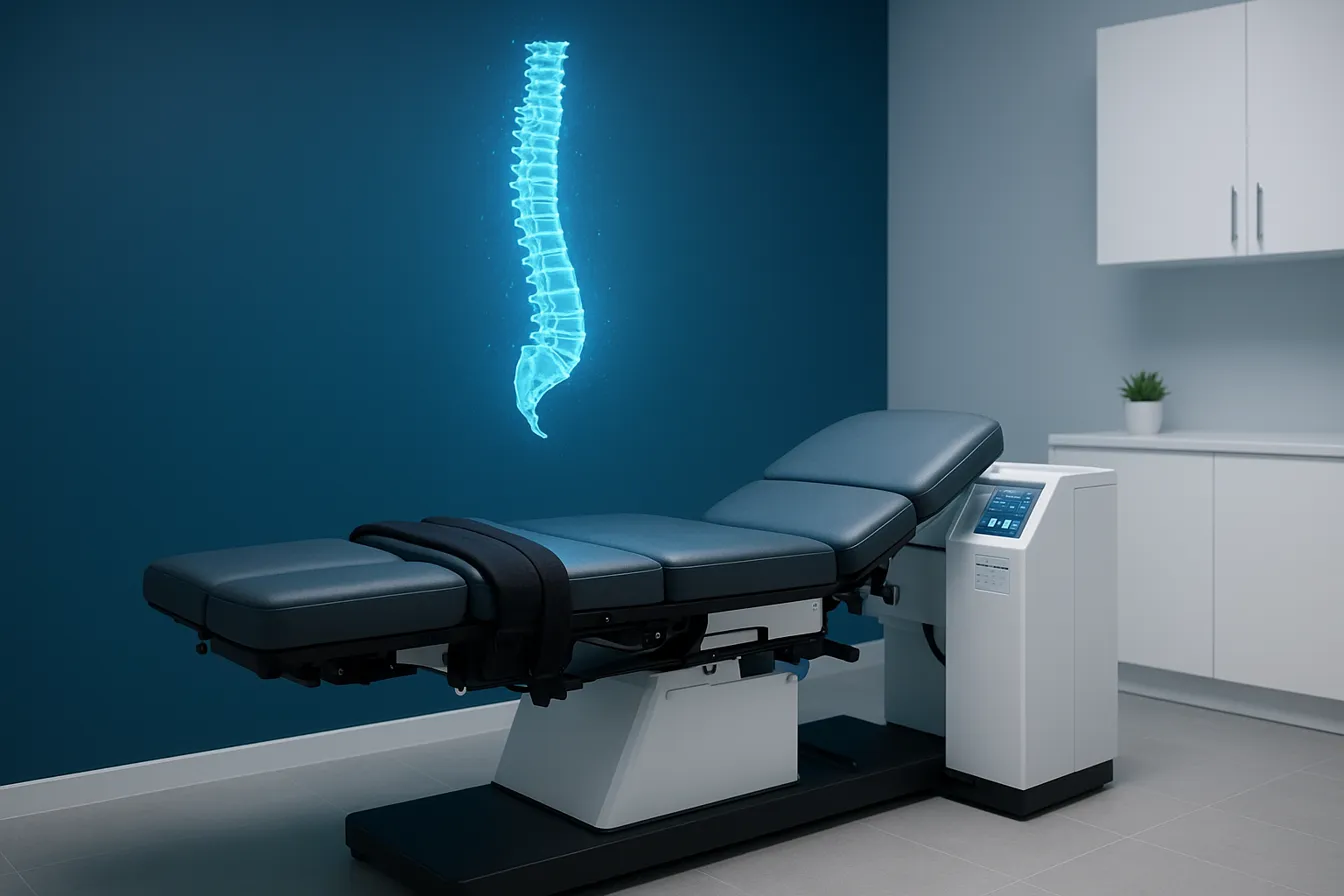
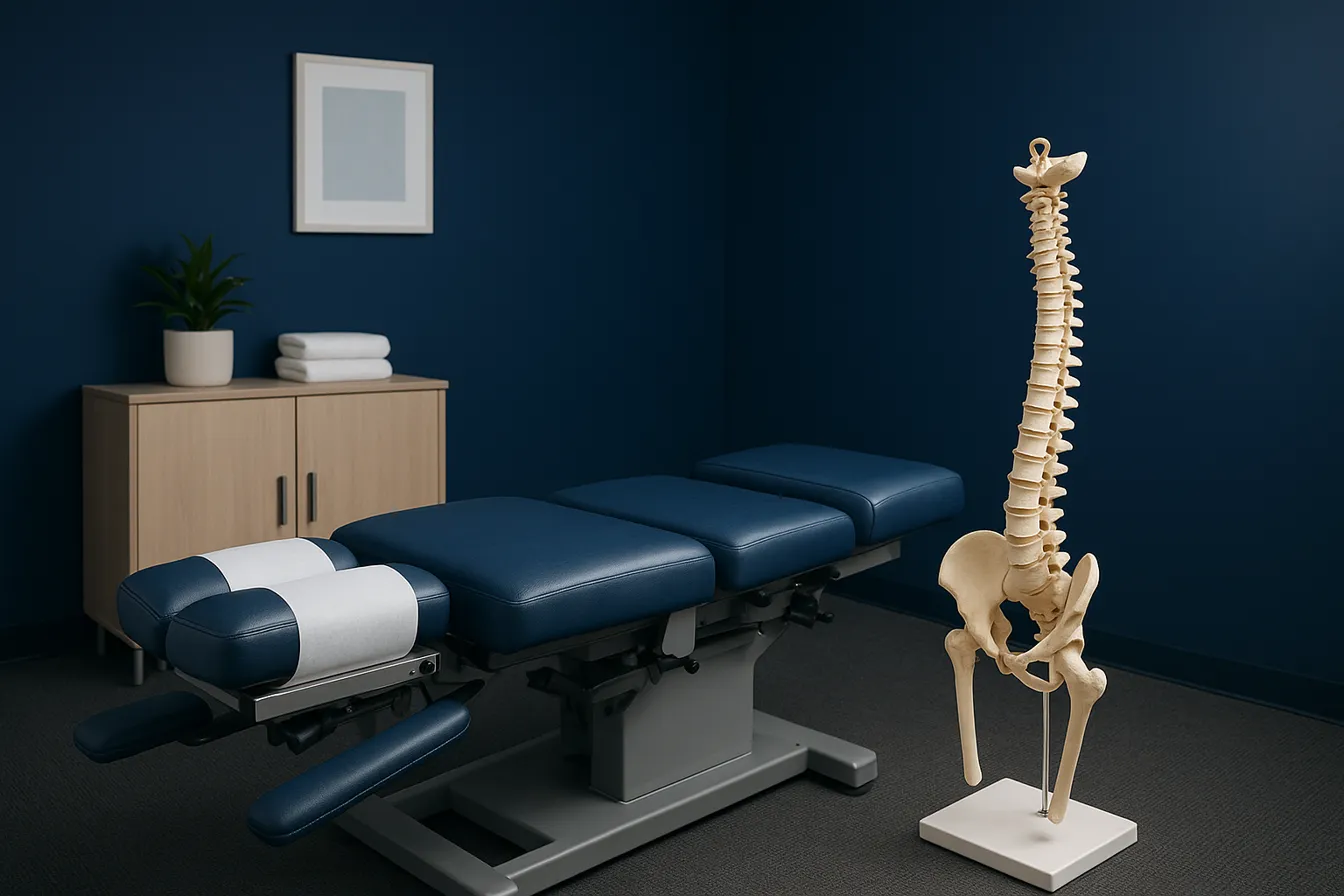
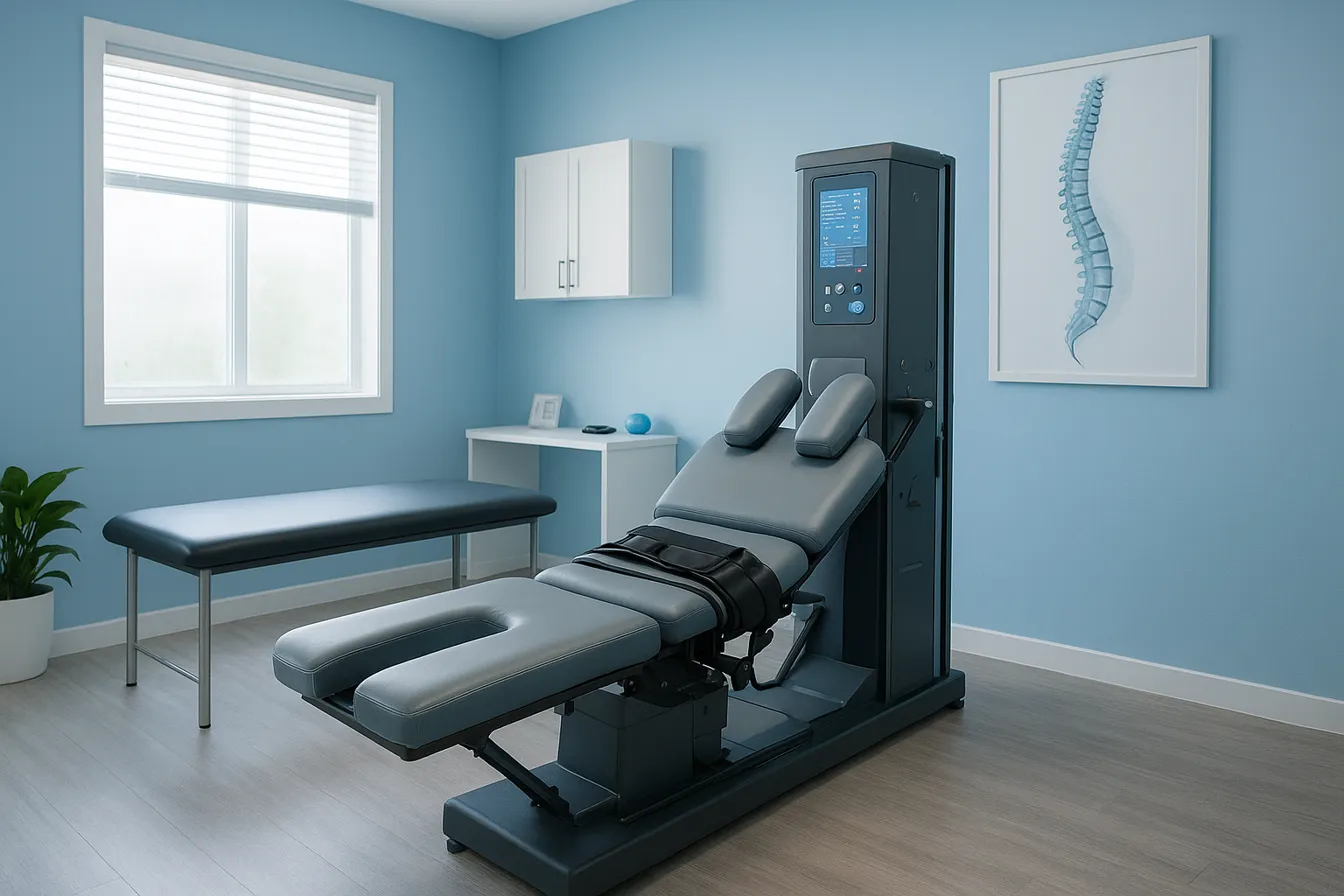
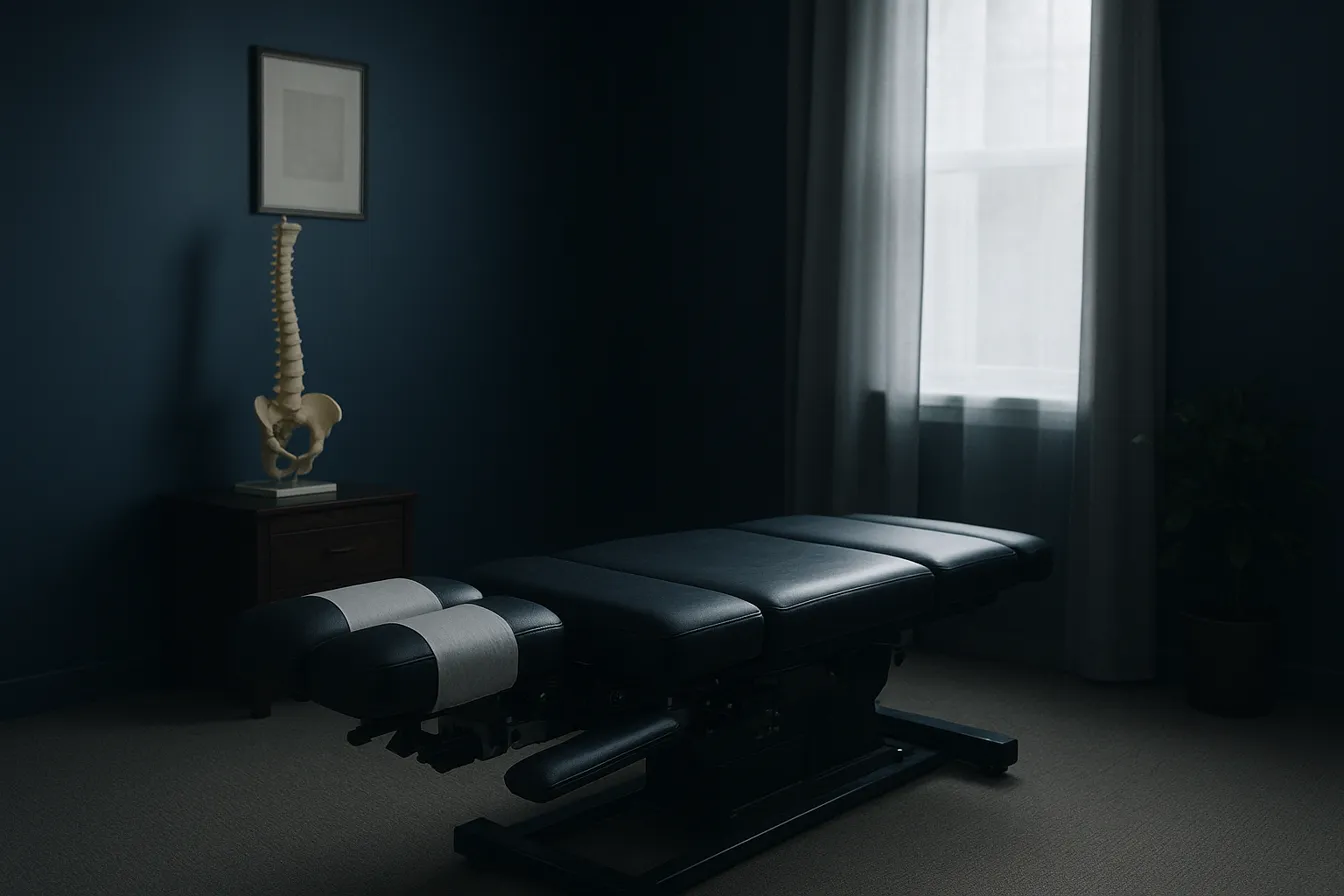
Spinal decompression therapy is a non-invasive, drug-free treatment designed to relieve pressure on spinal discs and nerves. It utilizes computerized equipment to gently stretch the spine in a controlled manner, creating space between vertebrae. This therapy is generally painless and performed while the patient lies comfortably on a mechanical table secured with harnesses.
How Spinal Decompression Works to Relieve Sciatic Nerve Pain
The therapy works by creating negative pressure within the spinal discs, encouraging herniated or bulging discs to retract away from the compressed sciatic nerve. This decompression promotes improved circulation and the transport of water, oxygen, and nutrients to the injured discs, facilitating natural healing. By reducing nerve pressure, spinal decompression alleviates inflammation and pain, improves mobility, and supports long-term spinal health.
How Spinal Decompression Therapy Alleviates Sciatica Symptoms
How does spinal decompression therapy treat sciatica?
Spinal Decompression Therapy works by gently stretching the spine to create a negative pressure within the spinal discs. This negative pressure helps retract herniated or bulging discs that compress the sciatic nerve, which is the root cause of sciatica pain.
Mechanisms of spinal decompression therapy
Using advanced computerized spinal decompression systems, such as specialized decompression tables, the therapy precisely controls the pull force and position. This targeted approach allows specific spinal areas to be decompressed effectively and safely, often painless for the patient.
Benefits of spinal decompression therapy
- Pain Relief: Reduces pressure on nerves, easing inflammation and nerve irritation.
- Improved Mobility: Alleviating nerve compression improves range of motion and daily function.
- Disc Healing: Promotes the flow of oxygen, water, and nutrients to discs, aiding their natural repair process.
- Non-invasive: Avoids surgery and the risks associated with medications.
Typical treatment protocols
Sessions usually last between 30 and 45 minutes. A typical course involves 15 to 30 therapy sessions over 4 to 6 weeks treatment duration, tailored to individual patient response. Patients comfortably lie on the computer-controlled spinal decompression system table during treatment, secured by harnesses to ensure accurate and gentle stretching.
This integrated, patient-centered approach supports long-term spinal health and wellness, often combined with manual therapies in chiropractic care, physiotherapy, and other holistic therapies.
Safety, Suitability, and Limitations of Spinal Decompression Therapy

Who Are Suitable Candidates for Spinal Decompression Therapy?
Patients experiencing sciatica due to spinal decompression for sciatica pain, spinal decompression for degenerative disc disease, spinal stenosis, or managing chronic lower back pain with spinal decompression are typically ideal candidates for Spinal Decompression Therapy. This therapy is most beneficial for those who have not found relief through conservative treatments and seek a non-invasive spine treatment.
What Conditions Make Patients Unsuitable for This Therapy?
Spinal decompression therapy is generally not recommended for individuals who are pregnancy and spinal decompression, have osteoporosis and back therapy, recent spinal fractures, spinal tumors, spondylolisthesis, or those who have undergone previous unsuccessful back surgeries. These conditions increase risks and may limit the effectiveness of the therapy.
How Safe Is Spinal Decompression Therapy?
The procedure is considered Safe spinal decompression therapy, non-surgical spinal decompression therapy, and drug-free, with minimal risks when performed under professional supervision. It involves painless, gentle stretching on a mechanical spinal decompression table, promoting healing through improved promoting spinal disc healing and nutrient flow. Unlike surgery, it carries no risk of infection or long recovery time.
How Does It Compare with Other Treatment Options?
Compared with surgical interventions—which may involve removal of disc material or bone and require lengthy recovery—Spinal decompression therapy offers a conservative and patient-centered approach. Alongside other non-invasive modalities such as manual therapies in chiropractic care and physical therapy, it helps address the root cause of nerve compression with fewer complications and downtime.
A comprehensive assessment by a qualified healthcare provider is critical to determine individual suitability and develop a personalized treatment plan reinforcing holistic healing and long-term spinal health.
Holistic Musculoskeletal Health Offerings at Back in Action Bodyworks

What holistic musculoskeletal health and wellness services does Back in Action Bodyworks offer?
Back in Action Bodyworks provides a comprehensive range of non-invasive services focused on musculoskeletal health and wellness. Their offerings include chiropractic adjustments, therapeutic massage, and customized exercise programs. These treatments are designed to address individual needs, supporting spinal realignment to relieve pain and enhance mobility. Additional services like ergonomic and lifestyle guidance complement these therapies to promote long-term wellness.
How can chiropractic care improve musculoskeletal health and overall wellness?
Chiropractic care at Back in Action Bodyworks improves musculoskeletal function by correcting spine and joint misalignments. Manual therapies in chiropractic care relieve nerve compression responsible for conditions such as sciatica and headaches. This method not only reduces pain but also supports nervous system function and encourages the body's natural healing processes. As a holistic modality, it decreases reliance on medications, helps prevent injuries, and fosters overall well-being and balance.
What qualifications and experience does the practitioner at Back in Action Bodyworks have?
The practitioner is a licensed Doctor of Chiropractic (D.C.) trained through an accredited chiropractic program. They possess specialized expertise in manual therapies in chiropractic care, rehabilitative exercises, and adjunct treatments. In-depth knowledge of anatomy, physiology, biomechanics, and neuroanatomy ensures care is personalized and effective. Ongoing education and interdisciplinary collaboration further refine their holistic approach, incorporating advancements in spinal decompression therapy and other innovative musculoskeletal treatments.
What should a new patient expect during their first visit to Back in Action Bodyworks?
New patients receive a thorough evaluation covering medical history, physical exam, and posture analysis. Diagnostic tools, including X-rays if needed, help gauge the severity of musculoskeletal imbalances. Based on this assessment, a customized treatment plan is developed incorporating spinal adjustments, posture training, and therapeutic exercises. Treatment sessions utilize specialized equipment designed for comfort and effectiveness. Many patients notice immediate improvement in mobility and muscle relaxation following their initial visit.
Comparing Spinal Decompression with Other Sciatica Treatments
How does spinal decompression therapy compare with other sciatica treatment options?
Spinal decompression therapy stands out as a non-invasive, drug-free option that directly addresses the root causes of sciatica. It gently stretches the spine, relieving pressure on nerves caused by herniated or bulging discs and promoting natural healing by enhancing circulation and nutrient flow to affected tissues.
Non-surgical alternatives include physical therapy, which strengthens back and core muscles and improves flexibility. Medications like NSAIDs and steroid injections focus on reducing inflammation and pain but primarily offer temporary relief without healing the underlying issue.
Surgical options, such as microdiscectomy or laminectomy, are typically reserved for severe cases unresponsive to conservative treatments. Surgery can provide significant pain relief but involves risks, longer recovery times, and potential complications.
Compared with surgery, spinal decompression for sciatica has fewer risks, no downtime, and is often a cost-effective approach. While physical therapy may complement decompression, the combination provides improved mobility and supports long-term spinal health.
This holistic, patient-centered approach allows many individuals to avoid invasive procedures while effectively managing sciatica symptoms.
Long-Term Benefits and Patient Experiences with Spinal Decompression

How Does Spinal Decompression Therapy Improve Mobility and Reduce Pain?
Spinal decompression therapy gently stretches the spine to relieve pressure on discs and nerves, creating negative pressure within the discs. This helps retract herniated or bulging discs, alleviating nerve compression that causes pain and limited movement. Many patients experience gradual improvement in mobility and a significant reduction of pain symptoms during a series of treatment sessions. As nerve pressure decreases, inflammation and irritation reduce, further enhancing a patient’s ability to perform daily activities with less discomfort.
How Does This Therapy Promote Long-Term Spinal Health and Alignment?
Beyond immediate symptom relief, Spinal decompression therapy supports long-term spinal wellness by restoring proper alignment between vertebrae. The therapy stimulates increased circulation of oxygen, water, and nutrients into the affected discs, encouraging natural healing and disc rehydration. Maintaining spinal alignment reduces strain on muscles, ligaments, and joints, which can prevent future injuries and chronic pain recurrence. This holistic focus on spinal health helps patients achieve sustainable relief without relying on medications or surgery.
What Do Patients Report About the Healing Process?
Patients often describe spinal decompression therapy as a painless treatment that leads to gradual yet steady improvement over several weeks. Typically, improvements in pain, flexibility, and functional mobility become noticeable after multiple sessions. Many report enhanced quality of life as they regain mobility and reduce dependency on pain medications. Patient evaluations emphasize the importance of individualized treatment plans and regular follow-ups to monitor progress and adjust care to optimize healing.
How Is Spinal Decompression Integrated Within a Holistic Care Plan?
Effective spinal decompression therapy is often combined with complementary treatments such as chiropractic adjustments, physiotherapy, massage, and strength training. This integrated approach addresses the root causes of back pain and sciatica, promoting overall wellness. Personalized care plans focus on posture improvement, muscle balance, and spinal stabilization to support long-lasting benefits. This patient-centered strategy aligns with holistic health principles, emphasizing natural, non-invasive pain relief and restoring optimal function.
Embracing Spinal Decompression as Part of Holistic Sciatica Care
Benefits of Spinal Decompression for Sciatica
Spinal decompression therapy offers a non-invasive approach to relieve pressure on herniated or bulging discs, which often cause sciatica. By gently stretching the spine, it creates negative pressure that encourages disc retraction and improves blood flow, reducing nerve irritation and promoting healing. Many patients experience reduced pain, improved mobility, and enhanced quality of life without surgery or medications.
Personalized and Patient-Centered Treatment
Each patient’s condition is unique, requiring tailored treatment plans that consider individual needs and health status. Spinal decompression is typically provided over multiple sessions and often integrated within a comprehensive chiropractic care plan that may include adjustments, physiotherapy, and supportive exercises.
Chiropractic Care’s Role in Long-term Spine Health
Chiropractic care complements spinal decompression by focusing on spinal alignment, muscle balance, and functional movement. This holistic approach supports sustained pain relief, prevents future injuries, and promotes overall wellness.
Consulting Professionals for Optimal Management
Before beginning spinal decompression, a thorough evaluation by healthcare professionals is essential to ensure suitability, especially for those with specific spinal conditions. Engaging with experienced chiropractors helps patients receive safe, effective, and personalized care for lasting sciatica relief.
Recent articles
10 Real‑Patient Success Stories Showcasing the Impact of Chiropractic Care

Superfoods That Boost Nerve Healing After Chiropractic Sessions

Sleep Positions That Promote a Healthy Back Alignment
Signs Your Chiropractor Is a Good Fit for Your Back Pain Goals
Case Study: Integrated Physiotherapy and Chiropractic for Faster Recovery
First-Time Chiropractic Visit: A Step‑by‑Step Walkthrough
Synergistic Benefits: Combining Physiotherapy with Chiropractic Care
Beyond Surgery: Holistic Approaches to Managing Back Pain
How Manual Therapy Enhances the Effects of Chiropractic Adjustments

Hydration Hacks: Why Water Matters for Joint and Spine Function

What Does a Comprehensive Spinal Evaluation Include?
Success Spotlight: Transformative Results After Six Weeks of Chiropractic Treatment

Understanding the Initial Assessment Process in Chiropractic Care
Designing a Personalized Corrective Exercise Plan for Chronic Pain Management

Natural Pain Management: Combining Acupuncture, Yoga, and Chiropractic
Chiropractic Care vs. Pain Meds: Long-Term Outcomes for Back Pain Sufferers

What to Expect During a Sciatica‑Focused Decompression Session

Understanding the Pain-Relief Mechanics Behind Chiropractic Adjustments
Success Rates of Non‑Surgical Spinal Decompression for Sciatica

Patient-Centered Chiropractic Care: Personalized Plans for Back Pain Relief
How Chiropractic Treatments Reduce Inflammation and Speed Up Back Pain Recovery

Real‑Life Stories: How Chiropractic Helped Patients Overcome Chronic Back Pain
From Symptom Masking to Root‑Cause Healing: A Practical Guide

6 Holistic Non‑Surgical Treatments That Deliver Sustainable Back‑Pain Relief
Key Questions to Ask When Selecting Your Chiropractor

Mindful Movement: Incorporating Stretch Breaks Into a Busy Day

Why Targeting the Underlying Cause Beats Temporary Symptom Relief
8 Ways Physiotherapy Complements Chiropractic Adjustments for Faster Recovery
Meal Planning for Athletes Recovering from Back Injuries

9 Everyday Lifestyle Tweaks to Preserve a Healthy Spine and Prevent Pain

Functional Movement Screening for Root‑Cause Pain Identification

6 Things You’ll Experience During Your First Chiropractic Appointment

Spinal Decompression vs. Standard Physical Therapy for Sciatica: A Comparative Review

New Findings on How Adjustments Influence Blood Circulation
Work‑From‑Home Ergonomics: A Blueprint for a Pain‑Free Back

The Link Between Chiropractic Care and Improved Sleep Quality

Physiotherapy Techniques That Strengthen the Benefits of Chiropractic Adjustments

Biomechanical Insights Behind Successful Spinal Decompression

Desk‑to‑Dumbbell: Lifestyle Shifts That Guard Your Lower Back
10 Corrective Exercises for Sustainable Pain-Free Living

Morning Routines That Support Spine Health and Reduce Stiffness

Calcium and Magnesium‑Focused Nutrition for Bone Density and Spine Health

9 Ways Chiropractic Care Transforms Back Pain Management

Testimonial: Nutrition‑Guided Recovery Accelerated by Chiropractic
Science‑Backed Spinal Decompression for Relieving Sciatica Symptoms

Key Questions to Ask During Your Initial Chiropractic Consultation
Whole‑Body Wellness Blueprint: Nutrition, Exercise, and Chiropractic Synergy
A 12‑Week Corrective Exercise Blueprint for Chronic Neck Discomfort

Manual Therapy Plus Targeted Exercise: Accelerating Post‑Injury Recovery
Home‑Based Spinal Decompression Devices: What Patients Should Know

Chiropractic Care Statistics: Reducing Lost Workdays From Back Pain

How Targeted Nutrition Enhances Immune Function and Lowers Inflammatory Pain
Self‑Assessment Tools to Identify Hidden Triggers of Back Pain
Preparing for Your First Chiropractic Appointment: A Practical Checklist

Back Pain Relief Benefits: Lower Opioid Use and Better Quality of Life

Foam‑Rolling Techniques to Complement Chiropractic Adjustments
Progressive Overload Principles in Corrective Exercise Programs

Six‑Month Transformation: Integrated Care Success Story

7 Nutritional Hacks to Boost Your Overall Wellness

How to Choose a Chiropractor: Credentials, Techniques, and Patient Compatibility
5 Ways Spinal Decompression Can Ease Sciatica Pain

Overcoming Sciatica: A Patient’s Multidisciplinary Treatment Journey
Lifestyle Changes That Promote a Healthy Spine
Physiotherapy as a Complement to Chiropractic Treatments
6 Ways Physiotherapy Enhances Chiropractic Treatment Outcomes
Daily Living Tips for a Strong and Healthy Spine
How Physiotherapy Enhances Chiropractic Outcomes
Holistic Treatments: Alternatives to Surgery for Pain Relief
Inspiring Patient Success Stories from Chiropractic Clinics
Integrating Physiotherapy with Chiropractic Treatments
Corrective Exercise Routines for Chronic Pain Prevention
10 Corrective Exercises to Maintain a Healthy Spine and Relieve Pain
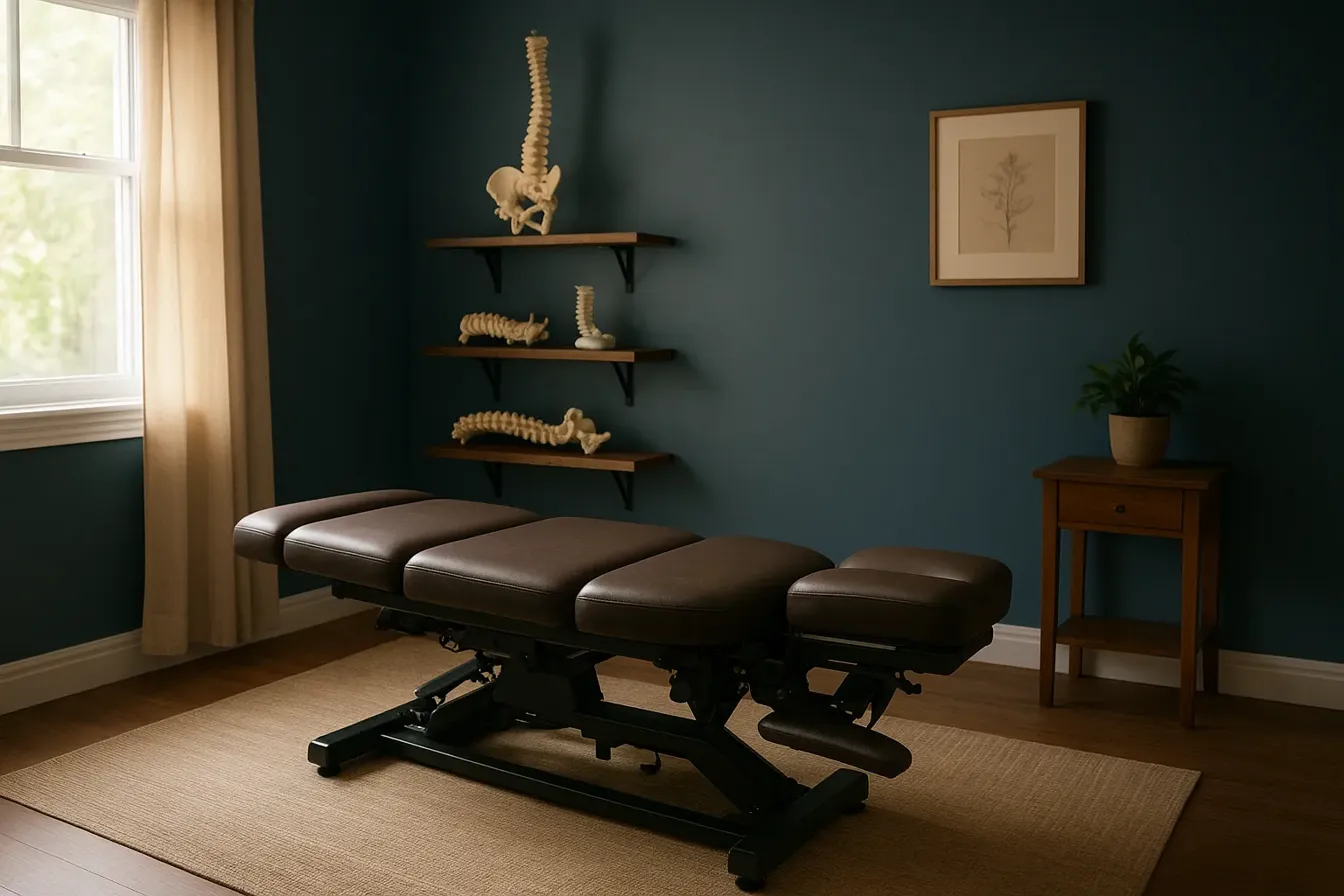
Exercise Strategies for Long-Term Pain Management
10 Corrective Exercises to Maintain a Healthy Spine and Relieve Pain
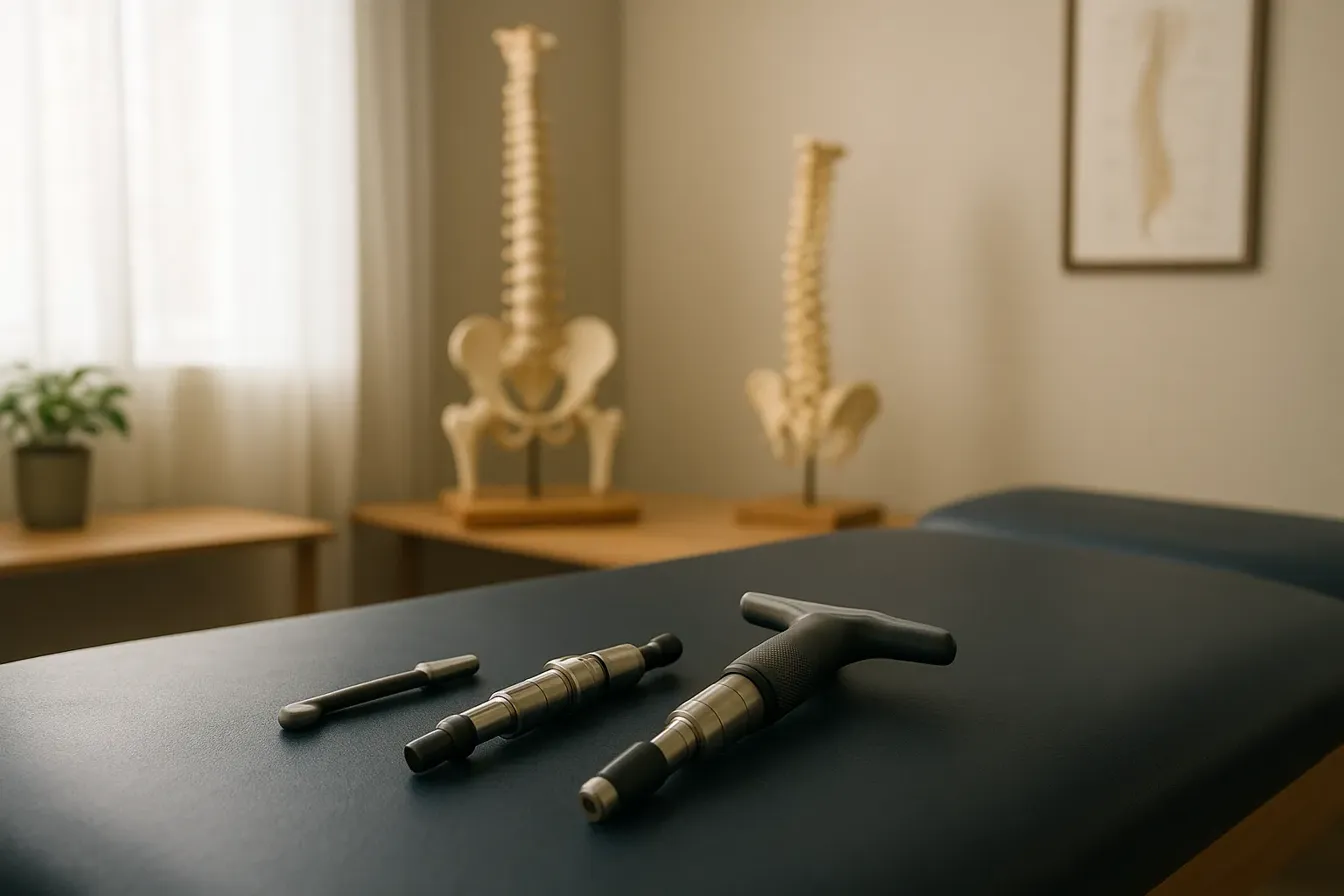
The Importance of Treating the Root Cause of Pain
Nutritional Support Strategies for Whole-Body Wellness
7 Essential Questions to Ask When Choosing Your Chiropractor
Identifying and Addressing Root Causes of Pain
Maintaining a Healthy Spine with Lifestyle Adjustments
Sciatica Symptom Relief via Spinal Decompression
8 Reasons Why Addressing the Root Cause of Pain Is Crucial
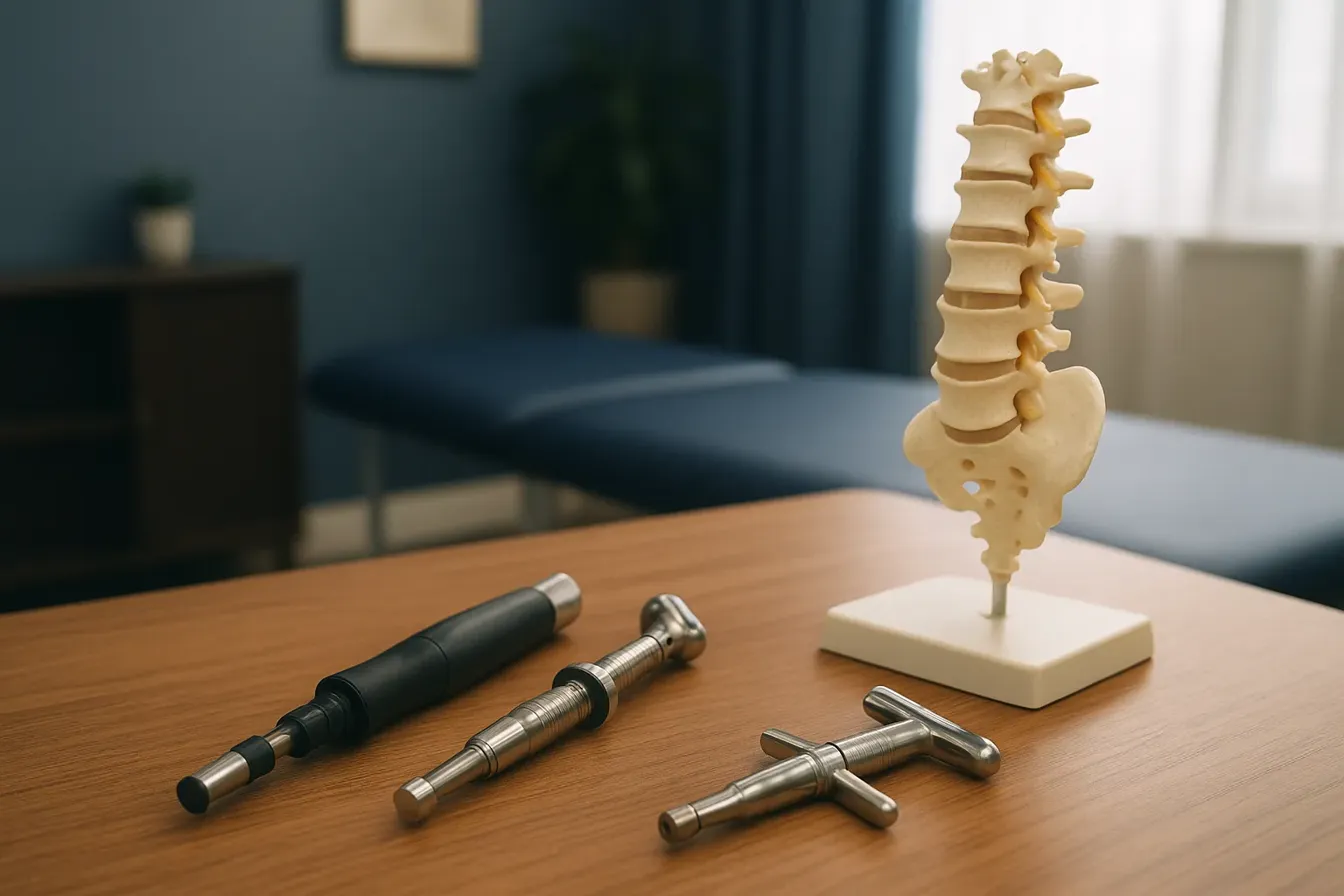
Chiropractic Care’s Impact on Back Pain Recovery
Combining Physiotherapy with Chiropractic Care for Better Results
Inspiring Recovery: Chiropractic Patient Testimonials
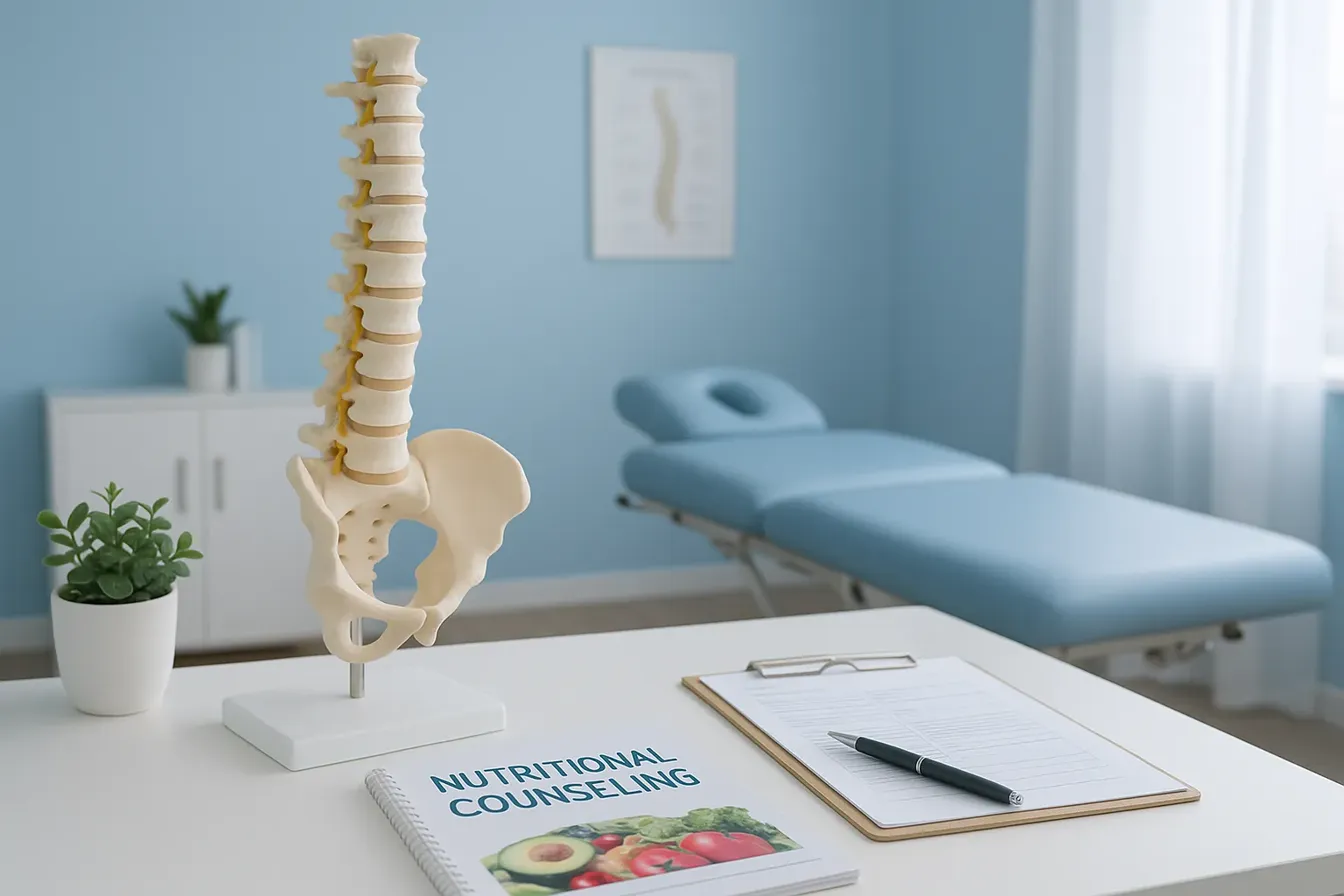
Nutritional Counseling Tips for Optimal Wellness

Why Addressing the Root Cause of Pain is Crucial
Back Pain and Chiropractic Care: A Winning Combination
Chiropractic Care Benefits You Might Not Know
Exploring Holistic and Non-Surgical Treatments for Pain
Spinal Health: Lifestyle Tips for Everyday Wellness
Spinal Decompression Therapy: Benefits and Applications
Holistic and Non-Invasive Spine Care Options
Everyday Lifestyle Advice to Keep Your Spine Healthy
The Significance of Treating Root Causes in Pain Therapy
Best Corrective Exercises for Sustainable Pain Management
Addressing Underlying Causes of Pain for Long-Term Relief
6 Key Benefits of Spinal Decompression Therapy for Sciatica Relief
How Nutritional Counseling Supports Spine Health and Recovery
The Role of Physiotherapy in Supporting Chiropractic Treatments