How Treating the Root Cause Can Prevent Chronic Back Pain Recurrence
December 30, 2025
11 min
Understanding Chronic Back Pain and Its Root Causes
Definition and Prevalence of Chronic Back Pain
Chronic back pain is defined as pain persisting for three months or longer. It affects a significant portion of the adult population, with more than one-fifth of adults in Western countries experiencing chronic low back pain. Globally, it is a leading cause of disability and impacts millions of individuals' quality of life.
Common Causes of Chronic and Recurrent Back Pain
The causes of chronic back pain are often multifactorial and can include degenerative disc disease, arthritis of the spine, spinal stenosis, herniated or bulging discs, myofascial pain syndrome, and previous injuries. Poor posture, weak core muscles, and repetitive strain from daily activities also contribute. Additionally, lifestyle factors such as obesity, sedentary habits, stress, and improper lifting techniques can increase the risk. Recurrences of back pain are common and often linked to muscle imbalance, stiffness, or unresolved underlying structural issues.
Impact of Chronic Back Pain on Daily Life and Disability
Chronic back pain can significantly limit daily activities, leading to impaired mobility, decreased work productivity, and emotional distress. It is associated with substantial economic costs due to lost wages and healthcare expenses. The persistent discomfort and functional limitations often affect mental health, causing frustration, irritability, and even depression. Managing chronic back pain requires a comprehensive approach addressing physical, psychological, and lifestyle factors to improve overall wellbeing and reduce disability.
The Foundation of Healing: Physical Therapy’s Role in Addressing Root Causes
Personalized Physical Therapy Evaluation
Physical therapy begins with a thorough, individualized evaluation aimed at identifying the specific factors contributing to back pain. Therapists assess posture, movement patterns, muscle imbalances, and pain history to develop a tailored treatment plan. This personalized approach ensures that therapy targets the root causes—for instance, weak core muscles or poor posture—rather than just alleviating symptoms.
Hands-On Therapy Benefits
Hands-on techniques such as joint mobilization and soft tissue manipulation play a crucial role in reducing stiffness and improving spinal mobility. These methods support healing by easing muscle tension and restoring natural movement, providing patients with immediate relief while setting the stage for long-term recovery.
Back and Core Strengthening Exercises
Central to physical therapy is the prescription of specific exercises tailored to strengthen the core and back muscles. Strengthening these muscles enhances spinal support and stability, which prevents recurrent episodes of pain. Commonly recommended exercises include planks, bridges, and Pilates-based movements that gently build endurance and flexibility.
Posture Training Techniques and Self-Management for Back Health
Therapists also emphasize posture education—training individuals to adopt correct techniques in sitting, standing, and lifting—to reduce daily strain on the spine. Complementing this, patients receive tools to self-manage their condition, like recognizing pain triggers and maintaining home exercise routines. Empowering patients through education fosters better spinal health and reduces dependence on medication or repeated clinical visits.
How do chiropractic treatments contribute to holistic wellness?
Chiropractic care complements physical therapy by focusing on the whole body's structure and function through spinal adjustments and manual therapies. These treatments alleviate pain and inflammation, improve nerve function, and reduce muscle tension. By addressing physical, emotional, and lifestyle components, chiropractic care supports holistic wellness and enhances long-term back health. Integration of chiropractic care with therapy promotes comprehensive healing grounded in patient-centered, natural pain relief methods.
Chiropractic Care: Aligning Structure and Function to Prevent Recurrence

What is chiropractic care and how does it support musculoskeletal health?
Chiropractic care is a holistic healthcare approach focused on diagnosing, treating, and preventing musculoskeletal disorders through manual techniques such as spinal adjustments and soft tissue manipulation therapies. It aims to improve spinal alignment, relieve pain, and enhance joint mobility, supporting overall musculoskeletal health. This treatment is effective for lower back pain, neck pain, headaches, and joint dysfunction, offering both immediate pain relief and long-term benefits such as improved posture and injury prevention. Clinical evidence supports chiropractic therapy as a non-invasive, patient-centered solution with minimal risks when offered by licensed practitioners.
What services are typically offered by a chiropractic practice like Back in Action Bodyworks?
Back in Action Bodyworks provides comprehensive musculoskeletal care including advanced spinal adjustments and modern correction techniques. Services include soft tissue therapy, massage, electrical muscle stimulation, traction therapy, and laser therapy, all designed to reduce pain, ease muscle tension, manage inflammation, and promote healing. The practice also offers tailored corrective exercises, posture and lifestyle coaching, nutritional counseling, and health screenings to detect and prevent musculoskeletal issues, emphasizing natural pain relief and long-term wellness.
Who can benefit from chiropractic care?
Individuals across all age groups—infants, children, adults, and seniors—can benefit from chiropractic care for back pain. It effectively addresses back and neck pain, headaches, sports injuries, postural problems, and joint disorders. Evidence supports spinal manipulation for a range of conditions including low back and neck pain and migraines, with chiropractic care promoting better mobility, posture, and prevention of future dysfunction.
What should new patients expect during their initial chiropractic consultation and treatment?
New patients at Back in Action Bodyworks can expect a thorough initial consultation, including collection of health history, physical exams, and, if needed, imaging such as X-rays or MRIs. The chiropractor assesses symptoms, range of motion, muscle tone, and neurological status to identify causes of pain and devise a personalized treatment plan. The first session typically lasts around 45 minutes and may include spinal adjustments and soft tissue therapy to reduce pain and improve function. Patients are guided through diagnosis, treatment goals, and lifestyle recommendations, ensuring a transparent, collaborative care experience.
Chiropractic care integrates evidence-based manual therapies with lifestyle and wellness coaching, making it a valuable approach for managing Chiropractic care for back pain and supporting long-term musculoskeletal health.
Exercise and Lifestyle Strategies to Strengthen the Spine and Prevent Recurrence
Core Strengthening Exercises and Spinal Stabilization
Strengthening the core muscles—those in the abdomen, hips, pelvis, and lower back—is fundamental for supporting spinal alignment and reducing the risk of back pain recurrence. Exercises such as planks, bridges, bird-dogs, and dead bugs target these areas to enhance stability and protect the spine from undue stress. Integrating core work into regular fitness routines empowers the spine with natural support, helping to prevent injuries and chronic discomfort. For more information, see Core strengthening exercises.
Aerobic and Flexibility Activities Like Yoga, Pilates, Swimming
Engaging in aerobic exercises like walking, swimming, and cycling promotes overall back health by improving cardiovascular fitness and encouraging bone and cartilage maintenance. Flexibility-focused activities such as yoga and Pilates enhance muscular balance, improve posture, and reduce tension, all of which contribute to sustaining spinal mobility and decreasing stiffness. These low-impact practices also foster awareness of body mechanics, further aiding in injury prevention. Learn more about Regular exercise for back health.
Proper Lifting Techniques and Postural Awareness
Preventing back pain also requires mindful movement habits. Using proper lifting techniques—bending at the knees, holding objects close to the body, and avoiding twisting motions—minimizes strain on spinal structures. Postural awareness when sitting, standing, and working is crucial; maintaining an upright posture with ergonomic workstation setups reduces repetitive stress, thereby lowering the likelihood of pain recurrence. For additional guidance, visit Proper posture maintenance.
Weight Management and Ergonomic Habits
Maintaining a healthy weight decreases the load imposed on the lower back, especially around the abdomen, which can otherwise alter spinal curves and increase pressure on discs and muscles. Ergonomic practices in daily life, including using supportive chairs, adjusting desks for comfort, and taking frequent movement breaks from prolonged sitting, all support spinal health and pain prevention. See more about Lifestyle modifications for back health.
Stress Management to Reduce Muscle Tension
Chronic stress can contribute to muscle tension in the back, exacerbating pain. Incorporating stress-relief techniques such as mindfulness meditation, deep breathing, yoga, and tai chi helps regulate muscle tension and overall well-being. These approaches complement physical activities and lifestyle modifications to create a holistic prevention plan for back pain recurrence. Explore Mindfulness and meditation and Holistic approach to lower back pain.
Integrating Psychological Approaches for Holistic Chronic Back Pain Management
What Role Do CBT and Acceptance and Commitment Therapy (ACT) Play in Managing Chronic Back Pain?
Cognitive Behavioral Therapy (CBT) and Acceptance and Commitment Therapy (ACT) are psychological treatments proven to assist people living with chronic back pain. CBT focuses on changing negative thought patterns and improving pain coping skills, whereas ACT encourages accepting pain rather than trying to control it, which helps reduce distress and improve daily function. These therapies provide patients with tools to better manage their pain experience, reducing disability and emotional burden.
How Do Mindfulness, Meditation, and Relaxation Techniques Help?
Mindfulness practices and meditation increase awareness of bodily sensations and emotional states, fostering relaxation and reducing stress-related muscle tension. Techniques such as yoga, tai chi, and deep breathing have been shown to alleviate the psychological strain associated with chronic pain, lowering frustration, irritability, and depression. These mind-body approaches complement physical therapies by improving overall well-being.
How Does a Biopsychosocial Approach Break the Cycle of Chronic Pain?
Chronic back pain involves complex interactions between physical symptoms, psychological states, and social factors. Integrating psychological strategies with physical therapies addresses this multifaceted nature by targeting emotional and mental contributors to pain alongside physical dysfunction. This comprehensive approach helps patients better understand and manage their pain, which can interrupt the recurring cycle of pain episodes and setbacks. This is characteristic of the biopsychosocial approach.
Are Long-Term Pain Outcomes Improved with Combined Physical and Psychological Treatments?
Yes. Research shows that combining physiotherapy with psychological interventions results in more sustained pain relief over time without sacrificing physical function improvements. Approaches addressing both body and mind decrease pain scores more effectively and encourage patient empowerment, improving adherence to treatment plans and enhancing quality of life. Learn more about these evidence-based interventions for chronic low back pain.
Diet, Nutrition, and Alternative Therapies: Supporting Long-Term Back Health
Anti-inflammatory diets and key food groups
Adopting an anti-inflammatory diet for back pain can play a significant role in alleviating chronic back pain. Foods rich in antioxidants and healthy fats, such as berries (blueberries, strawberries, raspberries, tart cherries), leafy greens (spinach, kale, Swiss chard), cruciferous vegetables (broccoli, cauliflower, Brussels sprouts), and fatty fish (salmon, mackerel, sardines) help reduce inflammation. Whole grains like oats, quinoa, and brown rice support overall health and may reduce flare-ups of pain. Incorporating healthy fats from sources such as avocados, walnuts, seeds, and almonds further supports spinal health.
Hydration and weight management
Maintaining adequate hydration is essential for spinal disc elasticity and fluidity, with a general recommendation of at least eight glasses of water daily. Proper hydration supports spinal disc health and reduces vulnerability to injury. Additionally, managing a healthy weight is crucial as excess abdominal weight places strain on back muscles and the spine, increasing the risk of pain recurrence. Combining balanced nutrition with regular exercise helps maintain a healthy weight, thereby reducing pressure on the lower back as highlighted in sources on regular exercise for back health.
Use of acupuncture, massage, biofeedback, and other complementary treatments
Complementary therapies such as acupuncture for back pain, massage therapy for pain relief, and biofeedback techniques provide valuable options for managing chronic back pain. Acupuncture aims to restore the flow of Chi, reducing inflammation and promoting natural healing. Massage therapy can relax tight muscles, improve circulation, and alleviate muscle spasms. Biofeedback trains patients to control involuntary physiological functions such as muscle tension and heart rate, effectively reducing pain. These holistic treatments are often integrated into comprehensive care plans and are generally safe with low risk profiles.
Benefits and limitations of injection-based therapies
Injection-based treatments, including epidural steroid injections for chronic low back pain and trigger point injections, offer targeted relief by reducing nerve inflammation and swelling. While effective for short-term pain management and enhancing participation in physical therapy, injections are not long-term solutions for chronic back pain. Repeated steroid injections carry risks such as blood sugar changes and fluid retention, limiting their use. Thus, injections are best considered as adjuncts within a broader treatment strategy that emphasizes lifestyle modifications for back pain relief, exercise, and holistic care.
Early Intervention and Self-Care: Empowering Patients to Prevent Chronic Pain Recurrence
Recognizing early warning signs of back pain
Early identification of back pain symptoms such as stiffness, intermittent aching, or muscle tightness is crucial. Prompt attention to these signs allows for timely intervention, potentially preventing an acute episode from becoming chronic. Patients are encouraged to be aware of changes in posture, discomfort after prolonged sitting or standing, and any unusual sensations to address issues early. For more details, see Regular movement to prevent back stiffness.
Importance of self-management education and home exercise
Education empowers patients to take control of their spinal health through understanding pain triggers and proper body mechanics. Tailored Home exercise programs focusing on core strengthening, stretching, and posture correction support spine stability and reduce the risk of pain recurrence. These routines, learned under professional guidance, promote long-term wellness and minimize dependence on medications. Learn more about Self-Management for Back Health and exercises for prevention of low-back pain recurrences.
Regular movement breaks and ergonomic adjustments
Maintaining consistent movement is essential, especially for individuals with sedentary lifestyles. Taking breaks every 30 to 60 minutes to stand, stretch, or walk helps reduce stiffness and muscle strain. Ergonomic modifications—such as supportive chairs, adjustable desks, proper workstation setup, and correct lifting techniques—play significant roles in reducing spinal stress and preventing recurrent back pain. Additional insights on Proper Posture Maintenance and Ergonomic Advice for Back Health can be found here.
Role of professional guidance from therapists and chiropractors
Engaging with healthcare professionals, including physical therapists and chiropractors, provides personalized assessment and treatment. Therapists offer targeted manual therapy, exercise prescription, and posture training, while chiropractors deliver spinal adjustments to optimize alignment and function. These expert interventions, combined with patient education, facilitate healing and contribute to sustained back health, helping to break the cycle of pain recurrence. Discover more about Chiropractic care for back pain, Physical Therapy for Back Pain Prevention, and Chiropractic adjustments.
A Comprehensive Root-Cause Approach for Lasting Relief and Prevention
Addressing Back Pain Through a Holistic, Evidence-Based Framework
Chronic back pain benefits greatly from an integrated approach that targets its underlying causes rather than simply managing symptoms.
Comprehensive Strategies for Effective Management
A combination of physical therapies such as chiropractic adjustments and individualized physical therapy exercises supports spinal alignment, strength, and mobility. These hands-on approaches not only ease pain but also work to prevent recurrences by correcting musculoskeletal imbalances and improving posture.
Psychological and Lifestyle Considerations
Equally important are psychological interventions including mindfulness, cognitive behavioral therapy, and stress management techniques, which help manage the emotional impact and the neurophysiological changes involved in chronic pain. Lifestyle adaptations, such as anti-inflammatory diets, ergonomic adjustments, weight management, and consistent physical activity, further enhance musculoskeletal health.
Individualized Care and Patient Empowerment
Tailoring treatment plans to each person's specific condition, needs, and risk factors promotes better outcomes. Patients gain empowerment through education on pain triggers, early warning signs, and self-management tools, fostering long-term spinal wellness and reducing dependence on medication or invasive procedures.
This integrated approach signifies a progressive shift toward sustainable relief and prevention by addressing physical, psychological, and lifestyle elements comprehensively.
Recent articles

10 Real‑Patient Success Stories Showcasing the Impact of Chiropractic Care

Superfoods That Boost Nerve Healing After Chiropractic Sessions

Sleep Positions That Promote a Healthy Back Alignment

Signs Your Chiropractor Is a Good Fit for Your Back Pain Goals

Case Study: Integrated Physiotherapy and Chiropractic for Faster Recovery
First-Time Chiropractic Visit: A Step‑by‑Step Walkthrough
Synergistic Benefits: Combining Physiotherapy with Chiropractic Care

Beyond Surgery: Holistic Approaches to Managing Back Pain

How Manual Therapy Enhances the Effects of Chiropractic Adjustments

Hydration Hacks: Why Water Matters for Joint and Spine Function

What Does a Comprehensive Spinal Evaluation Include?

Success Spotlight: Transformative Results After Six Weeks of Chiropractic Treatment

Understanding the Initial Assessment Process in Chiropractic Care

Designing a Personalized Corrective Exercise Plan for Chronic Pain Management

Natural Pain Management: Combining Acupuncture, Yoga, and Chiropractic

Chiropractic Care vs. Pain Meds: Long-Term Outcomes for Back Pain Sufferers

What to Expect During a Sciatica‑Focused Decompression Session

Understanding the Pain-Relief Mechanics Behind Chiropractic Adjustments

Success Rates of Non‑Surgical Spinal Decompression for Sciatica

Patient-Centered Chiropractic Care: Personalized Plans for Back Pain Relief
How Chiropractic Treatments Reduce Inflammation and Speed Up Back Pain Recovery

Real‑Life Stories: How Chiropractic Helped Patients Overcome Chronic Back Pain

From Symptom Masking to Root‑Cause Healing: A Practical Guide

6 Holistic Non‑Surgical Treatments That Deliver Sustainable Back‑Pain Relief

Key Questions to Ask When Selecting Your Chiropractor

Mindful Movement: Incorporating Stretch Breaks Into a Busy Day

Why Targeting the Underlying Cause Beats Temporary Symptom Relief

8 Ways Physiotherapy Complements Chiropractic Adjustments for Faster Recovery

Meal Planning for Athletes Recovering from Back Injuries

9 Everyday Lifestyle Tweaks to Preserve a Healthy Spine and Prevent Pain

Functional Movement Screening for Root‑Cause Pain Identification

6 Things You’ll Experience During Your First Chiropractic Appointment

Spinal Decompression vs. Standard Physical Therapy for Sciatica: A Comparative Review

New Findings on How Adjustments Influence Blood Circulation
Work‑From‑Home Ergonomics: A Blueprint for a Pain‑Free Back

The Link Between Chiropractic Care and Improved Sleep Quality

Physiotherapy Techniques That Strengthen the Benefits of Chiropractic Adjustments

Biomechanical Insights Behind Successful Spinal Decompression

Desk‑to‑Dumbbell: Lifestyle Shifts That Guard Your Lower Back

10 Corrective Exercises for Sustainable Pain-Free Living

Morning Routines That Support Spine Health and Reduce Stiffness

Calcium and Magnesium‑Focused Nutrition for Bone Density and Spine Health

9 Ways Chiropractic Care Transforms Back Pain Management

Testimonial: Nutrition‑Guided Recovery Accelerated by Chiropractic
Science‑Backed Spinal Decompression for Relieving Sciatica Symptoms

Key Questions to Ask During Your Initial Chiropractic Consultation
Whole‑Body Wellness Blueprint: Nutrition, Exercise, and Chiropractic Synergy

A 12‑Week Corrective Exercise Blueprint for Chronic Neck Discomfort

Manual Therapy Plus Targeted Exercise: Accelerating Post‑Injury Recovery
Home‑Based Spinal Decompression Devices: What Patients Should Know

Chiropractic Care Statistics: Reducing Lost Workdays From Back Pain

How Targeted Nutrition Enhances Immune Function and Lowers Inflammatory Pain

Self‑Assessment Tools to Identify Hidden Triggers of Back Pain

Preparing for Your First Chiropractic Appointment: A Practical Checklist

Back Pain Relief Benefits: Lower Opioid Use and Better Quality of Life

Foam‑Rolling Techniques to Complement Chiropractic Adjustments

Progressive Overload Principles in Corrective Exercise Programs

Six‑Month Transformation: Integrated Care Success Story

7 Nutritional Hacks to Boost Your Overall Wellness

How to Choose a Chiropractor: Credentials, Techniques, and Patient Compatibility

5 Ways Spinal Decompression Can Ease Sciatica Pain

Overcoming Sciatica: A Patient’s Multidisciplinary Treatment Journey
Lifestyle Changes That Promote a Healthy Spine
Physiotherapy as a Complement to Chiropractic Treatments
6 Ways Physiotherapy Enhances Chiropractic Treatment Outcomes

Daily Living Tips for a Strong and Healthy Spine
How Physiotherapy Enhances Chiropractic Outcomes
Holistic Treatments: Alternatives to Surgery for Pain Relief
Inspiring Patient Success Stories from Chiropractic Clinics
Integrating Physiotherapy with Chiropractic Treatments
Corrective Exercise Routines for Chronic Pain Prevention
10 Corrective Exercises to Maintain a Healthy Spine and Relieve Pain
Exercise Strategies for Long-Term Pain Management
10 Corrective Exercises to Maintain a Healthy Spine and Relieve Pain
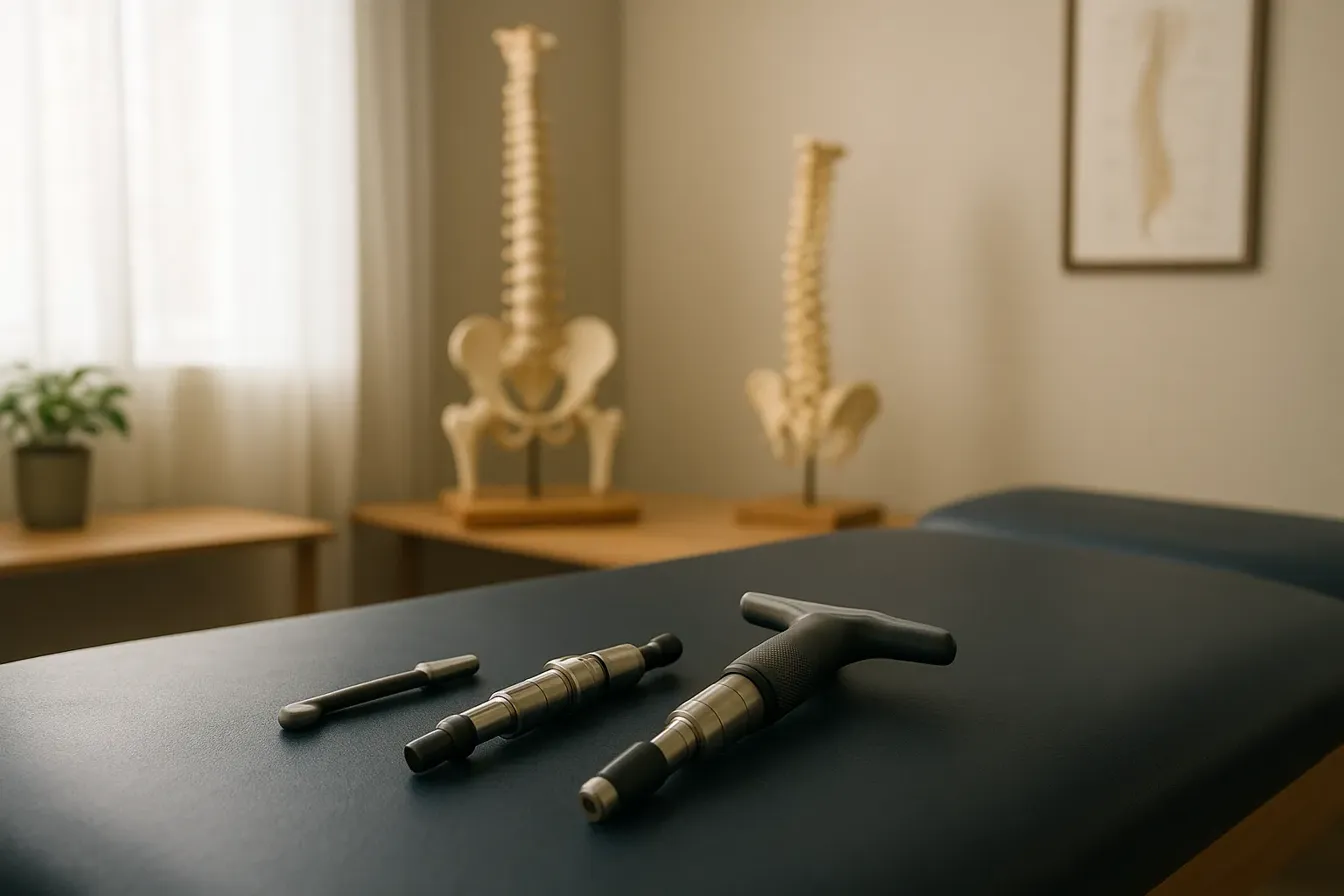
The Importance of Treating the Root Cause of Pain
Nutritional Support Strategies for Whole-Body Wellness
7 Essential Questions to Ask When Choosing Your Chiropractor
Identifying and Addressing Root Causes of Pain
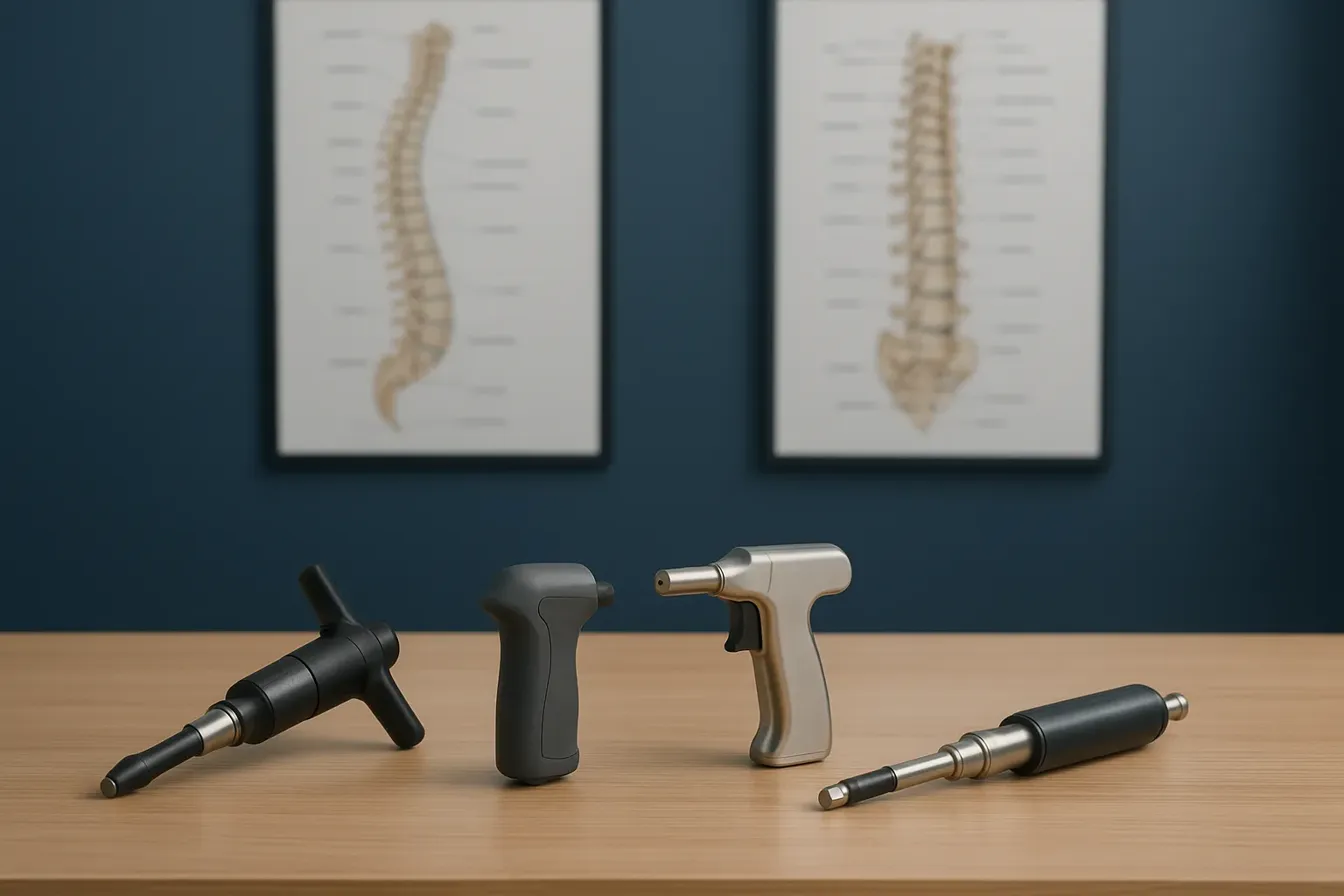
Maintaining a Healthy Spine with Lifestyle Adjustments
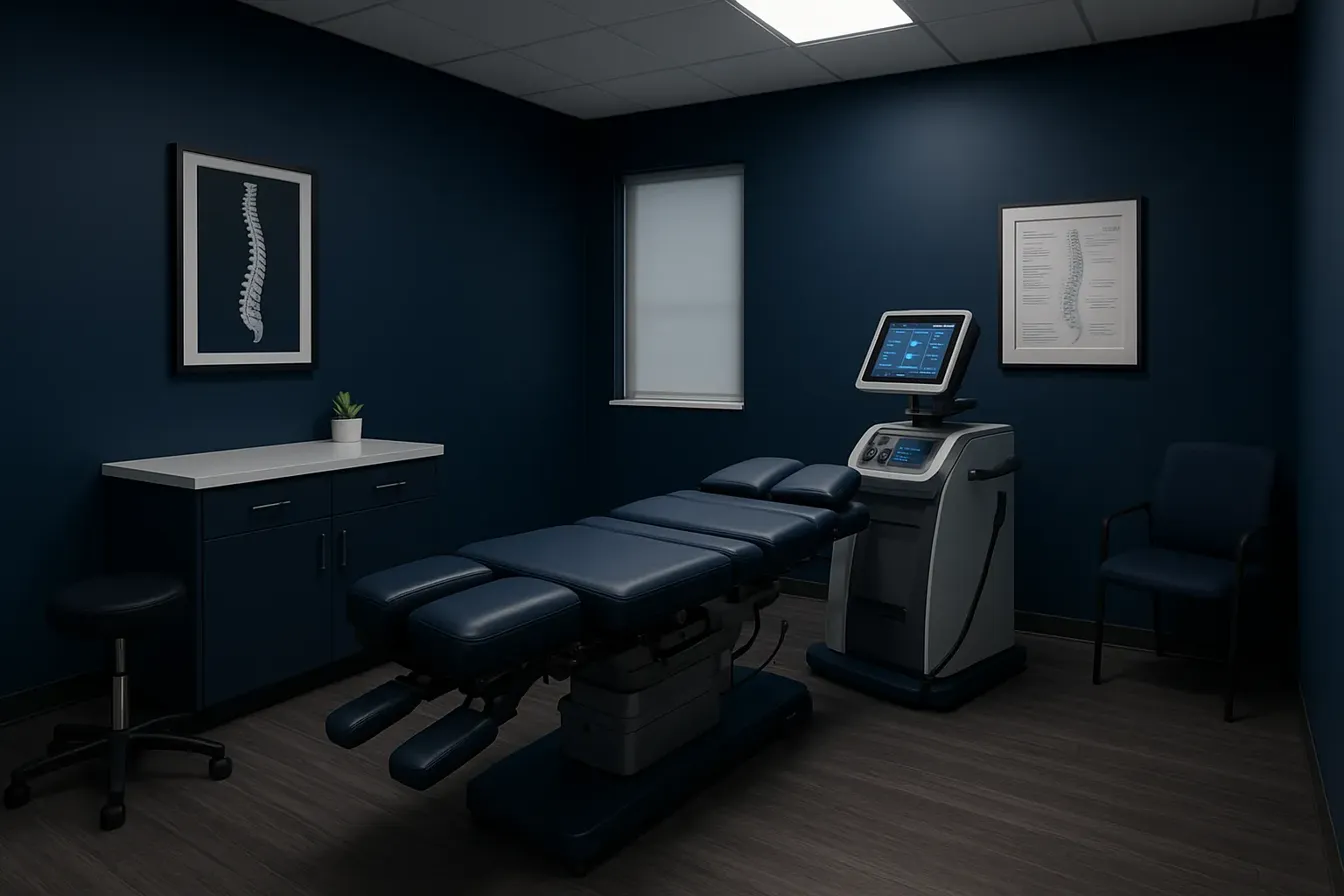
Sciatica Symptom Relief via Spinal Decompression
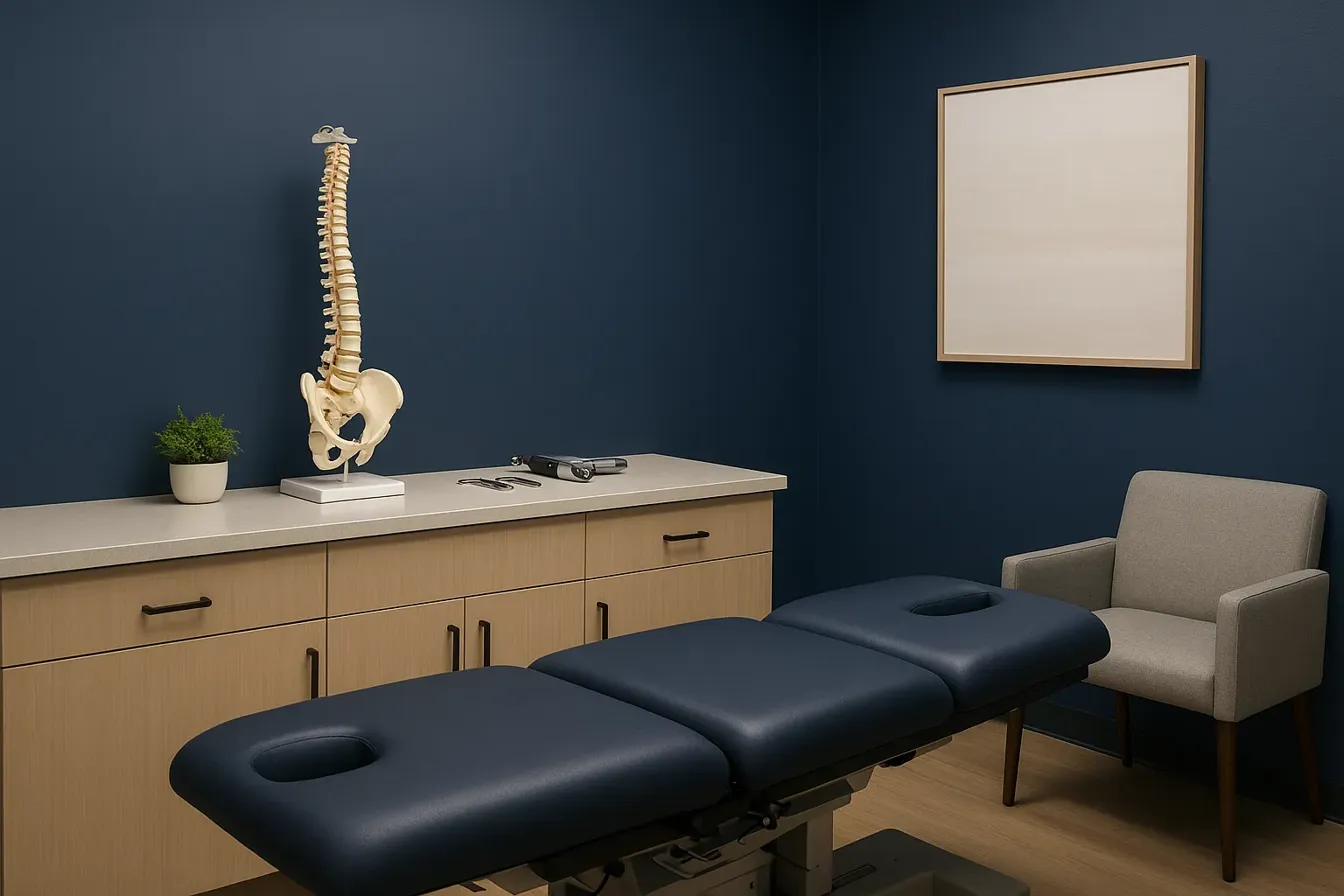
8 Reasons Why Addressing the Root Cause of Pain Is Crucial
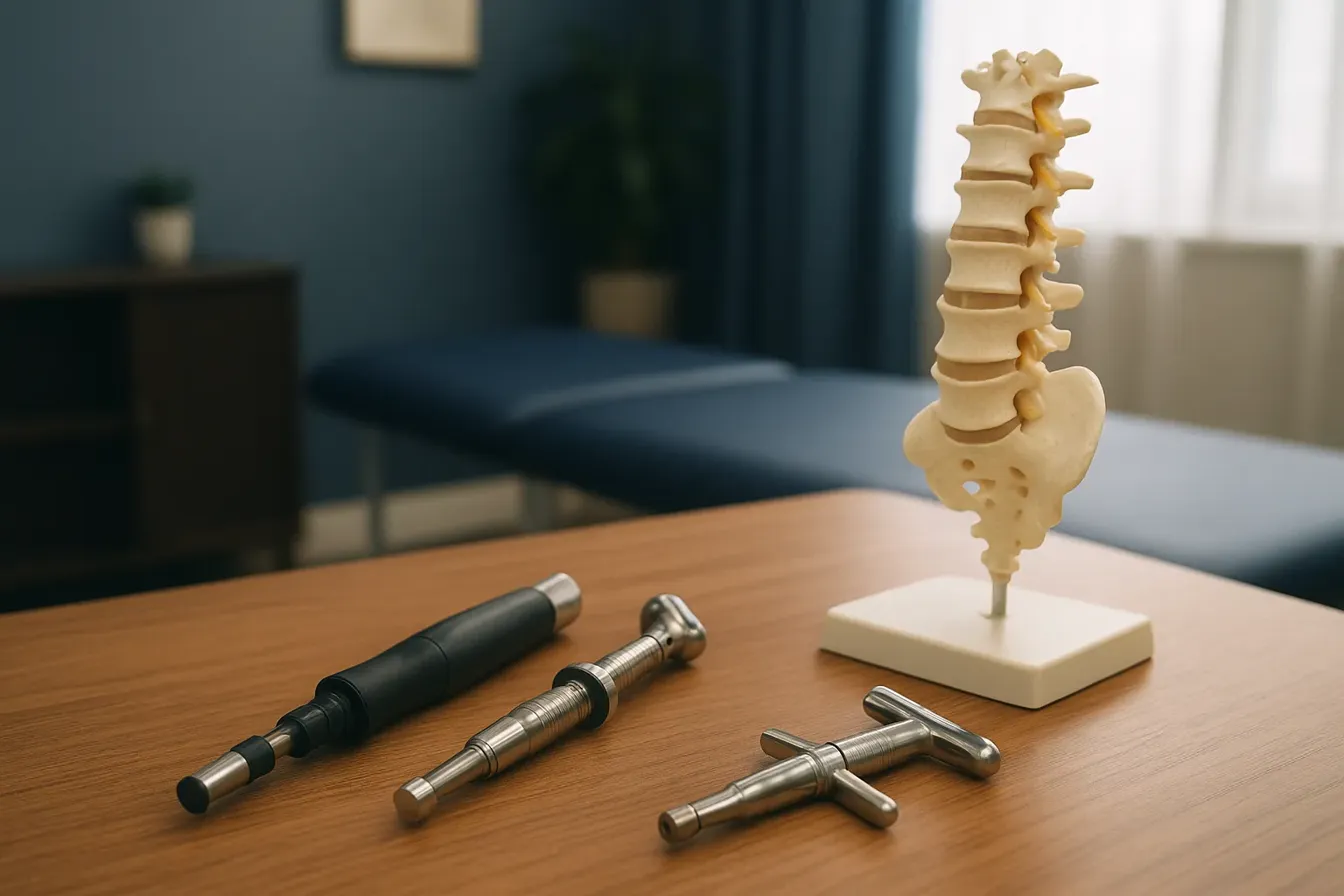
Chiropractic Care’s Impact on Back Pain Recovery

Combining Physiotherapy with Chiropractic Care for Better Results
Inspiring Recovery: Chiropractic Patient Testimonials
Nutritional Counseling Tips for Optimal Wellness

Why Addressing the Root Cause of Pain is Crucial
Back Pain and Chiropractic Care: A Winning Combination
Chiropractic Care Benefits You Might Not Know
Exploring Holistic and Non-Surgical Treatments for Pain
Spinal Health: Lifestyle Tips for Everyday Wellness
Spinal Decompression Therapy: Benefits and Applications
Holistic and Non-Invasive Spine Care Options
Everyday Lifestyle Advice to Keep Your Spine Healthy
The Significance of Treating Root Causes in Pain Therapy
Best Corrective Exercises for Sustainable Pain Management
Addressing Underlying Causes of Pain for Long-Term Relief
6 Key Benefits of Spinal Decompression Therapy for Sciatica Relief

How Nutritional Counseling Supports Spine Health and Recovery
The Role of Physiotherapy in Supporting Chiropractic Treatments