Practical Lifestyle Advice for Maintaining Spinal Alignment and Health
December 29, 2025
9 min
Introduction to Spinal Health and Its Importance
Understanding the Importance of Spinal Health
The spine is central to the body's structure, supporting the head, shoulders, and upper body. It protects the spinal cord, a vital pathway for nerve signals that facilitate movement and sensation.
Maintaining spinal health is essential for overall well-being. A healthy spine promotes ease of movement, good posture, and pain-free daily activities. Poor spinal health can lead to stiffness, headaches, poor sleep, and reduced energy.
Anatomy and Function of the Spine
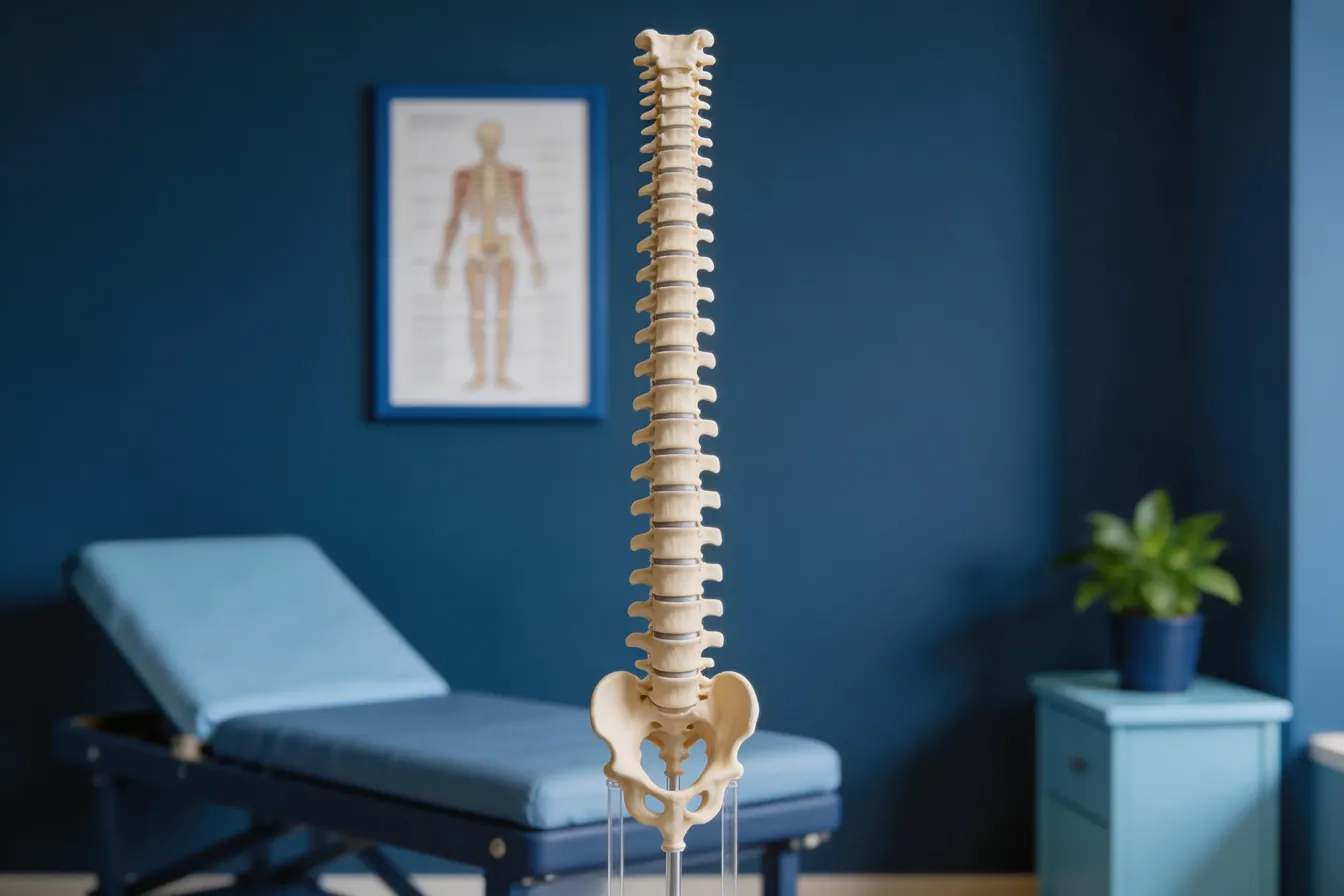
The spine consists of bones called vertebrae arranged in natural curves that promote balance and flexibility. It houses discs acting as shock absorbers, protecting nerves and supporting body weight.
The Importance of Spinal Alignment
Proper spinal alignment distributes body weight evenly and reduces strain on muscles, ligaments, and discs. Maintaining this alignment helps prevent pain, muscle strain, and spinal disorders such as herniated discs or osteoarthritis.
Focusing on spinal health is a foundation for holistic well-being and should be prioritized through daily practices and preventive care.
Daily Habits and Exercises to Support Spinal Alignment and Strength

Why is regular low-impact exercise important for spine health?
Engaging in Regular exercise for spine health such as walking, swimming, or cycling is crucial for maintaining spinal health. These Low-impact activities promote blood flow to the spinal tissues, support tissue repair, reduce inflammation, and enhance flexibility, all of which contribute to a healthy spine. Low-impact workouts also minimize joint stress while strengthening muscles that support spinal alignment.
What core muscle strengthening techniques benefit spinal stability?
Strengthening your core muscles is essential in supporting spinal stability and reducing back pain risk. Effective exercises include Curl-up exercise for spine support, pelvic tilts, and side planks. These movements target abdominal, back, and pelvic muscles, helping improve posture, balance, and spinal support. Consistent practice with correct technique safeguards the spine and aids in long-term musculoskeletal health.
Which stretching routines help maintain flexibility around the spine?
Daily stretching routines focusing on the lower back, hips, and hamstrings are vital to maintain spinal mobility and proper alignment. Examples include hamstring stretches, hip flexor stretches, and gentle lower back twists. These stretches ease muscle tightness that may cause spinal misalignments and help sustain a comfortable range of motion.
How do mobility exercises like hip hinges and walking breaks support spinal health?
Incorporating mobility exercises such as Mobility exercises and injury prevention promotes blood flow to back and hip muscles and encourages proper lifting mechanics, preventing injury. Frequent Walking breaks for back health during prolonged sitting enhance circulation, relieve tension, and stimulate natural spinal movement, combating stiffness and discomfort.
What are common conditions treated by chiropractic care?
Chiropractic care successfully addresses musculoskeletal complaints like back pain, neck pain, headaches, sciatica, and joint or muscle strains. These issues often stem from poor posture and weak supporting muscles. By emphasizing Core strength and spinal health and Strengthening lower body for spine, chiropractic treatments reduce risk factors, improving spinal stability and minimizing injury chances.
Ergonomics and Posture: Creating a Spine-Friendly Environment

Using Ergonomic Workstations and Supportive Seating
Creating a spine-friendly environment begins with ergonomic workstations for spinal support and supportive seating options at work and home. Workstations with adjustable chairs, desks, and accessories support the natural spinal curves and reduce strain. Chairs with lumbar support help maintain the lower back's natural arch, while supportive seating options like kneeling chairs and exercise balls encourage active sitting and reduce pressure on spinal discs.
Proper Monitor Height, Lumbar Support, and Chair Adjustments
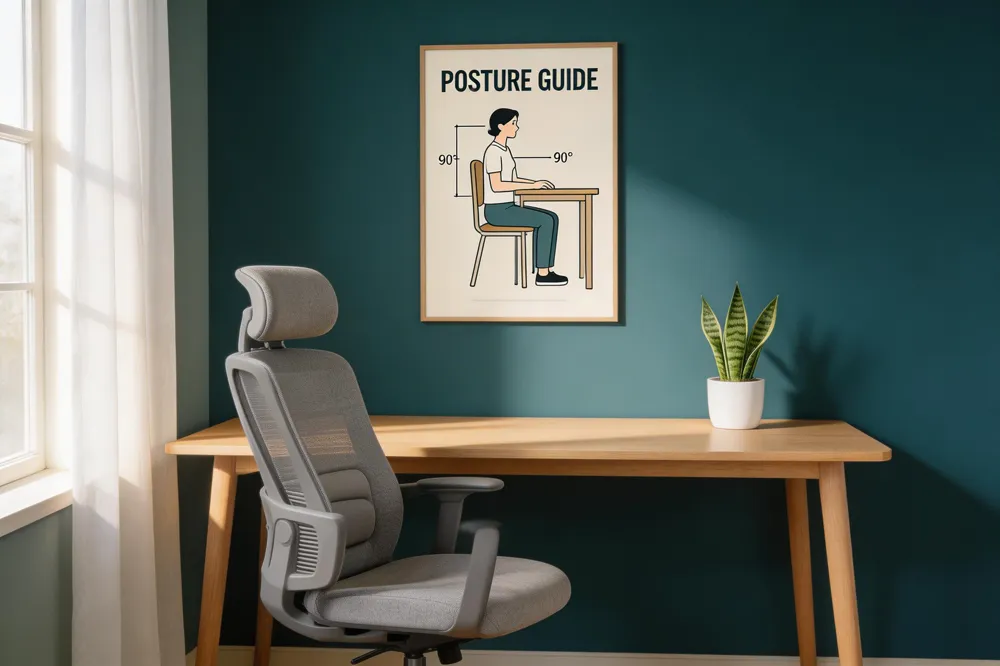
Positioning the computer monitor at eye level and keeping elbows at 90 degrees minimizes neck and upper back tension. Chairs should be adjusted so feet rest flat on the floor, with knees level or slightly higher than hips. Good lumbar support is essential to sustain healthy lumbar spine alignment during prolonged sitting.
Importance of Good Posture During Sitting, Standing, and Sleeping
Maintaining neutral spine posture throughout daily activities prevents imbalances and discomfort. While sitting and standing, shoulders should be relaxed and aligned over hips, avoiding slouching. During sleep, supported positions help keep spinal curves neutral and aid recovery.
Sleeping Positions That Support Spinal Alignment
Sleeping on the back with a pillow beneath the knees or on the side with one between the knees supports spinal alignment and reduces pressure on discs. Avoiding stomach sleeping helps prevent excessive spinal strain and maintains natural curves. See sleeping positions for spine alignment for more.
Footwear Choices and Their Impact on Spine Health
Wearing supportive footwear for posture with proper arch support and avoiding high heels maintains correct posture and minimizes spinal stress. Good footwear helps evenly distribute weight and reduces abnormal spine loading.
Holistic Chiropractic Services
Chiropractic practices focusing on holistic musculoskeletal health often provide ergonomic assessments and personalized advice on posture and sleep positions. These services complement spinal adjustments by empowering patients with practical lifestyle modifications to protect spine health daily. Learn more about lifestyle habits for a healthy spine.
Nutrition, Weight Management, and Hydration for a Healthy Spine

How does maintaining a healthy weight reduce spinal strain?
Maintaining a healthy weight plays a crucial role in reducing strain on the spine. Excess body weight increases pressure on spinal discs and joints, leading to discomfort and increasing the risk of chronic back pain. By managing weight through a balanced diet and regular exercise for spine health, individuals can alleviate this additional load, protecting spinal integrity and promoting overall back health.
What is the role of anti-inflammatory and nutrient-rich foods in spinal health?
Consuming anti-inflammatory foods for spine such as salmon, walnuts, and berries can reduce inflammation in spinal tissues, which is associated with pain and stiffness. Nutrient-rich diets for musculoskeletal health that include antioxidants help support joint and tissue health, aiding in reducing discomfort and enhancing mobility.
Why are calcium and vitamin D important for spine strength?
Calcium and vitamin D for bone support are essential for building and maintaining strong bones, including those in the spine. Calcium is essential for building and maintaining strong bones, while vitamin D enhances calcium absorption in the body. A diet rich in dairy, leafy greens, and fatty fish ensures adequate intake of these nutrients, helping prevent osteoporosis and degenerative spinal conditions.
How does hydration influence spinal disc health and tissue repair?
Hydration and spinal discs is vital to maintain the flexibility and shock-absorbing properties of spinal discs. Adequate fluid intake keeps the discs healthy, preventing stiffening and damage. Hydration also supports tissue repair by improving blood flow to the vertebrae and surrounding tissues.
How can chiropractic care complement other health and wellness practices?
Chiropractic care integrates well with nutritional guidance aimed at reducing inflammation and promoting bone health. Combined with proper diet, hydration, and weight management, chiropractic treatments enhance healing and maintain musculoskeletal balance, leading to holistic spine wellness.
Injury Prevention and Safe Movement Techniques for Long-Term Spine Health

How Can Proper Lifting Techniques and Carrying Techniques Prevent Back Strain?
Using correct lifting methods is essential to avoid back injuries. Always bend your knees and keep your back straight, engaging leg muscles to lift rather than relying on your back. Keep the load close to your body and avoid twisting while lifting. Distribute weight evenly when carrying items to prevent muscular imbalances and reduce spinal strain. These techniques protect spinal discs and joints by minimizing undue stress.
Why Is Reducing Prolonged Sitting and Standing Important, and How Can Taking Breaks from Sitting or Standing Help?
Staying in one position for too long increases pressure on the spine and reduces blood flow to spinal tissues. Taking frequent breaks to stand, stretch, and walk promotes circulation and relieves tension in spinal muscles. Alternating between sitting and standing prevents muscle fatigue, supports posture, and maintains spinal flexibility, which is vital for long-term back health.
What Are Effective Practices for Preventing Tech Neck and Supporting Spinal Breathing and Posture?
Tech neck results from prolonged forward head posture during device use, leading to neck and upper back strain. To prevent this, maintain an ergonomic workspace with screens at eye level and practice Spinal Breathing and Posture exercises that engage core and diaphragm muscles. These breathing techniques improve spinal mobility, help maintain proper posture, and reduce muscular tension around the cervical spine.
How Do Stress Management for Spine Health and Relaxation Techniques Support Spinal Health?
Stress can cause muscle tension and increase inflammation, worsening back pain. Incorporating relaxation methods such as meditation, deep breathing, yoga, or massage helps decrease cortisol-induced inflammation and relax muscles. These approaches foster muscle relaxation around the spine, support circulation, and may alleviate chronic pain.
What Qualifications Should a Chiropractic Practitioner Have for Effective Care?
Effective chiropractors possess clinical expertise in musculoskeletal health and injury prevention. They educate patients on safe movement, posture correction, and ergonomic adaptations tailored to individual needs. This patient-centered approach supports sustainable habits that protect spinal integrity and promote recovery from injuries.
| Topic | Key Advice | Benefit to Spine Health |
|---|---|---|
| Proper Lifting Techniques | Bend knees, keep the back straight, lift with legs | Reduces risk of disc injury and muscle strain |
| Reducing Prolonged Sitting and Standing | Take regular breaks, alternate positions | Improves circulation, prevents stiffness |
| Tech Neck Prevention | Ergonomic screens, spinal breathing exercises | Maintains neck alignment, reduces muscle tension |
| Stress Management for Spine Health | Use relaxation techniques like meditation and yoga | Reduces inflammation and muscle tightness |
| Chiropractic Care | Expert guidance on ergonomics and injury prevention | Promotes long-term spinal health and recovery |
The Role of Chiropractic Care in Maintaining Musculoskeletal Wellness
What are the benefits of chiropractic care for holistic musculoskeletal health and wellness?
Chiropractic care primarily focuses on realigning the spine, which enhances nervous system function. This realignment provides significant pain relief and improves mobility and posture. Beyond physical adjustments, chiropractic treatment adopts a holistic approach by educating patients on Lifestyle Habits for a Healthy Spine. This education empowers individuals to maintain their Spine Health Prevention over time and reduces the likelihood of future injuries.
What types of services are typically provided by a chiropractic practice focused on holistic musculoskeletal health?
Chiropractic practices dedicated to comprehensive musculoskeletal wellness offer a range of services. These include spinal adjustments as well as complementary therapies such as Massage and Physical Therapy Benefits and acupuncture. Nutrition essentials for strong bones and joints and Stress Management for Spine Health are also key components. Core Muscle Strengthening are integrated into patient care plans to strengthen muscles supporting the spine, ensuring a well-rounded approach to health.
How can chiropractic care complement other health and wellness practices?
By improving Spinal alignment that supports health and reducing nerve interference, chiropractic care amplifies the benefits of other wellness activities. For example, enhanced posture and mobility increase the effectiveness of Exercise for spine health and physical therapy routines. Additionally, chiropractic care supports Meditation and relaxation techniques and nutritional efforts by promoting a balanced body and mind, contributing to overall integrated health.
Why is a holistic approach important in chiropractic care?
Chiropractic care extends beyond symptomatic relief to address physical, nutritional, and emotional factors influencing musculoskeletal health. This integrated treatment promotes long-term wellness by uniting body and mind care, creating sustainable health outcomes for patients.
Maintaining Spinal Health Through Balanced Lifestyle Choices
Essential Lifestyle Habits for Spinal Alignment
Maintaining spinal health revolves around several balanced lifestyle habits. Regular low-impact exercise like walking, swimming, or yoga strengthens core muscles that support the spine, reduces inflammation, and improves flexibility. Consistent stretching of the lower back, hips, and hamstrings enhances mobility and proper alignment. Proper posture during daily activities—sitting, standing, and sleeping—is vital to reduce strain and prevent spinal imbalances. Managing weight and wearing supportive footwear further relieve unnecessary pressure on spinal structures.
Embracing Proactive, Holistic Care
A holistic approach includes nutrition rich in anti-inflammatory foods and adequate hydration to keep spinal discs flexible and healthy. Stress reduction through relaxation techniques lowers muscle tension and supports overall back wellness. Ergonomic work and sleep environments protect spinal integrity, while proper lifting techniques prevent injury. Early bone health assessments help in preventing degenerative conditions, emphasizing the importance of sustained, preventive care.
Consistent Practice and Professional Support
Regular consultations with chiropractors or physical therapists provide personalized guidance and early detection of potential issues. Incorporating core stabilization exercises and mindful movement into everyday routines builds lasting spine resilience. Patience and consistency with these practices encourage long-term wellness and natural pain relief, empowering individuals to maintain a healthy, well-aligned spine throughout life.
Recent articles

10 Real‑Patient Success Stories Showcasing the Impact of Chiropractic Care

Superfoods That Boost Nerve Healing After Chiropractic Sessions

Sleep Positions That Promote a Healthy Back Alignment

Signs Your Chiropractor Is a Good Fit for Your Back Pain Goals

Case Study: Integrated Physiotherapy and Chiropractic for Faster Recovery

First-Time Chiropractic Visit: A Step‑by‑Step Walkthrough
Synergistic Benefits: Combining Physiotherapy with Chiropractic Care

Beyond Surgery: Holistic Approaches to Managing Back Pain

How Manual Therapy Enhances the Effects of Chiropractic Adjustments

Hydration Hacks: Why Water Matters for Joint and Spine Function

What Does a Comprehensive Spinal Evaluation Include?

Success Spotlight: Transformative Results After Six Weeks of Chiropractic Treatment

Understanding the Initial Assessment Process in Chiropractic Care

Designing a Personalized Corrective Exercise Plan for Chronic Pain Management

Natural Pain Management: Combining Acupuncture, Yoga, and Chiropractic

Chiropractic Care vs. Pain Meds: Long-Term Outcomes for Back Pain Sufferers

What to Expect During a Sciatica‑Focused Decompression Session

Understanding the Pain-Relief Mechanics Behind Chiropractic Adjustments

Success Rates of Non‑Surgical Spinal Decompression for Sciatica

Patient-Centered Chiropractic Care: Personalized Plans for Back Pain Relief
How Chiropractic Treatments Reduce Inflammation and Speed Up Back Pain Recovery

Real‑Life Stories: How Chiropractic Helped Patients Overcome Chronic Back Pain

From Symptom Masking to Root‑Cause Healing: A Practical Guide

6 Holistic Non‑Surgical Treatments That Deliver Sustainable Back‑Pain Relief

Key Questions to Ask When Selecting Your Chiropractor

Mindful Movement: Incorporating Stretch Breaks Into a Busy Day

Why Targeting the Underlying Cause Beats Temporary Symptom Relief

8 Ways Physiotherapy Complements Chiropractic Adjustments for Faster Recovery

Meal Planning for Athletes Recovering from Back Injuries

9 Everyday Lifestyle Tweaks to Preserve a Healthy Spine and Prevent Pain

Functional Movement Screening for Root‑Cause Pain Identification

6 Things You’ll Experience During Your First Chiropractic Appointment

Spinal Decompression vs. Standard Physical Therapy for Sciatica: A Comparative Review

New Findings on How Adjustments Influence Blood Circulation
Work‑From‑Home Ergonomics: A Blueprint for a Pain‑Free Back

The Link Between Chiropractic Care and Improved Sleep Quality

Physiotherapy Techniques That Strengthen the Benefits of Chiropractic Adjustments

Biomechanical Insights Behind Successful Spinal Decompression

Desk‑to‑Dumbbell: Lifestyle Shifts That Guard Your Lower Back

10 Corrective Exercises for Sustainable Pain-Free Living

Morning Routines That Support Spine Health and Reduce Stiffness

Calcium and Magnesium‑Focused Nutrition for Bone Density and Spine Health

9 Ways Chiropractic Care Transforms Back Pain Management

Testimonial: Nutrition‑Guided Recovery Accelerated by Chiropractic
Science‑Backed Spinal Decompression for Relieving Sciatica Symptoms

Key Questions to Ask During Your Initial Chiropractic Consultation
Whole‑Body Wellness Blueprint: Nutrition, Exercise, and Chiropractic Synergy

A 12‑Week Corrective Exercise Blueprint for Chronic Neck Discomfort

Manual Therapy Plus Targeted Exercise: Accelerating Post‑Injury Recovery

Home‑Based Spinal Decompression Devices: What Patients Should Know

Chiropractic Care Statistics: Reducing Lost Workdays From Back Pain

How Targeted Nutrition Enhances Immune Function and Lowers Inflammatory Pain

Self‑Assessment Tools to Identify Hidden Triggers of Back Pain

Preparing for Your First Chiropractic Appointment: A Practical Checklist

Back Pain Relief Benefits: Lower Opioid Use and Better Quality of Life

Foam‑Rolling Techniques to Complement Chiropractic Adjustments

Progressive Overload Principles in Corrective Exercise Programs

Six‑Month Transformation: Integrated Care Success Story

7 Nutritional Hacks to Boost Your Overall Wellness

How to Choose a Chiropractor: Credentials, Techniques, and Patient Compatibility

5 Ways Spinal Decompression Can Ease Sciatica Pain

Overcoming Sciatica: A Patient’s Multidisciplinary Treatment Journey
Lifestyle Changes That Promote a Healthy Spine
Physiotherapy as a Complement to Chiropractic Treatments

6 Ways Physiotherapy Enhances Chiropractic Treatment Outcomes

Daily Living Tips for a Strong and Healthy Spine

How Physiotherapy Enhances Chiropractic Outcomes
Holistic Treatments: Alternatives to Surgery for Pain Relief
Inspiring Patient Success Stories from Chiropractic Clinics

Integrating Physiotherapy with Chiropractic Treatments
Corrective Exercise Routines for Chronic Pain Prevention
10 Corrective Exercises to Maintain a Healthy Spine and Relieve Pain
Exercise Strategies for Long-Term Pain Management
10 Corrective Exercises to Maintain a Healthy Spine and Relieve Pain
The Importance of Treating the Root Cause of Pain
Nutritional Support Strategies for Whole-Body Wellness
7 Essential Questions to Ask When Choosing Your Chiropractor

Identifying and Addressing Root Causes of Pain

Maintaining a Healthy Spine with Lifestyle Adjustments
Sciatica Symptom Relief via Spinal Decompression
8 Reasons Why Addressing the Root Cause of Pain Is Crucial
Chiropractic Care’s Impact on Back Pain Recovery

Combining Physiotherapy with Chiropractic Care for Better Results
Inspiring Recovery: Chiropractic Patient Testimonials
Nutritional Counseling Tips for Optimal Wellness

Why Addressing the Root Cause of Pain is Crucial
Back Pain and Chiropractic Care: A Winning Combination

Chiropractic Care Benefits You Might Not Know
Exploring Holistic and Non-Surgical Treatments for Pain
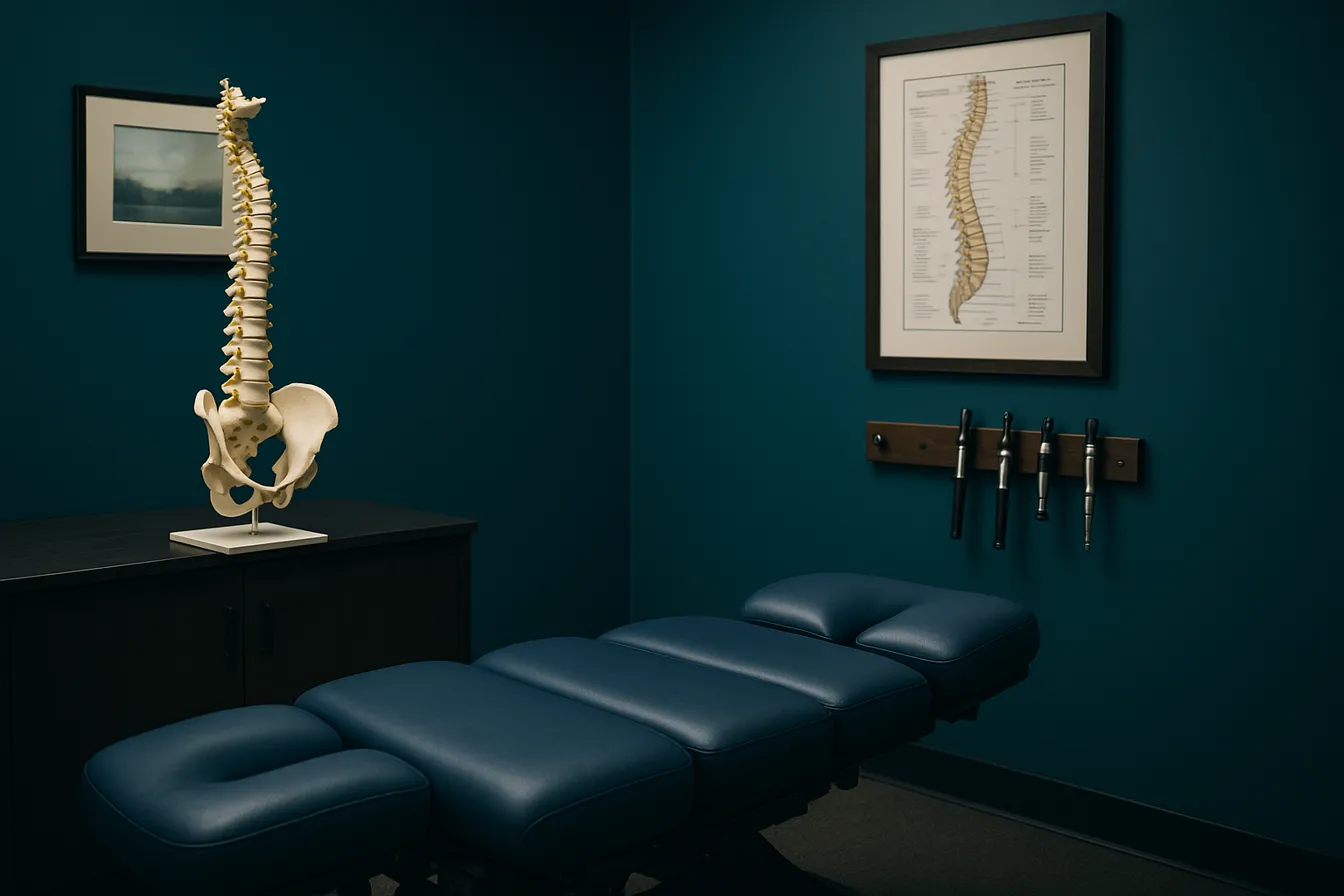
Spinal Health: Lifestyle Tips for Everyday Wellness
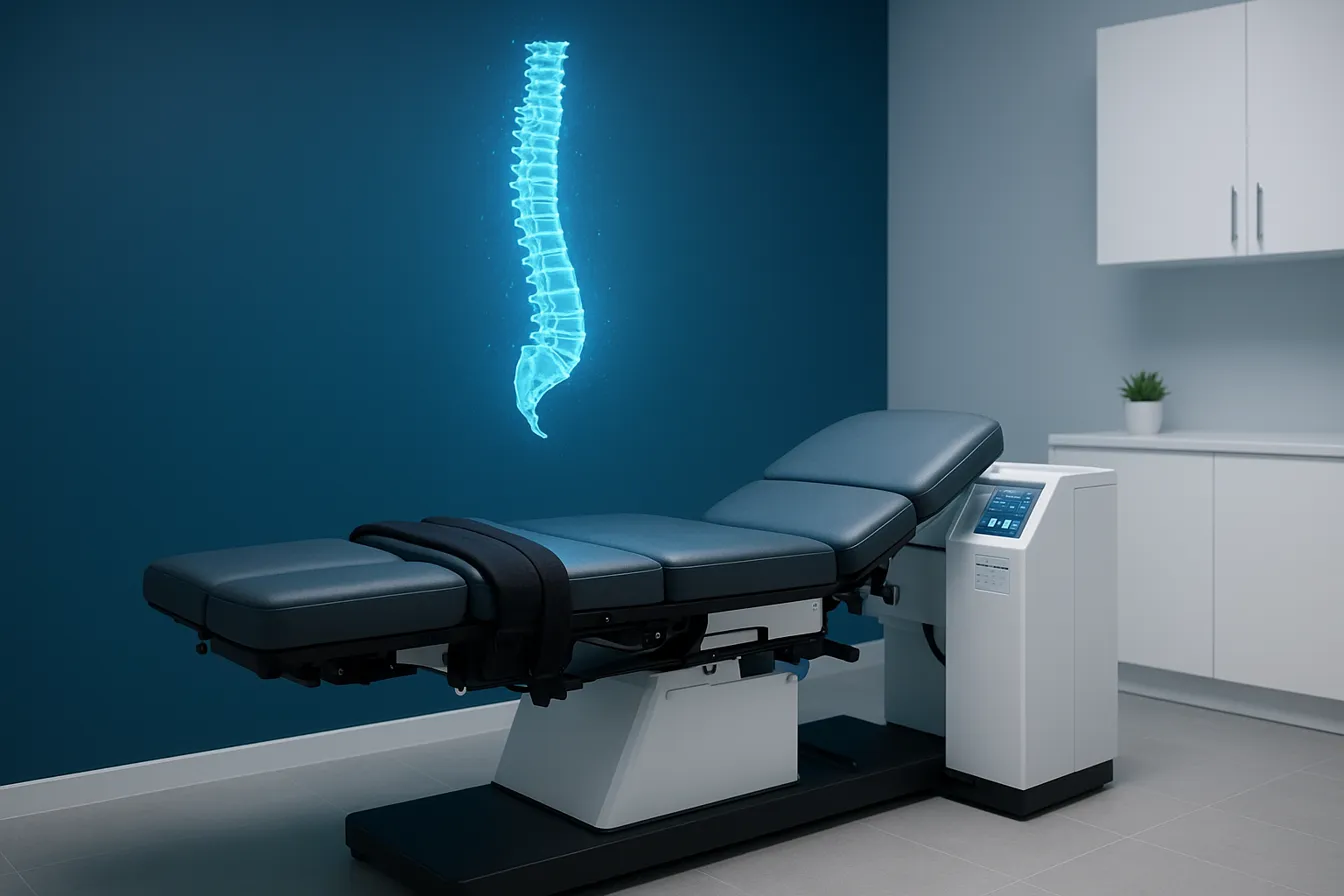
Spinal Decompression Therapy: Benefits and Applications
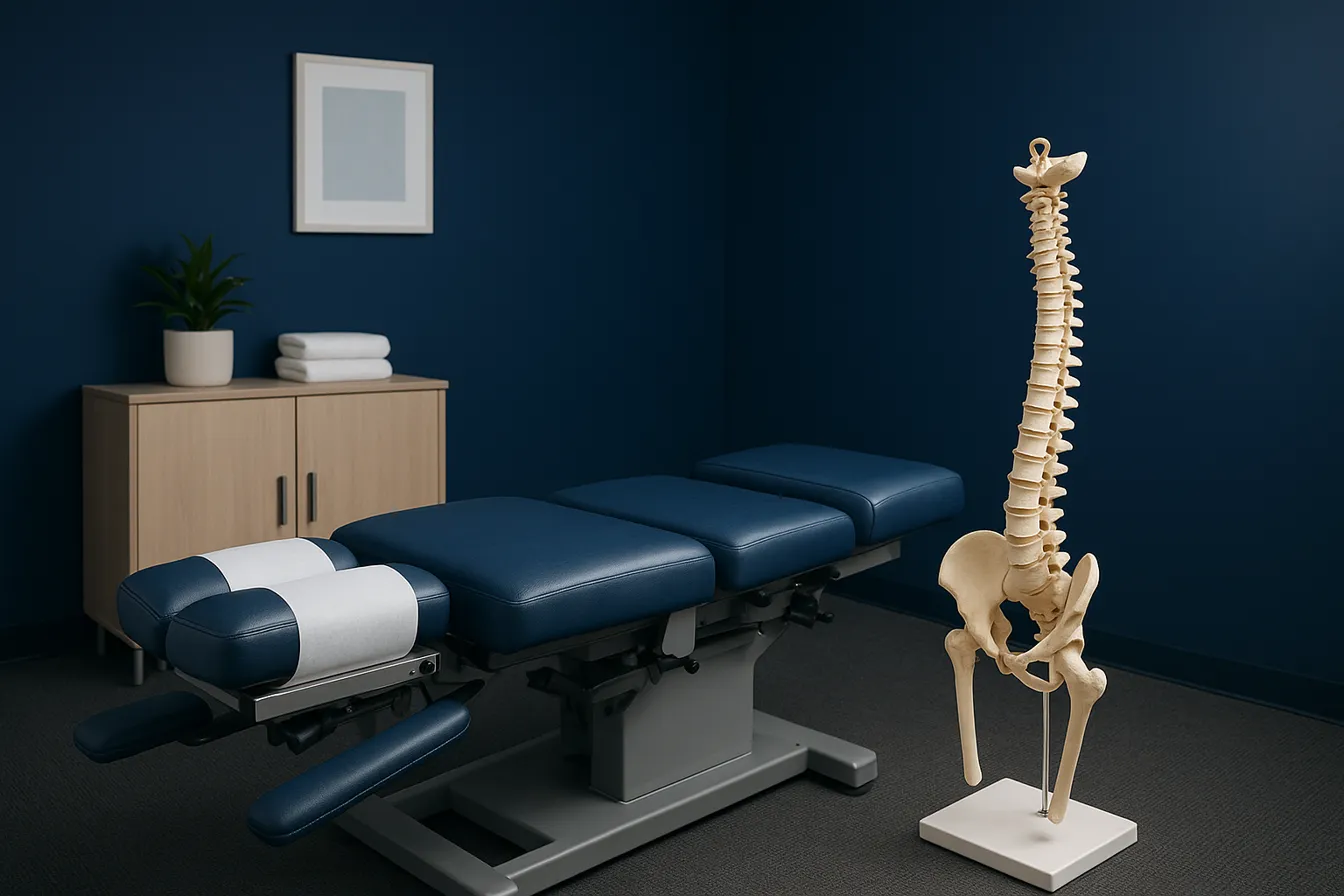
Holistic and Non-Invasive Spine Care Options
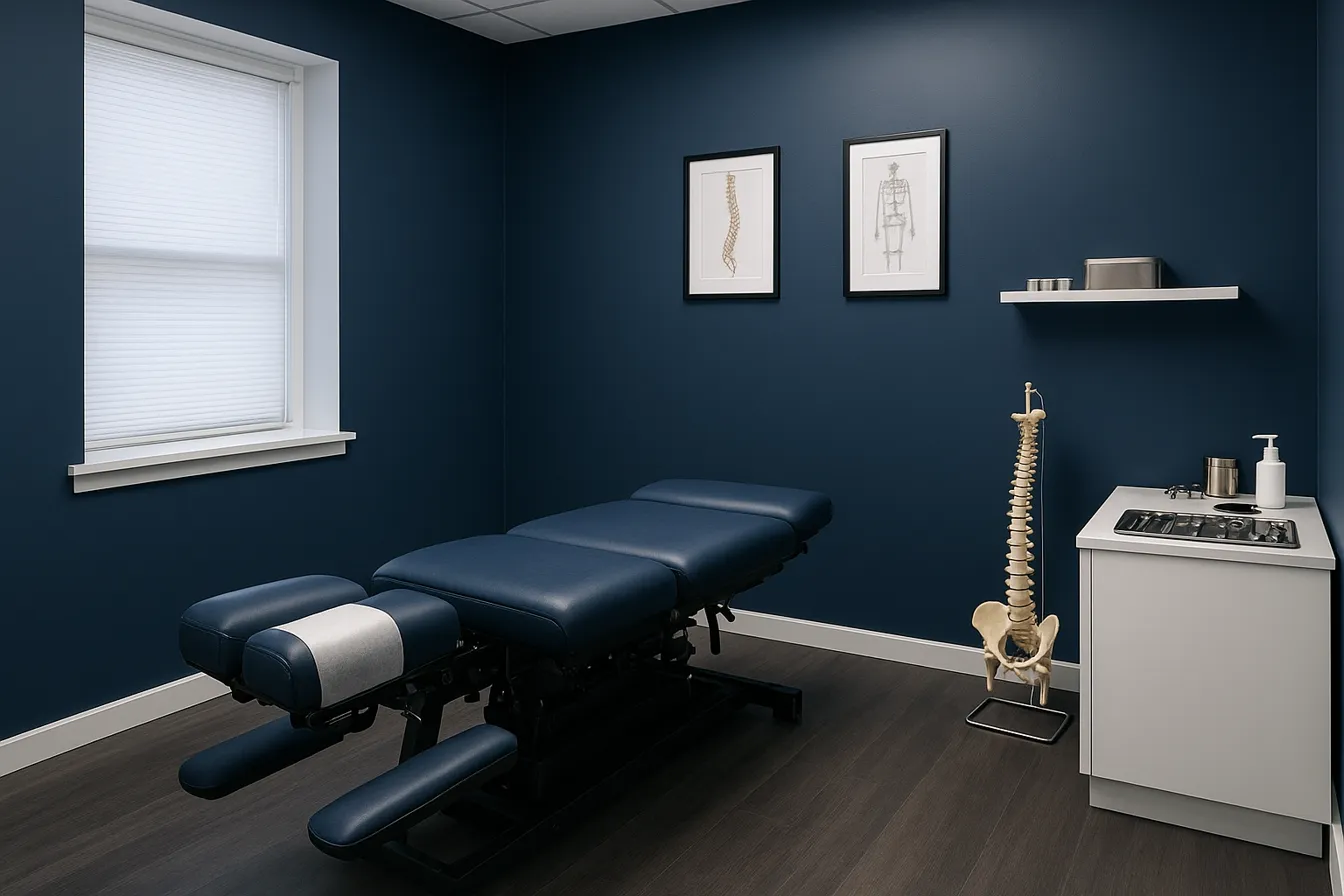
Everyday Lifestyle Advice to Keep Your Spine Healthy

The Significance of Treating Root Causes in Pain Therapy
Best Corrective Exercises for Sustainable Pain Management

Addressing Underlying Causes of Pain for Long-Term Relief

6 Key Benefits of Spinal Decompression Therapy for Sciatica Relief

How Nutritional Counseling Supports Spine Health and Recovery

The Role of Physiotherapy in Supporting Chiropractic Treatments