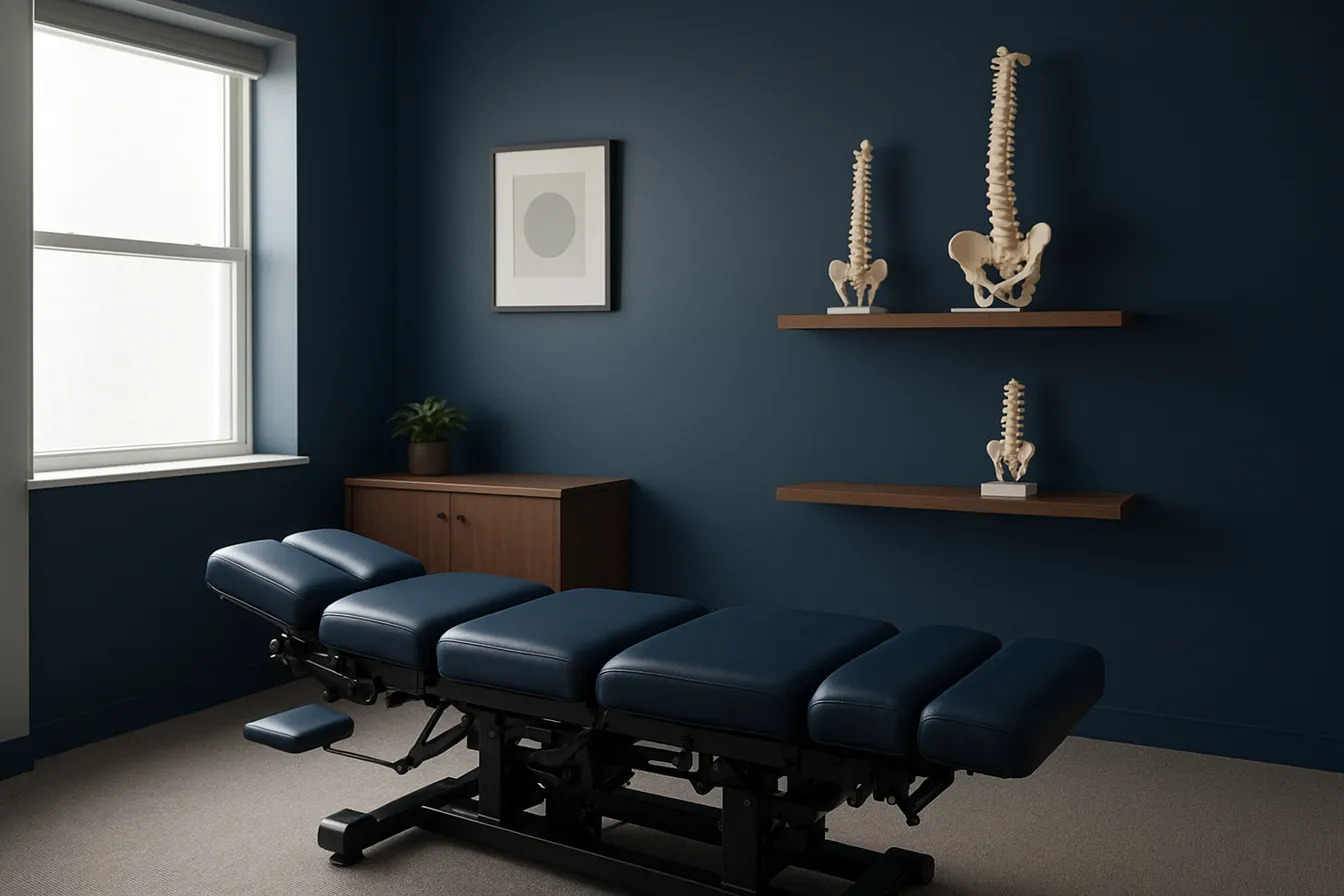
Non-Invasive Pain Relief: Exploring Holistic Treatment Alternatives
December 8, 2025
9 min
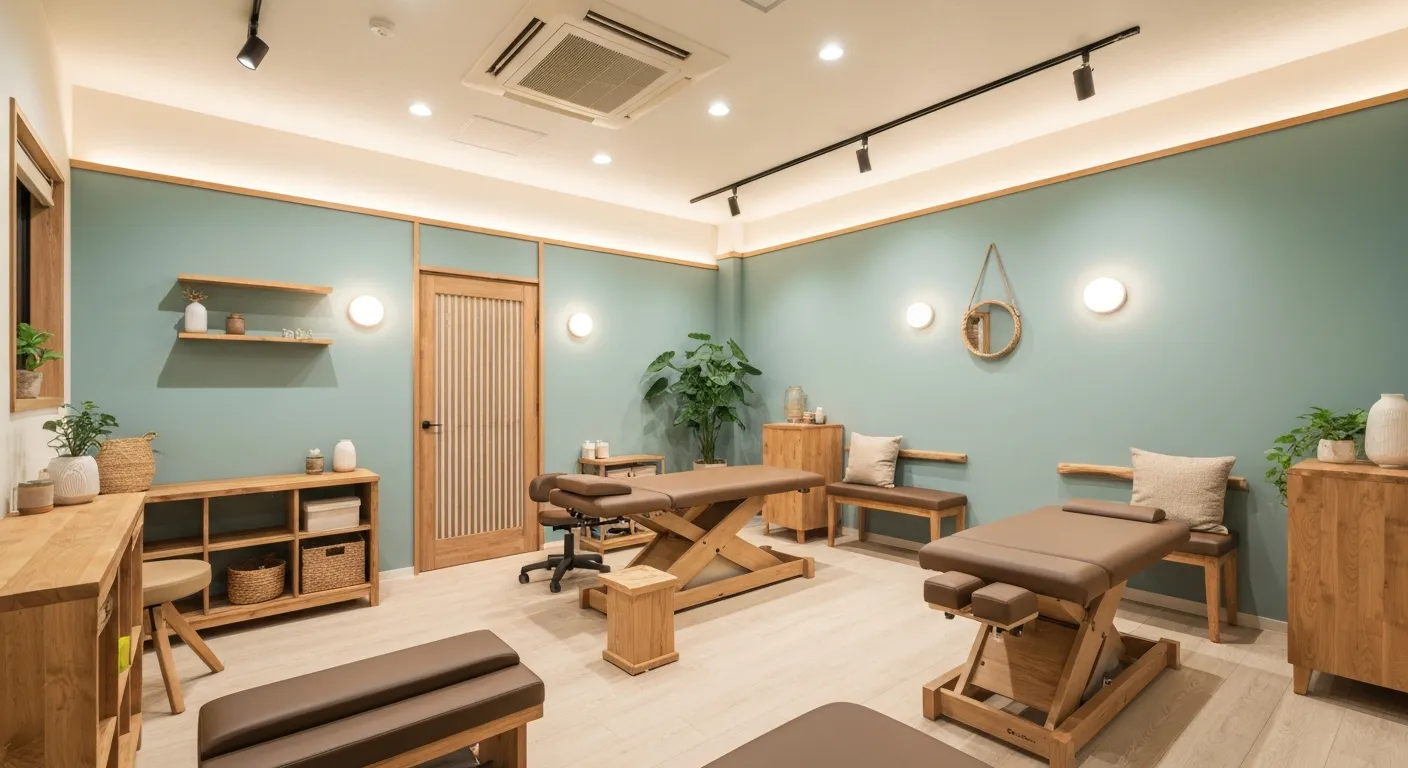
Understanding the Shift Toward Non-Invasive and Holistic Pain Relief
Rise of Non-Invasive Pain Treatments
Non-invasive therapies such as acupuncture, massage, physical therapy, and chiropractic care are increasingly preferred for managing pain. These approaches avoid surgery and medication side effects while promoting natural healing and function.
Importance of Holistic Care
Holistic pain management addresses the body as a whole, incorporating lifestyle, diet, stress reduction, and physical activity. This integrated perspective supports musculoskeletal health and chronic pain relief more effectively than symptom-focused treatments alone.
Blending Tradition with Modern Techniques
Combining ancient therapies like acupuncture and tai chi with evidence-based physical therapy and corrective exercises offers comprehensive care. This integration allows personalized treatment plans that enhance recovery and long-term wellness without relying on pharmaceuticals.
Key Holistic Modalities for Pain Relief and Their Mechanisms

What is acupuncture and how does it help relieve pain?
Acupuncture for pain management uses fine needles inserted into specific points on the body to stimulate the nervous system and promote healing. This process triggers the release of pain-relieving chemicals such as endorphins in the spinal cord and brain, improving circulation and reducing inflammation. It is effective for conditions including Acupuncture for back pain and headaches, migraines, osteoarthritis, fibromyalgia, and cancer-related pain.
How does massage therapy benefit pain management?
Massage therapy benefits involve kneading, tapping, and rubbing soft tissues to increase oxygen and blood flow while relaxing the nervous system. This reduces muscle tension, stress hormones, and pain perception. It has been shown to alleviate symptoms associated with Massage therapy services, Massage therapy services, osteoarthritis, fibromyalgia, and muscle strain.
What role do mindfulness and mind-body practices play in pain relief?
Mindfulness approaches in pain control such as meditation, diaphragmatic breathing, guided imagery, hypnosis, and progressive muscle relaxation help decrease pain intensity by altering pain perception and reducing stress. These practices improve physical function and emotional well-being in chronic pain patients, aiding in breaking the pain-stress cycle.
What are physical therapy techniques and their benefits for pain?
Physical therapy for pain uses stretching, nerve stimulation, strengthening exercises, and manual therapy to improve range of motion, strengthen muscles around painful areas, and restore function. It offers immediate pain relief and long-term management by addressing the root causes of musculoskeletal issues.
How do yoga and Tai Chi contribute to pain management?
Yoga and tai chi for pain management emphasize gentle movements, breathing control, and mindfulness. These practices improve joint mobility, stiffness, and pain in conditions like arthritis, fibromyalgia, headaches, and low-back or neck pain. They also enhance balance and mental focus, contributing to overall well-being.
Chiropractic Care and Corrective Exercises: Aligning and Strengthening for Pain Reduction

What is the role of chiropractic spinal adjustments?
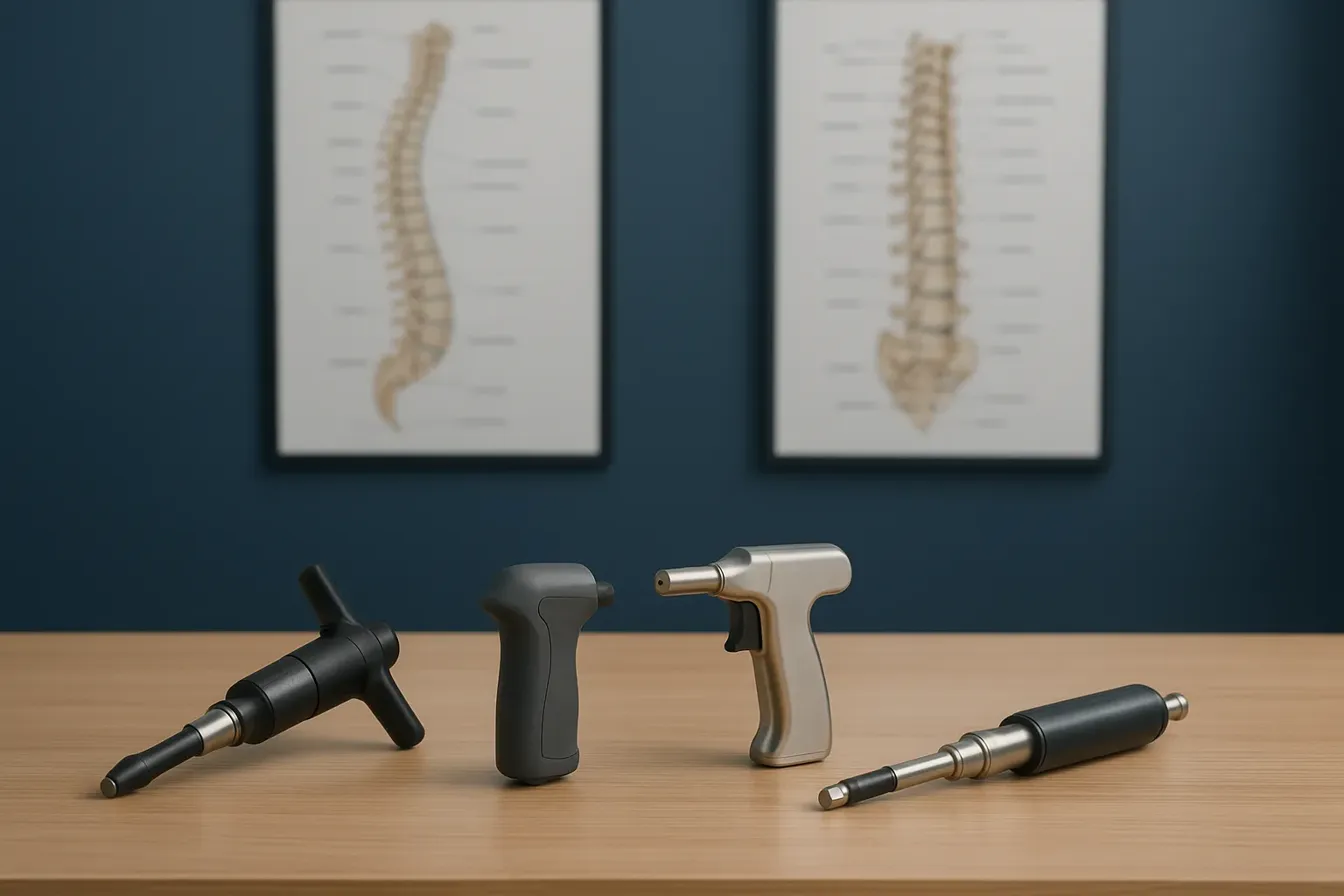
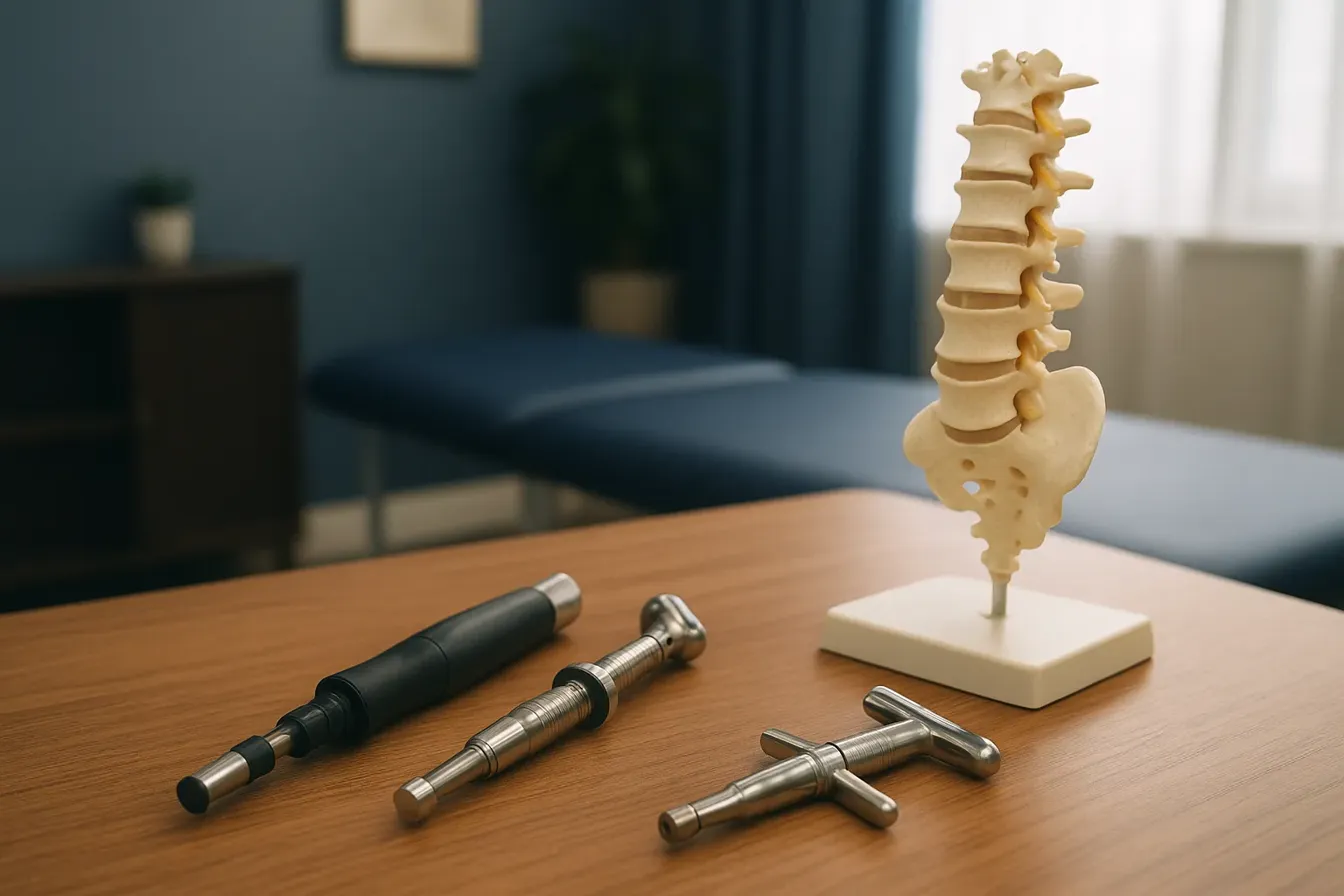
Chiropractic care primarily involves spinal adjustments aimed at correcting joint misalignments known as subluxations in chiropractic care. These misalignments can cause muscle strain and nerve impingement, leading to pain and restricted mobility. By using precise manual manipulation techniques, chiropractors restore proper alignment, which helps alleviate pain, improves nervous system function, and enhances overall musculoskeletal health.
How do corrective exercises improve musculoskeletal alignment and mobility?
Corrective exercises complement chiropractic adjustments by focusing on strengthening muscles and improving movement patterns. These exercises are targeted to support spinal health, increase flexibility, and correct muscle imbalances that contribute to poor posture and pain. Incorporating practical movement-based therapies helps patients maintain spinal integrity and reduces the risk of future injuries.
How is chiropractic care integrated with lifestyle advice?
Chiropractors provide comprehensive lifestyle guidance including posture correction, ergonomic recommendations, and activity pacing. Nutritional counseling and supplement advice are often offered to support tissue healing and reduce inflammation. This holistic approach ensures that patients develop healthier daily habits that enhance treatment outcomes and sustain musculoskeletal wellness.
What are non-surgical decompression therapies?
Non-surgical decompression therapies offer gentle stretching of the spine to relieve pressure on discs and nerves, serving as a conservative alternative to surgery for disc problems like herniated or bulging discs. This technique helps restore disc height, reduces nerve irritation, and promotes healing while allowing patients to avoid invasive procedures.
What complementary services enhance chiropractic care?
Massage therapy benefits is frequently integrated to relax muscle tension, improve circulation, and accelerate recovery. Personalized treatment plans are developed based on careful assessment, often combining spinal adjustments, corrective exercises, massage, and lifestyle coaching to create a tailored, patient-centered approach to pain relief and functional restoration.
Mind-Body Therapies and Psychological Support in Managing Chronic Pain
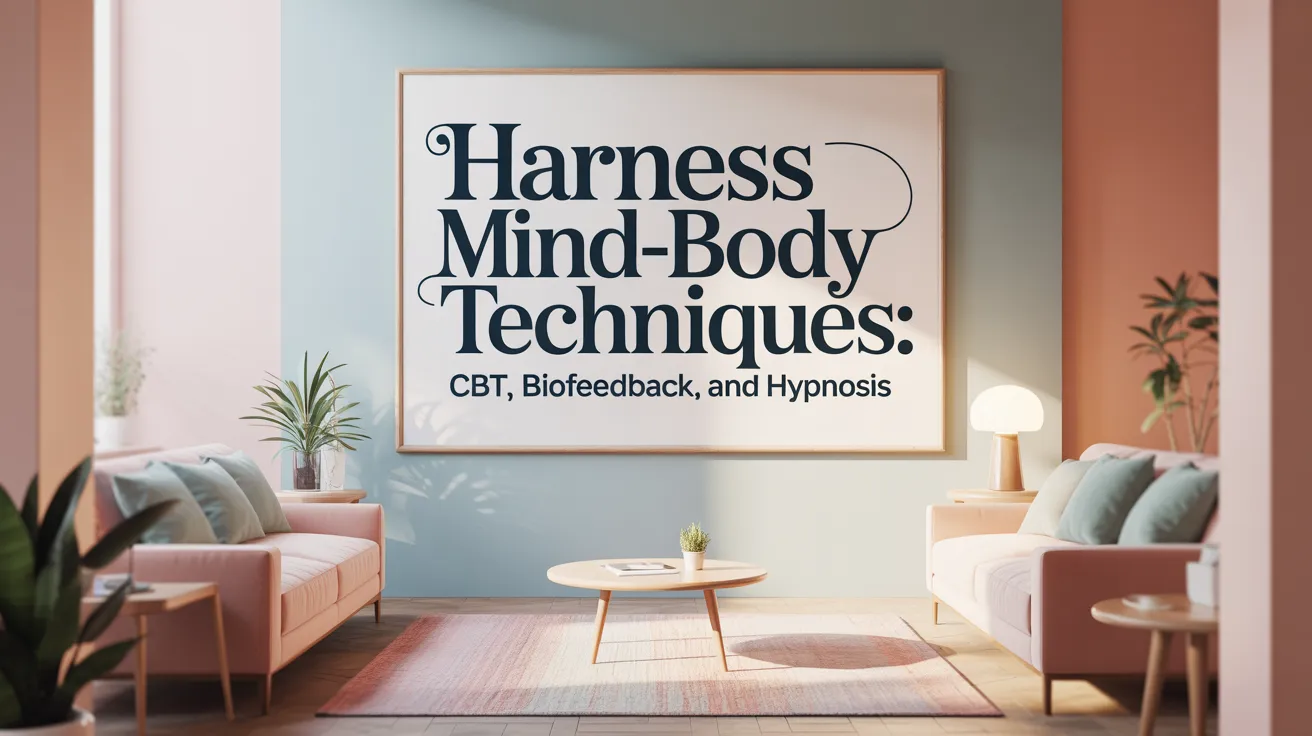
Role of cognitive behavioral therapy and mindfulness
Cognitive behavioral therapy for pain management (CBT) and Mindfulness-based stress reduction and pain relief are effective psychological approaches for managing chronic pain. CBT helps patients reframe negative thoughts and develop coping skills, reducing pain intensity and improving physical function. Mindfulness meditation for chronic pain focuses on present-moment awareness, helping to break the pain-stress cycle and lower perceived pain levels.
Biofeedback and relaxation techniques
Biofeedback for pain control uses electronic devices to provide real-time feedback on physiological functions like heart rate and muscle tension. This empowers patients to gain control over bodily responses that can exacerbate pain. Relaxation therapy methods, including diaphragmatic breathing, progressive muscle relaxation, and guided imagery, reduce muscle tension and stress, contributing to pain relief and improved well-being.
Hypnosis and guided imagery for pain modulation
Hypnosis in pain relief induces a focused state of concentration that can alter pain perception. It is used to relieve pain associated with conditions such as arthritis, migraines, and fibromyalgia. Guided imagery and meditation creates harmonious mental images that help transform pain experiences, reducing the stress and emotional burden associated with chronic pain.
Impact on stress reduction and emotional well-being
Chronic pain often leads to increased anxiety, depression, and stress, all of which can worsen pain perception. Mind-body therapies for pain lower stress hormones and muscle tension, improving mood and emotional resilience. Psychological support facilitates better coping strategies, which help patients maintain an active lifestyle despite pain.
Evidence supporting psychological therapies for pain improvement
Research shows that mindfulness and CBT produce small to moderate improvements in pain intensity and physical functioning. These therapies complement other medical treatments without adverse side effects. Multidisciplinary pain management programs incorporating mind-body techniques benefits demonstrate sustained benefits in chronic pain conditions such as low back pain and fibromyalgia.
Diet, Supplements, and Lifestyle Modifications Supporting Pain Relief

What Are Anti-Inflammatory Diets and Key Nutrients?
Anti-inflammatory diets focus on reducing systemic inflammation, which is often a root cause of chronic pain and musculoskeletal discomfort. Such diets emphasize vegetables, fruits, whole grains, lean meats, fish, and healthy fats. Key nutrients include antioxidants in leafy vegetables and fruits like spinach and broccoli, the omega-3 fatty acids in rheumatoid arthritis treatment, and vitamins such as D and C which support joint and bone health.
Which Supplements Can Aid in Pain Management?
Several supplements have demonstrated benefits for pain relief and inflammation reduction. Turmeric curcumin pain relief, with its active compound curcumin, has anti-inflammatory properties comparable to some NSAIDs. Omega-3 fatty acids in rheumatoid arthritis treatment help modulate inflammatory responses. Glucosamine and collagen supplements and chondroitin sulfate may support joint health and reduce symptoms, especially in osteoarthritis.
How Do Hydration and Sleep Impact Musculoskeletal Health?
Proper hydration supports nutrient transport and joint lubrication, crucial for healthy musculoskeletal function. Adequate sleep promotes tissue repair and lowers inflammation, contributing to improved pain management and recovery. See Importance of Sleep for Orthopedics for more information.
Why Are Weight Management and Exercise Important?
Maintaining a healthy weight reduces mechanical stress on joints, particularly hips, knees, and ankles, which may alleviate pain and improve mobility. Regular low-impact exercises, such as swimming, yoga for arthritis and fibromyalgia, Pilates, and tai chi for osteoarthritis pain, enhance muscle strength, flexibility, and joint function, supporting long-term pain relief.
What Should Be Avoided to Prevent Worsening Pain?
Dietary elements high in salt, sugar, and unhealthy fats may exacerbate inflammation and swelling. Smoking is linked to poorer musculoskeletal outcomes and increased pain levels, so cessation is pivotal for holistic pain management.
Incorporating these dietary and lifestyle modifications within a comprehensive pain management plan can significantly improve quality of life by addressing root causes and supporting natural healing processes.
Advanced Non-Invasive Technologies and Multidisciplinary Care Approaches
What are TENS units and electrical stimulation therapies?
TENS therapy (transcutaneous electrical nerve stimulation) uses mild electrical pulses to interrupt pain signals, facilitating pain relief. Other electrical stimulation forms include implanted nerve stimulation and spinal cord stimulation, which alter or block pain signals to improve comfort. These methods can increase endorphin production and provide significant pain relief without pharmacological side effects.
What emerging technologies show promise for pain management?
Scrambler therapy, an FDA-cleared approach, teaches the nervous system to 'forget' pain signals, especially effective for neuropathic pain with reported success rates of 80-90%. Low-level laser therapy is another emerging modality that helps improve function and reduce pain by stimulating tissue repair and reducing inflammation.
How do multidisciplinary rehabilitation programs benefit patients?
Programs combining physical therapy for pain management, mind-body techniques (like yoga and mindfulness meditation), massage therapy benefits, acupuncture for chronic pain, and psychological therapies address both physical and emotional aspects of chronic pain. Such integrated care improves function, reduces pain intensity, and supports long-term wellness more effectively than isolated treatments.
Why is a personalized, integrated pain management plan important?
Pain varies widely between individuals. Tailored plans consider each patient’s unique pain sources, lifestyle, and preferences, allowing combinations of therapies—such as chiropractic care, physical therapy for pain management, acupuncture for chronic pain, and mind-body practices—for holistic, sustained relief. Ongoing communication with healthcare professionals helps to adjust treatment dynamically to maximize benefit.
What barriers exist in accessing holistic pain care, and how can they be addressed?
Cost and insurance limitations often restrict access to nonpharmacologic approaches to acute pain. Awareness of community-based programs and low-cost alternatives can enhance reach. Growing clinical guidelines increasingly support insurance coverage for evidence-based alternative therapies, helping overcome financial and availability issues.
By leveraging advanced non-invasive technologies within multidisciplinary frameworks and focusing on personalized care, patients can experience natural, effective pain management with minimal side effects, promoting overall musculoskeletal health and quality of life.
Embracing a Personalized, Holistic Path to Lasting Pain Relief
Holistic Non-Invasive Pain Management Options
Managing chronic pain effectively involves embracing a variety of non-invasive, holistic therapies. Key options include acupuncture, chiropractic care, massage therapy, physical therapy, mind-body techniques like mindfulness and meditation, as well as gentle exercises such as yoga and tai chi. These therapies focus on restoring function, relieving pain, and improving overall wellness without relying solely on medications.
Combining Modalities for Enhanced Outcomes
Integrating multiple modalities often yields better results than any single approach. For instance, combining chiropractic adjustments with corrective exercise and massage can relieve musculoskeletal strain while improving mobility. Mindfulness and cognitive behavioral therapy help address the emotional aspects of pain, supporting long-term coping. Tailored combinations allow treatments to address the complex nature of chronic pain holistically.
Patient-Centered, Informed Care Choices
Each individual’s pain experience is unique, requiring personalized treatment plans developed through open dialogue between patients and healthcare providers. Patients are encouraged to consider evidence-based options and communicate their preferences and responses to therapies. This collaborative approach empowers patients to actively participate in their wellness journey.
Healthcare Providers as Guides to Integrative Care
Healthcare professionals play a crucial role in guiding patients through available holistic therapies, assessing effectiveness, and adjusting plans accordingly. They help coordinate multidisciplinary strategies that combine natural pain relief methods with lifestyle changes and therapeutic interventions, ensuring safe, comprehensive care focused on sustained pain relief and improved quality of life.
Recent articles

10 Real‑Patient Success Stories Showcasing the Impact of Chiropractic Care

Superfoods That Boost Nerve Healing After Chiropractic Sessions

Sleep Positions That Promote a Healthy Back Alignment

Signs Your Chiropractor Is a Good Fit for Your Back Pain Goals

Case Study: Integrated Physiotherapy and Chiropractic for Faster Recovery

First-Time Chiropractic Visit: A Step‑by‑Step Walkthrough
Synergistic Benefits: Combining Physiotherapy with Chiropractic Care

Beyond Surgery: Holistic Approaches to Managing Back Pain

How Manual Therapy Enhances the Effects of Chiropractic Adjustments

Hydration Hacks: Why Water Matters for Joint and Spine Function

What Does a Comprehensive Spinal Evaluation Include?

Success Spotlight: Transformative Results After Six Weeks of Chiropractic Treatment

Understanding the Initial Assessment Process in Chiropractic Care

Designing a Personalized Corrective Exercise Plan for Chronic Pain Management

Natural Pain Management: Combining Acupuncture, Yoga, and Chiropractic

Chiropractic Care vs. Pain Meds: Long-Term Outcomes for Back Pain Sufferers

What to Expect During a Sciatica‑Focused Decompression Session

Understanding the Pain-Relief Mechanics Behind Chiropractic Adjustments

Success Rates of Non‑Surgical Spinal Decompression for Sciatica

Patient-Centered Chiropractic Care: Personalized Plans for Back Pain Relief
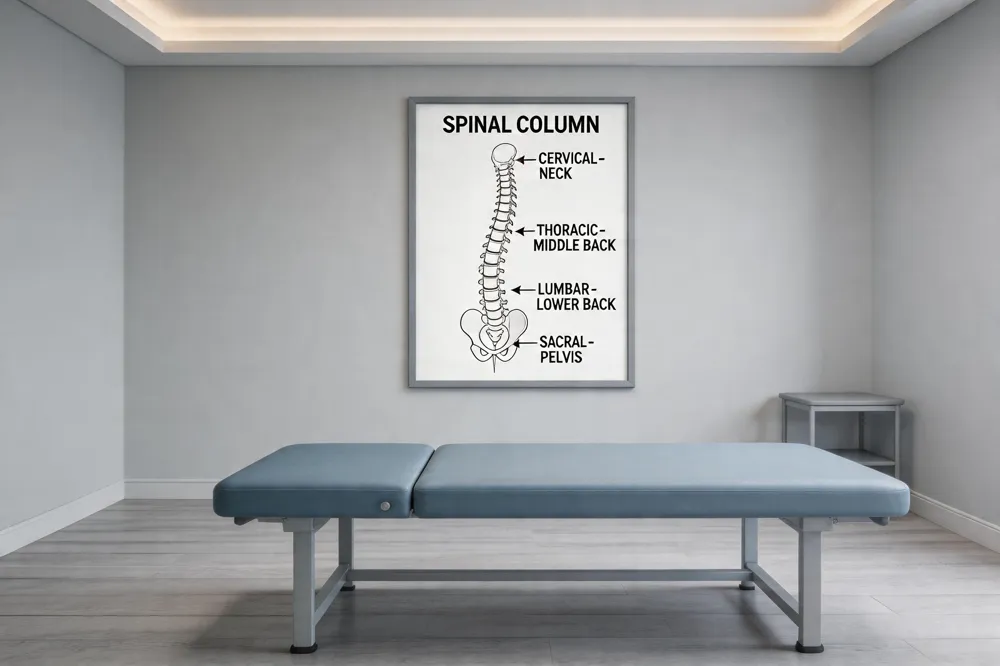
How Chiropractic Treatments Reduce Inflammation and Speed Up Back Pain Recovery

Real‑Life Stories: How Chiropractic Helped Patients Overcome Chronic Back Pain

From Symptom Masking to Root‑Cause Healing: A Practical Guide

6 Holistic Non‑Surgical Treatments That Deliver Sustainable Back‑Pain Relief

Key Questions to Ask When Selecting Your Chiropractor

Mindful Movement: Incorporating Stretch Breaks Into a Busy Day

Why Targeting the Underlying Cause Beats Temporary Symptom Relief

8 Ways Physiotherapy Complements Chiropractic Adjustments for Faster Recovery

Meal Planning for Athletes Recovering from Back Injuries

9 Everyday Lifestyle Tweaks to Preserve a Healthy Spine and Prevent Pain

Functional Movement Screening for Root‑Cause Pain Identification

6 Things You’ll Experience During Your First Chiropractic Appointment

Spinal Decompression vs. Standard Physical Therapy for Sciatica: A Comparative Review

New Findings on How Adjustments Influence Blood Circulation
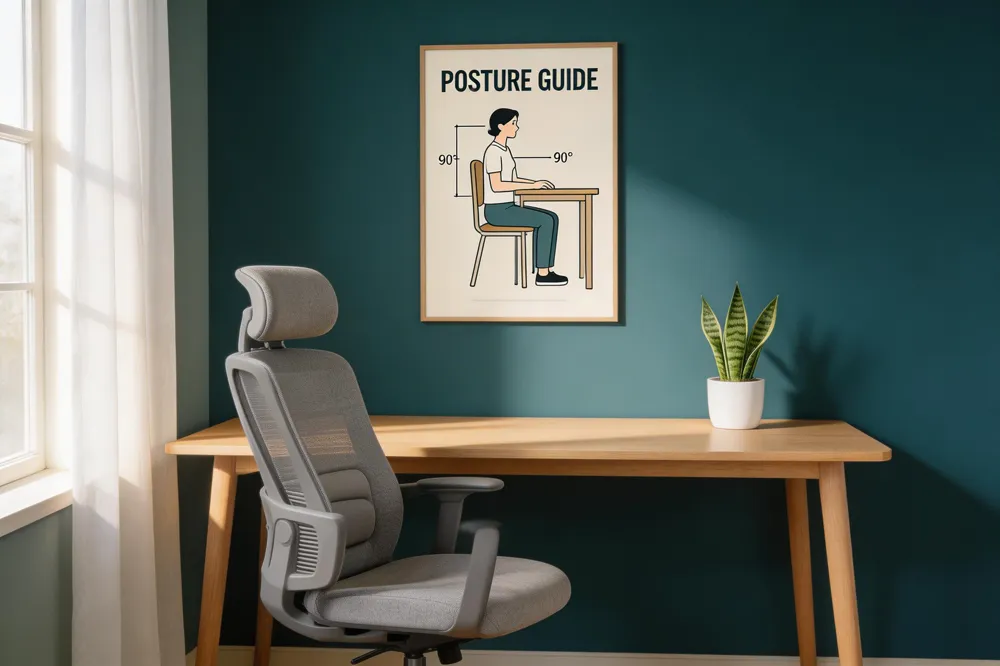
Work‑From‑Home Ergonomics: A Blueprint for a Pain‑Free Back

The Link Between Chiropractic Care and Improved Sleep Quality

Physiotherapy Techniques That Strengthen the Benefits of Chiropractic Adjustments

Biomechanical Insights Behind Successful Spinal Decompression

Desk‑to‑Dumbbell: Lifestyle Shifts That Guard Your Lower Back

10 Corrective Exercises for Sustainable Pain-Free Living

Morning Routines That Support Spine Health and Reduce Stiffness

Calcium and Magnesium‑Focused Nutrition for Bone Density and Spine Health

9 Ways Chiropractic Care Transforms Back Pain Management

Testimonial: Nutrition‑Guided Recovery Accelerated by Chiropractic
Science‑Backed Spinal Decompression for Relieving Sciatica Symptoms

Key Questions to Ask During Your Initial Chiropractic Consultation
Whole‑Body Wellness Blueprint: Nutrition, Exercise, and Chiropractic Synergy

A 12‑Week Corrective Exercise Blueprint for Chronic Neck Discomfort

Manual Therapy Plus Targeted Exercise: Accelerating Post‑Injury Recovery
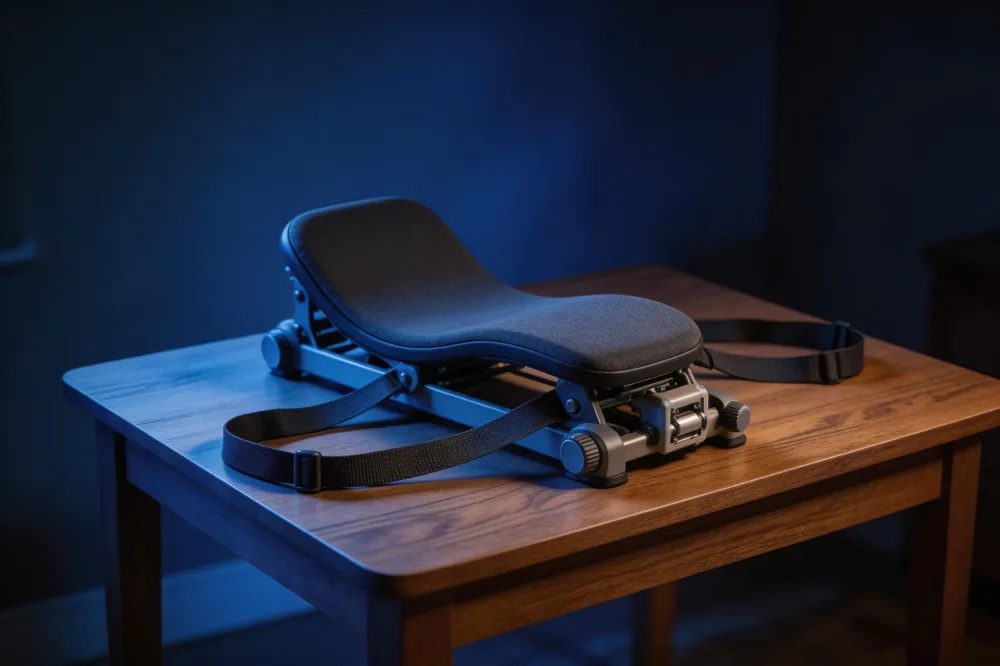
Home‑Based Spinal Decompression Devices: What Patients Should Know

Chiropractic Care Statistics: Reducing Lost Workdays From Back Pain

How Targeted Nutrition Enhances Immune Function and Lowers Inflammatory Pain

Self‑Assessment Tools to Identify Hidden Triggers of Back Pain

Preparing for Your First Chiropractic Appointment: A Practical Checklist

Back Pain Relief Benefits: Lower Opioid Use and Better Quality of Life

Foam‑Rolling Techniques to Complement Chiropractic Adjustments

Progressive Overload Principles in Corrective Exercise Programs

Six‑Month Transformation: Integrated Care Success Story

7 Nutritional Hacks to Boost Your Overall Wellness

How to Choose a Chiropractor: Credentials, Techniques, and Patient Compatibility

5 Ways Spinal Decompression Can Ease Sciatica Pain

Overcoming Sciatica: A Patient’s Multidisciplinary Treatment Journey
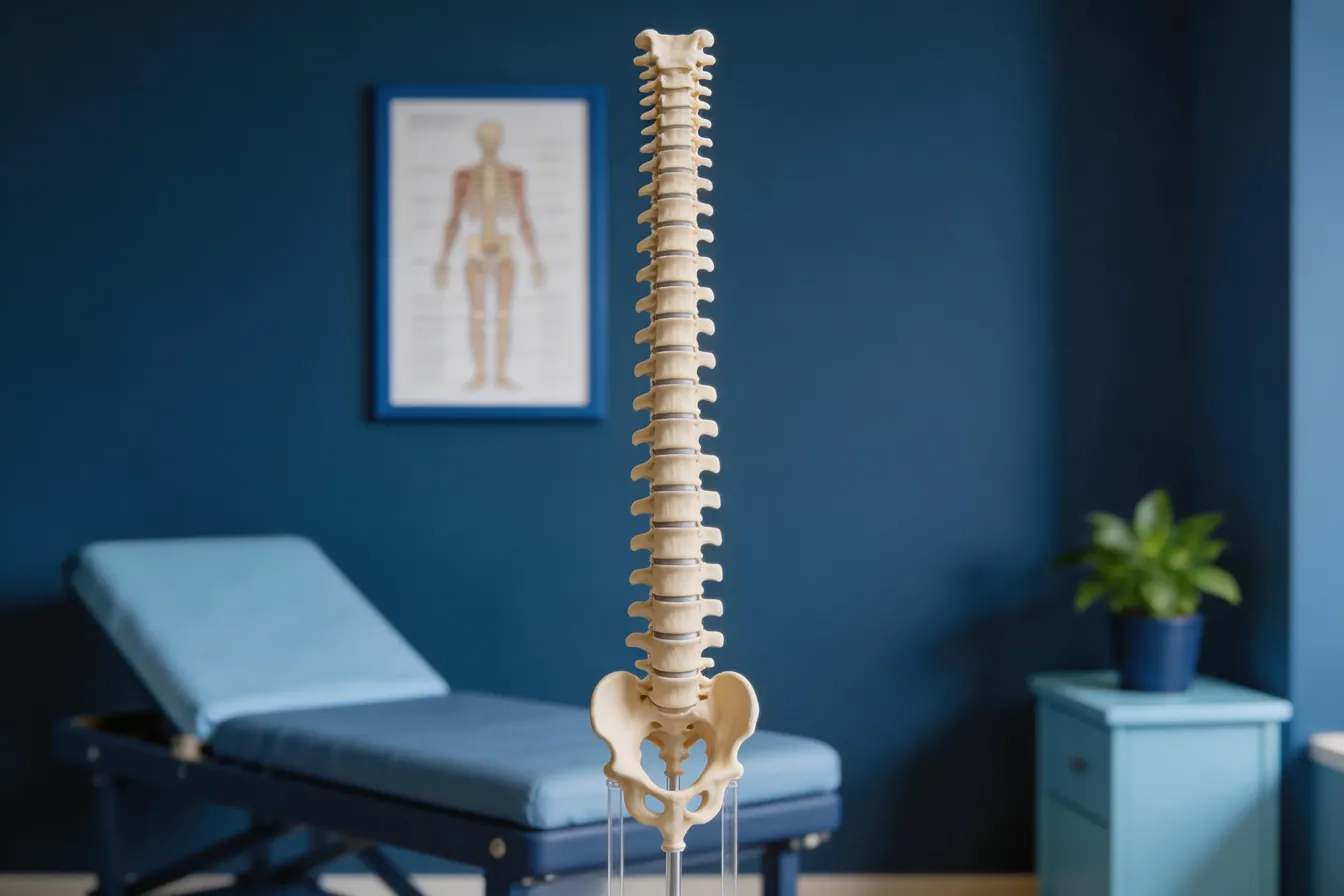
Lifestyle Changes That Promote a Healthy Spine
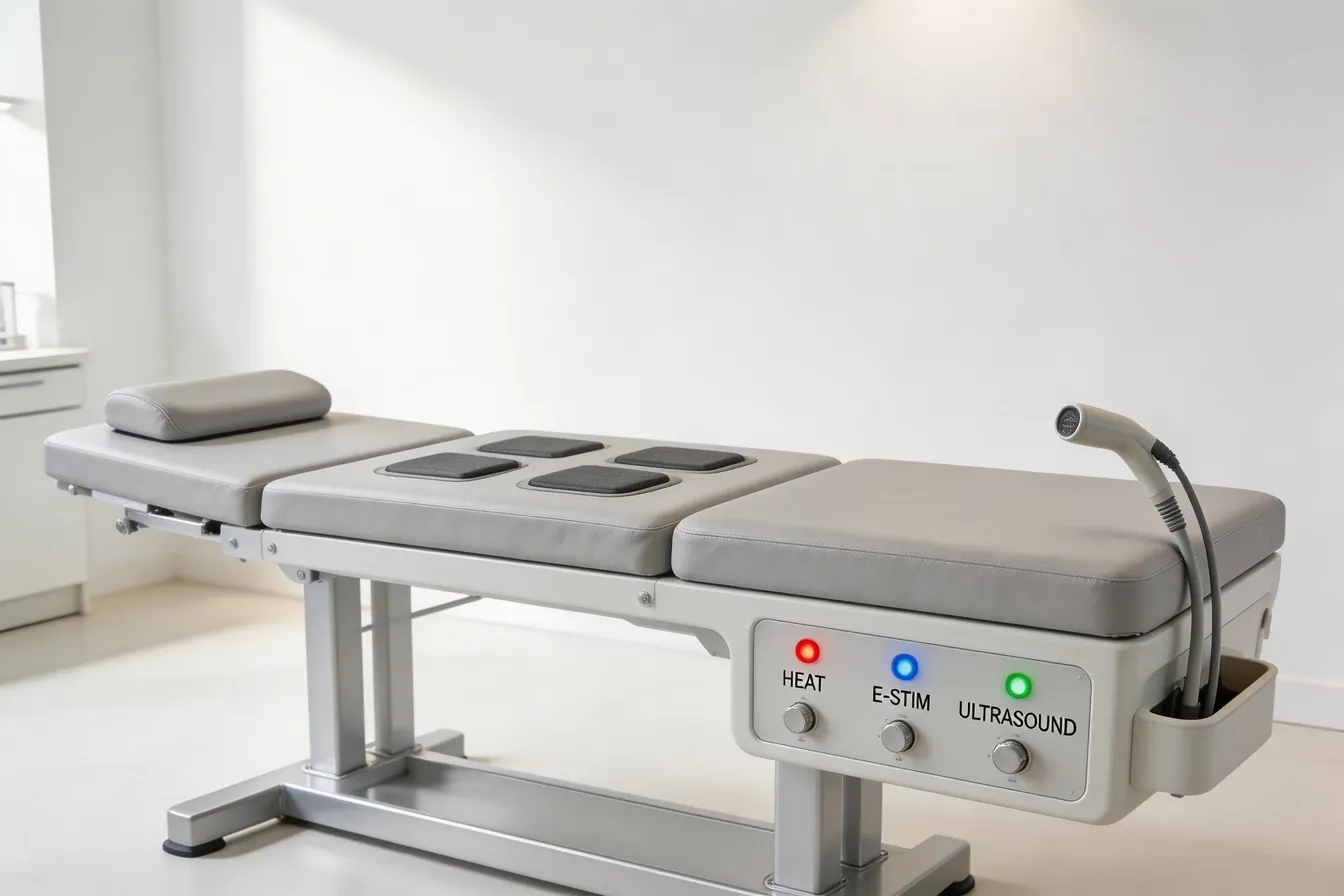
Physiotherapy as a Complement to Chiropractic Treatments

6 Ways Physiotherapy Enhances Chiropractic Treatment Outcomes

Daily Living Tips for a Strong and Healthy Spine

How Physiotherapy Enhances Chiropractic Outcomes
Holistic Treatments: Alternatives to Surgery for Pain Relief
Inspiring Patient Success Stories from Chiropractic Clinics

Integrating Physiotherapy with Chiropractic Treatments
Corrective Exercise Routines for Chronic Pain Prevention
10 Corrective Exercises to Maintain a Healthy Spine and Relieve Pain
Exercise Strategies for Long-Term Pain Management
10 Corrective Exercises to Maintain a Healthy Spine and Relieve Pain
The Importance of Treating the Root Cause of Pain
Nutritional Support Strategies for Whole-Body Wellness
7 Essential Questions to Ask When Choosing Your Chiropractor
Identifying and Addressing Root Causes of Pain
Maintaining a Healthy Spine with Lifestyle Adjustments
Sciatica Symptom Relief via Spinal Decompression
8 Reasons Why Addressing the Root Cause of Pain Is Crucial
Chiropractic Care’s Impact on Back Pain Recovery

Combining Physiotherapy with Chiropractic Care for Better Results
Inspiring Recovery: Chiropractic Patient Testimonials
Nutritional Counseling Tips for Optimal Wellness

Why Addressing the Root Cause of Pain is Crucial
Back Pain and Chiropractic Care: A Winning Combination

Chiropractic Care Benefits You Might Not Know
Exploring Holistic and Non-Surgical Treatments for Pain
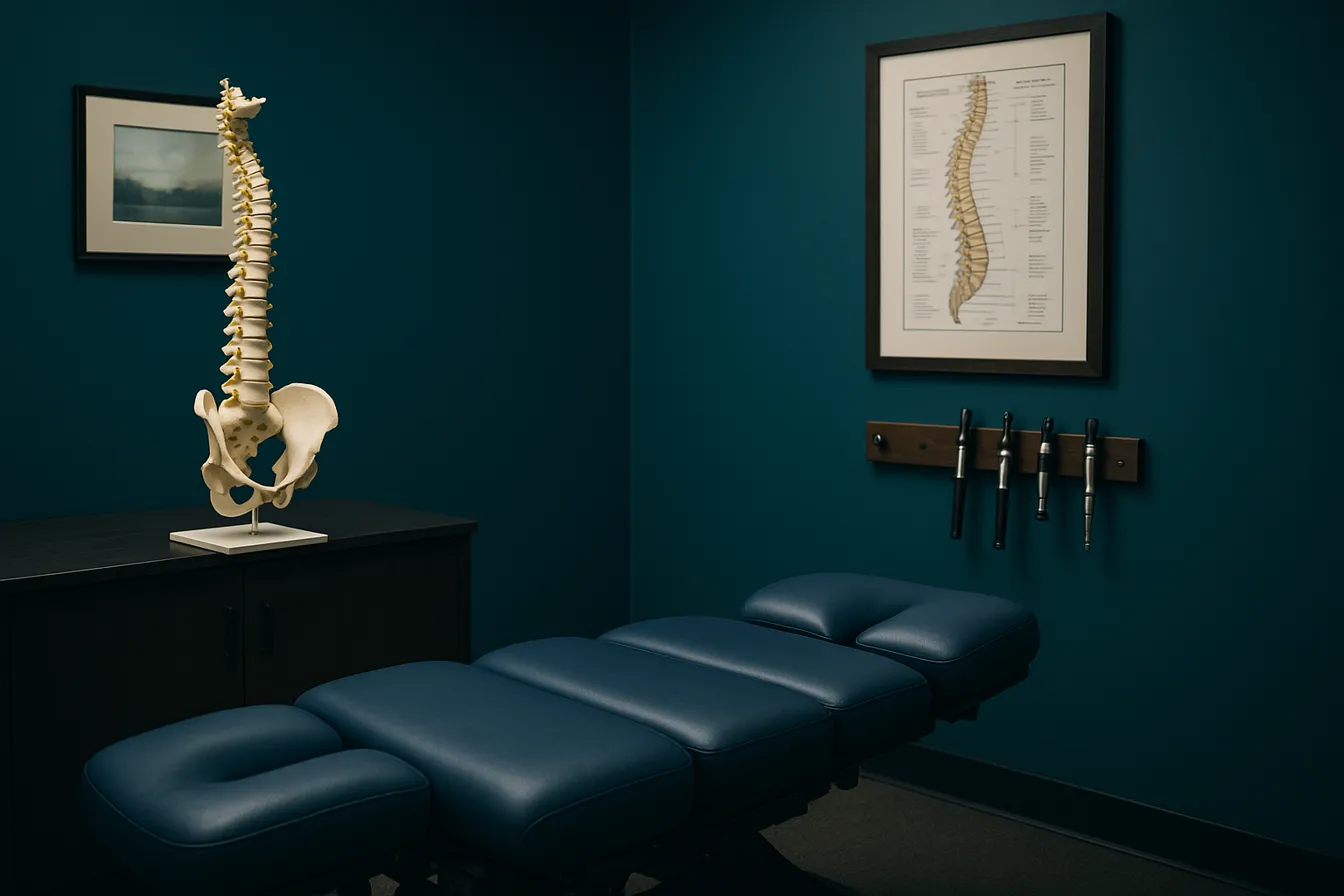
Spinal Health: Lifestyle Tips for Everyday Wellness
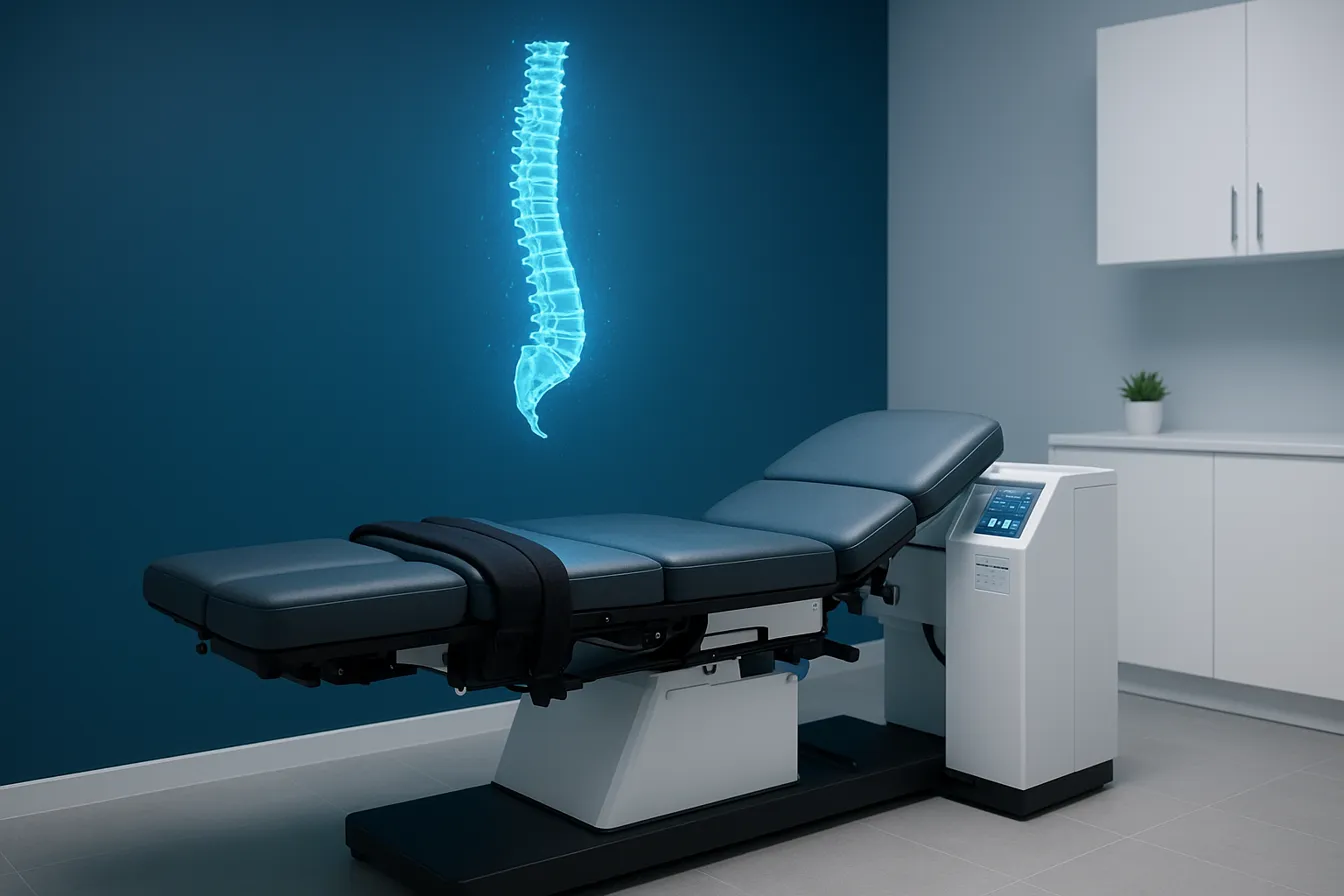
Spinal Decompression Therapy: Benefits and Applications
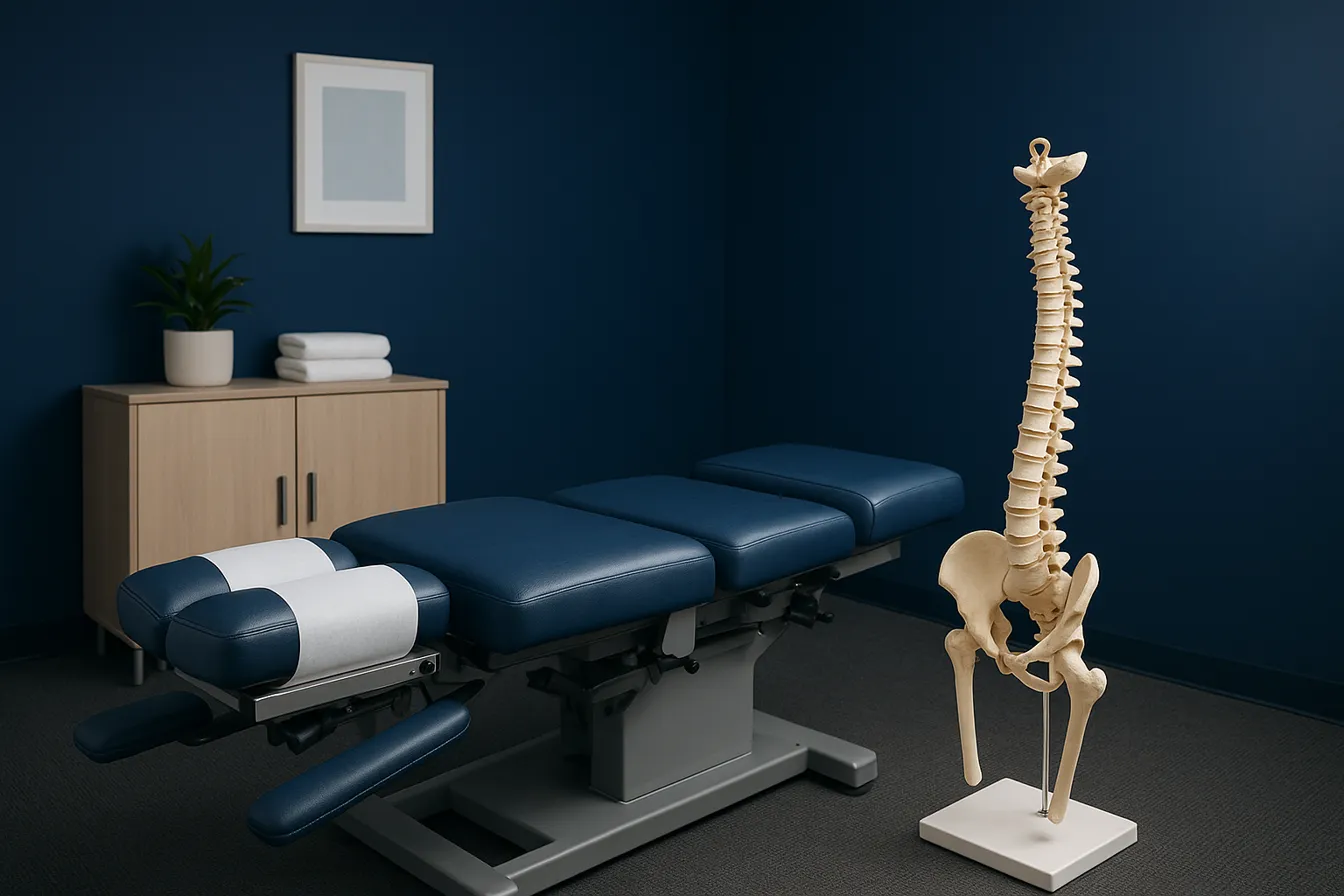
Holistic and Non-Invasive Spine Care Options
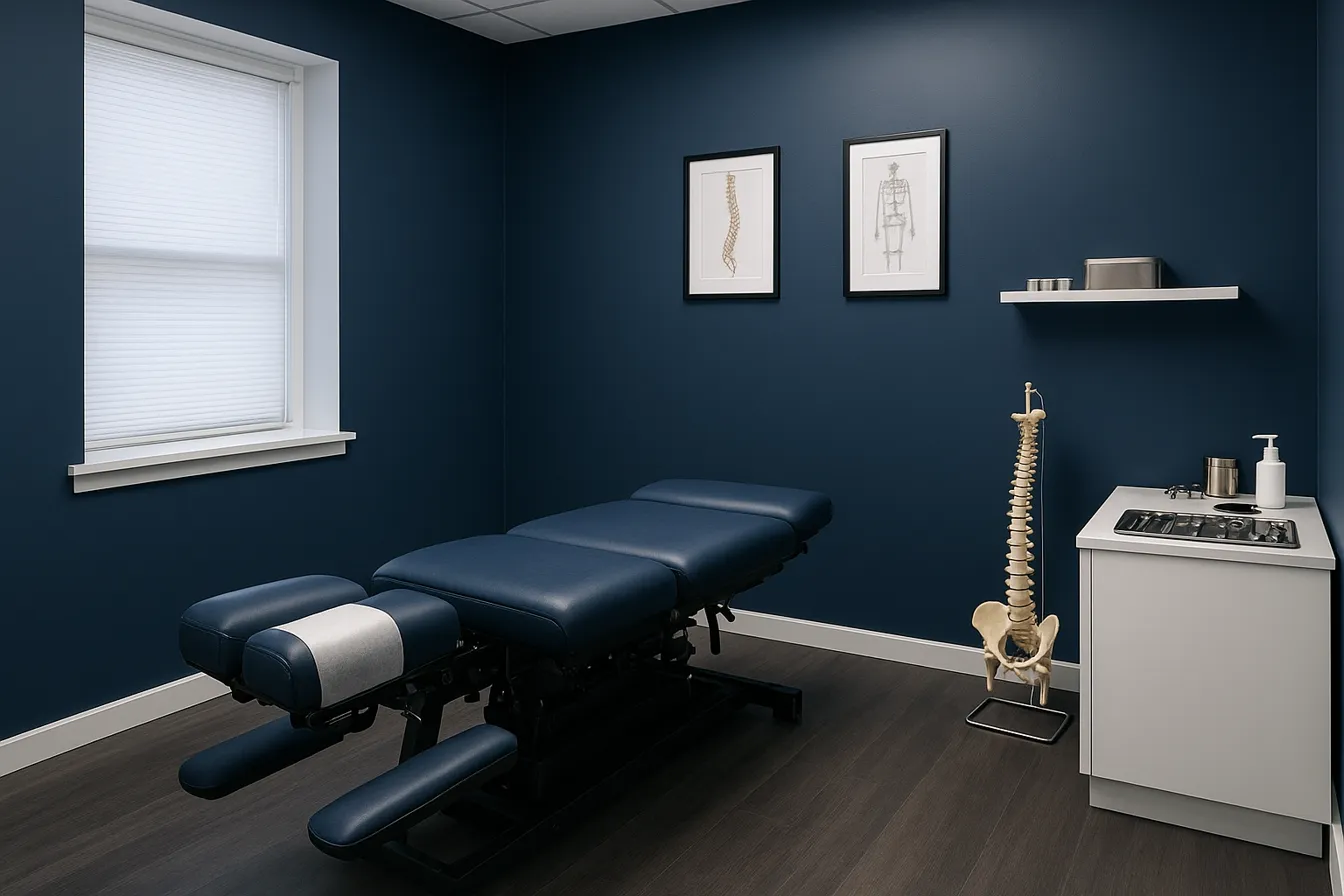
Everyday Lifestyle Advice to Keep Your Spine Healthy
The Significance of Treating Root Causes in Pain Therapy
Best Corrective Exercises for Sustainable Pain Management
Addressing Underlying Causes of Pain for Long-Term Relief
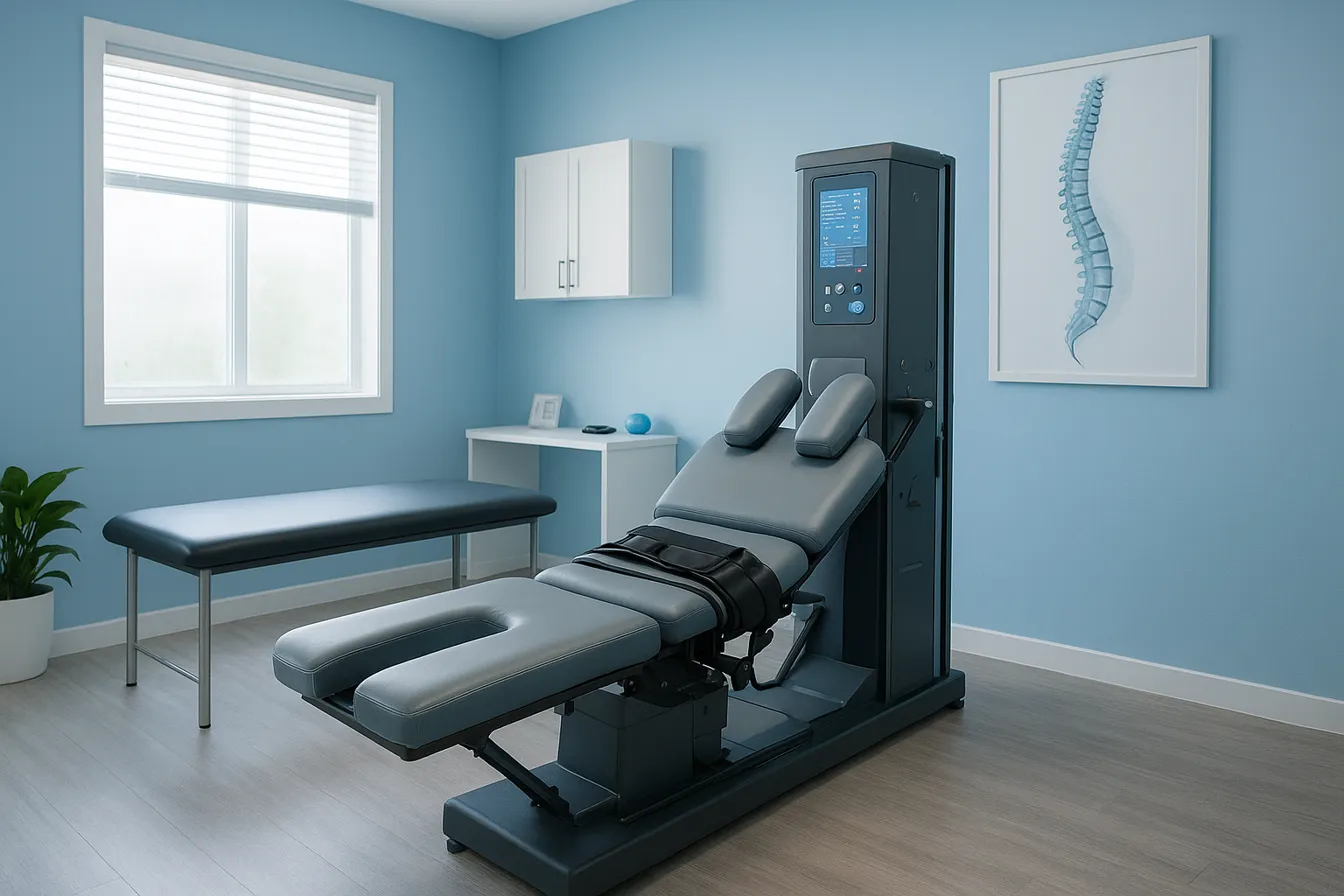
6 Key Benefits of Spinal Decompression Therapy for Sciatica Relief
How Nutritional Counseling Supports Spine Health and Recovery

The Role of Physiotherapy in Supporting Chiropractic Treatments