Chiropractic Methods That Provide Lasting Relief from Back Pain
December 26, 2025
7 min

Understanding Chiropractic Care for Holistic Musculoskeletal Health
Definition and Principles of Chiropractic Care
Chiropractic care focuses on diagnosing and treating disorders of the musculoskeletal system, especially those relating to the spine. It emphasizes the relationship between spinal alignment and nervous system function. Chiropractors use controlled manual or instrument-assisted spinal adjustments to correct misalignments, known as subluxations, to relieve nerve interference and restore natural mobility.
Holistic Approach to Musculoskeletal Health
Beyond spinal adjustments, chiropractic care adopts a holistic approach addressing the whole person. Treatments often include soft tissue therapies like trigger point therapy and myofascial release, personalized exercise programs, nutritional guidance targeting inflammation reduction, and lifestyle recommendations. This comprehensive strategy supports natural healing, reduces discomfort, and promotes long-term spinal health.
Common Conditions Treated by Chiropractic Care
Chiropractic care effectively addresses various musculoskeletal issues such as lower back pain, neck pain, headaches, muscle strains, herniated discs, sciatica, and posture-related problems including text neck. It is also beneficial for chronic pain management and improving functional mobility.
Benefits Including Pain Relief, Improved Mobility, and Posture
Patients benefit from chiropractic care through reduced pain and inflammation, increased range of motion, enhanced muscle tone, and improved posture. Treatments are drug-free and non-invasive, often delivering immediate symptom relief and supporting overall wellness by targeting root causes rather than just symptoms. This patient-centered approach fosters long-term health and functional improvement.
Comprehensive Chiropractic Services for Lasting Back Pain Relief

What types of services are typically offered in a chiropractic practice focusing on holistic musculoskeletal health?
A holistic chiropractic practice offers a diverse range of services designed to treat back pain by addressing both its symptoms and underlying causes. Central to these services are spinal adjustments and manipulations, which involve precise, controlled forces applied to the spine to correct misalignments, reduce nerve irritation, and enhance mobility. These adjustments help relieve pain, decrease inflammation, and restore proper nervous system function.
Complementary therapies play a vital role alongside spinal adjustments. Techniques such as massage therapy, myofascial release, and trigger point therapy focus on relaxing muscle tension, releasing adhesions, and improving blood flow to promote healing in soft tissues. Acupuncture may also be incorporated to stimulate energy flow, alleviate discomfort, and aid overall well-being.
Nutritional guidance and lifestyle counseling are important elements of comprehensive care. Patients receive advice on anti-inflammatory diets emphasizing leafy greens, fatty fish, and whole grains to support tissue repair and reduce inflammation. Lifestyle recommendations include posture improvement, ergonomic adjustments, stress management, and exercise routines to maintain spinal health.
Exercise and rehabilitation programs are personalized to strengthen core muscles, enhance flexibility, and stabilize the spine. These may include motor control exercises, stretching, and postural correction exercises aimed at preventing recurrence of pain.
Together, these services create an integrated, patient-centered plan, focusing on natural healing, functional restoration, and long-term wellness, making chiropractic care a holistic approach to lasting back pain relief.
Chiropractic Techniques That Promote Pain Management and Injury Recovery
How can chiropractic care for musculoskeletal disorders contribute to pain management and injury recovery?
Chiropractic care helps manage pain and accelerates injury recovery by correcting spinal misalignments and improving biomechanical function. This reduces inflammation and eases nerve pressure, which are major causes of discomfort.
[Chiropractic adjustment](https://www.mayoclinic.org/tests-procedures/chiropractic-adjustment/about/pac-20393513) and spinal manipulation methods
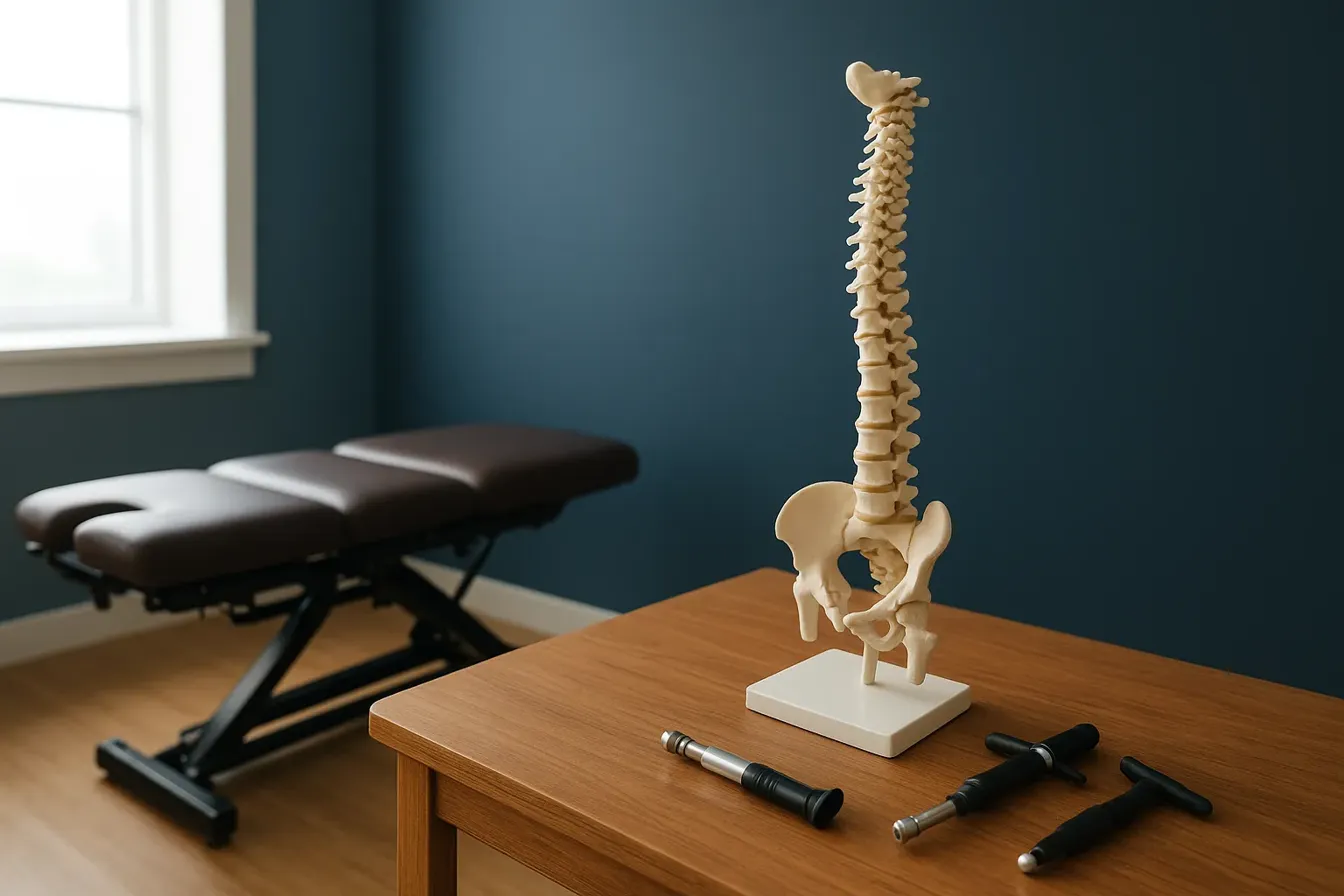
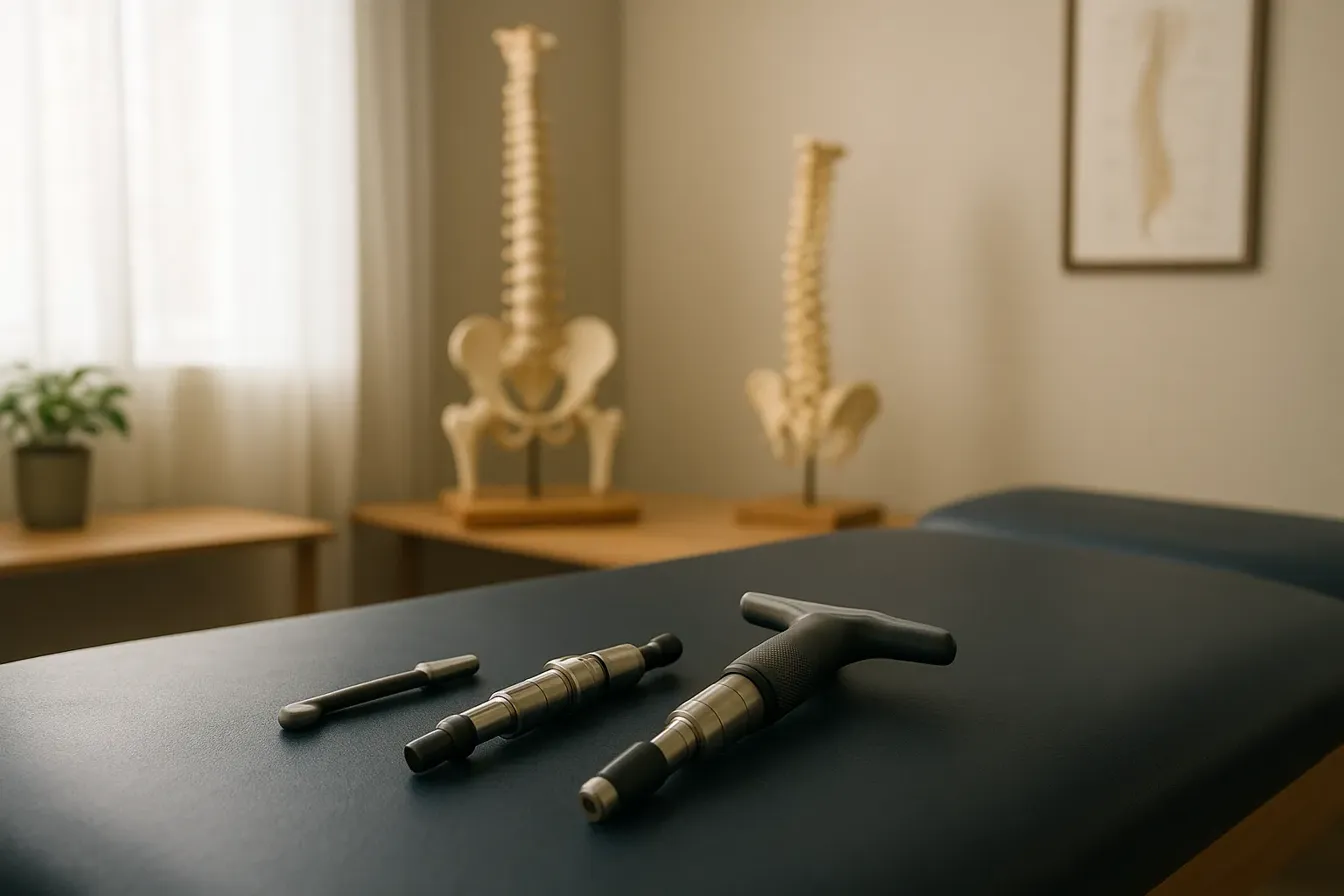
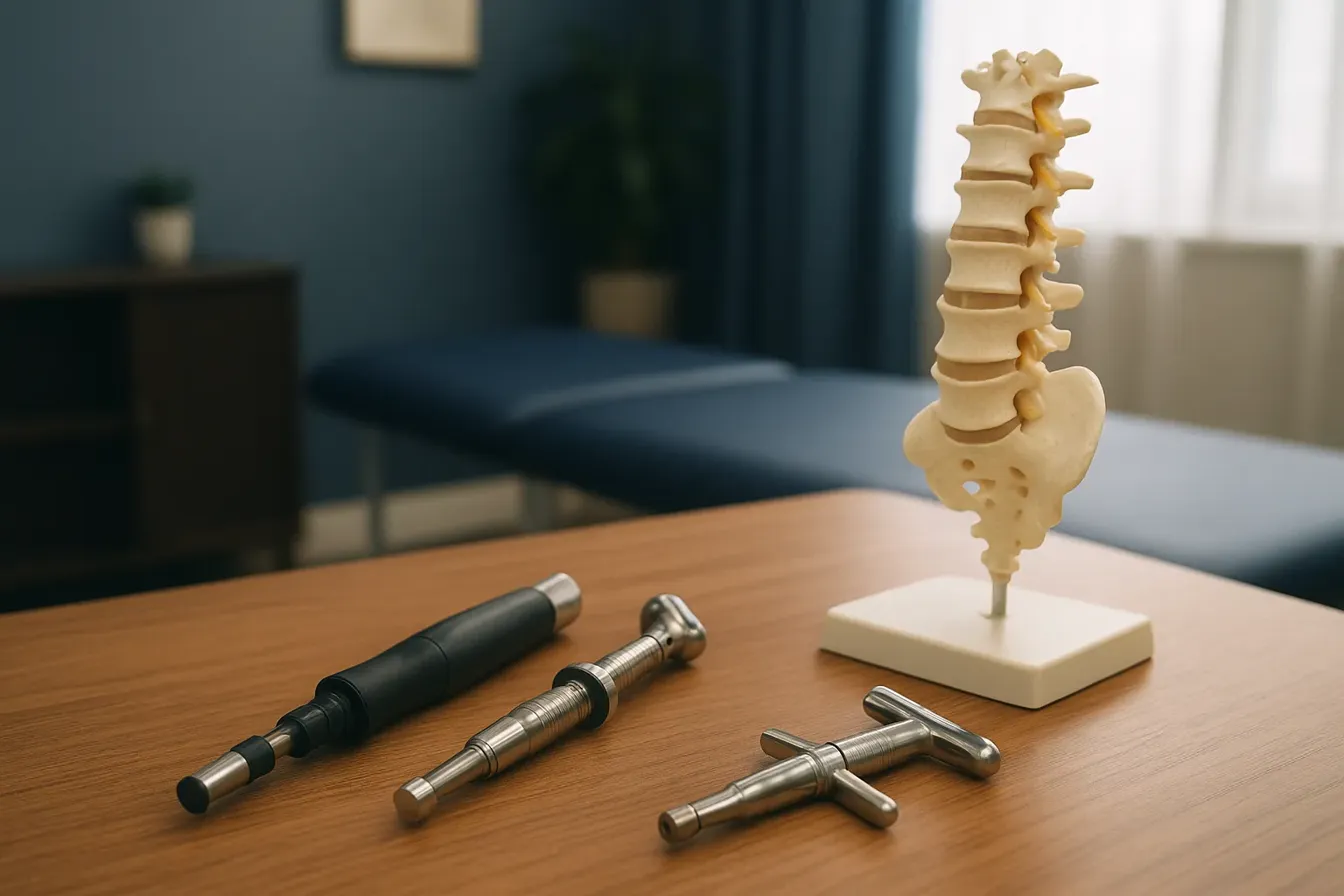
Spinal adjustments involve precise, controlled forces applied to joints to realign the spine. These manipulations relax muscles, enhance joint mobility, and reduce nerve irritation. Techniques include manual joint manipulation and instrument-assisted adjustments that restore proper motion and alleviate pain commonly found in the lower back and neck.
Soft tissue therapy including Trigger Point Therapy and myofascial release
Soft tissue therapies complement spinal adjustments by targeting muscle tightness and connective tissue restrictions. Trigger Point Therapy applies focused pressure to muscle knots, easing tension and promoting blood flow. Myofascial release further helps reduce muscle stiffness and supports tissue healing, contributing to greater flexibility and pain relief.
Flexion-Distraction Technique and spinal decompression therapy](./spinal-decompression-therapy-a-non-invasive-approach-to-sciatica-relief#what-is-spinal-decompression-therapy-and-how-does-it-work-)
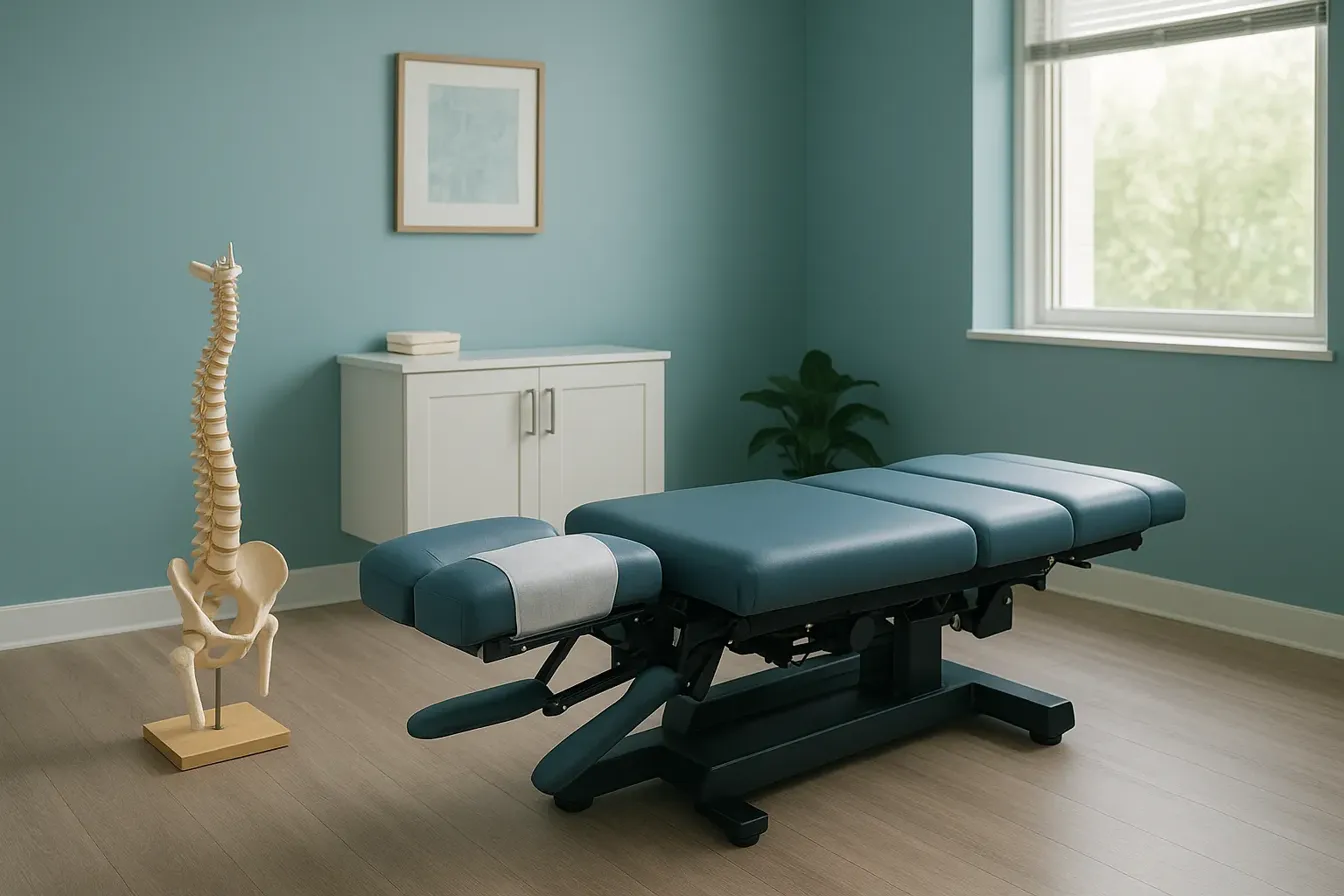
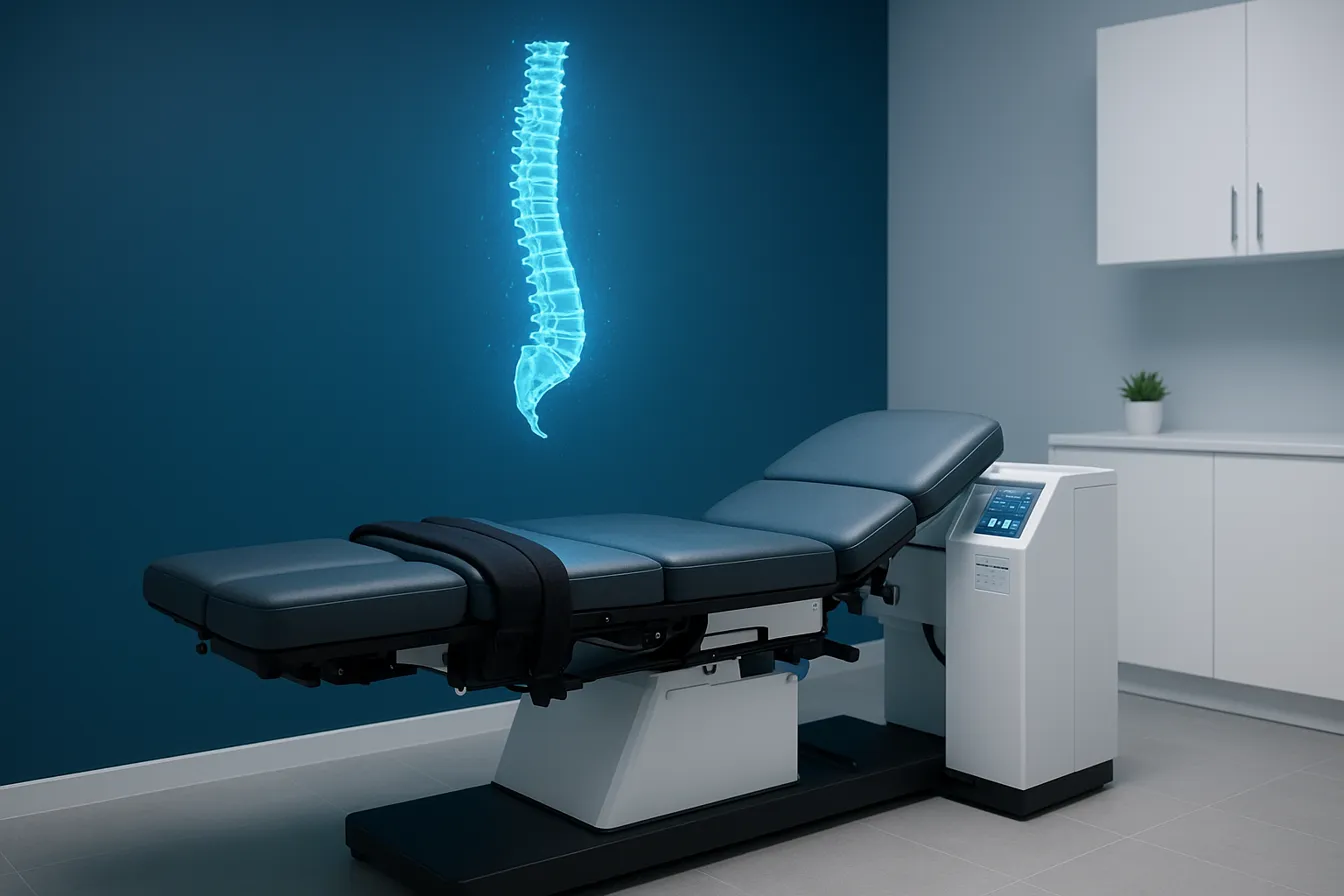
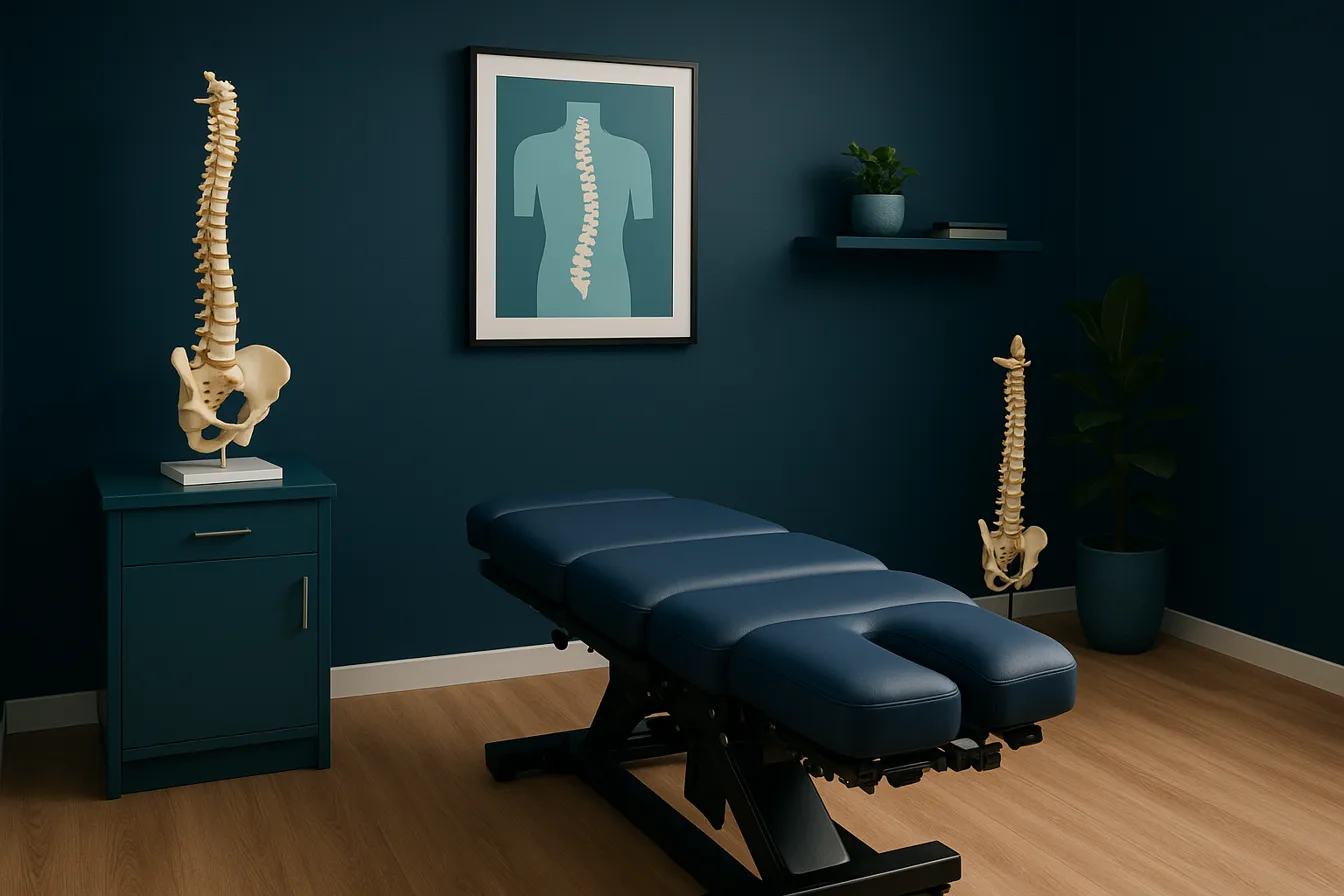
Flexion-Distraction Technique uses specialized tables to gently stretch the spine, decompressing discs and reducing pressure on nerves. This method is particularly effective for conditions like herniated discs and spinal stenosis. Similarly, spinal decompression therapy aids disc rehydration and realignment, fostering natural healing and improved spinal function.
Exercise therapy for rehabilitation and prevention
Personalized exercise programs strengthen core and supporting muscles, stabilize the spine, and correct posture imbalances. These exercises improve flexibility and prevent future injuries, serving as a vital component of a comprehensive recovery plan.
Role of chiropractic care in reducing inflammation and accelerating healing
Chiropractic treatments improve circulation and nutrient delivery to damaged tissues. By restoring spinal alignment and reducing muscular tension, they lower inflammation levels, enhance cellular repair, and stimulate the body's innate healing processes.
Through integrated holistic chiropractic care, patients experience holistic care that not only addresses pain symptoms but also fosters long-term spinal health and function.
What Patients Can Expect During Their Initial Chiropractic Visit

What should patients expect during their first visit to a chiropractic clinic?
Patients can expect a comprehensive consultation that often lasts 45 minutes or more. During this time, the chiropractor thoroughly reviews medical history, symptoms, and any injury background. This detailed assessment ensures that treatment is tailored to individual needs.
Comprehensive consultation and medical history review
The initial visit includes a detailed discussion about the patient's health concerns. This helps the chiropractor understand pain patterns, lifestyle factors, and previous treatments, forming the foundation for personalized chiropractic treatment plans.
Physical examination and diagnostic imaging if needed
A physical exam follows, assessing range of motion, muscle strength, tone, and neurological health. If required, diagnostic imaging such as X-rays will be used to better understand spinal alignment and any underlying issues.
Development of personalized treatment plan
Based on the consultation and examination findings, the chiropractor designs a treatment plan unique to the patient. This plan focuses on correcting misalignments, reducing pain, and improving mobility to support natural healing.
Description of typical chiropractic adjustment procedures
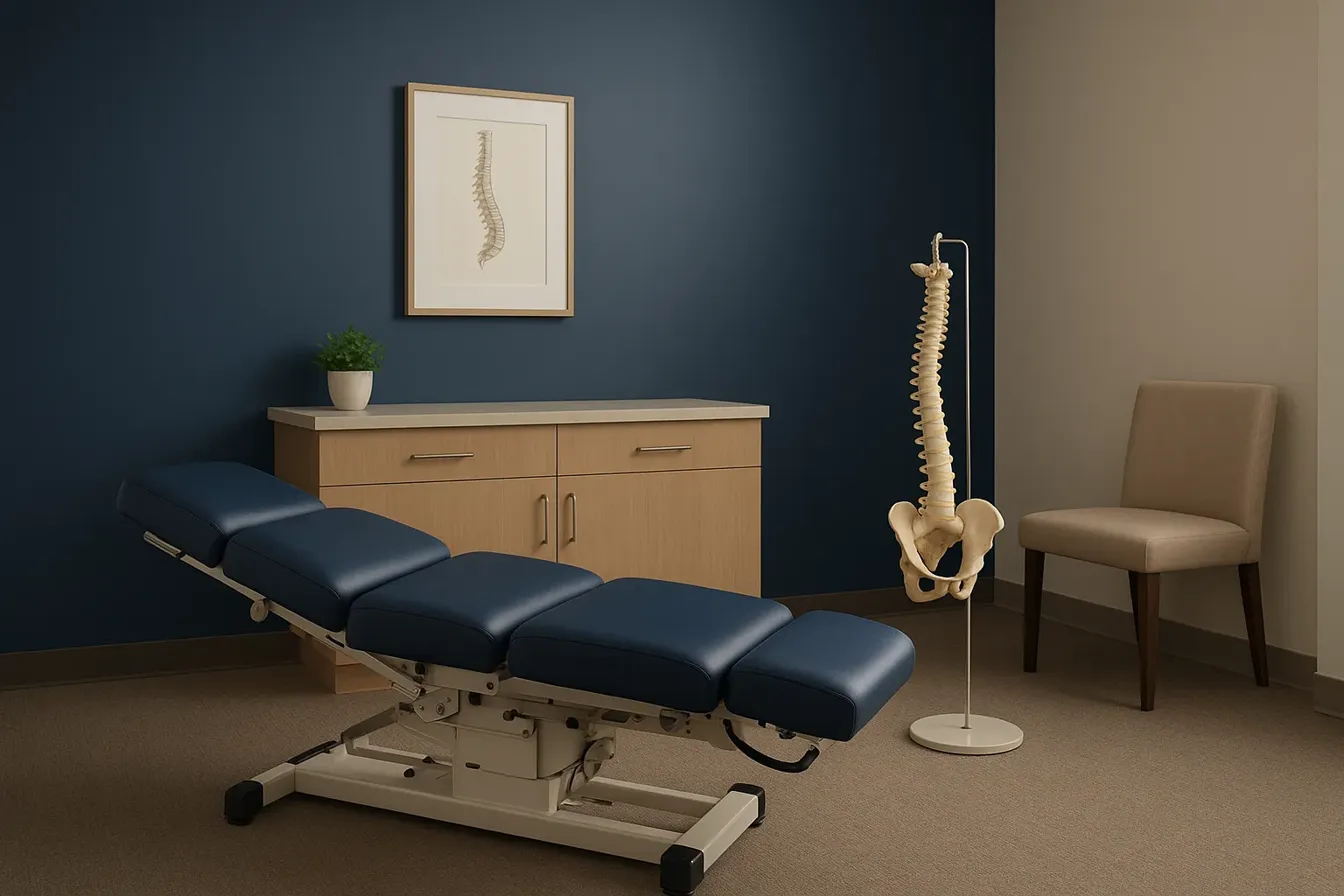
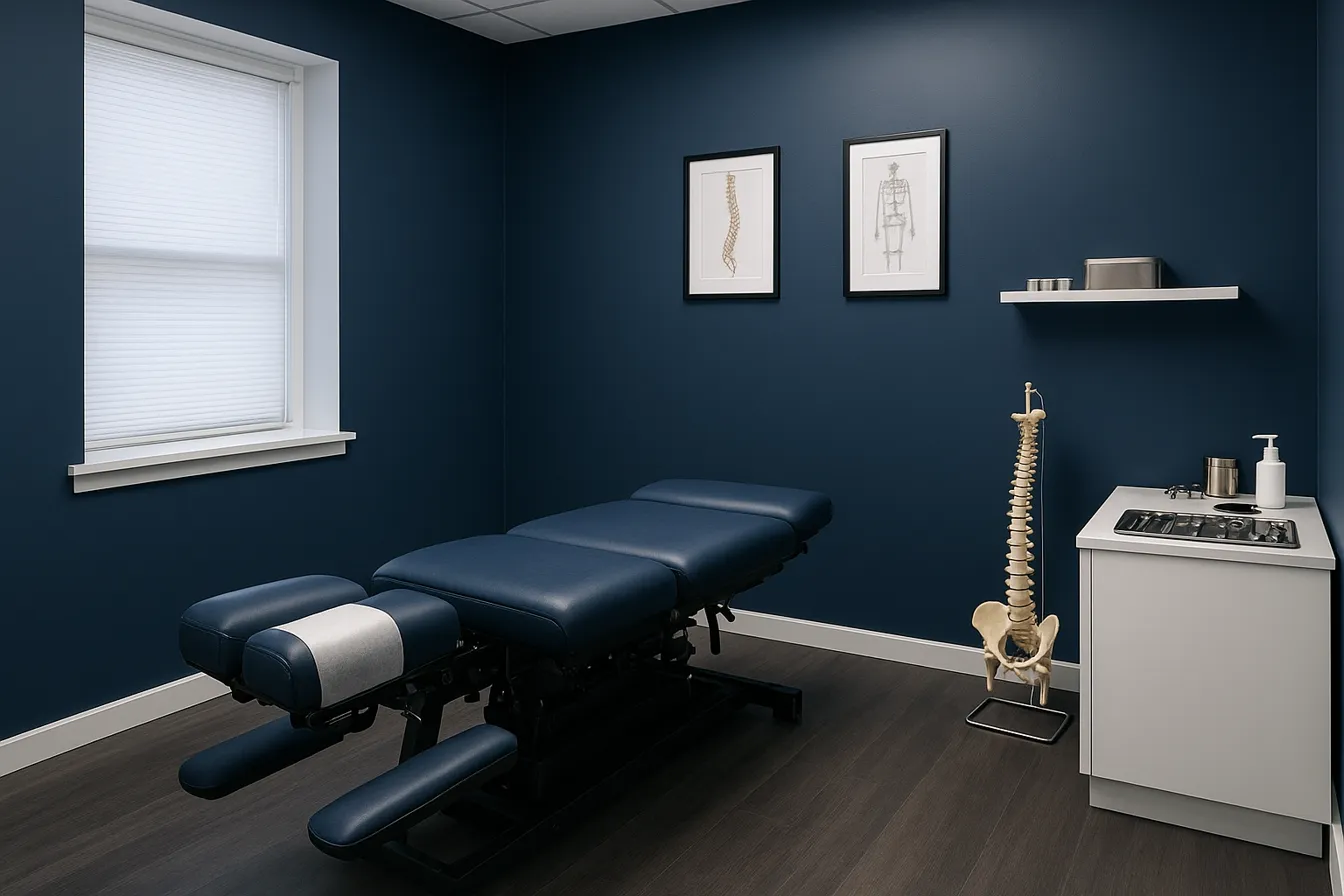
Chiropractic adjustments involve the application of controlled force on spinal joints. Patients usually lie face down on a padded chiropractic table. The chiropractor uses hands or small instruments to gently manipulate joints, sometimes producing a popping sound as gas bubbles are released, indicating joint movement.
Potential minor side effects and follow-up care
After the initial treatment, patients might experience mild soreness, headaches, or tiredness for a few days. These side effects are generally temporary. Follow-up visits focus on reducing discomfort, restoring function, and educating patients on posture, exercises, and lifestyle modifications to maintain spinal health and prevent recurring pain through postural correction exercises and lifestyle guidance for spinal health.
Safety and Effectiveness of Chiropractic Care Across All Ages

Are chiropractic services safe for people of all ages?
Yes, chiropractic adjustment are generally safe for individuals across all age groups when performed by licensed and Trained chiropractor. Treatment techniques are specifically adapted to meet the unique needs of infants, children, adults, and seniors, ensuring gentle care that aligns with each patient's age and health condition.
For infants and children, chiropractors employ soft and precise Chiropractic adjustment to address musculoskeletal concerns, such as postural imbalances or sports-related injuries. The safety record for pediatric chiropractic care is strong, supported by specialized training for practitioners in this area. These tailored treatments can also help relieve certain childhood conditions like colic.
Adults benefit from a range of Chiropractic Care For Back Pain, including Spinal manipulations, Trigger point therapy, and Exercise therapy for back pain designed to manage back or neck pain effectively. These approaches focus on reducing inflammation, improving joint function, and enhancing mobility.
In older adults, gentle Chiropractic adjustment coupled with Lifestyle guidance for back health can alleviate chronic pain, enhance flexibility, and contribute to fall prevention efforts. The personalized care approach accounts for age-related changes such as osteoporosis or joint degeneration to minimize any risks.
Importantly, choosing licensed chiropractors ensures adherence to Safety of chiropractic adjustments and reduces the already rare risks such as nerve irritation or disc injury. This professional oversight supports the safe delivery of chiropractic care, promoting natural healing and musculoskeletal health throughout the lifespan.
Integrating Holistic Approaches in Chiropractic Care for Sustainable Health
How do chiropractic practitioners integrate holistic approaches in their treatments?
Chiropractic practitioners adopt a holistic philosophy that views the body as an interconnected system where spinal alignment and nervous system health critically influence overall well-being. Rather than focusing solely on chiropractic adjustments, chiropractors incorporate a variety of complementary therapies to promote natural healing and lasting balance.
Treatments commonly combine precise spinal manipulations with nutritional counseling emphasizing anti-inflammatory diets rich in whole foods such as leafy greens, fatty fish, and berries. Stress management techniques like mindfulness, meditation, and diaphragmatic breathing are integral to reducing muscle tension and enhancing pain control. These mental well-being practices support emotional resilience, often contributing significantly to chronic pain relief.
Ergonomic assessments form a vital part of care, as chiropractors evaluate patients’ work and sleep environments to recommend personalized adjustments that prevent recurrent strain and promote proper posture. This awareness is reinforced through patient education on self-care, including exercises targeting muscle strength and flexibility, postural correction exercises, and safe movement strategies.
The cornerstone of holistic chiropractic care is the collaborative partnership between patient and practitioner. Chiropractors empower patients to actively participate in their recovery and long-term health maintenance by adopting lifestyle changes, enhancing nutritional habits, and applying stress reduction strategies. This comprehensive approach not only targets the root causes of pain and dysfunction but also fosters sustainable health, integrating scientific techniques with mind-body wellness for whole-person care.
Achieving Lasting Relief Through Personalized, Holistic Chiropractic Care
Chiropractic care offers effective, natural relief for back pain by restoring spinal alignment and reducing nerve pressure.
Individualized treatment plans ensure therapies like spinal adjustments, soft tissue work, and corrective exercises address your specific needs.
Combining manual therapies with posture coaching and lifestyle guidance supports lasting spinal health.
Patients are encouraged to actively participate in their care through exercises, ergonomic changes, and healthy habits.
Future chiropractic practices will integrate technology and holistic approaches, empowering patients for comprehensive, long-term wellness.
Recent articles

10 Real‑Patient Success Stories Showcasing the Impact of Chiropractic Care

Superfoods That Boost Nerve Healing After Chiropractic Sessions

Sleep Positions That Promote a Healthy Back Alignment

Signs Your Chiropractor Is a Good Fit for Your Back Pain Goals

Case Study: Integrated Physiotherapy and Chiropractic for Faster Recovery

First-Time Chiropractic Visit: A Step‑by‑Step Walkthrough

Synergistic Benefits: Combining Physiotherapy with Chiropractic Care

Beyond Surgery: Holistic Approaches to Managing Back Pain

How Manual Therapy Enhances the Effects of Chiropractic Adjustments

Hydration Hacks: Why Water Matters for Joint and Spine Function

What Does a Comprehensive Spinal Evaluation Include?

Success Spotlight: Transformative Results After Six Weeks of Chiropractic Treatment

Understanding the Initial Assessment Process in Chiropractic Care

Designing a Personalized Corrective Exercise Plan for Chronic Pain Management

Natural Pain Management: Combining Acupuncture, Yoga, and Chiropractic

Chiropractic Care vs. Pain Meds: Long-Term Outcomes for Back Pain Sufferers

What to Expect During a Sciatica‑Focused Decompression Session

Understanding the Pain-Relief Mechanics Behind Chiropractic Adjustments

Success Rates of Non‑Surgical Spinal Decompression for Sciatica

Patient-Centered Chiropractic Care: Personalized Plans for Back Pain Relief

How Chiropractic Treatments Reduce Inflammation and Speed Up Back Pain Recovery

Real‑Life Stories: How Chiropractic Helped Patients Overcome Chronic Back Pain

From Symptom Masking to Root‑Cause Healing: A Practical Guide

6 Holistic Non‑Surgical Treatments That Deliver Sustainable Back‑Pain Relief

Key Questions to Ask When Selecting Your Chiropractor

Mindful Movement: Incorporating Stretch Breaks Into a Busy Day

Why Targeting the Underlying Cause Beats Temporary Symptom Relief

8 Ways Physiotherapy Complements Chiropractic Adjustments for Faster Recovery

Meal Planning for Athletes Recovering from Back Injuries

9 Everyday Lifestyle Tweaks to Preserve a Healthy Spine and Prevent Pain

Functional Movement Screening for Root‑Cause Pain Identification

6 Things You’ll Experience During Your First Chiropractic Appointment

Spinal Decompression vs. Standard Physical Therapy for Sciatica: A Comparative Review

New Findings on How Adjustments Influence Blood Circulation
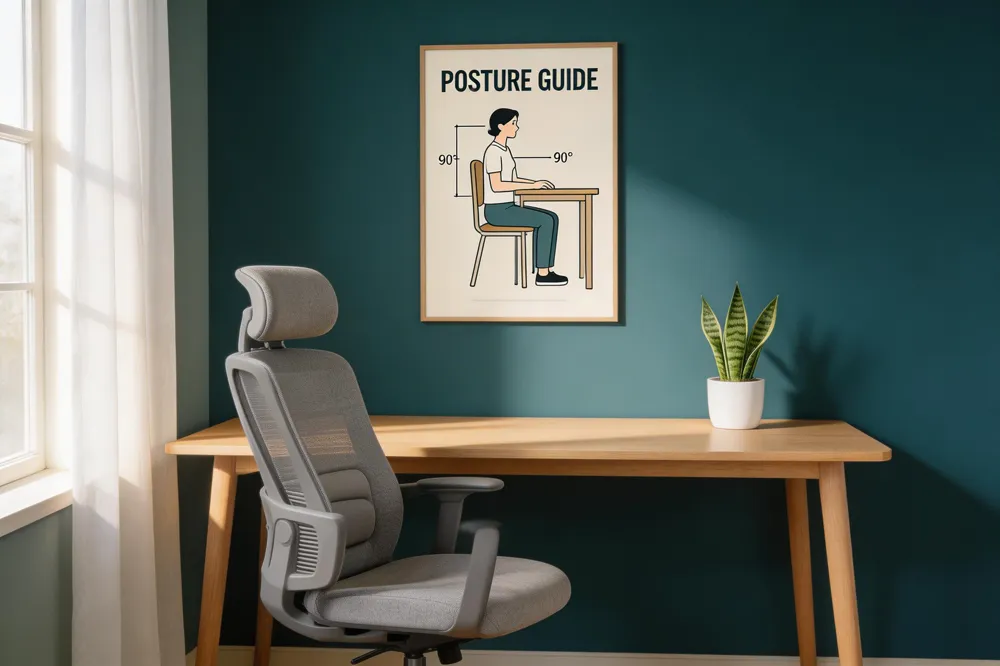
Work‑From‑Home Ergonomics: A Blueprint for a Pain‑Free Back

The Link Between Chiropractic Care and Improved Sleep Quality

Physiotherapy Techniques That Strengthen the Benefits of Chiropractic Adjustments

Biomechanical Insights Behind Successful Spinal Decompression

Desk‑to‑Dumbbell: Lifestyle Shifts That Guard Your Lower Back

10 Corrective Exercises for Sustainable Pain-Free Living

Morning Routines That Support Spine Health and Reduce Stiffness

Calcium and Magnesium‑Focused Nutrition for Bone Density and Spine Health

9 Ways Chiropractic Care Transforms Back Pain Management

Testimonial: Nutrition‑Guided Recovery Accelerated by Chiropractic

Science‑Backed Spinal Decompression for Relieving Sciatica Symptoms

Key Questions to Ask During Your Initial Chiropractic Consultation

Whole‑Body Wellness Blueprint: Nutrition, Exercise, and Chiropractic Synergy

A 12‑Week Corrective Exercise Blueprint for Chronic Neck Discomfort

Manual Therapy Plus Targeted Exercise: Accelerating Post‑Injury Recovery

Home‑Based Spinal Decompression Devices: What Patients Should Know

Chiropractic Care Statistics: Reducing Lost Workdays From Back Pain

How Targeted Nutrition Enhances Immune Function and Lowers Inflammatory Pain

Self‑Assessment Tools to Identify Hidden Triggers of Back Pain

Preparing for Your First Chiropractic Appointment: A Practical Checklist

Back Pain Relief Benefits: Lower Opioid Use and Better Quality of Life

Foam‑Rolling Techniques to Complement Chiropractic Adjustments

Progressive Overload Principles in Corrective Exercise Programs

Six‑Month Transformation: Integrated Care Success Story

7 Nutritional Hacks to Boost Your Overall Wellness

How to Choose a Chiropractor: Credentials, Techniques, and Patient Compatibility

5 Ways Spinal Decompression Can Ease Sciatica Pain

Overcoming Sciatica: A Patient’s Multidisciplinary Treatment Journey
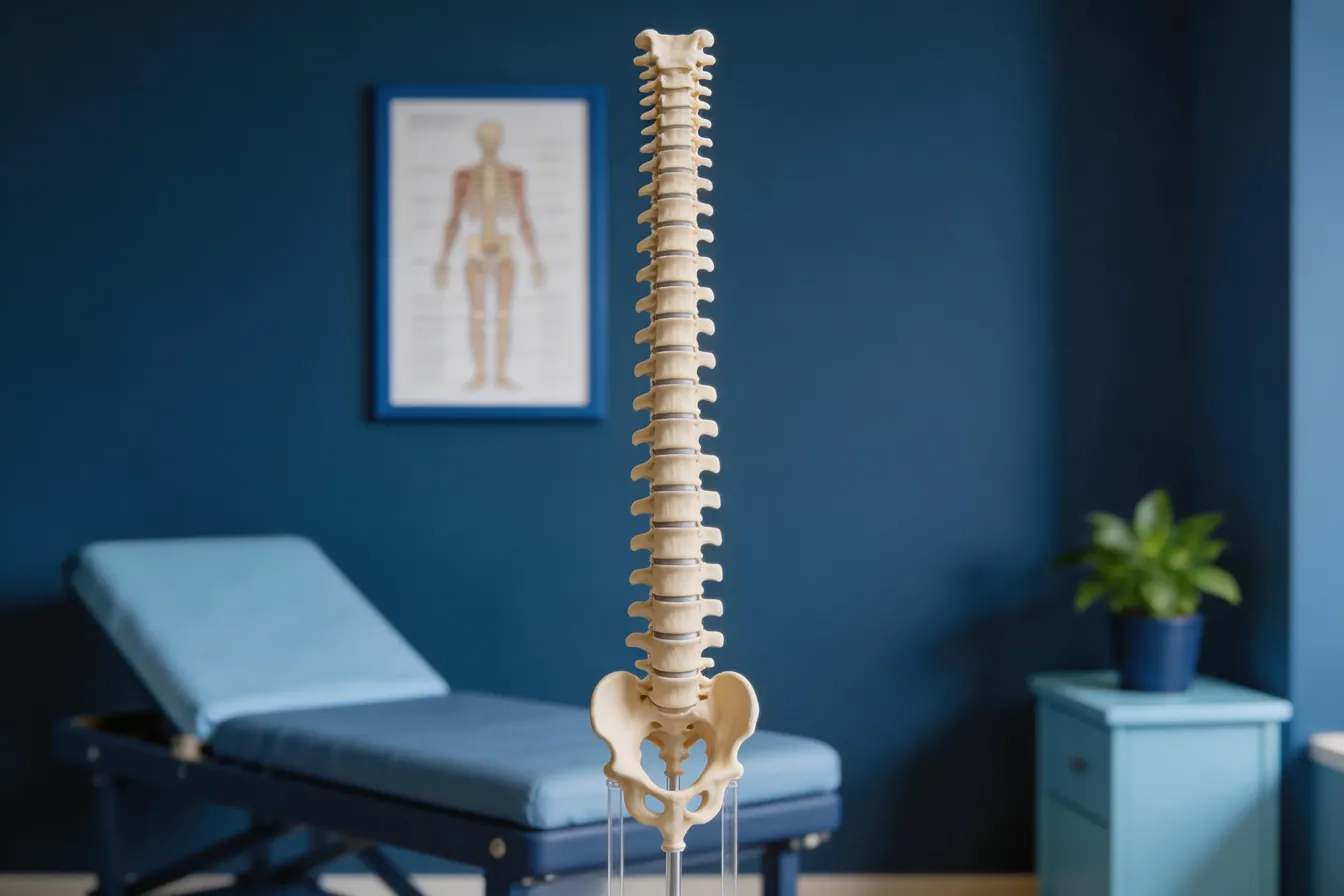
Lifestyle Changes That Promote a Healthy Spine
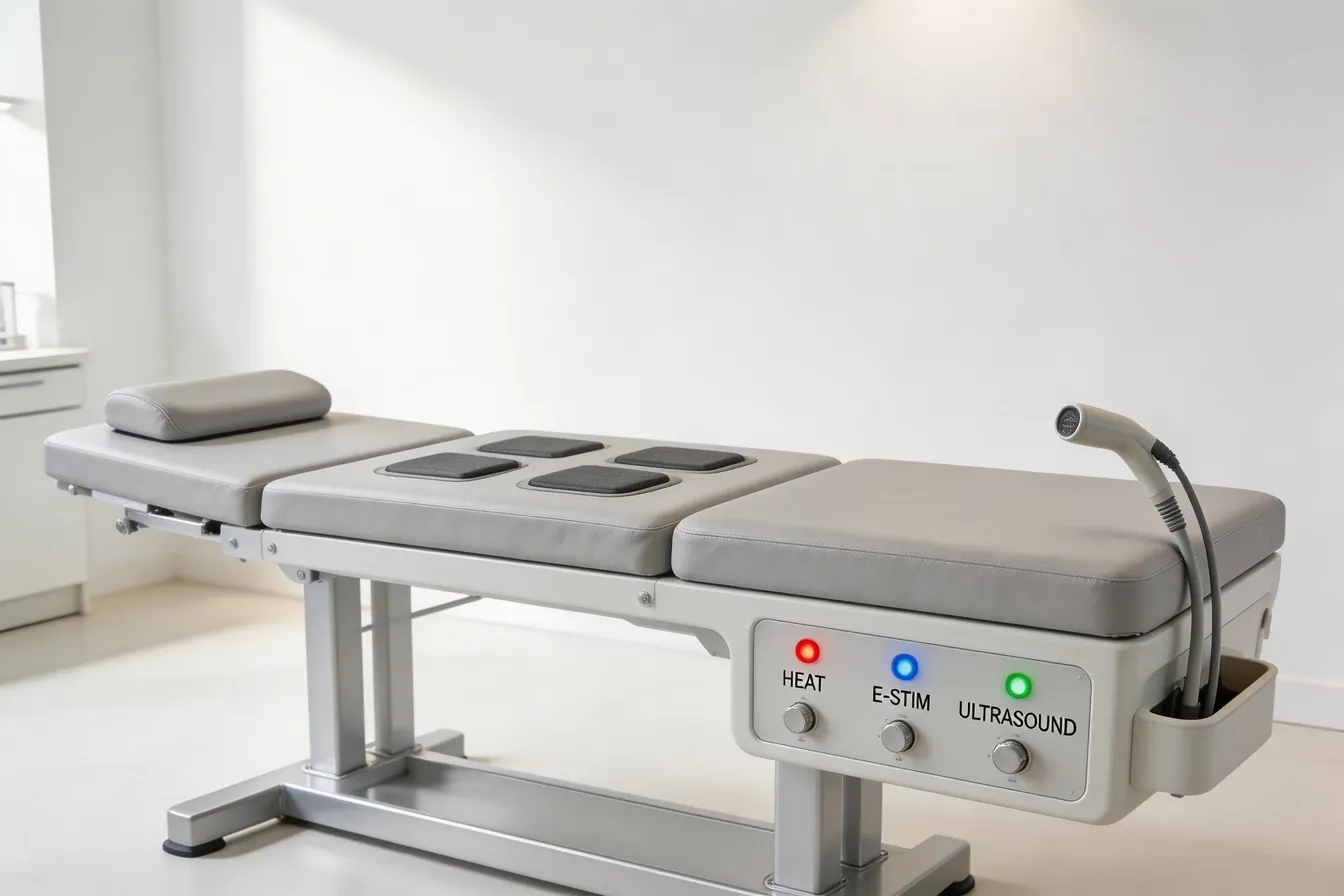
Physiotherapy as a Complement to Chiropractic Treatments

6 Ways Physiotherapy Enhances Chiropractic Treatment Outcomes

Daily Living Tips for a Strong and Healthy Spine

How Physiotherapy Enhances Chiropractic Outcomes
Holistic Treatments: Alternatives to Surgery for Pain Relief

Inspiring Patient Success Stories from Chiropractic Clinics

Integrating Physiotherapy with Chiropractic Treatments
Corrective Exercise Routines for Chronic Pain Prevention
10 Corrective Exercises to Maintain a Healthy Spine and Relieve Pain
Exercise Strategies for Long-Term Pain Management
10 Corrective Exercises to Maintain a Healthy Spine and Relieve Pain
The Importance of Treating the Root Cause of Pain
Nutritional Support Strategies for Whole-Body Wellness
7 Essential Questions to Ask When Choosing Your Chiropractor
Identifying and Addressing Root Causes of Pain

Maintaining a Healthy Spine with Lifestyle Adjustments
Sciatica Symptom Relief via Spinal Decompression
8 Reasons Why Addressing the Root Cause of Pain Is Crucial
Chiropractic Care’s Impact on Back Pain Recovery

Combining Physiotherapy with Chiropractic Care for Better Results

Inspiring Recovery: Chiropractic Patient Testimonials
Nutritional Counseling Tips for Optimal Wellness

Why Addressing the Root Cause of Pain is Crucial
Back Pain and Chiropractic Care: A Winning Combination

Chiropractic Care Benefits You Might Not Know
Exploring Holistic and Non-Surgical Treatments for Pain
Spinal Health: Lifestyle Tips for Everyday Wellness
Spinal Decompression Therapy: Benefits and Applications
Holistic and Non-Invasive Spine Care Options
Everyday Lifestyle Advice to Keep Your Spine Healthy

The Significance of Treating Root Causes in Pain Therapy
Best Corrective Exercises for Sustainable Pain Management

Addressing Underlying Causes of Pain for Long-Term Relief

6 Key Benefits of Spinal Decompression Therapy for Sciatica Relief

How Nutritional Counseling Supports Spine Health and Recovery

The Role of Physiotherapy in Supporting Chiropractic Treatments