10 Reasons Why Addressing the Root Cause of Pain is Essential
January 6, 2026
18 min

Understanding the Importance of Root Cause Pain Management
Definition of Root Cause of Pain
Pain is not simply a standalone symptom; it acts as a critical warning signal indicating underlying issues within the body. Identifying the root cause means uncovering the fundamental physiological, psychological, or lifestyle factors contributing to the discomfort, such as poor posture, muscle imbalances, nerve damage, or emotional stress.
Why Pain Is More Than Just a Symptom
Pain often reflects complex interactions between body systems rather than isolated tissue damage. Chronic pain especially involves heightened sensitivity of the nervous system and emotional components like anxiety and depression. Treating pain only at the surface level risks temporary relief and may lead to medication dependency without resolving the real problem.
Overview of Holistic Health Approach
A holistic health approach integrates physical, emotional, and lifestyle elements to manage pain effectively. This includes comprehensive evaluations—such as medical history, physical assessments, and diagnostic imaging—to tailor personalized plans. Lifestyle modifications, nutrition, physical therapy, stress management, and mind-body therapies become integral to lasting relief.
Connection Between Pain and Overall Wellness
Effective pain management that addresses root causes improves not only physical function but also enhances emotional well-being and quality of life. By reducing pain and preventing chronic complications, patients can maintain better mobility, sleep, daily activity participation, and mental health. This patient-centered strategy fosters sustainable wellness beyond symptom control.
Key Facts on Holistic Pain Management and Prevention
- Treating root causes of pain provides long-term relief rather than temporary symptom suppression.
- Early intervention in pain management prevents acute pain from progressing into chronic pain, reducing long-term disability.
- Addressing underlying issues such as biomechanics and lifestyle minimizes medication dependency and associated risks.
- Psychological support, including Cognitive Behavioral Therapy, plays a key role in holistic pain management, improving emotional well-being.
- Restoring mobility and function through targeted physical therapy helps prevent deconditioning and supports daily activities.
- Comprehensive diagnosis using patient history, exams, and imaging uncovers root pain causes for personalized treatment.
- A paradigm shift in pain care focuses on integrating physical, emotional, and lifestyle factors for sustainable relief.
- Proper spinal alignment and nervous system health are critical in natural healing and reducing inflammation.
- Back in Action Bodyworks offers holistic services including chiropractic adjustments, physiotherapy, and nutritional counseling for long-term wellness.
- Effective pain management benefits from patient education and active participation, fostering empowerment and adherence to treatment.
1. Achieving Long-Term Relief Instead of Temporary Fixes

Why is it important to address the root cause of pain instead of only treating symptoms?
Pain is a complex experience that serves as the body's Pain as a Warning Signal for underlying issues. Treating only symptoms often leads to short-term relief but fails to resolve the fundamental cause, resulting in recurring or worsening pain. Medications that focus solely on symptom relief, such as opioids or NSAIDs, may alleviate pain temporarily but do not address biomechanical imbalances, nerve irritation, or emotional stress that often contribute to Chronic Pain Overview.
Difference between symptom relief and root cause treatment
Symptom relief aims to reduce pain intensity without investigating why the pain exists, often relying on medications or passive treatments. In contrast, root cause treatment involves Comprehensive Pain Diagnosis Methods—medical history, physical exams, and diagnostic testing like MRIs or blood work—to identify underlying issues such as inflammation, structural problems, or lifestyle factors. This approach emphasizes correcting imbalances, improving posture, and managing stress to disrupt the cycle of chronic pain as described in Holistic and Personalized Pain Treatments.
How root cause treatment prevents recurring pain
By targeting the Root Causes of Pain rather than masking it, root cause treatment breaks the cycle that causes persistent discomfort. For example, addressing muscle imbalances or poor ergonomics through physical therapy and lifestyle modifications not only alleviates current pain but also minimizes the risk of future injury or flare-ups. This approach empowers patients with self-management skills, fostering Sustainable pain relief.
Benefits of sustainable pain management
Focusing on root causes leads to longer-lasting relief, better mental and emotional well-being, and reduces dependence on medications that carry risks like addiction or side effects. It promotes enhanced mobility, quality of life, and allows patients to return to hobbies, work, and social activities with confidence. Holistic Approach to Healing support patients in making lifestyle changes—such as stress management, balanced nutrition, and regular exercise—that are essential for durable pain control and overall wellness.
2. Preventing the Transition from Acute to Chronic Pain

How does early intervention in pain management affect outcomes?
Early intervention plays a critical role in preventing acute pain from progressing into chronic pain, which affects up to 60% of those initially suffering from acute pain. Prompt assessment and targeted treatment help promote faster healing and reduce complications associated with untreated or poorly managed pain. For more information, see Why Early Intervention is Vital in Acute Pain Management.
Statistics on acute pain developing into chronic pain
Studies highlight that nearly 60% of patients with acute pain may experience chronic pain if early management is not implemented. This progression often leads to significant disruptions in daily function and quality of life. Learn more about chronic pain statistics.
Importance of early intervention
Addressing acute pain quickly ensures effective pain control, minimizes emotional distress, and facilitates better physical recovery. Early treatment plans typically include the use of appropriate analgesics, physical therapy, and lifestyle modification, reducing the risk of long-term disability. See details in Importance of Early Pain Treatment.
Role of targeted diagnosis and treatment
Timely medical evaluation, including physical examinations and diagnostic imaging, allows clinicians to identify the Root Cause of Pain accurately. This informed approach enables patients to receive personalized treatment plans, encompassing medications, therapies, and complementary methods that optimize healing. For a comprehensive view, visit finding the root cause of pain and Root Cause Analysis in Pain Management.
Impact on healing and recovery
Effective early intervention supports a faster return to daily activities and work, preventing immobilization and deconditioning. It also improves psychological well-being by decreasing anxiety related to persistent pain, ultimately enhancing overall quality of life. More on this topic is available at Improving Quality of Life with Pain Management and Living well with chronic pain.
3. Minimizing Dependency on Medications and Reducing Risks

Why is addressing the root cause important in reducing medication dependency?
Focusing solely on symptom relief can create a reliance on medications, particularly opioids. These drugs carry risks such as addiction, misuse, and significant side effects. By identifying and treating the Root cause of pain—whether physical, psychological, or lifestyle-related—patients are empowered to pursue alternative treatments that reduce or eliminate the need for medication.
Over-reliance on opioids and associated risks
Opioid dependency is a major concern, with misuse rates estimated between 21-29% among patients prescribed these drugs. Long-term use may lead to opioid use disorder and increased risk of transitioning to more dangerous substances like heroin. Overprescribing also contributes to the ongoing opioid crisis.
Potential side effects of common pain medications
Non-opioid medications like NSAIDs, acetaminophen, and muscle relaxers can cause stomach bleeding, liver or kidney damage, and dizziness. Overuse or improper administration increases the likelihood of adverse reactions.
Benefits of non-drug treatments
Non-pharmacological therapies such as physical therapy, chiropractic care, acupuncture, and pain management programs focus on restoring function and health. These strategies encourage active patient participation and target underlying issues rather than masking symptoms. For more insights, see Pain management overview and Pain relief without drugs.
Pain management programs focusing beyond medication
Comprehensive pain management programs (PMPs) incorporate psychological techniques, exercise, education, and lifestyle modifications. Multidisciplinary teams help patients manage pain sustainably, focusing on quality of life improvements without over-reliance on drugs. This holistic approach reduces side effects and fosters long-term well-being as described in Pain-management programmes (PMPs).
4. Improving Mental and Emotional Well-Being

Psychological Factors Influencing Pain Perception
Pain is not just a physical sensation; psychological factors play a significant role in how pain is perceived. Stress, anxiety, and past experiences can amplify pain signals in the brain, making discomfort feel more intense. This mind-body connection highlights the complexity of chronic pain and the need for holistic pain management approaches that address both mental and physical components.
Connection Between Chronic Pain, Depression, and Anxiety
Chronic pain often leads to or worsens depression and anxiety. The persistent nature of pain can disrupt sleep, reduce mobility, and limit social interactions, all of which contribute to emotional distress. Such mental health challenges create a feedback loop where emotional suffering intensifies the experience of pain, highlighting the importance of quality of life in chronic pain and the role of emotional and psychological support for chronic pain.
Role of Pain Management Programs Including Cognitive Behavioral Therapy
pain management programs (PMPs) use multidisciplinary strategies focusing on improving quality of life instead of solely eliminating pain. cognitive-behavioral therapy for chronic pain is a critical element within PMPs, helping patients reframe negative thoughts and develop coping skills to handle pain’s emotional burden. These programs encourage self-management training in PMPs and realistic goal setting, empowering patients to regain control and improve daily functioning.
How Addressing Root Causes Alleviates Emotional Distress
By focusing on the underlying root causes of pain—such as biomechanical issues, lifestyle habits, or inflammation—treatment becomes more effective and long-lasting. Addressing root causes reduces unpredictability and the chronic stress associated with unexplained pain, which in turn alleviates anxiety and depression. Patients benefit not only from physical relief but also from enhanced emotional factors affecting pain, fostering resilience and a better improving quality of life with pain management.
5. Enhancing Mobility and Physical Function

How Does Unresolved Pain Affect Movement and Daily Activities?
Unresolved chronic pain can significantly disrupt daily life by limiting mobility and reducing the ability to perform routine tasks. Pain increases sensitivity in the nervous system, often leading to fear of movement, or kinesiophobia. This fear can cause avoidance behaviors, resulting in muscle weakness and stiffness, ultimately worsening pain and disability. Such limitations impact work, social interactions, and overall quality of life.
What Are the Benefits of Physical Therapy and Targeted Exercises?
Physical therapy provides a safe, active approach to chronic pain management and restoring function. Customized exercise programs strengthen muscles, improve flexibility, and correct movement patterns contributing to pain. Exercises help maintain joint mobility, reduce inflammation, and prevent further injury. Importantly, therapy empowers patients to take an active role in their recovery, which enhances long-term outcomes.
How Does Correcting Underlying Causes Restore Function?
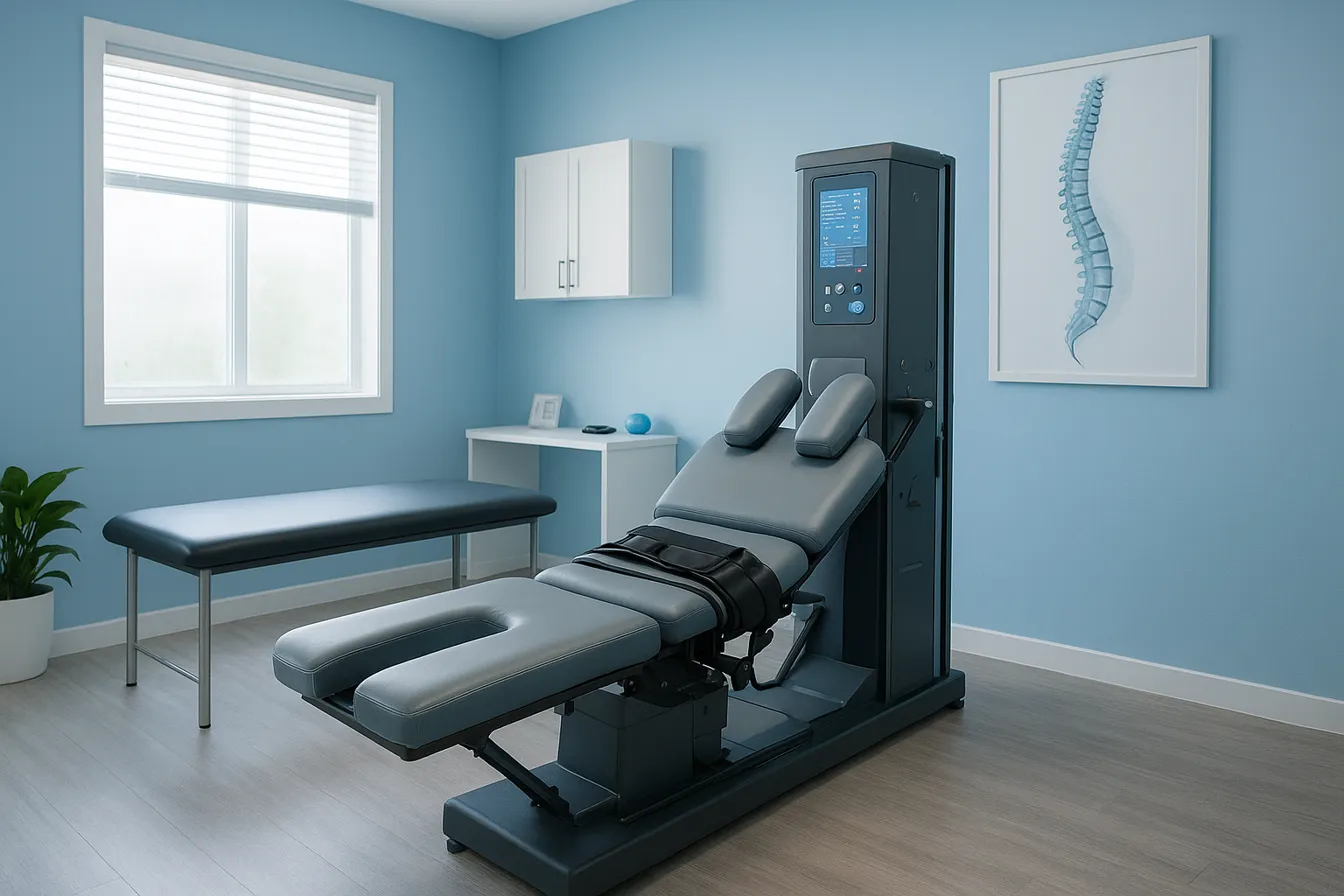
Addressing root causes of pain—such as poor posture, muscle imbalances, or structural issues—allows for targeted interventions that restore proper biomechanics. Techniques like chiropractic adjustments, chiropractic spinal decompression therapy, and ergonomic modifications relieve stress on affected areas. By resolving the source rather than masking symptoms, patients experience sustained improvements in strength, mobility, and pain levels.
Why Is Overcoming Fear of Movement Important?
Fear of movement can perpetuate pain cycles by encouraging inactivity and physical deconditioning. Educating patients about neurophysiological mechanisms of chronic pain helps reduce anxiety and empowers gradual activity increases. Overcoming kinesiophobia fosters confidence in movement, decreases reliance on medications, and supports better physical and emotional well-being.
Overall, enhancing mobility through a holistic, patient-centered approach that targets the root cause of pain leads to improved daily functioning and a higher quality of life.
| Aspect | Details | Patient Impact |
|---|---|---|
| Impact of Unresolved Pain | Limits movement, increases sensitivity | Reduced daily functioning |
| Physical Therapy Benefits | Strengthens muscles, improves flexibility | Enhanced mobility, less pain |
| Correcting Root Causes | Fixes posture, muscle imbalances, structural issues | Sustainable pain relief, restored function |
| Avoiding Fear of Movement | Education to reduce anxiety, gradual activity | Increased confidence, better health |
6. Empowering Patients Through Personalized, Holistic Care
What is the role of root cause analysis in creating tailored treatment plans?
Root cause analysis is essential for identifying the fundamental causes of pain rather than just masking symptoms. This process includes comprehensive patient history reviews, physical examinations, and diagnostic tests like X-rays, MRI, and blood work. By uncovering the underlying issues—whether structural, inflammatory, or lifestyle-related—healthcare providers can develop personalized treatment plans that offer sustainable relief and improved mental well-being. For more details, see Root Cause Analysis in Pain Management and Determining the Root Cause of Pain.
How do multidisciplinary approaches contribute to effective pain management?
Multidisciplinary care integrates chiropractic adjustments, physical therapy, nutritional guidance, and other complementary therapies to address pain holistically. Chiropractic care, including manual therapy and spinal corrections, can relieve nerve impingements and musculoskeletal imbalances. Physiotherapy supports mobility and strength restoration, while nutrition counseling helps reduce inflammation. This collaborative approach ensures patients receive comprehensive support targeting multiple aspects of their health. Learn more about Multidisciplinary Pain Treatment and Holistic Pain Treatment.
Why are lifestyle modifications important in holistic pain care?
Lifestyle changes such as adopting an anti-inflammatory diet, improving sleep hygiene, and managing stress play pivotal roles in alleviating chronic pain. Consistent physical activity and ergonomic adjustments can also prevent recurrences and support recovery. These modifications empower patients to actively participate in their health journey, promoting long-term wellness beyond clinical treatments. For comprehensive insights, visit Root Causes of Chronic Pain: Functional Medicine Insights and Lifestyle Factors Affecting Chronic Pain.
How does patient education and active participation enhance outcomes?
Educating patients about their condition, treatment goals, and self-management strategies fosters greater engagement and adherence. When patients understand the importance of exercises, dietary choices, and stress reduction techniques, they gain confidence and control over their pain. Active participation encourages sustainable behavior changes critical for preventing pain flare-ups and enhancing quality of life. Explore more about Patient Education and Pain Management Programs and Pain Management Strategies.
What holistic musculoskeletal health and wellness services does Back in Action Bodyworks offer?
Back in Action Bodyworks in Torrance, California provides a comprehensive suite of holistic musculoskeletal health services. Their treatments include chiropractic adjustments, manual therapy, postural evaluations, spinal decompression, physiotherapy, and neuropathy care tailored for conditions like sciatica, herniated discs, and injuries from auto accidents. They prioritize patient education, lifestyle coaching, nutritional counseling, and ergonomic advice. Combining gentle spinal techniques with preventive and rehabilitative methods, they emphasize patient-centered care encouraging active involvement in health management. With over 25 years of experience, their professional and accessible approach supports long-term musculoskeletal wellness. For details, see Treating the Root Cause of Your Pain and Root Causes of Your Pain.
7. Reducing the Risk of Complications and Disability
How untreated pain leads to decreased mobility and worsening conditions
Untreated pain, especially chronic pain, can cause decreased mobility due to fear of movement and physical deconditioning. This decline limits daily activities and can worsen underlying conditions like arthritis or nerve damage. Over time, inactivity contributes to muscle weakness, joint stiffness, and increased spread of pain, leading to a cycle of disability.
Connection between chronic pain and mental health disorders
Chronic pain significantly affects emotional well-being, often increasing risks for anxiety, depression, and mood disorders. Persistent pain can disrupt sleep, social interactions, and work life, contributing to emotional distress. Proper pain management overview not only addresses physical symptoms but also supports mental health through therapy and coping strategies.
Role of early root cause treatment in preventing disability
Identifying and treating the Root Cause of Pain early is vital to prevent long-term disability. Early Intervention in Acute Pain supports faster healing, reduces complications, and helps maintain function. Focusing on the underlying issue rather than just symptoms helps patients return to normal activities sooner and avoids progressive deterioration.
Importance of comprehensive diagnosis and management
Comprehensive diagnosis using patient history, physical exams, and imaging tests ensures accurate identification of pain causes. A Multidisciplinary approach to pain—combining medical treatment, physical therapy, lifestyle adjustments, and psychological support—optimizes outcomes. This holistic care helps prevent further complications and promotes sustainable relief and improved Improving Quality of Life with Pain Management.
8. Supporting Natural Healing and Nervous System Function
Importance of Spinal Alignment and Nervous System Health
Proper spinal alignment is essential as the spine serves as a protective channel for the nervous system, which controls communication between the brain and body. Misalignments can disrupt nerve signals, leading to increased pain, inflammation, and impaired natural healing. Maintaining spinal integrity supports vital nervous system functions necessary for overall health. See more in Chronic Pain Overview.
Chiropractic Care’s Role in Enhancing Natural Healing
Chiropractic care at Back in Action Bodyworks focuses on gentle, controlled spinal adjustments to restore alignment. This helps reduce musculoskeletal pain and inflammation while improving mobility. By optimizing nervous system function, chiropractic treatments stimulate the body's innate ability to heal itself. This drug-free approach promotes wellness without relying on medications. Learn about Pain relief without drugs.
How Correcting Structural Issues Reduces Inflammation and Pain
Misalignments and poor posture contribute to chronic stress on muscles and joints, fueling inflammation and pain. Chiropractic adjustments relieve this stress by correcting structural imbalances, which decreases inflammatory responses and nerve irritation. This leads not only to immediate pain relief but also helps prevent recurring discomfort by addressing root causes instead of symptoms alone. For more detail, see Root causes of chronic pain Functional medicine insights.
Long-term Wellness Benefits of Addressing Root Causes
Beyond pain relief, chiropractic care encourages healthier posture, increased mobility, improved sleep quality, and reduced tension headaches and stress. Patients experience enhanced energy levels and fortified immune responses as body systems regain balance. Emphasizing lifestyle and ergonomic recommendations alongside treatments supports sustained health benefits and lowers the risk of injury or future pain. Explore Holistic Approach to Healing.
In summary, chiropractic care at Back in Action Bodyworks promotes overall wellness by fostering spinal alignment and nervous system health. This integrative method encourages natural healing, reduces chronic inflammation and pain, and lays the foundation for long-term physical and mental well-being.
| Aspect | Benefit | Description |
|---|---|---|
| Spinal Alignment | Nervous system optimization | Restores nerve communication for body-wide health (Importance of Identifying Root Cause of Pain) |
| Structural Correction | Inflammation & pain reduction | Relieves muscle/joint stress to prevent chronic pain (Addressing underlying causes of pain) |
| Natural Healing Support | Drug-free pain management | Activates body's intrinsic repair mechanisms (Pain relief without drugs) |
| Long-term Wellness | Improved sleep, energy, and immunity | Enhances posture, reduces tension, supports health (Living well with chronic pain) |
| Lifestyle Guidance | Sustainable health strategies | Encourages ergonomic and behavioral modifications (Holistic Pain Management Approaches |
9. Facilitating Accurate Diagnosis Through Comprehensive Evaluation
How Does Root Cause Analysis Aid Pain Diagnosis?
Root cause analysis (RCA) in pain is a vital, systematic approach in pain management that integrates patient history, detailed physical examinations, and diagnostic tests such as X-rays, MRI, CT scans, and laboratory blood work. Collecting thorough patient information helps uncover the foundational cause of pain, whether stemming from structural injuries, nerve issues, inflammation, or other factors.
What Challenges Exist in Diagnosing Complex Pain?
Diagnosing chronic and complex pain can be difficult due to its multifaceted nature, involving biological, psychological, and social influences. Patients may hesitate to share psychological or lifestyle details, and systemic healthcare barriers like limited appointment times complicate comprehensive assessments.
Why Address Physiological, Psychological, and Lifestyle Factors?
Pain reflects not just physical injury but also emotional stress, lifestyle habits, and environmental contributors. Considering these factors enables healthcare providers to construct holistic and individualized treatment plans that enhance mental well-being and promote sustainable relief.
How Does Thorough Evaluation Lead to Targeted Treatments?
Comprehensive assessment clarifies pain's root causes, allowing for precise and effective interventions such as physical therapy, tailored medication management, behavioral therapies, and lifestyle modifications. This approach improves treatment outcomes by targeting underlying problems rather than only alleviating symptoms, fostering long-term patient wellness.
10. Embracing a Paradigm Shift Toward Holistic Pain Management
Shift from Symptom Focus to Root Cause Identification
Traditional approaches to pain often concentrate solely on alleviating symptoms with medications or temporary measures. However, a paradigm shift is underway that prioritizes identifying and treating the Root Causes of Pain. This holistic pain management approach aims to understand pain as a complex experience influenced by physiological, psychological, and environmental factors. By addressing fundamental issues like poor posture, inflammation, emotional stress, or lifestyle habits, practitioners can provide more sustainable relief and reduce reliance on medications or invasive procedures.
Integration of Physical, Emotional, and Lifestyle Elements
Holistic pain management combines multiple dimensions of health. It incorporates physical therapies such as chiropractic care, physical therapy, and acupuncture, alongside psychological support like cognitive-behavioral therapy. Lifestyle modifications including nutrition, stress reduction, and exercise are equally vital. This integrated approach targets the biological, psychological, and social aspects of pain, fostering long-term improvements in mobility, mental well-being, and function.
Enhanced Patient-Provider Communication and Shared Decision-Making
Effective pain management depends not only on treatments but on strong communication and partnership between patients and healthcare providers. Empathy, active listening, and patient education empower individuals to participate actively in their care. Collaborative decision-making ensures personalized, adaptable treatment plans that reflect each patient's unique history, preferences, and goals. This enriched communication builds trust and improves overall treatment satisfaction and outcomes.
Long-Term Improvement in Quality of Life and Health Outcomes
Focusing on root causes and a holistic care framework leads to more than just pain reduction. Patients benefit from enhanced daily functioning, emotional resilience, and the ability to engage in meaningful social and physical activities. By promoting self-management skills and addressing contributing factors, this approach supports lasting health improvements, fewer complications, and reduces the risks associated with long-term medication use.
Who Leads the Chiropractic Practice at Back in Action Bodyworks?
At Back in Action Bodyworks, the chiropractic practice is led by a highly experienced practitioner dedicated to holistic musculoskeletal health. This practitioner has extensive training in chiropractic techniques and a deep commitment to personalized patient care. They focus on addressing the root causes of discomfort and promoting overall wellness through tailored treatment plans. Their approach emphasizes natural healing methods and a collaborative relationship with patients to achieve optimal health outcomes. With their leadership, Back in Action Bodyworks provides expert chiropractic services rooted in experience and a holistic philosophy.
Back in Action Bodyworks: A Leader in Holistic Pain Management
Who leads the chiropractic practice at Back in Action Bodyworks?
At Back in Action Bodyworks, the chiropractic care is spearheaded by a highly experienced practitioner well-versed in holistic musculoskeletal health services. This leader brings extensive training in a variety of chiropractic techniques while emphasizing personalized care tailored to each patient's unique condition.
What is the practice's focus on personalized care and root cause treatment?
The practice prioritizes identifying and addressing the Root Causes of Pain rather than merely managing symptoms. Through comprehensive assessment, including patient history and physical evaluation, treatment plans are custom-designed. This personalized approach ensures Long-lasting Pain Relief and functional improvements, fostering better mobility and overall wellness.
How does Back in Action Bodyworks demonstrate commitment to natural healing and patient collaboration?
Back in Action Bodyworks champions natural healing methods, minimizing reliance on medications or invasive procedures. Their philosophy centers on empowering patients through active collaboration and education, encouraging healthy lifestyle adjustments and self-management techniques. This partnership approach supports Sustainable Chronic Pain Recovery and enhanced quality of life.
This leadership and patient-centered strategy have positioned Back in Action Bodyworks as a trusted center for holistic musculoskeletal health services.
Holistic Services Offered at Back in Action Bodyworks
What holistic musculoskeletal health and wellness services does Back in Action Bodyworks offer?
Back in Action Bodyworks in Torrance, California provides a wide range of holistic musculoskeletal health services designed to support long-term wellness. Their chiropractic care includes manual therapy, spinal adjustments, postural evaluations, and corrective exercises personalized to each patient’s needs. The clinic also offers specialized treatments such as spinal correction, chiropractic spinal decompression therapy, physiotherapy, and neuropathy management, effectively addressing conditions like sciatica, herniated discs, and injuries from auto accidents.
Beyond hands-on care, Back in Action Bodyworks emphasizes patient education and lifestyle coaching. This includes nutritional guidance and ergonomic advice to enhance recovery and prevent future problems. Their approach integrates gentle, modern spinal techniques with preventive and rehabilitative strategies, encouraging patients to actively participate in their health management.
With more than 25 years of experience, Back in Action Bodyworks stands out for its professionalism, personalized treatment plans, and commitment to delivering accessible, patient-centered care that focuses on improving quality of life with pain management.
Supporting Wellness through Chiropractic Care at Back in Action Bodyworks
How does chiropractic care at Back in Action Bodyworks support overall wellness?
Chiropractic care at Back in Action Bodyworks promotes overall wellness by focusing on proper spinal alignment to enhance nervous system health. Gentle, precise adjustments reduce musculoskeletal pain and inflammation, improving mobility and posture. This natural, drug-free approach encourages the body’s self-healing abilities, resulting in immediate relief from discomfort and long-lasting health benefits.
In addition to physical improvements, chiropractic treatments can relieve headaches, reduce stress, and improve sleep quality, supporting mental and emotional well-being. By addressing the Root Causes of Pain and recommending lifestyle and ergonomic changes, this Holistic Approach to Healing prevents future injuries and boosts energy and immune function.
Through personalized care plans, Back in Action Bodyworks helps patients maintain optimal health across all ages, offering a safe alternative to medication while Improving Quality of Life with Pain Management.
Addressing Pain’s Root Causes: The Key to Lasting Health and Quality of Life
Understanding the benefits of treating the root cause of pain
Treating pain at its source offers more than temporary relief; it promotes lasting improvements in health and quality of life. By identifying and addressing underlying issues such as poor posture, muscle imbalances, inflammation, or nerve dysfunction, patients can experience improved mobility, better sleep, and reduced reliance on medications. This approach not only alleviates discomfort but also helps prevent further complications like decreased functionality and emotional distress.
Embracing a proactive and holistic approach
Effective pain management today emphasizes a holistic, patient-centered strategy. This means considering physical, emotional, and lifestyle factors together to create personalized care plans. Incorporating lifestyle changes such as stress management, balanced nutrition, and regular physical activity enhances healing and supports long-term pain control. Early and proactive care reduces risks of chronic pain development and fosters greater overall well-being.
Why chiropractic care is an excellent option
Chiropractic care offers a natural, drug-free path to address musculoskeletal pain by focusing on spinal alignment, joint function, and nervous system health. Skilled chiropractic professionals use comprehensive assessments and tailored treatment plans to correct root imbalances, relieve pain, and improve function. For individuals seeking a holistic and effective way to manage pain and enhance their quality of life, consulting a chiropractor can be an essential step toward sustainable health and wellness.
Recent articles

10 Real‑Patient Success Stories Showcasing the Impact of Chiropractic Care

Superfoods That Boost Nerve Healing After Chiropractic Sessions

Sleep Positions That Promote a Healthy Back Alignment

Signs Your Chiropractor Is a Good Fit for Your Back Pain Goals

Case Study: Integrated Physiotherapy and Chiropractic for Faster Recovery

First-Time Chiropractic Visit: A Step‑by‑Step Walkthrough

Synergistic Benefits: Combining Physiotherapy with Chiropractic Care

Beyond Surgery: Holistic Approaches to Managing Back Pain

How Manual Therapy Enhances the Effects of Chiropractic Adjustments

Hydration Hacks: Why Water Matters for Joint and Spine Function

What Does a Comprehensive Spinal Evaluation Include?

Success Spotlight: Transformative Results After Six Weeks of Chiropractic Treatment

Understanding the Initial Assessment Process in Chiropractic Care

Designing a Personalized Corrective Exercise Plan for Chronic Pain Management

Natural Pain Management: Combining Acupuncture, Yoga, and Chiropractic

Chiropractic Care vs. Pain Meds: Long-Term Outcomes for Back Pain Sufferers

What to Expect During a Sciatica‑Focused Decompression Session

Understanding the Pain-Relief Mechanics Behind Chiropractic Adjustments

Success Rates of Non‑Surgical Spinal Decompression for Sciatica

Patient-Centered Chiropractic Care: Personalized Plans for Back Pain Relief
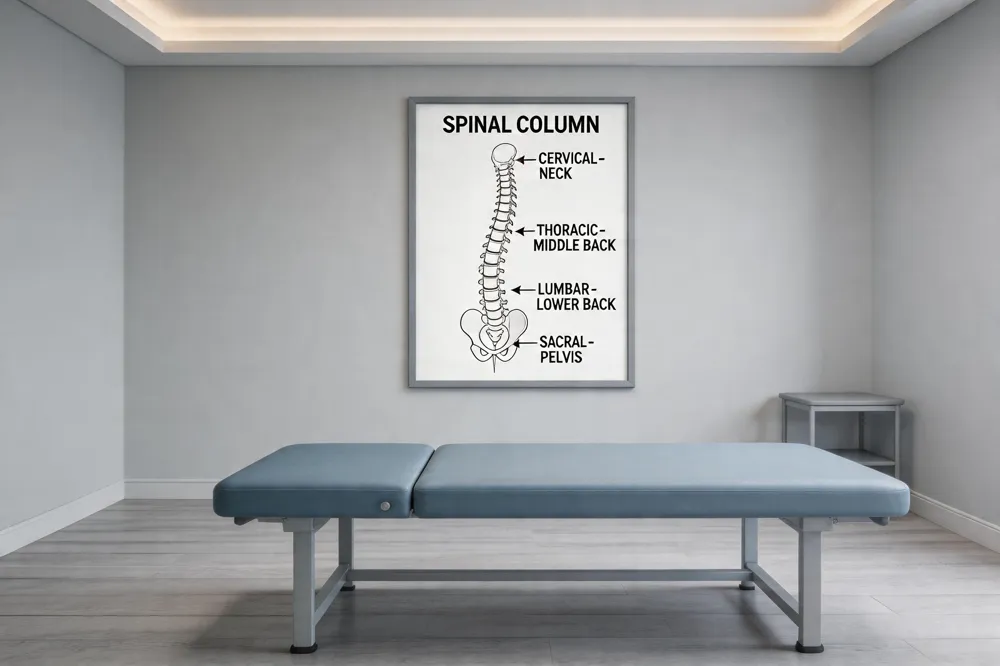
How Chiropractic Treatments Reduce Inflammation and Speed Up Back Pain Recovery

Real‑Life Stories: How Chiropractic Helped Patients Overcome Chronic Back Pain

From Symptom Masking to Root‑Cause Healing: A Practical Guide

6 Holistic Non‑Surgical Treatments That Deliver Sustainable Back‑Pain Relief

Key Questions to Ask When Selecting Your Chiropractor

Mindful Movement: Incorporating Stretch Breaks Into a Busy Day

Why Targeting the Underlying Cause Beats Temporary Symptom Relief

8 Ways Physiotherapy Complements Chiropractic Adjustments for Faster Recovery

Meal Planning for Athletes Recovering from Back Injuries

9 Everyday Lifestyle Tweaks to Preserve a Healthy Spine and Prevent Pain

Functional Movement Screening for Root‑Cause Pain Identification

6 Things You’ll Experience During Your First Chiropractic Appointment

Spinal Decompression vs. Standard Physical Therapy for Sciatica: A Comparative Review

New Findings on How Adjustments Influence Blood Circulation
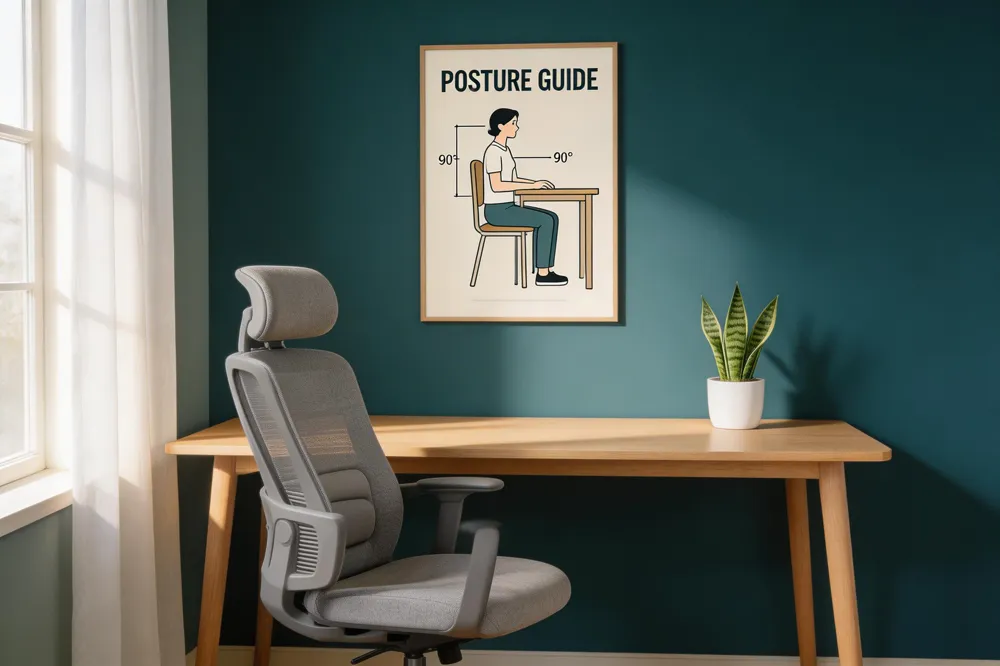
Work‑From‑Home Ergonomics: A Blueprint for a Pain‑Free Back

The Link Between Chiropractic Care and Improved Sleep Quality

Physiotherapy Techniques That Strengthen the Benefits of Chiropractic Adjustments

Biomechanical Insights Behind Successful Spinal Decompression

Desk‑to‑Dumbbell: Lifestyle Shifts That Guard Your Lower Back

10 Corrective Exercises for Sustainable Pain-Free Living

Morning Routines That Support Spine Health and Reduce Stiffness

Calcium and Magnesium‑Focused Nutrition for Bone Density and Spine Health

9 Ways Chiropractic Care Transforms Back Pain Management

Testimonial: Nutrition‑Guided Recovery Accelerated by Chiropractic

Science‑Backed Spinal Decompression for Relieving Sciatica Symptoms

Key Questions to Ask During Your Initial Chiropractic Consultation
Whole‑Body Wellness Blueprint: Nutrition, Exercise, and Chiropractic Synergy

A 12‑Week Corrective Exercise Blueprint for Chronic Neck Discomfort

Manual Therapy Plus Targeted Exercise: Accelerating Post‑Injury Recovery

Home‑Based Spinal Decompression Devices: What Patients Should Know

Chiropractic Care Statistics: Reducing Lost Workdays From Back Pain

How Targeted Nutrition Enhances Immune Function and Lowers Inflammatory Pain

Self‑Assessment Tools to Identify Hidden Triggers of Back Pain

Preparing for Your First Chiropractic Appointment: A Practical Checklist

Back Pain Relief Benefits: Lower Opioid Use and Better Quality of Life

Foam‑Rolling Techniques to Complement Chiropractic Adjustments

Progressive Overload Principles in Corrective Exercise Programs

Six‑Month Transformation: Integrated Care Success Story

7 Nutritional Hacks to Boost Your Overall Wellness

How to Choose a Chiropractor: Credentials, Techniques, and Patient Compatibility

5 Ways Spinal Decompression Can Ease Sciatica Pain

Overcoming Sciatica: A Patient’s Multidisciplinary Treatment Journey
Lifestyle Changes That Promote a Healthy Spine
Physiotherapy as a Complement to Chiropractic Treatments

6 Ways Physiotherapy Enhances Chiropractic Treatment Outcomes

Daily Living Tips for a Strong and Healthy Spine

How Physiotherapy Enhances Chiropractic Outcomes
Holistic Treatments: Alternatives to Surgery for Pain Relief

Inspiring Patient Success Stories from Chiropractic Clinics

Integrating Physiotherapy with Chiropractic Treatments
Corrective Exercise Routines for Chronic Pain Prevention
10 Corrective Exercises to Maintain a Healthy Spine and Relieve Pain

Exercise Strategies for Long-Term Pain Management
10 Corrective Exercises to Maintain a Healthy Spine and Relieve Pain
The Importance of Treating the Root Cause of Pain

Nutritional Support Strategies for Whole-Body Wellness
7 Essential Questions to Ask When Choosing Your Chiropractor
Identifying and Addressing Root Causes of Pain
Maintaining a Healthy Spine with Lifestyle Adjustments
Sciatica Symptom Relief via Spinal Decompression

8 Reasons Why Addressing the Root Cause of Pain Is Crucial
Chiropractic Care’s Impact on Back Pain Recovery

Combining Physiotherapy with Chiropractic Care for Better Results
Inspiring Recovery: Chiropractic Patient Testimonials
Nutritional Counseling Tips for Optimal Wellness

Why Addressing the Root Cause of Pain is Crucial
Back Pain and Chiropractic Care: A Winning Combination

Chiropractic Care Benefits You Might Not Know
Exploring Holistic and Non-Surgical Treatments for Pain
Spinal Health: Lifestyle Tips for Everyday Wellness
Spinal Decompression Therapy: Benefits and Applications
Holistic and Non-Invasive Spine Care Options
Everyday Lifestyle Advice to Keep Your Spine Healthy
The Significance of Treating Root Causes in Pain Therapy
Best Corrective Exercises for Sustainable Pain Management

Addressing Underlying Causes of Pain for Long-Term Relief
6 Key Benefits of Spinal Decompression Therapy for Sciatica Relief

How Nutritional Counseling Supports Spine Health and Recovery

The Role of Physiotherapy in Supporting Chiropractic Treatments