Why Treating the Root Cause of Back Pain Is More Effective Than Symptom Relief
January 18, 2026
10 min
The Prevalence and Challenge of Back Pain Management
The Widespread Impact of Back Pain in the US Population
Back pain is a pervasive health issue affecting approximately 80% of American adults at some point in their lives. Chronic back pain, lasting three months or more, significantly impacts quality of life and daily function. It remains one of the leading causes of disability and medical visits across the country.
Limitations of Symptom-Focused Treatments
Many conventional treatments for back pain focus primarily on symptom management, such as the use of pain medications, injections, or temporary therapies like massage and heat application. While these may provide short-term relief, they often fail to address the underlying causes of pain, leading to recurring discomfort and increased reliance on medications, some of which pose risks like addiction or side effects.
The Importance of a Holistic, Root-Cause-Based Approach
Emerging evidence highlights the benefits of a comprehensive approach that targets the root structural and lifestyle factors contributing to back pain. This includes addressing spinal misalignments, improving posture, strengthening core muscles, and integrating mindfulness and stress management techniques. Chiropractic care, physical therapy, nutrition, and psychological strategies like cognitive-behavioral therapy combine to treat not just symptoms but the root causes, promoting long-term relief and improved function.
By embracing holistic and patient-centered care, practitioners empower individuals to take an active role in their recovery, reducing dependency on medications and invasive procedures while enhancing overall wellness and quality of life.
Identifying the Root Causes of Back Pain
What is the root cause of back pain?
Back pain arises from a variety of root causes, often linked to structural abnormalities in the spine such as herniated disks, spinal stenosis, and degenerative disc disease. Injuries from accidents or heavy physical activities may disrupt spinal alignment, contributing to chronic discomfort. Age plays a significant role through wear and tear that leads to arthritis or osteoporosis. Other medical factors include inflammation, infections, tumors, or systemic illnesses. Lifestyle factors like poor posture, muscle weakness, obesity, and repetitive stress also significantly impact spine health. Accurate diagnosis through a detailed medical evaluation and imaging techniques such as X-rays and MRI is vital to pinpointing the specific cause and crafting an effective treatment plan.
What are the main causes of chronic back pain?
Chronic back pain, lasting over three months, often originates from age-related degenerative changes including osteoarthritis and disk herniation. Structural spinal issues like spinal stenosis and spondylolisthesis also contribute. Muscle strains, ligament sprains, and myofascial pain syndrome caused by poor posture or repetitive strain from heavy lifting are common mechanical sources. Inflammatory conditions such as ankylosing spondylitis exacerbate persistent pain, while deeper medical concerns like kidney infections or tumors require urgent attention. Proper assessment to identify these conditions is crucial for effective intervention and to prevent recurrent or worsening pain.
Role of aging, injury, posture, and lifestyle factors
Aging gradually affects spinal structures through disc degeneration and ligament stiffness, which can cause misalignments and nerve compression. Injuries can directly disrupt spinal alignment, triggering chronic pain if left untreated. Posture-related issues from prolonged slouching or unsupported sitting create structural tension and contribute to pain. Lifestyle choices including poor nutrition, physical inactivity, smoking, and weight gain increase the risk of back pain by promoting inflammation and weakening supportive muscles. Addressing these elements early with corrections and lifestyle changes can prevent deterioration and improve long-term spinal health. For an in-depth understanding, see The root cause of back pain.
The importance of thorough evaluation and imaging for accurate diagnosis
Effective management of back pain depends on a thorough patient history, physical exam, and advanced imaging like MRI or CT scans to reveal structural or pathological abnormalities. Biomarker testing and motion analysis may also help detect inflammation or functional impairments. This comprehensive approach allows clinicians to differentiate between mechanical, inflammatory, or systemic causes and create patient-centered treatment plans targeting the root causes for lasting relief instead of symptom masking. Learn more about identifying the root cause of pain.
The Different Types of Back Pain and Their Implications
Classification of back pain by duration and origin
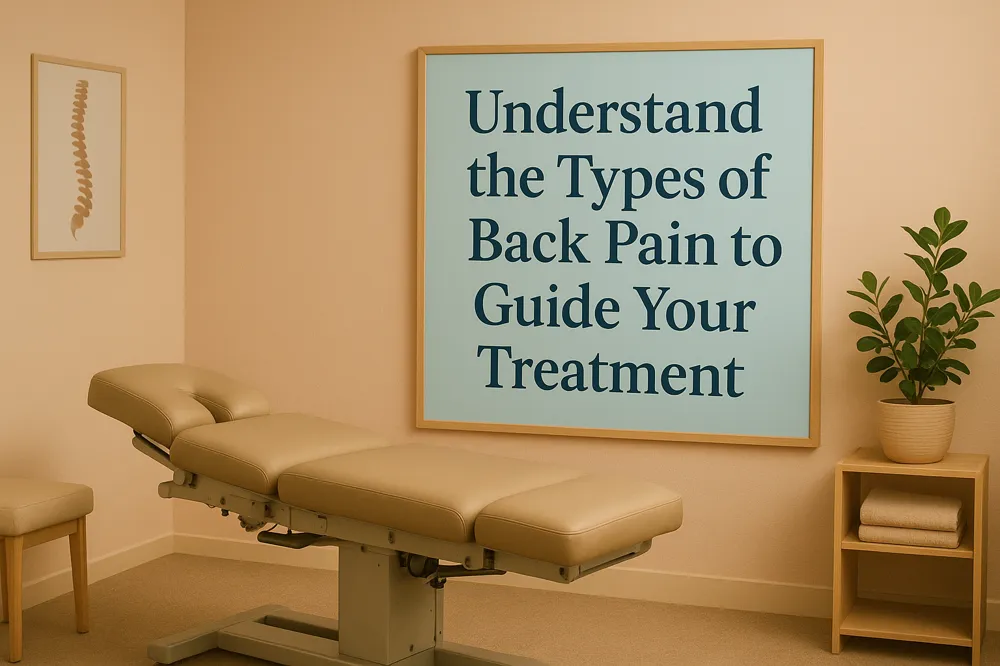
Back pain is primarily classified by how long it lasts and its underlying cause. Acute back pain usually lasts less than a few weeks and commonly results from sudden injuries such as muscle strains or ligament sprains. Chronic back pain, on the other hand, lasts 12 weeks or longer and can be caused by degenerative conditions, chronic inflammation, or ongoing mechanical problems.
Specific examples of acute and chronic back pain
Acute pain often arises after activities like heavy lifting or rapid movements, affecting muscles or ligaments. Chronic back pain may result from degenerative disc disease, herniated or bulging disks, spinal stenosis, arthritis, or nerve compression like sciatica, which causes pain radiating down the legs.
Serious underlying causes necessitating urgent care
Some less common but critical causes of back pain include infections, tumors, or neurological issues affecting the spinal cord or nerves. These conditions require immediate evaluation and intervention. Other warning signs include bowel or bladder dysfunction, limb weakness, or gait problems, highlighting the need for prompt medical attention.
Understanding these various types of back pain helps guide appropriate treatment strategies and emphasizes the importance of Identifying the root cause of pain.
Why Addressing the Root Cause Is More Effective Than Symptom Relief

Shortcomings of Symptom-Only Treatments
Many conventional back pain treatments focus solely on alleviating symptoms, such as using painkillers or corticosteroid injections. While these can provide temporary relief, they do not fix the underlying issues like spinal misalignments or muscle imbalances. This often leads to recurring pain and increased dependency on medications, some of which carry significant risks like addiction or side effects.
Long-Term Benefits of Root Cause Correction
Addressing the root cause of back pain—whether through structural correction, physical therapy, or chiropractic care—offers lasting benefits. Correcting spinal misalignments restores normal function and reduces nerve pressure, which prevents degenerative spinal changes and chronic disability. This approach leads to sustained pain relief, improved mobility, and an enhanced quality of life.
Role of Structural Correction in Reducing Inflammation and Enhancing Neuroplasticity
Structural dysfunctions in the spine trigger inflammation and spinal dysfunction mediated by cytokines such as TNF-α and IL-6. Proper chiropractic adjustments and rehabilitative exercises help reduce this inflammation. Furthermore, modern neuroscience of pain and neuroplasticity shows that correcting these issues promotes neuroplasticity—the brain’s ability to reorganize pain pathways—resulting in better pain modulation and management.
Chiropractic Care and Physical Therapy Outcomes
Chiropractic care effectively treats sciatica and back pain by addressing spinal subluxations in chiropractic care and nerve interference. Patients often experience reduced pain intensity and improved function, with less reliance on medications. Physical therapy complements this by strengthening core muscles and correcting posture, further stabilizing the spine. Together, these treatments provide a comprehensive approach that goes beyond symptom relief to promote healing and long-term wellness.
Exercise and Lifestyle Strategies for Managing and Preventing Back Pain

What are the recommended exercises and lifestyle tips to reduce and manage lower back pain?
To effectively manage and reduce lower back pain, specific exercises and lifestyle modifications play a significant role. Strengthening the core muscles supports the lower back, taking pressure off the spine. Daily stretching routines help maintain flexibility and prevent tight muscles, which can contribute to discomfort. Practicing good posture during sitting, standing, and daily activities minimizes undue stress on spinal discs. Regular walking is beneficial for weight control, thus reducing strain on the back. For more detailed information on low back pain management with exercise, consider exploring these comprehensive resources.
Beyond exercise, it's important to adopt healthy body mechanics, such as proper lifting techniques and ergonomic sitting positions. Using pillows or elevating knees during sleep can provide additional spinal support. Quitting smoking is also essential since smoking can impair circulation and delay healing, exacerbating back problems. Additional guidance on lifestyle modifications for back health can assist in making effective changes.
How should one approach exercising when experiencing lower back pain?
When dealing with lower back pain, exercising cautiously yet actively is vital. Staying mobile supports recovery as stronger muscles alleviate spinal pressure. However, exercise intensity should be adjusted; lighter weights and attention to proper form reduce risk of further injury.
Weight machines can be useful to maintain correct alignment during strength training. Aerobic activities like walking or swimming promote blood flow and healing without excessive strain. Prior consultation with a healthcare professional or physical therapist ensures the exercise plan is safe and suited to individual needs. Learn more about benefits of physical therapy for back pain relief to optimize your recovery.
Adopting these exercise and lifestyle strategies together supports spinal health, helps reduce pain, and prevents future episodes, encouraging long-term wellness. For a holistic perspective on lifestyle adjustments for pain relief and improving musculoskeletal function you may find this resource valuable.
Holistic and Complementary Methods for Long-Lasting Back Pain Relief

What are effective holistic methods for managing back pain?
Managing chronic back pain effectively often requires a blend of holistic approaches for back pain alongside conventional treatments. Mindfulness benefits for chronic pain, meditation for pain relief, and Yoga styles for back pain relief are powerful tools that assist with the psychological and emotional dimensions of pain. Practices such as yoga not only improve flexibility and strength but also help regulate stress, which can intensify pain perception.
Alternative therapies like Acupuncture for pain relief and Massage therapy benefits provide physical relief by reducing muscle tightness and improving circulation. Biofeedback therapy for managing back pain and electrical nerve stimulation offer patients greater control over pain through neuromuscular and neurological pathways, often leading to sustained symptom reduction.
How does nutrition contribute to back pain management?
Diet plays a vital role in mitigating inflammation, a common contributor to back pain. Emphasizing an Anti-Inflammatory Diet for Back Pain rich in fruits, vegetables, lean proteins, and healthy fats supports cellular health and recovery. Avoiding processed foods, refined sugars, and trans fats is equally important for reducing systemic inflammation and promoting spinal health.
How can these holistic methods be integrated with conventional care?
Integration of these approaches with traditional care such as Addressing root causes of back pain, Corrective chiropractic techniques, physical therapy, and medical monitoring leads to optimal patient outcomes. Physical therapy for chronic back pain focuses on core strengthening, stretching, and posture retraining to correct structural issues, while holistic methods address mental and lifestyle factors that influence chronic pain.
Collaboration with healthcare providers ensures personalized treatment plans that enhance natural healing, reduce reliance on medications, and lower the likelihood of surgery. This comprehensive strategy fosters Holistic Back Pain Management for individuals coping with back pain.
The Role of Advanced Medical Treatments in Chronic Back Pain Care

What new medical procedures are available for chronic back pain treatment?
Recent advances in medical treatments for chronic back pain have introduced several innovative procedures that improve patient outcomes while reducing dependency on medications. Basivertebral nerve ablation is a cutting-edge technique targeting vertebrogenic pain originating from damaged vertebral endplates, providing relief during activities like sitting and bending by using radiofrequency energy. Similarly, spinal cord stimulation for back pain, including high-frequency SCS (HF10™ Therapy) and burst spinal cord stimulation modalities, offers effective pain management for patients with refractory conditions such as Failed Back Surgery Syndrome and lumbar stenosis.
Minimally invasive lumbar decompression (MILD) and genicular nerve radiofrequency ablation (RFA) have expanded treatment options for degenerative and joint-related back pain by blocking specific nerve signals to decrease pain lasting several months to years.
The field is also witnessing the growing role of regenerative medicine, including stem cell injections for back pain and platelet-rich plasma therapies, aimed at healing damaged tissues. Meanwhile, advanced imaging techniques like PET and MRI for back pain management enable more precise diagnosis and targeted interventions.
Despite the promise of these innovative procedures, integrating them with conservative and holistic strategies such as physical therapy, chiropractic care, and mindful practices remains essential. This balanced, multidisciplinary approach enhances long-term pain relief, functional improvement, and overall wellness for individuals living with chronic back pain in the United States.
The Importance of Early, Root Cause-Focused Intervention
Early diagnosis and treatment are crucial in preventing acute back pain from becoming chronic. Addressing spinal misalignments and muscle imbalances early helps maintain proper function and flexibility, reducing the risk of degenerative changes and recurring discomfort.
Patient empowerment through education is a vital component of long-term wellness. Understanding the sources of pain encourages proactive management, lifestyle modifications, and reduced reliance on medications.
Holistic care integrates diverse therapies—such as chiropractic adjustments, physical therapy, mindfulness practices, and nutrition—to address physical, emotional, and psychological influences on pain.
At Back in Action Bodyworks, a patient-centered approach combines advanced diagnostics, chiropractic bio-physics, and tailored treatment plans. This integrated method fosters lasting relief, improved spinal health, and enhanced quality of life by focusing on the root causes rather than just symptoms.
Recent articles

10 Real‑Patient Success Stories Showcasing the Impact of Chiropractic Care

Superfoods That Boost Nerve Healing After Chiropractic Sessions

Sleep Positions That Promote a Healthy Back Alignment

Signs Your Chiropractor Is a Good Fit for Your Back Pain Goals

Case Study: Integrated Physiotherapy and Chiropractic for Faster Recovery

First-Time Chiropractic Visit: A Step‑by‑Step Walkthrough
Synergistic Benefits: Combining Physiotherapy with Chiropractic Care

Beyond Surgery: Holistic Approaches to Managing Back Pain

How Manual Therapy Enhances the Effects of Chiropractic Adjustments

Hydration Hacks: Why Water Matters for Joint and Spine Function

What Does a Comprehensive Spinal Evaluation Include?

Success Spotlight: Transformative Results After Six Weeks of Chiropractic Treatment

Understanding the Initial Assessment Process in Chiropractic Care

Designing a Personalized Corrective Exercise Plan for Chronic Pain Management

Natural Pain Management: Combining Acupuncture, Yoga, and Chiropractic

Chiropractic Care vs. Pain Meds: Long-Term Outcomes for Back Pain Sufferers

What to Expect During a Sciatica‑Focused Decompression Session

Understanding the Pain-Relief Mechanics Behind Chiropractic Adjustments

Success Rates of Non‑Surgical Spinal Decompression for Sciatica

Patient-Centered Chiropractic Care: Personalized Plans for Back Pain Relief
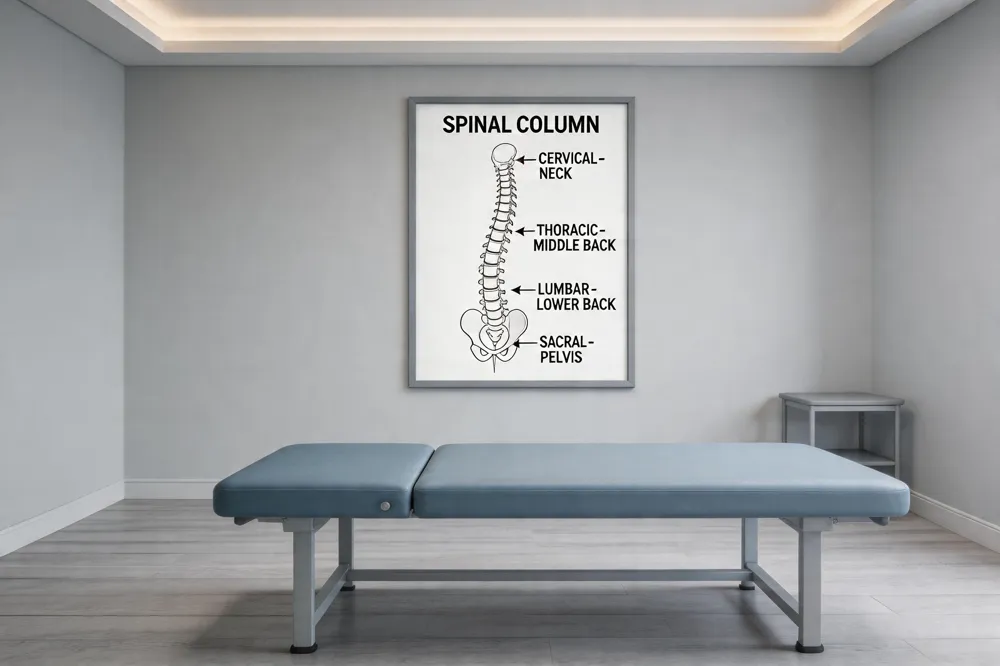
How Chiropractic Treatments Reduce Inflammation and Speed Up Back Pain Recovery

Real‑Life Stories: How Chiropractic Helped Patients Overcome Chronic Back Pain

From Symptom Masking to Root‑Cause Healing: A Practical Guide

6 Holistic Non‑Surgical Treatments That Deliver Sustainable Back‑Pain Relief

Key Questions to Ask When Selecting Your Chiropractor

Mindful Movement: Incorporating Stretch Breaks Into a Busy Day

Why Targeting the Underlying Cause Beats Temporary Symptom Relief

8 Ways Physiotherapy Complements Chiropractic Adjustments for Faster Recovery

Meal Planning for Athletes Recovering from Back Injuries

9 Everyday Lifestyle Tweaks to Preserve a Healthy Spine and Prevent Pain

Functional Movement Screening for Root‑Cause Pain Identification

6 Things You’ll Experience During Your First Chiropractic Appointment

Spinal Decompression vs. Standard Physical Therapy for Sciatica: A Comparative Review

New Findings on How Adjustments Influence Blood Circulation
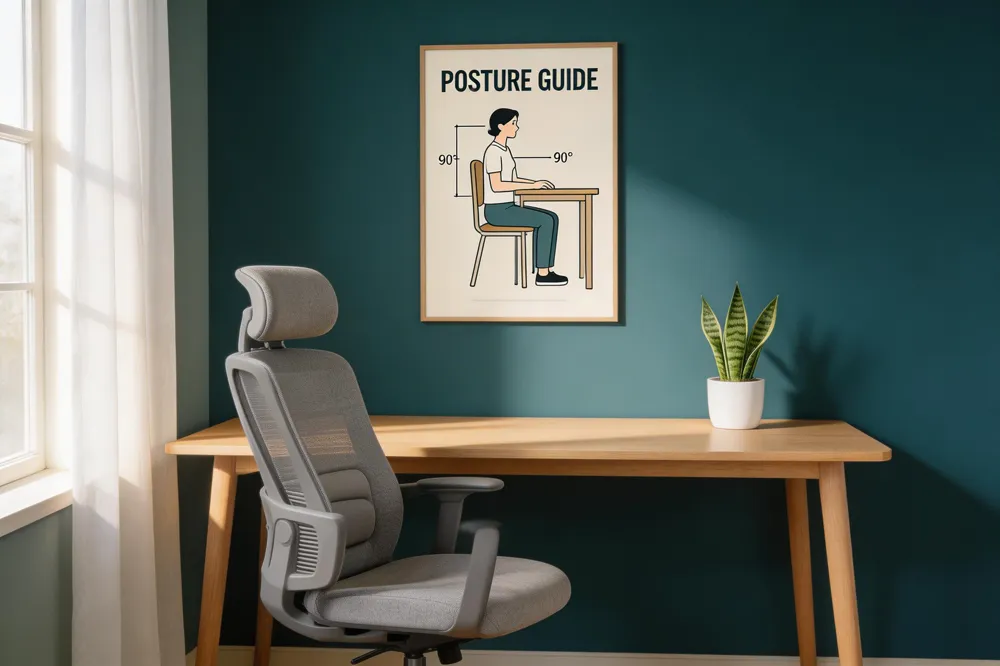
Work‑From‑Home Ergonomics: A Blueprint for a Pain‑Free Back

The Link Between Chiropractic Care and Improved Sleep Quality

Physiotherapy Techniques That Strengthen the Benefits of Chiropractic Adjustments

Biomechanical Insights Behind Successful Spinal Decompression

Desk‑to‑Dumbbell: Lifestyle Shifts That Guard Your Lower Back

10 Corrective Exercises for Sustainable Pain-Free Living

Morning Routines That Support Spine Health and Reduce Stiffness

Calcium and Magnesium‑Focused Nutrition for Bone Density and Spine Health

9 Ways Chiropractic Care Transforms Back Pain Management

Testimonial: Nutrition‑Guided Recovery Accelerated by Chiropractic
Science‑Backed Spinal Decompression for Relieving Sciatica Symptoms

Key Questions to Ask During Your Initial Chiropractic Consultation
Whole‑Body Wellness Blueprint: Nutrition, Exercise, and Chiropractic Synergy

A 12‑Week Corrective Exercise Blueprint for Chronic Neck Discomfort

Manual Therapy Plus Targeted Exercise: Accelerating Post‑Injury Recovery
Home‑Based Spinal Decompression Devices: What Patients Should Know

Chiropractic Care Statistics: Reducing Lost Workdays From Back Pain

How Targeted Nutrition Enhances Immune Function and Lowers Inflammatory Pain

Self‑Assessment Tools to Identify Hidden Triggers of Back Pain

Preparing for Your First Chiropractic Appointment: A Practical Checklist

Back Pain Relief Benefits: Lower Opioid Use and Better Quality of Life

Foam‑Rolling Techniques to Complement Chiropractic Adjustments

Progressive Overload Principles in Corrective Exercise Programs

Six‑Month Transformation: Integrated Care Success Story

7 Nutritional Hacks to Boost Your Overall Wellness

How to Choose a Chiropractor: Credentials, Techniques, and Patient Compatibility

5 Ways Spinal Decompression Can Ease Sciatica Pain

Overcoming Sciatica: A Patient’s Multidisciplinary Treatment Journey
Lifestyle Changes That Promote a Healthy Spine
Physiotherapy as a Complement to Chiropractic Treatments

6 Ways Physiotherapy Enhances Chiropractic Treatment Outcomes

Daily Living Tips for a Strong and Healthy Spine

How Physiotherapy Enhances Chiropractic Outcomes
Holistic Treatments: Alternatives to Surgery for Pain Relief
Inspiring Patient Success Stories from Chiropractic Clinics
Integrating Physiotherapy with Chiropractic Treatments
Corrective Exercise Routines for Chronic Pain Prevention
10 Corrective Exercises to Maintain a Healthy Spine and Relieve Pain
Exercise Strategies for Long-Term Pain Management
10 Corrective Exercises to Maintain a Healthy Spine and Relieve Pain
The Importance of Treating the Root Cause of Pain
Nutritional Support Strategies for Whole-Body Wellness
7 Essential Questions to Ask When Choosing Your Chiropractor
Identifying and Addressing Root Causes of Pain
Maintaining a Healthy Spine with Lifestyle Adjustments
Sciatica Symptom Relief via Spinal Decompression
8 Reasons Why Addressing the Root Cause of Pain Is Crucial
Chiropractic Care’s Impact on Back Pain Recovery

Combining Physiotherapy with Chiropractic Care for Better Results
Inspiring Recovery: Chiropractic Patient Testimonials
Nutritional Counseling Tips for Optimal Wellness

Why Addressing the Root Cause of Pain is Crucial
Back Pain and Chiropractic Care: A Winning Combination
Chiropractic Care Benefits You Might Not Know
Exploring Holistic and Non-Surgical Treatments for Pain
Spinal Health: Lifestyle Tips for Everyday Wellness
Spinal Decompression Therapy: Benefits and Applications
Holistic and Non-Invasive Spine Care Options
Everyday Lifestyle Advice to Keep Your Spine Healthy
The Significance of Treating Root Causes in Pain Therapy
Best Corrective Exercises for Sustainable Pain Management
Addressing Underlying Causes of Pain for Long-Term Relief
6 Key Benefits of Spinal Decompression Therapy for Sciatica Relief

How Nutritional Counseling Supports Spine Health and Recovery
The Role of Physiotherapy in Supporting Chiropractic Treatments