10 Corrective Exercises to Maintain a Healthy Spine and Relieve Pain
February 24, 2026
26 min
Introduction to Spine Health and Corrective Exercises
Importance of Maintaining Spine Health
The human spine is a complex structure composed of vertebrae, intervertebral discs, muscles, ligaments, and nerves that collectively support the body and allow for movement. Maintaining spine health is crucial for overall well-being, as a healthy spine facilitates mobility, balance, and stability. It also protects the spinal cord, a vital part of the nervous system, and supports body weight during various activities.
Role of Corrective Exercises in Spine Care
Corrective exercises focus on strengthening the muscles that support the spine, enhancing flexibility, improving posture, and promoting spinal stability. These exercises target the core musculature, including abdominal, back, and pelvic muscles, which work synergistically to stabilize the spine during dynamic movements. By integrating corrective exercises into a patient-centered treatment plan, chiropractic care promotes natural pain relief and reduces the risk of injury.
Overview of Common Back Pain Causes and Prevention
Back pain is prevalent among adults, often resulting from muscle imbalances, poor posture, weak core muscles, prolonged sitting, or spinal conditions such as herniated discs or spinal stenosis. Preventing back pain involves addressing these factors through safe and gradual strengthening, stretching, and maintaining spinal mobility. Education on ergonomic habits and movement patterns complements exercise routines to reduce strain on the spine.
Benefits of Exercises for Back Pain Relief and Posture Improvement
Properly prescribed exercises relieve back pain by improving muscle endurance, increasing flexibility, restoring range of motion, and correcting postural alignment. Stretching exercises alleviate muscle tension and reduce compressive forces on spinal structures, while strengthening exercises support spinal alignment and prevent future injury. Consistent practice contributes to holistic musculoskeletal wellness and empowers patients with self-management strategies for long-term spine health.
Key Facts on Exercises for Spine Health and Back Pain Relief
- The Bird-Dog exercise strengthens core, back, and pelvic muscles improving spinal alignment and preventing lower back pain.
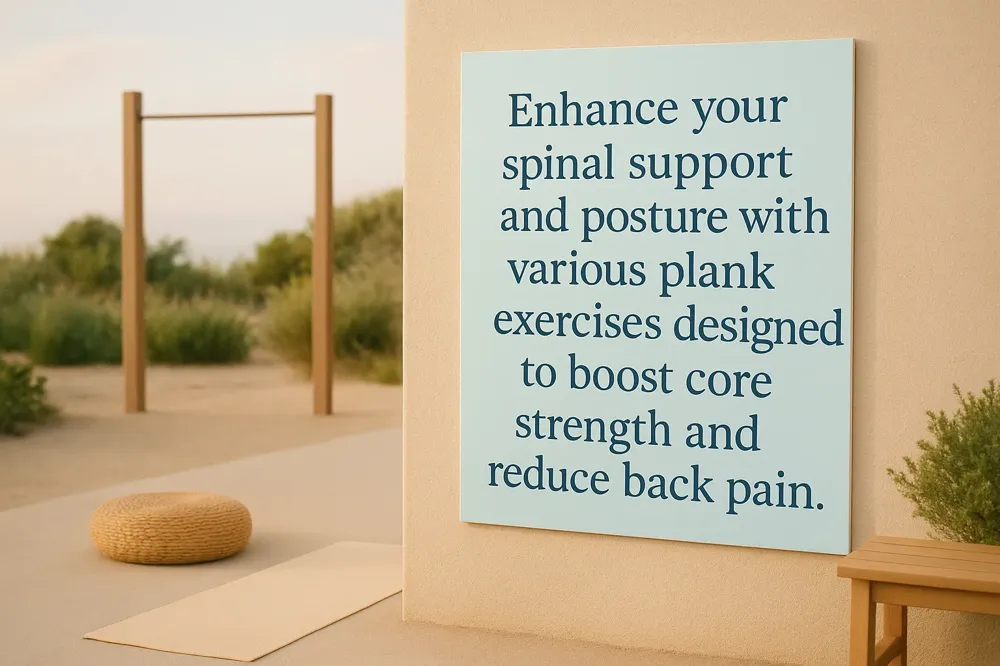
- Plank variations, including basic and side planks, enhance core strength and spinal support, improving posture and reducing back pain.
- The Cat-Cow stretch promotes spinal mobility and flexibility, loosening tight muscles and coordinating breath with movement for relaxation.
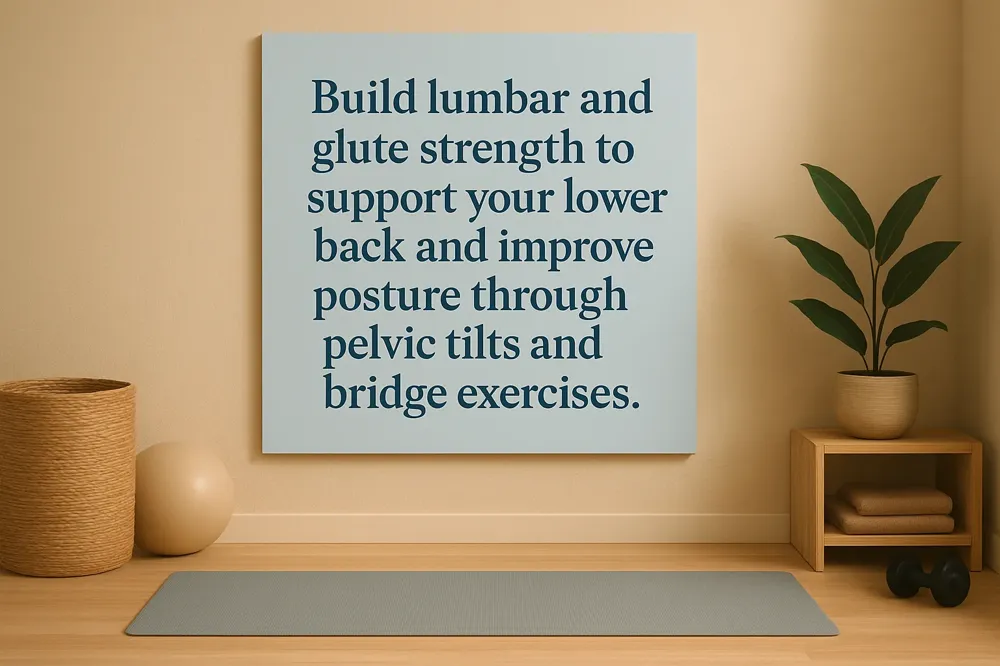
- Pelvic tilts and Bridge Pose build lumbar and glute strength, supporting the lower back and improving posture.
- Child’s Pose provides spinal elongation and relaxation, reducing vertebral pressure and supporting chiropractic care.
- Seated Forward Bend and hamstring stretches improve flexibility reducing lumbar tension and enhancing spinal mobility.
- Side planks target the obliques and quadratus lumborum to improve lateral spinal stability and prevent injuries.
- Wall Angels strengthen upper back muscles and improve shoulder mobility and posture, relieving neck and shoulder tension.
- Thoracic spine rotation increases mid-back mobility, redistributes spinal stress, and prevents lower back strain and stiffness.
- Curl-ups and partial crunches safely build core muscles with neutral spine maintenance to reduce back pain and improve posture.
1. Bird-Dog Exercise: Enhancing Core Stability and Spinal Support

How does the Bird-Dog exercise benefits strengthen core, back, and pelvic muscles?
The Bird-Dog exercise guide targets the abdominal muscles, lower back muscles, and pelvic stabilizers. By extending the opposite arm and leg while maintaining a steady neutral spine, it activates both the lumbar extensors and deep core muscles. This engagement supports spinal alignment and strengthens muscles crucial for preventing lower back pain.
What is the proper form and alignment during the Bird-Dog exercise?
Begin on all fours with hands aligned under shoulders and knees under hips. Slowly extend one arm forward and the opposite leg backward until they are parallel to the floor. Keep hips and shoulders square to the ground without twisting. Engage the core throughout to maintain spinal neutrality. Hold the position briefly, then return to starting posture and switch sides.
What are the benefits of Bird-Dog for spine stability and balance?
The Bird-Dog exercise guide improves spinal stability by enhancing neuromuscular control of core and back muscles. It promotes balanced activation between opposite sides of the body, improving coordination and posture. This balance strengthens the spine’s support system, reduces excessive strain on spinal structures, and lowers the risk of injury.
What are the recommended repetitions and how should the exercise progress?
Start with 8 to 12 repetitions on each side, holding each extension for about 10 seconds. Perform the exercise 2 to 3 times per week or daily as tolerated. Progress by increasing hold times, adding slow controlled limb lifts, or incorporating variations such as pausing longer or performing the move without support when ready.
Consistent practice of the Bird-Dog for Core Stability and Balance, integrated within a chiropractic and holistic care regimen, supports spinal health, enhances postural strength, and provides natural pain relief through improved muscular support and balance.
2. Plank Variations for Core and Back Strength
Why Is Core Strength Important for Spinal Support?
Core strength is fundamental to maintaining spinal stability and proper posture. The muscles in the abdomen and back work together to support the spine, distribute forces during movement, and reduce strain on spinal structures. A strong core helps prevent back pain by stabilizing the spine during daily activities and physical tasks such as lifting, bending, and twisting. For more information on Core muscle stretching and strengthening and Core stabilization benefits, consider these expert resources.
How to Perform Basic and Side Planks Correctly
Basic Plank: Begin by lying face down, then lift your body onto your forearms and toes. Ensure your elbows are positioned directly under your shoulders. Keep your body in a straight line from head to heels, engaging your core muscles without letting your hips sag or rise excessively. Maintain steady breathing throughout the hold, starting with 20 to 30 seconds and gradually increasing as strength improves. See detailed instructions in Plank exercise variations and the Spine Conditioning Program.
Side Plank: Lie on one side with your forearm on the ground and elbow below the shoulder. Support yourself by lifting your hips to form a straight line from head to feet, keeping your body aligned without leaning forward or backward. Hold this position for 20 to 30 seconds on each side. This variation targets the oblique muscles, which are important for lateral stability of the spine. For guidance on Side plank exercise steps and benefits of the Side Planks for spine stabilization, see these helpful resources.
Progressions: Leg Lifts and Plank Jacks
To enhance the effectiveness of plank exercises, incorporate progressions such as leg lifts—lifting one leg while maintaining plank form—and plank jacks, which involve jumping the feet out and in while holding a plank position. These variations increase the demand on the core muscles, improve coordination, and enhance endurance, ultimately providing greater spinal support. Explore more on Plank exercise for core strength and Variations of plank exercises.
Impact on Posture and Pain Reduction
Regular practice of plank variations improves posture by strengthening the muscles that support proper spinal alignment. This reduces excessive stress on the spine and surrounding tissues, which can alleviate chronic back pain. Strengthened core muscles facilitate better movement patterns and help prevent future injury, making plank exercises a critical component of a holistic chiropractic care plan focused on natural pain relief and spinal health. Additional insights are available in Exercises to Improve Posture and Relieve Lower Back Pain and Chiropractor-Recommended Exercises for Back Health.
3. Cat-Cow Stretch: Promoting Spinal Mobility and Flexibility

Mechanics of the Cat-Cow Movement
The Cat-Cow Stretch is a dynamic yoga-based exercise that involves alternating between two spinal positions: the "Cat" pose (arching the back upward) and the "Cow" pose (arching the back downward). This movement mobilizes the entire spine from the cervical through lumbar regions, encouraging segmental flexibility and coordination of spinal muscles.
Benefits for Loosening Tight Muscles and Improving Spinal Health
Regular practice of the Cat-Cow Stretch for spinal mobility helps loosen tight back muscles, especially those that stiffen due to prolonged sitting or poor posture. This stretch promotes spinal flexibility, reduces stiffness, and facilitates better vertebral mobility. By dynamically stretching muscles, ligaments, and surrounding connective tissues, it enhances blood flow, decreases muscular tension, and supports overall spinal health, aligning well with chiropractic goals of maintaining spinal function.
Step-by-Step Instructions
- Begin on your hands and knees with wrists under shoulders and knees under hips, maintaining a neutral spine.
- Inhale deeply, slowly arch your back by lifting your head and tailbone towards the ceiling while allowing your belly to sink towards the floor (Cow pose).
- Exhale fully, round your back by tucking your chin toward your chest and drawing your navel up toward the spine (Cat pose.
- Repeat this cycle for 5 to 10 rounds, moving fluidly and with control.
Integration with Breath Control
Coordinating the spinal movement with breath is essential: inhalations correspond with the extension (Cow), and exhalations with flexion (Cat. This breathing-movement synchronization enhances relaxation, engages deep core muscles, and facilitates mindful awareness of spinal movement.
Incorporating the Cat-Cow Stretch for Back Tension Relief into a regular exercise routine can help patients unlock spinal stiffness and elevate their musculoskeletal wellness as part of comprehensive chiropractic care.
4. Pelvic Tilts and Bridges: Building Lower Back and Glute Strength
How do pelvic tilts and Bridge Pose for lower back strength strengthen lumbar and gluteal muscles?
Pelvic tilts engage and strengthen the abdominal muscles supporting the lower spine by gently tilting the pelvis to flatten the lumbar region against the floor. This controlled movement activates the core muscles critical for lumbar stability.
The Bridge Pose for lower back strength primarily targets the gluteus maximus and lower back extensor muscles. By lifting the hips off the ground, this exercise strengthens these muscles, which play an essential role in supporting the lumbar spine and maintaining postural alignment.
How do these exercises support the lower spine and posture?
Strengthening the lumbar and gluteal muscles through pelvic tilts and Bridge Pose for lower back strength enhances spinal stability and encourages proper pelvic alignment. Improved muscle support reduces undue stress on spinal structures and promotes better posture, which is key to preventing and alleviating lower back pain.
What are the recommendations for exercise technique and frequency?
For pelvic tilts:
- Lie on the back with knees bent and feet flat.
- Slowly tilt the pelvis to press the lower back into the floor while engaging abdominal muscles.
- Perform 10-15 repetitions per set.
For the Bridge Pose for lower back strength:
- Start lying flat with knees bent and feet hip-width apart.
- Lift hips until shoulders, hips, and knees form a straight line.
- Squeeze glutes and engage the core.
- Hold briefly, then lower hips back down.
- Aim for 10-15 repetitions per set.
A frequency of two to three sets, performed two to three times weekly, helps build strength sustainably while supporting recovery and pain relief.
What role do pelvic tilts and Bridge Pose for lower back strength play in reducing lower back pain?
By reinforcing the lumbar support muscles and improving postural stability, these exercises alleviate mechanical strain on the lower back. Their targeted strengthening helps reduce pain episodes, enhance functional mobility, and prevent recurrence, aligning with holistic chiropractic care focusing on natural pain relief and musculoskeletal wellness.
5. Child’s Pose: Stretching and Relaxing the Spine
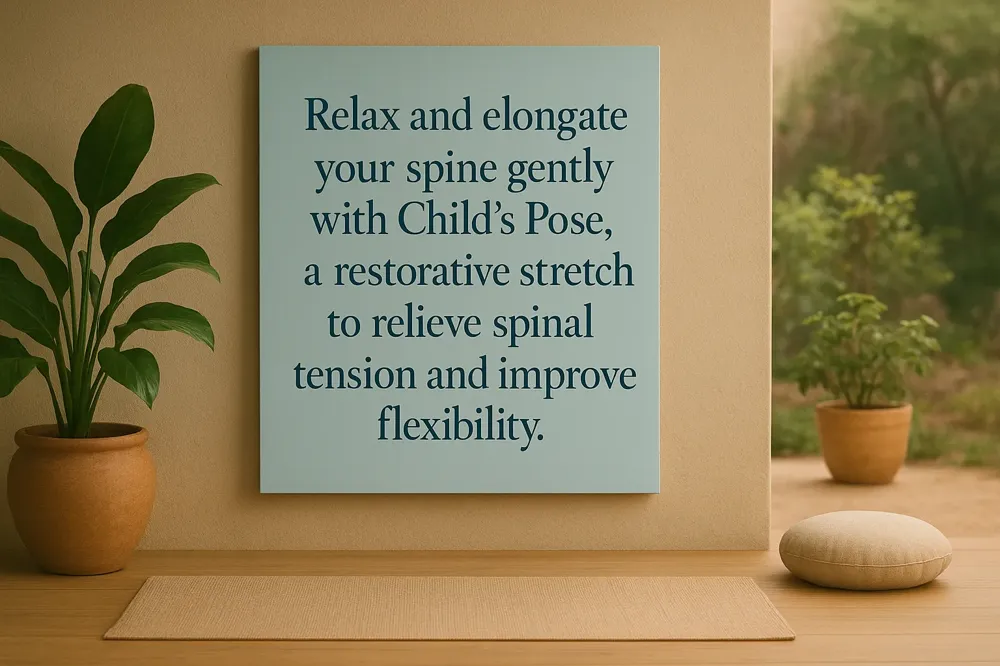
What are the relaxation and spine elongation benefits of Child’s Pose for Spine Lengthening?
Child’s Pose is a gentle yoga stretch that effectively elongates the spine, helping to relieve tension and pressure throughout the back. This position supports relaxation by allowing the muscles along the spine and hips to gently stretch and decompress, promoting reduced stiffness and increased flexibility.
How does Child’s Pose for Spine Lengthening reduce vertebral pressure and tension?
By lowering the hips back toward the heels and extending the arms forward while resting the forehead on the floor, Child’s Pose decompresses the vertebrae. This action relieves pressure on spinal discs and muscles, easing discomfort caused by daily postural stress or minor muscular tightness.
What is the technique for safe and effective practice?
To perform Child’s Pose safely:
- Start on your hands and knees in a tabletop position.
- Slowly lower your hips toward your heels.
- Extend your arms forward and rest your forehead on the ground.
- Keep your spine gently stretched without forcing the position.
- Hold the pose comfortably for 30 seconds to 1 minute, breathing deeply to enhance relaxation.
It is important to avoid any sharp pain and to modify the stretch if necessary, such as placing a cushion between the hips and heels for added support.
How does Child’s Pose complement chiropractic care?
Child’s Pose serves as an excellent complementary exercise to chiropractic treatment by promoting spinal flexibility and relaxation between adjustments. It encourages the restoration of natural spinal curves and muscle balance, thereby supporting long-term spinal health and reducing the recurrence of back discomfort through safe, patient-centered movement.
6. Seated Forward Bend and Hamstring Stretches for Flexibility
Why Are Hamstring and Spinal Flexibility Important?
Maintaining flexibility in the hamstrings and spine is essential for a healthy back. Tight hamstrings can restrict pelvic movement, causing additional strain on the lower back and contributing to discomfort or pain. Similarly, spinal flexibility supports mobility and reduces the risk of injury while improving posture.
How to Perform the Seated Forward Bend Correctly
The Seated Forward Bend stretch should be done with proper form to avoid rounding the back, which can exacerbate spine problems. Sit with legs extended straight in front, keep the spine upright, and hinge at the hips to lean forward toward the toes. This ensures spinal alignment and targets the hamstrings effectively.
How These Stretches Alleviate Lower Back Tension
By improving hamstring flexibility, these stretches reduce the pull on the pelvis and lumbar spine, thereby alleviating lumbar tension. The forward bend stretches the spine and hamstrings simultaneously, increasing blood flow and easing muscle tightness.
Recommended Duration and Frequency
Hold the Seated Forward Bend stretch for 20-30 seconds per repetition, ensuring no pain is felt. Repeat 2-3 times daily to enhance flexibility gradually. Consistency helps maintain mobility and supports overall spinal health, complementing chiropractic care and holistic treatment approaches.
7. Side Planks: Strengthening Obliques and Improving Spinal Stability
Target Muscles Including Obliques and Quadratus Lumborum
The side plank exercise steps primarily activates the oblique muscles and the quadratus lumborum, which are crucial for lateral spinal stability and core strength. These muscles support the spine in maintaining balance and resisting side-bending forces.
Benefits for Posture and Injury Prevention
By engaging these lateral core muscles, side planks for spine stabilization enhance posture by stabilizing the spine and pelvis. Improved stabilization reduces the risk of back injuries and supports a neutral spinal alignment, which is essential for daily activities and athletic performance.
Maintaining Proper Alignment and Breathing
Proper form involves supporting the body on one forearm with hips lifted to form a straight line from head to feet. It is important to keep the shoulders stacked and avoid twisting the hips. Controlled, steady breathing helps maintain core engagement and prevents unnecessary tension.
Training Frequency and Hold Durations
For optimal benefits, side plank to strengthen core and spine stabilizers should be performed 3 to 4 times per week. Hold the position for 20 to 30 seconds on each side, gradually increasing duration as core endurance improves. Regular practice supports improved spinal stability and reduces back pain risk over time.
8. Wall Angels: Posture Improvement and Upper Back Strengthening
How do Wall Angels for posture improvement improve shoulder mobility and spinal alignment?
Wall Angels strengthen the muscles in the upper back and shoulders while promoting proper spinal alignment. By sliding the arms up and down against a wall while keeping the back, hips, and head in contact with the wall, this exercise encourages good posture. It opens the chest, counteracts rounded shoulders common in prolonged sitting, and enhances scapular mobility, helping maintain an erect spine.
What are the techniques to perform Wall Angels correctly?
Proper technique includes standing with the entire back against a wall, feet about six inches away. Keep the head, upper back, and hips touching the wall, and maintain a neutral spine. Move your arms slowly, bending elbows to 90 degrees with forearms and hands also touching the wall. Slide arms upward overhead and then back down, keeping contact with the wall throughout. Perform 8-12 repetitions with controlled movements to avoid compensatory motions.
What benefits do Wall Angels provide for desk workers and those with upper back tension?
Desk workers often develop poor posture due to prolonged sitting and forward head position. Wall Angels target postural muscles that weaken during sedentary activities. Strengthening these muscles reduces upper back tension and mitigates slumping. This exercise also improves shoulder mobility and muscle balance around the shoulder girdle, reducing the risk of chronic upper back pain.
How do Wall Angels affect neck and shoulder discomfort?
By strengthening the upper back and improving posture, Wall Angels relieve mechanical stress on the neck and shoulders. Improved scapular control reduces muscle fatigue and tension in the trapezius and surrounding muscles. This can decrease common complaints such as neck stiffness, shoulder tightness, and tension headaches, supporting a holistic approach to musculoskeletal wellness in chiropractic care.
9. Thoracic Spine Rotation: Enhancing Spinal Flexibility and Mobility
Why is thoracic mobility important for relieving lower back strain?
Thoracic spine mobility plays a critical role in maintaining overall spinal health by allowing adequate upper and mid-back rotation. Limited movement in this area can lead to compensations in the lower back, increasing strain and discomfort. Enhancing thoracic mobility helps distribute mechanical stress more evenly, reducing the risk of lower back pain and stiffness associated with prolonged sitting or poor posture. See more about the significance of Thoracic Spine Rotation for spinal mobility.
How is the thoracic spine rotation exercise performed, and what is the recommended repetition?
The thoracic spine rotation exercise is typically performed from a seated position. With an upright posture, gently rotate the torso to one side without moving the hips, using controlled breathing to deepen the stretch. This movement is repeated for 5 to 10 repetitions on each side, promoting gradual improvement in spinal flexibility. Detailed steps and benefits can be found in Thoracic Spine Rotation Stretch.
What role does thoracic spine rotation play in improving posture and preventing stiffness?
By increasing the rotation capacity of the thoracic spine, this exercise helps counteract the effects of sedentary lifestyles and prolonged desk work, which often lead to tightness and poor posture. Improved thoracic mobility supports a more upright, balanced posture and can alleviate muscular tension, thereby preventing stiffness and back pain. Learn more about Exercises to Improve Posture.
How does thoracic spine rotation fit into an overall spine conditioning program?
Thoracic spine rotation is an integral component of comprehensive spine conditioning, complementing core-strengthening and lumbar stability exercises. When combined with movements targeting the cervical and lumbar regions, it fosters full-range spinal mobility and stability, which are foundational to chiropractic care and holistic musculoskeletal health plans aimed at long-term back pain prevention and functional wellness. For an in-depth Spine Conditioning Program including thoracic spine rotation, see the comprehensive guide.
10. Curl-Ups and Partial Crunches: Building Core Muscles Safely
Engagement of Abdominal and Back Muscles
Curl-up exercise instructions and Partial Crunches for Core Strength are essential exercises for strengthening both the abdominal and back muscles that play a critical role in spine support. These movements activate the core strengthening exercises, including the transverse abdominis and rectus abdominis, while also engaging spinal stabilizers, which collectively help maintain spinal integrity.
Maintaining Neutral Spine to Avoid Injury
Proper technique in curl-ups and partial crunches is vital to avoid injury. The exercises should be performed with a maintained neutral spine—this means preserving the natural curve of the lower back without flattening or excessive arching. This approach reduces undue stress on the lumbar spine and prevents aggravation of existing back conditions.
Benefits for Pain Relief and Posture Support
Strengthening the core muscles through curl-ups and partial crunches contributes significantly to relieving lower back pain. By enhancing core stability, these exercises improve posture, reduce spinal load, and support the musculoskeletal structures involved in daily activities. Patients can experience increased comfort and functional mobility, making these exercises a staple in holistic chiropractic care and rehabilitation programs.
Exercise Variations and Progressive Load
Multiple variations can be employed to accommodate different fitness levels, from beginners to advanced practitioners. Starting with partial crunches, which involve lifting just the shoulders off the floor, allows gradual muscle engagement. Progressing to full curl-ups and adding holds or slow repetitions increases load safely. These modifications ensure a patient-centered approach, allowing gradual strengthening while minimizing risk.
In chiropractic and holistic rehabilitation settings, incorporating curl-ups and partial crunches supports an integrated treatment plan aimed at natural pain relief and long-term spinal health.
Best Exercise to Promote Overall Spine Health
What is the best exercise to promote overall spine health?
The best approach to maintaining a healthy spine involves combining regular aerobic activity with targeted Exercises to strengthen your spine. Aerobic exercises like brisk walking are particularly beneficial because they improve blood circulation, aid in spinal alignment, and strengthen supporting back muscles. This foundational activity enhances posture and helps reduce the risk of back pain.
In addition to aerobic movement, incorporating specific exercises that focus on spinal mobility and core muscle strength is crucial. Gentle yoga poses such as Cat-Cow Stretch and Child’s Pose are excellent for increasing spinal flexibility and releasing tension in the back. These yoga stretches also have a calming effect on the nervous system and contribute to overall musculoskeletal health.
Targeted strengthening exercises like pelvic bridges, leg extensions, trunk rotations, and the Bird-Dog exercise build and stabilize the core and back muscles that support the spine. The Plank and Side Plank exercises are also recommended to develop core endurance, which is vital for spinal stability and injury prevention.
Together, these movements, practiced consistently and combined with mindful posture habits—such as regularly changing sitting positions and taking breaks during prolonged sitting—form an effective routine. Such a holistic exercise regimen supports spinal health, reduces discomfort, and promotes long-term resilience of the back.
Immediate Relief for Lower Back Pain
Which exercises can provide immediate relief for lower back pain?
For prompt alleviation of lower back pain, engaging in gentle stretching exercises for lower back is highly effective. Among the most beneficial is the knee-to-chest stretch, where you lie on your back and slowly draw one or both knees toward the chest. Holding this position for about 30 seconds helps to relax and elongate tight lower back muscles.
Targeting the hamstring muscles is equally important. Tight hamstrings can increase strain on the lower back, so incorporating gentle hamstring stretches—such as seated forward bends performed with a straight spine—can relieve tension along the lumbar region.
While performing these stretches, it is crucial to avoid any movement that causes pain. Stretching should be slow and controlled to prevent aggravation of symptoms. Gradual and consistent movement through these exercises supports tissue healing, enhances spinal flexibility, and reduces the likelihood of stiffness, which commonly exacerbates back pain.
Integrating these stretches into a daily routine, with careful attention to comfort levels, promotes spinal health and offers natural, non-invasive relief complementary to exercises to prevent back pain.
General Tips to Maintain a Healthy Spine
What general tips can help maintain a healthy spine?
Maintaining a healthy spine involves adopting several lifestyle habits and mindful daily practices that emphasize holistic health and natural pain relief.
Regular Exercises to strengthen your spine plays a vital role in spine health. Activities that stretch and strengthen the back and core muscles, such as yoga, Pilates, and targeted chiropractic exercises like Cat-Cow Stretch and Bird-Dog Exercise, enhance spinal flexibility and stability. These support proper alignment and reduce injury risk.
Posture awareness is equally important. Maintaining good posture during sitting, standing, and lifting minimizes undue spinal stress. Ergonomic considerations at work and home—such as supportive chairs, desk height adjustments, and avoiding prolonged sitting—help prevent strain and promote spinal wellness.
Weight management contributes by reducing mechanical load on the spine and limiting systemic inflammation that can exacerbate pain. Smoking cessation is crucial as smoking impairs blood flow, hinder healing processes in spinal tissues, and increases degeneration risk.
Frequent movement throughout the day, including standing or gentle walking breaks, prevents stiffness caused by prolonged sedentary behavior. Integrating these practices into patient-centered treatment plans fosters long-term spinal health, complementing chiropractic care and natural pain relief strategies effectively.
Physiotherapy Exercises for Lower Back Pain Relief
What are effective physiotherapy exercises for relieving lower back pain?
Effective physiotherapy exercises for lower back pain focus on enhancing Cat-Cow Stretch for spinal mobility, strengthening core muscles, and promoting gentle stretching to reduce muscle tension.
Mobility and Core Strengthening Exercises
Exercises such as pelvic tilts exercise guide and bird-dog exercise guide are fundamental for activating and stabilizing the core while maintaining a neutral spine. Pelvic tilts involve lying on the back with knees bent, gently rocking the pelvis to press the lower back into the floor, which increases flexibility and strengthens abdominal muscles supporting the spine.
The Bird-Dog exercise, performed on hands and knees, involves extending one arm and the opposite leg while maintaining spinal alignment. This improves coordination, balance, and strengthens back extensors, reducing the risk of further injury.
Key Stretching Exercises: Knee-to-Chest and Bridging
Knee-to-Chest Stretch for Lower Back Relief relieve tension by gently bringing one or both knees toward the chest while lying down, improving hip and spinal flexibility. Bridge Pose for lower back strength strengthen the gluteal and lower back muscles by lifting hips from a supine position, promoting spinal stability.
Importance of Neutral Spine and Cautious Movement
Maintaining a neutral spine throughout exercises helps prevent undue pressure on discs and ligaments. Movements should be controlled, avoiding excessive forward bending, especially in cases of disc herniation or spinal stenosis. Gradual progression and listening to body signals are emphasized to avoid aggravating symptoms (Corrective exercises for back problems).
Exercise Frequency and Professional Supervision
Starting with small sets of 2-3 repetitions multiple times daily and gradually increasing volume supports tissue healing and mobility (Exercises to help with back pain. Professional guidance ensures exercises are tailored to individual conditions, preventing worsening of pain and achieving effective recovery. Consulting a healthcare provider is advised if pain persists beyond six weeks or symptoms worsen (When to see a healthcare professional.
Incorporating these exercises as part of a holistic chiropractic care plan supports natural pain relief, functional recovery, and long-term spine health, aligning with patient-centered and integrative musculoskeletal treatment approaches (Chiropractor-Recommended Exercises for Back Health).
Mayo Clinic-Recommended Exercises for Back Pain
What are some effective exercises recommended by the Mayo Clinic to alleviate back pain?
The Mayo Clinic advocates a variety of Exercises for back pain relief designed to alleviate back pain by enhancing flexibility, strengthening supportive muscles, and improving posture.
Knee-to-Chest Stretch and Lower Back Rotational Stretches are recommended to loosen tight muscles in the lower back and increase spinal flexibility. For the knee-to-chest stretch, lying on your back and gently pulling one or both knees toward your chest helps relieve tension. Lower back rotational stretches involve gently rolling the knees from side to side while lying down, enhancing mobility.
Cat-Cow Stretch for Back Tension Relief is another beneficial move that alternates between arching and rounding the back. This motion promotes spinal flexibility and helps ease tension in the back muscles.
Bridge Exercise for Spinal Stability involve lifting the hips from a supine position, engaging the core and gluteal muscles. This strengthens the lower back and core, essential for spinal stability and pain reduction.
Shoulder Blade Squeezes help improve posture by strengthening upper back muscles and relieving shoulder tension. This is especially valuable for individuals who sit for prolonged periods.
Consistency and proper technique are crucial to these exercises’ effectiveness. Performing them regularly and with mindful form supports gradual reduction of back pain and fosters long-term spinal health. Integrating these movements into a daily wellness routine aligns with Holistic Spine Health and Back Pain Prevention approaches favored in chiropractic practice.
Home Remedies for Quick Back Pain Relief
What home remedies can help relieve back pain quickly?
To relieve back pain promptly at home, a combination of ice and heat therapy is highly effective. Start by applying an ice pack wrapped in a thin towel for 48 to 72 hours after the onset of pain. This reduces inflammation and numbs the sore area. Following this initial phase, switch to heat therapy using a heating pad or warm compress to relax tight muscles and promote blood circulation.
Maintaining gentle movement is crucial. While rest is important, prolonged bed rest can cause stiffness and weaken back muscles. Light activities and avoiding poor posture help prevent further discomfort. Over-the-counter pain medications such as ibuprofen or acetaminophen can offer temporary relief, but should be used judiciously and in consultation with a healthcare provider.
Incorporating gentle stretching exercises like the Knee-to-Chest Stretch for Lower Back Relief or the Cat-Cow Stretch for spinal mobility helps improve spinal flexibility and reduce muscle tension. These stretches also support proper posture by strengthening core and back muscles. Additionally, ergonomic adjustments in daily tasks — including proper lifting techniques, setting up workstations with spinal alignment in mind, and taking frequent breaks from prolonged sitting — can prevent exacerbation of back pain and support recovery.
Together, these holistic approaches align well with chiropractic care principles, emphasizing natural pain relief and fostering long-term spinal health through patient-centered, integrative methods.
Strengthening the L4 and L5 Vertebrae Area
How can I strengthen the L4 and L5 vertebrae area to alleviate pain?
Strengthening the L4 and L5 region of the lumbar spine is crucial for alleviating pain and improving spinal stability. Focus on core exercises that engage the muscles surrounding the lower lumbar spine, including the deep abdominal muscles, back extensors, and hip stabilizers.
[Pelvic tilts exercise guide] are an effective starting point. While lying on your back with knees bent, gently tilt your pelvis to press your lower back into the floor, engaging your abdominal muscles. This movement activates the core without stressing the spine.
[Bridge exercise for lower back muscles], strengthen the gluteus maximus and lower back muscles. Lie on your back with knees bent and feet flat on the floor. Raise your hips to form a straight line from your shoulders to your knees while squeezing the glutes, then lower slowly. This supports lumbar stability and posture.
The [Bird-Dog exercise benefits] enhances balance and coordination while strengthening lower back and abdominal muscles. Begin on hands and knees, extend one arm forward and the opposite leg back, keeping the spine neutral. Hold briefly and return, alternating sides.
Activating the transversus abdominis, the deepest abdominal muscle, is key for spinal support. Practice by gently drawing your belly button toward your spine without moving your pelvis or rib cage, holding the contraction to reinforce core stability.
Maintaining good posture throughout daily activities and incorporating low-impact exercises such as walking can also aid recovery by reducing lumbar stress and promoting circulation.
For personalized exercise routines and safety guidance, collaborating with a chiropractic professional ensures that your program is tailored to your specific needs and supports holistic spine health.
Timeframe to Strengthen the Spine Through Exercise
How long does it typically take to strengthen the spine through exercise?
Strengthening the spine through targeted exercise typically requires about 4 to 6 weeks of consistent practice to see noticeable improvements in stability and strength. This timeframe can vary depending on the individual's health status, the specific Spine Conditioning Program followed, and adherence to recommended exercises.
A structured Spine Conditioning Program routine focuses on strengthening key muscle groups that support spinal health and alignment. These include the back extensors (erector spinae), abdominals, gluteus maximus and medius, as well as smaller stabilizing muscles like the quadratus lumborum and external/internal oblique rotators. Combining strengthening exercises with regular stretching helps maintain spinal flexibility, reduces muscle soreness, and prevents injury.
Professional supervision, particularly following spine injury or surgery, plays a critical role in ensuring exercises are performed with proper form and appropriate intensity, reducing risk and enhancing recovery outcomes. Physical therapists and chiropractors often recommend a gradual pyramid sequence of exercises and emphasize the importance of a warm-up and cool-down as part of a comprehensive Spine Conditioning Program.
Even after completing an initial spine conditioning program, maintaining spine health requires ongoing exercise. Engaging in maintenance routines two to three times weekly helps preserve muscle strength and spinal flexibility, supporting long-term musculoskeletal wellness and preventing back pain recurrence.
This sustained commitment to exercise aligns with holistic chiropractic approaches that prioritize patient-centered care and natural pain relief through movement and strengthening as found in Exercises to prevent back pain.
Simple and Effective Spine Realignment and Strengthening Exercises
What are simple and effective exercises to realign and strengthen the spine?
Maintaining a healthy spine is essential for overall well-being and mobility. Effective spine alignment and strengthening can be achieved through key exercises such as knee-to-chest stretch, spinal twists, and pelvic tilts.
Knee-to-Chest Stretches: These stretches gently increase spinal and hip flexibility while relieving tension in the lower back. By pulling one or both knees toward the chest from a lying position, they promote relaxation and reduce stiffness.
Spinal Twists: Performing gentle twisting motions while seated or lying down enhance spinal mobility and improve posture by releasing tight muscles and increasing range of motion.
Pelvic Tilts: Tilting the pelvis backward while lying on your back with knees bent engages core muscles and strengthens lumbar support, contributing to better posture and decreased pain.
Additional exercises like the bridge pose, partial abdominal curls, cat-cow stretches, shoulder blade squeezes, and chin-to-chest stretches complement these movements by strengthening the core and upper back muscles, reducing spinal tension, and promoting alignment.
Why are these exercises important for posture improvement and pain relief?
Regularly performing these exercises helps relieve muscle tightness and correct postural imbalances caused by prolonged sitting or poor ergonomic habits. Strengthening the core and back muscles stabilizes the spine, which reduces the risk of injury and chronic back pain. Enhanced flexibility from spinal twists and knee-to-chest stretches enables smoother spinal movements and less strain.
How to integrate these exercises in a guided corrective routine?
For optimal outcomes, these exercises should be performed progressively and with attention to technique. A guided approach involves starting with lower repetitions and gentle movements, gradually increasing intensity while monitoring discomfort. This can be integrated with corrective exercise programs that include core stabilization and posture training to enhance spinal health comprehensively, such as the Spine Conditioning Program.
Consistent practice under professional guidance ensures safety and effectiveness, supporting holistic chiropractic care strategies that emphasize natural pain relief and patient-centered wellness.
Managing Spinal Stenosis at L4 and L5 with Exercise
Which exercises are recommended for managing spinal stenosis, particularly at the L4 and L5 levels?
Managing spinal stenosis, especially at the L4 and L5 vertebrae, greatly benefits from Lumbar flexion exercises and spinal mobility. Key recommended movements include pelvic tilt exercises, Knees-to-chest stretch, seated lumbar flexion exercises, cat-camel stretch, and standing lumbar flexion.
Pelvic tilts involve gently rocking the pelvis while lying down, which engages the abdominal and hip muscles to flex the lumbar spine and relieve nerve pressure. Knee-to-chest stretches flex the lower back, increasing space within the spinal canal, and help alleviate discomfort associated with stenosis.
Seated lumbar flexion and cat-camel stretches improve spinal flexibility by encouraging controlled, fluid movements in a safe position, reducing stiffness and enhancing spinal alignment. Standing lumbar flexion, performed cautiously, can mobilize the lumbar spine with minimal risk.
It is crucial to avoid high-impact or strenuous activities that could exacerbate symptoms or cause injury. Instead, gentle stretching combined with strengthening exercises to support the core and back muscles helps stabilize the spine and maintain flexibility.
Regular practice of these targeted exercises supports symptom relief, improves mobility, and contributes to holistic health management for individuals with lumbar spinal stenosis. Professional guidance ensures safety and maximizes benefits during rehab or daily care.
Conclusion: Achieving and Maintaining a Healthy Spine Through Corrective Exercises
Recap of spine-strengthening and stretching exercises
Key exercises for a healthy spine include the Bird-Dog, Plank, Cat-Cow Stretch, Child's Pose, Bridge Pose, and various forms of spinal rotation and hamstring stretches. These movements collectively enhance core stability, spinal flexibility, and posture, directly supporting musculoskeletal health.
Importance of consistency and proper technique
Consistent practice, ideally several times per week, is essential to build and maintain spine strength and flexibility. Proper form and gradual progression prevent injury and maximize benefits. Listening to one’s body and avoiding pain during exercises ensures safe improvement.
Encouragement for professional guidance
Seeking guidance from healthcare professionals such as chiropractors or physical therapists helps tailor exercise programs to individual needs. They provide instruction on technique, progression, and modifications, especially important for those recovering from injury or managing chronic conditions.
Overall benefits for pain relief and active lifestyle
Corrective exercises promote natural pain relief by reducing muscle imbalances and improving spinal stability. This enhances functional movement, reduces risk of injury, and supports an active, pain-free lifestyle, aligning with holistic and patient-centered chiropractic care principles.
Recent articles
10 Real‑Patient Success Stories Showcasing the Impact of Chiropractic Care
Superfoods That Boost Nerve Healing After Chiropractic Sessions

Sleep Positions That Promote a Healthy Back Alignment
Signs Your Chiropractor Is a Good Fit for Your Back Pain Goals
Case Study: Integrated Physiotherapy and Chiropractic for Faster Recovery
First-Time Chiropractic Visit: A Step‑by‑Step Walkthrough
Synergistic Benefits: Combining Physiotherapy with Chiropractic Care
Beyond Surgery: Holistic Approaches to Managing Back Pain
How Manual Therapy Enhances the Effects of Chiropractic Adjustments

Hydration Hacks: Why Water Matters for Joint and Spine Function
What Does a Comprehensive Spinal Evaluation Include?
Success Spotlight: Transformative Results After Six Weeks of Chiropractic Treatment
Understanding the Initial Assessment Process in Chiropractic Care
Designing a Personalized Corrective Exercise Plan for Chronic Pain Management

Natural Pain Management: Combining Acupuncture, Yoga, and Chiropractic
Chiropractic Care vs. Pain Meds: Long-Term Outcomes for Back Pain Sufferers

What to Expect During a Sciatica‑Focused Decompression Session
Understanding the Pain-Relief Mechanics Behind Chiropractic Adjustments

Success Rates of Non‑Surgical Spinal Decompression for Sciatica

Patient-Centered Chiropractic Care: Personalized Plans for Back Pain Relief
How Chiropractic Treatments Reduce Inflammation and Speed Up Back Pain Recovery
Real‑Life Stories: How Chiropractic Helped Patients Overcome Chronic Back Pain
From Symptom Masking to Root‑Cause Healing: A Practical Guide
6 Holistic Non‑Surgical Treatments That Deliver Sustainable Back‑Pain Relief
Key Questions to Ask When Selecting Your Chiropractor
Mindful Movement: Incorporating Stretch Breaks Into a Busy Day
Why Targeting the Underlying Cause Beats Temporary Symptom Relief
8 Ways Physiotherapy Complements Chiropractic Adjustments for Faster Recovery
Meal Planning for Athletes Recovering from Back Injuries
9 Everyday Lifestyle Tweaks to Preserve a Healthy Spine and Prevent Pain
Functional Movement Screening for Root‑Cause Pain Identification
6 Things You’ll Experience During Your First Chiropractic Appointment
Spinal Decompression vs. Standard Physical Therapy for Sciatica: A Comparative Review
New Findings on How Adjustments Influence Blood Circulation
Work‑From‑Home Ergonomics: A Blueprint for a Pain‑Free Back
The Link Between Chiropractic Care and Improved Sleep Quality
Physiotherapy Techniques That Strengthen the Benefits of Chiropractic Adjustments
Biomechanical Insights Behind Successful Spinal Decompression

Desk‑to‑Dumbbell: Lifestyle Shifts That Guard Your Lower Back
10 Corrective Exercises for Sustainable Pain-Free Living

Morning Routines That Support Spine Health and Reduce Stiffness
Calcium and Magnesium‑Focused Nutrition for Bone Density and Spine Health

9 Ways Chiropractic Care Transforms Back Pain Management
Testimonial: Nutrition‑Guided Recovery Accelerated by Chiropractic
Science‑Backed Spinal Decompression for Relieving Sciatica Symptoms
Key Questions to Ask During Your Initial Chiropractic Consultation
Whole‑Body Wellness Blueprint: Nutrition, Exercise, and Chiropractic Synergy
A 12‑Week Corrective Exercise Blueprint for Chronic Neck Discomfort
Manual Therapy Plus Targeted Exercise: Accelerating Post‑Injury Recovery
Home‑Based Spinal Decompression Devices: What Patients Should Know
Chiropractic Care Statistics: Reducing Lost Workdays From Back Pain
How Targeted Nutrition Enhances Immune Function and Lowers Inflammatory Pain
Self‑Assessment Tools to Identify Hidden Triggers of Back Pain
Preparing for Your First Chiropractic Appointment: A Practical Checklist
Back Pain Relief Benefits: Lower Opioid Use and Better Quality of Life
Foam‑Rolling Techniques to Complement Chiropractic Adjustments
Progressive Overload Principles in Corrective Exercise Programs
Six‑Month Transformation: Integrated Care Success Story
7 Nutritional Hacks to Boost Your Overall Wellness
How to Choose a Chiropractor: Credentials, Techniques, and Patient Compatibility
5 Ways Spinal Decompression Can Ease Sciatica Pain
Overcoming Sciatica: A Patient’s Multidisciplinary Treatment Journey
Lifestyle Changes That Promote a Healthy Spine
Physiotherapy as a Complement to Chiropractic Treatments
6 Ways Physiotherapy Enhances Chiropractic Treatment Outcomes
Daily Living Tips for a Strong and Healthy Spine
How Physiotherapy Enhances Chiropractic Outcomes
Holistic Treatments: Alternatives to Surgery for Pain Relief
Inspiring Patient Success Stories from Chiropractic Clinics

Integrating Physiotherapy with Chiropractic Treatments
Corrective Exercise Routines for Chronic Pain Prevention
10 Corrective Exercises to Maintain a Healthy Spine and Relieve Pain
Exercise Strategies for Long-Term Pain Management
10 Corrective Exercises to Maintain a Healthy Spine and Relieve Pain
The Importance of Treating the Root Cause of Pain
Nutritional Support Strategies for Whole-Body Wellness
7 Essential Questions to Ask When Choosing Your Chiropractor
Identifying and Addressing Root Causes of Pain
Maintaining a Healthy Spine with Lifestyle Adjustments
Sciatica Symptom Relief via Spinal Decompression
8 Reasons Why Addressing the Root Cause of Pain Is Crucial
Chiropractic Care’s Impact on Back Pain Recovery
Combining Physiotherapy with Chiropractic Care for Better Results
Inspiring Recovery: Chiropractic Patient Testimonials
Nutritional Counseling Tips for Optimal Wellness

Why Addressing the Root Cause of Pain is Crucial
Back Pain and Chiropractic Care: A Winning Combination
Chiropractic Care Benefits You Might Not Know
Exploring Holistic and Non-Surgical Treatments for Pain
Spinal Health: Lifestyle Tips for Everyday Wellness
Spinal Decompression Therapy: Benefits and Applications
Holistic and Non-Invasive Spine Care Options
Everyday Lifestyle Advice to Keep Your Spine Healthy
The Significance of Treating Root Causes in Pain Therapy
Best Corrective Exercises for Sustainable Pain Management
Addressing Underlying Causes of Pain for Long-Term Relief
6 Key Benefits of Spinal Decompression Therapy for Sciatica Relief
How Nutritional Counseling Supports Spine Health and Recovery
The Role of Physiotherapy in Supporting Chiropractic Treatments