Why Addressing the Root Cause of Pain is Crucial
February 8, 2026
12 min

Introduction: The Complexity of Pain and Its Impact
Understanding Pain: More Than Just a Symptom
Pain is a complex experience that acts as the body's essential warning signal, alerting us to potential harm or underlying health issues. It is not merely a symptom to be masked but a crucial communication tool requiring thorough understanding.
Pain's Broad Impact on Quality of Life
Beyond physical discomfort, pain can significantly affect mental and emotional well-being, leading to anxiety, depression, and social disruptions. Persistent pain often diminishes daily function, impacting personal and professional life.
The Challenge of Chronic Pain
Chronic pain, lasting three months or more, affects millions across the United States. It imposes a substantial burden on individuals and society, with prevalence rates showing that nearly one in five people suffer from moderate to severe chronic pain.
Importance of Addressing Pain Holistically
Recognizing pain's multifaceted nature is vital for effective management. A comprehensive approach considering physiological, psychological, and lifestyle factors is necessary to improve patient outcomes and quality of life.
Why Addressing Pain is Essential for Long-Term Health
Why is addressing pain important?
Pain serves as an essential signal that alerts us to dysfunction in the body, often resulting from complex interactions between the nervous system and peripheral tissues such as muscles, ligaments, and fasciae. Understanding this biological and psychosocial complexity is crucial for Effective Pain Management and prevention of long-term joint dysfunction and chronic discomfort.
Biological and psychosocial complexity of pain
Pain is not simply a physical sensation but a multifaceted experience influenced by Physiological, psychological, and environmental factors in pain. This complexity means each person's pain perception varies due to genetics, past experiences, and mental health, requiring Personalized Pain Management Approaches that consider these diverse influences.
Pain's role as an indicator of dysfunction
Pain acts as a Pain as a warning signal. When underlying issues such as poor posture, muscle imbalances, or inflammation are left unaddressed, pain can progress from an acute symptom to a chronic condition, leading to further degeneration and disability.
Preventing chronic pain and degeneration
Supportive pain management strategies focus on Early Intervention in Acute Pain Management to prevent the transition from acute to chronic pain. Correcting biomechanical imbalances through therapies like Chiropractic Adjustments and physical therapy encourages natural tissue repair and halts the degenerative cascade that often accompanies uncorrected spinal dysfunction.
Supporting natural healing and inflammation resolution
Effective pain treatment aims to assist the body's inherent healing processes, including reducing harmful inflammation and restoring musculoskeletal alignment. Lifestyle modifications for pain relief such as nutrition, stress management, and exercise all play a critical role in sustaining pain relief and overall health.
Importance of integrated holistic strategies
Chronic pain management benefits greatly from a Multidisciplinary Pain Management approach that combines advanced diagnostics with manual therapies and mind-body techniques. Holistic approaches to chronic pain leverage natural, drug-free methods to restore balance within the nervous and musculoskeletal systems while empowering patients through education and personalized care plans.
Addressing pain with this comprehensive and integrated perspective not only provides sustainable relief but also enhances quality of life by promoting long-term wellness and preventing future complications.
Holistic Approaches to Pain Management: Integrating Body and Mind

How can pain be managed holistically?
Holistic approaches to chronic pain involves a comprehensive approach that integrates lifestyle changes, physical activity, stress reduction, and complementary therapies to treat both the body and mind.
Lifestyle modifications for pain relief
Adopting healthy lifestyle habits plays a crucial role in reducing chronic pain. Improving sleep quality, maintaining good posture, and managing emotional stress help address underlying causes such as muscle imbalances and inflammation. See more on lifestyle modifications for pain relief.
Diet and nutrition
A balanced diet rich in anti-inflammatory foods like fruits, vegetables, omega-3 fatty acids, turmeric, and ginger supports healing while reducing inflammation. Supplements such as vitamins B, C, D, and aloe vera may offer additional relief. Learn about herbal supplements for inflammation and aloe vera for muscle and tendon pain.
Exercise and gentle movement practices like yoga and tai chi
Regular physical activities, including walking, swimming, yoga, and tai chi, improve flexibility, strengthen muscles, and stimulate natural pain relief pathways. These gentle exercises enhance mobility and reduce stiffness without aggravating pain. Explore exercise and chronic pain management and yoga and tai chi for chronic pain.
Stress reduction and mindfulness techniques
Mindfulness, meditation, deep breathing, and relaxation exercises lower muscle tension and pain perception by calming the nervous system. Such mind-body techniques also improve mental well-being and help break the pain cycle. Read more on mindfulness and meditation for pain and breathing exercises for pain.
Complementary therapies such as acupuncture and massage
Acupuncture stimulates nerves and muscles to promote healing and energy balance, while massage reduces muscle tension and stress hormones. Both therapies complement other treatments and provide non-invasive, drug-free pain relief. Find details on acupuncture for pain relief and massage therapy styles.
Reducing medication reliance through holistic care
By focusing on underlying causes and incorporating multiple therapeutic strategies, holistic care can minimize dependence on pain medications, reduce side effects, and foster sustainable long-term relief. See the benefits of holistic approaches for sustainable pain management.
Integrating these approaches into a personalized treatment plan gives patients in the United States and beyond the tools to manage their pain effectively while enhancing overall quality of life. For more on personalized pain management approaches, visit the link.
The Science of Root Cause Pain: Inflammation and Biomechanics
What is the root cause of pain?
Pain originates primarily from inflammation and the body's inflammatory response. This involves chemical messengers such as cytokines, neuropeptides, and growth factors activating pain receptors and transmitting signals that result in pain perception. Persistent inflammation can alter the nervous system's wiring through neuroplasticity, leading to central sensitization where the brain amplifies pain signals even without ongoing tissue damage. These processes make pain chronic and harder to treat. Identifying the root cause of pain
How do biomechanics like posture and muscle imbalances contribute?
Biomechanical factors, including poor posture, muscle imbalances, and spinal misalignments, cause mechanical stress on tissues and nerves. This stress can trigger inflammation and exacerbate pain signals. Over time, these physical dysfunctions can lead to degenerative changes and loss of normal spinal curves, worsening pain and disability. Root Cause of Pain | Addressing root causes of spinal issues
What role does chiropractic care play?
Chiropractic care is essential in correcting structural abnormalities impacting the spine and musculoskeletal system. Through spinal adjustments, joint mobilizations, and soft tissue therapies, chiropractors restore proper alignment and improve nervous system communication. This realignment reduces mechanical stress and inflammation, promoting the body's natural healing abilities and decreasing pain persistence. Chiropractic adjustments | Chiropractic care benefits | Understanding Chiropractic Care | Chiropractic techniques for pain management | Root cause chiropractic care
Why is root cause analysis important?
Root cause analysis (RCA) in pain diagnosis is vital for accurately identifying the underlying reasons for pain instead of merely addressing symptoms. By comprehensive patient history, physical examination, and diagnostic testing, practitioners can pinpoint inflammatory and biomechanical contributors. Determining the Root Cause of Pain | Importance of identifying root cause of pain Personalized treatment plans based on RCA improve long-term outcomes by targeting inflammation, correcting biomechanics, and integrating lifestyle modifications.
How does personalized treatment benefit patients?
With detailed understanding of each patient’s unique pain profile, treatments can include anti-inflammatory strategies, chiropractic interventions, nutrition changes, and rehabilitative exercises. This individualized approach prevents short-term fixes and reduces dependency on medications, leading to sustainable pain relief and improved functional health. Personalized approaches to pain perception | Customized treatment plans for pain relief | Personalized Pain Management Approaches
| Aspect | Description | Impact on Pain Management |
|---|---|---|
| Inflammatory mechanisms | Cytokines, neuropeptides trigger pain receptors | Central to initiating and perpetuating pain |
| Neuroplasticity & sensitization | Nervous system changes increase pain sensitivity | Makes chronic pain persistent and harder to relieve |
| Biomechanical factors | Poor posture, muscle imbalance cause tissue stress | Mechanical stress drives inflammation and pain |
| Chiropractic care | Adjustments realign spine and improve nerve function | Reduces inflammation and mechanical contributors |
| Root cause analysis | Systematic identification of underlying causes | Enables targeted, effective, and personalized care |
This scientific approach underscores that lasting pain relief arises from addressing inflammation and biomechanical dysfunction through comprehensive, patient-centered care. Holistic approach to pain management | Holistic approaches to chronic pain | Comprehensive pain treatment
Chiropractic Care: A Targeted Method to Address Pain at Its Source
What are the main types of chiropractic adjustment methods?
Chiropractic adjustment methods encompass various techniques designed to tailor care to each patient's condition. These include:
- Diversified Technique: Uses high-velocity, low-amplitude thrusts to realign spinal segments.
- Spinal Manipulation: A range of manual methods aimed at restoring joint movement and alleviating nerve pressure, often helpful for back pain and sciatica.
- Thompson Drop-Table and Gonstead Adjustment: Utilize specialized tables and precise adjustments for targeted spinal realignment.
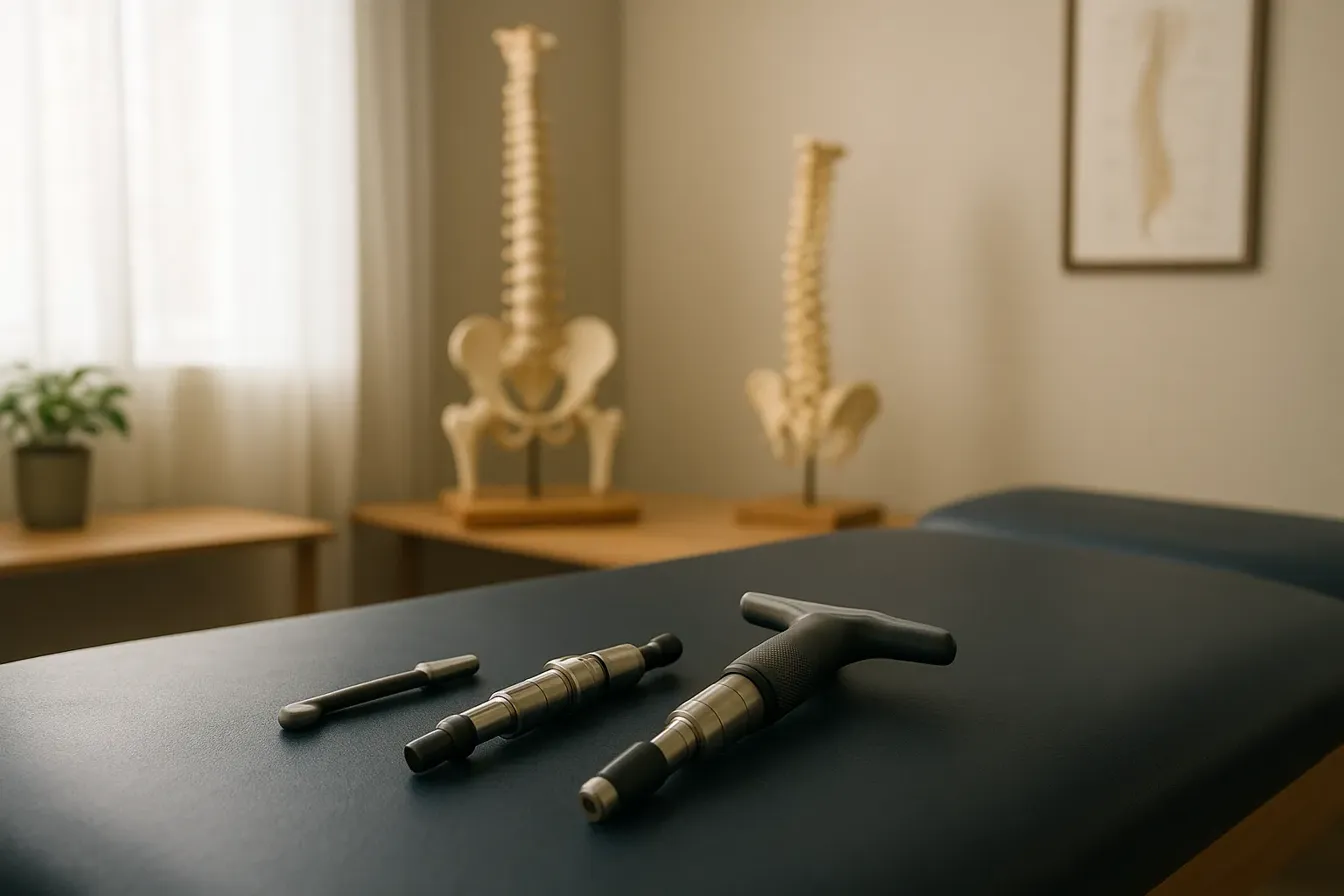
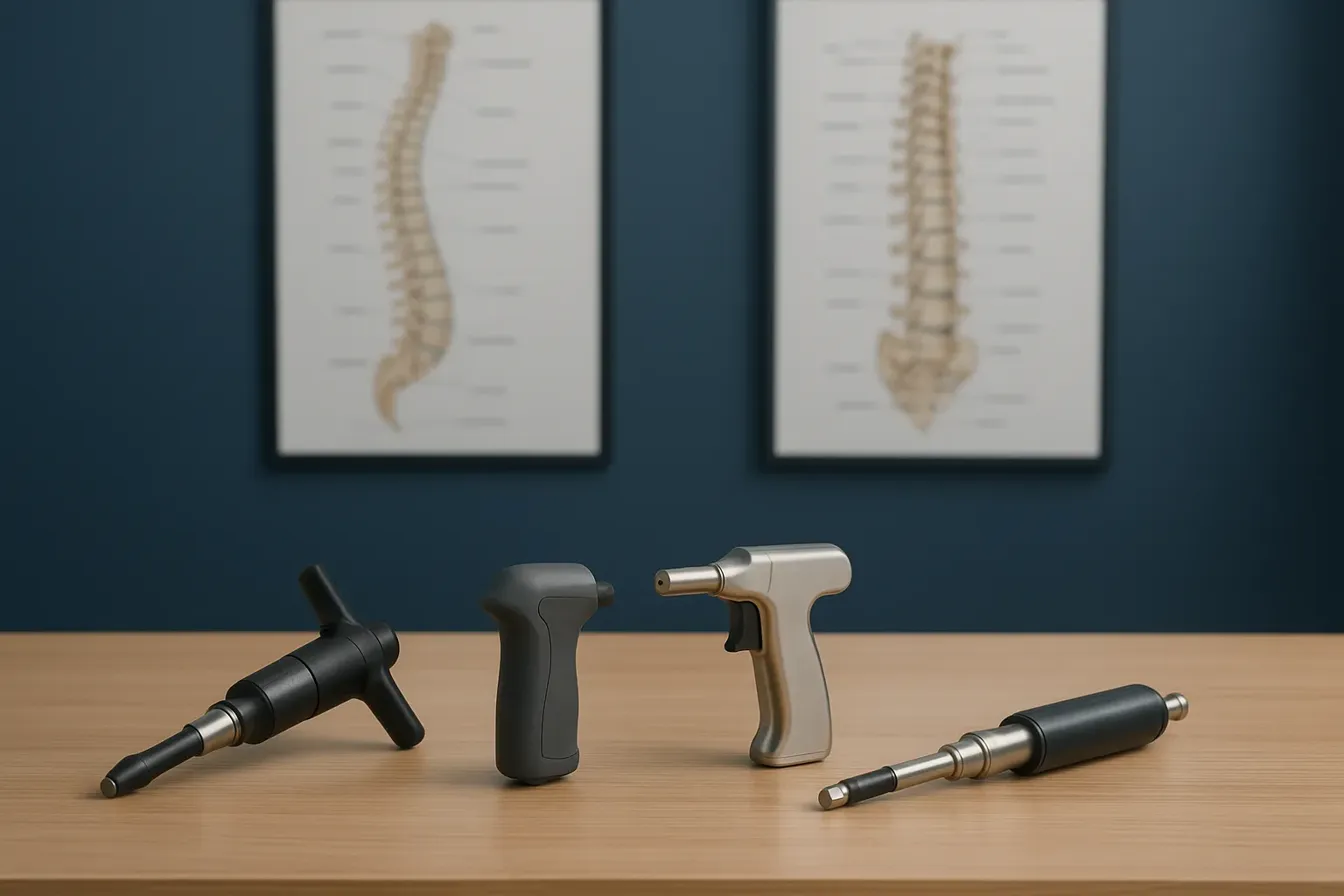
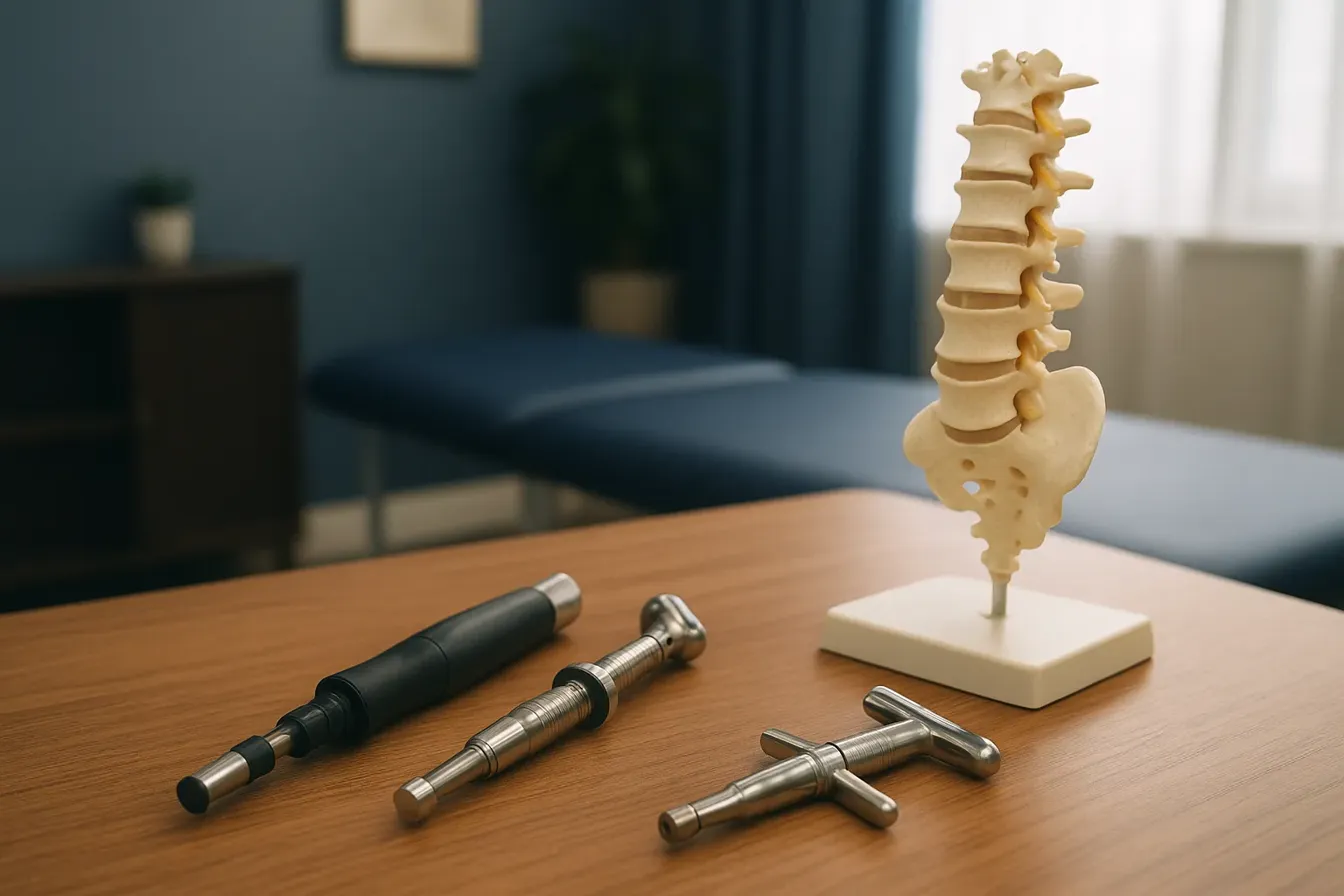
- Activator Method: Employs a small handheld instrument to apply gentle, controlled pressure.
- Flexion Distraction and Spinal Decompression: Focus on reducing herniated discs and nerve impingements, often paired with exercises for enhanced outcomes.
Together, these methods furnish personalized, non-invasive approaches to improve musculoskeletal health and manage pain effectively. For more details, see Chiropractic techniques for pain management.
What is the Advanced Biostructural Correction (ABC) method in chiropractic care?
Advanced Biostructural Correction™ (ABC) offers a precise, selective joint adjustment approach that emphasizes correcting specific biomechanical misalignments. Unlike traditional techniques, ABC restores proper joint function and posture, enabling the body to self-heal and enhancing nervous system communication. This method targets root causes of pain, aiming for sustainable relief and improved mobility. Developed with a strong biomechanical foundation, practitioners like Dr. Elizabeth Sczerzenie in Norwood, Massachusetts employ ABC to promote holistic musculoskeletal wellness. Learn more at Addressing root causes of spinal issues.
What are some common side effects and risks associated with chiropractic adjustments?
While chiropractic care is generally safe when delivered by licensed professionals, some side effects may occur. Commonly, patients experience mild soreness, stiffness, or discomfort lasting a day or two post-treatment. Occasionally, headaches, dizziness, or fatigue may be reported. Serious complications such as herniated disks or nerve issues are rare but possible, particularly if performed by untrained practitioners. Ensuring care from qualified chiropractors is crucial to minimizing risks and customizing treatment safely. For comprehensive information, visit Chiropractic adjustments.
What are the benefits and limitations of chiropractic care?
Chiropractic care can provide significant benefits, including:
- Effective pain relief for back, neck, and joint discomfort.
- Improved posture and spinal alignment.
- Reduction in headaches and migraines.
- Enhanced range of motion and physical function.
- A drug-free, non-invasive alternative that supports long-term wellness.
Limitations include transient soreness following adjustments and the rare possibility of serious adverse effects. Moreover, scientific evidence regarding its superiority over other treatments, such as physiotherapy or medication for certain conditions like low back pain, is not conclusive. Thus, while valuable, chiropractic care should be integrated thoughtfully within a comprehensive, patient-centered pain management plan. For more on the effectiveness and evidence, consult Chiropractic care statistics in the US.
How does chiropractic care integrate with holistic pain management?
Chiropractic care aligns closely with holistic approaches to chronic pain by addressing structural causes of pain and promoting natural healing without reliance on medications. This practice often complements lifestyle modifications, exercise, stress management, and other integrative therapies such as acupuncture and massage. By focusing on root causes through targeted spinal and joint adjustments, chiropractic care plays a vital role in multidisciplinary pain management strategies that emphasize long-term relief and enhanced quality of life. Additional insights can be found in Understanding Chiropractic Care and Chiropractic pain management.
Simple and Effective Pain Relief Techniques to Complement Treatment

What are some simple and effective pain relieving techniques?
Pain relief can often be enhanced by incorporating straightforward, non-invasive methods alongside professional treatments. Heat and cold therapy are commonly used; ice packs help reduce swelling immediately after an injury, while heat helps soothe chronic muscle and joint pain.
Physical exercises such as walking, stretching, and gentle strengthening improve mobility and reduce discomfort. These activities help maintain joint flexibility and release natural pain-relieving chemicals called endorphins. For more on effective exercise and physical therapy, see 8 non-invasive pain relief techniques.
Relaxation and mind-body techniques also play a crucial role in pain management. Practices like deep breathing, meditation, mindfulness, and massage therapy can decrease muscle tension, lower stress levels, and improve emotional well-being. Learn more about mindfulness and meditation for pain and breathing exercises for pain.
Acupuncture and transcutaneous electrical nerve stimulation (TENS) therapy provide additional options. Acupuncture involves stimulating specific body points to promote healing and pain relief, while TENS therapy uses low-voltage electrical currents to disrupt pain signals. For details, explore Acupuncture for pain relief and TENS therapy in pain management.
Practical self-help strategies, such as adhering to daily stretching routines, maintaining good posture, using heat or cold packs appropriately, and employing relaxation exercises, empower patients to manage pain more effectively and improve quality of life. See comprehensive advice on self-help resources for pain.
In combination, these methods offer a holistic, patient-centered approach to pain relief, emphasizing natural and sustainable interventions alongside medical care. Learn more about holistic pain management overview and non-surgical pain management techniques.
The Comprehensive Role of Pain Management in Healthcare

What are the 4 A's of pain management?
Effective pain management is guided by the 4 A's: analgesia, activities of daily living, adverse events, and aberrant drug-taking behaviors. Analgesia focuses on reducing pain intensity, while activities of daily living assess how pain affects patients' functional capabilities. Monitoring adverse events is essential to identify side effects or complications from treatments, and vigilance for aberrant drug-taking behaviors prevents misuse and addiction, particularly with opioid medications. These four elements collectively enable clinicians to tailor safe and effective treatment plans that balance relief with minimizing risks.
What is the role of psychological therapy in pain management?
Psychological therapies are vital in managing chronic pain as they address emotional and behavioral aspects influencing pain perception. Approaches like cognitive-behavioral therapy, mindfulness-based stress reduction, and acceptance and commitment therapy help patients develop coping strategies, reduce emotional distress, and improve functional abilities. Integrating psychological support into multidisciplinary pain care enhances overall outcomes, improves quality of life, and can reduce the need for medication.
How does effective pain management impact nursing care?
Effective pain control directly benefits nursing care by improving patient satisfaction and accelerating recovery. It reduces the incidence of chronic pain syndromes and shortens hospital stays. Nurses play a key ethical role by applying systematic assessments and interventions to address pain, ensuring patients receive comprehensive, compassionate care.
What are the risks and benefits of pain medications?
Pain medications can provide significant relief but carry risks such as side effects, dependency, and tolerance, especially with opioids. Balancing medication use with non-pharmacologic therapies is recommended to maximize benefit while minimizing harm.
Why is early intervention important to prevent chronic pain?
Prompt treatment of acute pain is crucial, as up to 60% of acute pain cases may evolve into chronic pain if undertreated. Early intervention through timely medical evaluation, appropriate medications, and physical therapy promotes healing, decreases complications, and supports faster recovery, improving long-term quality of life. For more details, see why early intervention is vital in acute pain management.
Why is communication important in pain management?
Good communication between patients and providers is as effective as medication in managing pain. Empathetic dialogue fosters trust, helps in accurately understanding pain experiences, and empowers patients to participate actively in their care. This results in better treatment adherence and improved health outcomes.
| Aspect | Description | Importance |
|---|---|---|
| 4 A's | Analgesia, Activities, Adverse events, Aberrant behaviors | Balanced pain control and safety |
| Psychological Therapy | CBT, mindfulness, acceptance therapy | Emotional coping, reduced distress |
| Nursing Impact | Patient satisfaction, ethical responsibility, shorter hospital stays | Enhances overall patient care |
| Pain Medications | Benefits in relief vs. risks of side effects and dependency | Calls for cautious, balanced usage |
| Early Intervention | Prompt treatment of acute pain | Prevent chronic pain; improve outcomes |
| Communication | Empathy, trust, patient engagement | Key factor in successful pain management |
Conclusion: Embracing Root Cause Solutions for Effective Pain Relief
Understanding the Root Cause of Pain
Addressing the root cause of pain rather than simply managing symptoms offers lasting relief and enhanced quality of life. Pain often stems from structural, biomechanical, or lifestyle-related factors that require comprehensive assessment and targeted treatment.
Benefits of Holistic and Chiropractic Care
Holistic methods, including chiropractic care, emphasize restoring balance within the body, improving nervous system function, and encouraging natural healing processes. These approaches avoid reliance on medications and focus on rehabilitation through adjustments, exercises, and lifestyle modifications.
Encouragement for Personalized Treatment
Because pain is highly individual—affected by genetics, mental health, and environment—patients benefit most from personalized care plans developed by trusted healthcare providers. Incorporating therapies like massage, acupuncture, mindfulness, and physical therapy alongside chiropractic care creates a multidimensional path to healing.
Long-Term Wellness Through Integration
An integrated approach that combines patient education, lifestyle changes, and evidence-based interventions fosters sustainable pain management. By focusing on restoring function and preventing recurrence, patients attain greater mobility, reduced pain, and improved overall well-being for the long term.
Recent articles

10 Real‑Patient Success Stories Showcasing the Impact of Chiropractic Care

Superfoods That Boost Nerve Healing After Chiropractic Sessions

Sleep Positions That Promote a Healthy Back Alignment

Signs Your Chiropractor Is a Good Fit for Your Back Pain Goals

Case Study: Integrated Physiotherapy and Chiropractic for Faster Recovery

First-Time Chiropractic Visit: A Step‑by‑Step Walkthrough

Synergistic Benefits: Combining Physiotherapy with Chiropractic Care

Beyond Surgery: Holistic Approaches to Managing Back Pain

How Manual Therapy Enhances the Effects of Chiropractic Adjustments

Hydration Hacks: Why Water Matters for Joint and Spine Function

What Does a Comprehensive Spinal Evaluation Include?

Success Spotlight: Transformative Results After Six Weeks of Chiropractic Treatment

Understanding the Initial Assessment Process in Chiropractic Care

Designing a Personalized Corrective Exercise Plan for Chronic Pain Management

Natural Pain Management: Combining Acupuncture, Yoga, and Chiropractic

Chiropractic Care vs. Pain Meds: Long-Term Outcomes for Back Pain Sufferers

What to Expect During a Sciatica‑Focused Decompression Session

Understanding the Pain-Relief Mechanics Behind Chiropractic Adjustments

Success Rates of Non‑Surgical Spinal Decompression for Sciatica

Patient-Centered Chiropractic Care: Personalized Plans for Back Pain Relief
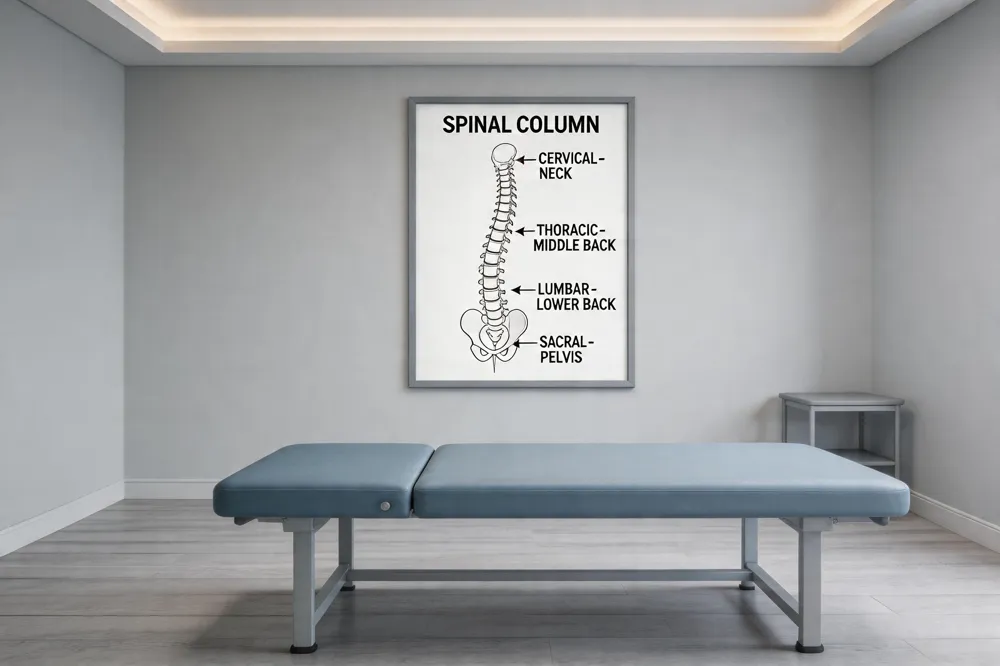
How Chiropractic Treatments Reduce Inflammation and Speed Up Back Pain Recovery

Real‑Life Stories: How Chiropractic Helped Patients Overcome Chronic Back Pain

From Symptom Masking to Root‑Cause Healing: A Practical Guide

6 Holistic Non‑Surgical Treatments That Deliver Sustainable Back‑Pain Relief

Key Questions to Ask When Selecting Your Chiropractor

Mindful Movement: Incorporating Stretch Breaks Into a Busy Day

Why Targeting the Underlying Cause Beats Temporary Symptom Relief

8 Ways Physiotherapy Complements Chiropractic Adjustments for Faster Recovery

Meal Planning for Athletes Recovering from Back Injuries

9 Everyday Lifestyle Tweaks to Preserve a Healthy Spine and Prevent Pain

Functional Movement Screening for Root‑Cause Pain Identification

6 Things You’ll Experience During Your First Chiropractic Appointment

Spinal Decompression vs. Standard Physical Therapy for Sciatica: A Comparative Review

New Findings on How Adjustments Influence Blood Circulation

Work‑From‑Home Ergonomics: A Blueprint for a Pain‑Free Back

The Link Between Chiropractic Care and Improved Sleep Quality

Physiotherapy Techniques That Strengthen the Benefits of Chiropractic Adjustments

Biomechanical Insights Behind Successful Spinal Decompression

Desk‑to‑Dumbbell: Lifestyle Shifts That Guard Your Lower Back

10 Corrective Exercises for Sustainable Pain-Free Living

Morning Routines That Support Spine Health and Reduce Stiffness

Calcium and Magnesium‑Focused Nutrition for Bone Density and Spine Health

9 Ways Chiropractic Care Transforms Back Pain Management

Testimonial: Nutrition‑Guided Recovery Accelerated by Chiropractic

Science‑Backed Spinal Decompression for Relieving Sciatica Symptoms

Key Questions to Ask During Your Initial Chiropractic Consultation

Whole‑Body Wellness Blueprint: Nutrition, Exercise, and Chiropractic Synergy

A 12‑Week Corrective Exercise Blueprint for Chronic Neck Discomfort

Manual Therapy Plus Targeted Exercise: Accelerating Post‑Injury Recovery

Home‑Based Spinal Decompression Devices: What Patients Should Know

Chiropractic Care Statistics: Reducing Lost Workdays From Back Pain

How Targeted Nutrition Enhances Immune Function and Lowers Inflammatory Pain

Self‑Assessment Tools to Identify Hidden Triggers of Back Pain

Preparing for Your First Chiropractic Appointment: A Practical Checklist

Back Pain Relief Benefits: Lower Opioid Use and Better Quality of Life

Foam‑Rolling Techniques to Complement Chiropractic Adjustments

Progressive Overload Principles in Corrective Exercise Programs

Six‑Month Transformation: Integrated Care Success Story

7 Nutritional Hacks to Boost Your Overall Wellness

How to Choose a Chiropractor: Credentials, Techniques, and Patient Compatibility

5 Ways Spinal Decompression Can Ease Sciatica Pain

Overcoming Sciatica: A Patient’s Multidisciplinary Treatment Journey
Lifestyle Changes That Promote a Healthy Spine

Physiotherapy as a Complement to Chiropractic Treatments

6 Ways Physiotherapy Enhances Chiropractic Treatment Outcomes

Daily Living Tips for a Strong and Healthy Spine

How Physiotherapy Enhances Chiropractic Outcomes
Holistic Treatments: Alternatives to Surgery for Pain Relief

Inspiring Patient Success Stories from Chiropractic Clinics

Integrating Physiotherapy with Chiropractic Treatments
Corrective Exercise Routines for Chronic Pain Prevention
10 Corrective Exercises to Maintain a Healthy Spine and Relieve Pain

Exercise Strategies for Long-Term Pain Management
10 Corrective Exercises to Maintain a Healthy Spine and Relieve Pain
The Importance of Treating the Root Cause of Pain

Nutritional Support Strategies for Whole-Body Wellness

7 Essential Questions to Ask When Choosing Your Chiropractor

Identifying and Addressing Root Causes of Pain
Maintaining a Healthy Spine with Lifestyle Adjustments

Sciatica Symptom Relief via Spinal Decompression

8 Reasons Why Addressing the Root Cause of Pain Is Crucial
Chiropractic Care’s Impact on Back Pain Recovery

Combining Physiotherapy with Chiropractic Care for Better Results

Inspiring Recovery: Chiropractic Patient Testimonials
Nutritional Counseling Tips for Optimal Wellness
Why Addressing the Root Cause of Pain is Crucial

Back Pain and Chiropractic Care: A Winning Combination

Chiropractic Care Benefits You Might Not Know
Exploring Holistic and Non-Surgical Treatments for Pain
Spinal Health: Lifestyle Tips for Everyday Wellness
Spinal Decompression Therapy: Benefits and Applications
Holistic and Non-Invasive Spine Care Options

Everyday Lifestyle Advice to Keep Your Spine Healthy

The Significance of Treating Root Causes in Pain Therapy
Best Corrective Exercises for Sustainable Pain Management

Addressing Underlying Causes of Pain for Long-Term Relief

6 Key Benefits of Spinal Decompression Therapy for Sciatica Relief

How Nutritional Counseling Supports Spine Health and Recovery

The Role of Physiotherapy in Supporting Chiropractic Treatments