7 Essential Questions to Ask When Choosing Your Chiropractor
February 16, 2026
10 min

Navigating Your Path to the Right Chiropractic Care
Importance of Researching Chiropractors
Choosing the right chiropractor begins with thorough research. Ensure your chiropractor is licensed, properly credentialed, and specializes in treating conditions similar to yours. Patient reviews and referrals from trusted sources like family or healthcare providers offer valuable insights into the practitioner’s professionalism and care quality.
What Patients Should Know Before Choosing a Chiropractor
Most chiropractors in the U.S. complete rigorous training, including a four-year doctoral program and board certification. They use various techniques—from manual adjustments to soft tissue therapies—to address pain and improve function. Understanding the chiropractor's treatment approach, experience, and whether they work within your insurance network is essential.
Setting Expectations for Chiropractic Treatment
Chiropractic care aims for pain relief, enhanced mobility, and long-term wellness. Treatment plans are personalized, often involving multiple sessions with progress monitoring. Patients should expect professional assessments, clear communication about treatment duration and costs, and a holistic approach that may include rehabilitative exercises and lifestyle advice.
Key Facts about Chiropractic Qualifications, Conditions, and Care
- Chiropractors in the U.S. complete a rigorous education including a four-year undergraduate degree and a four-year doctoral program.
- All chiropractors must pass comprehensive national board exams and obtain state licenses to practice legally.
- Experience is crucial for treating conditions like low back pain, neck issues, and sports injuries, with seasoned chiropractors often achieving better outcomes.
- Patients can verify chiropractor credentials through state licensing boards and professional association memberships.
- Chiropractors effectively treat conditions such as low back pain, headaches, sciatica, and soft tissue injuries like muscle strains and tendonitis.
- Initial chiropractic visits typically involve a patient history review, physical exam, and possibly imaging, with treatment plans tailored individually.
- Treatment plans are personalized, with chiropractors monitoring progress and adjusting techniques like spinal adjustments, ultrasound, or exercises.
- Chiropractic care is generally safe, with temporary soreness as the most common side effect; serious risks are rare.
- Cost per session in California ranges from $50 to $100, with insurance coverage varying; verifying with insurers is recommended.
- Reliable chiropractors are transparent, avoid exaggerated claims, and are verified through credentials and patient reviews; beware of red flags like high-pressure tactics.
1. What Qualifications and Experience Does the Chiropractor Have?

What educational standards do chiropractors in the U.S. meet?
Chiropractors complete a rigorous education pathway, starting with a four-year undergraduate degree focusing on sciences like biology, chemistry, and physics. Following this, they undertake a four-year doctoral program in chiropractic medicine that includes extensive clinical training. For more details, see Chiropractor education and training.
Are licensing and certifications important?
Yes, all chiropractors must pass comprehensive national board exams and obtain state licensing to legally practice. Additional certifications and postgraduate training highlight a chiropractor’s commitment to expertise and staying current with advanced treatment methods. Learn more about Chiropractor Licensure and Training and Chiropractor education and training.
Why is experience relevant?
Experience matters significantly, especially with handling specific musculoskeletal conditions such as low back pain, neck issues, or sports injuries. Chiropractors who have treated similar cases often deliver better outcomes. Find insights on Experience in chiropractic practice and Experience with Spine Conditions.
How can patients verify chiropractor qualifications?
Patients should verify that their chiropractor holds a valid state license and check for any disciplinary history online. Confirming membership with reputable chiropractic associations further assures professionalism and credibility. Useful information can be found at Verify Chiropractor Credentials and Checking Chiropractor Credentials.
What questions to ask your chiropractor?
Ask about their education, clinical training, certifications, and experience with your specific condition. This ensures you receive personalized and safe care suited to your needs. For guidance, consult Questions to Ask Your Chiropractor and Essential questions to ask your chiropractor.
2. Which Musculoskeletal Conditions Can the Chiropractor Effectively Treat?

What conditions or issues can a chiropractor help with?
Chiropractors specialize in diagnosing and treating a broad range of musculoskeletal conditions treated by chiropractors, with a primary focus on spine-related issues. They effectively address common problems such as low back pain, neck pain, and headaches. Additionally, chiropractic care can relieve discomfort arising from sciatica, which involves nerve pain radiating down the leg, and treat soft tissue injuries that contribute to pain and limited mobility.
Range of conditions treated including back pain, neck pain, headaches, sciatica
Chiropractic treatment is commonly sought for ailments that include:
- Lower back pain
- Neck pain
- Headaches and migraines
- Sciatica nerve pain
These conditions often benefit from manual spinal adjustments and other chiropractic treatment methods that reduce nerve irritation and improve function.
Treatment of joint and soft tissue issues
Beyond spinal concerns, chiropractors also treat joint discomfort in areas such as the shoulders and knees, and manage soft tissue injuries including muscle strains, tendonitis, and bursitis. Techniques like soft tissue mobilization and rehabilitative exercises support healing and restore joint mobility.
Examples like whiplash, shoulder, knee, and sciatica pain
Chiropractic care extends to specific injury patterns such as whiplash resulting from auto accidents, as well as sports-related injuries involving the shoulders, knees, and extremities. Treatment plans combine careful assessment and personalized chiropractic treatment plans to promote recovery without invasive methods.
Safe and complementary nature of chiropractic care
Chiropractic care offers a non-invasive, drug-free approach to managing musculoskeletal pain. When performed by licensed professionals, it is generally safe with safety and side effects of chiropractic care. It can also complement other medical treatments, enhancing overall patient wellness and functional health.
3. What Should I Expect During the Initial Consultation and Assessment?

Comprehensive Patient History and Physical Exam
During your Preparing for your first chiropractic visit, the practitioner will conduct a detailed review of your medical history and perform a physical examination. This includes assessing your posture and evaluating your range of motion to identify areas of concern.
Use of Diagnostic Tools
If clinically necessary, your chiropractor may recommend diagnostic imaging in chiropractic care, such as X-rays, to gain a clear understanding of your spinal alignment and rule out more serious conditions.
Personalized Treatment Plan
Based on the assessment results, a Comprehensive Chiropractic Treatment Plans will be developed to address your specific needs and health goals. This plan will outline the type and frequency of treatments.
First Chiropractic Adjustments
Your initial session may include manual adjustments where you might hear popping or cracking sounds as joints are gently manipulated to improve mobility.
Common Initial Reactions
It's normal to experience temporary soreness, mild headaches, or fatigue after the first adjustments, which typically subside as your body adjusts to the therapy.
Understanding these steps can help prepare you for a successful and comfortable start to your chiropractic care journey.
4. How Does the Chiropractor Develop and Adjust Treatment Plans?

Importance of Personalized Treatment Based on Condition and Lifestyle
Chiropractors emphasize creating personalized chiropractic treatment plans tailored to each patient's unique condition and lifestyle. They conduct detailed assessments including medical history, physical exams, and lifestyle analysis to address specific musculoskeletal issues effectively.
Monitoring Progress and Adapting Care
Treatment plans are dynamic; chiropractors regularly monitor patient progress and adjust techniques as needed. This ensures care remains effective and responsive to improvements or changes in symptoms.
Range of Techniques Employed
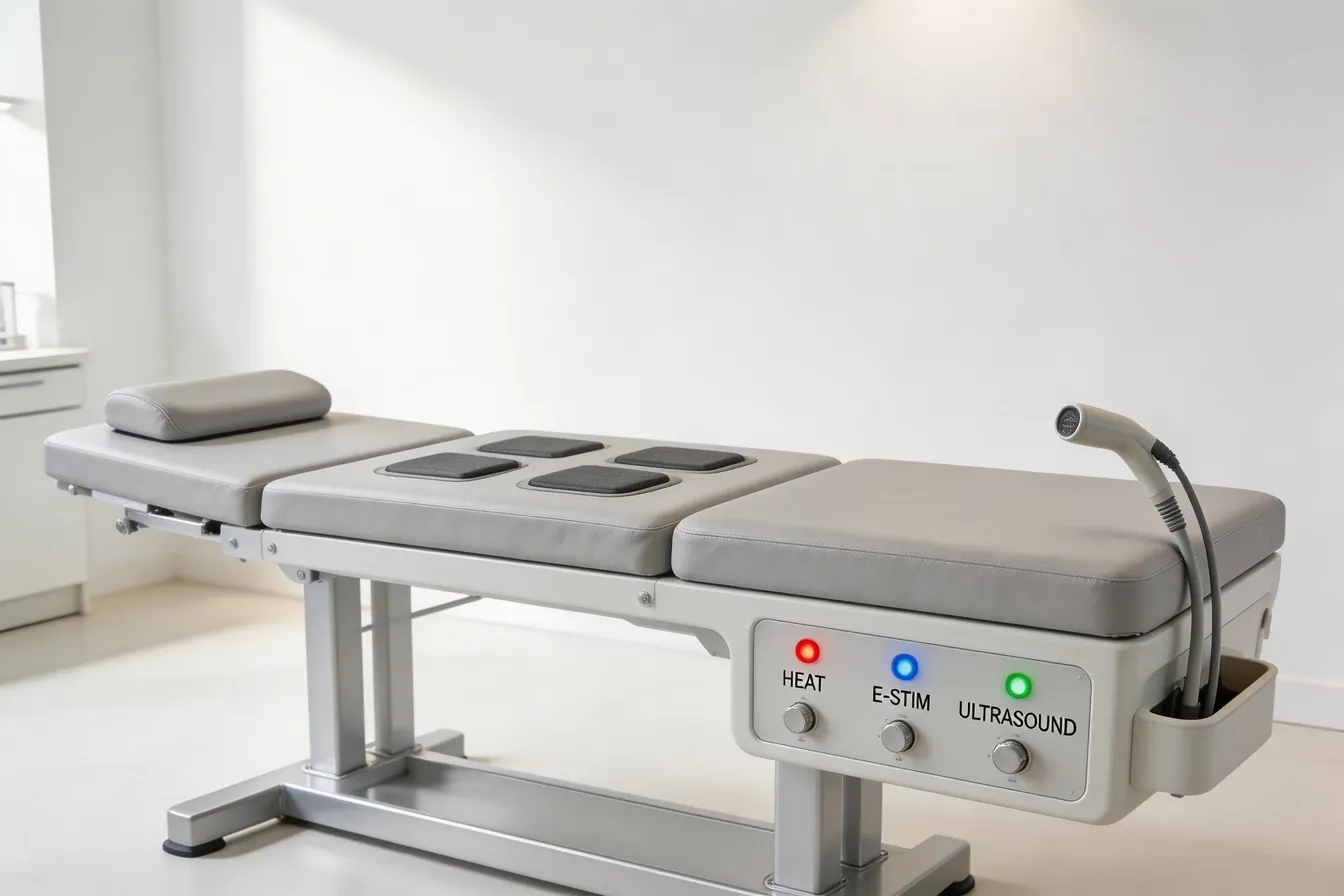
Chiropractors utilize a variety of methods such as manual adjustments (e.g., Gonstead chiropractic technique, Activator Method), electrical stimulation, ultrasound, soft tissue mobilization, cold laser therapy, and rehabilitative exercises. The choice depends on individual patient needs and treatment goals.
Setting Clear Goals for Duration and Outcomes
Clear communication about the expected duration and goals of treatment is essential. Chiropractors set measurable progress checkpoints to avoid indefinite treatments, aligning care with patient health objectives. See also duration and frequency of chiropractic sessions and chiropractic treatment plan duration.
Avoiding Indefinite or Unnecessary Treatments
Good practitioners avoid prolonged or unnecessary care by continuously evaluating outcomes and recommending discontinuation or referral if desired improvements are not achieved. This principle relates to avoiding indefinite chiropractic treatment.
What Important Questions Should I Ask a Chiropractor Before Beginning Treatment?
Before starting, ask about the development of individualized treatment plans, what techniques will be used, and how progress will be measured. Understanding these helps clarify when treatment should continue or conclude. For a comprehensive list, see Questions to Ask Your Chiropractor and Essential questions to ask your chiropractor.
5. What Are the Potential Risks and Side Effects Associated with Chiropractic Care?

Common Temporary Side Effects
Patients receiving chiropractic treatment methods may experience mild and temporary side effects such as soreness, headaches, or fatigue shortly after sessions. These symptoms typically resolve within a day or two as the body adjusts to spinal manipulations and related therapies.
Rare Serious Risks
Though uncommon, more serious risks can occur, including nerve impingement or increased pain. Such complications are often linked to improper assessment or inadequate technique selection. Understanding the risks of chiropractic treatment is essential.
Importance of Proper Assessment
Prior to treatment, chiropractors conduct comprehensive evaluations including medical history review and physical exams. This thorough assessment helps minimize risks by tailoring care plans specifically to the patient's condition and needs, reflecting personalized chiropractic treatment plans.
Safety Profile
Chiropractic care is generally regarded as safe when performed by licensed and trained professionals. The low incidence of serious adverse effects highlights the importance of choosing licensed chiropractic clinics who adhere to evidence-based practices.
Patient Guidance
When considering chiropractic treatment, patients should ask their chiropractors about possible side effects and safety measures early. Open communication ensures informed decisions and optimizes treatment outcomes. Reviewing Questions to Ask Your Chiropractor can help facilitate this dialogue.
6. How Are Costs Handled and What Should I Know About Insurance Coverage?
What is the average cost of a chiropractic session in California?
Chiropractic session costs in California typically range between $50 and $100. Initial consultations are often more expensive, generally costing $75 to $150 or higher. This difference reflects additional diagnostic procedures, such as X-ray Diagnostics in Chiropractic Care or extensive medical history reviews.
How do costs vary between initial consultations and follow-up visits?
The initial visit tends to be pricier due to comprehensive assessments, while follow-up visits primarily involve ongoing treatment and usually incur lower fees. For more insights, see Treatment Duration and Frequency.
What should patients know about insurance coverage?
Insurance plans for chiropractic care vary widely. Many plans cover 50% to 100% of treatment costs, but coverage limits, co-pays, and session caps differ. Confirming coverage details with your insurance provider ahead of starting care is crucial to avoid unexpected expenses. Learn more about Costs and Insurance Coverage for Chiropractic Care.
Are payment plans or discounts available?
Some chiropractic clinics offer payment plans, sliding scales, or discounts, especially for long-term care or multiple sessions, helping to ease financial commitments for patients.
Understanding these factors helps patients navigate costs effectively, ensuring chiropractic care is both accessible and affordable under a variety of insurance scenarios.
7. How Can I Identify a Trustworthy Chiropractor and Avoid Red Flags?
What are some red flags to watch out for when choosing a chiropractor?
When selecting a chiropractor, it's important to be aware of warning signs that may indicate less reputable care. Avoid providers who make exaggerated health claims or promise unrealistic results. High-pressure sales tactics pushing unnecessary tests, treatments, or pre-sold care packages should also be a concern. Lack of transparency about techniques, costs, or treatment plans is another red flag. A trustworthy chiropractor communicates clearly and bases treatment on evidence rather than marketing hype. For more details on Warning signs of poor chiropractic practice and Effective communication in chiropractic care explore these resources.
How can I find a reputable chiropractor?
Finding a reliable chiropractor involves several steps. Start by seeking referrals from trusted sources such as primary care physicians, family, or friends. Verify the chiropractor’s credentials including proper licensure and board certification through Verify Chiropractor Credentials and Chiropractor Licensure and Training. Patient reviews offer valuable insights into office professionalism and care quality, as mentioned in Patient Reviews on Chiropractors. Prioritize chiropractors who employ evidence-based, personalized treatment plans (Creating a personalized chiropractic treatment plan), and demonstrate transparency in discussing risks, costs, and expected outcomes (Risks and side effects of chiropractic treatments, cost and insurance coverage for chiropractic care, Expected outcomes of chiropractic care. Open communication and patient-centered care are essential to a successful therapeutic relationship; see Effective patient-chiropractor communication and Patient-oriented chiropractic care.
Why Do Some Medical Doctors Discourage Chiropractic Care?
Why do some medical doctors discourage chiropractic care?
Historically, chiropractic care has faced skepticism from various medical doctors, often due to unfamiliarity with chiropractic treatment methods and concerns about the safety and side effects of chiropractic care and scientific evidence supporting chiropractic treatments. Some medical professionals worry about potential risks, such as nerve compression or increased pain, especially if patients have underlying conditions not properly diagnosed.
Many doctors are trained within conventional medical frameworks that emphasize pharmaceutical and surgical interventions, making integration with manual therapies like chiropractic adjustments less common. This has contributed to hesitation about recommending chiropractic care.
However, chiropractic care undergoes rigorous chiropractor training and licensing standards in the United States, and many studies support its efficacy for musculoskeletal conditions like back pain, headaches, and joint discomfort. The minimal risk profile and non-invasive nature often appeal to patients seeking holistic, drug-free alternatives.
For optimal outcomes, patients benefit from coordinated care approaches where medical doctors and chiropractors communicate openly. This collaborative management ensures personalized chiropractic treatment plans are safe, evidence-based, and tailored, with patients empowered to make informed decisions regarding their health.
By bridging the gap between medical and chiropractic care, patients can experience integrated wellness focused on both symptom relief and long-term musculoskeletal health.
Making an Informed Choice for Your Chiropractic Health Journey
The Importance of Asking Essential Questions
Before beginning chiropractic care, it’s vital to ask pertinent questions that clarify the chiropractor’s qualifications, treatment approaches, and expected outcomes. This ensures your chosen provider aligns with your health goals.
Balancing Qualifications and Treatment Suitability
Check credentials such as education, board certification, and licensing. Understand the specific techniques offered and confirm their appropriateness for your condition. Safety considerations, including risks and side effects, should be openly discussed.
Considering Costs and Insurance Coverage
Treatment expenses vary widely; clarifying costs and insurance acceptance upfront helps avoid surprises and ensures care remains accessible.
Encouraging Open Communication and Research
Engage actively with providers, inquire about treatment plans and progress measures, and research through reviews or referrals. These steps empower informed decisions, leading to better health outcomes through chiropractic care.
Recent articles

10 Real‑Patient Success Stories Showcasing the Impact of Chiropractic Care

Superfoods That Boost Nerve Healing After Chiropractic Sessions

Sleep Positions That Promote a Healthy Back Alignment

Signs Your Chiropractor Is a Good Fit for Your Back Pain Goals

Case Study: Integrated Physiotherapy and Chiropractic for Faster Recovery

First-Time Chiropractic Visit: A Step‑by‑Step Walkthrough

Synergistic Benefits: Combining Physiotherapy with Chiropractic Care

Beyond Surgery: Holistic Approaches to Managing Back Pain

How Manual Therapy Enhances the Effects of Chiropractic Adjustments

Hydration Hacks: Why Water Matters for Joint and Spine Function

What Does a Comprehensive Spinal Evaluation Include?

Success Spotlight: Transformative Results After Six Weeks of Chiropractic Treatment

Understanding the Initial Assessment Process in Chiropractic Care

Designing a Personalized Corrective Exercise Plan for Chronic Pain Management

Natural Pain Management: Combining Acupuncture, Yoga, and Chiropractic

Chiropractic Care vs. Pain Meds: Long-Term Outcomes for Back Pain Sufferers

What to Expect During a Sciatica‑Focused Decompression Session

Understanding the Pain-Relief Mechanics Behind Chiropractic Adjustments

Success Rates of Non‑Surgical Spinal Decompression for Sciatica

Patient-Centered Chiropractic Care: Personalized Plans for Back Pain Relief

How Chiropractic Treatments Reduce Inflammation and Speed Up Back Pain Recovery

Real‑Life Stories: How Chiropractic Helped Patients Overcome Chronic Back Pain

From Symptom Masking to Root‑Cause Healing: A Practical Guide

6 Holistic Non‑Surgical Treatments That Deliver Sustainable Back‑Pain Relief

Key Questions to Ask When Selecting Your Chiropractor

Mindful Movement: Incorporating Stretch Breaks Into a Busy Day

Why Targeting the Underlying Cause Beats Temporary Symptom Relief

8 Ways Physiotherapy Complements Chiropractic Adjustments for Faster Recovery

Meal Planning for Athletes Recovering from Back Injuries

9 Everyday Lifestyle Tweaks to Preserve a Healthy Spine and Prevent Pain

Functional Movement Screening for Root‑Cause Pain Identification

6 Things You’ll Experience During Your First Chiropractic Appointment

Spinal Decompression vs. Standard Physical Therapy for Sciatica: A Comparative Review

New Findings on How Adjustments Influence Blood Circulation

Work‑From‑Home Ergonomics: A Blueprint for a Pain‑Free Back

The Link Between Chiropractic Care and Improved Sleep Quality

Physiotherapy Techniques That Strengthen the Benefits of Chiropractic Adjustments

Biomechanical Insights Behind Successful Spinal Decompression

Desk‑to‑Dumbbell: Lifestyle Shifts That Guard Your Lower Back

10 Corrective Exercises for Sustainable Pain-Free Living

Morning Routines That Support Spine Health and Reduce Stiffness

Calcium and Magnesium‑Focused Nutrition for Bone Density and Spine Health

9 Ways Chiropractic Care Transforms Back Pain Management

Testimonial: Nutrition‑Guided Recovery Accelerated by Chiropractic

Science‑Backed Spinal Decompression for Relieving Sciatica Symptoms

Key Questions to Ask During Your Initial Chiropractic Consultation

Whole‑Body Wellness Blueprint: Nutrition, Exercise, and Chiropractic Synergy

A 12‑Week Corrective Exercise Blueprint for Chronic Neck Discomfort

Manual Therapy Plus Targeted Exercise: Accelerating Post‑Injury Recovery

Home‑Based Spinal Decompression Devices: What Patients Should Know

Chiropractic Care Statistics: Reducing Lost Workdays From Back Pain

How Targeted Nutrition Enhances Immune Function and Lowers Inflammatory Pain

Self‑Assessment Tools to Identify Hidden Triggers of Back Pain

Preparing for Your First Chiropractic Appointment: A Practical Checklist

Back Pain Relief Benefits: Lower Opioid Use and Better Quality of Life

Foam‑Rolling Techniques to Complement Chiropractic Adjustments

Progressive Overload Principles in Corrective Exercise Programs

Six‑Month Transformation: Integrated Care Success Story

7 Nutritional Hacks to Boost Your Overall Wellness

How to Choose a Chiropractor: Credentials, Techniques, and Patient Compatibility

5 Ways Spinal Decompression Can Ease Sciatica Pain

Overcoming Sciatica: A Patient’s Multidisciplinary Treatment Journey

Lifestyle Changes That Promote a Healthy Spine
Physiotherapy as a Complement to Chiropractic Treatments

6 Ways Physiotherapy Enhances Chiropractic Treatment Outcomes

Daily Living Tips for a Strong and Healthy Spine

How Physiotherapy Enhances Chiropractic Outcomes

Holistic Treatments: Alternatives to Surgery for Pain Relief

Inspiring Patient Success Stories from Chiropractic Clinics

Integrating Physiotherapy with Chiropractic Treatments

Corrective Exercise Routines for Chronic Pain Prevention

10 Corrective Exercises to Maintain a Healthy Spine and Relieve Pain

Exercise Strategies for Long-Term Pain Management
10 Corrective Exercises to Maintain a Healthy Spine and Relieve Pain

The Importance of Treating the Root Cause of Pain

Nutritional Support Strategies for Whole-Body Wellness
7 Essential Questions to Ask When Choosing Your Chiropractor

Identifying and Addressing Root Causes of Pain

Maintaining a Healthy Spine with Lifestyle Adjustments

Sciatica Symptom Relief via Spinal Decompression

8 Reasons Why Addressing the Root Cause of Pain Is Crucial

Chiropractic Care’s Impact on Back Pain Recovery

Combining Physiotherapy with Chiropractic Care for Better Results

Inspiring Recovery: Chiropractic Patient Testimonials

Nutritional Counseling Tips for Optimal Wellness

Why Addressing the Root Cause of Pain is Crucial

Back Pain and Chiropractic Care: A Winning Combination

Chiropractic Care Benefits You Might Not Know

Exploring Holistic and Non-Surgical Treatments for Pain

Spinal Health: Lifestyle Tips for Everyday Wellness

Spinal Decompression Therapy: Benefits and Applications

Holistic and Non-Invasive Spine Care Options

Everyday Lifestyle Advice to Keep Your Spine Healthy

The Significance of Treating Root Causes in Pain Therapy

Best Corrective Exercises for Sustainable Pain Management

Addressing Underlying Causes of Pain for Long-Term Relief

6 Key Benefits of Spinal Decompression Therapy for Sciatica Relief

How Nutritional Counseling Supports Spine Health and Recovery

The Role of Physiotherapy in Supporting Chiropractic Treatments