Holistic and Non-Invasive Spine Care Options
February 1, 2026
9 min
Introduction to Holistic and Non-Invasive Spine Care
Holistic and Non-Invasive Spine Care Overview
Holistic and non-invasive spine care focuses on treating the whole person, rather than just isolated spinal symptoms. This approach integrates therapies such as chiropractic adjustments, acupuncture, mindfulness, therapeutic exercises, and nutritional guidance.
Comprehensive Spine Health
Addressing spine health comprehensively ensures not only relief from pain but also promotes the body's natural ability to heal, improves mobility, and supports long-term wellness. Treatments may include hands-on manual therapies, regenerative medicine, and lifestyle modifications tailored to individual needs.
Growing US Interest in Non-Surgical Treatments
In the United States, there is a rising demand for non-surgical, minimally invasive spinal care. Patients and practitioners alike are seeking alternatives that reduce risks associated with surgery while enhancing recovery and overall quality of life. This trend reflects a broader shift toward integrated, patient-centered, and natural methods for managing back pain and spinal disorders.
Benefits and Principles of Holistic Spine Care

What are the benefits of holistic care?
Holistic spine care treats the entire person—body, mind, and spirit—rather than focusing solely on the immediate area of pain or injury. This comprehensive approach allows practitioners to address underlying causes instead of just symptoms, which often leads to longer-lasting relief and improved overall well-being.
By emphasizing the mind-body connection, holistic care recognizes how emotional and psychological health impacts spinal health and pain perception. Practices like mindfulness for back pain, meditation for pain reduction, and Yoga benefits for back pain not only reduce stress but can also calm nervous system responses that may exacerbate chronic pain.
Holistic Solutions for Back Pain prioritize natural and non-invasive methods. These include targeted exercises for back pain to strengthen supporting muscles, nutritional guidance to reduce inflammation, acupuncture to balance the body's energy flow, chiropractic care for back pain to realign the spine, and manual therapies promoting tissue healing. Such techniques encourage the body’s innate ability to heal itself without the risks associated with surgery or long-term medication use.
Furthermore, Holistic spine care involves personalized, integrative treatment plans. Practitioners tailor therapies to each individual’s unique needs, combining modalities such as physical therapy for spine care, cognitive behavioral therapy for chronic pain, and biofeedback therapy for chronic pain alongside traditional medicine when necessary. This patient-centered approach enhances safety and tolerability, especially for individuals sensitive to pharmaceuticals.
Ultimately, Holistic spine care supports not only pain relief but also improved function, emotional balance, and long-term spine health. By integrating these natural therapies within a comprehensive framework, patients often experience enhanced vitality and quality of life while potentially reducing healthcare expenses.
Holistic Treatments and Modalities for Spine Health

What are the holistic treatments for the spine?
Holistic treatments for spine health aim to treat both the physical pain and emotional challenges associated with chronic back issues. Common therapies include acupuncture for pain relief which helps reduce inflammation and balances body energy by improving the flow of Chi. Massage therapy benefits alleviates stiffness, enhances blood flow, and decreases inflammation, aiding natural pain relief.
Biofeedback therapy for chronic pain enables patients to control involuntary bodily functions like muscle tension and heart rate, effectively managing chronic pain. Integrative manual therapy and osteopathic manual medicine use hands-on techniques such as myofascial release to restore function and encourage natural healing from cellular to muscular levels.
Exercise and mind-body practices
Targeted exercises such as core strengthening exercises, stretching, and aerobic activity boost spinal strength and flexibility, while minimizing reinjury risks. Mind-body approaches to back pain —like yoga, tai chi, meditation, and mindfulness—help patients manage stress and pain, promoting emotional and physical wellness.
Chiropractic care and osteopathic manual medicine
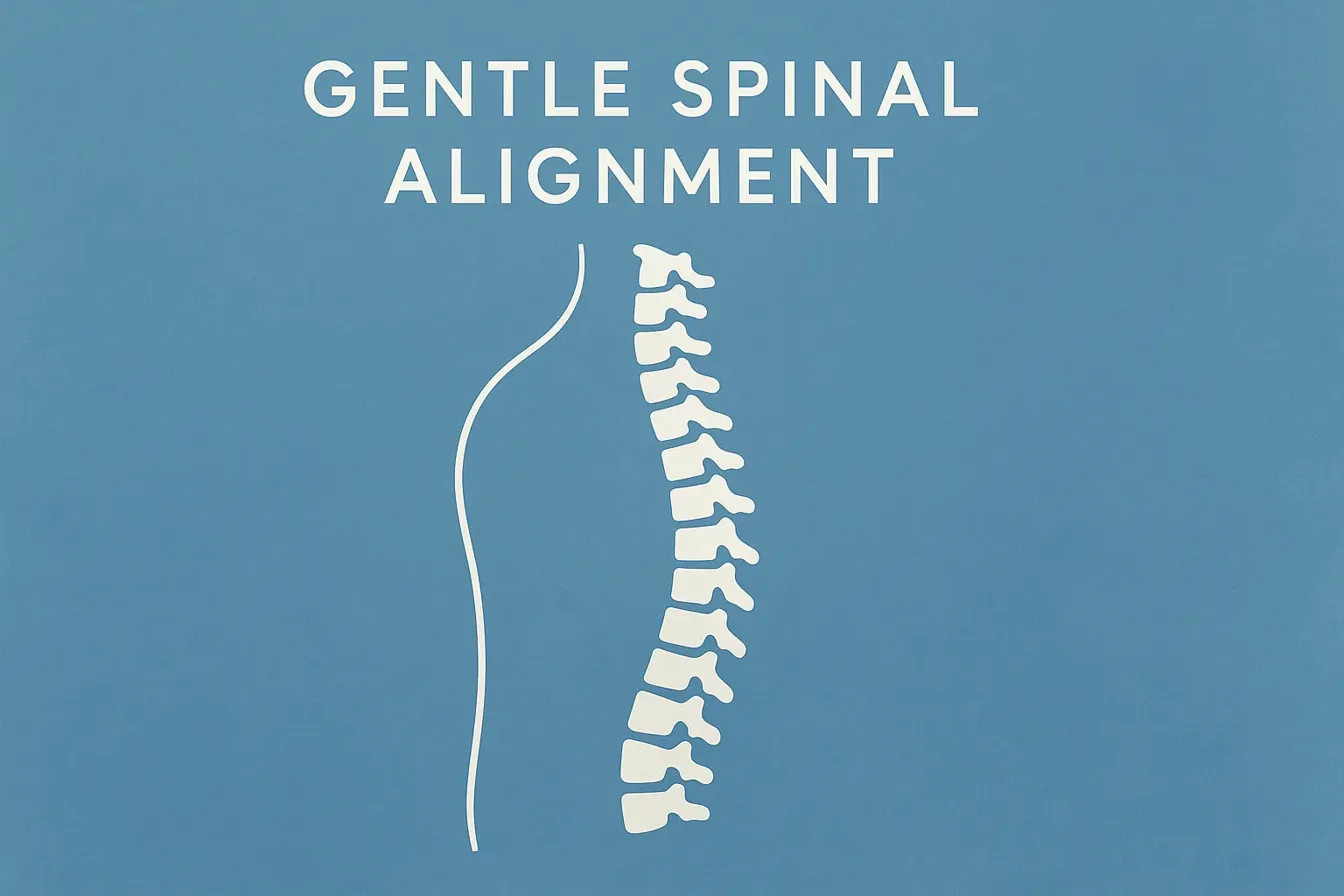
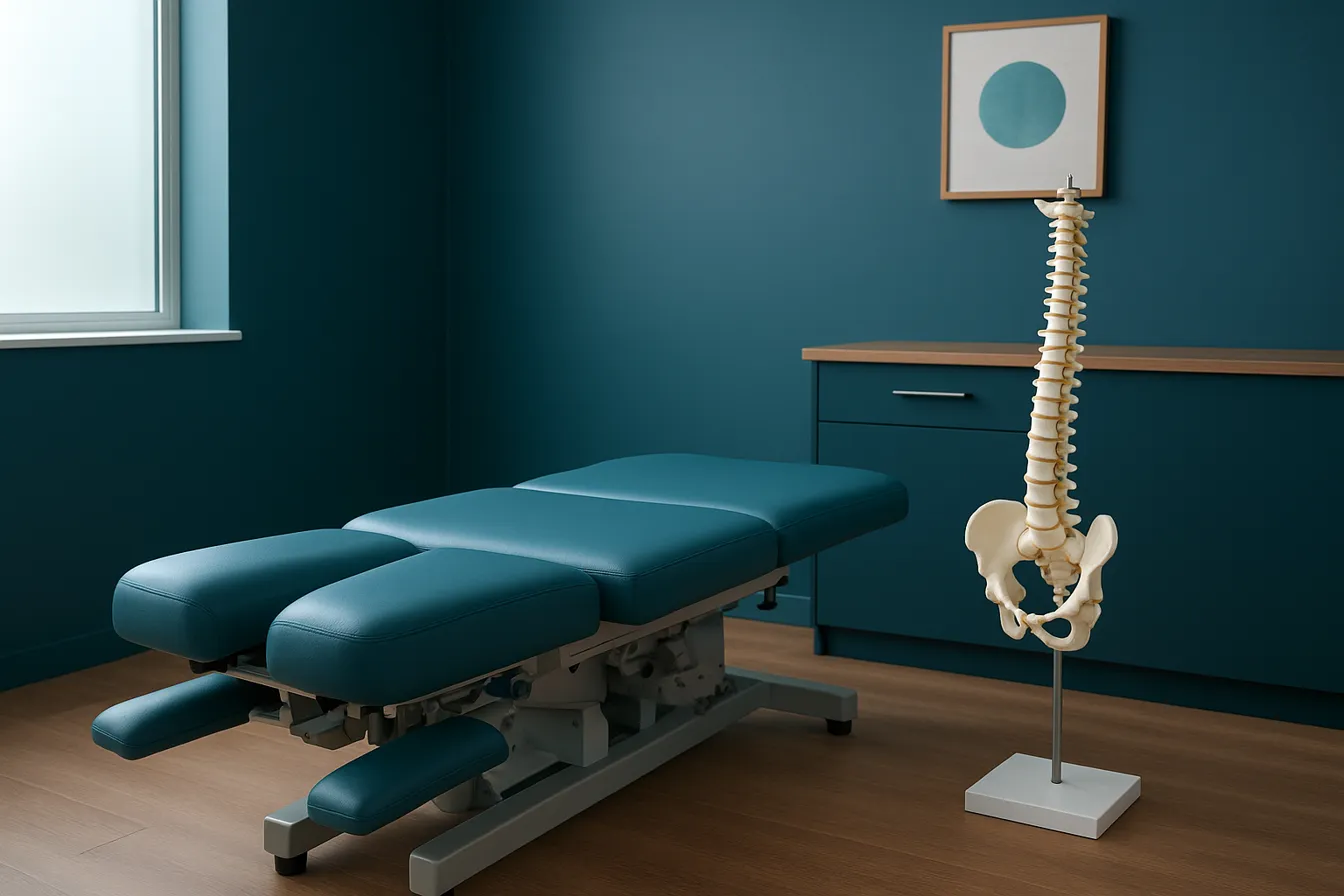
Chiropractic care for back pain focuses on spinal alignment through adjustments that restore mobility and reduce nerve strain. Chiropractors utilize techniques like manual stretching and hands-on spinal manipulation to relieve back pain and related ailments. Osteopathic manual medicine complements this by employing gentle hands-on manipulation to enhance movement and strengthen musculoskeletal health.
Role of acupuncture and biofeedback therapy
Acupuncture for pain relief is recognized for its pain-relieving and anti-inflammatory effects and is often integrated into comprehensive treatment plans. Biofeedback therapy for chronic pain helps patients gain control over physiological responses, making it a powerful tool in chronic pain management.
Nutritional and lifestyle modifications
An anti-inflammatory diet for back pain rich in vegetables, lean proteins, healthy fats, and low in processed sugars supports musculoskeletal health and reduces pain triggers. Lifestyle changes for spine health such as maintaining good posture, regular physical activity, smoking cessation, and adequate sleep are essential to sustain spinal wellness.
Together, these modalities offer a patient-centered, noninvasive orthopedic treatments framework for managing back pain and promoting holistic spine care.
Non-Surgical and Minimally Invasive Alternatives to Spine Surgery
What are the alternatives to spine surgery?
Numerous alternatives to spine surgery emphasize Noninvasive orthopedic treatments and Holistic back care techniques for spinal health. Physical therapy is central, including manual therapies like massage and mobilization combined with stretching and strengthening exercises to enhance flexibility and core stability. Osteopathic manual medicine (OMM) uses Hands-on spinal manipulation to relieve pain, improve spine movement, and support healing.
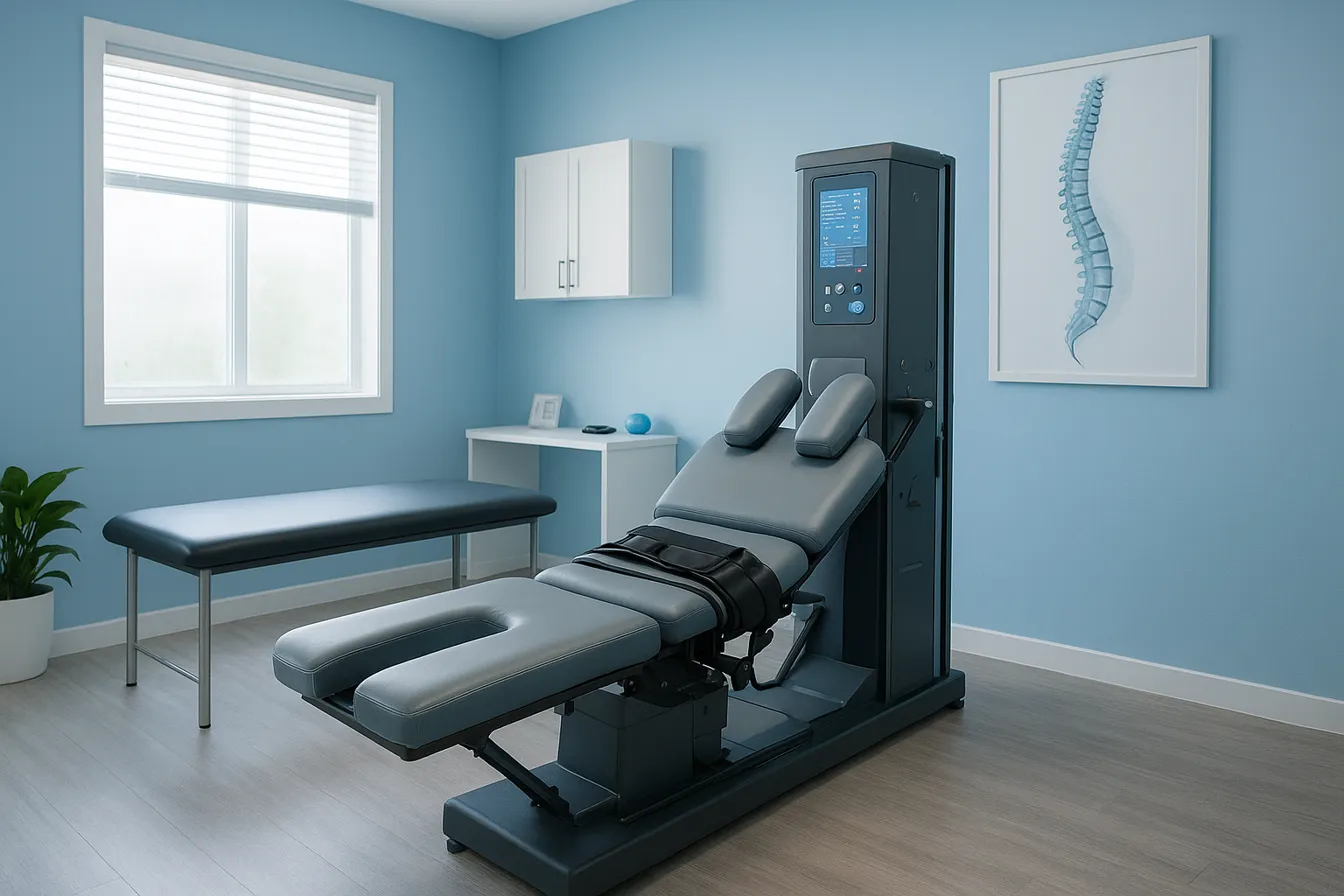
Regenerative medicine for spine offers promising options such as Mesenchymal stem cell therapy which promote tissue repair and reduce inflammation, targeting damaged discs and spinal tissues more naturally. Spinal decompression therapy, like the SpineMED® system, gently stretches the spine to relieve pressure on discs affected by degeneration or herniation, often easing symptoms without surgery.
Can I correct my spine without surgery?
Yes, many spinal conditions can be managed or improved without surgery. Physical therapy for spine care focusing on core strengthening and posture retraining is critical for long-term spine health. Complementary approaches include Medications in spine treatment, Injections for spine pain (such as epidural steroids), and nerve stimulation techniques that ease pain and improve function.
Advancements in diagnostic imaging and rehabilitative technologies, including Biofeedback therapy for chronic pain and virtual reality for functional improvement, enhance non-surgical treatment effectiveness. Consulting spine specialists enables tailored, multidisciplinary plans that address both symptom relief and underlying spinal issues.
Minimally invasive surgical techniques and recovery
When surgery is necessary, Minimally invasive spine surgery (MISS) techniques use small incisions and muscle-sparing approaches to reduce tissue damage. Tools like tubular retractors, endoscopy, and robotic assistance allow precise treatment of conditions such as herniated discs, spinal stenosis, or spondylolisthesis with faster recovery.
MISS surgical technique can reduce postoperative pain, bleeding, and hospital time, often enabling outpatient procedures. Recovery protocols include pain management, limited activity initially, physical therapy, and sometimes wearing a back brace. Despite advances, surgery carries risks such as infection, nerve damage, or persistent pain and should be considered when conservative treatments fail or serious symptoms arise.
When is surgery considered and what are related risks?
Surgery is typically reserved for cases with neurological deficits, untreated severe pain, or structural instability unresponsive to Non-surgical spine treatments. Risks include infection, blood loss, nerve injury, anesthesia-related complications, and spinal fluid leaks. Surgeon expertise and patient health influence outcomes significantly.
Choosing Non-surgical spine treatments and Minimally invasive spinal care wherever possible supports natural healing and body wellness, aligning with holistic and patient-centered care goals. These approaches emphasize restoring function, reducing pain, and improving quality of life without the higher risks associated with traditional open spine surgeries.
Understanding Minimally Invasive Spine Surgery (MISS)

What are the techniques and technologies used in MISS?
Minimally invasive spine surgery (MISS) employs small incisions typically around 1.2 to 1.4 centimeters. Surgeons use tubular retractors that create a tunnel to access the spine, minimizing disruption to muscles and soft tissues. Advanced imaging guidance in spine surgery through live X-rays, CT scans, and robotic-assistance enhances surgical precision. Endoscopic and microscopic tools provide enhanced visualization inside the spine.
What are the typical procedures and conditions treated with MISS?
MISS methods address conditions such as herniated discs, spinal stenosis, spondylolisthesis, spinal deformities, fractures, tumors, and infections. Common procedures include microdiscectomy, laminectomy, spinal fusion, kyphoplasty, and vertebroplasty. Some surgeries may be performed outpatient, reducing hospital stay.
What benefits does MISS offer compared to traditional surgery?
- Smaller incisions and less muscle damage
- Reduced blood loss
- Lower risk of infection
- Faster recovery and shorter hospital stays
- Less post-surgical pain
- Quicker return to daily activities
These are supported by findings on the benefits of minimally invasive spine surgery.
What is the recovery timeline and what should patients consider?
Most patients recover within three to six months. Many can go home the same day or within one to two days. Activity restrictions usually last six weeks, avoiding heavy lifting, twisting, and long drives. Physical therapy often begins about one week after surgery, aiding strength and mobility for up to three months. Return to work can occur within four to six weeks depending on job demands.
What are the risks and limitations of minimally invasive spine surgery?
While MISS reduces many risks compared to open surgery, potential complications include infection, bleeding, nerve damage, blood clots, anesthesia complications, spinal fluid leakage, and persistent back pain. Not all patients or conditions are suitable for MISS; complex deformities or severe osteoporosis may require traditional open procedures. Surgeon experience and patient health are critical factors for success.
What is the least invasive spinal surgery?
The least invasive spinal surgeries are percutaneous and microendoscopic discectomies using very small incisions and special instruments to minimize muscle and tissue disruption. Minimally invasive tubular retractor (MITR) surgery exemplifies this approach, offering fast recovery and outpatient options under local anesthesia.
| Aspect | Details | Notes |
|---|---|---|
| Incision Size | ~1.2 to 1.4 cm | Minimizes trauma |
| Technologies | Tubular retractors, endoscopy, fluoroscopy, robotics | Enhances precision and safety |
| Conditions Treated | Herniated discs, stenosis, spondylolisthesis, tumors, fractures | Wide application |
| Recovery Time | 3–6 months | Physical therapy after ~1 week |
| Risks | Infection, nerve damage, bleeding, fluid leak | Lower than open surgery |
| Patient Criteria | Best for less complex cases, good overall health | Complex deformities may need open surgery |
| Outpatient Options | Available for some procedures under local anesthesia | Improves convenience |
Supporting Spine Health Through Lifestyle and Preventive Care
What do natural curves in your spine help you to do?
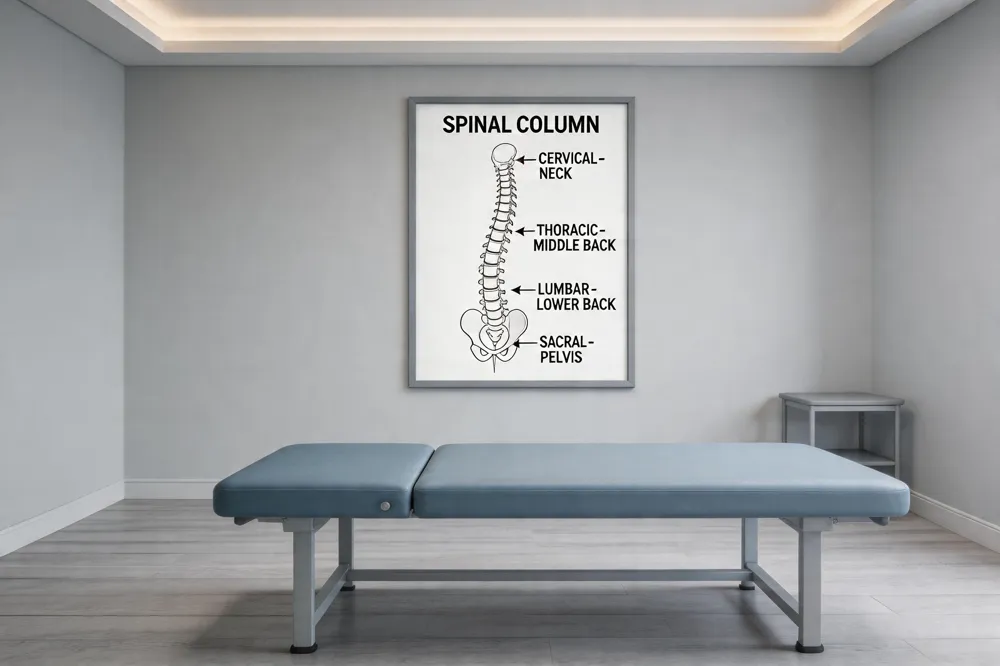
Natural curves in your spine—the cervical lordosis, thoracic kyphosis, and lumbar lordosis—create an essential "S" shape that promotes efficient movement and balance. These curves act as shock absorbers during activities like walking, running, and lifting, minimizing strain on vertebrae and intervertebral discs. They also support good posture, reduce the risk of stiffness, and prevent nerve impingements that might cause headaches or fatigue. Maintaining these curves through Chiropractic care for back pain, proper exercises, and posture techniques enhances spinal and nervous system health.
Exercise and posture for spine health
Engaging in targeted exercises for back pain, like core strengthening, stretching, and flexibility routines helps support the natural spinal curves. Postural awareness and ergonomic adjustments, such as using standing desks and regular movement breaks, reduce stress on spinal discs. Mindfulness techniques, yoga, and tai chi not only improve physical alignment but also reduce tension and improve body awareness.
Nutrition to reduce inflammation
Anti-inflammatory diets rich in vegetables, lean proteins, and healthy fats help reduce spinal inflammation, a major contributor to back pain. Limiting sugars and processed foods supports musculoskeletal health and aids recovery. Adequate hydration and sleep patterns further help maintain tissue repair and reduce pain.
Stress management and mind-body wellness strategies
Mind-body therapies, including mindfulness meditation, cognitive behavioral therapy for chronic pain, and biofeedback, alleviate the psychological and physiological effects of chronic pain. These approaches regulate nervous system responses, reduce muscle tension, and enhance relaxation, facilitating a holistic recovery.
Role of chiropractic care in prevention and maintenance
Chiropractic care employs spinal manipulation and adjustments to restore alignment, reduce pain, and prevent dysfunction. Its emphasis on a holistic and patient-centered approach improves mobility and supports the body's innate healing ability. Trained chiropractors in the U.S. provide personalized plans incorporating manual techniques that maintain spinal curves and overall wellness.
Embracing a Holistic and Non-Invasive Path to Spine Wellness
Holistic and Non-Invasive Spine Care Options
Modern spine wellness emphasizes a blend of approaches that address the entire person, not just their symptoms. These include mindfulness practices, physical therapy, chiropractic adjustments, acupuncture, and therapeutic exercises that strengthen and restore mobility naturally. Regenerative treatments such as mesenchymal stem cells and spinal decompression therapy also support tissue healing with minimal intervention.
Personalized, Integrative Care
Optimal spine care involves tailoring treatments to individual needs, combining modalities like yoga, cognitive behavioral therapy, and integrative manual therapy. This patient-centered approach encourages lifestyle changes—nutritional adjustments, posture improvements, and regular movement—that promote long-term spinal health and pain management without reliance on surgery.
Looking Ahead in Spine Health
With continuous advancements in minimally invasive surgery and holistic therapies, future spine health management promises greater precision, quicker recovery, and enhanced quality of life. Increasing awareness and availability of integrative methods position patients to benefit from comprehensive, natural, and effective spine care strategies.
Recent articles
10 Real‑Patient Success Stories Showcasing the Impact of Chiropractic Care
Superfoods That Boost Nerve Healing After Chiropractic Sessions

Sleep Positions That Promote a Healthy Back Alignment
Signs Your Chiropractor Is a Good Fit for Your Back Pain Goals
Case Study: Integrated Physiotherapy and Chiropractic for Faster Recovery
First-Time Chiropractic Visit: A Step‑by‑Step Walkthrough
Synergistic Benefits: Combining Physiotherapy with Chiropractic Care

Beyond Surgery: Holistic Approaches to Managing Back Pain
How Manual Therapy Enhances the Effects of Chiropractic Adjustments

Hydration Hacks: Why Water Matters for Joint and Spine Function
What Does a Comprehensive Spinal Evaluation Include?

Success Spotlight: Transformative Results After Six Weeks of Chiropractic Treatment

Understanding the Initial Assessment Process in Chiropractic Care
Designing a Personalized Corrective Exercise Plan for Chronic Pain Management

Natural Pain Management: Combining Acupuncture, Yoga, and Chiropractic
Chiropractic Care vs. Pain Meds: Long-Term Outcomes for Back Pain Sufferers

What to Expect During a Sciatica‑Focused Decompression Session

Understanding the Pain-Relief Mechanics Behind Chiropractic Adjustments

Success Rates of Non‑Surgical Spinal Decompression for Sciatica

Patient-Centered Chiropractic Care: Personalized Plans for Back Pain Relief
How Chiropractic Treatments Reduce Inflammation and Speed Up Back Pain Recovery

Real‑Life Stories: How Chiropractic Helped Patients Overcome Chronic Back Pain
From Symptom Masking to Root‑Cause Healing: A Practical Guide

6 Holistic Non‑Surgical Treatments That Deliver Sustainable Back‑Pain Relief
Key Questions to Ask When Selecting Your Chiropractor

Mindful Movement: Incorporating Stretch Breaks Into a Busy Day
Why Targeting the Underlying Cause Beats Temporary Symptom Relief
8 Ways Physiotherapy Complements Chiropractic Adjustments for Faster Recovery
Meal Planning for Athletes Recovering from Back Injuries
9 Everyday Lifestyle Tweaks to Preserve a Healthy Spine and Prevent Pain

Functional Movement Screening for Root‑Cause Pain Identification

6 Things You’ll Experience During Your First Chiropractic Appointment

Spinal Decompression vs. Standard Physical Therapy for Sciatica: A Comparative Review

New Findings on How Adjustments Influence Blood Circulation
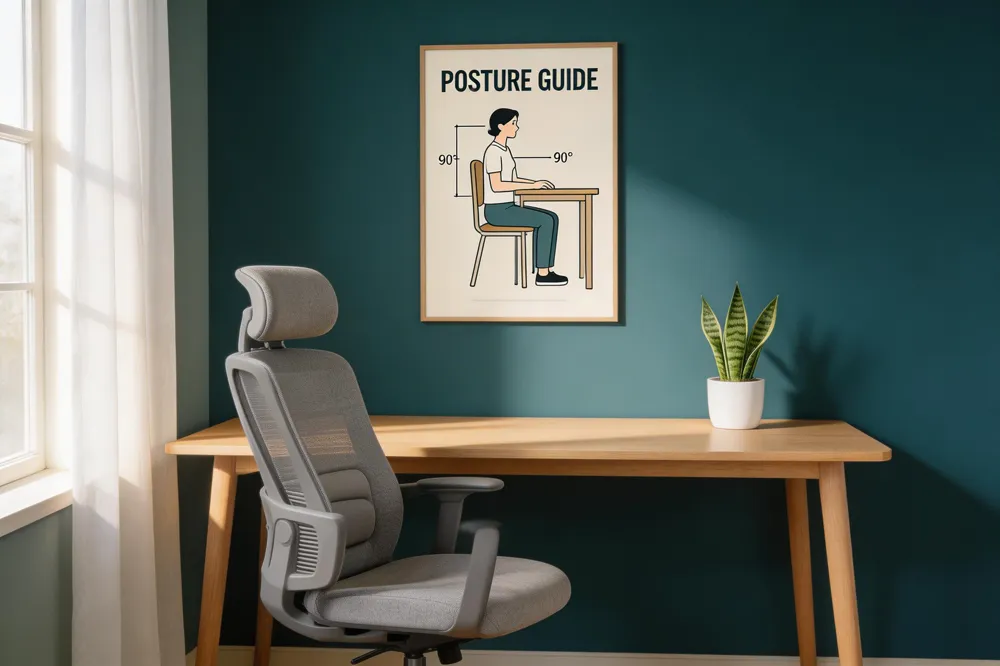
Work‑From‑Home Ergonomics: A Blueprint for a Pain‑Free Back

The Link Between Chiropractic Care and Improved Sleep Quality

Physiotherapy Techniques That Strengthen the Benefits of Chiropractic Adjustments

Biomechanical Insights Behind Successful Spinal Decompression

Desk‑to‑Dumbbell: Lifestyle Shifts That Guard Your Lower Back
10 Corrective Exercises for Sustainable Pain-Free Living

Morning Routines That Support Spine Health and Reduce Stiffness

Calcium and Magnesium‑Focused Nutrition for Bone Density and Spine Health

9 Ways Chiropractic Care Transforms Back Pain Management

Testimonial: Nutrition‑Guided Recovery Accelerated by Chiropractic
Science‑Backed Spinal Decompression for Relieving Sciatica Symptoms
Key Questions to Ask During Your Initial Chiropractic Consultation
Whole‑Body Wellness Blueprint: Nutrition, Exercise, and Chiropractic Synergy

A 12‑Week Corrective Exercise Blueprint for Chronic Neck Discomfort

Manual Therapy Plus Targeted Exercise: Accelerating Post‑Injury Recovery
Home‑Based Spinal Decompression Devices: What Patients Should Know

Chiropractic Care Statistics: Reducing Lost Workdays From Back Pain

How Targeted Nutrition Enhances Immune Function and Lowers Inflammatory Pain
Self‑Assessment Tools to Identify Hidden Triggers of Back Pain
Preparing for Your First Chiropractic Appointment: A Practical Checklist

Back Pain Relief Benefits: Lower Opioid Use and Better Quality of Life

Foam‑Rolling Techniques to Complement Chiropractic Adjustments
Progressive Overload Principles in Corrective Exercise Programs

Six‑Month Transformation: Integrated Care Success Story

7 Nutritional Hacks to Boost Your Overall Wellness

How to Choose a Chiropractor: Credentials, Techniques, and Patient Compatibility
5 Ways Spinal Decompression Can Ease Sciatica Pain

Overcoming Sciatica: A Patient’s Multidisciplinary Treatment Journey
Lifestyle Changes That Promote a Healthy Spine
Physiotherapy as a Complement to Chiropractic Treatments
6 Ways Physiotherapy Enhances Chiropractic Treatment Outcomes
Daily Living Tips for a Strong and Healthy Spine
How Physiotherapy Enhances Chiropractic Outcomes
Holistic Treatments: Alternatives to Surgery for Pain Relief
Inspiring Patient Success Stories from Chiropractic Clinics
Integrating Physiotherapy with Chiropractic Treatments
Corrective Exercise Routines for Chronic Pain Prevention
10 Corrective Exercises to Maintain a Healthy Spine and Relieve Pain
Exercise Strategies for Long-Term Pain Management
10 Corrective Exercises to Maintain a Healthy Spine and Relieve Pain
The Importance of Treating the Root Cause of Pain
Nutritional Support Strategies for Whole-Body Wellness
7 Essential Questions to Ask When Choosing Your Chiropractor
Identifying and Addressing Root Causes of Pain
Maintaining a Healthy Spine with Lifestyle Adjustments
Sciatica Symptom Relief via Spinal Decompression
8 Reasons Why Addressing the Root Cause of Pain Is Crucial
Chiropractic Care’s Impact on Back Pain Recovery
Combining Physiotherapy with Chiropractic Care for Better Results
Inspiring Recovery: Chiropractic Patient Testimonials
Nutritional Counseling Tips for Optimal Wellness

Why Addressing the Root Cause of Pain is Crucial
Back Pain and Chiropractic Care: A Winning Combination
Chiropractic Care Benefits You Might Not Know
Exploring Holistic and Non-Surgical Treatments for Pain
Spinal Health: Lifestyle Tips for Everyday Wellness
Spinal Decompression Therapy: Benefits and Applications
Holistic and Non-Invasive Spine Care Options
Everyday Lifestyle Advice to Keep Your Spine Healthy
The Significance of Treating Root Causes in Pain Therapy
Best Corrective Exercises for Sustainable Pain Management
Addressing Underlying Causes of Pain for Long-Term Relief
6 Key Benefits of Spinal Decompression Therapy for Sciatica Relief
How Nutritional Counseling Supports Spine Health and Recovery
The Role of Physiotherapy in Supporting Chiropractic Treatments