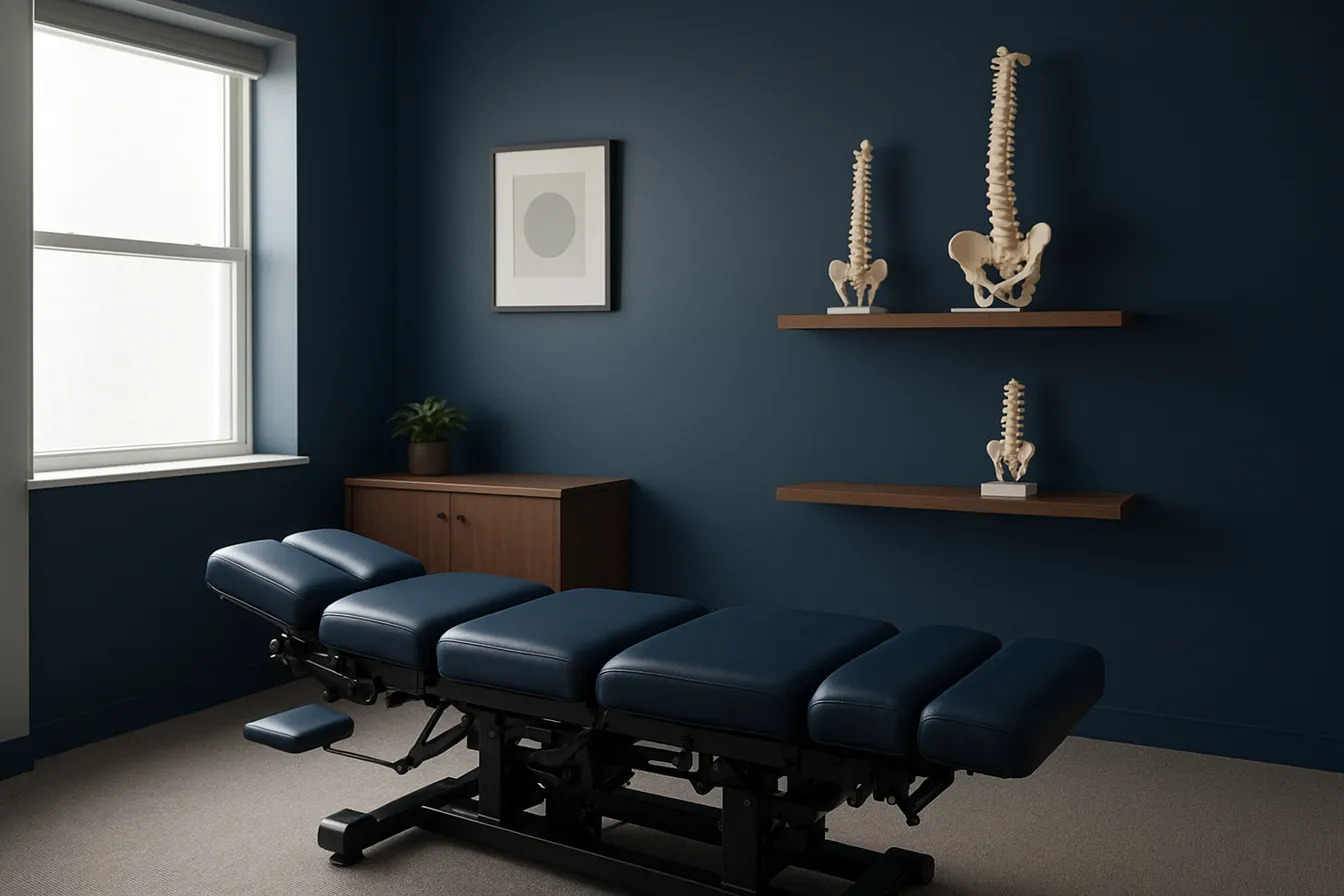
Back Pain and Chiropractic Care: A Winning Combination
February 8, 2026
11 min
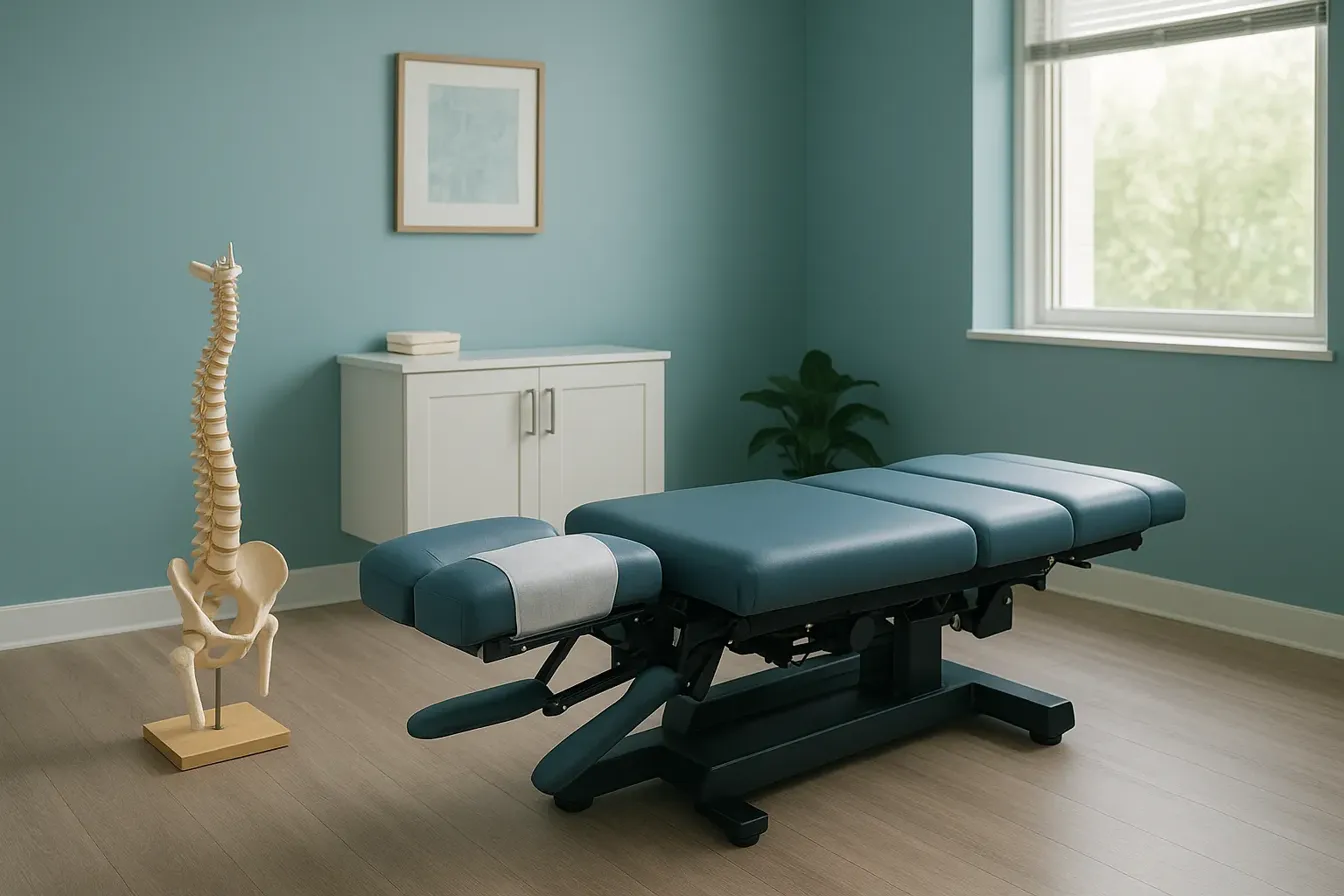
Introduction to Chiropractic Care for Back Pain
Understanding Chiropractic Care
Chiropractic care is a widely used treatment approach focusing on diagnosing and managing musculoskeletal issues, especially back pain. It involves spinal manipulation — a hands-on technique where controlled force is applied to spinal joints to restore proper movement and alignment. This helps alleviate nerve irritation, reduce pain, and improve function.
Back Pain and Chiropractic Usage
Back pain is a prevalent condition experienced by nearly everyone at some point, making it one of the leading causes of disability worldwide. In the United States alone, about 11% of adults sought chiropractic care in 2022 to address such problems. Chiropractic care offers a non-invasive, drug-free alternative emphasizing natural healing and holistic health.
Principles of Spinal Manipulation and Musculoskeletal Health
Chiropractors tailor spinal manipulations to each patient’s unique needs, focusing on improving joint mobility and spinal alignment. Good spinal health supports nervous system function, reduces inflammation, and enhances overall musculoskeletal wellness. This integrative approach often complements lifestyle modifications, exercise, and patient education to optimize recovery and maintain long-term spinal health.
Effectiveness and Safety of Chiropractic Treatments for Lower Back Pain

Is chiropractic care safe and effective for treating lower back pain?
Yes, chiropractic care is widely recognized as both safe and effective for managing lower back pain, especially when administered by licensed professionals trained in spinal manipulation techniques. These treatments primarily involve controlled, hands-on adjustments of spinal joints aimed at improving mobility, reducing muscle tightness, and alleviating nerve irritation.
How effective are spinal manipulation and chiropractic adjustments?
Research provides moderate evidence supporting spinal manipulation as an effective treatment for acute and chronic lower back pain. Patients commonly report pain relief, improved function, and enhanced quality of life following chiropractic sessions. Studies indicate that chiropractic care can reduce the need for pain medications — including opioids — and help patients avoid invasive procedures such as surgery.
What is the safety profile and typical side effects?
Chiropractic adjustments are generally safe with rare serious complications. Minor side effects like short-lived soreness, stiffness, or mild headaches are common but typically resolve within 24 to 72 hours. Chiropractors carefully assess patients beforehand to identify contraindications such as fractures, severe osteoporosis, or neurological conditions to avoid risks.
What is the usual treatment duration and patient response?
Most patients undergoing chiropractic care for lower back pain benefit from multiple treatment sessions spread over several weeks. Initial visits involve thorough evaluation and establishment of a personalized treatment plan. As symptoms improve, treatment frequency often decreases. However, if pain or dysfunction persists beyond several weeks, chiropractic care may be reevaluated in favor of alternative approaches.
Do clinical guidelines support chiropractic care for lower back pain?
Yes, several clinical guidelines, including those from the American College of Physicians, recommend spinal manipulation as a frontline conservative treatment for lower back pain. Chiropractic care is commonly integrated with education on posture, exercise, and self-care strategies, enhancing long-term musculoskeletal health and preventing recurrence of pain.
| Aspect | Details | Notes |
|---|---|---|
| Efficacy | Effective for acute and chronic lower back pain | Supported by moderate evidence |
| Safety | Generally safe with minor, temporary side effects | Serious risks are rare |
| Common Side Effects | Soreness, stiffness, mild headaches | Usually resolve within days |
| Treatment Duration | Multiple sessions over weeks | Frequency decreases with improvement |
| Clinical Support | Recommended by major guidelines | Emphasizes conservative management |
The Chiropractic Adjustment Process and Its Therapeutic Benefits

What Does a Chiropractor Do to Relieve Lower Back Pain?
A chiropractor primarily uses spinal adjustments or manipulations to relieve lower back pain. These techniques involve applying controlled force to specific spinal joints to correct misalignments, reduce nerve irritation, and restore proper movement. The manual therapy alleviates muscle tension and inflammation often contributing to pain. Alongside adjustments, chiropractors guide patients on exercises, stretches, and postural improvements to support spinal health and prevent recurring pain.
Description of Chiropractic Adjustments and Spinal Manipulation Techniques
Chiropractors perform spinal manipulations using hands or specialized instruments. The method typically involves a quick, controlled thrust on targeted joints, sometimes accompanied by a popping sound due to gas release within the joint. These adjustments focus on increasing joint mobility, enhancing spinal alignment, and reducing pressure on nerves to optimize nervous system function.
What Patients Can Expect During a Session
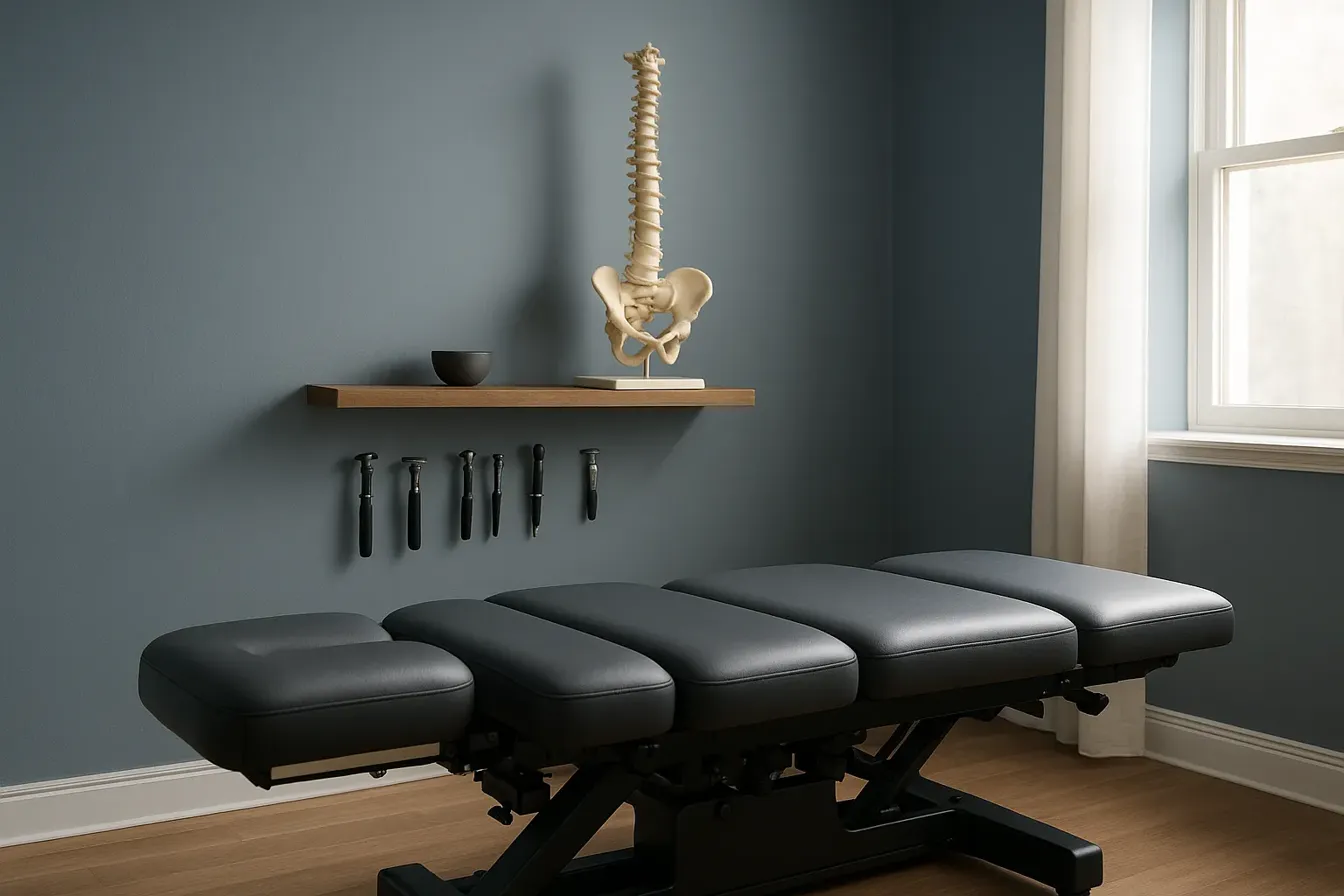
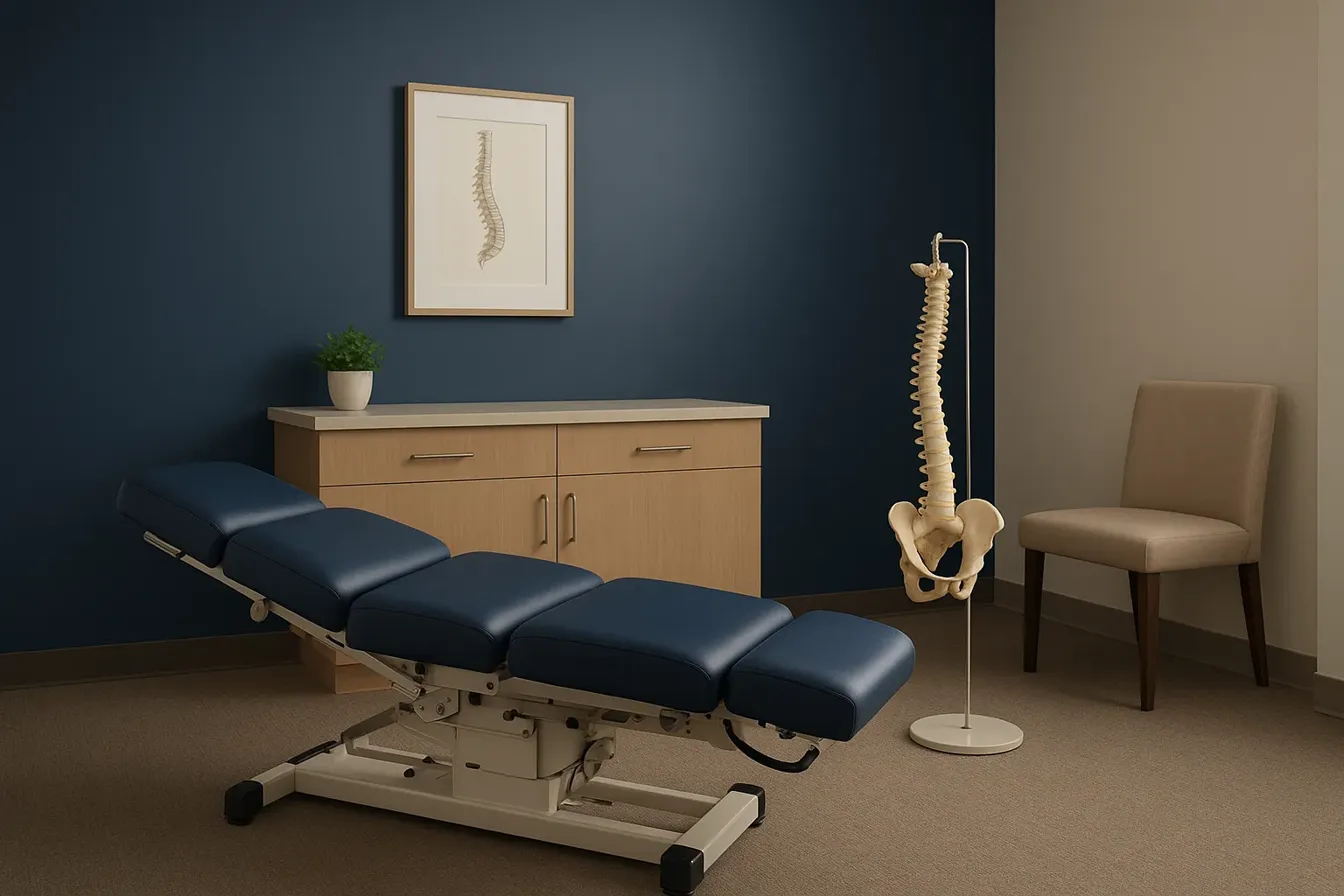
During a chiropractic session, patients generally lie on a padded table while the chiropractor assesses spinal mobility and alignment. The session begins with a detailed consultation, physical examination, and, if needed, diagnostic imaging. Treatment includes applying precise manual adjustments followed by recommendations on self-care, posture, and exercises tailored to individual needs. Mild soreness or fatigue may be experienced temporarily after treatment.
Short and Long-Term Benefits
Chiropractic adjustments offer immediate pain relief, reduce stiffness, and improve flexibility. Short-term improvements often include decreased muscle tightness and reduced nerve irritation. Long-term benefits include better posture, enhanced joint function, increased range of motion, and decreased reliance on medications, promoting natural healing without invasive interventions.
Physiological Effects Including Nerve Function and Posture Improvement
Proper spinal alignment through chiropractic care enhances nerve signal transmission by removing interferences caused by joint misalignments. This improved communication supports immune health, reduces inflammation, and can alleviate headaches linked to spinal tension. Additionally, adjustments promote better posture, which lessens muscular strain and supports overall musculoskeletal wellness.
| Aspect | Description | Patient Experience/Benefit |
|---|---|---|
| Adjustment Technique | Controlled force to spinal joints | Improved joint mobility, pain reduction |
| Session Process | Evaluation, manual adjustment, advice | Personalized care, mild temporary soreness |
| Short-Term Benefits | Immediate pain relief, decreased stiffness | Enhanced comfort and mobility |
| Long-Term Benefits | Better posture, increased flexibility | Reduced medication need, sustained wellness |
| Physiological Effects | Improved nerve function and posture | Better immune response, headache relief |
Treatment Frequency and Patient Experience in Chiropractic Care
How often should a chiropractor adjust you?
The frequency of chiropractic adjustments depends on the severity of the condition and individual patient needs. For acute injuries or pain, initial treatment often involves visits 2-3 times per week over several weeks. This phase focuses on reducing pain, improving spinal movement, and jumpstarting the healing process.
As symptoms improve, many patients switch to maintenance care to keep spinal joints properly aligned and prevent recurrence of pain. Maintenance visits typically occur every 3-4 weeks. For those seeking wellness or ongoing prevention, adjustments every 6 to 8 weeks help support musculoskeletal health and nervous system function.
Chiropractors tailor treatment schedules based on factors like the patient's lifestyle, therapeutic response, and overall health goals, ensuring optimized care.
How long after chiropractic treatment will I feel better?
Most patients notice relief within 2-3 weeks of consistent Chiropractic care for back pain. Adjustments work by realigning the spine, easing nerve pressure, and reducing muscle tension. The body gradually adapts to these changes, improving mobility and decreasing pain.
Some soreness or mild discomfort after treatment is common but tends to resolve within a few days with recommended self-care such as hydration, gentle movement, and posture maintenance.
Patient education in chiropractic care plays a crucial role; chiropractors provide guidance on exercises, ergonomics, and lifestyle choices that enhance treatment benefits and accelerate recovery.
What are the differences between acute care, maintenance, and wellness appointments?
- Acute Care: Frequent visits aimed at reducing pain and restoring function after injury or flare-ups.
- Maintenance Care: Regular visits spaced out to preserve alignment and prevent future issues.
- Wellness Care: Less frequent visits focusing on long-term musculoskeletal health and nervous system optimization.
What is the role of personalized treatment plans and patient education?
Personalized plans reflect the patient’s unique condition, progress, and goals. They combine spinal adjustments with exercises, lifestyle modifications, and self-care strategies.
Patient education in chiropractic helps individuals understand their condition, manage symptoms, and actively participate in their recovery, leading to better outcomes and lasting wellness. This holistic approach supports not only spinal health but also overall physical function and quality of life.
Holistic and Integrative Approaches to Musculoskeletal Health
How can I improve my musculoskeletal health?
Improving Musculoskeletal Health requires a whole-person approach to musculoskeletal health that addresses physical, nutritional, and lifestyle factors.
The importance of a whole-person approach to musculoskeletal wellness
Musculoskeletal health is about more than just treating pain; it involves managing diet, lifestyle, mental well-being, and physical therapies together. Conditions like osteoporosis and arthritis benefit from strategies that include quitting smoking, maintaining a healthy weight, and stress management alongside medical care. Mind-body therapies such as yoga, mindfulness, and acupuncture support both pain relief and functional improvements.
Integration of chiropractic care with physical therapy, exercise, and nutrition
Chiropractic care plays a crucial role by realigning the spine and relieving nerve pressure, which enhances mobility and reduces pain. When combined with physical therapy, patients gain muscle strengthening and flexibility improvements essential for supporting spinal health. Corrective exercises and nutritional counseling help maintain gains from adjustments and promote overall skeletal strength.
Role of lifestyle factors such as posture, ergonomics, and mental health
Proper posture and ergonomic adjustments prevent spinal misalignments and reduce strain on muscles and joints. Patient education in chiropractic care in these areas helps avoid recurring problems. Additionally, mental health impacts musculoskeletal pain; integrating relaxation and behavioral therapies promotes long-term wellness.
Benefits of combined therapies and patient engagement for better outcomes
Synergistic treatment plans that combine chiropractic care with physical therapy, exercise, and nutrition accelerate recovery, improve function, and reduce reliance on medications. Active patient involvement in decision-making and adherence to personalized regimens enhances treatment effectiveness and satisfaction.
| Aspect | Role | Benefits |
|---|---|---|
| Chiropractic Care | Spinal manipulation and nerve pressure reduction | Pain relief, improved mobility, spinal alignment |
| Physical Therapy | Muscle strengthening and flexibility | Support spine, prevent injury recurrence |
| Nutrition | Anti-inflammatory diet and supplements | Bone health, reduced inflammation |
| Posture and Ergonomics | Habit modification and workspace adjustments | Prevent pain, improve body mechanics |
| Mind-Body Therapies | Stress reduction and mental wellness | Enhanced pain management and function |
Exploring the Benefits and Limitations of Chiropractic Care
What are the benefits and disadvantages of chiropractic care?
Chiropractic care prevalence in the US provides a natural, non-invasive method to relieve pain and improve musculoskeletal health. It is widely recognized for effectively treating conditions such as lower back pain, neck pain, headaches, and sciatica. Many patients report reduced pain, improved joint mobility, enhanced posture, and increased nerve function. By addressing spinal alignment and nerve pressure, Chiropractic adjustments can also improve sleep quality and reduce muscle tension.
Despite these benefits, Chiropractic adjustment is not without limitations. Temporary soreness, stiffness, or mild discomfort following adjustments is common but generally resolves within 24 to 72 hours. Rare but serious risks include herniated discs, nerve compression, or, in very uncommon cases, stroke associated with neck manipulation. These risks are minimized when care is provided by well-trained, licensed chiropractors. Additionally, Chiropractic care prevalence in the US may not be suitable for people with severe osteoporosis, fractures, or certain neurological conditions.
Can chiropractic adjustments release toxins from your body?
There is a common misconception that chiropractic adjustments release toxins from the body; however, no scientific evidence supports this claim. The focus of Chiropractic adjustments is on restoring proper joint movement, reducing nerve irritation, and enhancing overall nervous system function.
Some patients may experience mild, flu-like symptoms or a temporary feeling of being unwell after treatment due to the body’s response to change, not toxin release. True detoxification is carried out naturally by the liver, kidneys, skin, and digestive system. Maintaining a balanced diet, hydration, and a healthy lifestyle support these processes alongside chiropractic therapy.
A non-invasive option reducing reliance on medications
Chiropractic treatments for lower back pain offers an effective, drug-free alternative for managing pain. Research indicates that patients receiving spinal manipulation often use fewer prescription pain medications, including opioids, and have lower rates of back surgery. This natural approach focuses on correcting the root causes of pain rather than just masking symptoms, promoting long-term wellness and functional recovery.
Treatment involves personalized plans that often combine adjustments with exercises and patient education about posture, flexibility, and ergonomics. This holistic approach supports sustained improvements in function and quality of life.
| Aspect | Benefits | Disadvantages |
|---|---|---|
| Pain Relief | Reduced back, neck, and headache pain | Temporary soreness after treatment |
| Posture & Mobility | Improved spinal alignment and range of motion | Risk of rare complications |
| Nerve Function | Enhanced nerve signal flow and reduced irritation | Not suitable for some serious conditions |
| Medication Use | Decreased dependence on pain meds, including opioids | Multiple sessions may be needed |
| Detoxification Claim | None scientifically validated | Misconception about toxin release |
Overall, Chiropractic care prevalence in the US is a safe and effective option for many people with musculoskeletal pain when performed by licensed practitioners. Setting realistic expectations about its benefits and understanding its limitations ensures patients can make informed decisions about their care.
Additional Health Benefits of Chiropractic Care Beyond Back Pain

Impact on Related Conditions such as Headaches, Migraines, and Constipation
Chiropractic care for neck pain is well-known for alleviating headaches and migraines, often caused by muscle tension and spinal misalignment in the neck. Chiropractic adjustments help relieve muscle tightness and improve nerve function, reducing the frequency and intensity of these headaches. Additionally, chiropractic care can benefit constipation by improving nerve communication between the brain and digestive system. Spinal misalignments may interfere with signals that regulate digestion, so realigning the spine helps restore normal bowel function naturally.
Enhancement of Sleep Quality and Immune Function
By reducing tension and promoting nervous system balance, benefits beyond back pain can improve sleep quality. Patients often report better rest, which supports overall health. Improved nerve function through chiropractic adjustments also boosts immune system efficiency, enhancing the body's ability to fight infections and maintain wellness.
Stress Reduction and Mental Wellness Benefits
Chiropractic adjustments help release physical tension held in muscles and joints, which contributes to lowering stress. Less bodily tension often translates to improved mood and mental clarity. This whole-person approach to musculoskeletal health supports both physical and mental health, encouraging relaxation and better productivity.
Encouragement of Patient Education and Self-Care for Better Health Outcomes
Patient education in chiropractic care emphasizes educating patients about pain management, posture, exercise, and lifestyle changes. This empowerment through knowledge helps individuals actively participate in their health journey. Self-care practices such as ergonomic adjustments, targeted exercises, and mindfulness complement chiropractic treatment, enhancing long-term results and overall quality of life.
| Benefit Area | Description | Outcome |
|---|---|---|
| Headache & Migraine Relief | Reduces muscle tension and nerve irritation | Fewer headaches and less pain |
| Digestive Health | Improves nerve signaling to digestive organs | Natural relief from constipation |
| Sleep Quality | Balances nervous system, reduces tension | Improved restful sleep |
| Immune Support | Enhances nerve function promoting immune efficiency | Better resistance to illness |
| Stress & Mental Wellness | Releases muscle tension, supports mood improvement | Reduced stress and better mood |
| Patient Education & Self-Care | Provides lifestyle and ergonomic advice | Enhanced long-term wellness |
Conclusion: Embracing Chiropractic Care for Lasting Back Health
Comprehensive Benefits for Back Pain Relief
Chiropractic care offers a natural, non-invasive approach to managing back pain through spinal adjustments that realign the spine, alleviate nerve pressure, and reduce inflammation. Patients often experience significant relief from lower back pain, neck pain, headaches, and related musculoskeletal issues. This treatment modality also supports improved mobility, better posture, and reduced reliance on pain medications, contributing to enhanced overall quality of life.
Personalized and Holistic Treatment
Effective chiropractic care doesn't focus solely on spinal manipulation. It integrates patient education, exercise advice, and lifestyle changes tailored to individual needs. Incorporating corrective exercises, ergonomic guidance, and nutritional recommendations fosters long-term musculoskeletal health. Moreover, blending chiropractic care with complementary therapies like physical therapy and mind–body practices enriches outcomes by addressing the whole person, including emotional and mental well-being.
Integrating Chiropractic into Musculoskeletal Health Management
Given its safety profile and evidence-backed results, chiropractic care is a valuable component in an integrative approach to musculoskeletal health. When combined with medical care and holistic therapies, it enhances recovery, prevents recurring pain, and promotes sustained wellness. Patients are encouraged to consider chiropractic treatment as part of a comprehensive, patient-centered strategy to achieve and maintain lasting back health.
Recent articles

10 Real‑Patient Success Stories Showcasing the Impact of Chiropractic Care

Superfoods That Boost Nerve Healing After Chiropractic Sessions

Sleep Positions That Promote a Healthy Back Alignment

Signs Your Chiropractor Is a Good Fit for Your Back Pain Goals

Case Study: Integrated Physiotherapy and Chiropractic for Faster Recovery

First-Time Chiropractic Visit: A Step‑by‑Step Walkthrough
Synergistic Benefits: Combining Physiotherapy with Chiropractic Care

Beyond Surgery: Holistic Approaches to Managing Back Pain

How Manual Therapy Enhances the Effects of Chiropractic Adjustments

Hydration Hacks: Why Water Matters for Joint and Spine Function

What Does a Comprehensive Spinal Evaluation Include?

Success Spotlight: Transformative Results After Six Weeks of Chiropractic Treatment

Understanding the Initial Assessment Process in Chiropractic Care

Designing a Personalized Corrective Exercise Plan for Chronic Pain Management

Natural Pain Management: Combining Acupuncture, Yoga, and Chiropractic

Chiropractic Care vs. Pain Meds: Long-Term Outcomes for Back Pain Sufferers

What to Expect During a Sciatica‑Focused Decompression Session

Understanding the Pain-Relief Mechanics Behind Chiropractic Adjustments

Success Rates of Non‑Surgical Spinal Decompression for Sciatica

Patient-Centered Chiropractic Care: Personalized Plans for Back Pain Relief
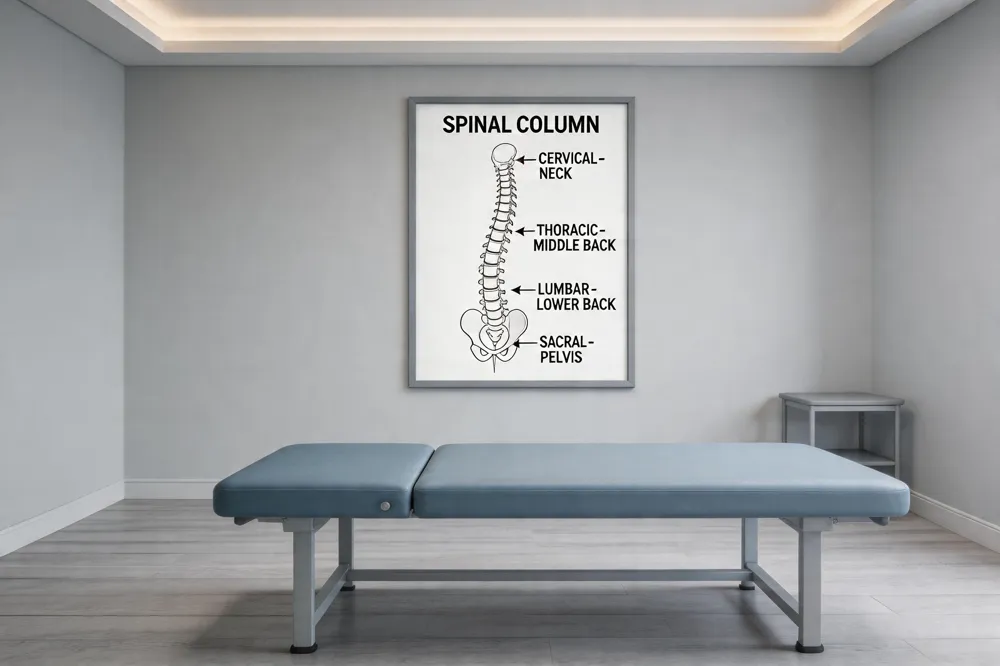
How Chiropractic Treatments Reduce Inflammation and Speed Up Back Pain Recovery

Real‑Life Stories: How Chiropractic Helped Patients Overcome Chronic Back Pain

From Symptom Masking to Root‑Cause Healing: A Practical Guide

6 Holistic Non‑Surgical Treatments That Deliver Sustainable Back‑Pain Relief

Key Questions to Ask When Selecting Your Chiropractor

Mindful Movement: Incorporating Stretch Breaks Into a Busy Day

Why Targeting the Underlying Cause Beats Temporary Symptom Relief

8 Ways Physiotherapy Complements Chiropractic Adjustments for Faster Recovery

Meal Planning for Athletes Recovering from Back Injuries

9 Everyday Lifestyle Tweaks to Preserve a Healthy Spine and Prevent Pain

Functional Movement Screening for Root‑Cause Pain Identification

6 Things You’ll Experience During Your First Chiropractic Appointment

Spinal Decompression vs. Standard Physical Therapy for Sciatica: A Comparative Review

New Findings on How Adjustments Influence Blood Circulation
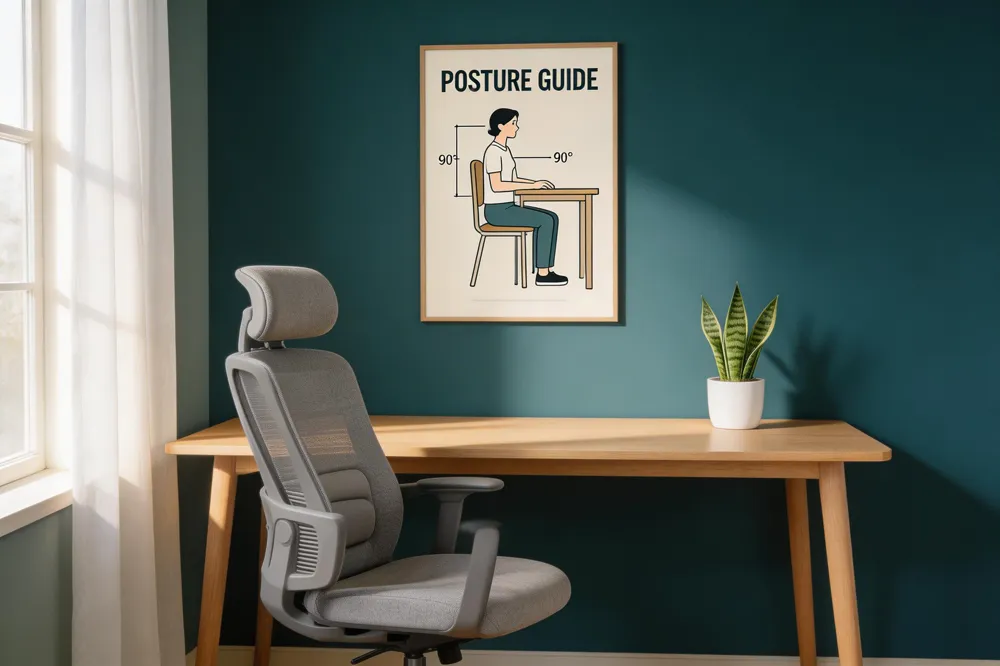
Work‑From‑Home Ergonomics: A Blueprint for a Pain‑Free Back

The Link Between Chiropractic Care and Improved Sleep Quality

Physiotherapy Techniques That Strengthen the Benefits of Chiropractic Adjustments

Biomechanical Insights Behind Successful Spinal Decompression

Desk‑to‑Dumbbell: Lifestyle Shifts That Guard Your Lower Back

10 Corrective Exercises for Sustainable Pain-Free Living

Morning Routines That Support Spine Health and Reduce Stiffness

Calcium and Magnesium‑Focused Nutrition for Bone Density and Spine Health

9 Ways Chiropractic Care Transforms Back Pain Management

Testimonial: Nutrition‑Guided Recovery Accelerated by Chiropractic

Science‑Backed Spinal Decompression for Relieving Sciatica Symptoms

Key Questions to Ask During Your Initial Chiropractic Consultation
Whole‑Body Wellness Blueprint: Nutrition, Exercise, and Chiropractic Synergy

A 12‑Week Corrective Exercise Blueprint for Chronic Neck Discomfort

Manual Therapy Plus Targeted Exercise: Accelerating Post‑Injury Recovery

Home‑Based Spinal Decompression Devices: What Patients Should Know

Chiropractic Care Statistics: Reducing Lost Workdays From Back Pain

How Targeted Nutrition Enhances Immune Function and Lowers Inflammatory Pain

Self‑Assessment Tools to Identify Hidden Triggers of Back Pain

Preparing for Your First Chiropractic Appointment: A Practical Checklist

Back Pain Relief Benefits: Lower Opioid Use and Better Quality of Life

Foam‑Rolling Techniques to Complement Chiropractic Adjustments

Progressive Overload Principles in Corrective Exercise Programs

Six‑Month Transformation: Integrated Care Success Story

7 Nutritional Hacks to Boost Your Overall Wellness

How to Choose a Chiropractor: Credentials, Techniques, and Patient Compatibility

5 Ways Spinal Decompression Can Ease Sciatica Pain

Overcoming Sciatica: A Patient’s Multidisciplinary Treatment Journey
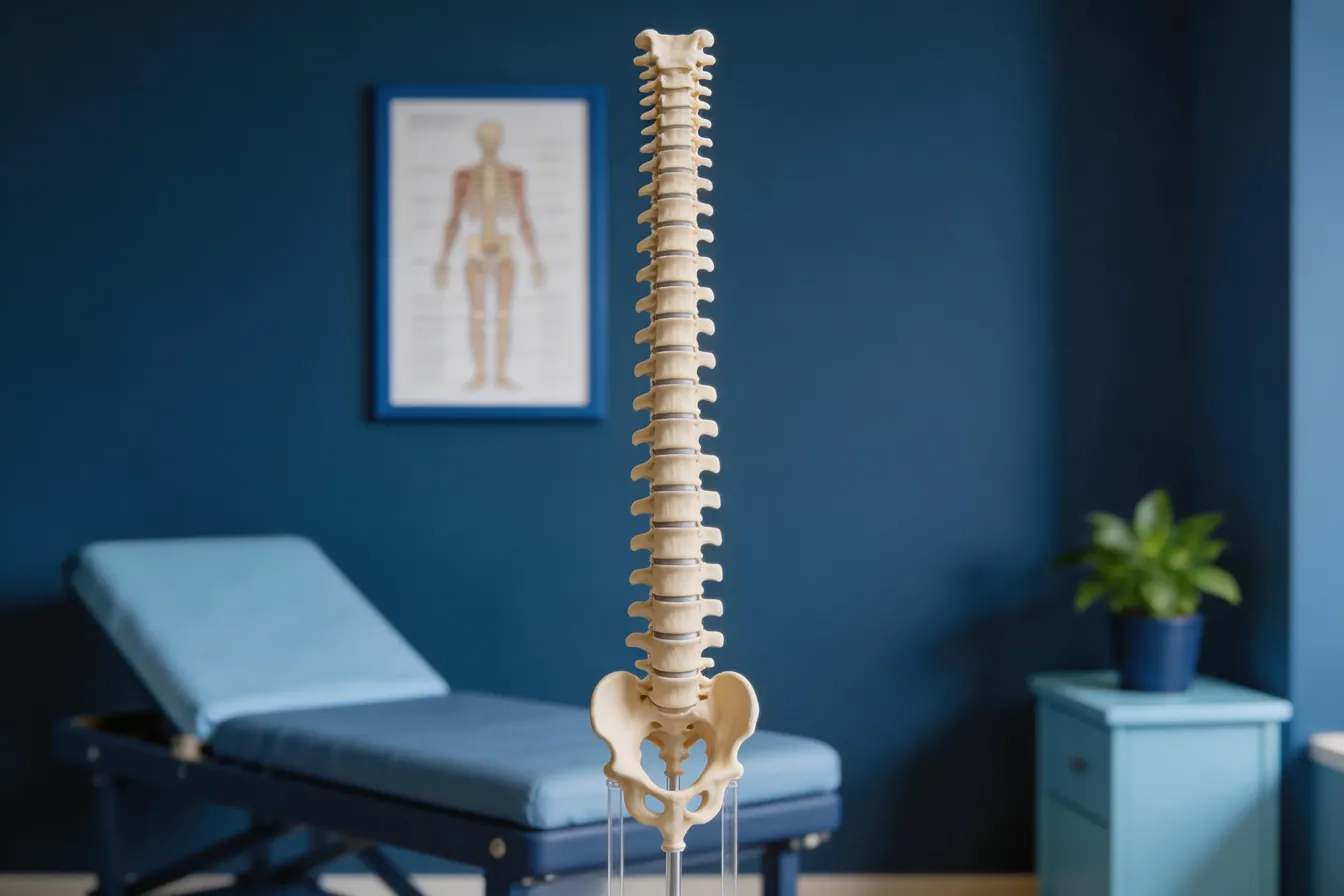
Lifestyle Changes That Promote a Healthy Spine
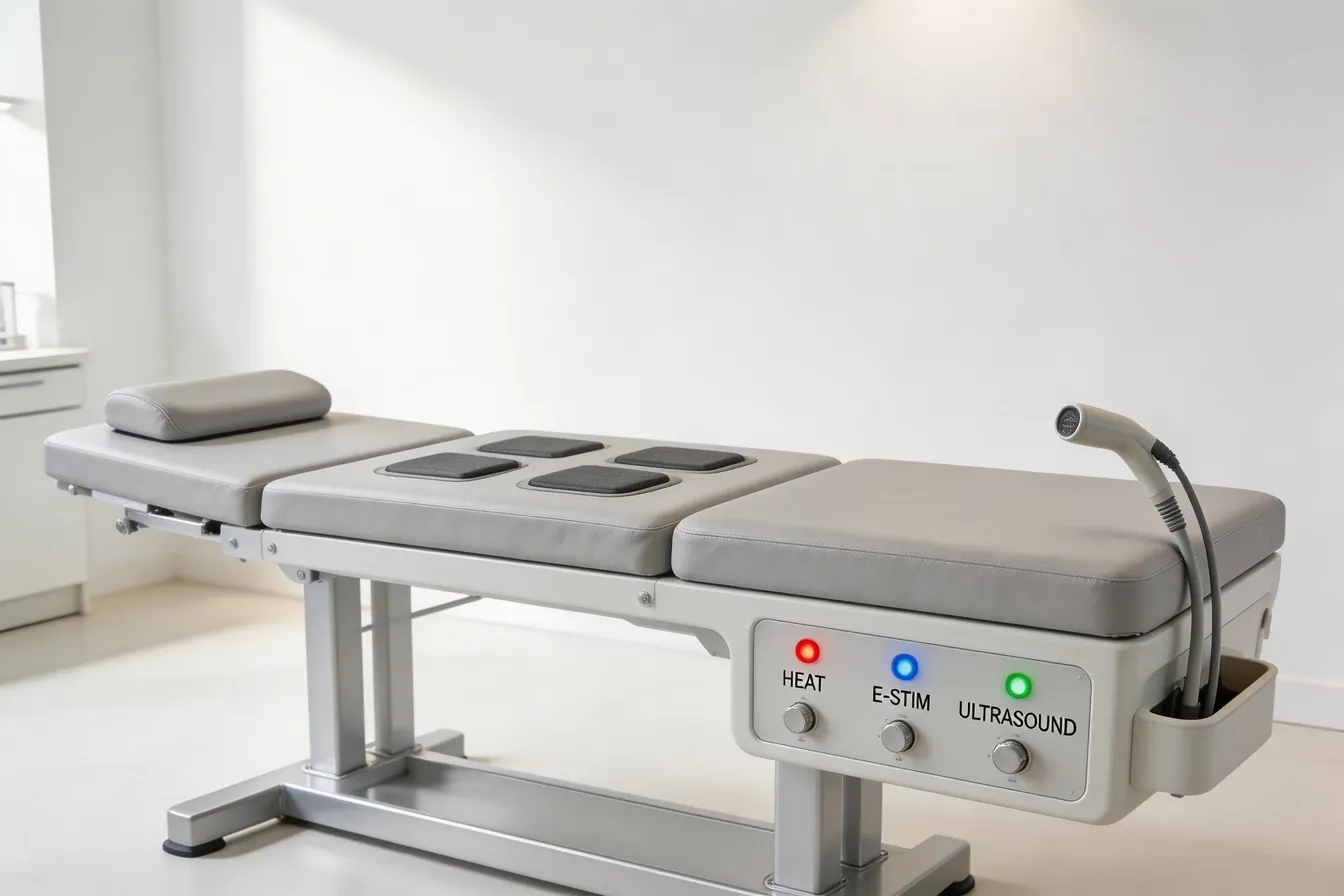
Physiotherapy as a Complement to Chiropractic Treatments

6 Ways Physiotherapy Enhances Chiropractic Treatment Outcomes

Daily Living Tips for a Strong and Healthy Spine

How Physiotherapy Enhances Chiropractic Outcomes
Holistic Treatments: Alternatives to Surgery for Pain Relief
Inspiring Patient Success Stories from Chiropractic Clinics

Integrating Physiotherapy with Chiropractic Treatments
Corrective Exercise Routines for Chronic Pain Prevention
10 Corrective Exercises to Maintain a Healthy Spine and Relieve Pain
Exercise Strategies for Long-Term Pain Management
10 Corrective Exercises to Maintain a Healthy Spine and Relieve Pain
The Importance of Treating the Root Cause of Pain
Nutritional Support Strategies for Whole-Body Wellness
7 Essential Questions to Ask When Choosing Your Chiropractor
Identifying and Addressing Root Causes of Pain

Maintaining a Healthy Spine with Lifestyle Adjustments
Sciatica Symptom Relief via Spinal Decompression
8 Reasons Why Addressing the Root Cause of Pain Is Crucial
Chiropractic Care’s Impact on Back Pain Recovery

Combining Physiotherapy with Chiropractic Care for Better Results

Inspiring Recovery: Chiropractic Patient Testimonials
Nutritional Counseling Tips for Optimal Wellness

Why Addressing the Root Cause of Pain is Crucial
Back Pain and Chiropractic Care: A Winning Combination

Chiropractic Care Benefits You Might Not Know
Exploring Holistic and Non-Surgical Treatments for Pain
Spinal Health: Lifestyle Tips for Everyday Wellness
Spinal Decompression Therapy: Benefits and Applications
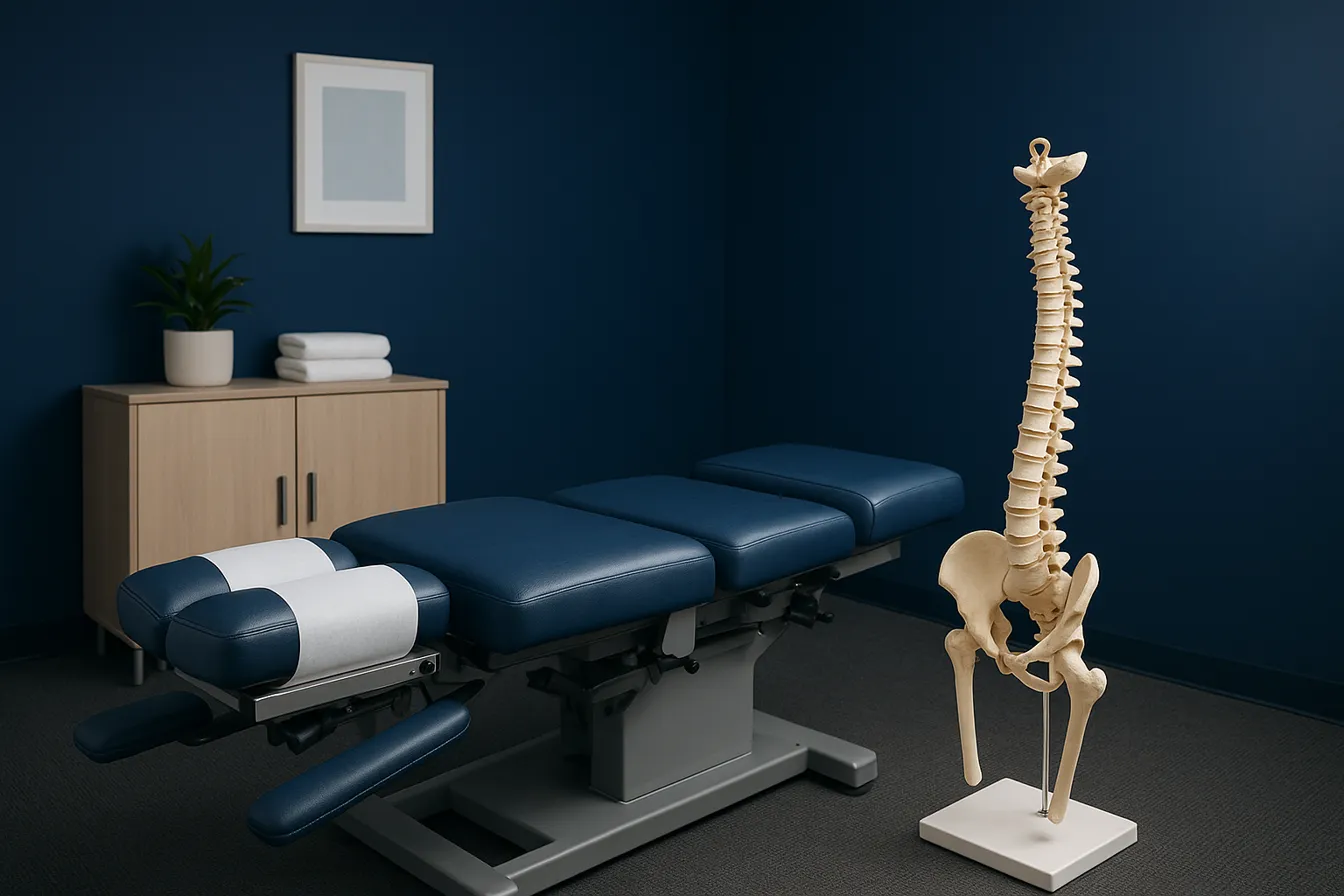
Holistic and Non-Invasive Spine Care Options
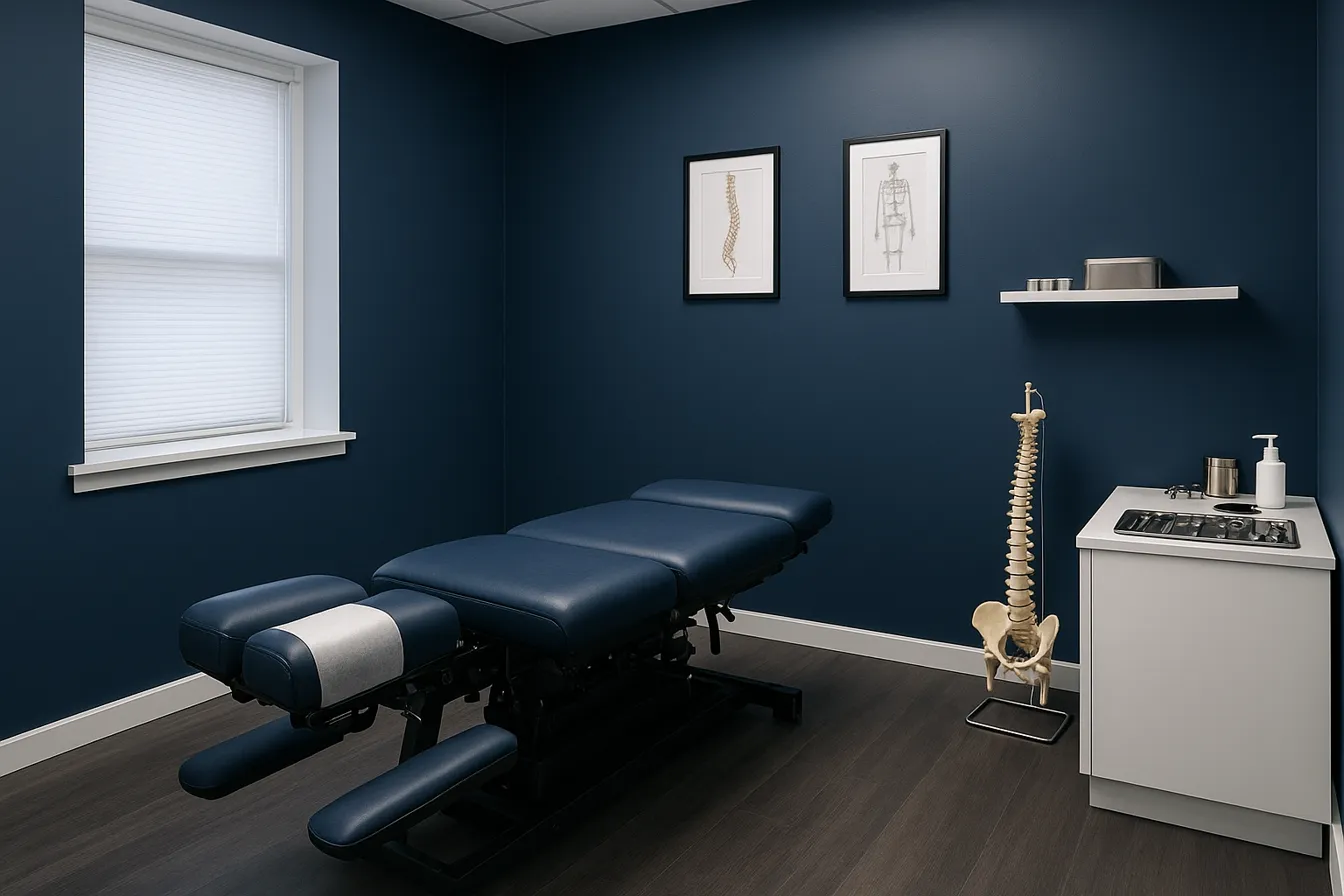
Everyday Lifestyle Advice to Keep Your Spine Healthy
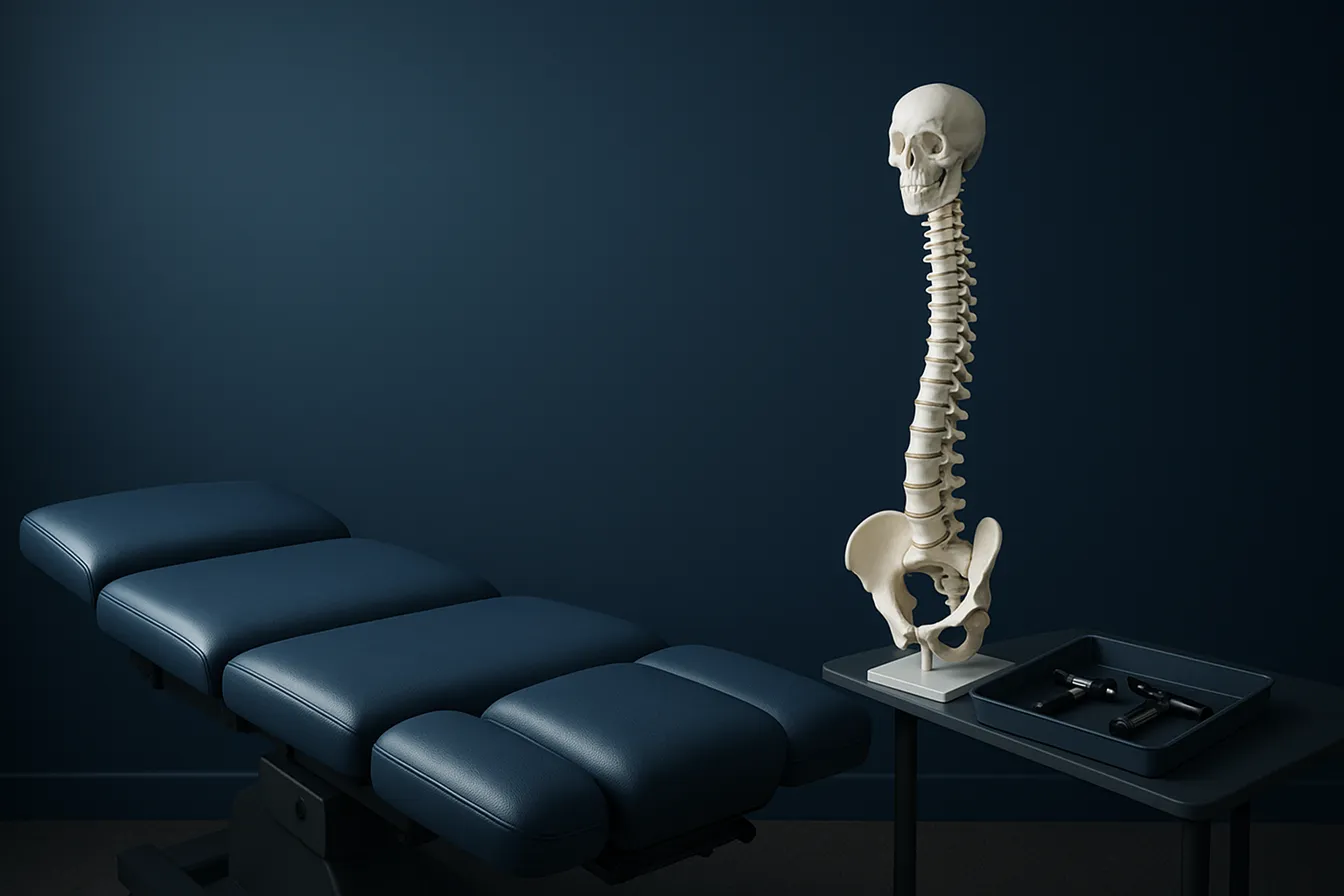
The Significance of Treating Root Causes in Pain Therapy
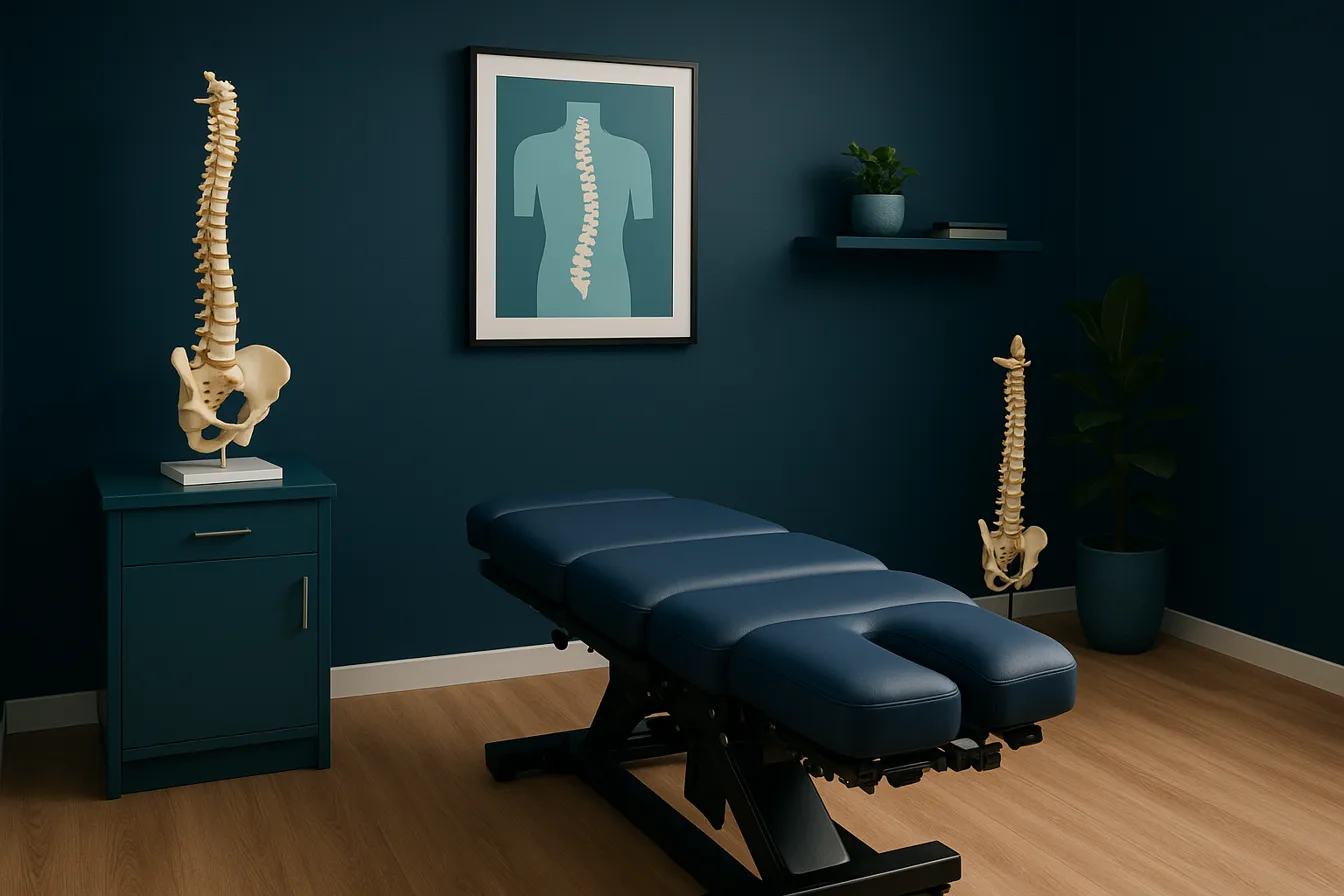
Best Corrective Exercises for Sustainable Pain Management

Addressing Underlying Causes of Pain for Long-Term Relief
6 Key Benefits of Spinal Decompression Therapy for Sciatica Relief

How Nutritional Counseling Supports Spine Health and Recovery

The Role of Physiotherapy in Supporting Chiropractic Treatments