Exploring Holistic and Non-Surgical Treatments for Pain
February 3, 2026
9 min
Understanding Pain and the Need for Holistic Management
Chronic Pain in the United States
Chronic pain affects a vast portion of the American population, with nearly 65% of adults over 65 experiencing persistent pain lasting three months or longer. This condition significantly diminishes quality of life, impacting mobility, mental health, and daily activities.
Limits of Traditional Pain Medications
While medications such as NSAIDs and opioids are frequently prescribed, their use often comes with side effects and risks that can outweigh benefits, especially for long-term sufferers. Dependence and adverse reactions highlight the need for safer, more sustainable alternatives.
Embracing Holistic and Non-Invasive Care
A comprehensive, patient-centered approach that integrates chiropractic care, physical therapy, mindfulness, acupuncture, and gentle exercise offers effective pain relief without invasive procedures or heavy reliance on drugs. This multimodal strategy not only addresses symptoms but also supports the body's natural healing processes, promoting overall wellness and improved function.
The Holistic Philosophy: Addressing Mind, Body, and Spirit in Pain Relief

What are the five main aspects of holistic health?
Holistic health is a comprehensive approach that considers the whole person, not just symptoms. It encompasses five key aspects:
- Emotional Wellness: Managing feelings and coping effectively with stress.
- Intellectual Wellness: Engaging in creative and stimulating mental activities.
- Physical Wellness: Maintaining a healthy body through exercise, nutrition, and restorative therapies.
- Social Wellness: Building meaningful relationships and effective communication.
- Spiritual Wellness: Finding purpose and meaning, which may involve personal beliefs and values.
How does holistic health improve overall well-being?
By integrating these five dimensions, holistic health promotes balance and harmony within the individual. Approaching pain management through this lens helps address underlying causes, reducing reliance on medications and invasive procedures. It encourages preventive care, fosters stronger connections with healthcare providers, and nurtures lifestyle changes that promote sustained health.
Benefits of integrating emotional, intellectual, physical, social, and spiritual wellness in pain management
- Emotional and Social Wellness: Improves coping skills and reduces stress, which can exacerbate chronic pain.
- Physical Wellness: Supports healing through therapies like chiropractic adjustments for pain relief, physical therapy for pain management, and exercise.
- Intellectual Wellness: Enhances understanding and engagement with treatment plans.
- Spiritual Wellness: Offers a sense of hope and resilience.
Together, these aspects foster a patient-centered treatment plan that embraces natural healing and improves quality of life for those managing chronic pain.
Chiropractic Care: A Cornerstone of Non-Surgical Pain Management

What chiropractic techniques are used and what pain conditions do they address?
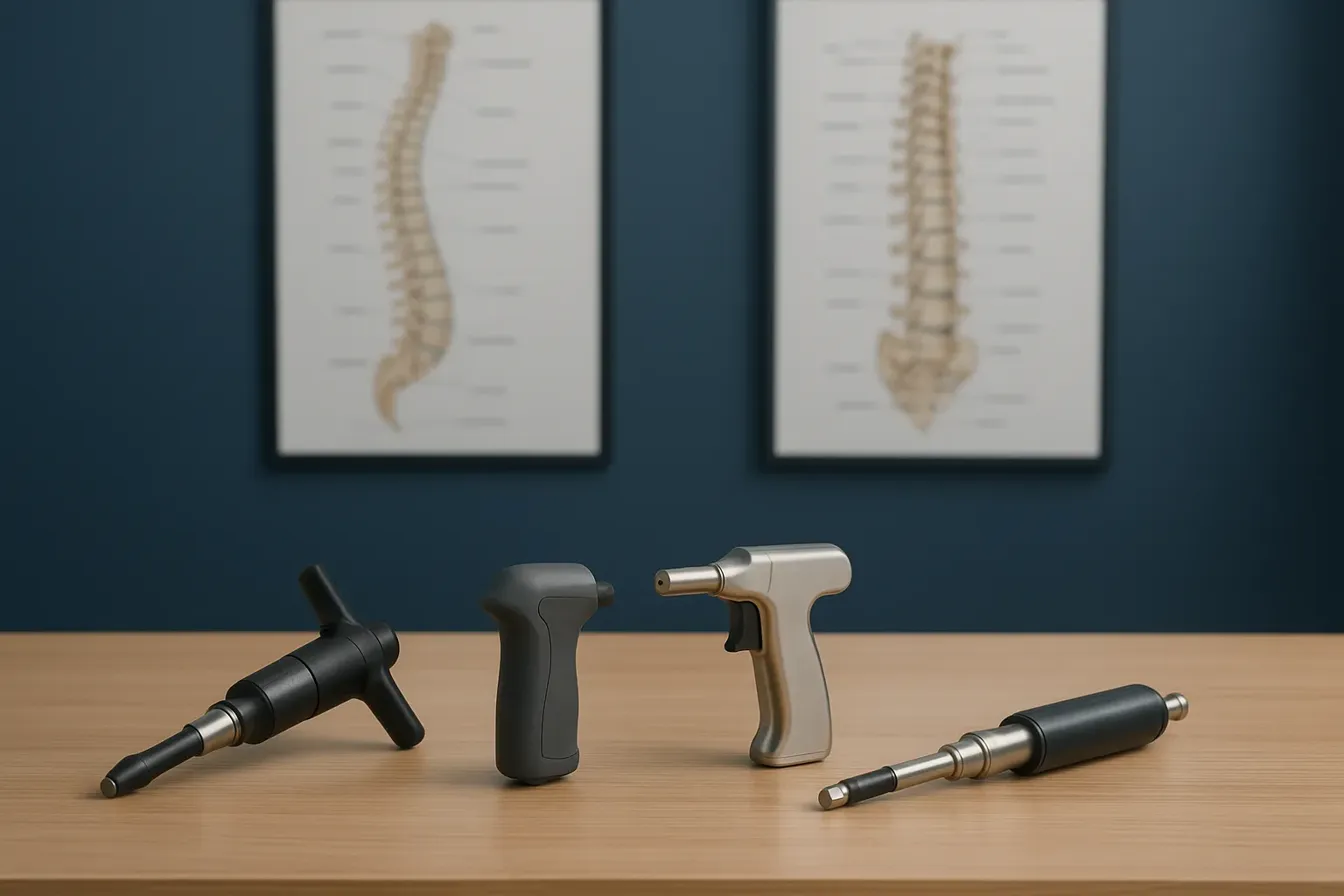
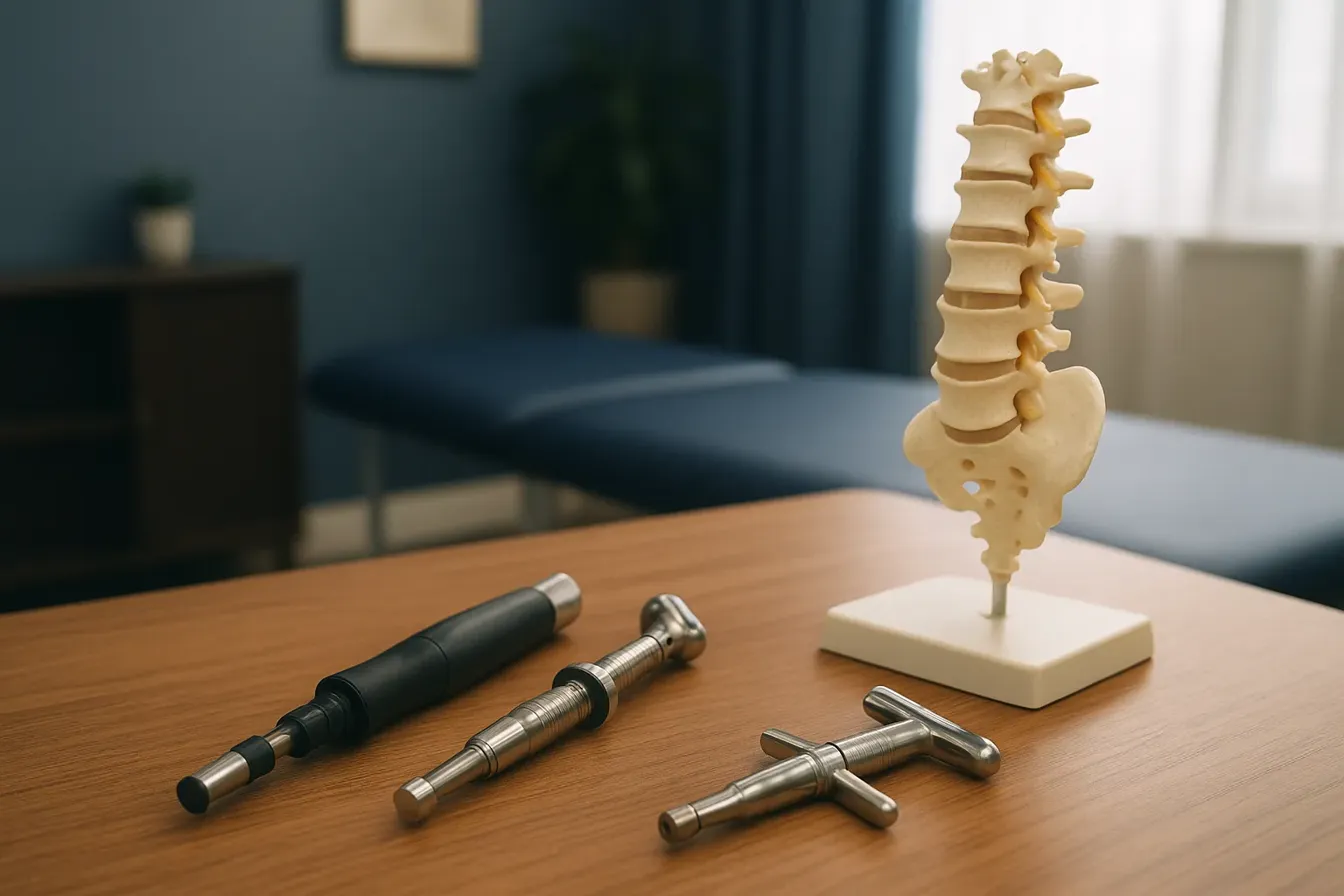
Chiropractic care for chronic pain employs hands-on techniques such as spinal manipulation techniques, joint mobilization, traction, myofascial release, and therapeutic massage. These methods realign the spine and other joints, reduce inflammation, and relax muscle spasms. Chiropractors often assess patients via health history, physical exams, and diagnostic imaging to tailor treatment plans.
This approach effectively targets back pain, neck pain, joint discomfort in hips and shoulders, and headaches including migraines. It also supports improved posture and mobility by correcting misalignments that stress muscles and nerves.
Can chiropractors help with pain management?
Yes, Chiropractic management of chronic pain plays a vital role in pain management. Their manipulative therapies restore alignment, relieve nerve pressure, and reduce muscle tension, resulting in both immediate symptom relief and long-term functional improvement. Many patients report decreased pain intensity and enhanced quality of life.
Are there safety concerns or risks associated with chiropractic care?
While generally safe, excessive or frequent chiropractic adjustments can potentially overstretch ligaments, cause joint instability, or irritate nerves. Therefore, treatment is personalized and carefully monitored to avoid over-manipulation. Minor soreness or aches may occur after sessions, but serious complications are rare.
How does chiropractic care fit into a multidisciplinary pain management plan?
Chiropractic care complements other therapies such as physical therapy for pain management, acupuncture for pain relief, massage therapy benefits, and psychological support. Integrated multidisciplinary programs combine these modalities to address musculoskeletal pain holistically, promoting natural healing while reducing reliance on medications or surgery. Collaboration with other healthcare providers ensures tailored comprehensive care.
This Holistic Pain Management Approach exemplifies non-invasive, drug-free management options for chronic pain, improving mobility and wellbeing for many individuals.
Acupuncture, Massage, and Mindfulness: Ancient Practices Supporting Modern Pain Relief
What are the holistic therapies for pain?
Holistic approaches to chronic pain go beyond medications and focus on natural and integrative methods such as acupuncture for pain relief, massage therapy benefits, mindfulness techniques for chronic pain, meditation, and mind-body techniques like hypnosis and cognitive behavioral therapy (CBT) for pain. These approaches help alleviate pain by working with the body’s nervous system, muscular system, and psychological state.
How does acupuncture work to relieve pain?
Acupuncture for pain relief involves the insertion of fine needles at specific points on the body to stimulate the nervous system and promote the release of natural pain relievers like endorphins. Its mechanisms include enhancing blood flow, reducing inflammation, and balancing energy pathways (known as meridians). Research supports acupuncture’s effectiveness in treating conditions such as back pain, migraines, tension headaches, arthritis, and cancer-related pain, often reducing reliance on opioid medications.
Benefits of massage therapy for pain management
Massage therapy benefits manipulate soft tissues to boost circulation and oxygen supply, relax skeletal muscles, and reduce stress hormones. This leads to decreased muscle tension, improved range of motion, and diminished pain intensity, especially for conditions like low back pain, neck pain, fibromyalgia, and osteoarthritis. Massage also helps calm the nervous system, supporting stress reduction which further lowers pain severity.
Mindfulness and meditation techniques to alter pain perception
Mindfulness-based pain relief techniques, including meditation, deep breathing, guided imagery, and hypnosis, help patients manage chronic pain by changing how pain signals are processed and perceived in the brain. Techniques like progressive muscle relaxation and cognitive behavioral therapy (CBT) for pain empower individuals to reduce anxiety and depression linked to chronic pain, enhancing their physical function and quality of life.
Integrating these therapies into comprehensive pain management
Optimal pain relief often requires a multimodal approach to chronic pain personalized to the patient’s needs. Combining acupuncture, massage, and mindfulness with physical therapy for pain management and other non-drug treatments creates a holistic plan that targets both physiological sources and psychological effects of chronic pain. Working closely with healthcare providers ensures safe and effective integration, improving outcomes and reducing dependence on medications.
| Therapy | Mechanism | Conditions Treated |
|---|---|---|
| Acupuncture | Nervous system stimulation; endorphin release | Back pain, headaches, arthritis, cancer pain |
| Massage Therapy | Soft tissue manipulation; circulation and relaxation | Muscle tension, fibromyalgia, joint pain |
| Mindfulness & CBT | Cognitive modulation of pain perception | Chronic pain, anxiety, depression |
Physical Therapy and Movement Therapies: Restoring Function and Relieving Pain
What is the holistic approach to muscle pain?
Holistic pain management for muscle pain integrates nutrition, hydration, gentle exercise, chiropractic care benefits, acupuncture for pain relief, massage therapy benefits, and stress management techniques like meditation and tai chi. This combined approach supports natural healing, improves blood circulation, reduces muscle tension, and fosters long-term wellness.
How does physical therapy help with musculoskeletal pain?
Physical therapy for pain management uses targeted stretching, strengthening exercises, and nerve stimulation techniques in physical therapy to improve muscle strength, enhance range of motion, and alleviate pain. This personalized therapy is tailored to individual needs, ensuring the best outcomes for recovery and daily function.
What are the benefits of movement therapies like yoga and tai chi?
Movement therapies like yoga and tai chi combine gentle physical activity, breathing, and mindfulness. They are especially effective for managing chronic conditions like arthritis, fibromyalgia, low-back pain, and neck pain. These practices improve joint flexibility, balance, and reduce pain intensity while also supporting mental health.
Why is personalized rehabilitation important?
Custom rehabilitation plans address each individual’s condition, goals, and physical capabilities. They prevent injury, promote healing, and optimize musculoskeletal health. This tailored care improves the quality of life by enabling more comfortable movement and reducing chronic pain symptoms.
How do guided activities contribute to prevention and wellness?
Regular guided activities like physical therapy exercises and movement therapies help maintain muscle strength and joint health. They reduce the risk of future injuries and chronic pain flare-ups, supporting overall function, mobility, and a better quality of life.
Mind-Body Connection and Pain Perception: Training Your Brain to Manage Pain
Understanding Pain as a Neural and Psychological Process
Pain is not solely a physical sensation—it is deeply influenced by the brain's interpretation and emotional response. Chronic pain especially involves neural pathways that can amplify pain signals, making perception as much a mental experience as a biological one.
Can You Train Your Brain to Not Feel Pain?
While completely blocking pain isn't feasible, mental strategies can reshape how pain is experienced. Techniques like mindfulness meditation for chronic pain and cognitive behavioral therapy (CBT) for pain help reduce the intensity of pain and its emotional distress, enabling patients to cope better.
Use of Mindfulness and CBT to Reduce Pain Intensity and Emotional Distress
Mindfulness meditation teaches individuals to observe pain without judgment, which diminishes its psychological impact. CBT works by identifying and altering negative thought patterns that worsen pain perception, leading to improved mood and function. These mindfulness-based pain relief techniques and cognitive-behavioral approaches are effective components of holistic pain management options.
Mental Strategies to Influence Pain Perception and Improve Coping
Visualization, guided imagery, and hypnosis are additional mind-body methods that promote relaxation and redirect attention away from pain, enhancing pain tolerance and reducing suffering. Such mind-body pain management techniques complement other holistic approaches to chronic pain management.
Complementary Practices Including Biofeedback and Relaxation Techniques
Biofeedback provides real-time information on physiological functions such as muscle tension and heart rate, empowering patients to control their body's pain responses. Relaxation methods including diaphragmatic breathing and progressive muscle relaxation ease muscle tightness and lower stress, which can exacerbate pain. These practices are part of natural ways to ease chronic pain and align with holistic pain management.
These integrative approaches support a more holistic, patient-centered pain management plan, emphasizing the crucial role of the brain in controlling pain and improving quality of life.
Lifestyle, Nutrition, and Natural Pain Management: Supporting Long-Term Wellness
What is the body's own natural pain reliever?
The body naturally produces pain-relieving chemicals called endorphins and enkephalins. These endogenous opioids bind to mu-opioid receptors in the nervous system to block pain signals and promote a feeling of well-being.
Recent studies highlight how certain modulators can enhance the activation of these receptors without the addictive risks of opioid drugs. This emerging science offers the promise of safer, non-addictive ways to manage pain by harnessing the body's own regulatory systems.
How to relieve pain holistically?
Holistic pain relief focuses on nurturing the whole person by integrating multiple natural strategies. A nutrient-rich, anti-inflammatory diet rich in omega-3 fatty acids, antioxidants from fruits and vegetables, and whole grains helps reduce inflammation that contributes to chronic pain.
Adequate quality sleep and stress reduction techniques such as mindfulness meditation, cognitive behavioral therapy (CBT) for pain, and yoga lower stress hormones that can increase pain sensitivity.
Ergonomic practices that promote good posture and reduce strain protect musculoskeletal health.
Physical modalities like heat therapy relax stiff muscles and cold therapy decrease inflammation and swelling.
Complementing these are treatments like acupuncture for pain relief, massage therapy benefits, and red light therapy, which encourage circulation, muscle relaxation, and natural healing processes.
Benefits of quality sleep, stress reduction, and ergonomic practices
Regular restful sleep enhances the body's repair mechanisms, reduces fatigue, and lowers pain perception. Stress reduction interrupts the vicious cycle of stress-induced pain amplification by calming the nervous system.
Using ergonomic tools and maintaining proper body mechanics minimizes joint and muscle strain, helping prevent pain flare-ups.
Role of anti-inflammatory diets rich in omega-3s, antioxidants from fruits and vegetables
Diets abundant in antioxidants from leafy greens, berries, and cruciferous vegetables combat oxidative stress and inflammation, key drivers of chronic musculoskeletal pain. Omega-3-rich foods like fatty fish support joint lubrication and reduce inflammatory markers.
Incorporating these natural nutrition strategies promotes long-term wellness and complements therapeutic pain management techniques.
Towards Integrated, Personalized Pain Solutions for Lasting Relief
Holistic and Non-Surgical Modalities for Chronic Pain
Managing chronic pain effectively calls for a holistic approach that goes beyond medication. Various non-surgical treatments such as chiropractic care, acupuncture, massage therapy, physical therapy, and mindful movement practices like yoga and tai chi offer natural pain relief by addressing the body's structure, nervous system, and mental well-being.
Each modality harnesses unique mechanisms—chiropractic adjustments restore joint alignment and reduce inflammation; acupuncture stimulates natural healing; massage therapy relaxes muscles and improves circulation; physical therapy strengthens and mobilizes; while mindfulness techniques calm the nervous system and reduce pain perception.
The Importance of Individualized Treatment Plans
No single therapy fits all. Successful pain management depends on personalized plans tailored to an individual's medical history, preferences, and specific pain conditions. Patient-centered care considers the whole person—physical, emotional, and lifestyle factors—to create treatment plans that optimize outcomes and enhance quality of life.
Collaborative Patient-Provider Engagement
Open and ongoing communication between patients and healthcare providers is crucial. Collaborative dialogue ensures treatments align with patient goals, monitors progress, and adjusts approaches as needed. This partnership empowers patients to participate actively in their healing journey, integrating holistic and conventional treatments for sustained pain relief and wellness.
Recent articles

10 Real‑Patient Success Stories Showcasing the Impact of Chiropractic Care

Superfoods That Boost Nerve Healing After Chiropractic Sessions

Sleep Positions That Promote a Healthy Back Alignment

Signs Your Chiropractor Is a Good Fit for Your Back Pain Goals

Case Study: Integrated Physiotherapy and Chiropractic for Faster Recovery

First-Time Chiropractic Visit: A Step‑by‑Step Walkthrough

Synergistic Benefits: Combining Physiotherapy with Chiropractic Care

Beyond Surgery: Holistic Approaches to Managing Back Pain

How Manual Therapy Enhances the Effects of Chiropractic Adjustments

Hydration Hacks: Why Water Matters for Joint and Spine Function

What Does a Comprehensive Spinal Evaluation Include?

Success Spotlight: Transformative Results After Six Weeks of Chiropractic Treatment

Understanding the Initial Assessment Process in Chiropractic Care

Designing a Personalized Corrective Exercise Plan for Chronic Pain Management

Natural Pain Management: Combining Acupuncture, Yoga, and Chiropractic

Chiropractic Care vs. Pain Meds: Long-Term Outcomes for Back Pain Sufferers

What to Expect During a Sciatica‑Focused Decompression Session

Understanding the Pain-Relief Mechanics Behind Chiropractic Adjustments

Success Rates of Non‑Surgical Spinal Decompression for Sciatica

Patient-Centered Chiropractic Care: Personalized Plans for Back Pain Relief
How Chiropractic Treatments Reduce Inflammation and Speed Up Back Pain Recovery

Real‑Life Stories: How Chiropractic Helped Patients Overcome Chronic Back Pain

From Symptom Masking to Root‑Cause Healing: A Practical Guide

6 Holistic Non‑Surgical Treatments That Deliver Sustainable Back‑Pain Relief

Key Questions to Ask When Selecting Your Chiropractor

Mindful Movement: Incorporating Stretch Breaks Into a Busy Day

Why Targeting the Underlying Cause Beats Temporary Symptom Relief

8 Ways Physiotherapy Complements Chiropractic Adjustments for Faster Recovery

Meal Planning for Athletes Recovering from Back Injuries

9 Everyday Lifestyle Tweaks to Preserve a Healthy Spine and Prevent Pain

Functional Movement Screening for Root‑Cause Pain Identification

6 Things You’ll Experience During Your First Chiropractic Appointment

Spinal Decompression vs. Standard Physical Therapy for Sciatica: A Comparative Review

New Findings on How Adjustments Influence Blood Circulation
Work‑From‑Home Ergonomics: A Blueprint for a Pain‑Free Back

The Link Between Chiropractic Care and Improved Sleep Quality

Physiotherapy Techniques That Strengthen the Benefits of Chiropractic Adjustments

Biomechanical Insights Behind Successful Spinal Decompression

Desk‑to‑Dumbbell: Lifestyle Shifts That Guard Your Lower Back

10 Corrective Exercises for Sustainable Pain-Free Living

Morning Routines That Support Spine Health and Reduce Stiffness

Calcium and Magnesium‑Focused Nutrition for Bone Density and Spine Health

9 Ways Chiropractic Care Transforms Back Pain Management

Testimonial: Nutrition‑Guided Recovery Accelerated by Chiropractic

Science‑Backed Spinal Decompression for Relieving Sciatica Symptoms

Key Questions to Ask During Your Initial Chiropractic Consultation
Whole‑Body Wellness Blueprint: Nutrition, Exercise, and Chiropractic Synergy

A 12‑Week Corrective Exercise Blueprint for Chronic Neck Discomfort

Manual Therapy Plus Targeted Exercise: Accelerating Post‑Injury Recovery

Home‑Based Spinal Decompression Devices: What Patients Should Know

Chiropractic Care Statistics: Reducing Lost Workdays From Back Pain

How Targeted Nutrition Enhances Immune Function and Lowers Inflammatory Pain

Self‑Assessment Tools to Identify Hidden Triggers of Back Pain

Preparing for Your First Chiropractic Appointment: A Practical Checklist

Back Pain Relief Benefits: Lower Opioid Use and Better Quality of Life

Foam‑Rolling Techniques to Complement Chiropractic Adjustments

Progressive Overload Principles in Corrective Exercise Programs

Six‑Month Transformation: Integrated Care Success Story

7 Nutritional Hacks to Boost Your Overall Wellness

How to Choose a Chiropractor: Credentials, Techniques, and Patient Compatibility

5 Ways Spinal Decompression Can Ease Sciatica Pain

Overcoming Sciatica: A Patient’s Multidisciplinary Treatment Journey
Lifestyle Changes That Promote a Healthy Spine
Physiotherapy as a Complement to Chiropractic Treatments

6 Ways Physiotherapy Enhances Chiropractic Treatment Outcomes

Daily Living Tips for a Strong and Healthy Spine

How Physiotherapy Enhances Chiropractic Outcomes
Holistic Treatments: Alternatives to Surgery for Pain Relief

Inspiring Patient Success Stories from Chiropractic Clinics

Integrating Physiotherapy with Chiropractic Treatments
Corrective Exercise Routines for Chronic Pain Prevention
10 Corrective Exercises to Maintain a Healthy Spine and Relieve Pain
Exercise Strategies for Long-Term Pain Management
10 Corrective Exercises to Maintain a Healthy Spine and Relieve Pain
The Importance of Treating the Root Cause of Pain
Nutritional Support Strategies for Whole-Body Wellness

7 Essential Questions to Ask When Choosing Your Chiropractor
Identifying and Addressing Root Causes of Pain
Maintaining a Healthy Spine with Lifestyle Adjustments

Sciatica Symptom Relief via Spinal Decompression

8 Reasons Why Addressing the Root Cause of Pain Is Crucial
Chiropractic Care’s Impact on Back Pain Recovery

Combining Physiotherapy with Chiropractic Care for Better Results

Inspiring Recovery: Chiropractic Patient Testimonials
Nutritional Counseling Tips for Optimal Wellness

Why Addressing the Root Cause of Pain is Crucial
Back Pain and Chiropractic Care: A Winning Combination

Chiropractic Care Benefits You Might Not Know
Exploring Holistic and Non-Surgical Treatments for Pain
Spinal Health: Lifestyle Tips for Everyday Wellness
Spinal Decompression Therapy: Benefits and Applications
Holistic and Non-Invasive Spine Care Options
Everyday Lifestyle Advice to Keep Your Spine Healthy
The Significance of Treating Root Causes in Pain Therapy
Best Corrective Exercises for Sustainable Pain Management

Addressing Underlying Causes of Pain for Long-Term Relief

6 Key Benefits of Spinal Decompression Therapy for Sciatica Relief

How Nutritional Counseling Supports Spine Health and Recovery

The Role of Physiotherapy in Supporting Chiropractic Treatments