The Importance of Treating the Root Cause of Pain
February 24, 2026
11 min
Understanding Pain Beyond Symptoms
Pain is more than just a physical sensation; it is a complex biopsychosocial experience involving biological, psychological, and social factors. This means that pain affects, and is affected by, the body’s structure and function, emotional state, and environmental context.
There are several types of pain, each with distinct characteristics:
- Acute pain is short-term, typically due to injury or surgery, serving as a protective alert.
- Chronic pain persists beyond normal healing time, often lasting months or years, and can significantly impair quality of life.
- Neuropathic pain arises from nerve damage or dysfunction, such as diabetic neuropathy.
- Nociplastic pain involves altered pain processing without clear tissue injury, highlighting the brain’s role in the pain experience.
Recognizing that pain arises from diverse mechanisms underscores the importance of identifying the root causes instead of solely managing symptoms. This approach leads to effective, lasting relief by addressing underlying musculoskeletal dysfunctions, neurological factors, or lifestyle contributors. Holistic treatment plans combining chiropractic care, physical therapy, and psychological support reflect this philosophy, focusing on whole-person health and restored function rather than temporary symptom masking.
What is the Root Cause of Pain?
What is the root cause of pain?
Pain originates from the body's response to various physiological and neurological conditions. The primary causes include tissue damage, nerve injury, or changes in pain signal processing by the nervous system. Understanding these causes is essential for determining the root cause of pain.
Biological and neurological origins of pain
Nociceptive pain arises when actual or potential tissue damage or inflammation occurs, such as from injuries, arthritis, or muscle strain. Sensory nerve fibers detect harmful stimuli and signal pain to the brain.
Neuropathic pain results from nerve damage or dysfunction. It often presents as burning, shooting, or tingling sensations and is common in disorders like sciatica or diabetic neuropathy.
Nociplastic pain occurs in the absence of clear injury or inflammation and is characterized by altered nervous system processing of pain signals. Conditions such as fibromyalgia demonstrate this type of pain mechanism.
Influence of psychological and environmental factors
Pain perception is not solely biological; psychological aspects like stress, anxiety, and depression can amplify pain sensations. Environmental and social factors also impact how an individual experiences pain. This biopsychosocial model highlights the need for holistic assessment and treatment.
Addressing the root cause through a comprehensive approach—including lifestyle, biomechanical, and emotional factors—is critical for Treating the root cause of pain.
| Pain Type | Cause | Example Conditions |
|---|---|---|
| Nociceptive | Tissue damage or inflammation | Arthritis, injury, muscle strain |
| Neuropathic | Nerve injury/dysfunction | Sciatica, diabetic neuropathy |
| Nociplastic | Altered nervous system pain processing | Fibromyalgia, chronic widespread pain |
Causes and Symptoms of Musculoskeletal Pain
What causes musculoskeletal pain?
Musculoskeletal pain arises from various factors affecting muscles, bones, joints, ligaments, or tendons. Injuries such as fractures, sprains, and strains are frequent culprits. Repetitive stress from daily activities or sports can lead to conditions like tendinitis and carpal tunnel syndrome. Poor posture and prolonged inactivity also contribute by placing undue strain on musculoskeletal structures.
Degenerative diseases like osteoarthritis and autoimmune conditions such as rheumatoid arthritis create chronic discomfort and inflammation. Infections and improper healing after injury may also cause persistent pain, impacting mobility and overall quality of life.
What are the common symptoms of musculoskeletal disorders?
Symptoms of musculoskeletal disorders commonly include aches, stiffness, and fatigue localized in muscles or joints. Patients often report numbness, tingling, or burning sensations, sometimes accompanied by swelling and weakness. Reduced range of motion and difficulty performing routine tasks are frequent complaints, with pain sometimes severe enough to disturb sleep.
Early symptoms might appear mild but can progress if left unaddressed, making timely reporting critical.
Diagnostic strategies and importance of early reporting
Effective diagnosis begins with a thorough medical history review for musculoskeletal pain and physical examination. Imaging tools like X-rays, MRI, or CT scans help identify structural issues, while blood tests can detect infections or autoimmune markers.
Prompt medical assessment upon symptom onset enables accurate diagnosis and tailored interventions, preventing chronic progression and enhancing recovery prospects.
The Importance of Treating Pain Effectively and Early
Why is treating pain important?
Unmanaged pain can have a profound impact on physical function, emotional wellbeing, and overall quality of life. Chronic pain, especially, may disrupt sleep patterns and contribute to anxiety and depression, worsening the individual's health status. It can also cause changes in the nervous system, increasing sensitivity to pain and possibly leading to long-term disability.
Effective pain management not only alleviates discomfort but helps restore mobility and daily functioning. By reducing physical stress on the body, it can lower blood pressure and improve emotional resilience. Early intervention is crucial to prevent pain from progressing into a chronic condition, which is harder to treat and often leads to greater disability.
Benefits of early intervention to prevent chronic pain development
Addressing pain promptly can limit the risk of persistent pain syndromes. Early diagnosis and treatment strategies, such as physical therapy, Chiropractic adjustment, and lifestyle modification, target the importance of treating the root cause of pain rather than solely managing symptoms. This approach enhances natural healing and helps avoid reliance on medications or invasive procedures.
Preventing chronic pain through timely care also aids mental health by minimizing the psychological burden often associated with prolonged pain. Furthermore, pain education and self-management techniques empower patients to actively participate in their recovery.
Reduction of long-term healthcare costs and improved recovery outcomes through root cause treatment
Treating the root cause of pain effectively contributes to better long-term health outcomes and can substantially reduce healthcare expenses. Avoiding unnecessary surgeries, repeated medication prescriptions, and emergency care visits benefits both patients and healthcare systems.
Personalized treatment plans that focus on posture improvements to reduce pain, biomechanical corrections, and targeted therapies promote sustained relief and functional improvement. Overall, early and Holistic approaches to chronic pain support patients in maintaining an active lifestyle and quality of life, reinforcing a patient-centered, natural approach to health and wellness.
Holistic and Natural Approaches to Pain Relief

What are some natural remedies for pain relief?
Natural remedies for pain relief encompass dietary, physical, and therapeutic strategies that work synergistically for effective management. Emphasizing an anti-inflammatory diet rich in fruits, vegetables, whole grains, and healthy fats can help reduce systemic inflammation, a common contributor to chronic pain. It is advisable to limit consumption of excessive salt, sugar, and processed fats to avoid exacerbating inflammatory states.
Physical activity plays a pivotal role in pain reduction. Gentle exercises such as walking, swimming, yoga, tai chi, and strength training enhance joint mobility, build supportive muscle, and stimulate the release of endorphins that naturally elevate mood and decrease pain perception. Specific strengthening exercises targeting core muscles have been shown to relieve nerve-related discomforts like sciatica.
Complementary therapies including acupuncture, massage therapy facilitate muscle relaxation, improve circulation, and reduce stress, all contributing to pain relief. Mindfulness meditation techniques further support emotional well-being by calming the nervous system and decreasing pain-related anxiety.
Before initiating new treatments or exercise regimens, consultation with healthcare professionals ensures that approaches are personalized pain management strategies and safe, especially for patients with underlying health conditions.
What is the strongest natural pain reliever?
Ginger (Zingiber officinale) is recognized as one of the strongest natural analgesics, with clinical studies demonstrating pain-relieving effects comparable to ibuprofen, particularly effective in postoperative pain scenarios.
Traditional Chinese medicinal herbs such as Corydalis yanhusuo and Ligusticum chuanxiong also exhibit potent analgesic properties, useful in alleviating headaches and musculoskeletal pain.
Essential oils like lavender and rosemary can provide topical anti-inflammatory and muscle-relaxing benefits, helpful in reducing localized pain when used properly.
Topical cannabidiol (CBD) preparations have gained popularity as a natural alternative for localized pain management, offering relief with minimal systemic side effects.
While these natural agents present promising alternatives, they are best integrated within a holistic pain management approach and may not substitute for conventional medications in cases of severe pain.
| Approach Type | Examples and Details | Benefits |
|---|---|---|
| Dietary Changes | Anti-inflammatory foods: fruits, vegetables, whole grains | Reduce systemic inflammation, support joint health |
| Exercises | Yoga, tai chi, walking, swimming, strength training | Improve mobility, strengthen muscles, release endorphins |
| Complementary Therapies | Acupuncture, massage, mindfulness meditation | Relax muscles, reduce stress, enhance circulation |
| Natural Analgesics | Ginger, Corydalis, essential oils (lavender, rosemary), CBD | Effective pain relief with fewer side effects |
Chiropractic Care: Techniques and Benefits for Root Cause Pain Treatment
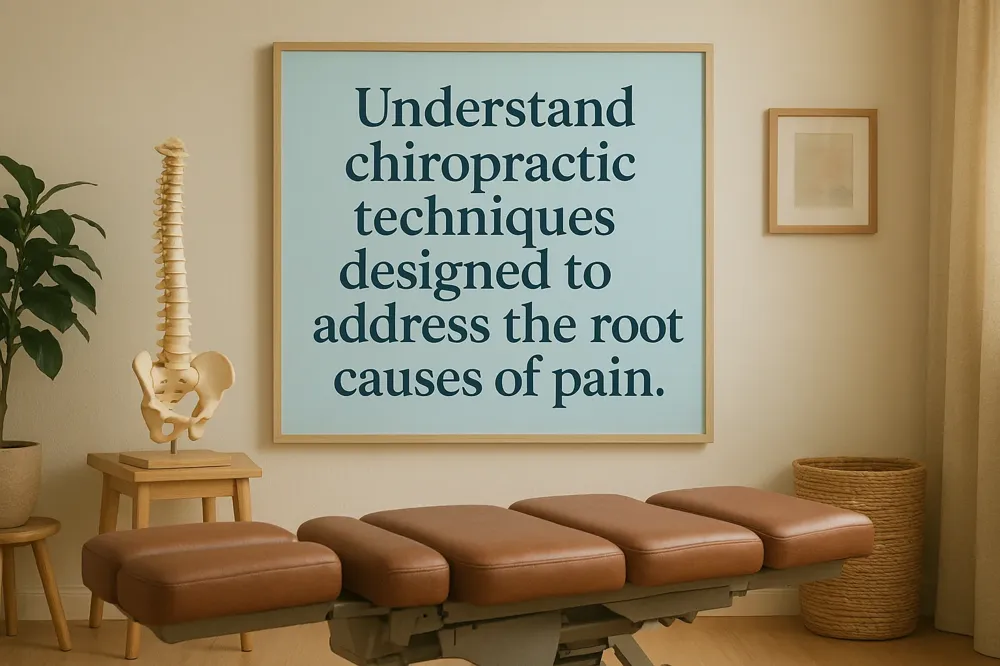
What are three common methods chiropractors use when treating back pain?
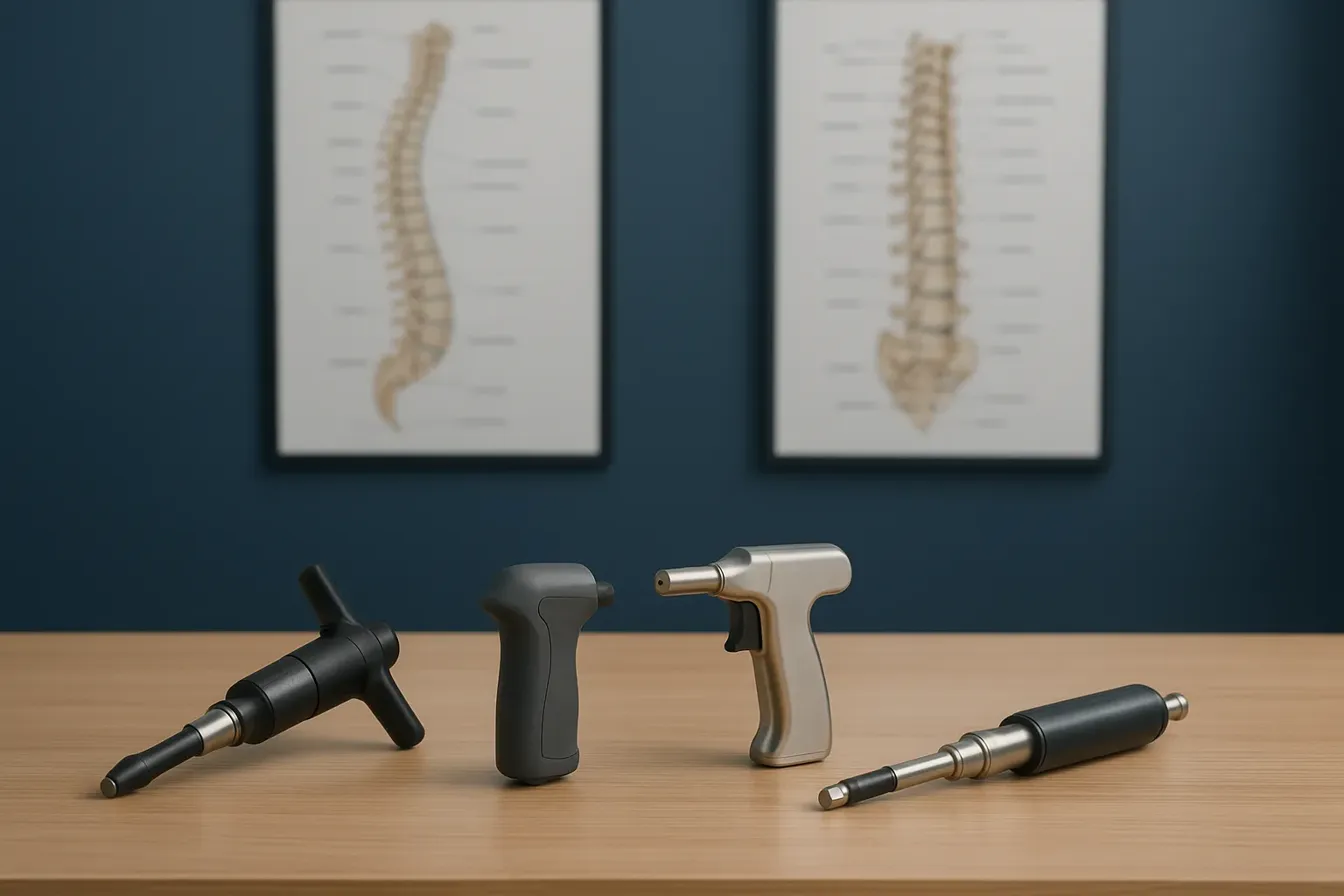
Chiropractors commonly use three effective methods to address back pain: Chiropractic adjustments, Flexion-distraction technique, and Trigger point therapy. Spinal adjustments involve applying controlled, precise force to realign vertebrae, which helps reduce nerve pressure and inflammation, enhancing mobility. The flexion-distraction technique is a gentle, non-forceful method where a specialized table rhythmically stretches and flexes the spine, particularly useful for herniated discs or sciatica. Trigger point therapy targets tight muscle knots by applying pressure and massage to relieve muscle tension and improve blood circulation, thereby addressing muscular causes of pain alongside spinal issues.
How does chiropractic care target spinal alignment and muscular tension?
Chiropractic care focuses on restoring optimal spinal alignment to ensure proper nervous system function, relieve nerve impingement, and reduce inflammation. By correcting misalignments, chiropractors help muscles relax, reduce spasms, and improve joint mobility. Techniques like Spinal manipulation for pain relief restore joint range of motion, while soft tissue therapies such as Trigger point therapy alleviate muscular tension. This integrated approach addresses both structural and muscular contributors to pain, promoting natural healing and long-term relief.
What are safety considerations and patient guidance after chiropractic adjustments?
Chiropractic adjustments are generally safe when performed by licensed professionals; however, patients may experience mild soreness or stiffness shortly after treatment. To support recovery, patients are advised to stay well hydrated to aid toxin elimination, and engage in gentle activities like walking or light stretching to maintain flexibility without overexertion. Applying ice or heat to tender areas can ease discomfort and inflammation. Maintaining good posture and avoiding prolonged sitting helps protect the newly adjusted joints. Following personalized exercises and recommendations from the chiropractor is essential to reinforce treatment benefits.
How is chiropractic care integrated with other therapies for comprehensive pain management?
Chiropractic care often complements other holistic therapies, such as physical therapy, acupuncture, massage, and exercise programs, creating a Multidisciplinary care for chronic pain. This integrative strategy addresses pain’s root causes by combining spinal realignment with muscle strengthening, stress reduction, and lifestyle modifications. Collaboration among healthcare providers ensures personalized treatment plans that enhance recovery, improve function, and reduce reliance on medications. By focusing on whole-body wellness, chiropractic care plays a pivotal role in comprehensive pain relief and improved quality of life.
Multidisciplinary and Non-Pharmacological Pain Management Strategies
What are three different types of pain management?
Three common types of pain management include pharmacological treatments, physical therapies, and psychological therapies. Pharmacological treatments use medications such as NSAIDs, opioids, antidepressants, or topical agents to relieve pain and inflammation. Physical therapies involve hands-on care such as physical therapy exercises, chiropractic adjustments, massage, and modalities like TENS to enhance mobility and ease discomfort. Psychological therapies, including Cognitive Behavioral Therapy (CBT) for Pain, help individuals cope with the emotional and mental effects of chronic pain.
Combining Pharmacological, Physical Therapy, and Psychological Interventions
Integrating these three modalities creates a comprehensive Pain Management Overview that addresses multiple facets of pain, not just symptoms. This multidisciplinary approach improves outcomes by treating both physical dysfunction and psychological contributors, thereby enhancing patients’ quality of life and functionality.
How can pain be managed without drugs?
Pain can be effectively managed through Non-pharmacological pain management. Physical approaches like heat/cold therapy, Chiropractic care for pain relief, massage, and individualized exercise programs promote healing and reduce pain with minimal risk. Mind-body interventions such as acupuncture, meditation, relaxation techniques, and CBT tackle the psychological components, reducing stress and altering pain perception. Electrical interventions like TENS may modulate nerve signals to reduce pain sensation.
Benefits and Risks of Medications
While medication is often part of pain management, its long-term use—especially opioids—carries risks including dependency, side effects, and diminishing effectiveness. These concerns highlight the importance of therapy plans that emphasize Treating the root cause of pain over medications alone.
Role of Pain-Management Programs (PMPs)
Pain-Management Programs (PMPs) focus on patient education, encouraging self-management skills, coping strategies, and goal setting. By shifting the focus from solely reducing pain intensity to enhancing everyday functioning, PMPs contribute to improved mobility, emotional well-being, and quality of life.
Emphasis on Patient-Centered, Integrative Care
Modern pain management prioritizes holistic approaches to chronic pain. Incorporating diverse therapies under one coordinated approach supports healing from physical, psychological, and social angles. This model aligns closely with chiropractic and holistic musculoskeletal care principles, offering natural, tailored pain relief and reducing reliance on invasive or pharmacological interventions.
| Pain Management Type | Description | Benefits |
|---|---|---|
| Pharmacological Treatments | Medications like NSAIDs, opioids | Immediate symptom relief but risks of side effects |
| Physical Therapies | Exercises, manual therapies, TENS | Improves mobility, natural pain modulation |
| Psychological Therapies | CBT, relaxation, mindfulness | Enhances coping, reduces emotional pain impact |
This multidisciplinary and integrative strategy enables patients to achieve better functional outcomes and fosters long-term wellness through Treating the root cause of pain rather than solely symptom control.
Empowering Patients Through Education and Holistic Care
Why is patient engagement and education crucial in managing chronic pain?
Patient involvement through education empowers individuals to better understand their pain and actively participate in their treatment plans. This engagement helps shift the focus from solely controlling pain to improving overall function and quality of life. Education about pain mechanisms, including how chronic pain relates to emotional and physical factors, promotes acceptance and reduces fear, facilitating safer movement and better coping strategies. For more information, see Living well with chronic pain.
How do self-management techniques enhance function and emotional wellbeing?
Self-management programs teach patients skills like goal-setting, pacing activities, problem-solving, and relaxation techniques such as mindfulness. These strategies help patients maintain independence, improve physical function, and manage stress, anxiety, or depression often accompanying chronic pain. Learning to cope with symptoms reduces reliance on medications, which can have limiting side effects. Learn more about Self-management in pain management programs.
What lifestyle modifications and psychological supports are recommended?
Encouraging regular physical activity tailored to individual abilities, healthy nutrition, sleep hygiene, and stress reduction are integral to holistic pain care. Psychological interventions, including cognitive-behavioral therapy, support behavior change and provide tools for mood regulation, helping to address emotional barriers to recovery. Integrating these lifestyle and mental health supports fosters resilience and sustainable pain management. For further details, refer to Holistic approaches to chronic pain.
How do chiropractic care and holistic programs exemplify integrative approaches?
Chiropractic care for pain relief, with its focus on spinal alignment, manual therapies, and posture education, provides a drug-free, patient-centered modality addressing root causes of musculoskeletal pain. Holistic pain programs complement this by combining therapies such as acupuncture, yoga, and psychotherapy. These multidisciplinary models emphasize personalized treatment plans, blending physical, psychological, and lifestyle components to enhance symptom relief and quality of life. See Chiropractic care for pain relief and Holistic Pain Management Program.
Together, patient education, self-management, lifestyle adjustments, and integrative chiropractic care form a comprehensive framework that empowers patients to take control of chronic pain and achieve lasting wellbeing.
The Path Forward: Personalized, Root-Cause Focused Pain Management
Emphasizing Root Cause Leads to Lasting Relief
Addressing pain at its source through a holistic lens enhances long-term outcomes by improving mobility, reducing inflammation, and supporting emotional well-being. Personalized care plans that integrate lifestyle assessment, posture correction, and targeted therapies help prevent chronic symptoms and reliance on medications.
Importance of Early Intervention and Integration
Early identification and treatment of underlying issues prevent progression to chronic pain. Integrative therapies—such as chiropractic adjustments, physical therapy, acupuncture, and mindfulness—work synergistically to restore function and promote natural healing.
Seeking Skilled Multidisciplinary Care
Patients are encouraged to pursue comprehensive pain management involving qualified chiropractors, medical providers, and therapists. Collaborative care offers tailored approaches prioritizing patient education, self-management, and sustained wellness for meaningful, lasting pain relief.
Recent articles

10 Real‑Patient Success Stories Showcasing the Impact of Chiropractic Care

Superfoods That Boost Nerve Healing After Chiropractic Sessions

Sleep Positions That Promote a Healthy Back Alignment

Signs Your Chiropractor Is a Good Fit for Your Back Pain Goals

Case Study: Integrated Physiotherapy and Chiropractic for Faster Recovery

First-Time Chiropractic Visit: A Step‑by‑Step Walkthrough
Synergistic Benefits: Combining Physiotherapy with Chiropractic Care

Beyond Surgery: Holistic Approaches to Managing Back Pain

How Manual Therapy Enhances the Effects of Chiropractic Adjustments

Hydration Hacks: Why Water Matters for Joint and Spine Function

What Does a Comprehensive Spinal Evaluation Include?

Success Spotlight: Transformative Results After Six Weeks of Chiropractic Treatment

Understanding the Initial Assessment Process in Chiropractic Care

Designing a Personalized Corrective Exercise Plan for Chronic Pain Management

Natural Pain Management: Combining Acupuncture, Yoga, and Chiropractic

Chiropractic Care vs. Pain Meds: Long-Term Outcomes for Back Pain Sufferers

What to Expect During a Sciatica‑Focused Decompression Session

Understanding the Pain-Relief Mechanics Behind Chiropractic Adjustments

Success Rates of Non‑Surgical Spinal Decompression for Sciatica

Patient-Centered Chiropractic Care: Personalized Plans for Back Pain Relief
How Chiropractic Treatments Reduce Inflammation and Speed Up Back Pain Recovery

Real‑Life Stories: How Chiropractic Helped Patients Overcome Chronic Back Pain

From Symptom Masking to Root‑Cause Healing: A Practical Guide

6 Holistic Non‑Surgical Treatments That Deliver Sustainable Back‑Pain Relief

Key Questions to Ask When Selecting Your Chiropractor

Mindful Movement: Incorporating Stretch Breaks Into a Busy Day

Why Targeting the Underlying Cause Beats Temporary Symptom Relief

8 Ways Physiotherapy Complements Chiropractic Adjustments for Faster Recovery

Meal Planning for Athletes Recovering from Back Injuries

9 Everyday Lifestyle Tweaks to Preserve a Healthy Spine and Prevent Pain

Functional Movement Screening for Root‑Cause Pain Identification

6 Things You’ll Experience During Your First Chiropractic Appointment

Spinal Decompression vs. Standard Physical Therapy for Sciatica: A Comparative Review

New Findings on How Adjustments Influence Blood Circulation
Work‑From‑Home Ergonomics: A Blueprint for a Pain‑Free Back

The Link Between Chiropractic Care and Improved Sleep Quality

Physiotherapy Techniques That Strengthen the Benefits of Chiropractic Adjustments

Biomechanical Insights Behind Successful Spinal Decompression

Desk‑to‑Dumbbell: Lifestyle Shifts That Guard Your Lower Back

10 Corrective Exercises for Sustainable Pain-Free Living

Morning Routines That Support Spine Health and Reduce Stiffness

Calcium and Magnesium‑Focused Nutrition for Bone Density and Spine Health

9 Ways Chiropractic Care Transforms Back Pain Management

Testimonial: Nutrition‑Guided Recovery Accelerated by Chiropractic

Science‑Backed Spinal Decompression for Relieving Sciatica Symptoms

Key Questions to Ask During Your Initial Chiropractic Consultation
Whole‑Body Wellness Blueprint: Nutrition, Exercise, and Chiropractic Synergy

A 12‑Week Corrective Exercise Blueprint for Chronic Neck Discomfort

Manual Therapy Plus Targeted Exercise: Accelerating Post‑Injury Recovery

Home‑Based Spinal Decompression Devices: What Patients Should Know

Chiropractic Care Statistics: Reducing Lost Workdays From Back Pain

How Targeted Nutrition Enhances Immune Function and Lowers Inflammatory Pain

Self‑Assessment Tools to Identify Hidden Triggers of Back Pain

Preparing for Your First Chiropractic Appointment: A Practical Checklist

Back Pain Relief Benefits: Lower Opioid Use and Better Quality of Life

Foam‑Rolling Techniques to Complement Chiropractic Adjustments

Progressive Overload Principles in Corrective Exercise Programs

Six‑Month Transformation: Integrated Care Success Story

7 Nutritional Hacks to Boost Your Overall Wellness

How to Choose a Chiropractor: Credentials, Techniques, and Patient Compatibility

5 Ways Spinal Decompression Can Ease Sciatica Pain

Overcoming Sciatica: A Patient’s Multidisciplinary Treatment Journey
Lifestyle Changes That Promote a Healthy Spine
Physiotherapy as a Complement to Chiropractic Treatments

6 Ways Physiotherapy Enhances Chiropractic Treatment Outcomes

Daily Living Tips for a Strong and Healthy Spine

How Physiotherapy Enhances Chiropractic Outcomes
Holistic Treatments: Alternatives to Surgery for Pain Relief
Inspiring Patient Success Stories from Chiropractic Clinics

Integrating Physiotherapy with Chiropractic Treatments
Corrective Exercise Routines for Chronic Pain Prevention
10 Corrective Exercises to Maintain a Healthy Spine and Relieve Pain
Exercise Strategies for Long-Term Pain Management
10 Corrective Exercises to Maintain a Healthy Spine and Relieve Pain
The Importance of Treating the Root Cause of Pain
Nutritional Support Strategies for Whole-Body Wellness
7 Essential Questions to Ask When Choosing Your Chiropractor
Identifying and Addressing Root Causes of Pain
Maintaining a Healthy Spine with Lifestyle Adjustments
Sciatica Symptom Relief via Spinal Decompression
8 Reasons Why Addressing the Root Cause of Pain Is Crucial
Chiropractic Care’s Impact on Back Pain Recovery

Combining Physiotherapy with Chiropractic Care for Better Results
Inspiring Recovery: Chiropractic Patient Testimonials
Nutritional Counseling Tips for Optimal Wellness

Why Addressing the Root Cause of Pain is Crucial
Back Pain and Chiropractic Care: A Winning Combination
Chiropractic Care Benefits You Might Not Know
Exploring Holistic and Non-Surgical Treatments for Pain
Spinal Health: Lifestyle Tips for Everyday Wellness
Spinal Decompression Therapy: Benefits and Applications
Holistic and Non-Invasive Spine Care Options
Everyday Lifestyle Advice to Keep Your Spine Healthy
The Significance of Treating Root Causes in Pain Therapy
Best Corrective Exercises for Sustainable Pain Management

Addressing Underlying Causes of Pain for Long-Term Relief
6 Key Benefits of Spinal Decompression Therapy for Sciatica Relief

How Nutritional Counseling Supports Spine Health and Recovery

The Role of Physiotherapy in Supporting Chiropractic Treatments